Over the past 4 weeks, I have been listening to this year’s Reith Lectures “The Mark of Cain” by historian Professor Margaret MacMillan. They are all about war and they are brilliant. Personally, as someone who is equally comfortable / uncomfortable with creativity and destructivity, I find the questions she is exploring absolutely fundamental to what it is to be human.
Author: angela findlay
Angela Findlay is an Anglo-German artist, speaker and author of In My Grandfather’s Shadow (Penguin Transworld, 2022). Drawing on her early career teaching art in prisons and research into own German family history, her work explores the legacies of trauma, guilt, and silence. At the heart of her practice is the belief in communication and the Arts as powerful means of understanding 'the other side' of conflict and as alternative to cycles of punishment, shame and violence. She lectures widely, exhibits internationally, and writes a monthly Blog.
Germany losing – at wars or football – brings out the worst in us!
Germany’s shock World Cup exit yesterday – the first time the German team has been knocked out in the group stage since 1938 – naturally started a tsunami of Twitter wisecracks and news headlines.
“Germany’s World Cup 2018 downfall made everyone else pretty happy…” said one.
Oh dear, I thought, here we go. Germany’s homegrown term ‘Schadenfreude’ was coming back to bite them with a vengeance as people free flowed expressions of their ‘pleasure in another’s misfortune’.
Good news and great ideas… or just bleedin’ obvious and long overdue?
So there’s good news and bad news on the prison front this month.
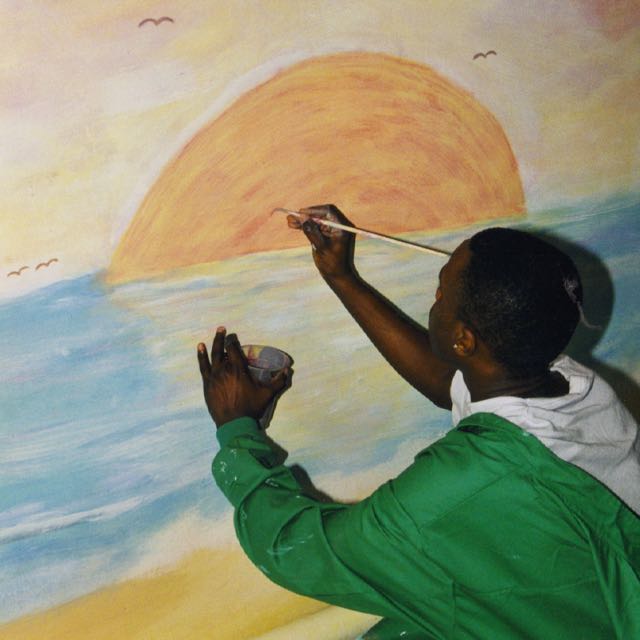
The good news is that the Justice Secretary, David Gauke, has declared that “there is a role for the arts” in criminal justice. He believes it’s a good idea. In an interview with The Times on May 25th, Mr Gauke said “the creative sector is a big employer, you hear stories of someone involved in a prison production who ends up in the West End as a lighting technician…” He wants “a culture of rehabilitation” that encourages “drama, writing and painting in prisons.”
Light at the end of the tunnel…
Yesterday I wrote two words that I have frequently thought I would never get to write: THE END. Of course it is not The End by any stretch, but nonetheless this week, for the very first time, I caught sight of a teeny-weeny light at the end of the tunnel; just enough to be able to acknowledge its reality, in writing. I am talking about my book; the book that I have been writing for the past three years and researching for well over ten.
To be honest, I have never known a task so challenging. The idea arose out of my talks to schools and Arts Societies all over the country in which I present the Second World War and its aftermath “through the eyes of an ordinary German family”; my family to be precise. “I had no idea,” is the usual, unanimous response. And here in Britain, we actually don’t. So when audience members started asking me with such regularity “Have you written a book?” or told me in no uncertain terms “You must write a book”, I decided to seize the gauntlet. I’ll just stretch the contents of the talks, I thought naively.

Unconditional obedience or conscientious disobedience? Which should it be for a soldier?
Interesting things are happening in Germany in relation to the army. Did you know that in early 2020 the British will close the last British garrisons in Germany and all units will be transferred to the UK? Some training areas will remain in British hands, but this will be the end of an era – more than 70 years, to be precise, of British presence in Germany since the end of the Second World War. I have to admit I had no idea that we were still there.
But that isn’t the only way in which, on a military level, things are changing. Just on Wednesday the German Defense Minister, Ursula von der Leyen, signed a new “Traditionserlass” at an army barracks in Hannover. An almost impossible word to translate, it is a form of proclamation, or edict, defining the traditions that a soldier in Germany’s Bundeswehr (federal armed forces) can refer to, and which they cannot.

Brötchen and Brexit
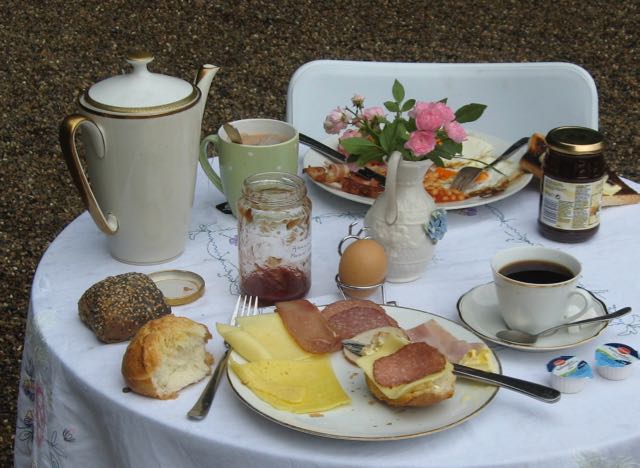
Just back from a trip to visit family and friends in Hamburg and Cologne. Whenever I am in Germany, I find myself indulging in the familiar, yet distinctly different, smells and tastes of fresh brötchen and good coffee; my body relaxes into the warmth of the modern apartments while my mind clicks into a different gear, re-structuring sentences and dusting down long-unused words and concepts that don’t exist in English. It’s a funny kind of home-coming feeling, away from home.
I was, of course, asked about Brexit. It has dwindled in significance since the German elections, for Angela Merkel’s ensuing demise has given Germany a headache of its own. It felt strange being in a Germany that is punishing her for her open-arm policy to refugees. ‘Mutti’ has, after all, been such a solid rock and island of hope to us all in the choppy European waters. Nonetheless, the people I met – from bank managers to former colleagues and elderly relatives – all wondered how Brexit was going to work. “I don’t know, I can’t see it yet,” I’d say, trying not to be disloyal to the choices made by the ‘British people’. “The country is very divided on almost every issue involved,” I’d continue, and then change the subject. The impending split always pushes me into a bit of a national vacuum.
Am I the only person who found ‘Darkest Hour’ slightly tedious?
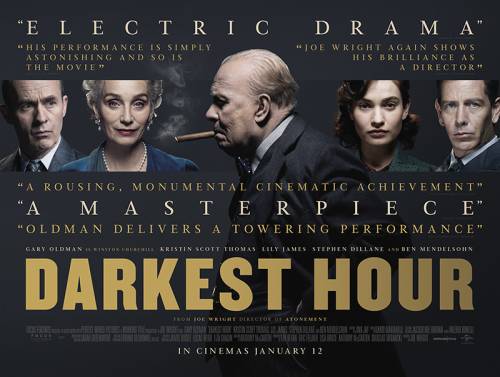
Darkest Hour’s depiction of Churchill in May 1940 is getting standing ovations in cinemas across Britain and America. It will no doubt sweep a mantleshelf of awards into its lap too. Am I the only audience member who was a little bored and slightly sickened by it?
Yes of course, Gary Oldman is truly great as the blatantly alcoholic, often fowl-mouthed, war-mongering Churchill, and the film is beautifully shot and directed etc. etc. And of course winning the war and defeating Hitler was a good and essential thing, something to be celebrated. BUT this black and white, reductionist, at times sentimental, ‘Hero beats Villain’ narrative has now been re-hashed ad nauseam.
Can the British not come up with a more original, nuanced take on the World War Two story?
From Battenberg to Mountbatten in one slice of cake
I’m finally watching the Netflix series ‘The Crown’ and what an education it is! Not only in the structures behind our most British of establishments, the Monarchy, but also in the innate internationalism that lies within it. With shameful ignorance, I keep pressing ‘pause’ to ask: so whose surname is Windsor – it seems to have been pulled out of a hat? And who were the Mountbattens? Within the claustrophobically rigid regulations of the Royal Family, normality gets turned on its head, almost made up as you go along: traditional gender divisions, nationality, even the very concept of British-ness. Ironically the Queen inadvertently championed the then radical feminist issue of not only being allowed, but obliged, to keep her maiden name (Windsor) rather than adopting her husband’s family name (Mountbatten).

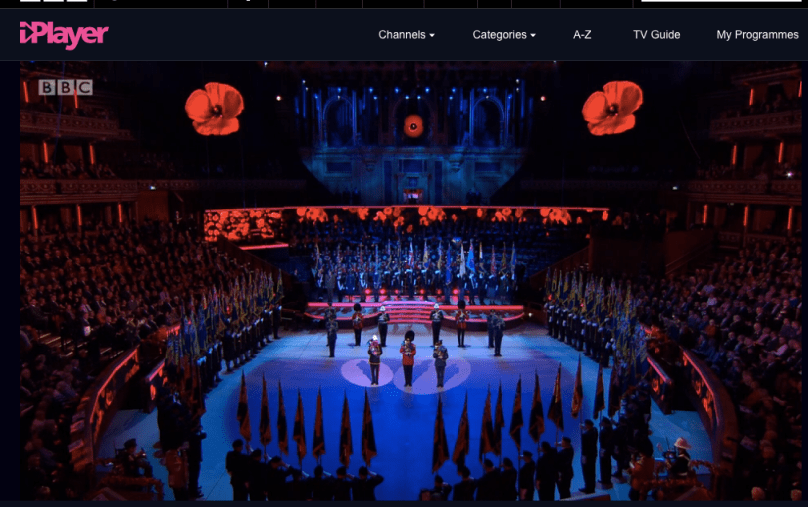
It’s time to remember… and this year even German footballers wore poppies
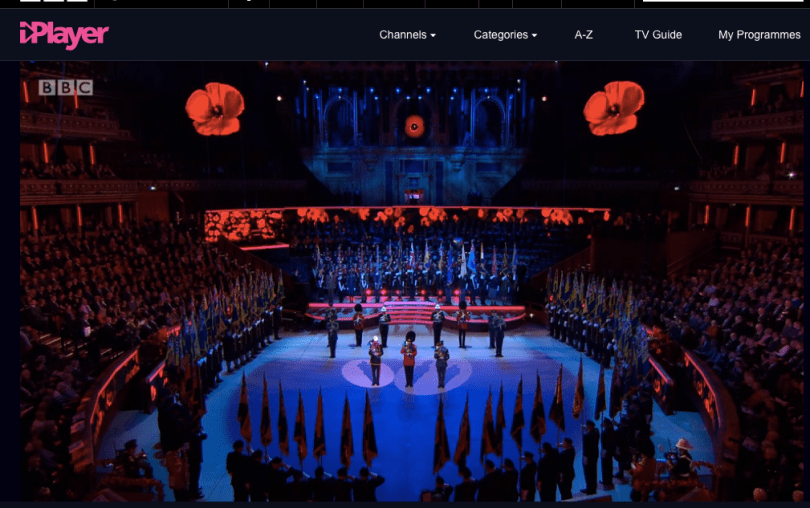
It’s Remembrance time. Red paper and enamel poppies are blooming on lapels all over the nation as people remember those who fought in conflict, and the huge sacrifices they made. Last night, the Festival of Remembrance at the Royal Albert Hall opened with a stunning rendition of “I vow to thee my country”. First, just three slow and quiet brass instruments; then violins joined in; then drums, voices, and finally the whole orchestra played, while flag- and oversized headwear-bearing members of the forces, marched into the hall in step with the music. We were only four minutes into the hundred-minute programme and the lump in my throat was already swollen and wobbling out of control. Gosh we do this so well.
What if, just ‘what if’, death isn’t quite the full stop many think it is…?
The end of October / beginning of November is traditionally the time of year when people from all different cultures think of, and remember, the dead. For Pagans it is Samhain; for Christians, All Souls; for Mexicans, the Day of the Dead. It was / is believed that the veils between the living and the dead become thinnest now, allowing people to gain access to their dead loved ones. In modern, western, secular societies, it generally morphs into a black and orange bonanza of carved pumpkins and ghouls, a commercial excuse for a bright explosion of fireworks and increasingly terrifying costumes.
Death, in our culture, is widely seen as a negative; the Grim Reaper to be feared or fought. Or it is an ending to be deferred, as long as possible, at whatever cost. It is the opposite of birth, and not to be celebrated as a portal between what we call ‘life’ and a different form of life beyond. For so many people, it is just one final curtain fall, an over and out… THE END.
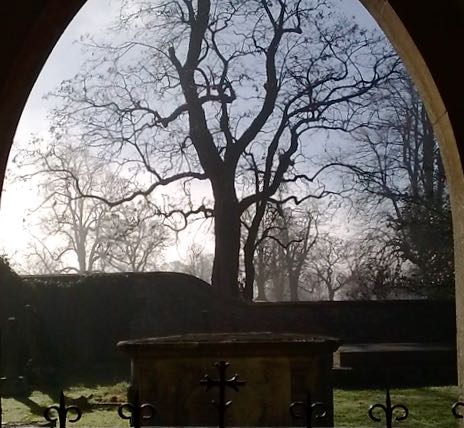
Of course none of us know though! The most inevitable aspect of life is also the least knowable… such a wonderful design. However, I believe we are missing out on a hugely important level to life by relegating death to the role of a big full stop.

