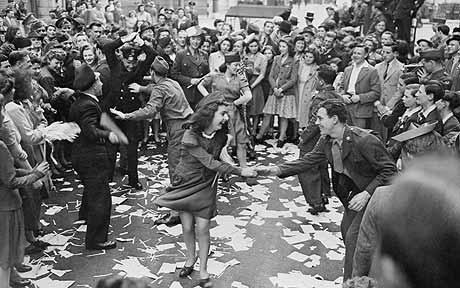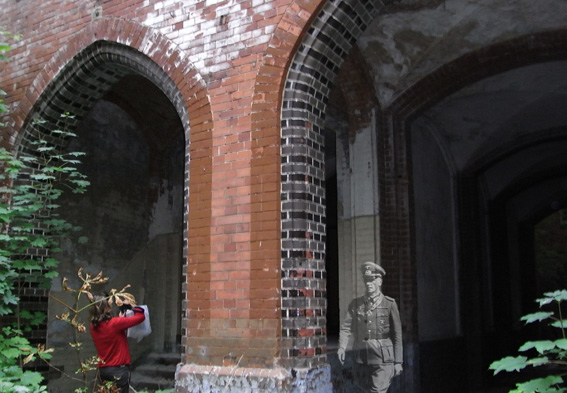
Oh dear, what’s happening in Germany…? Could this be the result of a lingering attribution of collective guilt to generations that can’t by definition of the word be ‘guilty’?

“Sometimes in moral philosophy it’s important to think about plants.” I heard these words in last week’s In Our Time and they chimed with my current shift of focus from war to flowers. They were said by the leading philosopher, Philippa Foot, to a room full of Oxford males. She was basically saying that moral evaluation should be see as a continuum of the way in which we see other living things.

A week earlier, I was sent a link to a video by Yanis Varoufakis, former finance minister of Greece, whose proposed speech in April at the Palestine Congress in Berlin was stormed by police and banned. [You can have a listen to his reconstruction of it here.] Somehow I found the two were connected.
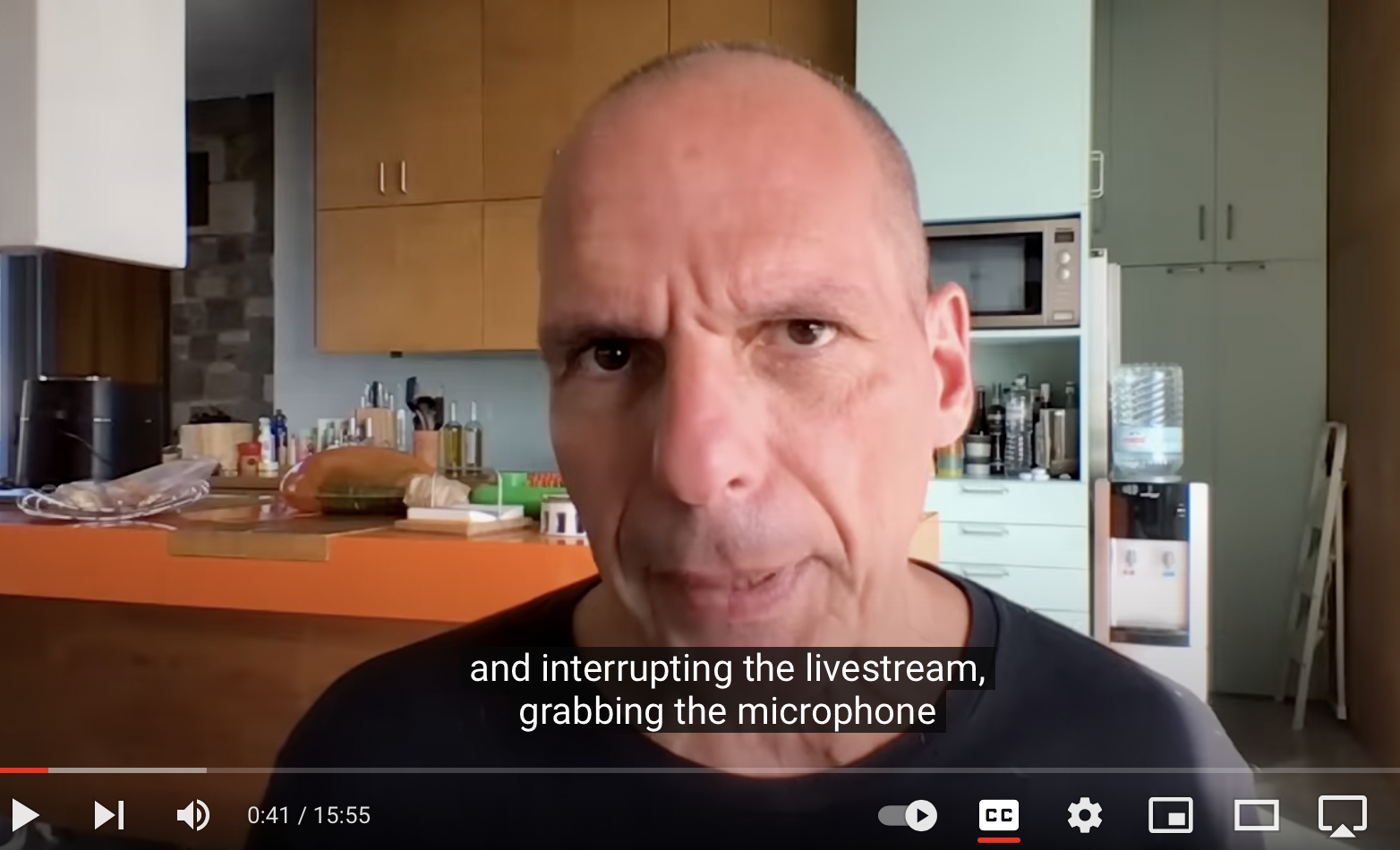
So what is happening in Germany in relation to Israel’s war on Gaza? Some reports are pretty concerning. It is understandable that Israel’s security and right to exist has long been Germany’s ‘Staatsräson’ (reason of state). However, since the Hamas-instigated horrors of October 7th, the belief in Israel’s right to defend itself has evolved into a fairly uncompromising pro-Israel position that seems to equate any criticism of Benjamin Netanyahu’s policies with anti-Semitism. Friends in Germany relate how alarmed people are by the shutting down of debate and silencing of different voices, both painfully reminiscent of the authoritarianism and loss of democracy of Nazi Germany. 

The German government’s unswayable support of Israel in whatever it does is a result of Germany’s past. It is seen as morally the right thing to do. But could nearly eighty years of the world’s media placing Germany and Guilt in the same sentence to explain everything, from its open-arm policy towards refugees to its hesitancy to supply weapons for use against Russia, now be backfiring?

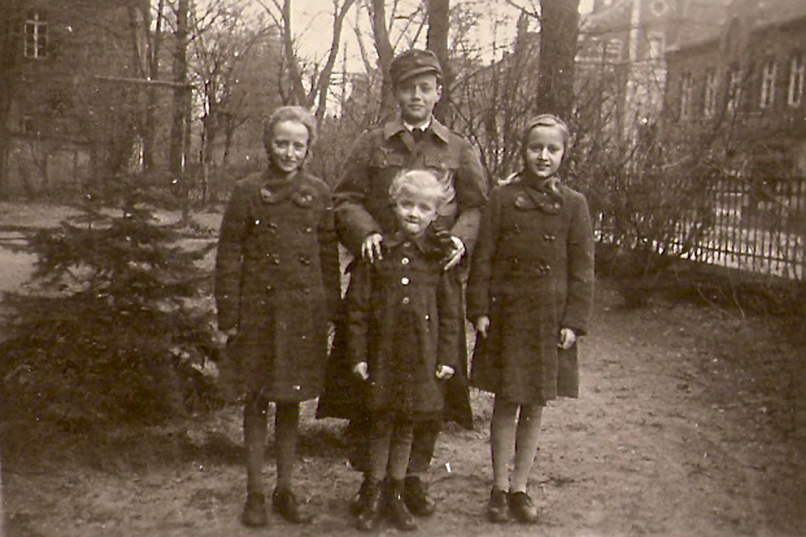
My German mother will be 90 this weekend. She was 11 years old when the Second World War ended and is one of increasingly few Germans who experienced Nazism first hand.
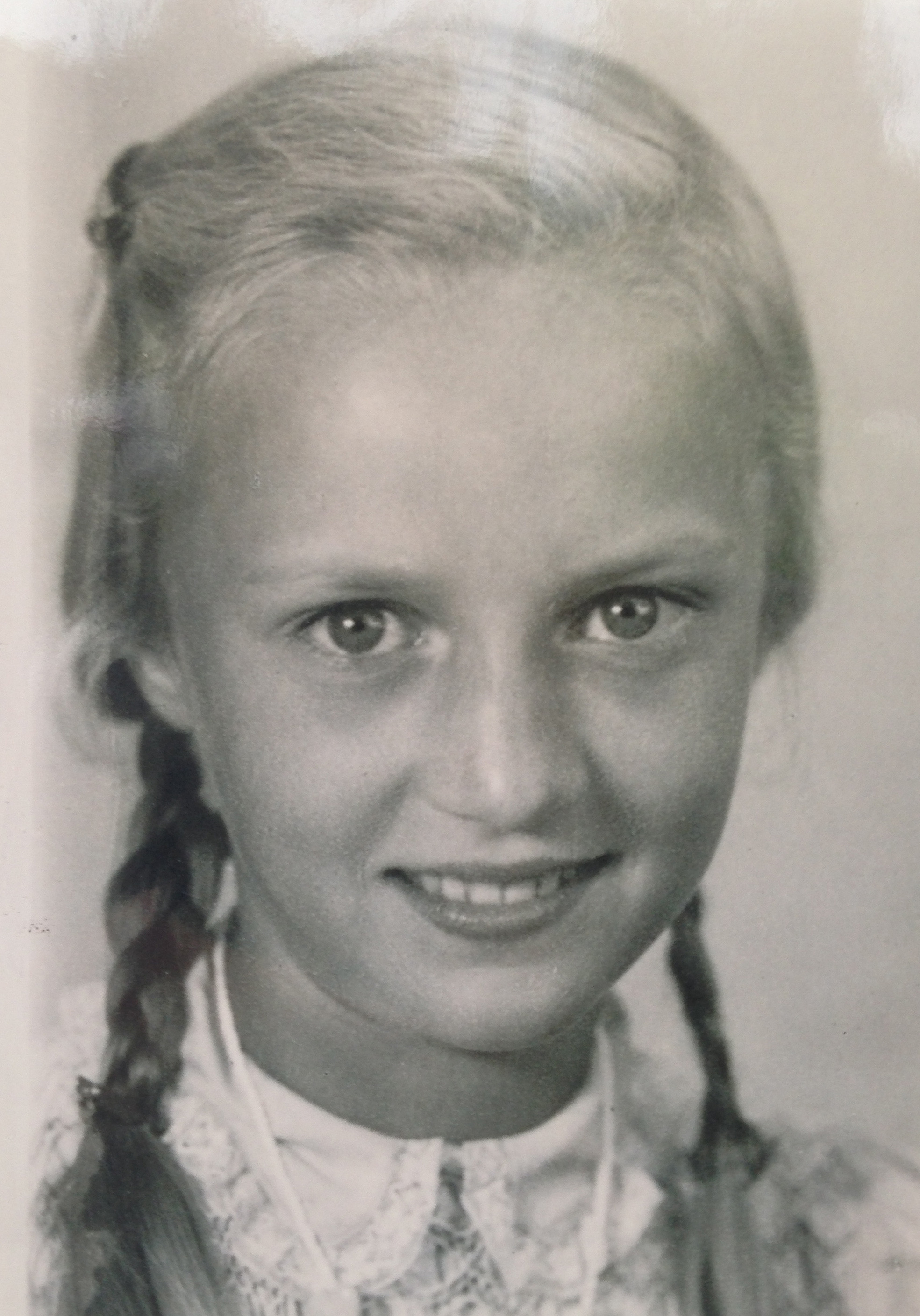
My mother, Jutta, aged 11

In the post-war decades, collective guilt and accusations of complicity in the Nazi atrocities were attributed to the entire German population. Plenty of people consider subsequent generations guilty too, by way of blood / nationality / family association. You might remember my 2018 blog  ‘Shot for what you represent’ with the incident of the English woman who, on hearing I was half-German, picked up her hand off the table, turned her fingers into a gun and shot me in the face! In her eyes, all Germans are unquestionably guilty and “jolly well should feel guilty” too.

This is in stark contrast to many Holocaust survivors such as Sabina Wolanski, who said at the inauguration of Berlin’s Holocaust Memorial in 2005: I do not believe in collective guilt. The children of the killers are not killers. We must never blame them for what the elders did, but we can hold them responsible for what they do with the memory of their elders’ crime. Similarly Viktor Frankl, author of the seminal book “Man’s Search for Meaning”, who in a 1988 speech spoke out against the very concept of ‘collective guilt’ describing it as a continuation of Nazi-ideology.
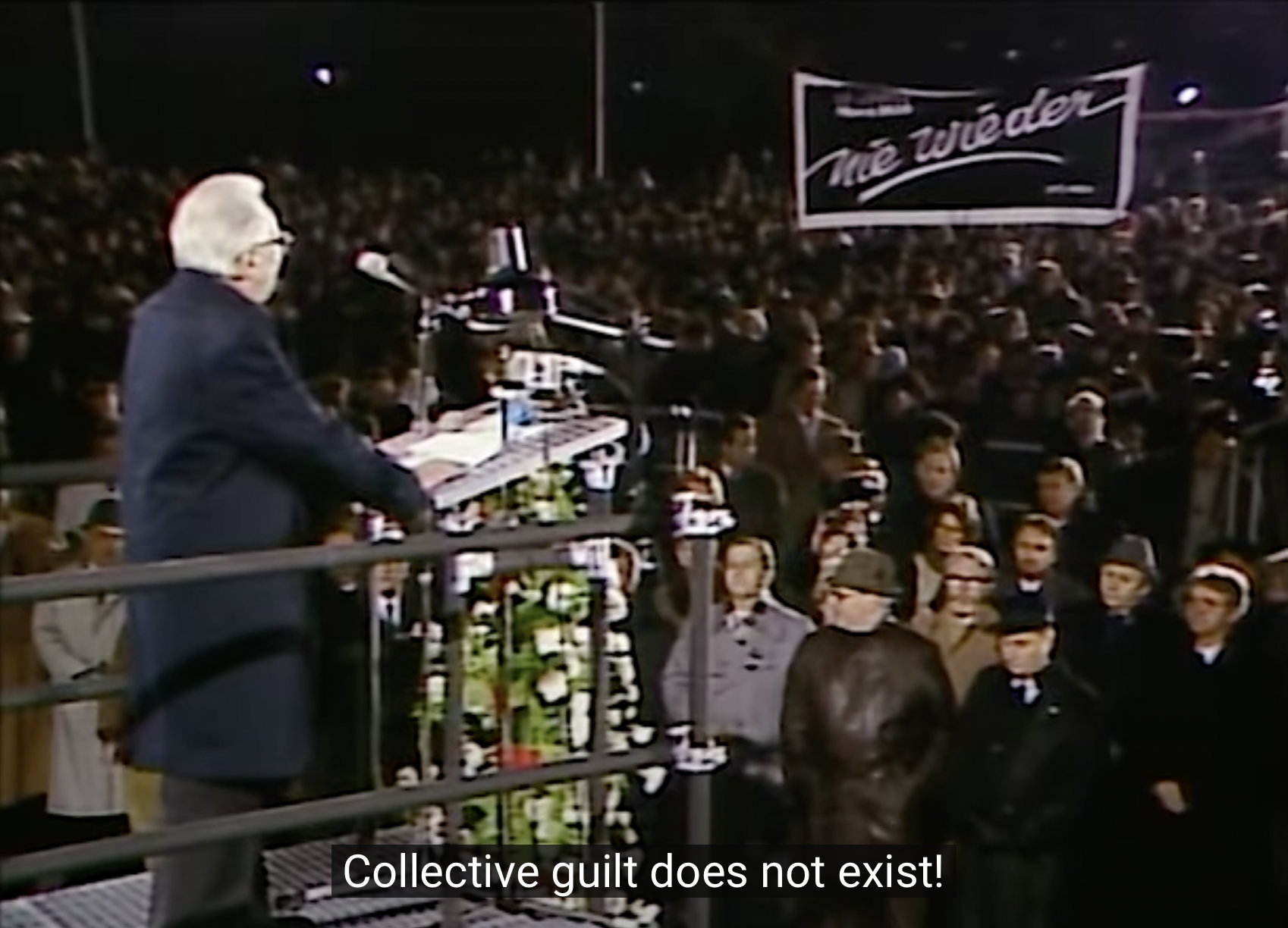
I believe they are right. I understand how Germans, myself included, might feel shame for being part of a group who allowed genocide to happen. Many also feel a deep sense of responsibility for not allowing it to be forgotten and making sure it doesn’t happen again. But guilt?

Let’s explore the dynamics of this word for a moment. 

Guilt is the result of an action within our control and responsibility. To be guilty, you have to have done (or failed to do) something that falls out of the framework of what is socially acceptable by the group with consequences of harm to an ‘other’. Frequently ‘guilty’ parties will not feel guilt or shame as they see their actions as having been justified, necessary, righteous even, within the context in which they were committed. Resentment and retaliation for being deemed ‘guilty’ can follow.

In Who’s to Blame? Collective Guilt on Trial, Coline Covington describes how Judeo-Christian cultures place particular emphasis on guilt, forgiveness and atonement alongside rituals that are supposed to restore moral order, cleanse the groups of shame and hatred, and prevent or close cycles of vengeance. For a long time, I have believed this was right and Germany’s culture of Vergangenheitsaufarbeitung (working through the past) and counter memorials was an example to all of us of how things could (and should?) be done. I am no longer sure that is what’s needed now.
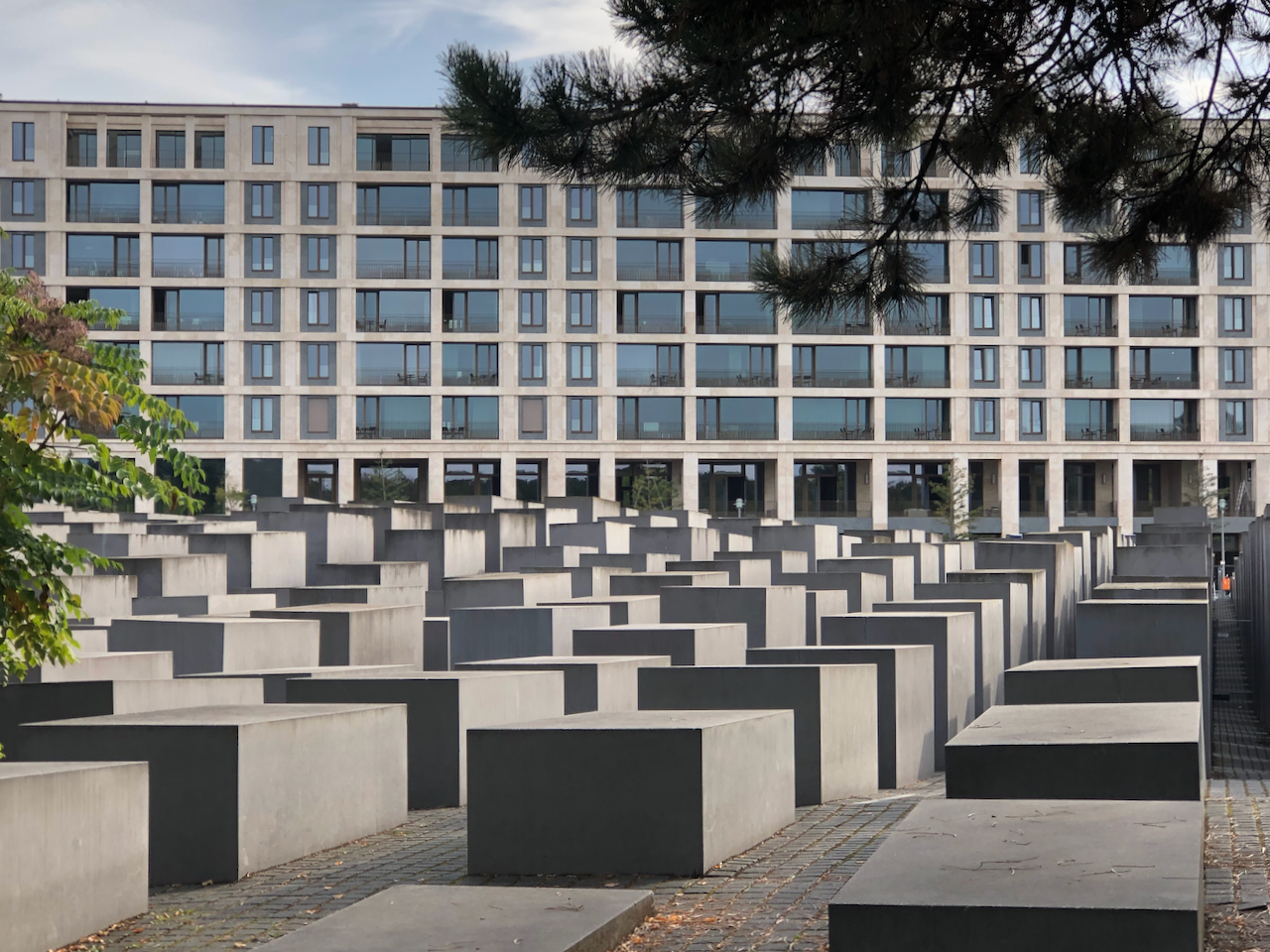
Memorial to the Murdered Jews of Europe by Peter Eisenman, Berlin

The problem is, Covington says, that most restorative rituals for peace-building are built on a binary understanding of good and evil, right and wrong, victims and offenders. “The finger of blame is pointed and yet true healing is meant to eradicate blame. This inherent contradiction contains the seeds of failure.” Could it be that we are witnessing this failure in Germany, Israel/Gaza, Russia/ Ukraine and elsewhere, resulting in new perpetrators and victims of atrocity and trauma? 

If so, how do we overcome binaries? I tried a couple of weeks ago in an online group of Jews, non-Jewish Germans, my own Anglo-German mix and others. Someone had been talking about the frightening increase in anti-Semitic acts and some members of the group had dismissed those behind them as ‘idiots’. A common reaction to unacceptable behaviour, and I have said the same many times in relation to certain members of the Tory party! But it got me thinking… because when we proclaim a shocked judgment: “How could they!” How stupid!” “How awful / evil / weak!”, we are basically believing: If I were them, I wouldn’t do what they are doing. We are seeing ourselves as morally superior, stronger, more intelligent and right, while ‘they’ are inferior, guilty, ignorant, wrong. 

Does this dynamic not replicate, in an initially small but precise way, the dynamics behind the Nazi, or indeed any, discriminations and judgments against apparent ‘lesser mortals’?
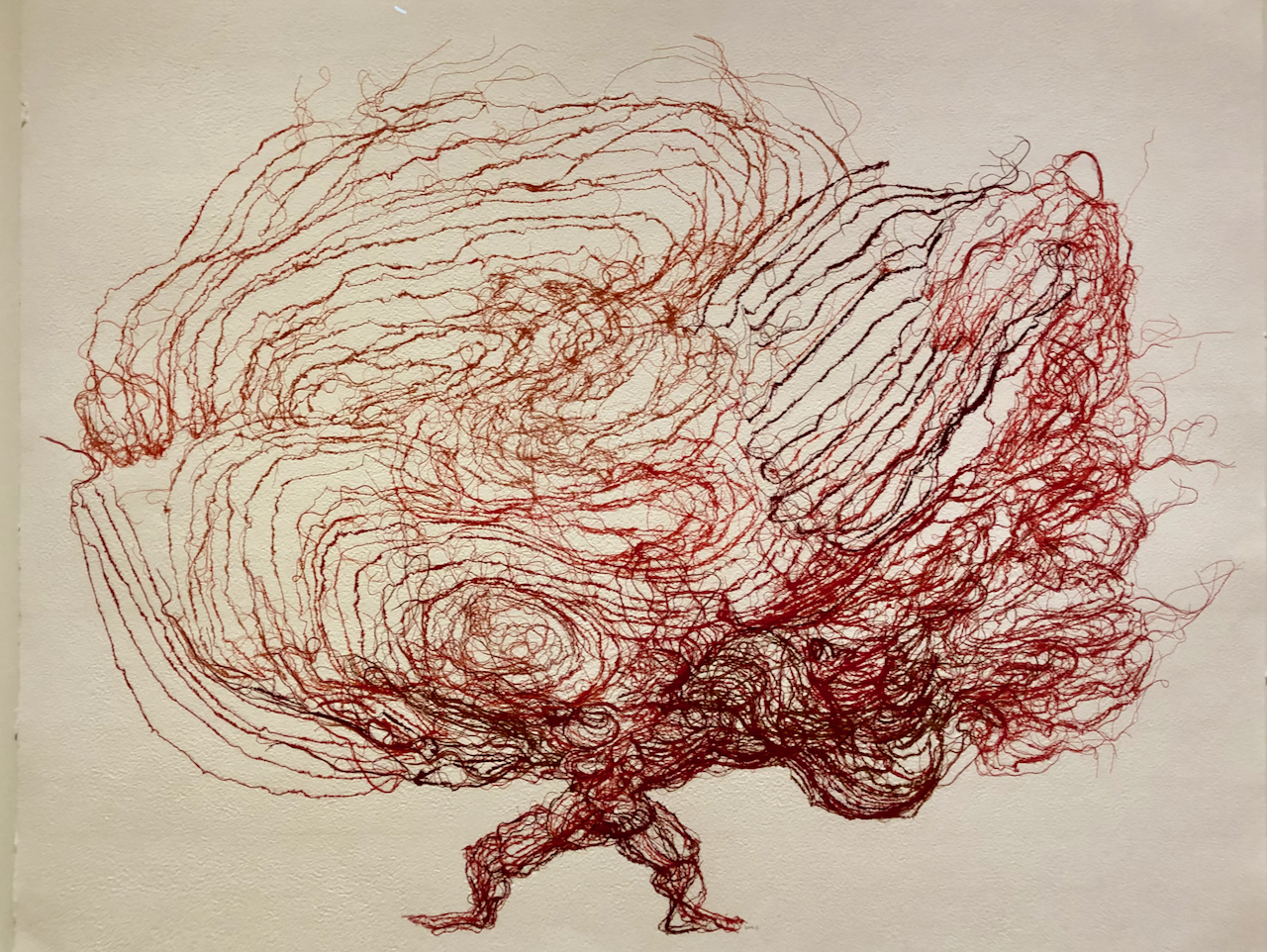
Do Ho Suh, Karma Juggler, Thread embedded in cotton paper

In this particular constellation, I naturally belonged in the ‘German perpetrator’ rather than the ‘Jewish victim’ category. It’s an uncomfortable place to be, but I have noticed that since finishing my book, the label no longer sticks as well. My grandfather’s shadow that once draped over my identity like a huge cloak has been so comprehensively unpicked, understood, transformed and woven into the fabric of my whole being that I can no longer see people in such binary terms. Like the beautiful art of the Korean artist, Do Ho Suh, whose exhibition Tracing Time I saw on a recent trip to Edinburgh, I can see how we are all threaded together into a colourful tangle of humanity, each one necessary and part of the whole. 
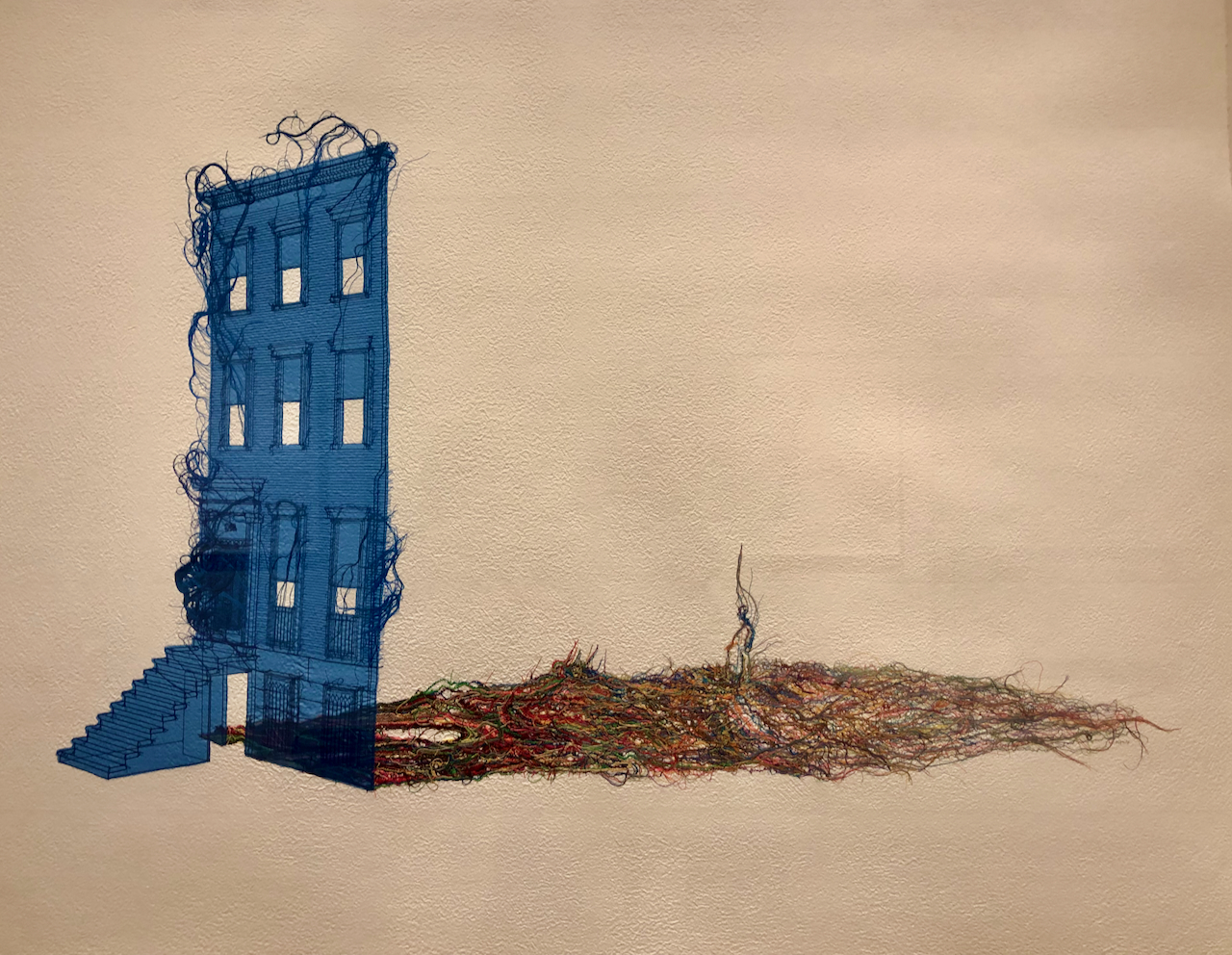
Do Ho Suh: Blueprint (2013), Thread embedded in cotton paper

There were people in the group who suggested I was ‘absolving’ myself and wanting to free myself of the burden of guilt, almost as if this was utterly impossible or prohibited. I do understand that response and how for descendants of survivors, this could feel an affront. But, without diminishing any of the suffering of and compassion for the descendants of survivors, I myself choose to no longer see people in terms of “my side/your side”, as one member put it. I believe that in order to overcome the judgmental binaries of ‘us-good’ and ‘them-bad’, we all need to make a greater effort to understand what lies behind bad or evil deeds. We not only need to step into the other person’s shoes, but into their entire situation. Only then can we recognise that if we were in the totality of their internal and external life, we would act, or would have acted in exactly the same way as them. The results of Milgram’s 1961 experiment with obedience to authority suggested something similar. Apparently good people, like us, can also become capable of extreme bad.

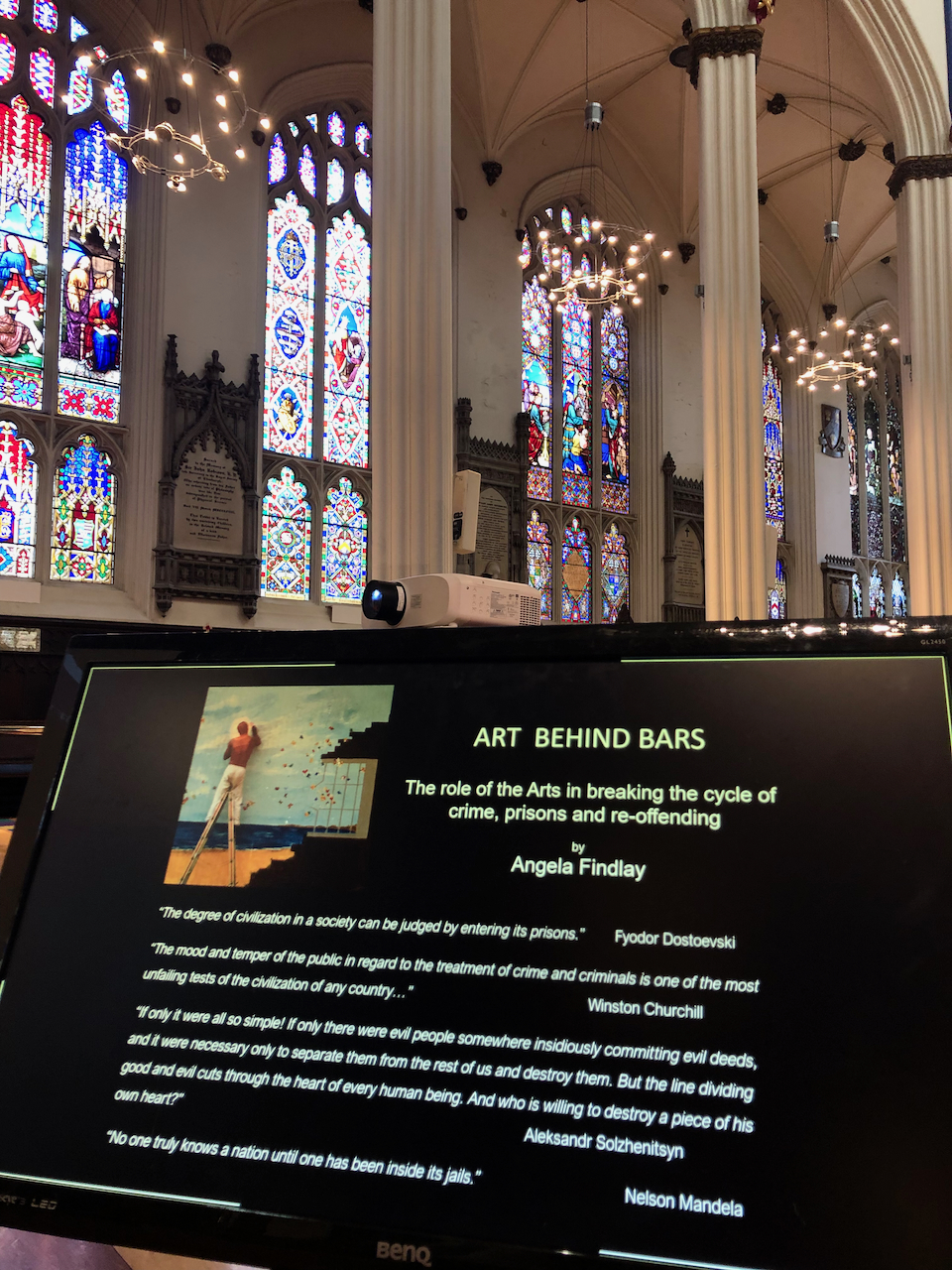
You will all I am sure now know about the horrendous, inhumane conditions of HMP Wandsworth and so many of Britain’s jails, and the decades of glaring failures of our Criminal Justice System in general. (If not, you can get an impression here and here and here) None of us live very far away from a jail, and yet so many of my Art Behind Bars talk audiences say they had “no idea.” Will we too one day be judged and found guilty of the stigmatisation of offenders that enables this shamefully degrading system to exist in our name as a fulfillment of our wish for governments to be ‘tough on crime’? Will we be accused of turning a blind eye, not acting and later claiming ‘we didn’t know’?
I am deliberately being a little provocative to make a point. Because as far as I can see, the only way we have a chance of breaking the catastrophic cycles of blaming and shaming, violence, retribution – all outcomes of seeing each other as ‘other’, separate and different from ourselves – is to create a level playing field of mutual respect where both (or all) sides are treated equally. And it can start within each one of us. In everyday situations. Now.

This is the African concept of ‘Ubuntu’, a philosophy of interconnectedness, sometimes translated as ‘humanity towards others’ or ‘I am because we are’. The most recent definition provided by the African Journal of Social Work (AJSW) describes Ubuntu as: A collection of values and practices that people of Africa or of African origin view as making people authentic human beings. While the nuances of these values and practices vary across different ethnic groups, they all point to one thing – an authentic individual human being is part of a larger and more significant relational, communal, societal, environmental and spiritual world.

According to Charles Eisenstein, author of The More Beautiful World Our Hearts Know is Possible, aligning ourselves with the truth that ‘if I were in the totality of your circumstances, I wouldn’t do differently from you,’ and the compassion that arises from putting ourselves in another’s shoes and seeing us as one, is “perhaps the most powerful way to magnify our effectiveness as agents of change.” I think I agree.

Further Reading / Listening (as always, not necessarily my opinion)

What’s behind Germany’s support of Israel? – Inside Story Podcast, 10th April 2024

As war in Gaza rages, what’s behind Germany’s support of Israel? – Al Jazeera

Historical Reckoning gone haywire – Susan Neiman, The New York Review

Germany’s crackdown on criticism of Israel betrays European values – Al Jazeera

Germany’s historical guilt haunts opponents of Israeli war in Gaza – France 24

A Clean Break by Tom Holland – A Point of View, BBC Radio 4
To apologise, or not to apologise (for slavery), that is the question.

I am already anticipating a deeply divided and critical response to the recent announcement that Charlie Gladstone and five members of his family, all descendants of the Victorian-era prime minister William Gladstone, are travelling to Guyana to apologise for the significant role one of their ancestors played in the slave trade. But I’d like to ask those who are cynical of such a trip to consider what the alternatives might be.

John Gladstone, William’s father, was one of the largest slave owners in the British West Indies. You can read all about him in the links at the end, but basically he made a fortune as a Demerara sugar planter enslaving hundreds of Africans to work in his plantations until slavery was abolished in 1833. He then became the fifth-largest beneficiary of the £20m fund (about £16 billion today) set aside by the British government in 1837 to compensate planters for loss of income. The final instalments of this compensation were paid out in 2015.

Charlie Gladstone is roughly the same age as me and, though the ‘crimes against humanity’ perpetrated by his family member were nearly 200 years ago whereas those my German grandfather was involved in were a mere eighty, the burden of shame may well weigh as heavily. As I describe in detail in my book, In My Grandfather’s Shadow, the unresolved deeds of our forefathers remain in a family blood line, in our roots. Whether you are ignorant of or choose to engage with them, there will be an impact that needs resolution of some sort. 

Apology is one of many steps that can be taken to try to repair wrongdoing, and personally I think it is good that people such as those in the group Heirs of Slavery, including David Lascelles 8th Earl of Harewood, are finally beginning to address not only the sources of their family’s wealth, but also our collective colonial history and the traumatic consequences that can still be witnessed all too clearly in racism, inequalities in health, wealth, education and opportunity. In their cases it is about apology and accountability, with some of them making financial contributions towards charitable institutions and – in the Gladstone’s case – further research into the impact of the slave trade.

Harewood House, built between 1759-71 with the profits made from plantations and slavery

Others are at it too. Back in July, the Dutch King, Willem-Alexander, apologised on behalf of his country for the Netherland’s historical involvement in slavery and asked for forgiveness. It’s of course a flawed gesture in its incompleteness, but isn’t a heartfelt apology, whether possible or not so long after the event, at least a gesture of recognition of wrongdoing that can lead to a willingness to redress the former total loss of humanity? So many victim groups would attest to the immense value of a genuine ‘I’m sorry’.

King Willem-Alexander apologising on 160th anniversary of the abolition of slavery in the Netherlands

Our prime minister doesn’t think so. Back in April, Rishi Sunak refused to apologise for UK’s role in slavery saying that ‘trying to unpick our history is not the right way forward’ and that the focus, ‘while of course understanding our history in all its parts and not running away from it, is making sure that we have a society that is inclusive and tolerant of people from all backgrounds.’

Fair point about looking forwards. But how can you truly ‘understand’ such a horrific history, underpinned by past government policy, without being moved to demonstrate some direct expression of remorse to those it continues to affect? Or is that precisely what we are scared of? That an apology equates to an admission of culpability and therefore an obligation to compensate?

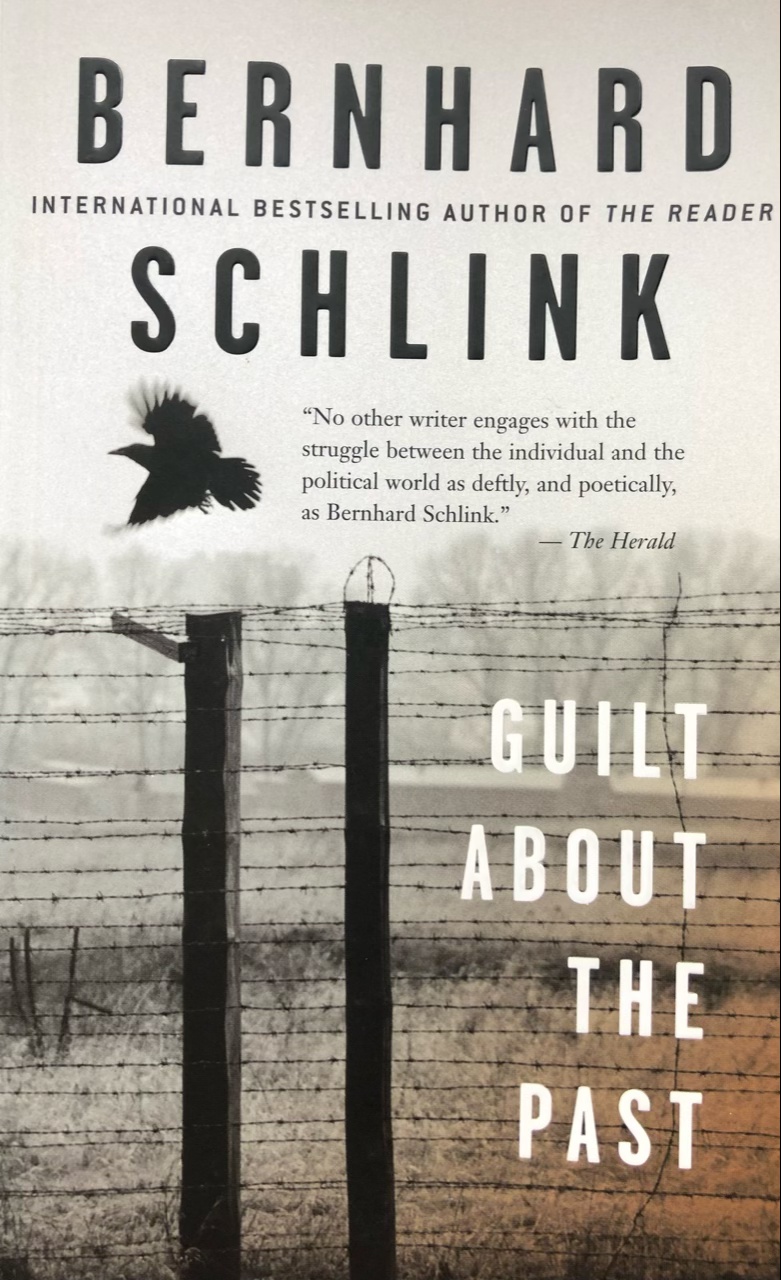
In his series of essays based on lectures delivered at Oxford University and bound into the 2009 book Guilt about the Past, Bernard Schlink, German author of the 1997 bestseller The Reader and various other literature, tackles not only German guilt about the past, but other long shadows of collective and global past guilt. (I am well aware we can’t actually be guilty of something we didn’t do, but we can still feel guilt.)

In the essay entitled ‘The Presence of the Past’, he addresses the issue of remembering or forgetting a traumatic past. “A collective past, like that of an individual, is traumatic when it is not allowed to be remembered and is just as much so if it has to be remembered… Detraumatisation is the process of becoming able to both remember and forget; it is leaving the past in the past, in a way that embraces remembrance as well as forgetting. This applies in the same way to the victims and their descendants as to the perpetrators and their descendants.” (p.36)

We need to find that balance.

One of Schlink’s claims that struck me most while exploring my own sense of guilt for my German family’s past was in the chapter on ‘Forgiveness and Reconciliation.’ He says that if someone seeks forgiveness for their own guilt it has weight, but “to ask for forgiveness for someone else’s guilt is cheap.” (p.73) 

Cheap… So where does that leave those of us living today and the question of apology for things that happened decades or even centuries ago? 

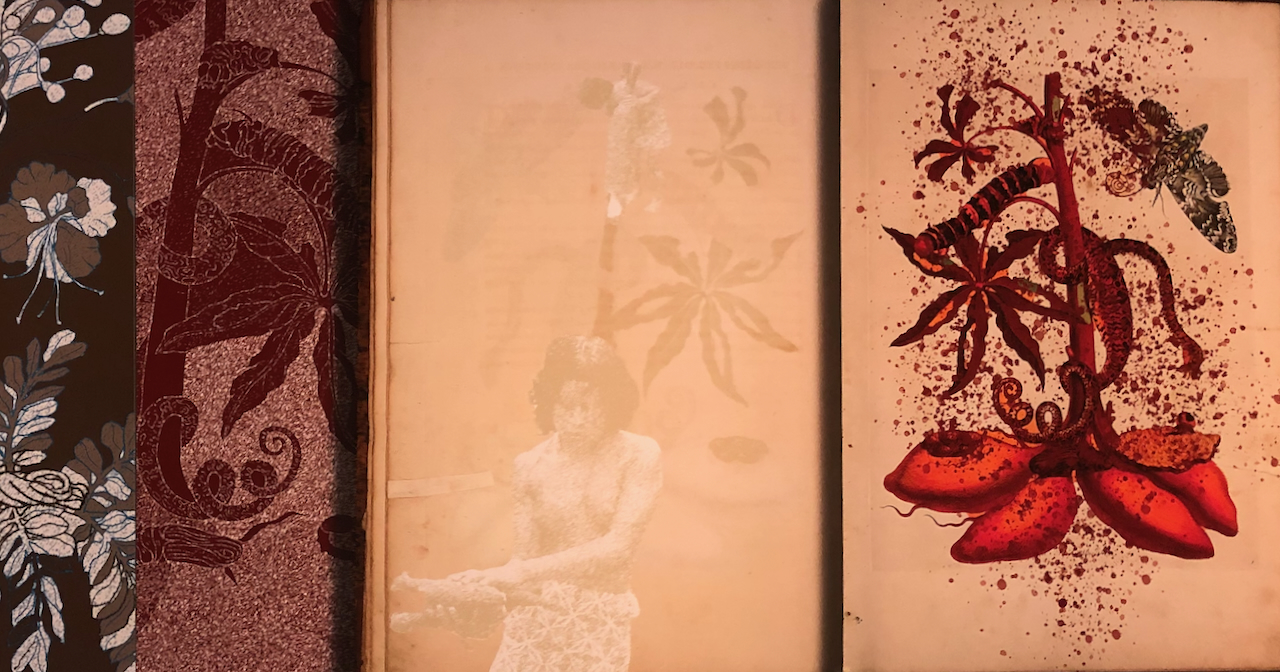
Detail from Patricia Kaersenhout’s ‘Of Palimpsests and Erasure’ (2021) (https://www.pkaersenhout.com)

Schlink and I come to a similar conclusion. It’s about understanding. He says, any kind of reconciliation requires “a truth that can be understood.” And “true understanding is more than searching for and finding causes. It includes putting yourself in someone else’s place, putting yourself in someone else’s thoughts and someone else’s feelings and seeing the world through that person’s eyes.” Doing this, he says, establishes equality. “We make [the other person] equal to us and us to them; we build up society when we understand.” (p.82)

This form of ‘understanding’ goes way beyond the slightly glib understanding the current leader of our country suggests. It requires engaging in the truth of what happened and feeling it. Feeling how appalling it was and being moved to act to heal and make good the wrongs that still poison our national veins and those of the human beings living today whose forefathers were harmed.

Further reading, as always not all links reflect my own opinions:

William Gladstone: family of former British PM to apologise for links to slavery 
William Gladstone’s family to apologise for historic links to slavery

‘I felt absolutely sick’: John Gladstone’s heir on his family’s role in slavery

Rishi Sunak rejects calls for slavery reparations from UK

When will Britain face up to its crimes against humanity?

Dutch king apologises for country’s historical involvement in slavery

Campaigners urge king to do more to acknowledge UK’s slavery role

The British aristocratic families reckoning with their slave owning past

The German translation of In My Grandfather’s Shadow will be published in Germany in September. Please contact me for details of forthcoming events relating to in Germany.

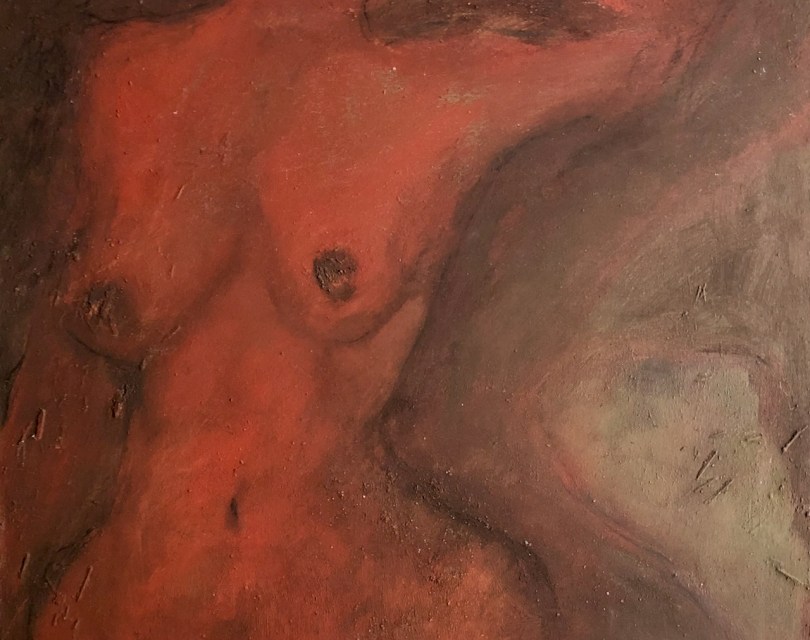
Title painting: ‘Salt of the African earth‘ by Angela Findlay, 1994

Can we start recognising the different qualities of lived experience and logic… and valuing them equally?

July has provided many rich and interesting stories I could write about.

There was the Labour leader, Sir Keir Starmer’s ill-judged campaign video in which he and Shadow Foreign Secretary, David Lammy, are filmed walking thoughtfully through the grey corridors of the Holocaust Memorial in central Berlin, ‘a massive faux-pas’ in Germany where such a carefully choreographed and blatant political usage of the site would be a complete and passionate no-no. 

Sir Keir Starmer in Berlin

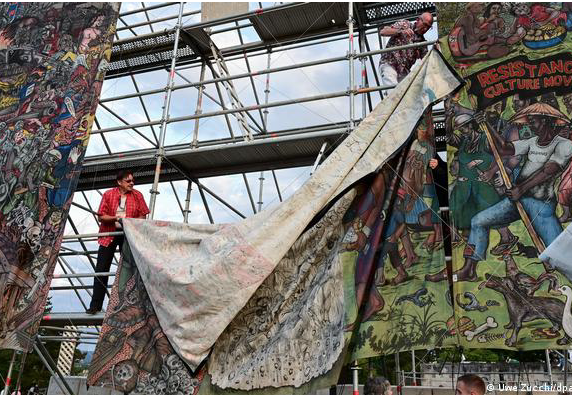
Or the contentious mural by the Indonesian art collective, Taring Padi, deemed unacceptably antisemitic and therefore quickly removed from this year’s Documenta international contemporary art fair in Kassel, the director quitting soon after.

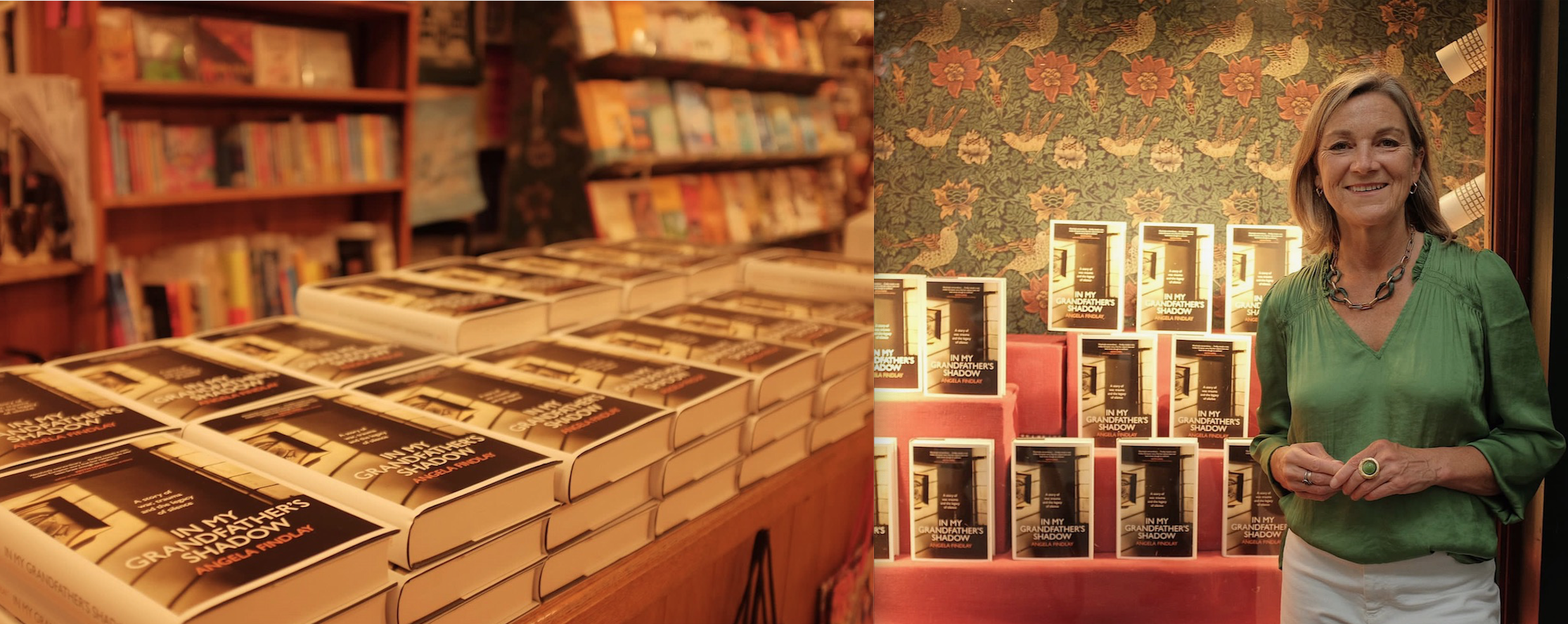
And my personal highlight, the three wonderful book launches that celebrated my arrival at the summit of my endless mountain. July has buzzed with the tangible excitement of people starting to read In My Grandfather’s Shadow and a string of radio interviews (all available here) and future invitations to talk about the themes and questions it raises.

Book Launch at Daunt Books, Holland Park

But two other experiences left me reflecting once again on what I see as a fundamental fault line in our troubled world. One was a recent review of my book, In My Grandfather’s Shadow, in the Observer. The other, the National Theatre Live broadcast of Suzie Miller’s award-winning play, Prima Facie in which an outstanding Jodie Comer (the BBC’s Killing Eve’s notorious assassin) plays a young and brilliant barrister who, after an unexpected event, is forced ‘to confront the lines where the patriarchal power of the law, burden of proof and morals diverge.’ 

In different ways, both the article and the play illustrate the age-old dynamic of ‘feminine’ versus ‘masculine’ perspectives in which the feminine experience is ignored, interrogated until it no can longer stand up and finally overridden, often with catastrophic consequences as the play demonstrates. For example, just 1.3% of rapes end in prosecution. Why? One reason is clear: the clunky measuring tools employed by the law to establish ‘proof’ are wholly inadequate when it comes to female trauma.

On a far less serious level, the Observer review by Matthew Reisz, former editor of the Jewish Quarterly and a staff writer at Times Higher Education, created a similar tension. I am hugely chuffed to have a got a review in the Observer. And there were compliments, like ‘strange and powerful.’ And Reisz was convinced by my hypothesis that a parent’s PTSD can have an impact on a child. Science after all accepts that as real and it’s now mainstream thinking, though it wasn’t always. What Reisz clearly doesn’t give any credence to is the reality, let alone the possibility, of the very premise of the book.

‘Much less plausible,’ apparently, is my belief that I am ‘in some sense haunted by the grandfather she never knew.’ As for the techniques I develop to find an “improbable epiphany” that will help me understand what kind of man he is, well, they are clearly the same “esoteric claptrap” that I suggest my grandfather might have seen them as! 

Matthew Reisz has every right to think like he does, and many will agree with him. I am well prepared for this kind of critique. I knew the ‘woo-woo’ stuff (as one or two of my editors called the more weird occurrences) could be problematic for some readers. But I insisted on keeping it. Without it, it was neither my story nor my book. And certainly not my truth. Including a ‘feminine’ perspective on the largely masculine arena of war and traditional fact-based history was for me essential. And I use ‘feminine’ here not as in female, but as in that inner dimension within all of us. That inexplicable world of instinct, intuition, serendipity, dreams and the invisible whisperings of the dead; often the source of creativity or vision, yet also the areas of human experience so often dismissed as ‘dippy-hippy nonsense,’ not ‘real’ or valid because they are ‘unprovable,’ or apparently just ‘wrong’. For it was these things – not clever science or psychologists – that provided the clues to solving the mystery of what I was experiencing. 

The book is intensely personal. But the issues it explores – addiction, shame, trauma, inherited guilt, forgiveness, reconciliation – are not. As Prima Facie so dramatically shows, they require a different approach to the logic and plausibility of left-brain thinking. This is what I feel Reisz unfortunately misses. In his final sentence, he reveals the source of his unsettledness in the apparent contradiction of ‘a woman who has dedicated her book to “all those whose lives are affected by discrimination, oppression or war” searching so desperately for redeeming qualities in a decorated Wehrmacht general.’ Is he suggesting there couldn’t possibly be any while misunderstanding my desire to comprehend a relative as wanting to exonerate them?

It’s going to be so interesting hearing different responses to In My Grandfather’s Shadow and coming into dialogue with others about their own relationships to the darker corners of their heritages, which is what frequently comes up. Like the prisoners in my art classes, like audience members at my lectures, people begin to talk when you make it safe for them to do so. That’s what I hope telling my difficult story will encourage: conversation. Not about provable facts, but fears, feelings and experiences. Conversation. Not with a goal of judging or a need to be right. Certainly not doubting or questioning the reality of what is being said. Just from a genuine desire to understand others. That’s how we can find our shared humanity.

So just to finish with a bit of undiluted ‘woo-woo,’ I found a 4′ grass snake in my hall a week or so ago. A Stroud friend told me that when animals come into our houses, they have a message. I thought no more about the symbolic significance of a snake. But then yesterday, without me mentioning the snake, another friend reminded me of the questions asked in Goethe’s beautiful story, The Fairytale of the Green Snake and the Beautiful Lily in which the snake sacrifices itself to bridge the divide between the land of the ordinary senses and the land of the spirit or soul. It roughly translate as:

‘What is more precious/glorious than gold?’ asked the King. 

‘Light’, answered the snake.

‘What is more refreshing/quickening than light?’ asked the King.

‘Conversation’ said the snake.

Daring to look your family’s past in the face

Last week a Chinese schoolboy approached me after my talk The other side: The Second World War through the eyes of an ordinary German family. Slightly trembling and in broken English he asked me if I had been frightened looking into my family’s past. In my talk I describe the journey I started 10 years ago, of peering deep into the darkest episode of modern history to discover what role my family, above all my German grandfather, a decorated Wehrmacht General, had played, or may have played. I knew the boy was asking this question for a personal reason, the shadows of his own family demons were almost visible, passing like clouds over his terrified face.

My grasp of Chinese history is woefully thin. I wracked my brains for atrocities or events that this boy’s family member(s) could have been involved in. Tiananmen Square in 1989 sprang to mind along with the general sense of horrors perpetrated by Chairman Mao’s regime. But actually it didn’t matter whether I knew the precise what, when, where and who of his story. What mattered was the impact it was having on his life.

Read More »

VE Day 70 years on – a time to celebrate victory or a time to also to look more closely at the price of war to women and girls?  

Within the context of my interest in WW2 Remembrance, May offers a welcome break from the misery and darkness. It is indeed a time to celebrate, for on May 8th 1945 Churchill was finally able to announce that the war was over in Europe. The jubilation was naturally boundless and Britain threw the biggest street party the country had ever seen. The Allies had triumphed over the Nazi enemy, Germany had unconditionally surrendered, and it would be the end of death and destruction.

ve460_1631804cRead More »

Holocaust Memorial Day, 27th January 2015


IMG_3702

Today was Holocaust Memorial Day, commemorating the day Auschwitz-Birkenau was liberated by the advancing Soviet army seventy years ago. Today Jews and non-Jews alike were reminded to remember what so many of us have no personal recollection of. Reminded how important it is to remember so that it will never happen again.

Today was also the launch of my talk on German Memorials and Counter Memorials, the second in my trilogy of talks “The other side” about World War II from a German point of view. It was a happy coincidence that King William’s College on the Isle of Man invited me to give this particular talk on this particular day, for it encouraged me and my audience not only to think about the victims of the Nazi policies of annihilation but also about the perpetrators and Germany’s ongoing and thorough process of apology on behalf of them.

Read More »

Generation War: Our Mothers, Our Fathers. Does it go far enough?

ImagePeering into the crater of my own family history, Jüterbog 2008

I don’t imagine 7.6 million viewers are watching this series as in Germany last year, but judging by the reviews and conflicting opinions expressed in online discussions, it is nonetheless making waves. Many people find it “brilliant”, with its focus on the personal within the wider historical context (as in Downfall and The Lives of Others). Some find it ‘unlikely’, that the 5 main characters’ paths would cross “as if all of Eastern Europe were no bigger than a park in Berlin”[1] or that they would be so openly friendly with a Jew in 1941 Germany. And some criticize how the drama of the story lines are often cliché and distract from the bigger questions – all hazards of portraying historical characters through a contemporary medium.

Read More »

What relationship do we expect young Germans today to have to their country’s past?

Image

I was very interested in two of the questions I was asked in a recent talk to the sixth formers of a London boy’s school. Both were similar and in response to some statistics I showed about German students’ relationships to their country’s past. And both touched on one of my on-going questions in relation to young Germans today: Do we expect them to feel guilt and shame for what their great grandparents were caught up or directly involved in, or can they now be proud of their country and say with genuine conviction “It has nothing to do with me”?

The statistics from a Zeit Magazine survey of 14-19 year olds revealed, among other things, that:

80% believe remembrance of the Nazi times is important

67% believe it is their generation’s duty to make sure that Nazi Germany and the Holocaust aren’t forgotten

60% said they were ashamed of what Germans did in Nazi times

Read More »

Is there a point in still talking about Second World War Germany ?

lowresKvG9_2

I found it almost impossible to write over the summer or to organise my thoughts into some sort of coherent flow while the sun shone outside producing the intrepid army of courgettes that now lies liquidized in my freezer. Instead I hung out in Nazi Germany, trying to organise 9 years of research into a 40 minute talk for schools and as yet unknown audiences. It was a process of willing black and white photographs to come to life to reveal what has been lurking in the corners of Germany’s post-war national silence for 50 years. But I also found myself wondering (with regular twangs of self-doubt) what the point is of still talking about this subject? And is it still relevant and important for today’s younger generations of English and Germans to engage with Hitler and the Holocaust, or have Bin Laden & other contemporary despots taken his place as ‘Dr Evil’?

Read More »

Why is Restorative Justice and the power of apology not fully integrated into our justice system?

low res 041

I never seem to stop being baffled by aspects of our society. But more than anything else, I’ve been baffled by the illogic of our criminal justice system since I was able to think for myself. Last night I co-facilitated a Restorative Justice conference that brought it home to me once more how important a role apology has in the process of repairing the harm caused to another.

In so many cases the victim, the most important person within the context of a committed crime, can be hugely helped by the “simple” act of a genuine apology. Isn’t that precisely what we are taught to do as children when we have done something bad? And yet as we grow up and do more seriously bad things, the role of apology is largely replaced by punishment, a revenge of sort that responds to and feeds a victims’s natural and justified anger but contributes little to the easing of their pain. We’ve seen examples of apology countless times in politics: Ireland’s decades of pain-filled longing for an apology from the British government for Bloody Sunday in contrast to the hugely powerful yet simple gesture in Germany in 1970 when Willy Brandt spontaneously knelt at the memorial to the Warsaw Jewish Ghetto. No words were needed and it was accepted by the world as a public acknowledgment of wrong – no excuses, no justifications, just a silent and humble act of apology.

Read More »