It’s time to remember… and this year even German footballers wore poppies

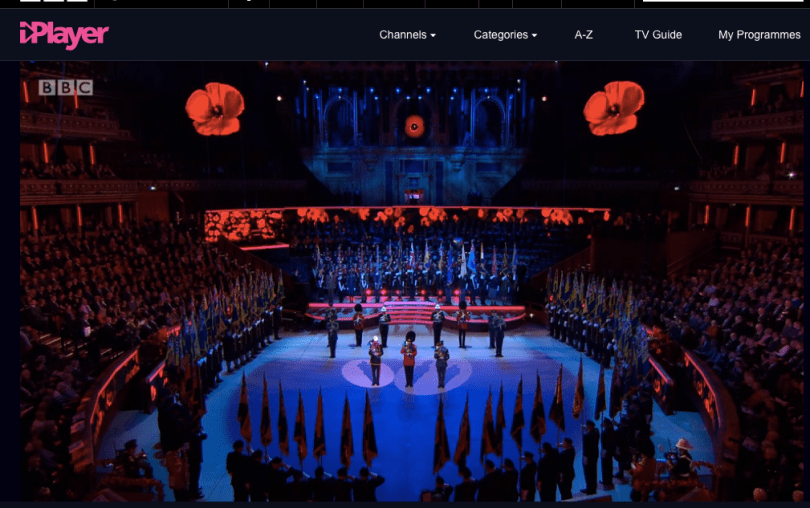
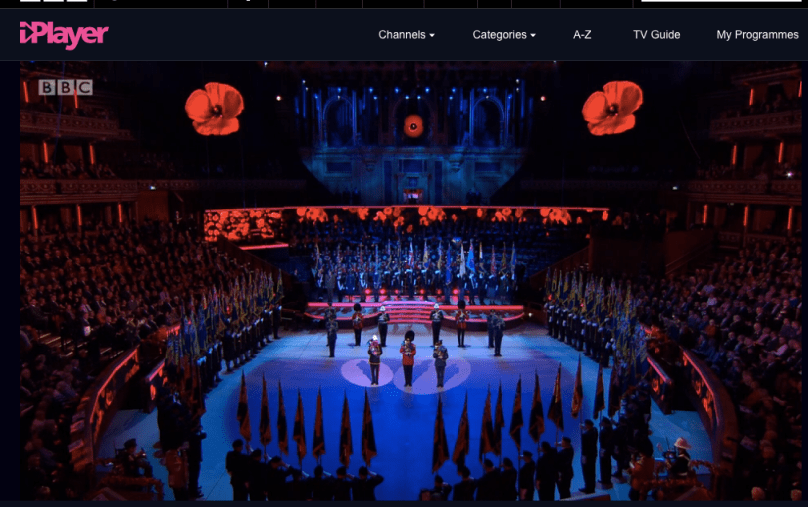
It’s Remembrance time. Red paper and enamel poppies are blooming on lapels all over the nation as people remember those who fought in conflict, and the huge sacrifices they made. Last night, the Festival of Remembrance at the Royal Albert Hall opened with a stunning rendition of “I vow to thee my country”. First, just three slow and quiet brass instruments; then violins joined in; then drums, voices, and finally the whole orchestra played, while flag- and oversized headwear-bearing members of the forces, marched into the hall in step with the music. We were only four minutes into the hundred-minute programme and the lump in my throat was already swollen and wobbling out of control. Gosh we do this so well.

Screen Shot 2017-11-12 at 11.04.17.png

Read More »

Standing in their footprints…

What is it that makes standing in the exact location of something historical, momentous or simply in the footprints of someone famous, so thrilling? Or horrifying? On Tuesday I was standing on a stage in the beautiful east coastal town of Aldeburgh ready to give one of my talks on Germany’s WW2 memorial culture when someone said, “You’re standing exactly where Bill Nighy stood last night”. It was tiny but there it was, a subtle tingle, a flutter of excitement. I like Bill Nighy and I liked knowing that I was so hot on his heels, talking in a venue in which he too had talked. But what’s really happening, what are our bodies or minds reacting to when we are in the presence even of such tenuous claims to fame or significance?

Screen Shot 2017-04-28 at 10.57.55.png

Read More »

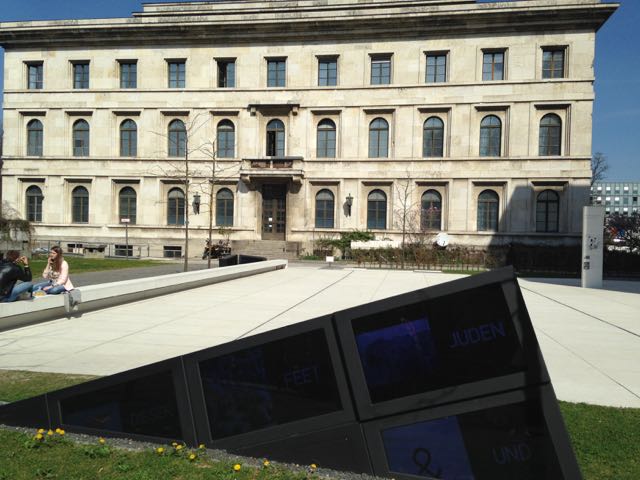
Munich in March

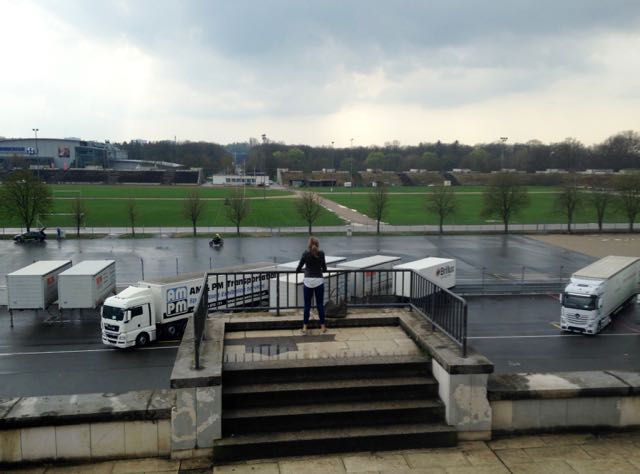
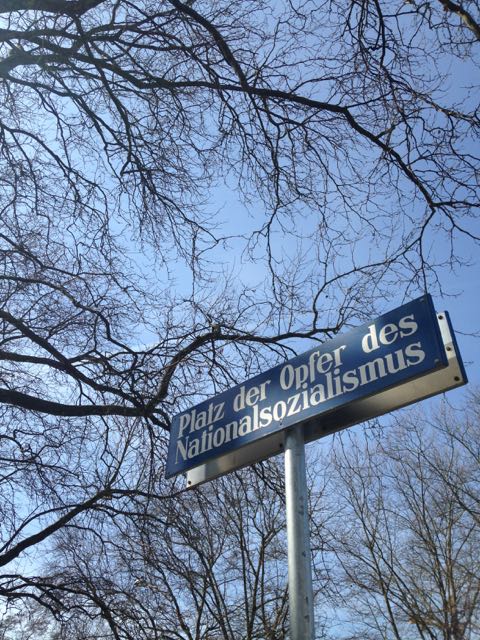
A city in which the ruins of history survive to serve as warnings for the present and pointers to a different future…

German memorials honour the brave resistors of Nazism, unreservedly condemn the perpetrators, apologise to the victims and warn us all to remain vigilant so these things can never happen again.

IMG_0356.jpg

A video installation outside the former Nazi headquarters

Read More »

“Lest we forget”… what? Surely not just the fallen soldiers, but also the futility, waste, destruction and misery of war?

After my talks on Germany’s unique culture of ‘counter memorials’, I am often asked what I would do differently within our British culture of Remembrance. I am always reluctant to pass any kind of judgment on what is one of Britain’s most poignant occasions, for we are true experts in creating meaningful and visual spectacles of solemn ceremony, national pride and gratitude. But now, as the last witnesses of the two World Wars disappear, is it time to shift the emphasis of our remembrance culture from an almost exclusive focus on the fallen soldiers of those two wars to include a broader picture of the casualties and victims of war in general?

_92420409_cenotaph_bbc.jpg

Read More »

An abundance of plays at the Edinburgh Festival revealing the shadow side of the alpha male psyche

Two shows at this year’s Edinburgh Festival left me feeling… well, strange. One was about a male ex-prisoner, the other about a female victim of rape. Light, cheery subject matters for me as always, but actually, intense and personal story telling abounded.

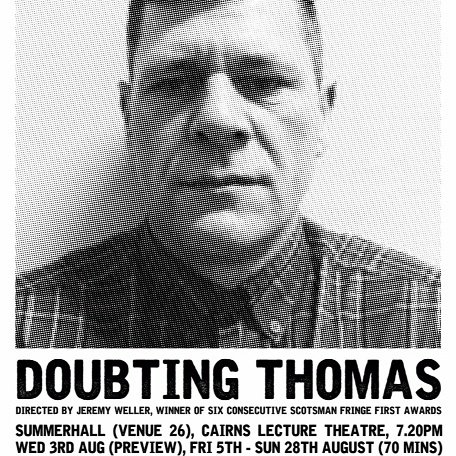
The first play was Doubting Thomas, created by multi-award winning director Jeremy Weller. The listings said: Thomas McCrudden, a man with a tortured and violent past but with hope for a different future, tells his own complex and moving story about abandonment and the stress of being forced to take on multiple roles, in Thomas’s own words, “…none of which were me! When I was growing up, I wasn’t able to accept love, and that created not just a man without a conscience or empathy. It created a monster.” 

Doubting-Thomas-Summerhall.jpg

Read More »

Loss… just that. A little exploration of losing.

Since my father’s death exactly a year ago I have experienced an extraordinary storm of additional albeit unrelated losses in almost every area of my life. His death became like a bullet ricocheting around the architecture of my world felling furnishings and humans alike. I now look around me and see a distinctly changed landscape, a series of voids in the shapes of people, things, plans; a mini war zone of collapsed structures through which I find myself wandering dazed and dusty, functioning but exhausted.

What is Loss? The Oxford Dictionary definition says it is “the fact or process of losing something or someone”. As far as definitions go that really doesn’t say much. It makes loss sound so harmless, kind of accidental, the result of a moment of absent-mindedness or brief neglect. It imparts nothing of the potentially huge and devastating impact loss can have, nor of the vast range of subjective responses to it. It doesn’t suggest loss’s innate and prominent role in Life and Death, in war and crime, in love and faith – all existential foundation stones of our human world.

Read More »

I haven’t worked with many terrorists during my prison years but there was one who for years I, and my class of eight male prisoners, called ‘Habibi’ – the word for ‘my darling’ as we later found out.

Behind every terrorist act is a human being with a grievance. Some will probably call me a ‘terrorist sympathiser’ for saying that, but one of the most important lessons I learnt from working and talking with countless criminals is that people themselves are not innately evil. Their deeds might be, but they themselves are not. That’s why many of the over-simplified, dualistic discourses in the recent ‘To bomb or not to bomb in Syria?’ debate really got under my skin. Action vs. Non-Action, Good vs. Evil, Right vs. Wrong…
team_terror.jpg

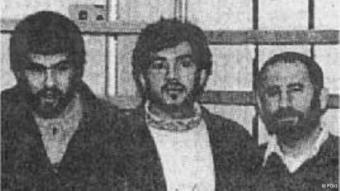
I have no first-hand experience of today’s terrorists (thank goodness) but in the nineties I did work closely with a Lebanese man awaiting trial for his major role in one of Germany’s biggest terrorist attacks in which five Kurdish politicians were blown up in a restaurant in Berlin in 1992. As a terrorist he was considered a potential danger and security hazard and kept in enforced isolation. So for him my art class became his only excursion from his cell. Why the authorities found it fitting to place him in my care when I myself was locked in the room with no beeper, no key, no guard, still puzzles me! He asked the group to call him Habibi, so obligingly we did. It was only many years later that I discovered that was the word for “my darling”.

Read More »