It’s time to remember… and this year even German footballers wore poppies

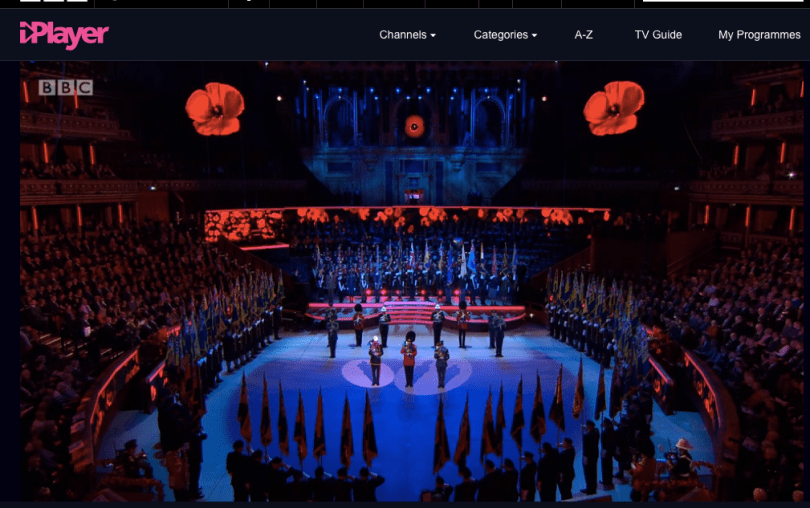
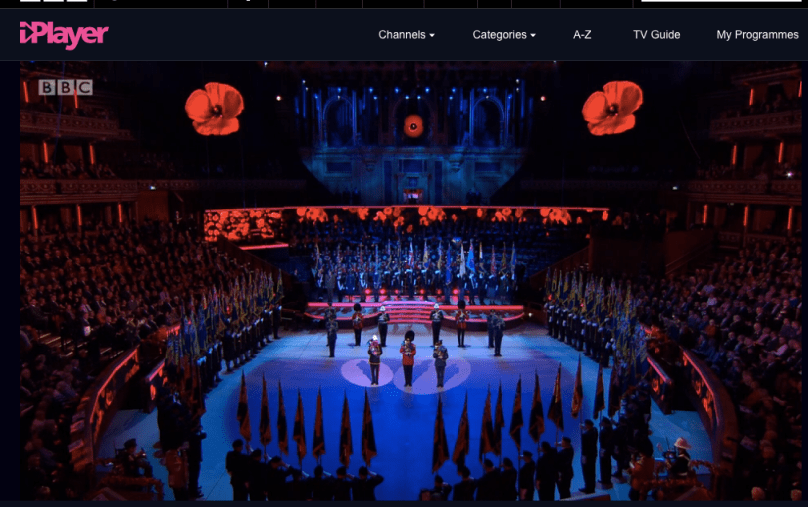
It’s Remembrance time. Red paper and enamel poppies are blooming on lapels all over the nation as people remember those who fought in conflict, and the huge sacrifices they made. Last night, the Festival of Remembrance at the Royal Albert Hall opened with a stunning rendition of “I vow to thee my country”. First, just three slow and quiet brass instruments; then violins joined in; then drums, voices, and finally the whole orchestra played, while flag- and oversized headwear-bearing members of the forces, marched into the hall in step with the music. We were only four minutes into the hundred-minute programme and the lump in my throat was already swollen and wobbling out of control. Gosh we do this so well.

Screen Shot 2017-11-12 at 11.04.17.png

Read More »

What if, just ‘what if’, death isn’t quite the full stop many think it is…?

The end of October / beginning of November is traditionally the time of year when people from all different cultures think of, and remember, the dead. For Pagans it is Samhain; for Christians, All Souls; for Mexicans, the Day of the Dead. It was / is believed that the veils between the living and the dead become thinnest now, allowing people to gain access to their dead loved ones. In modern, western, secular societies, it generally morphs into a black and orange bonanza of carved pumpkins and ghouls, a commercial excuse for a bright explosion of fireworks and increasingly terrifying costumes.

Death, in our culture, is widely seen as a negative; the Grim Reaper to be feared or fought. Or it is an ending to be deferred, as long as possible, at whatever cost. It is the opposite of birth, and not to be celebrated as a portal between what we call ‘life’ and a different form of life beyond. For so many people, it is just one final curtain fall, an over and out… THE END.

Image0351.jpg

Of course none of us know though! The most inevitable aspect of life is also the least knowable… such a wonderful design. However, I believe we are missing out on a hugely important level to life by relegating death to the role of a big full stop.

Read More »

Remember…

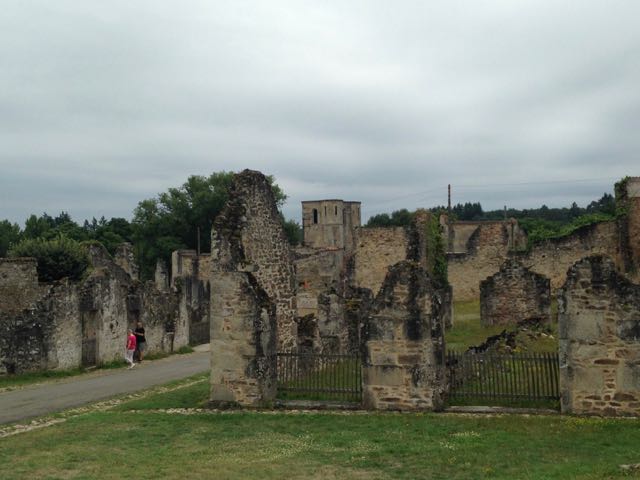
Having spent the past two weeks in France enjoying everything that France has to offer and so much of what I love in life, it is hard to write my monthly blog on my slightly sombre themes of memorials, World War II, the Nazis, remembrance and all that stuff. And particularly on an iPhone from a campervan! But today, as we were driving past anyway, I went to a memorial that has to be one of the most memorable in terms of its immediate and tangible connection to Nazi atrocities.

IMG_1931

Read More »

Munich in March

A city in which the ruins of history survive to serve as warnings for the present and pointers to a different future…

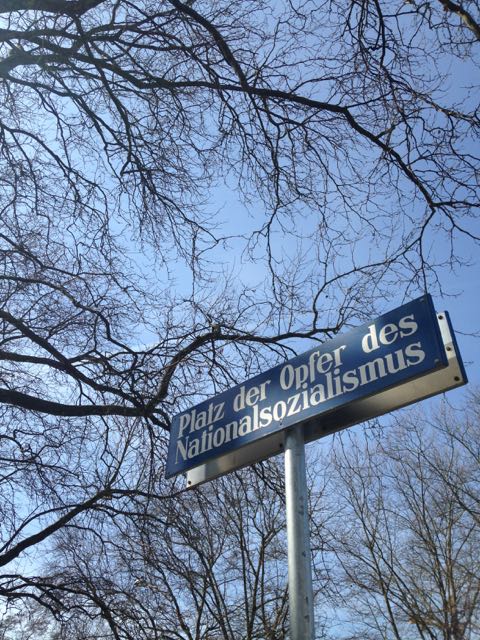
German memorials honour the brave resistors of Nazism, unreservedly condemn the perpetrators, apologise to the victims and warn us all to remain vigilant so these things can never happen again.

IMG_0356.jpg

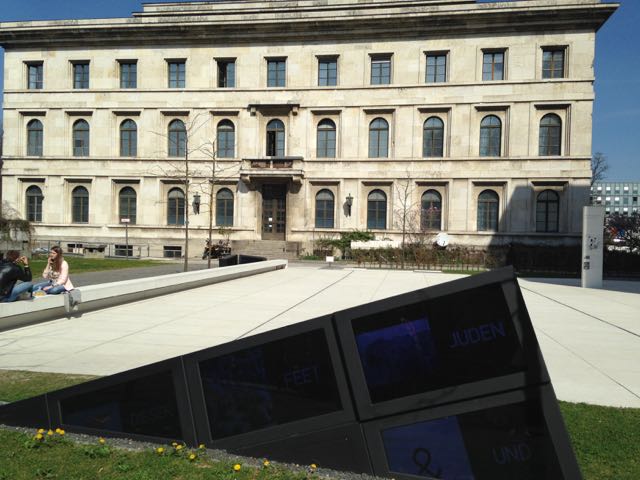
A video installation outside the former Nazi headquarters

Read More »

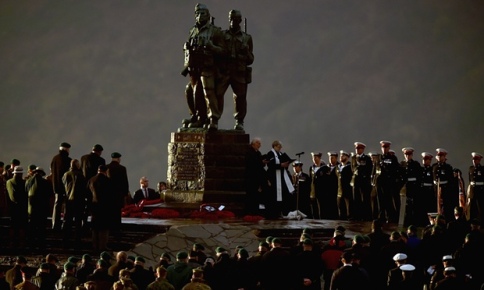
“Lest we forget”… what? Surely not just the fallen soldiers, but also the futility, waste, destruction and misery of war?

After my talks on Germany’s unique culture of ‘counter memorials’, I am often asked what I would do differently within our British culture of Remembrance. I am always reluctant to pass any kind of judgment on what is one of Britain’s most poignant occasions, for we are true experts in creating meaningful and visual spectacles of solemn ceremony, national pride and gratitude. But now, as the last witnesses of the two World Wars disappear, is it time to shift the emphasis of our remembrance culture from an almost exclusive focus on the fallen soldiers of those two wars to include a broader picture of the casualties and victims of war in general?

_92420409_cenotaph_bbc.jpg

Read More »

What purpose does Holocaust Memorial Day serve for those generations who can’t “remember”?

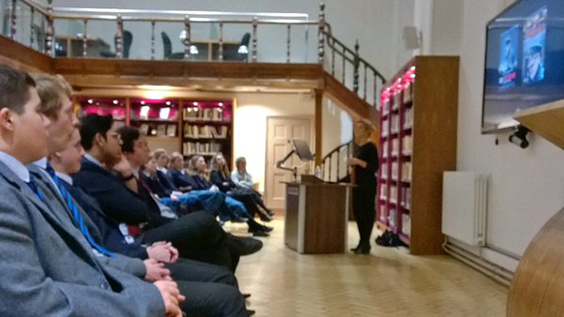
On Monday I was invited to give my talk about Germany’s memorial culture of apology and atonement (read more) at Brighton College as part of their Holocaust Studies Week. One student asked a question being debated by current historians: “When can we let WW2 recede into the past like other episodes of history do?”

6c682644-29fd-46de-9a95-e49714cdda9e.jpg

Today, 27th January, is International Holocaust Memorial Day, the date that marks the day Auschwitz-Birkenau was liberated by Soviet troops in 1945. It is the day on which we are asked to remember the 11 million victims killed in the Holocaust – 6 million Jews and 5 million Soviet POWs, homosexuals, Sinti and Roma, mentally or physically disabled, Roman Catholics, political dissidents, ethnic Poles, Slavs and Ukrainians. All had become victims of the Nazi hatred that deemed them to be “Untermenschen”, literally ‘beneath’ or ‘below’ human; sub-humans. They were killed because they were seen to be a threat to the ideal world image that Hitler and his followers were striving to manifest.

Read More »

I don’t wear a red poppy, not deliberately to make a point, nor out of disrespect – it just isn’t the symbol that captures enough of what, how and to what end I want remember.

3000

It is Remembrance season and once again I find myself feeling slightly uncomfortable, a bit pedantic, no doubt irritating and at worst offensively unpatriotic. And yet Remembrance is one of my favourite themes and both my grandfathers fought in the World Wars. So why can’t I jump whole-heartedly into the seas of poppies and poppy wearers, dignitaries and wreaths, that stream through our streets to lap up against memorials and into churches each November? Of course I want to ‘remember’ and acknowledge all the soldiers who died or were wounded serving their country, but discordant questions waft like dried leaves or ghosts through the architecture of British Remembrance rituals. So once again I ask myself and all of us collectively: what exactly are we remembering, and to what end? Remembrance is by nature vital, solemn, beautiful, meaningful… in many ways we do it so well. But beneath the tradition, ceremony and ritual conveyed through a distinctly military visual language, the message has also, in today’s world, become slightly flawed, inadequate and at times hypocritical.

Read More »

The Queen’s visit to Germany – “politically motivated” or her gesture of “complete reconciliation”?

queen-belsen-wreat_3355422k

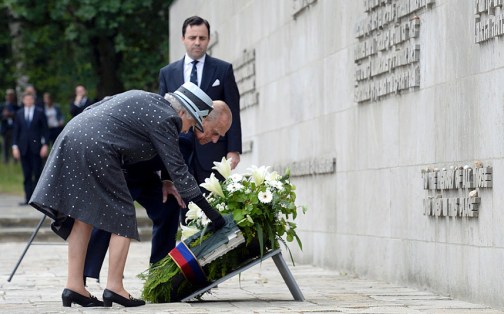
As I started writing this month’s blog this morning, the Queen was visiting Bergen-Belsen Concentration Camp for the first time, apparently at her request.

Much has been criticised or mocked about her State visit in the press: the timing – the eve of a summit where David Cameron is expected to begin new negotiations in relation to Britain’s EU membership; her apparently politically-biased speech in which she referred to a division in Europe being “dangerous” and that guarding against it “remains a common endeavour”; the Queen’s unenthusiastic reception of the German president’s gift of a portrait of her as a child on a blue horse with her father; even the reason for her going was apparently to put Angela Merkel, who is often referred to as Queen of Europe, back in her place…!

Read More »

‘Sorry’ does indeed seem to be the hardest word to say

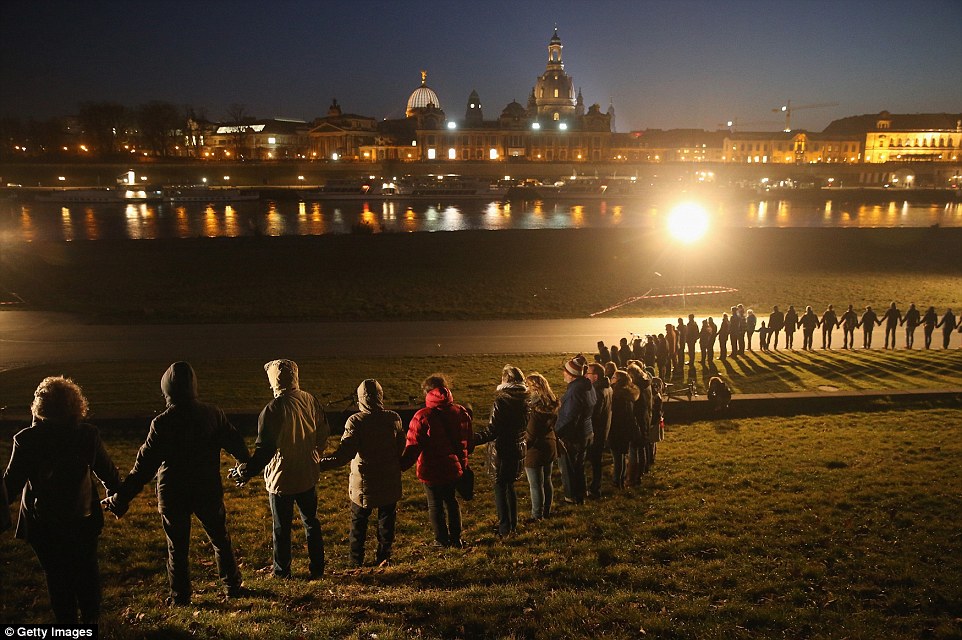
February 2015 saw the 70th anniversary of the bombing of Dresden, a contentious and highly debated element of the British and American war campaign. The deaths of 25,000 civilians and the destruction of the medieval city of Dresden known as the “Jewel of the Elbe” was without doubt one of the low points in the British military strategy.

25A64E0500000578-2952892-Solidarity_10_000_people_joined_hands_to_form_a_giant_human_chai-a-9_1423864324864

On 13th February this year Germany held one of their rare commemorations for their own dead. It started with a service in the re-built Frauenkirche / Church of our Lady and continued later in the streets when up to 10,000 people formed a human chain along Dresden’s riverfront, holding hands to commemorate the dead and call for peace.

With my on-going interest in World War commemorations, this was of course a significant one, for two reasons really. On the one hand it remembers German victims of war and on the other it remembers an event that many people see as a British war crime.

Read More »

Holocaust Memorial Day, 27th January 2015


IMG_3702

Today was Holocaust Memorial Day, commemorating the day Auschwitz-Birkenau was liberated by the advancing Soviet army seventy years ago. Today Jews and non-Jews alike were reminded to remember what so many of us have no personal recollection of. Reminded how important it is to remember so that it will never happen again.

Today was also the launch of my talk on German Memorials and Counter Memorials, the second in my trilogy of talks “The other side” about World War II from a German point of view. It was a happy coincidence that King William’s College on the Isle of Man invited me to give this particular talk on this particular day, for it encouraged me and my audience not only to think about the victims of the Nazi policies of annihilation but also about the perpetrators and Germany’s ongoing and thorough process of apology on behalf of them.

Read More »