As we approach the season of All Souls, Samhain and the Day of the Dead, many cultures turn their attention to the boundary between the living and the dead, traditionally believed to be thinnest at this time of year. I love this time of year and my interest in the hidden continuities between past and present recently took me beneath the cobblestones of Naples, a city where more than 2,000 years of human history lie stacked, layered and knitted into the present.
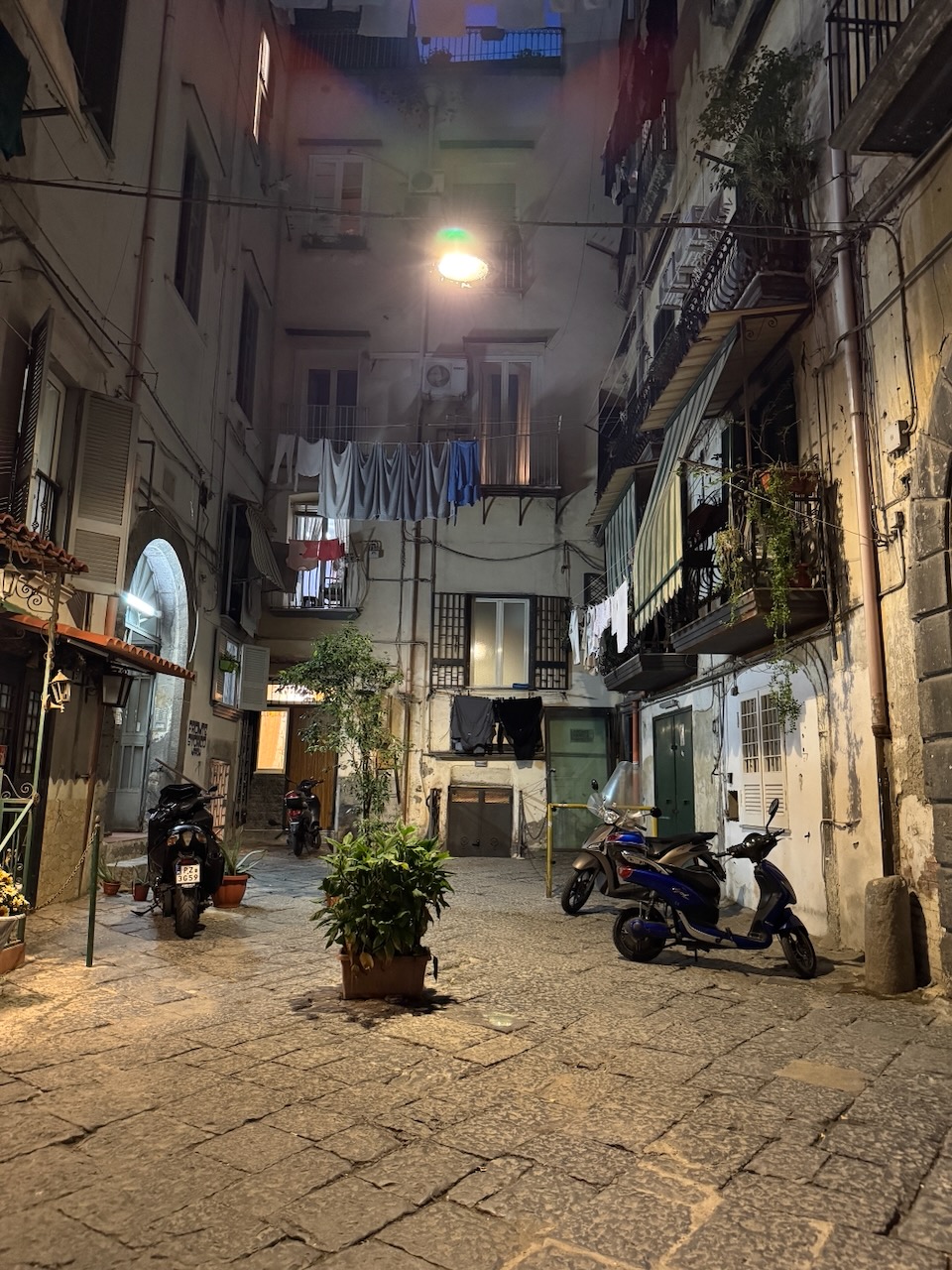
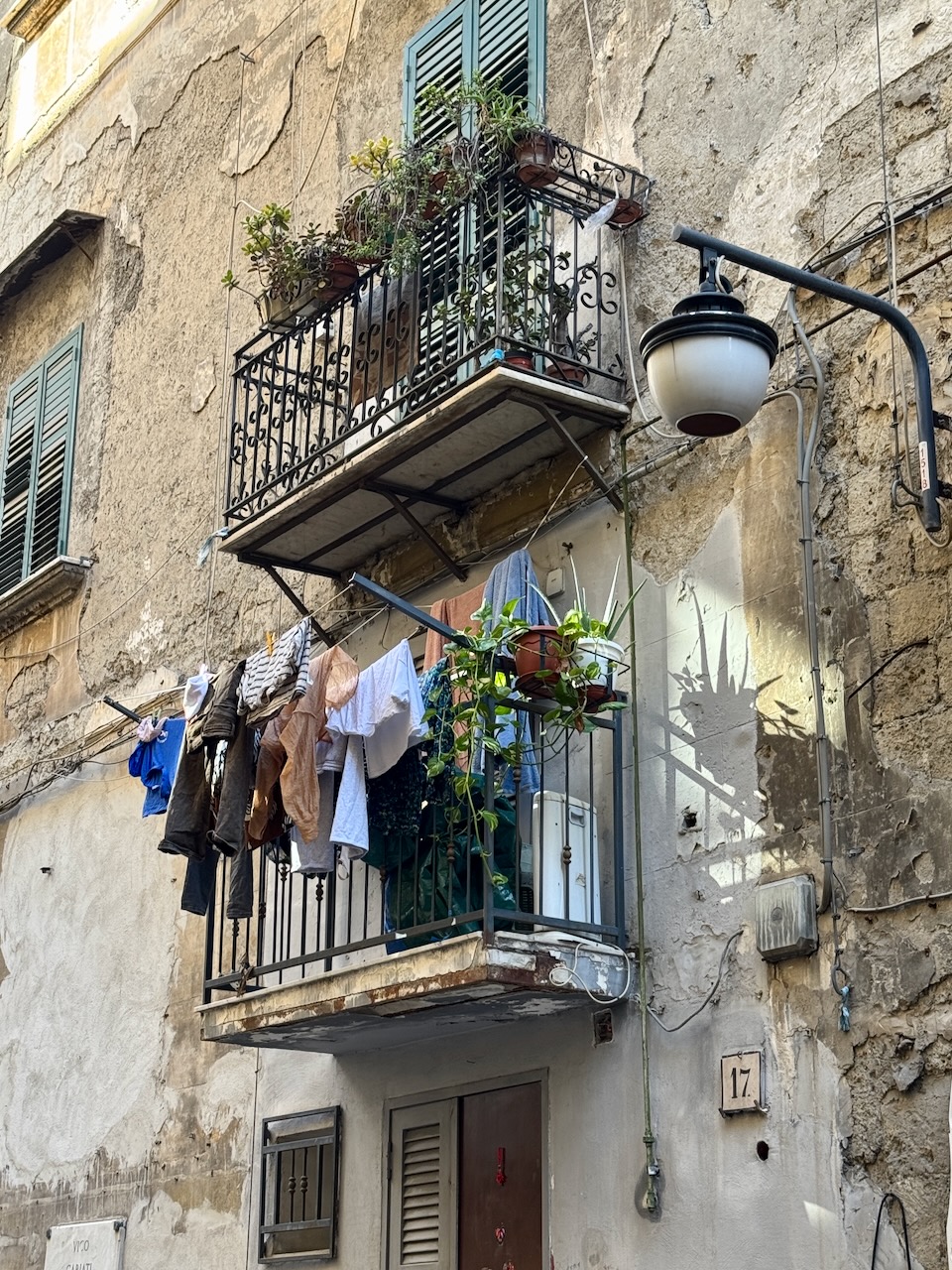
Walking around the city means ducking and diving through a buzz of beeping motorbikes and scented washing lines before descending into the volcanic tufa beneath your feet for an almost visceral encounter with human mortality.
Exploring its catacombs, subterranean cemeteries and ancient graves was neither morbid nor depressing. Instead, it revealed extraordinary ways of living alongside the dead. So I invite you to come with me into the underworld, to meet physical death face to face and perhaps also to reflect on our own relationships with those who came before us.
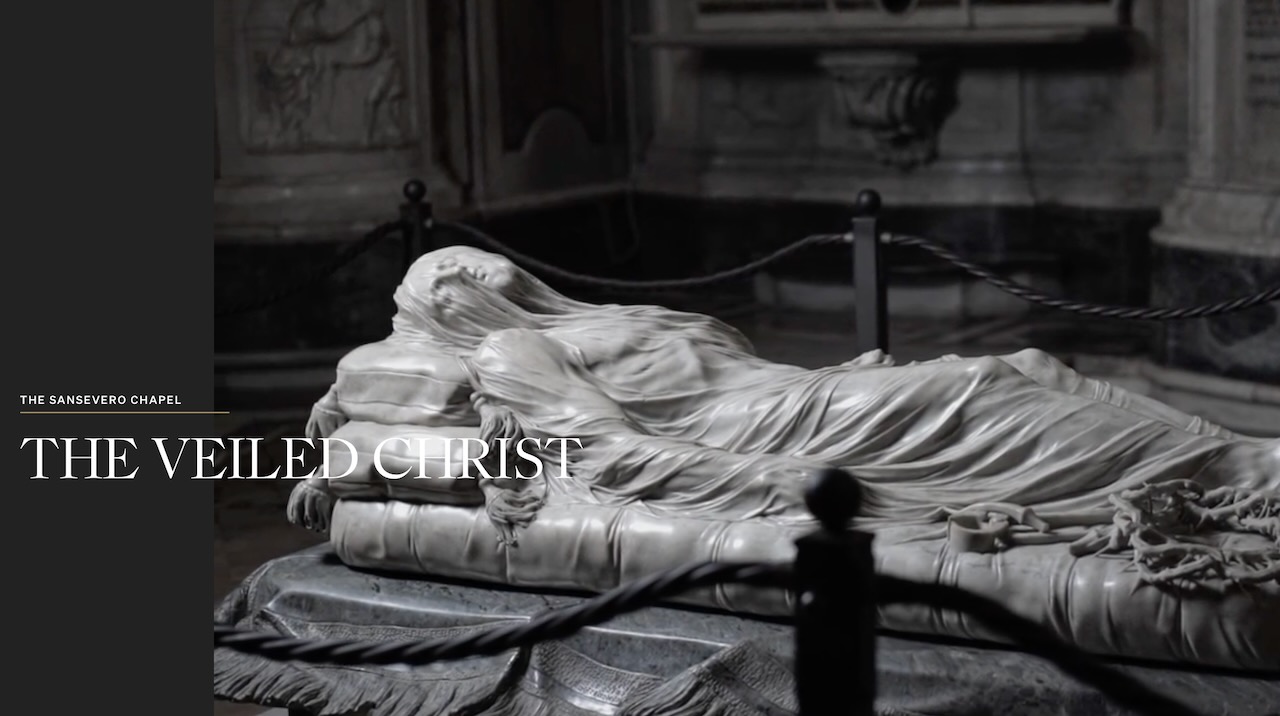
Our first stop is the Cappella Sansevero, home to Giuseppe Sanmartino’s Veiled Christ, sculpted in 1753. It is possibly the most sublime representation of death I have ever encountered. Carved from a single block of marble, Christ’s lifeless body, muscles still taut from pain, lies beneath a transparent veil so exquisitely rendered that it appears almost to breathe against the skin. The technical achievement is astonishing, but so is the sculpture’s ability to render death as something intimate and beautiful.
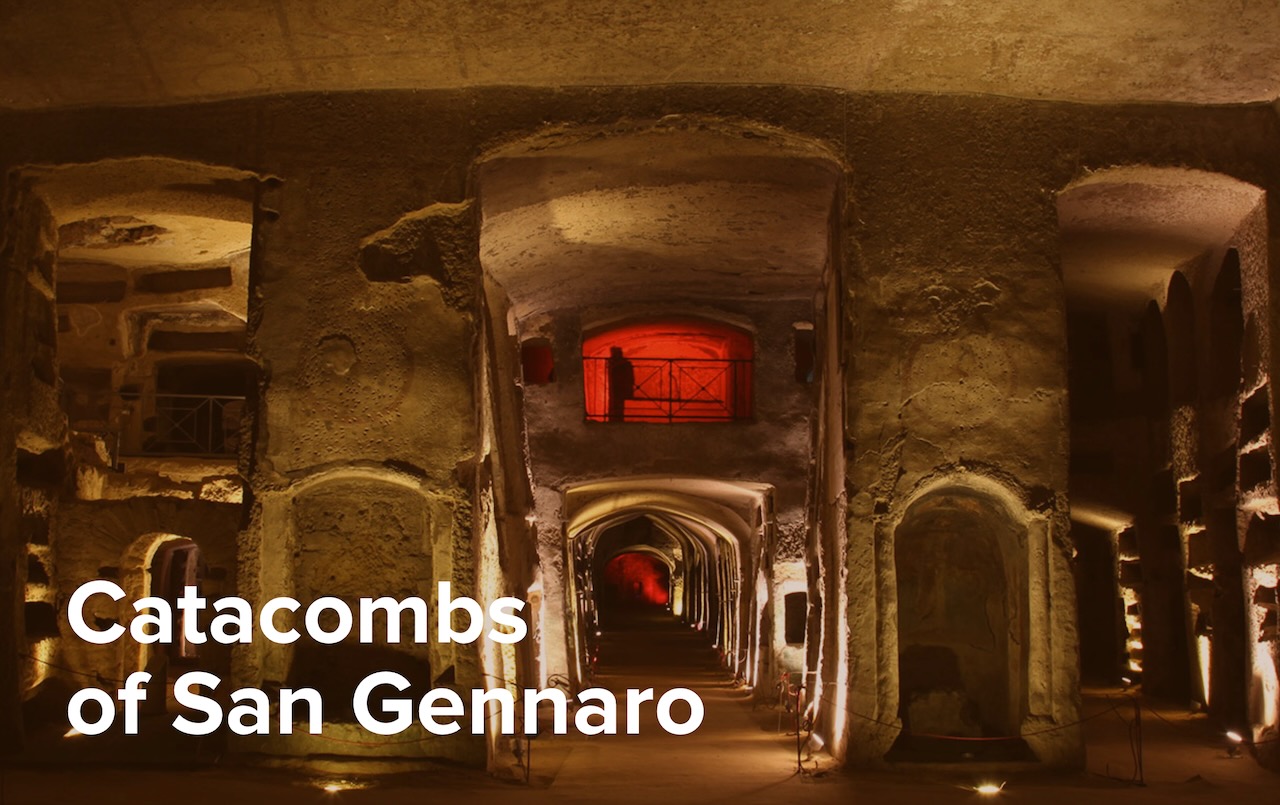
Our next stop is the Catacombs of San Gennaro, named after Naples’ patron saint, whose remains were transferred here in the fifth century. Vast burial chambers carved into the city’s soft, golden volcanic rock contain ancient tombs, sarcophagi and beautiful frescoes. Bodies were placed inside burial niches and sealed with marble slabs or terracotta tiles, while others were laid in pits dug into the floors. The stench of decay would have been intense, yet people regularly visited their departed relatives and the tombs of the saints, maintaining relationships with the dead as a natural extension of the community of the living.
The nearby Catacombs of San Gaudioso tell a more unsettling story. During the seventeenth century, a practice known as scolatura involved placing bodies in stone niches or seats to drain as they decomposed. Once dried, the bones were collected. For certain aristocrats and high-ranking clergy who paid immense sums, skulls were embedded into the walls with frescoes painted beneath them depicting the clothing associated with their social standing or accoutrements of their profession.
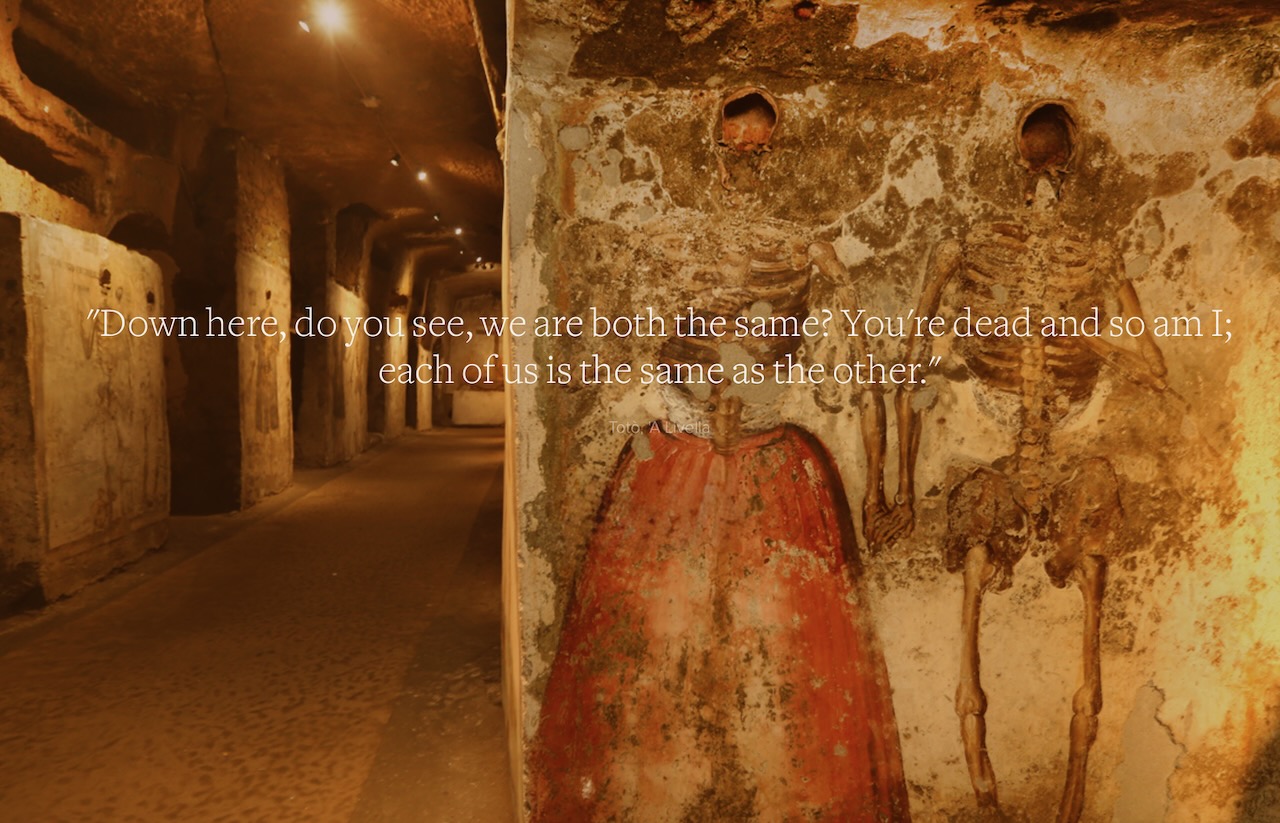
I have never witnessed anything quite like it: the messiest realities of our physical humanity combined with an apparent determination to preserve status and identity beyond the grave. Was it defiance, vanity or fear of extinction? Or the belief that wealth can buy you favours even in the face of death?
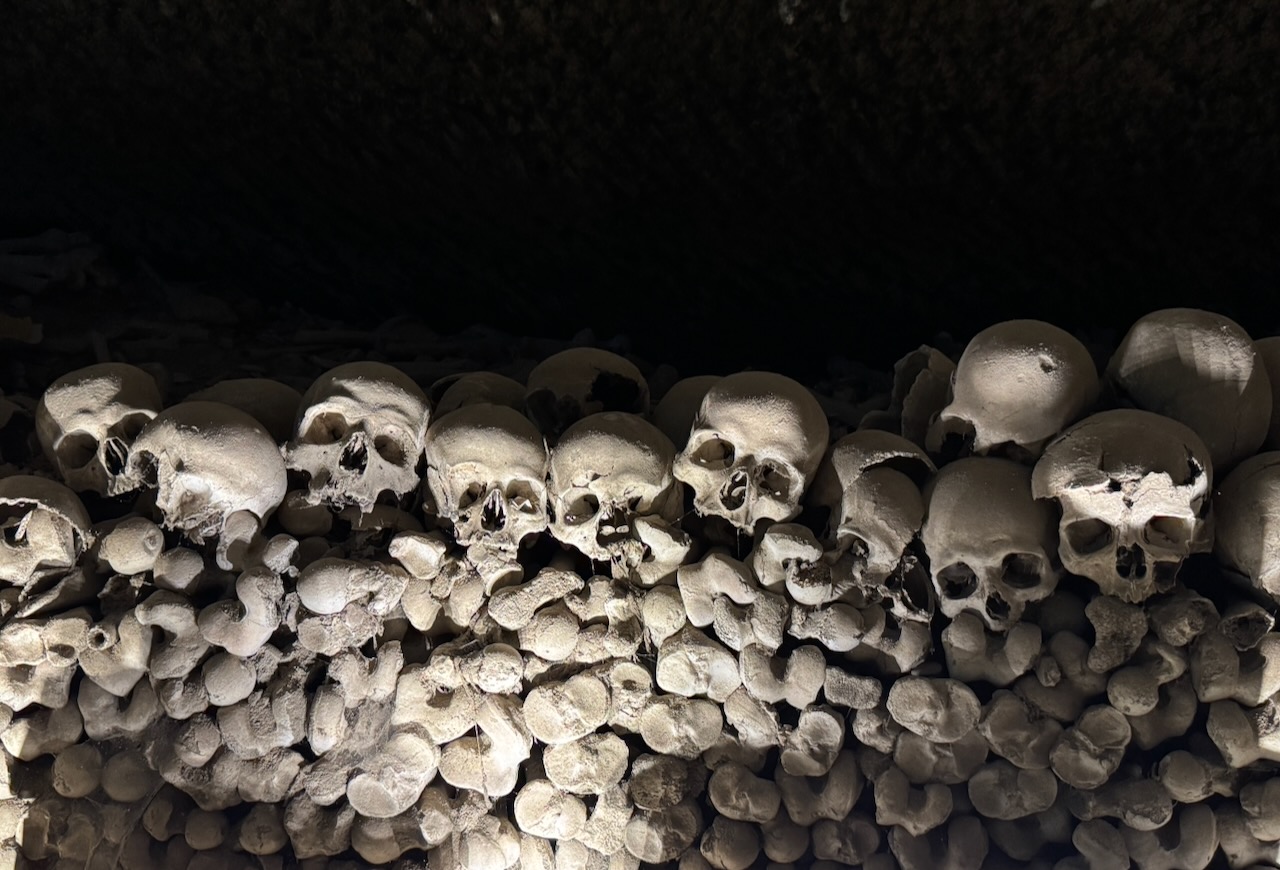
Our next stop, the Fontanelle Cemetery, is a place where social distinctions and privileges were ultimately dissolved. Housed in a vast former tufa quarry from which much of Naples’ building stone had been extracted, it became an overflow repository for the city’s dead. Epidemics, poverty and overcrowded burial grounds left countless people without individual graves or markers. Death was the leveller, as rich and poor mingled in a sea of anonymous bones.
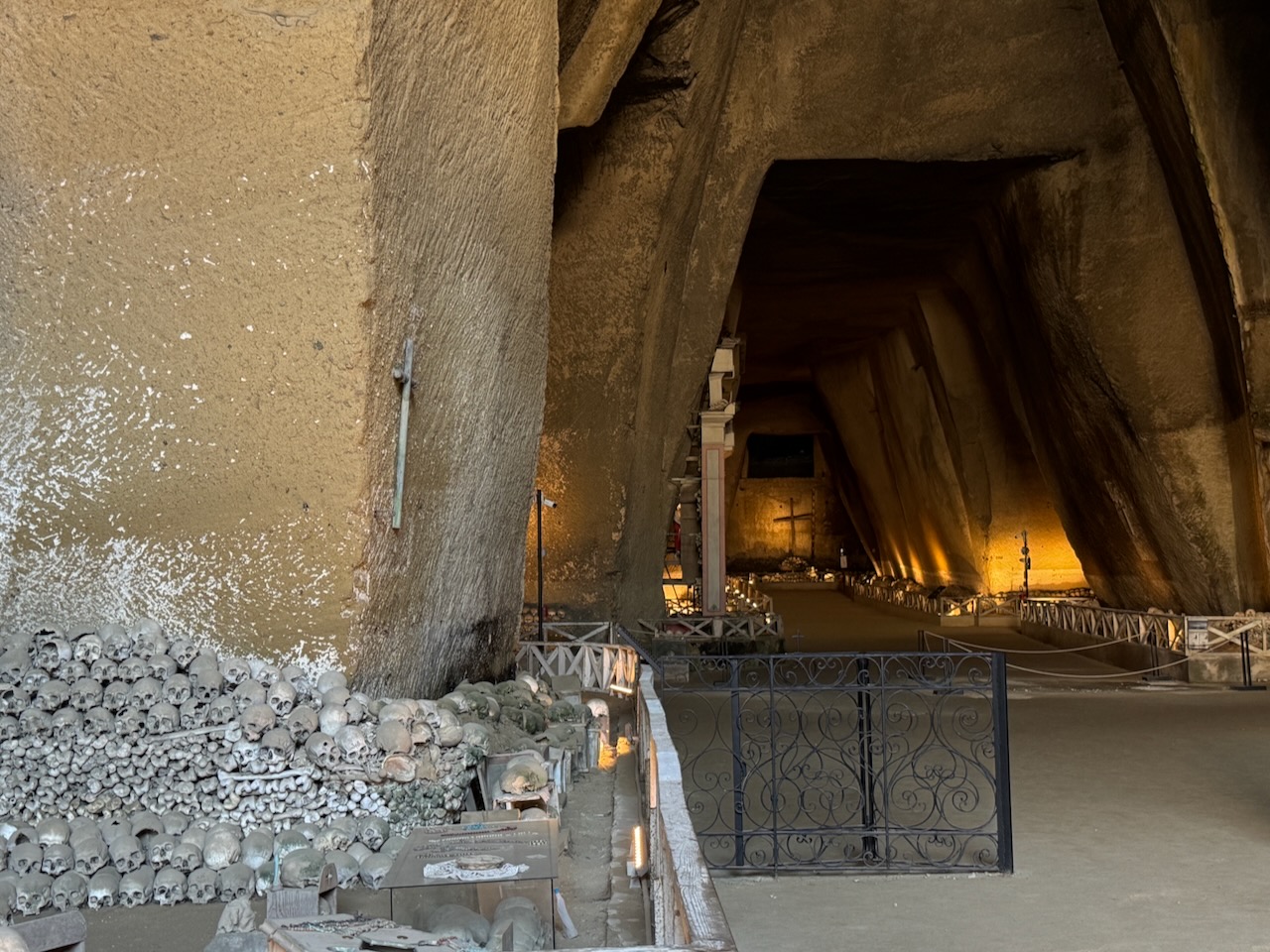
In 1872, however, something extraordinary happened. The priest Gaetano Barbati, assisted by local women, undertook to organise the scattered remains. Around this period, the devotion known as anime pezzentelle – the veneration of abandoned souls in Purgatory – flourished.
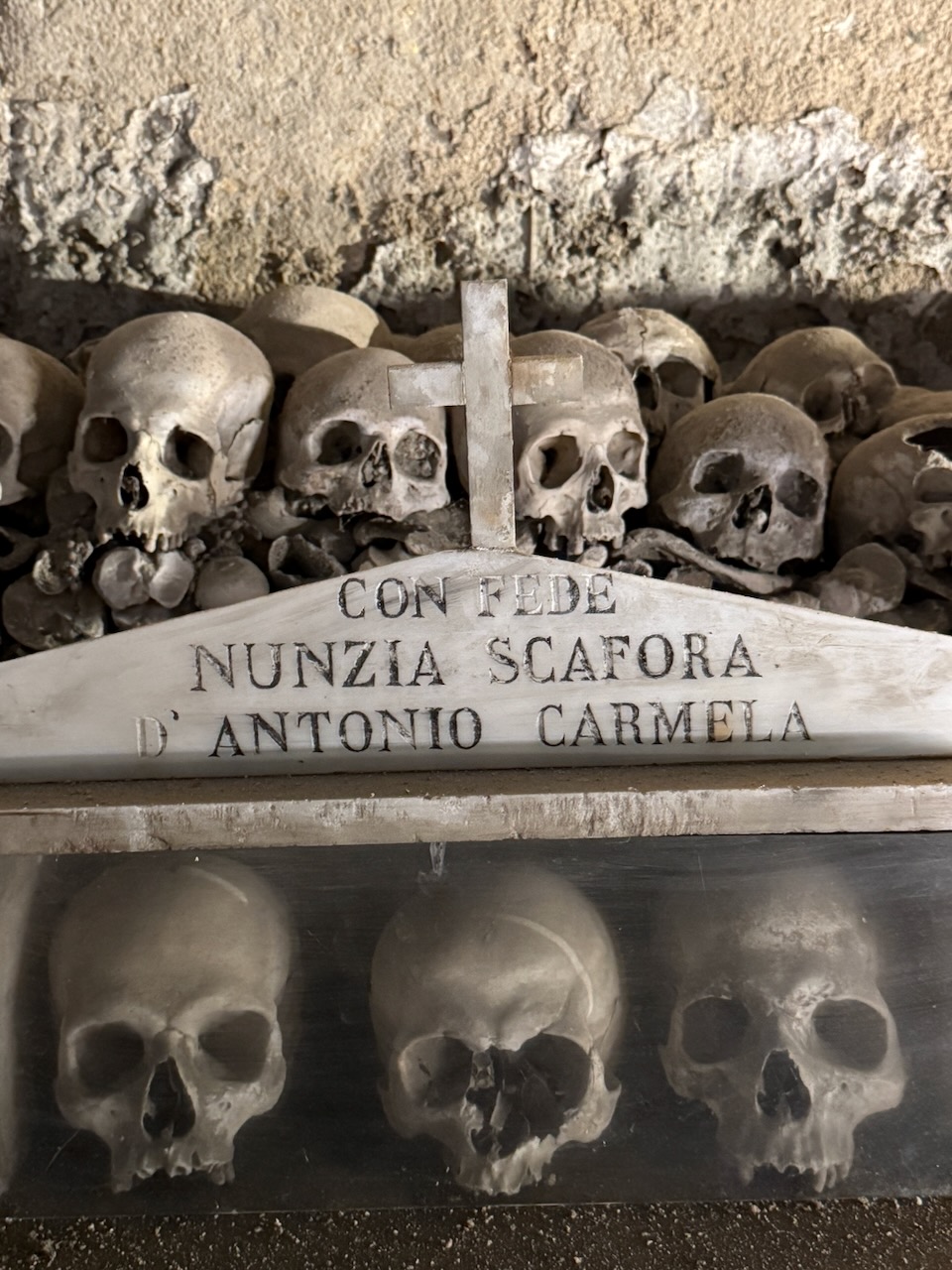
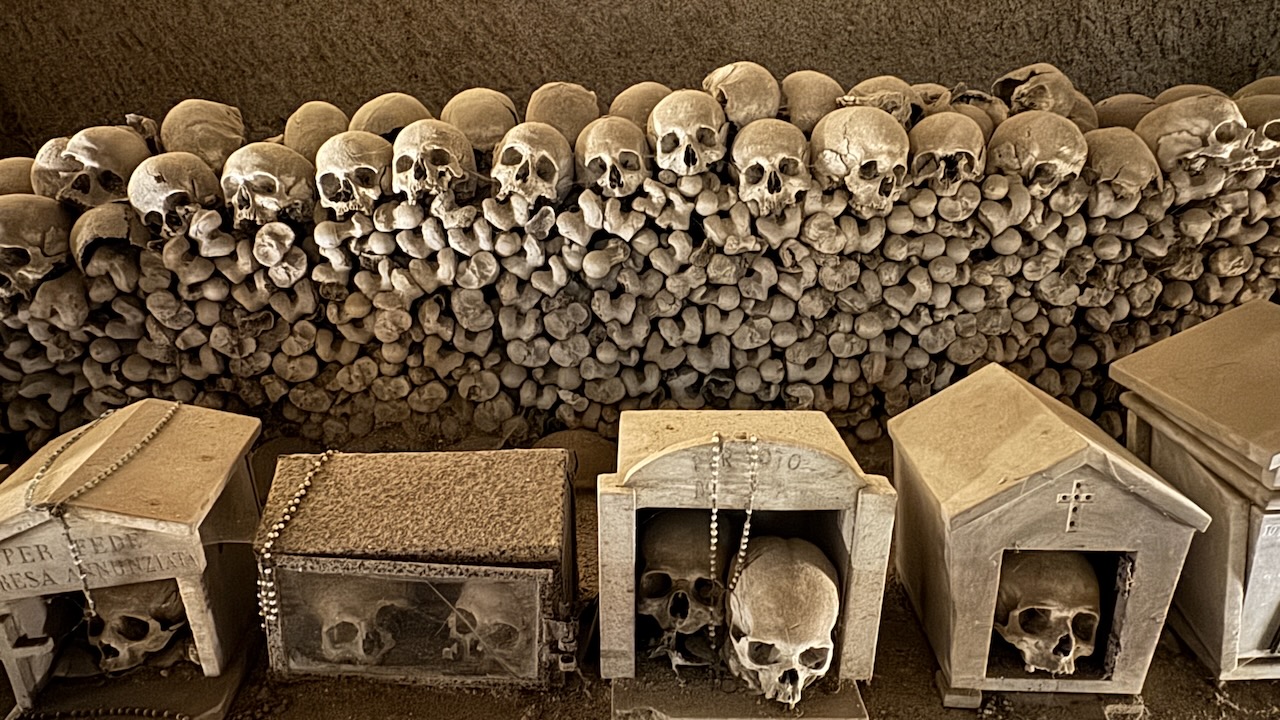
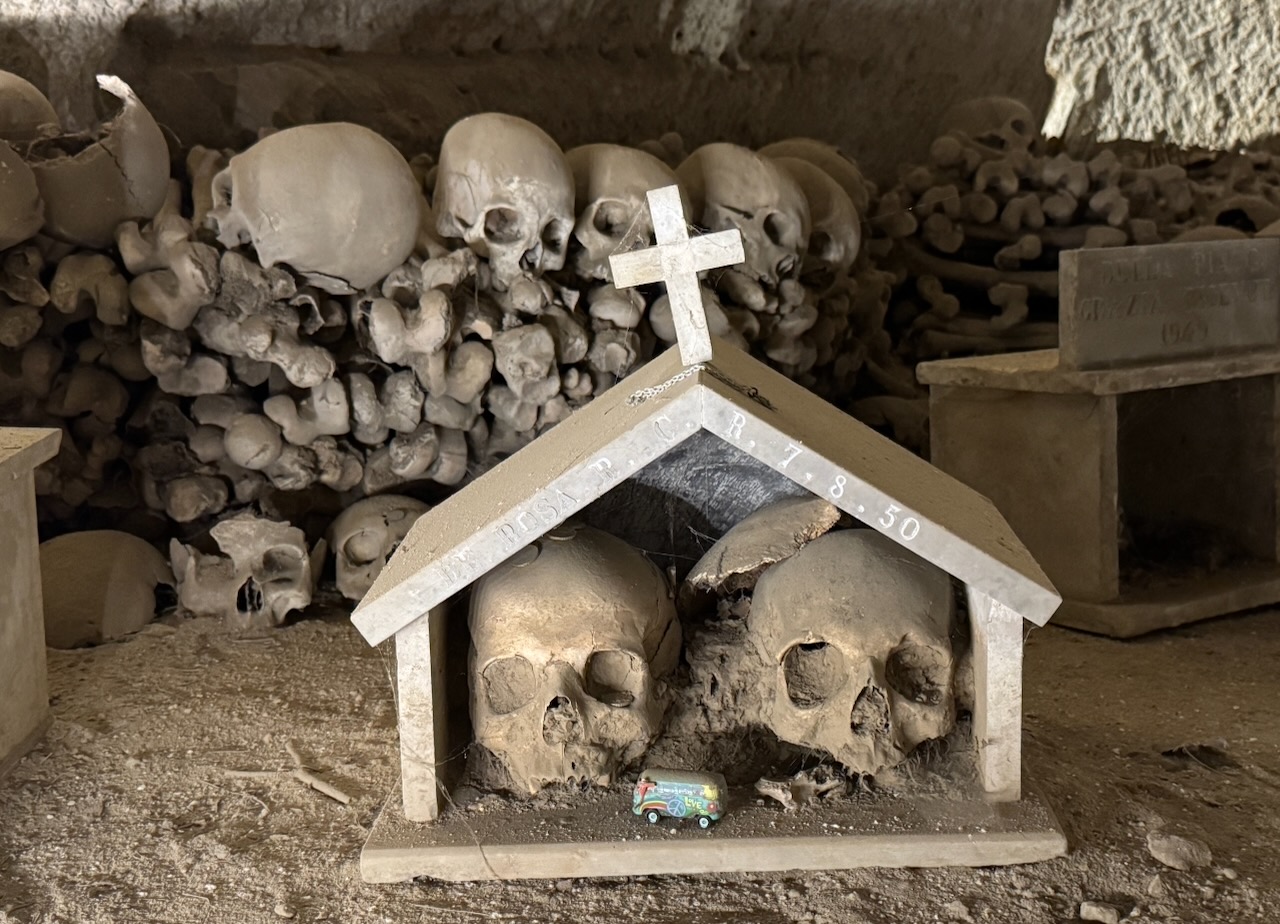
Women from the neighbourhood would adopt individual skulls, cleaning them, giving them names and praying for their souls. In return, they might ask for protection, a miracle or a little luck in their own lives, even a winning lottery number. If a wish was granted, they might create a small wooden or marble shrine to house the skull, adding their own name to give an identity where there had been none.
The act of giving dignity to the forgotten dead reminds me of the practice of Family Constellations, which I have been studying for the past two years. In this work, we witness how the silence surrounding exclusion, grief or shame in one generation can continue to shape the present for generations after, and how acknowledging and reintegrating those who have been ostracised or forgotten can help bring a sense of peace.
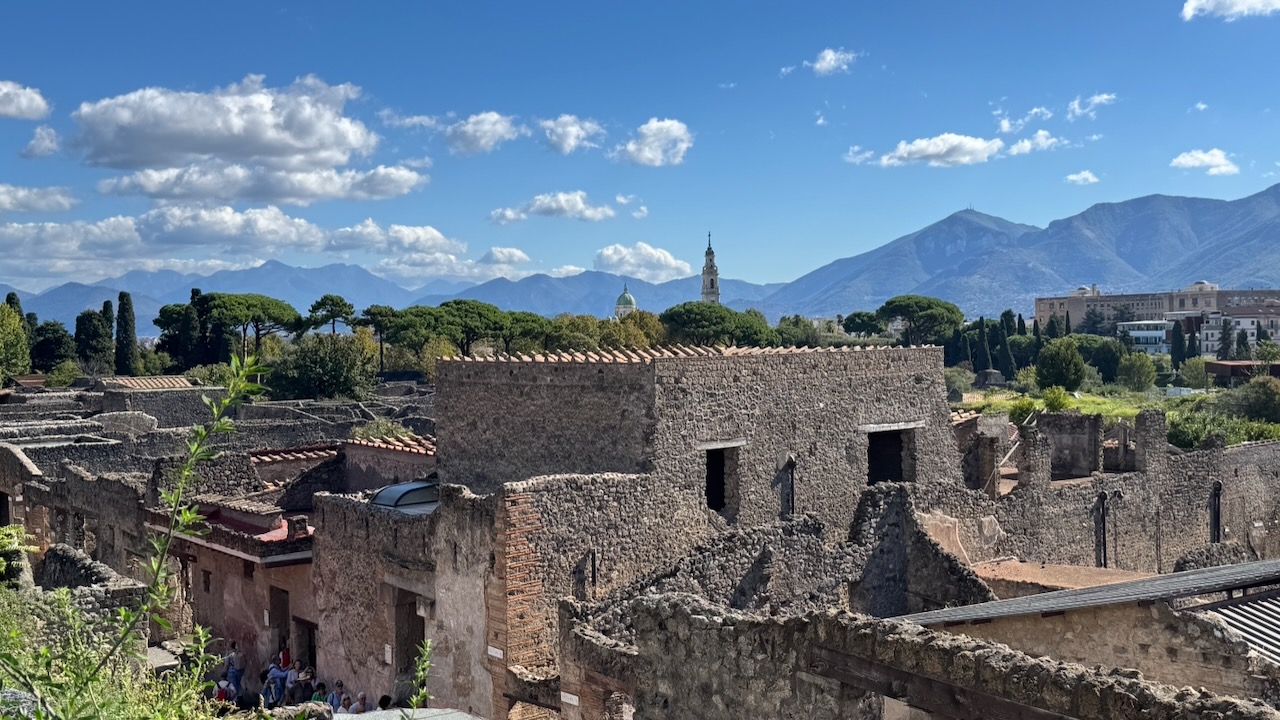
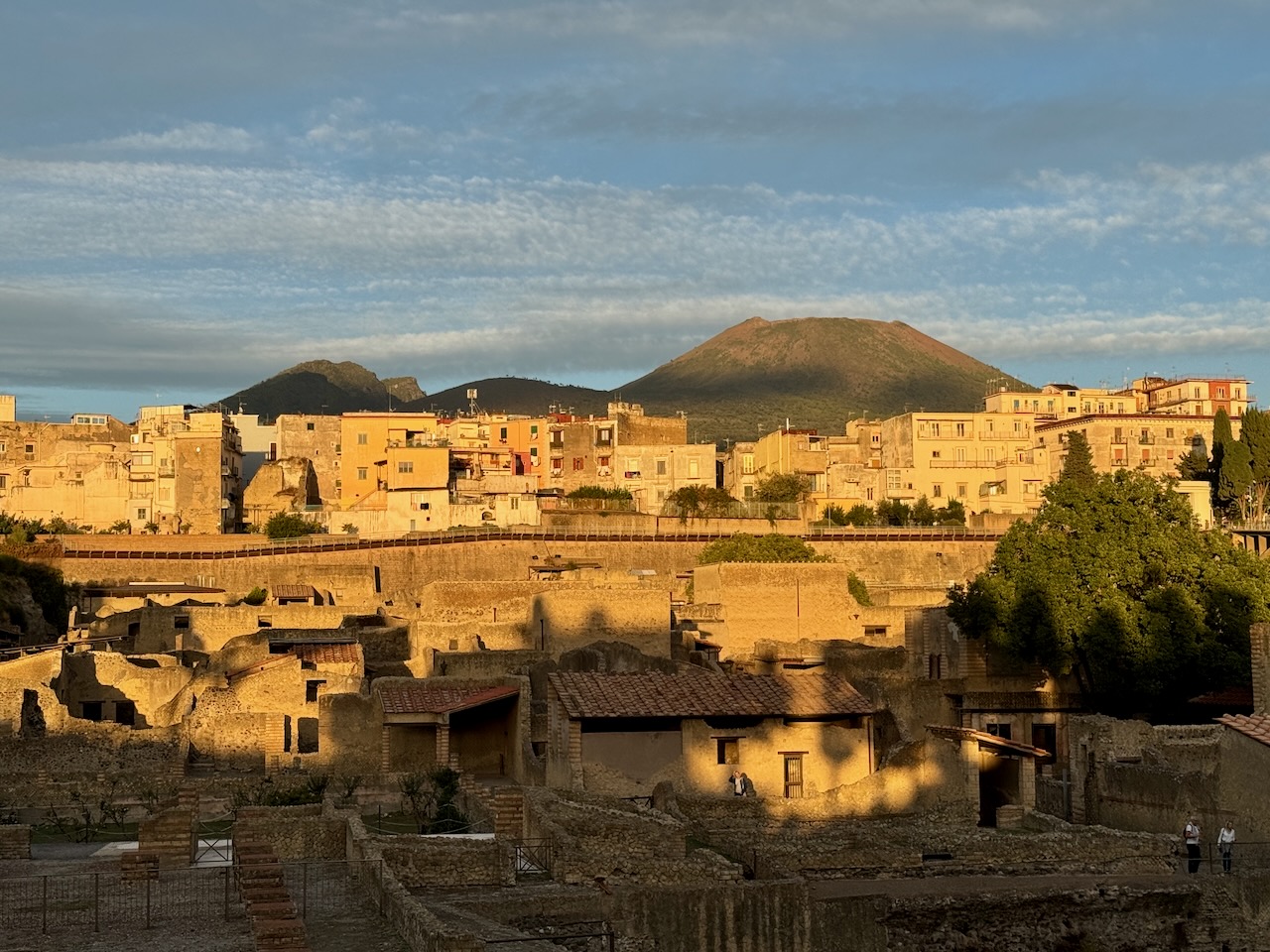
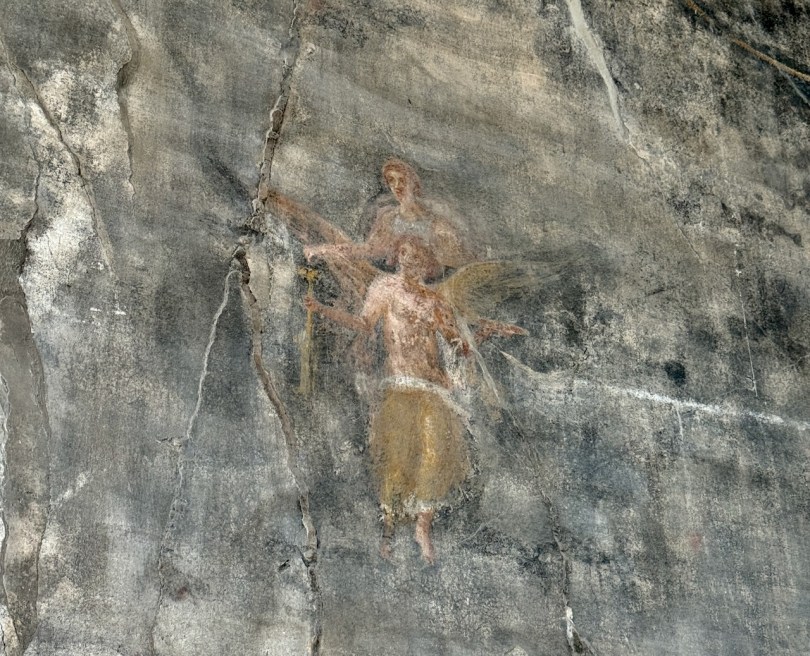
Our final stop takes us south of Naples to Pompeii and Herculaneum, where the eruption of Vesuvius in AD 79 brought ordinary life to a sudden and devastating end. While various beautiful wall paintings and mosaics survive, in Pompeii the volcanic pumice and ash that covered the city often left cavities where some victims’ bodies had decomposed. Archaeologists later filled these voids with plaster, creating casts of the final positions of those who died. The effect is profoundly moving.
Walking through these streets and houses, the distance between AD 79 and 2026 seems to collapse. Their world was different from ours, yet the essentials of human life are remarkably similar.
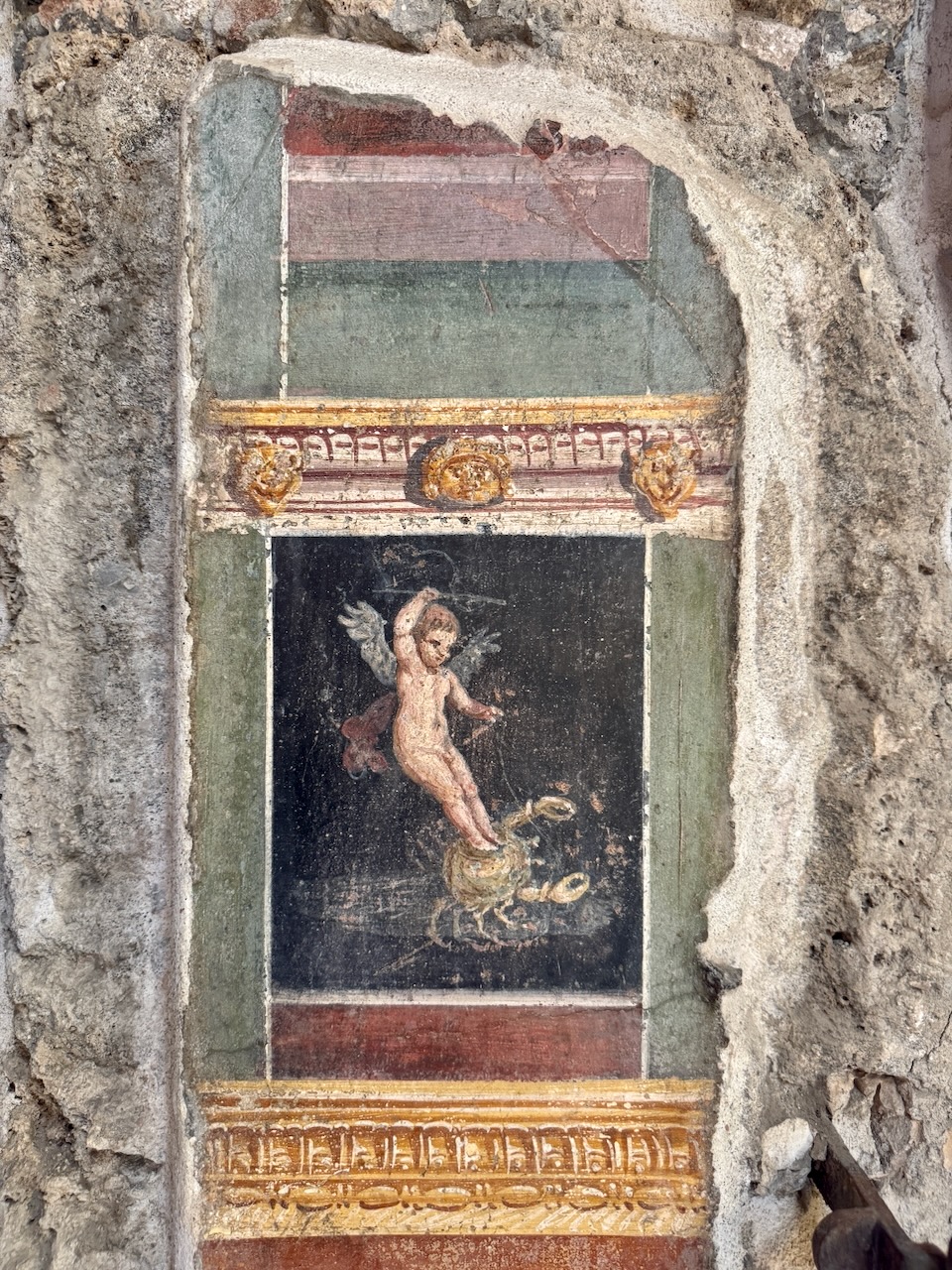
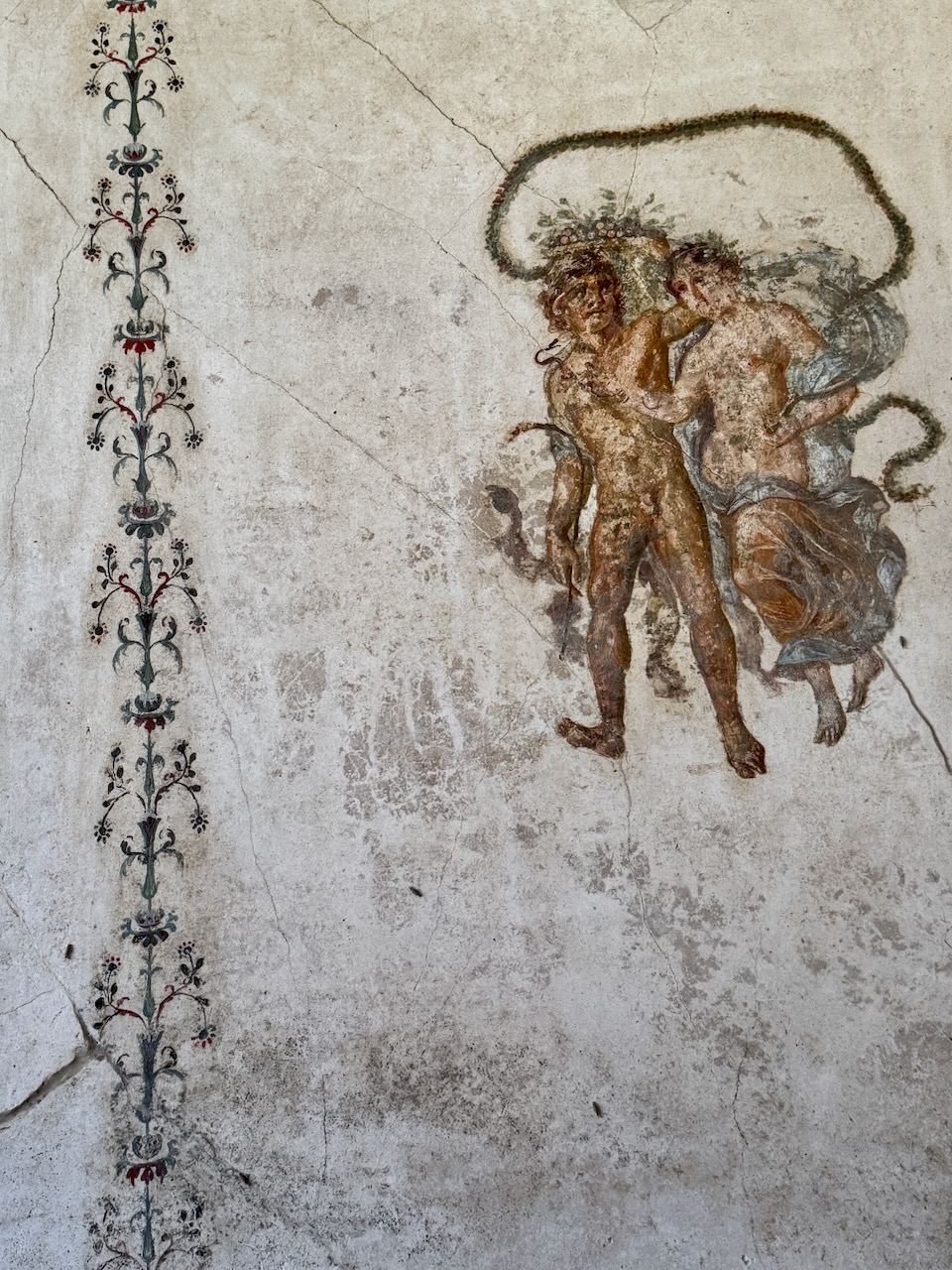
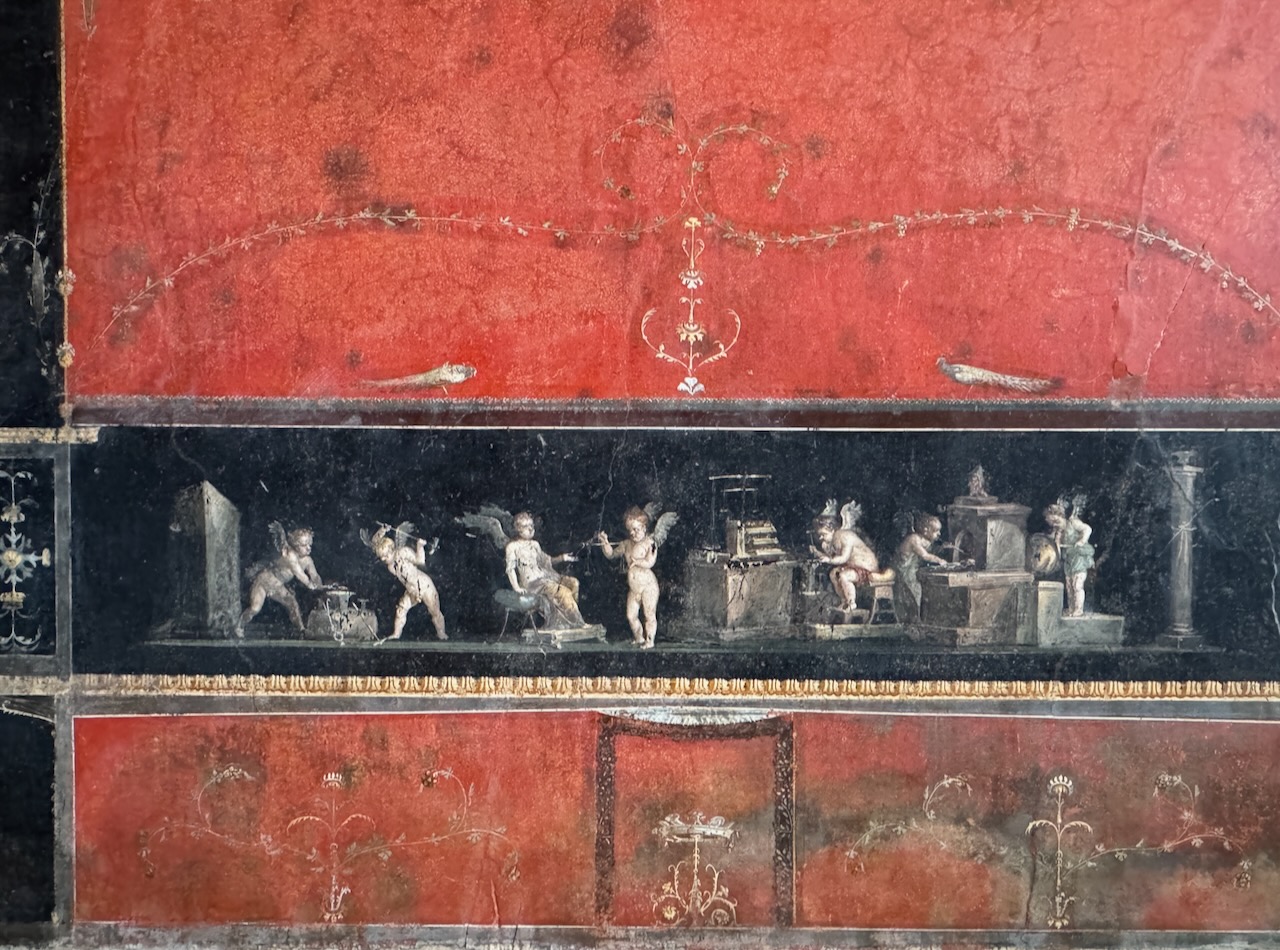
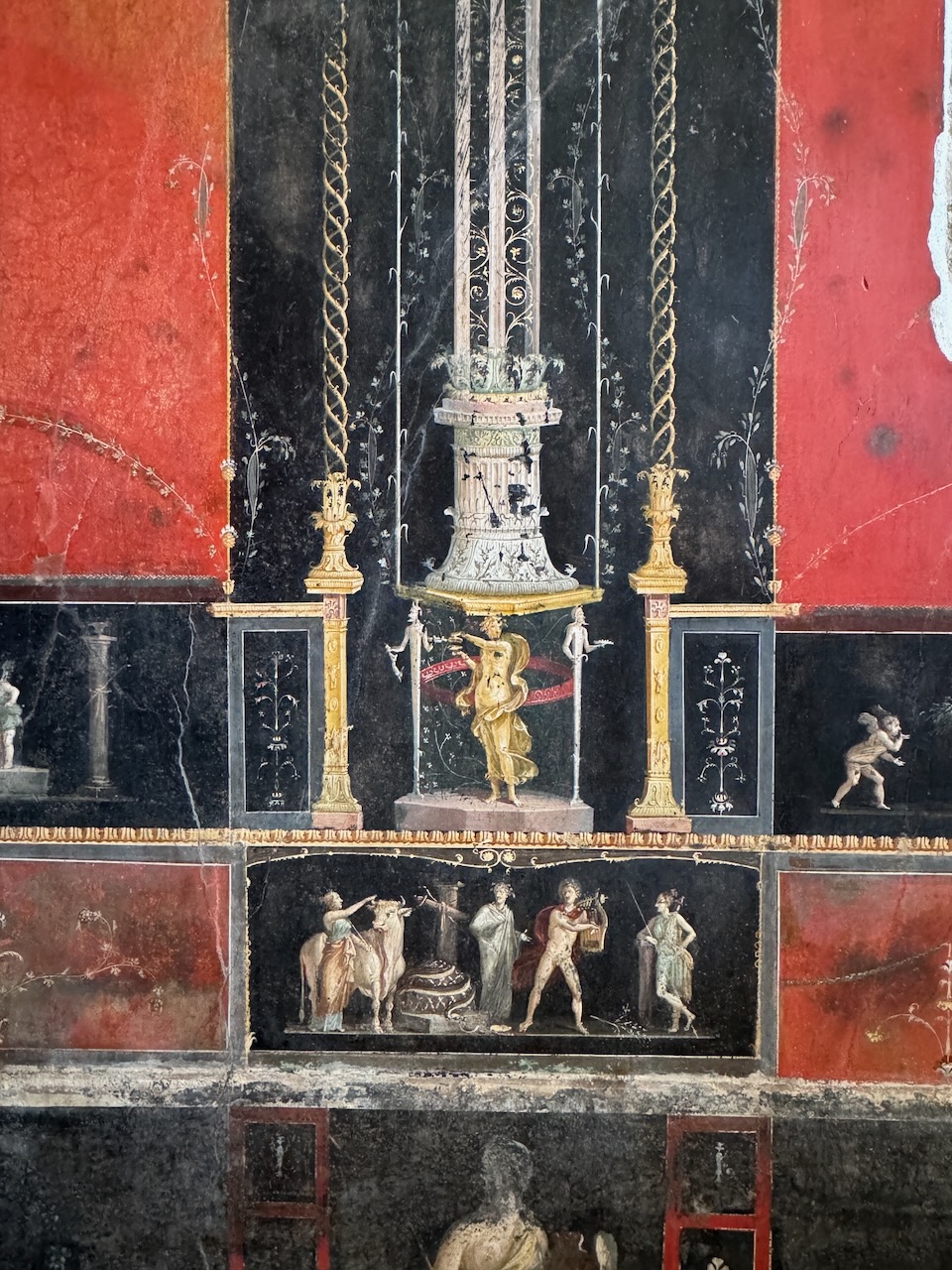
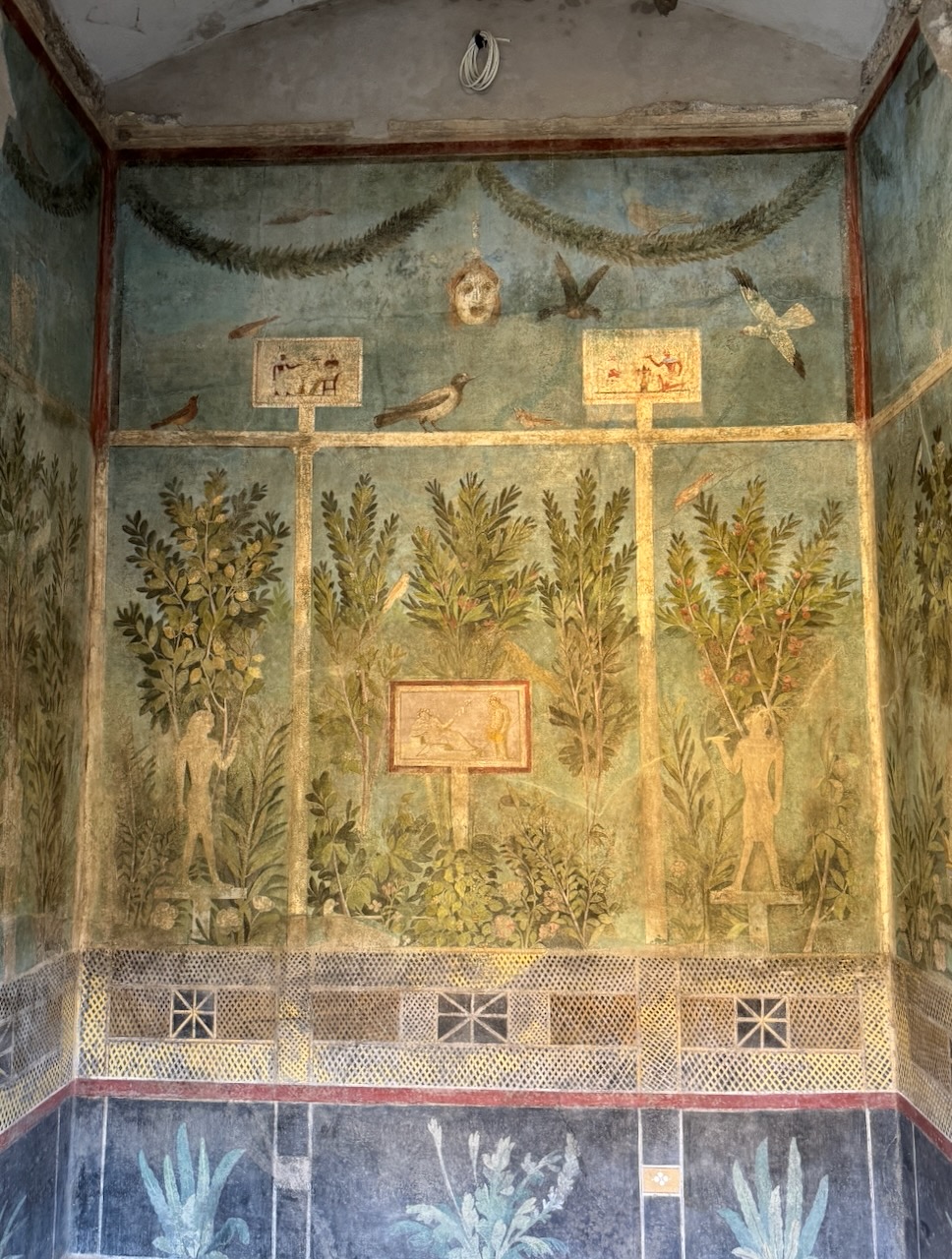
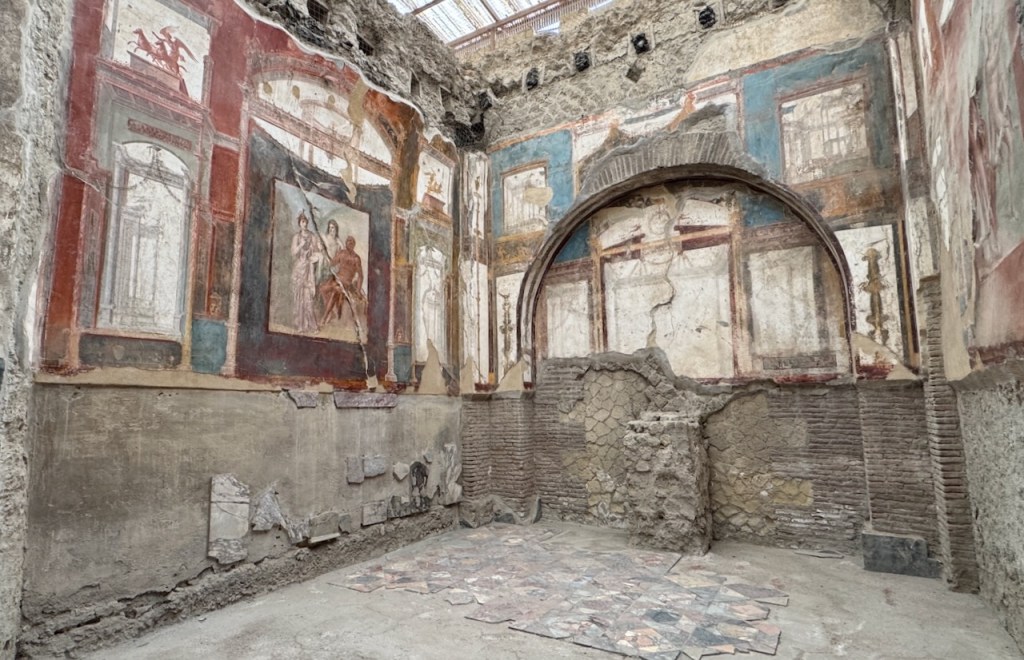
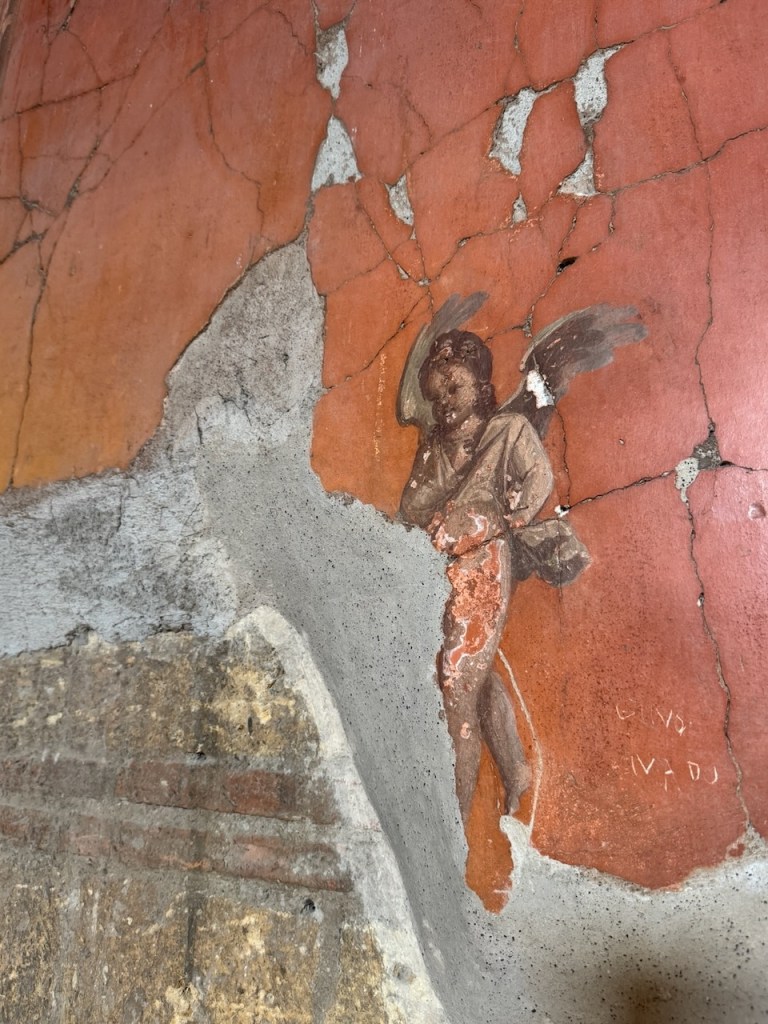
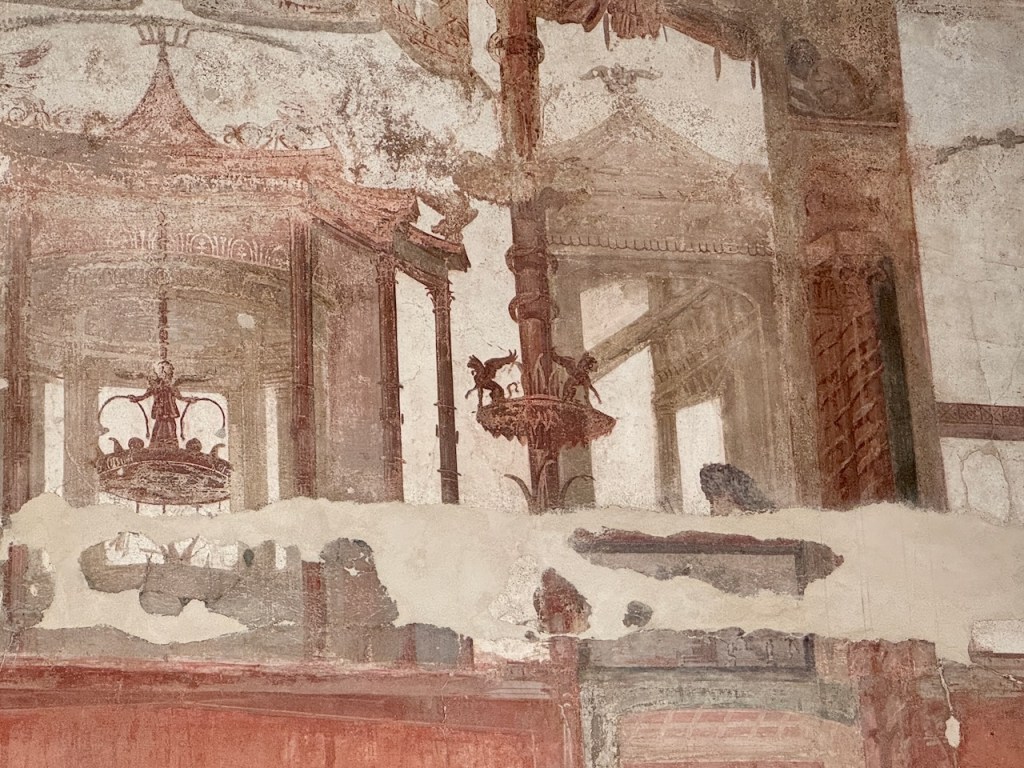
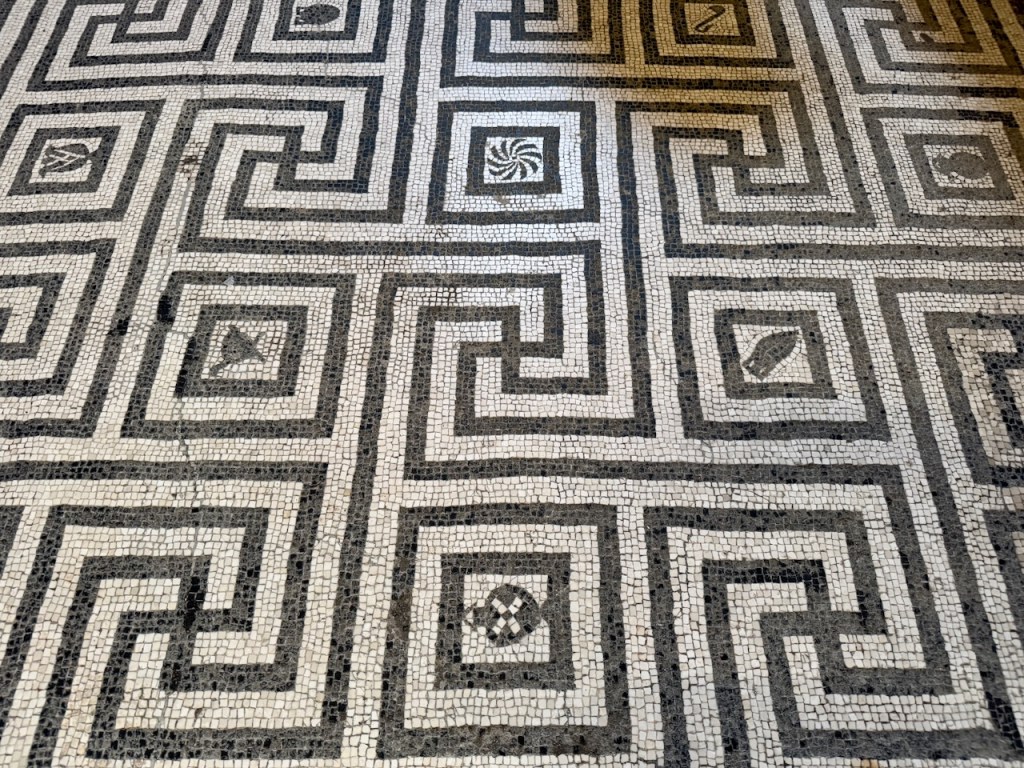
At Herculaneum, streets of beautiful villas were buried beneath deposits of volcanic material, including mud, up to 25 meters deep. Wooden furniture and doors as well as other organic materials were preserved and mosaic floors and murals survived remarkably intact. Down by what had once been the harbour, excavations revealed the skeletal remains of hundreds of people sheltering in vaulted stone chambers, as they awaited rescue by boat.
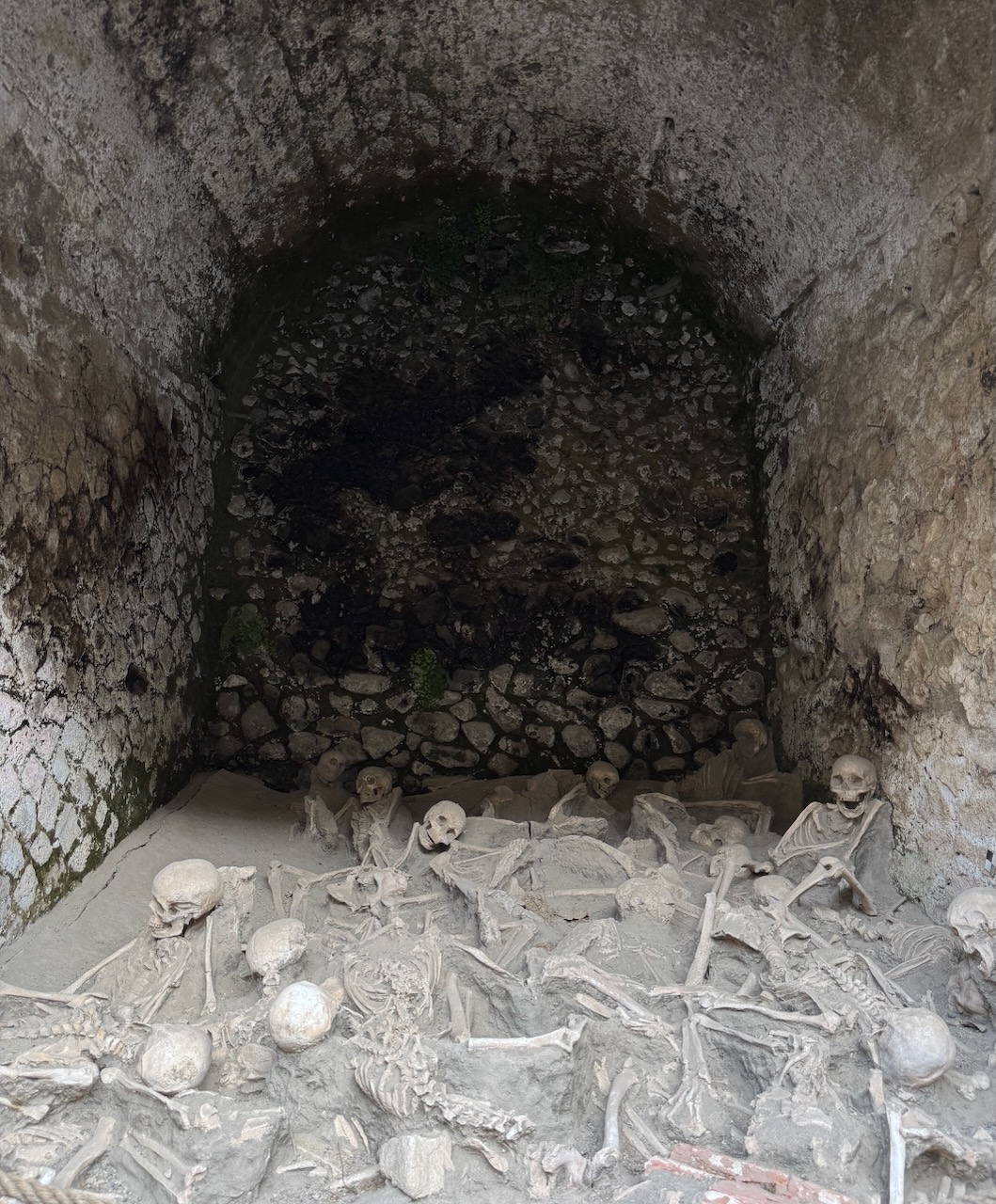
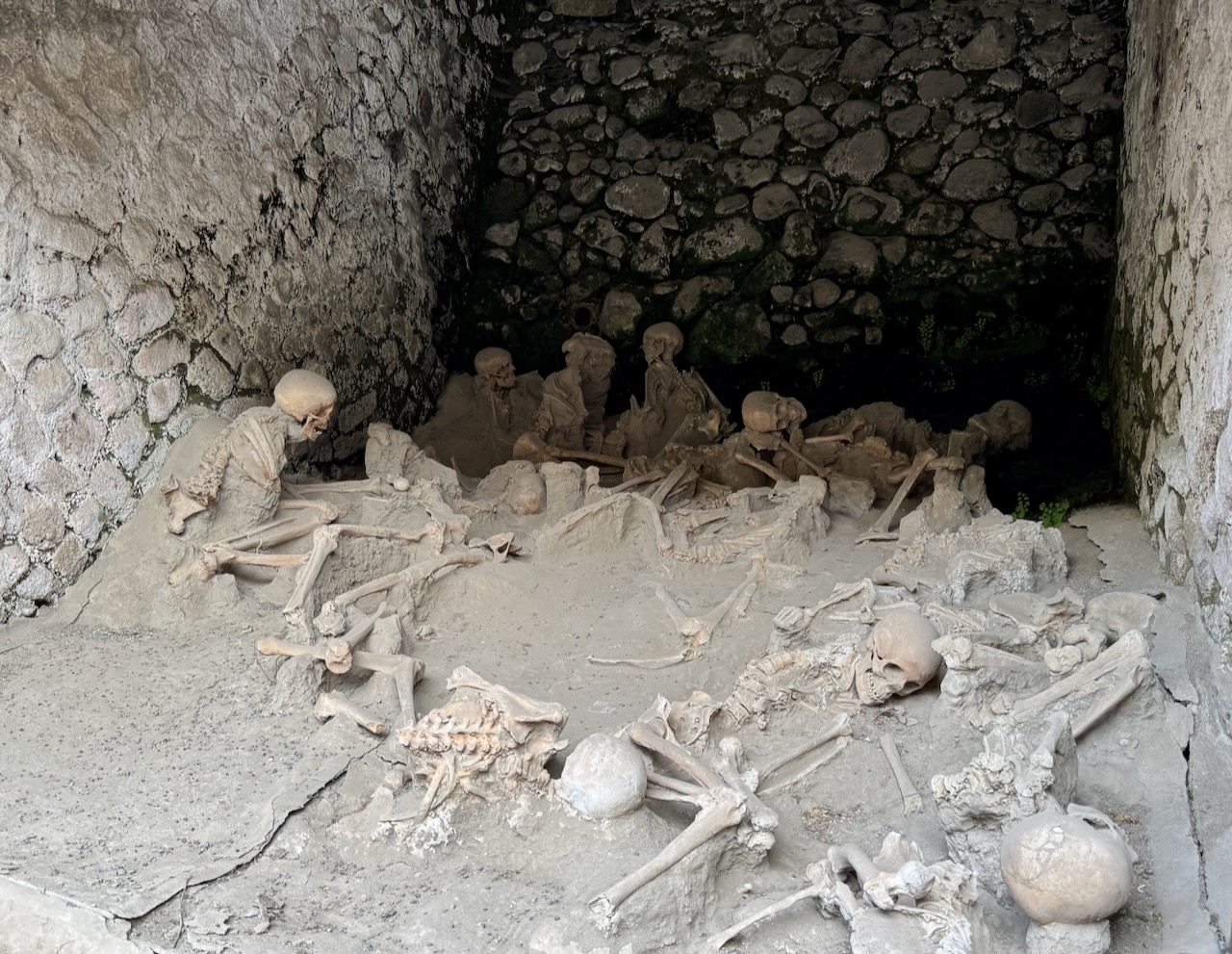
I found it strangely shocking to be confronted with the bones and skulls of real people. Not that I feel squeamish about or removed from the concept of death, but I am trying to think when, within my own mix of cultural experiences, I come face to face with a skeleton.
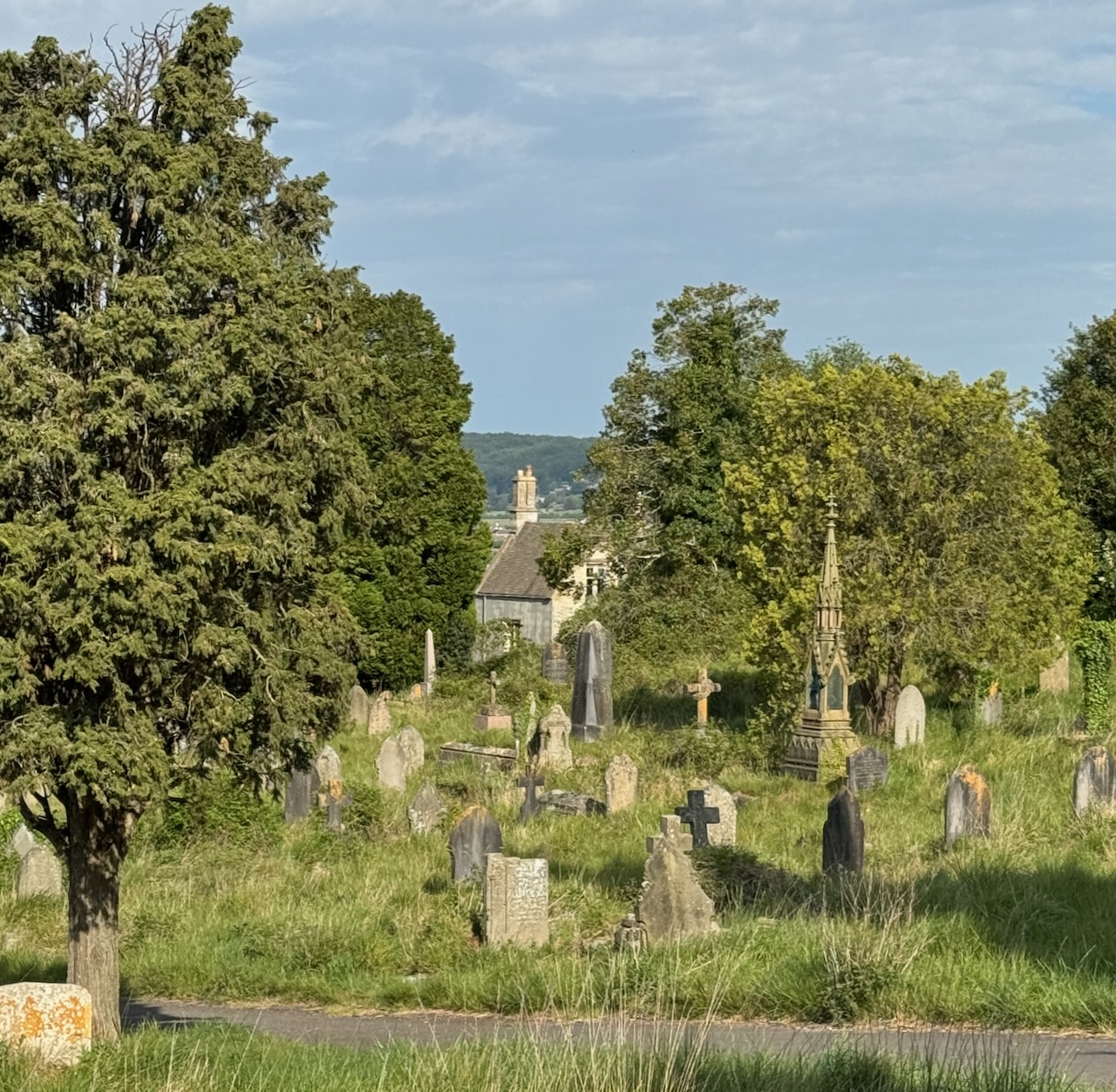
As the only living resident of a cemetery, I am used to having extremely quiet neighbours. I have pondered their lives and legacies. While dying can be deeply distressing, painful and sometimes frightening, and grief devastating for those left behind, I find that when I contemplate the dead, I overwhelmingly feel a sense of peace.
What strikes me most about all these sites is how the past is not a mere relic. For example, the La Paranza social cooperative that manages the Catacombs of San Gennaro and San Gaudioso, are helping revitalise the notoriously dangerous, isolated and poor Rione Sanità neighbourhood through employment and opportunities for local young people. The dead are quite literally supporting the living.
That support is another quality that has frequently made itself known to me in my work – with my grandfather, my great-great-aunt Joan and others: the sense that beyond our physical mortality there can also be so much heart, light and love among the dead. It’s as though they are willing us, from behind the threshold of mystery, to live and be happy.
To me, Naples therefore offers a powerful reminder of what can happen when we look death in the face, give it a name and allow it a place in our present. After all, it is the destiny we all share.

