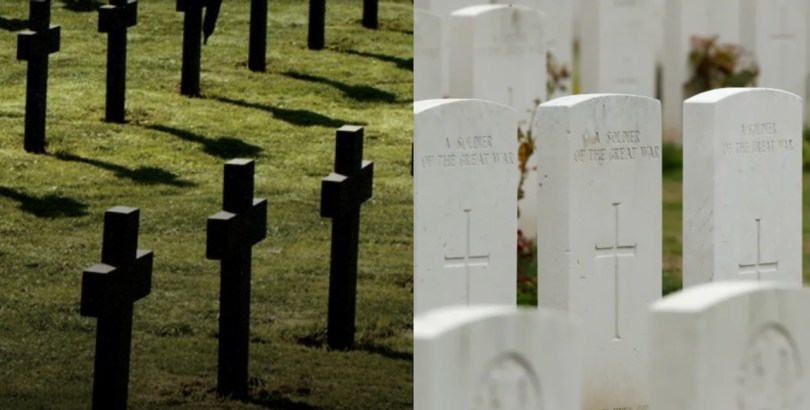
When the clock strikes eleven today and on the eleventh day of the eleventh month, many people across Britain, the Commonwealth nations, Europe and beyond will stop what they are doing to observe two minutes of silence. These moments of stillness have become central to our collective cultures of Remembrance.
The tradition began in 1919, exactly one year after the First World War armistice. King George V introduced the idea after South African politician and author Sir Percy Fitzpatrick suggested it, having witnessed local towns around Cape Town holding silent pauses during the conflict to think of those fighting. Originally, the silence was divided into two parts: the first dedicated to remembering the millions of soldiers who died in the war, and the second to those left behind – the widows, orphans, and the wounded. Today, we also remember those killed in the Second World War, more recent global conflicts, and all those they too left behind.
As the World Wars recede in time and in memory, and the tangible horrors of warfare feel less immediate to daily life – here in Britain, at least – the emphasis of our reflection naturally shifts. I have often written in my blogs about how our focus might move toward active reconciliation and prevention (this one for example). We are once again living in precarious times – politically, environmentally, globally. Occasions of remembrance offer a vital opportunity not just to look backward, but to reflect deeply on how we prevent differences and disputes escalating into full-blown wars.
Connection, reconciliation, and even forgiveness have all been shown to nurture and maintain peace rather than succumbing to a thirst for vengeance. The relationship between Coventry and Dresden remains one of the world’s most powerful demonstrations of this. Both cities were devastated by aerial bombings during World War II – Coventry by the German Luftwaffe in November 1940, and Dresden by the Allied air forces in February 1945. Instead of letting these tragedies fuel lasting animosity, the two cities established a deep, historic bond dedicated to peace.
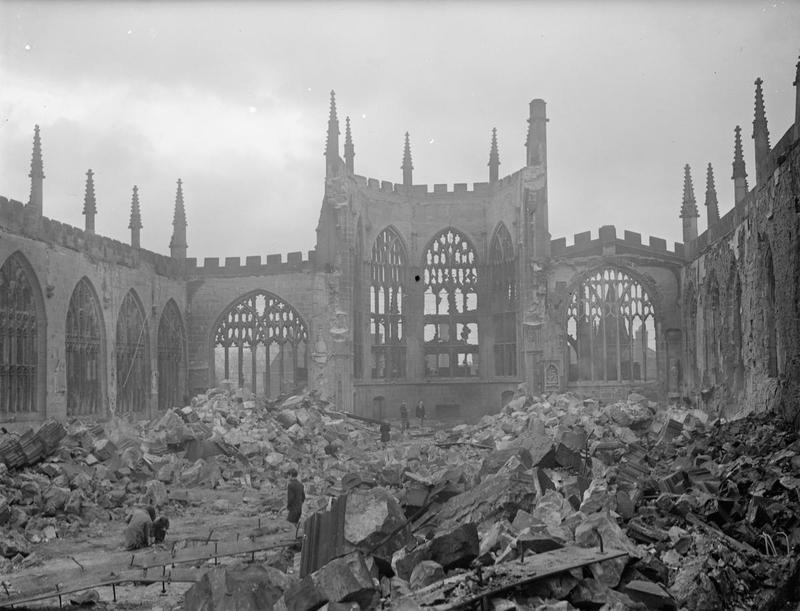
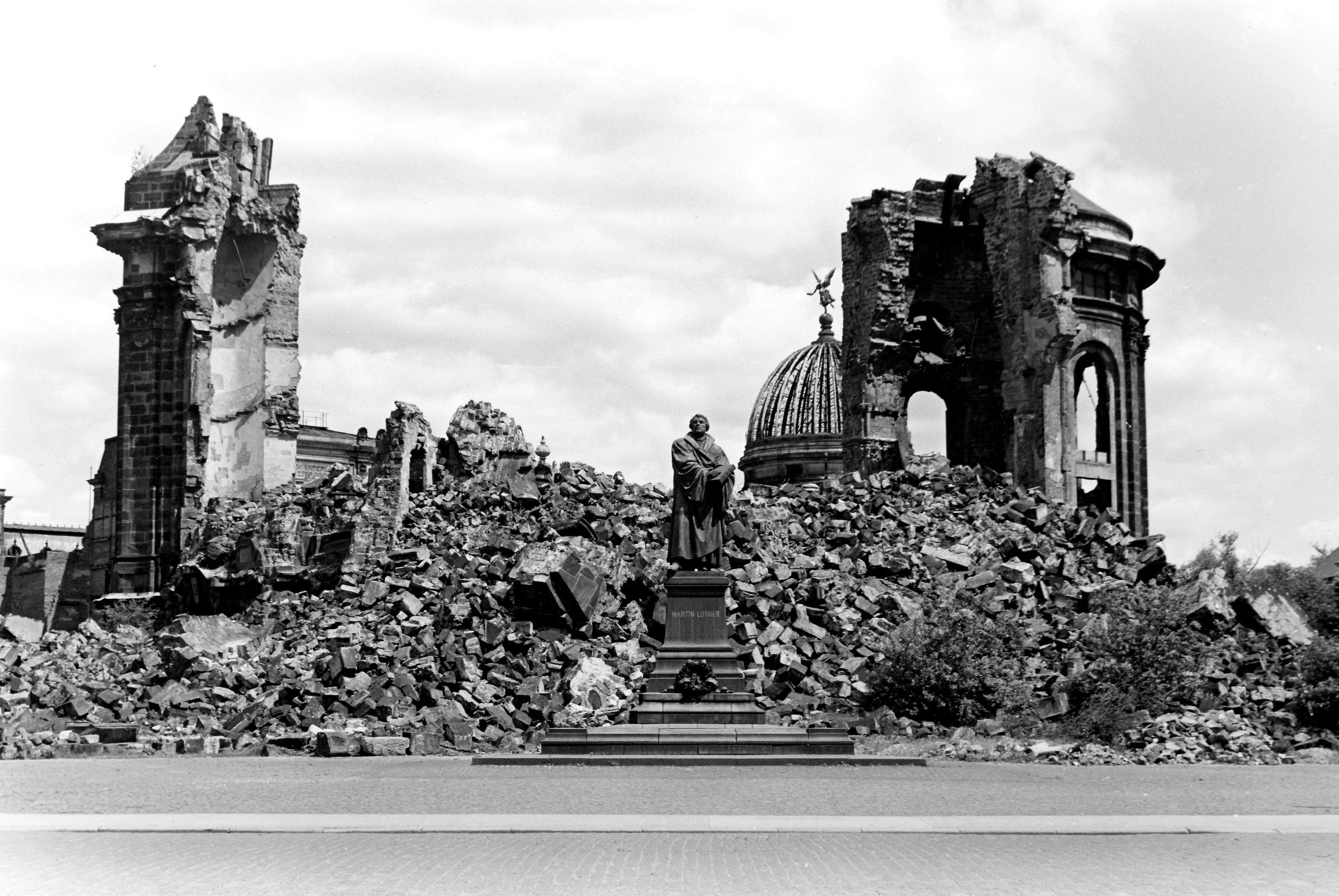
The narrative of forgiveness began immediately within the ruins of Coventry Cathedral. Following the 1940 Blitz, Provost Richard Howard famously had the words “Father Forgive” inscribed on the wall behind the ruined altar. Coventry, a pioneer in the modern twin-city movement, officially twinned with Dresden in 1959, bridging the geopolitical boundaries of the Cold War to form a ‘we together’ rather than the usual ‘us’ and ‘them’ that divides rather than unites.
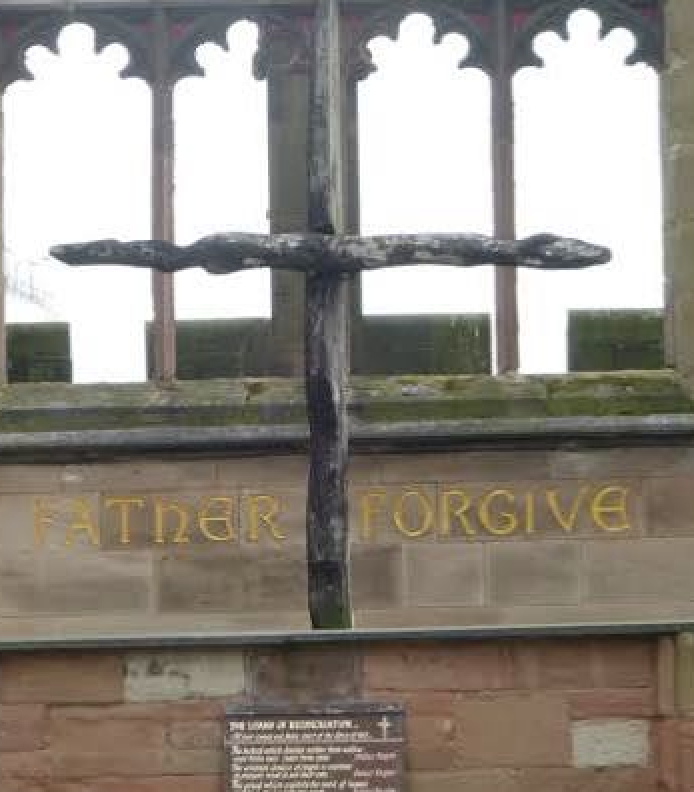
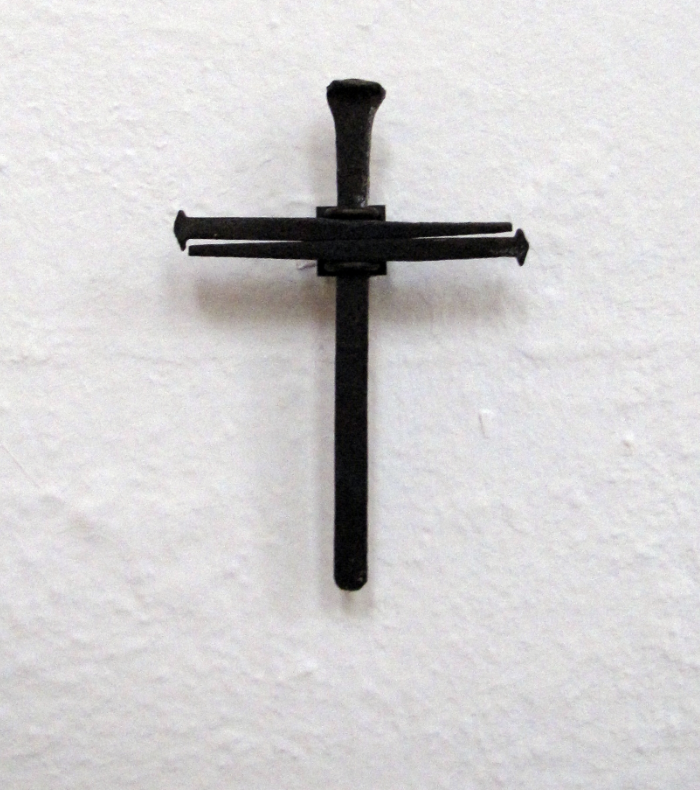
Later, powerful emblems were also exchanged. Three large medieval nails from the destroyed roof of Coventry Cathedral were bound together with wire to form a cross, which became a global symbol of peace, forgiveness and reconciliation. One such cross was presented to Dresden’s Frauenkirche as a gesture of solidarity and healing.
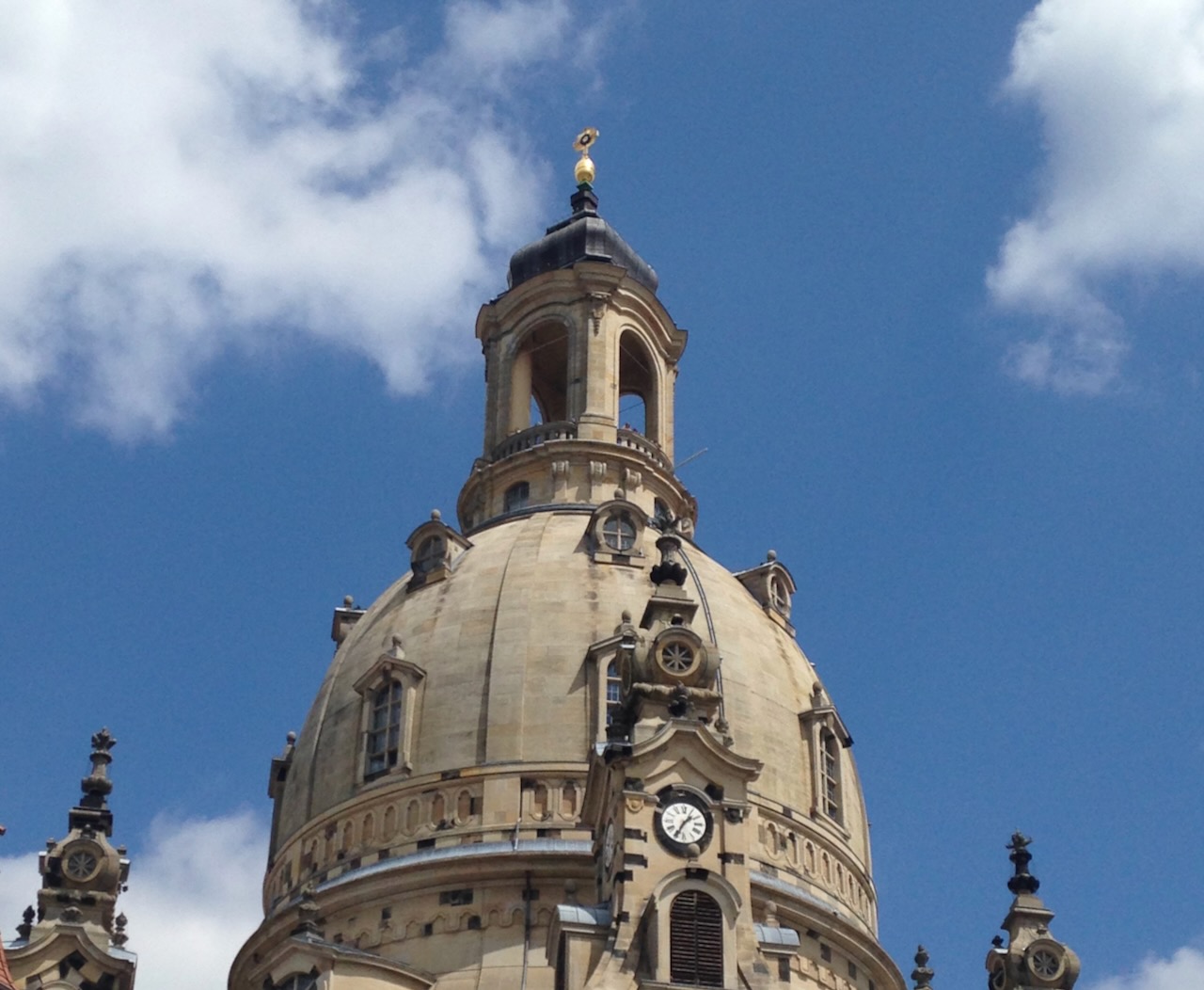
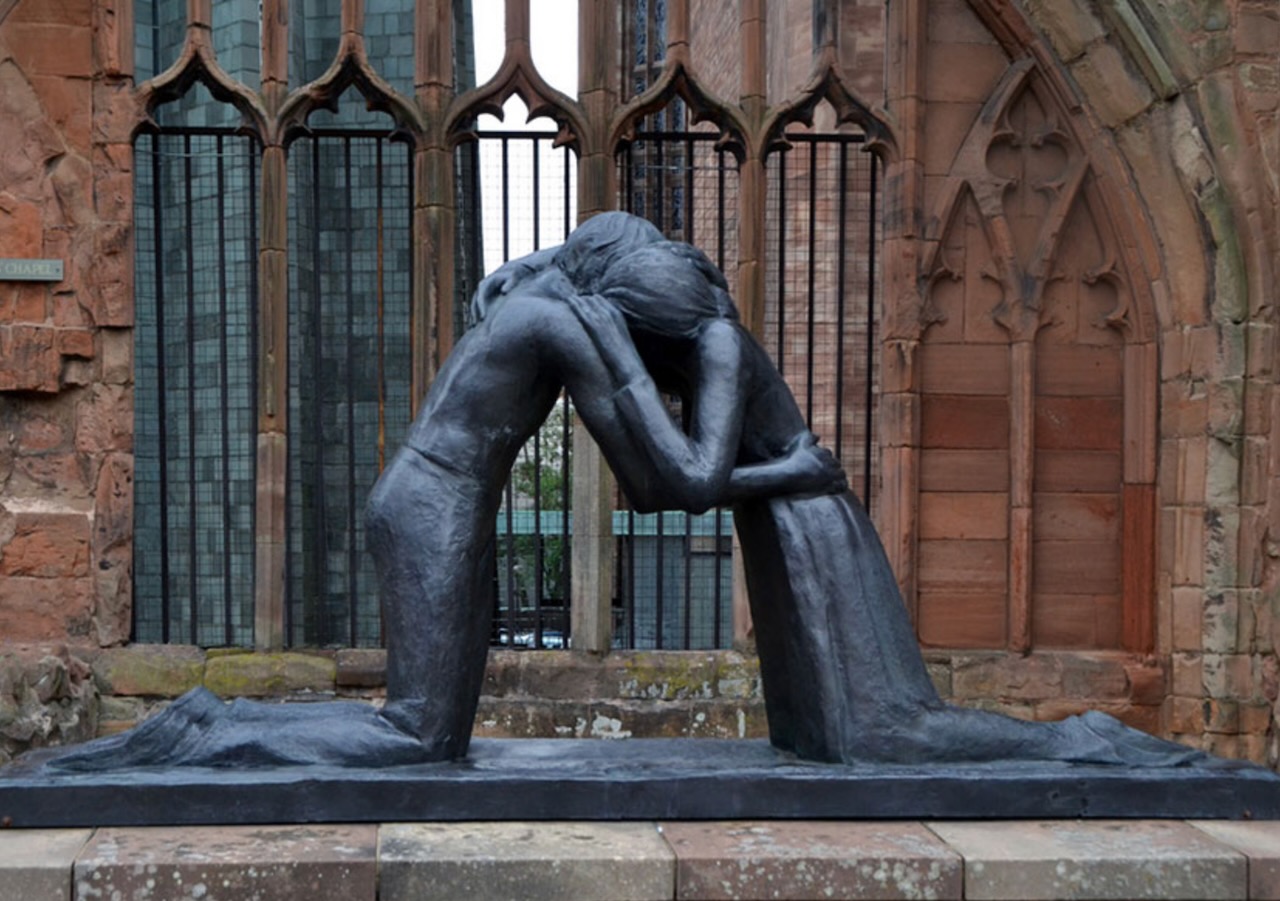
In 1993, in response to a ‘Call from Dresden’ to help to rebuild the city, the British public raised over £1m through The Dresden Trust to recreate the majestic golden orb and cross that sits on top of the reconstructed dome of the Frauenkirche. It was crafted by Alan Smith a British goldsmith whose father, a RAF Bomber Command pilot, had taken part in the bombing raids over Dresden. Furthermore, identical bronze statues sculpted by Josefina de Vasconcellos and depicting two kneeling figures embracing across a divide stand in both the ruins of Coventry Cathedral and the grounds of the Frauenkirche as well as in Hiroshima, Belfast and Berlin, visually spreading their shared message.
Today, the partnership continues through active youth programs, academic exchanges, and collaborative music and arts festivals designed to ensure that the lessons of the Blitz and the Dresden bombings inspire future generations toward peace. Several related events are coming up this month:
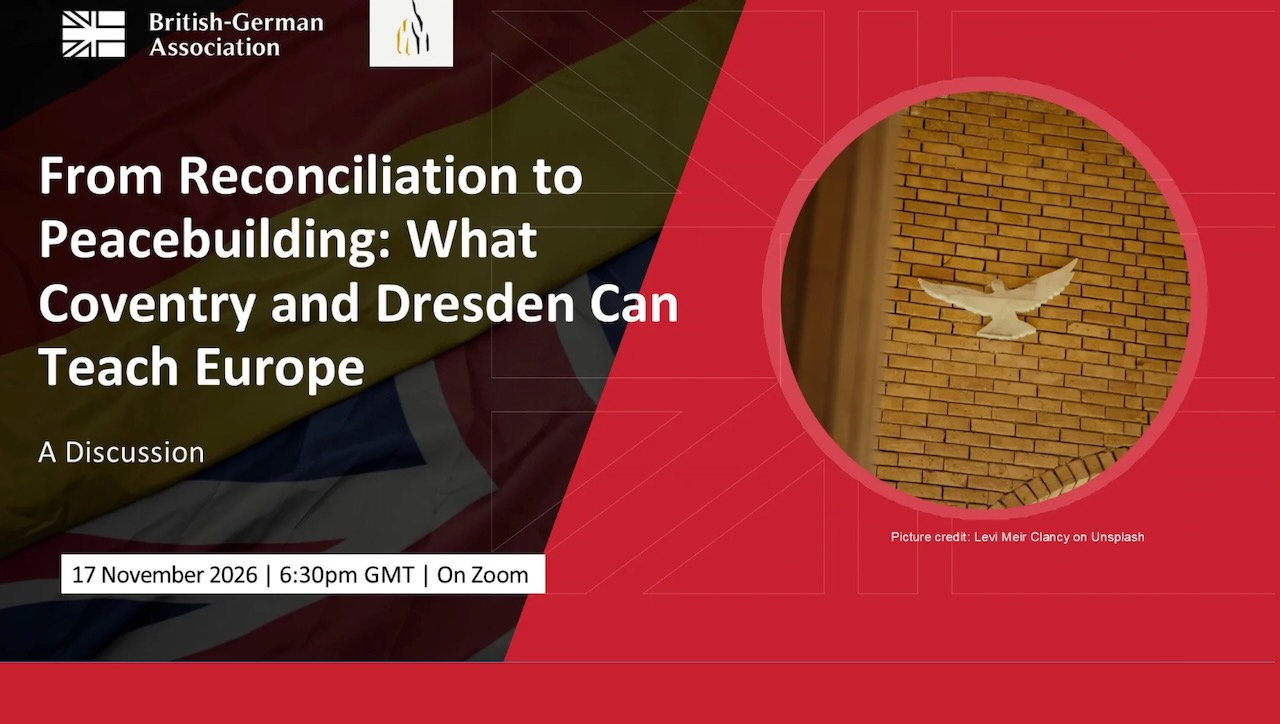
From Reconciliation to Peacebuilding: What Coventry and Dresden Can Teach Europe. On Tuesday 17th November at 6:30pm, the British-German Association is hosting an online Zoom panel. Featuring speakers from the Dresden Frauenkirche, Coventry Cathedral, and The Dresden Trust, it promises to be a poignant discussion. You can learn more and register here.
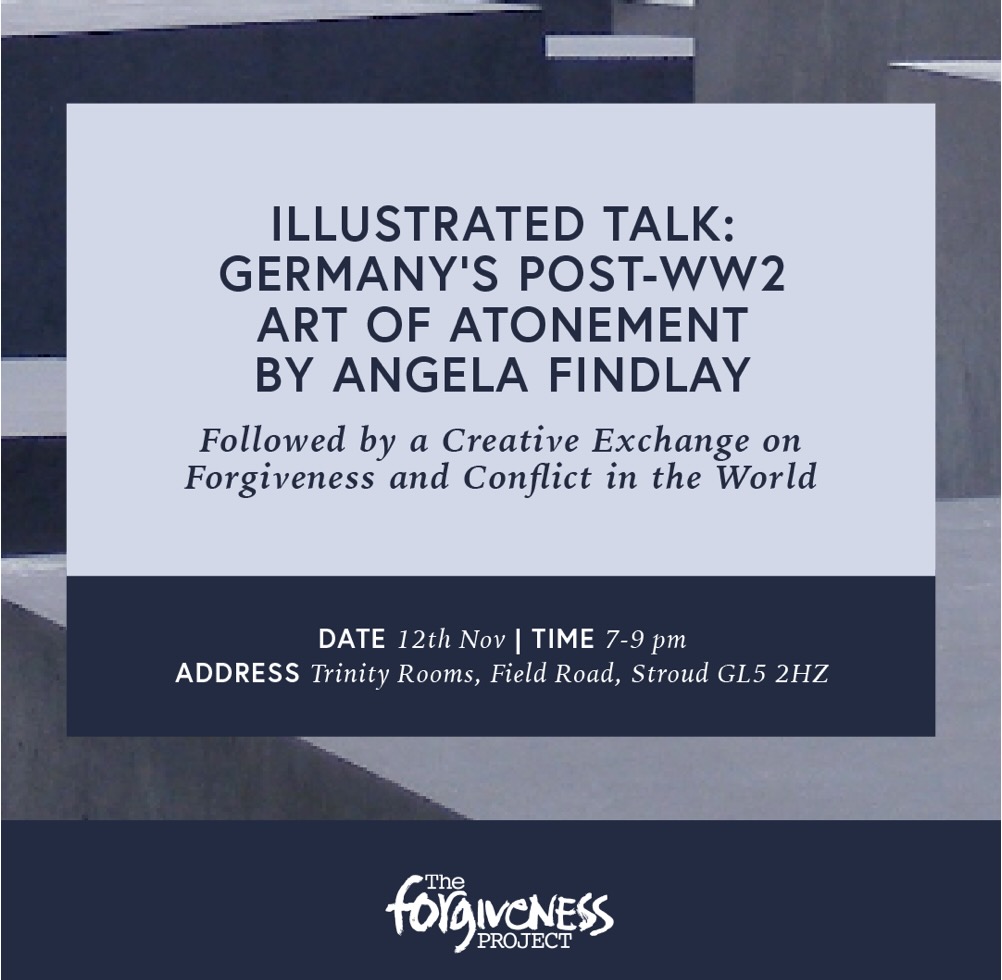
Forgiveness and Conflict in the World: On Thursday 12th November, 7-9pm, I will be co-hosting a Forgiveness Café at the Stroud Trinity Rooms in collaboration with The Forgiveness Project. This is the third in a series of events exploring the possibility of forgiveness in relation to conflict – in ourselves, our societies, and, in this case, conflict in the world. The evening will begin with my illustrated talk on Germany’s post-war culture of apology and atonement, followed by a creative exchange. You can read more and book tickets here.

Remembrance Day will always be a time to honour those who gave their lives, those who were wounded, and those who carry the psychological scars of combat, loss and destruction. But true reconciliation asks something more: it asks us to include in our thoughts those on the ‘other side’, recognising that suffering is entirely universal. And in order to make peace with a former enemy, Nelson Mandela instructed, you have to work with them to become partners. Seeing our historical – and current – adversaries as fellow human beings on this crazy, funny, horrifying and beautiful planet is the very foundation of peace maintenance.
Ultimately, as we know all too well, peace begins within ourselves; that much is truly in our hands. It asks us to heed what Albert Eistein observed: “Peace cannot be kept by force; it can only be achieved by understanding.” These wise words can be a really hard ask. But as Mother Teresa reassures, peace can begin with something as simple as a smile.

