On Wednesday evening, I found myself on the third floor of Hatchards Piccadilly, surrounded by books bursting with stories – including our own – as I chaired a conversation with novelists Alice Jolly and Rachel Seiffert. Their latest books, published by Bloomsbury and Virago respectively in November 2025, were both shortlisted for the £20,000 Walter Scott Prize for Historical Fiction, which Alice went on to win.
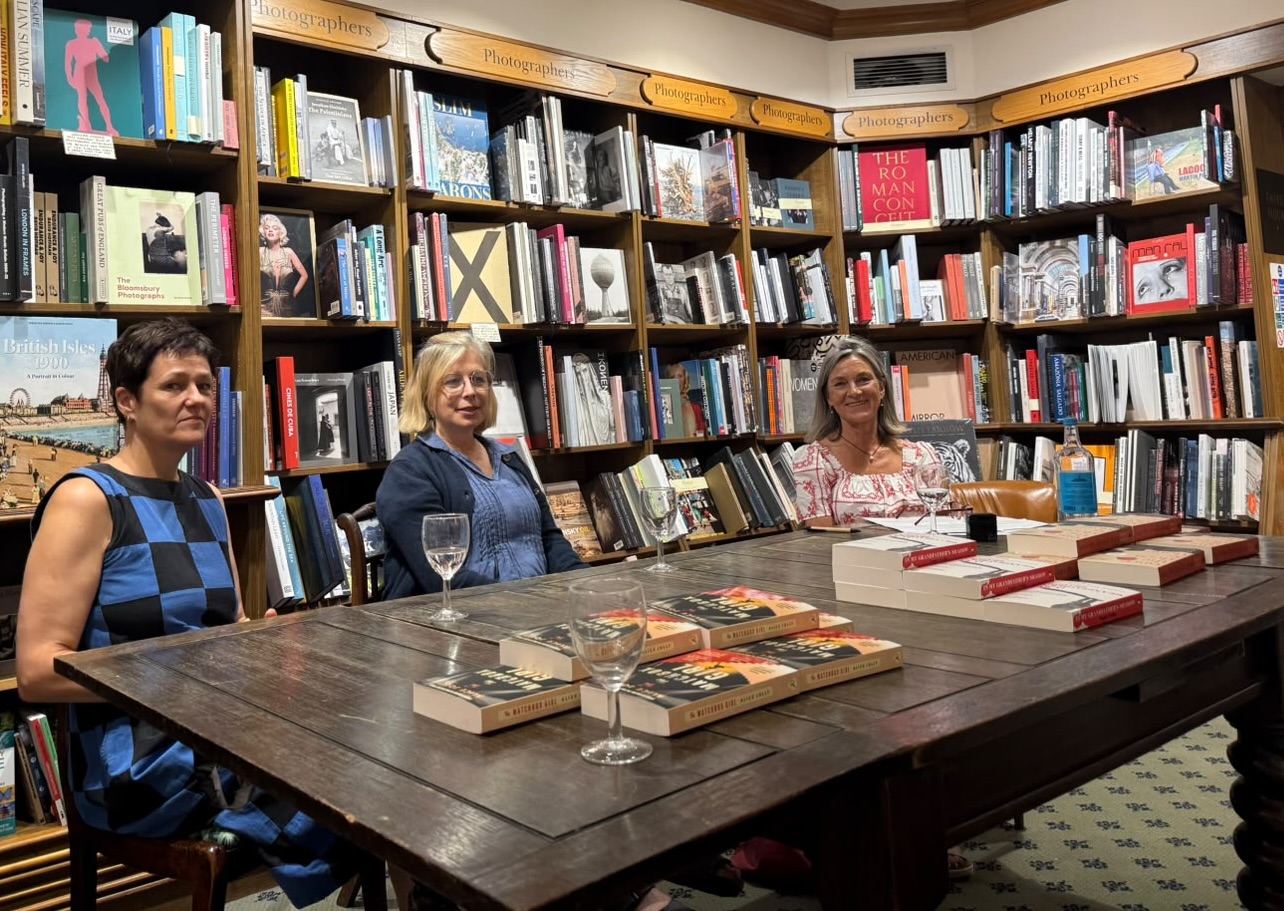
We were talking about historical fiction – about the challenge of imagining lives very different from our own without surrendering to easy judgment. It could easily have remained a conversation about the past. Instead, it felt urgently relevant to the present.
As I write, Iran has issued a fresh warning that it could target UK airbases that have supported the United States in its strikes. That would bring the conflict to RAF Fairford in Gloucestershire. The thought of my own county becoming part of a war in the Middle East feels surreal.
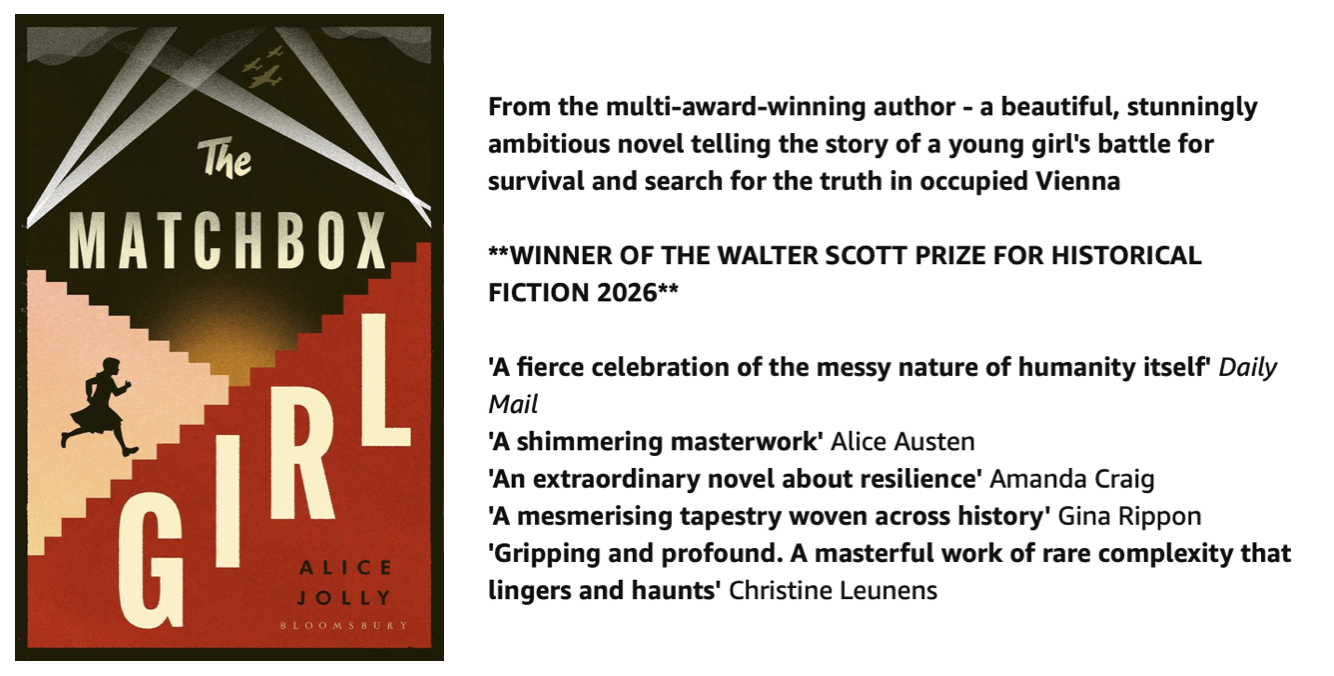
While their books couldn’t be more different in style, both explore overlooked and little-known corners of life within the broader history of the Third Reich. Alice’s The Matchbox Girl is a fictional account of the real, deeply controversial Dr Asperger, who worked in the pioneering Curative Education Ward at the Vienna Children’s Hospital. The narrator is a fictional young woman, Adelheid Brunner, a non-verbal patient at the clinic and keen observer of the gathering force of Nazism around her.
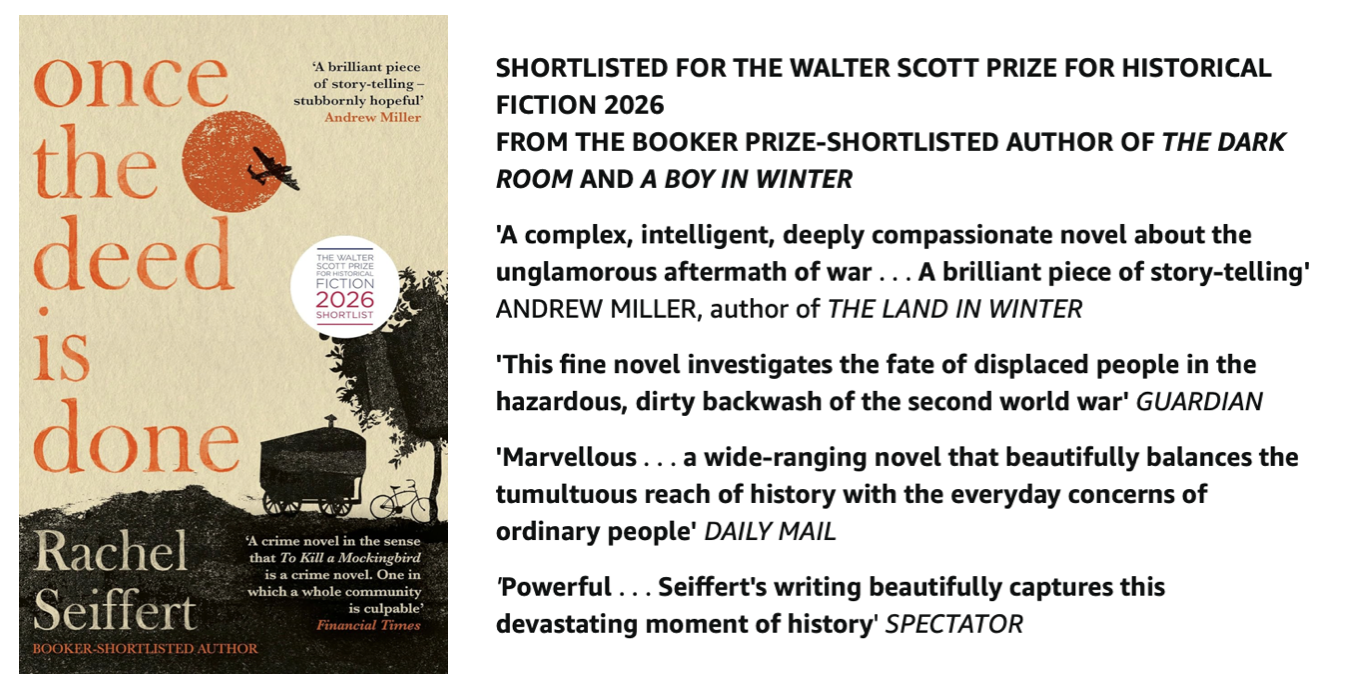
Rachel’s Once the Deed is Done is set on the Lüneburg Heath in northern Germany in the immediate aftermath of the Second World War. Through multiple perspectives – a schoolteacher, a policeman’s son, British Red Cross workers, displaced Ukrainian children and other townspeople – it explores displacement, moral uncertainty and the first days of British occupation.
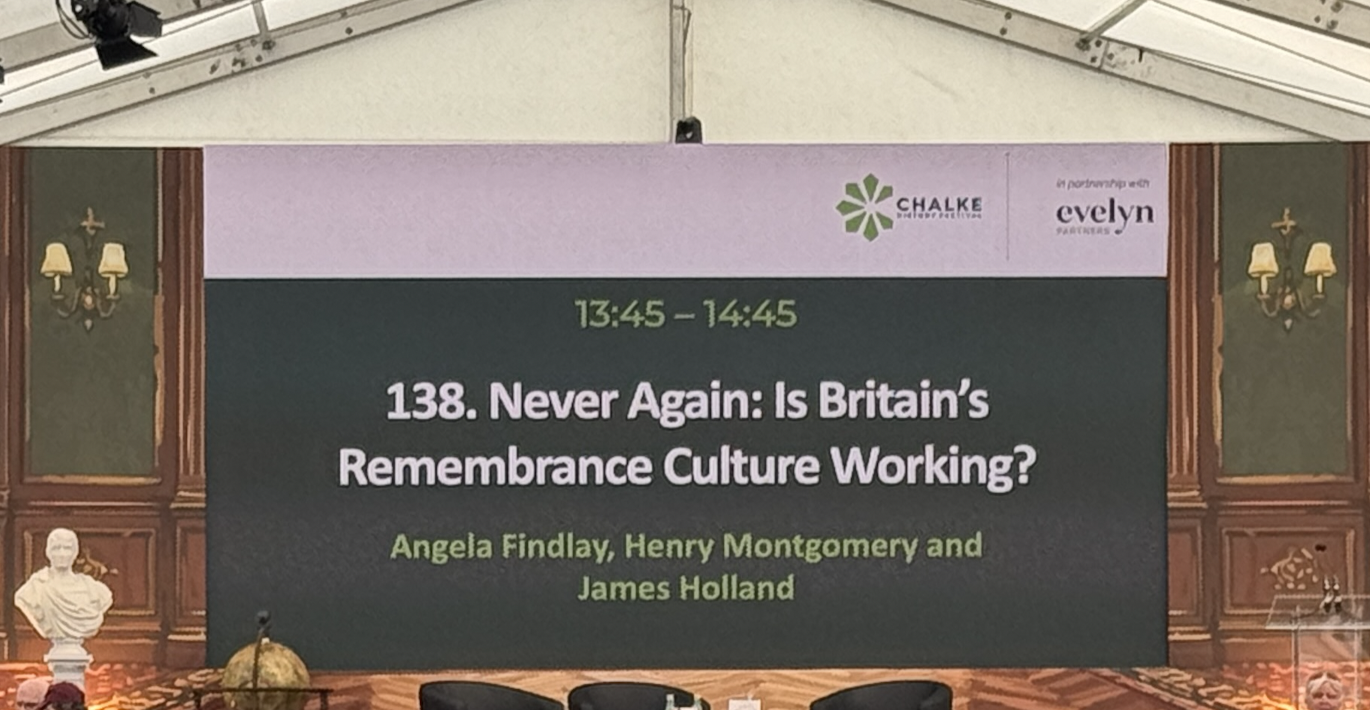
The conversation that followed warmed my heart. Normally at such events – not least the recent Chalke Valley History Festival where Henry Montgomery, James Holland and I came together to talk about Remembrance of the World Wars – I find myself the sole female voice encouraging people, both in Germany and England, to suspend judgment of those traditionally and easily cast as bad or evil, and to ask instead how they came to commit such deeds. This time, I wasn’t alone.
Fiction can offer wonderful paths into the internal worlds of characters. To bring them fully to life, writers have to feel their way into their skin, their homes, their times, their heads. As both authors said, by doing so you discover the parts within yourself that are capable of, well, everything. Of extreme kindness or heroism, or ignorance and cruelty. We are it all.
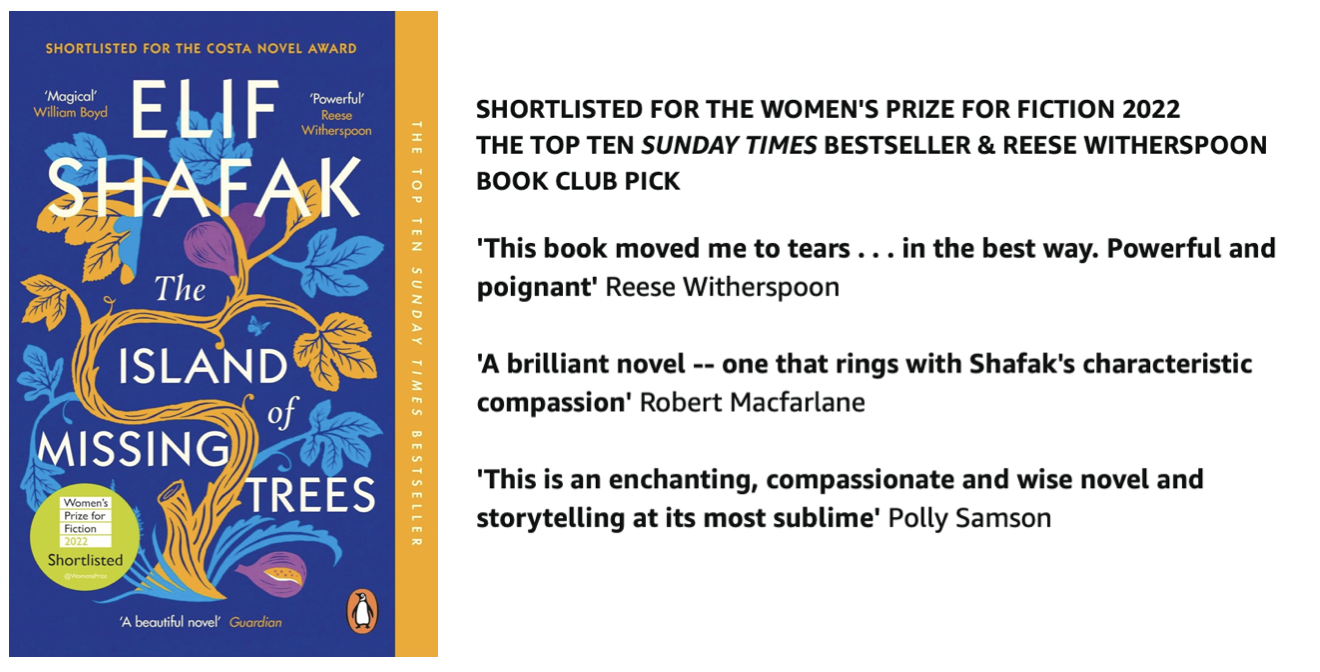
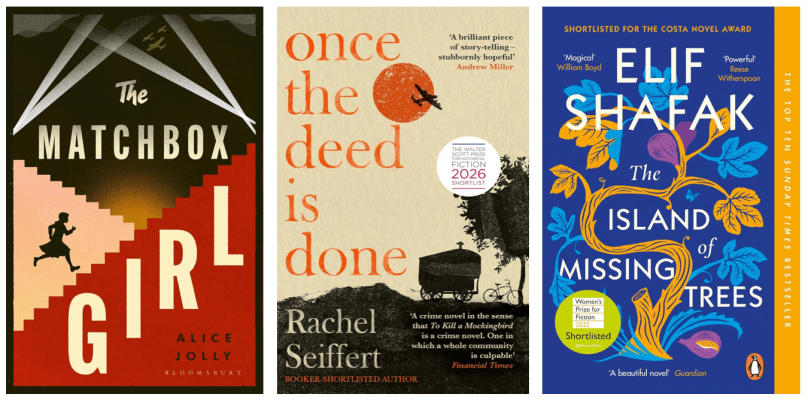
Elif Shafak, another of my favourite writers, speaks so eloquently on this for the Hay Festival’s July Book Club. You can listen to her here. Her novel, The Island of Missing Trees, has to be one of my favourites ever and a wonderful summer read.
Almost everywhere in the world, there will be people who harbour hate and revenge in their hearts; who want to foster cultures of blame, division and judgment. Politics, the media and social media can all too easily encourage this. Things are taken out of context, like cutting out an image of a person with scissors and collaging it into a different setting to paint that same person a stronger shade of dark. A stark light that casts harsh shadows robs the picture of essential shades of grey. Such dramatisation is too often rewarded with more votes, more sales, and more clicks. My German grandfather and I were recently the objects of such a process of reduction to black and white stereotypes – the evil Wehrmacht officer and the condemnatory granddaughter – in an article in a prominent German magazine. It was shocking. Upsetting. Untrue. Damaging. But ultimately so BORING in its familiarity!
We all recognise how women’s voices, stories, experiences and points of view have been overlooked and suppressed throughout history. Men’s bodies and characteristics have long dominated as yardsticks by which we set temperatures in trains, design seatbelts in cars, define success, power and historical significance. Yet what struck me most listening to these three women was not simply that they were women, but the way they approached history itself. Rather than seeking certainty, heroes and villains, they embraced ambiguity, curiosity and the difficult work of imagining making choices they have never themselves had to make. Their words were steeped in the kind of intuitive wisdom we all possess but sometimes – understandably – feel reluctant or frightened to trust. Understanding is not the same as excusing, and empathy is not weakness but one of the foundations of peace. If we are to maintain peace in the world, I believe it is precisely this way of thinking that we need more of.

Another military plane has just rumbled its noisy path across the sky above my little garden… my little sanctuary of flowers, dried-out lawn and views across to the streak of shimmering light that is the River Severn.
It reminds me why conversations like Wednesday’s matter. History teaches us what happened. Fiction invites us to imagine ourselves into different situations and ask the harder question: What might I have done?
COMING UP: 18th-20th September: Dialogues with the Severn – A celebration of the river through arts, talks and walks. Chapels of Rest, Stroud, GL51HJ. More info to follow soon.