Ponderings on Patience and Perfection… plus a little more

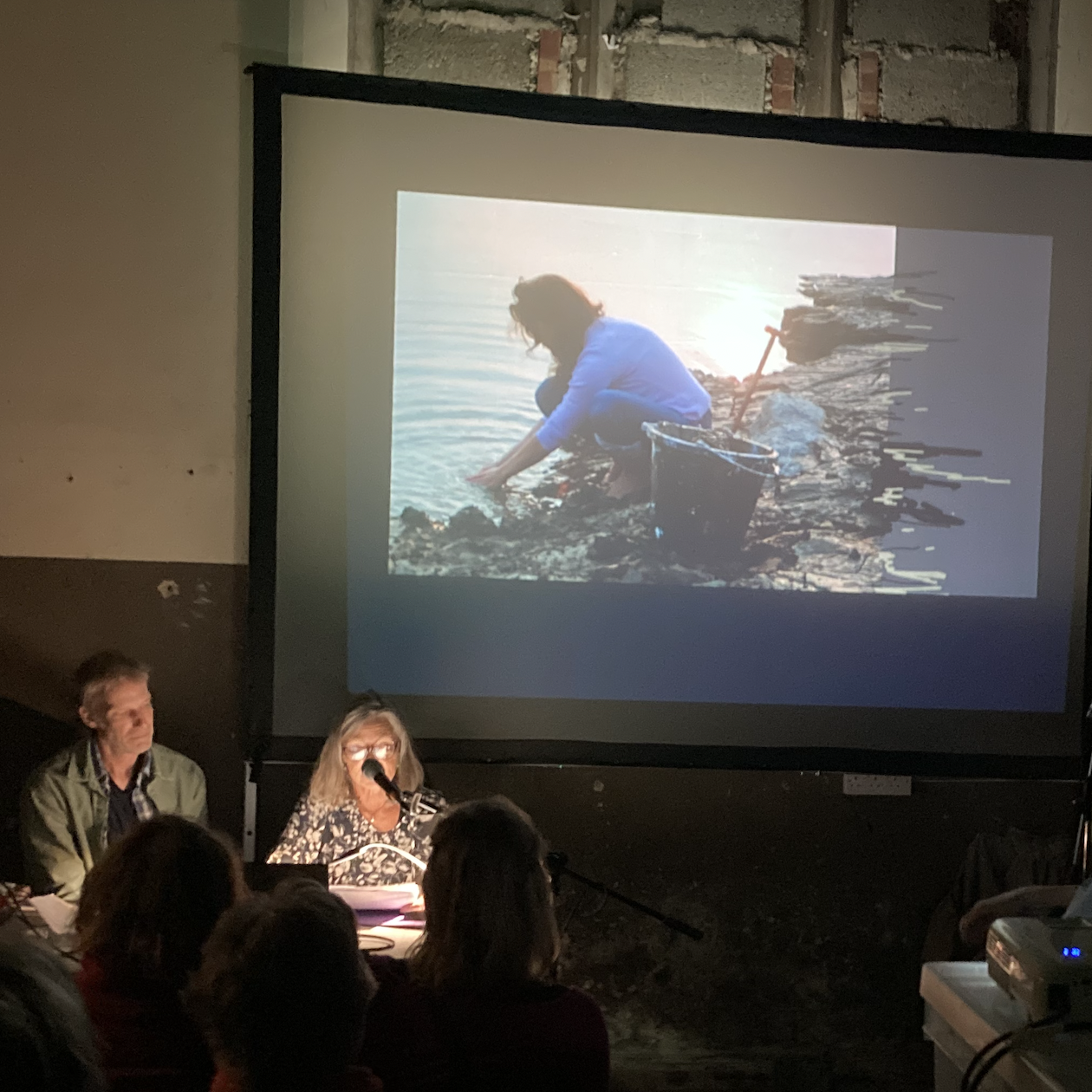
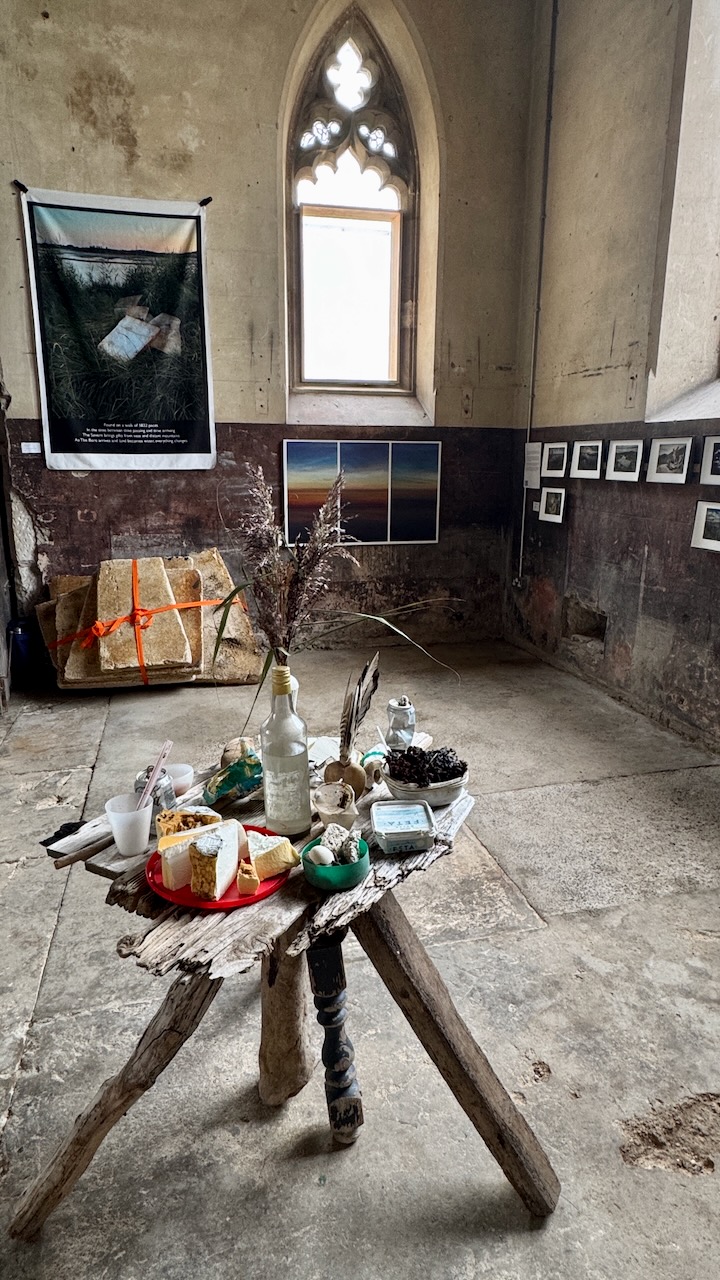
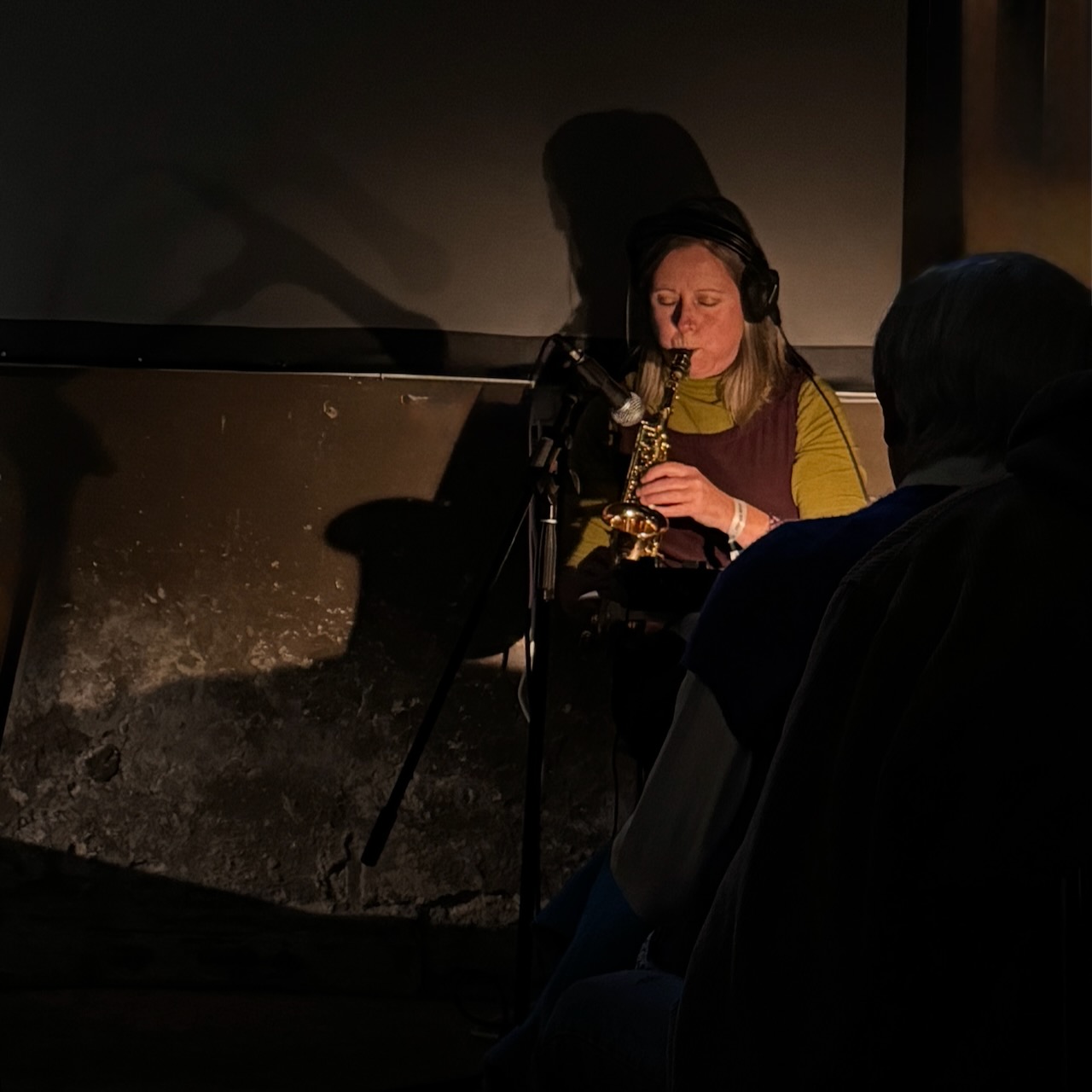
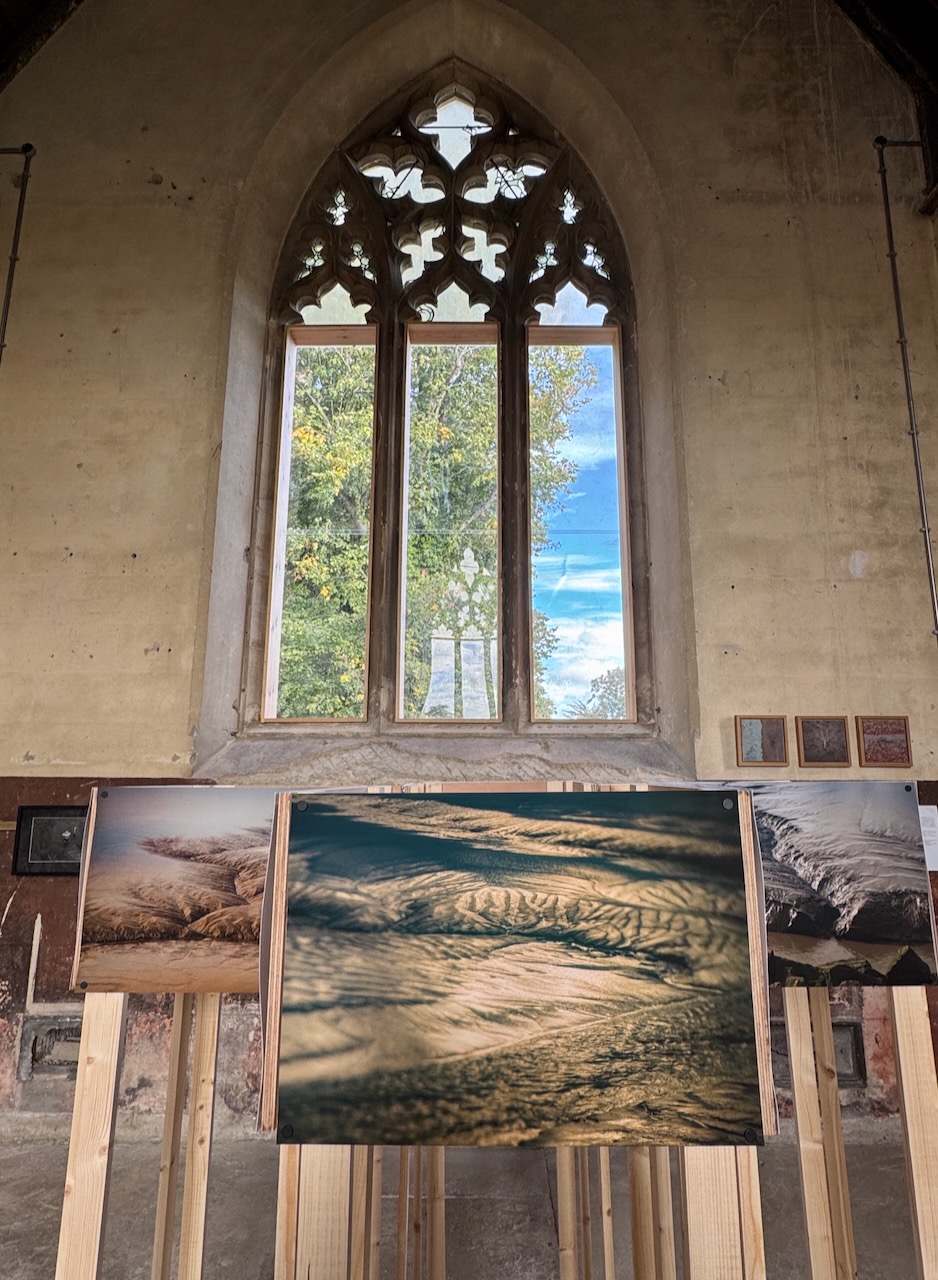
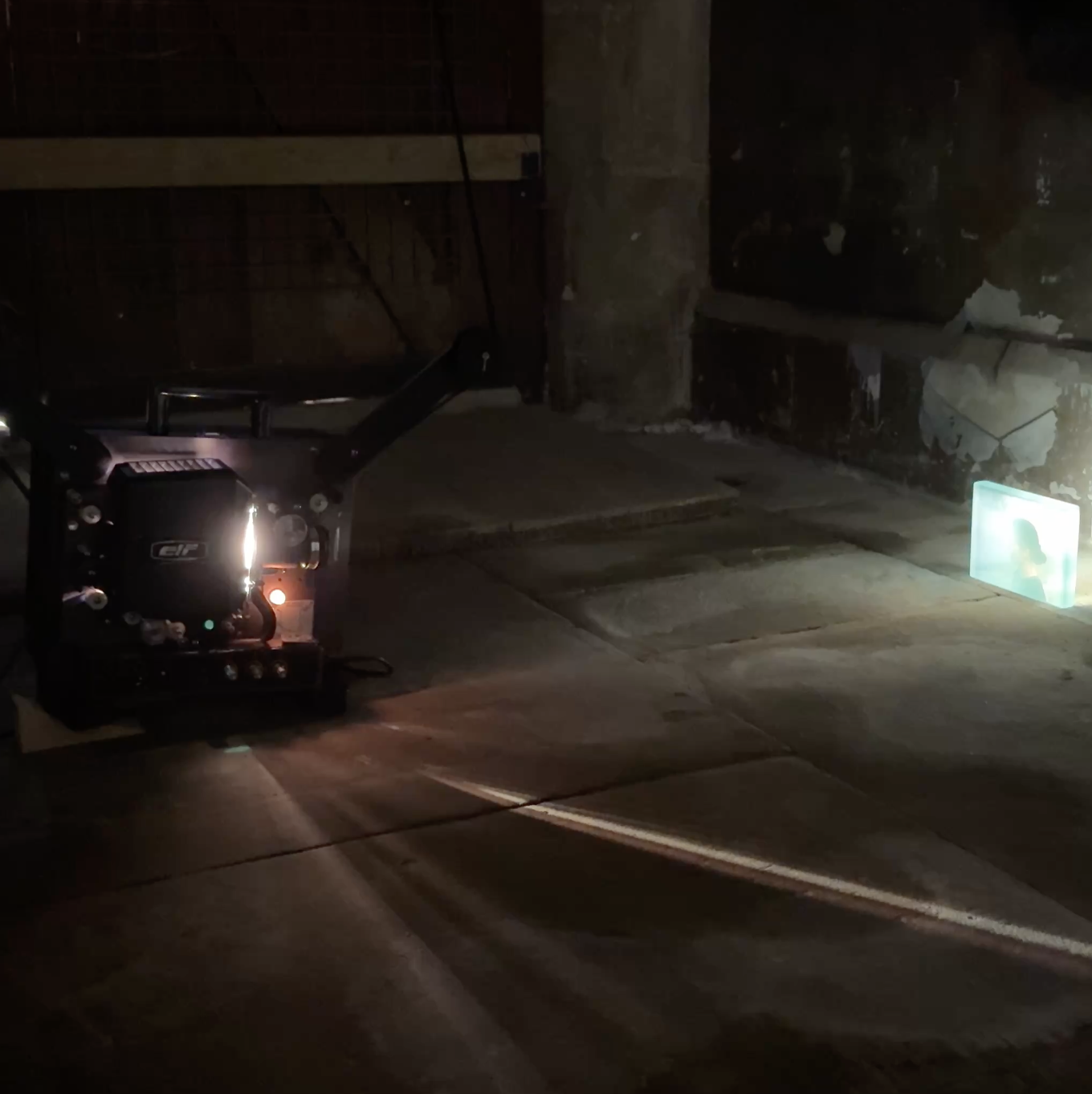
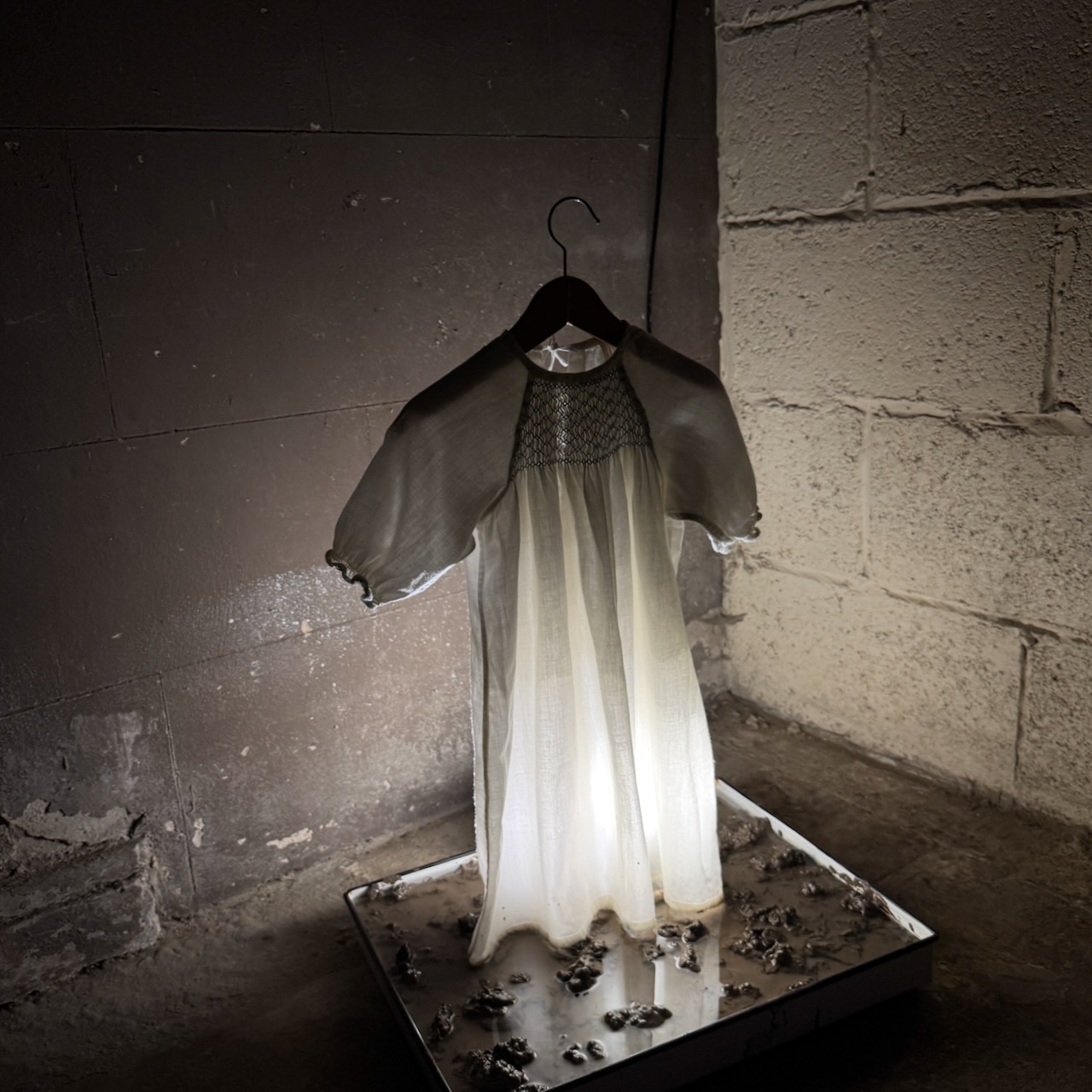
It only dawned on me what I have been doing for the past year on the final night of our exhibition and festival, Dialogues with the Severn. As we closed three days of art, talks, music and poetry, I realised that the whole process had, for me, been one long love song to the River Severn.
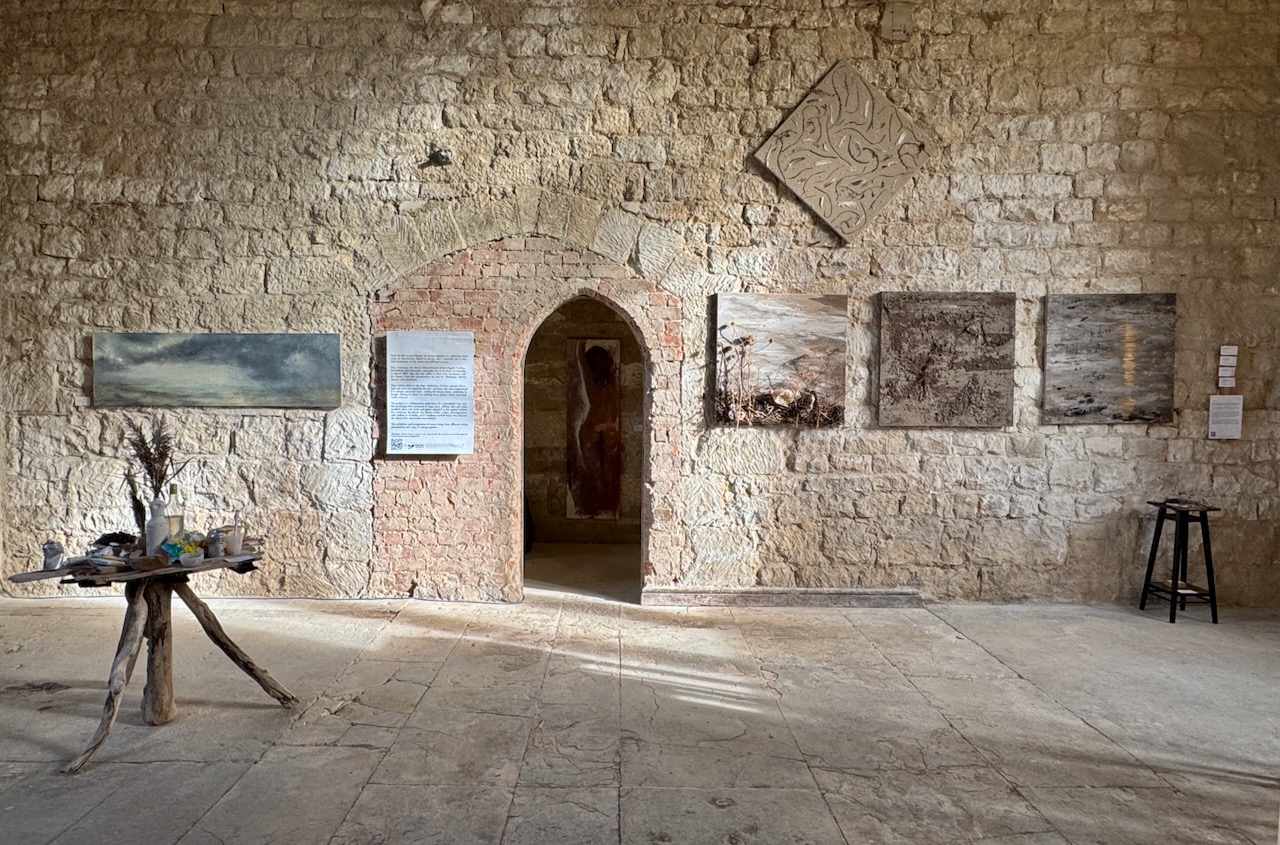
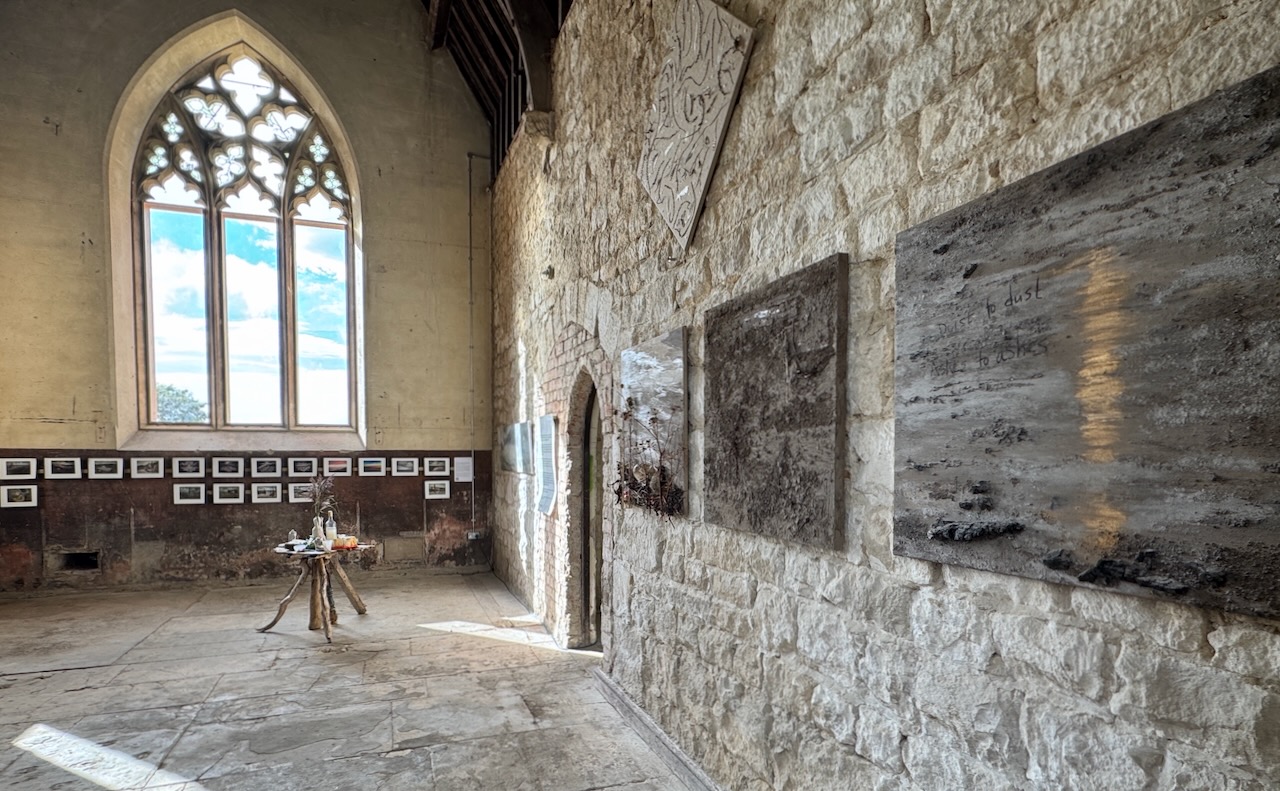
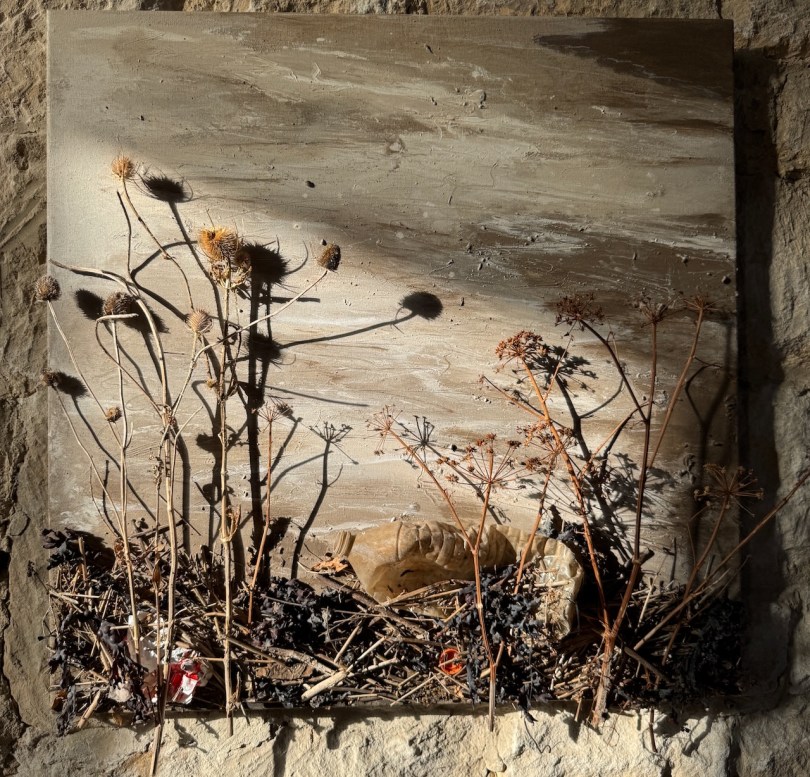
You may recall my 27-year history with the river from previous blogs about the Severn or its mud. These past months have seen me re-engage with it with renewed intensity in order to make new works based on the essence of my current relationship with it: as a silver sliver that can be seen from my garden or bathroom while brushing my teeth.
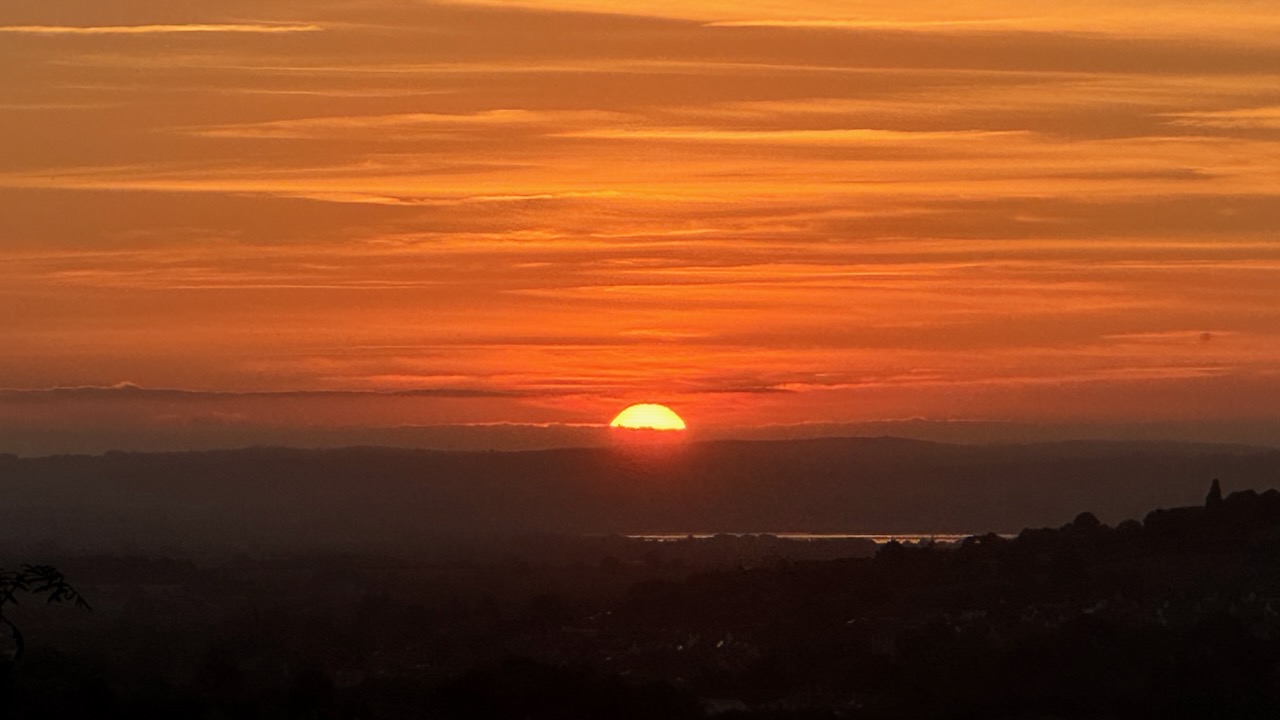
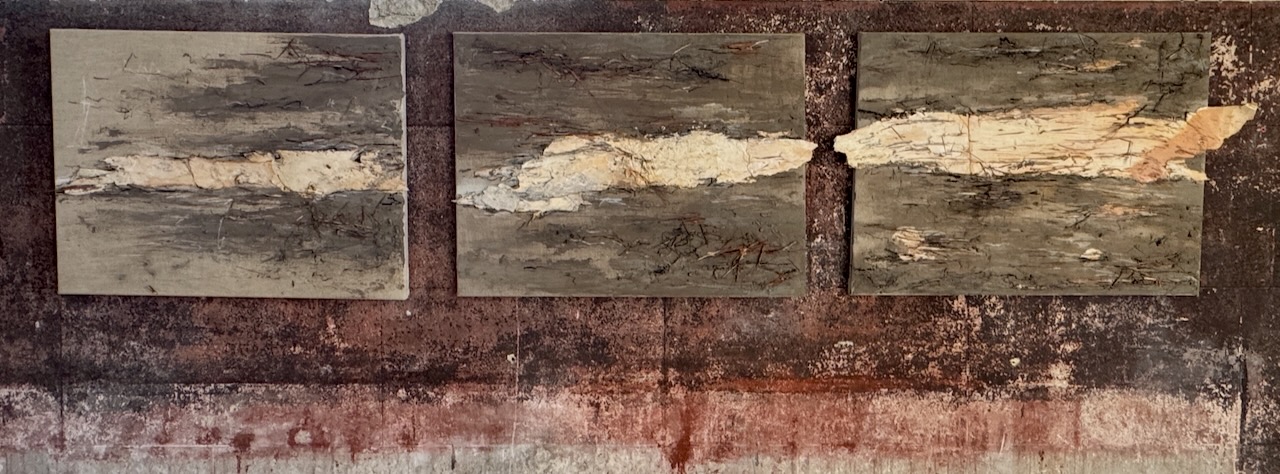
Severn’s Silver Sliver

Though more long distance than it once was, my heart still beats in rhythm to its tides and responds to the peace I experience when I visit its banks and enter the ballroom of its eternal elemental dance. 
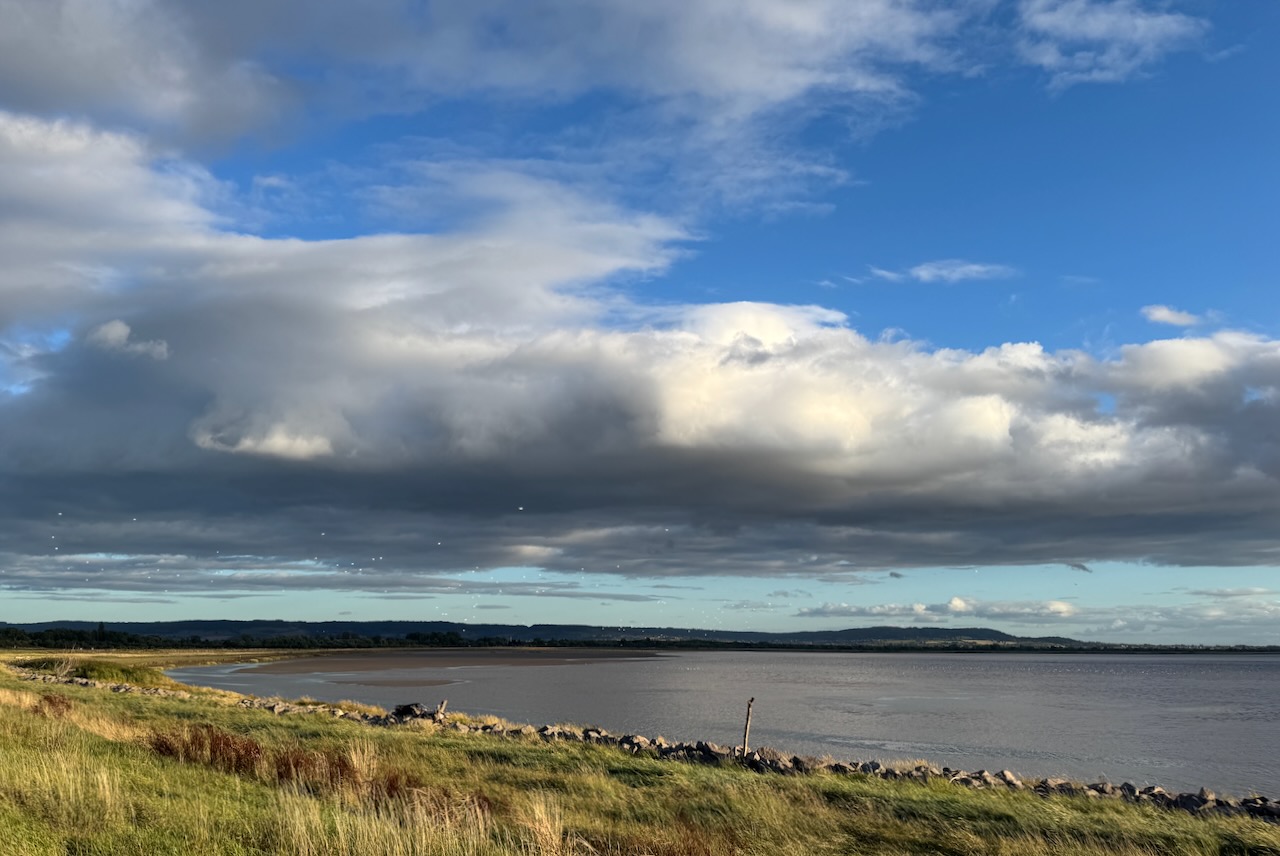
It is a space that exists both within and without. The huge sky, sunlit water or moody mud reflect spaces I seek when I want to retreat from the world. This Philip Gross poem captures what I experience better than anything I myself could write. 
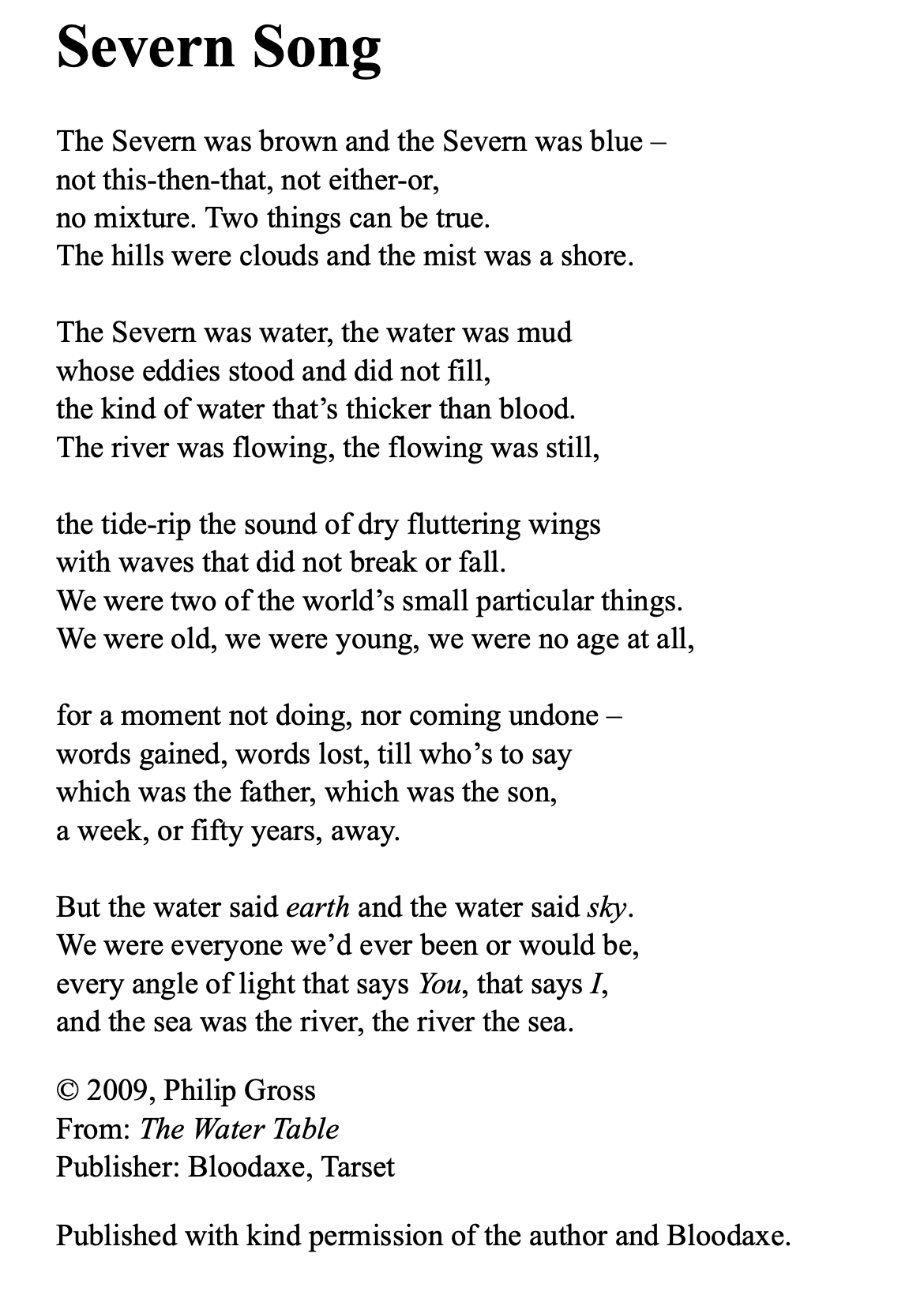
Dialogues with the Severn wasn’t perfect. But with 17 contributors donating their time, work, hearts and engagement with the river with such generosity, this was not the occasion to be looking too closely at what was wrong with it or our rivers or the wider world. This was the time to celebrate the things that are so much bigger than all of us. The things that will ultimately triumph while we humans busy ourselves finding new ways to destroy the natural order of pretty much everything.
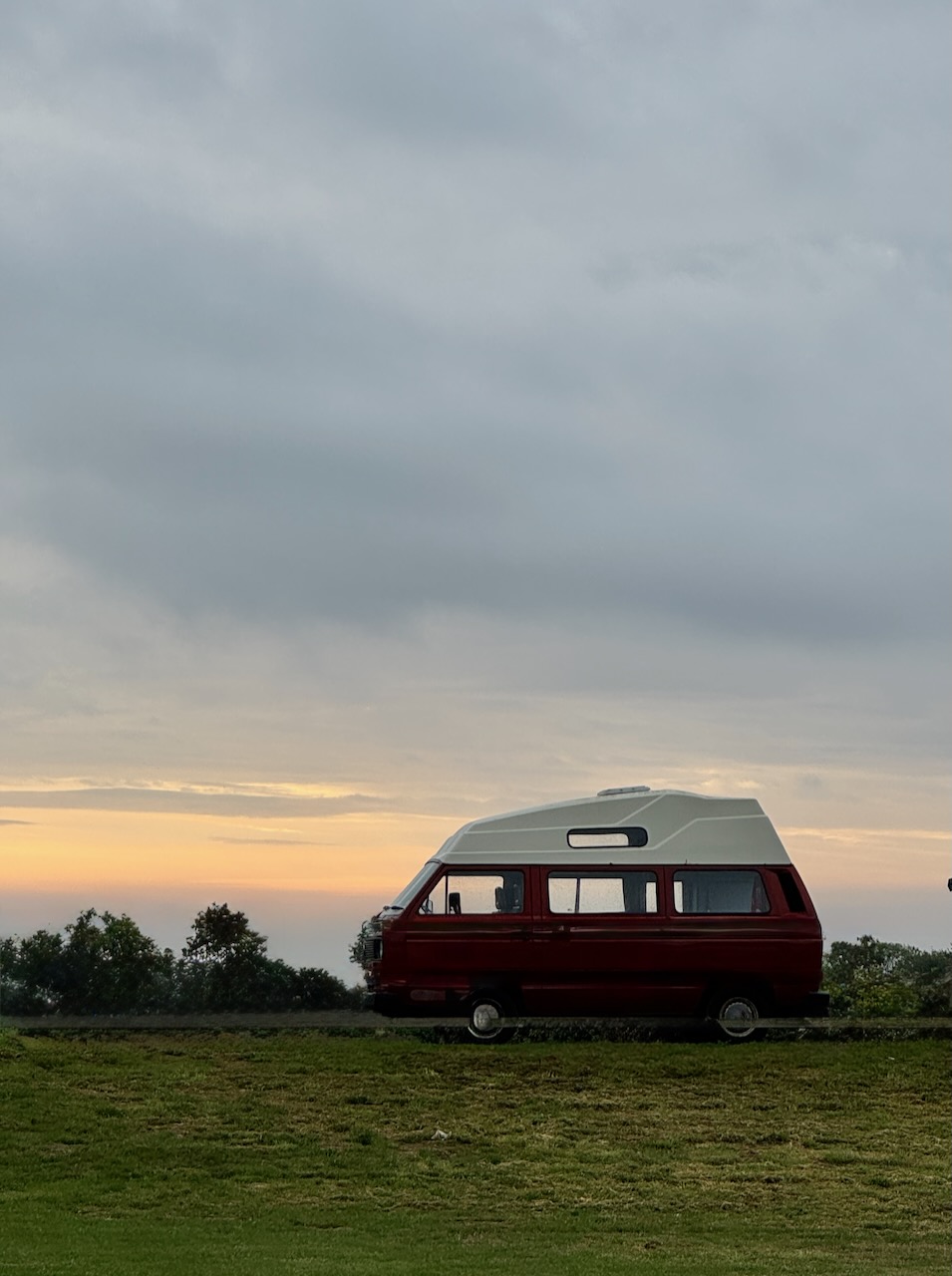
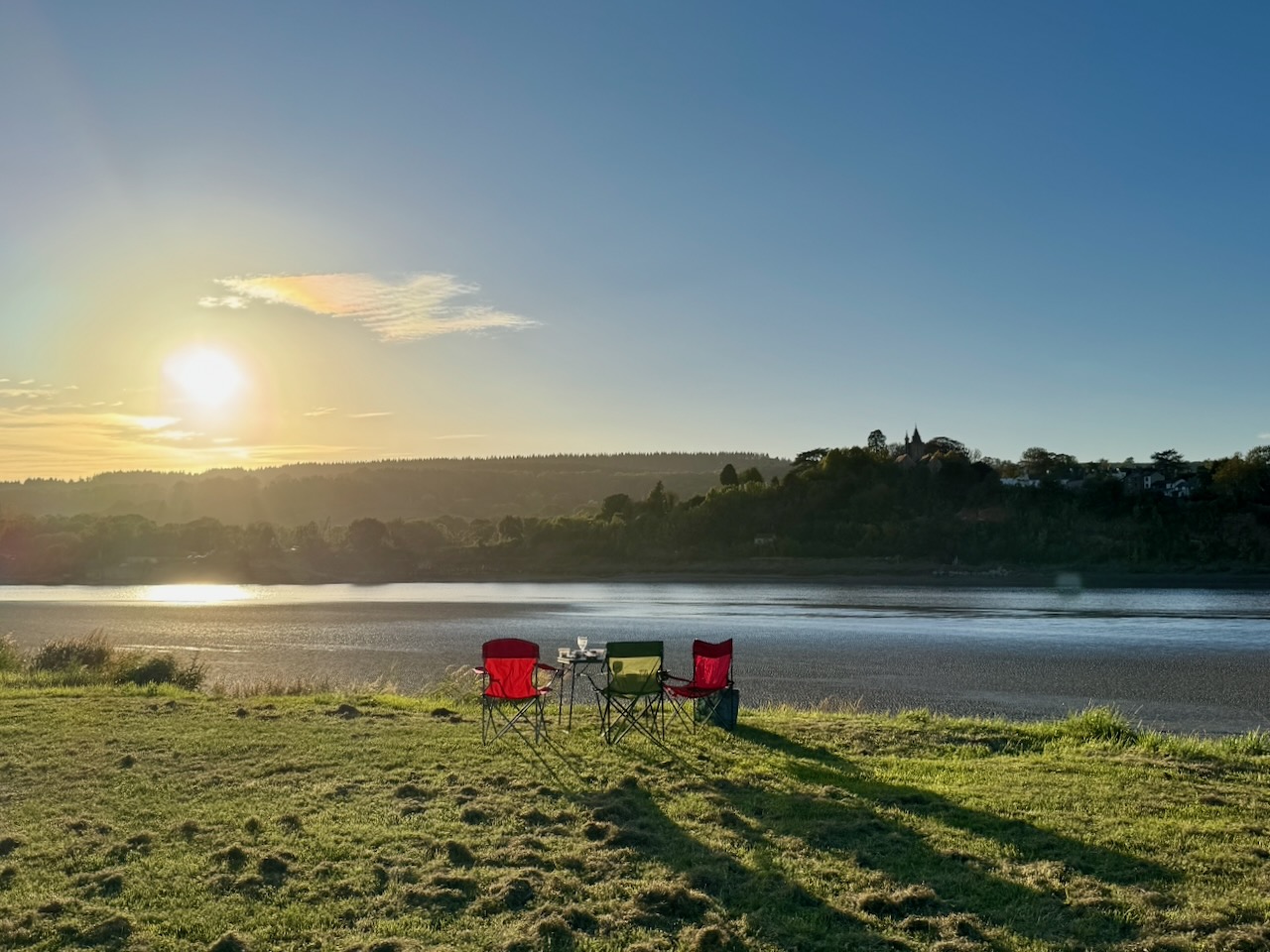
Last night, I camped in Romany Rouge – my camper van – in one of my favourite spots on the banks. Once a little-known destination at the end of a long grassy avenue, the solitude and peace are now rapidly disappearing in a building frenzy of patios, fences and climbing frames by the new owner of the original 17th century passage house. Flocks of birdsong compete with the sound of planes, cars and trains making their way on the other side.

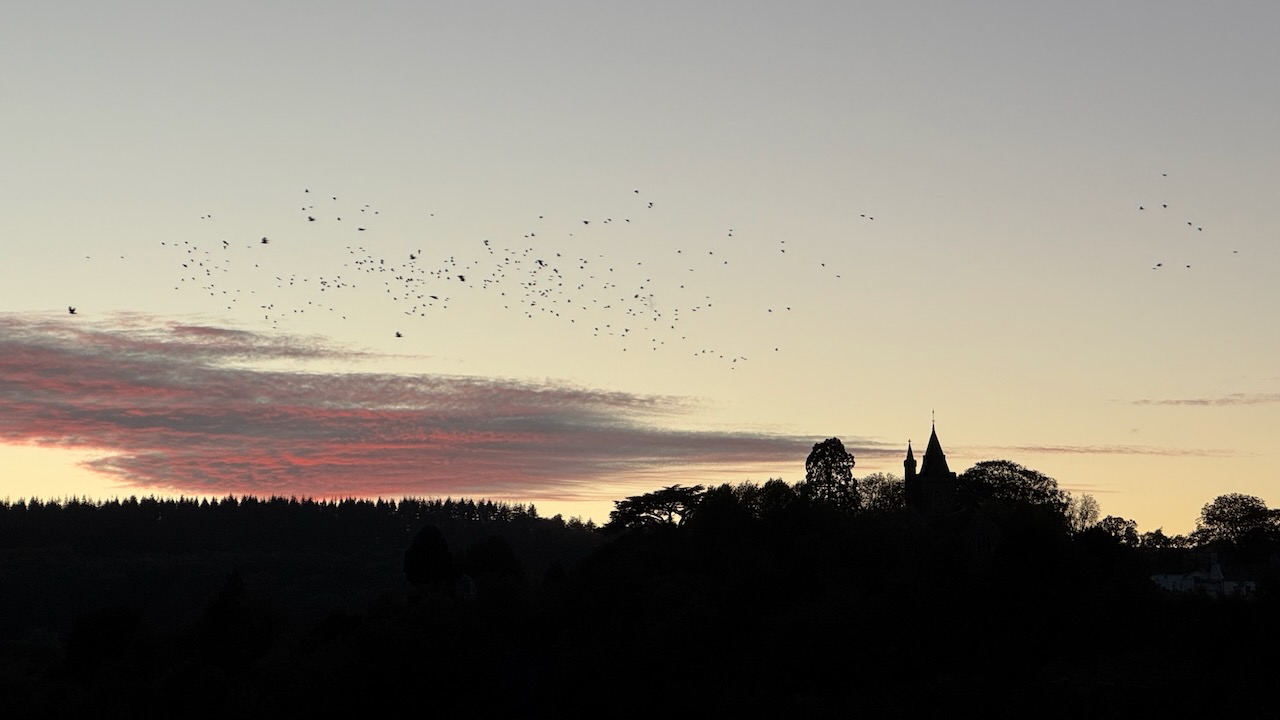
So, just like our event, this place is also not perfect. And yet, in the space of just 12 hours… I was immersed in the pinkening light and darkening silhouettes of a sunset and sunrise, a full moonrise and set, plus two large in-coming tides.
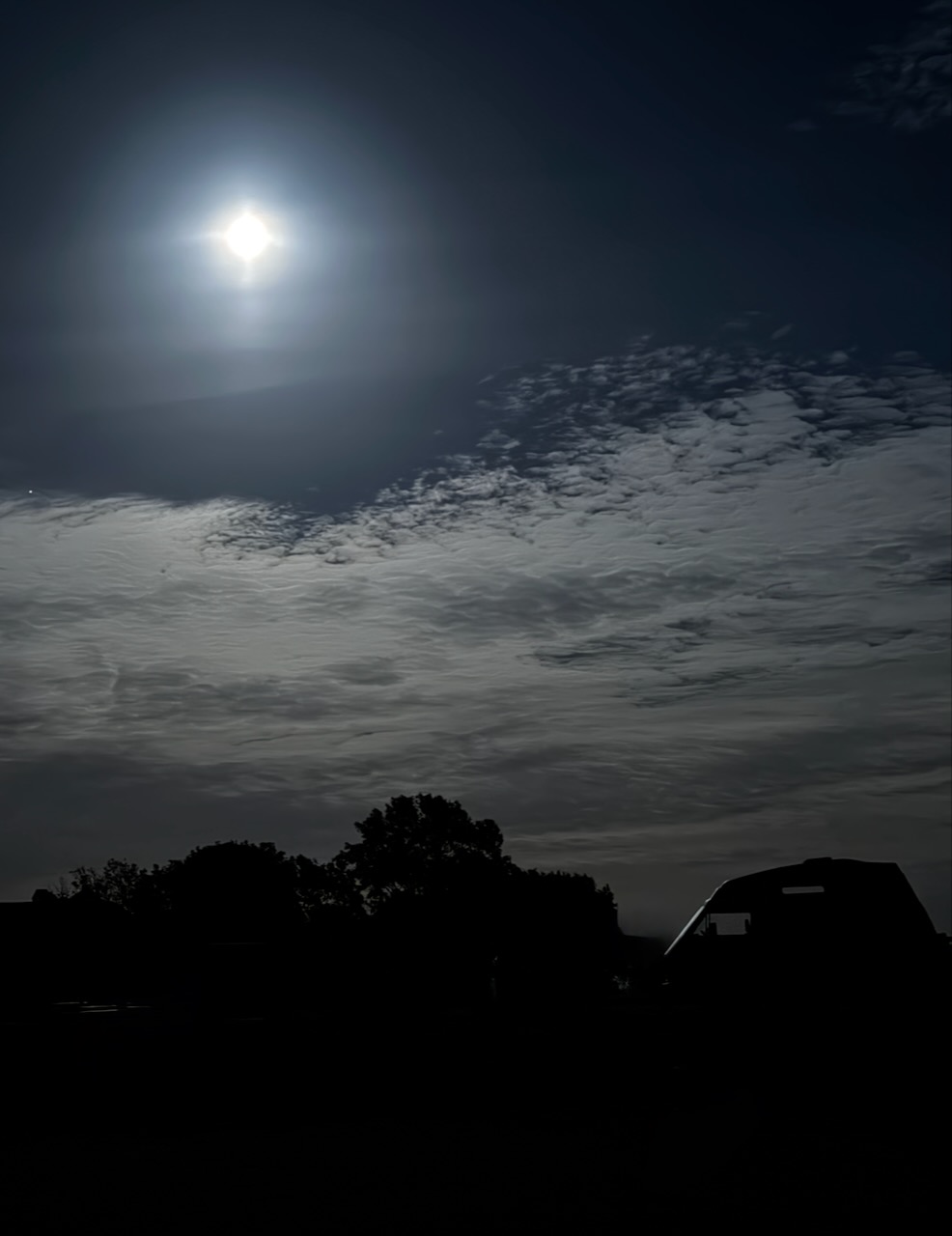
This morning was a lesson in patience.

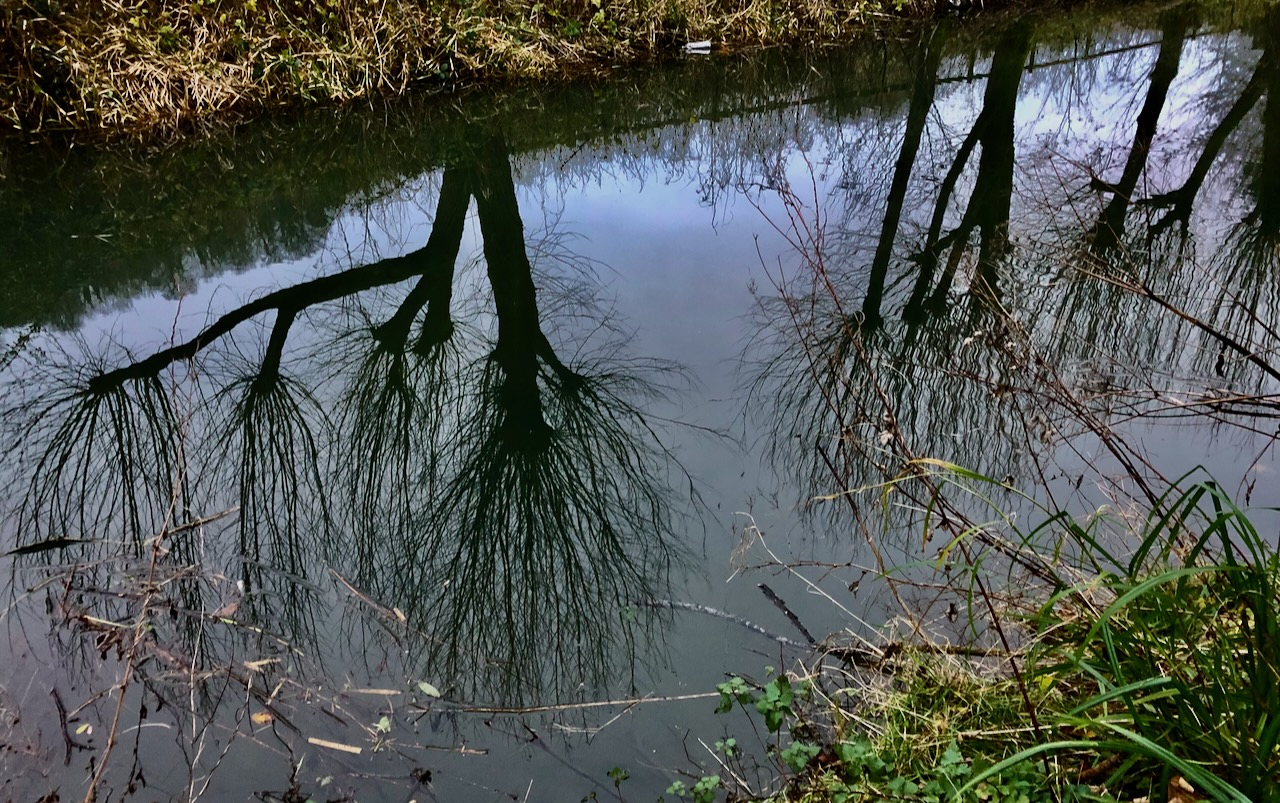
The stillness of the low tide held tight, perfectly mirroring the far shore. I thought I heard the incoming tide seeping through the mud. A discernible breeze, a flurry of seagulls, the blurring of crisp reflections and water that appeared to flow in both directions. But the bore is a deceptive trickster, for it was a false alarm. The slack tide would endure many more chimes of the church clock.
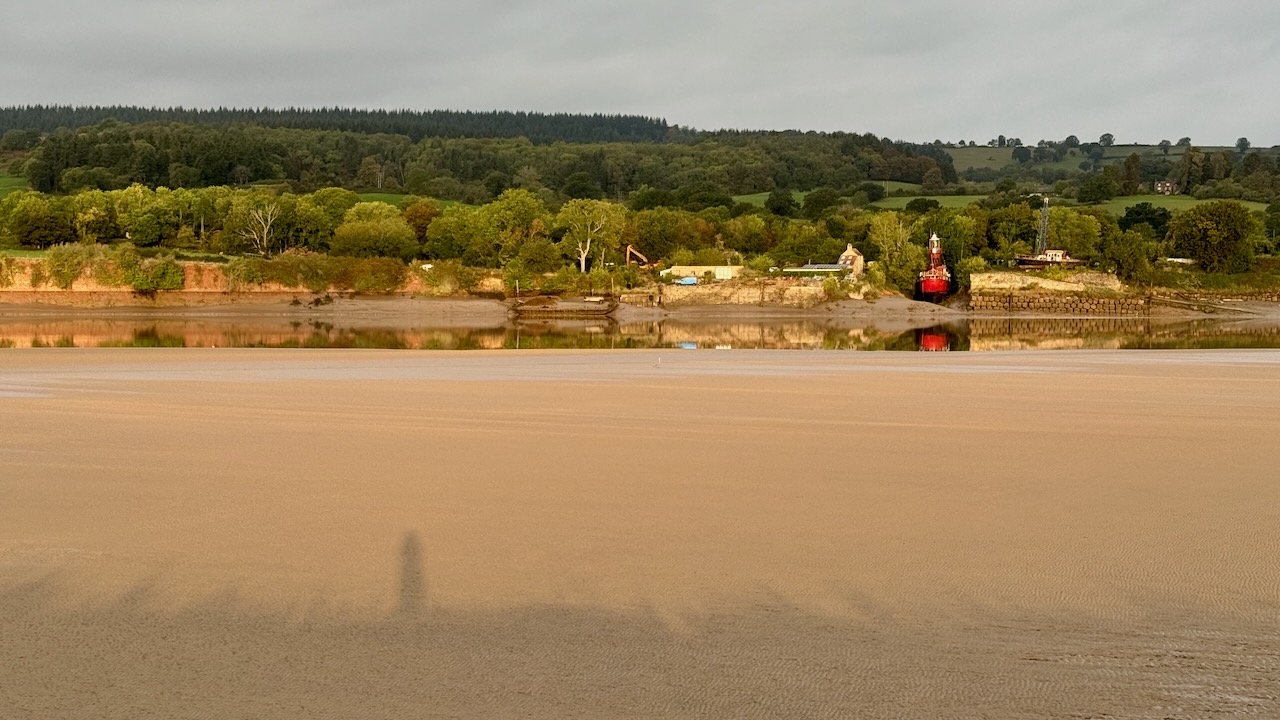
Dew-damp grass seeped through my shoes. Summer has most definitely passed. I begin to doubt the tide will come up this far.

Then I remembered my first encounter with the rewards of patience.

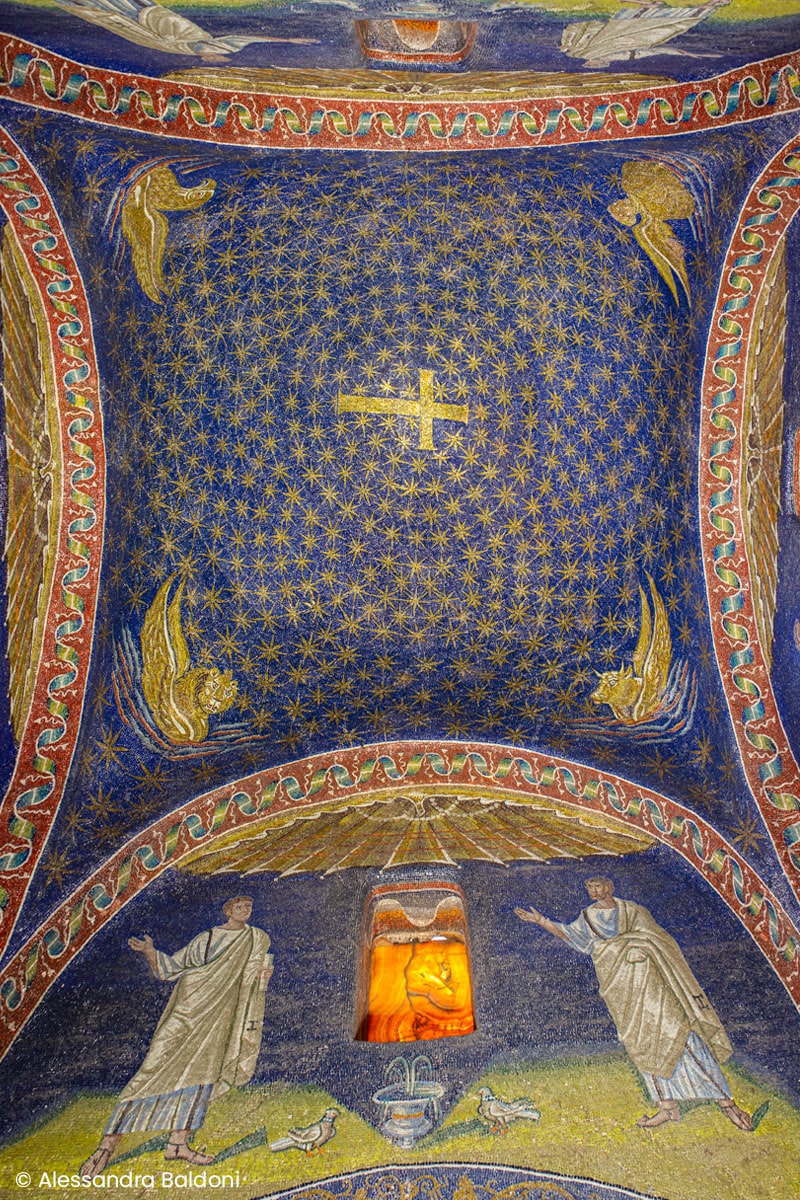
Back in the late eighties, an art tutor had taken my class to Ravenna to see the oldest blue and gold mosaics in the Byzantine Mausoleo di Galla Placidia by the Basilica di San Vitale. There was a February freeze, but inside the ancient church it was even colder. The tutor told us to look and wait; to override the shivers and barriers of boredom, irritation and impatience. It would be worth it.

Everybody left after five minutes, preferring cappuccino and panini to catching their deaths. Untypically for me, a notoriously disobedient pupil at school, I remained. I trusted this tutor, so I battled through the desires to bolt and stared at the stars set in the cobalt dome.

And then, all of a sudden, they began to sparkle. I hadn’t seen stars twinkle so avidly since I first tried magic mushrooms. But here it was more magical.
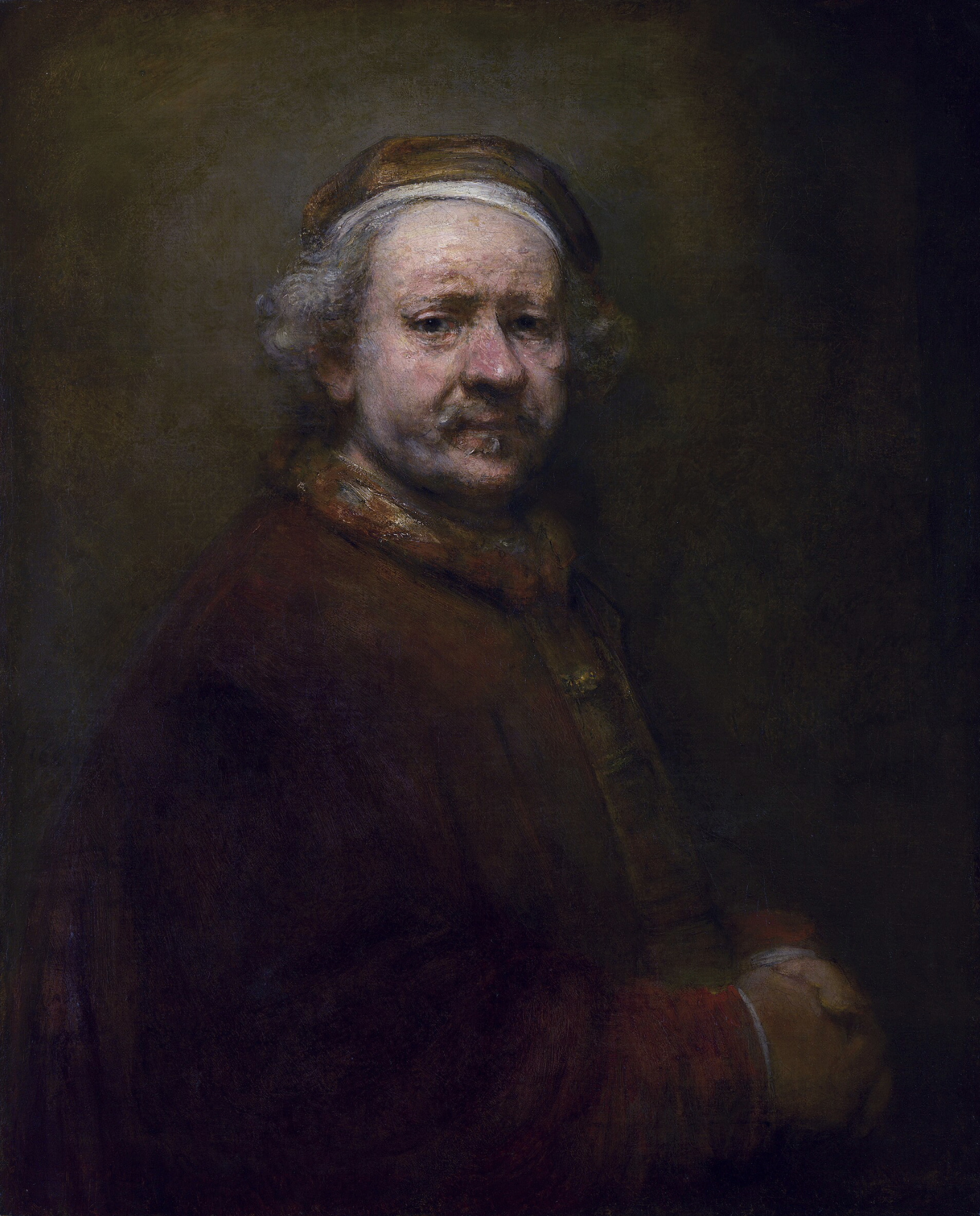
The same happened in front of a Rembrandt self-portrait at the National Gallery. Basically a brown painting with a pinkish face of an old man. I placed myself in front of it and waited… and waited… and then it too came alive. Or rather he came alive.

The translucency of meticulously applied layers of red, ochre, sienna and umber began to breathe and with it the elderly artist himself. His inner reflectiveness and the self-doubt of his later years became tangible. His eyes met me somewhere deep inside. From brown painting to masterpiece…

I taught this practice to my students in prison. To look at a still life intently until it became just shapes and shadows and light. I remember one young man, a heroin addict on treatment, struggling to comprehend what I meant. The analytical left brain is impatient to name and reluctant to let go of what it knows. But suddenly it surrendered and he saw it.

‘Woah,‘ he said, ‘this is better than a fix!’ And it is. I agree, not that I’ve ever had heroin. It is like seeing the world in all its connectivity and aliveness.

It is half an hour before the high tide’s due-time further downstream and I am cold and struggling with doubts. Maybe it won’t come up this far? Keen to warm up, I begin to walk downstream to meet it.
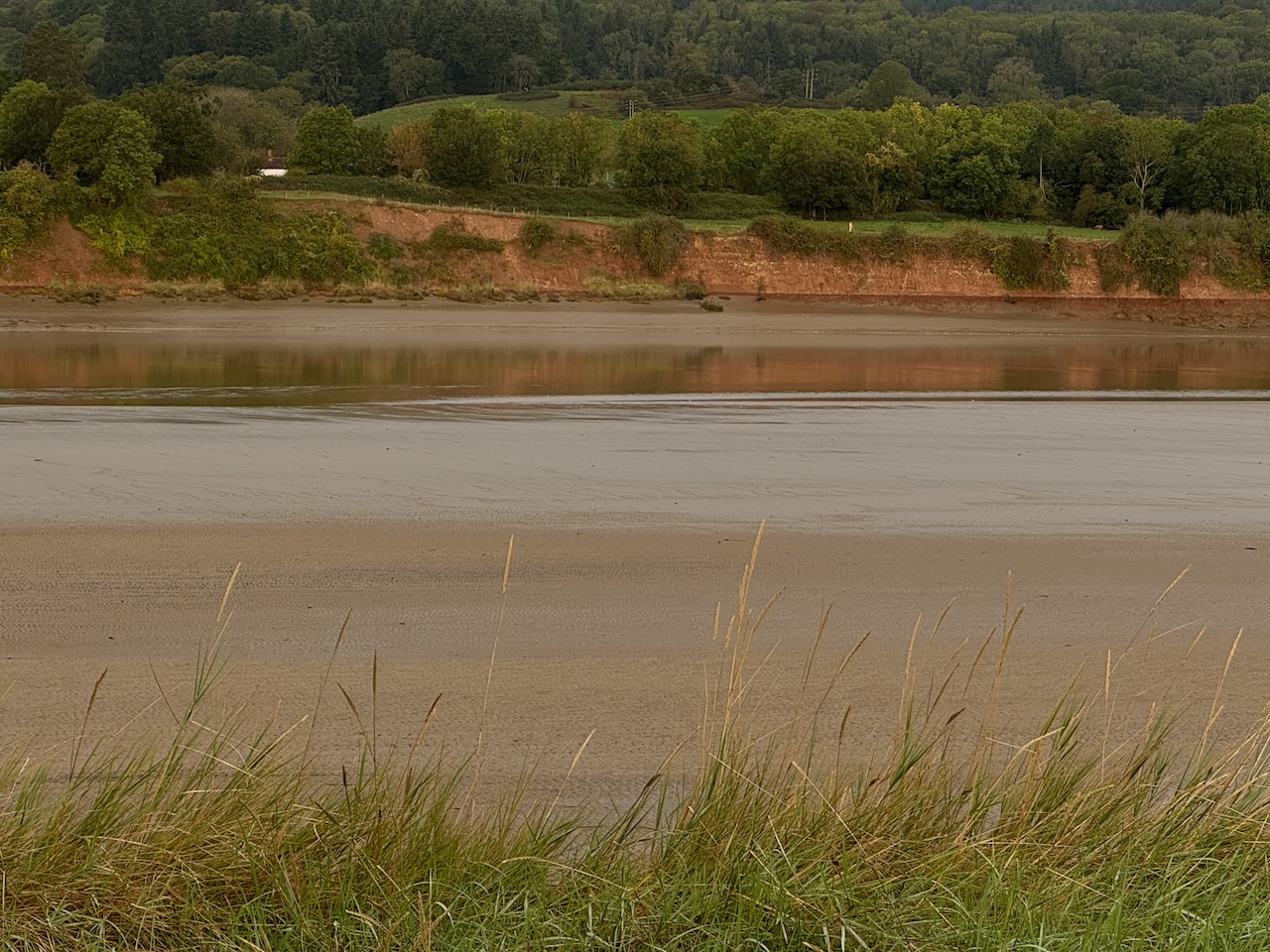
And there it was, the sea, without its usual white heralds or swell to announce its arrival. Only the undoubtable movement of water flowing in the wrong direction, making its way to Gloucester rather than Bristol.

I turn and accompany it, by now a fast-walking bride trailing a long lace veil in her wake, sweeping away the pristine reflections as if they were chalk drawings on a pavement.
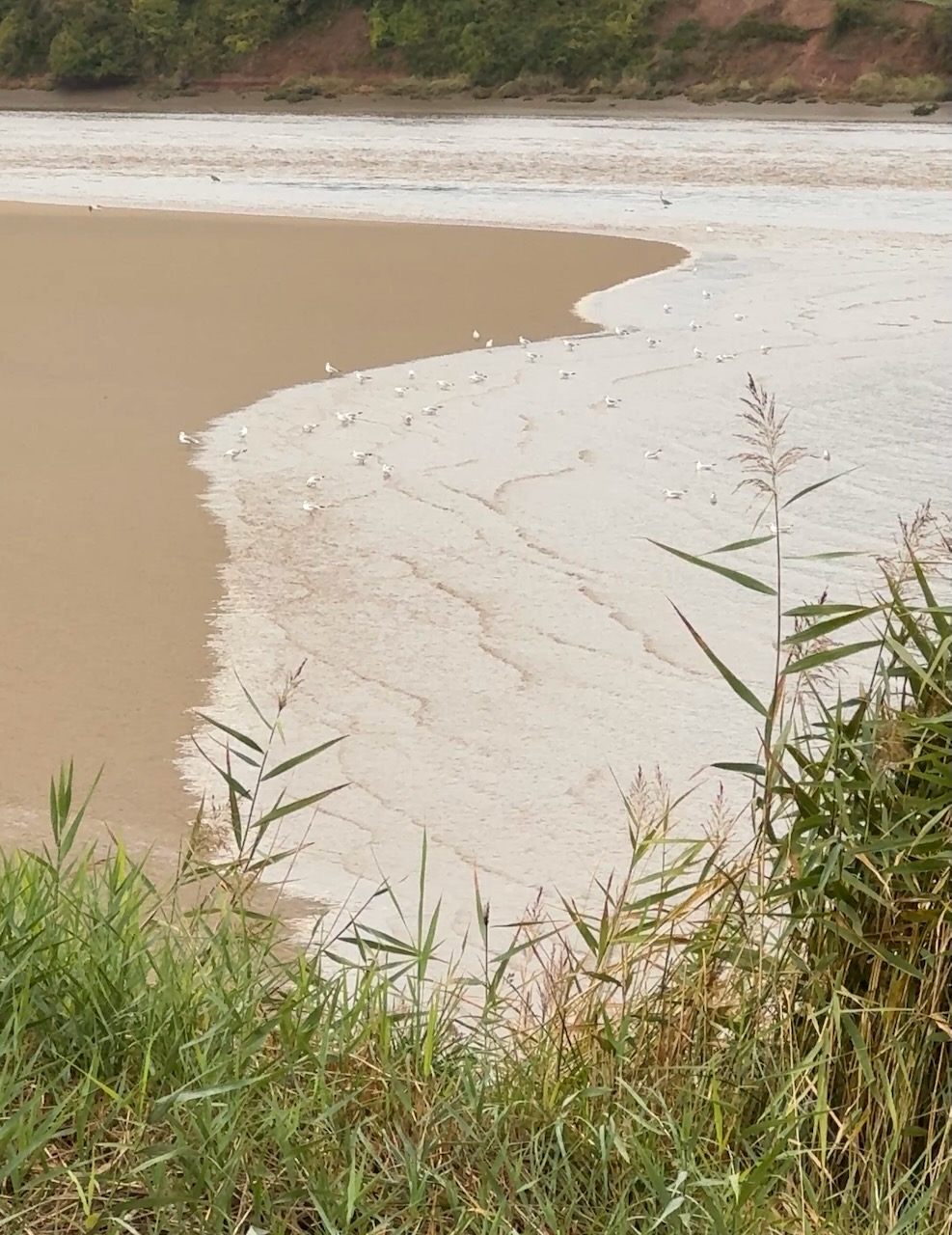
A lone heron waits out its patch on the mud. A flock of gulls swoop down to feast on rich pickings and hitch a free ride upstream. Little ripples break away from the main thrust north to nibble and gobble up the flats, the mud gently snap, crackle and popping like cornflakes in a fresh covering of milk. A new urgency and determination pushes the growing body of water forward as if it knows it is late.
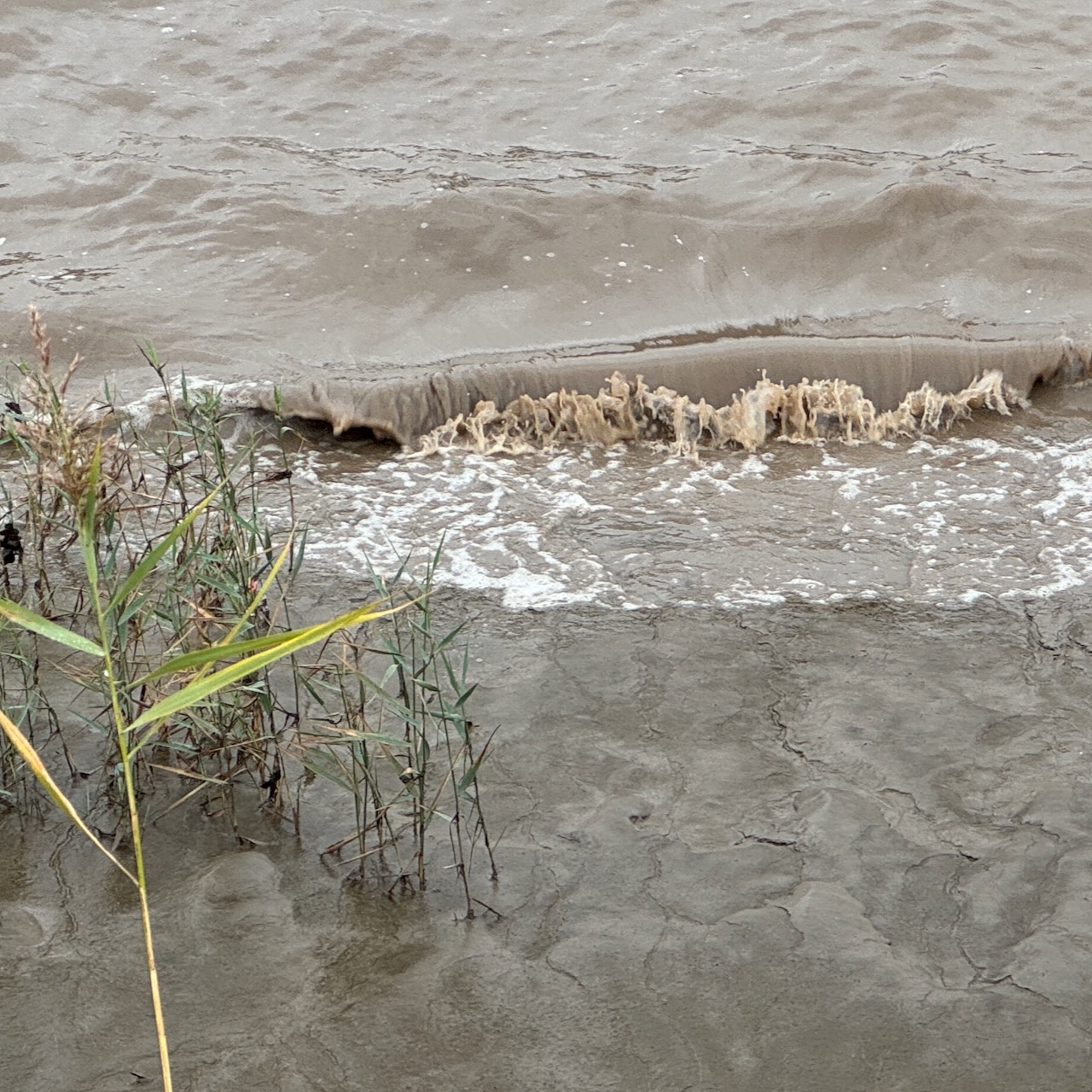
When the water reaches a low vertical cliff of mud, it crashes against it as if with a battering ram, then furiously licks it like an ice cream to wear down its defences. The heron now stands up to its knees, the shortest reeds up to their necks.

With still a lot of ground to cover, the tide becomes a ruthless army of unstoppable might. Violent, unpredictable and almost certainly lethal. The roar of lapping waves drowns out any notion of cars, planes or trains. Even the church bells have become muffled time.

The speed causes feeding frenzies of whirlpools and currents as the river battles against the sea, tumbling and stumbling in a wrestle that it can only lose.

It sends a shudder of fear…

And still the massive body of water keeps coming.

My soggy feet reap the dividends of my patience as I let out the long breath held in my chest. Finally the water is slowing down… slack tide will set in. And then the fully-mingled salty sea and freshwater river will begin their harmonious journey south, only to repeat the cycle this evening… and tomorrow… and forever…

That’s the perfection of this place. It connects you to the enormity of what cannot be destroyed by silly little us.

Right, breakfast.
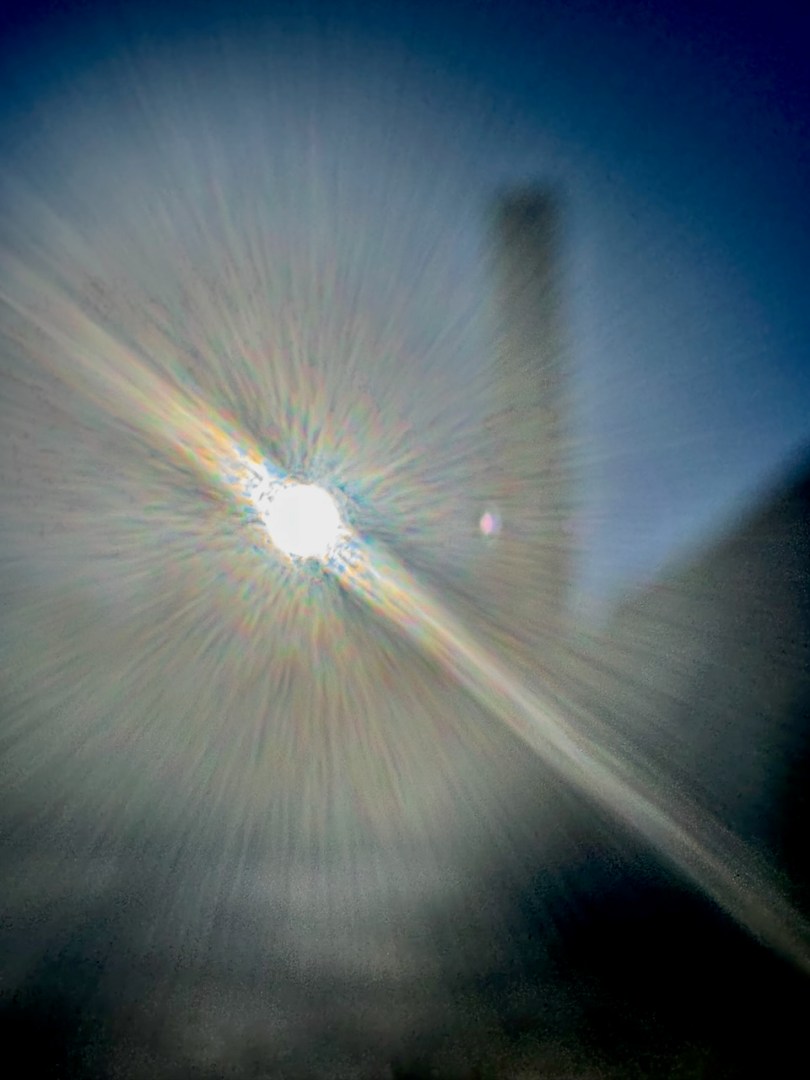
Between Light and Darkness: From Jena’s Rebels to Buchenwald

“I think you’ll like this,” a friend said unloading a hardback the size and weight of a breeze block. Slightly daunted and clueless about the rebels of its title, it sat atop the leaning tower of my bedside book pile. When I finally picked it up, I couldn’t put it down. 

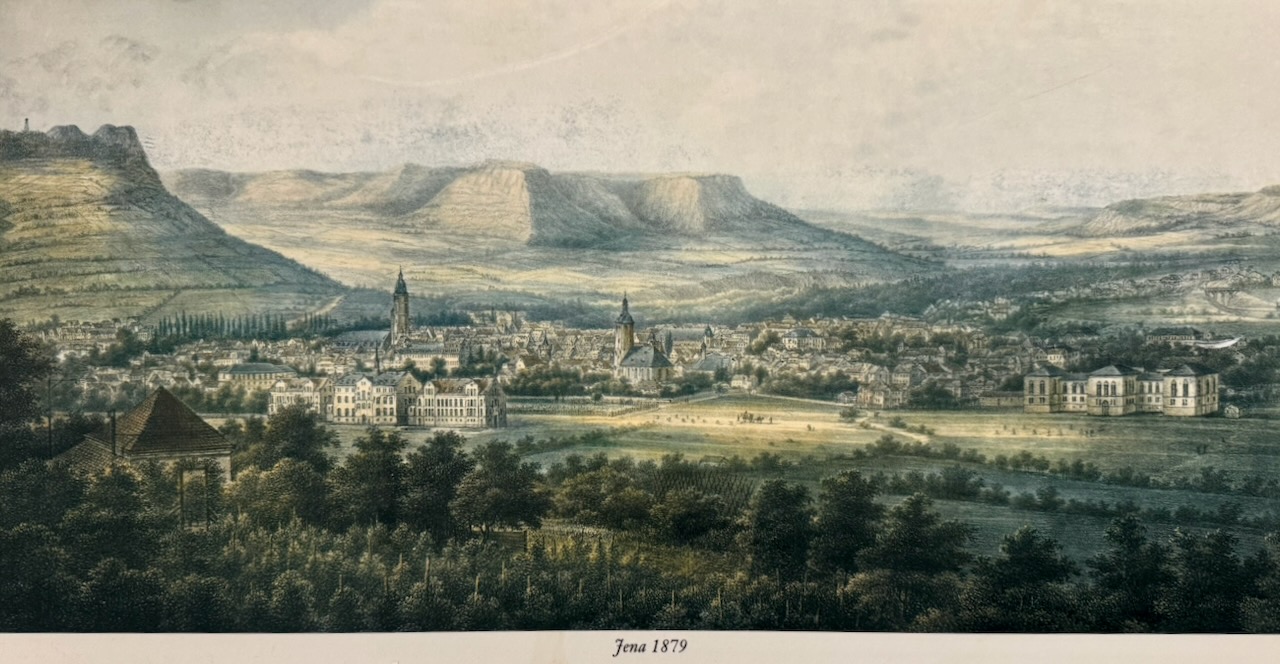
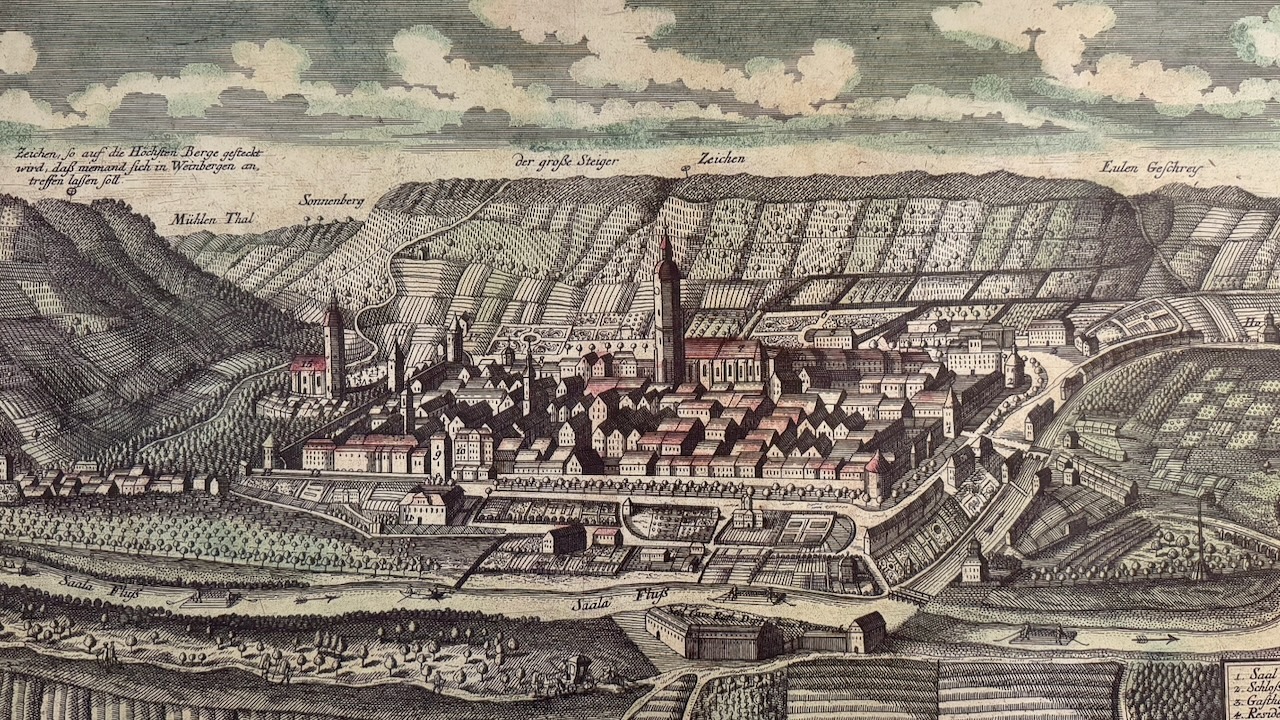
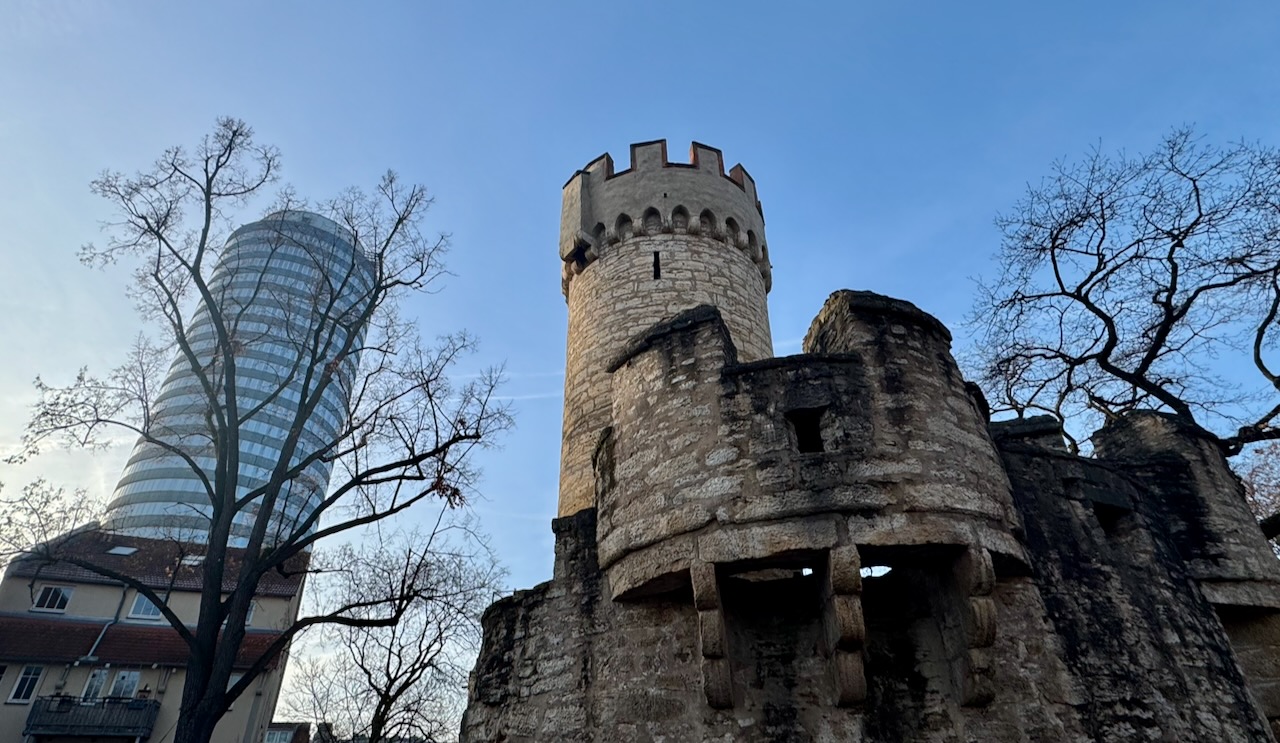
Magnificent Rebels by Andrea Wulf transported me to the small university town of Jena (pronounced ‘Yain-a’) near Weimar, where, between 1795 and 1803, a group of brilliant minds coalesced and forever changed the world.

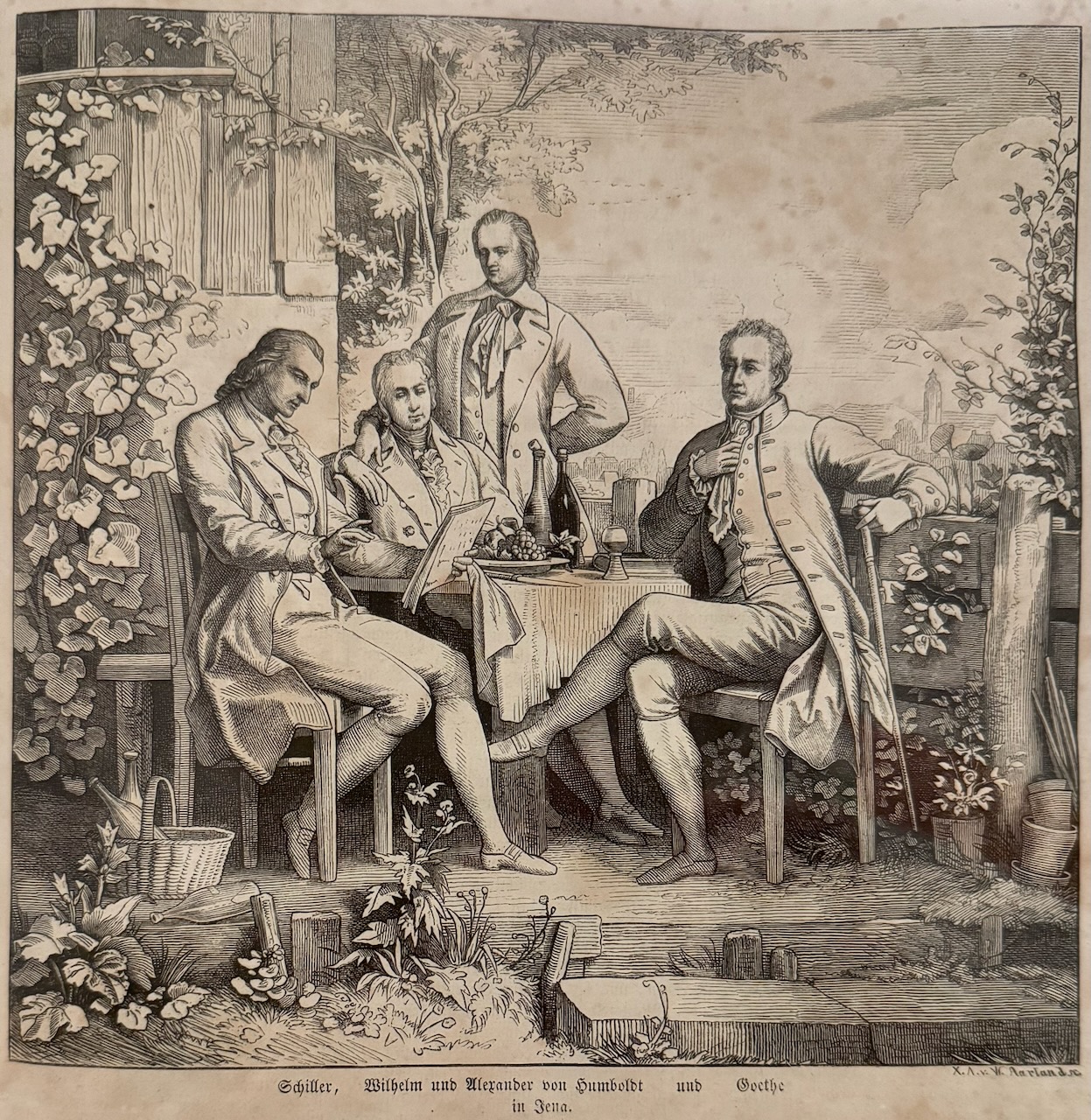
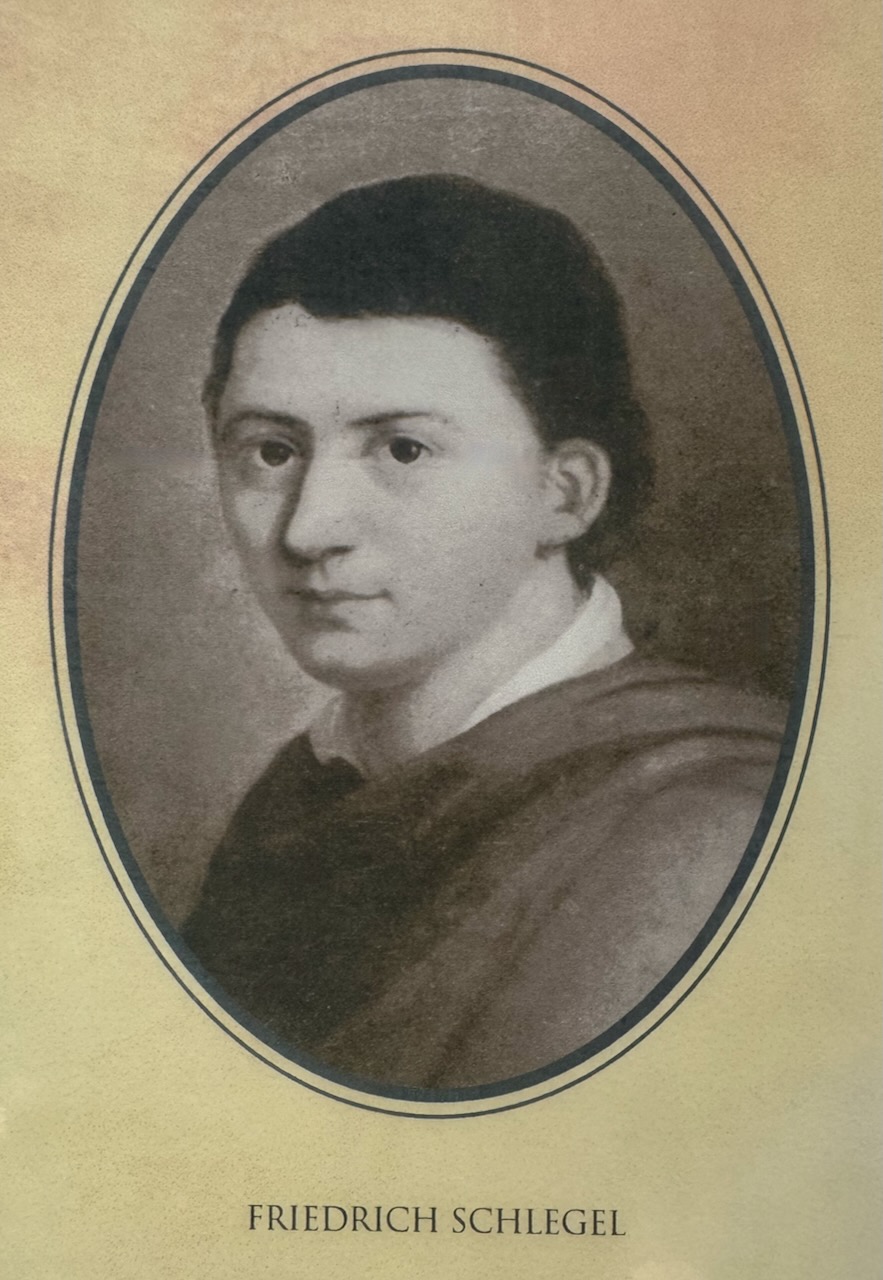
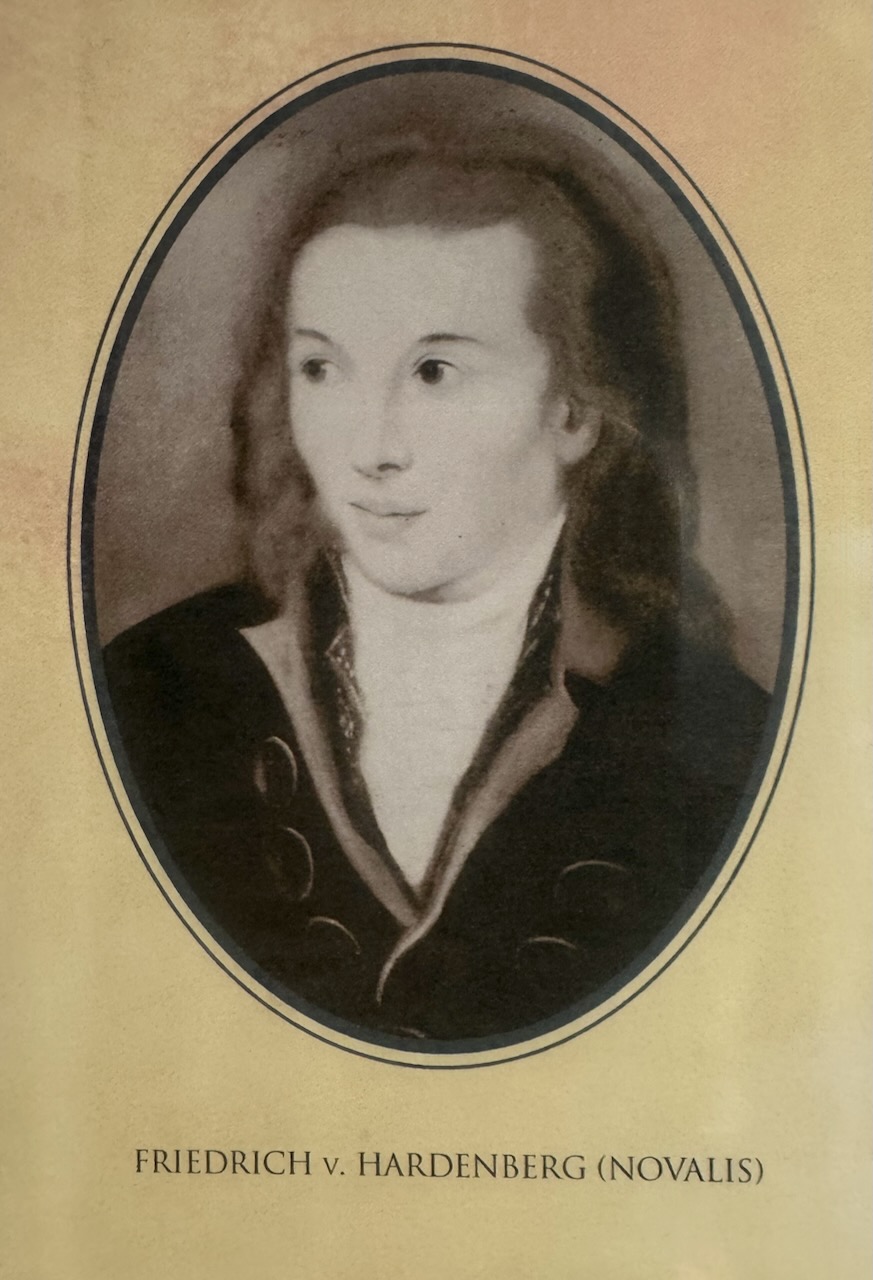
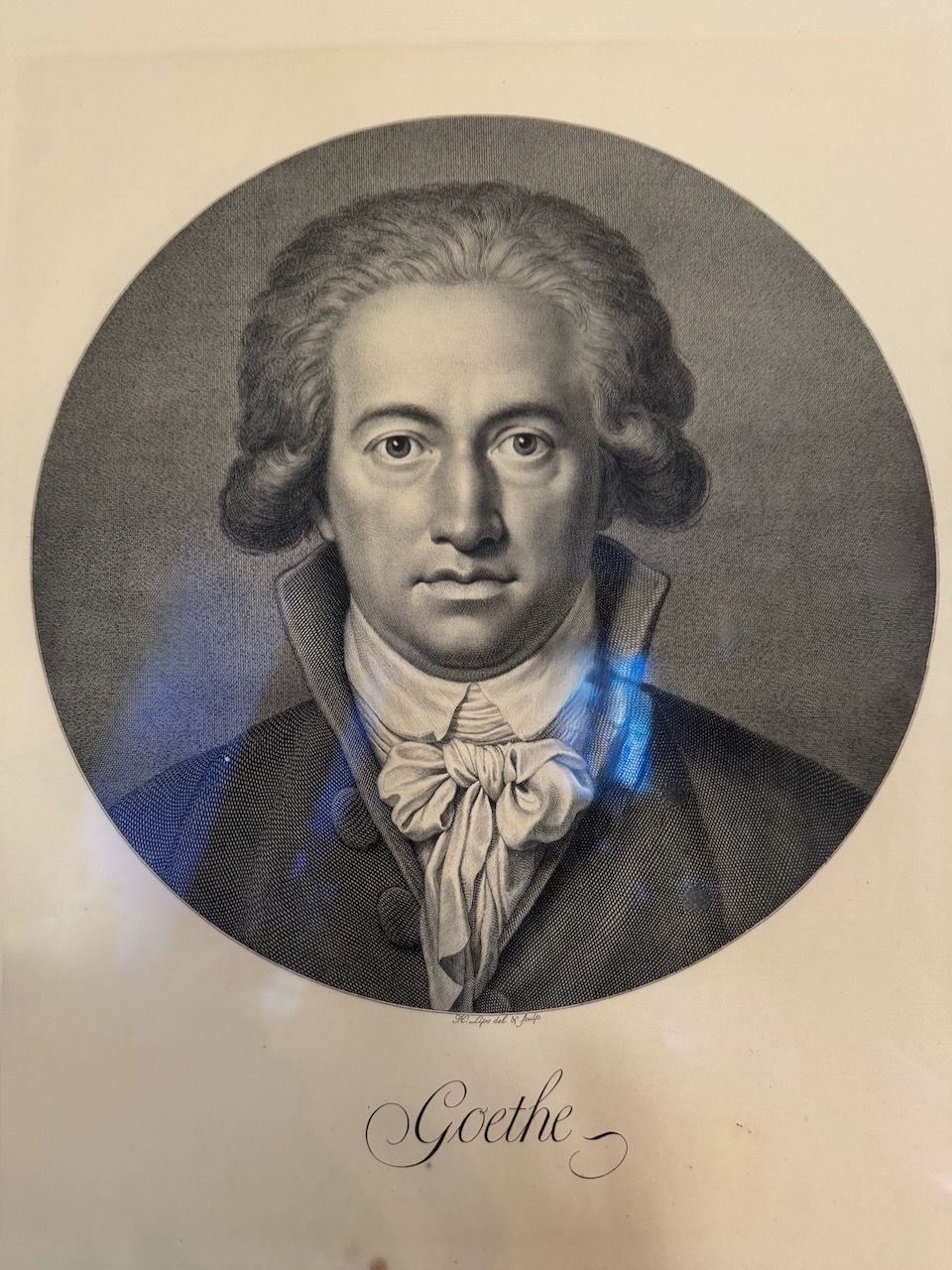
Known as the First Romantics, they were far more than the modern associations with sentimentality and solitary figures in idealised landscapes. This group of Germany’s brightest poets, philosophers and scientists – Goethe, Schiller, Kant, Fichte, Hegel, Novalis, the Schlegel and von Humboldt brothers, Schelling, and their wives – rebelled against the fragmented, rationalised worldview of the Enlightenment. Against the backdrop of the French Revolution and Napoleon’s armies, they revolutionised thinking, paving the way for modernity, the liberation of the Ich (Self), and the idea of free will.

Jena lay at the heart of the Holy Roman Empire, which was neither Holy nor Roman but encompassed much of present-day Germany. Its university was governed by four Saxon rulers from different duchies, making rules difficult to enact and enforce. Escaping the censorship other universities faced, it became more progressive and open-minded than anywhere else. So while England, Spain and France turned outwards towards colonies and the United States, Germany remained inward-looking. With 40 universities (compared to England’s two) books were everywhere, fuelling imaginations and breaking new ground in people’s internal worlds. 

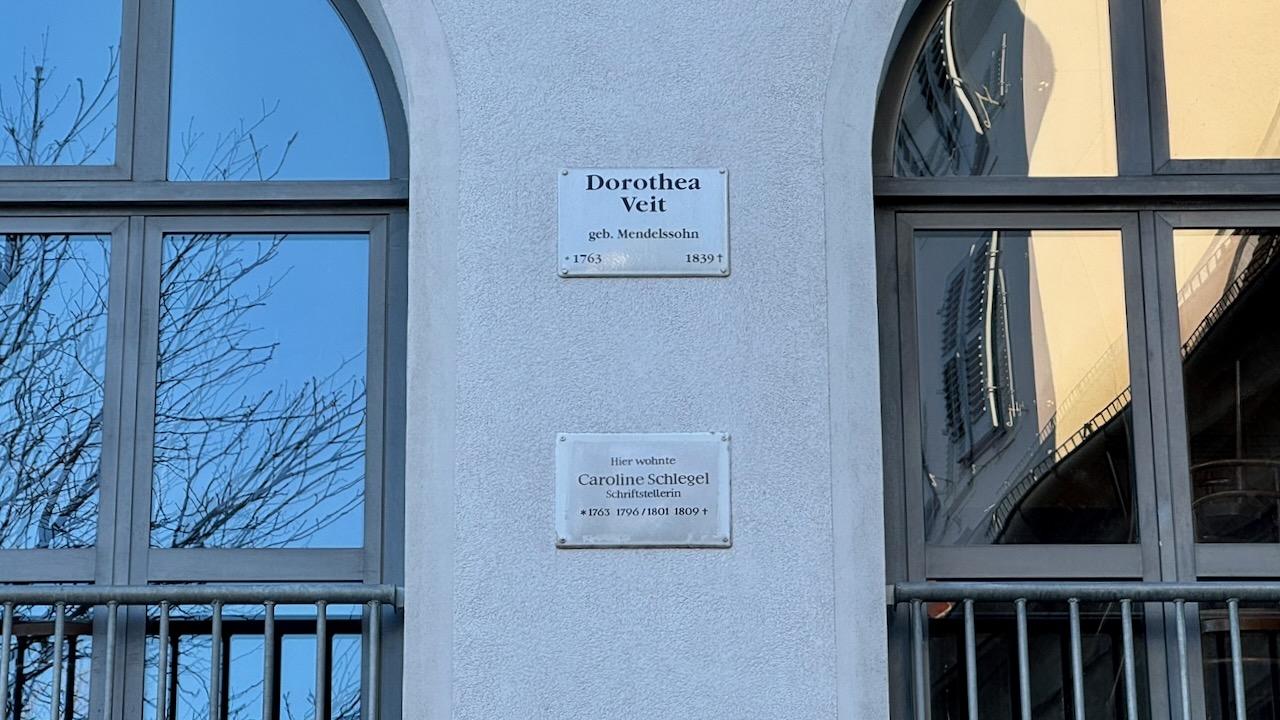
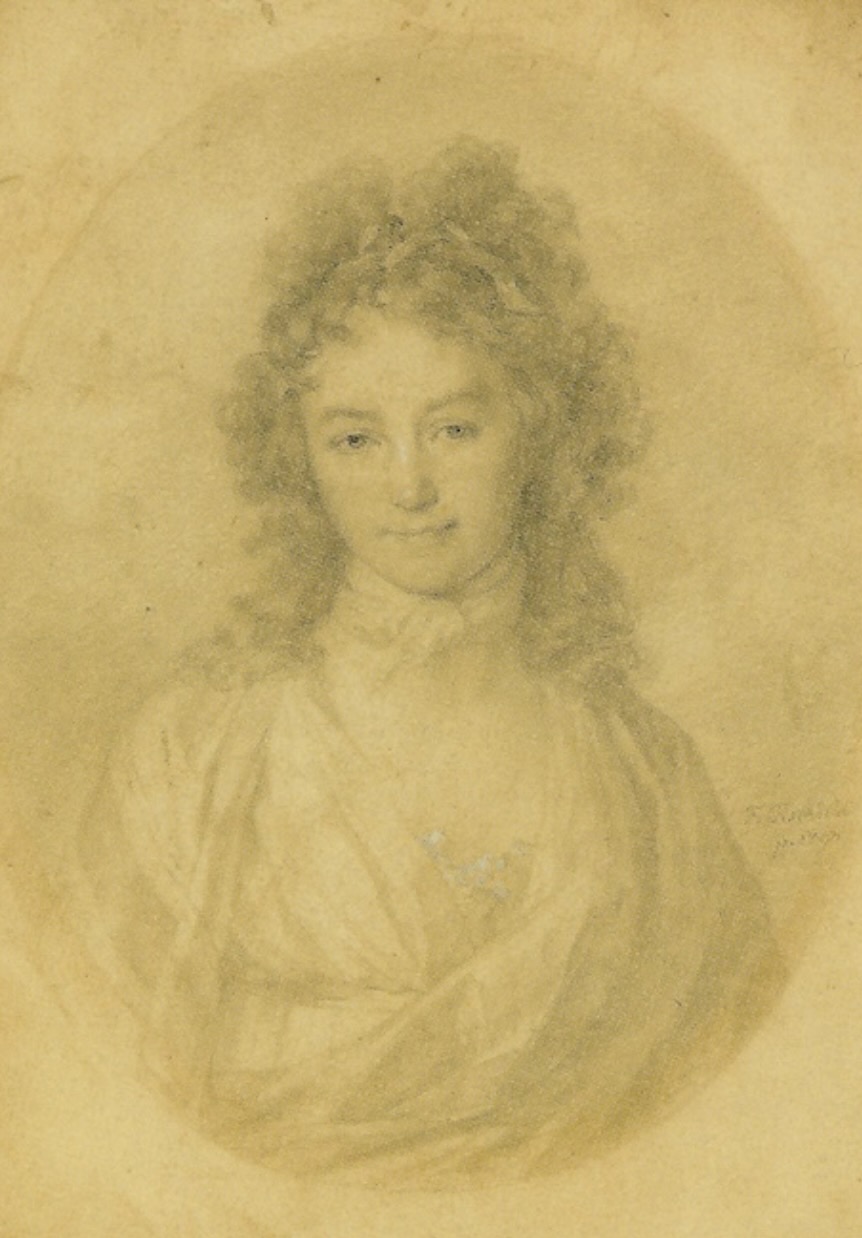
With the liberal-minded intellectual Caroline Michaelis-Böhmer-Schlegel-Schelling (she married three times!) as the beating heart of the group, the Jena Set sought to poetise the increasingly mechanical world. They tore down boundaries between the arts, sciences, nature and the divine, weaving them together into a new reality. This recognition of the interconnectedness of all disciplines, with the Self and the arts as sense-makers of the world, ignited something in me, just as it had for many others both during their lifetimes and over the following two centuries. In our increasingly technicalised world, their conception of the world feels more relevant than ever. 

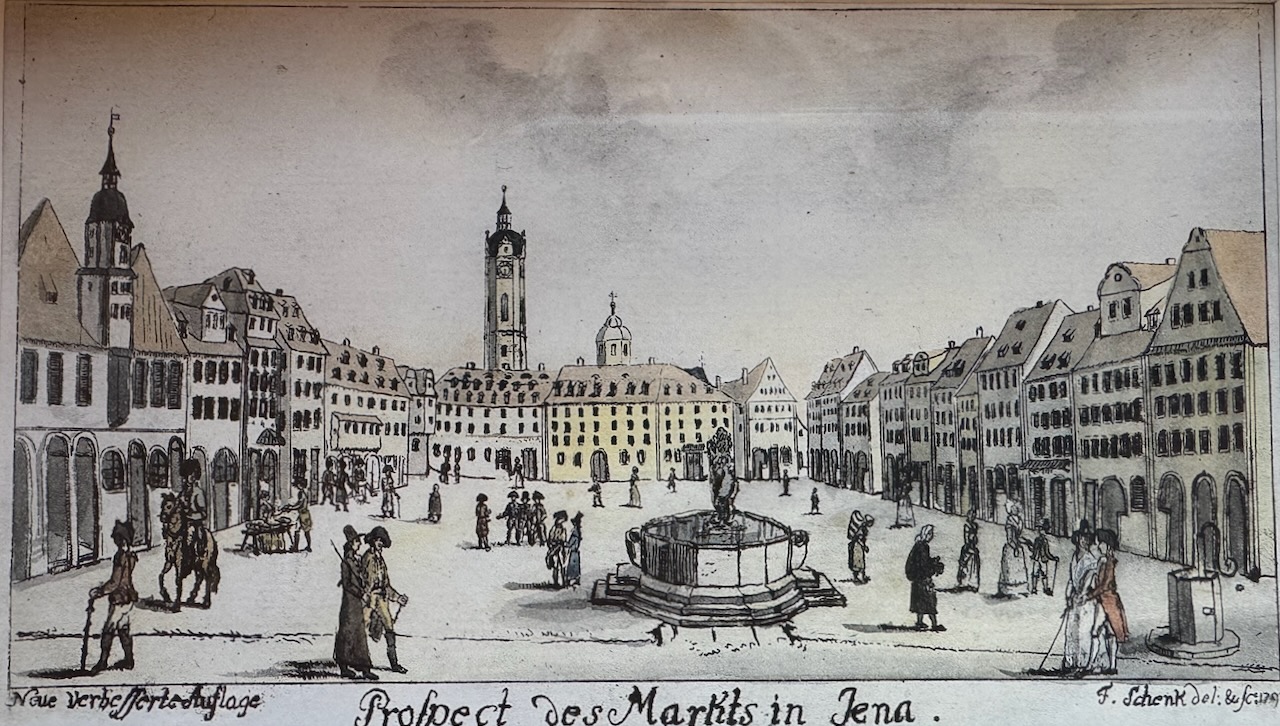
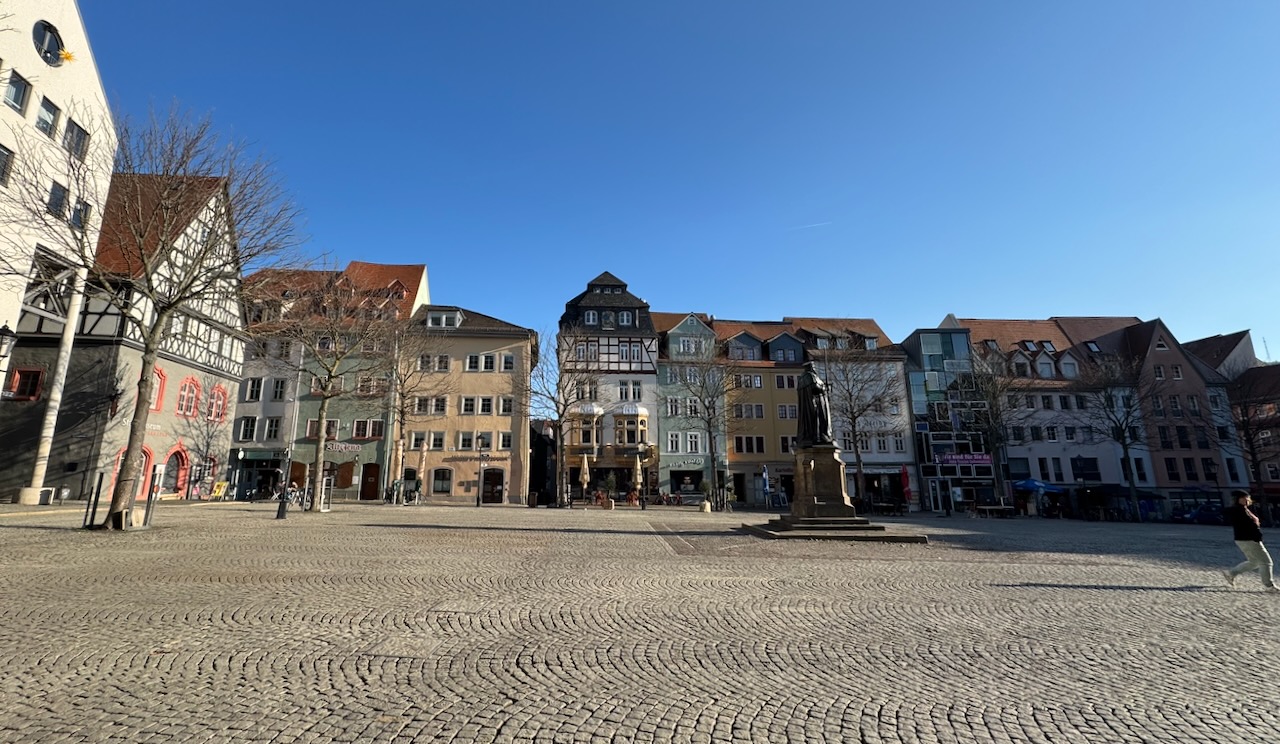
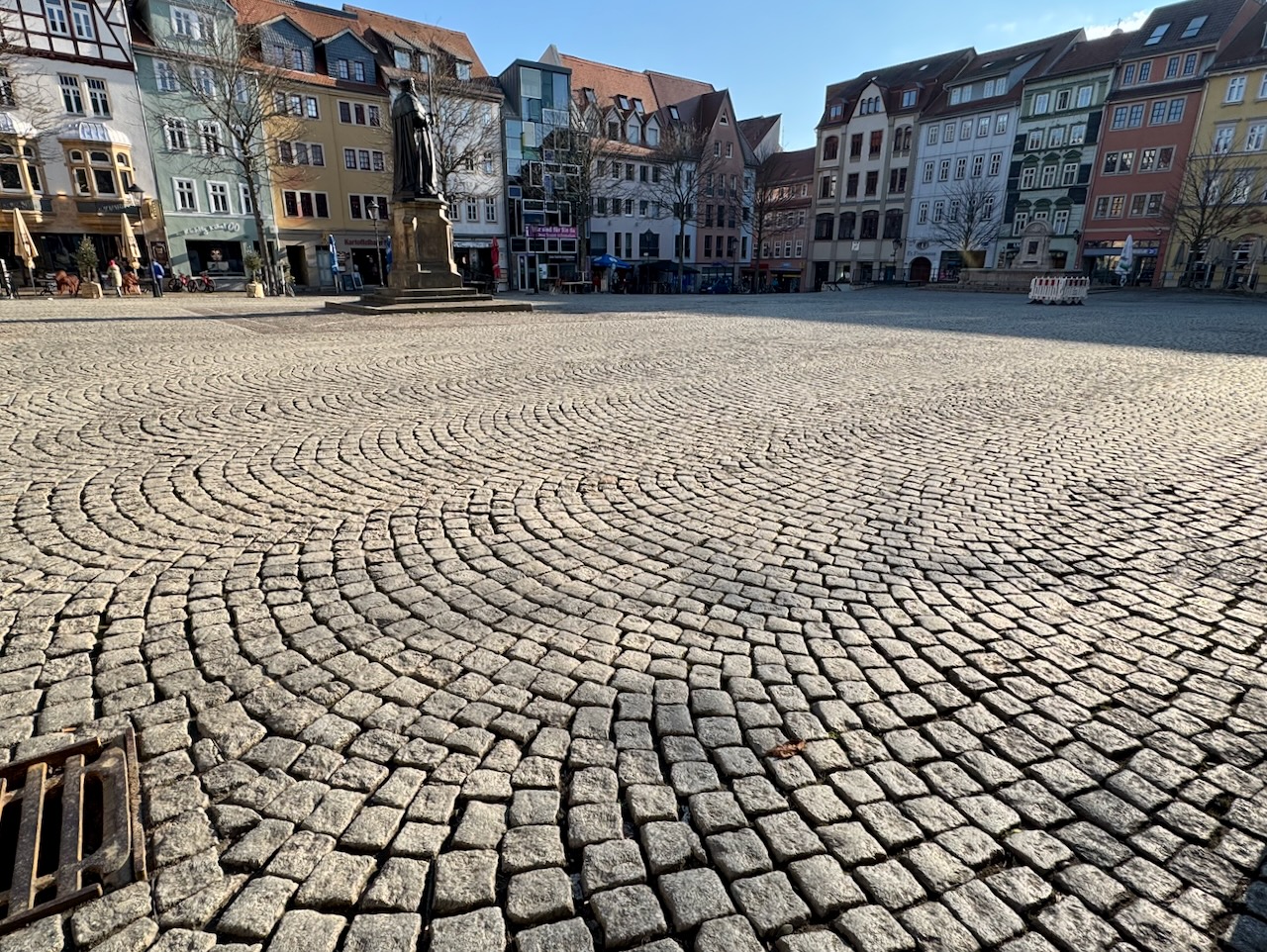
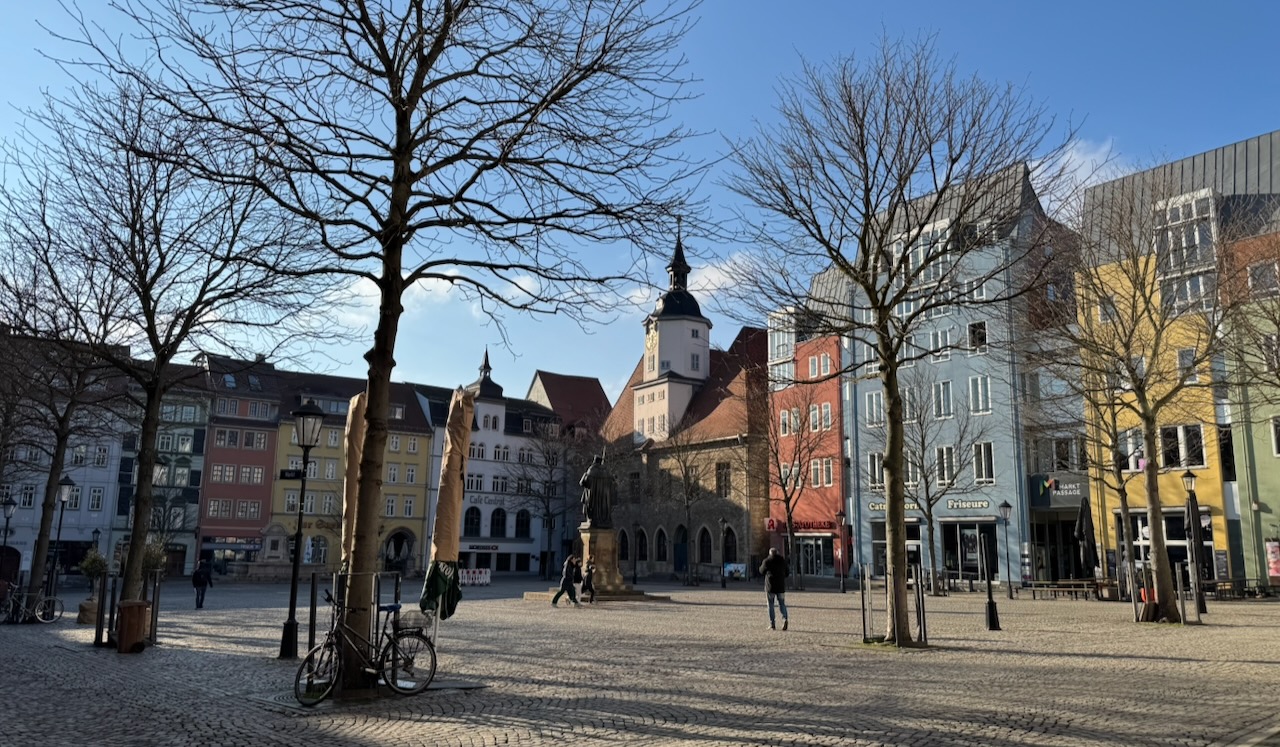
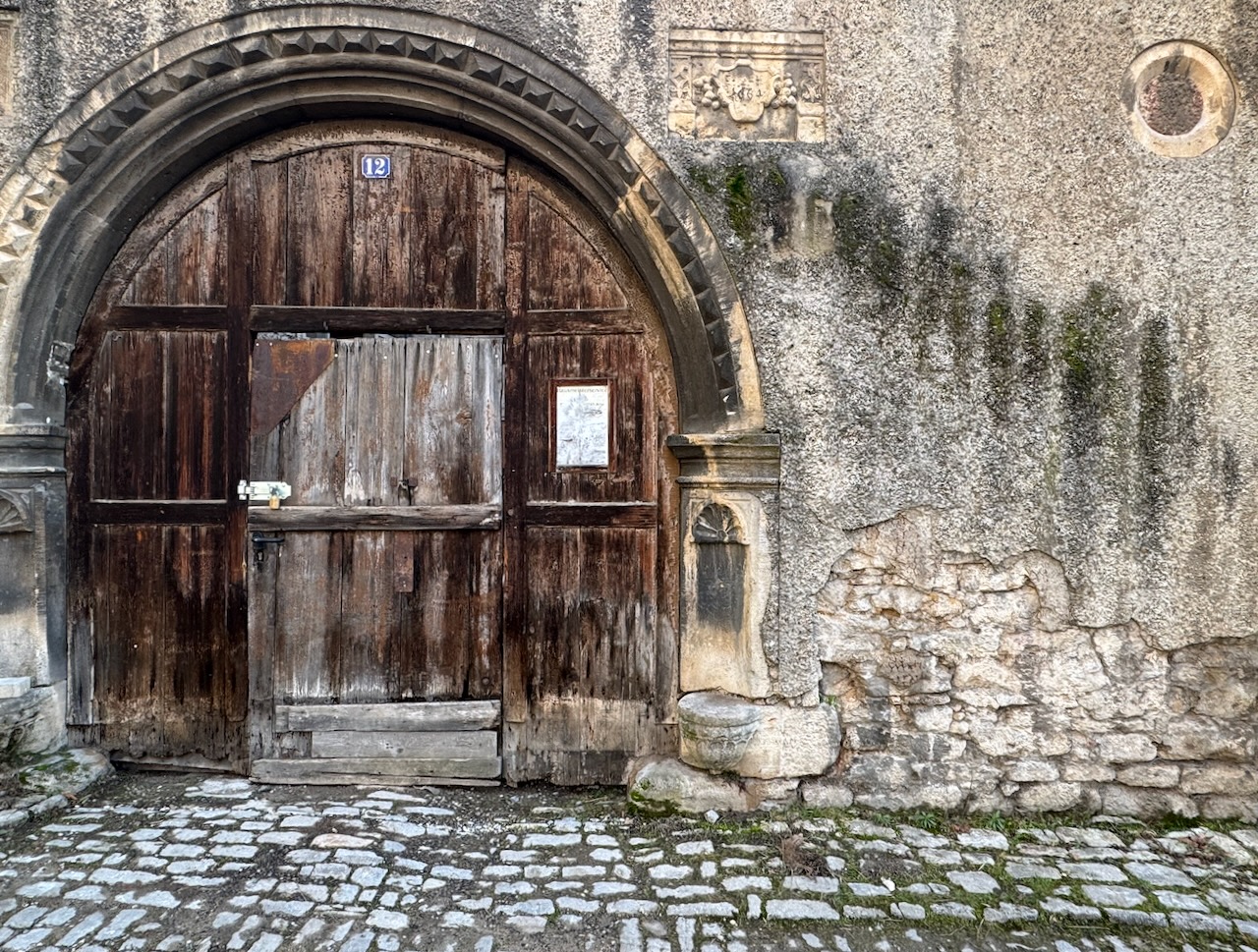
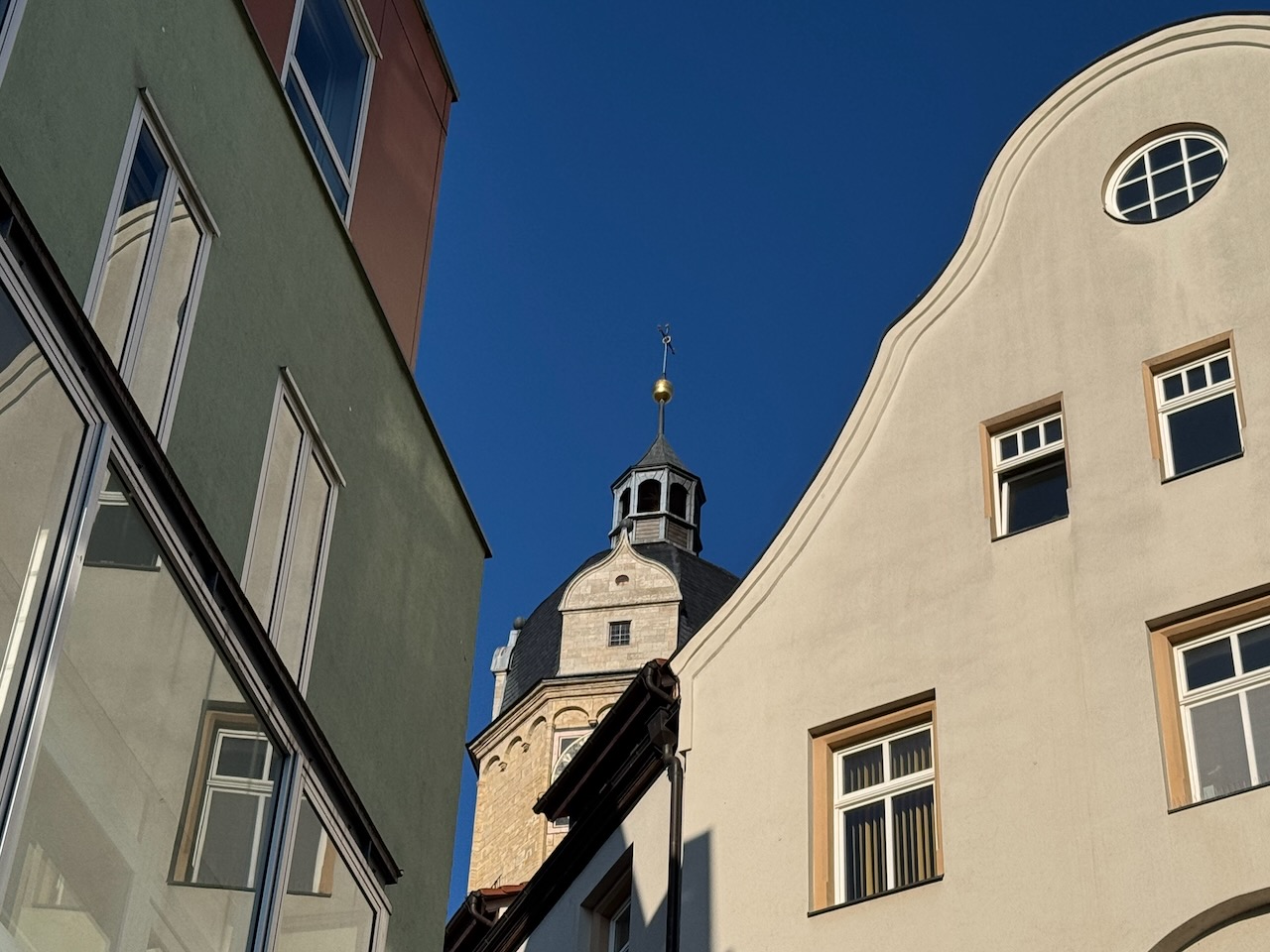
My excitement reading this book was so visceral that this January I travelled to Jena and Weimar to roam the streets they once inhabited. Like them, experiencing a place using all the senses is essential for me to understanding it. Jena didn’t disappoint, despite much of its architecture being destroyed during WWII and later by GDR urban policies. I could almost hear their excited chatter as they crossed the cobbled marketplace, made their way to the Schlegels’ salon, or wandered each other’s minds as they strolled the river in ‘Paradise’. This was Germany at its best – a land of poets and thinkers as well as composers such as Bach, Beethoven and Handel.

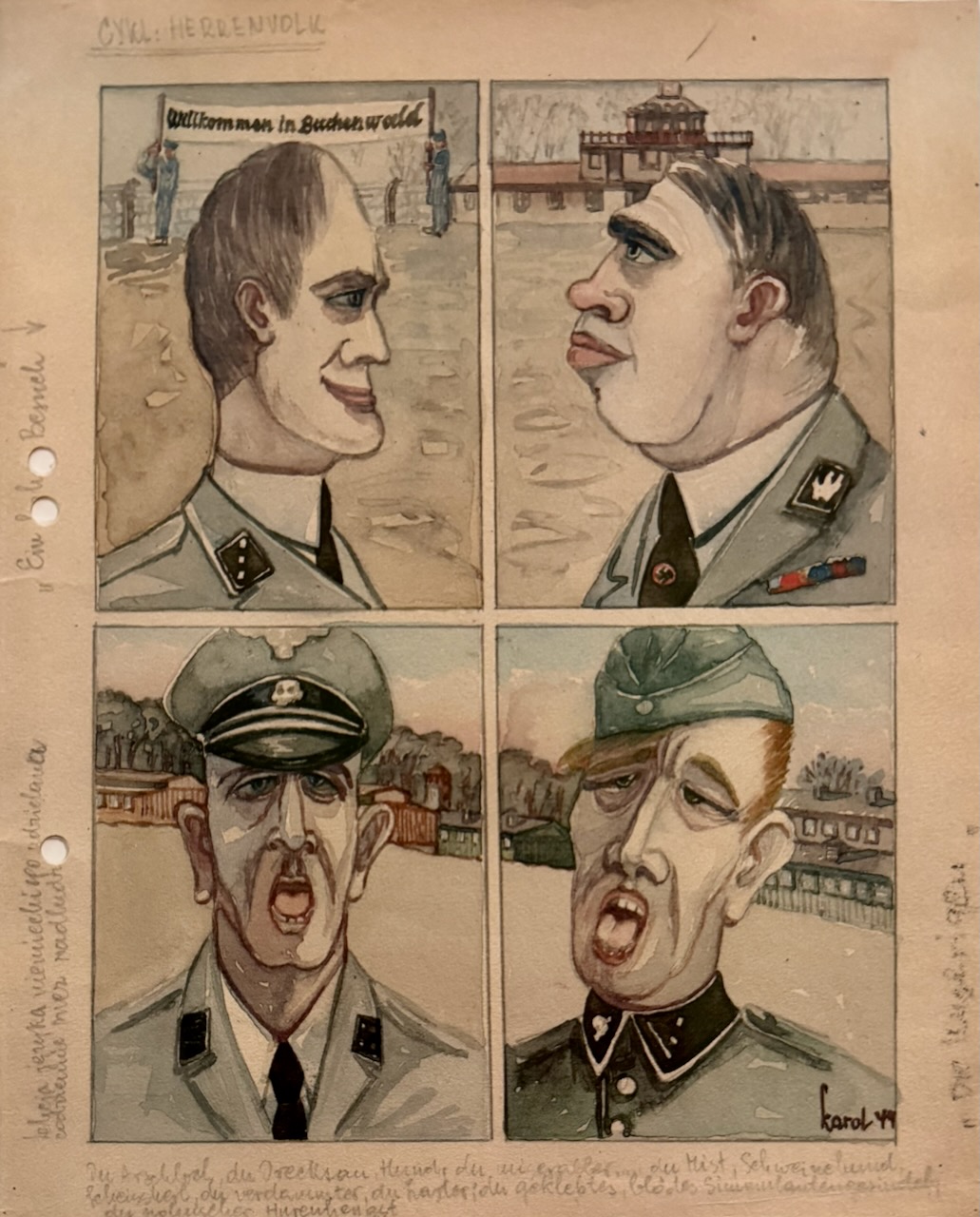
Three days later, I visited Buchenwald, a short bus ride from Goethe’s main home town of Weimar. The former concentration camp stood in stark contrast to the Jena I had just explored. Built in 1937, less than 20 years after architect Walter Gropius founded the Bauhaus in Weimar – a movement that, like the Jena Set, united disciplines, fusing art, craft and architecture into one of the most influential streams in modern design – it imprisoned Jews, political dissidents, Soviet prisoners of war, Roma and Sinti, homosexuals, religious leaders, Polish citizens, women, children, artists and writers… people labelled as wrong, inferior, of no worth.

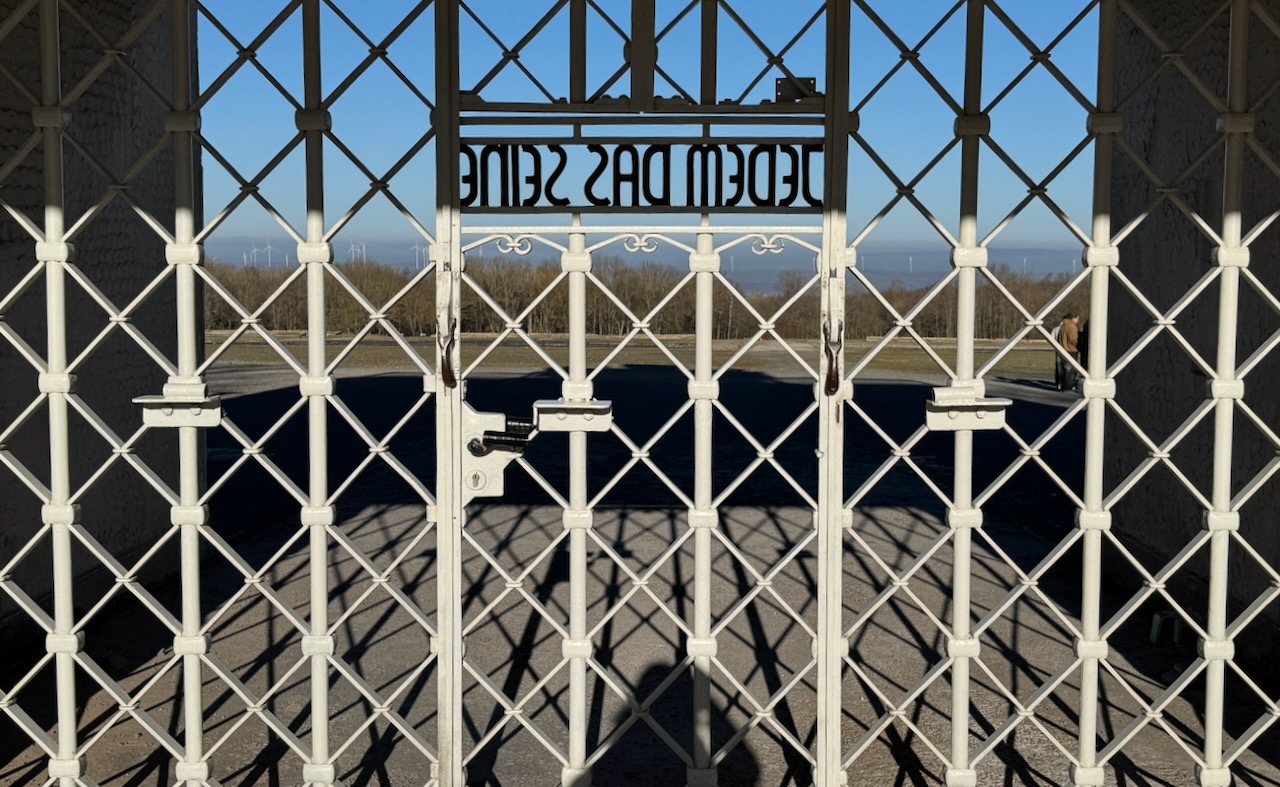
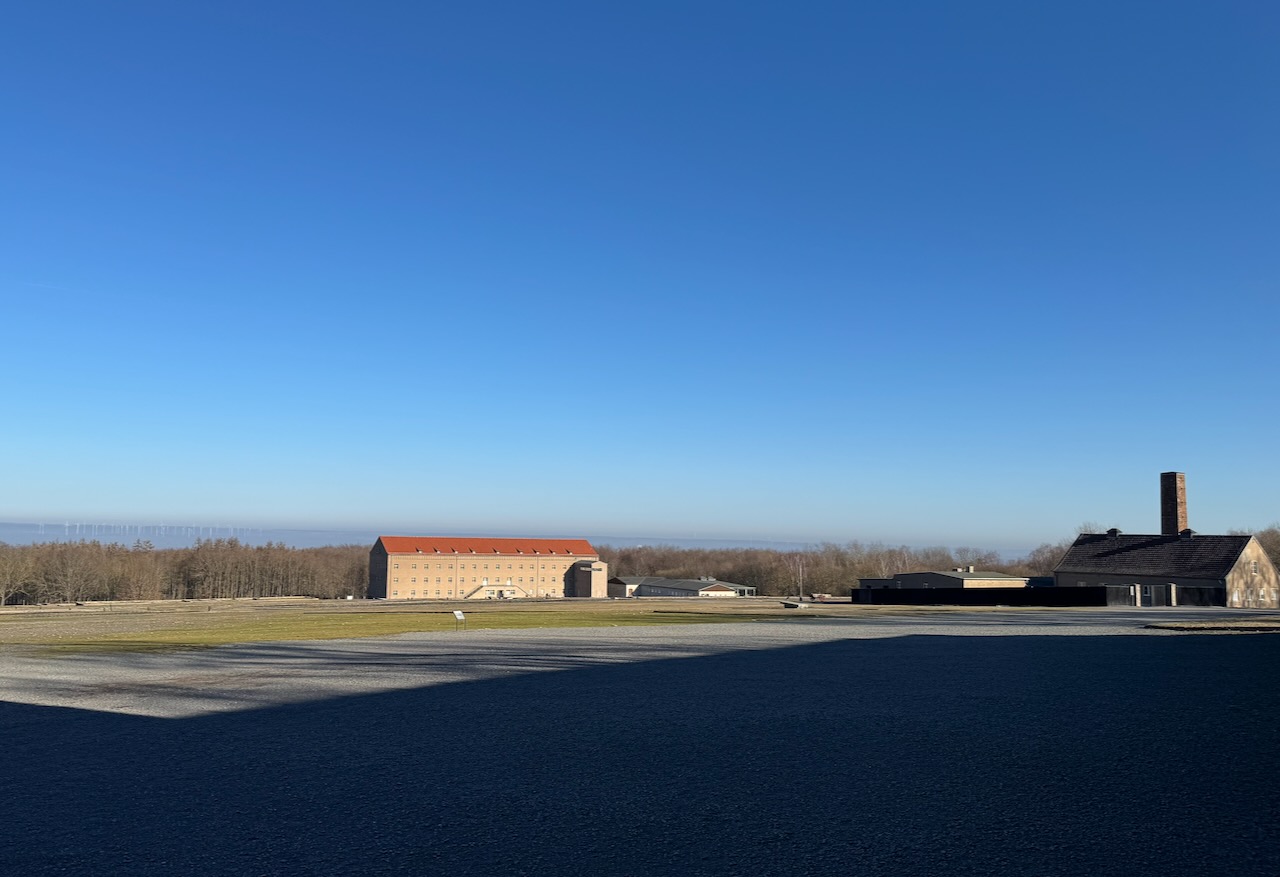
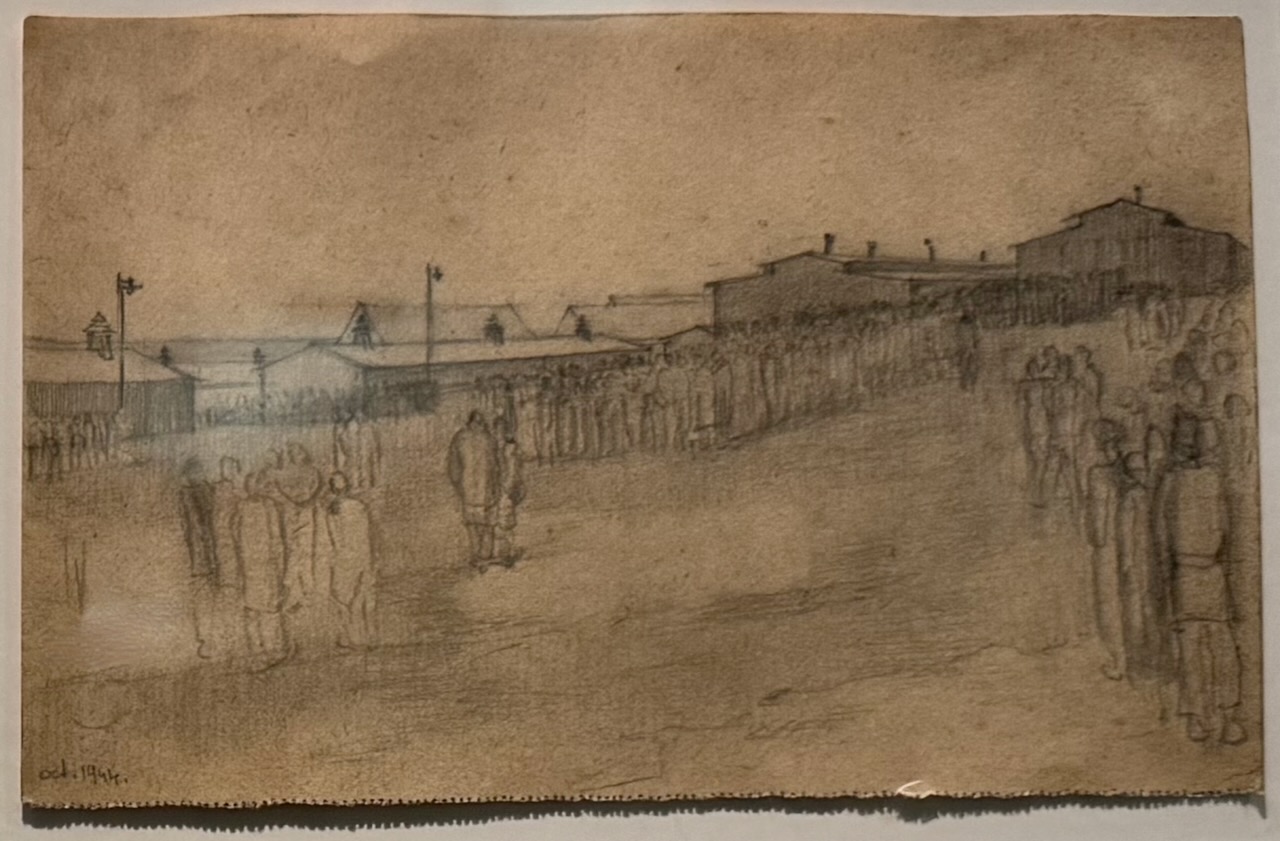
The gates of Buchenwald bear the provocative words JEDEM DAS SEINE (‘To Each His Own’), furtively created in Bauhaus-style lettering by a defiant inmate. Once inside, the visitor instantly shrinks to a moving speck in the vast, seemingly empty arena of former suffering. I clocked the tapping of a distant woodpecker before being swallowed by the site’s app, which conjured visions of hell as I moved from freezing roll calls to the disinfection station, through over-crowded bunks, and into the crematorium ovens.

The theme for Holocaust Memorial Day on 27th January 2026 is ‘Bridging Generations.’ Like my VE Day talks last year – including one with Henry Montgomery (‘Monty’s’ grandson) at the National Army Museum, and more recently with James Holland and Al Murray on their popular WWII podcast We have Ways of Making You Talk – it’s a call to action. As contemporary witnesses die out, the responsibility for remembrance must pass to those who came after.

Yet, as a recent Times article highlighted, the number of schools marking the Holocaust has more than halved since the Hamas attacks on Israel on 7th October 2023. This is deeply concerning. It reveals a profound misunderstanding of what the Holocaust warns us about the present. Strip away categories and nationalities, and both perpetrators and victims were first and foremost ordinary people, like you and me.

The contrast between the intellectual vibrancy of Jena and the grim history of Buchenwald mirrors Germany’s descent from soaring heights to depraved depths.

While grieving the death of his beloved fiancée, the Jena Set poet Novalis discovered a new imagery of darkness. He likened his routine descents into the salt mines of Weißenfels to a journey through the wilderness of the self and the universe. He embraced the night as a place of transformation, knowing, as they all did, that light and dark are inseparable.

For me, regular descents into the darkness of prisons or into Germany’s Nazi past have become similar excavations of the human condition. Novalis found a higher existence in the darkness. I found smaller gems. The most important of them all: both the brightest light and the deepest darkness live within us.

Watch or listen to my episode ‘How to commemorate WW2’ on the We Have Ways of Making You Talk podcast

This liminal space…

It will be different for everybody. But I love the quietness of these in-between days… 

That bloated weariness from endless festivities and good will. The jaded sparkle of unwrapped gifts spilling out of recycling bins. The jingle of carols fading as the challenges of Christmas are banished into as distant a future as any one year allows. 

For me there’s a sense of peace. A release from the storm of traditions. A disorientation. A heart full of gratitude.

With New Year still to celebrate, there’s just one last real or symbolic cork to pop. Then it’s back to reality with its resolutions, rhythms and routines. Bleak mid-winter stretched unruffled, a blanket of dark fields tucked into the horizon over a sleeping, muddy countryside.

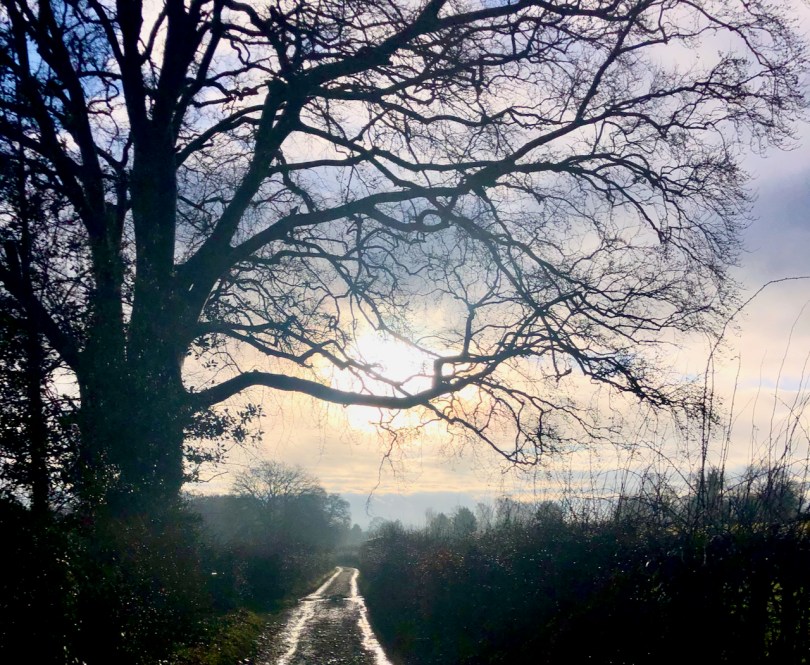
Trees stand brittle, skeletal. We know Spring will come, but in the immediate months ahead it is easy to lose faith that colour, light and warmth will ever return. 

Looking closely, however (with a slightly alarming nod to climate change), small promises have already started to decorate bare branches like fairy lights. A little pink blossom here, a tiny green bud there.

But it is out of sight, below the earth’s surface, where the real hope and action thrive. 

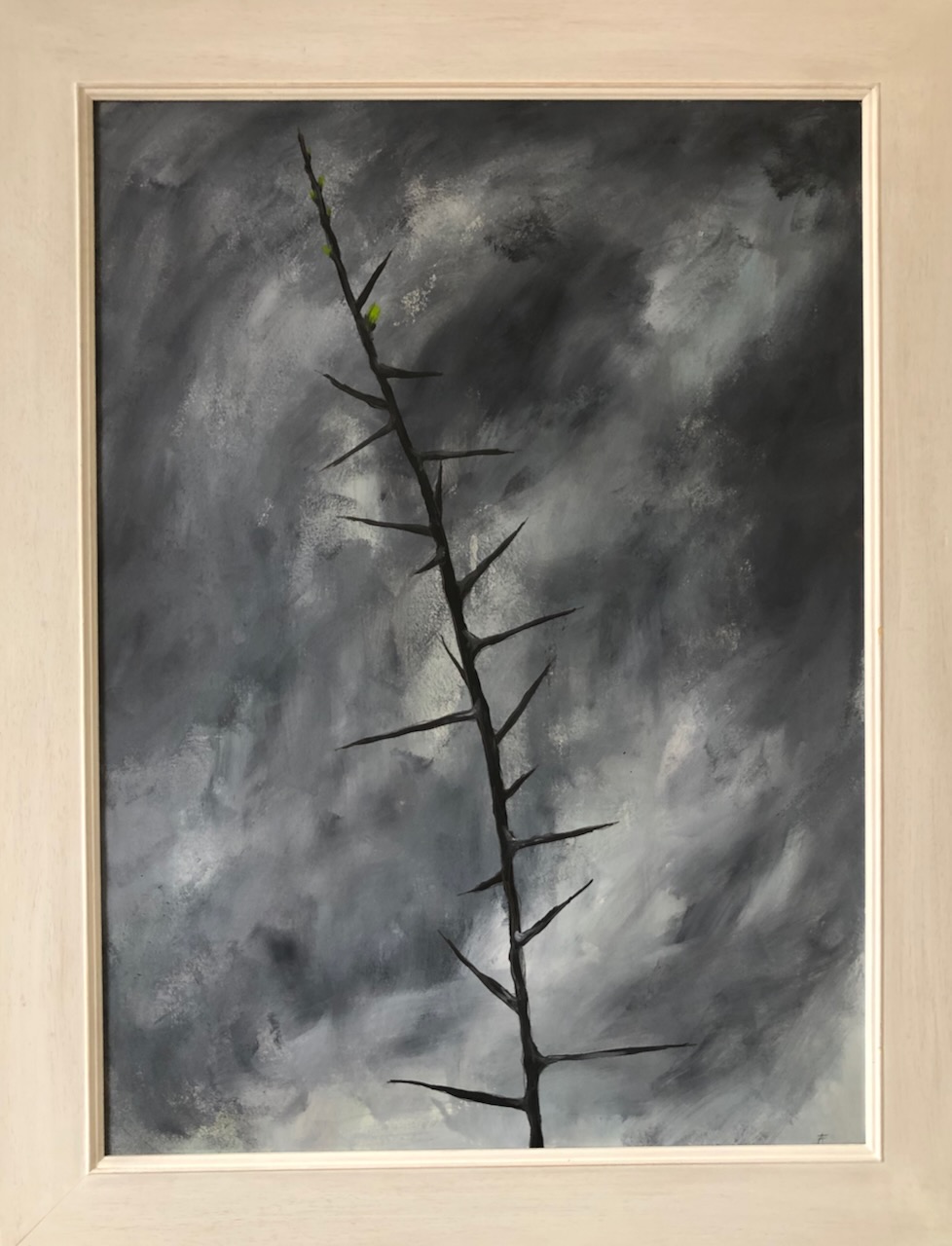
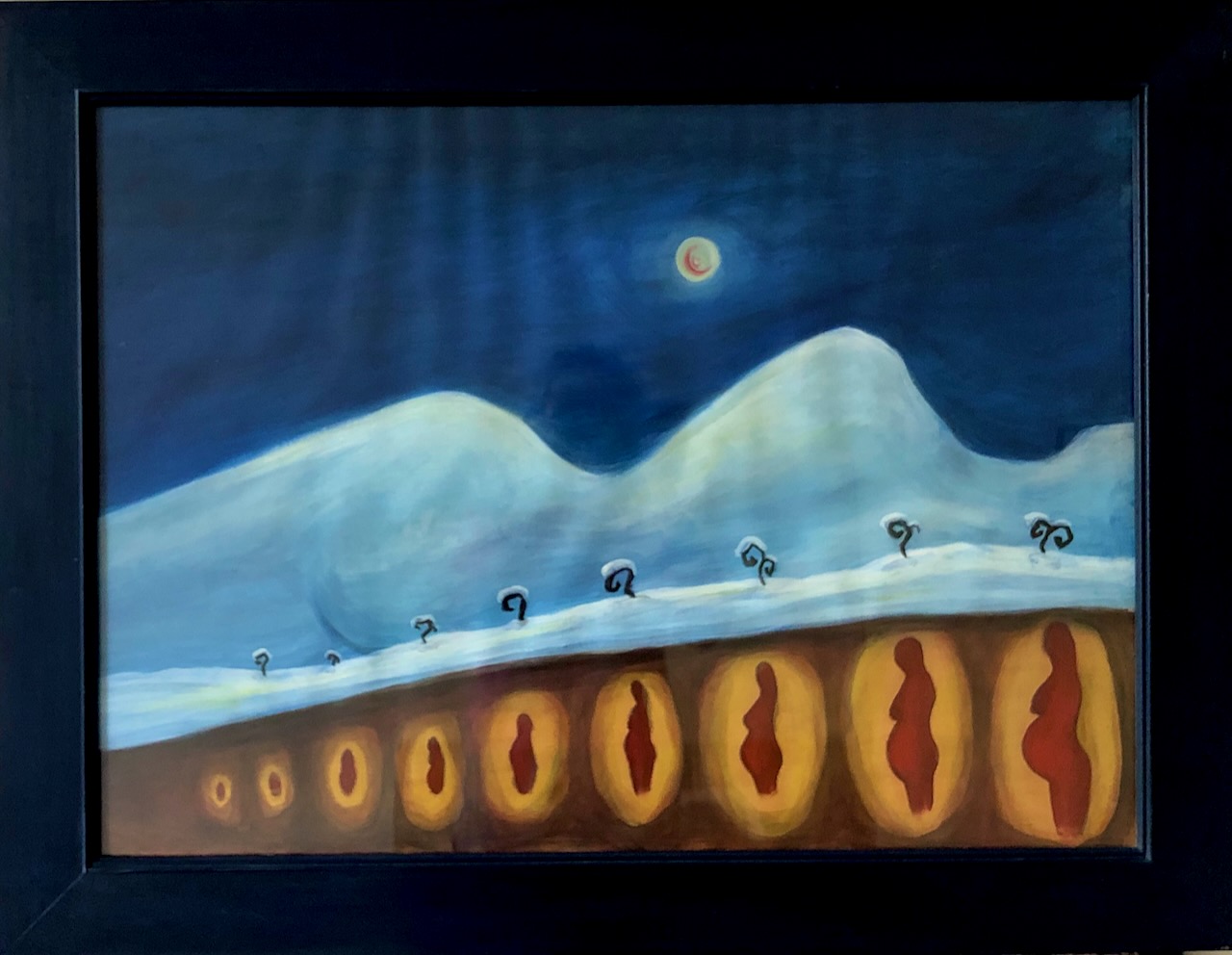
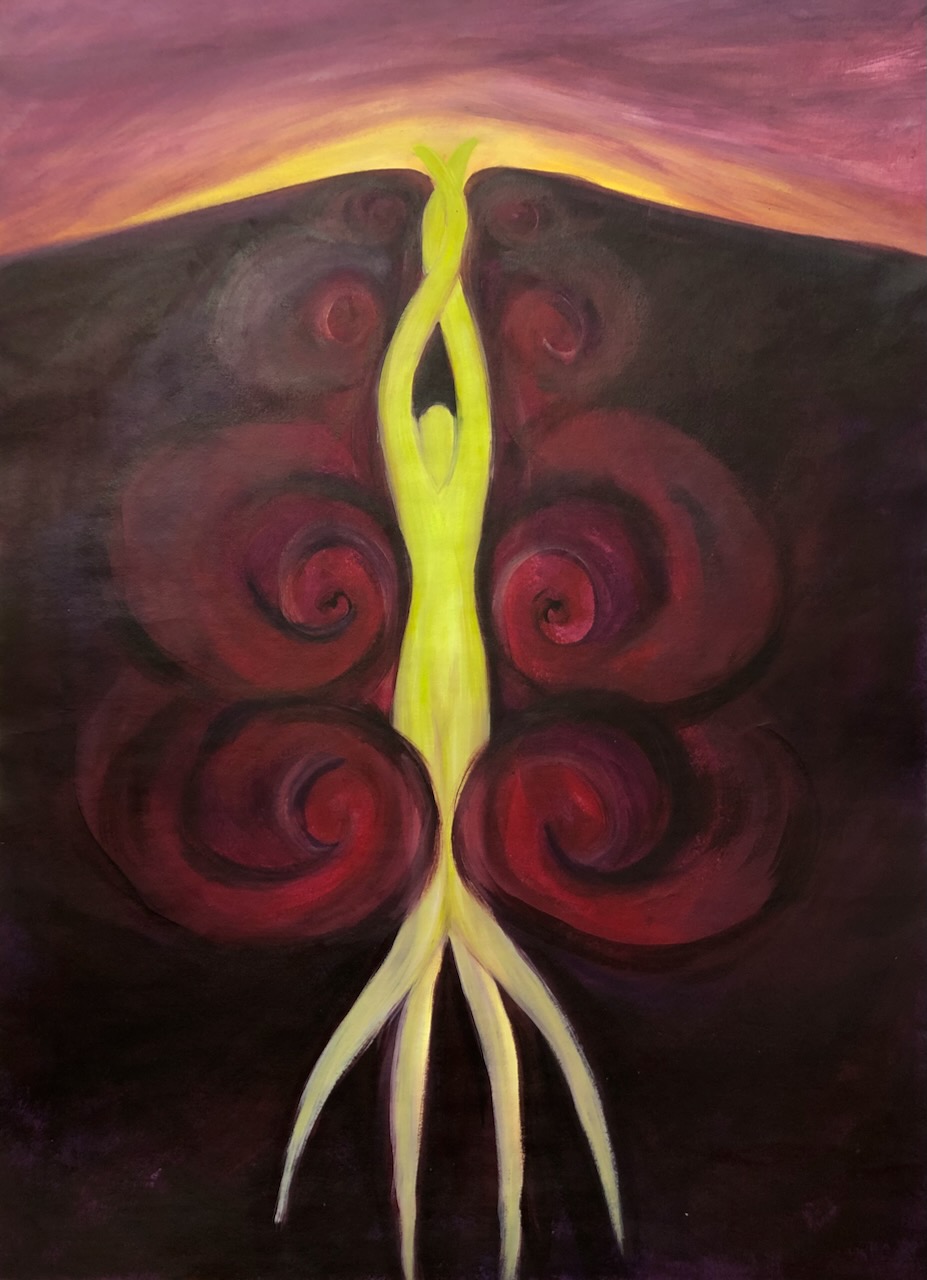
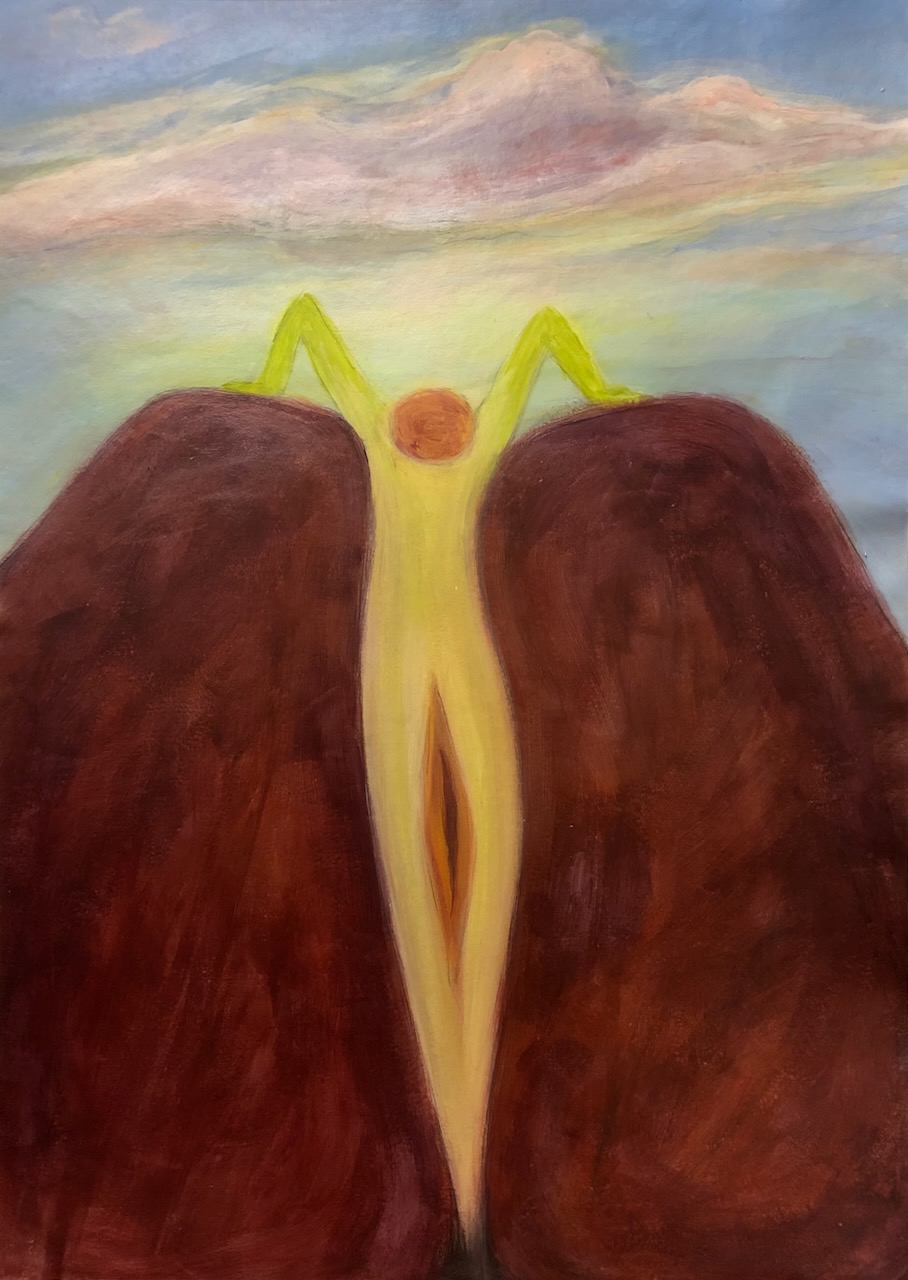
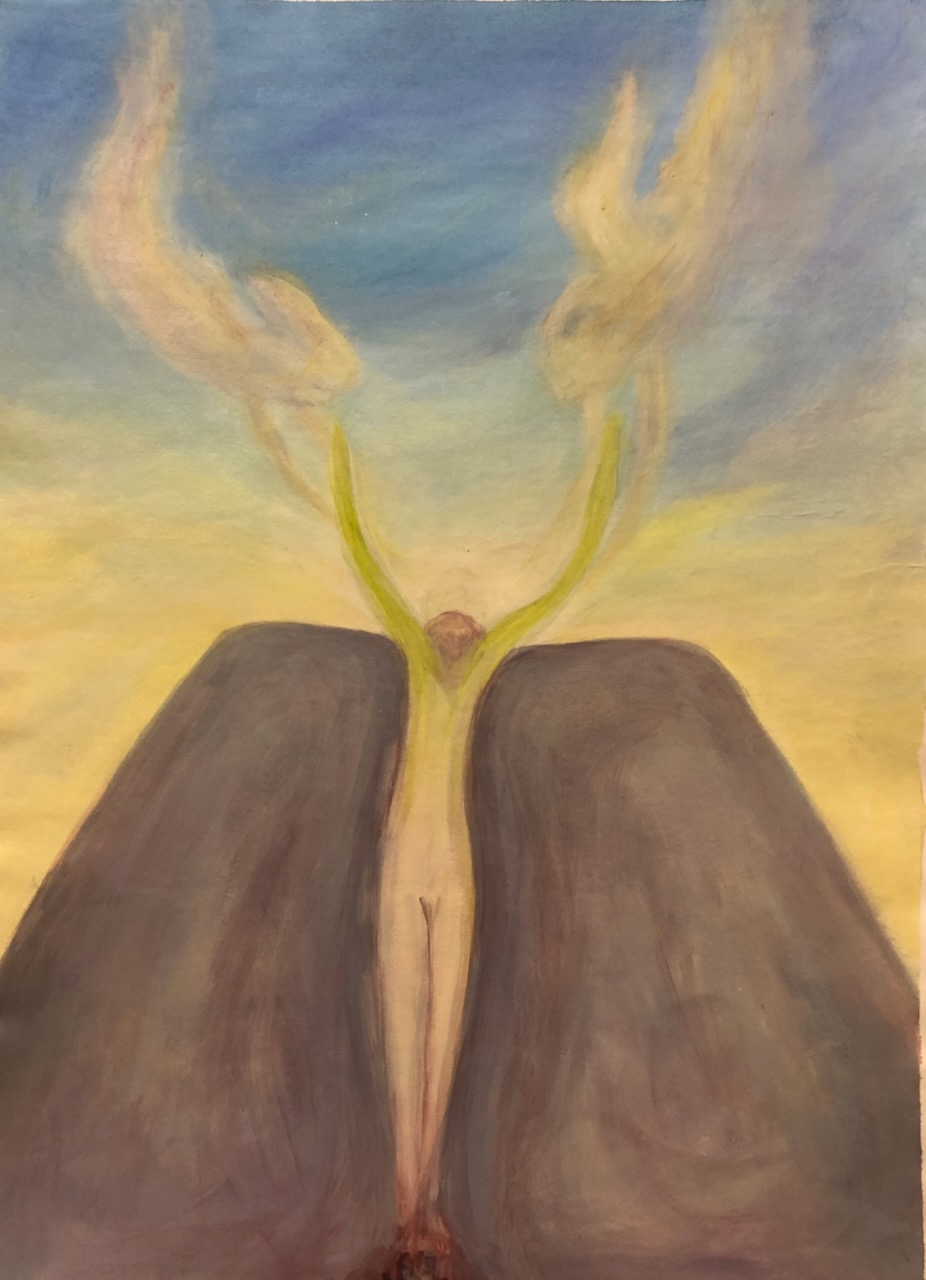
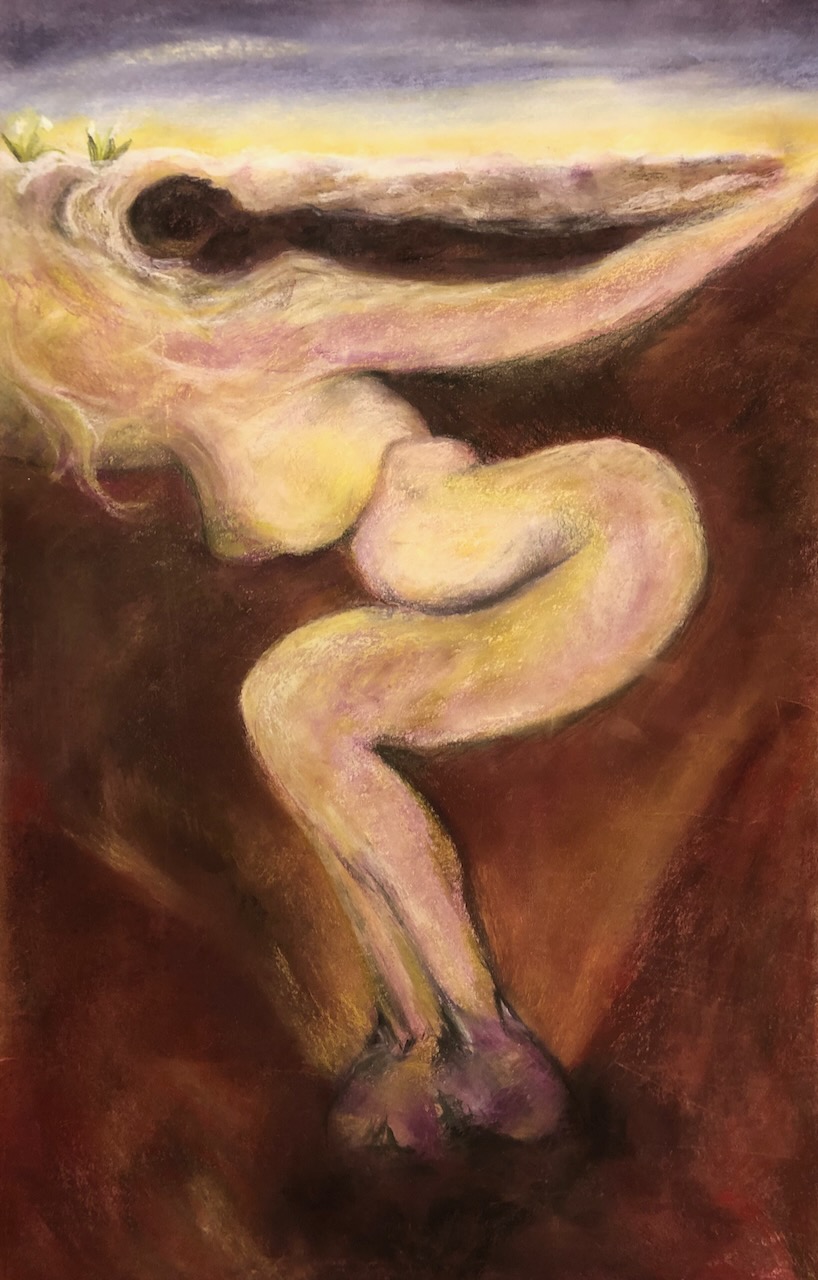
My recent move from storage to studio has uncovered numerous sketches and paintings I haven’t looked at for over twenty years. They were painted in the nineties when I lived on the west coast of Ireland consciously engaging with the four seasons and their corresponding echo within the inner rhythms of a human lifespan. Inspired by Celtic mythology and various spiritual traditions, my thirty-something-year-old self saw winter as Mother Earth’s pregnant womb, and Spring the birth and dance of youth. 

On a soul level, we experience winter in those times when it appears nothing is happening. When everything seems dead, stuck, over. It can feel eternal and deeply uncomfortable. We might search for escape in company, drink, exercise, work… or chocolate and movies. Might make wrong decisions through impatience to crank up the old and move forward. Then one tiny shoot of new growth breaks through the surface and into our lives. The season changes and Winter’s purpose is revealed as saps start to rise unstoppably. Energy returns after its slump… or slumber. Because of its slump or slumber. New creativity flows. Our soul’s spring has arrived.

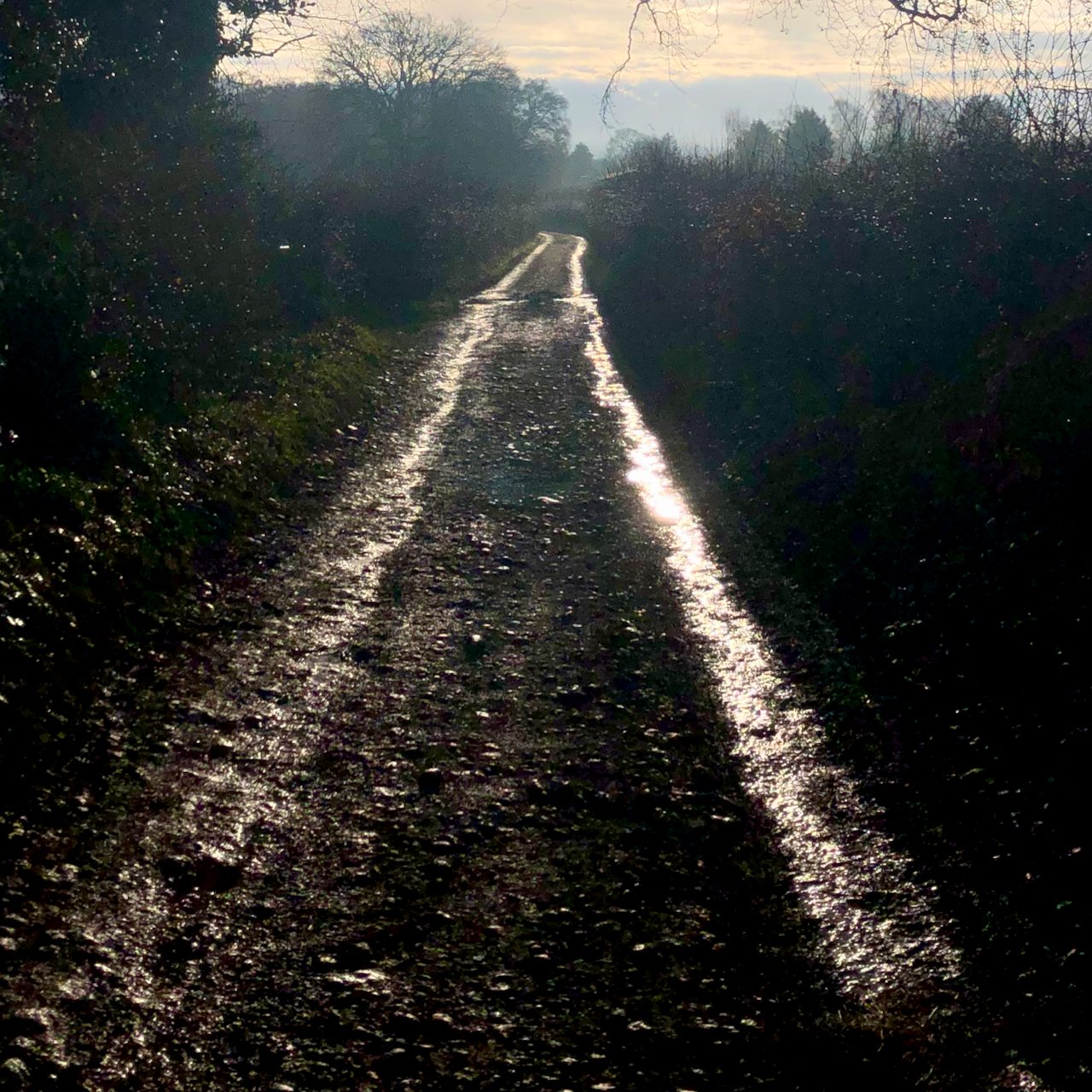
In the meantime, this darkness can nourish us. It invites stillness and rest. Quiet intimacy. Soul. Life is tiring… winter offers us a chance to withdraw and replenish our energies. So I welcome these dark mornings, short days and early nights – ideally interrupted by crisp sunshine to brighten the spirits – as a period of germination. An opportunity to lay off the guilt of achieving less as we enrich more. A time of holding rather than pushing.

With all that in mind, I wish you a gentle, inspiring, meaningful and happy path into your New Year.

(All the paintings above are a mixture of acrylic and/or pastel and roughly 75x55cm)