Ponderings on Patience and Perfection… plus a little more

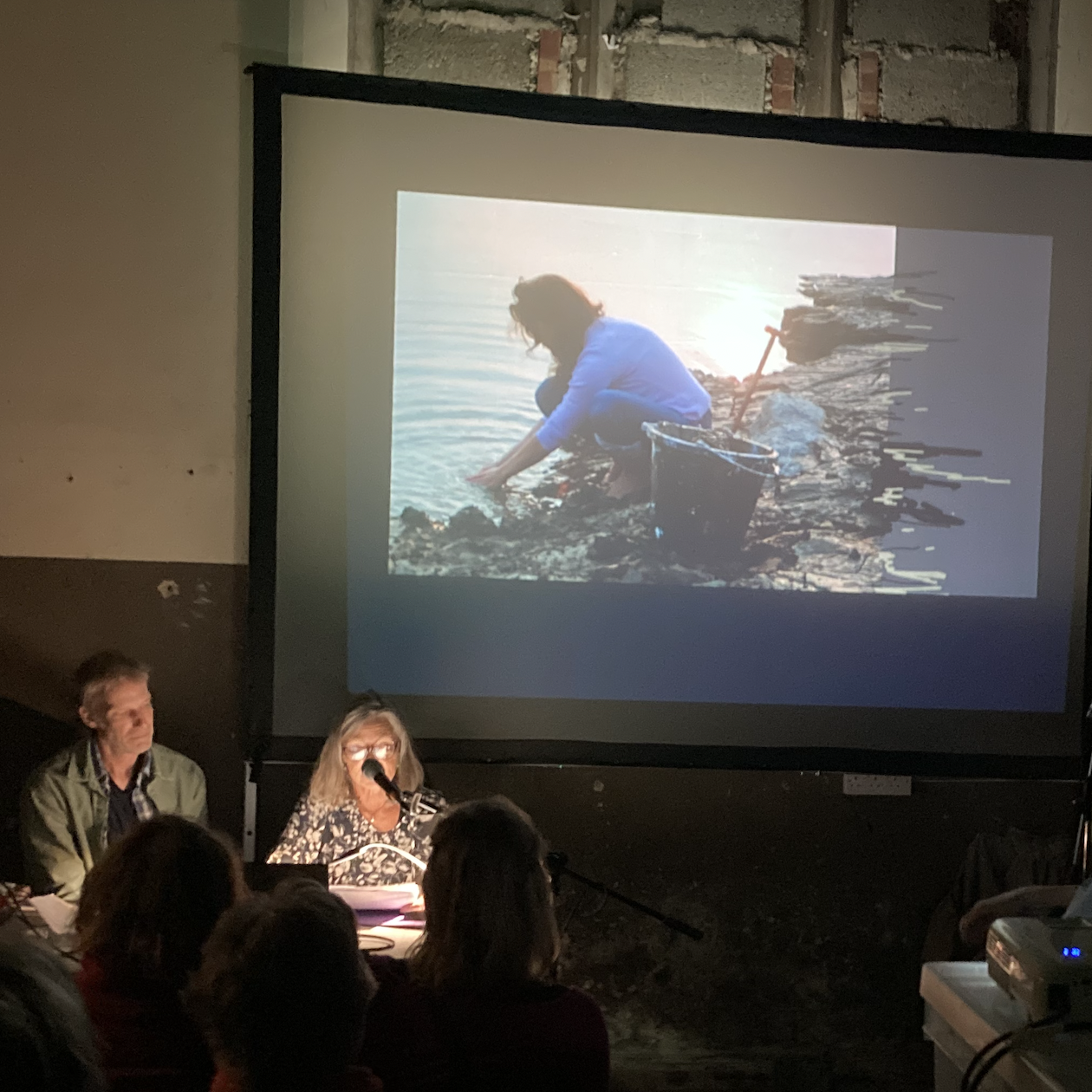
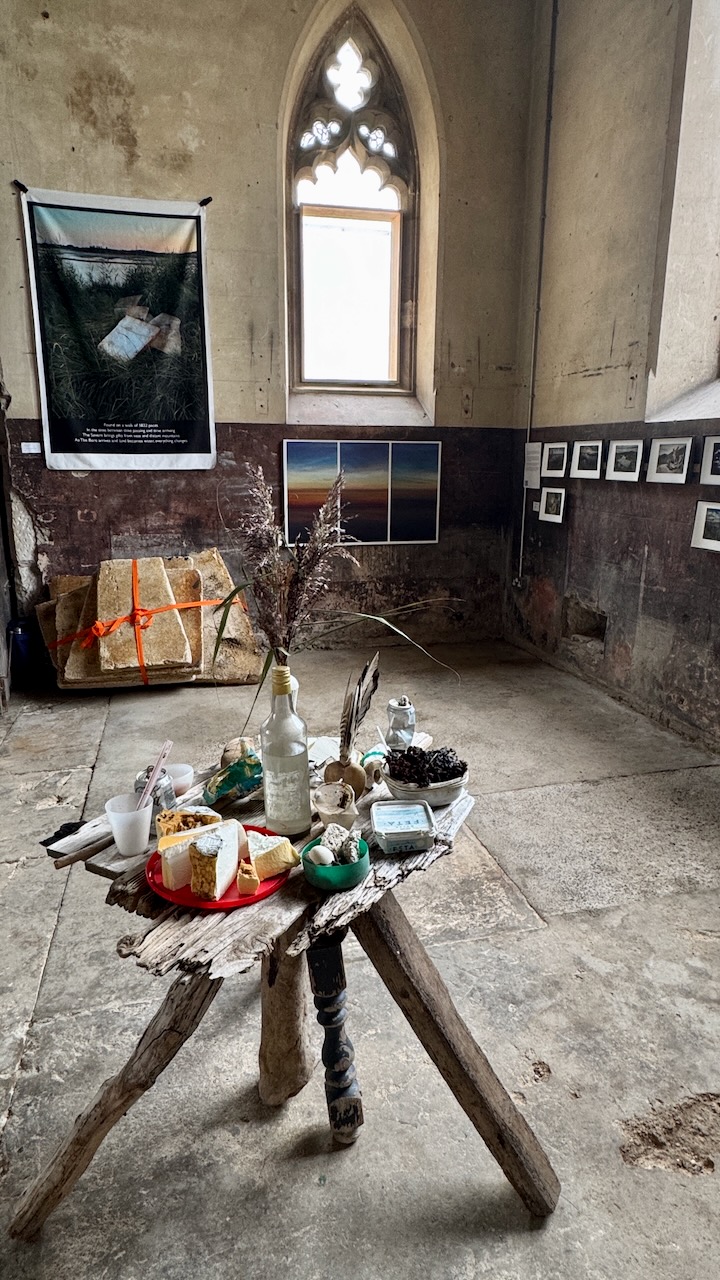
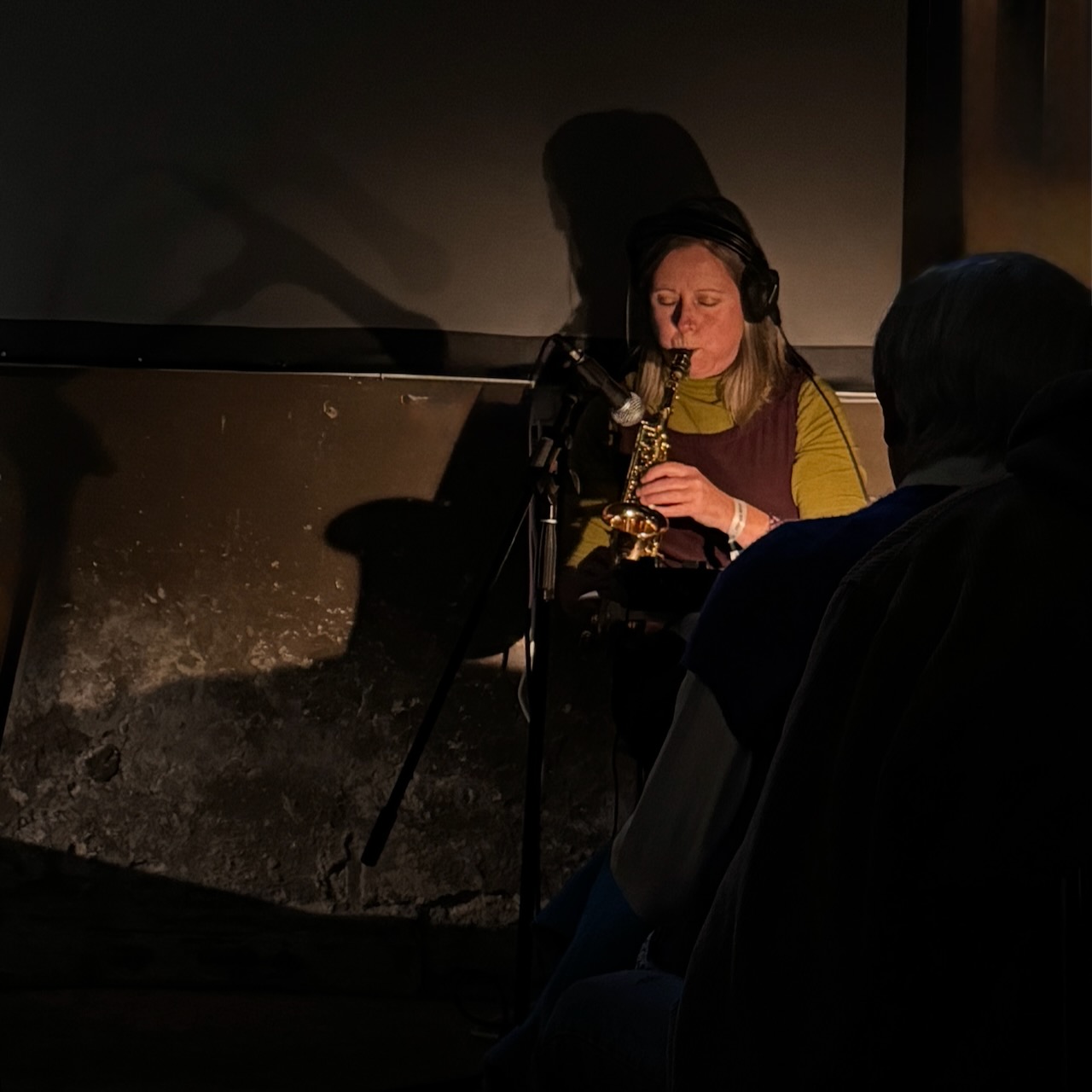
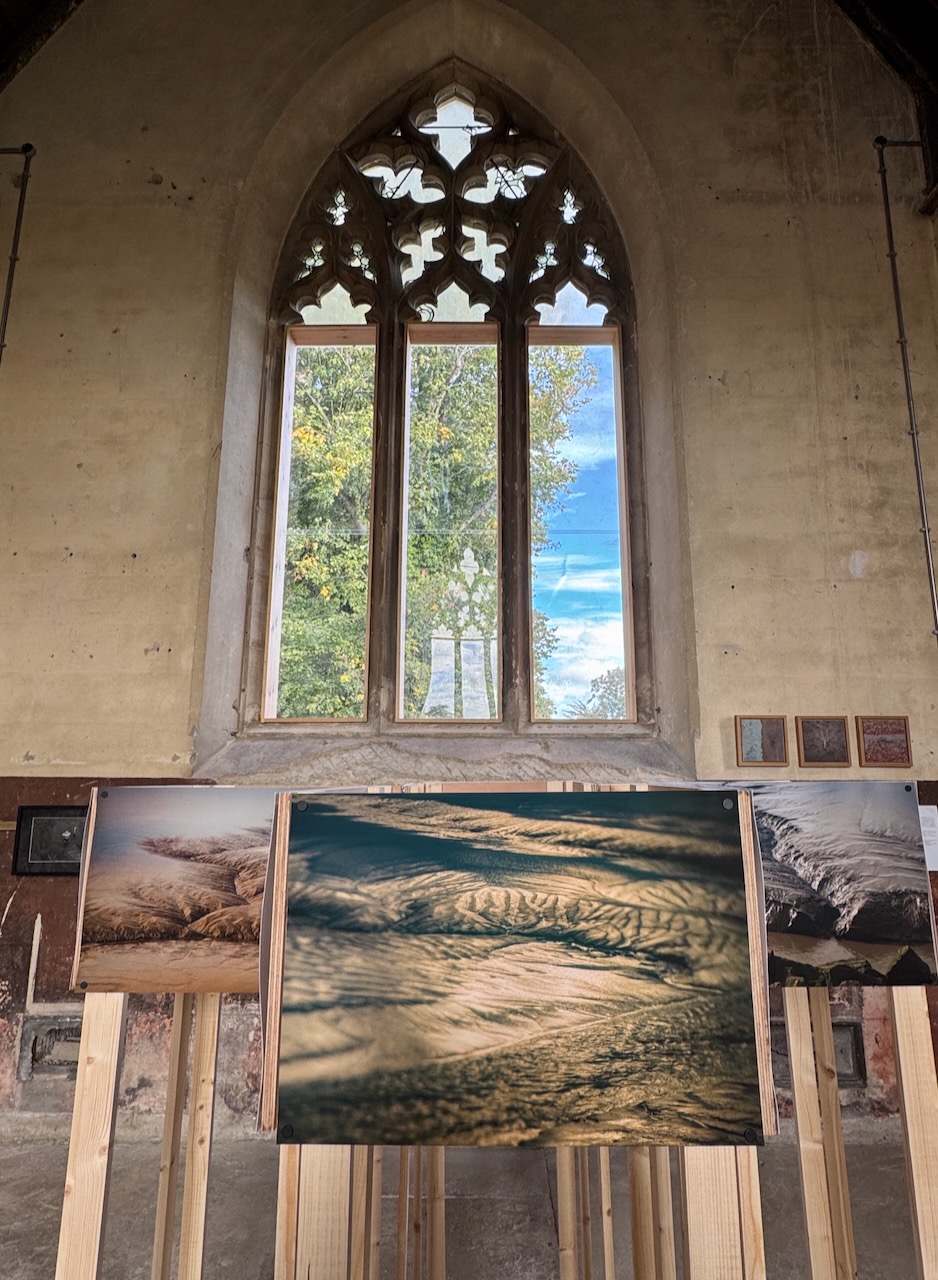
It only dawned on me what I have been doing for the past year on the final night of our exhibition and festival, Dialogues with the Severn. As we closed three days of art, talks, music and poetry, I realised that the whole process had, for me, been one long love song to the River Severn.
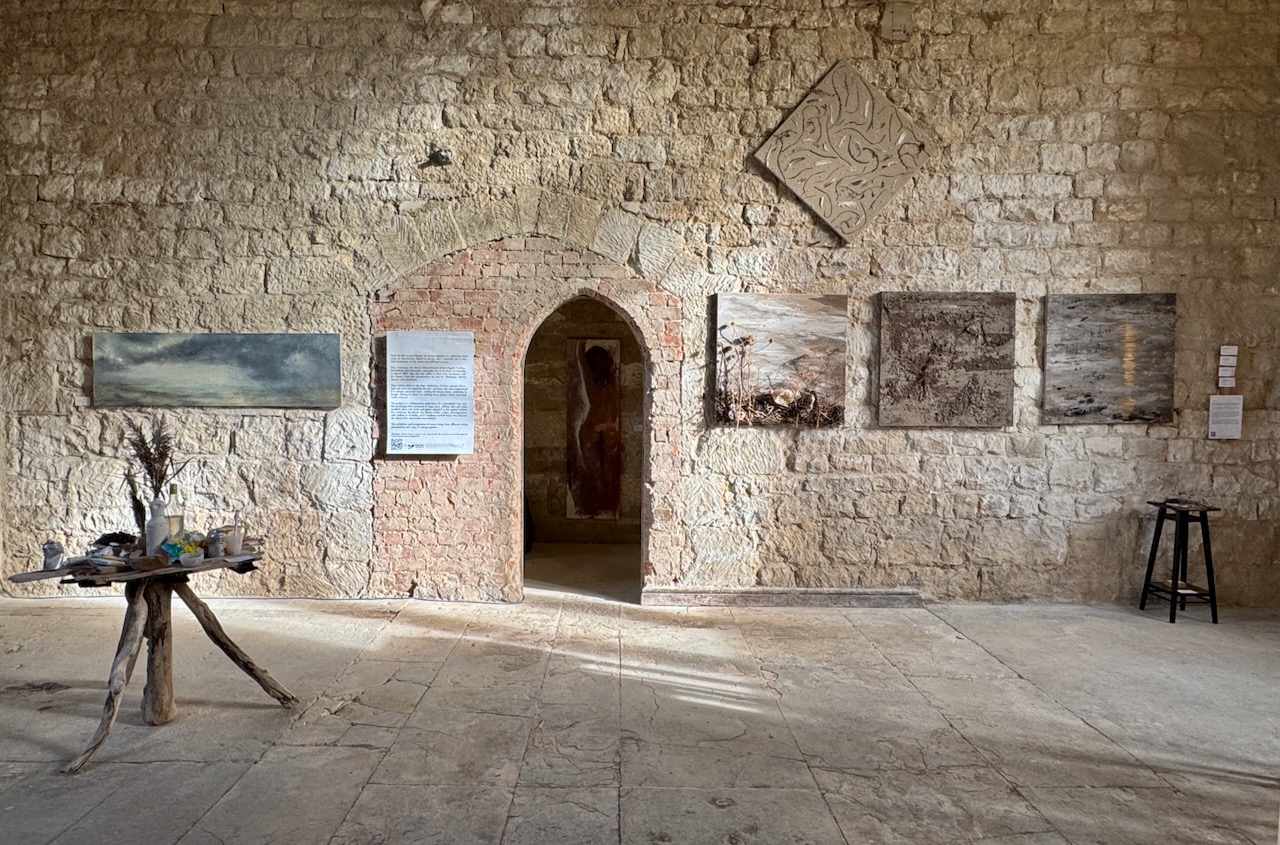
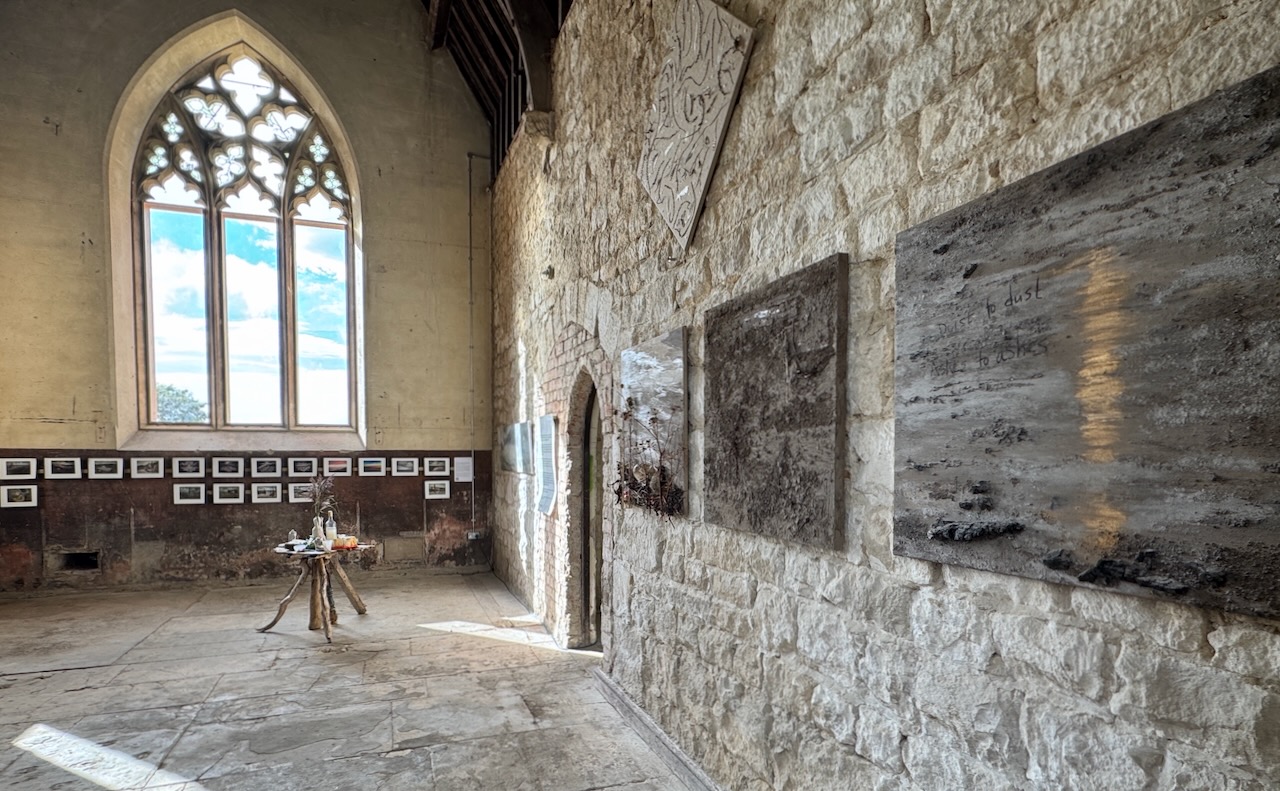
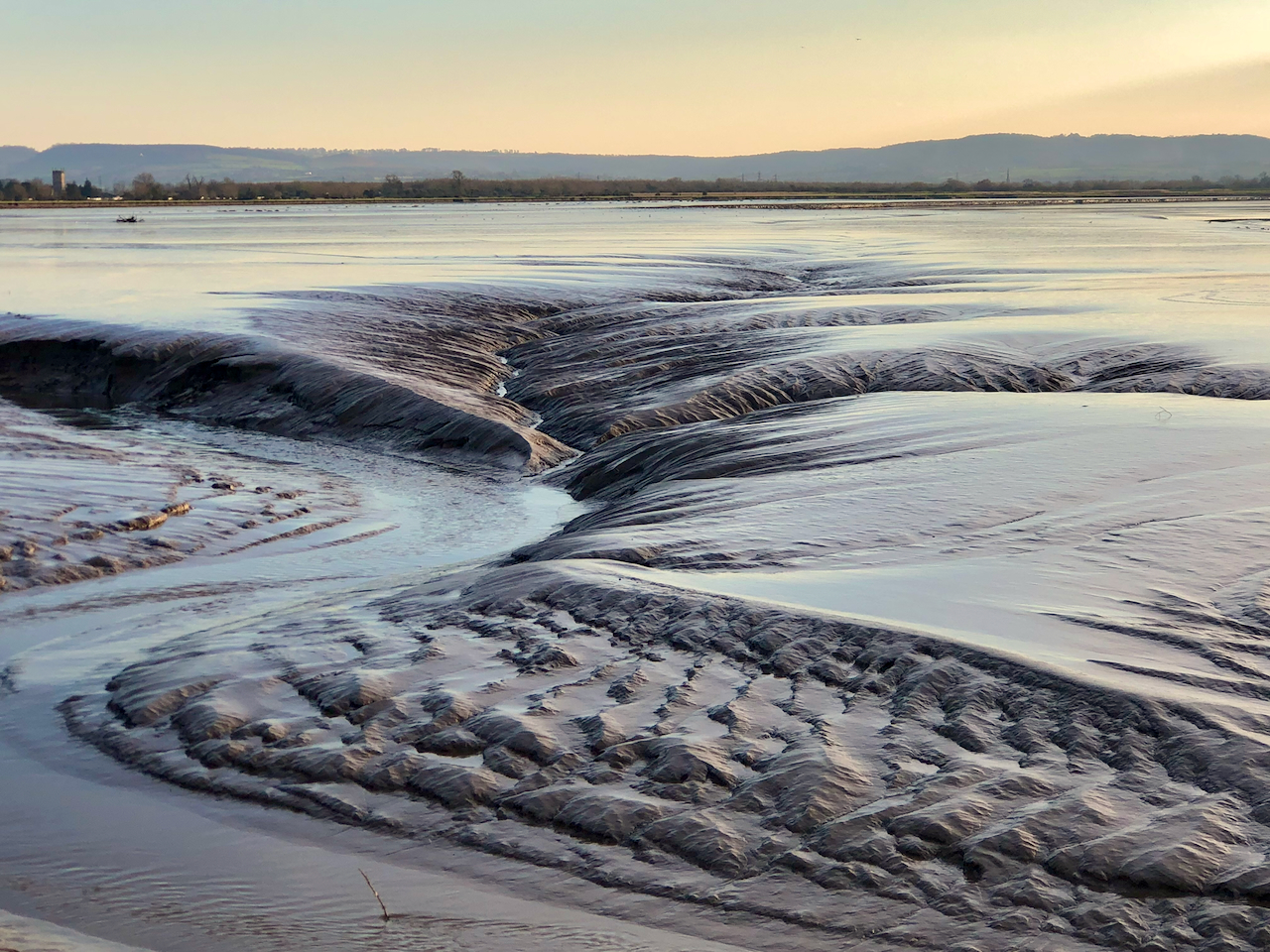
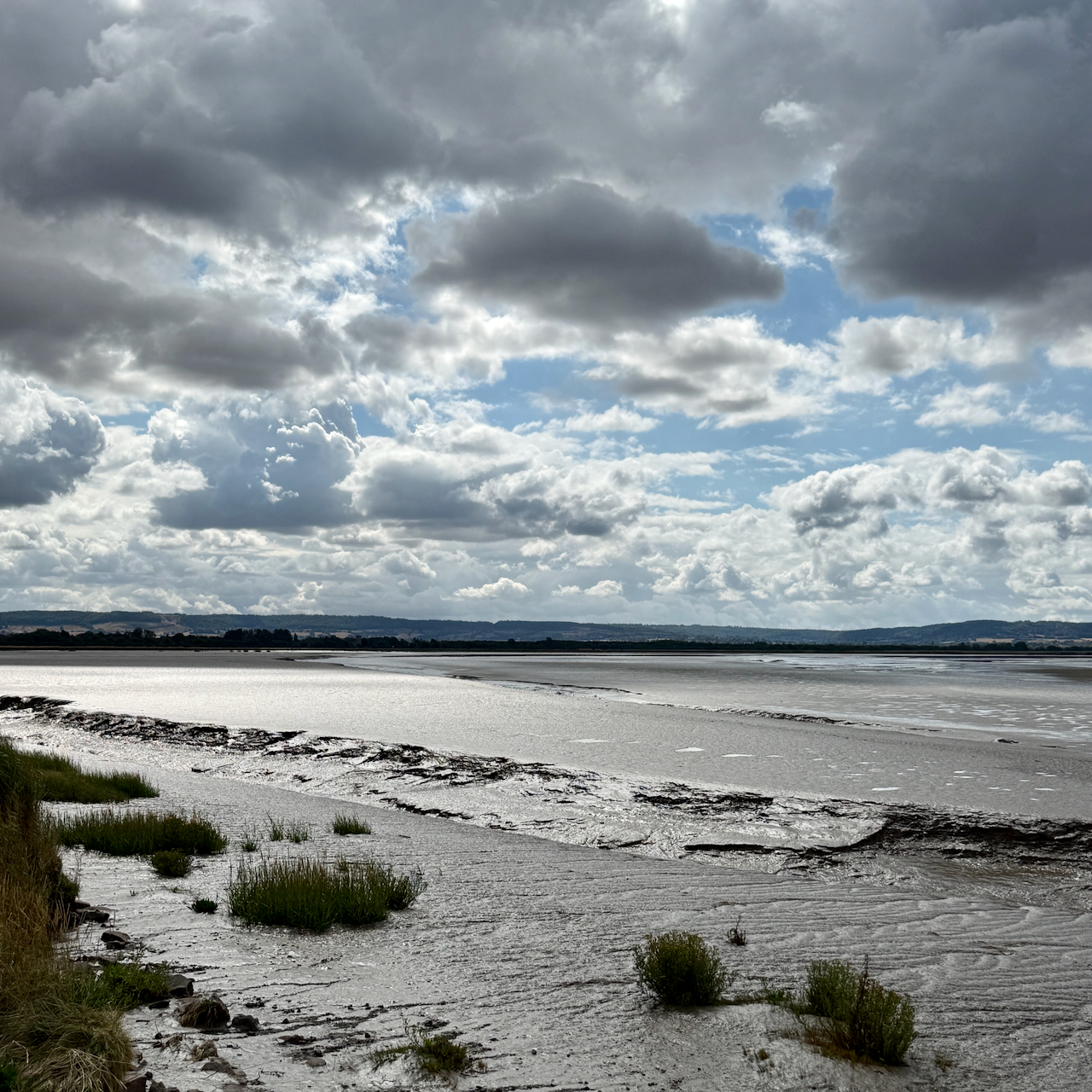
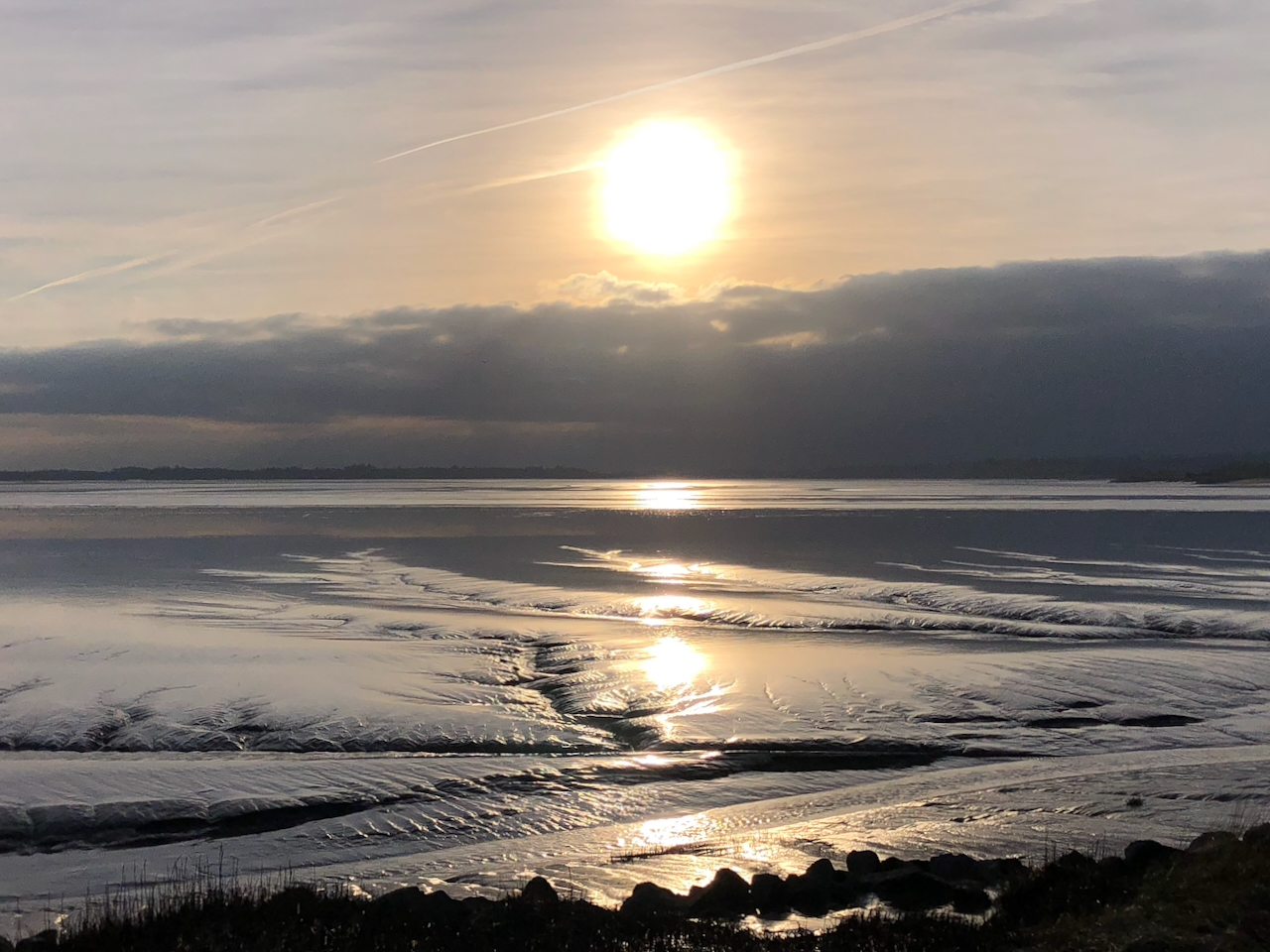
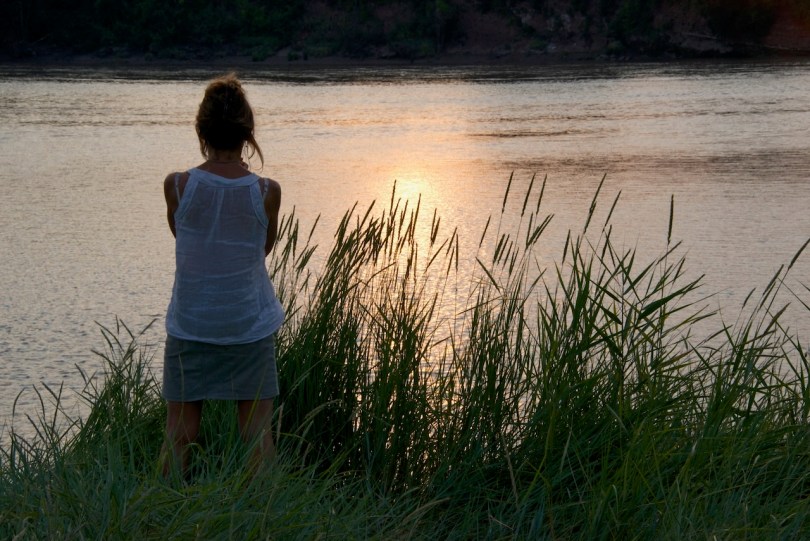
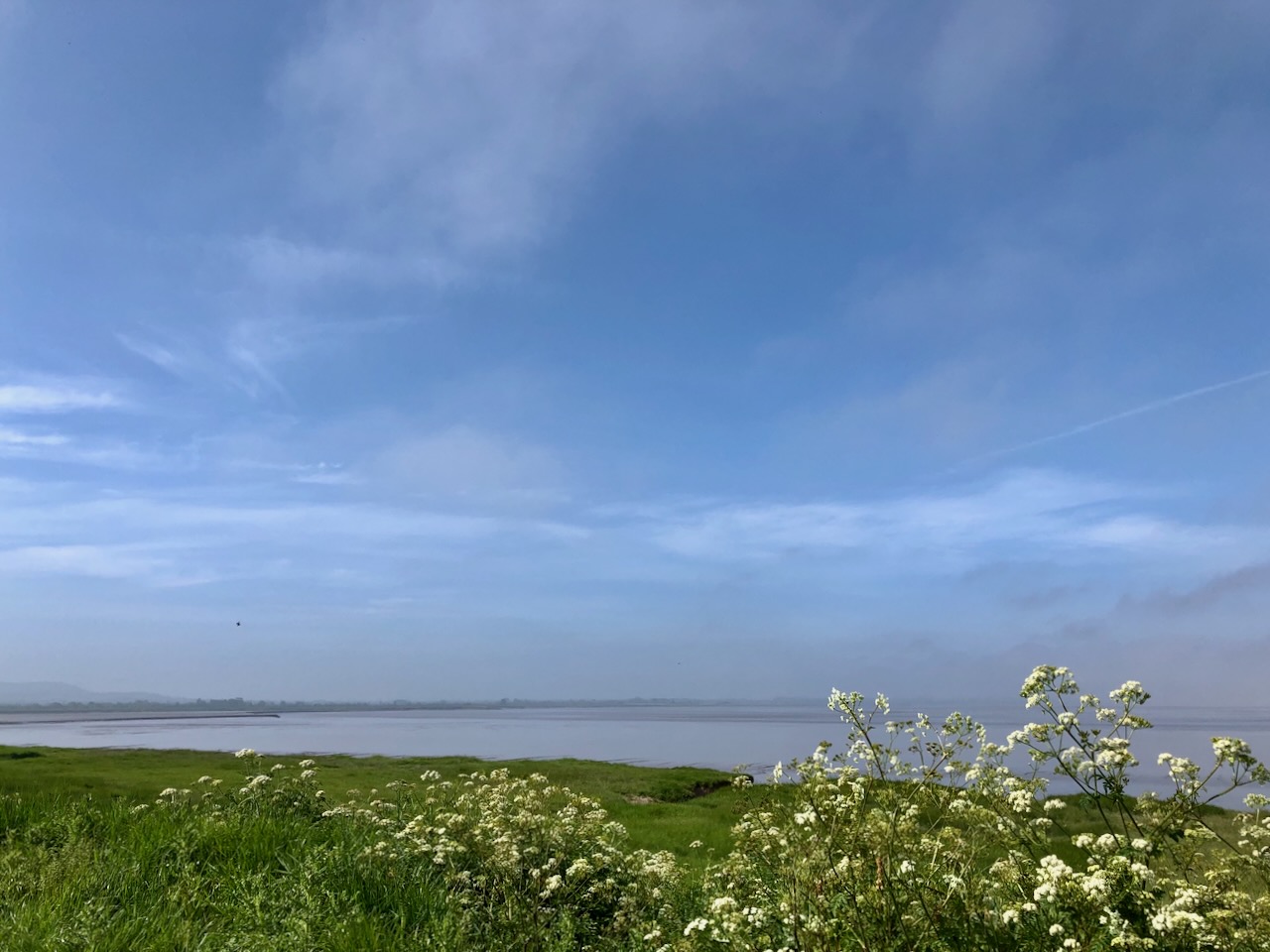
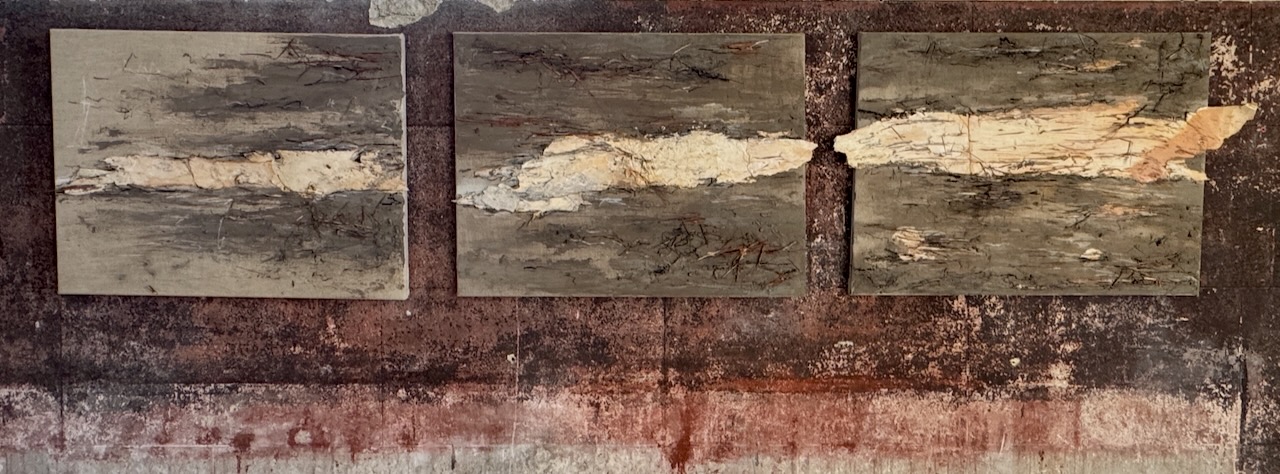
You may recall my 27-year history with the river from previous blogs about the Severn or its mud. These past months have seen me re-engage with it with renewed intensity in order to make new works based on the essence of my current relationship with it: as a silver sliver that can be seen from my garden or bathroom while brushing my teeth.
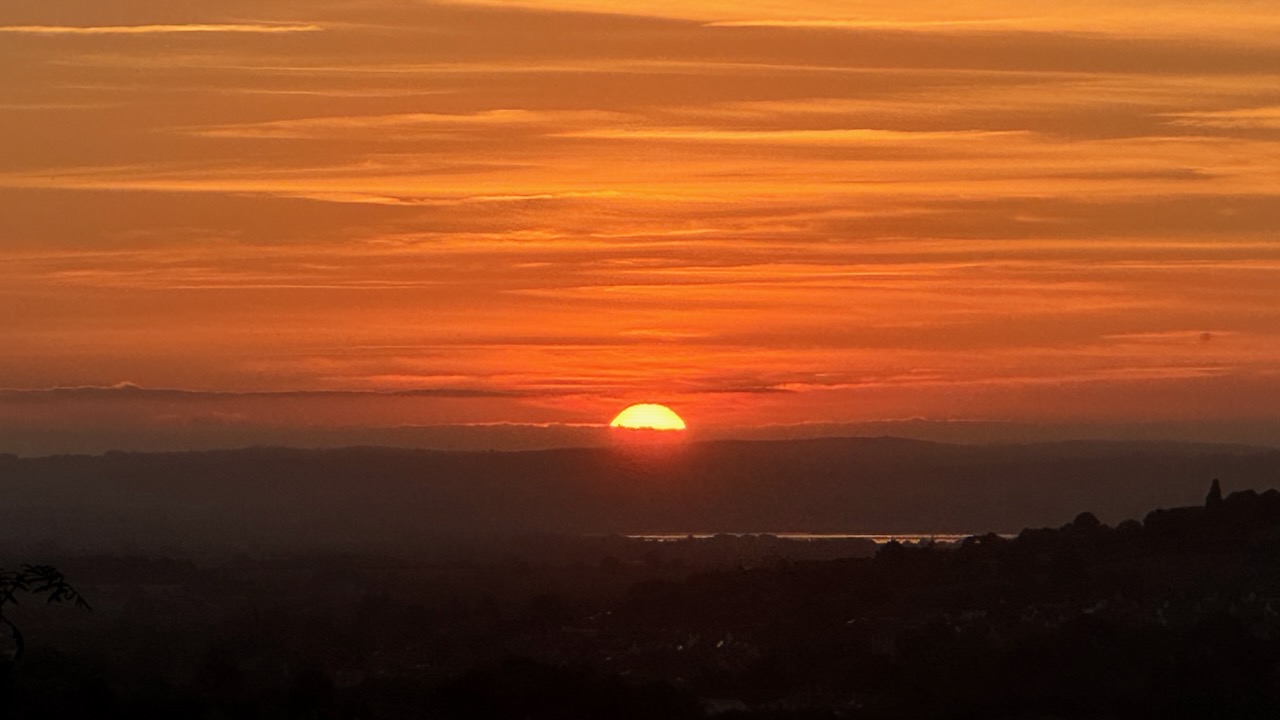
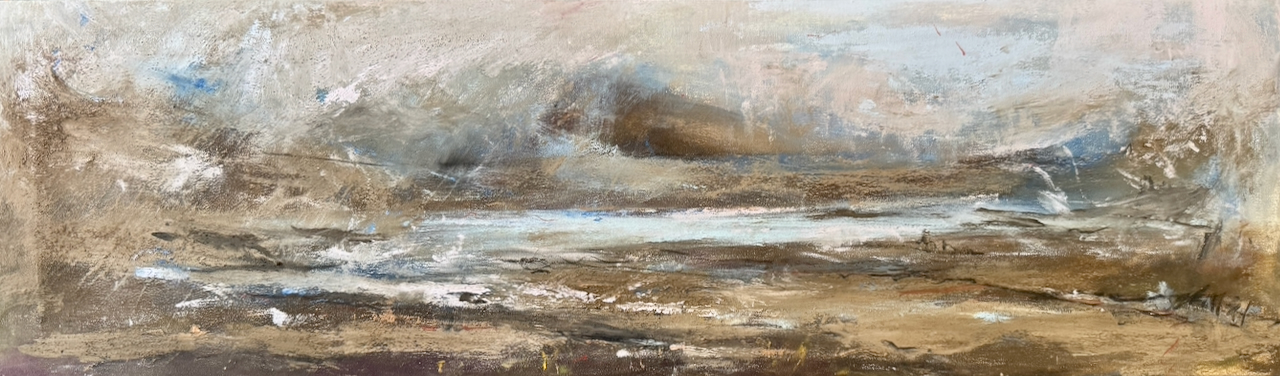
Severn’s Silver Sliver

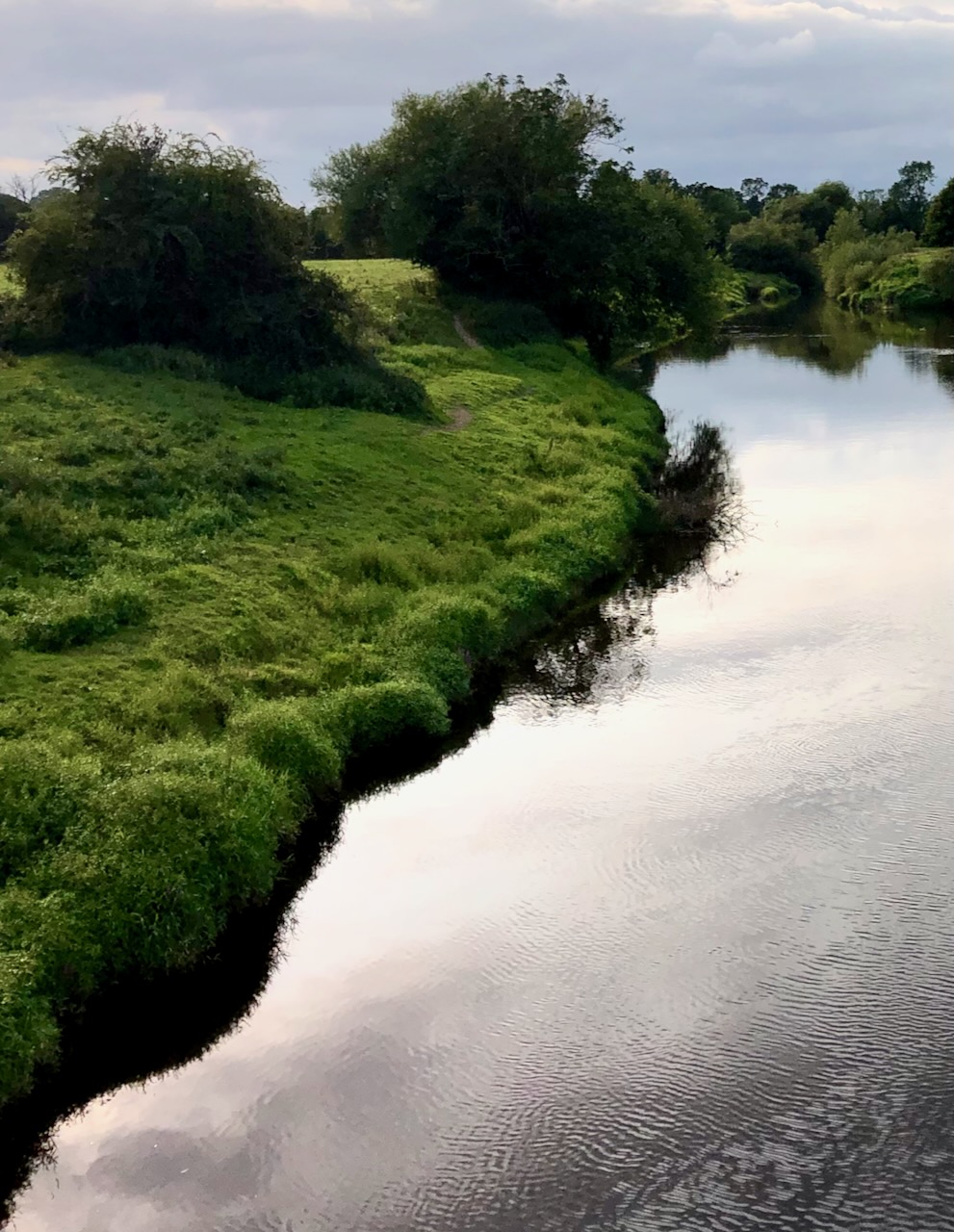
Though more long distance than it once was, my heart still beats in rhythm to its tides and responds to the peace I experience when I visit its banks and enter the ballroom of its eternal elemental dance. 
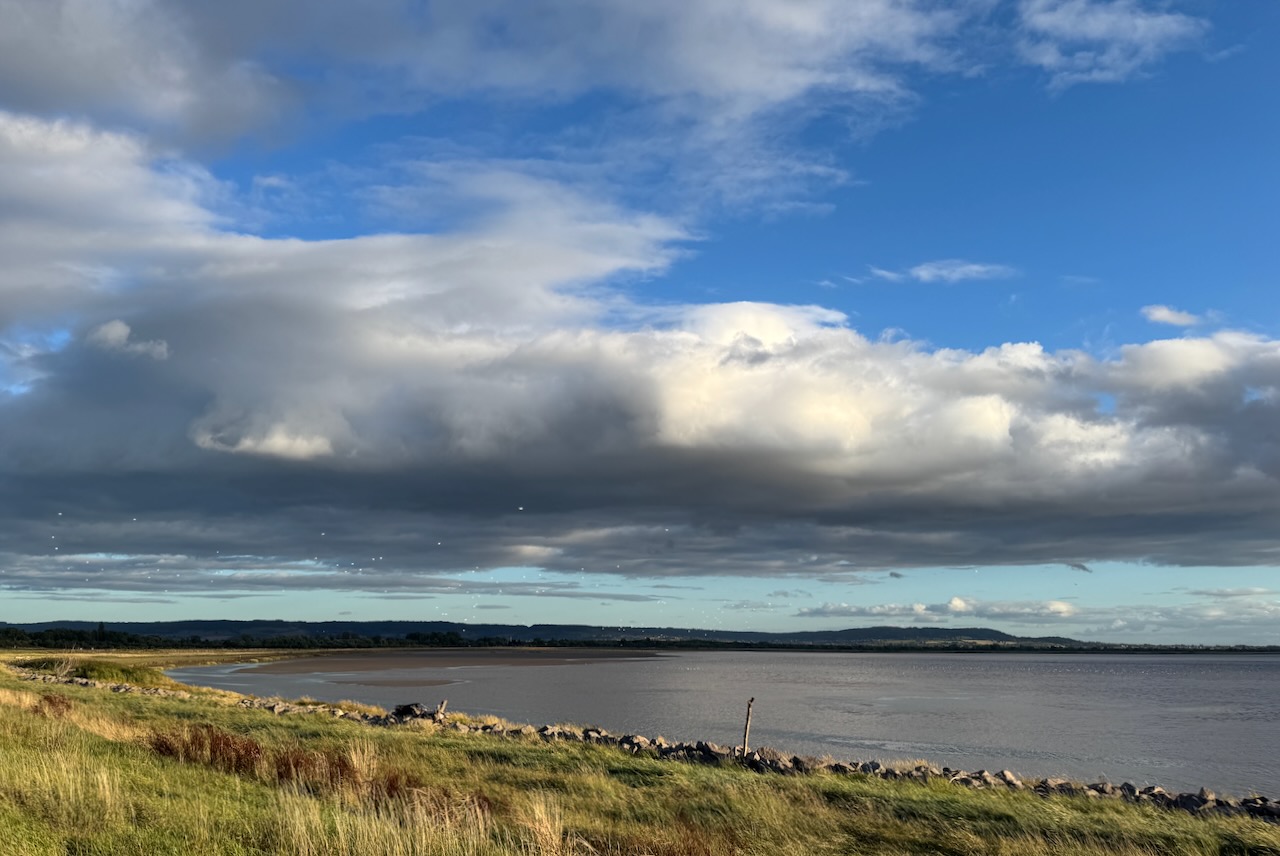
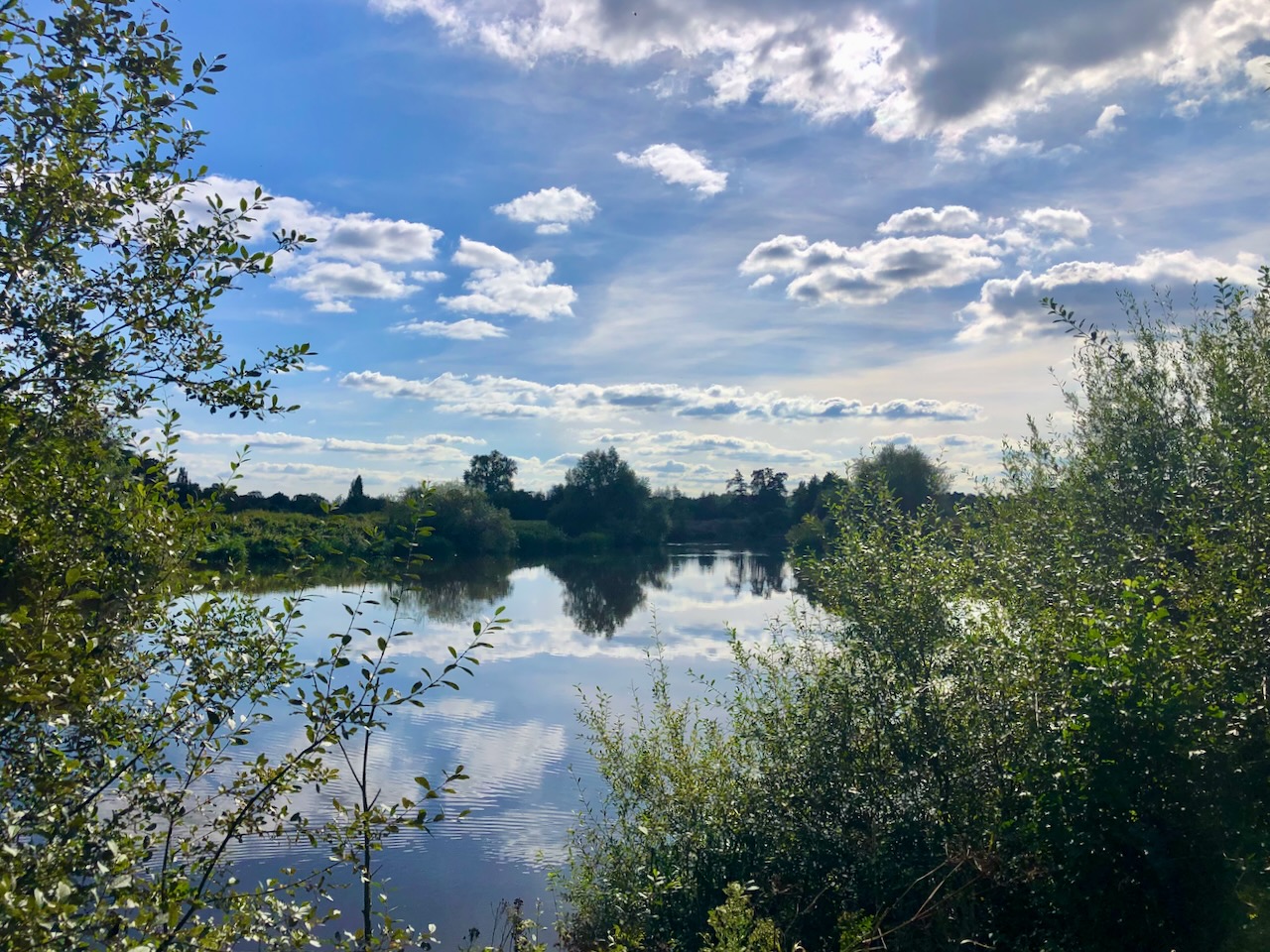
It is a space that exists both within and without. The huge sky, sunlit water or moody mud reflect spaces I seek when I want to retreat from the world. This Philip Gross poem captures what I experience better than anything I myself could write. 
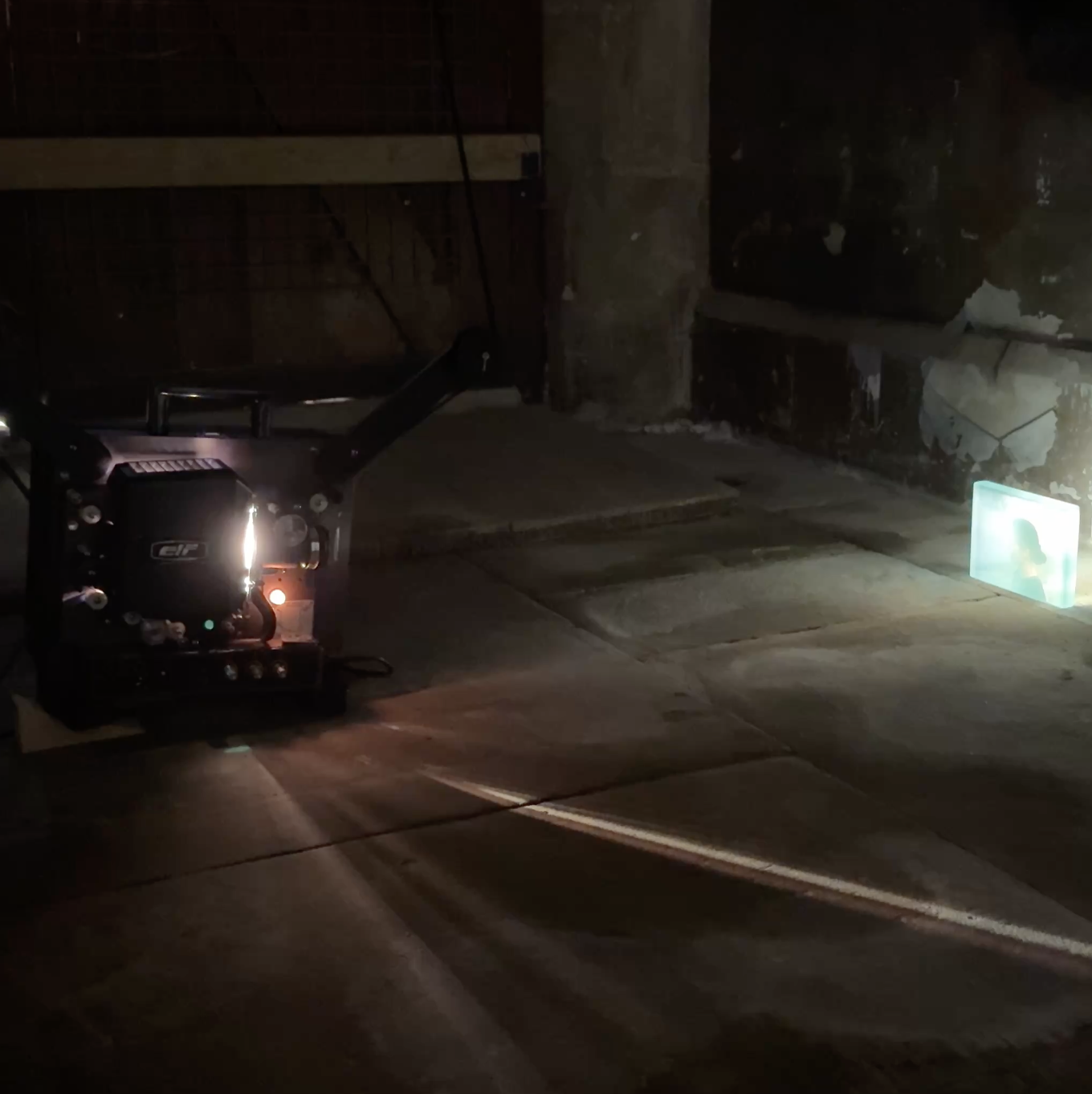
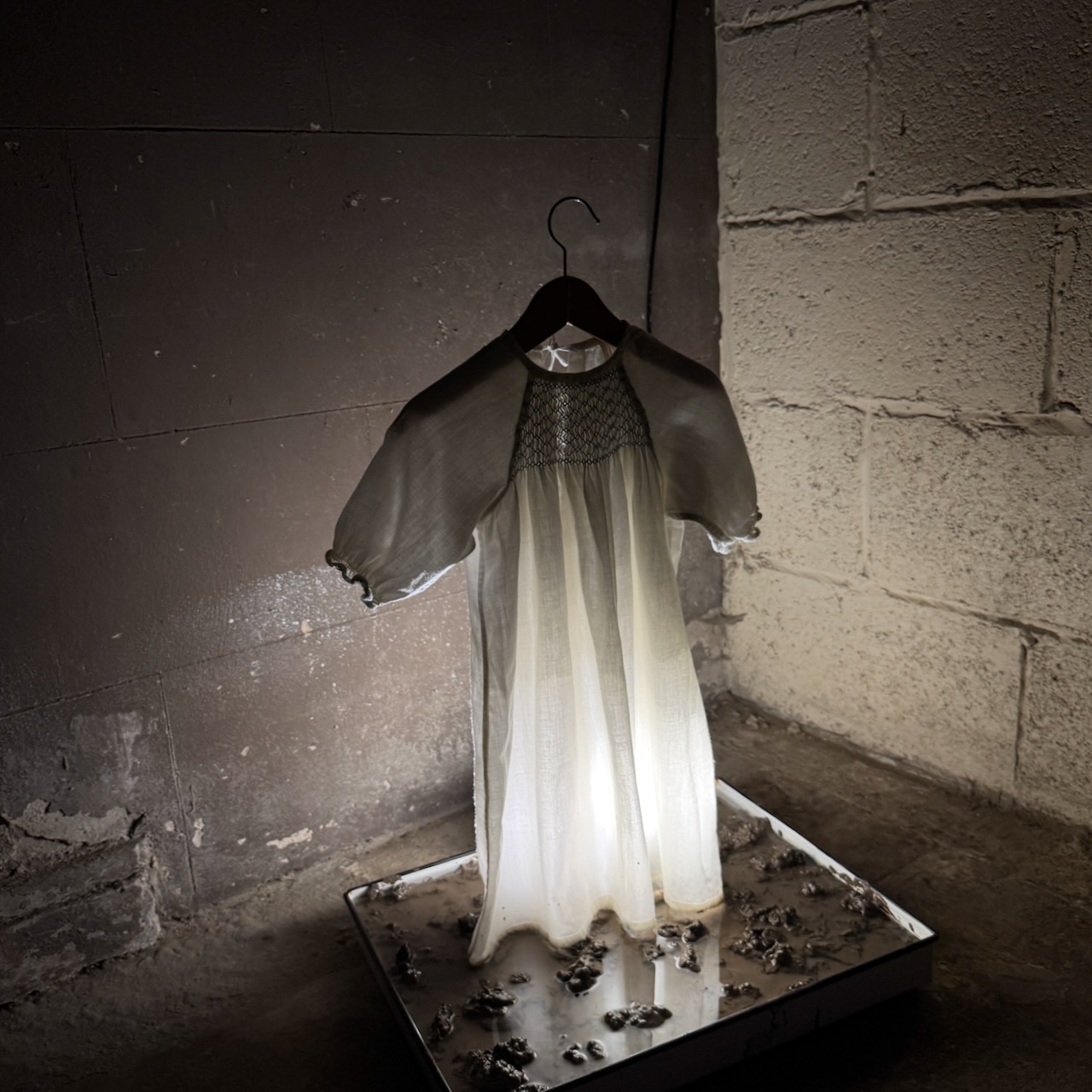
Dialogues with the Severn wasn’t perfect. But with 17 contributors donating their time, work, hearts and engagement with the river with such generosity, this was not the occasion to be looking too closely at what was wrong with it or our rivers or the wider world. This was the time to celebrate the things that are so much bigger than all of us. The things that will ultimately triumph while we humans busy ourselves finding new ways to destroy the natural order of pretty much everything.
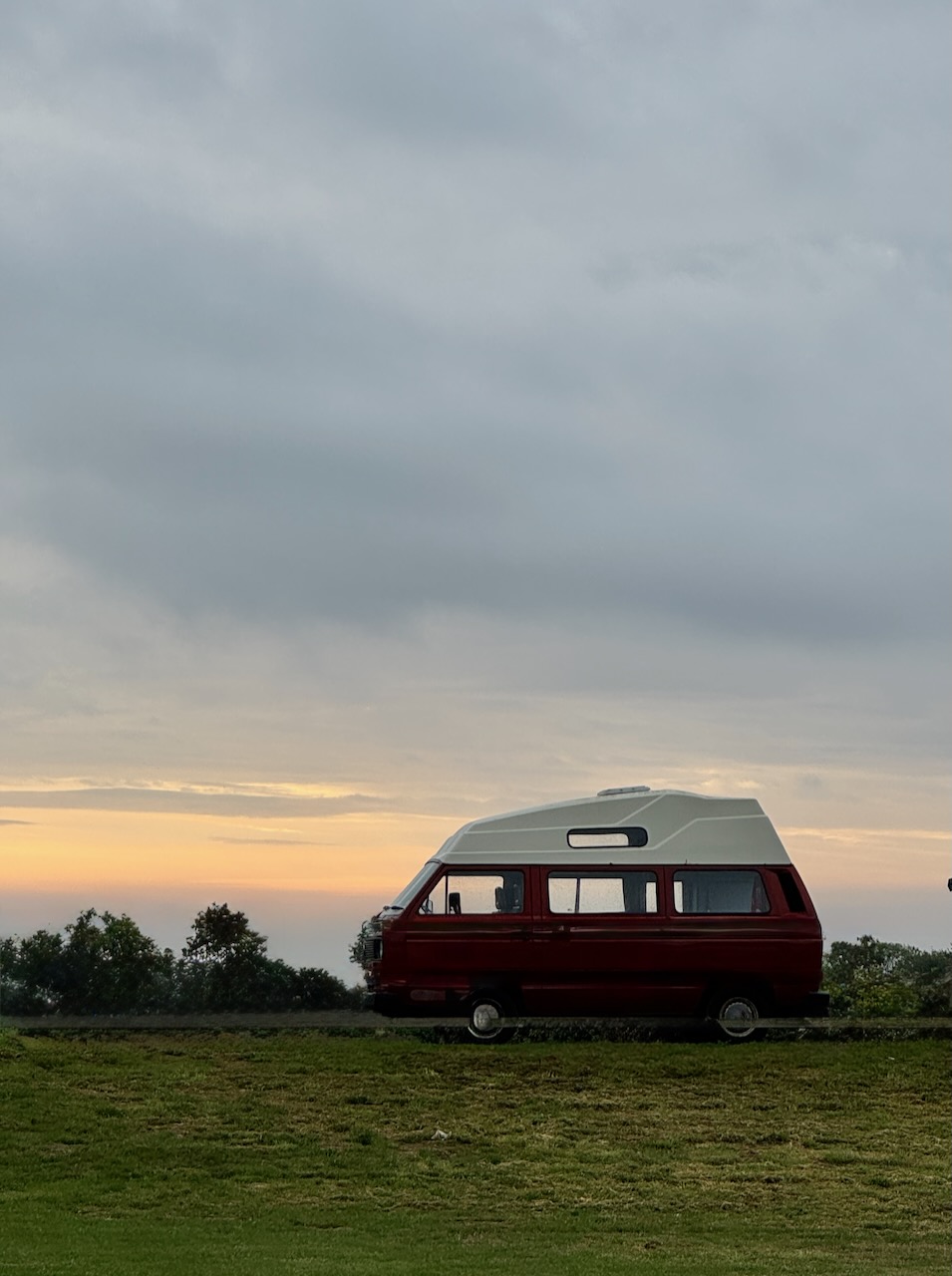
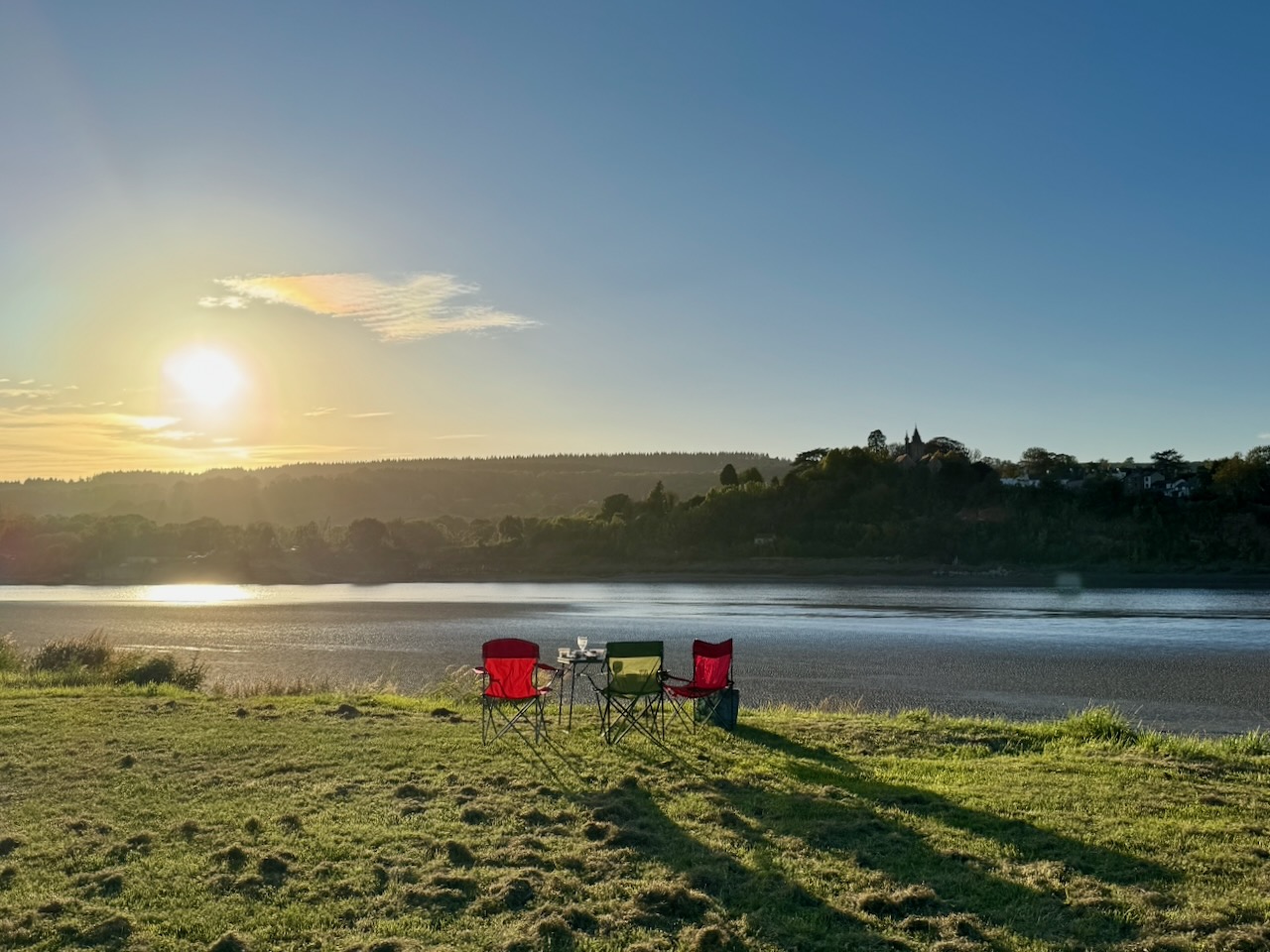
Last night, I camped in Romany Rouge – my camper van – in one of my favourite spots on the banks. Once a little-known destination at the end of a long grassy avenue, the solitude and peace are now rapidly disappearing in a building frenzy of patios, fences and climbing frames by the new owner of the original 17th century passage house. Flocks of birdsong compete with the sound of planes, cars and trains making their way on the other side.

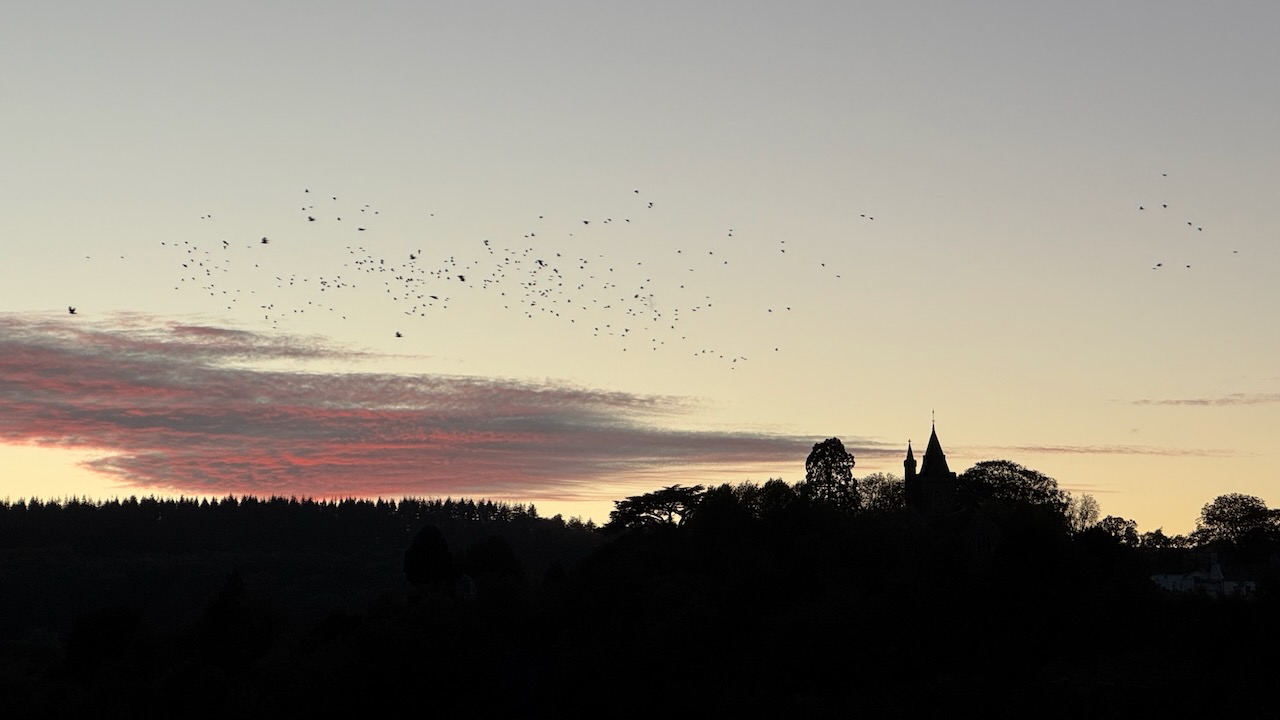
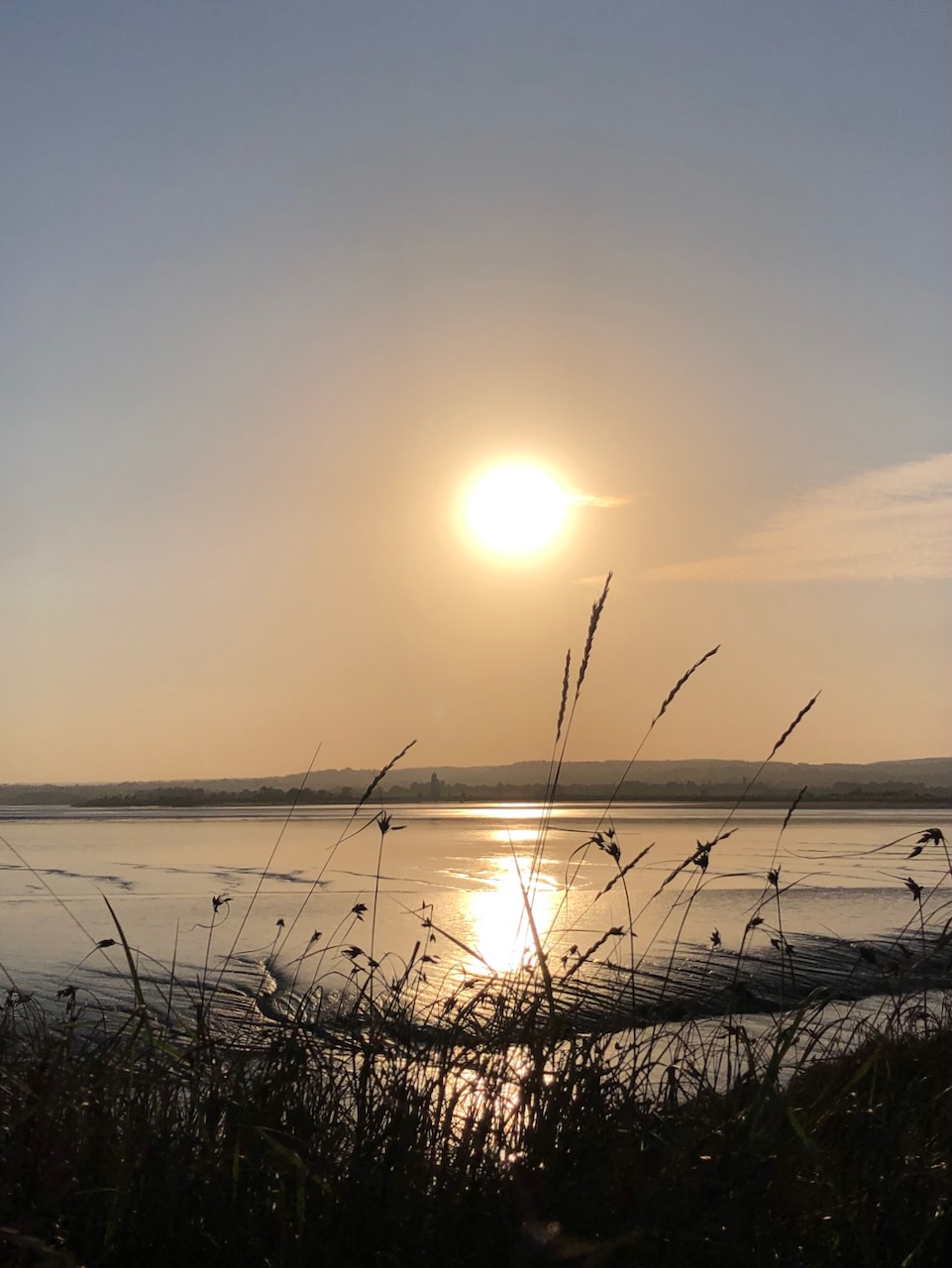
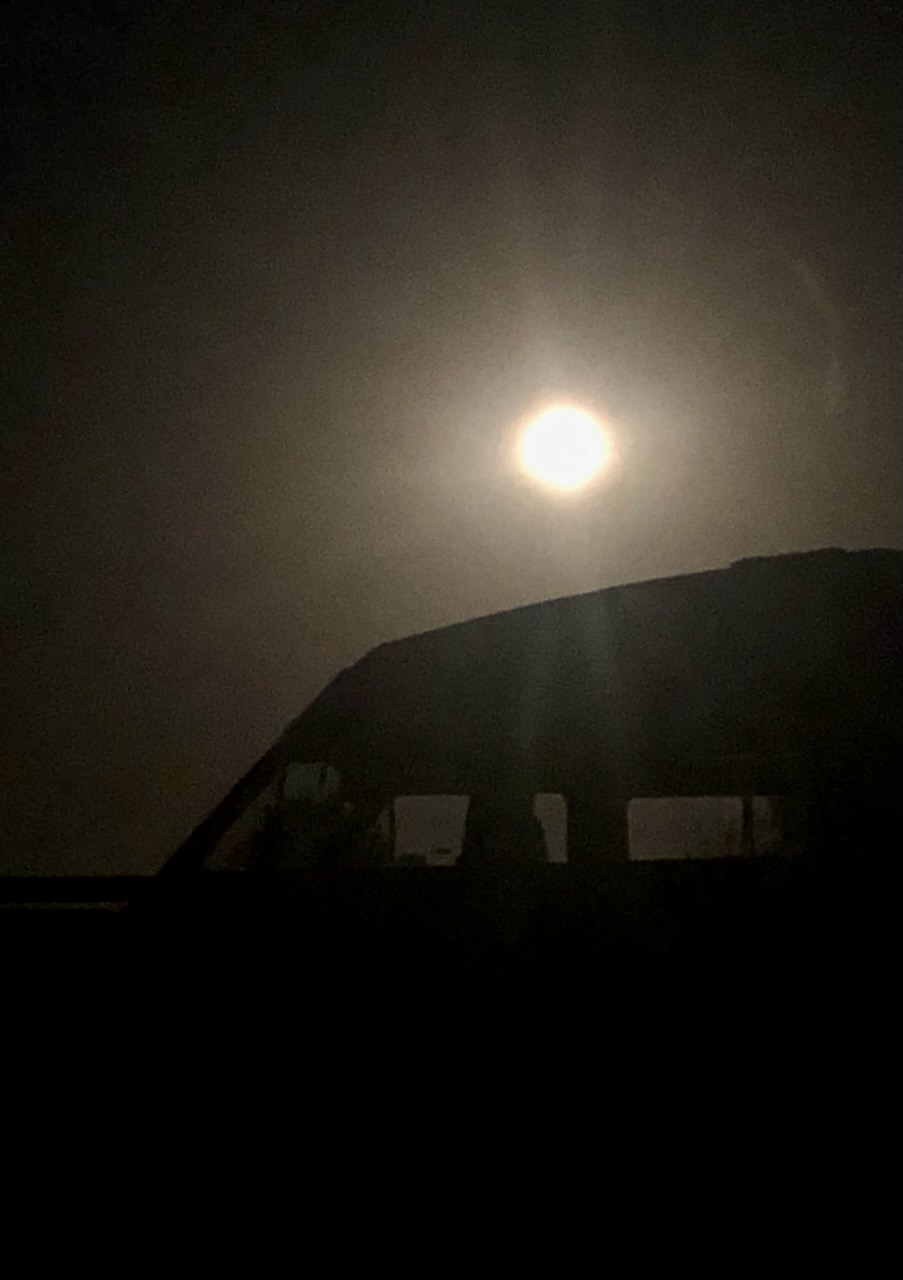
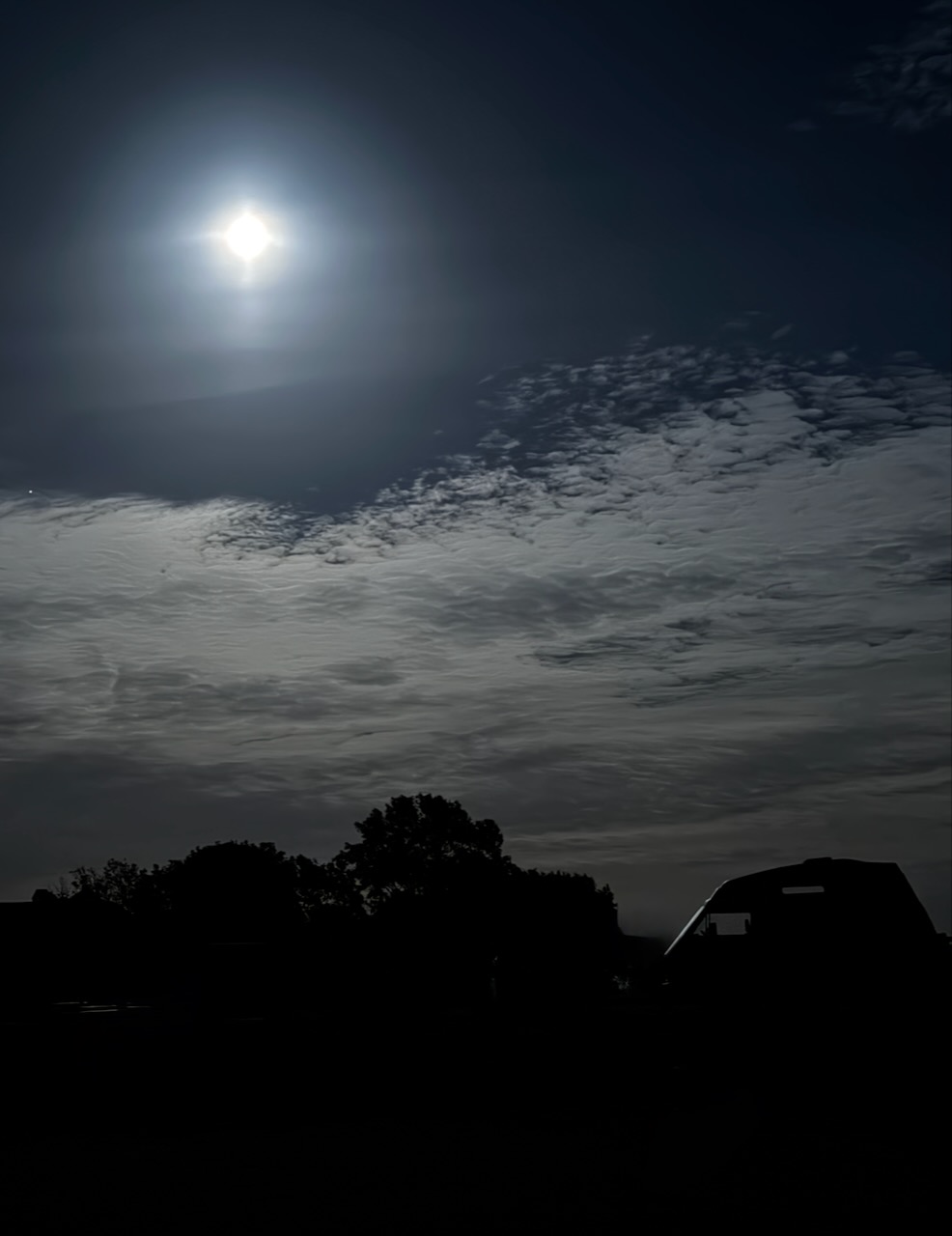
So, just like our event, this place is also not perfect. And yet, in the space of just 12 hours… I was immersed in the pinkening light and darkening silhouettes of a sunset and sunrise, a full moonrise and set, plus two large in-coming tides.
This morning was a lesson in patience.

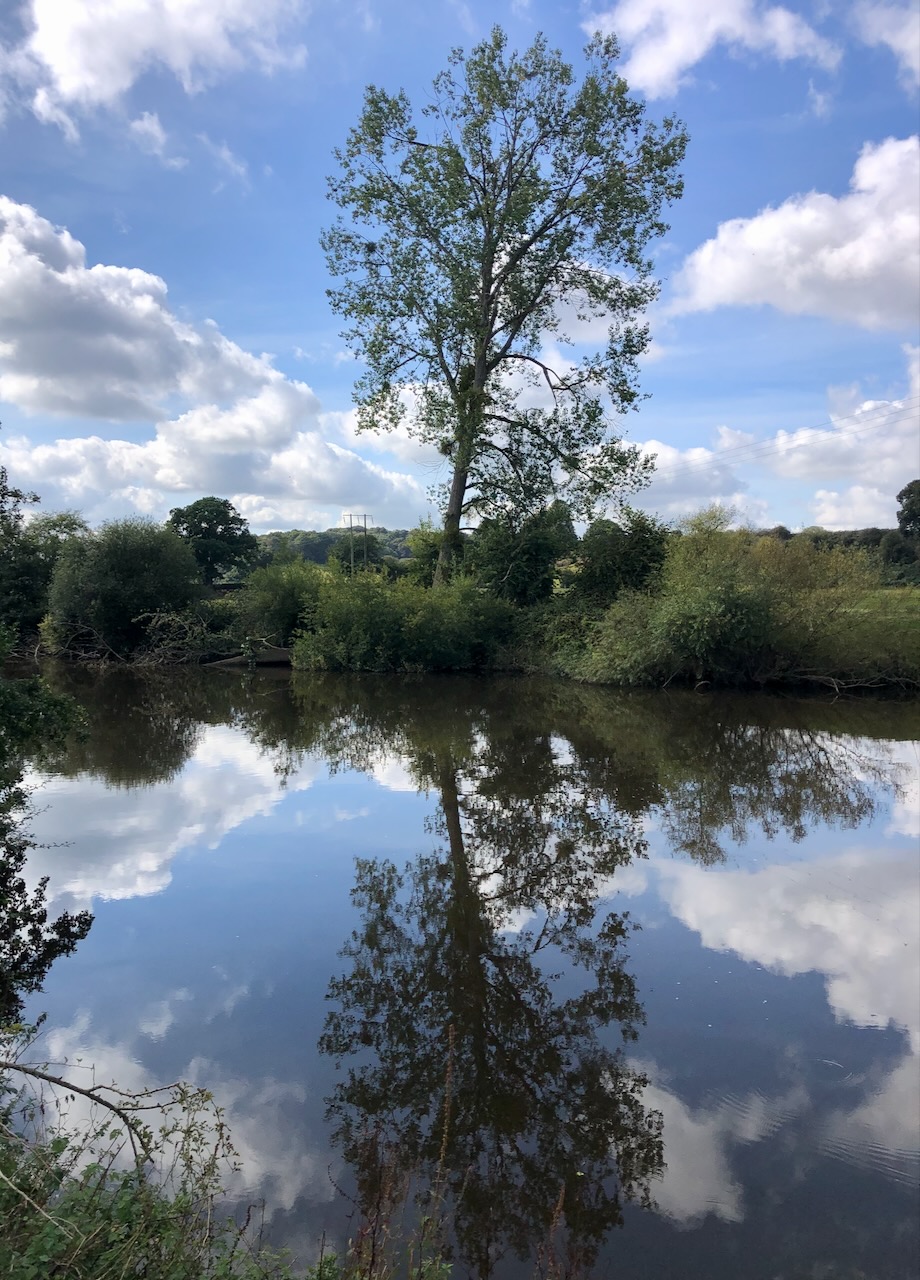
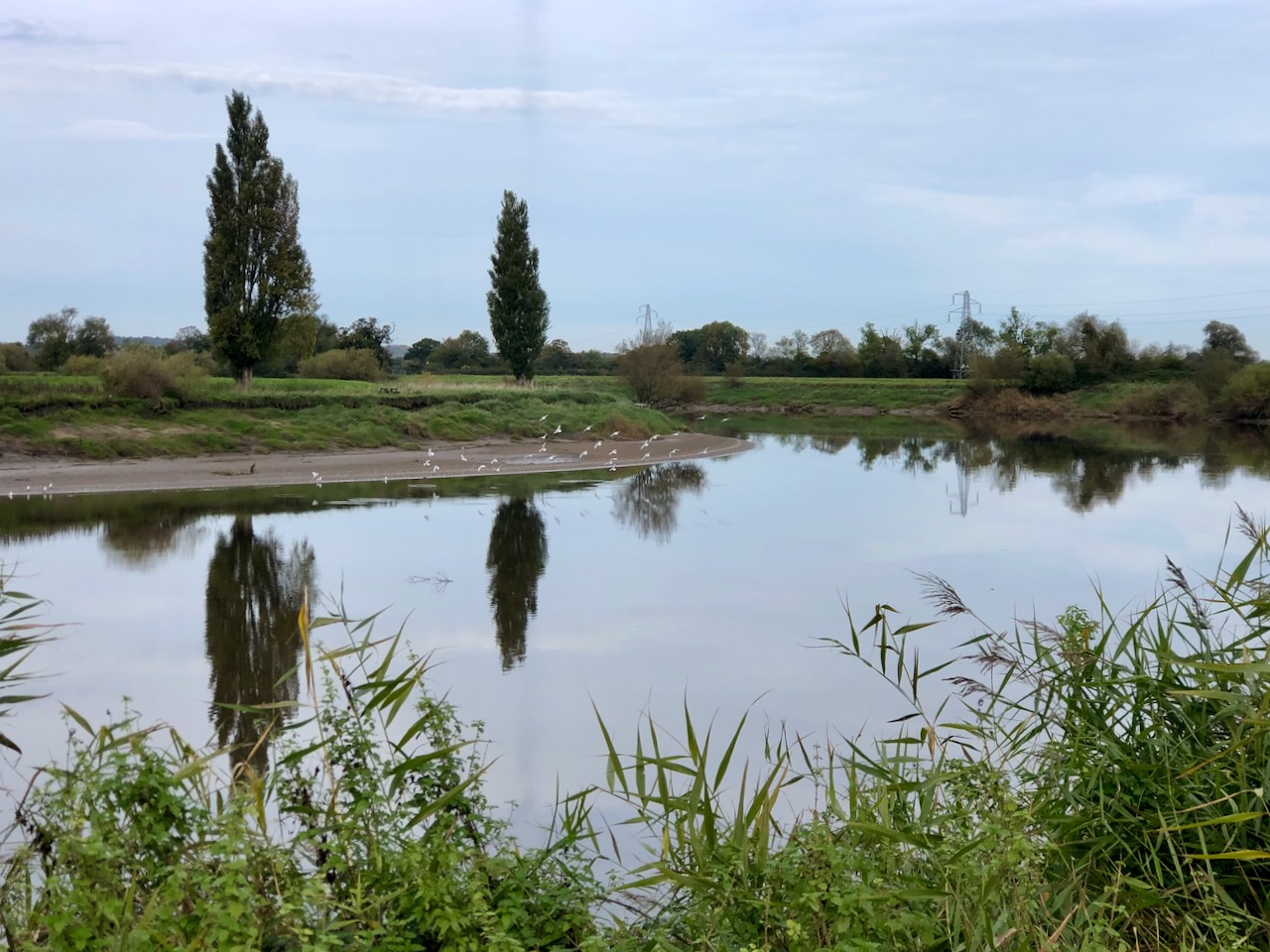
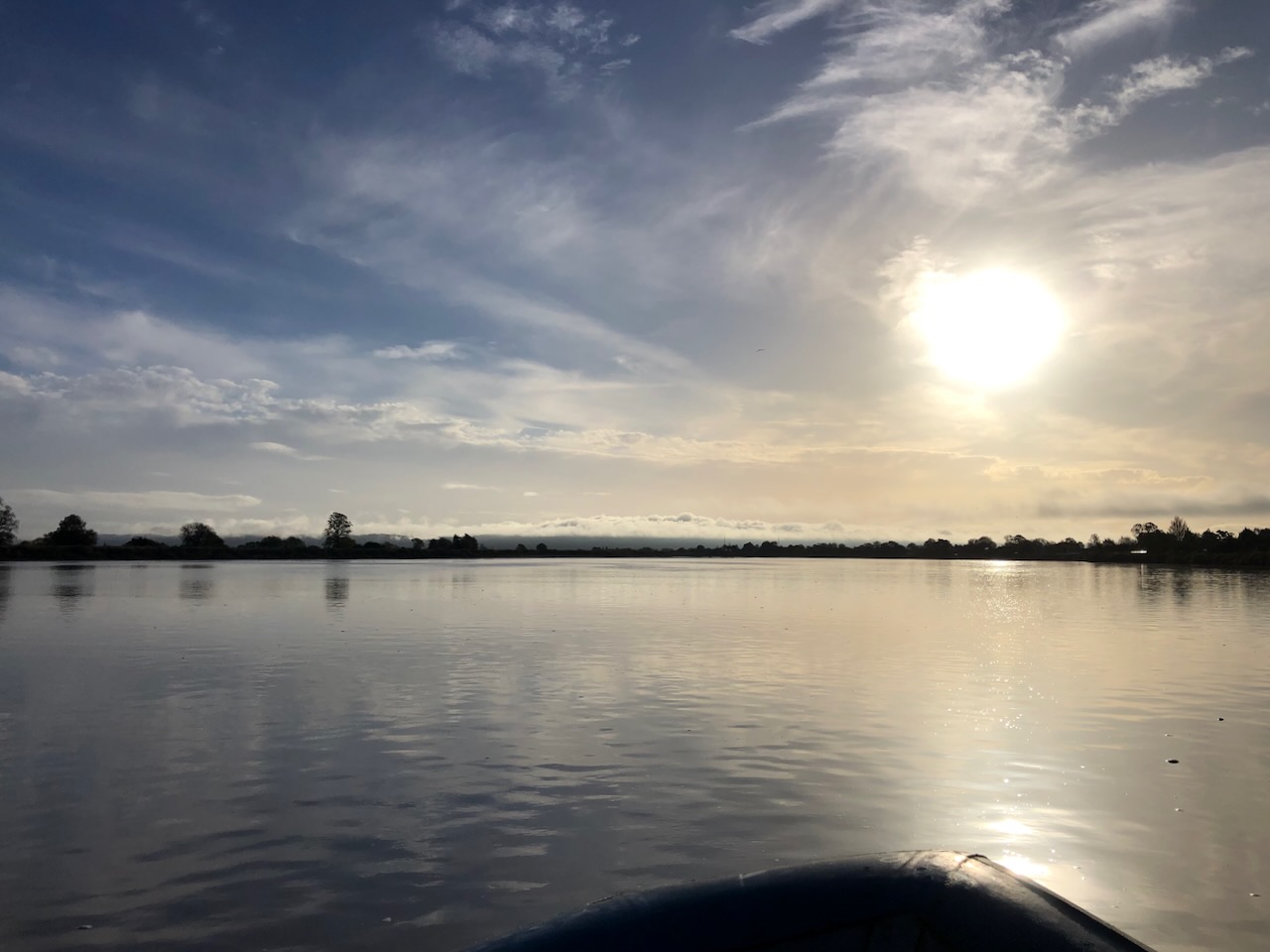
The stillness of the low tide held tight, perfectly mirroring the far shore. I thought I heard the incoming tide seeping through the mud. A discernible breeze, a flurry of seagulls, the blurring of crisp reflections and water that appeared to flow in both directions. But the bore is a deceptive trickster, for it was a false alarm. The slack tide would endure many more chimes of the church clock.
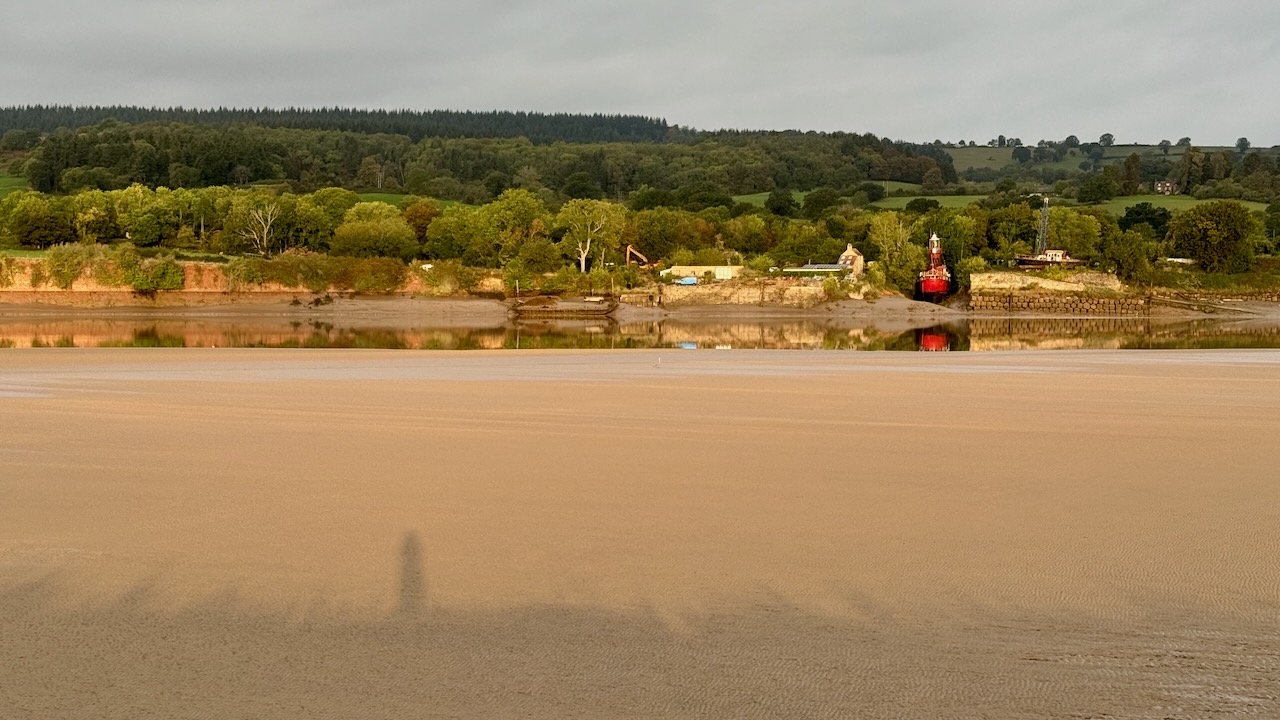
Dew-damp grass seeped through my shoes. Summer has most definitely passed. I begin to doubt the tide will come up this far.

Then I remembered my first encounter with the rewards of patience.

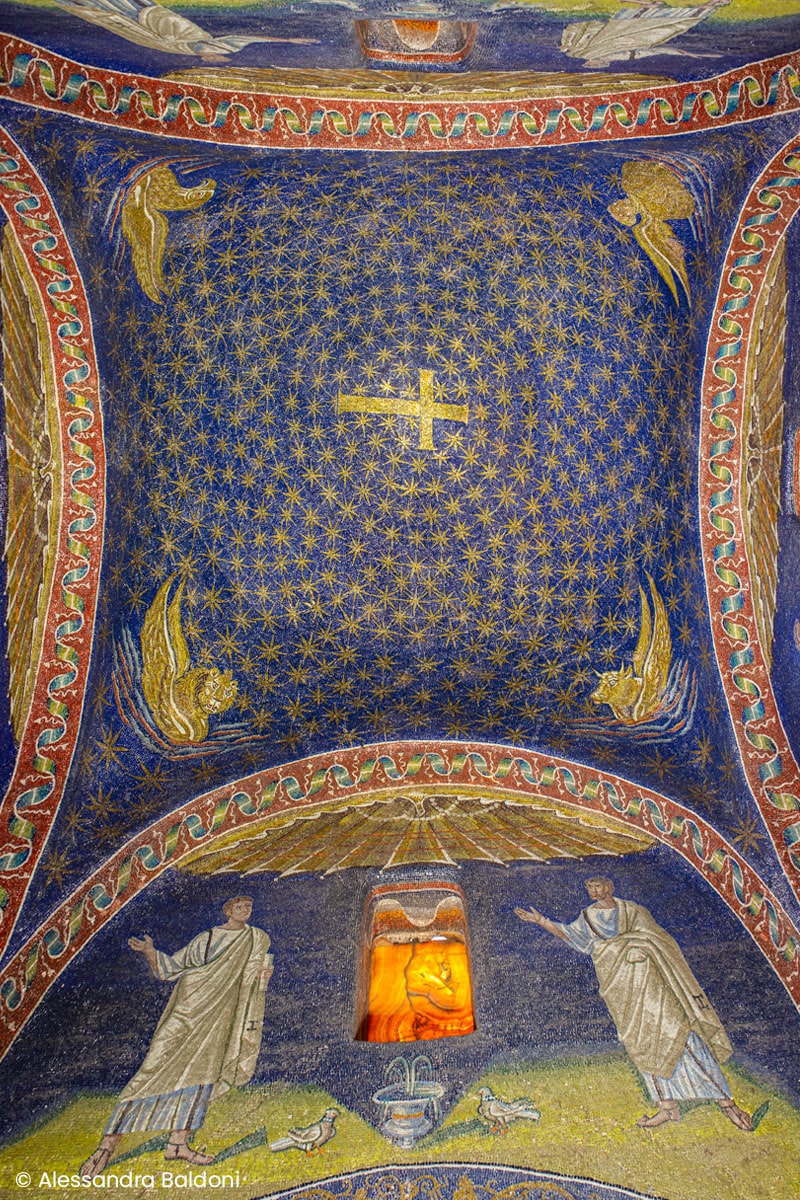
Back in the late eighties, an art tutor had taken my class to Ravenna to see the oldest blue and gold mosaics in the Byzantine Mausoleo di Galla Placidia by the Basilica di San Vitale. There was a February freeze, but inside the ancient church it was even colder. The tutor told us to look and wait; to override the shivers and barriers of boredom, irritation and impatience. It would be worth it.

Everybody left after five minutes, preferring cappuccino and panini to catching their deaths. Untypically for me, a notoriously disobedient pupil at school, I remained. I trusted this tutor, so I battled through the desires to bolt and stared at the stars set in the cobalt dome.

And then, all of a sudden, they began to sparkle. I hadn’t seen stars twinkle so avidly since I first tried magic mushrooms. But here it was more magical.
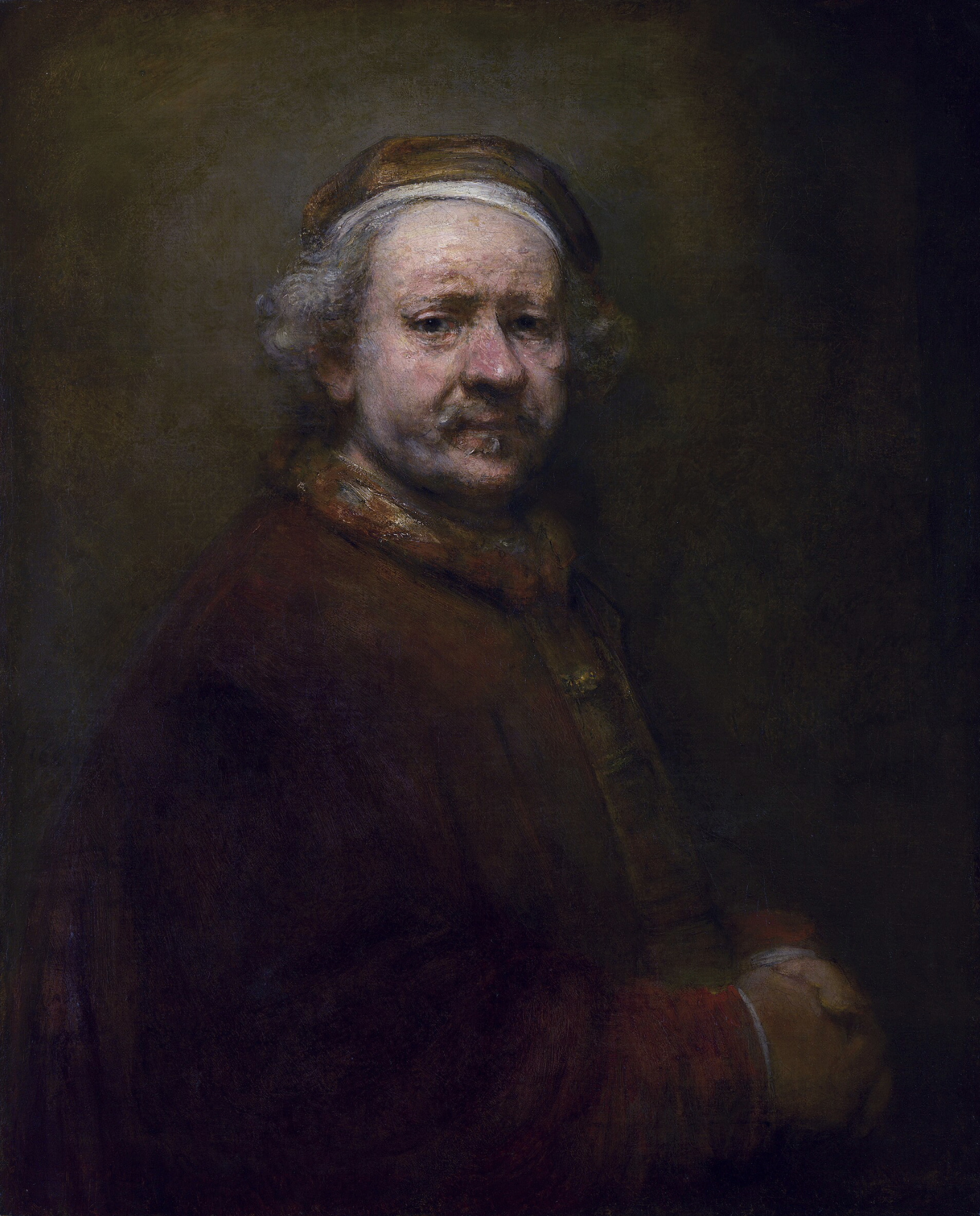
The same happened in front of a Rembrandt self-portrait at the National Gallery. Basically a brown painting with a pinkish face of an old man. I placed myself in front of it and waited… and waited… and then it too came alive. Or rather he came alive.

The translucency of meticulously applied layers of red, ochre, sienna and umber began to breathe and with it the elderly artist himself. His inner reflectiveness and the self-doubt of his later years became tangible. His eyes met me somewhere deep inside. From brown painting to masterpiece…

I taught this practice to my students in prison. To look at a still life intently until it became just shapes and shadows and light. I remember one young man, a heroin addict on treatment, struggling to comprehend what I meant. The analytical left brain is impatient to name and reluctant to let go of what it knows. But suddenly it surrendered and he saw it.

‘Woah,‘ he said, ‘this is better than a fix!’ And it is. I agree, not that I’ve ever had heroin. It is like seeing the world in all its connectivity and aliveness.

It is half an hour before the high tide’s due-time further downstream and I am cold and struggling with doubts. Maybe it won’t come up this far? Keen to warm up, I begin to walk downstream to meet it.
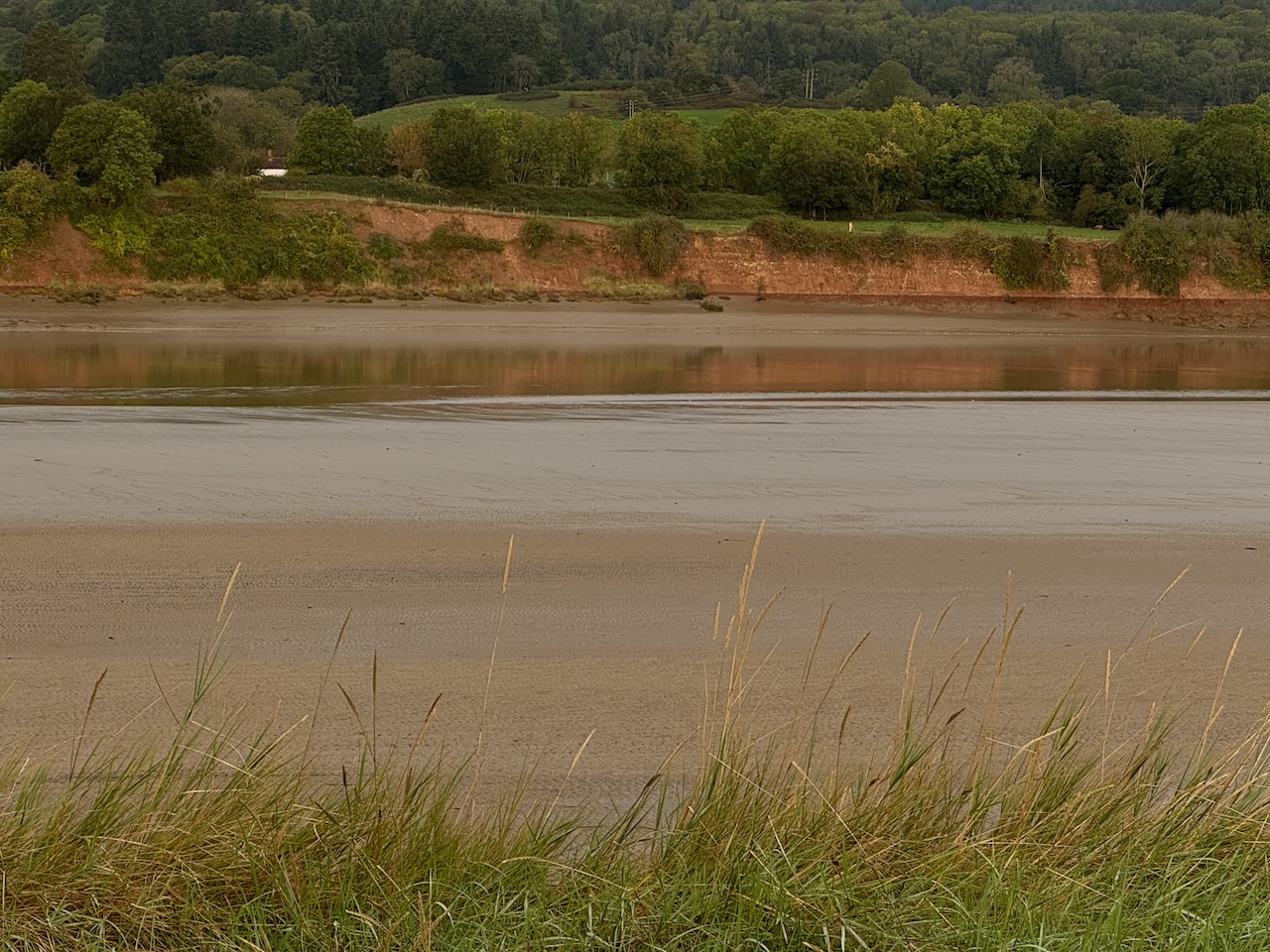
And there it was, the sea, without its usual white heralds or swell to announce its arrival. Only the undoubtable movement of water flowing in the wrong direction, making its way to Gloucester rather than Bristol.

I turn and accompany it, by now a fast-walking bride trailing a long lace veil in her wake, sweeping away the pristine reflections as if they were chalk drawings on a pavement.
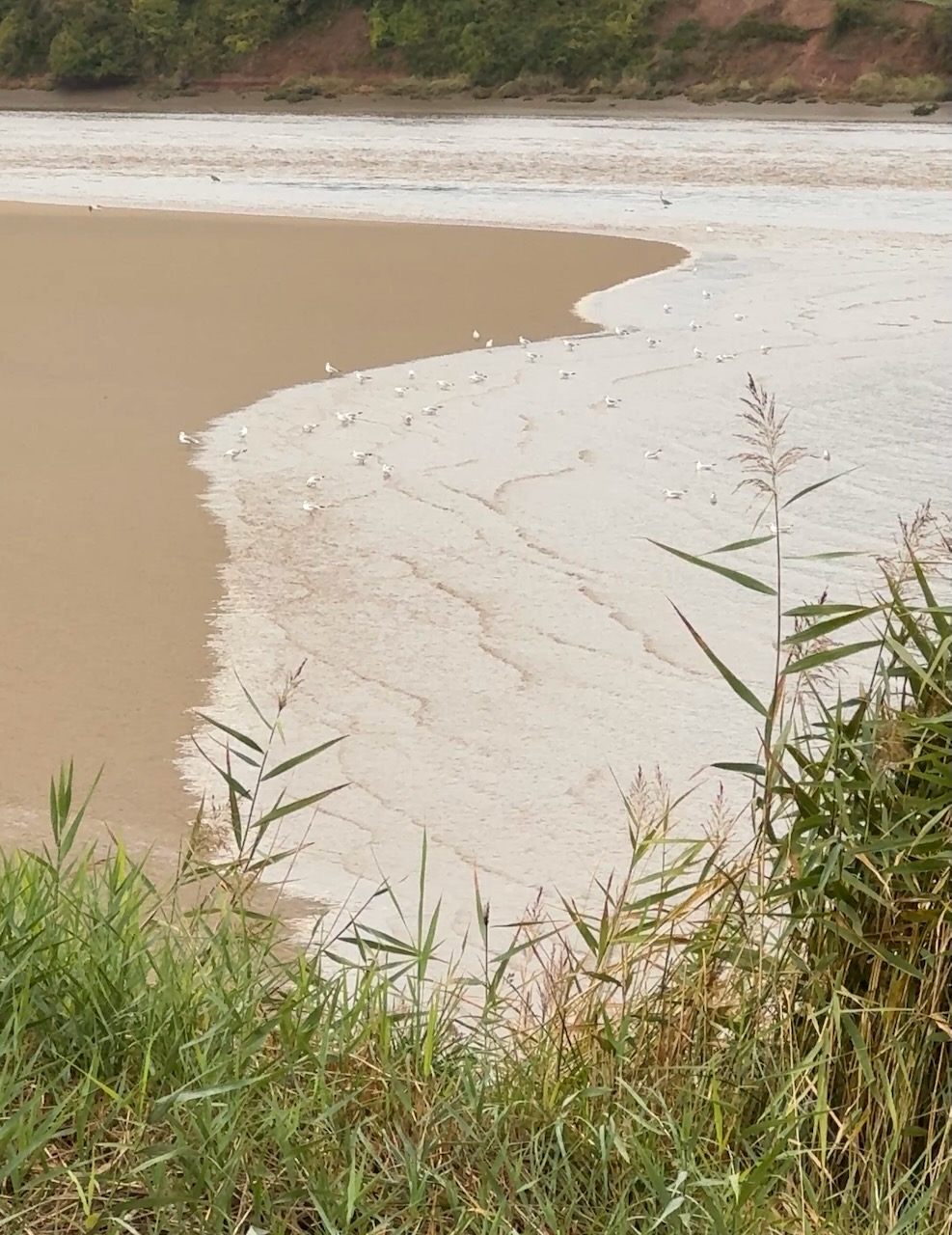
A lone heron waits out its patch on the mud. A flock of gulls swoop down to feast on rich pickings and hitch a free ride upstream. Little ripples break away from the main thrust north to nibble and gobble up the flats, the mud gently snap, crackle and popping like cornflakes in a fresh covering of milk. A new urgency and determination pushes the growing body of water forward as if it knows it is late.
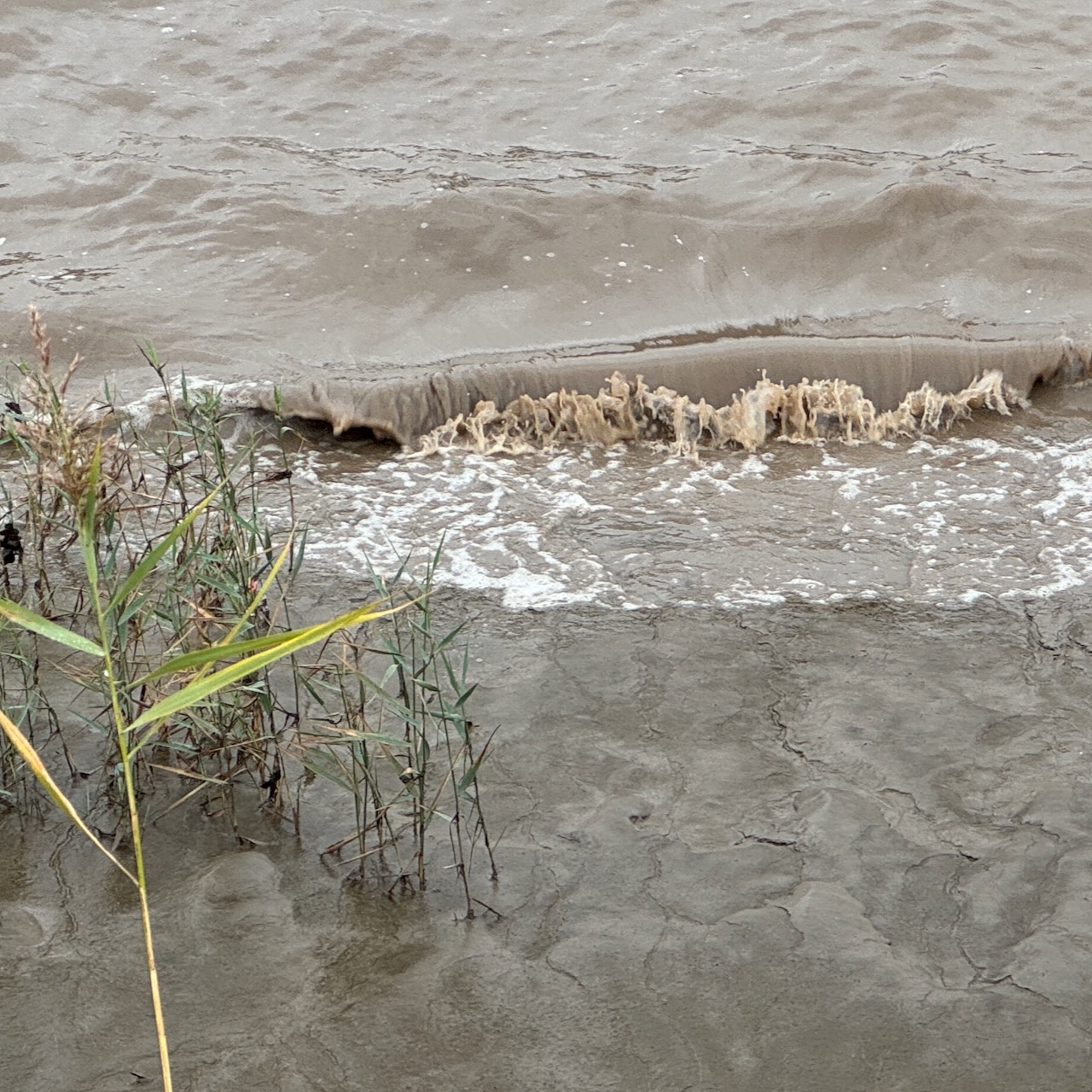
When the water reaches a low vertical cliff of mud, it crashes against it as if with a battering ram, then furiously licks it like an ice cream to wear down its defences. The heron now stands up to its knees, the shortest reeds up to their necks.

With still a lot of ground to cover, the tide becomes a ruthless army of unstoppable might. Violent, unpredictable and almost certainly lethal. The roar of lapping waves drowns out any notion of cars, planes or trains. Even the church bells have become muffled time.

The speed causes feeding frenzies of whirlpools and currents as the river battles against the sea, tumbling and stumbling in a wrestle that it can only lose.

It sends a shudder of fear…

And still the massive body of water keeps coming.

My soggy feet reap the dividends of my patience as I let out the long breath held in my chest. Finally the water is slowing down… slack tide will set in. And then the fully-mingled salty sea and freshwater river will begin their harmonious journey south, only to repeat the cycle this evening… and tomorrow… and forever…

That’s the perfection of this place. It connects you to the enormity of what cannot be destroyed by silly little us.

Right, breakfast.
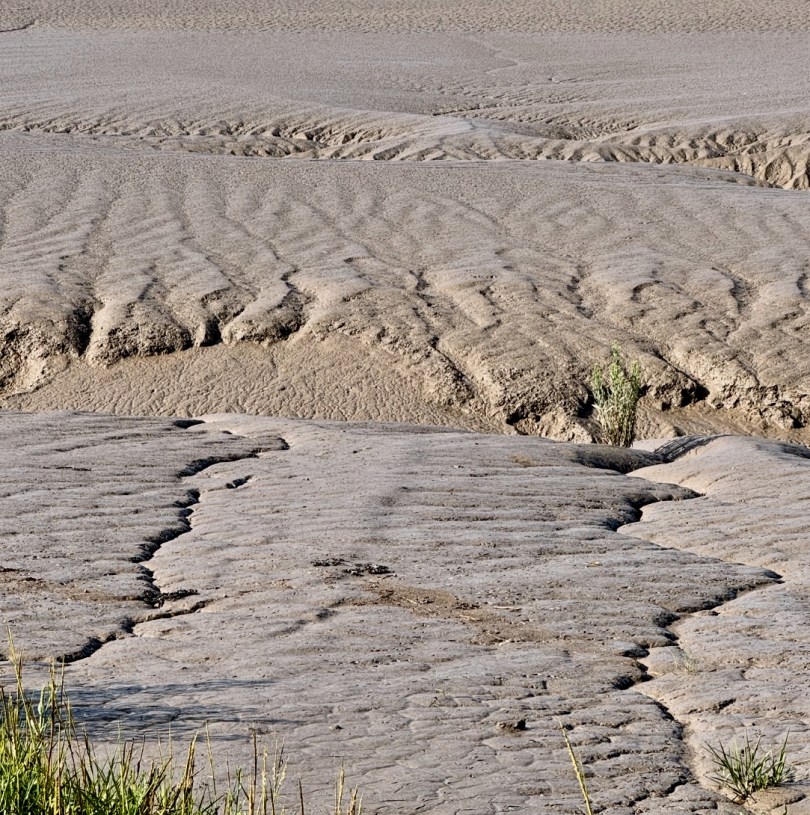
Mud: devastating, lowly, and the womb of life on Earth.

We generally think of mud as something negative. It sticks, soils, hinders. We trample or wade through mud. Make detours to avoid it. 

Its many onomatopoeic variations evoke slight disgust: sludge, dirt, slime, muck, mire, slush, ooze, bog, gloop. 

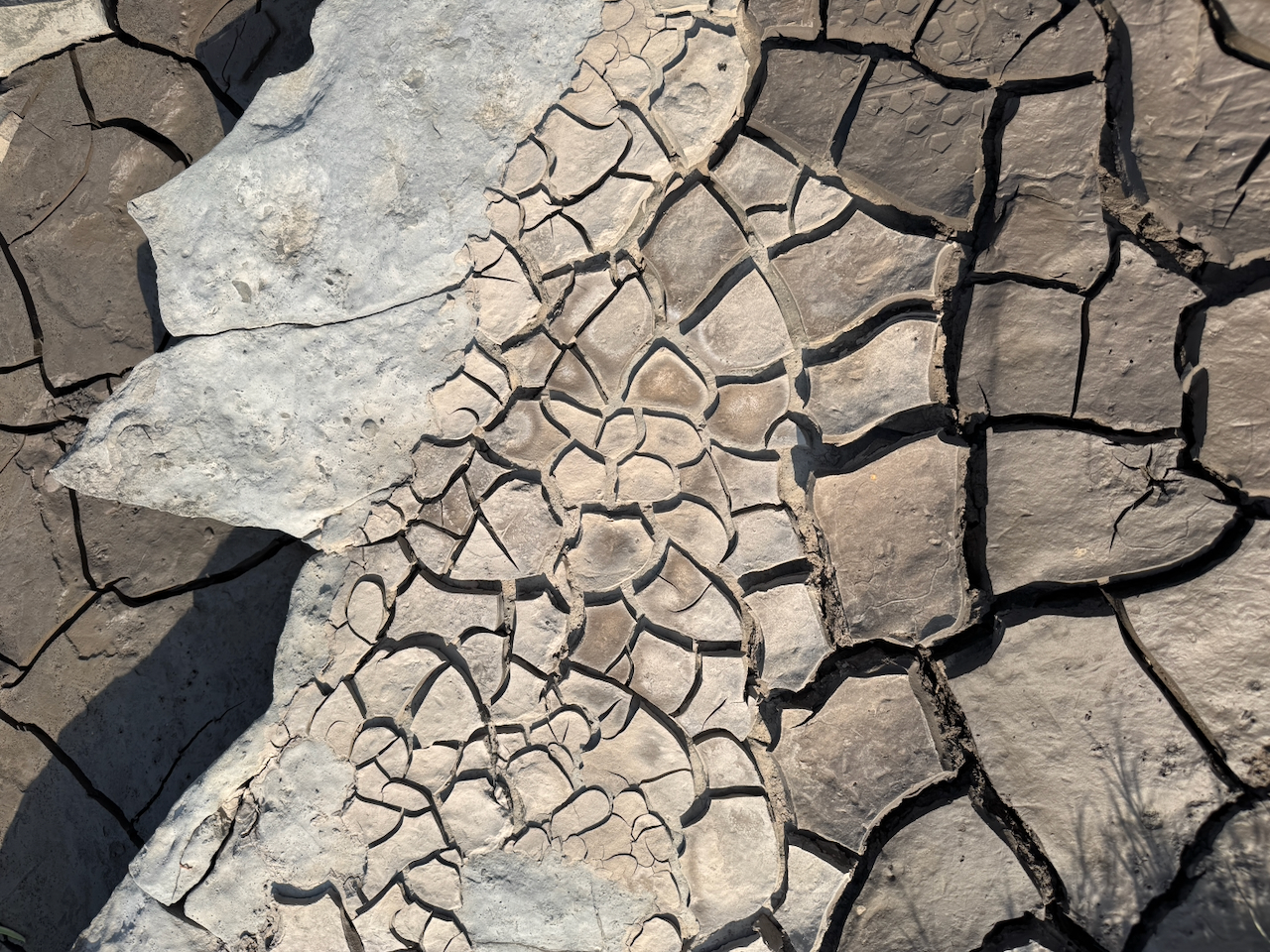
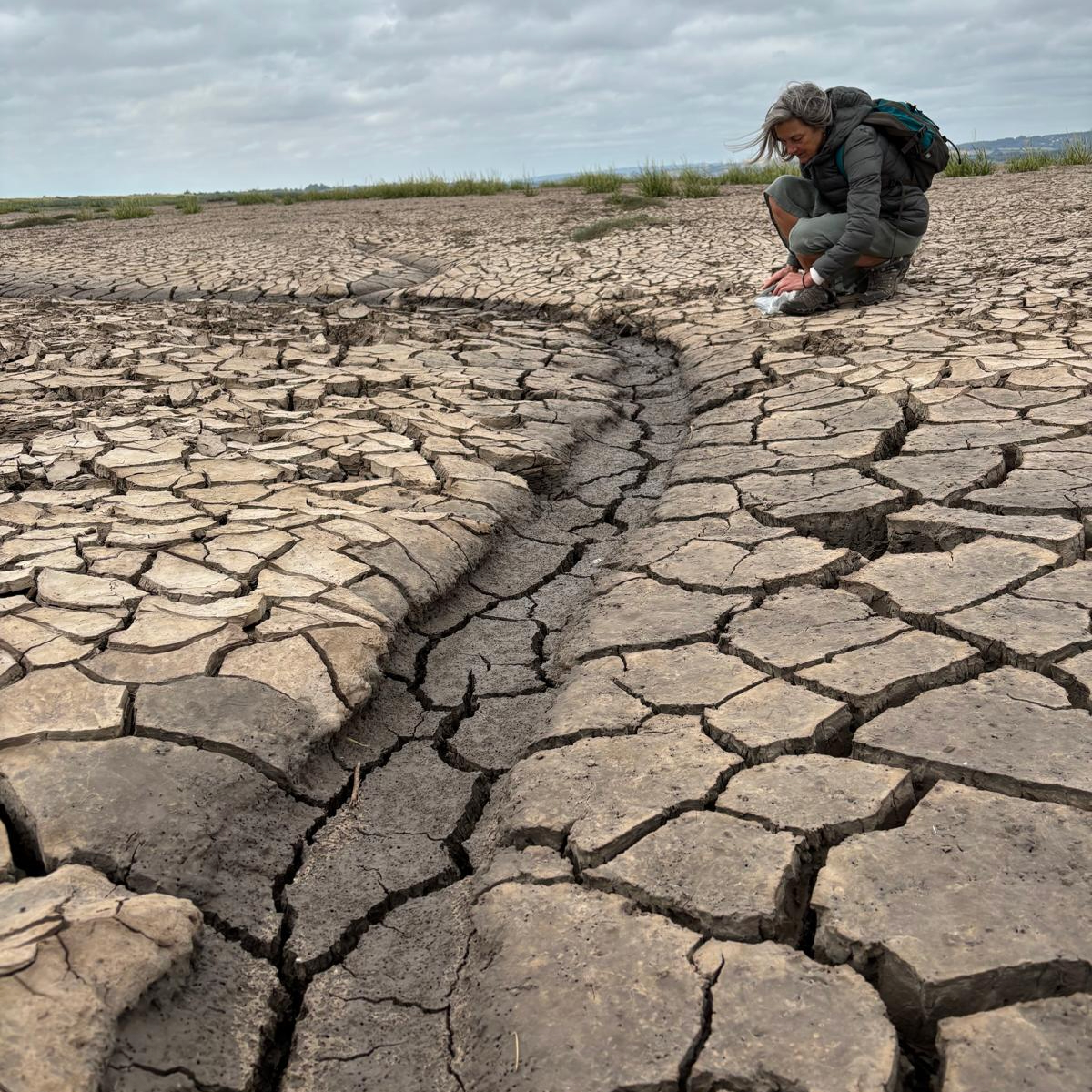
Mud demands patience. We must wait for it to dry before we can brush it off. 

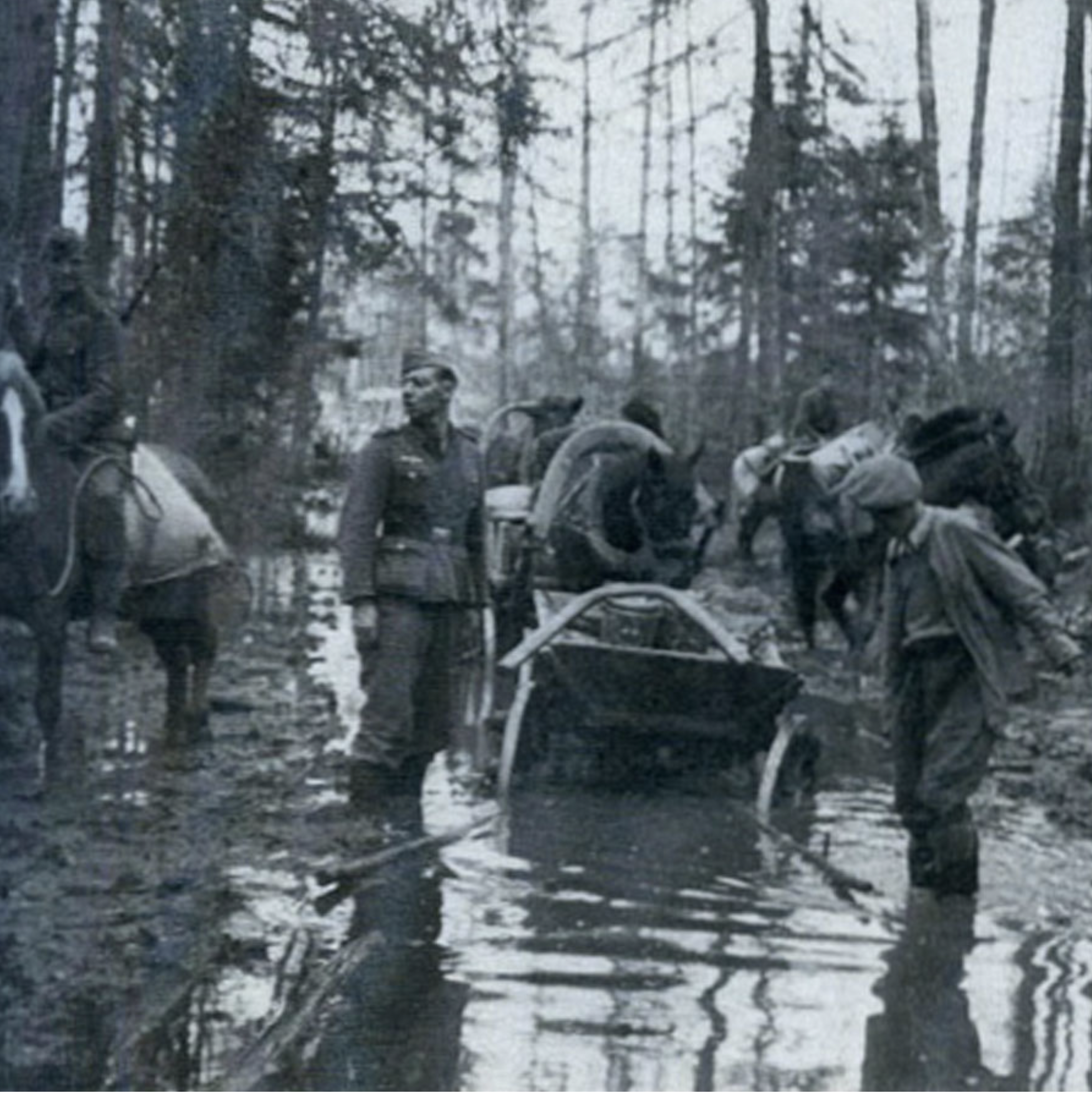
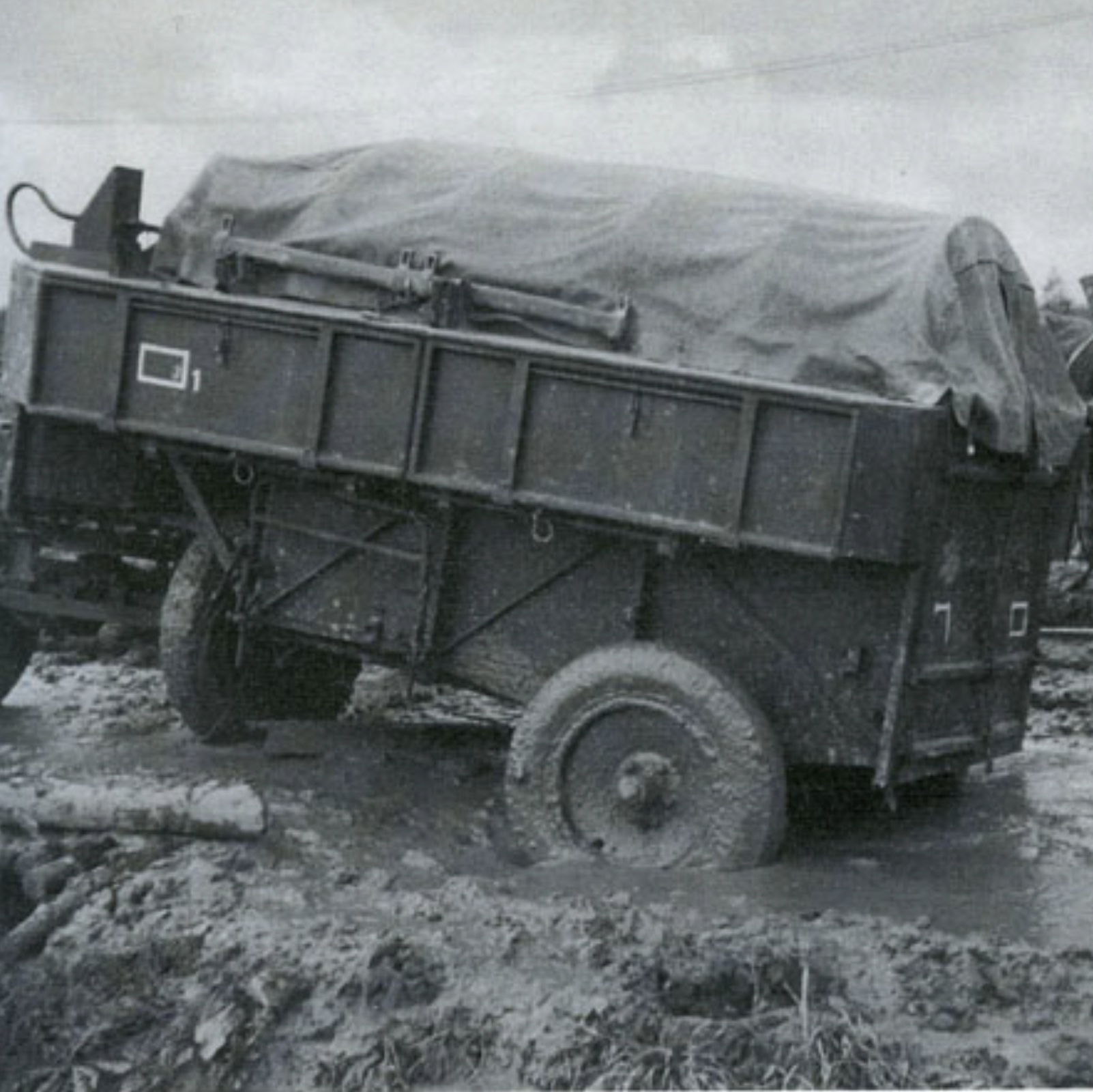
It can be utterly devastating in mudslides, burying whole villages and communities. It evoked horror in the fields and trenches of World War One. And it thwarted both Napoleon in 1812 and the German soldiers on the eastern front in World War Two, as it turned unpaved Russian roads into quagmires, drowning horses and engulfing supply wagons.  

It terrifies as a quivering brown monster that sucks and paralyses, disappearing you as it swallows you whole into its depths.

In language, mud metaphors tend to be abusive, humiliating, derogatory, damaging. Something is ‘clear as mud’. You ‘drag someone’s name through the mud’ or ‘sling mud’ at them. You may be a ‘stick-in-the-mud’ in your old-fashioned attitudes. Your contribution to a situation may merely ‘muddy the waters’. Someone might describe your impoverished background as being ‘born in the mud’. We get bogged down… we muck things up…

It’s not a pretty picture and when weeks of rain once again render my walks into soggy tramps through mud, I am quite sure I won’t be coming to its defence. But today I will. 

For mud is full of contradictions and paradoxes. 

Its in-between-ness is part of what fascinates me. It’s melted earth – neither solid nor liquid. It dries to dust – weightless, airborne. It can be caked and baked into useful, beautiful or priceless artefacts and vessels. 

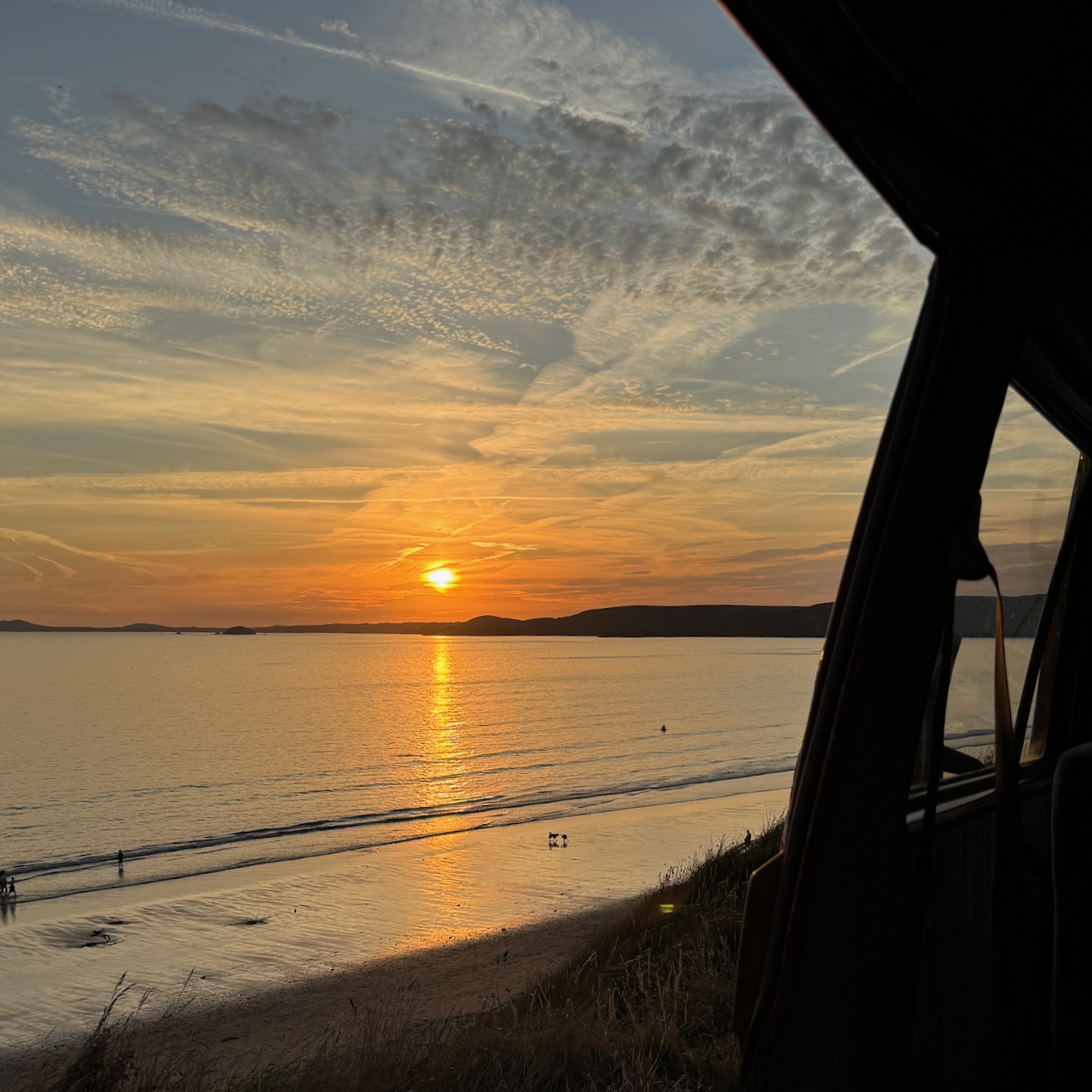
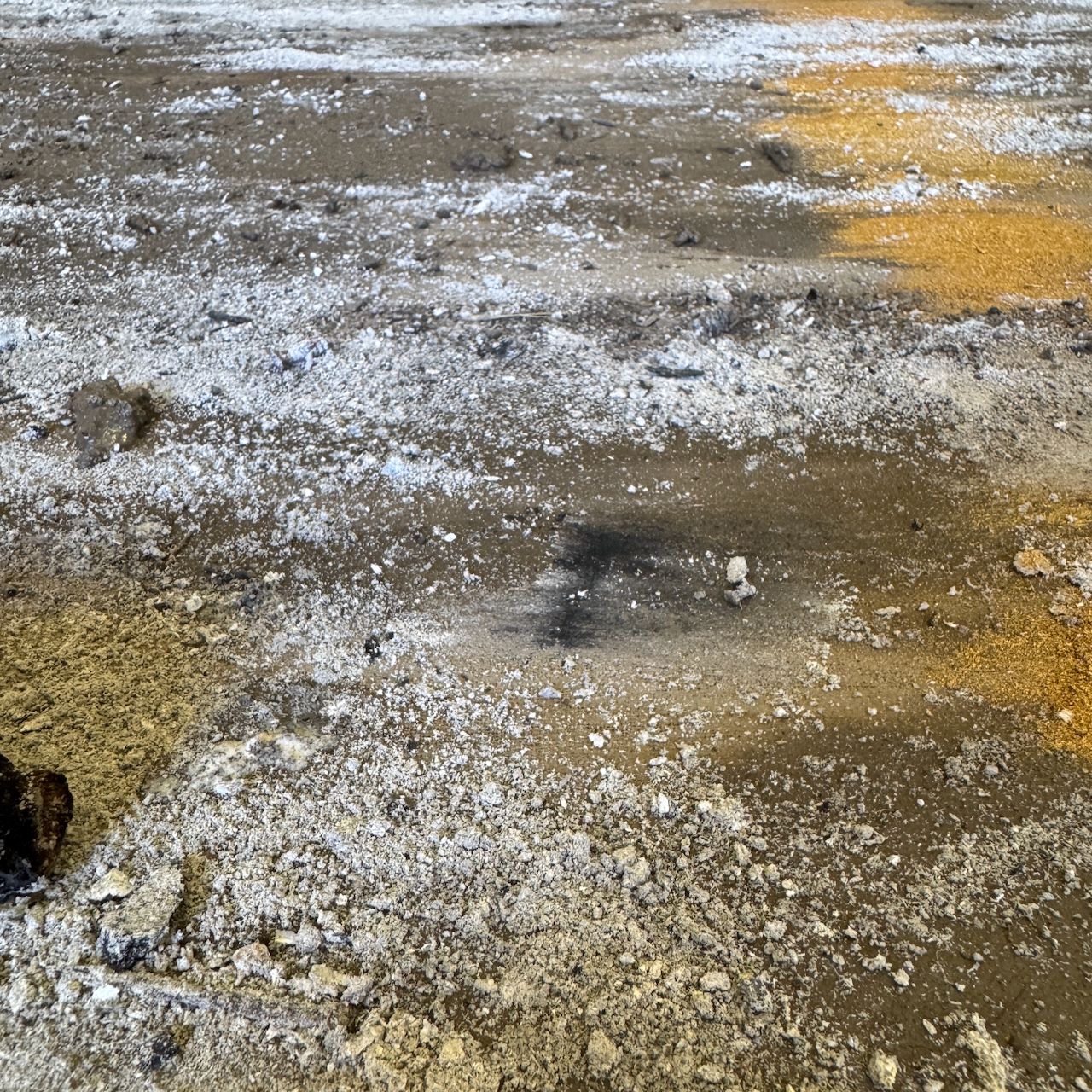
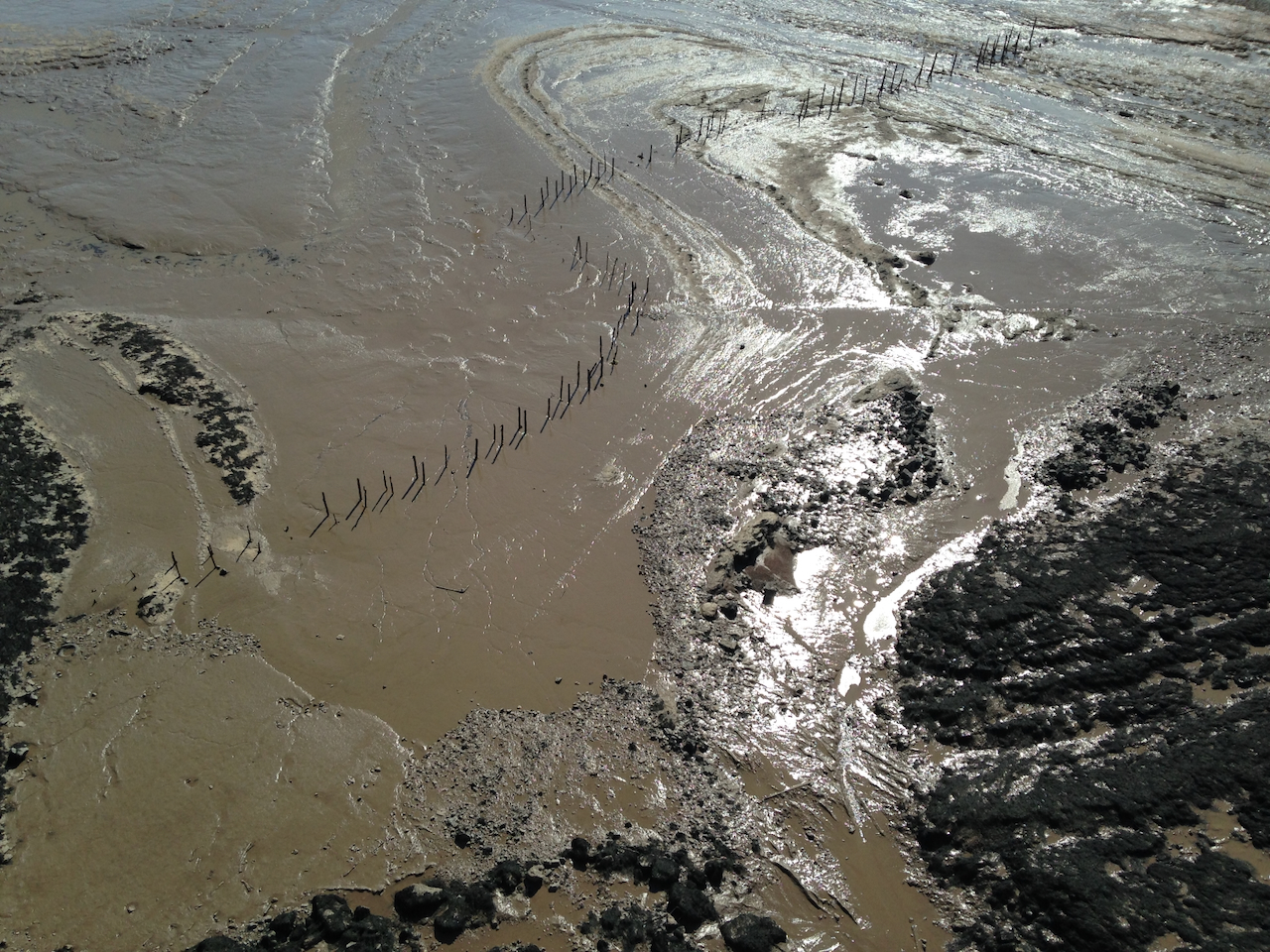
What two of my favourite places in the world – by the Severn and in Pembrokeshire – share is that they are canvases and alchemical blending pots for this in-between-ness. They are meeting places of the four elements: where water, earth, air and fire interact, wrestle, dance, blend and blur. Where the sun sparkles on liquid ripples infusing all it touches with heat. Where hard earth dissolves into softness as water ebbs and flows across its surface. Where tidal flow nibbles persistently at solid edges, and evaporates into sky to later fall as rain.

Mud is the womb of humanity. And its grave. 

Earth to Earth. Ashes to Ashes. Dust to Dust.

In the beginning… we emerged from the mud. 

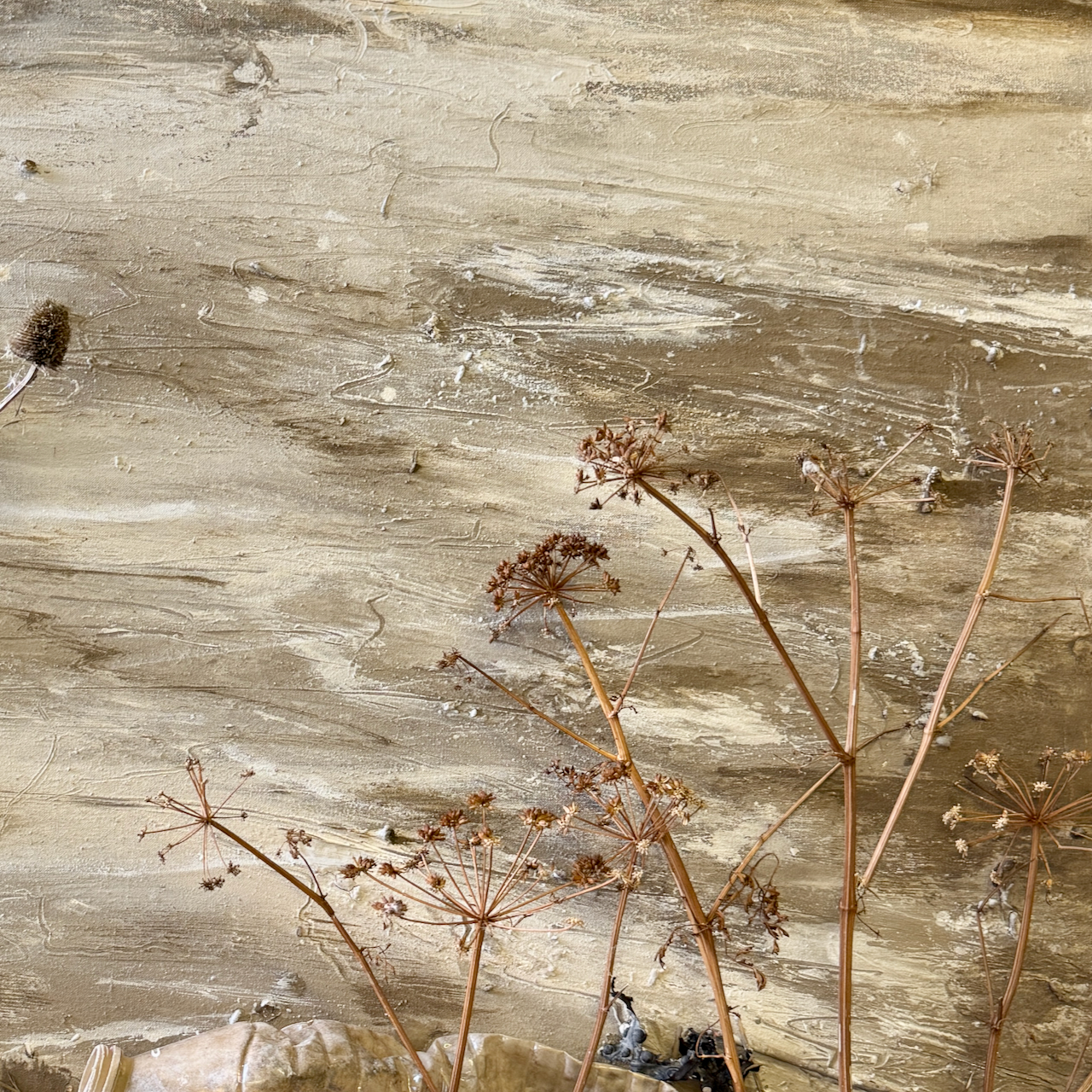
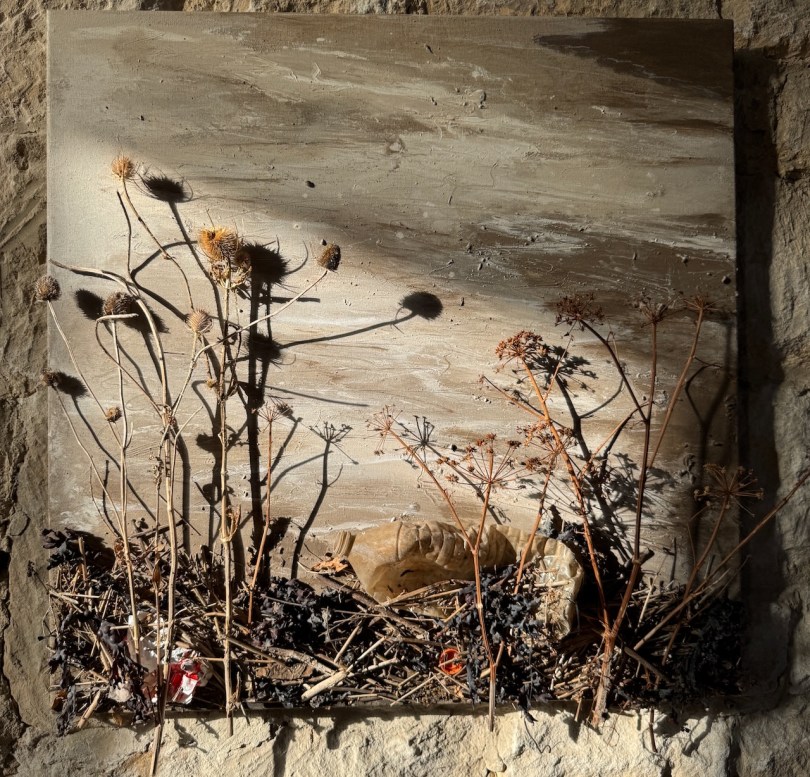
Detail from Ashes to Ashes, Dust to Dust by Angela Findlay (2026)

Rebecca Stott gave a brilliant summary of the origins of mud in her recent Radio 4 series.

Back in ‘deep time’ and for most of Earth’s history, there was virtually no mud on land. Before the dinosaurs, the earth was made up of vast sandy plains. In the oxygenated waters of the sea, microbes, jelly fish, sponges and fish lived, but other than clusters of bacteria and algae clinging to wettened coastal rocks, there was no life on land. 

458 million years ago, however, something huge happened. Heavy rainfall and rivers swept silt and clay from the barren landmasses into the sea to gather on continental shelves and deltas where they transformed into thick layers of mud. This has become known as the “Mud Transition”. From then on things happened relatively fast. To cut a very long story short, plants began to grow… and the rest is history!
Charles Darwin kept mud in a breakfast cup and made the significant discovery that dormant seeds trapped inside dried mud could germinate. Mud is life-giving not inert. Snails and earthworms pass through it in a reciprocated exchange as mud passes through them.
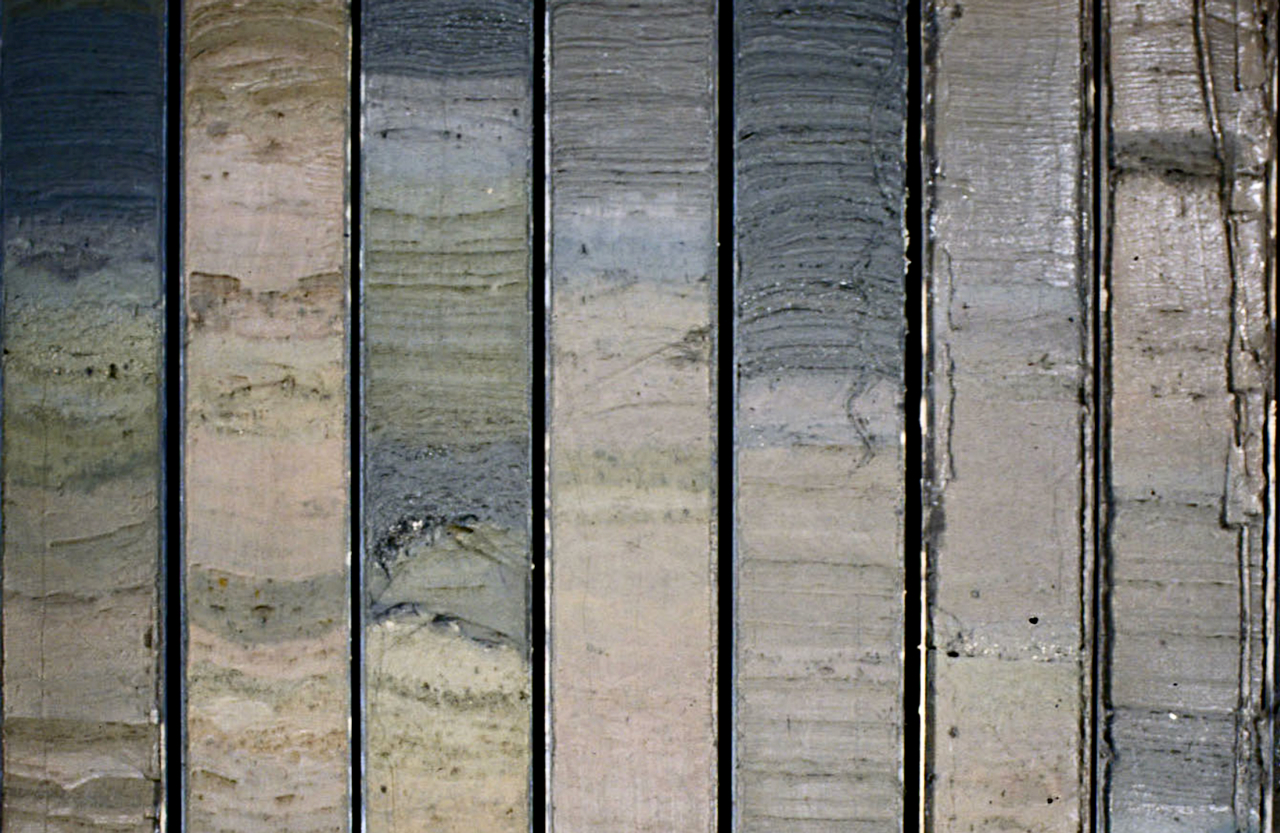
sediment corers

Mud is the archive of the emergence of life on earth. Sediment corers – the deepest one bored 228 meters through Antarctic ice in February this year – can extract samples to read climate changes and natural disasters that occurred up to 23 million years ago. 

All this within lowly mud. 

This is the subject of my next exhibition and forthcoming Pecha Kucha talk Ode to Mud: My quarter-century love affair with the River Severn. I will be one of eight presenters using the strict format of 20 slides, each slide lasting just 20 seconds.

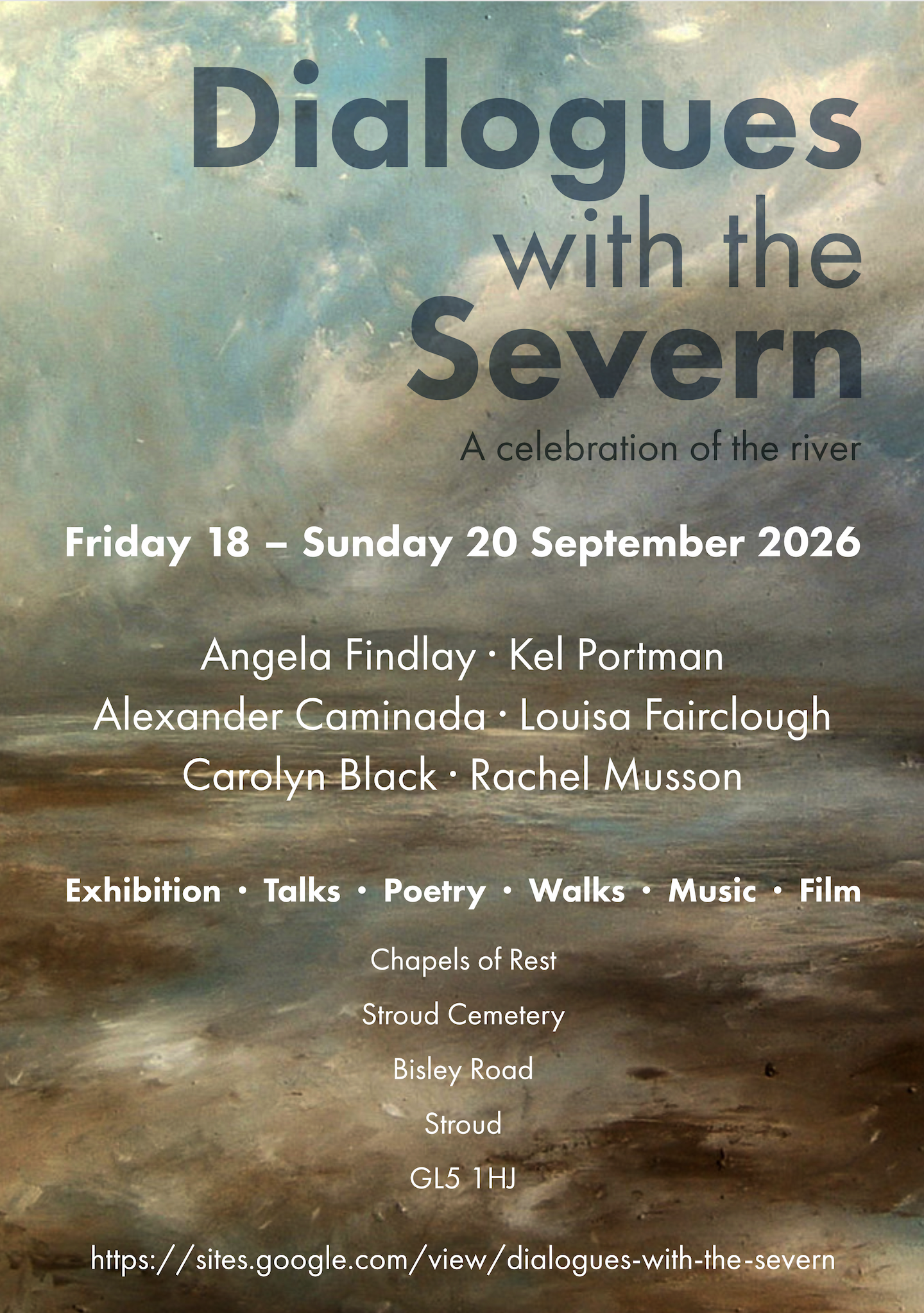
Dialogues with the Severn is a weekend [18th-20th September] celebration of the River Severn dreamed up and organised by Kel Portman, Alexander Caminada and me. Over the past year, we have gathered together a wonderfully diverse selection of people who share our love of the Severn, to exhibit their art, talk about their experiences and/or work on the river, read their poetry and play their music. We have put together an exciting programme, which you can find here. 

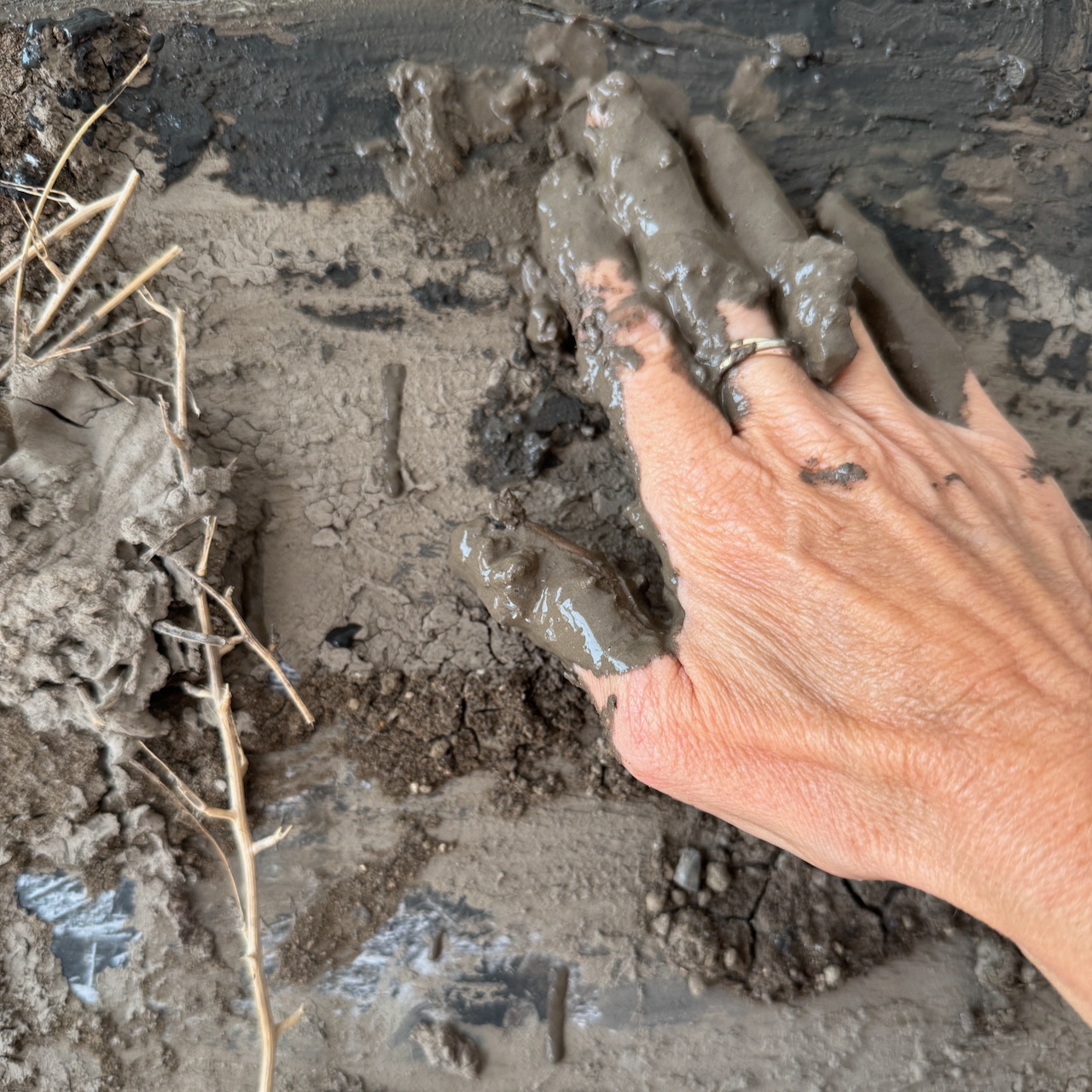
I will be exhibiting brand new work – mud paintings and installations – inspired by my renewed engagement with the Severn and its ‘rich, melted-chocolate mud’ as I described it in my 2024 blog: In the Flow: Ode to the River Severn.

The final remaining older mud sky- and seascapes from the early 2000s, plus new works will be for sale. But more of that in my September BLOG or NEWSLETTER. 

For now, I return to the mud: ancient, elemental, unruly and alive. The stuff beneath our feet, from which, in one form or another, we all began.

In the Flow: Ode to the River Severn

First Encounter with the River Severn

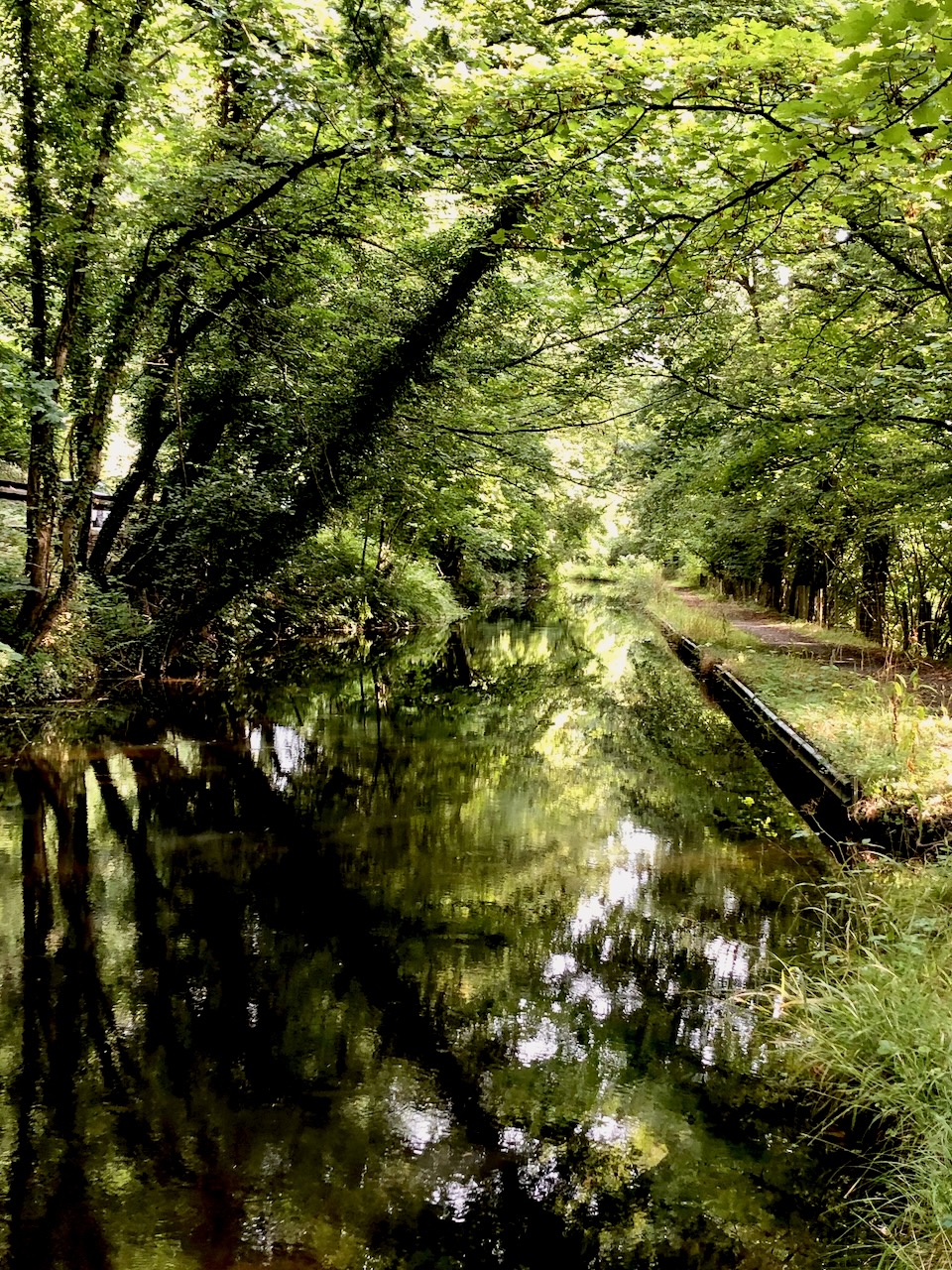
June 1999. You wouldn’t know it was there. Nothing suggests the proximity of Britain’s longest river as you amble down the canal towpath at Frampton-on-Severn. I have a hand-painted sign promising Cream Teas to thank for its discovery. The arrow lured passers-by through a hedge and into a wonderland of round tea tables bedecked with embroidered tablecloths and mis-matching crockery and arranged beneath the boughs of a huge copper beech. A tall man navigated trays of silver teapots and 3-tiered cake stands along narrow paths mown through the long grass. 

I had moved back to England after 10 years living abroad and was checking out the Stroud area as a possible new home. The top floor of the accompanying Lodge was up for rent, I soon learned… would I like to look at it? A sweeping staircase carried us up two stories and into an apartment of hexagonal rooms adorned with small fireplaces. Then, bending double, two miniature doors awkwardly birthed us onto a roof terrace and into the breath-taking view that would become my world. The River Severn stretched like a taut blue sheet tucked into a distant shore. Low tide mud sparkled. Silence was broken only by the soft chink of teacups on saucers.

Life on the River Severn

I would live in that apartment on the Severn for nearly three years. Every day I walked along the banks of the estuary, my breath aligning with the deep ebb and flow of the tides. 

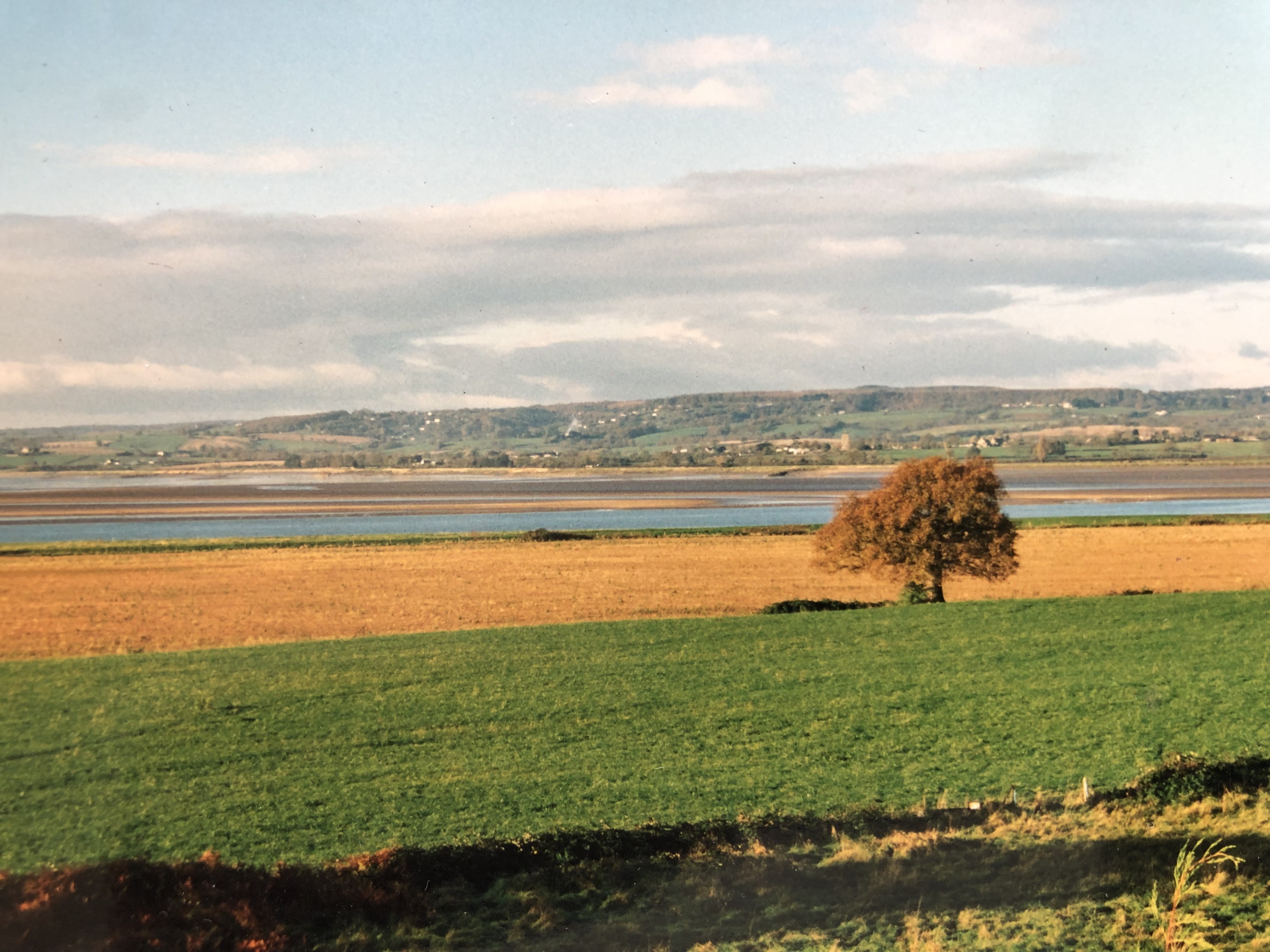
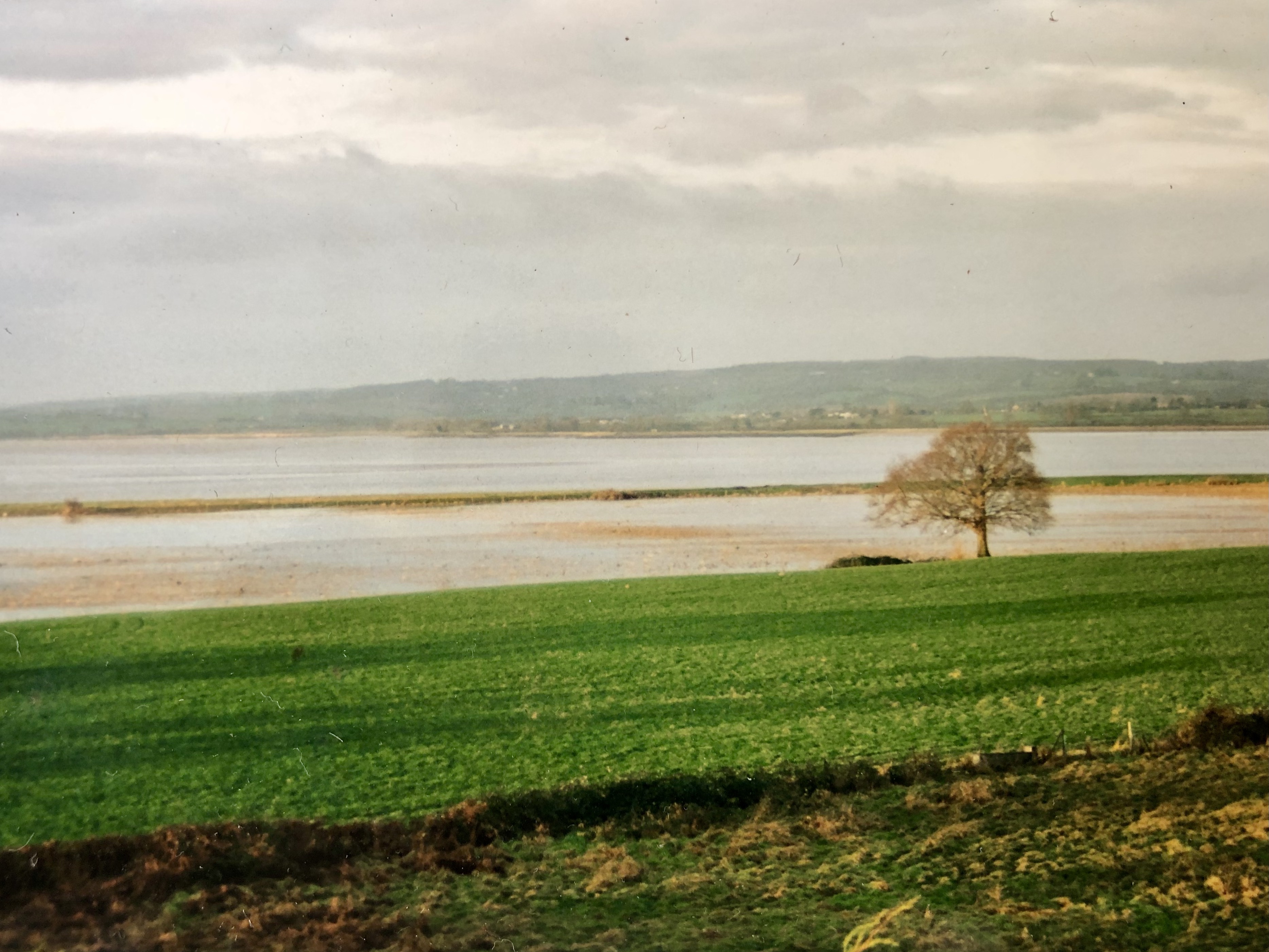
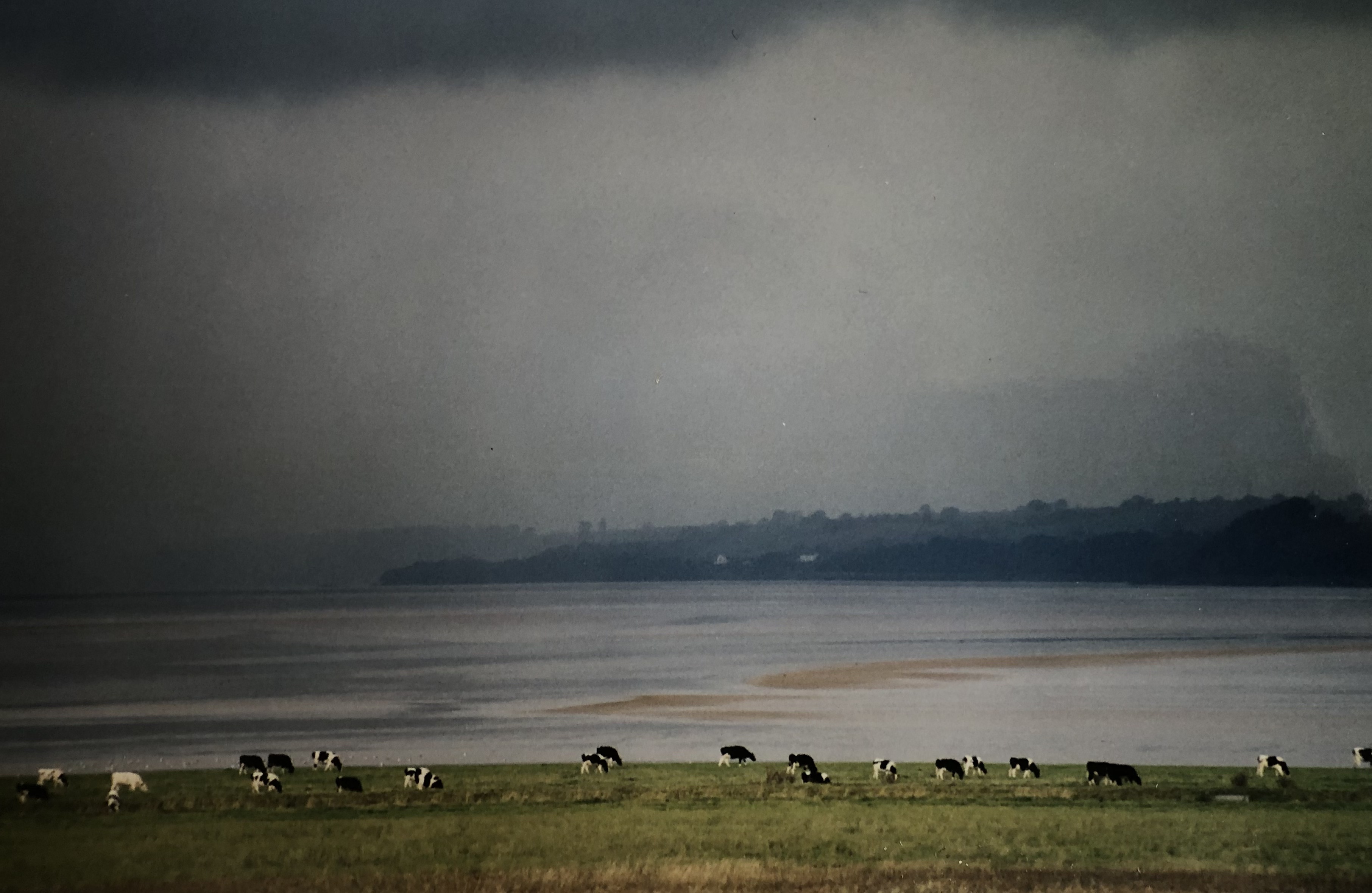
I witnessed the stoicism of a little oak tree holding its precarious own through the seasons, storms and floods; watched cows amble home at dusk accompanied by the swirling black clouds of starlings that condensed and evaporated in the gentle orange glow.

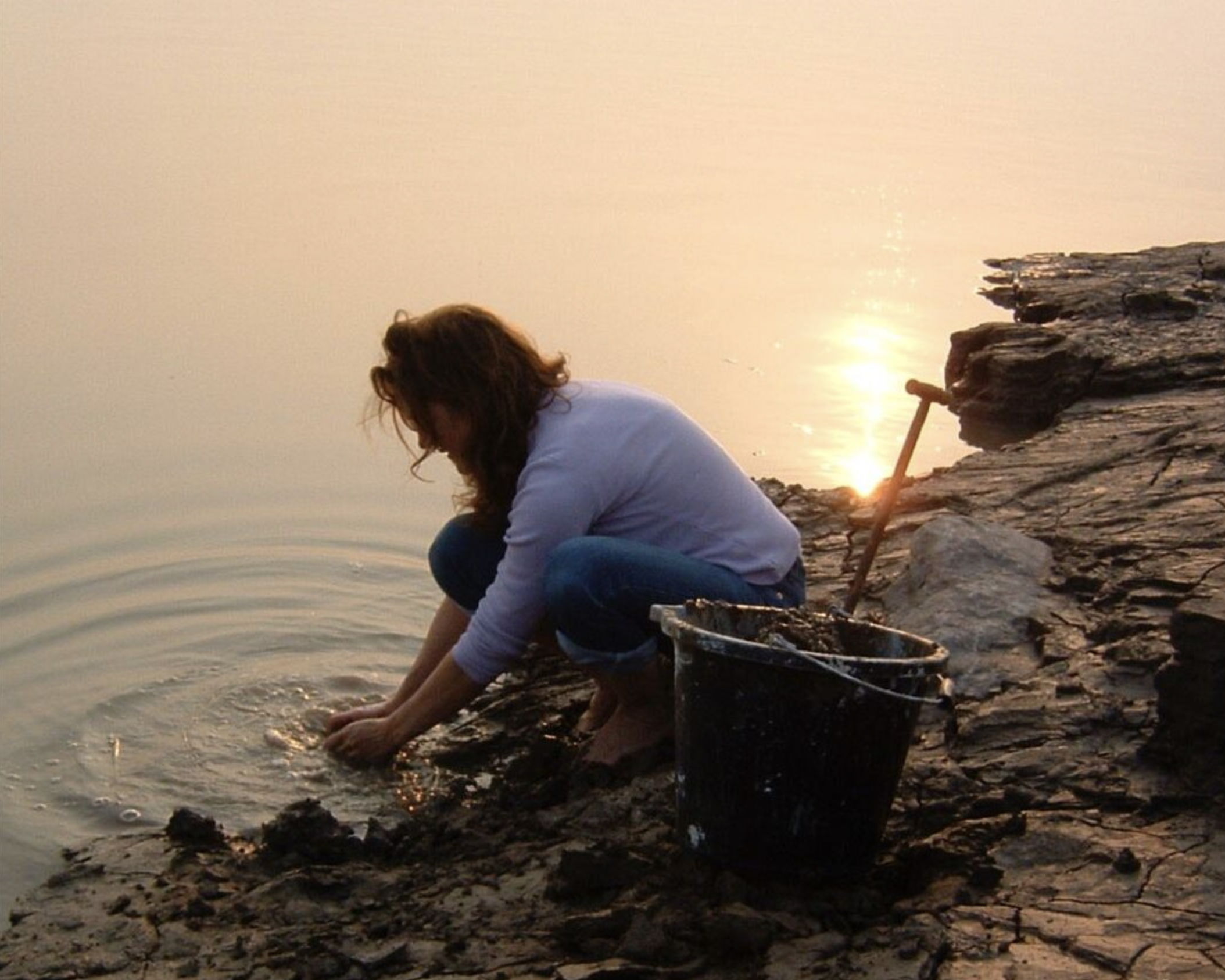
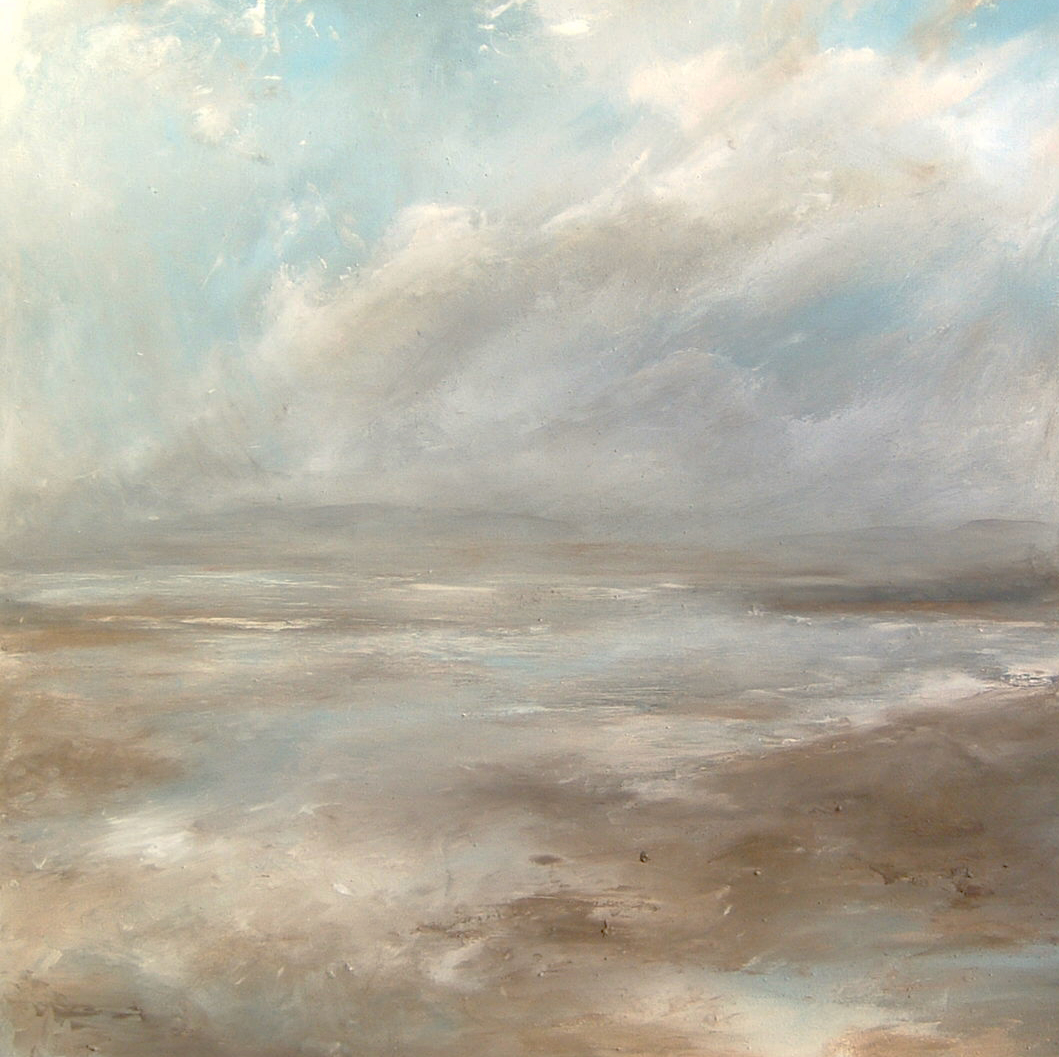
This was where I became a professional artist, scooping rich, melted-chocolate mud into buckets, mixing it with paint and dancing sky and weatherscapes onto large canvases with my hands. 

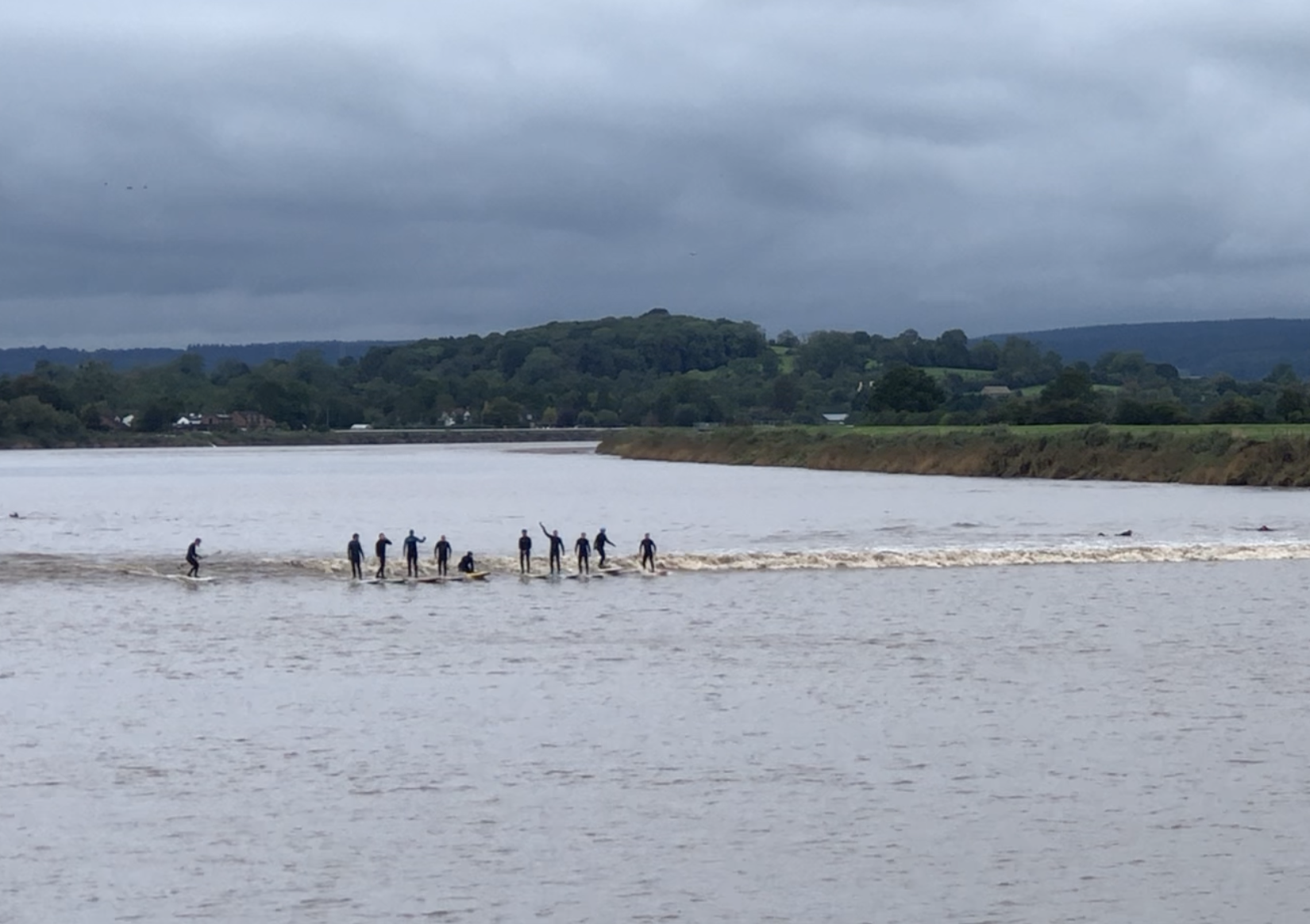
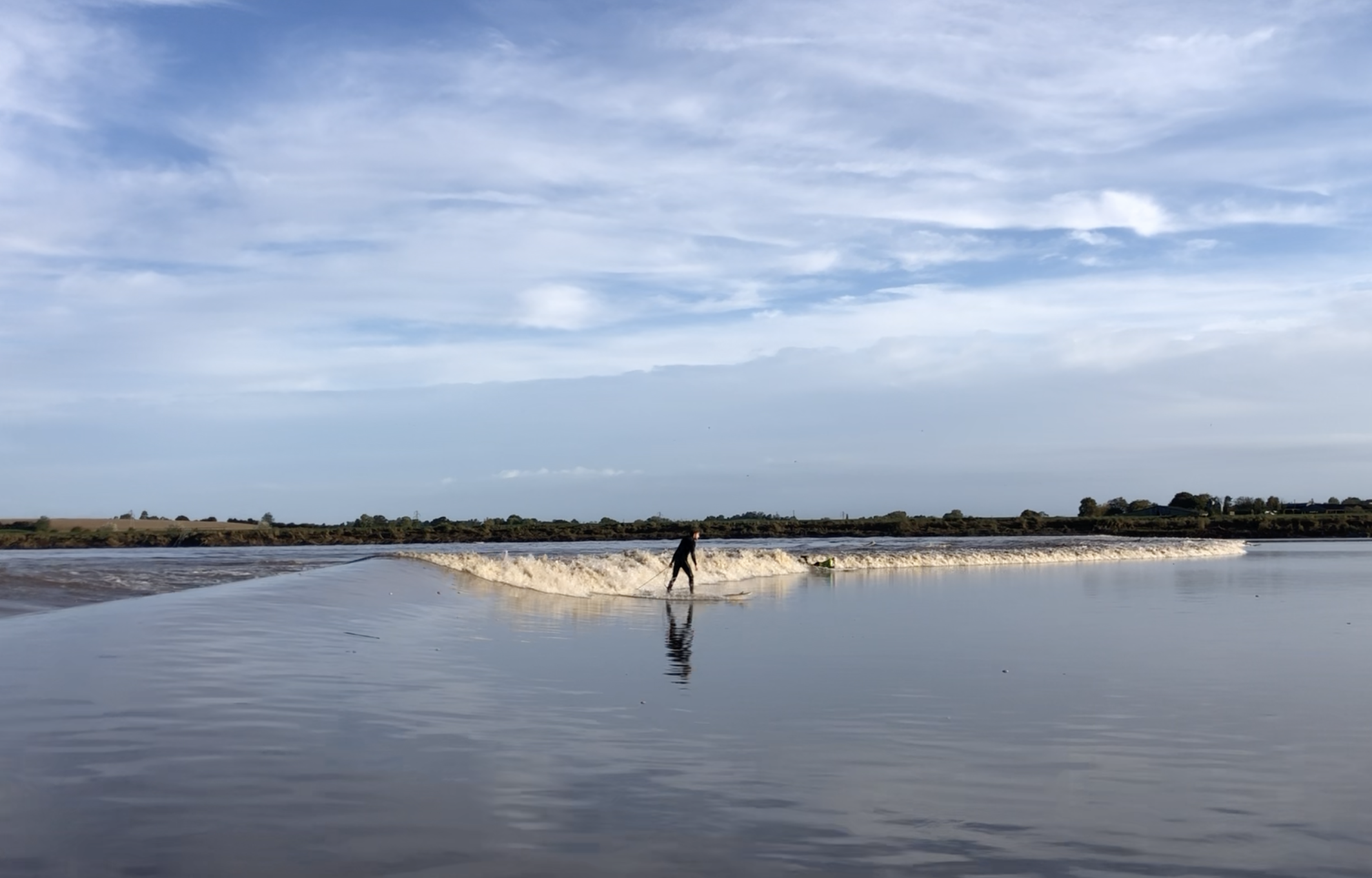
On many a chilly morning I stood on the Severn’s banks with mugs of coffee and expectant crowds waiting for the world’s second highest Bore to swash its way up the estuary and carry brave surfers upstream. Once, in the pitch of night, I crossed its swirling waters in a rickety old boat and returned in the frozen pinks of dawn. 

A Severn Bore

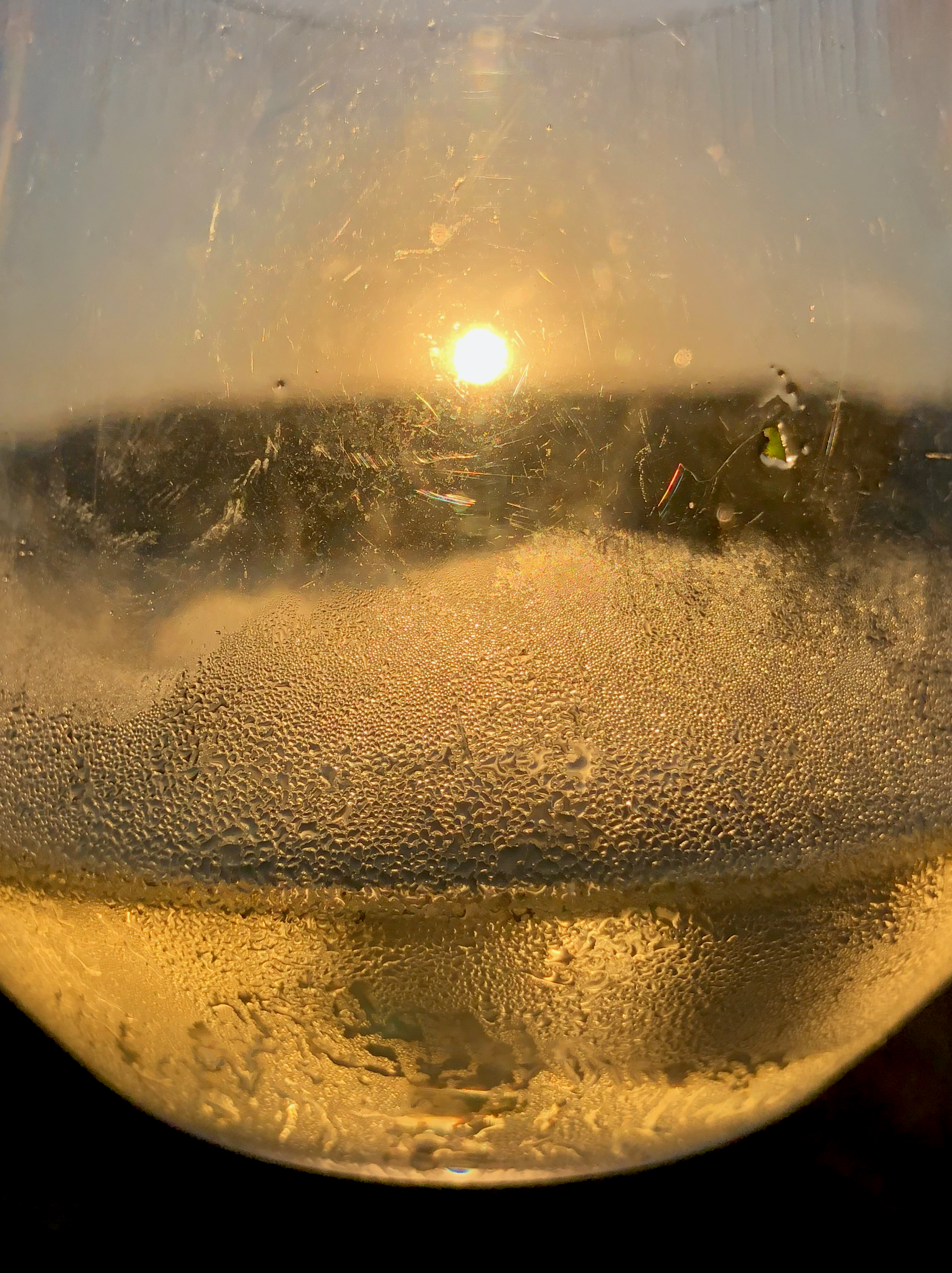
In later years, I would park my camper van on its shores, drink chilled glasses of wine in the sun’s last rays and sleep through rising moons and meteoric showers. 

I have a rich store of happy, muddy memories of the River Severn.

Walking the Severn Way from source to sea

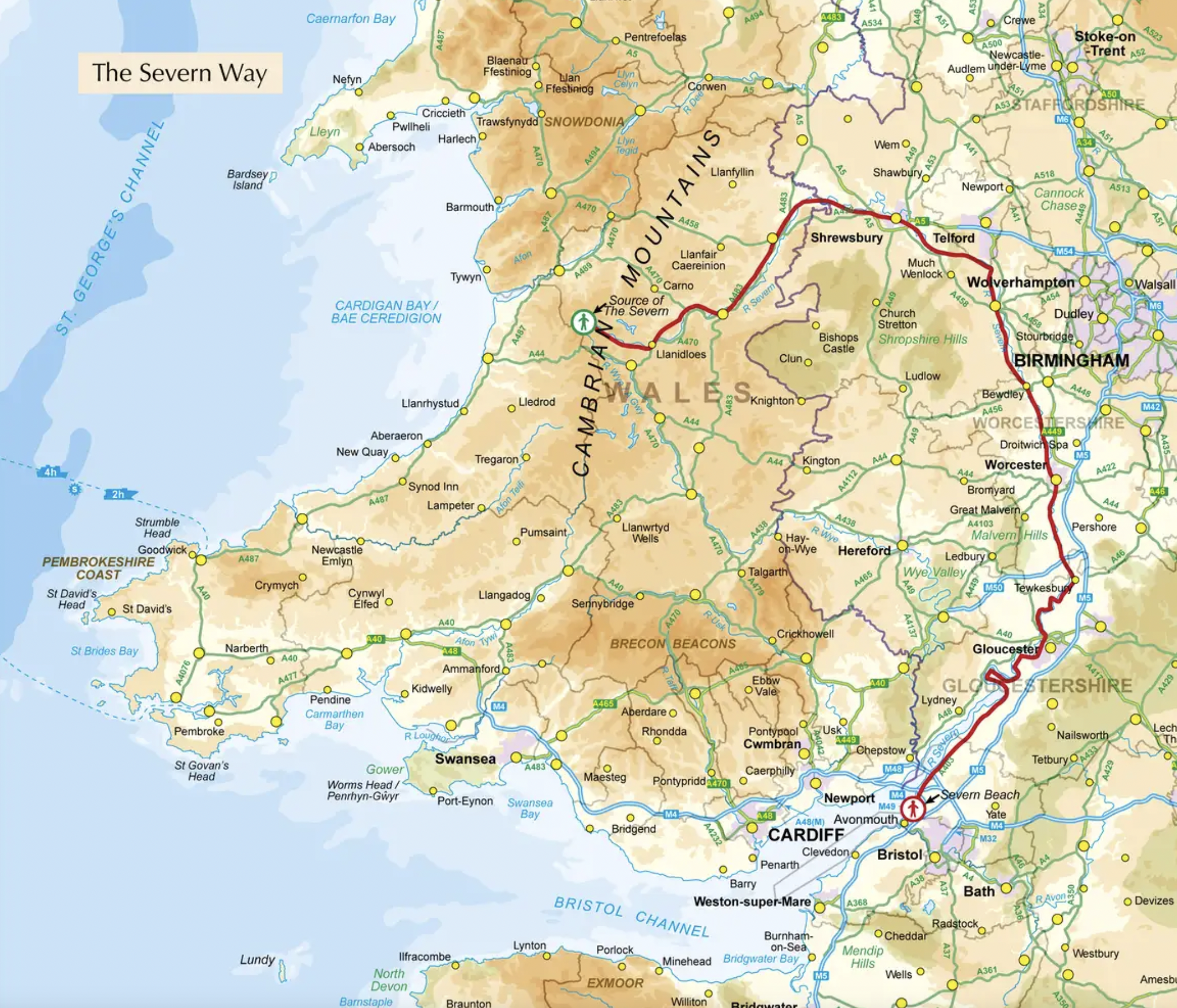
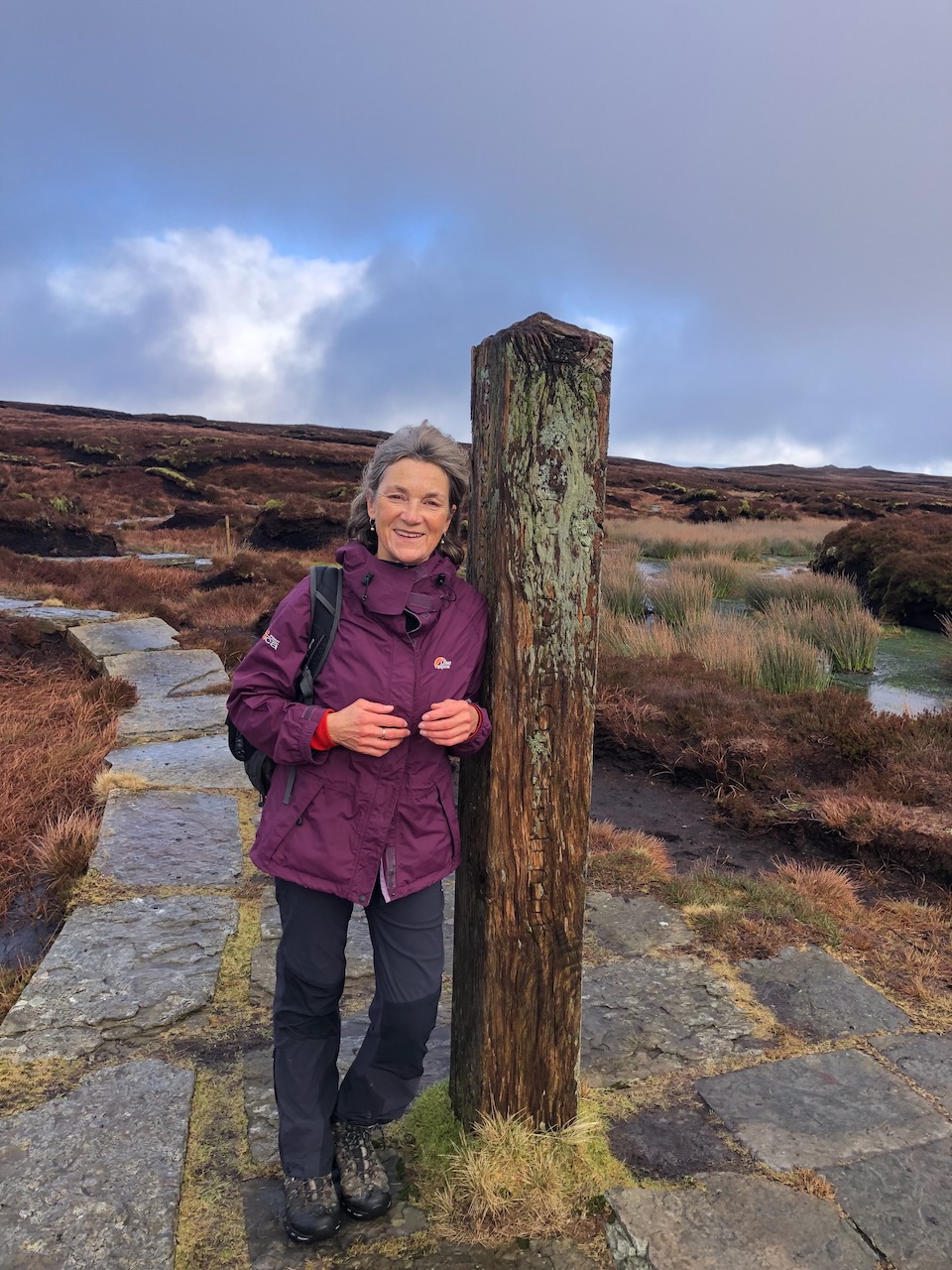
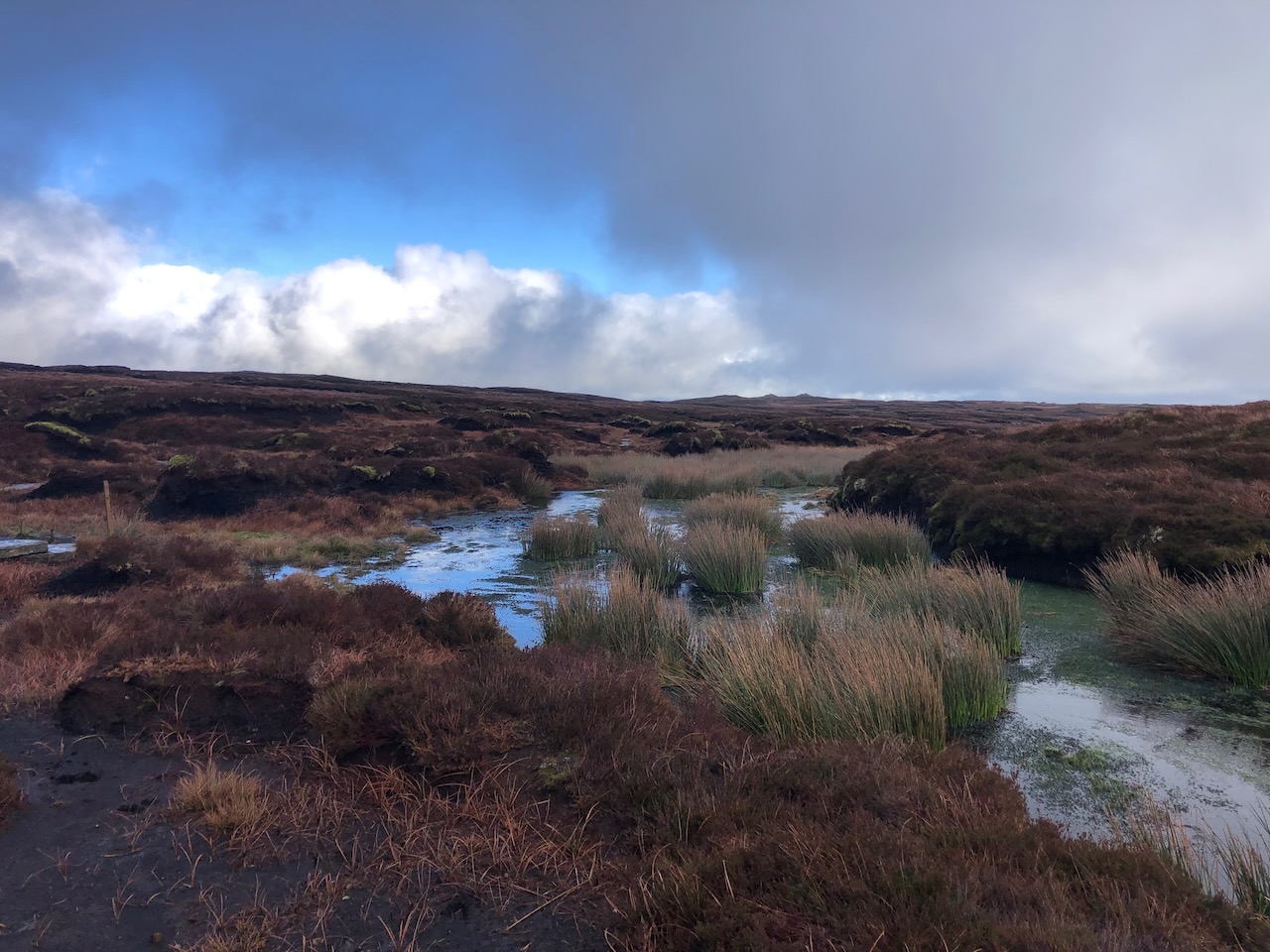
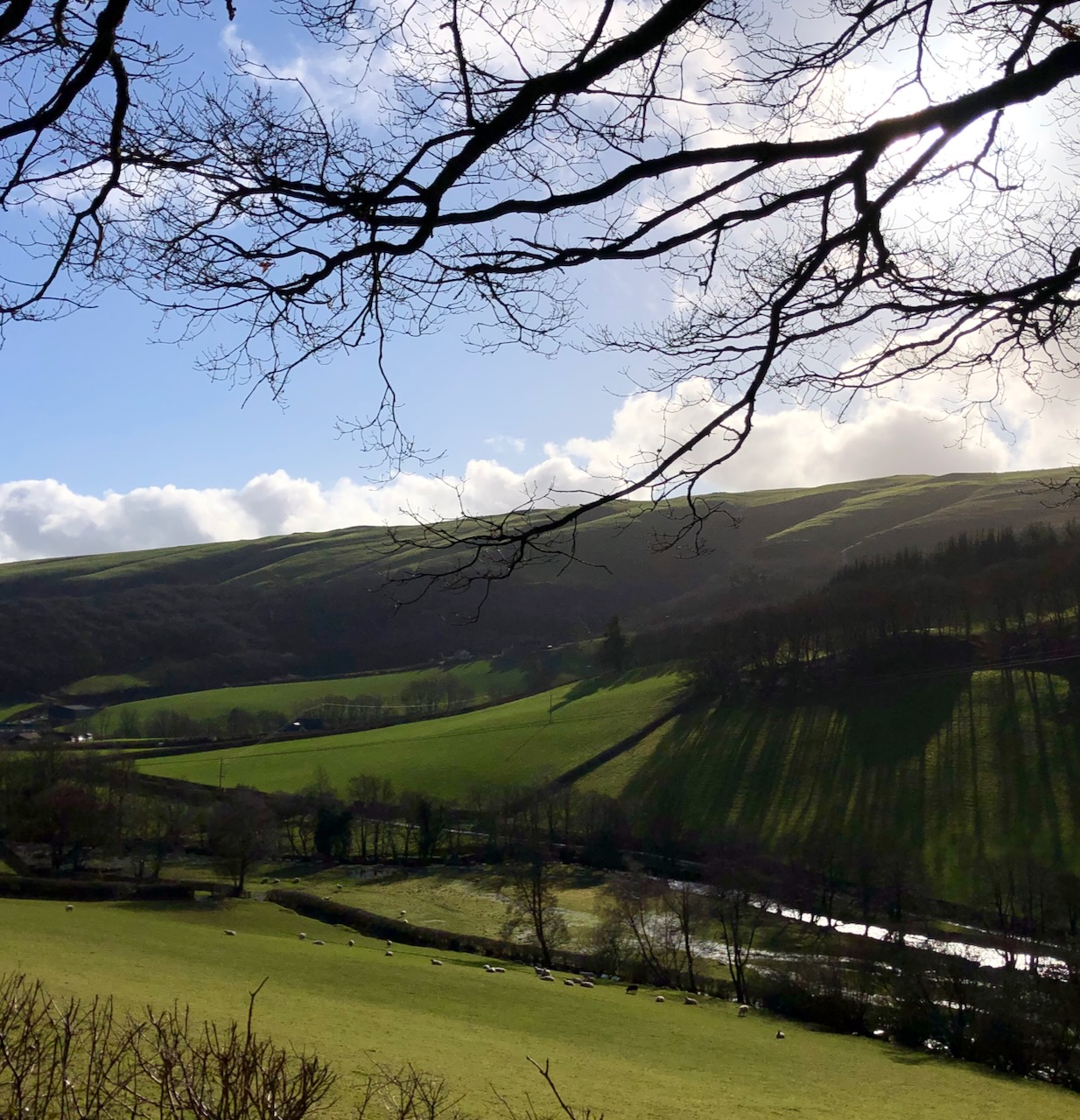
For the past eight months I have followed its 220-mile course [albeit not in order] from source to sea; from the peaty uplands of Plynlimon in Mid Wales, north-east through Powys and Shropshire, then south through Worcestershire, Gloucestershire to where it sweeps into the Bristol Channel… the Celtic Sea… the Atlantic Ocean. 

Map from the Severn Way Guidebook by Terry Marsh

Within a mile of its boggy birth, the infant Severn starts tumbling through the Hafren Forest, gathering erratic speed like a toddler until the ‘Severn-break-its-neck’ Falls plunge it into the valley that will bob it to its first town, Llanidloes.

Assuming a steadier gait, it meanders through undulating pastureland before looping north to cross the Welsh/English border at Crew Green. Growing prosperity expands its girth into a watercourse that cuts through floodplains as it heads into the dense cluster of the period buildings and timber-framed mansions that formerly made up one of Britain’s most prosperous wool and cloth trade towns, Shrewsbury.

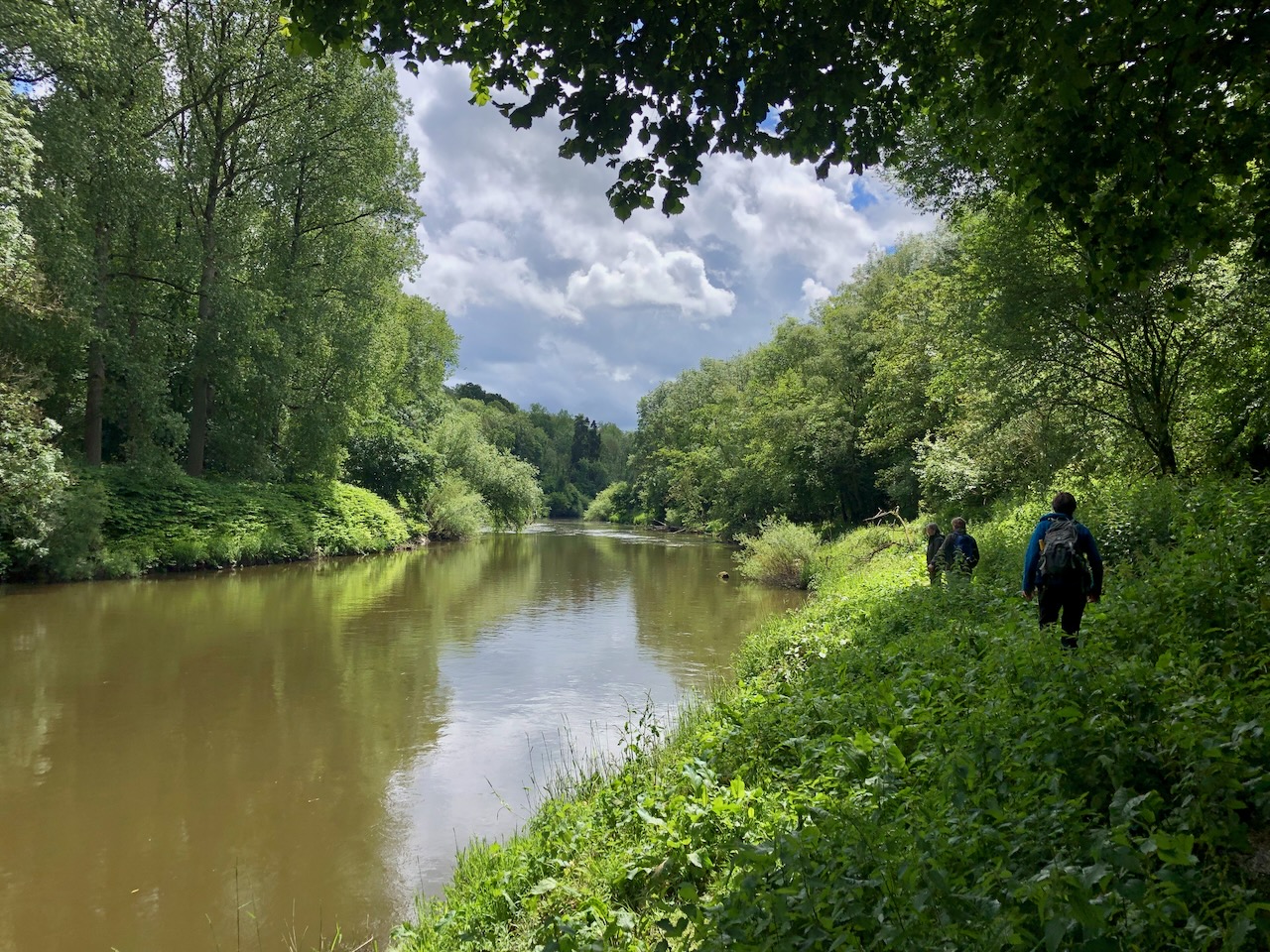
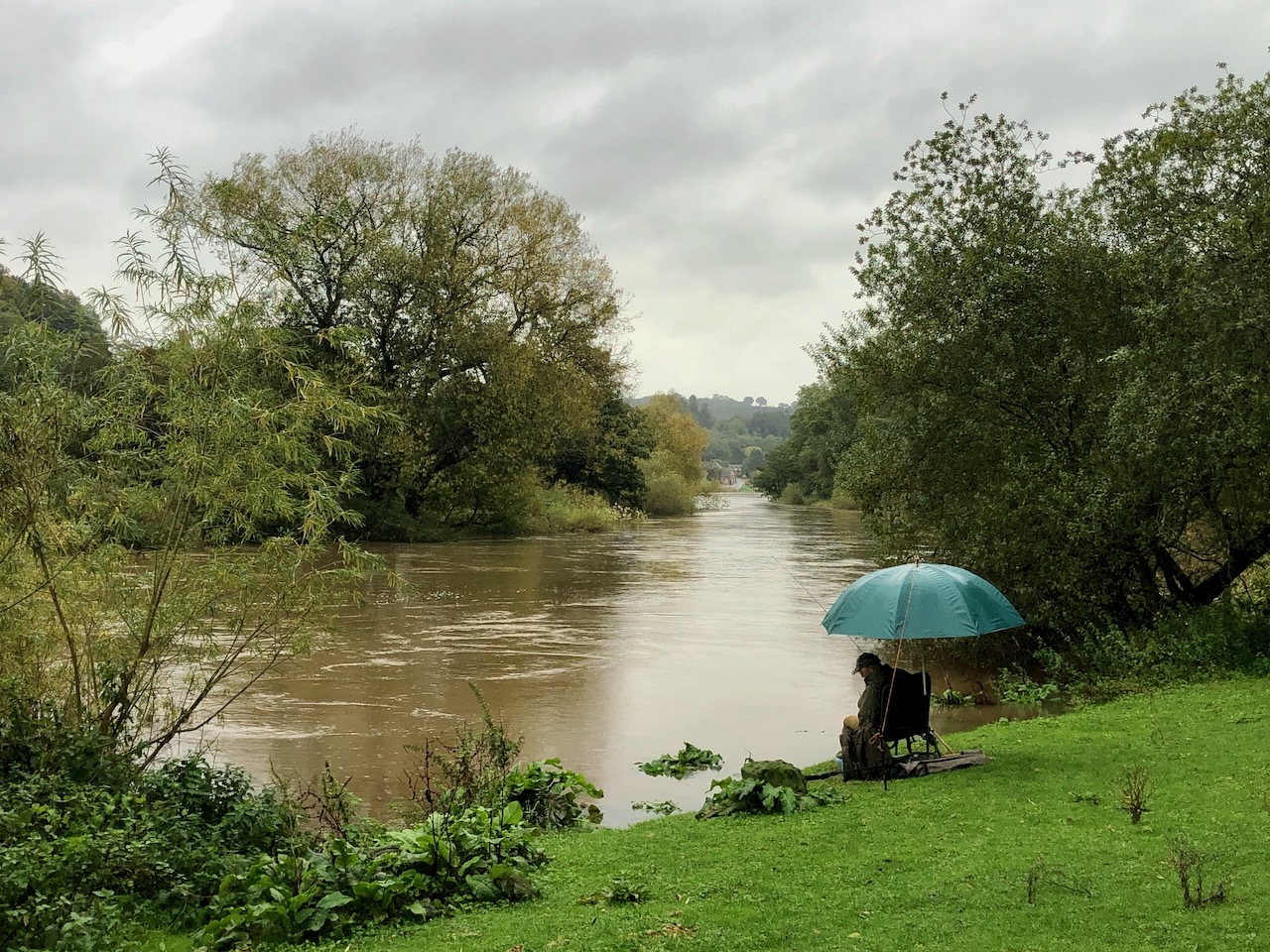
Past the birthplace of Charles Darwin, a glassy stillness and almost imperceivable flow belie the Severn’s true force as it smoothly snakes its path between overgrown banks of willow, elder and the deceptively pretty pinks of thuggish Himalayan Balsam.  

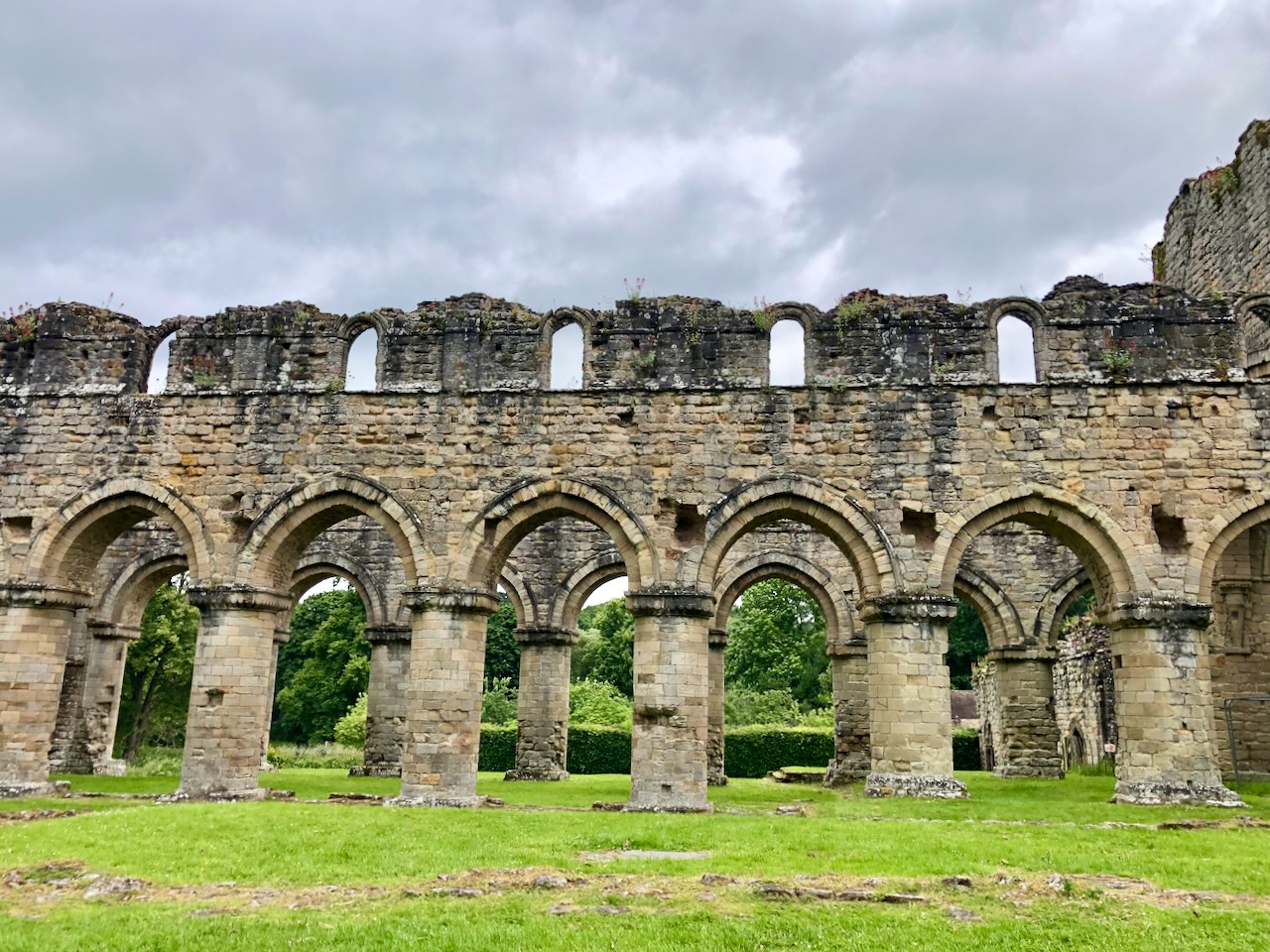
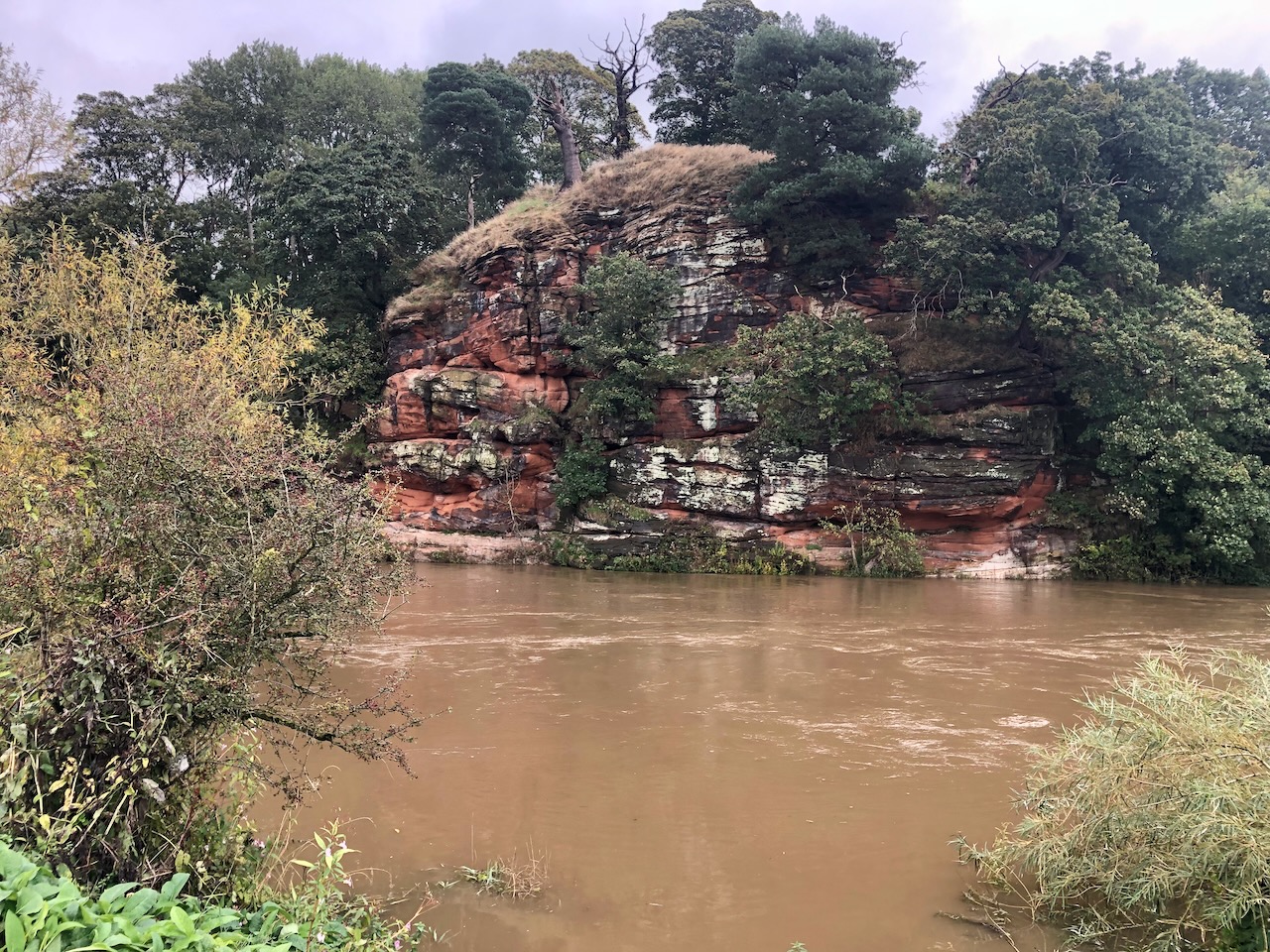
History punctuates the landscape with traces of Roman forts and roads, a Saxon chapel, the evocative ruins of the Cistercian Abbey at Buildwas, 16th Century market halls and sandstone caves that once sheltered hermits or stranded travellers unable to cross the river. As the Severn bullies its way south through gorges striped by coal, limestone and iron ore strata, the legacies of once booming industries and trades are memorialised in mines, railway stations and canals that once linked local towns across Britain. 

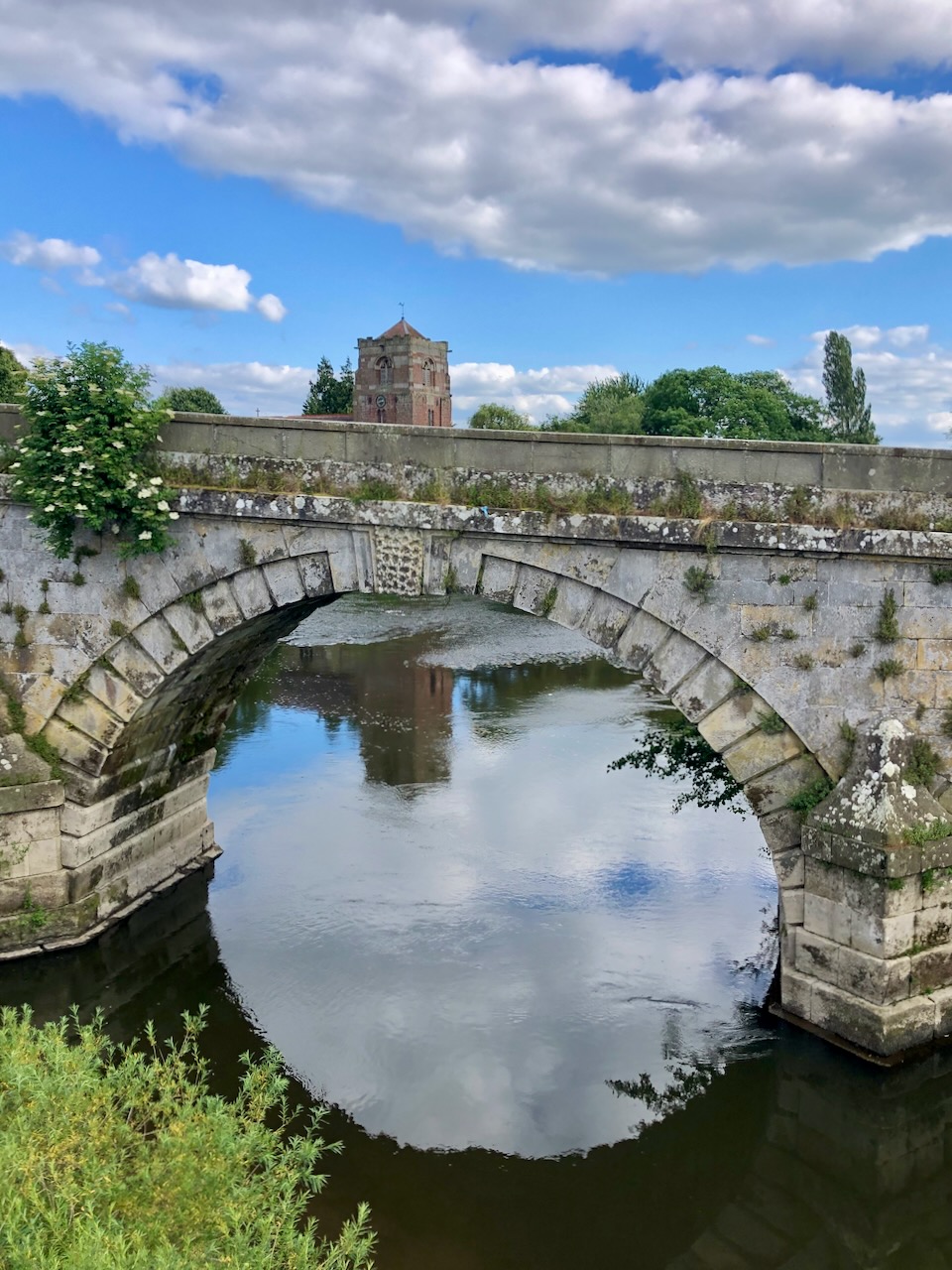
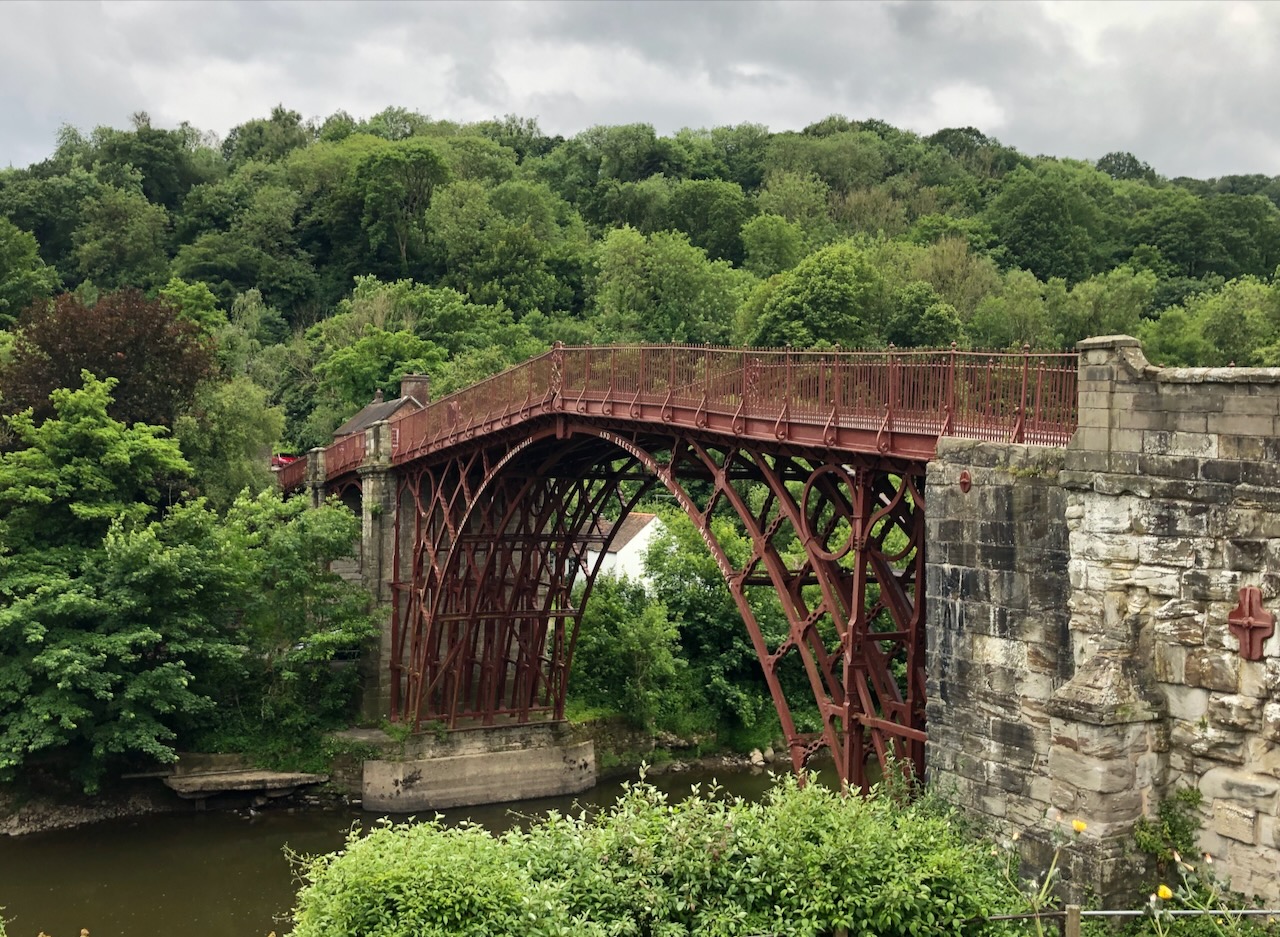
Regular bridges drip feed the imagination with the industrial revolution. Ironbridge boasts the world’s first iron bridge cast by the grandson of Abraham Darby in 1779 in the wake of his grandfather’s revolutionary discovery seventy years earlier that coke could be used for smelting iron instead of charcoal. Further downstream, the fortified town of Bridgnorth perches on a sandstone cliff. Once the busiest port in Europe, it hummed with the sound of iron works and carpet mills, breweries and tanners until the 1860s when railways heralded the end of river trades.  

Following its increasingly wide, milky-coffee-coloured road, vocabulary from school geography lessons surfaced from the recesses of my turbulent education: Oxbow lakes, flood and sandbanks, confluences; soaring cumulonimbus or, equally frequently, water-dumping nimbostratus clouds.

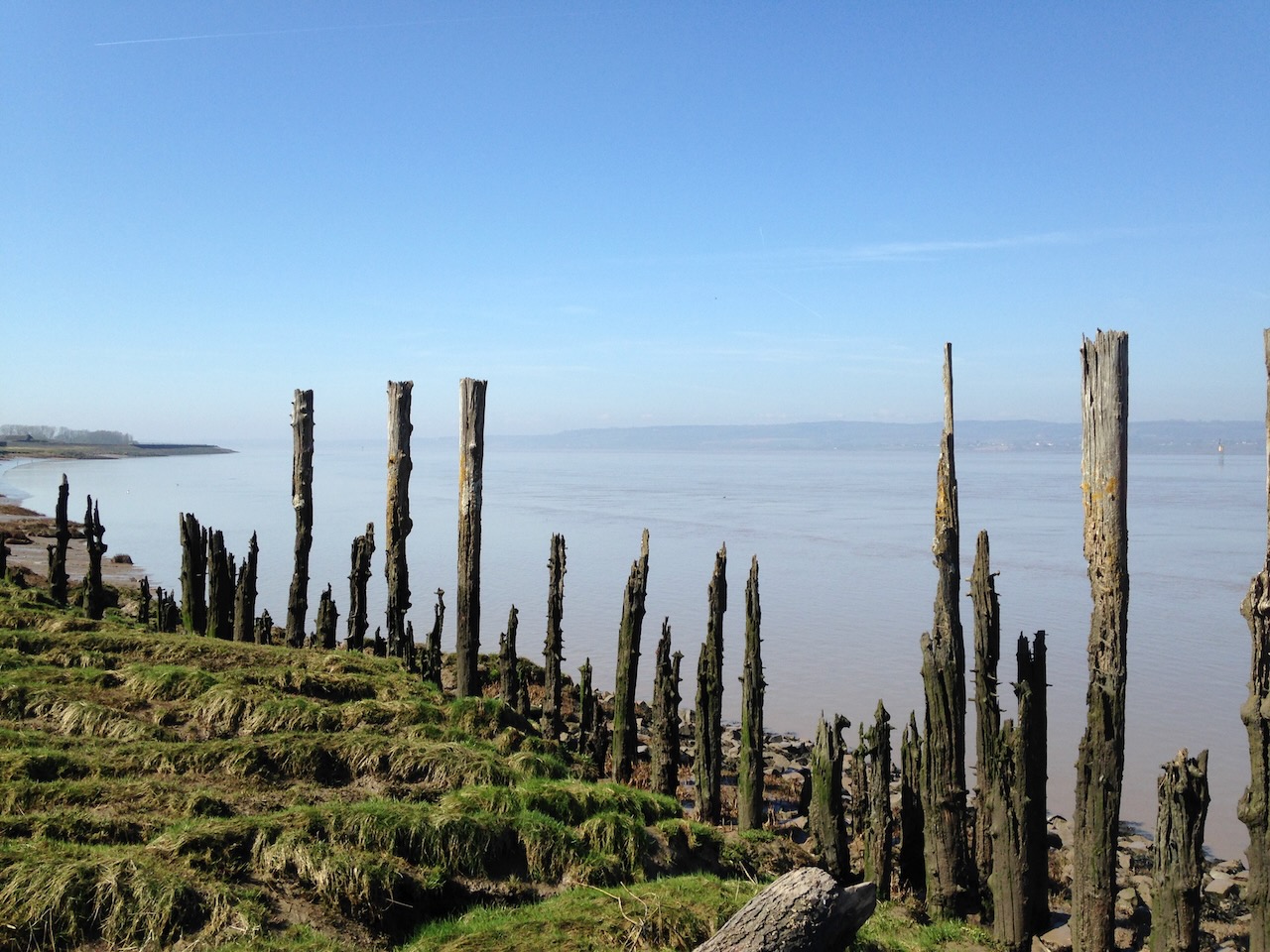
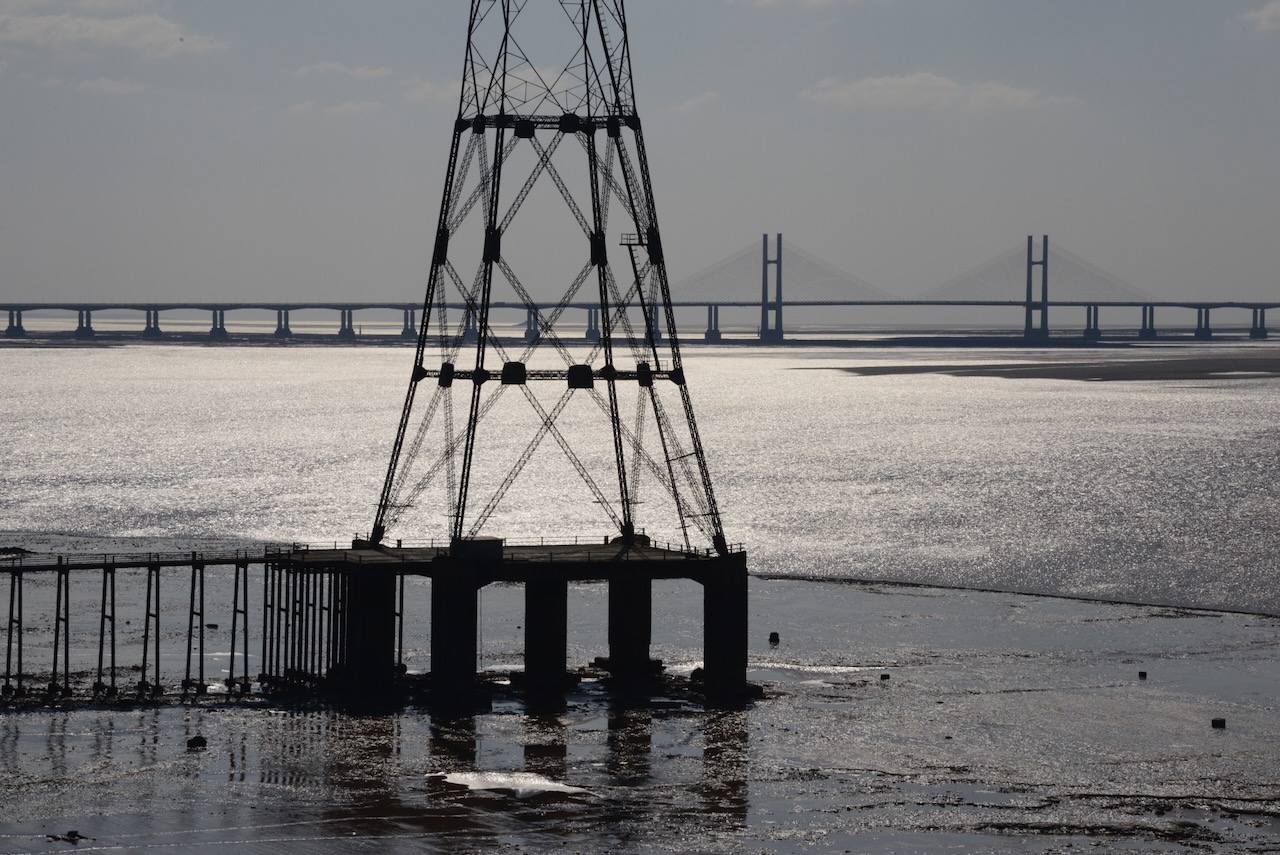
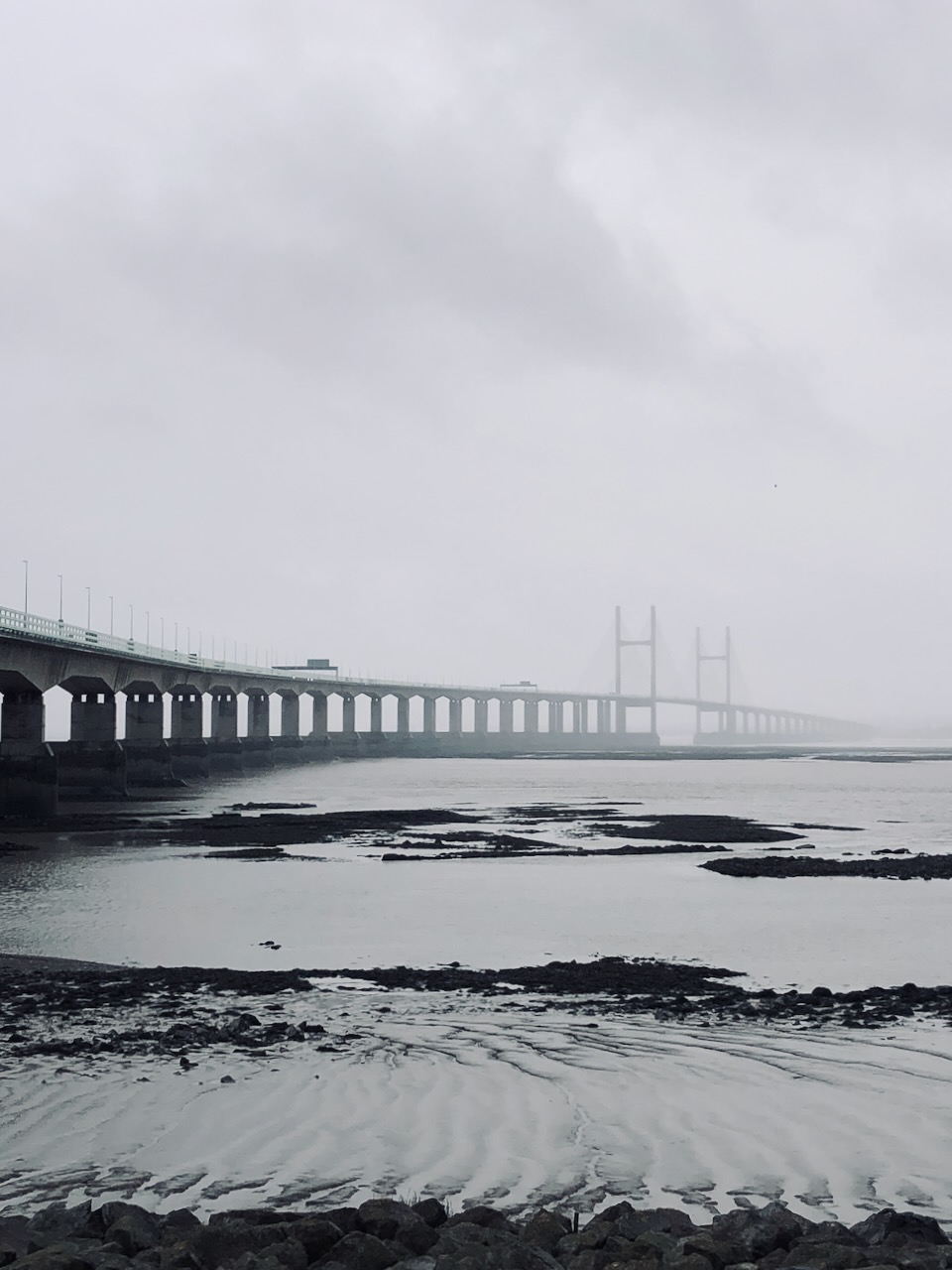
South of Gloucester and around the peninsular at Arlingham, the now tidal Severn breathes in the sea and releases the river out into the vast estuary. At Purton, the ghostly remains of a graveyard of more than 80 sunken barges reveal man’s hopeless struggle to halt the erosion of the banks. Through the working docks at Sharpness and past a pair of looming power stations, the two Severn Bridges rise like misty goalposts. Portals to the open sea. And an abrupt, somewhat unspectacular end to the Way.

With the walking completed, there remained just one more aspiration: to surf the Severn Bore. A bad dream thankfully warned this novice surfer with a fear of water off. Instead, I rode the Bore in a boat driven by its champion.

We set out on a slack tide in the early dawn, deposited two surfers into the tidal stream and waited. You can hear the roar as it approaches. Pulled by the force of the moon, a small line of foam scrabbling its way against the flow comes into view, gathering body until it is a swell. And then you are on it. Riding the crest as salty water from far away thrusts its way up the river dragging the sea in its wake like a heavy cloak.

Immersed in the perfect balance of the 4 elements, the smile on my face remains for many hours. The magic of Sabrina will last a lot longer.