In praise of Historical Fiction

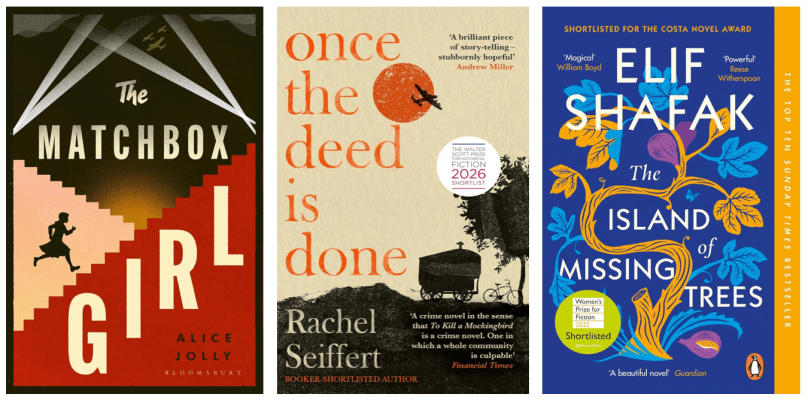
On Wednesday evening, I found myself on the third floor of Hatchards Piccadilly, surrounded by books bursting with stories – including our own – as I chaired a conversation with novelists Alice Jolly and Rachel Seiffert. Their latest books, published by Bloomsbury and Virago respectively in November 2025, were both shortlisted for the £20,000 Walter Scott Prize for Historical Fiction, which Alice went on to win. 
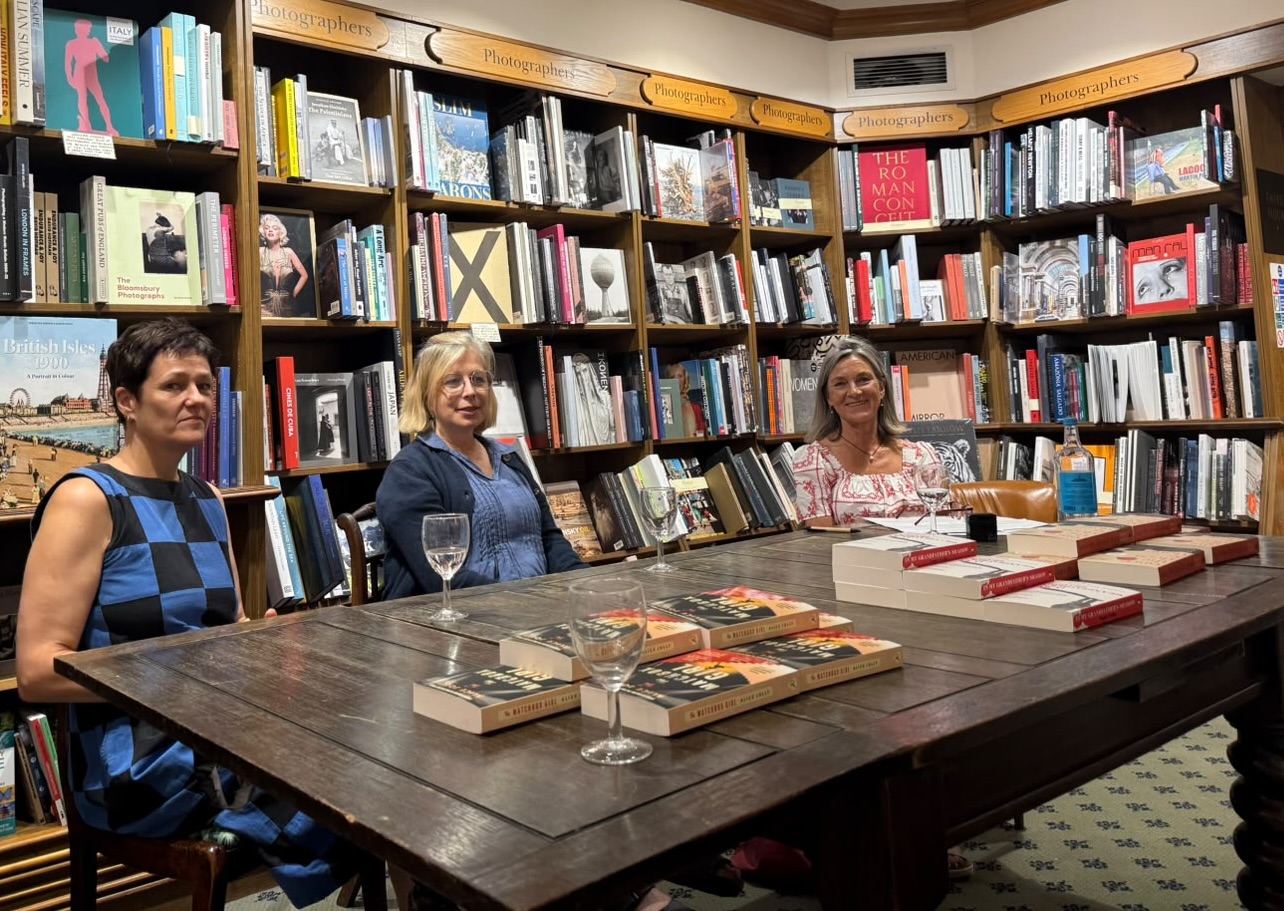
Rachel Seiffert, Alice Jolly and me at Hatchards Piccadilly

We were talking about historical fiction – about the challenge of imagining lives very different from our own without surrendering to easy judgment. It could easily have remained a conversation about the past. Instead, it felt urgently relevant to the present.

As I write, Iran has issued a fresh warning that it could target UK airbases that have supported the United States in its strikes. That would bring the conflict to RAF Fairford in Gloucestershire. The thought of my own county becoming part of a war in the Middle East feels surreal. 
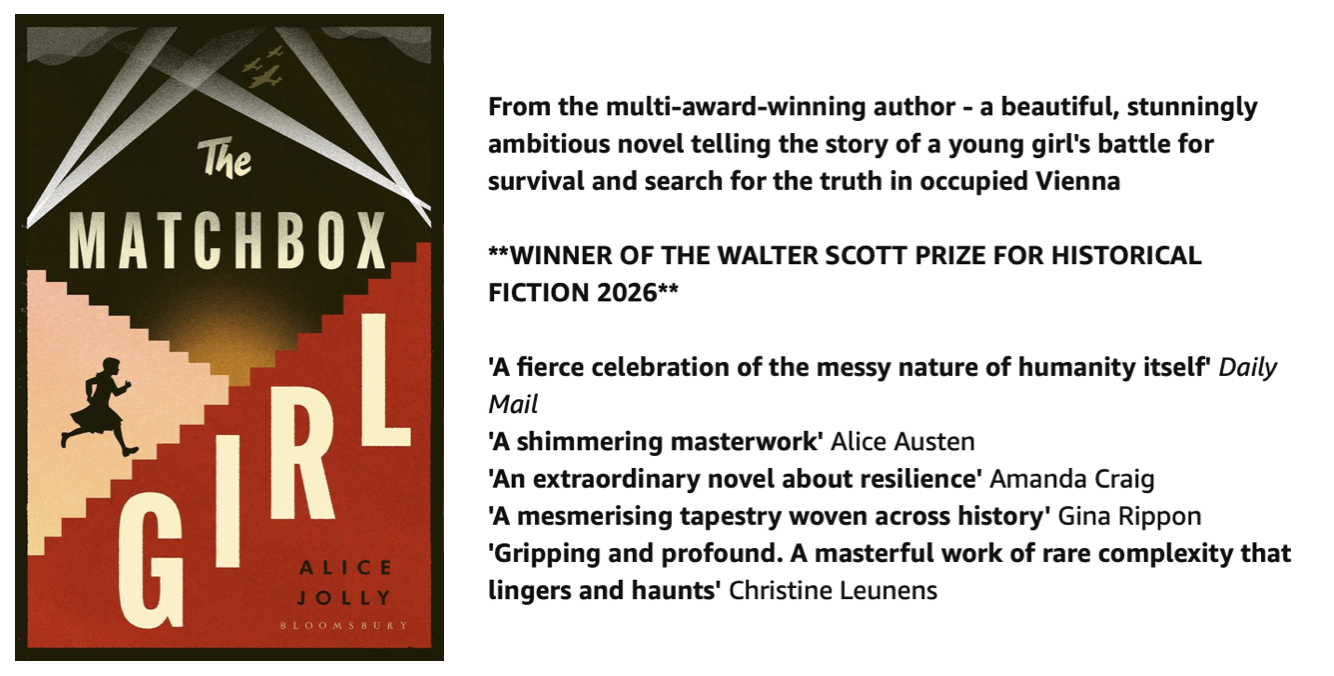
While their books couldn’t be more different in style, both explore overlooked and little-known corners of life within the broader history of the Third Reich. Alice’s The Matchbox Girl is a fictional account of the real, deeply controversial Dr Asperger, who worked in the pioneering Curative Education Ward at the Vienna Children’s Hospital. The narrator is a fictional young woman, Adelheid Brunner, a non-verbal patient at the clinic and keen observer of the gathering force of Nazism around her. 
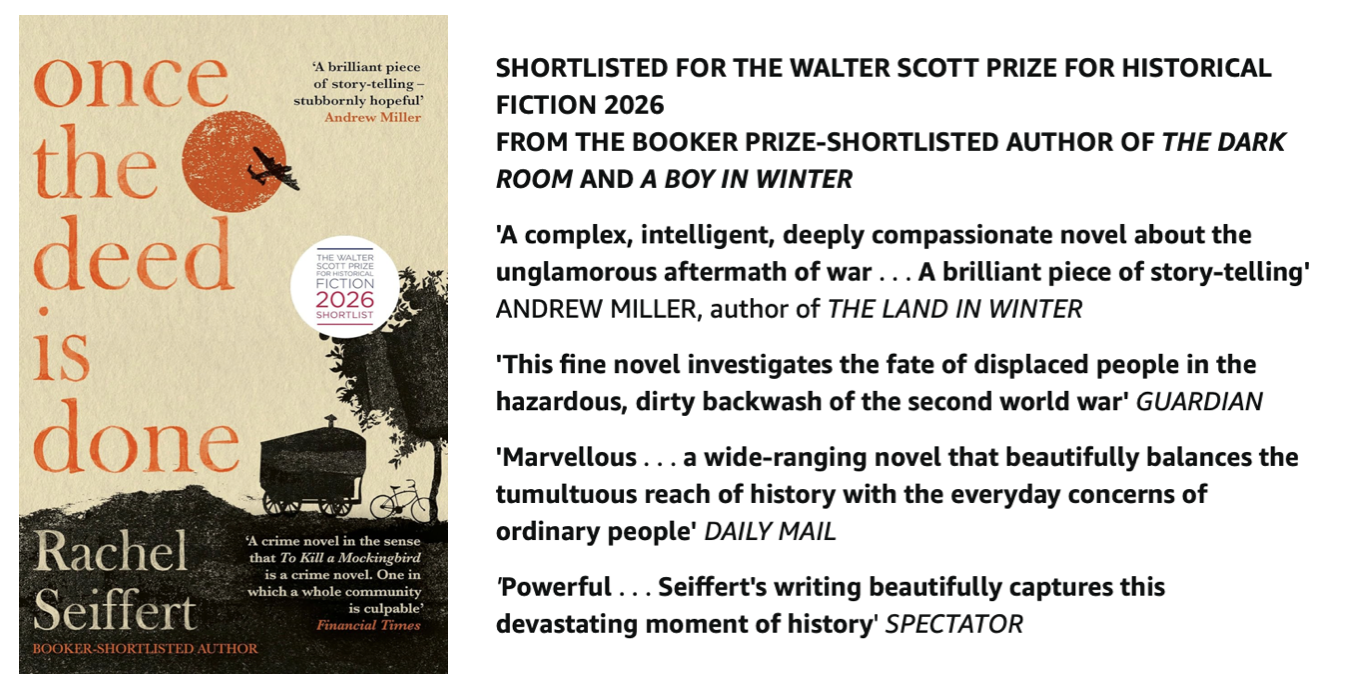
Rachel’s Once the Deed is Done is set on the Lüneburg Heath in northern Germany in the immediate aftermath of the Second World War. Through multiple perspectives – a schoolteacher, a policeman’s son, British Red Cross workers, displaced Ukrainian children and other townspeople – it explores displacement, moral uncertainty and the first days of British occupation.
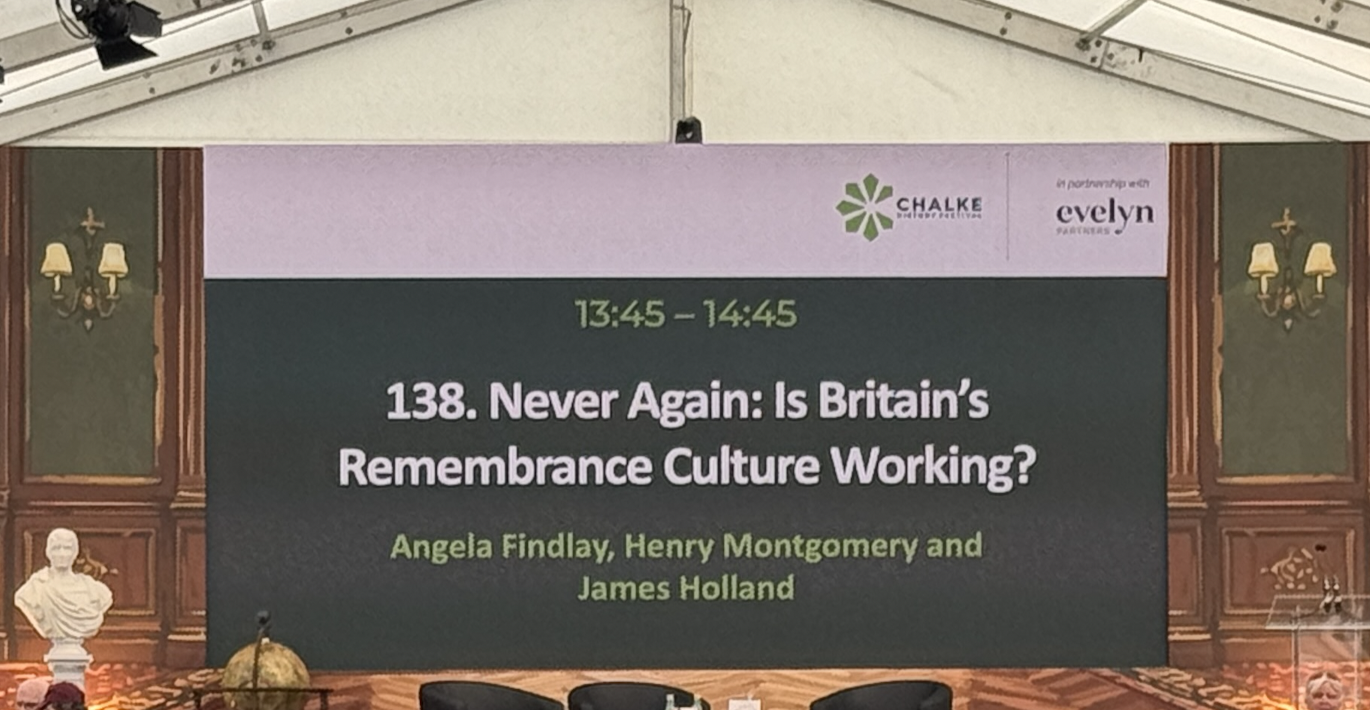
The conversation that followed warmed my heart. Normally at such events – not least the recent Chalke Valley History Festival where Henry Montgomery, James Holland and I came together to talk about Remembrance of the World Wars – I find myself the sole female voice encouraging people, both in Germany and England, to suspend judgment of those traditionally and easily cast as bad or evil, and to ask instead how they came to commit such deeds. This time, I wasn’t alone.

Fiction can offer wonderful paths into the internal worlds of characters. To bring them fully to life, writers have to feel their way into their skin, their homes, their times, their heads. As both authors said, by doing so you discover the parts within yourself that are capable of, well, everything. Of extreme kindness or heroism, or ignorance and cruelty. We are it all.
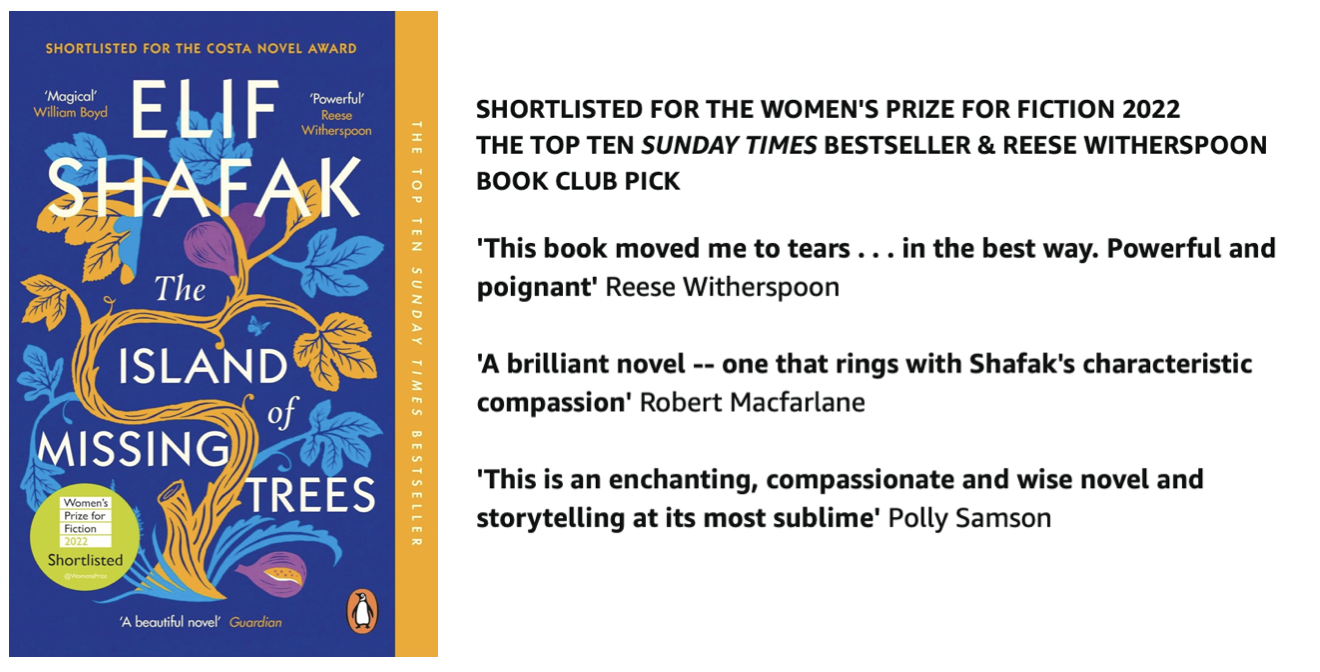
Elif Shafak, another of my favourite writers, speaks so eloquently on this for the Hay Festival’s July Book Club. You can listen to her here. Her novel, The Island of Missing Trees, has to be one of my favourites ever and a wonderful summer read. 

Almost everywhere in the world, there will be people who harbour hate and revenge in their hearts; who want to foster cultures of blame, division and judgment. Politics, the media and social media can all too easily encourage this. Things are taken out of context, like cutting out an image of a person with scissors and collaging it into a different setting to paint that same person a stronger shade of dark. A stark light that casts harsh shadows robs the picture of essential shades of grey. Such dramatisation is too often rewarded with more votes, more sales, and more clicks. My German grandfather and I were recently the objects of such a process of reduction to black and white stereotypes – the evil Wehrmacht officer and the condemnatory granddaughter – in an article in a prominent German magazine. It was shocking. Upsetting. Untrue. Damaging. But ultimately so BORING in its familiarity!

We all recognise how women’s voices, stories, experiences and points of view have been overlooked and suppressed throughout history. Men’s bodies and characteristics have long dominated as yardsticks by which we set temperatures in trains, design seatbelts in cars, define success, power and historical significance. Yet what struck me most listening to these three women was not simply that they were women, but the way they approached history itself. Rather than seeking certainty, heroes and villains, they embraced ambiguity, curiosity and the difficult work of imagining making choices they have never themselves had to make. Their words were steeped in the kind of intuitive wisdom we all possess but sometimes – understandably – feel reluctant or frightened to trust. Understanding is not the same as excusing, and empathy is not weakness but one of the foundations of peace. If we are to maintain peace in the world, I believe it is precisely this way of thinking that we need more of. 
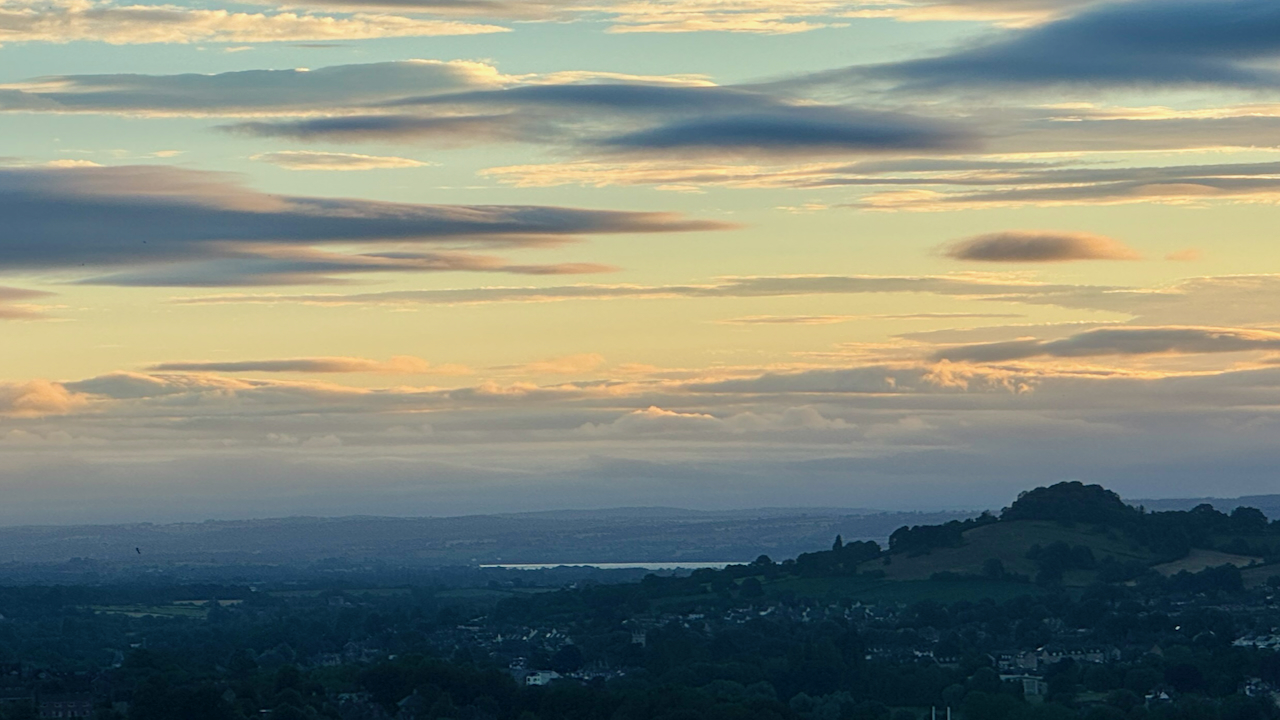
Another military plane has just rumbled its noisy path across the sky above my little garden… my little sanctuary of flowers, dried-out lawn and views across to the streak of shimmering light that is the River Severn. 

It reminds me why conversations like Wednesday’s matter. History teaches us what happened. Fiction invites us to imagine ourselves into different situations and ask the harder question: What might I have done? 

COMING UP: 18th-20th September: Dialogues with the Severn – A celebration of the river through arts, talks and walks. Chapels of Rest, Stroud, GL51HJ. More info to follow soon.
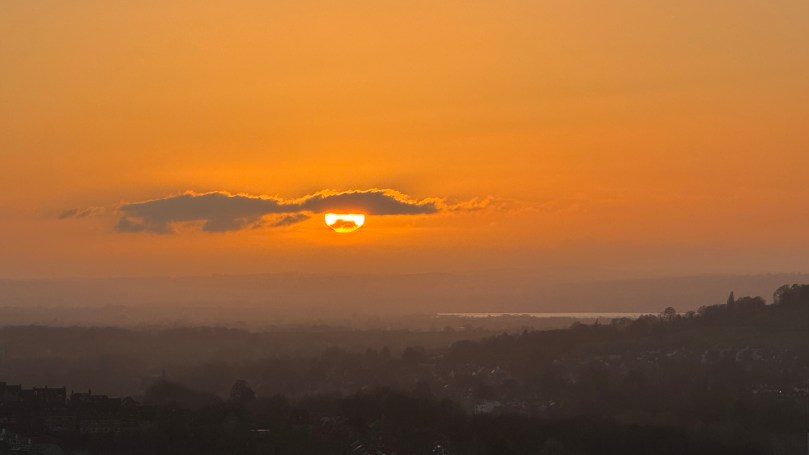
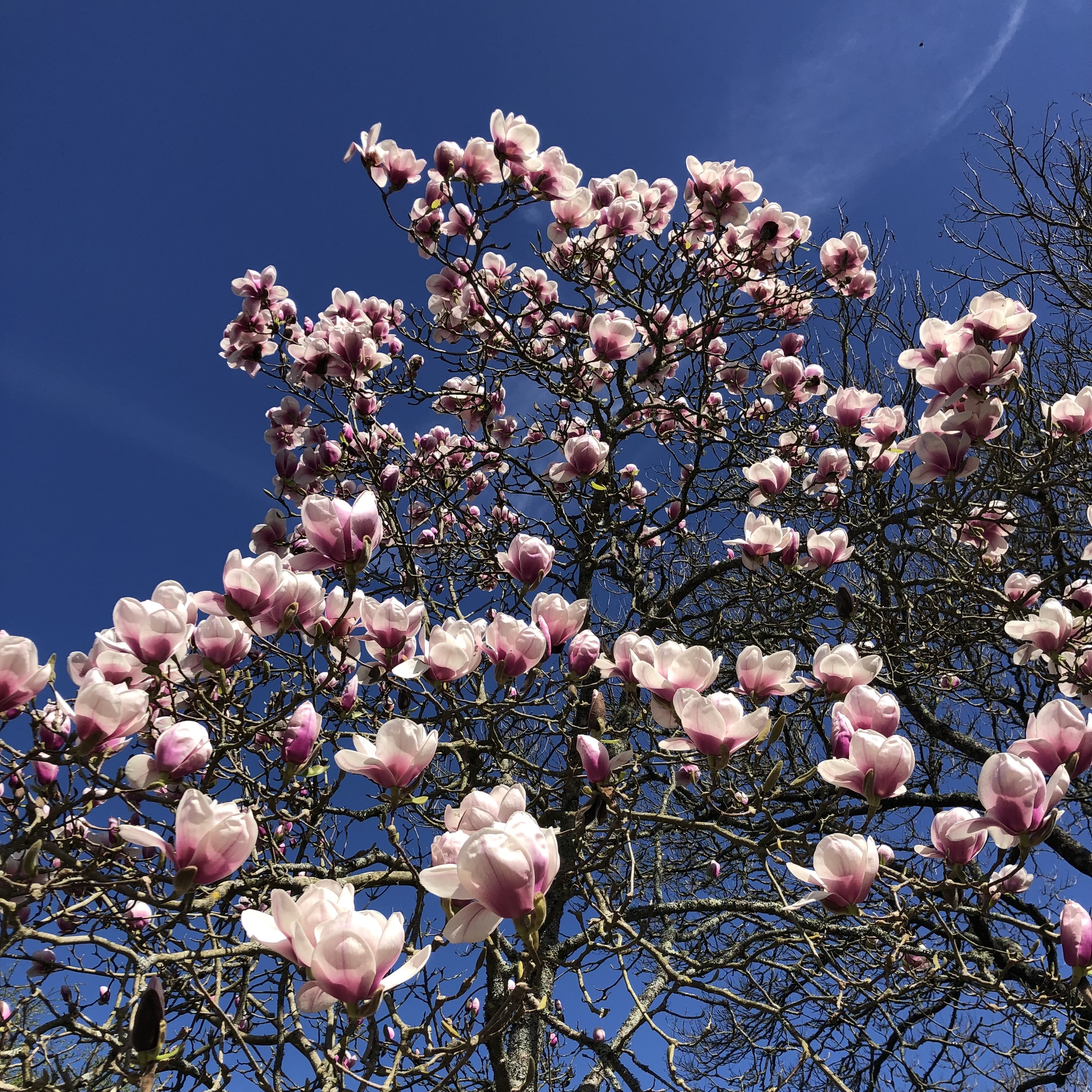
What a wonderful world…

I feel like I should write about the US/Israel war on Iran – just in case it’s the start of another world war. Conflict and its lasting impact are themes of my blogs, after all. 

But I can’t quite bring myself to. Do you feel the same? That initial shock… then a deep sigh, a kind of eye-rolling weariness, an ‘Oh, for goodness’ sake…” followed by a quieter, heavier sadness: not again.

Perhaps being immersed in a vibrant community, in the arts, in nature and in inner processes – as many of you may be, in your own ways – offers a lens on world events that cuts through the noise of “facts” and “news” and brings the sheer idiocy of this war into sharp relief. 

All wars are deadly serious, and my thoughts are frequently with those directly caught up in the pain, terror, danger, destruction and loss that war carries in its DNA. And yet, with so many alternatives to military action available, I struggle to see this one as anything other than a series of reckless actions by an orange, puffed-up caricature of a world leader alongside others in positions of power, playing with the lives, lands, and futures of millions, both near and far. 

Many watching on seem baffled and possibly outraged by what has unfolded this month. But implications and consequences aside for a moment, the language of and justification for war itself feels curiously antiquated: transparently dishonest, illogical, unimaginative, emotionally illiterate, and astonishingly short-sighted.

Similarly, I find myself unable to listen to discussions in the House of Commons without a sense of embarrassment. The braying and booing, the scorning and jeering. You could hardly design a better architectural setting or system for pitching people against one another in a relentless ping-pong match of insults and counterarguments that defy meaningful action or resolution.  

While I am at it, I would add the excessive striving for power, control, territory, wealth, or ideological domination to my list of grievances ready to be banished to Room 101. It all feels so… yesterday.

In contrast, reading the brilliant blog by Marina Cantacuzino, founder of The Forgiveness Project, on Rethinking the Language of Contempt, listening to Professor Daisy Fancourt speak about her book Art Cure: The Science of How the Arts Transform our Health, and studying the soul-orientated approach to seemingly unresolvable issues in systemic constellation work, restores my sense of faith that a better world is possible. 

What would really give me hope, however, is seeing the many effective, often evidence-based practices and initiatives that foster peace, health, care, connection and creativity properly funded, implemented, and woven into systems that are currently buckling under the weight of outdated thinking, much of it developed in the name of ‘progress’. 

As my wise constellations teacher said, what we may be witnessing is the “demise of competitive individualism”. Across the world, in both small and large ways, people are coming together in cooperatives, collaborations, conversations and communities, rather than conflicts. Many have recognised the dead end of elbowed egotism, excessive consumption, resource exploitation and disposable waste. Something else has been quietly brewing for decades. And though some of its early expressions may be flawed, it is happening. 

Here in this feisty little town in Gloucestershire that has always punched above its weight, the ground is tangibly rumbling. Not with tanks, but with a peaceful, bottom-up revolution. Changes in thinking, acting and being in this wonderful world based on what is beneficial to all. 

Bring it on. 

For just as valerian roots can quietly topple stone walls, so too can the gradual growth of grassroots initiatives gently tumble those clinging to the brittle pinnacles of old systems that have lost connection to their source.

The Point of February

A lot goes on in February. 

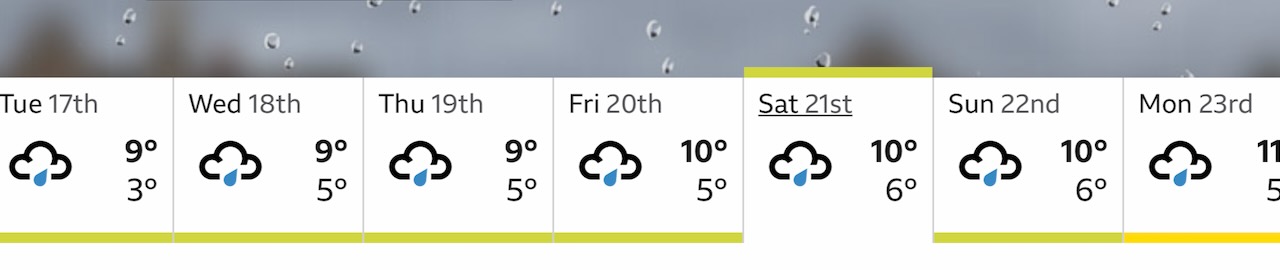
The month opens with the ancient Gaelic festival of Imbolc, the halfway point between the winter solstice and the spring equinox, marking the returning light and the first stirrings of spring. You could be forgiven for doubting it this year, with the interminable wet grey stretching across most of the winter. 

Mid-month in many parts of Europe and beyond is carnival season. In the Rhineland in Germany, Weiberfastnacht launches the week of street parties, parades and general craziness. Bands of women brandishing scissors storm town halls, ceremonially lopping off men’s ties in a symbolic reversal of power. Traditionally a kiss might be offered in exchange. I suspect there would be little appetite to bestow even a small peck upon the cheek of any of the unsavoury men currently filling the headlines whose ties many would gladly queue overnight to sever. 

Skipping over Valentine’s Day with its plethora of red rose themed flower bunches, heart-shaped chocolates and pink bubbly, on 17 February, the Chinese Zodiac ushered in the Year of the Fire Horse – a harbinger of intensity and fast-paced change on both personal and global levels. It sounds promising. And that day I genuinely felt the stable door to my long, conscious wintering fly open. I bolted like a horse with a rocket up its arse. This equine imagery swiftly morphed, however, into something closer to a headless chicken unsure in which direction to run. A rush of energy is not necessarily the same as orientation.

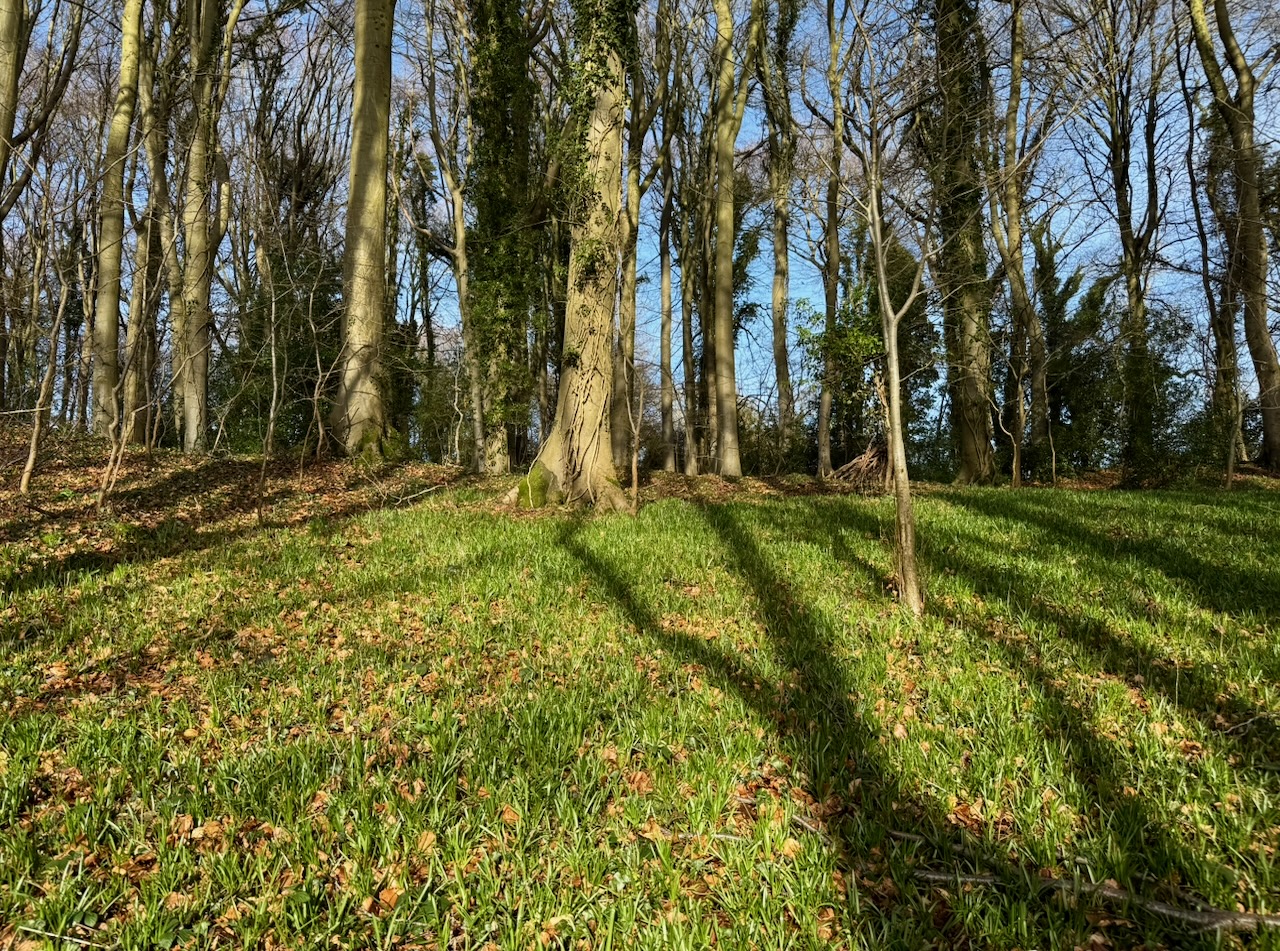
Then in the final week of the month, came rare sunshine. A morning walk in the woods. Warm breezes threaded with birdsong combed through bare branches quietly filling with sap. Forest floors rolled out green carpets in anticipation of white anemones, yellow celandine, and bluebells. For a moment, I felt the promise the daily news so persistently denies us. 

In stark contrast, I think of the extraordinary advances in AI, building a new world of technological brilliance and mechanised humanity. Social media claims to tailor connection, yet so often blurs our individual and cultural edges into a controllable global homogeneity. We may be more networked than ever, but also more divided.

Each generation pushes against the boundaries of its time: church, family, class, gender. Restriction is perceived as the enemy to individuality. But as boundaries dissolve, are we becoming freer or simply blending? Might we be witnessing not just liberation but a longing? A reemergence of desire for what is elemental, real and rooted? 

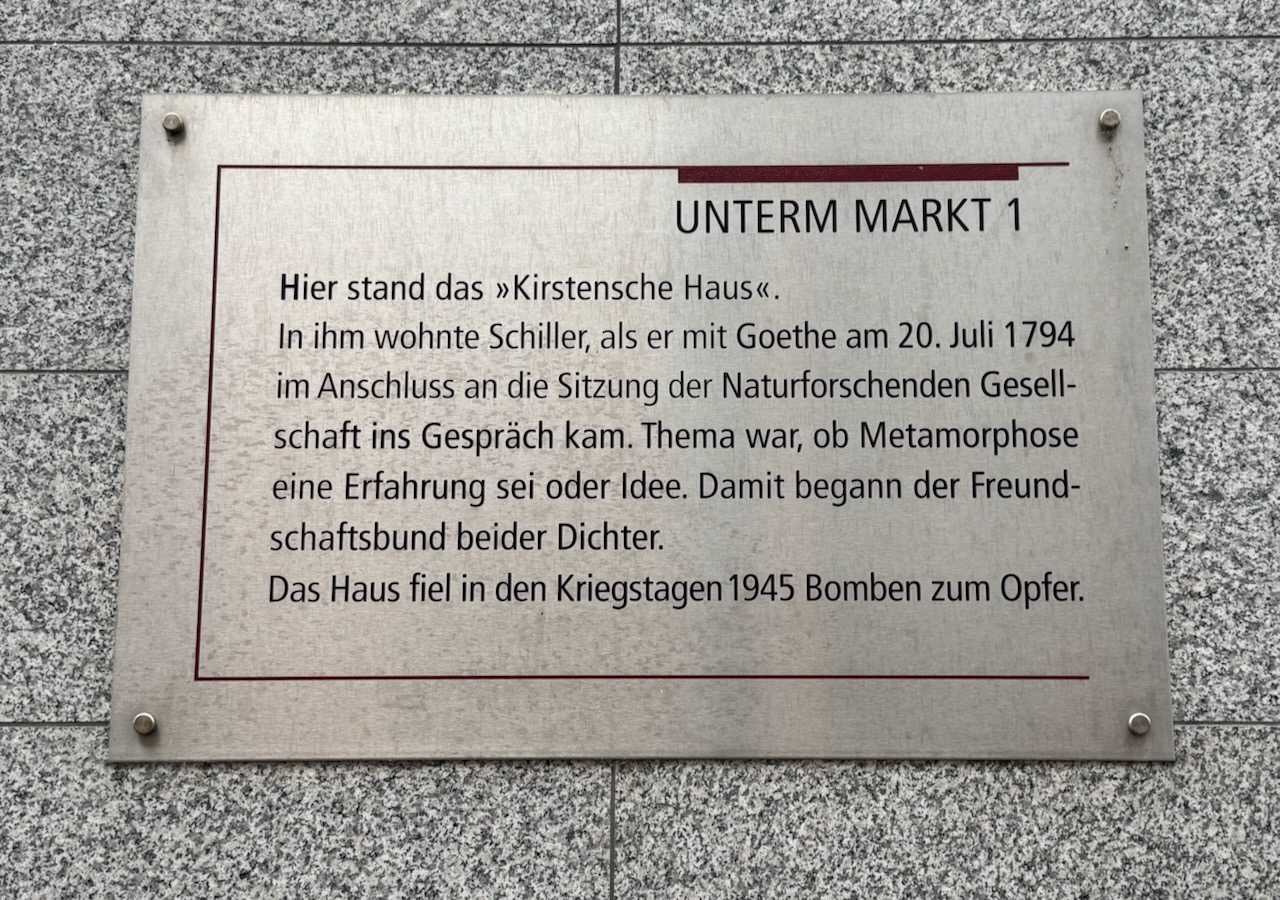
My thoughts return to Goethe’s Metamorphosis and Urpflanze – the archetypal plant – concepts he shared in 1794 with Schiller during a short walk between the Town Hall and Schiller’s house in Jena. This conversation would mark the beginning of their lifelong friendship. In short, (very) short, he proposed that behind the myriad forms of plant life lies an archetype: an invisible set of laws that shape their variations. A rose does not rebel against its rose-ness. A beech tree does not experiment with becoming a birch. Even animals – aside from Jonathan Livingston Seagull – remain faithful to the parameters of their species.  

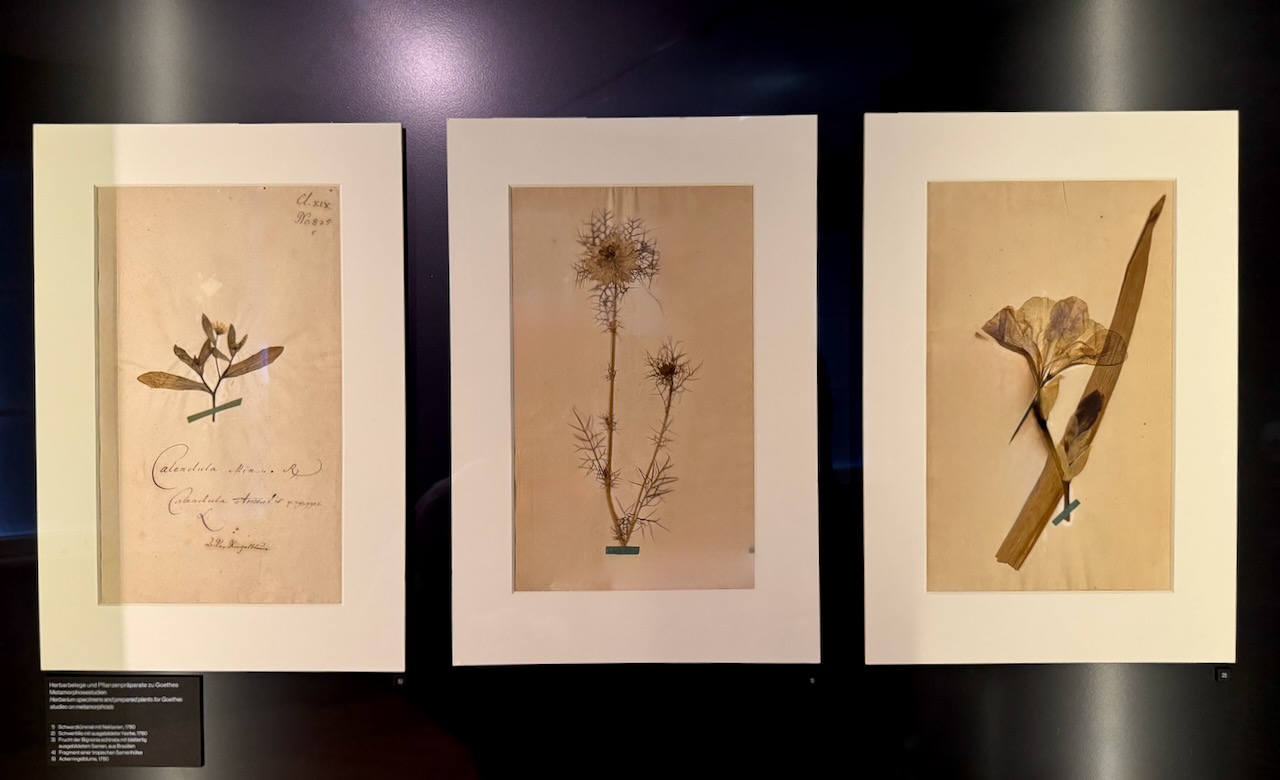
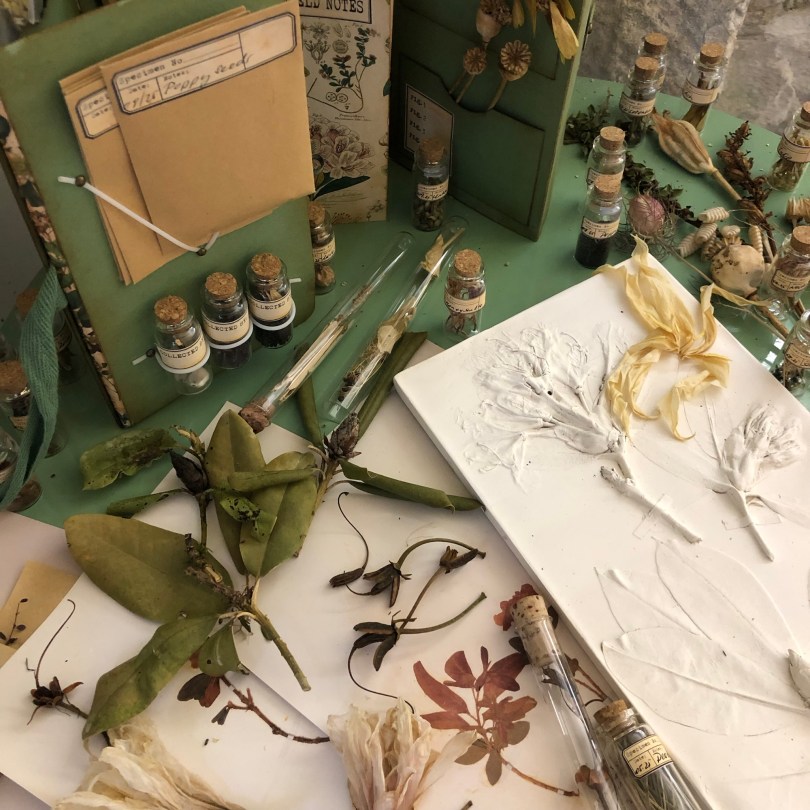
Some of Goethe’s flower specimens, Goethe Haus, Weimar

Humans, endowed with free choice, face a more complex task. We can wander far from ourselves and lose sight of any sense of an archetype.

How then do we like other living beings maintain a connection to our essence? 

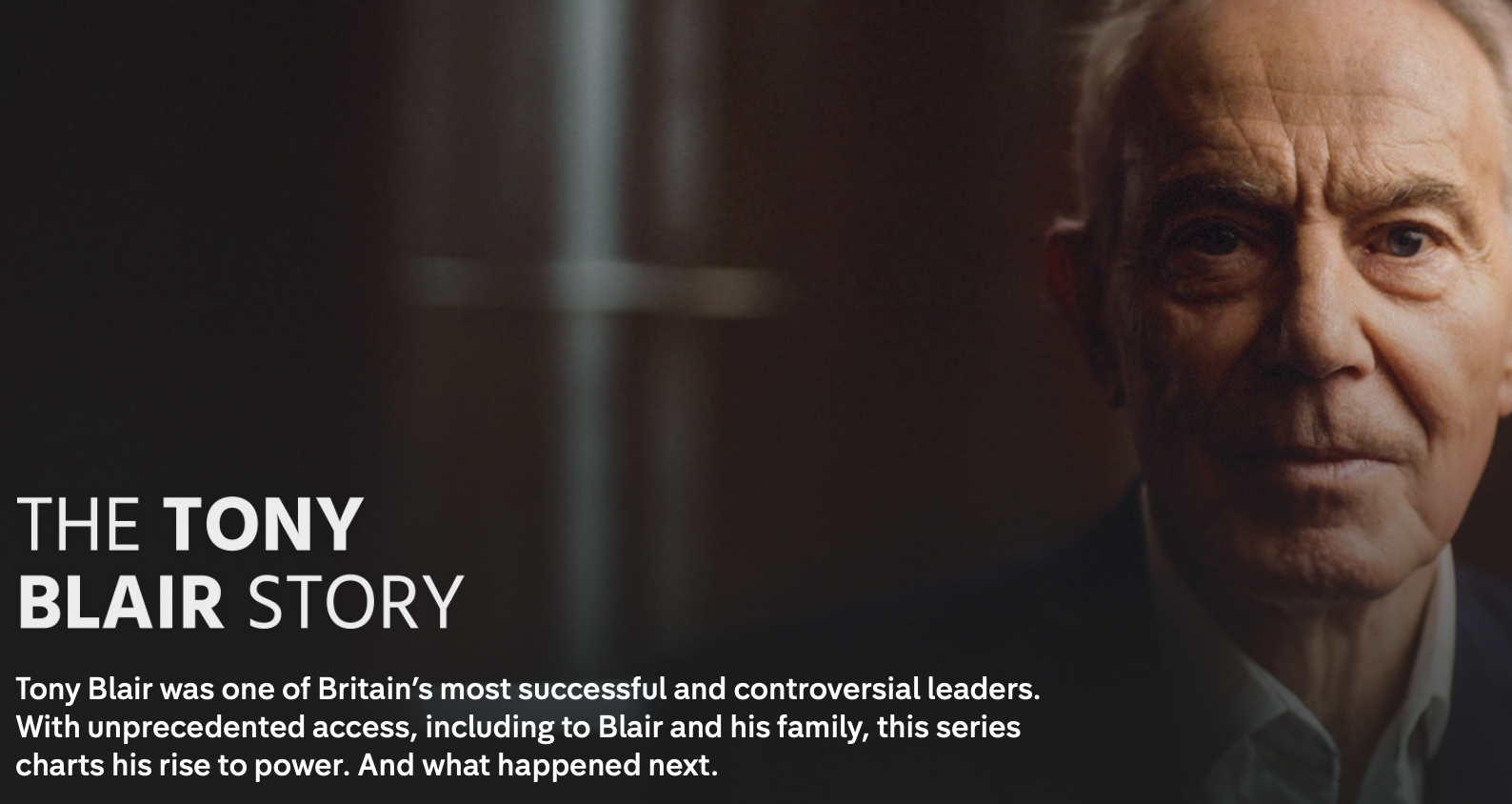
Watching The Tony Blair Story on Channel 4 recently, I was struck by his unmistakable sense of destiny. The conviction of a task, sometimes arriving as a premonition. That certainty propelled him toward significant achievements. But also led to the – in my view – catastrophic misjudgement of the Iraq War. Ego, power, entitlement? We are daily reminded all too clearly where those things lead. 

Meanwhile, we are told that 12% of young people are NEETs – Not in Education, Employment or Training – drifting in a culture of instant stimulation but starved of meaning. How can they hear the quiet calling of vocation? How can they imagine let alone explore a destination with smartphones constantly robbing them of the fertile boredom and daydreaming out of which so many creative ideas once emerged?

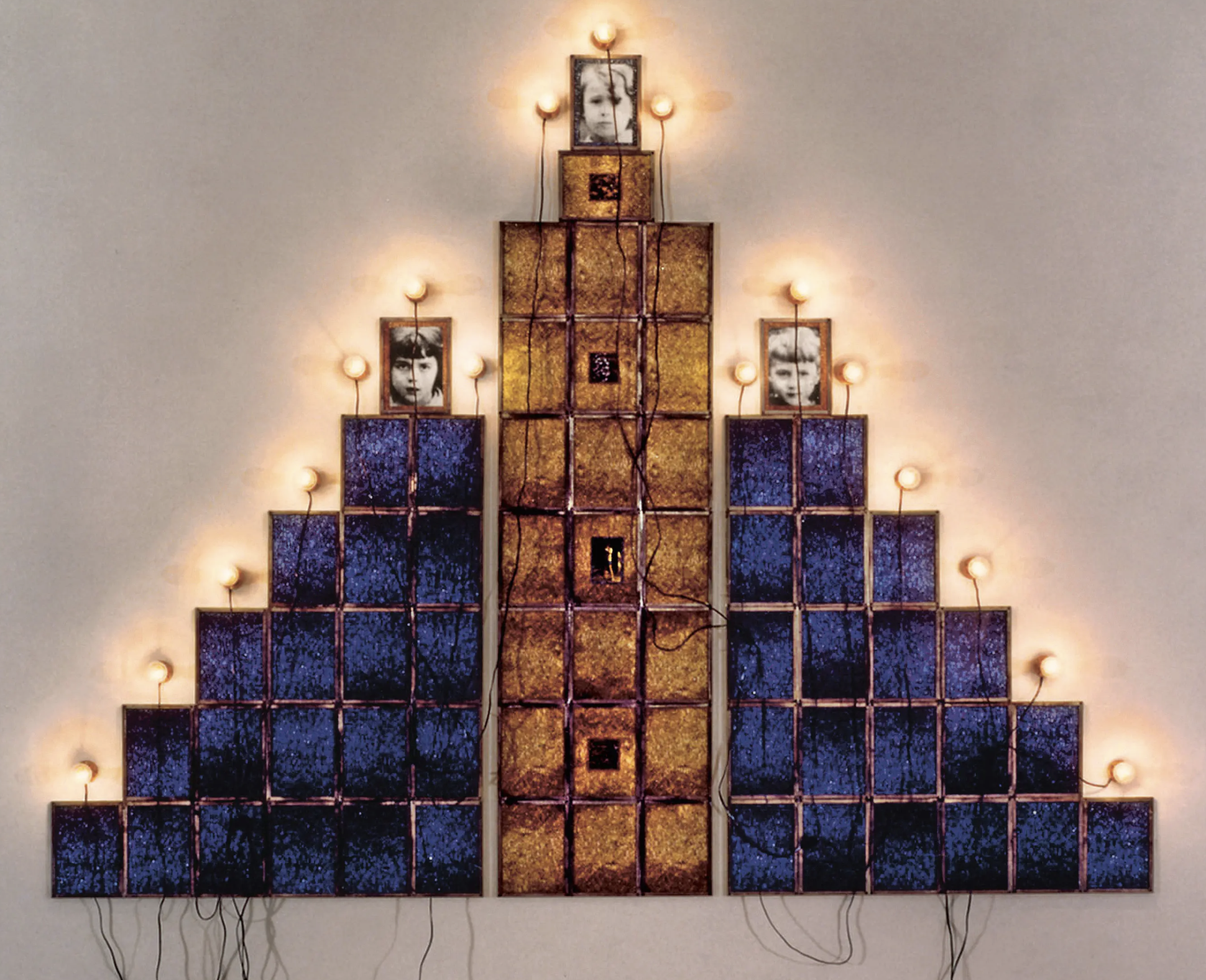
The French artist Christian Boltanski once said: The best way to make work is to do nothing… and nothing… until you get so bored that you do something. 

He added: All we can do is wait and hope, hope that someday we’ll understand something, that someday we’ll understand who we are.

February, perhaps, is precisely this waiting. Dormancy, not death. Preparation. And then like racers off the starting block, commitment. 

I am now referring to those oft-quoted lines frequently attributed to Goethe – though written by William Hutchinson Murray in The Scottish Himalayan Expedition (1951)

Until one is committed, there is hesitancy, the chance to draw back… the moment one definitely commits oneself, then Providence moves too. All sorts of things occur to help one that would never otherwise have occurred… Boldness has genius, power, and magic in it. Begin it now.” 

February holds both truths at once: the necessity of waiting, and the call to begin.

When big isn’t necessarily better

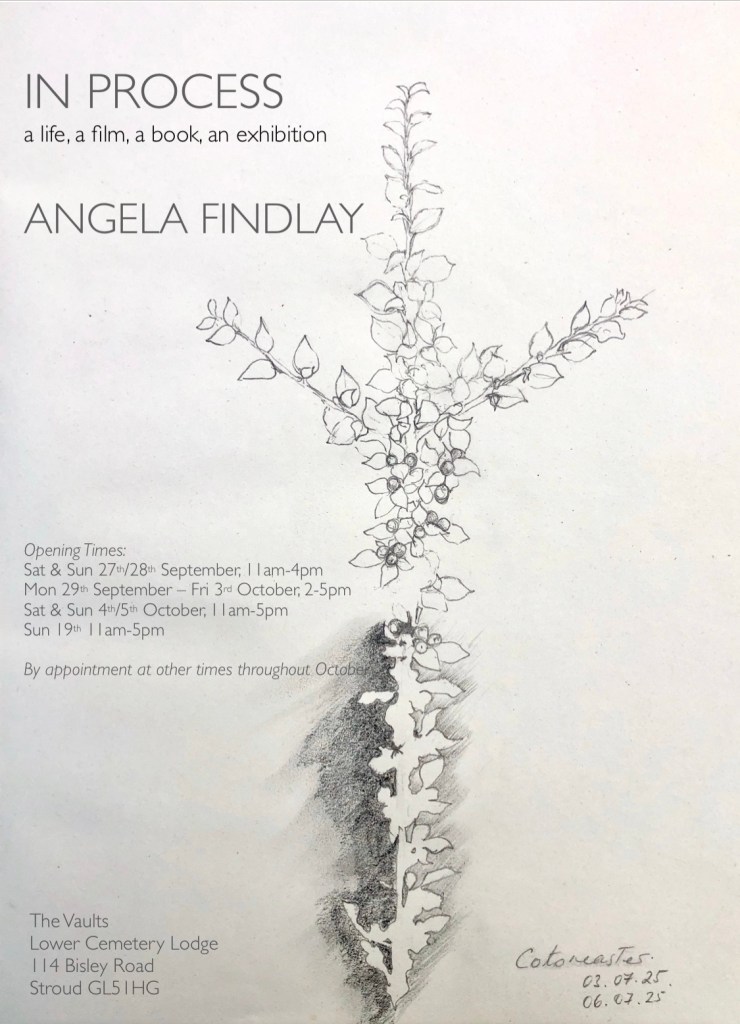
Reflections on: IN PROCESS… a life, a film, a book, an exhibition, The Vaults, Stroud. Sunday 19th October, 11am-5pm and by appointment until 1st November.


“We must, we must, we must increase the bust.

The bigger the better, the tighter the sweater, the boys depend on us.”

I remember chanting that with my boarding school roommates as a teenager, elbows flung back in a futile attempt – in my case at least – to inflate our adolescent chests. Bigger was definitely better, or so we believed.

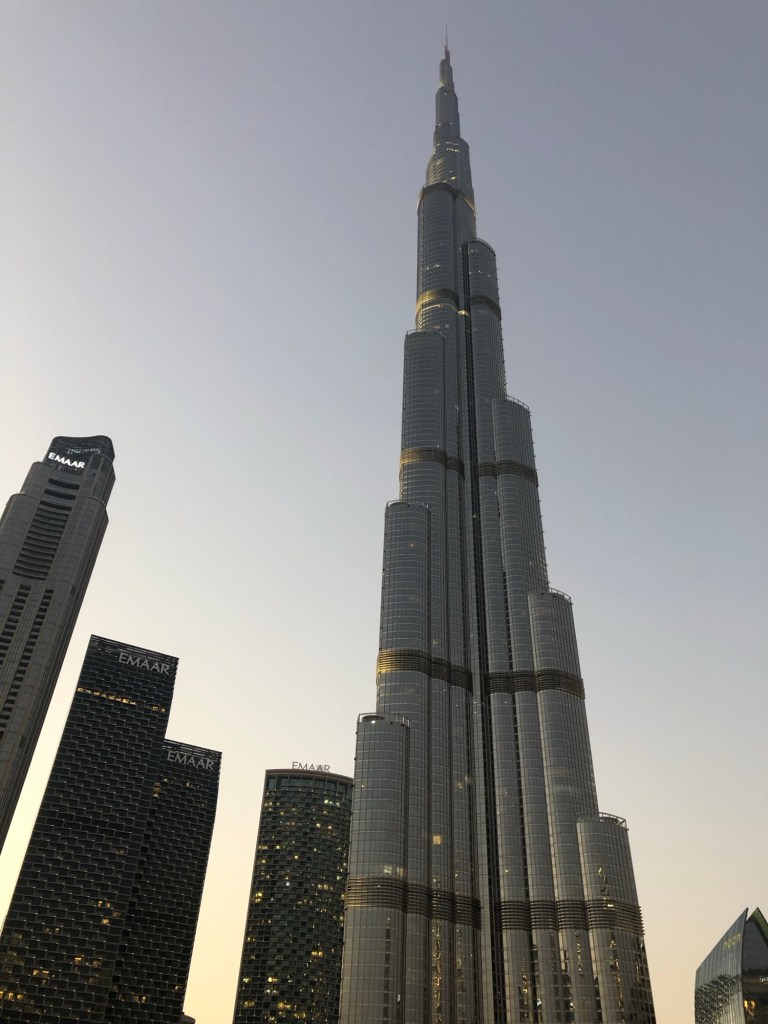
Burj Khalifa, Dubai

Skyscrapers, cars, salaries, houses… In so many areas of modern society, ‘big’ still equals ‘better.’ More followers, more likes, more headlines, more sales. The biggest countries led by the most powerful leaders and largest militaries make the most noise. And yet we know, quantity doesn’t equate to quality. Magnitude doesn’t always reflect meaning or value.

This idea – that bigger isn’t always better – is something I’ve seen reflected both in the trajectory of my great great aunt Joan’s life and in my own development as an artist. (If you are new to Joan’s story, please see my previous blogs for background.)

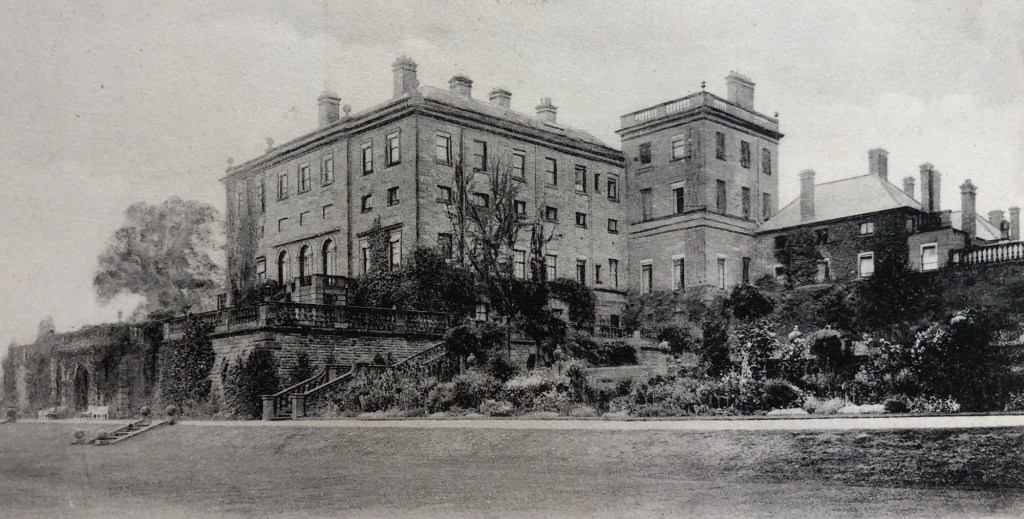
Patshull Hall, Staffordshire

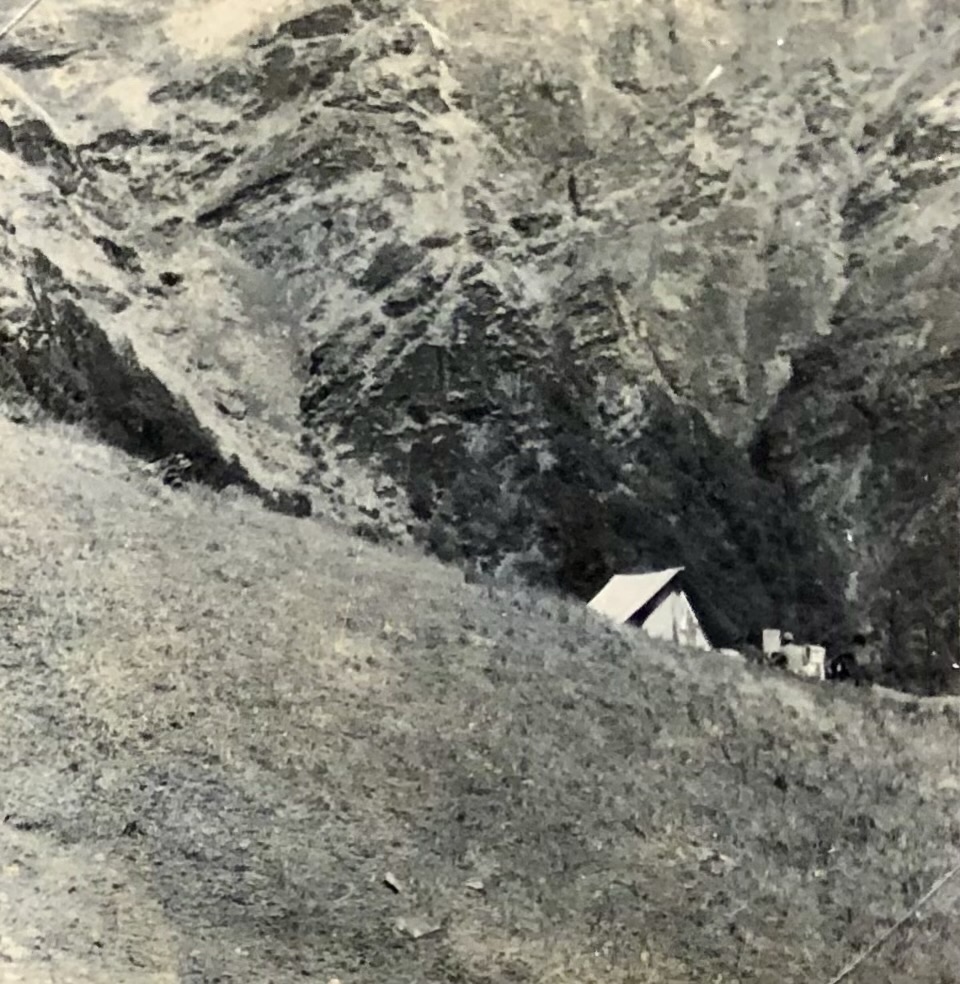
Joan’s tent

Joan grew up in a 147-room stately home in Staffordshire. Yet she spent her final weeks in a single, often soggy Meade tent pitched in a remote Himalayan Valley, surrounded not by grandeur but by shepherds, wildflowers and the sound of rain. She had traded scale for purpose. And her joy, it seems, had grown as her material load had lessened.

My own artistic journey has followed a similarly inverse curve.

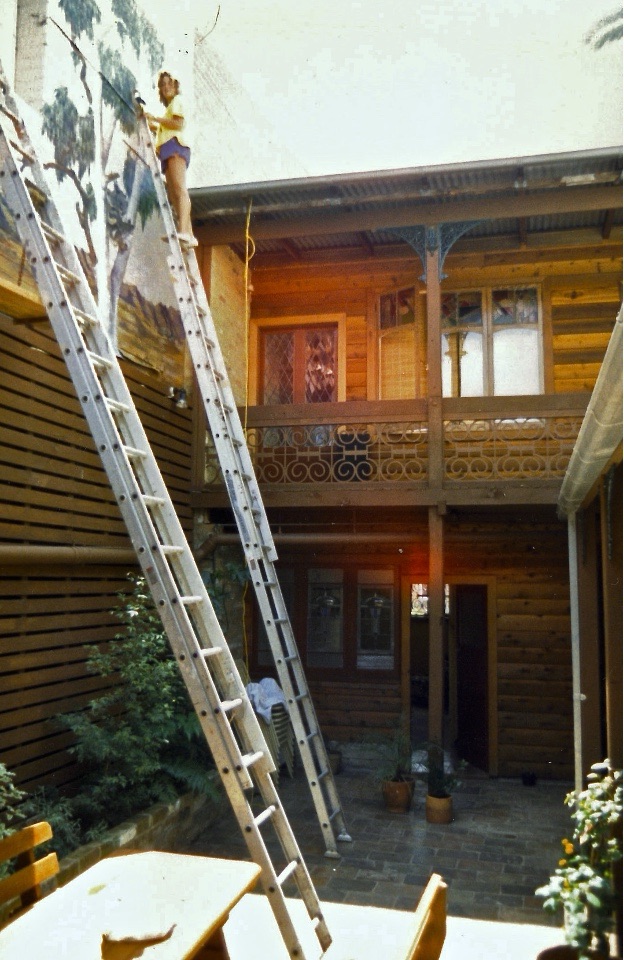
Painting a mural in Sydney, 1987

I began large, unable to contain any drawing or painting within the boundaries of paper or canvas. My work spilled onto walls, first private then public, then grew further to fill stage backdrops for theatres or touring bands. Various mishaps including a paint-splattered boss’s car and a disastrous commission to paint the backdrop for INXS KICK album tour in 1987, which promptly cracked and fell off in large chunks when rolled up, nudged me toward the more forgiving surface of prison walls. There, no amount of damage could make the environment worse than it already was.

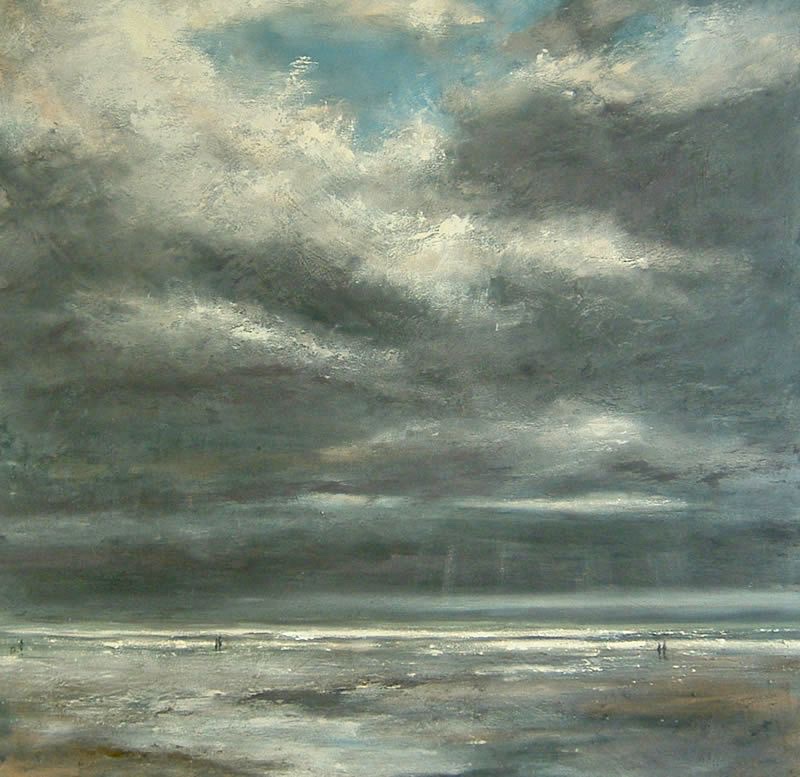
The light danced, 120x120cm

Years later, I turned my focus to canvases of my own, their size dictated by the available studio space and commercial considerations of galleries. And most recently, to works just 28x28cm – or smaller. I have replaced the vast audiences of art fairs with the quiet intimacy of just six or seven visitors at a time into the two vaults beneath my home in Stroud’s Cemetery.

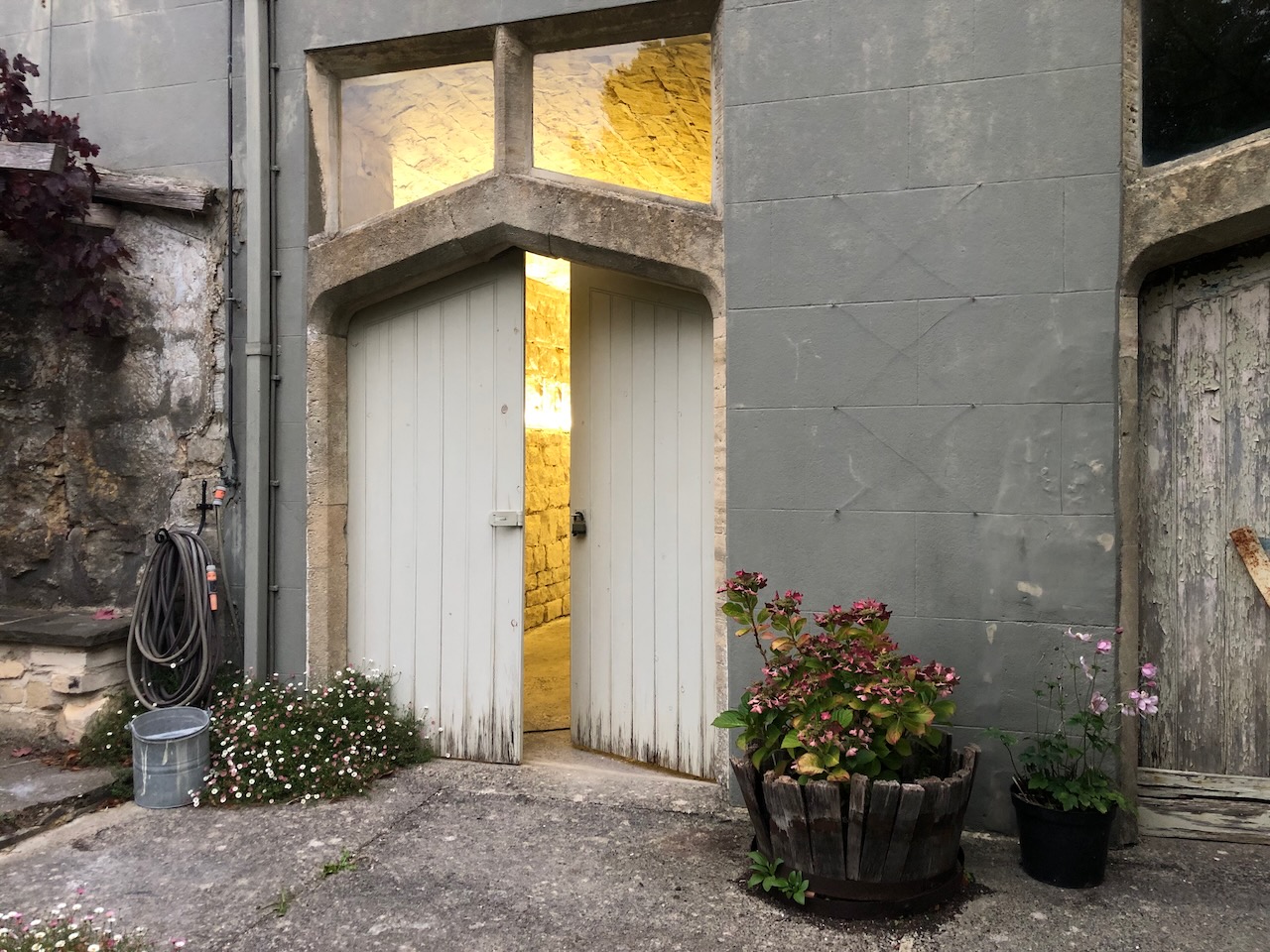
The Vaults

Those vaults now house In Process… a deeply personal exhibition about Joan, her life and the resonance her death still holds for me, our family and small communities she encountered in India.

In one vault, where gravediggers once hung their tools and I now hang mine, visitors watch a short film projected into the open lid of an old trunk telling the story of Joan Margaret Legge.

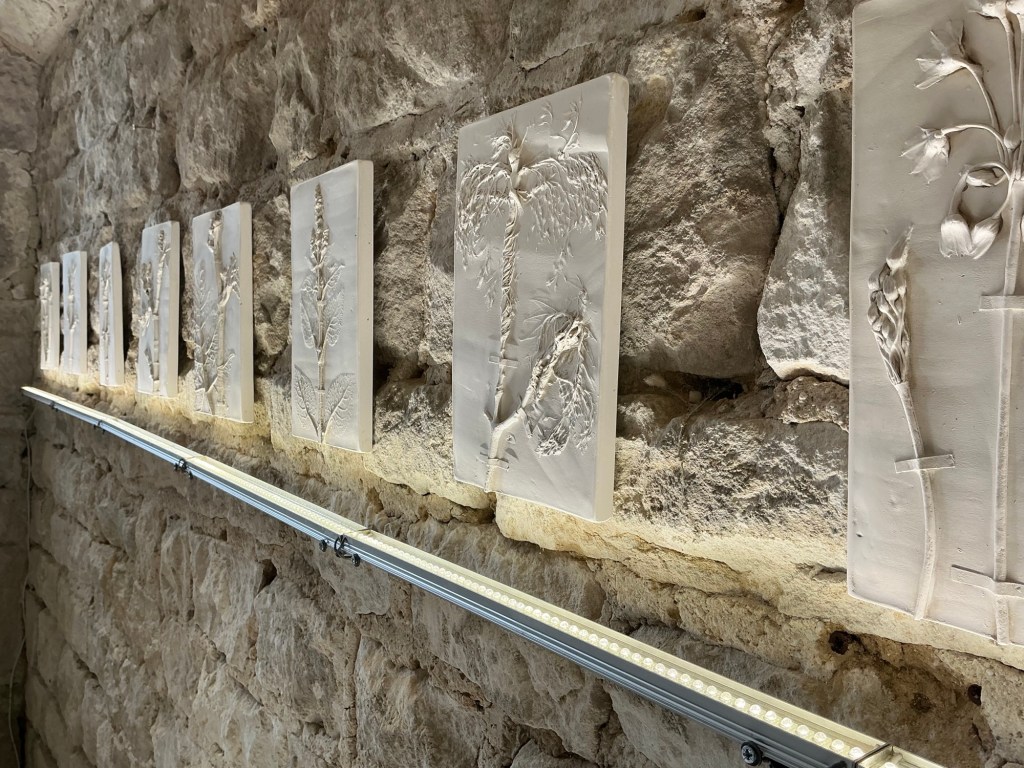
In the other, where those same workers drank tea, ghostly white plaster casts hang like three-dimensional botanical drawings reminiscent of the specimens Joan collected and sent to Kew Gardens.

‘138 days’

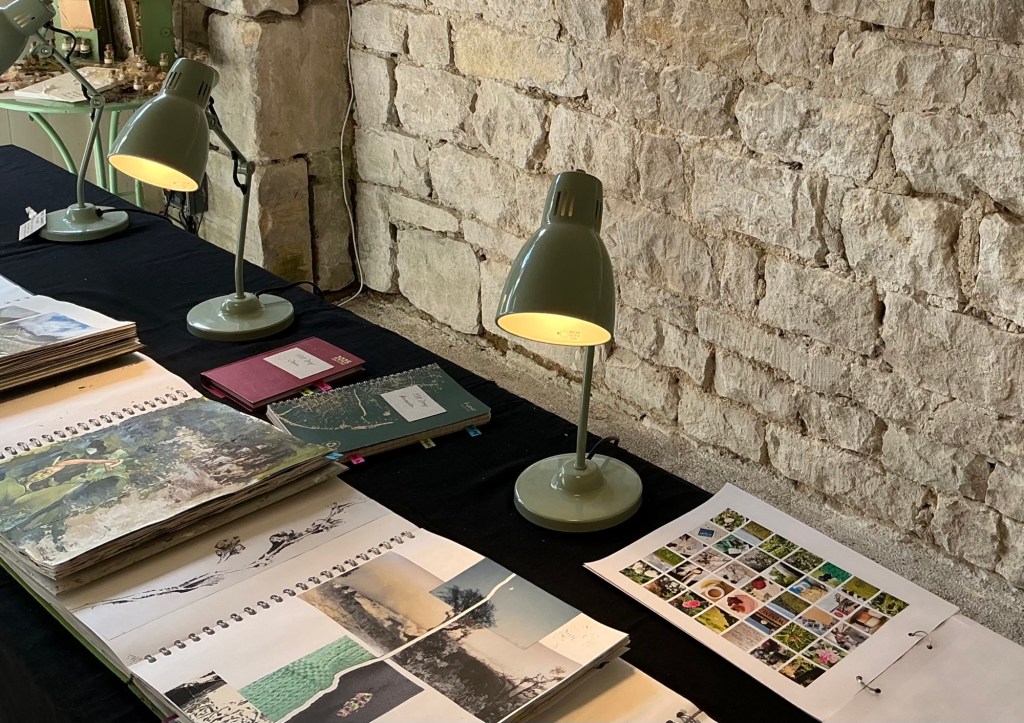
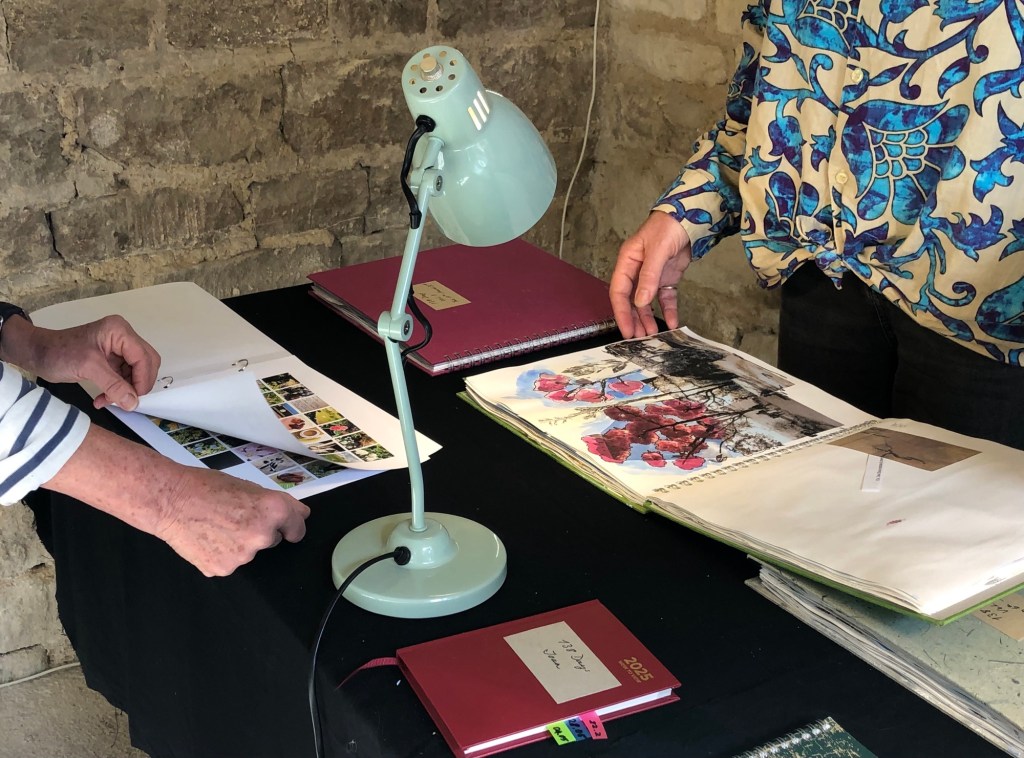
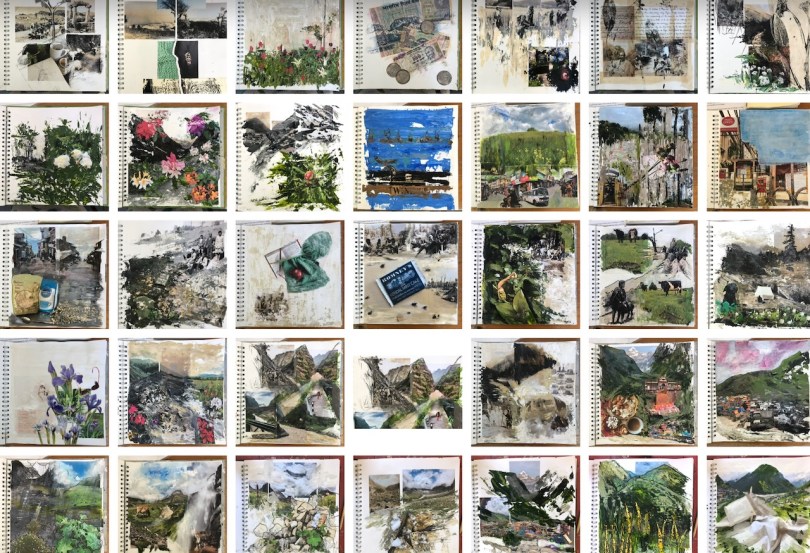
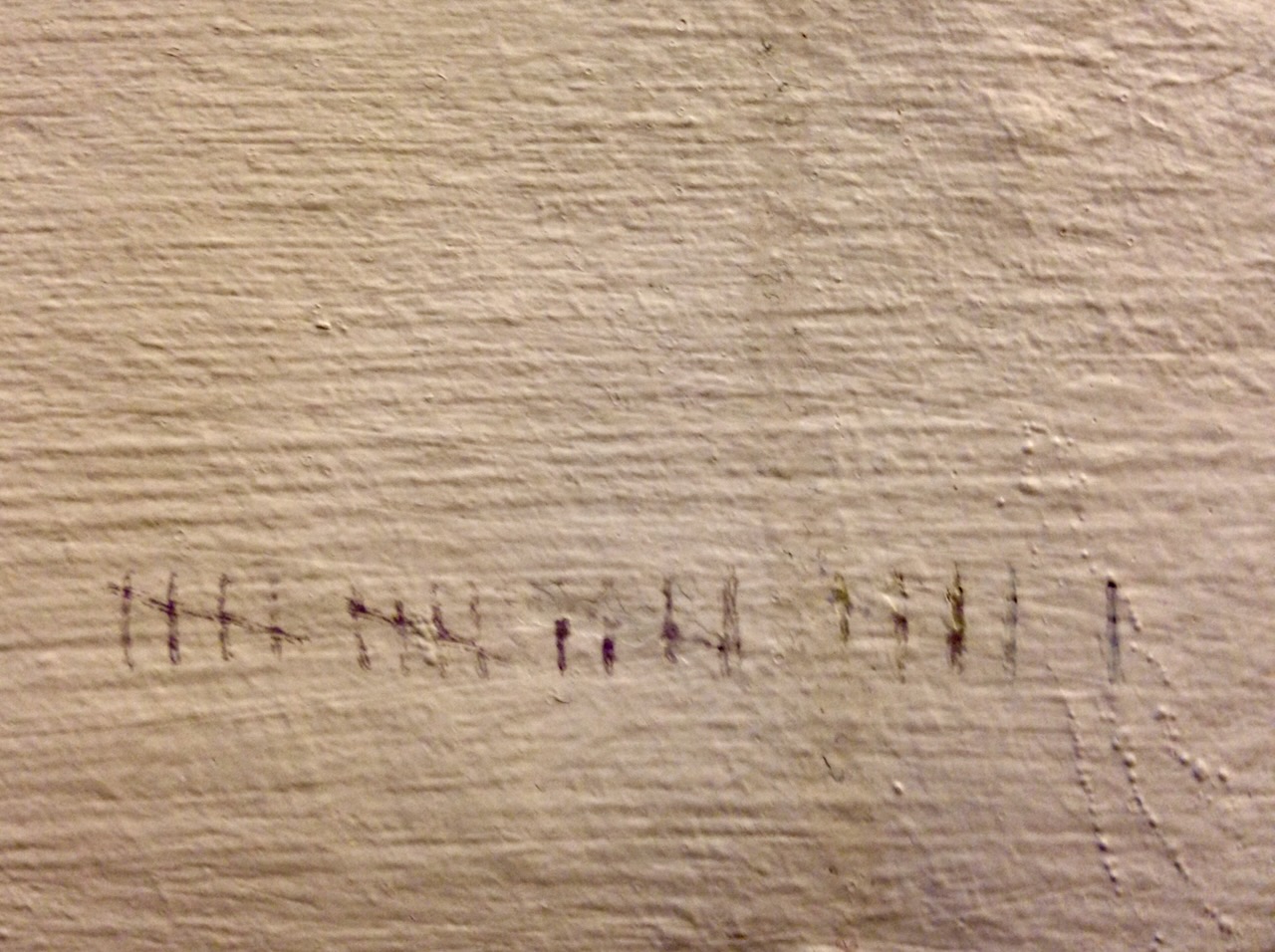
A series of square sketchbooks chart the 138 days I followed Joan’s 1939 diary entries. Starting on 17th February when I stepped into her shoes as she boarded a ship to India, I step out of them again on 4th July, the day she slipped off the edge of a Himalayan path to her death. One photograph, one sketchbook page, each day a quiet re-embodiment across time. Not a recreation of her journey, but a chance to listen more deeply to the changing tone of her voice in the final months of her life.

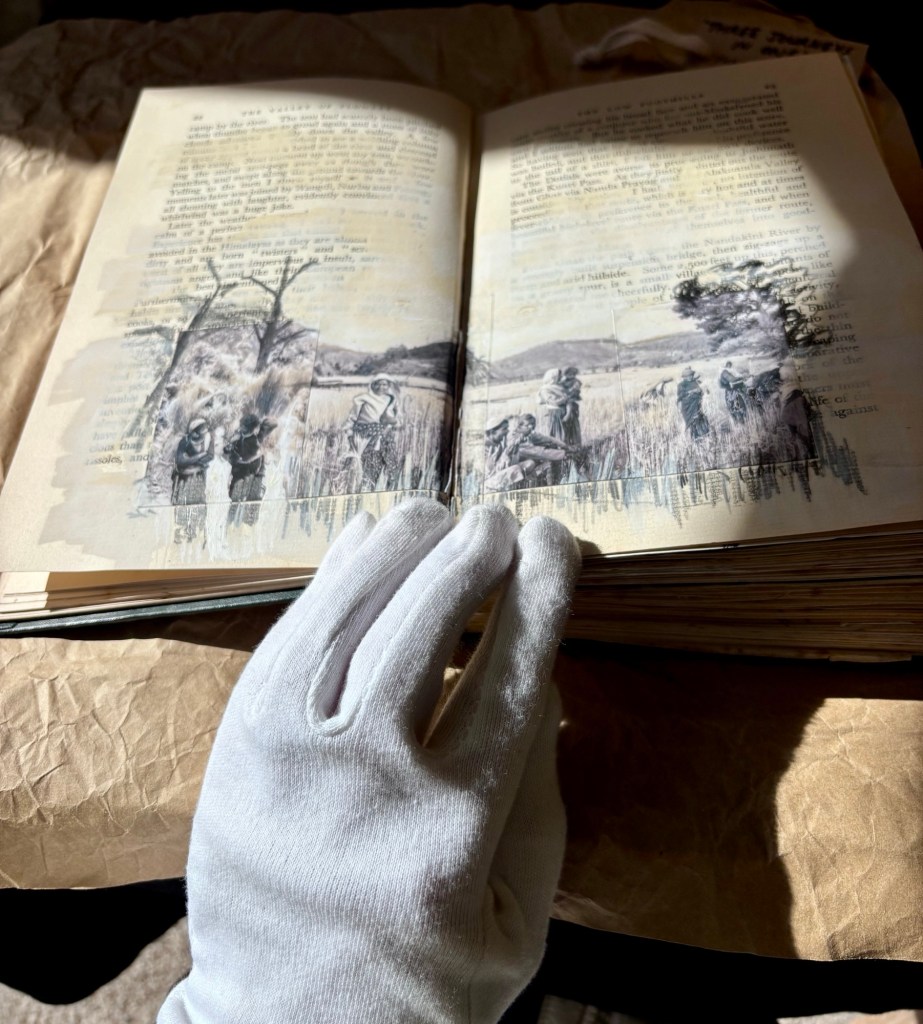
At the heart of the exhibition is its smallest piece: a re-working of a first edition of Frank Smythe’s Valley of Flowers, the very book that inspired Joan’s expedition. Through collage, drawings and pressed flowers, it now tells the stories of three visitors to the valley rather than just one: his, hers and mine. Wrapped in brown paper and tied with string like an archival package, the book invites visitors to wear white gloves to turn its delicate pages, not because it is precious in a monetary sense, but out of respect, Unlike most artworks, these ones are meant to be handled and engaged with.

‘Three journeys in one’

There is nothing for sale. No press campaign. No sponsorship. Just a quiet space, tucked away in a garden, found by invitation or chance. A strange but deliberate choice, and to me, a more authentic reflection of the humbleness of where Joan’s life ended than any traditional gallery could offer.

What Joan lost in material possessions, she gained in purpose and joy. Her life distilled into what nine porters could carry. She found a sense of completeness long before she had completed her journey.

That’s what I hope to convey in the improvised, immersive pieces shown in the warm belly of my limestone vaults. People forgive imperfection and lack of polish as they connect with Joan’s story through their hands, senses and bodies.

Just as artists learn to see not just form but negative space – the shapes between things – so Joan’s outwardly abundant life transformed into an inner world: slower, quieter, less visible, but not lesser in any way.

Maybe this is a natural outcome of ageing… the gentle decluttering of ambition and a reshuffling of values. Or maybe Joan’s story is a simple reminder that richness cannot always be seen and meaning doesn’t always require an audience.

The symmetry in our shrinking trajectories is just an observation.

But it feels strangely right.

IN PROCESS…

Sunday 19th October, 11am-5pm and by appointment until 1st November.

The Vaults, 114 Bisley Road, Stroud


Creativity in times of destruction…

“It’s brutal.”

That’s how a friend recently described being an artist. He had been a student at Goldsmiths in the late eighties and early nineties, during the rise of the Young British Artists (YBAs) like Damien Hirst, Tracy Emin and Sarah Lucas, names that would go on to dominate the art world, thanks in part to the patronage of Charles Saatchi.

We ran into each other at the local paint shop—a regular stop for him in his current life as a decorator. Across a spread of tester pots and fillers, the conversation effortlessly turned to the day-to-day grind of being an artist. Over the summer I have been preparing for my forthcoming exhibition, In Process… (which opens today, 27th September!) and was feeling the impact of long, solitary studio days, wrestling with questions only I was posing and whose answers seemed only to matter to me. It can be a struggle: adhering to a discipline of showing up as captain to a ship with no passengers, steering a course to a nebulous destination, deep-diving into the depths of the soul, mind or body – wherever the well of creativity bubbles up – to haul tiny gems to the surface. Exhaustion and self-doubt often creep in.

‘What’s the point?’ is the main saboteur. The work seems irrelevant, the purpose elusive. There’s no financial gain, just costs. In the isolation of the studio, there’s no one to argue with those thoughts. Indeed it is easy to agree with them: Why bother?

And in times of widespread destruction – whether global or even personal – that sense of futility can grow.

This summer, for example, parts of my home were stripped back to their foundations. My life was overtaken by builders, noise, dusty cups of coffee and chaos. Creativity felt all but impossible. In the grand scheme of things, this was a minor inconvenience. Soon, things would return to normal. But what about those whose lives have been shattered by larger forces… wars, displacement, destruction and poverty on a massive scale? How does creativity find its place amidst the rubble of Gaza, Ukraine, or other war-torn regions? Or even amongst the devastating images that make their way into our minds?

History has shown that creativity can thrive in the moments when everything appears to be falling apart. Creative expression becomes a form of resilience, opposition, even survival. It can be a small act of regaining control in an otherwise uncontrollable situation; a conduit for grief, an out-breath for trauma, a balm for moral wounds. Marks on walls or scraps of paper cry out: I am still here.

In today’s news-filled world where conflicts and politics pitch people against each other while social media distracts and distorts, I feel the call to act. To do or say something that will make a difference. I contemplate taking to the streets and marching in protest. Or superglueing myself to a pavement. I wonder if ‘speaking out’ involves publishing endless blogs and posts on social media denouncing what (I feel) is wrong? Ineffectuality wears one down. 

But to me, the direction of the human race is a force majeure, too big for even the Trump to halt. We find ourselves swept in its rampageous current, both unwilling cogs in the destruction of things we once valued, and parts of an optimistic surge to re-build better. I feel feeble and impotent. When I can’t even open the lid on a jar of gherkins, how can I shift anything of significance? But maybe this disorientating maelstrom is precisely the context in which creativity becomes most vital. Maybe the internal orientation creativity demands provides a space for the mind to process, to breathe, to make light of the weight and sense of the senseless, and to find fragments of meaning in what frequently seems like an overwhelming mess.

Destruction can’t defeat creativity; it calls it forth, demanding that we seek beauty, purpose and points of connection. That process can feel ‘brutal’.  What’s the point? is never far away. But I try to remember: The point is not always to create something monumental. Nor is it to offer neat answers. Sometimes, the point is simply to make something that wasn’t there before, to keep moving forward and to hold onto the belief that every act of creation – however small and seemingly insignificant – is a counter movement, an act of defiance, a stand against that which threatens to destroy us. 

In Process… at The Vaults in Stroud

I have heaved my most recent exhibition out of a time of dark chaos. But as I – and it – clawed our way to the surface, it grew its own wings. Help came from unexpected places. Beauty emerged. And now it is there, in the Vaults, among the grapes on my vine, fruits to share.

There was a point!

You are so welcome to visit.

IN PROCESS…

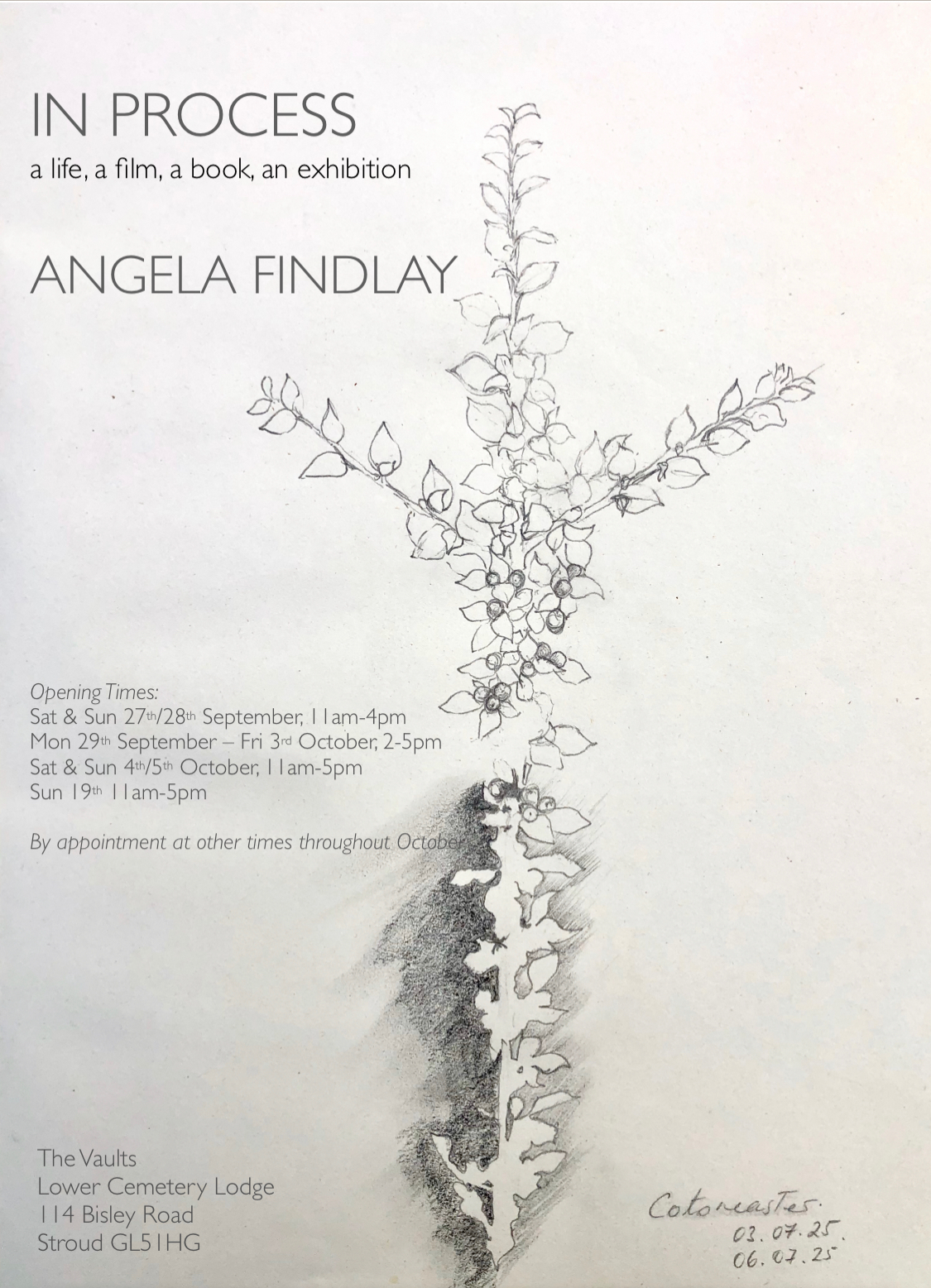
In Process… Opening Times:  

  • Saturday & Sunday 27th/28th September, 11am-4pm
  • Monday 29th September – Friday 3rd October, 2-5pm
  • Saturday & Sunday 4th/5th October, 11am-5pm
  • Sunday 19th October 11am-5pm
  • And by appointment at other times throughout October (excluding 10th–17th and 22nd–26th October)

If you would like more context to the work in the exhibition prior to coming, please read my previous three blogs: Following Joan… Parts One, Two & Three.