On 17th February 1939, Joan Margaret Legge boarded the T.S.S. Hector at Birkenhead’s Vittoria Docks and set sail for India. Surrounded by a flurry of last-minute flowers, letters and good wishes as well as Leica cameras, rolls of Kodak film and 17 packages from Fortnum & Mason, she began a four-week sea voyage that would deposit her in Mumbai. From there she would travel north by train to the Himalayan hill town of Ranikhet. And so, aged 54, began her greatest adventure.
The year before, Joan had read mountaineer Frank Smythe’s newly published book The Valley of Flowers and was so captivated by his descriptions of the majestic Himalayas that she resolved to go there herself. With the intention of adding to the collection of flower specimens Smythe had collected, she offered her services as a keen albeit amateur botanist to Kew Gardens, who willingly accepted sending her flower presses and detailed instructions on how to collect and preserve flora from the field.
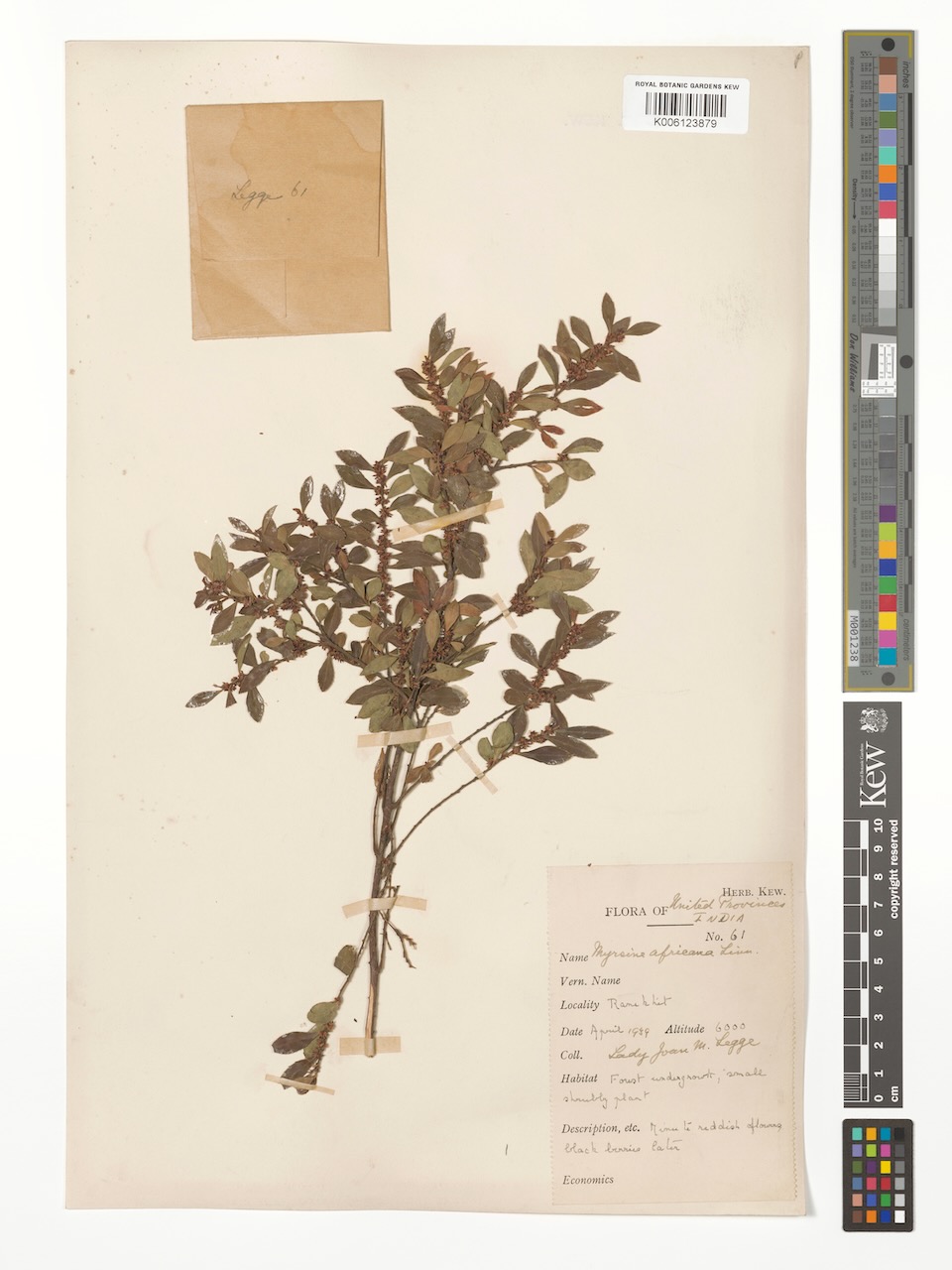

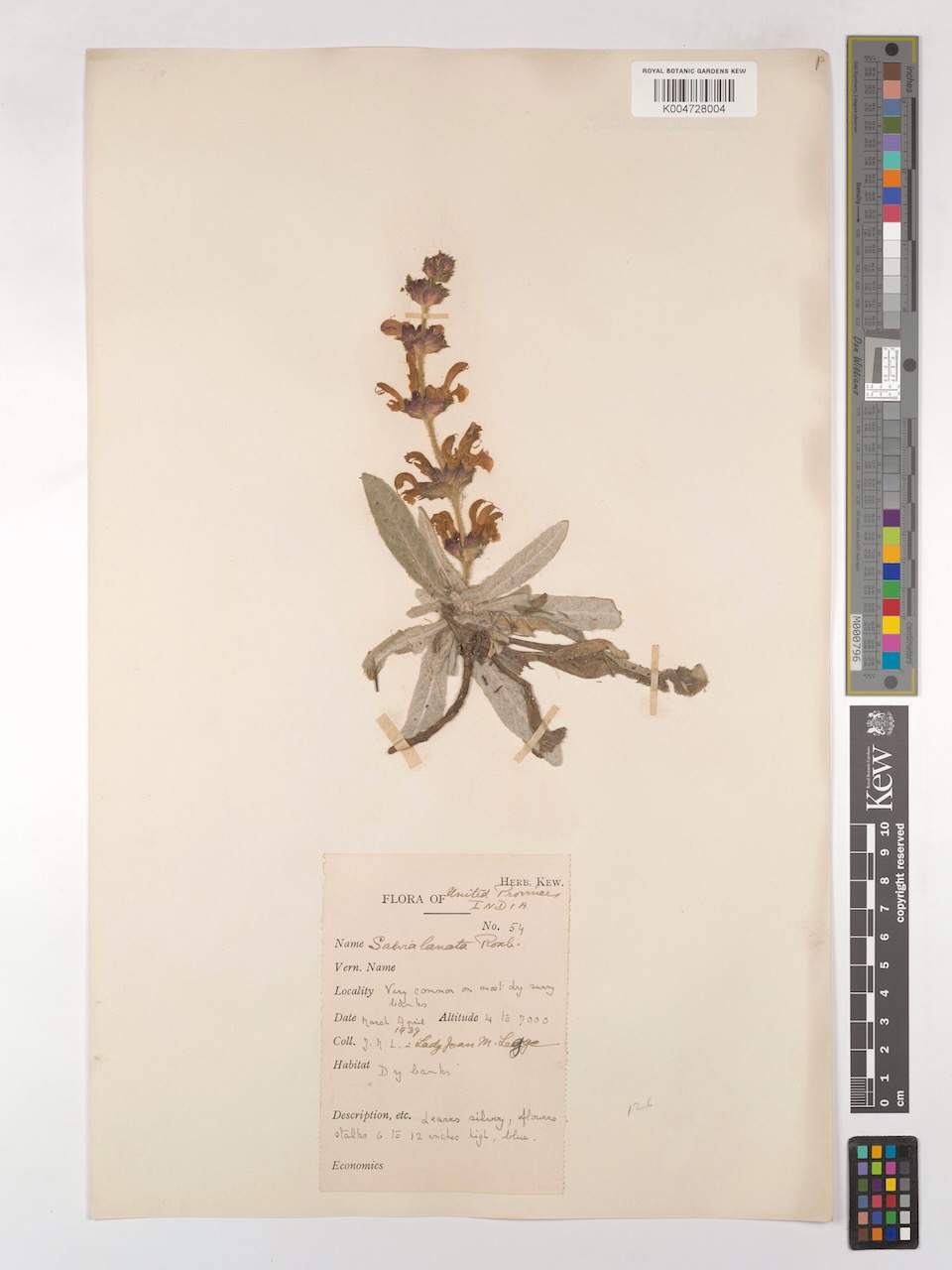
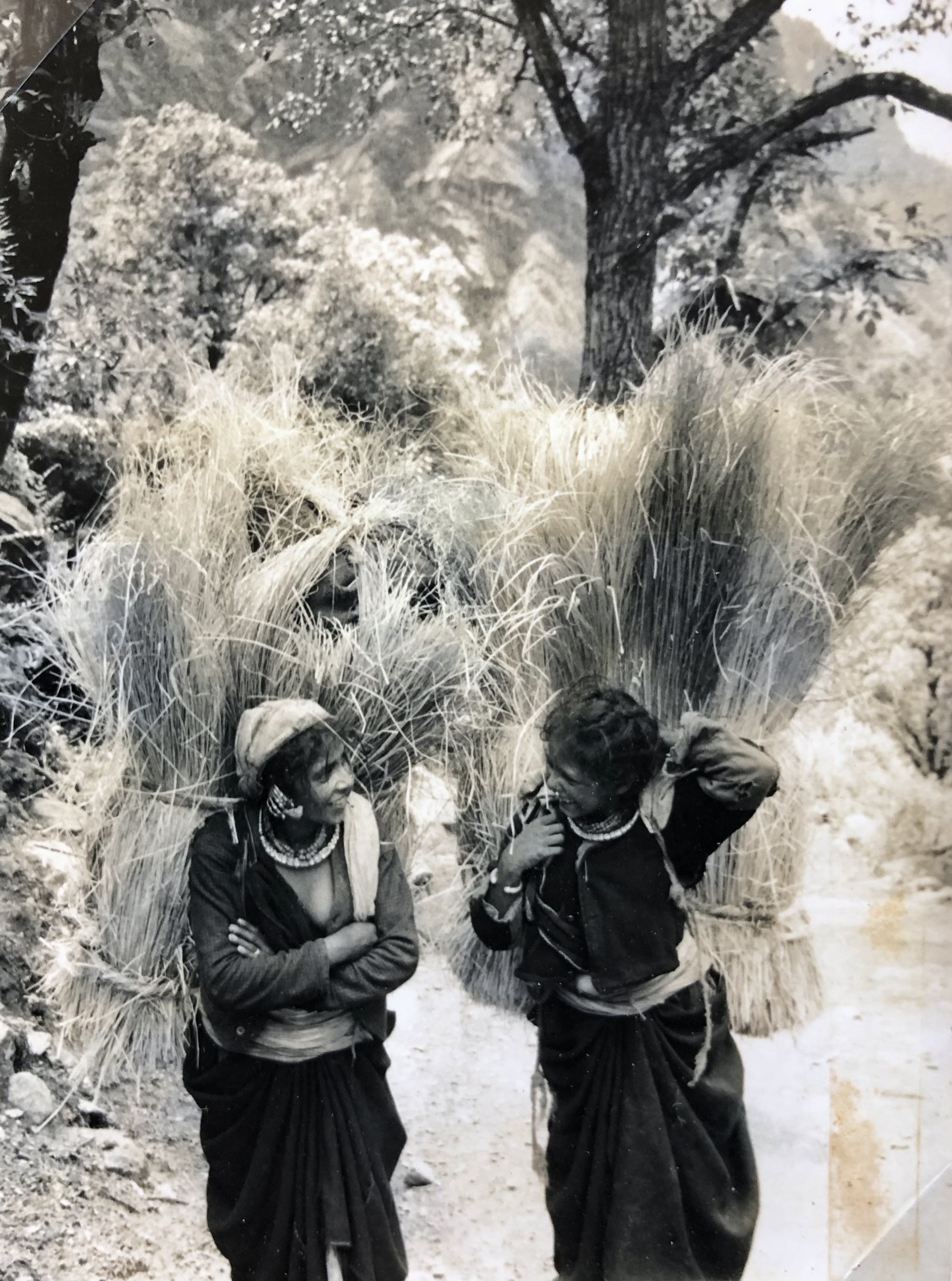
Her daily diary entries – written in tiny, meticulous script – and a remarkable collection of surviving photographs, now housed at the Stafford Archives, paint vivid scenes of rural life in northern India. As a woman navigating imperial times, Joan observed the stark poverty, the tangled legacy of British rule, and the troubling presence of Christian missionaries amid deeply rooted local faiths. Yet she did so with sensitivity and genuine curiosity, not the arrogance or entitlement so often associated with her era. She taught herself enough Hindustani to converse with those she met along the way, delighting in children, cups of tea, goats with saddle bags and botanical novelties in equal measure.


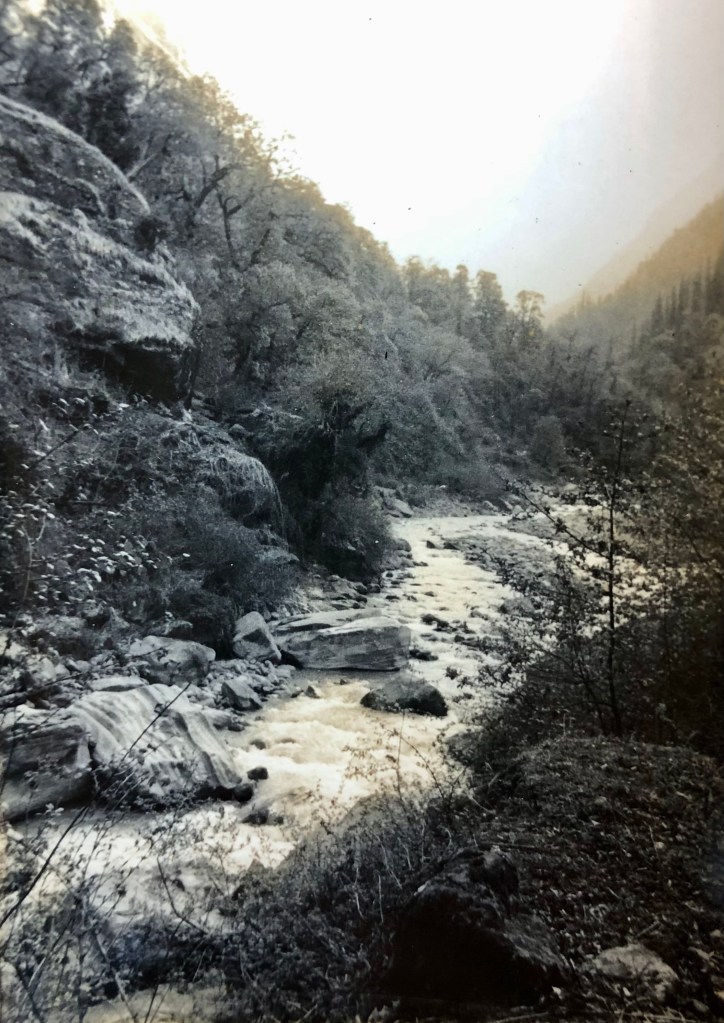
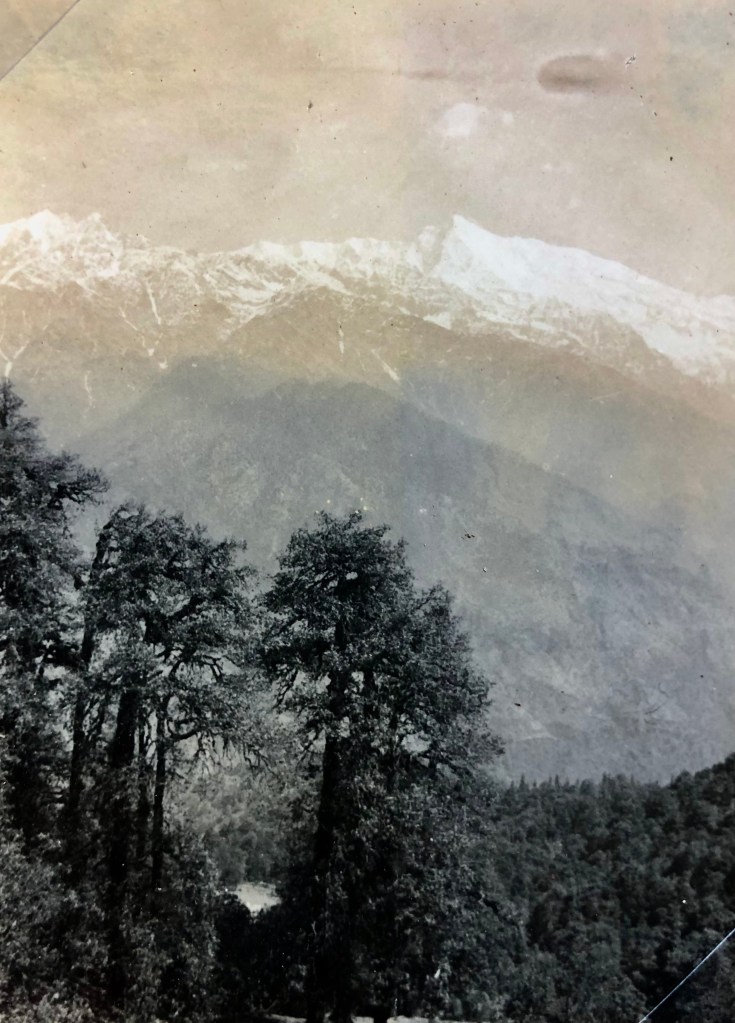
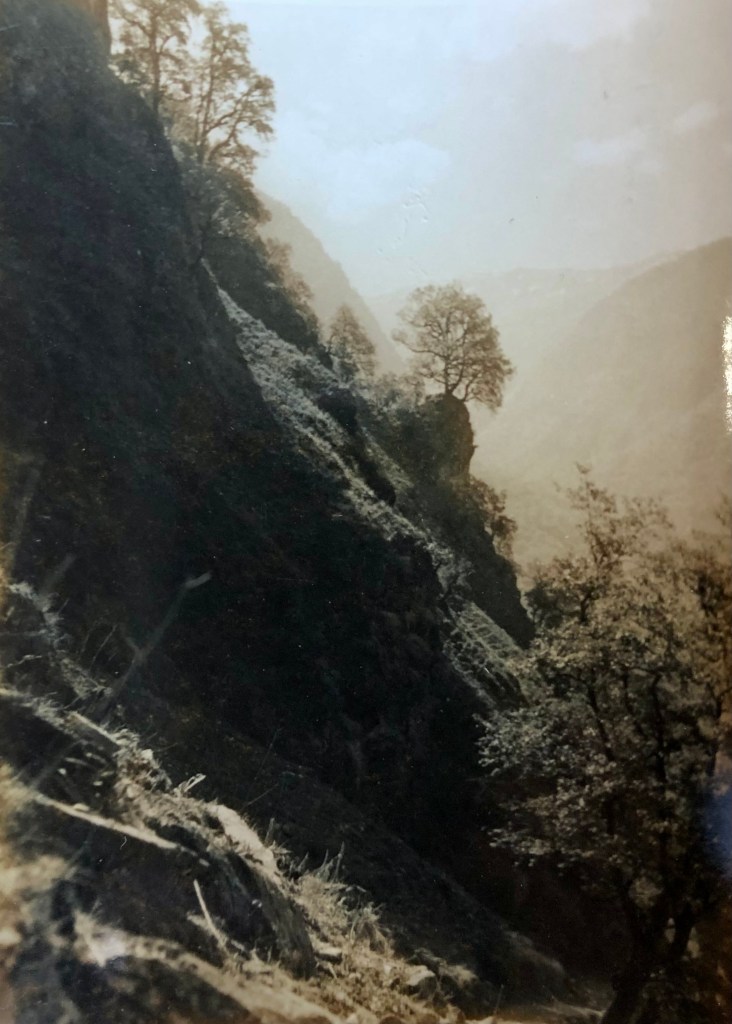
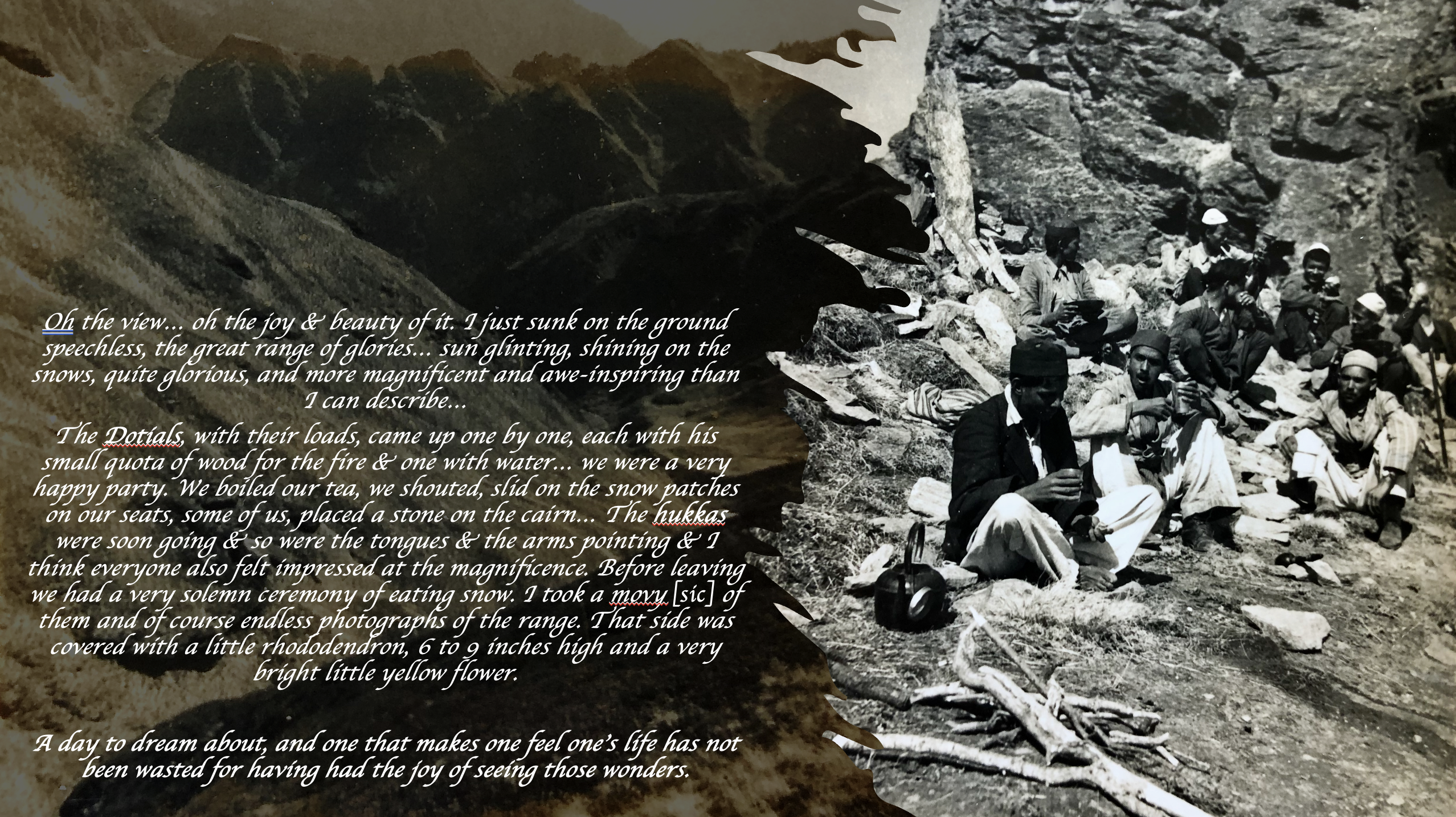
Several months of acclimatisation treks around Ranikhet gave her time to assemble a team of guides and porters and to test her equipment – tents, a canvas bath, ice axe and other supplies – in preparation for the ultimate trek to her final destination: the remote, high-altitude Bhyundar Valley, nestled just south of the Tibetan border. On May 22nd, they headed north.
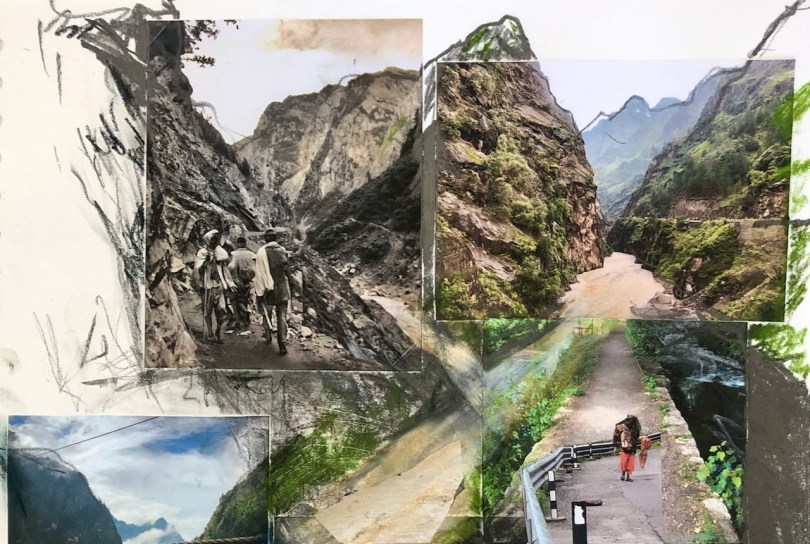
As I have mentioned in earlier blogs, Joan was my great-great aunt on my father’s side. And last July, three other descendants and I retraced her Indian footsteps. Together with local guides who were already familiar with ‘Legge Ma’am’ as they fondly and reverently called her, we made our way to some of the same hills and valleys she once walked, recognising waterfalls, temples, holy trees, bridges and landscapes she had captured in both writing and image.

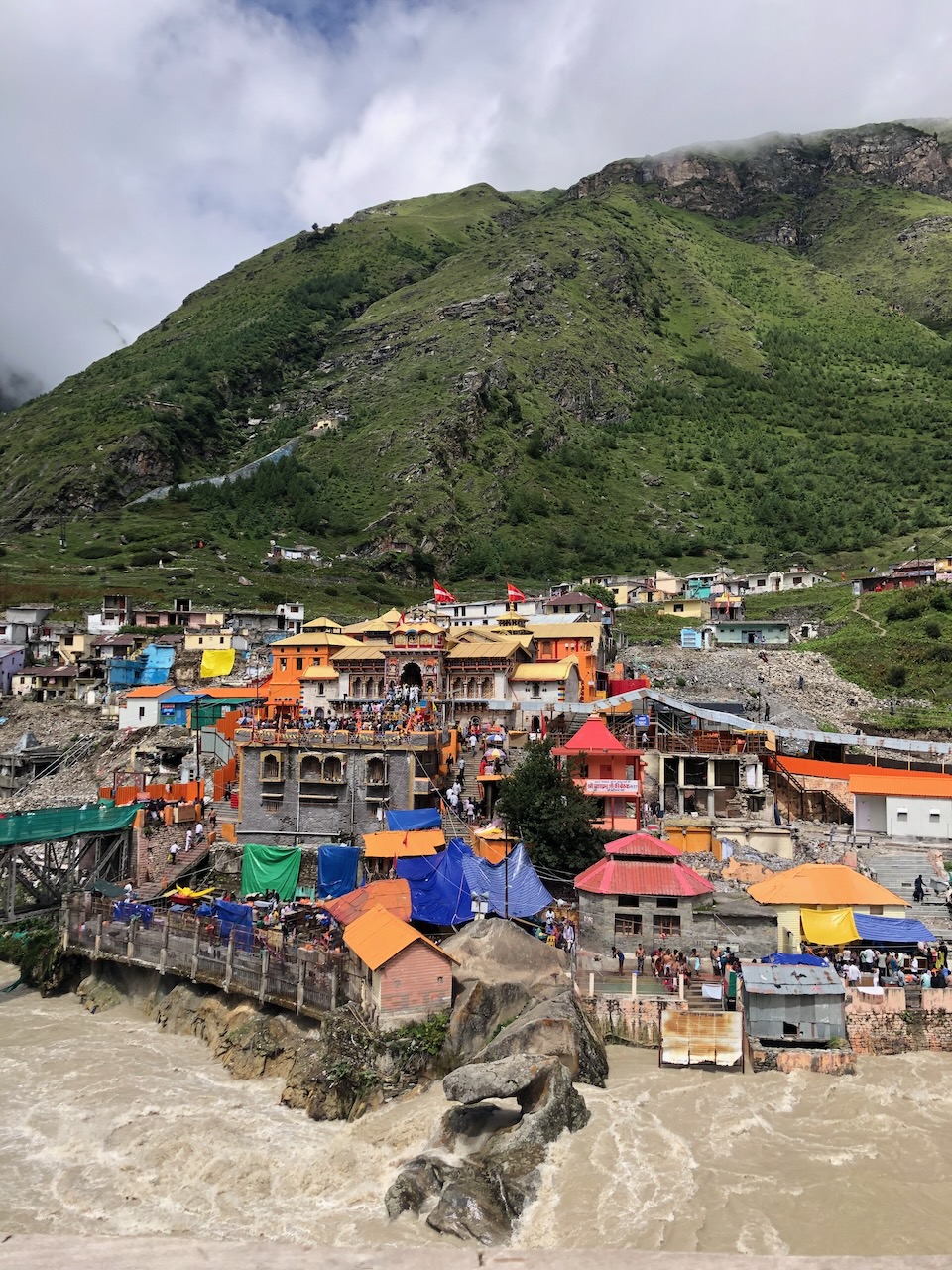
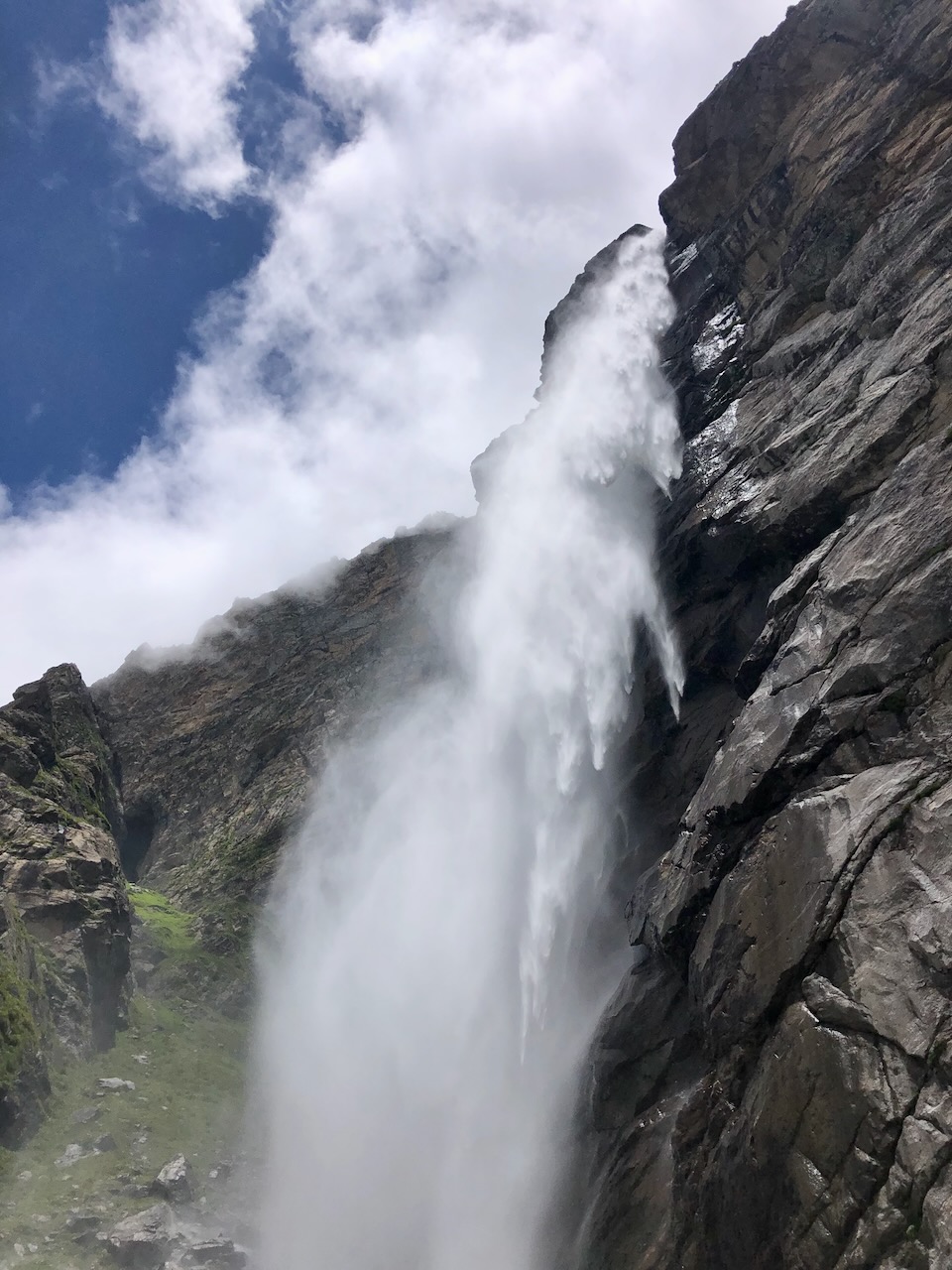
Like all pilgrimages to places of memory, her story seemed to reassemble itself in the elements around us: the humid air, the scent of pine needles crunching underfoot, the wind and monkeys dancing through the trees, the sheer drops and raging rivers, the saffron-clad pilgrims, and the fleeting glimpses of snow-covered peaks – ‘the Glories’, as Joan called them in her awe – emerging through shifting skies. As the four of us dipped our toes into the trials of that wild and beautiful land, its altitudes, its weather, its unfamiliar rhythms, her quiet courage and unflinching resilience rose steadily in our esteem.
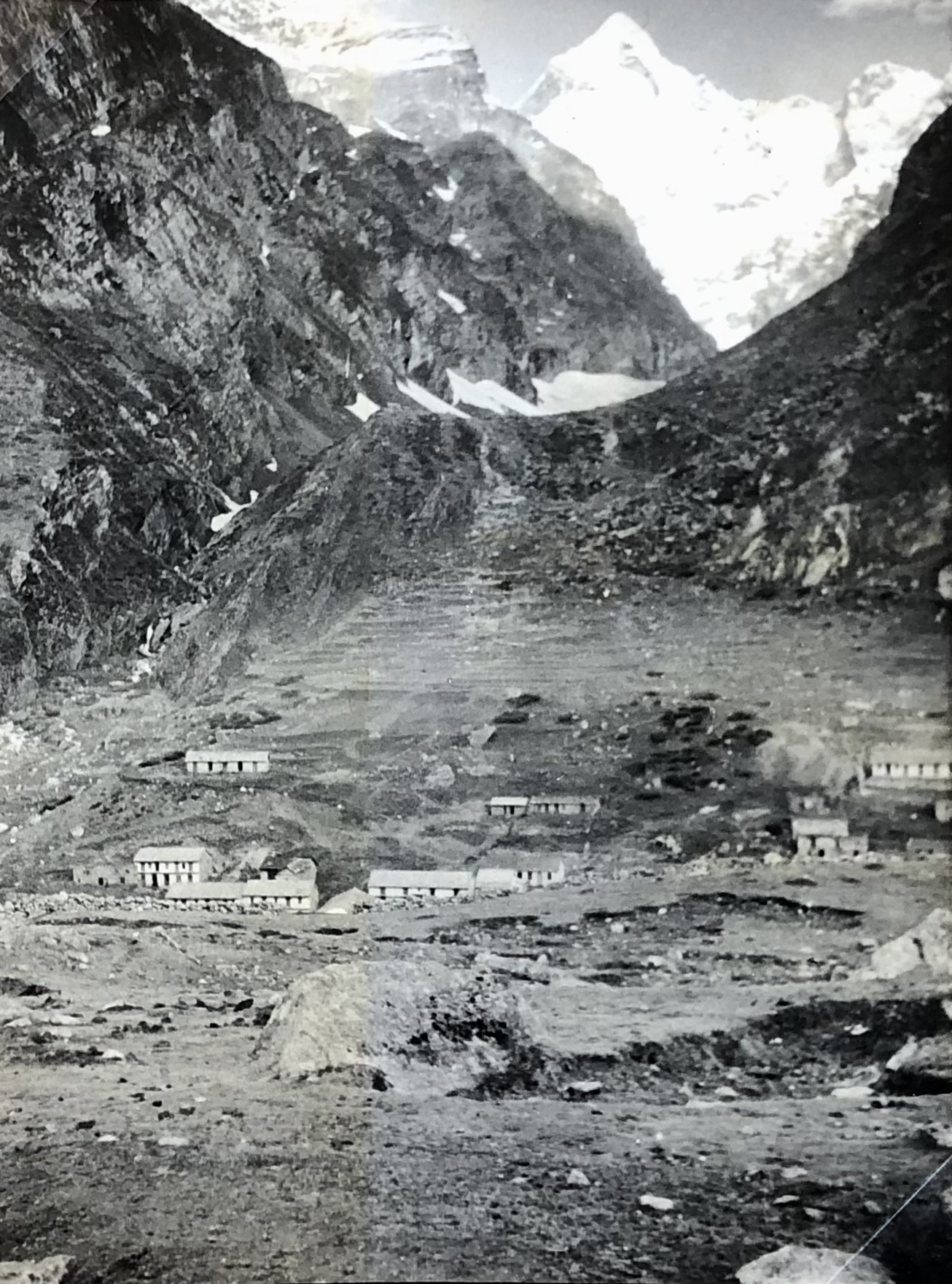
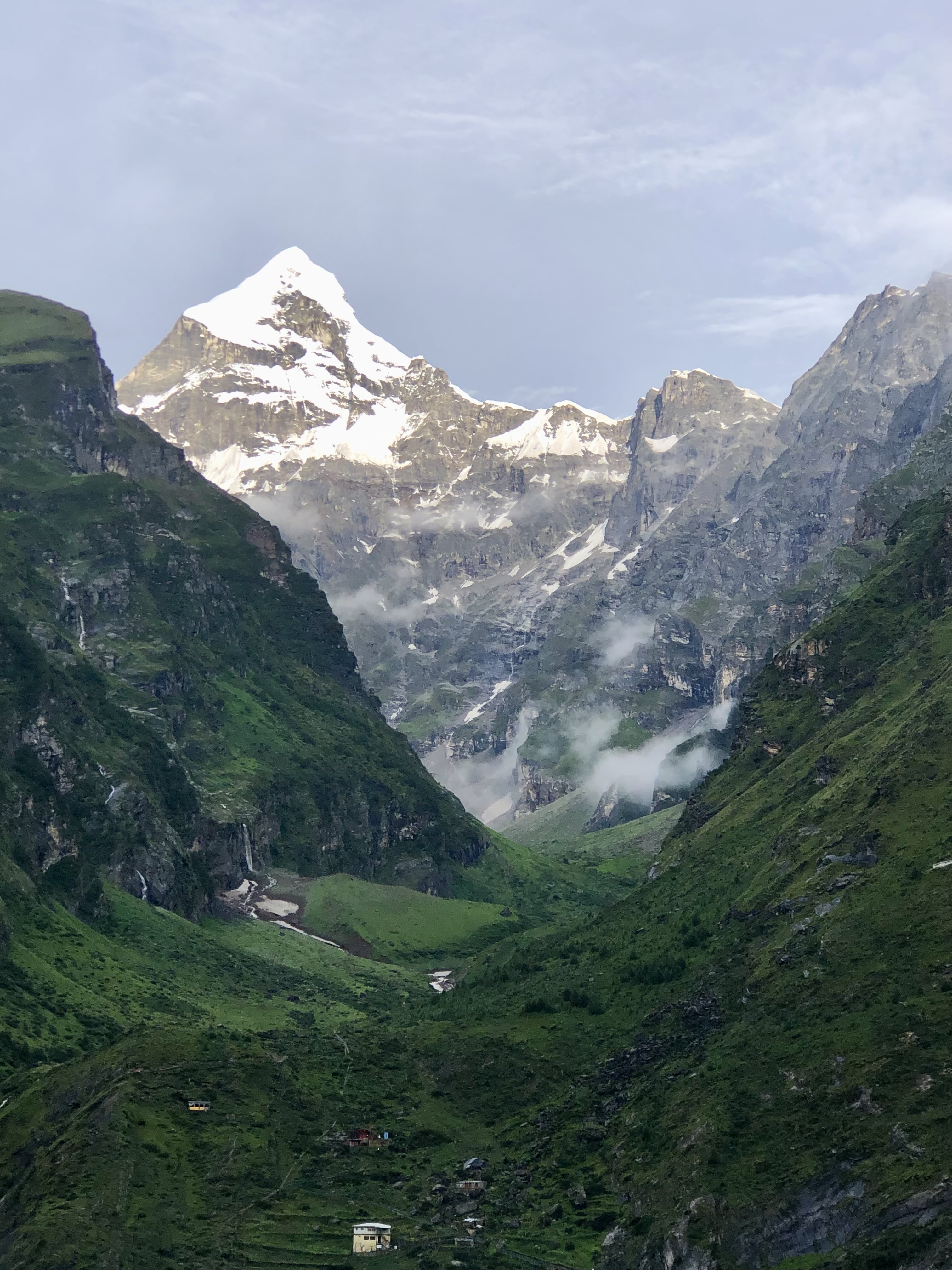
Joan’s story is that of an intrepid 54-year-old woman who displayed the same grit and independence as her more famous contemporaries, such as Gertrude Bell or Evelyn Cobbold. But unlike them, her path was quieter, deeply personal and largely unsung. Her modesty, her self-deprecating wit, and the sense of spiritual joy and serenity captured in her letters and journals only deepen the power of her achievement. The beauty and the tragedy of what came to pass have lifted Joan’s journey into something more than biography. It is a story that asks, gently but insistently, to be remembered. Maybe I am the last in our lineage to feel her so vividly. Maybe I am the one meant to tell it.

With that in mind, on 17th February 2025, exactly 86 years after Joan set sail, I stood at Vittoria Docks in Birkenhead to symbolically wave her off. I imagined the Hector gliding down the Mersey, carrying with it not just Joan and her belongings, but the promise of new horizons and adventure. I walked beside the ghost of that ship until it reached the sea, trying to feel what she might have felt… the thrill and anxiety as she watched the landmass she called home and all that was familiar fade from view.
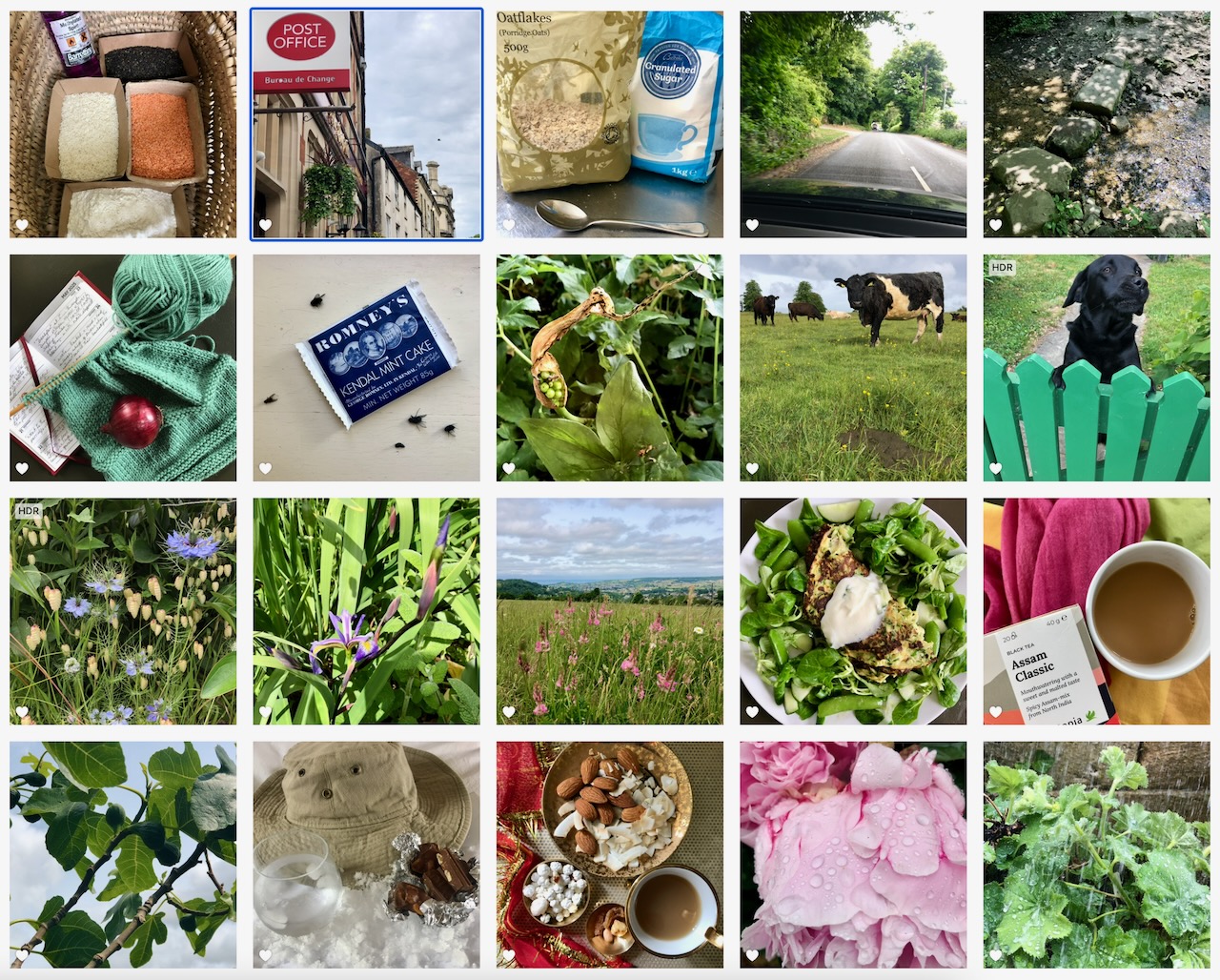
Since that day, as some of you will know, I’ve been following Joan’s diary in real time, reenacting something she saw or did each day, capturing it through a single square photograph, posting it to Instagram, and translating it into an artistic rendition on a page in one of several dedicated sketchbooks.
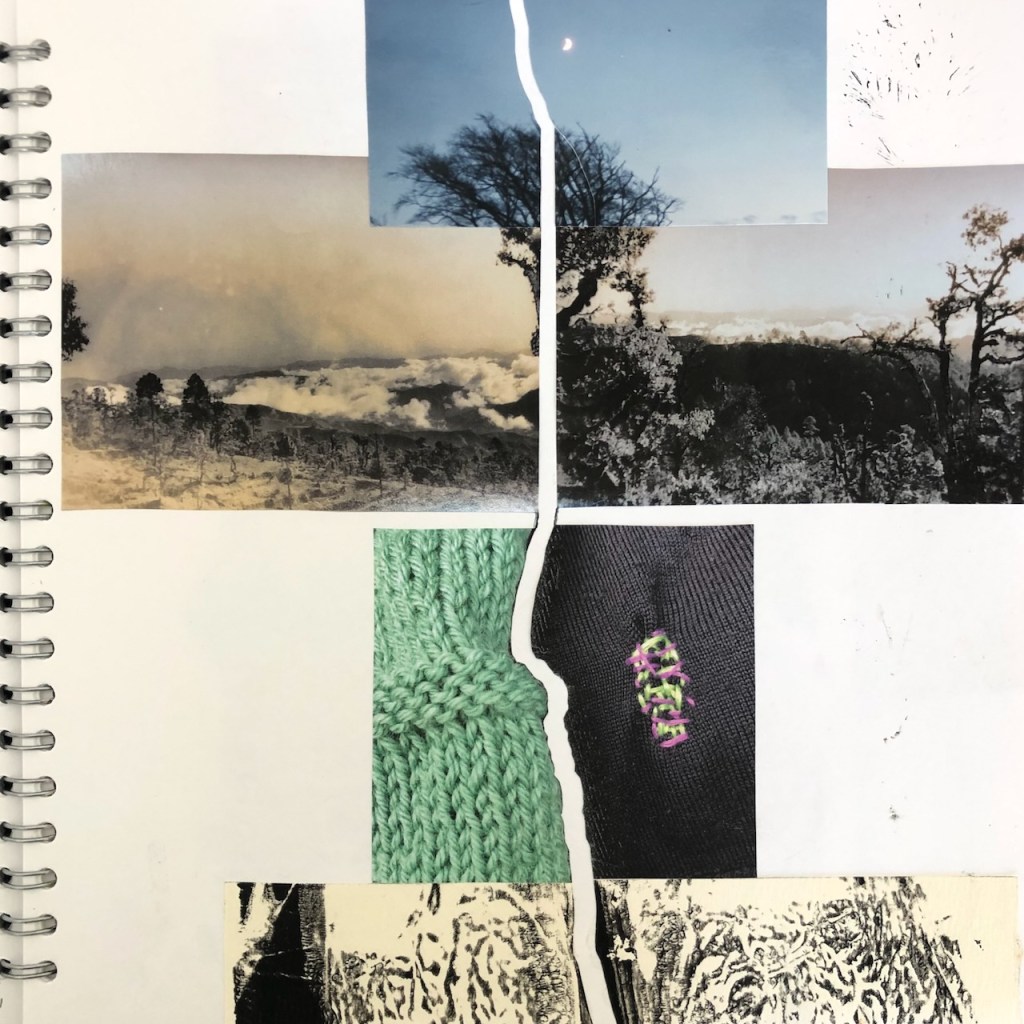
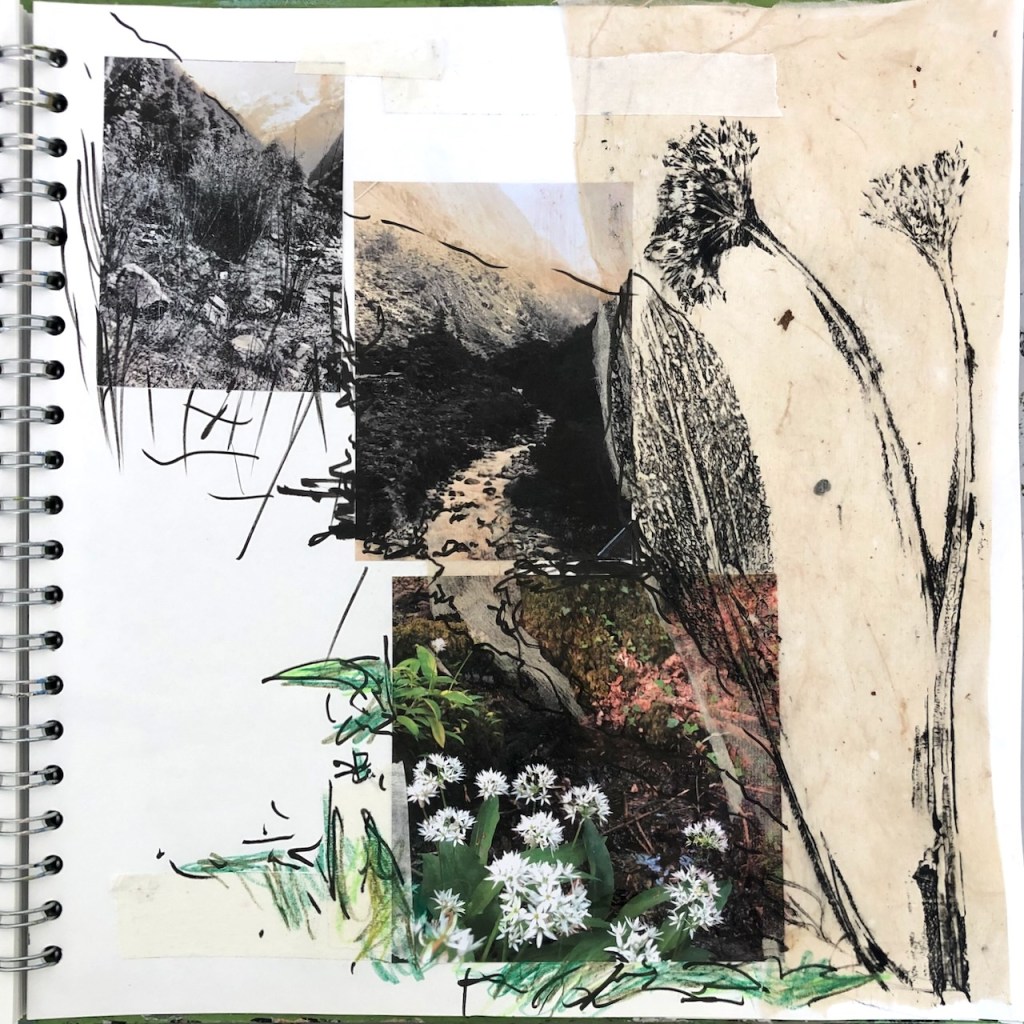

Just as she did, I keep a written diary threading her life into my own. These past months have served as a reintroduction to my artistic practice, long abandoned as my brain grappled for a decade with words rather than images to write the story of my German grandfather. The process has involved an exploration of techniques in visual storytelling as I reacquaint myself with paints and brushes, scissors and glue, clay and plaster. Layers of collage stitch tenuous patterns between past and present, India and England, flowers living and long dead.
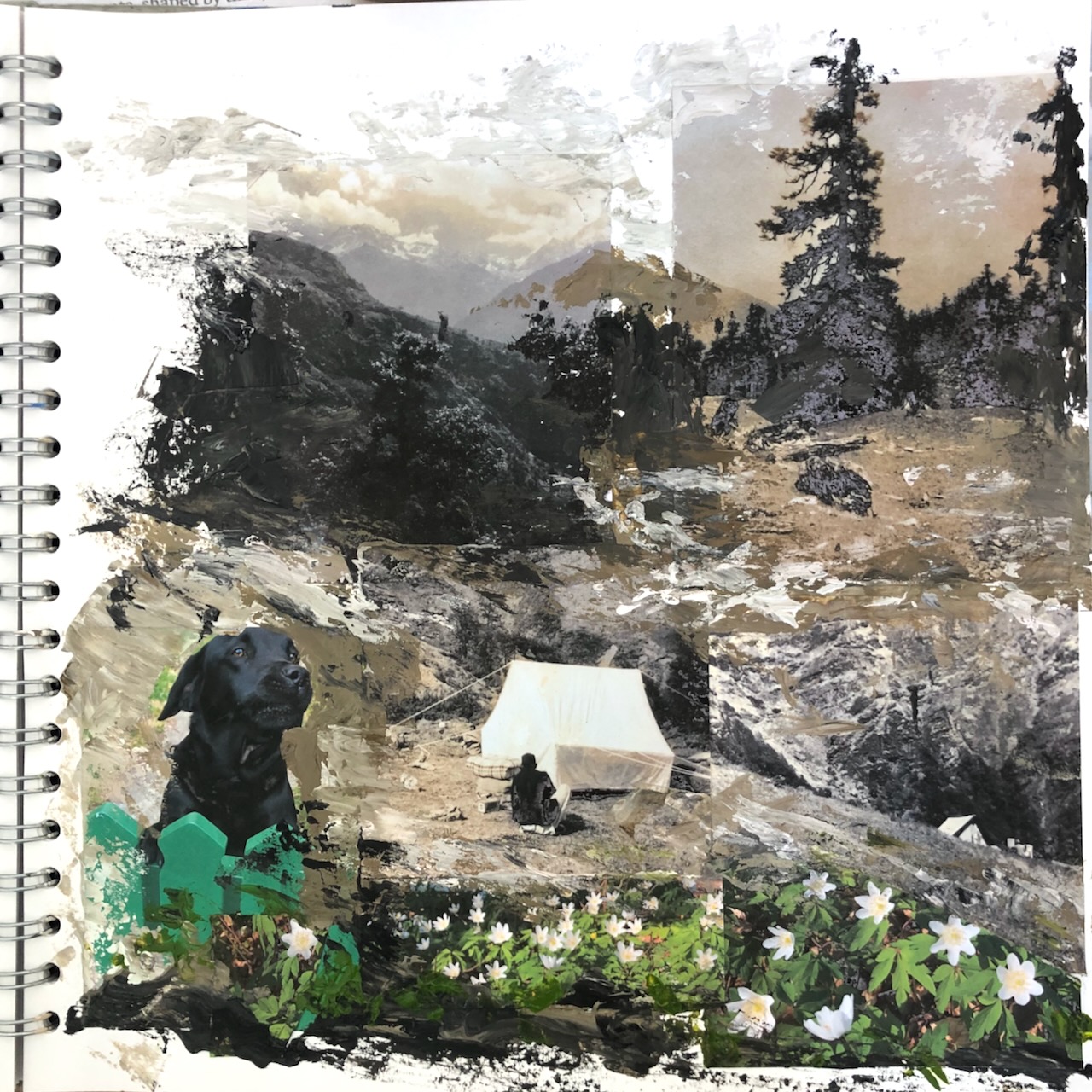

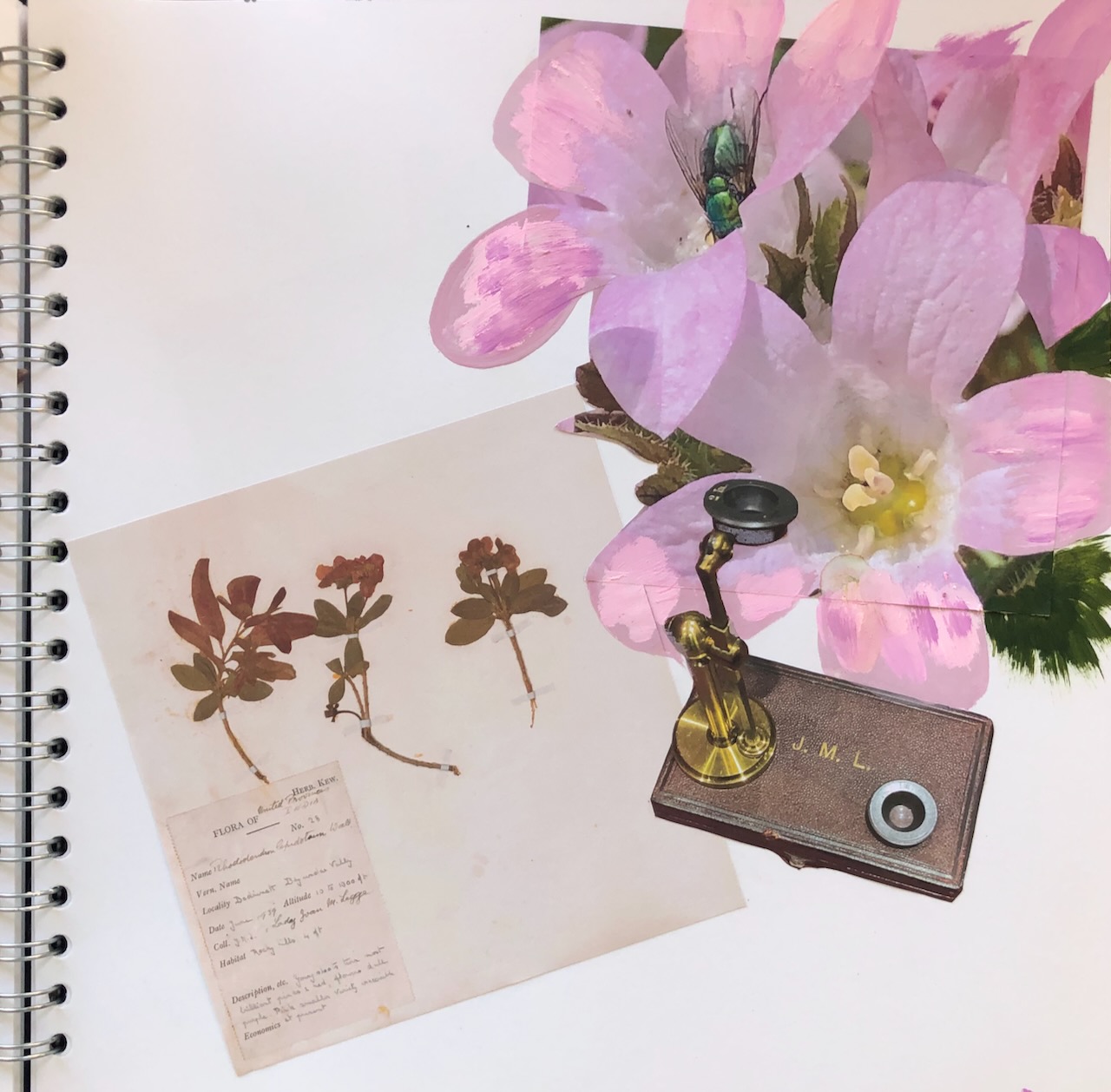
As today’s world echoes the precariousness of Joan’s, my gaze drifts over flowers and leaves, tracing their delicate lines in quiet wonder, both with my eyes and the tip of my pencil. My studio has stirred to life. And the steady rhythm of commitment and focus have birthed new creative ideas and potential collaborations.

Joan died on 4th July 1939. As that date approaches once again, I’m nearing the end of our shared journey. I will miss her – a courageous companion and inspiration. A daily reminder of a world that predated the horrors of WW2, ecological destruction, plastic waste and the proliferation of smart phones. But Joan’s story didn’t end with her death. And my telling of it doesn’t end in the fourth incomplete sketchbook.
 angela findlay blog
Lovely introducti
Hi Angela.
You talking about your pilgrimage and seeing the sights and feeling the atmosphere that Joan did makes me think of standing in Snakeshole and seeing the sights and hearing the sounds that my Mum did nearly 80yrs ago as a child playing and living in that beautiful countryside. You obviously feel a connection with Joan, I feel she would be pleased that her great-great niece would be remembering her and connecting with her in this way.
My very best wishes
Steve
Thank you for writing Steve, I know you had a profound time searching and finding your mum’s play place at Snakeshole. It’s magical being in such places of significance. I think and very much hope Joan would be pleased to be remembered and her incredible trip revived for her descendants. That said, sometimes I can almost hear her saying, ‘what a lot of fuss…’ or maybe ‘nonsense’! Best wishes to you too, Angela