Rock, Paper, Scissors and AI

Last week I met a man who is drafting a book along the same themes as mine. He too has German roots and his is a remarkable story that I hope will one day be published. We discussed the fascinating process of researching historical content, and the more arduous one of finding an agent or publisher. In my case, both involved huge quantities of time, trawling through books, websites and the brick-like tome that is the handbook for writers. For him, information and guidance were more at his fingertips in the form of AI. The difference got me thinking. 

Part of me feels glad to have completed In My Grandfather’s Shadow before the tools of Chat GPT or Open AI became widely available, or indeed unavoidable in the case of search engines. The temptation to constantly tweak my own imperfect writing voice according to the suggestions of an entity that has absorbed millions of other people’s work – including my own by now – might have been irresistible. But how much time I would have saved. And online searches might have discovered my grandfather’s movements on the Italian front, all records of which at the time lay buried in the silence of Italy’s complex and unresolved history of collaboration and resistance. 

There is no doubt AI is unbelievably brilliant and useful in many areas. I am not anti-AI per se. But when it comes to making art, I worry about the loss of essential skills and faculties to a desire for ease and instant answers. What happens when colours and shapes are made by the same keyboard clicks that generate words, mathematical equations, spreadsheets, drone attacks or hacks? Of course, great art will come out it. Artists have always embraced modern technologies and fashioned them to express their own visions. David Hockney’s iPad works spring to mind. But how many of our multi-sensory human skills – coordination, balance, weight, instinctive rightness – might we lose?
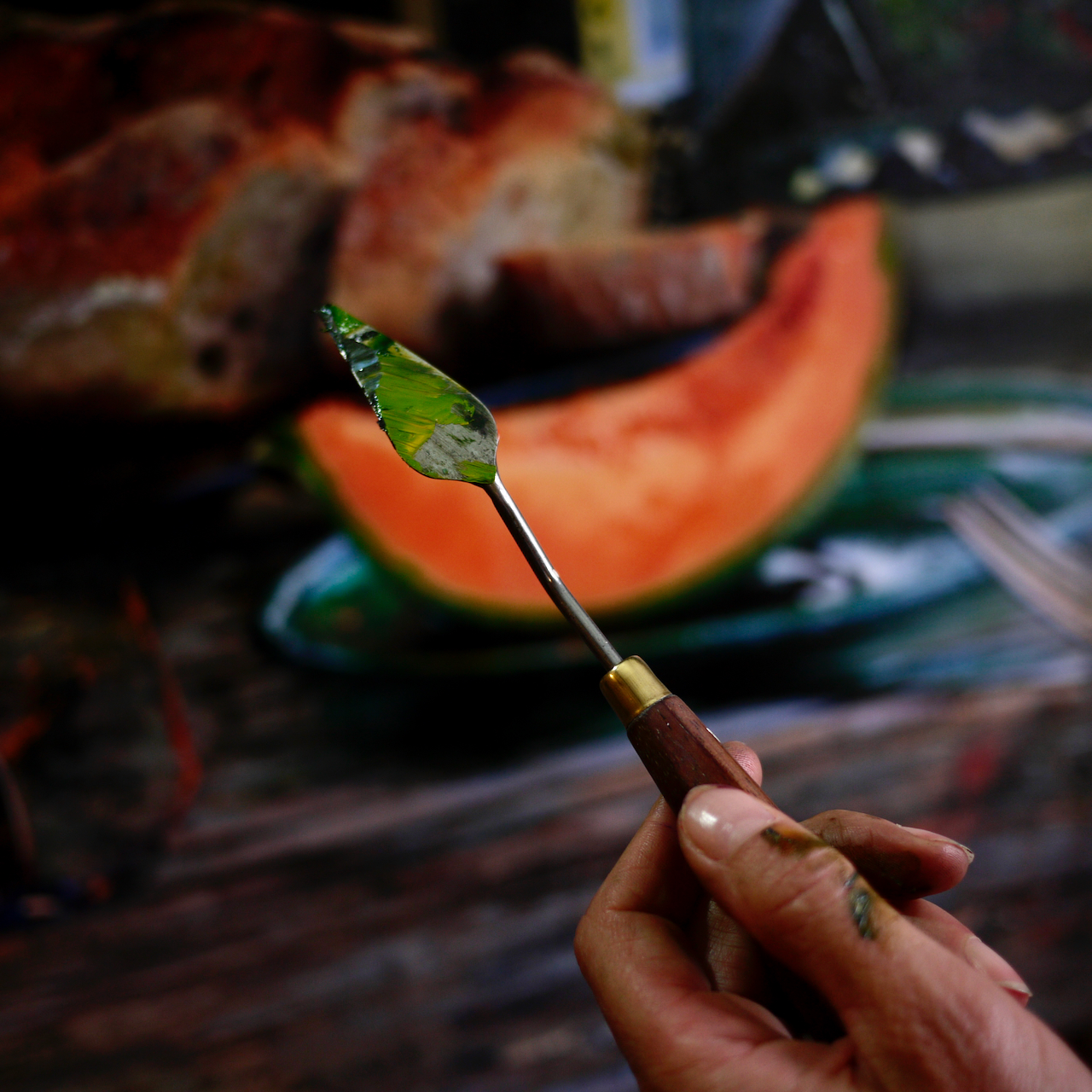
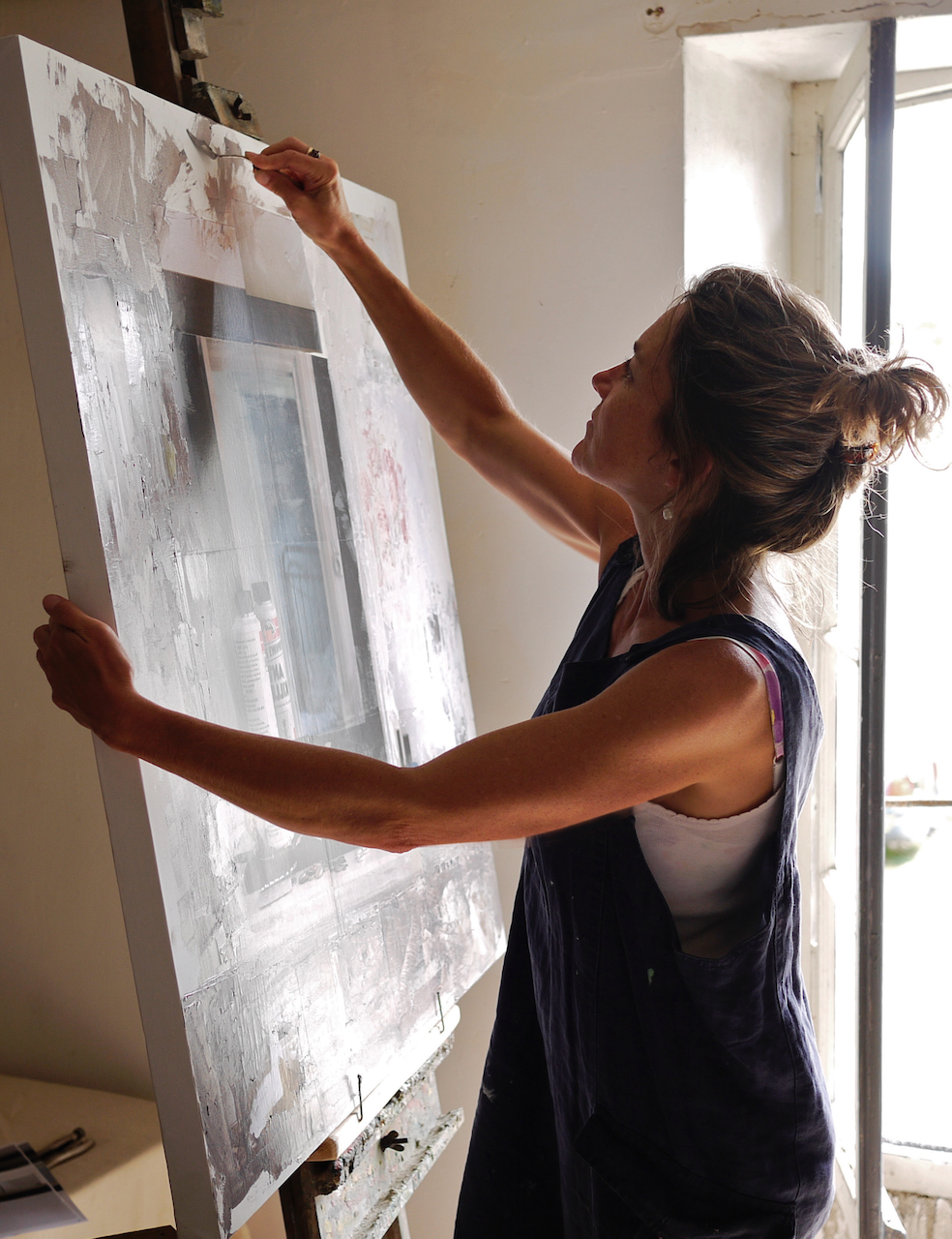
While AI chatbots are becoming terrifyingly advanced, Grayson Perry’s insightful 2-parter on Channel 4 – Grayson Perry Has Seen the Future – reveals how physical robots are still lagging in emulating the complexities of simple actions we take for granted – like making a cup of tea. So much is involved to get brain and body to work together. When painting was part of my main profession, I revelled in the mixing of colours. Hands squeezed tubes, rinsed brushes, and spread paint onto canvas like buttering bread. Taste buds sprang into action, the tongue searching like a cook for the missing flavour… a little more darkness, a bit more warmth, maturity, or contrast. Colours needed to ‘sing’ particular harmonies or discords. The eye would journey over a terrain of textures while the nose inhaled the same oily odours of centuries of masters gone by. 
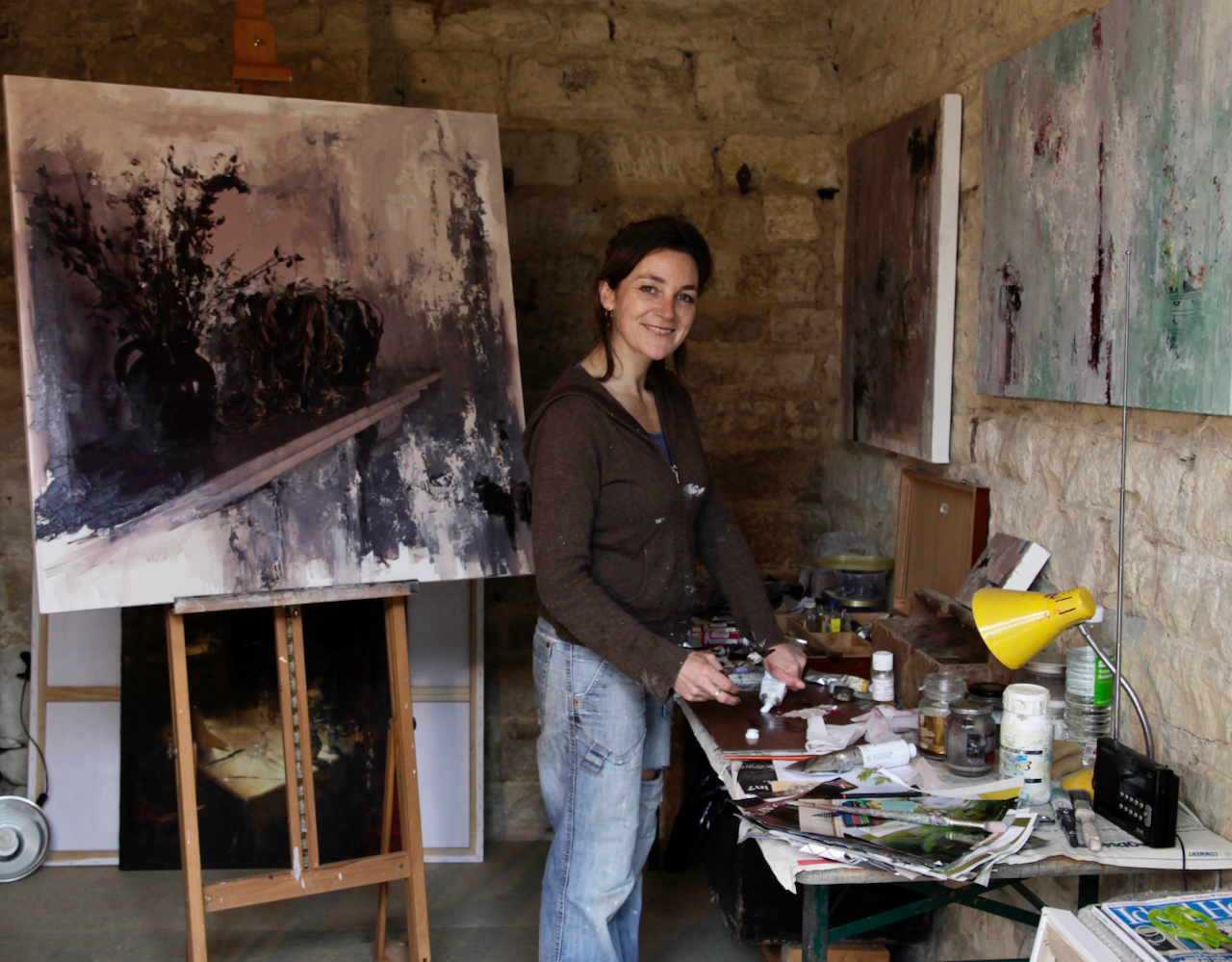
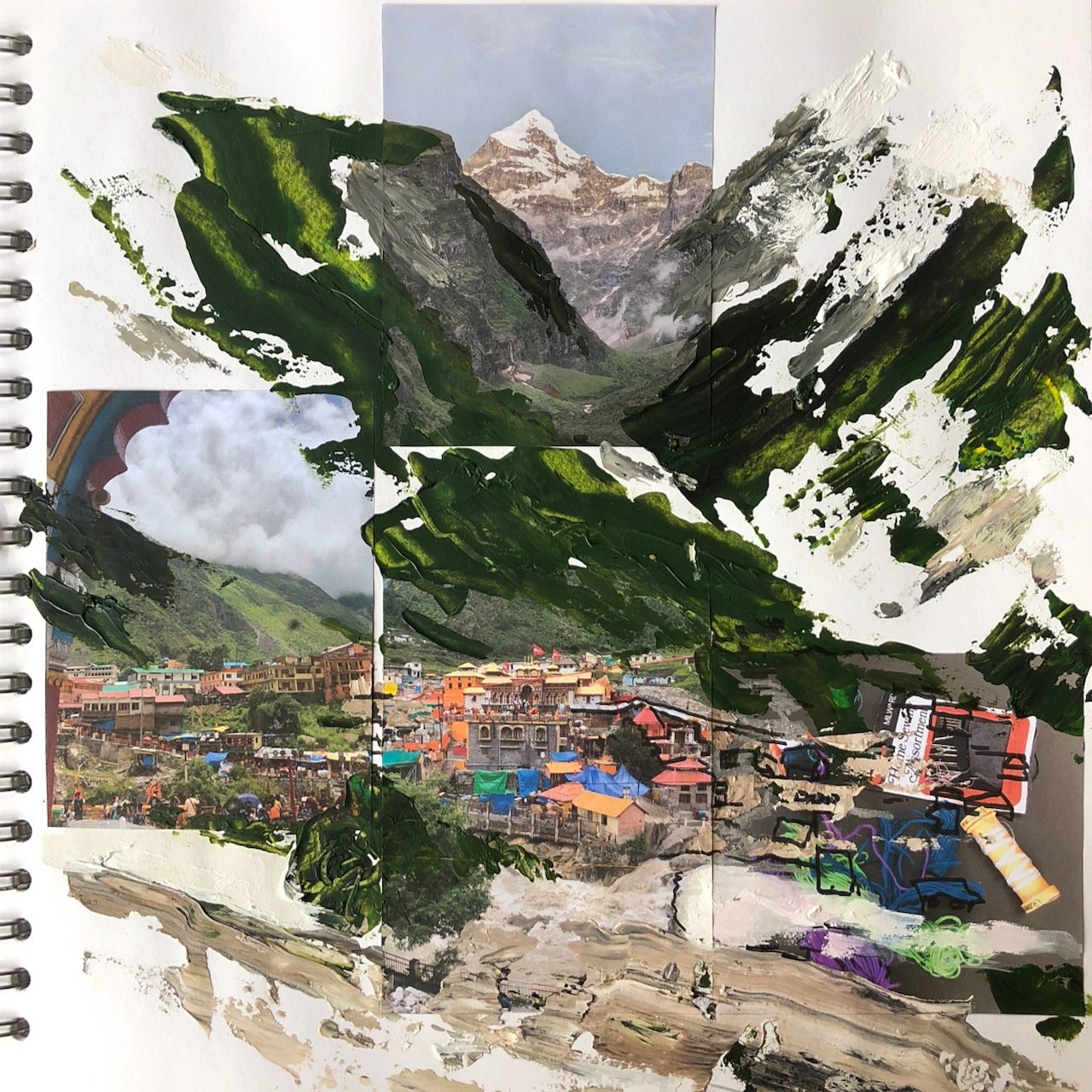
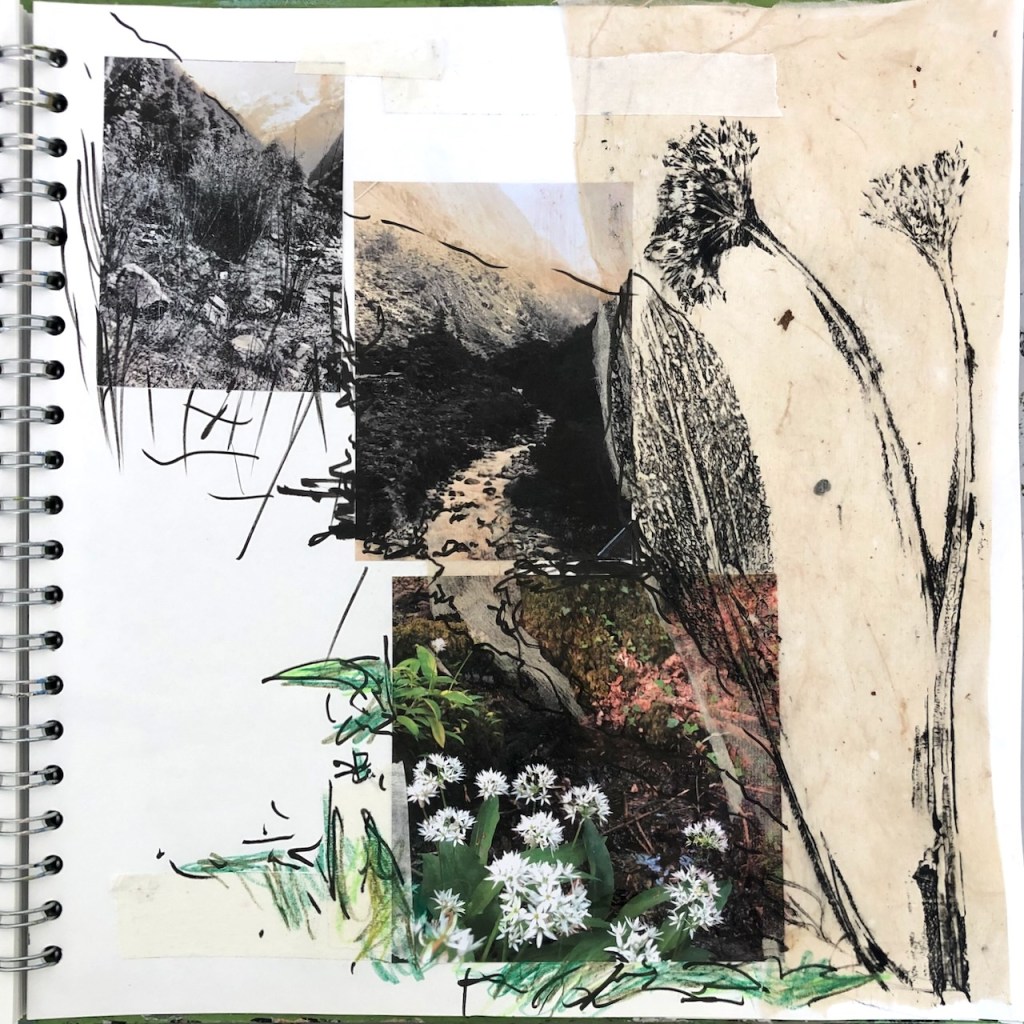
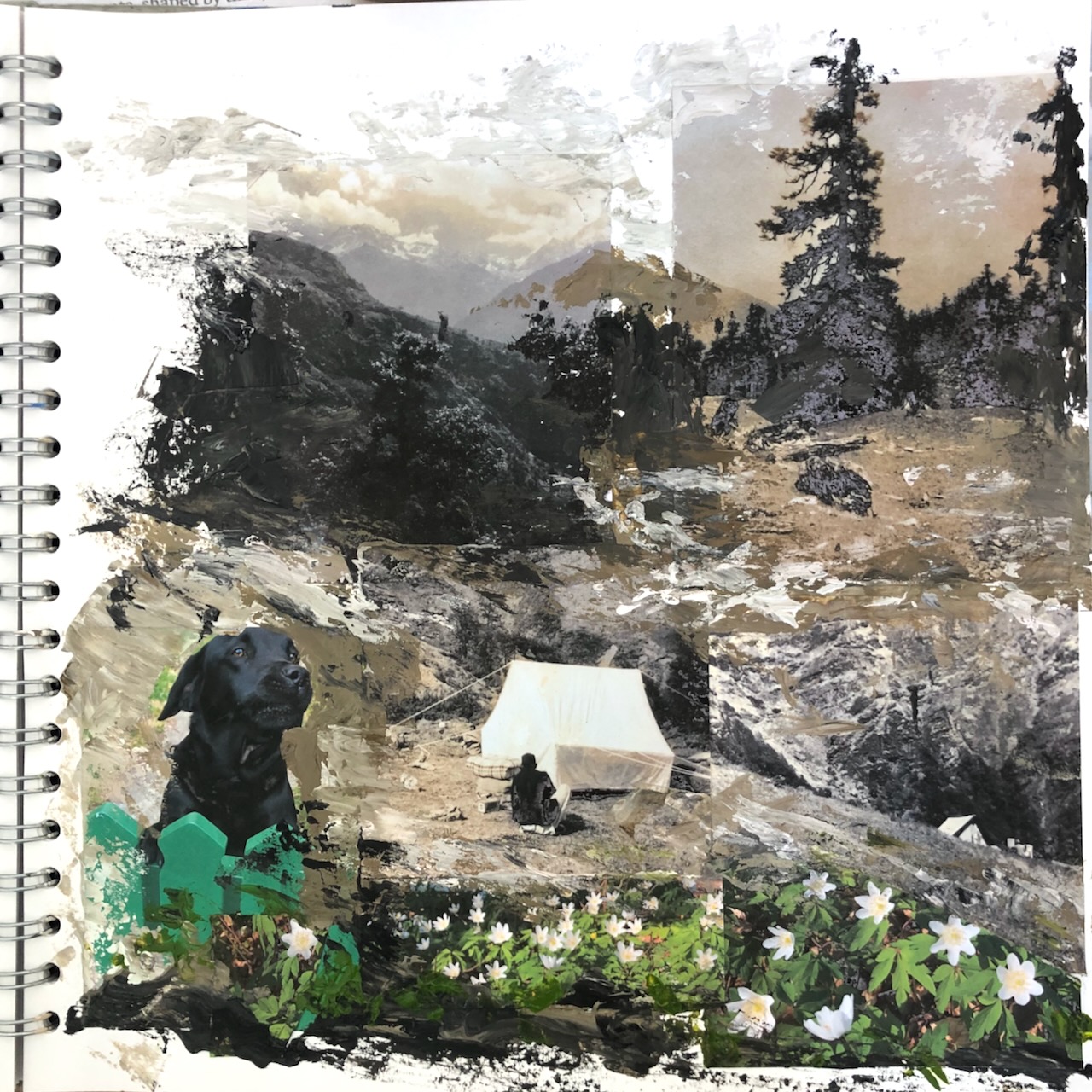
Maybe I am nostalgic. That could well be. Equally possible is that I am frustrated that though I have an all-singing iPad, I have not mastered the brilliant tools of Canva, Procreate or iMovie. Instead, I sit in my studio with scissors, glue, sticky fingers, and paper images strewn across the floor. I assemble and reassemble in contortions that resemble games of Twister. I destroy, lose and abandon works… often wishing there was a Command Z key I could tap to undo the error that led to ruination and the bin. 
I have no wish to be a fuddy-duddy doom monger like those who thought our heads would blow off when the motor car was introduced, or who mourned the loss of letters when the telephone was created… though there is loss as well as gain involved in both inventions. But my forthcoming exhibition CONVERSATIONS ACROSS TIME is distinctly handmade. And like IN PROCESS last autumn, it is experiential, small and intimate. 
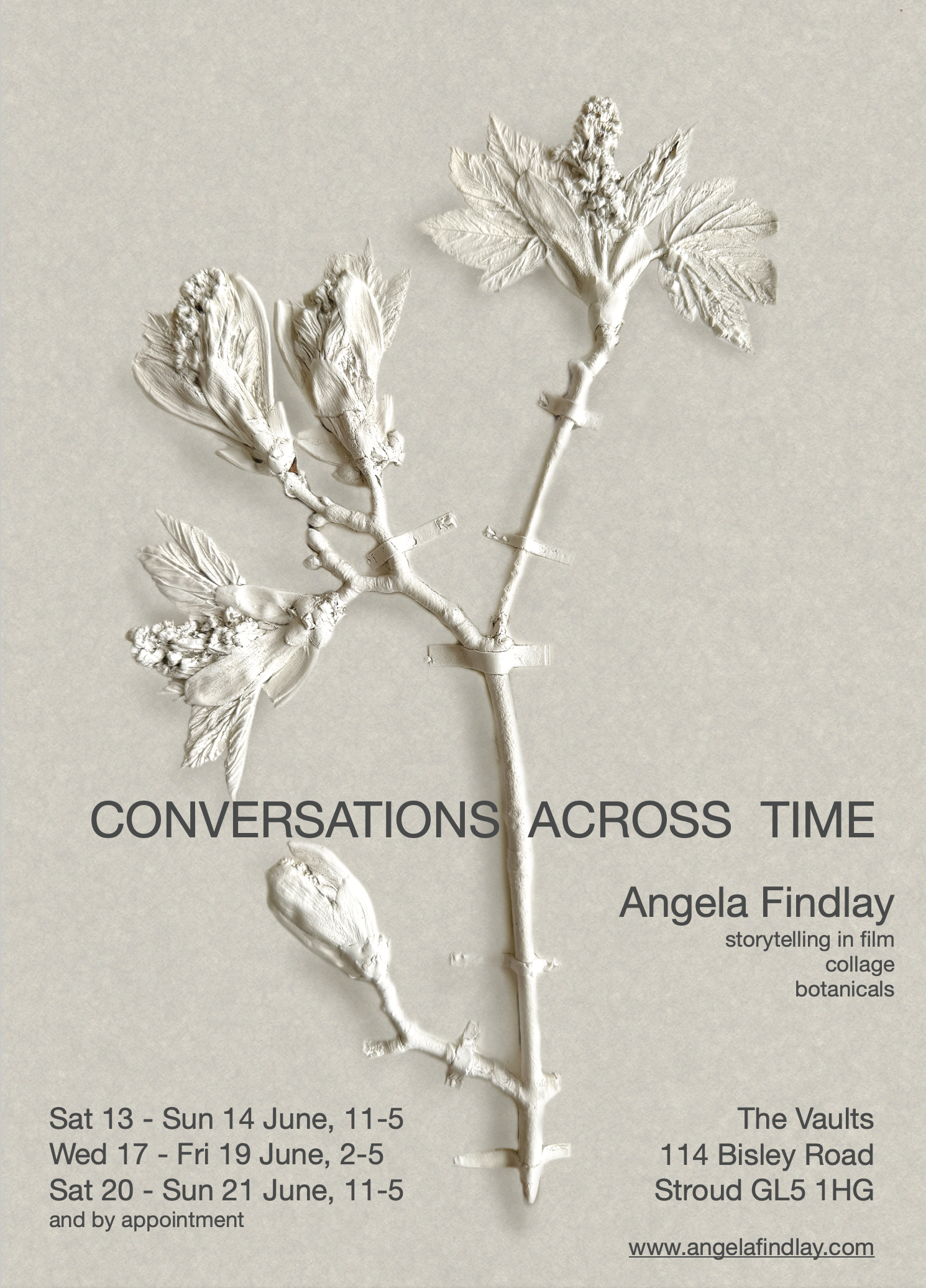
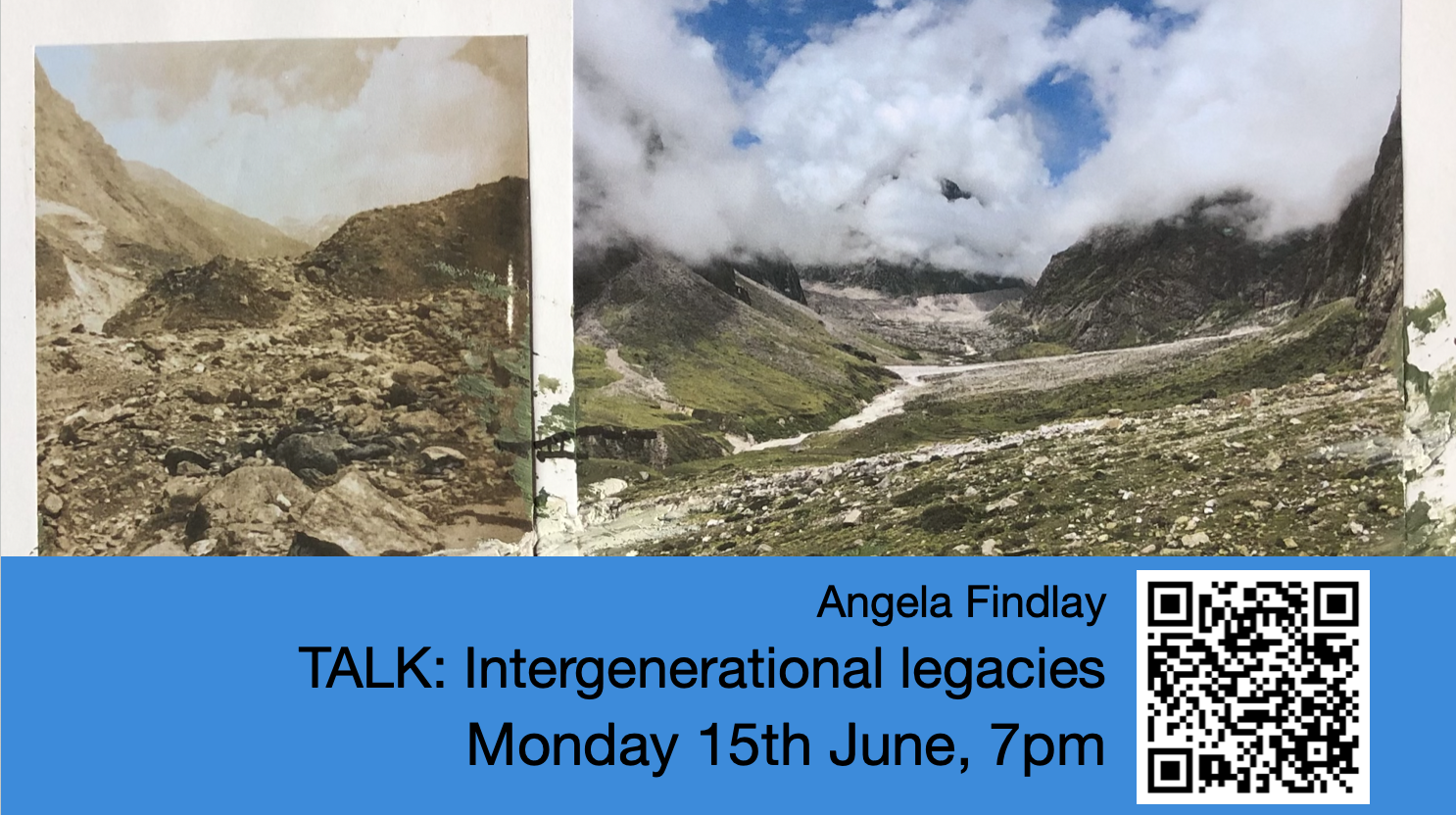
Part of Stroud’s brilliant annual SITE Festival, it continues to tell the story of my intrepid great-great-aunt, Joan Margaret Legge, while exploring, in a variety of media, intergenerational relationships and the legacies of those who have gone before us.

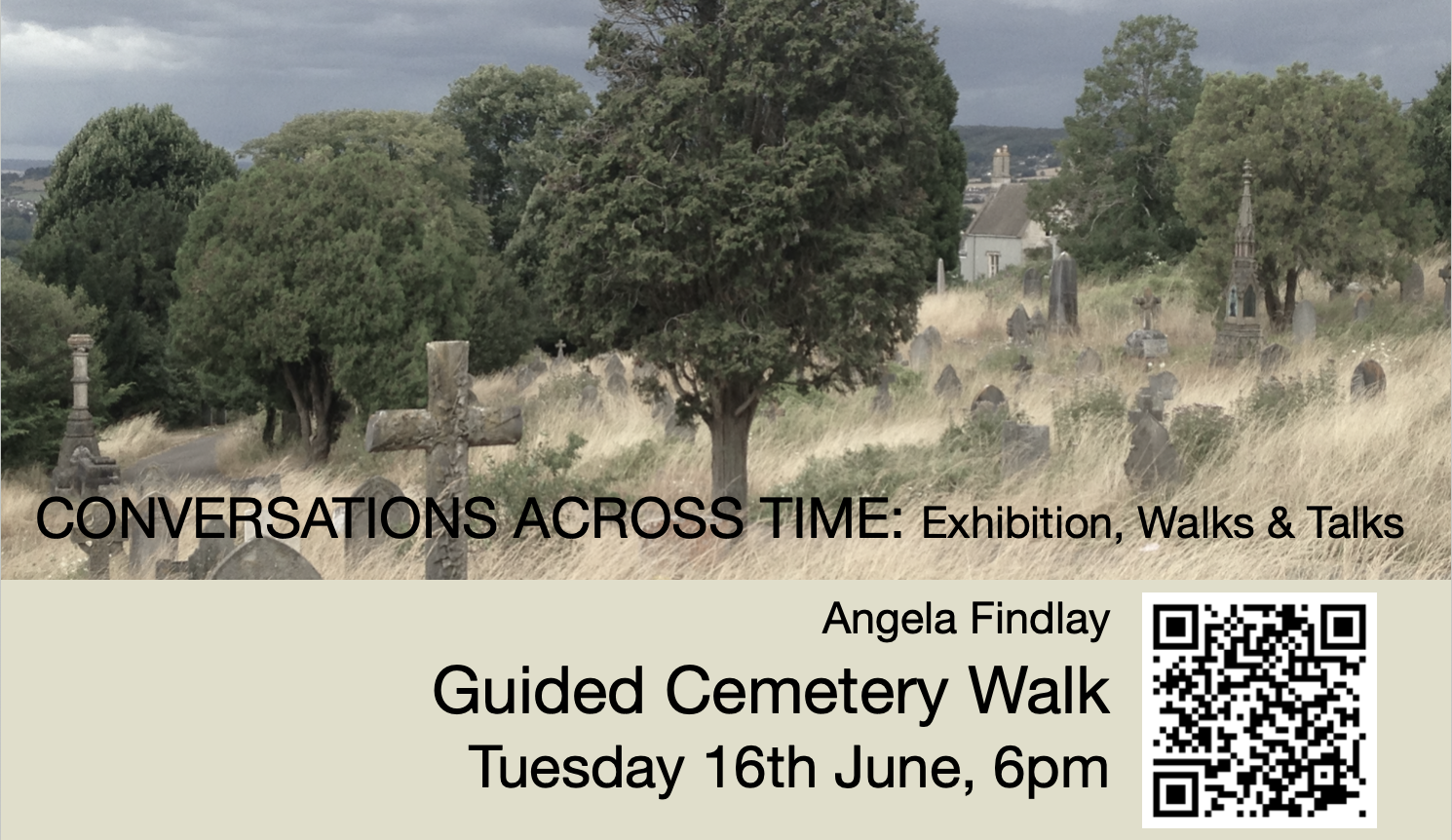
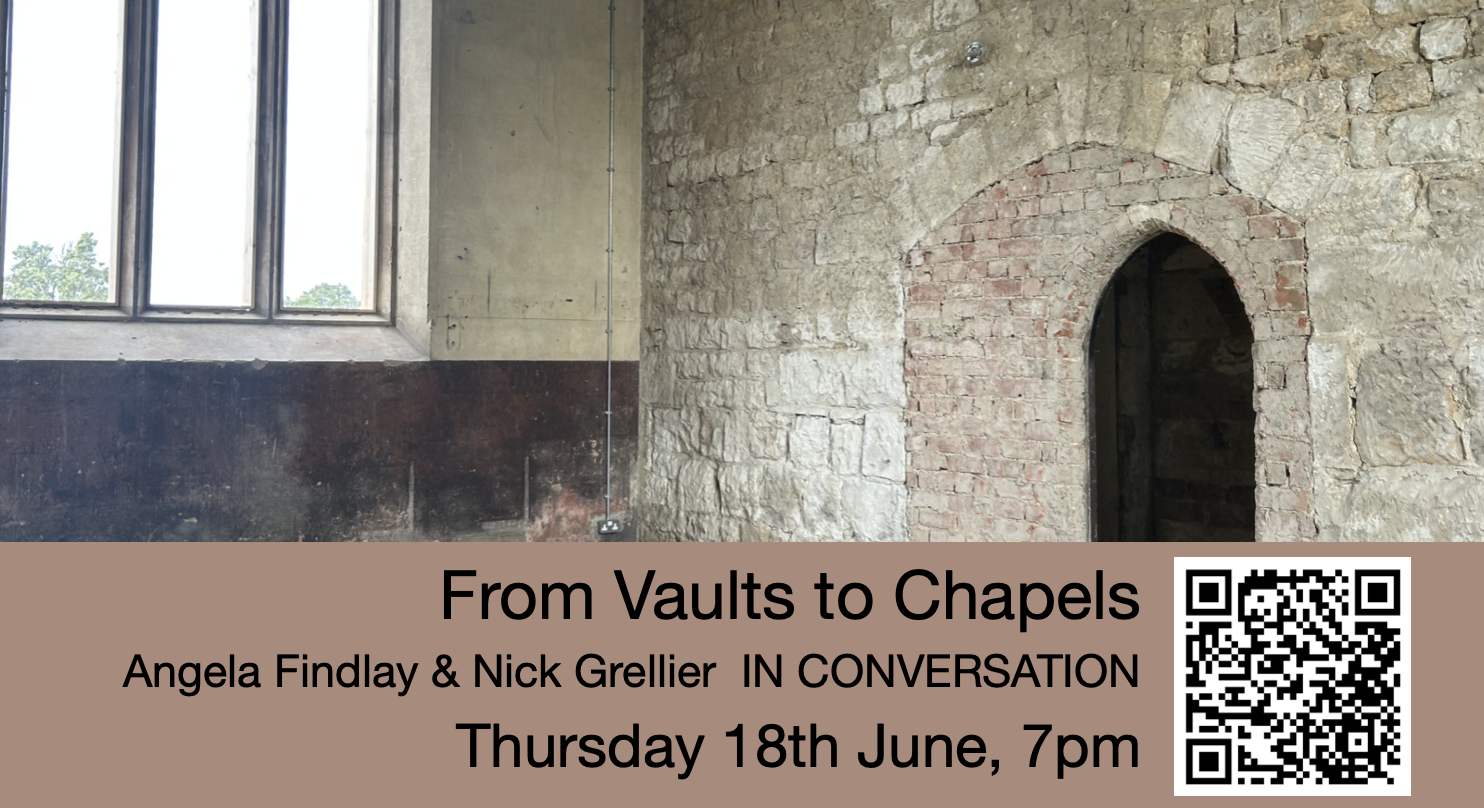
I invite you to physically immerse yourself in The Vaults in Stroud Cemetery, or attend one of the events below that are linked to the themes explored. Or simply benefit from the advances in technology that will allow you to see some, (but not all) of it with a few clicks here from the comfort of your home! 

More INFO and TICKETS to events: Use QR codes below or click here: TALKWALKIN CONVERSATION

The easiest way to receive up-to-date information on Talks, Exhibitions and Events is to Sign Up to my occasional newsletter. You can unsubscribe at any point.
Following Joan… Part One

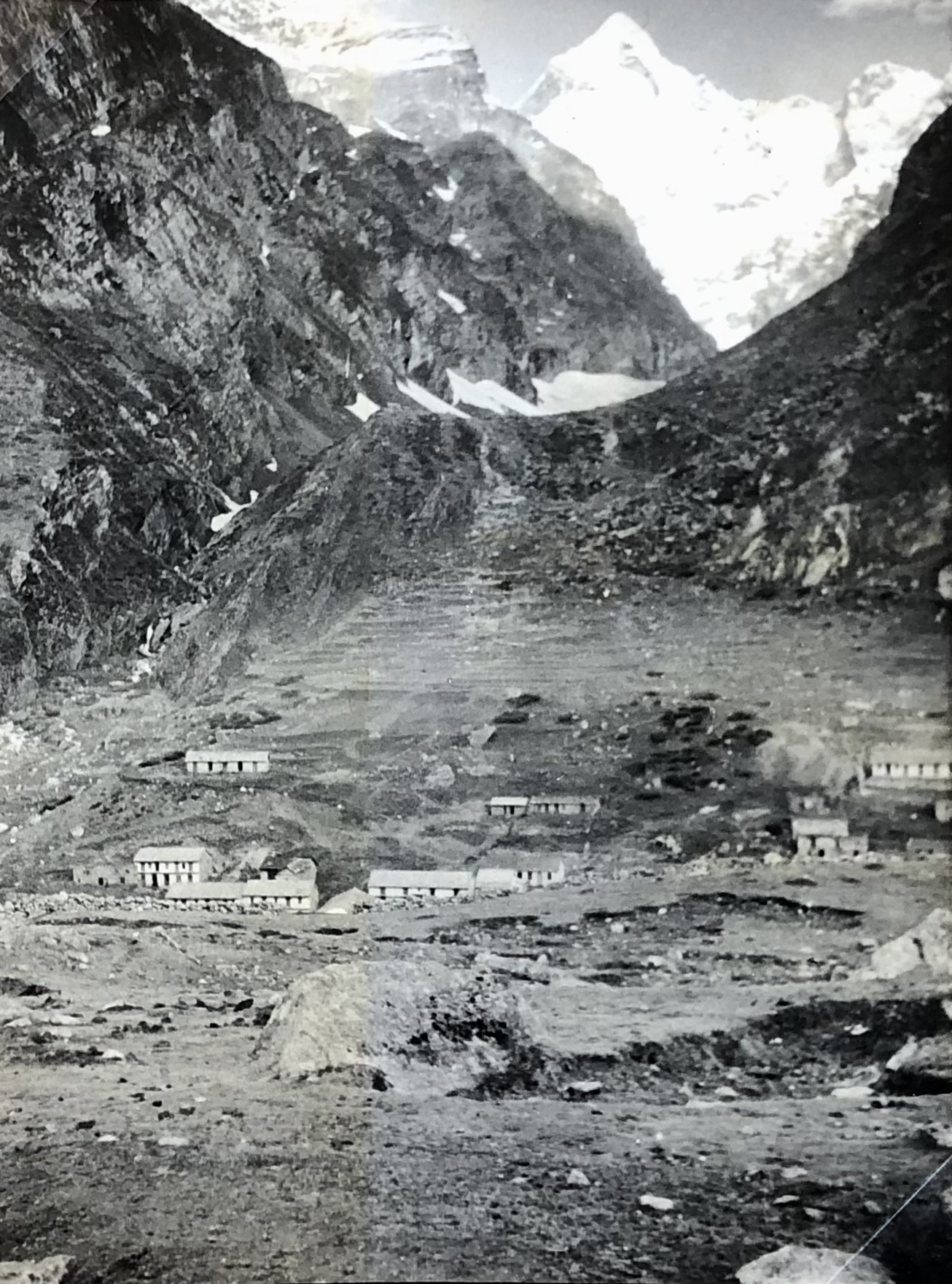
On 17th February 1939, Joan Margaret Legge boarded the T.S.S. Hector at Birkenhead’s Vittoria Docks and set sail for India. Surrounded by a flurry of last-minute flowers, letters and good wishes as well as Leica cameras, rolls of Kodak film and 17 packages from Fortnum & Mason, she began a four-week sea voyage that would deposit her in Mumbai. From there she would travel north by train to the Himalayan hill town of Ranikhet. And so, aged 54, began her greatest adventure.

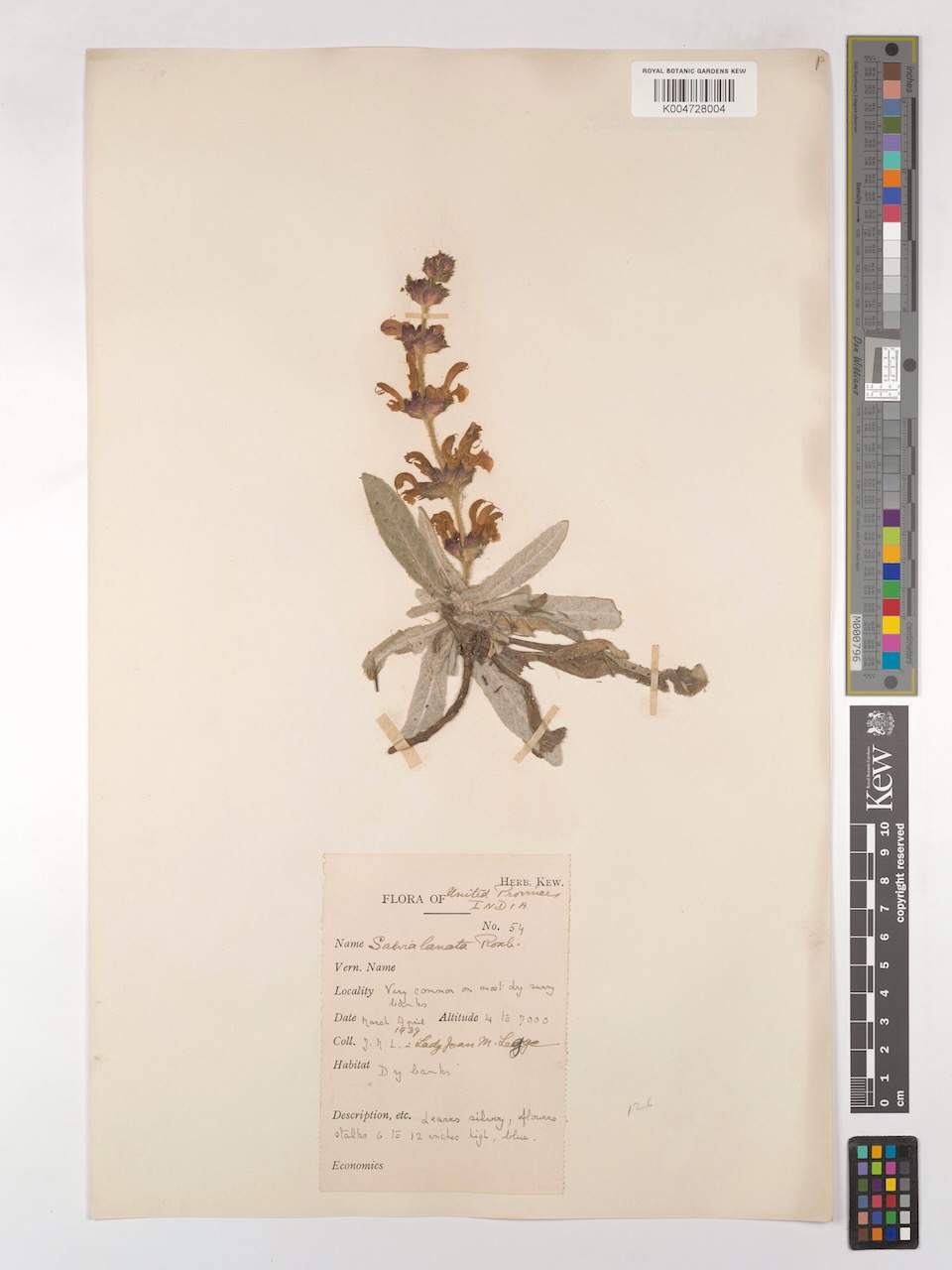
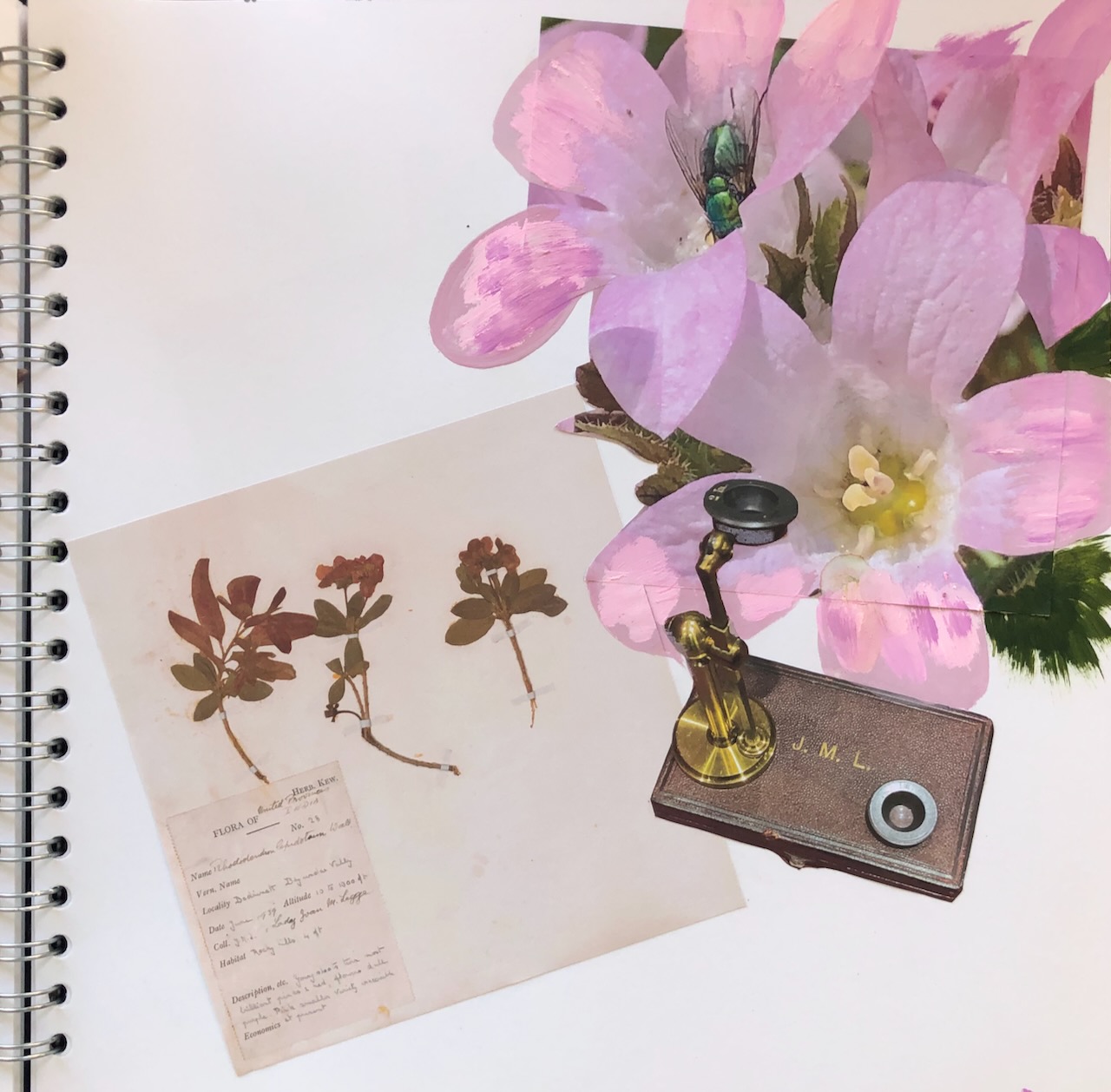
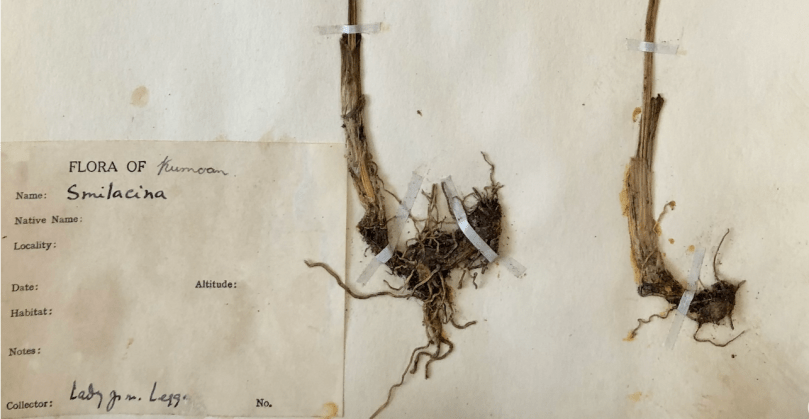
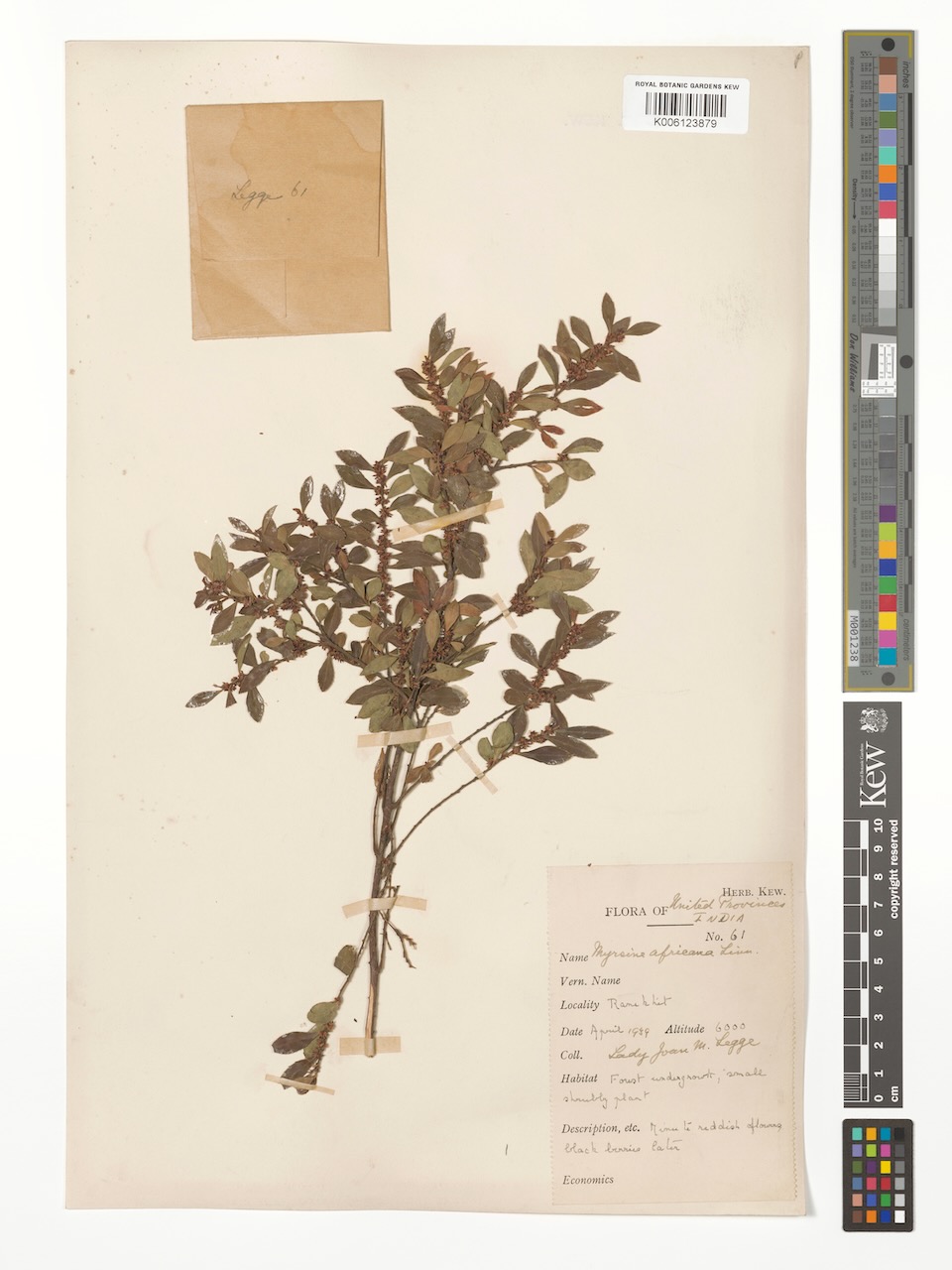
The year before, Joan had read mountaineer Frank Smythe’s newly published book The Valley of Flowers and was so captivated by his descriptions of the majestic Himalayas that she resolved to go there herself. With the intention of adding to the collection of flower specimens Smythe had collected, she offered her services as a keen albeit amateur botanist to Kew Gardens, who willingly accepted sending her flower presses and detailed instructions on how to collect and preserve flora from the field. 

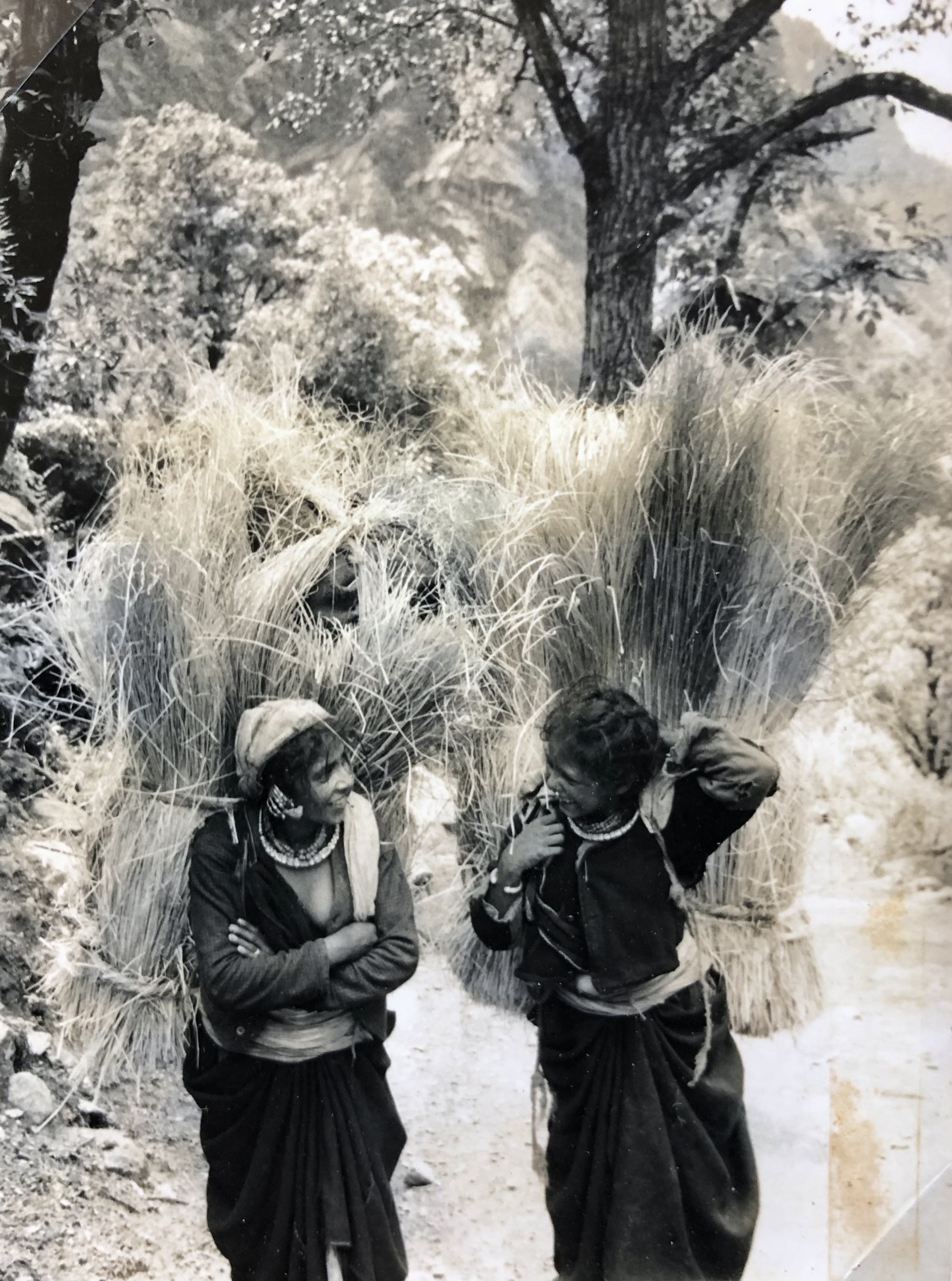
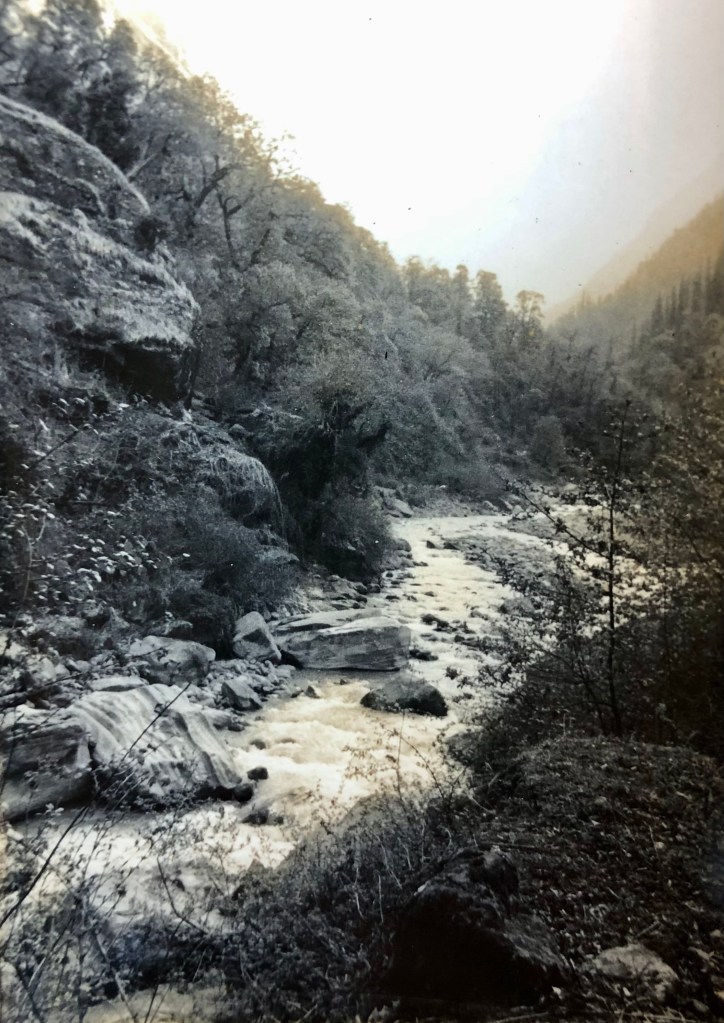
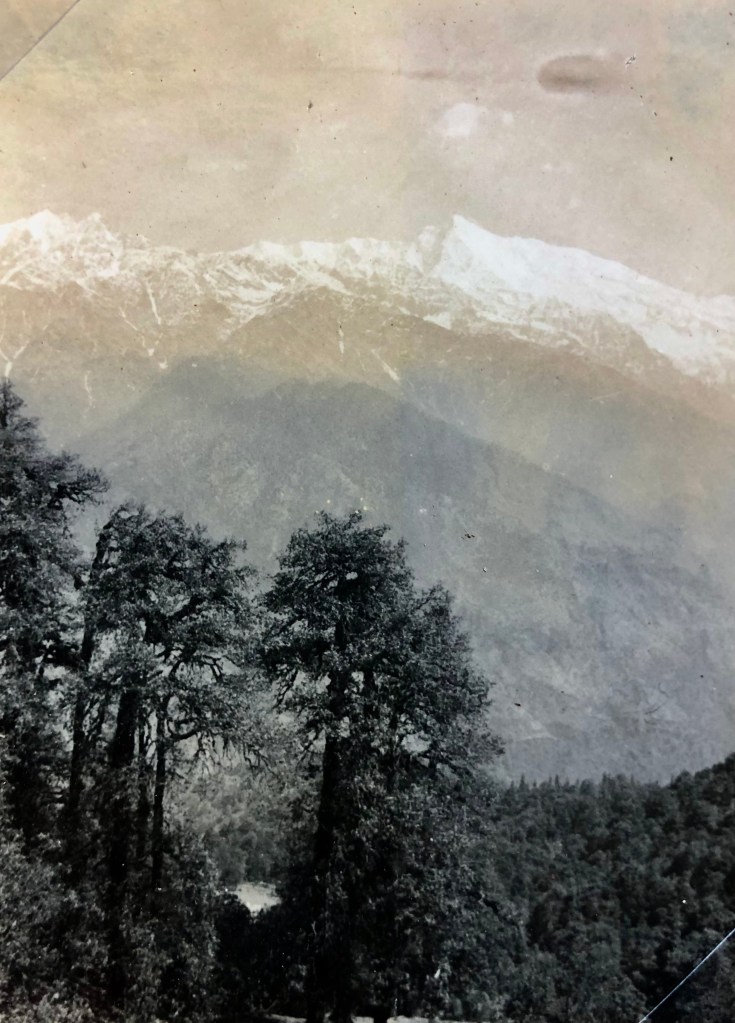
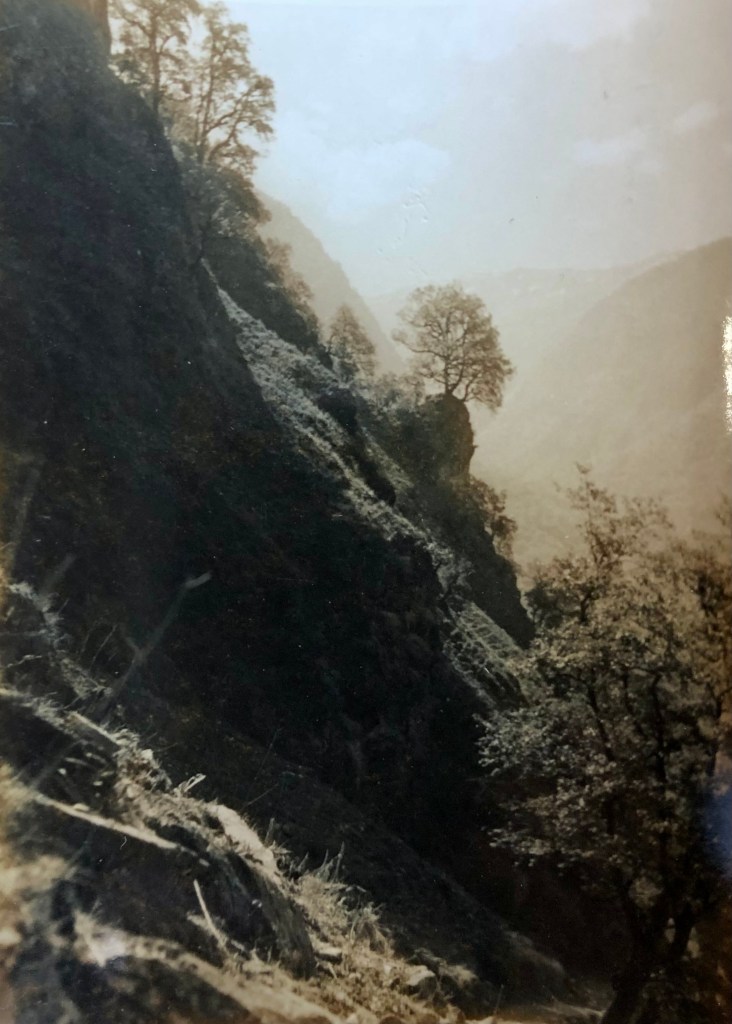
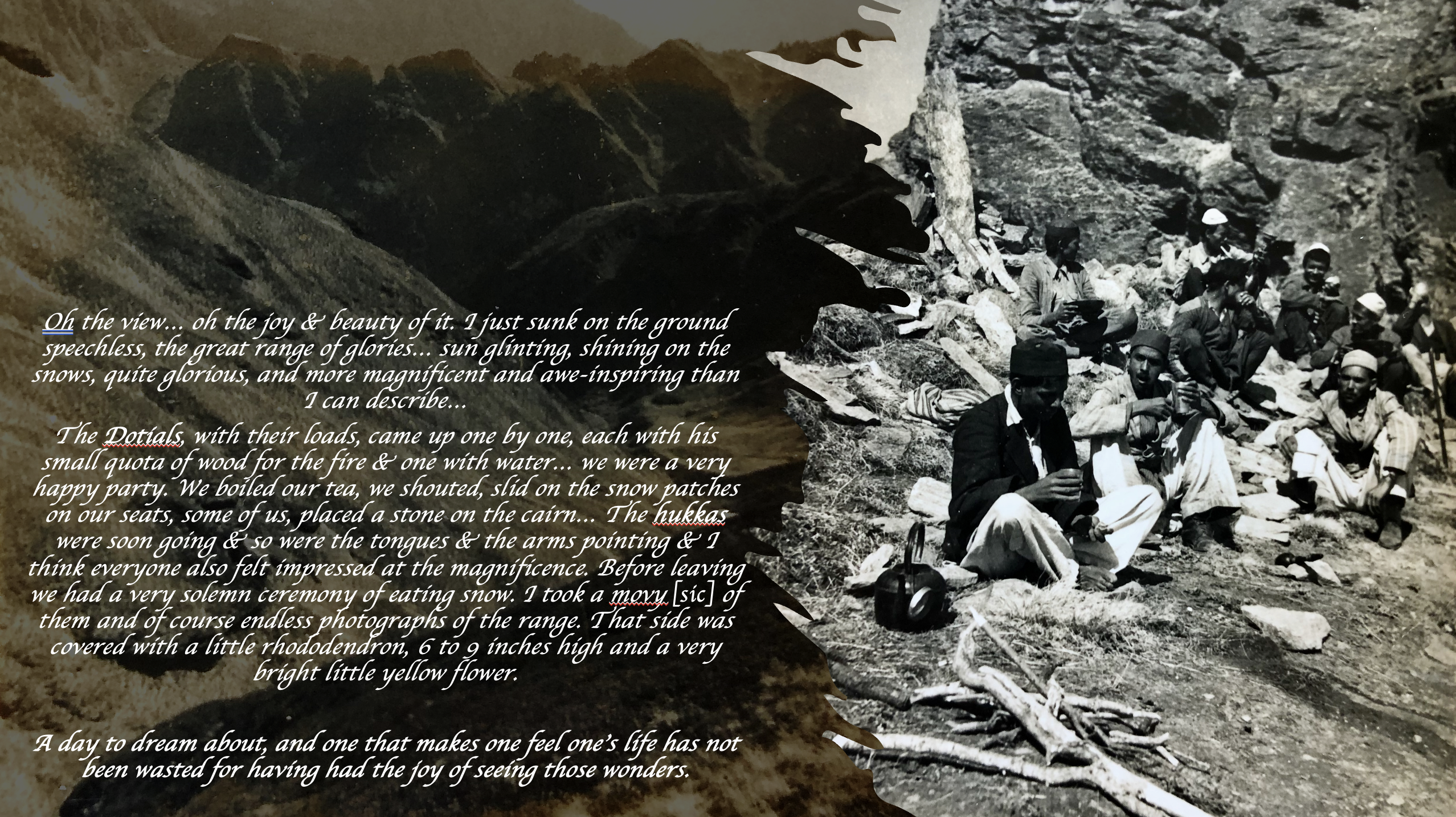
Her daily diary entries – written in tiny, meticulous script – and a remarkable collection of surviving photographs, now housed at the Stafford Archives, paint vivid scenes of rural life in northern India. As a woman navigating imperial times, Joan observed the stark poverty, the tangled legacy of British rule, and the troubling presence of Christian missionaries amid deeply rooted local faiths. Yet she did so with sensitivity and genuine curiosity, not the arrogance or entitlement so often associated with her era. She taught herself enough Hindustani to converse with those she met along the way, delighting in children, cups of tea, goats with saddle bags and botanical novelties in equal measure.

Several months of acclimatisation treks around Ranikhet gave her time to assemble a team of guides and porters and to test her equipment – tents, a canvas bath, ice axe and other supplies – in preparation for the ultimate trek to her final destination: the remote, high-altitude Bhyundar Valley, nestled just south of the Tibetan border. On May 22nd, they headed north.

31st May, 1939. Arrival at the Kuari Pass: A very great day in one’s life

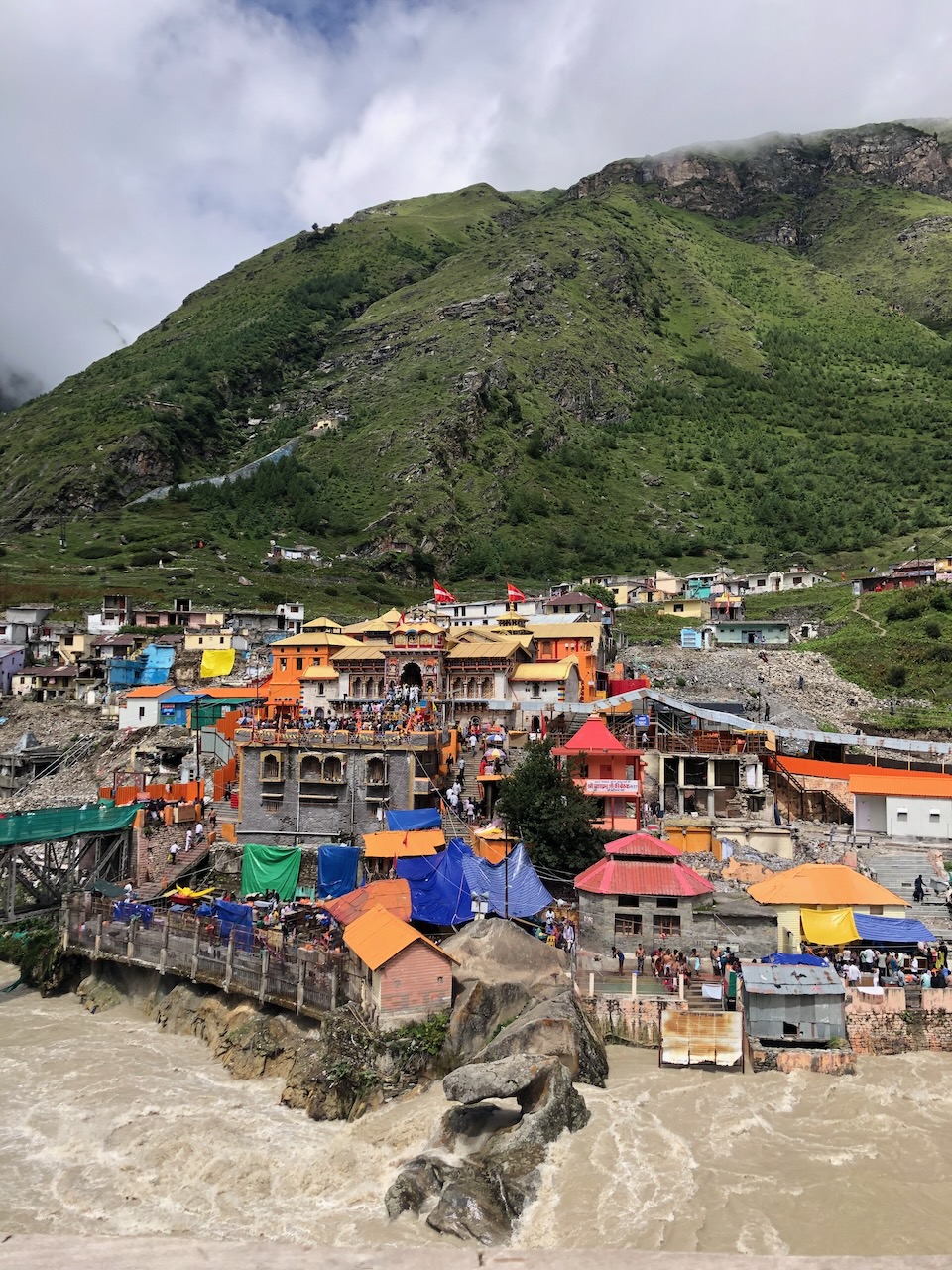
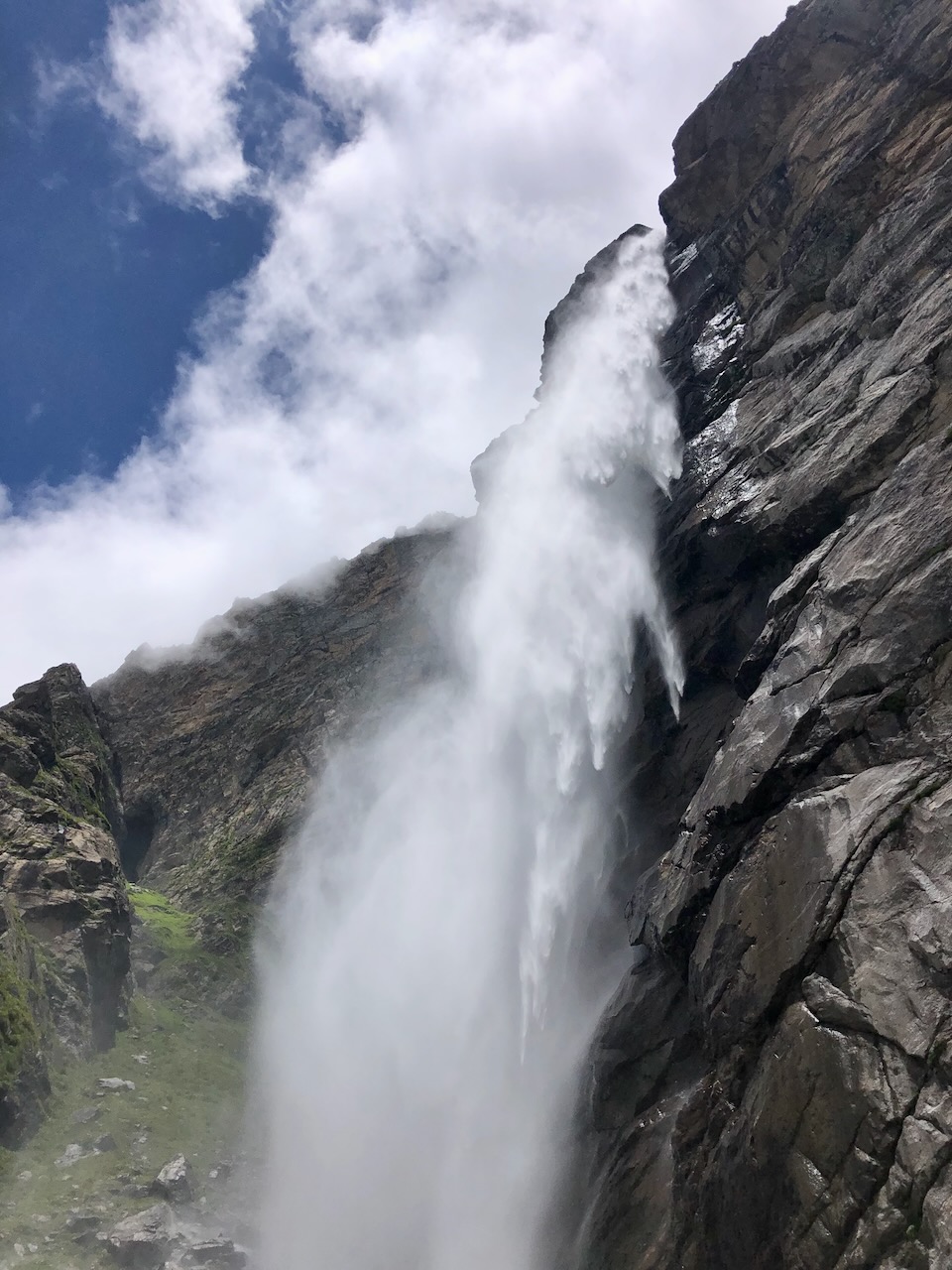
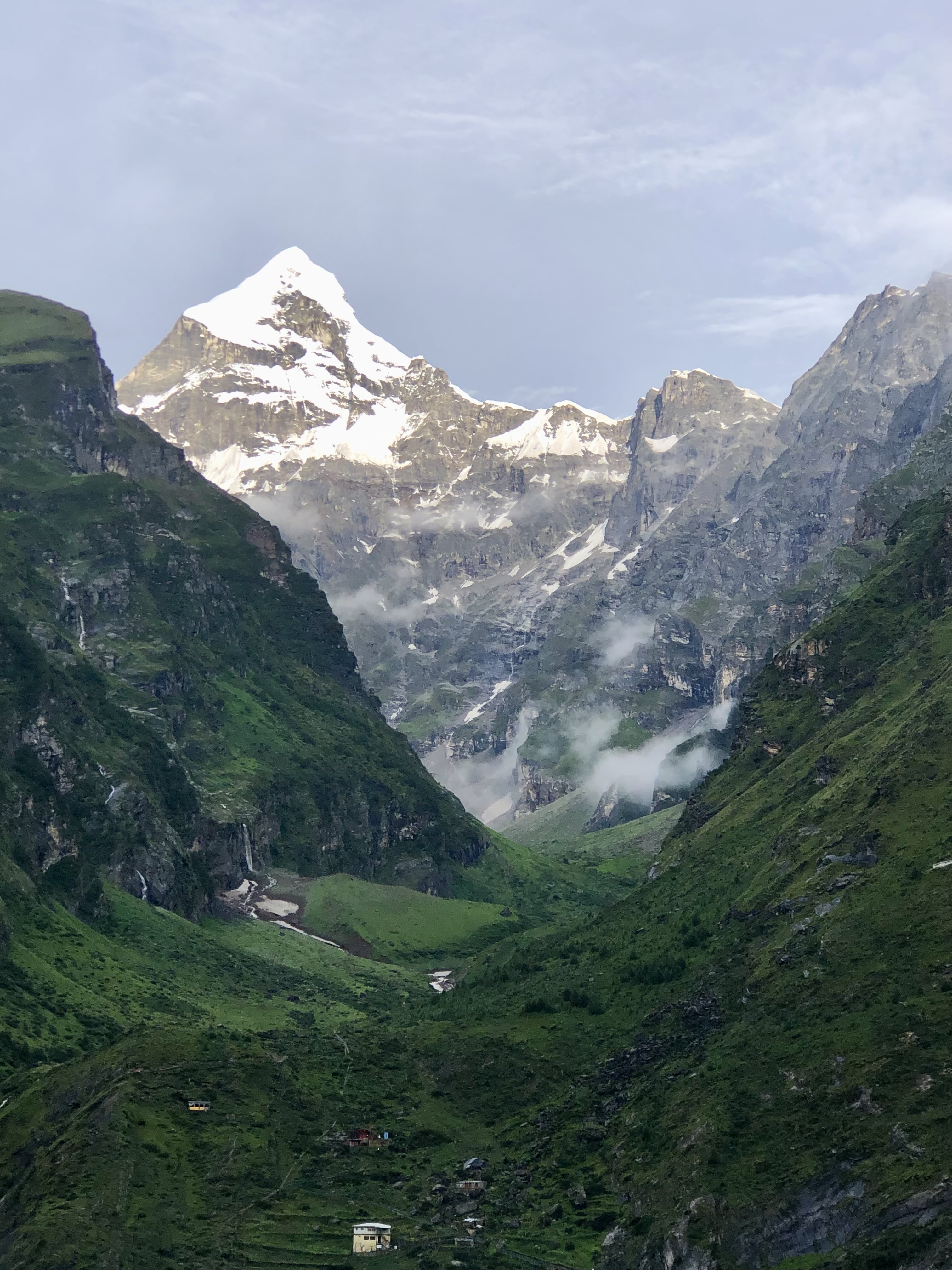
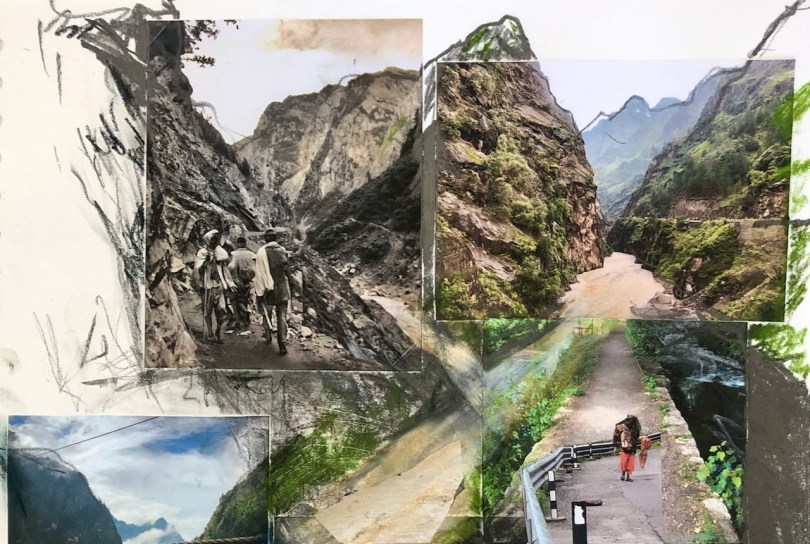
As I have mentioned in earlier blogs, Joan was my great-great aunt on my father’s side. And last July, three other descendants and I retraced her Indian footsteps. Together with local guides who were already familiar with ‘Legge Ma’am’ as they fondly and reverently called her, we made our way to some of the same hills and valleys she once walked, recognising waterfalls, temples, holy trees, bridges and landscapes she had captured in both writing and image.

Like all pilgrimages to places of memory, her story seemed to reassemble itself in the elements around us: the humid air, the scent of pine needles crunching underfoot, the wind and monkeys dancing through the trees, the sheer drops and raging rivers, the saffron-clad pilgrims, and the fleeting glimpses of snow-covered peaks – ‘the Glories’, as Joan called them in her awe – emerging through shifting skies. As the four of us dipped our toes into the trials of that wild and beautiful land, its altitudes, its weather, its unfamiliar rhythms, her quiet courage and unflinching resilience rose steadily in our esteem.

Joan’s story is that of an intrepid 54-year-old woman who displayed the same grit and independence as her more famous contemporaries, such as Gertrude Bell or Evelyn Cobbold. But unlike them, her path was quieter, deeply personal and largely unsung. Her modesty, her self-deprecating wit, and the sense of spiritual joy and serenity captured in her letters and journals only deepen the power of her achievement. The beauty and the tragedy of what came to pass have lifted Joan’s journey into something more than biography. It is a story that asks, gently but insistently, to be remembered. Maybe I am the last in our lineage to feel her so vividly. Maybe I am the one meant to tell it.

With that in mind, on 17th February 2025, exactly 86 years after Joan set sail, I stood at Vittoria Docks in Birkenhead to symbolically wave her off. I imagined the Hector gliding down the Mersey, carrying with it not just Joan and her belongings, but the promise of new horizons and adventure. I walked beside the ghost of that ship until it reached the sea, trying to feel what she might have felt… the thrill and anxiety as she watched the landmass she called home and all that was familiar fade from view.

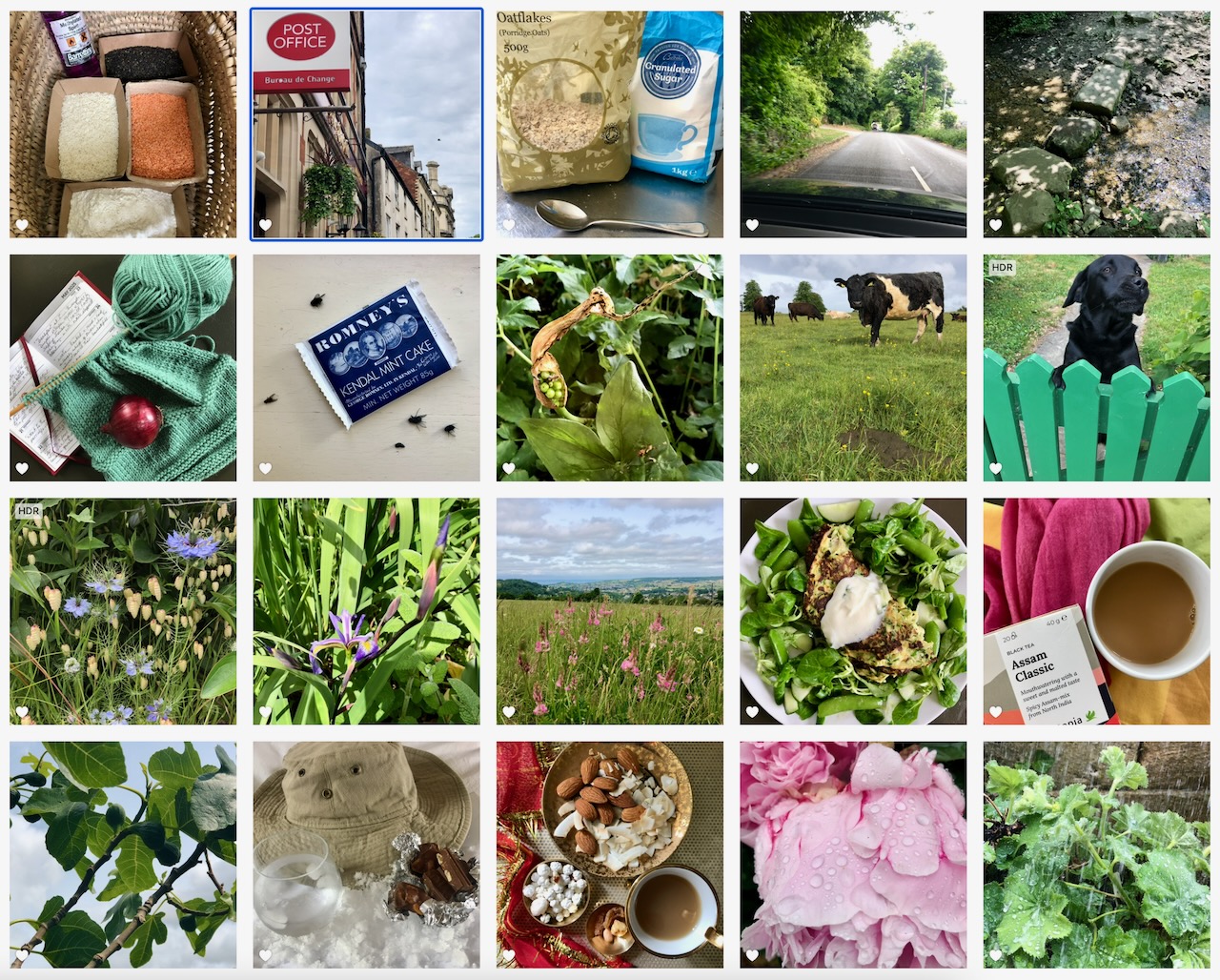
Daily Instagram posts: @ angela_findlay

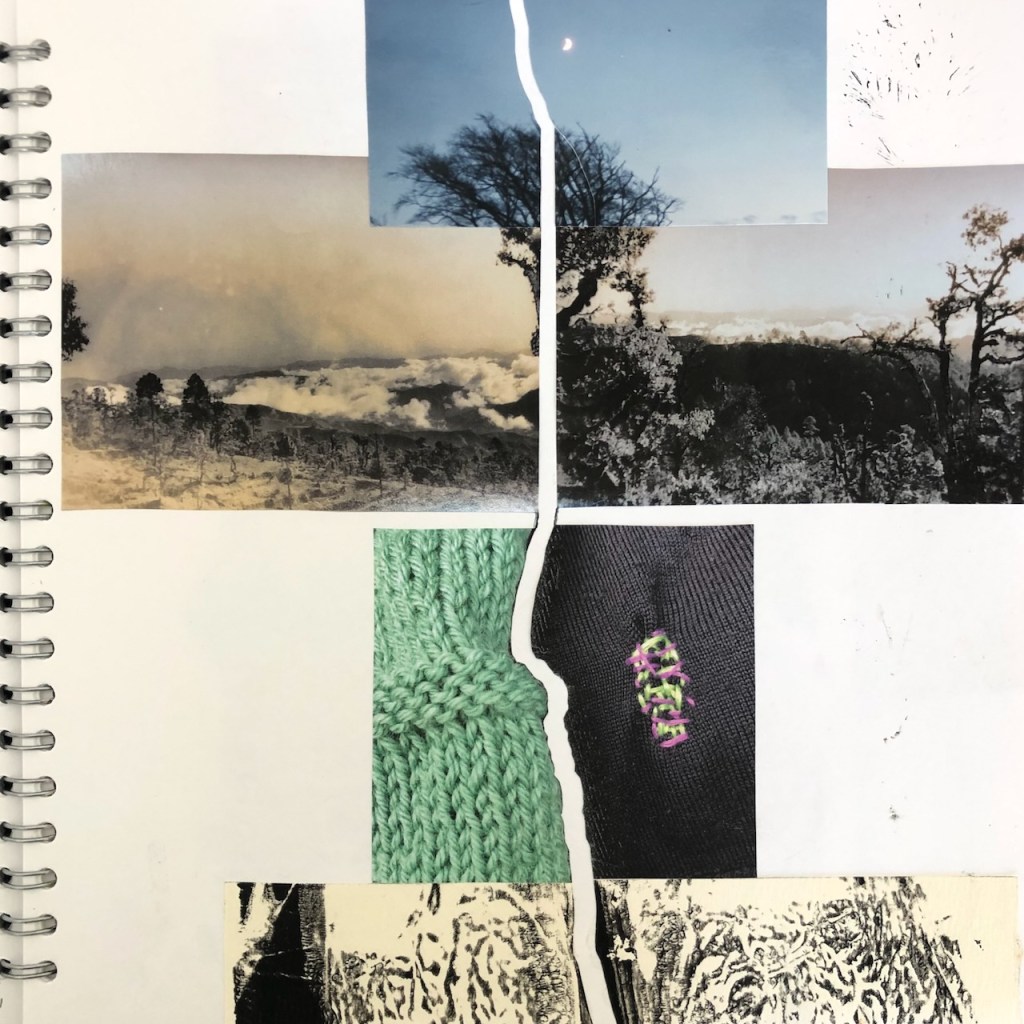
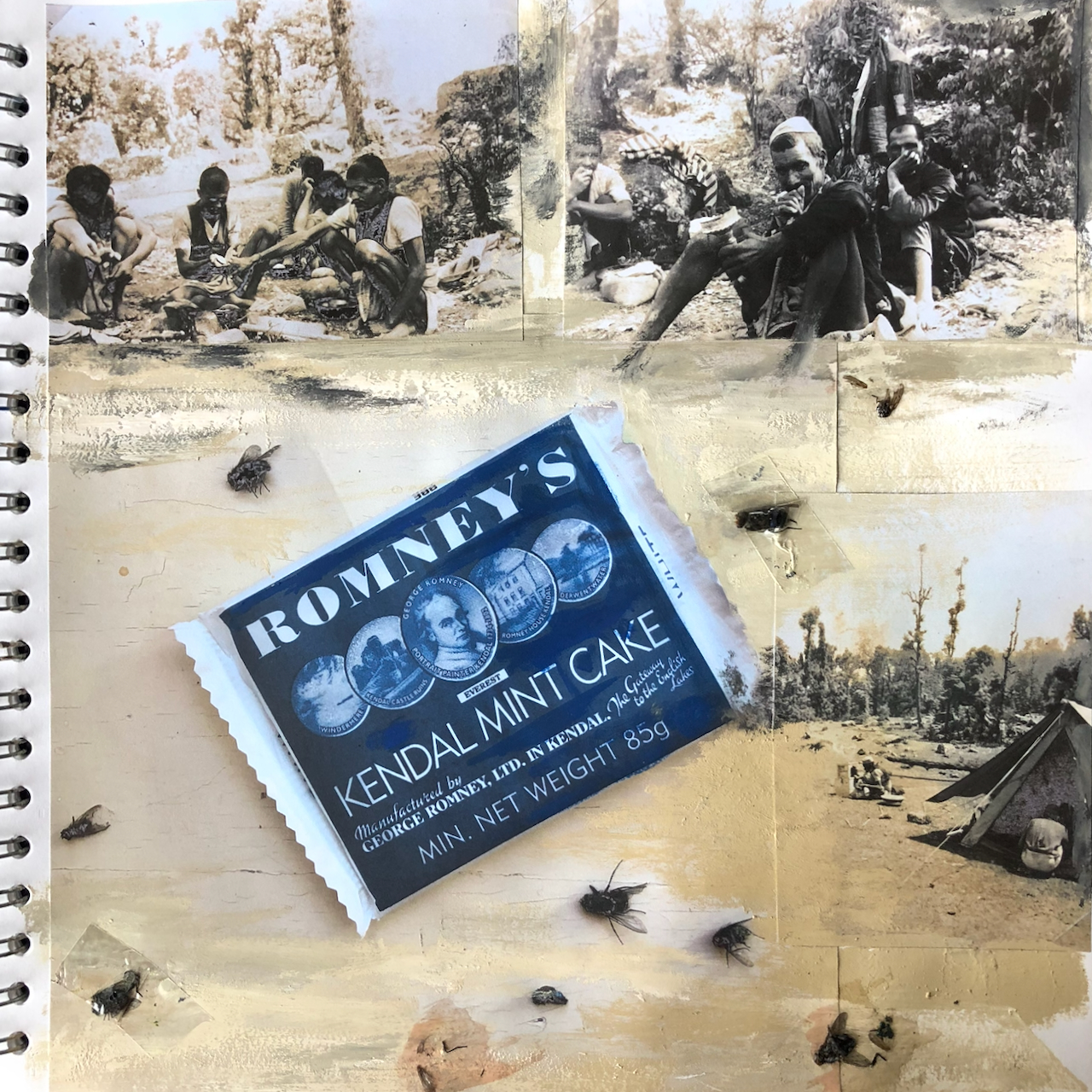
Since that day, as some of you will know, I’ve been following Joan’s diary in real time, reenacting something she saw or did each day, capturing it through a single square photograph, posting it to Instagram, and translating it into an artistic rendition on a page in one of several dedicated sketchbooks.

Just as she did, I keep a written diary threading her life into my own. These past months have served as a reintroduction to my artistic practice, long abandoned as my brain grappled for a decade with words rather than images to write the story of my German grandfather. The process has involved an exploration of techniques in visual storytelling as I reacquaint myself with paints and brushes, scissors and glue, clay and plaster. Layers of collage stitch tenuous patterns between past and present, India and England, flowers living and long dead.

As today’s world echoes the precariousness of Joan’s, my gaze drifts over flowers and leaves, tracing their delicate lines in quiet wonder, both with my eyes and the tip of my pencil. My studio has stirred to life. And the steady rhythm of commitment and focus have birthed new creative ideas and potential collaborations.

Joan died on 4th July 1939. As that date approaches once again, I’m nearing the end of our shared journey. I will miss her – a courageous companion and inspiration. A daily reminder of a world that predated the horrors of WW2, ecological destruction, plastic waste and the proliferation of smart phones. But Joan’s story didn’t end with her death. And my telling of it doesn’t end in the fourth incomplete sketchbook.