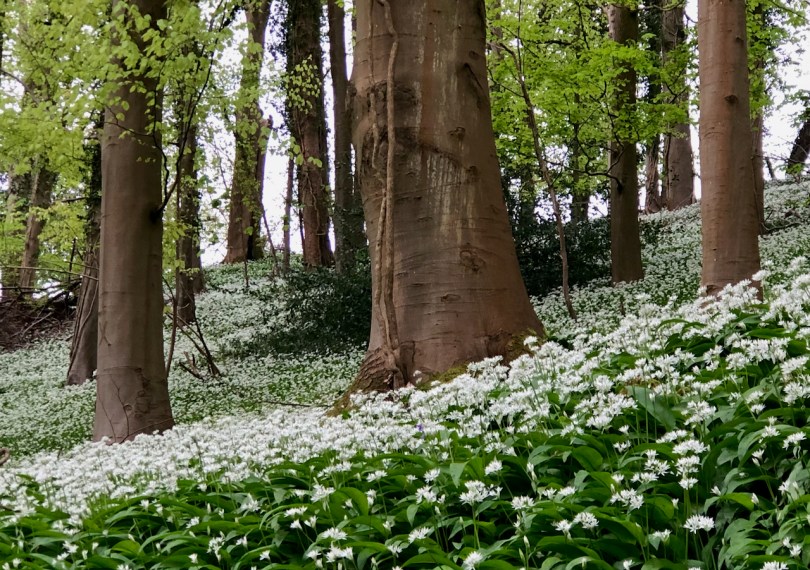
For the past month I have been immersed in the sights and sensations of Northern India… not literally but in my head, psyche and the screen of my desktop.
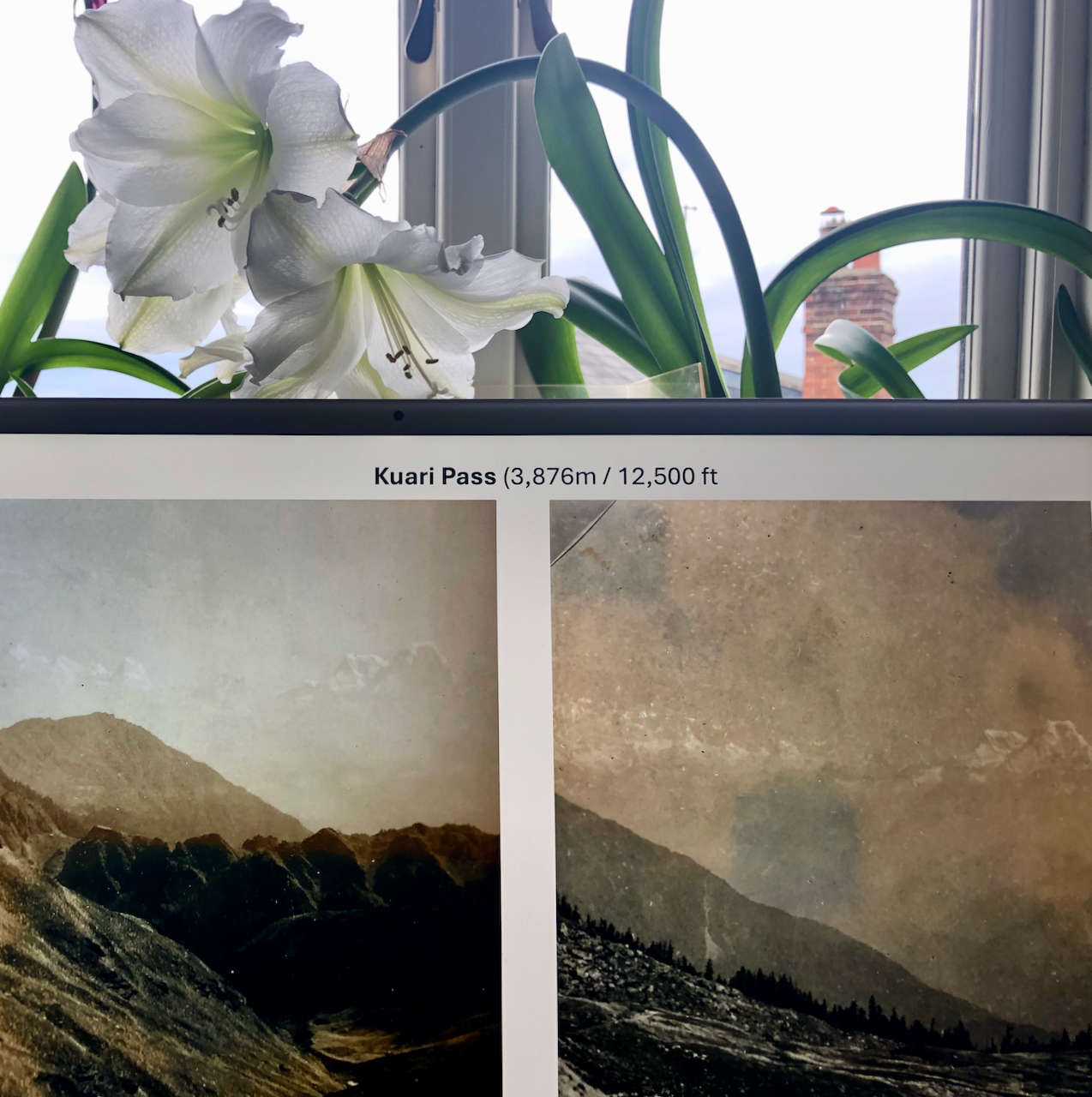
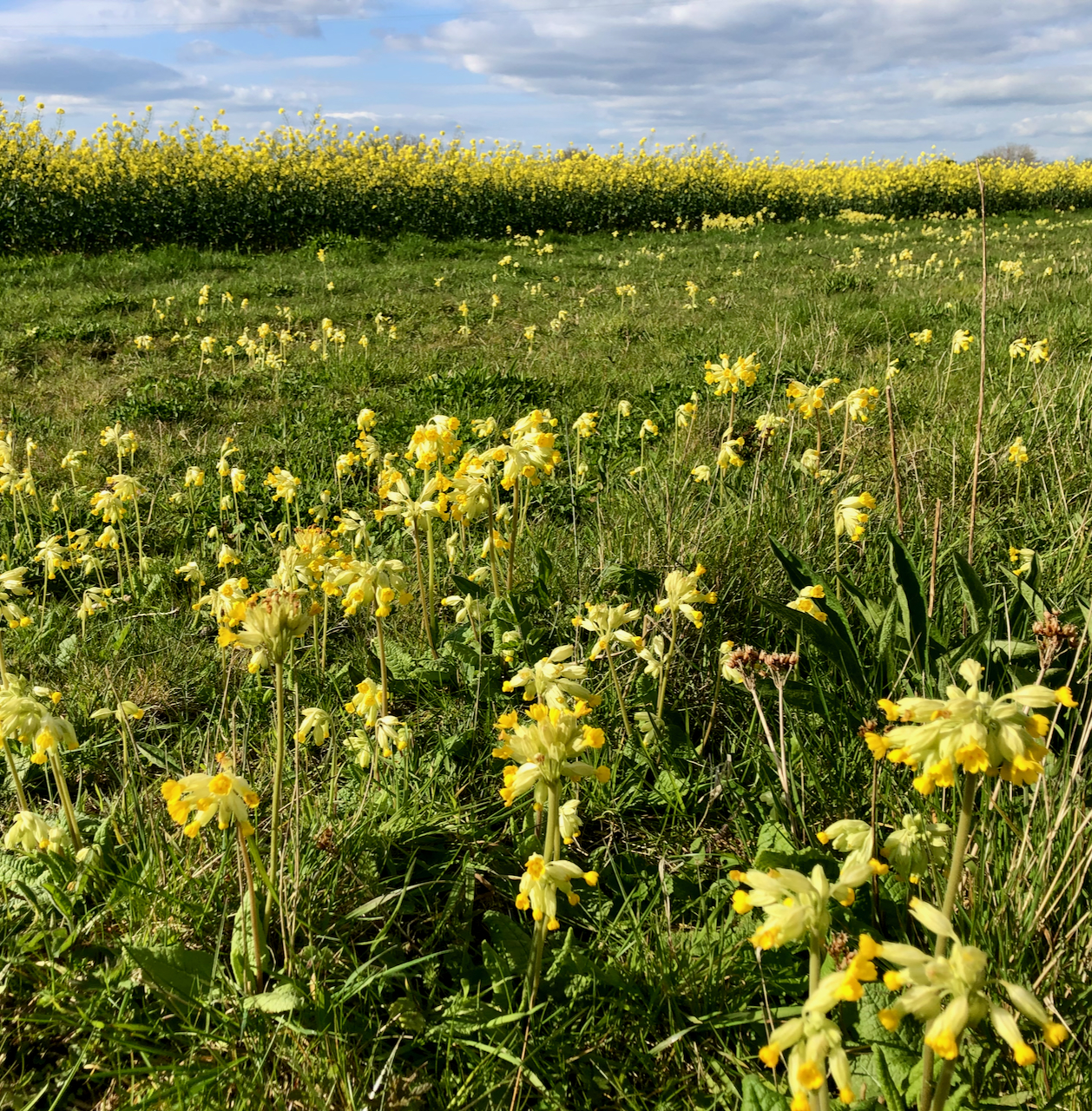
Having stepped out of my German ‘grandfather’s shadow’ and the darkness of the times in which he was embroiled, I am now switching families to walk in the footsteps of my English Great Great Aunt, who travelled to the Himalayas to gather flower seeds and specimens for Kew Gardens. Surrounded by the blooms of Spring and regularly soaked by rains, just as she was, it has not been difficult to feel my way into her world. And it’s a great deal more enjoyable than marching across Russia in 1941.
A friend recently asked me, what is it that makes you research your predecessors? Why do you feel a need to look back? I couldn’t come up with an off-the-cuff answer, just an interest in the question and a strong sense that ‘looking back’ wasn’t really what I was doing.
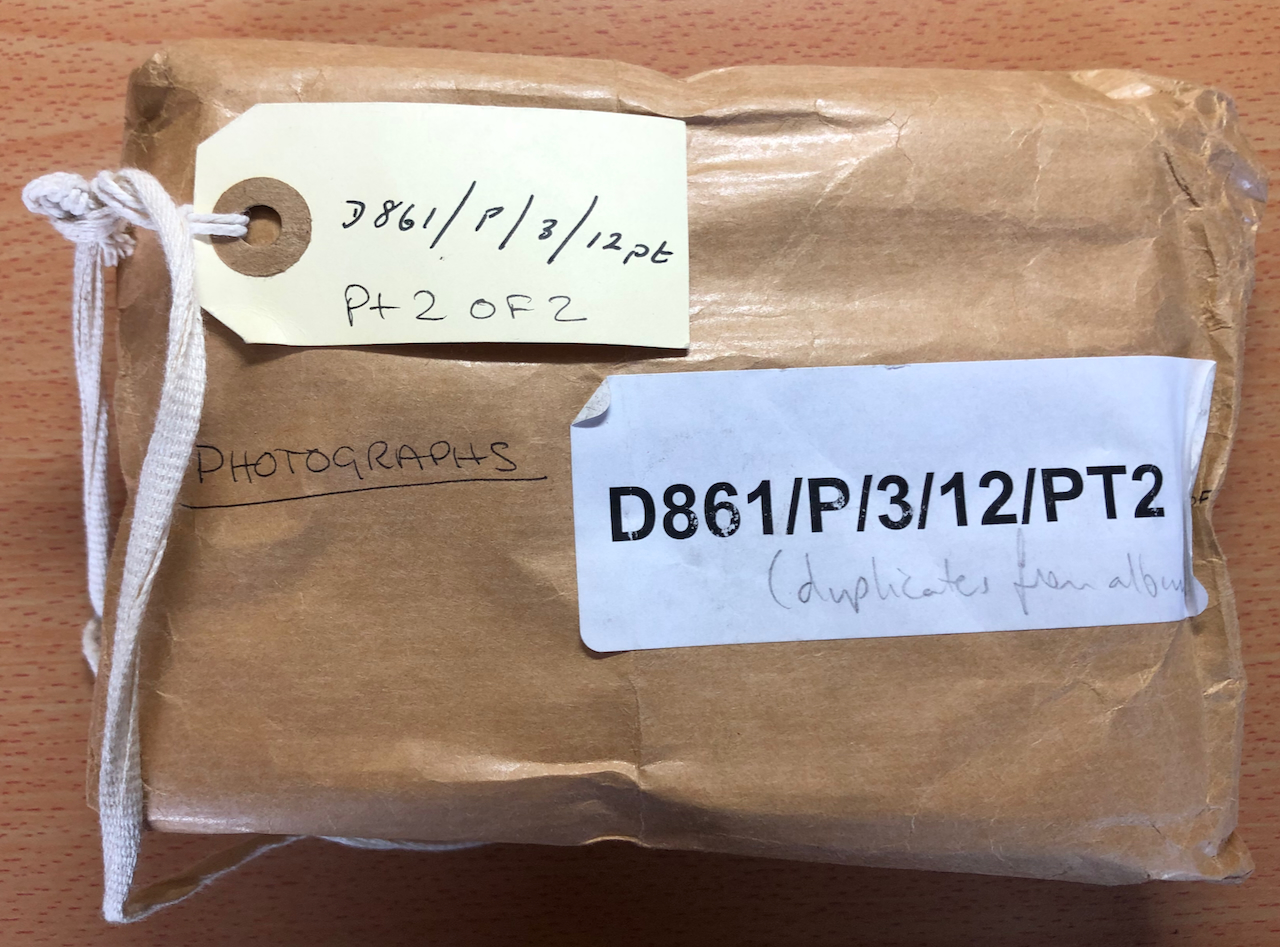
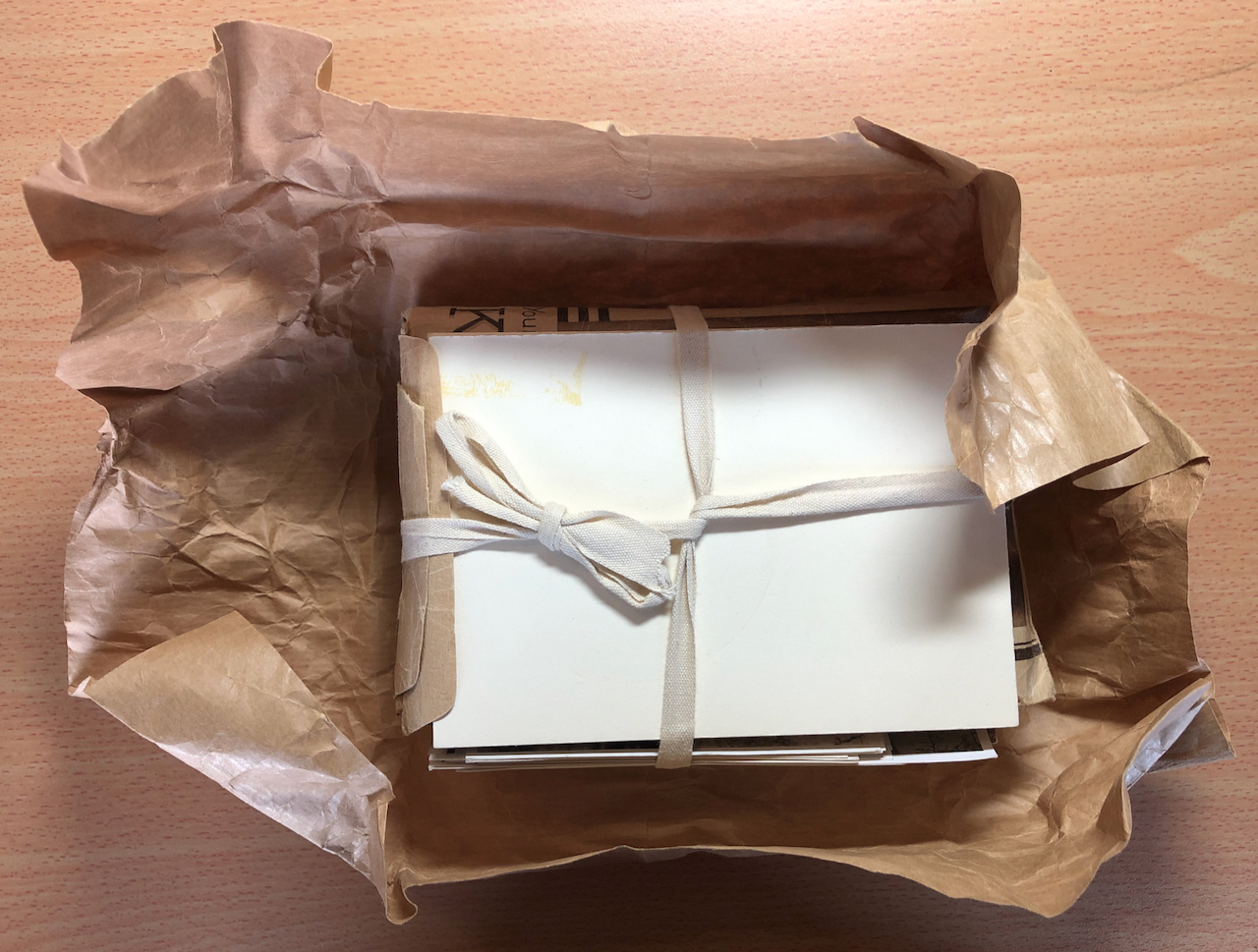
You will hear more about my Great Great Aunt Joan in the future for she is the subject of my current research. I don’t yet know where it will lead, I just love unpacking ‘brown paper packages tied up with string’ stored away in archives, reading diaries and letters, and scouring black and white images for visual details that will help me create a picture of a once living person long since buried in the annals of time.
Joan’s grave lies in the Himalayan ‘Valley of Flowers’, 3,600 metres above sea level just west of Nepal and flanking the Tibetan border. She died there in 1939 aged 54. For many months of the year it is concealed by the snows but in the few months between June and September when they melt and the valley becomes accessible, a small rectangular gravestone emerges in the verdant meadows like a baby’s first tooth. Nestled below a range of snow-capped ‘glories’ that zigzag a skyline into the rarefied air, it captures the imagination of trekkers. Google search ‘Joan Legge’ and you will find she features in many a social media post or blog. People are touched by the story of this solitary British woman who found her end in such a remote and beautiful place.
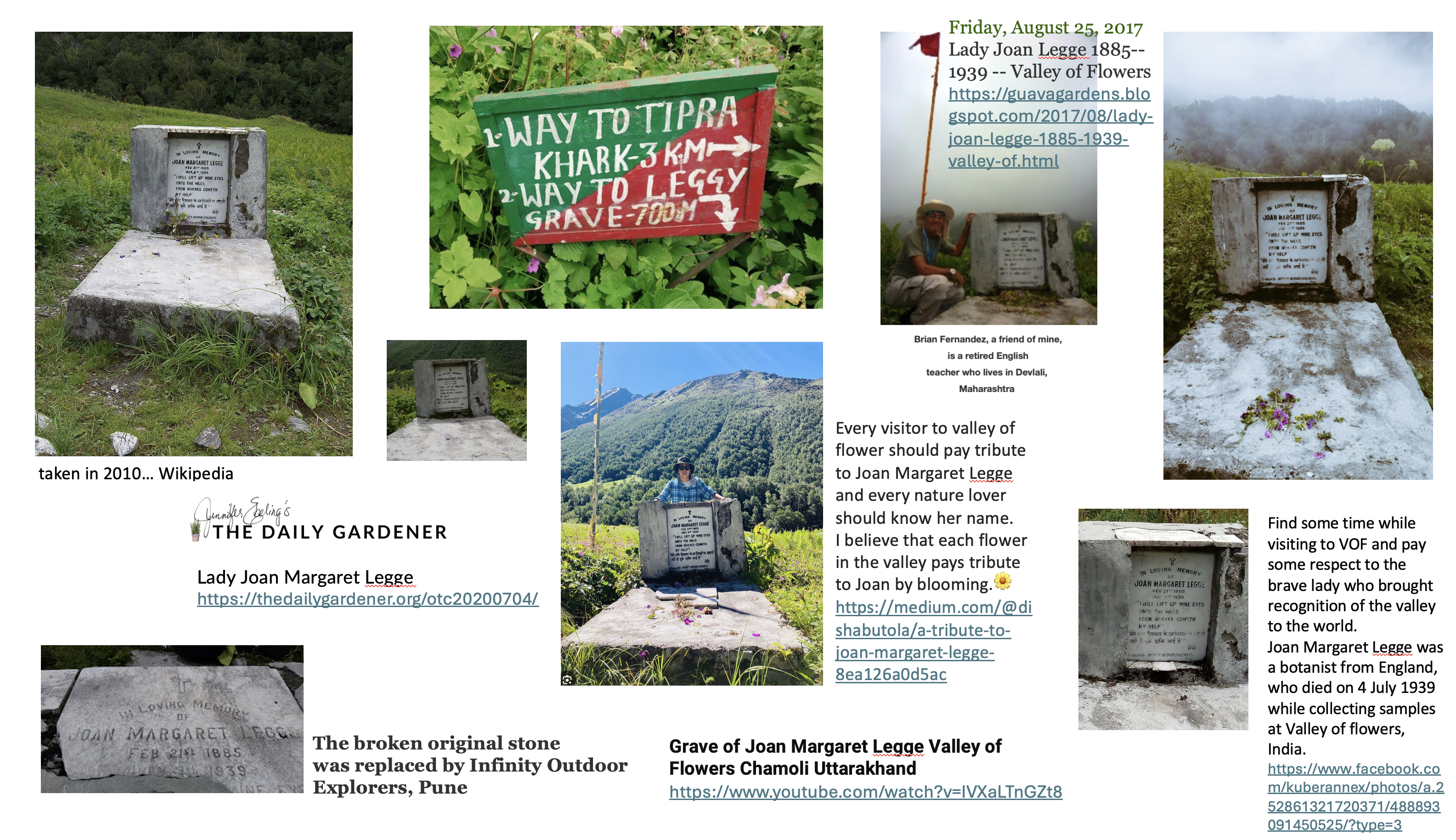
I too have long been fascinated by Joan though I can’t explain why. Her name just twinkled like a star when I first heard it in my late teens or early twenties. I knew few details other than that she was a spinster who had opted out of the trappings of aristocratic society and travelled to India; a woman who bucked the expectations and trends of the time in favour of independence and adventure. Like the tip of an iceberg her grave is just the beginning of a story I would like to find a way of telling.
As for my friend’s question of ‘looking back’, I don’t actually feel the past lies ‘behind’ us. I am certainly interested in looking at history, most specifically Nazism, the Holocaust and the Second World War, for clues on how we can best learn the lessons of the past. And with that it mind I have explored the roles of memorials, apology, restorative justice, punishment and prisons, not least in my blogs. And yet, while they all can and do work to a degree, none of them seem to prevent cycles of violence, conflict, discrimination and trauma from repeating themselves over and over as we can witness all too frequently in the world.
There must be something else… some other way, but we are unable to see, or even think it within the limitations of our current belief systems and knowledge of life.
My sense is that we need to go way beyond the specifics of each conflict to the very root of what leads to all of them. ‘Othering’ and seeing things is terms of clear-cut binaries that justify violent actions are clear causes. But could our fundamental, albeit often unconscious linear-based depiction of time, evolution, even ‘progress’ also be part of the problem with their goal-oriented focus on the future and belief that the past is largely done and dusted and trailing inanimately behind?
It feels increasingly like an (erroneous) modern construct (and I’m talking thousands of years ago not ten) that sees humanity as collectively shuffling forwards towards an ideal state lying in some distant future. Admittedly the present moment is where it’s all at in many belief systems, but nonetheless there is usually a destination towards which to strive. In Yogic or Buddhist practices, it might be Enlightenment, in Christian terms, Heaven or Eternal Life on the other side of death. In economics, it can be seen in politicians’ relentless chase for ‘growth’, in technology, it’s ‘progress’, in the environment, net-zero, in health, a perfect body, in leisure, a chase for something bigger, better, faster, further…
Darwinian theories of the ‘survival of the fittest’ lead to competition with winners and losers, an increasing separation of weak and strong, good and bad, rich and poor; a sense of lack, of being left behind, of missing out, of not being good enough or being better… and so many more of the psychological states that can be found behind the widespread symptoms of mental health, poverty, addictions, injustice… and war.
How well has this outlook served us? Not too well if I look around at where we are today with most problems failing to be solved using the same thinking that created them.
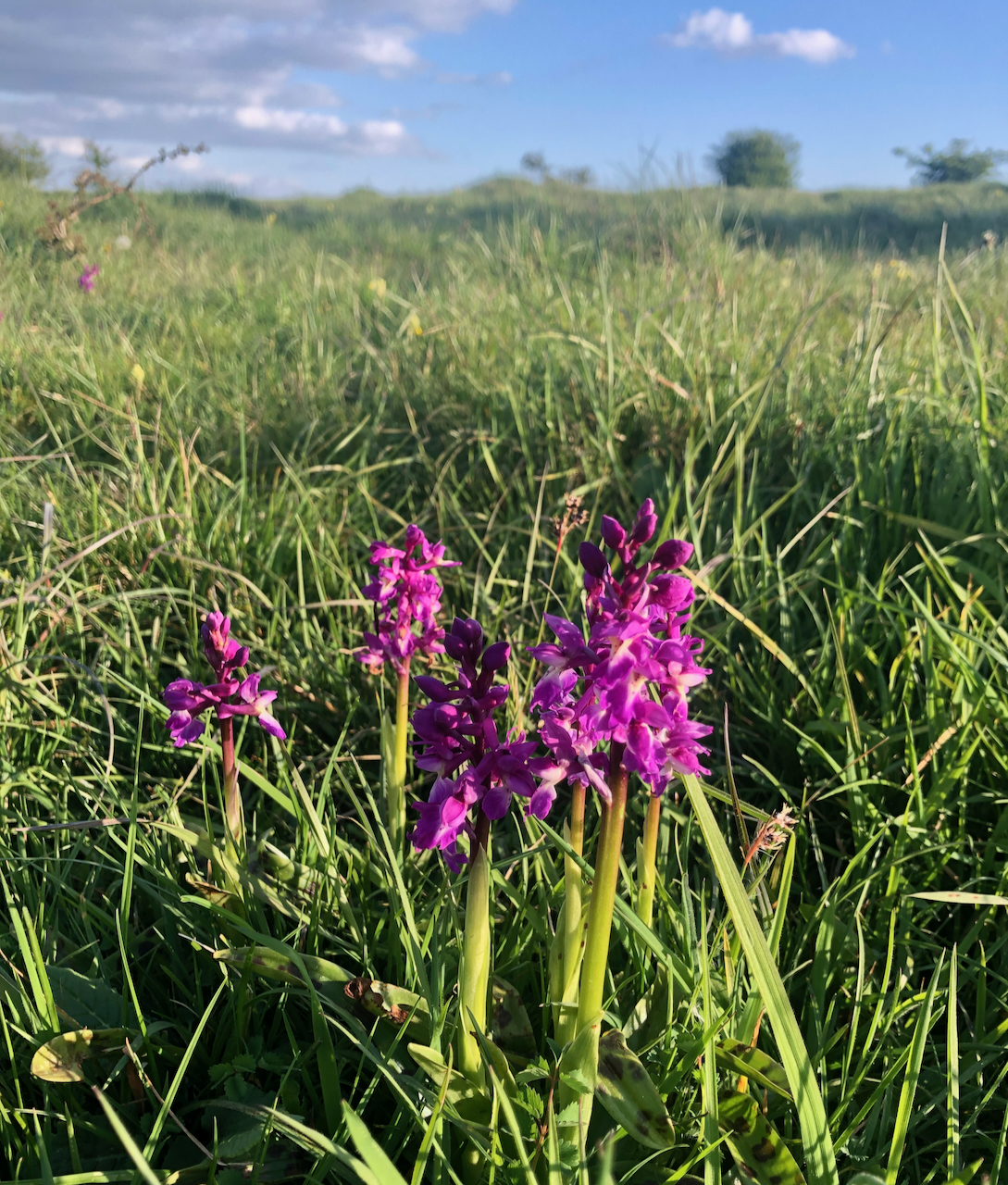
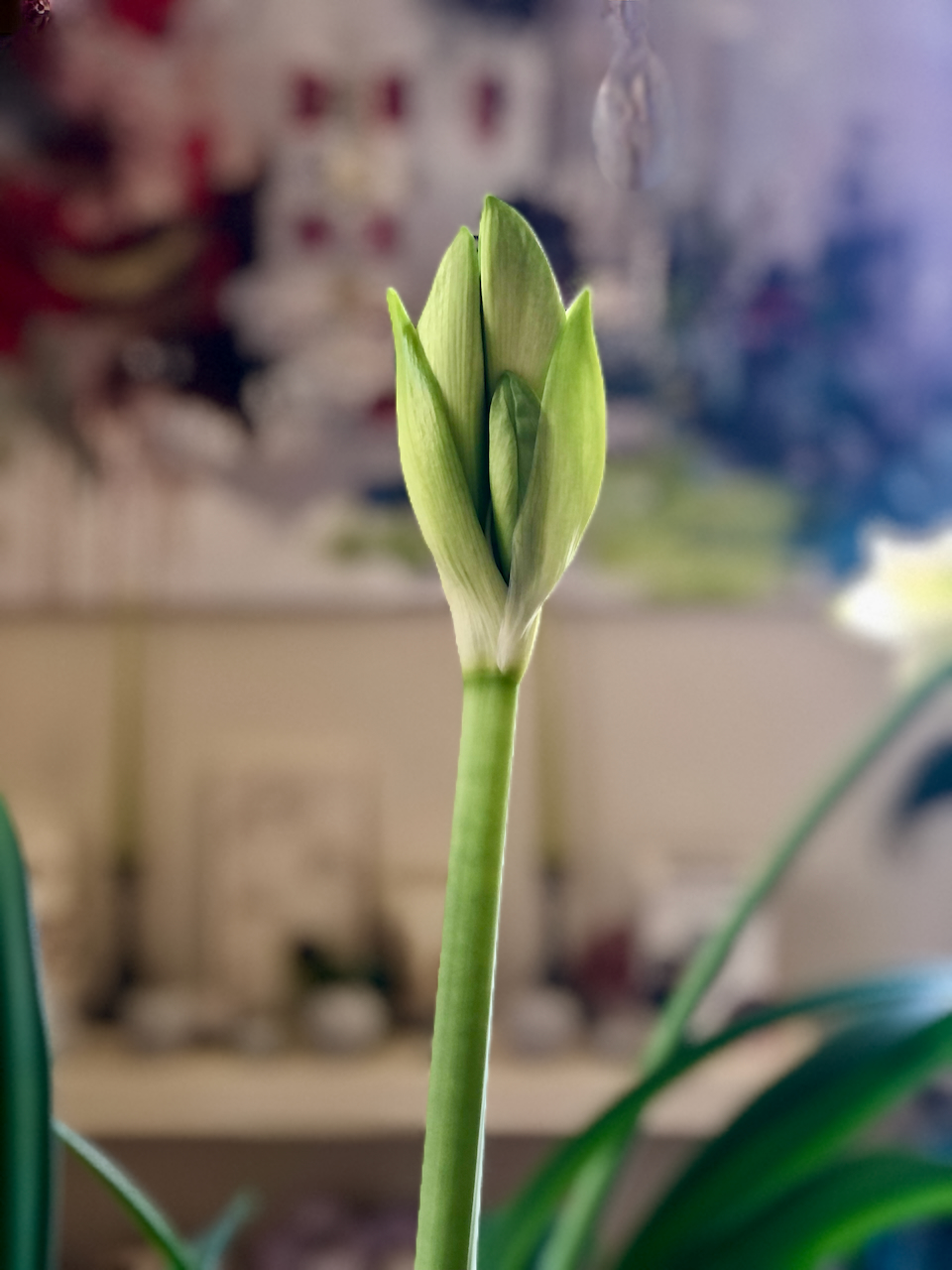
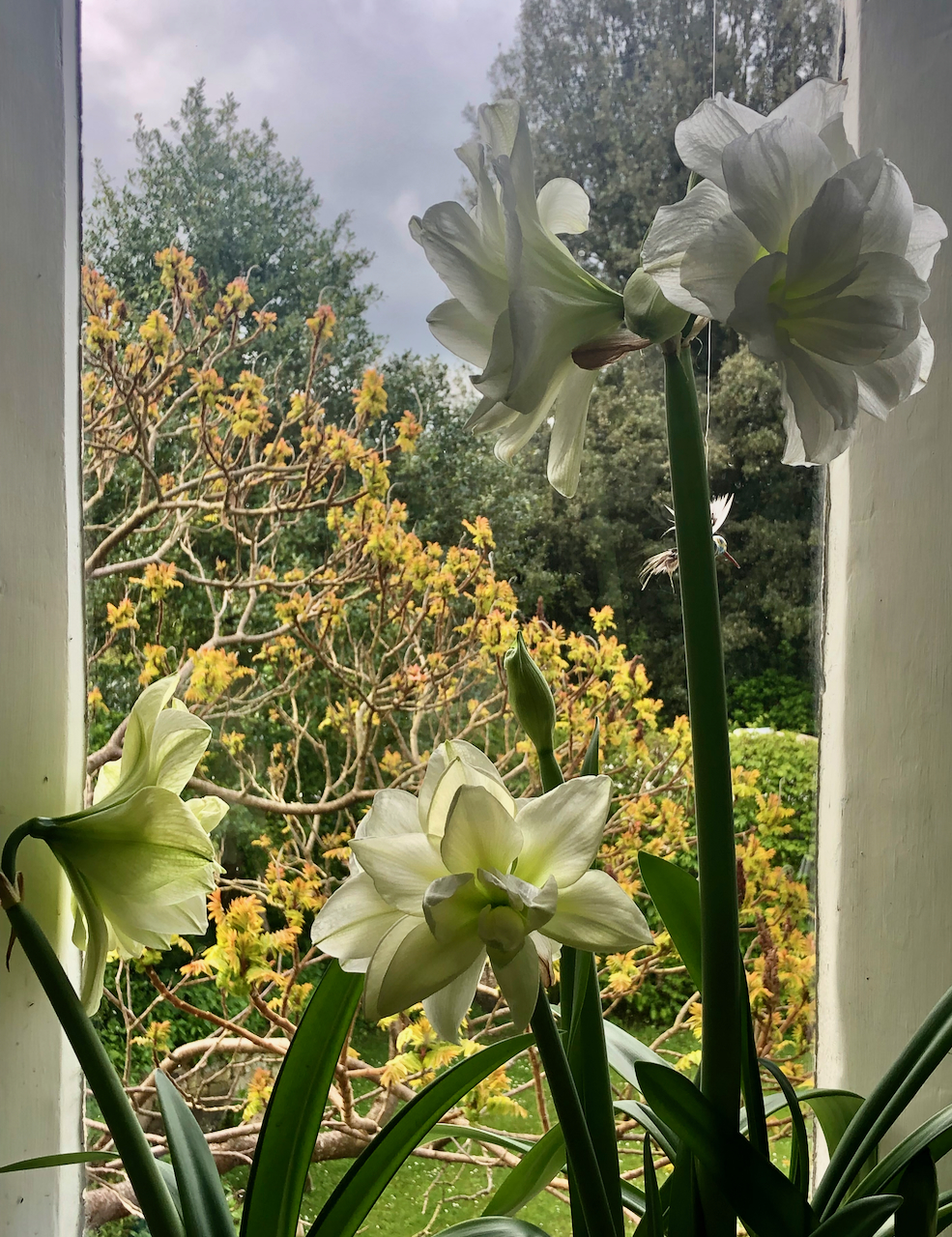
My most recent attempt to find solutions has been to duck out of the continuous stream of bad news and surround myself with flowers and sepia photos of breath-taking mountains, to inhale the extraordinary, albeit understated bravery of my great great aunt and to do a deep-dive into the contents of three inspirational books that landed in my hands as gifts with the kind of serendipitous timing that, in my experience, portends something magical.
I can feel something shifting far below the surface of the present chaos. Possibilities for improvement and lasting change… in our present, not some distant future. They have not yet flowered in my mind, so you might have to wait a little while for me to articulate what they look like!
 angela findlay blog
Wonderfully written in a search for understanding of humanity. From the dawn of ages to the present day, “man’s inhumanity to man” is beyond comprehencion. In this world of ours there is “great good” & ”great evil” . That battle within human nature will exist for all times sadly to say.
christopher.
Thank you for your comment, Christopher. I think you are right, the capacity for great good and evil are within all of us. I just think there are other ways of conducting life that could avoid the polarising, othering etc that exacerbate division and conflict. I think it is already happening in pockets but is far from mainstream and certainly not the way our politicians are thinking… yet!
“A deep-dive into the contents of three inspirational books that landed in my hands as gifts with the kind of serendipitous timing that, in my experience, portends something magical”
Everything is connected: Im sure you will have come across Rupert Sheldrake’s book on morphic resonance? And as his son Merlin Sheldrake explores with his book Entangled Life, or Peter Wohlleben The hidden Life of Trees?
Looking forward to other instalments of your blog
Love
Andrew Meynell
Thanks Andrew, yes I do know of those books but haven’t read them. I will have a look…
Beautiful blossoming times xx
Sent on the move!
“I can feel something shifting far below the surface of the present chaos. Possibilities for improvement and lasting change… in our present, not some distant future. They have not yet flowered in my mind, so you might have to wait a little while for me to articulate what they look like!”
Beautifully put!
Beautifully written. I found your book, very recently in a large bookstore in Kuala Lumpur, Malaysia and I have not been able to put it down. It resonates in so many ways with me. I have a similar family set up but with an English mother and a German father. I also had a grandfather, who was a member of the Luftwaffe and I have always had a fascination with the role of the Germans in WW2, so much so that I collect German paperwork and photographs in my attempt to acquire an understanding of this time and how these men and women could be pulled into so much darkness. I seek to understand the darkness. I also in an uncanny way look at the objects in the settings and try and imagine the period before and love looking at then and now photographs. I am so pleased that I found your book and your blog. It has helped me in some way come to terms with my own past and it is not only the past of my German grandfather but also my own personal past as a white male conscripted into the South African apartheid army and having to deal with the horrors of being brought up in my privileged state as a white man during the apartheid period in South Africa. Once again thank you for your book and this inspiring blog post. I look forward to your next venture with your Great Great Aunt Joan.
By the way I spent 6 wonderful weeks right up in Northern India in Dharmshala, right on the perimeter of the great Himalayas- a truly magical and enchanting place.
This is heart-warming to read. I am firstly amazed and delighted that my book is discoverable by chance in as far away a place from England as Malaysia! And secondly that you have found such resonance with it. It is not an everyday heritage to have being half-German, and it is not always straight forward to find a way through the legacy. So I am pleased that you now have a potential opportunity to find answers to or understanding of some of the huge questions and moral/psychological/philosophical dilemmas the WW2 and Nazi episode throws up. I can imagine the links and similarities to your experiences of apartheid South Africa. I wish you all the very very best for your process and journey and do follow me in my next one into the Himalayan flower meadows, which I hope will be a great deal lighter, joyful and as you say, magical.