Spring is Nature’s childhood. It’s frequently associated with youth, new beginnings and innocence. Yet while blossoms skip through our outdoor landscapes, our screens highlight with renewed urgency the premature loss of innocence of our younger generations with devastating consequences to their mental health, education, relationships and identity.
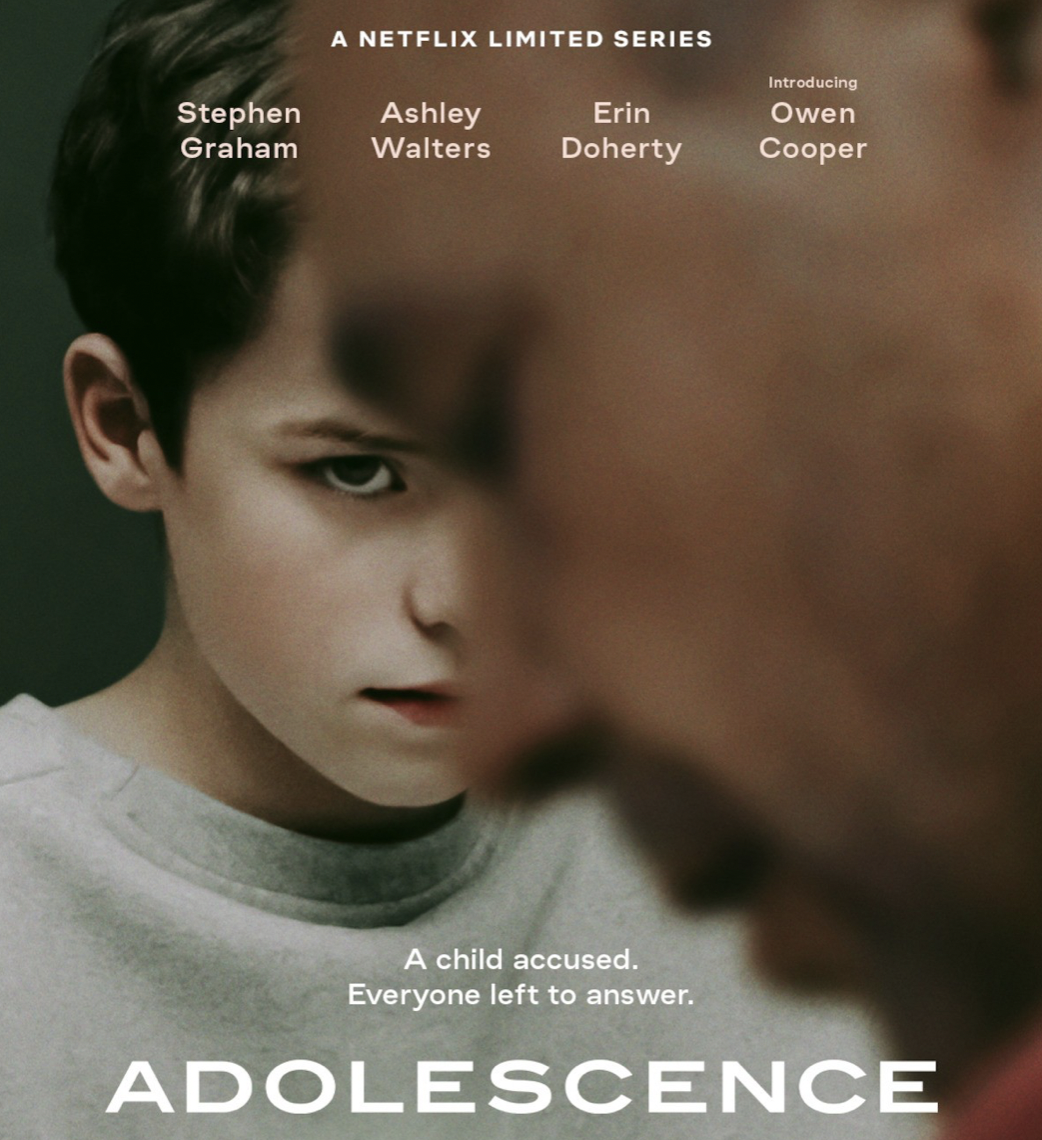
With that in mind, I was going to write about the new Netflix series,Adolescence, that has provoked widespread debate and concern about toxic masculinity, the ‘manosphere’ and sexist ‘manfluencers’ like Andrew Tate. (If you haven’t seen it, I can only encourage you to do so). Online platforms and social media are abuzz with it. Even Radio 4’s Moral Maze dedicated its weekly slot to exploring the question: What’s wrong with men?
Plenty more such questions could be asked in relation to the various world leaders dominating our headlines – Trump, Putin, Zelenskyy, Netanyahu, Starmer, Pope Francis – who between them are presenting a smorgasbord of appealing to repellent aspects of maleness.
I also considered writing about my recent visit to one of London’s dilapidated prisons – organised by the wonderful charity Prison Reading Group – to deliver a session on my book to a group of male prisoners who had read it. About the lingering impressions I’m left with, both of the shabby, four-storey wing that looked, smelt and sounded like your worst imagining of incarceration, and of what happened in the tiny room embedded in it that offered space for our inspired conversation. As always, I was touched by the men’s deep grasp of the themes I address in In My Grandfather’s Shadow, their carefully prepared lists of insightful questions, their gratitude for the positive impact the book had made on their lives. As always, I felt intense frustration at a system of wasted opportunity, money, time and human potential. As always, the wounds left by the absence of fathers, positive male role models and the learned ability to deal with overwhelming emotions glared red.
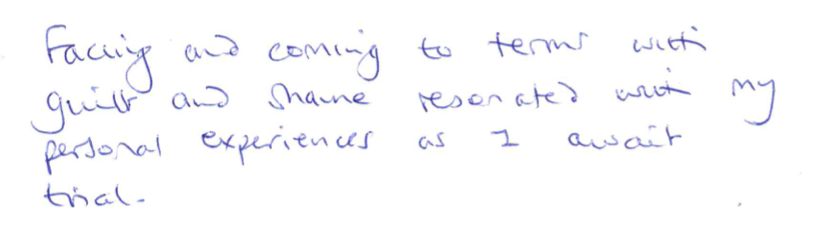
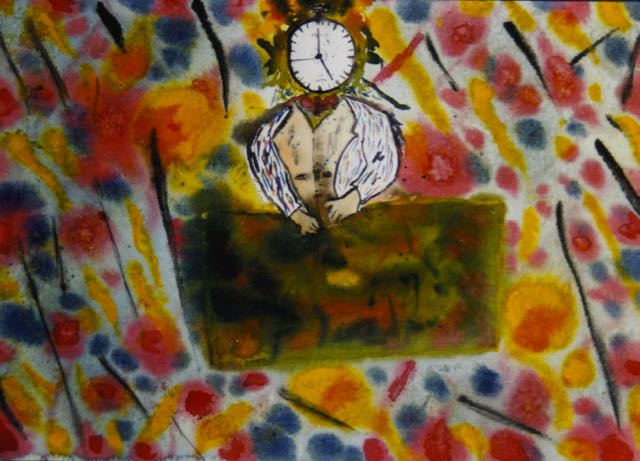
Detail from a handmade thank-you card from Prisoner B
But in the end, I couldn’t face writing about any of these huge and complex topics, even though they occupy my thoughts.
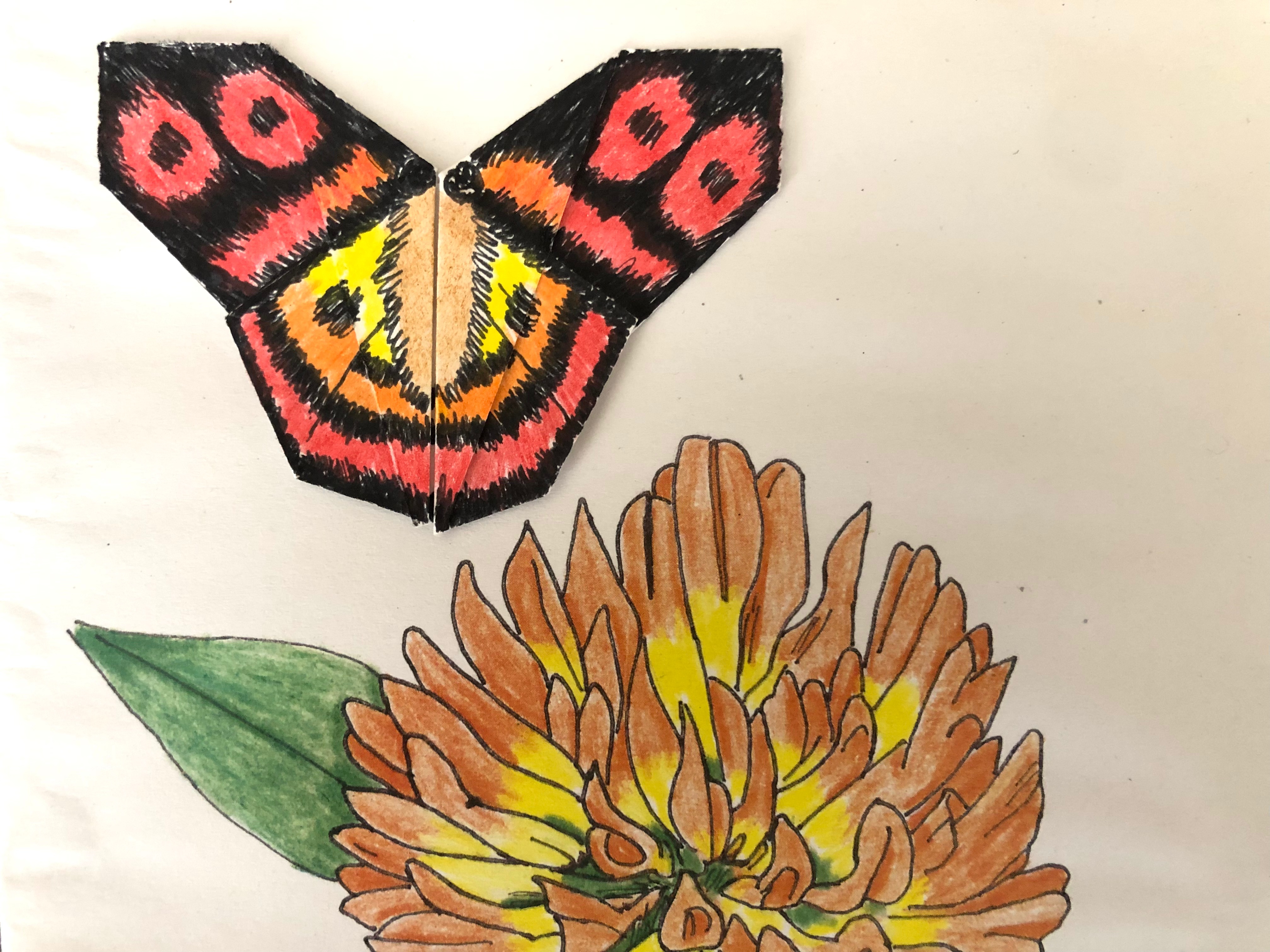
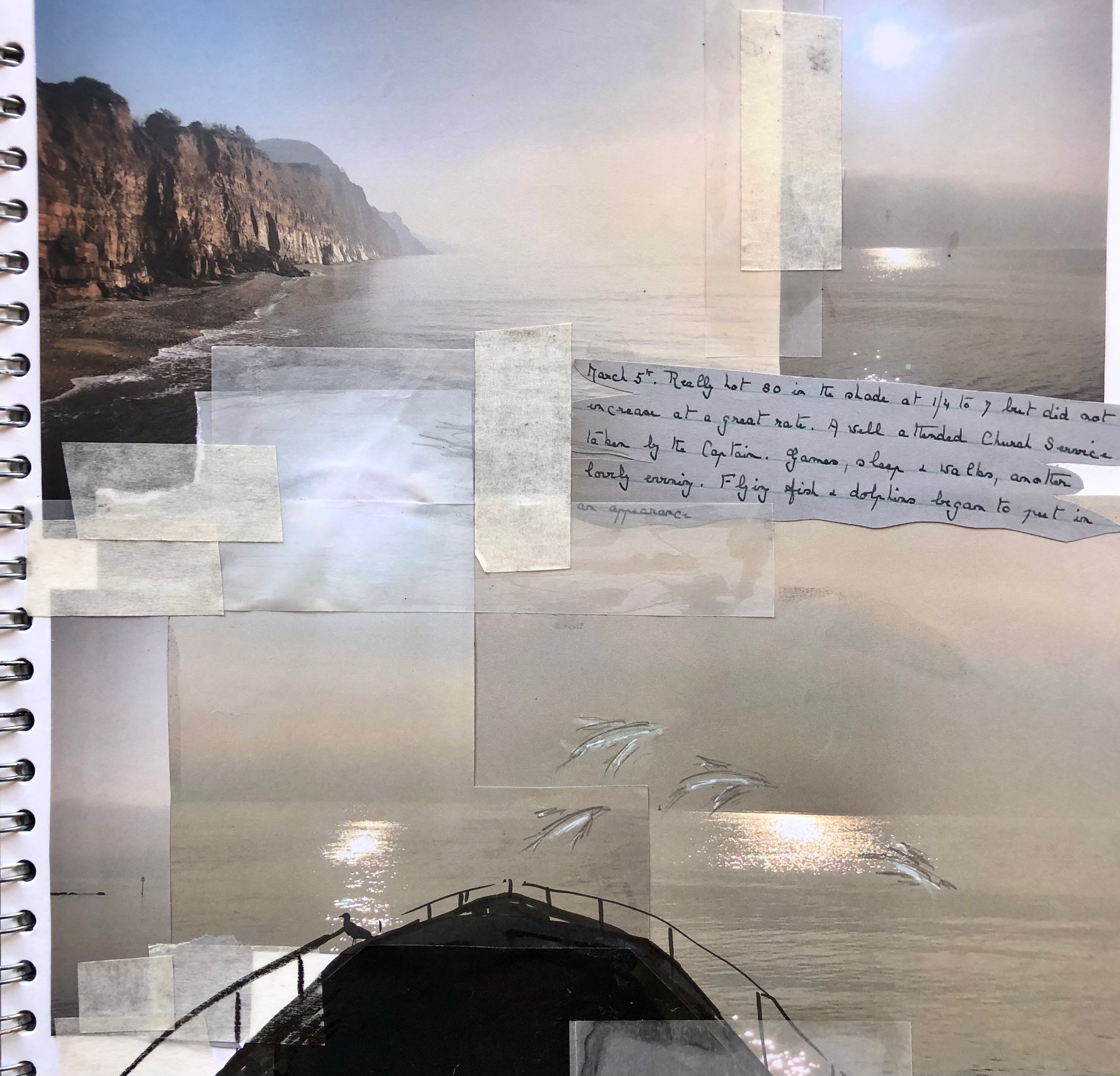
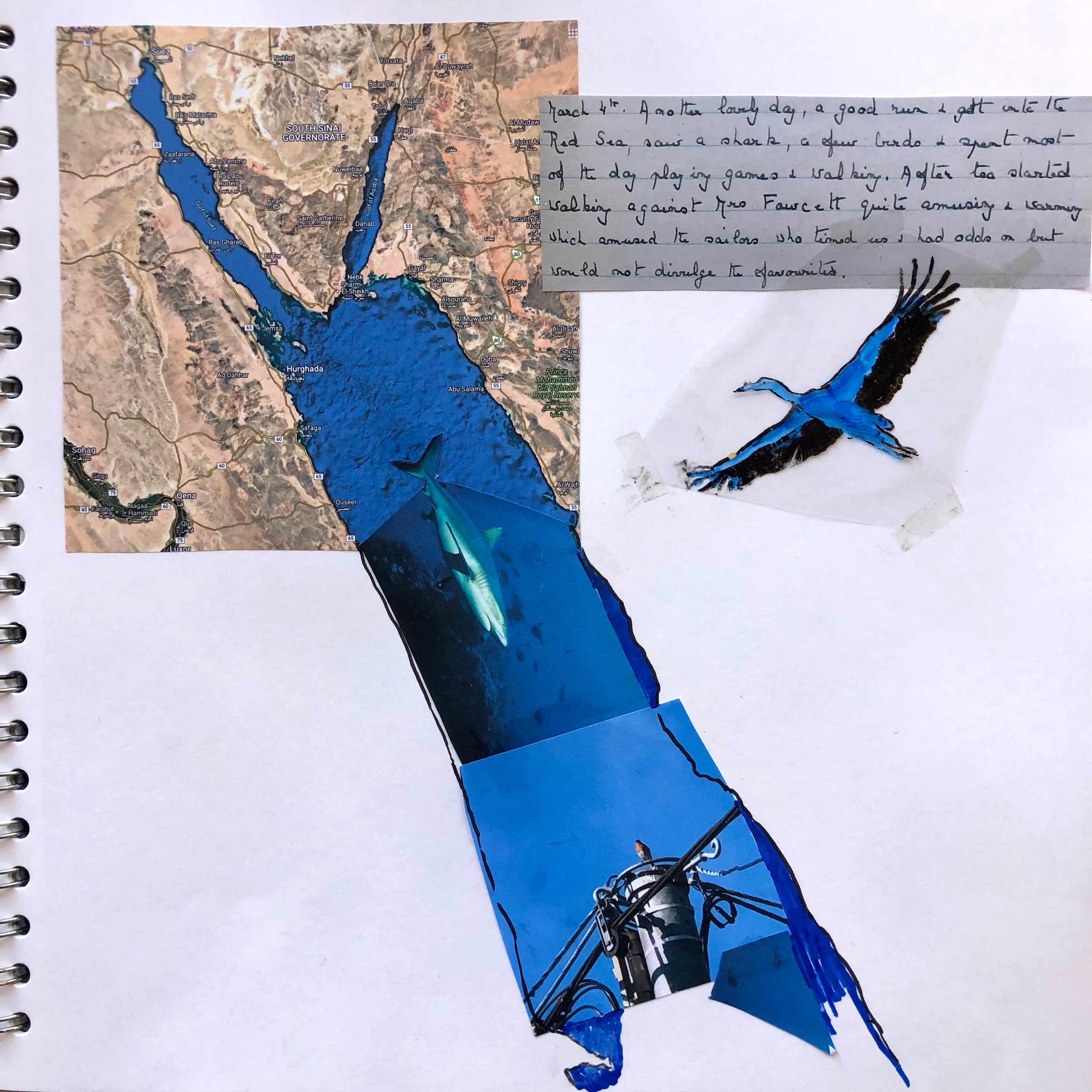
Instead, I find myself once more turning my focus to the more uplifting emergence of spring flowers both in nature and my garden. And to my inspiring great great aunt who travelled to India to gather floral specimens for Kew Gardens and in whose steps I am metaphorically walking for the next few months, following her diary as she sails from Birkenhead to Mumbai and then trains it up to the Himalayas. Each day I am reenacting a small action or activity she did in 1939, taking a slightly oblique photo that relates to it, posting it on Instagram (angela_findlay) and then creating an experimental collaged page in my sketch book. It’s my way into telling her story.
Daily photos on Instagram
From 17th February to 13th March she was on board the T.S.S. Hector cruise ship playing quoits on deck or holed up in her cabin feeling seasick. (Not easy to make ‘art’ out of either!) There followed a few ‘outstanding’ days in and around Colombo visiting tea plantations and paddy fields, another sea voyage and several trains to the small hill station of Ranikhet in Uttarakhand. This will be her base for several months as she acclimatises, goes on practice treks and waits for the snows to melt further north giving her access to her ultimate destination, The Valley of Flowers.
early beginnings of daily sketch book pages…
With deep regret I am coming to accept that I am not one of those exquisite botanical painters whose sketch books are veritable works of art. And I am sorely lacking in the plethora of technological and digital tools that are creating mind-blowing new universes in the art world. But I find solace in the fact that like Joan, I too am on a journey towards a (in my case, artistic) destination unknown, exploring and accompanying this intrepid female relative on her solo adventure. Ironically the worldly backdrop to her trip are the precarious months leading to the start of the Second World War. Mine is the run-up to the 80th Anniversary of its end. Or, if stupidity and egos escalate in the wrong direction, the beginning of the third…
War, the word alone snaps me back to present reality. I imagine we are all treading this fine line between engagement with the wider pain and travails of so many and the small (and big) joys and concerns that can be found within our homes and lives. How to care and act without losing sight of the beauty and wonder constantly available to us? How to engage with the immeasurable force of Nature’s creativity rather than human beings’ destructiveness? How to stay awake and feel, but not succumb to anger or blame?
It’s an on-going practice… a dance. And Spring feels like a perfect time to take to the floor.
“Sometimes in moral philosophy it’s important to think about plants.” I heard these words in last week’s In Our Time and they chimed with my current shift of focus from war to flowers. They were said by the leading philosopher, Philippa Foot, to a room full of Oxford males. She was basically saying that moral evaluation should be see as a continuum of the way in which we see other living things.
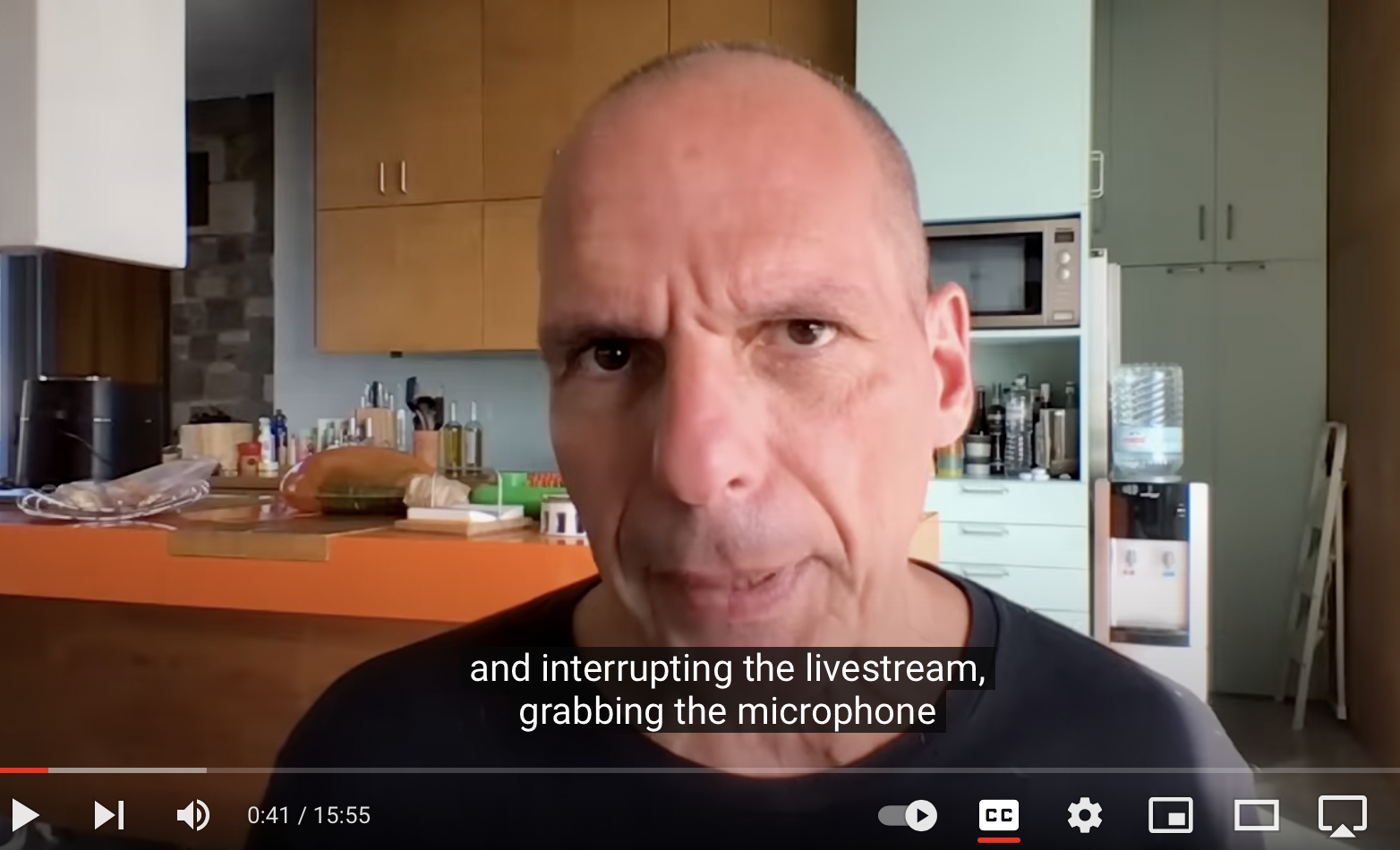
A week earlier, I was sent a link to a video by Yanis Varoufakis, former finance minister of Greece, whose proposed speech in April at the Palestine Congress in Berlin was stormed by police and banned. [You can have a listen to his reconstruction of it here.] Somehow I found the two were connected.
So what is happening in Germany in relation to Israel’s war on Gaza? Some reports are pretty concerning. It is understandable that Israel’s security and right to exist has long been Germany’s ‘Staatsräson’ (reason of state). However, since the Hamas-instigated horrors of October 7th, the belief in Israel’s right to defend itself has evolved into a fairly uncompromising pro-Israel position that seems to equate any criticism of Benjamin Netanyahu’s policies with anti-Semitism. Friends in Germany relate how alarmed people are by the shutting down of debate and silencing of different voices, both painfully reminiscent of the authoritarianism and loss of democracy of Nazi Germany.
The German government’s unswayable support of Israel in whatever it does is a result of Germany’s past. It is seen as morally the right thing to do. But could nearly eighty years of the world’s media placing Germany and Guilt in the same sentence to explain everything, from its open-arm policy towards refugees to its hesitancy to supply weapons for use against Russia, now be backfiring?
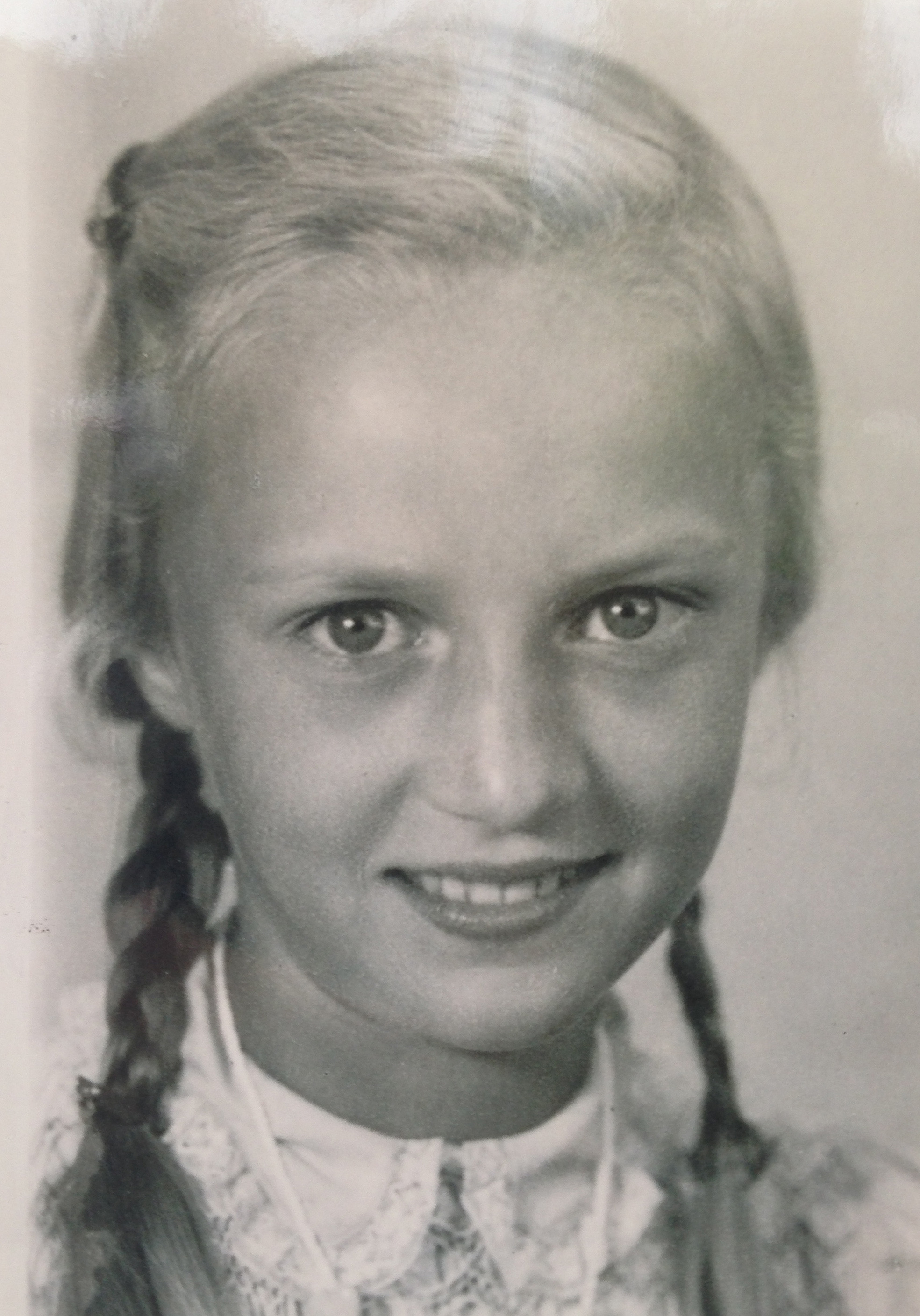
My German mother will be 90 this weekend. She was 11 years old when the Second World War ended and is one of increasingly few Germans who experienced Nazism first hand.
My mother, Jutta, aged 11
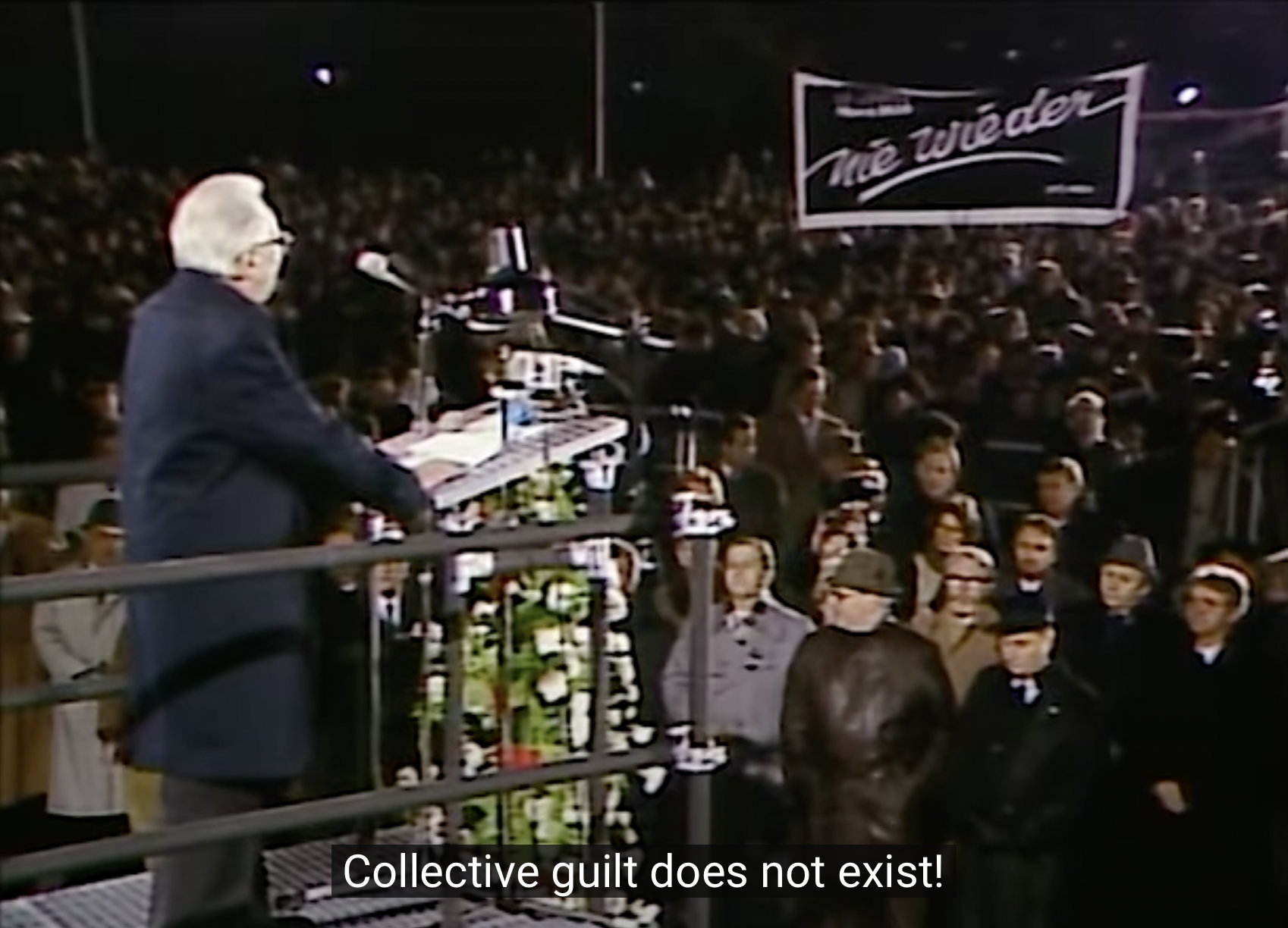
In the post-war decades, collective guilt and accusations of complicity in the Nazi atrocities were attributed to the entire German population. Plenty of people consider subsequent generations guilty too, by way of blood / nationality / family association. You might remember my 2018 blog ‘Shot for what you represent’ with the incident of the English woman who, on hearing I was half-German, picked up her hand off the table, turned her fingers into a gun and shot me in the face! In her eyes, all Germans are unquestionably guilty and “jolly well should feel guilty” too.
This is in stark contrast to many Holocaust survivors such as Sabina Wolanski, who said at the inauguration of Berlin’s Holocaust Memorial in 2005: I do not believe in collective guilt. The children of the killers are not killers. We must never blame them for what the elders did, but we can hold them responsible for what they do with the memory of their elders’ crime. Similarly Viktor Frankl, author of the seminal book “Man’s Search for Meaning”, who in a 1988 speech spoke out against the very concept of ‘collective guilt’ describing it as a continuation of Nazi-ideology.
I believe they are right. I understand how Germans, myself included, might feel shame for being part of a group who allowed genocide to happen. Many also feel a deep sense of responsibility for not allowing it to be forgotten and making sure it doesn’t happen again. But guilt?
Let’s explore the dynamics of this word for a moment.
Guilt is the result of an action within our control and responsibility. To be guilty, you have to have done (or failed to do) something that falls out of the framework of what is socially acceptable by the group with consequences of harm to an ‘other’. Frequently ‘guilty’ parties will not feel guilt or shame as they see their actions as having been justified, necessary, righteous even, within the context in which they were committed. Resentment and retaliation for being deemed ‘guilty’ can follow.
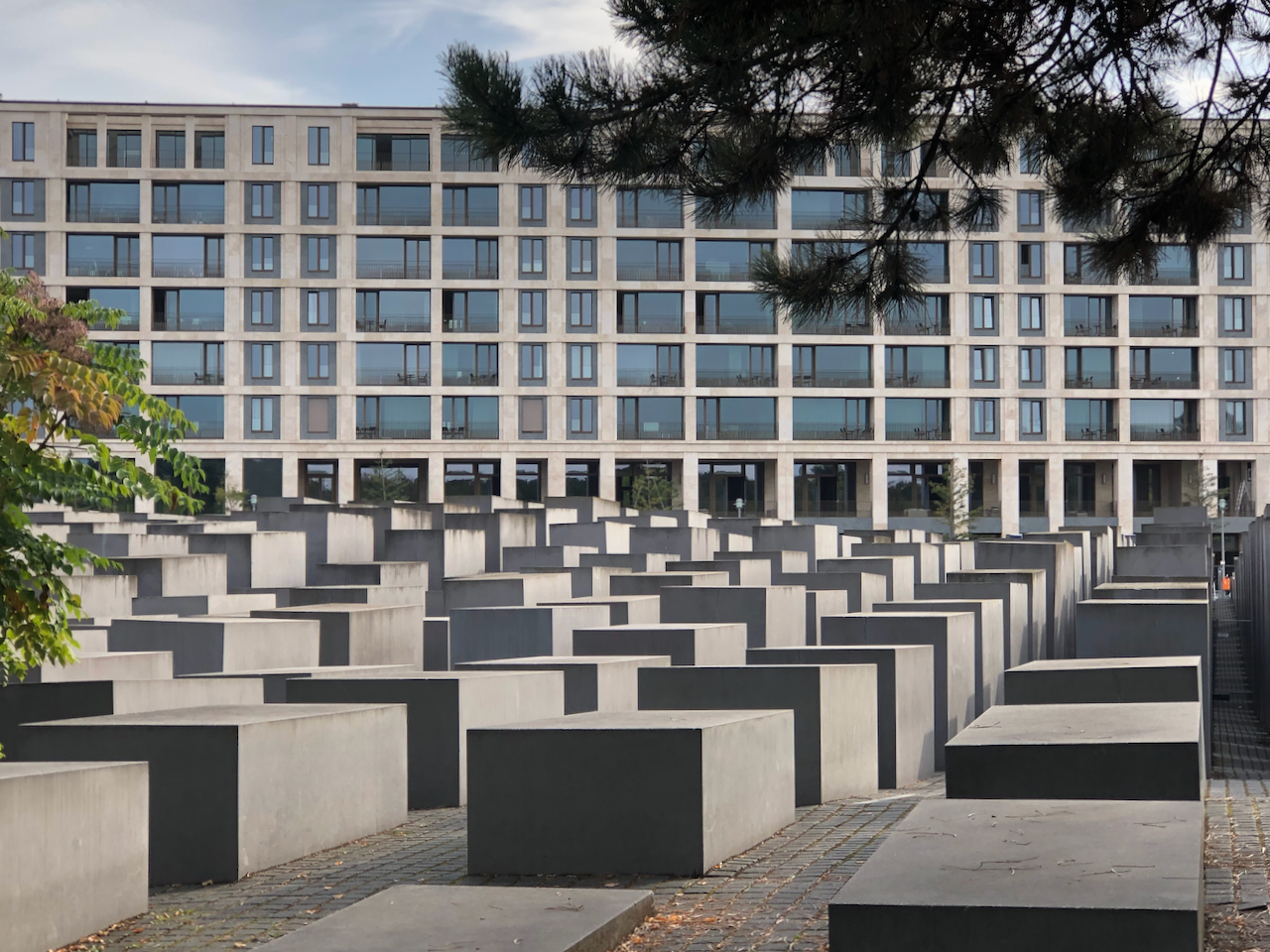
In Who’s to Blame? Collective Guilt on Trial, Coline Covington describes how Judeo-Christian cultures place particular emphasis on guilt, forgiveness and atonement alongside rituals that are supposed to restore moral order, cleanse the groups of shame and hatred, and prevent or close cycles of vengeance. For a long time, I have believed this was right and Germany’s culture of Vergangenheitsaufarbeitung (working through the past) and counter memorials was an example to all of us of how things could (and should?) be done. I am no longer sure that is what’s needed now.
Memorial to the Murdered Jews of Europe by Peter Eisenman, Berlin
The problem is, Covington says, that most restorative rituals for peace-building are built on a binary understanding of good and evil, right and wrong, victims and offenders. “The finger of blame is pointed and yet true healing is meant to eradicate blame. This inherent contradiction contains the seeds of failure.” Could it be that we are witnessing this failure in Germany, Israel/Gaza, Russia/ Ukraine and elsewhere, resulting in new perpetrators and victims of atrocity and trauma?
If so, how do we overcome binaries? I tried a couple of weeks ago in an online group of Jews, non-Jewish Germans, my own Anglo-German mix and others. Someone had been talking about the frightening increase in anti-Semitic acts and some members of the group had dismissed those behind them as ‘idiots’. A common reaction to unacceptable behaviour, and I have said the same many times in relation to certain members of the Tory party! But it got me thinking… because when we proclaim a shocked judgment: “How could they!” How stupid!” “How awful / evil / weak!”, we are basically believing: If I were them, I wouldn’t do what they are doing. We are seeing ourselves as morally superior, stronger, more intelligent and right, while ‘they’ are inferior, guilty, ignorant, wrong.
Does this dynamic not replicate, in an initially small but precise way, the dynamics behind the Nazi, or indeed any, discriminations and judgments against apparent ‘lesser mortals’?
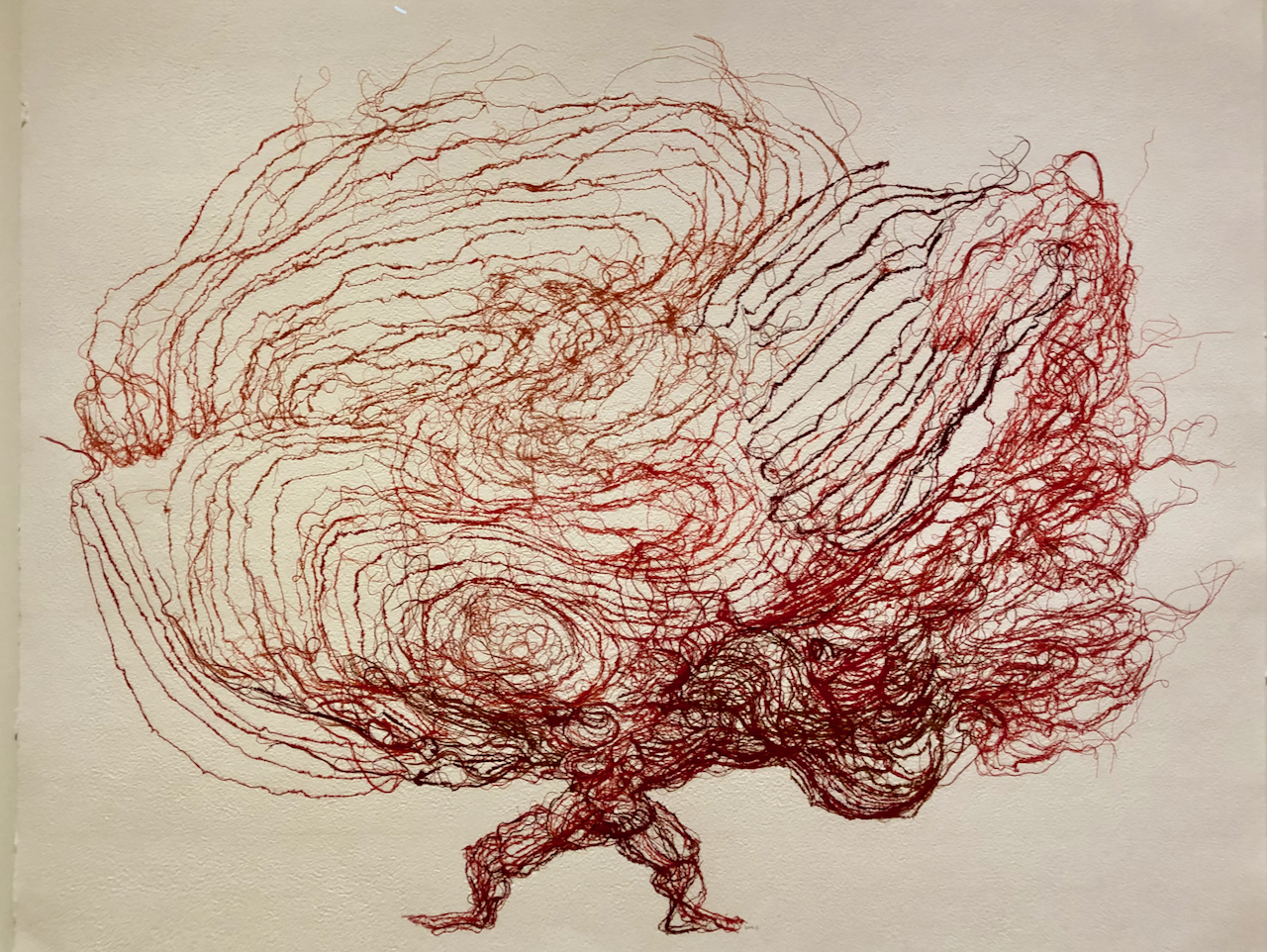
Do Ho Suh, Karma Juggler, Thread embedded in cotton paper
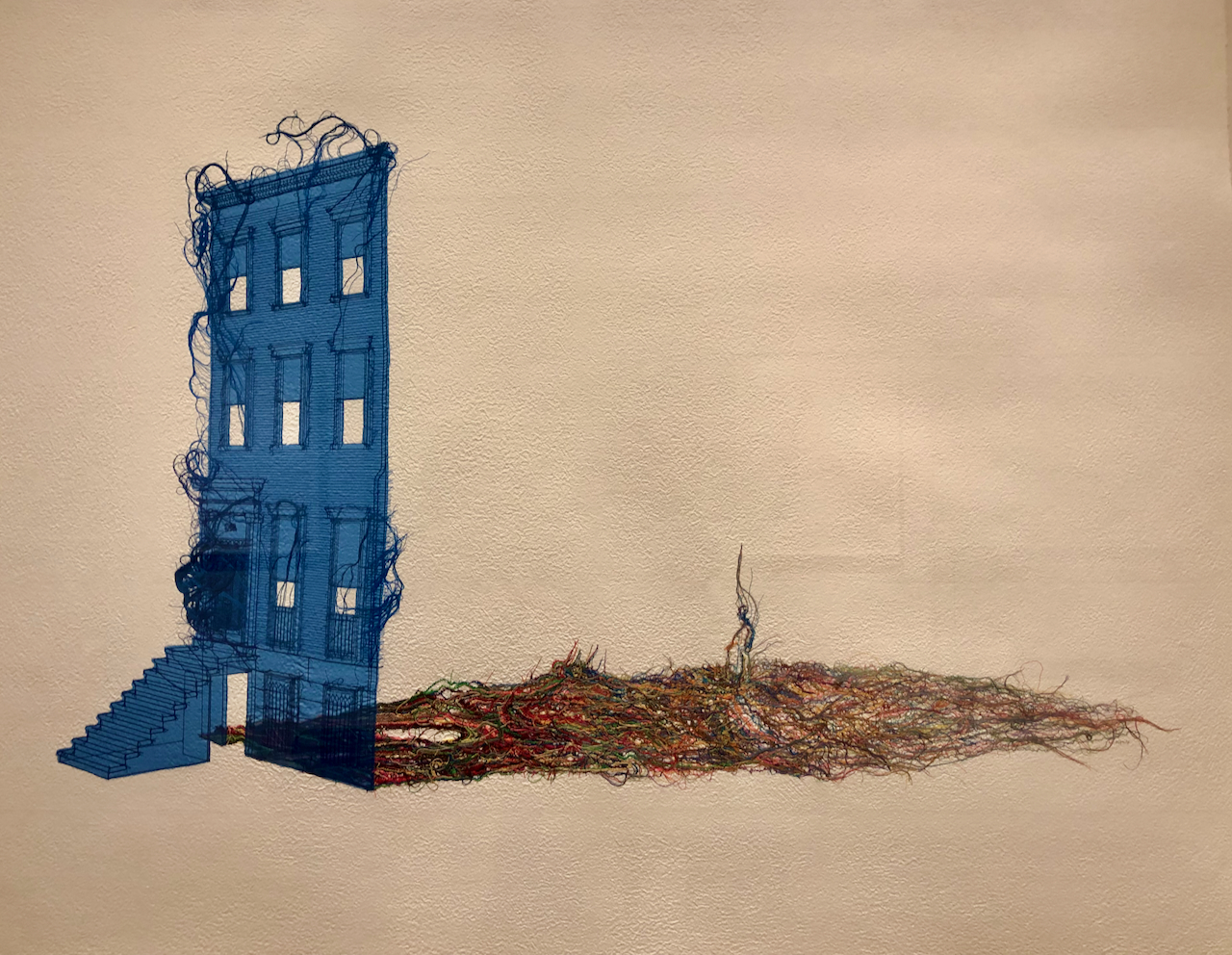
In this particular constellation, I naturally belonged in the ‘German perpetrator’ rather than the ‘Jewish victim’ category. It’s an uncomfortable place to be, but I have noticed that since finishing my book, the label no longer sticks as well. My grandfather’s shadow that once draped over my identity like a huge cloak has been so comprehensively unpicked, understood, transformed and woven into the fabric of my whole being that I can no longer see people in such binary terms. Like the beautiful art of the Korean artist, Do Ho Suh, whose exhibition Tracing Time I saw on a recent trip to Edinburgh, I can see how we are all threaded together into a colourful tangle of humanity, each one necessary and part of the whole.
Do Ho Suh: Blueprint (2013), Thread embedded in cotton paper
There were people in the group who suggested I was ‘absolving’ myself and wanting to free myself of the burden of guilt, almost as if this was utterly impossible or prohibited. I do understand that response and how for descendants of survivors, this could feel an affront. But, without diminishing any of the suffering of and compassion for the descendants of survivors, I myself choose to no longer see people in terms of “my side/your side”, as one member put it. I believe that in order to overcome the judgmental binaries of ‘us-good’ and ‘them-bad’, we all need to make a greater effort to understand what lies behind bad or evil deeds. We not only need to step into the other person’s shoes, but into their entire situation. Only then can we recognise that if we were in the totality of their internal and external life, we would act, or would have acted in exactly the same way as them. The results of Milgram’s 1961 experiment with obedience to authority suggested something similar. Apparently good people, like us, can also become capable of extreme bad.
You will all I am sure now know about the horrendous, inhumane conditions of HMP Wandsworth and so many of Britain’s jails, and the decades of glaring failures of our Criminal Justice System in general. (If not, you can get an impression here and here and here) None of us live very far away from a jail, and yet so many of my Art Behind Bars talk audiences say they had “no idea.” Will we too one day be judged and found guilty of the stigmatisation of offenders that enables this shamefully degrading system to exist in our name as a fulfillment of our wish for governments to be ‘tough on crime’? Will we be accused of turning a blind eye, not acting and later claiming ‘we didn’t know’?
I am deliberately being a little provocative to make a point. Because as far as I can see, the only way we have a chance of breaking the catastrophic cycles of blaming and shaming, violence, retribution – all outcomes of seeing each other as ‘other’, separate and different from ourselves – is to create a level playing field of mutual respect where both (or all) sides are treated equally. And it can start within each one of us. In everyday situations. Now.
This is the African concept of ‘Ubuntu’, a philosophy of interconnectedness, sometimes translated as ‘humanity towards others’ or ‘I am because we are’. The most recent definition provided by the African Journal of Social Work (AJSW) describes Ubuntu as: A collection of values and practices that people of Africa or of African origin view as making people authentic human beings. While the nuances of these values and practices vary across different ethnic groups, they all point to one thing – an authentic individual human being is part of a larger and more significant relational, communal, societal, environmental and spiritual world.
According to Charles Eisenstein, author of The More Beautiful World Our Hearts Know is Possible, aligning ourselves with the truth that ‘if I were in the totality of your circumstances, I wouldn’t do differently from you,’ and the compassion that arises from putting ourselves in another’s shoes and seeing us as one, is “perhaps the most powerful way to magnify our effectiveness as agents of change.” I think I agree.
Further Reading / Listening (as always, not necessarily my opinion)
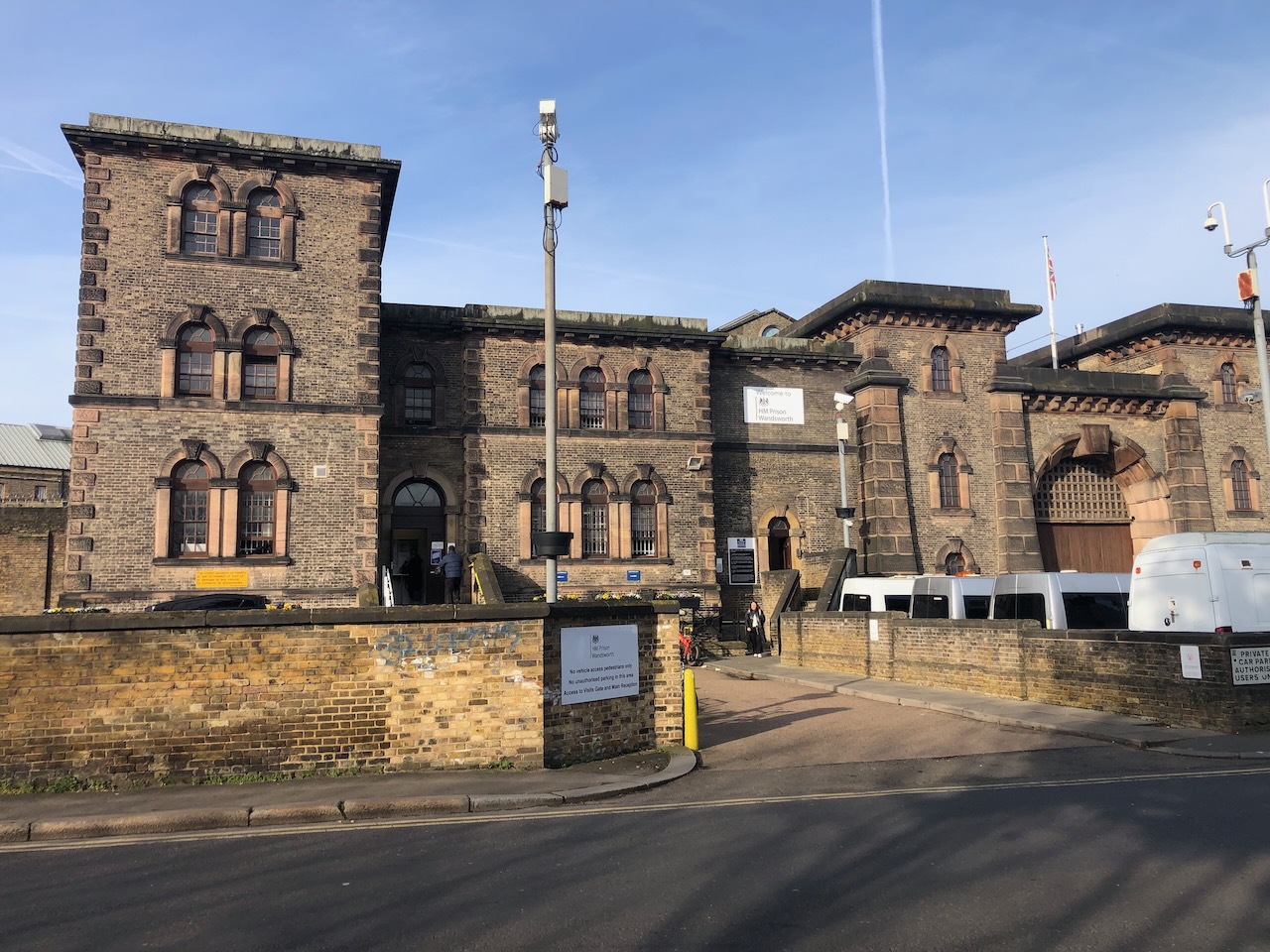
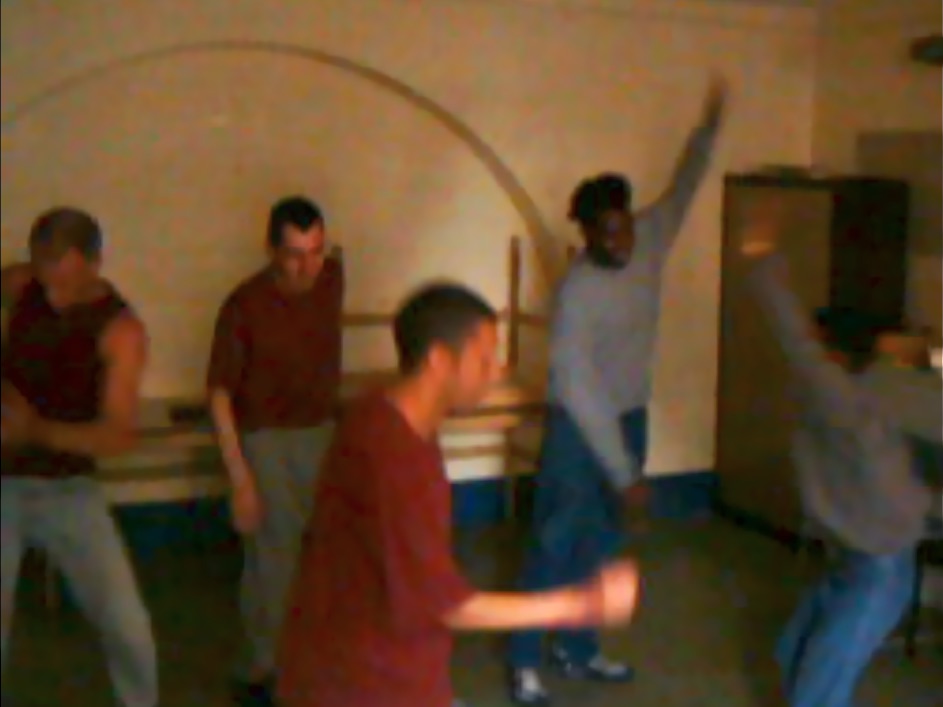
There was something deeply familiar about the process of entering HMP Wandsworth last week. The first time I was there was in 2003 in my role as Arts Coordinator for the London-based Koestler Arts. I had founded the Learning to Learn through the Arts scheme a year earlier and was co-facilitating a 4-week dance and art project called Beyond Words.
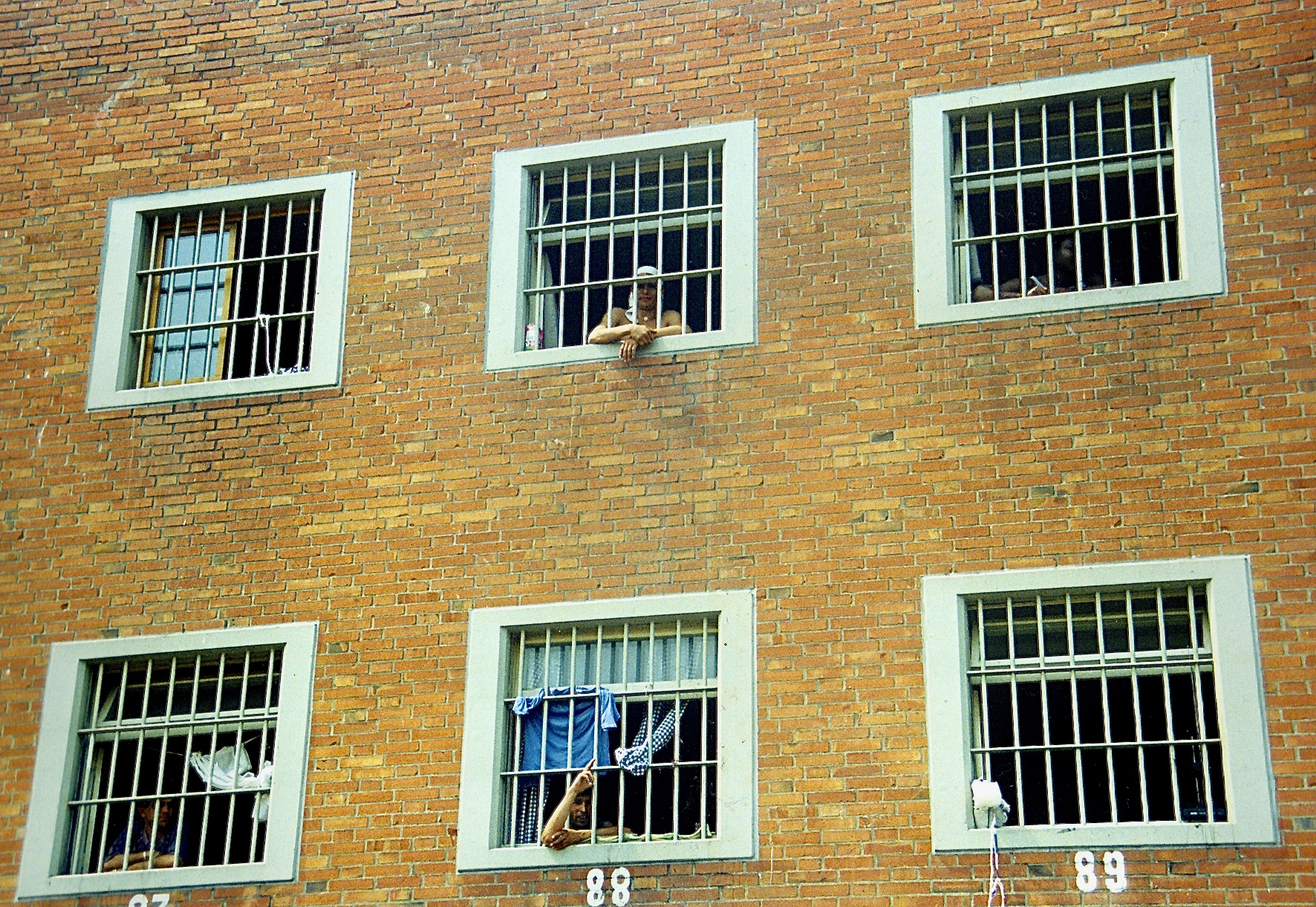
HMP Wandsworth, London
The aim was to bring dance and painting together to create a non-verbal language through which prisoners could express themselves. Each day was a mixture of individual and group exercises that saw the men clambering over tables and chairs to dissolve the formalities of a traditional classroom or splattering paint on paper with Expressionist vigour. Both approaches eventually led to solo multi-media performances and the development of communication skills, camaraderie, trust and sensitivity within the group.
Now, twenty years later, I was re-entering HMP Wandsworth, but this time in the wholly verbal capacity as author of In My Grandfather’s Shadow.
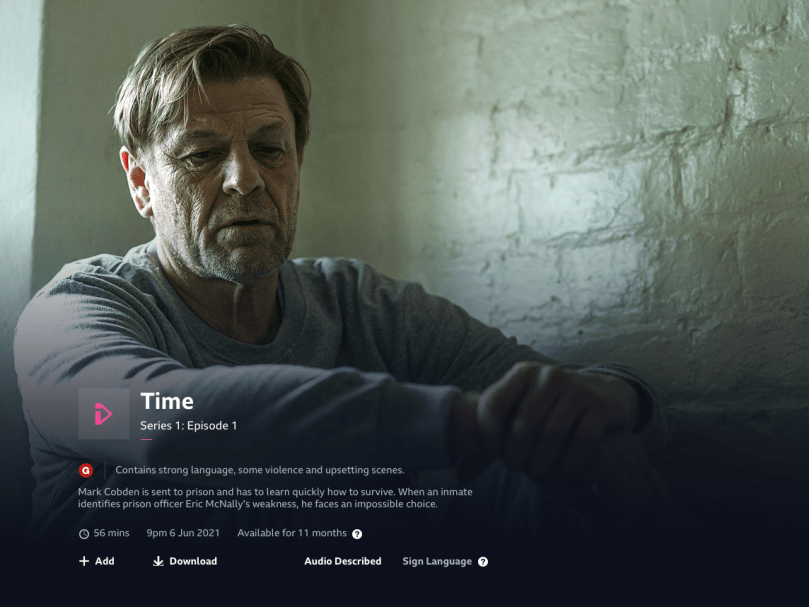
For people who haven’t experienced it, entering a prison can seem synonymous with entering hell. And for many, it probably is. This blog therefore feels unintentionally apposite to Good Friday, the day in the Christian calendar that signifies the crucifixion of Jesus Christ and his descension into hell. We have grounds for this picture of infernal misery from exposure to BBC programmes such as Prisoner, Time, Disclosure: Prisons on the brink. Or five series of Prison Break. But my visit couldn’t have felt further from those dark scenes.
The beautifully organised event was the result of a brilliant collaboration between the Wandsworth Prison Library team and the charities Give a Book and Prison Reading Group (PRG). Generous book donations came from Penguin Transworld and Radio Wano, the prison’s in-house radio station, took care of publicity. I knew from experience how difficult arranging such events can be. Months of dialogue and organisation can be kiboshed by any number of unforeseen occurrences, or simply by time-poor officers’ inability to deliver the prisoners to the room.
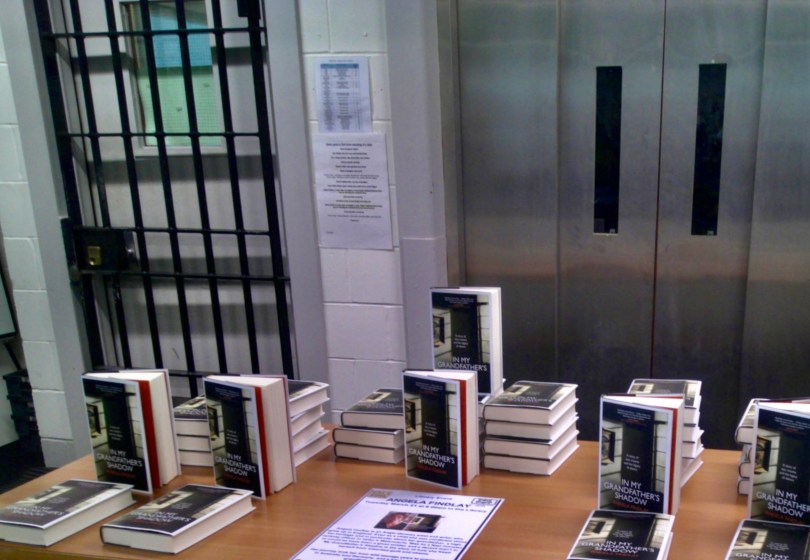
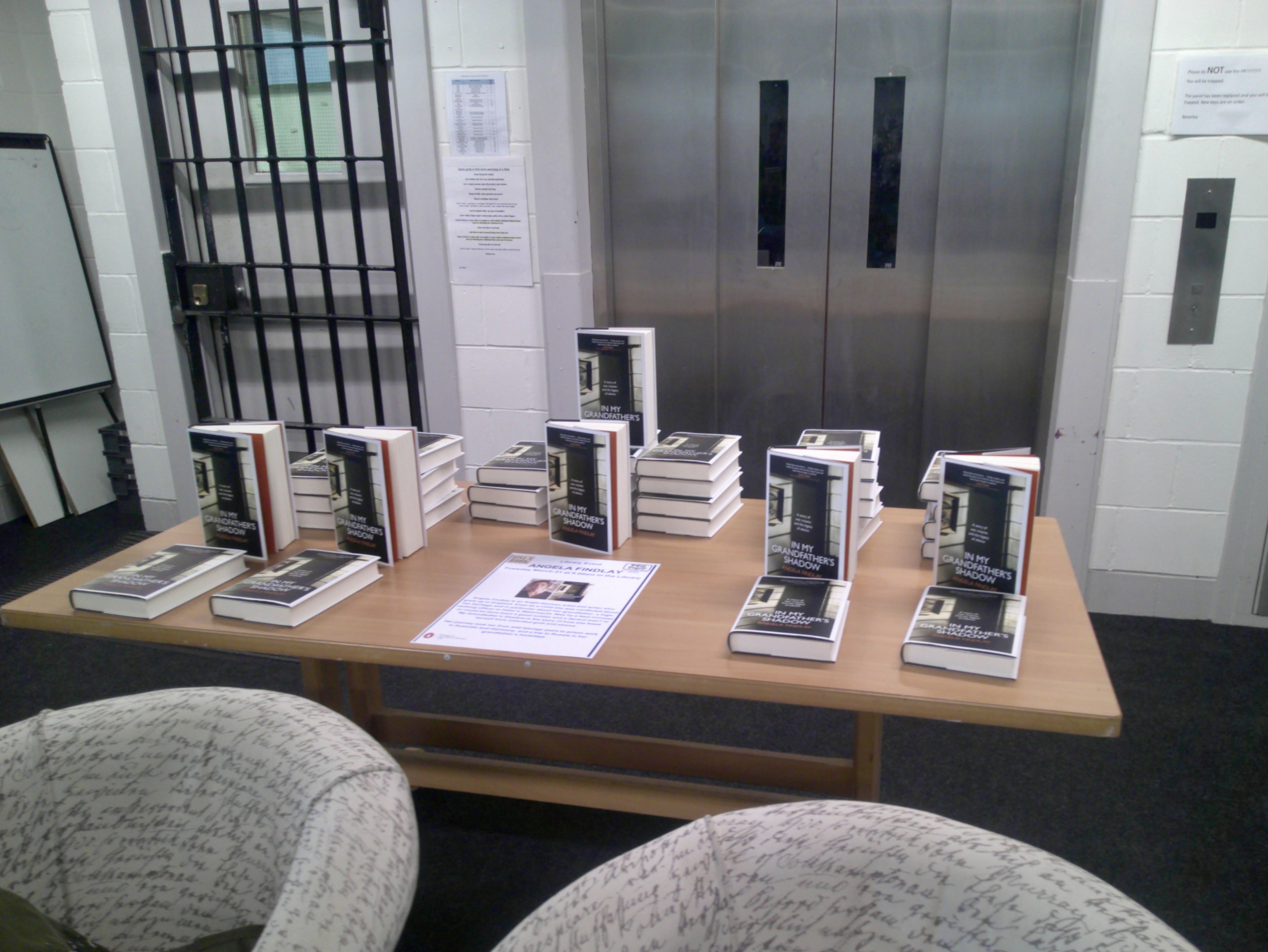
Not on this occasion though. Thirty-five men, mostly already seated, some with copies of my book on their laps, awaited us as we took our seats in front of a display of hardback copies that rivalled any book festival’s. Unlike my regular illustrated talks in which a series of images ties me to a certain chronology of thought, I was able to speak freely, engaging the antennae grown over years working ‘inside’ to gauge the interests and sensitivities of my audience. As I spoke into the men’s intense attention, I sensed cogs turning in brains as they connected my words to their personal situations. So many of my book’s themes speak to their experiences of trauma, addiction, conflict, violence, guilt, shame, depression, intergenerational family legacies…
Like a muscle memory, my heart opened as they began to engage verbally, asking questions and contributing informed opinions and philosophies of their own to mine. One of the librarians said to me afterwards, ‘They are so deep.’ And yes, their questions dived in at the deep end, not dissimilar to audiences in Germany. Intelligent. Philosophical. They know darkness. And they recognise how you get there. What I, as always, hoped to show was a way out.
At one point, as I related how I had felt ‘at home’ in prison as a young woman, a prisoner suggested that it may have been because they are at the bottom. ‘We are the bottom of society.’ He was right. That is the perception of many. Shame is the ultimate bottom dweller of emotions. And in feeling shamed as a teenager for being half-German, I would have related well to those who resided at ‘the bottom’.
Comment from a prisoner at HMP Wandsworth
I cannot, however, see these men – and I say men as a generalisation because 95% of the prison population is made up of men – as genuinely being at the bottom of the human pile. It is wrong of society to simply clump them together into one unnuanced band of criminal brothers. There are of course some horrendous crimes. But each person is both individual and potentially so much more. Each has a story, a journey of how they got here. And dreams for something different.
One man revealed he had thought about writing his story but felt nobody would be interested. ‘What makes you think that?’ I enquired. ‘Because it would be too dark,’ he replied only to be refuted and encouraged by others with claims that the crime thriller is one of the most popular genres.
Listening to and briefly meeting the prisoners at this library event didn’t appear to correspond to the prison statistics I regularly quote in my Art behind Bars talks.
A 2022 government review of reading reported: “The most recent data published by the Ministry of Justice shows that 57% of adult prisoners taking initial assessments had literacy levels below those expected of an 11-year-old.” There is nothing new here, but they remain shocking statistics. And yet my experiences tell me that in spite of high rates of ADHD, illiteracy, dyslexia, prisoners are far from ‘thick’ or even uneducated. They may have failed in or been excluded from mainstream education, but all too often that is because they have not received an education appropriate to their learning styles or needs. It’s an education that doesn’t recognise or value what their experiences have taught them about life.
Once the discussions were over, a long queue lined up for signed copies dedicated to names that revealed the audience’s colourful cultural mix. Many imparted tantalising snippets that hinted at reasons for their interest in my subjects… they were from Poland; they were fascinated by alternative perspectives on WW2; they now recognised how their actions might impact their children; they longed for intellectual stimulus.
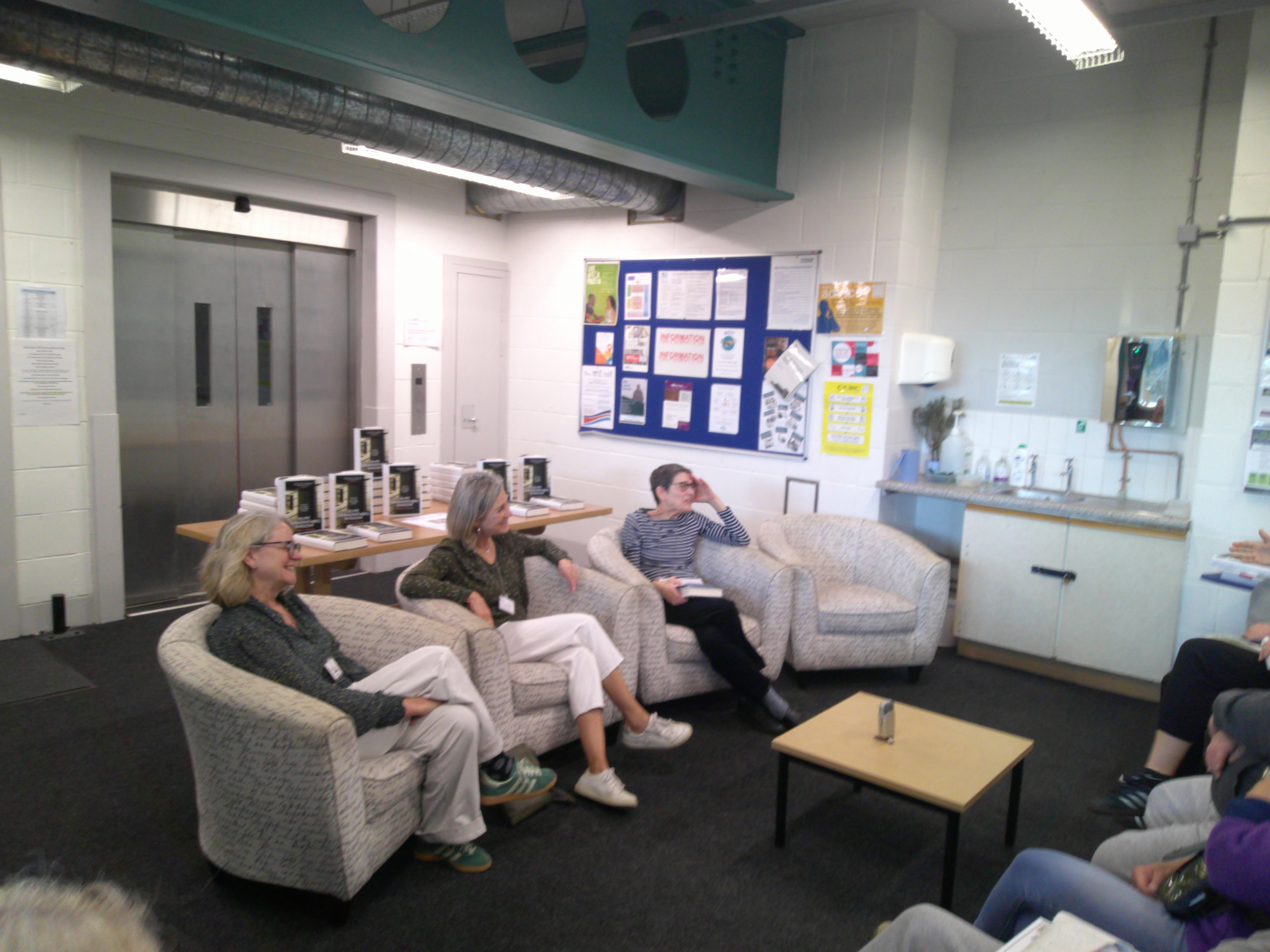
L-R: Standing: Sarah Turvey (Founder of PRG) and Mima Edye-Lindner (Director of Projects, PRG) Seated: Me, Paul Eden (Volunteer for an HMP Wandsworth Reading Group), Susanna Wadeson (Penguin Transworld)
The importance of the work of HMP Wandsworth’s Library – headed by Beverley Davies and her Senior Assistant, Hannah Pickering (who was taking the photographs) – and the work of Give a Book, PRG and their reading group volunteers plus all the Arts Projects taking place in prisons around the country cannot be underestimated. I am so grateful for and heartened by it. Traditional classroom settings are not always the way to educate people. There are other ways to inspire minds. As Antoine de Saint-Exupéry wrote in Citadelle:
If you want to build a ship, don’t drum up the men to gather wood, don’t divide the work and give orders.
Instead, teach them to yearn for the vast and endless sea.
Last week’s Library Event seemed to do just that as both the below comments from the Library and Prisoner Nr. XXX reveal:
“The guys were really buzzing afterwards, and it was great that other people noticed what was going on and wanted to get involved. All the books were taken which is a real positive.”
Prison Reading Group was founded in 1999 by Jenny Hartley and Sarah Turvey. Together with the team from Give a Book and Director of Projects Mima Edye-Lindner, they delivered 5000+ books to 84 groups in 64 prisons.
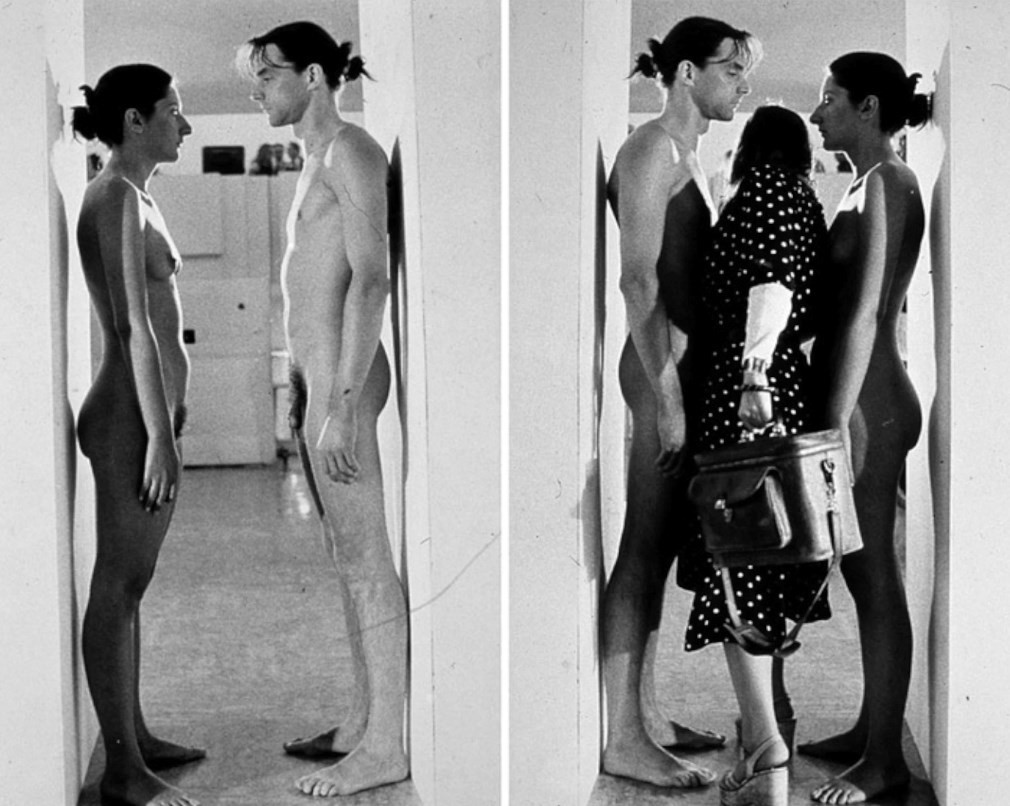
It’s not every day that you squeeze yourself between two nude bodies lining a doorway. But visiting the Marina Abramović exhibition at the Royal Academy on Friday, that is exactly what I did. And the experience was so visceral, so vulnerable and in such stark contrast to everyday interactions with fellow human beings that it got me thinking… as all good art does.
At the Royal Academy, London
Unbelievably, scandalously actually, this is the Royal Academy’s first solo female retrospective to run through those grand, main rooms in its 255-year history. I was still digesting that appalling fact as I entered the first room to be met with the full force of the artist. Video footage shows Abramović sitting in still silence gazing into the eyes of some of the 1,545 people (also represented through videos) who queued up to sit opposite her at MoMa New York in 2010. With this trusting personal connection between artist and visitor established, you allow her to take you through the trauma, pain, and almost impossible endurance she puts her body and soul through to end up in a place of meditation, peace and transcendence.
Marina Abramović’s Imponderabilia (1977)
Earlier in the week, walking on an autumnal Whitehall lined with statues of Britain’s WW2 military heroes striking distinctly ‘male’ poses, I was struck anew by the glaring gap between the (traditionally designated) sexes. Each man was raised on his very own plinth set back from the road under the shade of mature plane (I think?) trees.
L-R: Field Marshal The Viscounts Slim, Montgomery and Alan Brooke
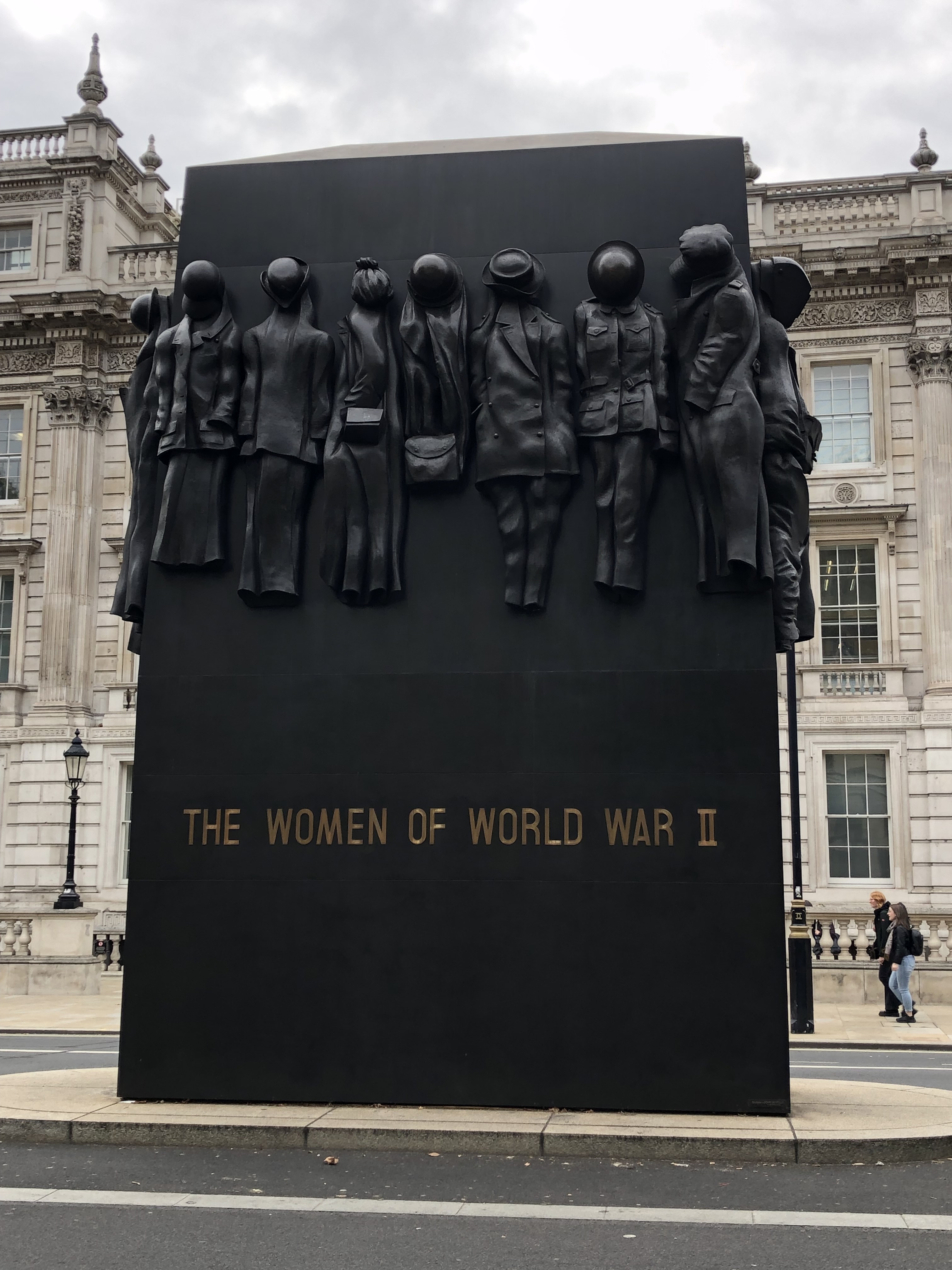
Opposite them, in the middle of the two-way street and on a black stela, an array of bronze female wartime outfits hung, saggy as if on coat hooks to represent the wartime contribution of over 7 million women. It’s not a new observation, but in the light of Abramovic, it is starker than before.
This memorial was raised to commemorate the vital work done by over 7 million women during World War II (July 2005)
I can only recommend you go and see, or rather experience this show. It shook me out of the increasing numbness I have felt as relentless bad, sad and mad news breaks like waves through social media outlets, radios and tv sets to crash into our lives. In order to cope, many of us feel we have to switch off or shut down. To look or move away. To rage at our impotence or pretend it has nothing to do with us.
Speaking out has always been an option. But at times, fear of being cancelled or becoming a Twitter/X target of hate silences our voices (an unlikely scenario with my scant number of followers.) Equally, speaking out can frequently feel like you are shouting into the wind.
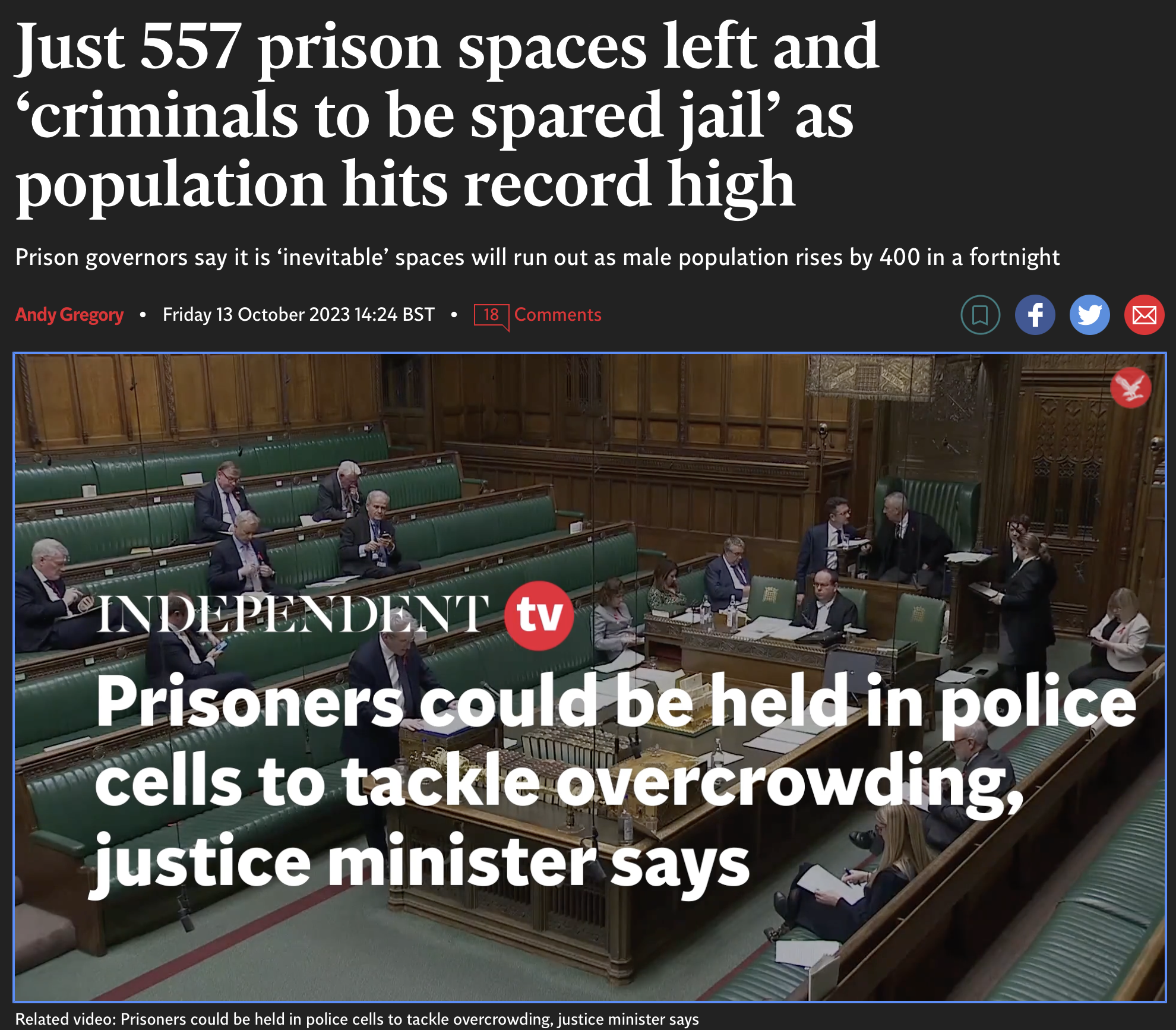
Take prisons… one of few areas in life I feel confident I know a little more about than most. In recent weeks they have regularly hit the headlines for multiple reasons; reasons about which I have been banging on since the eighties when I first started teaching in them. The big, but far from new, problem is overcrowding… our prisons are full. Last time I heard (13.10.23) there were just 557 spaces left across the prison estate.
Devoted and committed to the ‘tough on crime’ mantra, the government’s short-term thinking has landed in a cul-de-sac with just a handful of short-term ideas that could have been long-term solutions decades ago. They are not rocket science, just obvious tips like ‘Stop putting so many people who aren’t a danger to others in prison!’ Or ‘Stop this revolving door of madness of locking people away for longer and longer and then releasing them, often with just £70 in their pockets, a criminal record, a drug habit they didn’t have before they went in, and nowhere to stay when they come out…!’ It is sheer insanity to think they are going to miraculously be rehabilitated and can go on to lead a crime-free life.
And still current policy remains the same: to create yet more institutions of failure and waste in the “biggest prison-building programme since the Victorian era.”
Sorry, I can feel my blood beginning to boil…
But one more example of this system of illogic. And a new one at that. On 03.10.23, the Justice Secretary, Alex Chalk, (the eleventh JS since 2010), announced that the government wants to outsource the problem by renting prison cells overseas in a variation of the Refugees-to-Ruanda thinking? Well that’s going well.
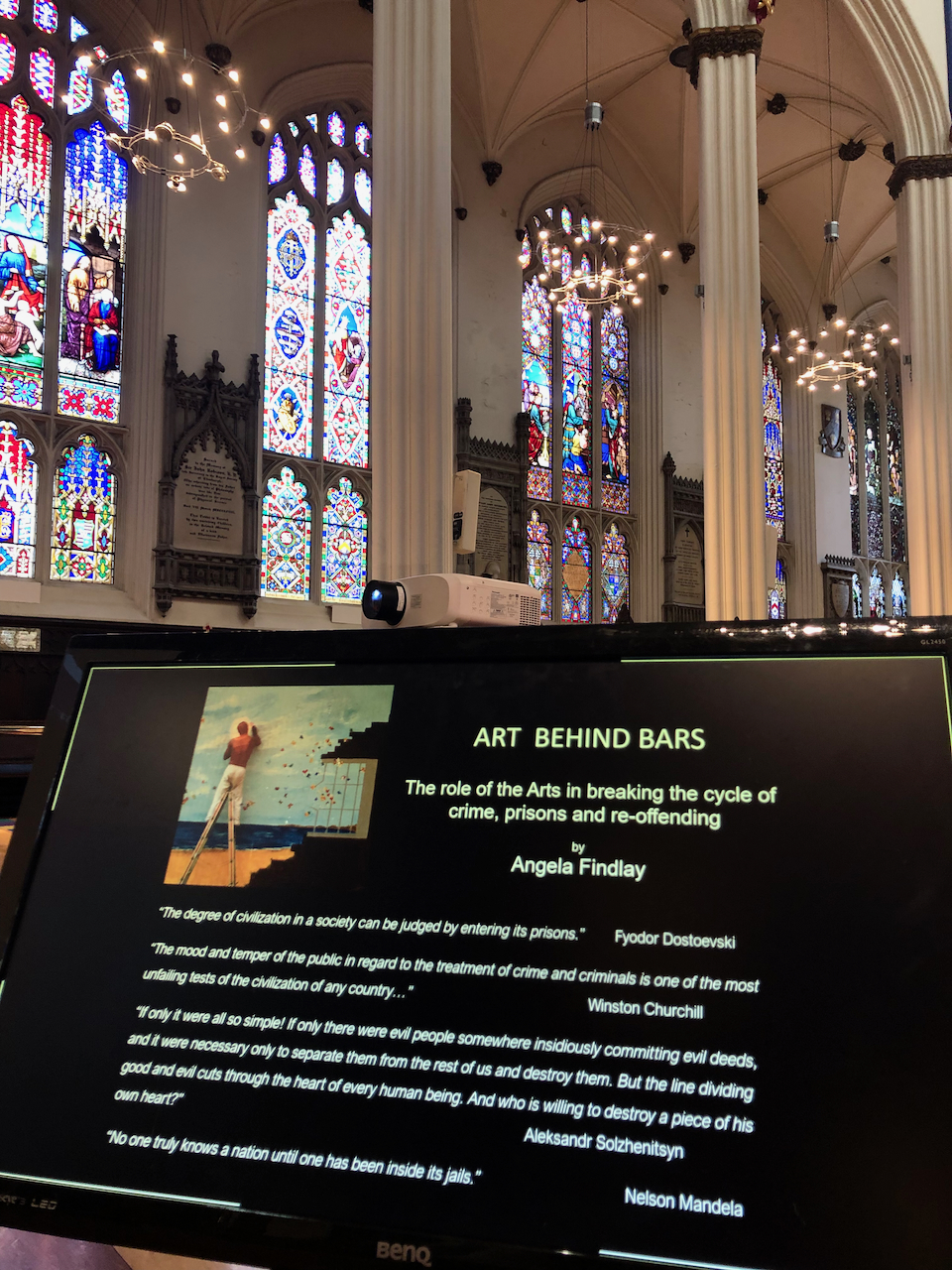
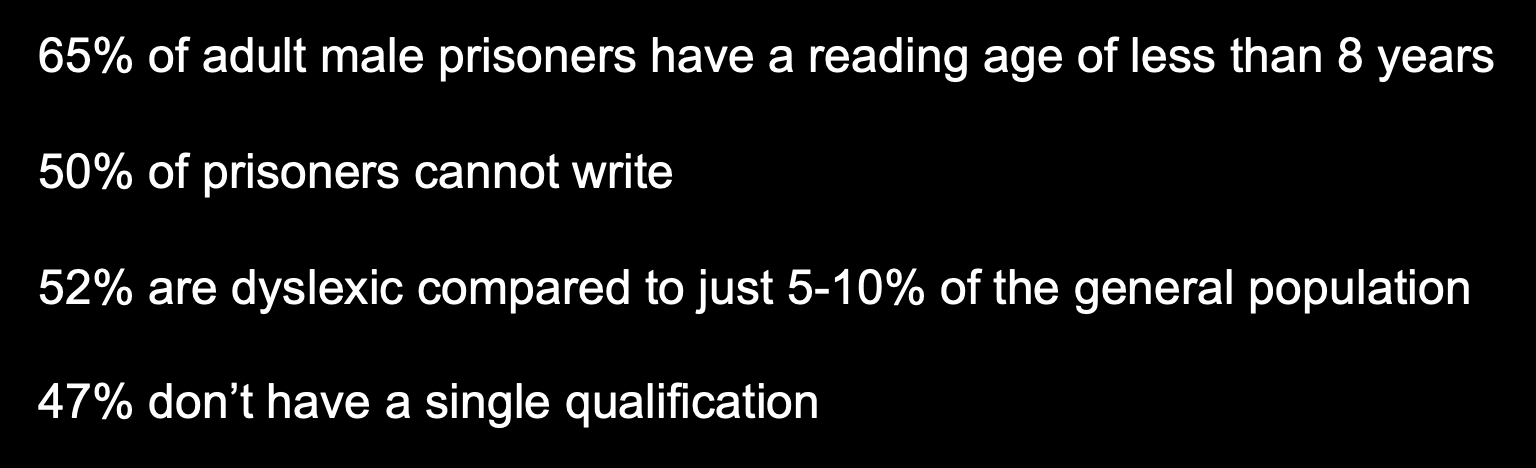
And so it goes on throughout the whole Criminal Justice System. And has done for as long as I can remember. But still the majority of my Art behind Bars audience members come up to me and say, “I had no idea.” I say that with exasperation rather than blame. But it makes me realise that speaking out has its limitations. So, for the record and possibly the last time I allow myself to become incensed in a blog, here is one of my slides with some statistics (please allow for inevitable fluctuation) that give an insight into the failure, people and costs caught up in our current prison system.
Right, let’s return to Marina Abramović and the immediacy of her work’s impact compared to mine. Drawing inspiration from the feelings and inner experiences her powerful performances evoke, I would like to propose a different solution to our on-going crisis.
The Artist is Present (2009)
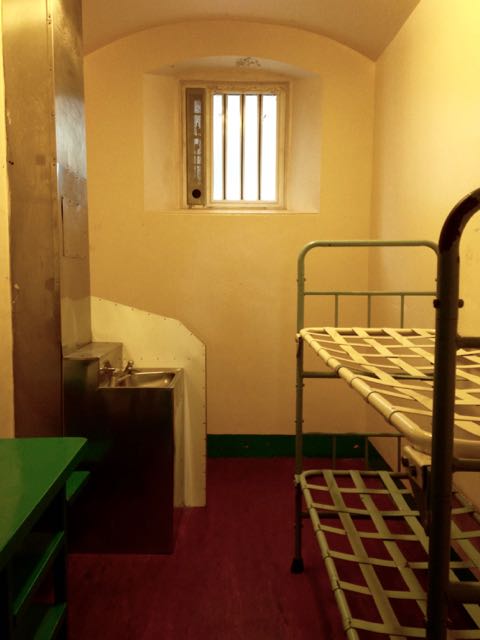
I suggest every government minister, every magistrate, judge, lawyer, banker, teacher and member of the public is taken into one of Britain’s many failing prisons. For when you feel the impact of the first of many heavy doors lock behind you; when you smell the socks, watery cabbage and frustrated testosterone (95% of prisoners are men); when you hear the shouts of anger and cries of despair; when you taste the fear of under-trained staff and terrified, often traumatised men and women, and see the size of a cell and the squalid world in which these people are banged up in the name of and for the apparent protection of us all, then people might understand what so many important figures have claimed about the relationship of prisons and society, and finally demand change.
Further reading – Too many articles in every newspaper to list, so here are some specialists on Criminal Justice:
What is the difference between ‘I had no idea’ and ‘I didn’t know’?
I ask this question in the wake of what must be one of the best television series in the past year: BBC One’s deeply uncomfortable and disquieting three-parter, Time.
It is described as: ‘Jimmy McGovern’s hard-hitting, brutally honest portrayal of a failed public service which gets everything right about prison life – minus the tedium.’ If you haven’t seen it – and sorry to my readers abroad if you can’t get BBC – I would like to invite you to watch it, even to dip into it for ten minutes. I’ll tell you why.
Having worked in many prisons in England, I feel everybody needs to know what is going on in them. In our name. There was nothing in the series that I didn’t recognise from my years inside. As I am up against a tight writing deadline for my book (and this blog actually!), I am going to allow the three episodes to speak for me and bear witness to the sheer illogic, and all too often, inhumanity of our current system.
This doesn’t apply to all prisoners, but if we recognise that many addictive, violent and destructive behaviours derive from childhood trauma; if we fully comprehend the impact of untreated traumatic incidents, then the cruelty of locking up people, who were first and foremost victims, in what are often little more than hell holes, becomes very clear.
My admittedly provocative opening question stems from a genuine desire to understand the answer.
For decades, the adult-generation of Germans living through the Second World War have not been believed when they say, ‘we didn’t know’ (about the concentration camps). And people around the world often blame them for having looked the other way. I don’t want to get into that debate here. There is a consensus among historians that some would have known, some would have heard about them and not believed it, and others would not have known. Most of the camps were miles away in the east and there was little access to free press. There was also a deadly dictatorship controlling thoughts and actions. Yet not knowing, or knowing and not doing anything, allowed the deadly system to persist for as long as it did.
I have been talking to a wide range of audiences about my experiences of working as an artist in prisons for nearly three decades. The most common thing I hear afterwards is a shocked “I had no idea.” It’s totally valid, I make no judgment. There are loads of things I have no idea about. But why don’t more people know about this? There are prisons in nearly every major town. The shocking statistics of failure, the appalling conditions and the tragic stories of many of the people locked up in them are reported on all the time, in every form of media. How can we not know about them?
There is obviously a wide spectrum from having no idea, to knowing but looking away, to knowing and acting. I would just like to use this month’s blog to encourage you to become more informed, specifically about the system in which we warehouse prisoners. Not just for their sakes, but for all of us who live in the communities into which they are returned… usually worse.
When enough people ‘have an idea’, things can and will change.
Watching this series is a start. It’s tough watching, but the reality is much, much tougher.
More prison places, more punishment, longer sentences and tougher stop-and-search powers for police… I am far from alone in being dismayed at Boris Johnson’s ideas on prison reform.
However, his prison policies are no more and no less than I would expect from him: vain, backward-looking, wilfully ignorant of evidence and expertise and whiffing of his trademark self-serving disregard for the people affected. Anybody who works in the system or has occupied themselves with the deeper issues behind the revolving door of our flailing, and failing, system can see the shallow grasp he has of what is required. As the respected Prison Reform Trust says: “Tough rhetoric is no substitute for understanding the evidence.”
In a blatant display of easy vote-winning, tough-on-crime policies, Johnson is returning to Michael Howard’s aggressive and long disproven claim: ‘Prison Works!’ So let’s just unpick a little of what he and his team are suggesting as part of their “bold” plan (‘bold’? ‘Old’ would be a more accurate description) “to create a justice system, which cuts crime and protects law-abiding people.”
1.“10,000 new prison places” – at a cost of £2.5 billion – “so we can keep criminals behind bars.” Nothing new here, not least the well-known fact that prison is not a solution to cutting crime or reoffending. The then justice secretary, Liz Truss, made the same pledge in 2016 and the places were first due by 2020. The government then quietly reduced its target to 3,360 places by 2023. So far only one prison has been completed.
Responses to this idea:
Peter Dawson, Director of The Prison Reform Trust: “Doing away with overcrowded and outdated prisons makes a lot of sense. But governments have been promising that for decades and they always underestimate what’s involved. According to the prison service’s own figures it would take 9,000 new spaces just to eliminate overcrowding – not a single dilapidated prison could be taken out of use before that figure was reached.”
Frances Crook, CEO of the Howard League for Penal Reform: The construction of new prisons is “an exercise in ego and reputation” and a “gross squandering of taxpayers’ money.”
Robert Buckland QC, the fifth Conservative justice secretary in four years: “More and better prison places means less reoffending and a lower burden on the taxpayer in the future…” Except it DOESN’T Mr Buckland! And there is a raft of evidence, teams of experts and front-line workers and decades of failure to reduce re-offending through a punitive system to prove it.
2. To “properly punish” offenders by sending more to jail and to make sure criminals are “serving the time they are sentenced to” by putting an end to the automatic release of prisoners half way through their sentence. Hmmm… just a few weeks ago research indicated that short prison sentences were driving up reoffending and former Justice Secretary, David Gauke, had called for “ineffective” prison sentences of under six months to be abolished. You can do the maths yourselves. Currently reoffending costs the UK £18bn per annum. Keeping an adult in prison costs around £37,000 a year, with at least double that amount for a young offender. Reoffending rates for sentences of less than 12 months stand at 65%. There are 83,000 people in the system… Put those figures on your campaign bus Mr Johnson.
3. Apparently it’s “time to make criminals feel afraid, not the public.” Home Secretary Priti Patel goes further and wants them to feel “terror.”“Populist electioneering” says Simon Jenkins in The Guardian, and it is. Even the most basic psychology or a bit of listening to offenders’ stories would reveal the terror many of them have already felt in their homes, schools or communities making them feel compelled to join gangs or arm themselves with knives. Can the government not see the relationship between the rise in knife crime and the nine years of brutal cuts – that Johnson supported – to community support officers, probation, police, not to mention education, youth services, housing, mental health and other public services? Johnson wants “…to keep criminals off our streets and turn them into law-abiding citizens when they have paid their debt to society.” But has society honoured its duty to educate those people, to support their needs, to protect them? 54% of prisoners are dyslexic, 50% can’t write, 29% were victims of abuse as children. They will be released with just £46, a criminal record, often a newly acquired drug habit and frequently nowhere to live… so where is the ‘bold’ plan for the chances they will be receiving to become ‘law-abiding citizens’?
That’s still not the end of it.
4.“20,000 more police officers” – which will merely reinstate those lost by the past years of Tory cuts. “Extended stop and search powers” – which often result in the unfair targeting of ethnic minorities and were a key factor in the anti-police anger that triggered the riots while Johnson was mayor of London. Even reports by both the Home Office and the Metropolitan Police found no long-term significant reductions in crime. And “£100 million worth of airport style X-ray scanners, metal detectors and mobile phone blockers to crackdown on drugs and weapons coming into prisons – even though many of them come in with underpaid officers wanting to make an extra buck.
Johnson’s next point makes me laugh… and weep!
5.“It is vital we have a world-leading prison estate…” How about aiming for a fair, functioning, humane prison estate as a start? Every single HM inspector of prisons says the same: our prisons are shameful shambles. We lock up more people than anywhere else in Western Europe; we already have excessively long sentences; prisons are filled to 95% of their operational capacity; overcrowding, cuts in front-line prison staff (1/3 of newly-appointed recruits leave within a year of being in post) and squalid conditions have led to the highest levels of violence and self-harm. Drugs abound while meaningful activities, education and work remain a luxury… you can read about countless other contradictions of purpose and violations of human dignity almost weekly.
Frances Crook again: Mr Johnson “doesn’t seem to understand” how the current justice system works. “What is coming out of Number 10 is politics but not real life. It’s not going to deal with real-life crimes and victims. It’s a lot of hot air.”
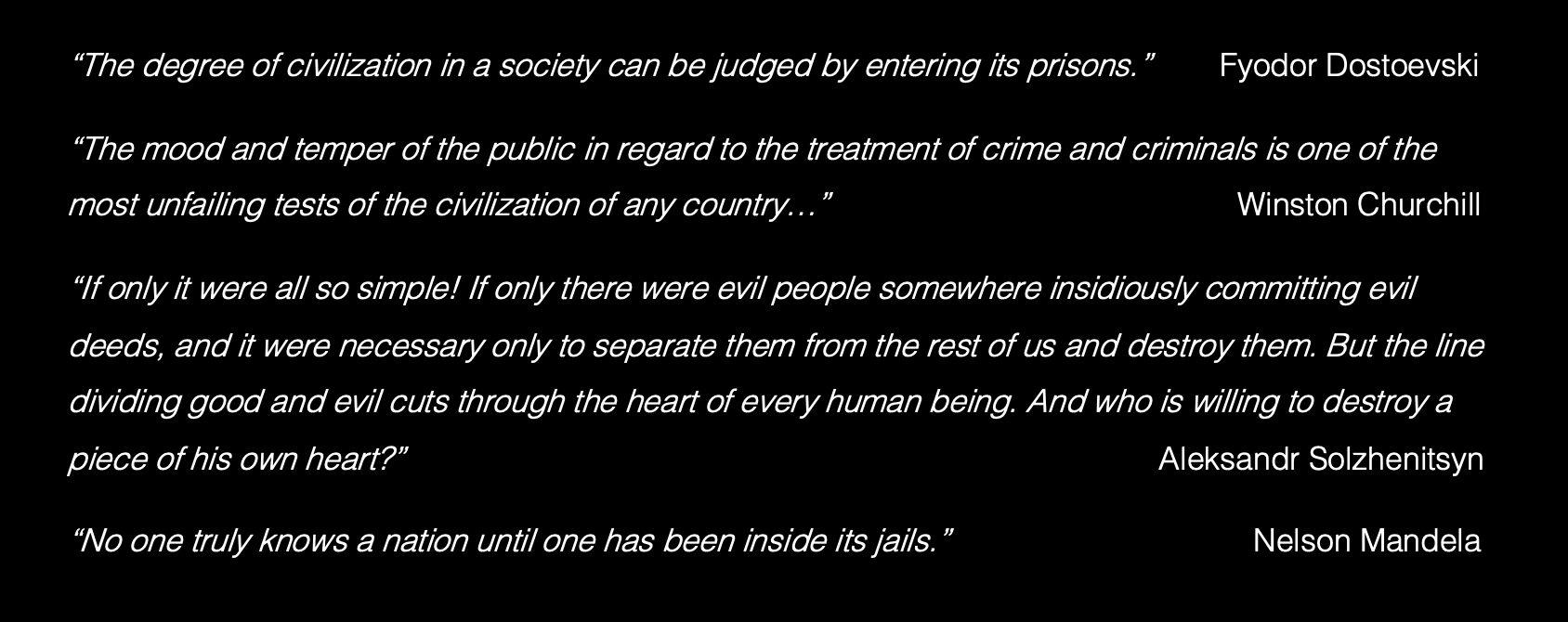
I am in good company when I say a government’s approach to prison policy is a litmus test for its maturity, wisdom, far-sightedness and humanity.
Dostoevski:“The degree of civilisation in a society can be judged by entering its prisons.”
Mandela: “No one truly knows a nation until one has been inside its jails.”
Even Johnson’s hero, Churchill:“The mood and temper of the public in regard to the treatment of crime and criminals is one of the most unfailing tests of the civilisation of any country…”
In his macho rhetoric on the treatment of crime and criminals, painfully devoid of detail on educational or rehabilitative measures, Boris Johnson may mean well. ‘Tough on crime’ always appeals to the general public as it’s apparently for our safety. But with these measures, he is merely exposing naked ignorance, vanity and apparent indifference to the issues faced by real people. Emptying prisons of short sentence prisoners; providing extensive education and work opportunities; rolling out victim awareness and restorative justice courses; offering incentives for good behaviour; instating many more, well-trained prison officers on the wings with time, not only to open and close doors but to listen and guide… These are some of the things that will move our prison system in the direction of being fit for purpose. Only then can we start dreaming of ‘being safe’ and having the “world-leading prison estate” Johnson wants.
When you work in prisons or other extreme situations, certain snapshot images ink themselves on the walls of your memory. Hidden from view for much of the time, they appear like a tattoo when a sleeve is rolled up. I have one such image that often causes me to stop and think.
Doing time
It came about on one of my morning rounds, walking from wing to wing gathering up the participants of my art class to accompany them to the art studio. I had a key for all the locked gates through which you had to travel to get anywhere in the prison, but not a key for the cells. Casting his eye over my list of names, a prison officer stuck his metal key into a cell door, turned twice and pulled. The door opened to reveal a small, wiry man sitting on a neatly made, metal-framed bed just staring at the narrow space in front of him. He was dressed and ready for another day of… nothing; of waiting for time to pass. The slight slump of his body and thin, grey hair combed back from his forehead accentuated his pallor as he slowly turned his head to face us. Blank eyes betrayed a hint of the resigned surprise of someone who had got used to the loss of all privacy and power. For a tiny moment our eyes met. Was it a flash of hope I saw before the officer, realising his mistake, pulled the door closed without a word and locked it once again? I stood motionless as he studied the list and moved towards another cell, imagining the tiny man turning back his head to continue staring through the tidy arrangement of objects on the table opposite him: a single mug, a jar of cheap instant coffee, a toothbrush and a roll of toilet paper.
I still see this man when I am running though wild garlic-filled beech forests or soaking in the exuberance of my mother’s colourful flower beds; when I feel the warmth of sunshine or the heat of a bath. I think of him still sitting there alone, just quietly waiting… wasting. And that basically sums up what our prisons are. One big waste: of time, of money, of opportunity, but, worst of all, of human lives. If you put aside questions of whether a person is guilty and deserving of punishment and, for one minute, place yourself into his cell and slip on his shoes… what do you feel?
I know I bang on about it, but I hate waste. And the illogic of locking people up in increasingly depraved conditions with nothing purposeful to do, and then ejecting them back into society with the expectancy that they will somehow be changed for the better, urgently needs to be addressed. We all know the benefits of exposure to nature, the arts, colour, fresh air, exercise, work, self-discipline, being listened to… the list is long. So why, why are we systemically depriving the people in our prisons of all those things? The prison service’s self-declared mission is to help offenders lead “law-abiding and useful lives on release.” Yet in practice, it too often does the opposite.
As Brexit procrastinations continue to drag minds and resources away from pretty much all other societal issues and constant changes in Justice Secretaries and Prison Ministers prevent anything from getting done, our prisons are becoming even more overcrowded, understaffed, drug-infested, inhumane, dangerous and failing institutions. There are thousands of my ‘small, wiry man’ sitting on beds in tiny cells, over half of them with literary skills of an eleven year old, many of them victims of violence, neglect and abuse as children, each costing £38,000 per year, each just waiting and wasting while we become increasingly guilty of ‘looking away’.
So what can you do? There are lots of wonderful initiatives, charities and people trying to make our prisons better places. Let the government know the current situation is unacceptable by supporting their work. Here are a few suggestions: Prison Reform Trust or Howard League for Penal Reform or The Forgiveness Project or The Koestler Trust or contact your local prison and offer to teach literacy, become a prison visitor or mentor to someone on their release. You will probably find it incredibly rewarding!
Pentonville Prison is “crumbling and rife with vermin”. HMP Birmingham is in a “state of crisis”. Prison staff protest over “unprecedented violence” in jails. “Biggest UK prison riot in decades could and should have been prevented,” report finds.
We have been reading one such headline after another for months now, actually years, probably decades. Almost everything about our prison system is failing and contributing to this dire state: chronic overcrowding, understaffing, lack of purposeful activity, easily available drugs, squalor, rises in violence, self-harm, suicide… they are all interlinking, poisonous contributors to what is becoming a system wholly unfit for purpose. Yet still nothing substantial is done.
“What is the most important thing we can do?” That is the question I am so often asked at the end of my ‘arts in prison’ talk. Yet I have never been able to give an answer that feels satisfactory.
Through pictures, stories, statistics and facts, my audiences get a glimpse into our prison system, into the minds and lives of offenders, and into what role the arts can play in the process of rehabilitation. “I had no idea!” is the most common response, and then, with their new insight, people across the country, from sixth formers to retirees, want to know what they personally can do to help solve the increasingly dire situation that is our criminal justice system (CJS).
Two shows at this year’s Edinburgh Festival left me feeling… well, strange. One was about a male ex-prisoner, the other about a female victim of rape. Light, cheery subject matters for me as always, but actually, intense and personal story telling abounded.
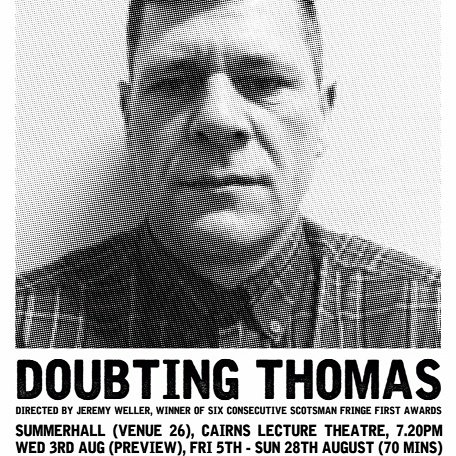
The first play was Doubting Thomas, created by multi-award winning director Jeremy Weller. The listings said: Thomas McCrudden, a man with a tortured and violent past but with hope for a different future, tells his own complex and moving story about abandonment and the stress of being forced to take on multiple roles, in Thomas’s own words, “…none of which were me! When I was growing up, I wasn’t able to accept love, and that created not just a man without a conscience or empathy. It created a monster.”



















 angela findlay blog