The past residing in the present and shaping the future

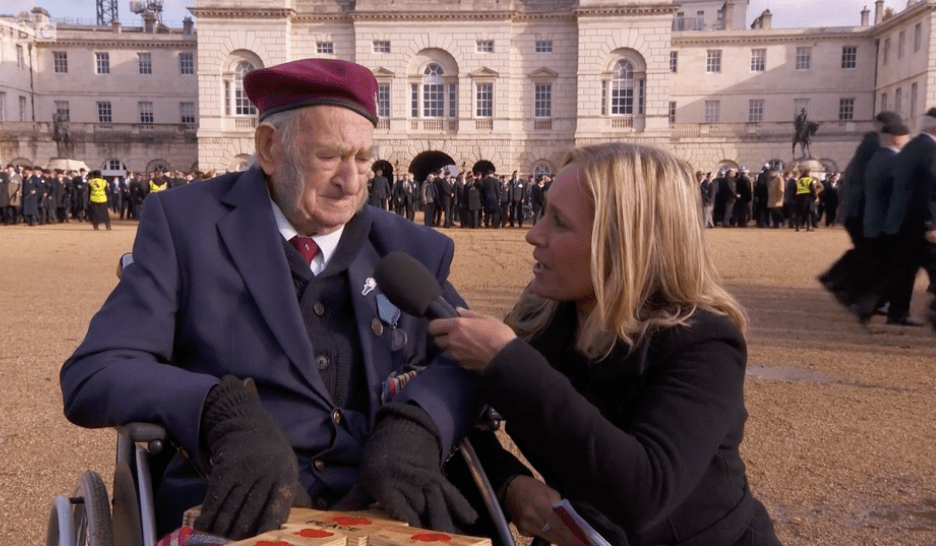
“It’s the memories,” 98-year old D-Day veteran, John Sleep, told the BBC interviewer, Sophie Raworth on Remembrance Sunday. Dressed in a blue suit decorated with medals and donning a burgundy beret and tie, his wheelchair was parked on Horse Guards Parade in front of the traditional ‘march past’ the Cenotaph. Asked how vividly he could remember it all, he said, “It was yesterday.” Silence followed as his face crumpled in its fight against tears. As for so many veterans, the title of “hero” bestowed on servicemen today feels misplaced. What he and his fellow soldiers did was not heroic, glorious or even brave necessarily. Those are qualities that belong to their friends who didn’t return. They are the real ‘heroes’ and their memories still roam and haunt the minds of the living. 
Memories; PTSD; horror, honour and pride get shaken into potent cocktails of commemoration at this time of year. Last weekend was almost overwhelming in the scale of significant events to be remembered. Don’t get me wrong; I love remembering the past because each time I ‘re-member’ an event, I learn a little more about its relevance to the present and the future. Time became a linear construct through the human need for rationality and order. Yet in reality, or in my experience at least, time refuses to simply line up chronologically. The past and future co-habit each moment of what we call the present.

November 1989, the fall of the Berlin Wall

This year’s calendar of remembrance started on 9th November, when Europe and beyond celebrated the 30thAnniversary of the fall of the Berlin Wall and remembered all those who died on the physical and symbolic front line of the Cold War. A bit like with the 9/11 collapse of the Twin Towers, it seems that everybody can place exactly where they were when it happened. I can recall my Sussex landlady’s unbridled joy as she danced in front of her television clapping her hands as the ‘Ossis’ flooded through the wall into the welcoming, cork-popping arms of West Germans. I remember clapping and grinning with her, careful to disguise my shameful ignorance of just how momentous a moment this was. The Cold War may have been the political backdrop to life back then, but I was still in the dark over the potency of German history… half my family’s history.

Next up was the annual Festival of Remembrance at the Albert Hall, an event that every year both moves me to tears and irritates me in equal measure. I have written about it before but in spite of some deeply kitsch musical contributions – James Blunt, the former army officer with a remarkably high voice and Leona Lewis, former X-Factor winner, who massacred ‘Like a Bridge over Troubled Water’ – I found this year’s festivities generally more sensitive, less triumphal (thank goodness) and more inclusive. They focused on the 75th anniversaries of lesser known, yet no less brutal, battles of 1944, such as Monte Cassino and Rome, and the collaboration and friendship of the British, Commonwealth and Allied armies who fought them. They also marked the 100th anniversary of GCHQ and the vital, albeit largely uncelebrated role of the secret services such as the code-breaking work at Bletchley Park completed by a workforce 76.35% of which were women… 

Ok, women’s forgotten / ignored / unrecognised place in war and history is a blog for another day. It’s the role of pride in all these activities of remembrance that I want to touch on here. Specifically the pride felt for and by family members. Pride can comfort in the face of death. Pride can give meaning to apparent pointlessness. Pride can assure the memory of a person is maintained for generations to come. Pride can overcome some of the horror of war. It can swell the heart and make thoughts soar. It can be a balm on the trauma of loss, which, if unprocessed, can be passed from generation to generation. 

So how is it for the relatives of German soldiers, I wonder? Millions died and yet pride is a tool that cannot be employed to soften the sharp corners of grief or maintain the memory. It’s difficult, I know. But for the sake of generations to come, in order to avoid the transgenerational transmission of unresolved emotions and to understand and most importantly quash the re-emergence of Germany’s Far Right, we need to address the problematic nature of remembering the men and women who were limbs in Hitler’s military body of destruction, but also brothers, fathers, husbands, sons, friends… and grandfathers of ordinary German families. 

John Sleep, our 98-year old veteran, is already putting my challenge into practice. Resting on the chequered blanket draped over his lap and gently held in place by misshapen hands in muddy, black woolen gloves, lies a simply-crafted wooden cross decorated with painted poppies and the word ‘Peace’. “It’s for the Monument of Tolerance,” he explained, “an organisation set up on the German border with all nationalities in it. The idea is to prevent wars,” he continues without the hesitation of his earlier answers. John also ‘does’ the German services. “I’ve got no problem with the Germans,” he declares. (Well that’s nice to hear.) “I think they did me a favour.” (Really??) “They got me a very good pension.” (Ah… ok – slightly disappointed face) But fair enough. He’d had “an argument” with a German tank and it had won.  

I like the ideas behind this Dutch Monument of Tolerance. Unveiled on 8 March 2001, it serves as a reminder of the more than 700 soldiers of 11 nationalities who lost their lives in the Leudal area between 1940 and 1945. I am pleased that at least here German families have an opportunity to bestow a tiny fraction of the recognition other nations can pour over their military family members. So, next Sunday 17th November, on the occasion of Germany’s humble Volkstrauertag – ‘people’s day of mourning’ – I would like to invite you to join me for a tiny minute in thought. A tiny moment in which we try and extend the lines of our famous and treasured poem of Remembrance to include some of Germany’s Wehrmacht soldiers and their families. 

“At the going down of the sun and in the morning, we will remember them.”
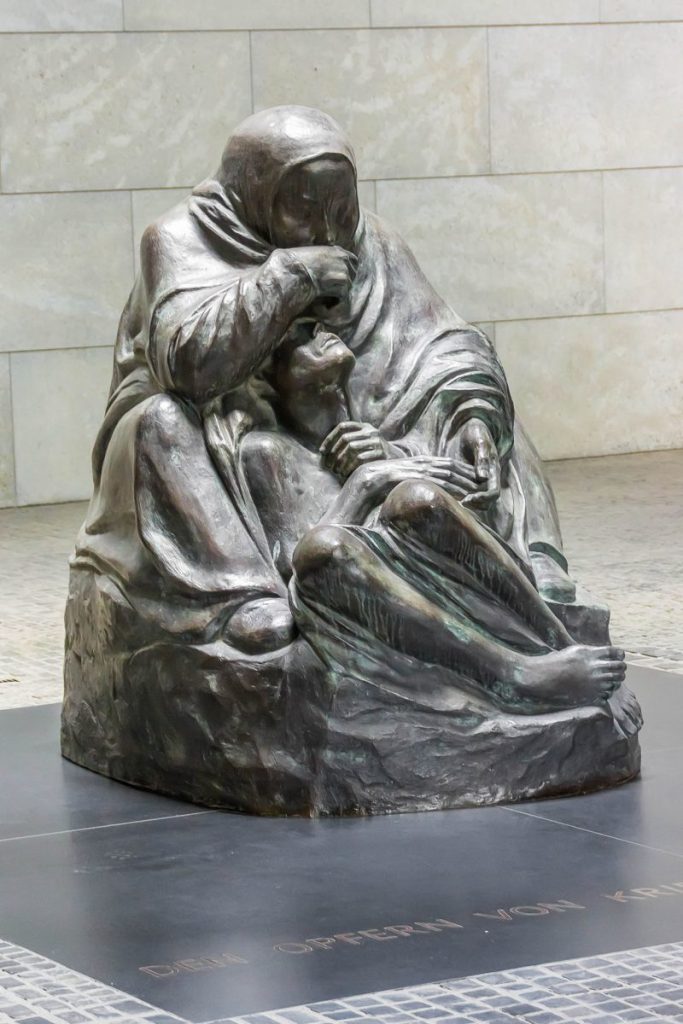
Käthe Kolwitz: Mother with her dead son, Neue Wache, Berlin

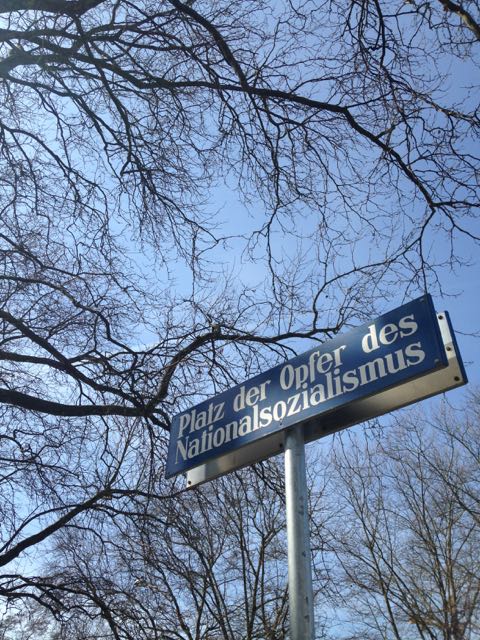
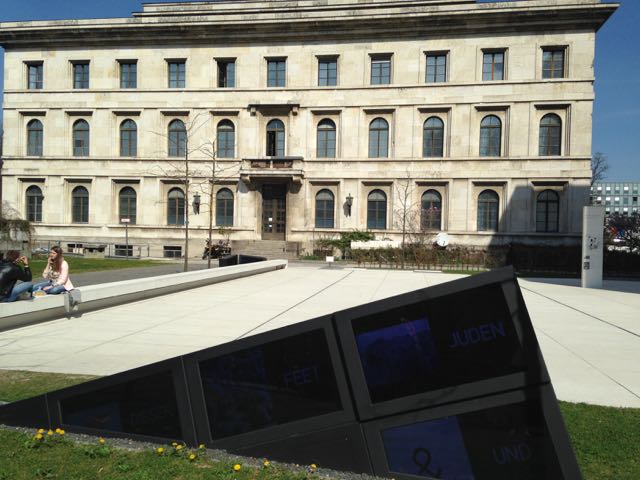
Munich in March

A city in which the ruins of history survive to serve as warnings for the present and pointers to a different future…

German memorials honour the brave resistors of Nazism, unreservedly condemn the perpetrators, apologise to the victims and warn us all to remain vigilant so these things can never happen again.

IMG_0356.jpg

A video installation outside the former Nazi headquarters

Read More »

‘Sorry’ does indeed seem to be the hardest word to say

February 2015 saw the 70th anniversary of the bombing of Dresden, a contentious and highly debated element of the British and American war campaign. The deaths of 25,000 civilians and the destruction of the medieval city of Dresden known as the “Jewel of the Elbe” was without doubt one of the low points in the British military strategy.

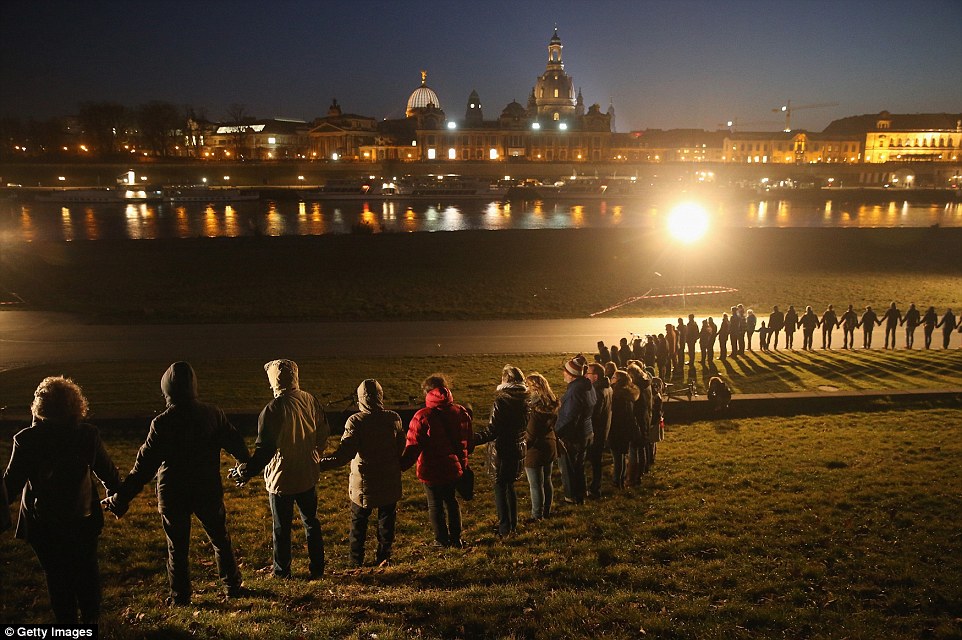
25A64E0500000578-2952892-Solidarity_10_000_people_joined_hands_to_form_a_giant_human_chai-a-9_1423864324864

On 13th February this year Germany held one of their rare commemorations for their own dead. It started with a service in the re-built Frauenkirche / Church of our Lady and continued later in the streets when up to 10,000 people formed a human chain along Dresden’s riverfront, holding hands to commemorate the dead and call for peace.

With my on-going interest in World War commemorations, this was of course a significant one, for two reasons really. On the one hand it remembers German victims of war and on the other it remembers an event that many people see as a British war crime.

Read More »

Holocaust Memorial Day, 27th January 2015


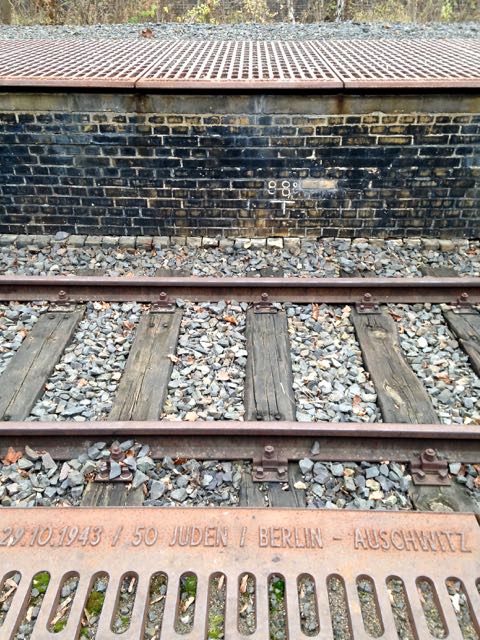
IMG_3702

Today was Holocaust Memorial Day, commemorating the day Auschwitz-Birkenau was liberated by the advancing Soviet army seventy years ago. Today Jews and non-Jews alike were reminded to remember what so many of us have no personal recollection of. Reminded how important it is to remember so that it will never happen again.

Today was also the launch of my talk on German Memorials and Counter Memorials, the second in my trilogy of talks “The other side” about World War II from a German point of view. It was a happy coincidence that King William’s College on the Isle of Man invited me to give this particular talk on this particular day, for it encouraged me and my audience not only to think about the victims of the Nazi policies of annihilation but also about the perpetrators and Germany’s ongoing and thorough process of apology on behalf of them.

Read More »

Generation War: Our Mothers, Our Fathers. Does it go far enough?

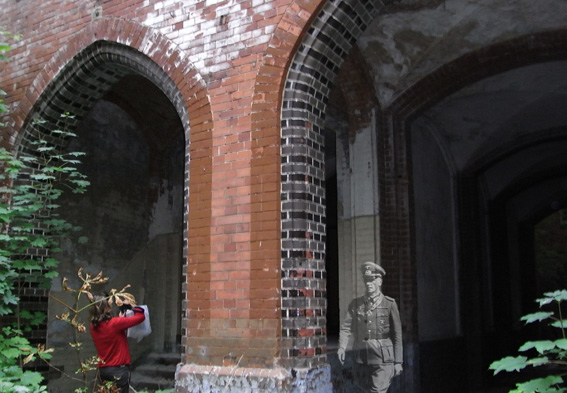
ImagePeering into the crater of my own family history, Jüterbog 2008

I don’t imagine 7.6 million viewers are watching this series as in Germany last year, but judging by the reviews and conflicting opinions expressed in online discussions, it is nonetheless making waves. Many people find it “brilliant”, with its focus on the personal within the wider historical context (as in Downfall and The Lives of Others). Some find it ‘unlikely’, that the 5 main characters’ paths would cross “as if all of Eastern Europe were no bigger than a park in Berlin”[1] or that they would be so openly friendly with a Jew in 1941 Germany. And some criticize how the drama of the story lines are often cliché and distract from the bigger questions – all hazards of portraying historical characters through a contemporary medium.

Read More »

What are we “remembering” on Remembrance Day?

I found it symbolically pleasing to be planting bulbs as yesterday’s two-minute silence hummed over the radio waves across the UK. Sitting in the quiet sunshine, I started to “remember”, only to immediately bump into the questions: what and who am I remembering? And to what end? After all I have no personal “memories” of the First and Second World Wars, nor even of Iraq or Afghanistan. Relatives yes, but in the World Wars they were on opposite sides.

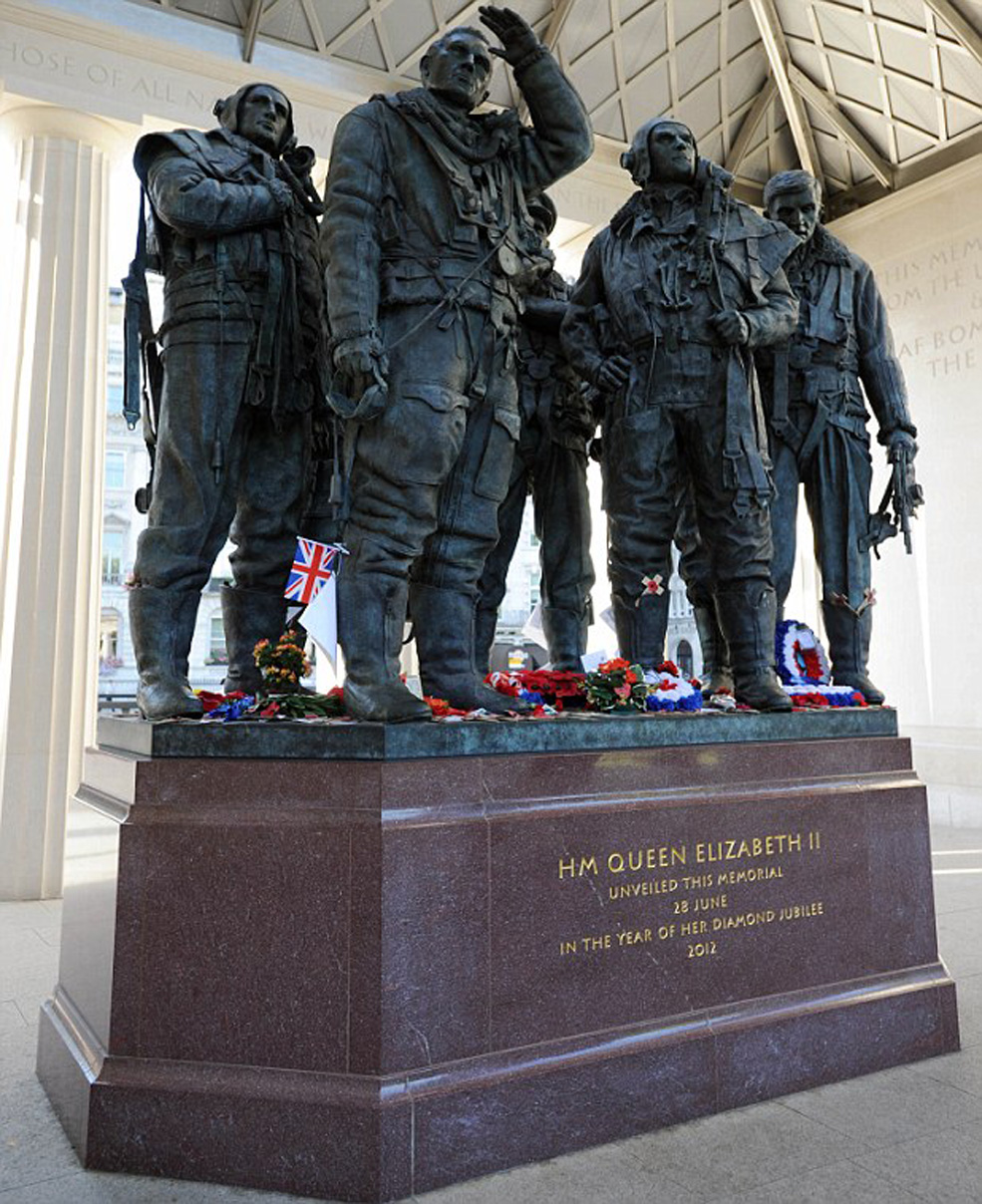
Bomber Harris memorial

Bomber Harris Memorial, (1992) London

Read More »

Is there a point in still talking about Second World War Germany ?

lowresKvG9_2

I found it almost impossible to write over the summer or to organise my thoughts into some sort of coherent flow while the sun shone outside producing the intrepid army of courgettes that now lies liquidized in my freezer. Instead I hung out in Nazi Germany, trying to organise 9 years of research into a 40 minute talk for schools and as yet unknown audiences. It was a process of willing black and white photographs to come to life to reveal what has been lurking in the corners of Germany’s post-war national silence for 50 years. But I also found myself wondering (with regular twangs of self-doubt) what the point is of still talking about this subject? And is it still relevant and important for today’s younger generations of English and Germans to engage with Hitler and the Holocaust, or have Bin Laden & other contemporary despots taken his place as ‘Dr Evil’?

Read More »

1945 to 2013 in one painting

low res

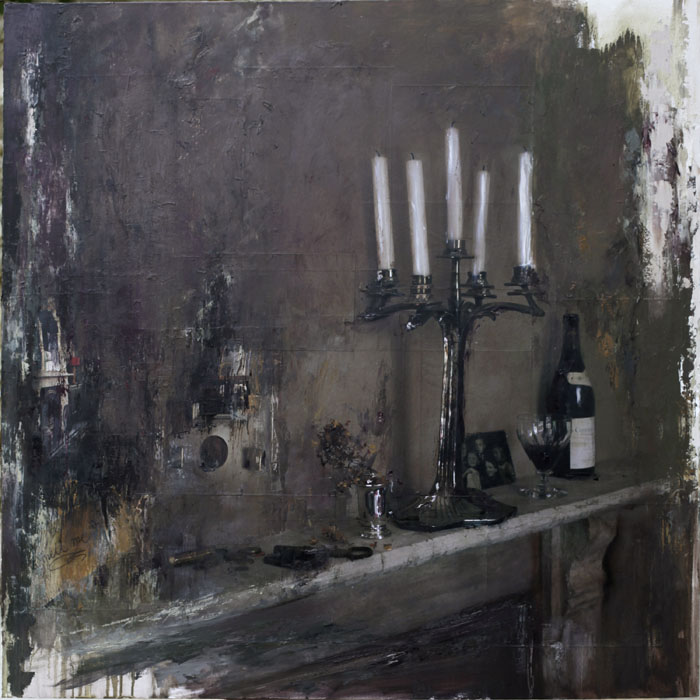
Untitled (with lipstick) 2011

by Angela Findlay

My most recent solo show Fragments of time at McAllister Fine Art in Godalming is entering its final week. It shows work combining photographic collage and oil and is a development of ideas and techniques that led to a collaboration with John Helseltine and a joint  exhibition Filling the cracks in 2011

Reflecting on the paintings I find myself wondering where to next? This body of work has been the result of several years of an on-going interest in capturing glimpses of the everyday, usually overlooked and yet often very beautiful testimonies to peoples’ lives within the privacy of their homes. Initially I worked from a dawning sense of the fragility of what we call “home”, a paradox in the face of the security and consistency we seek there.

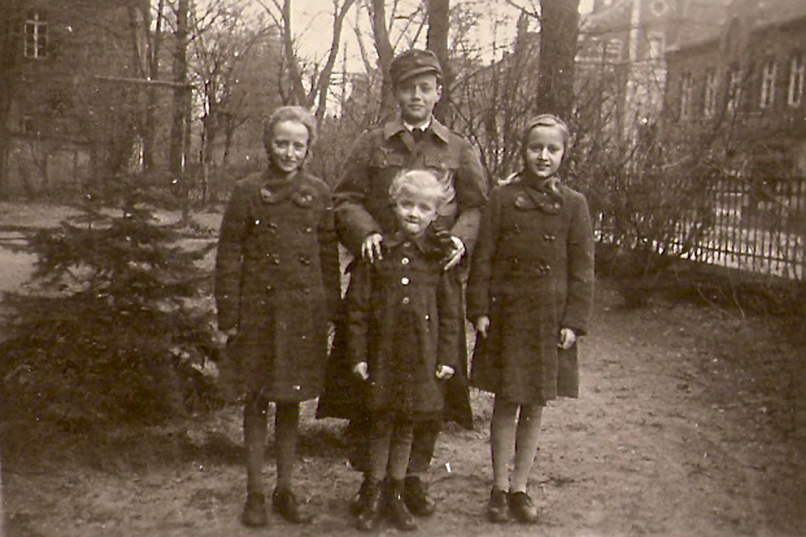
In 1945 as an eleven year old German girl, my mother fled her home with her younger sister, the approaching Russian army a mere 40 miles away. The few stories of her childhood experiences float silently in my imagination, their edges blurring with those of my own memories. The implications of her sparse accounts didn’t register fully until I was older. But the images she sketched of a Berlin in flames, the train station heaving with jostling people, and the agonising choice of which doll to take – the beloved but threadbare one or the brand new one from her father on leave from the front? – began to provide a source of inspiration for my work.

Read More »

The essence of it all…

low res bars

“If only it were all so simple! If only there were evil people somewhere insidiously committing evil deeds, and it were necessary only to separate them from the rest of us and destroy them. But the line dividing good and evil cuts through the heart of every human being. And who is willing to destroy a piece of his own heart?”

Aleksandr Solzhenitsyn