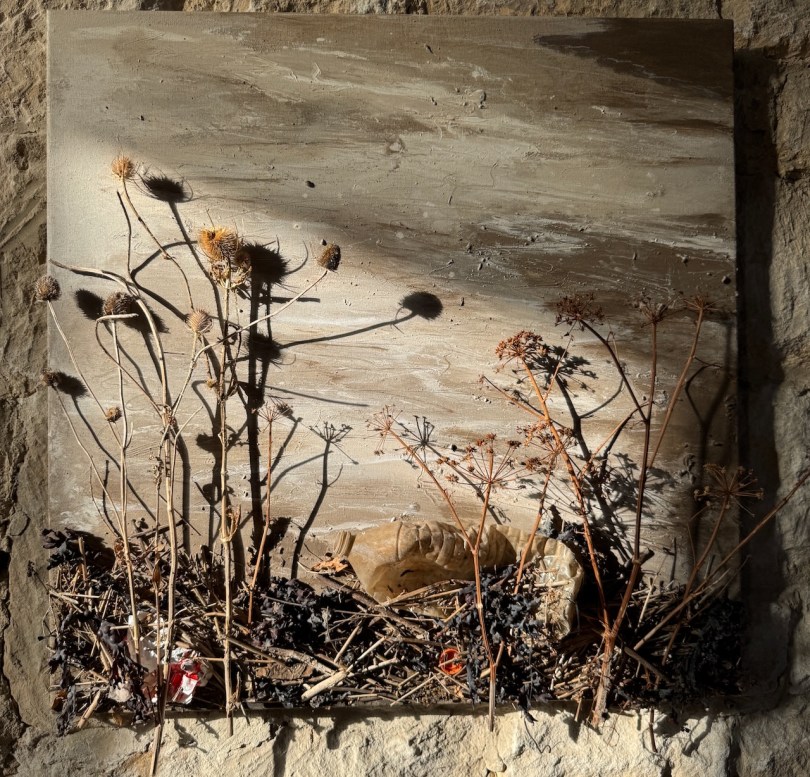
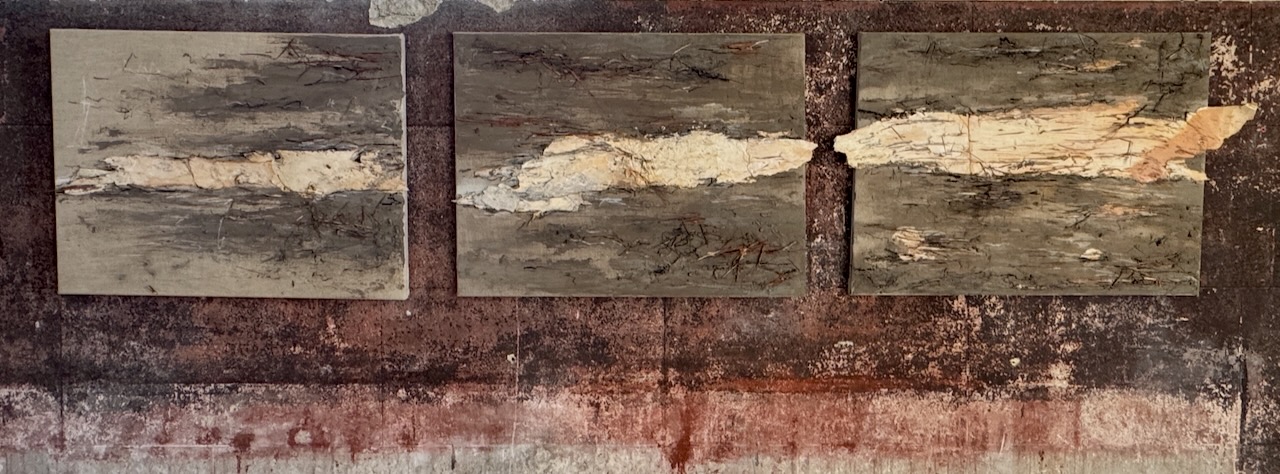
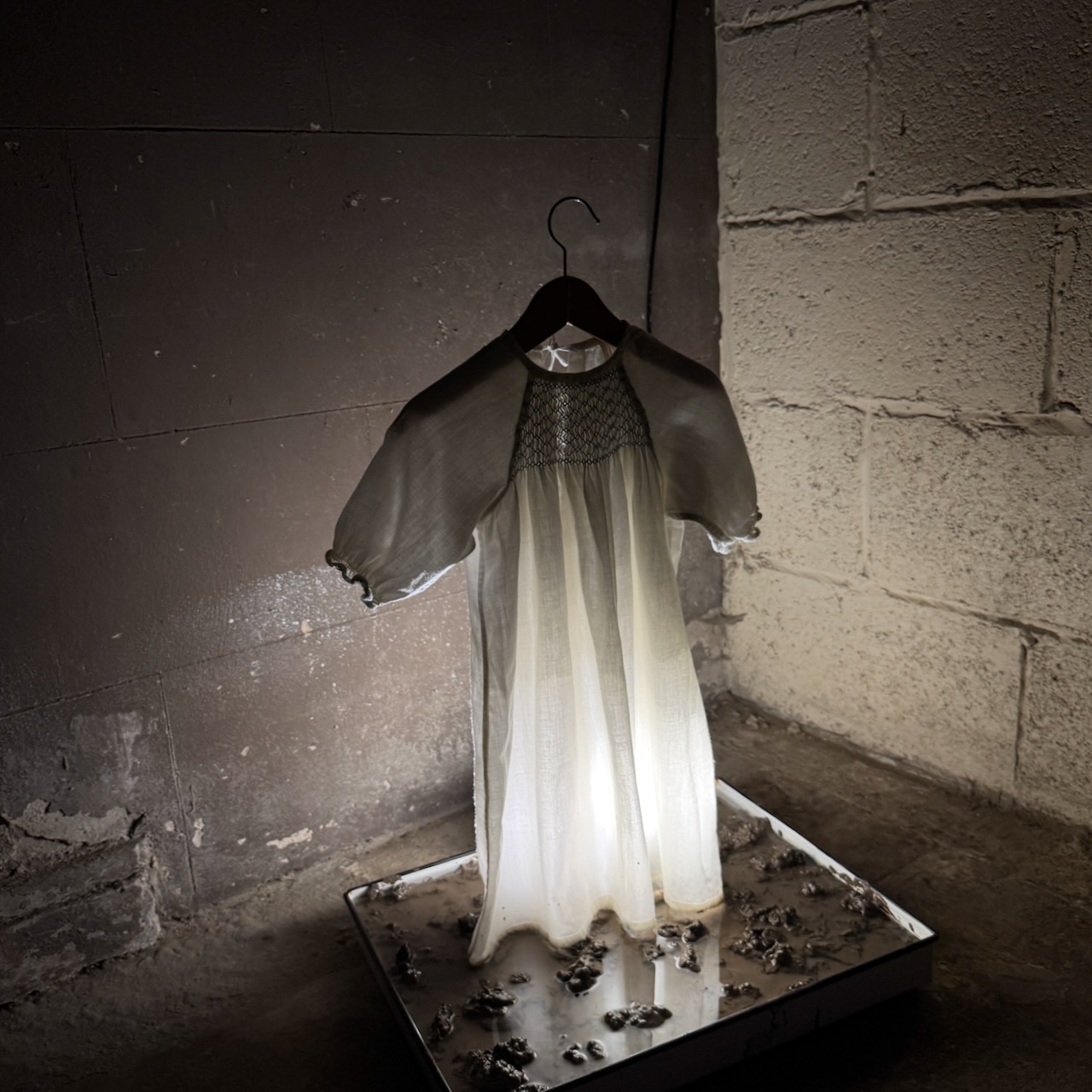
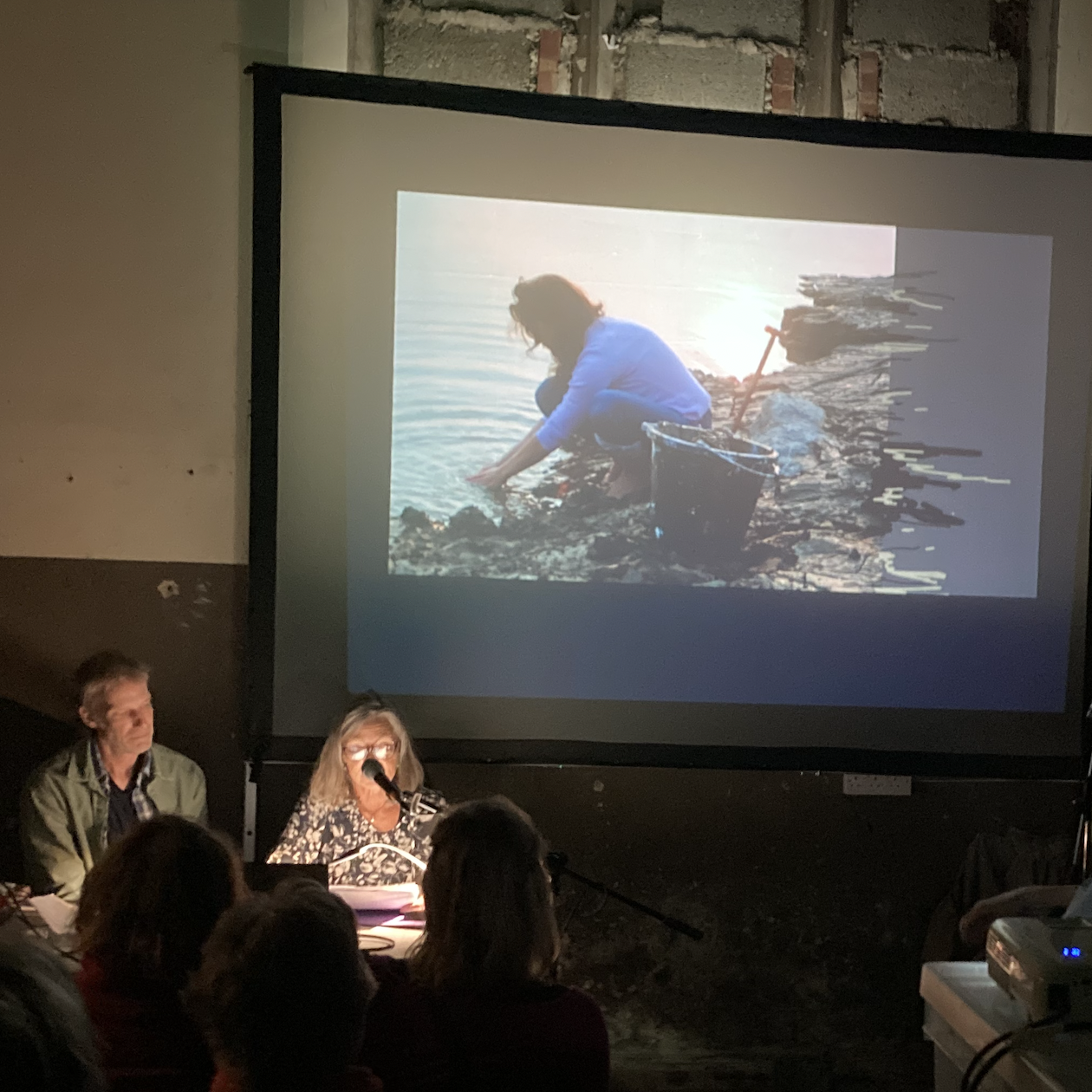
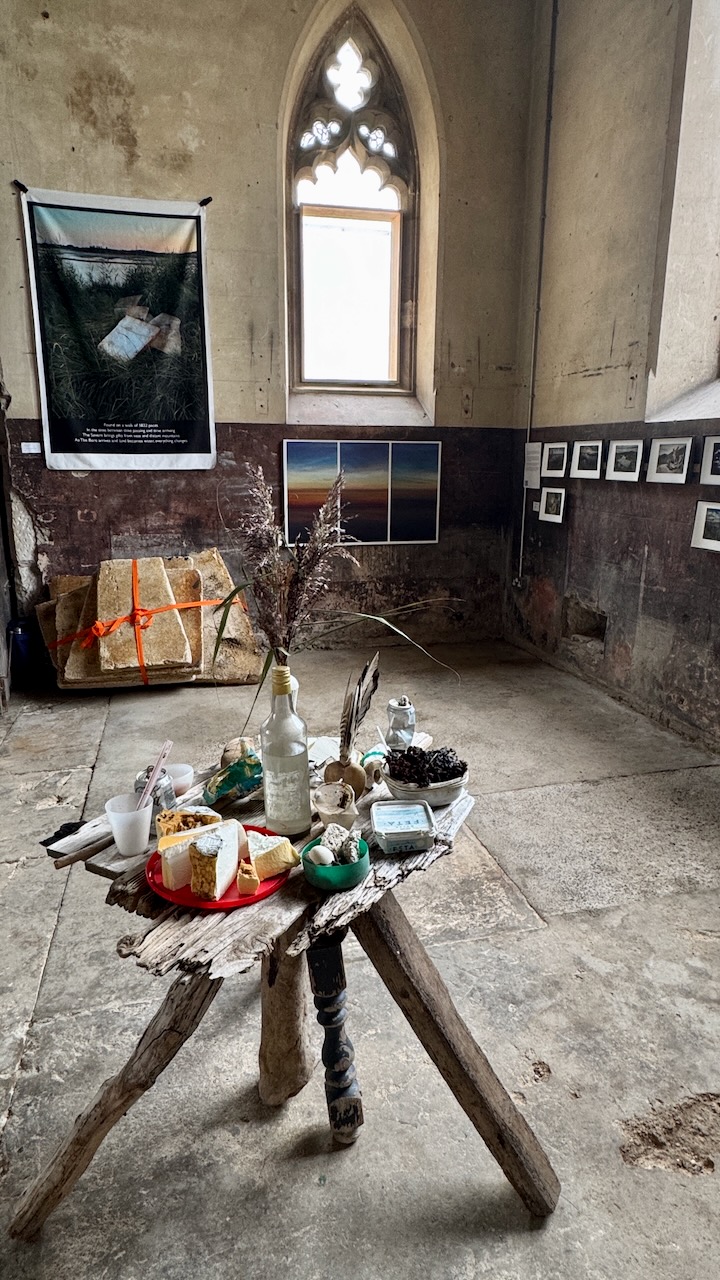
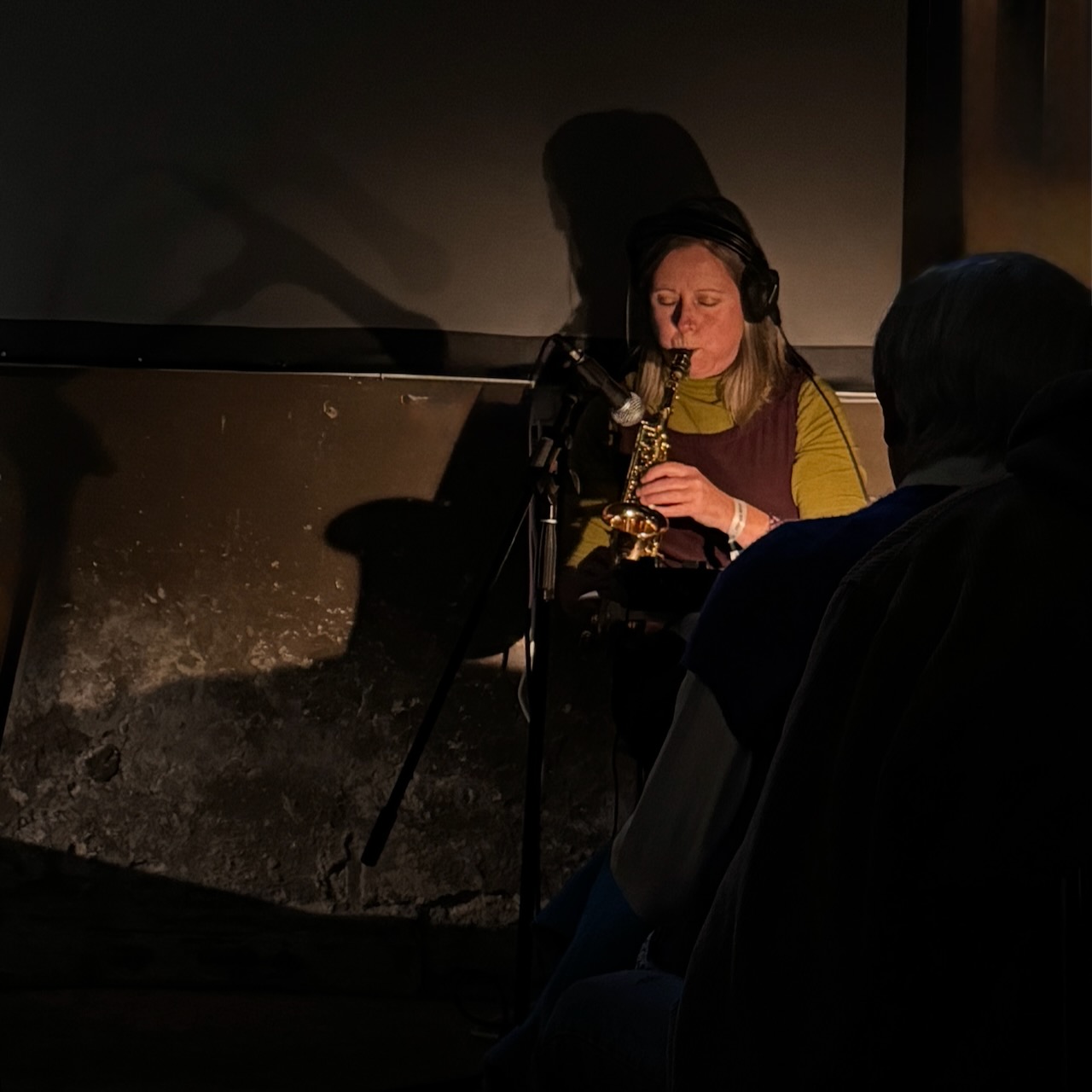
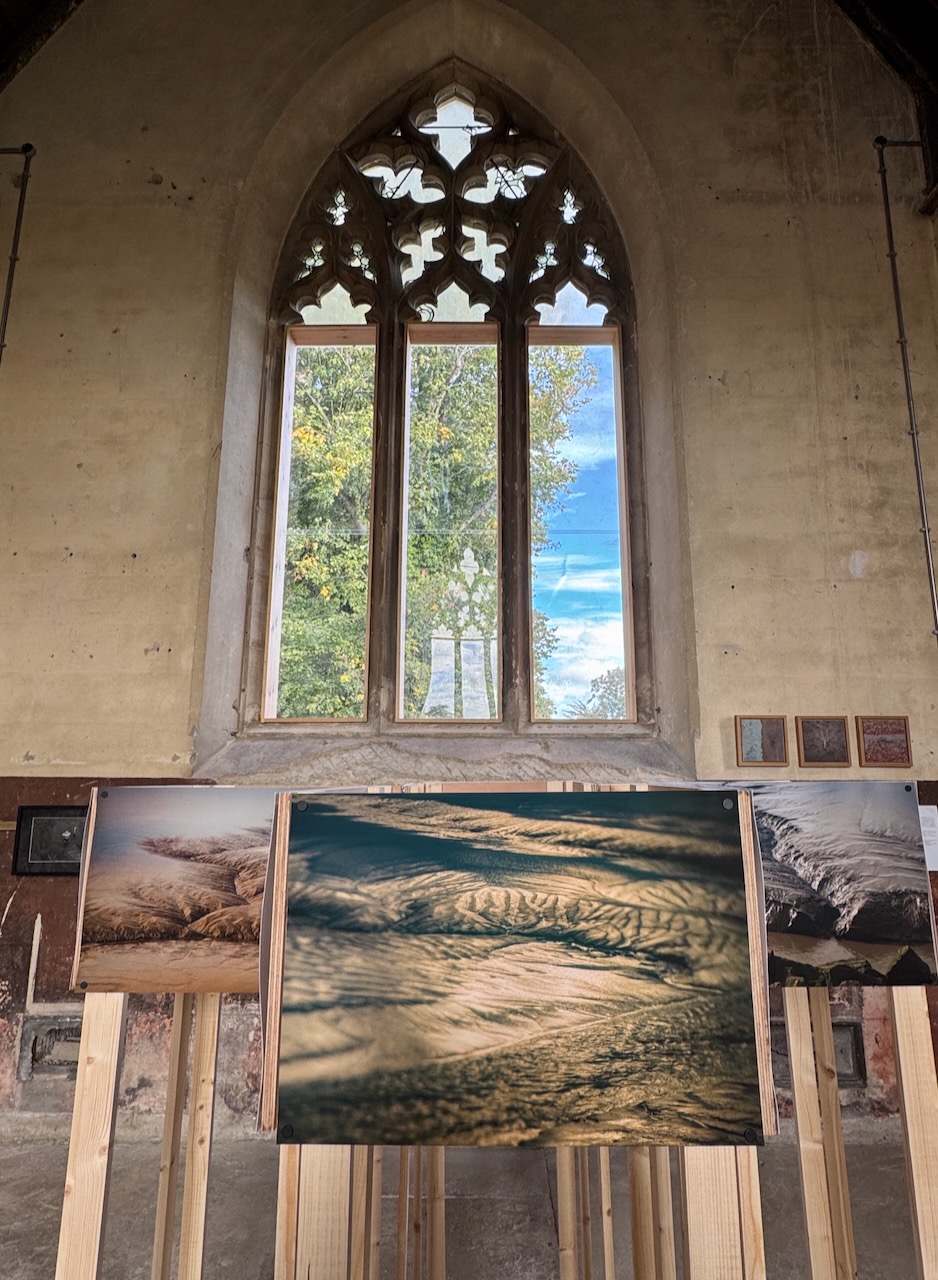
It only dawned on me what I have been doing for the past year on the final night of our exhibition and festival, Dialogues with the Severn. As we closed three days of art, talks, music and poetry, I realised that the whole process had, for me, been one long love song to the River Severn.
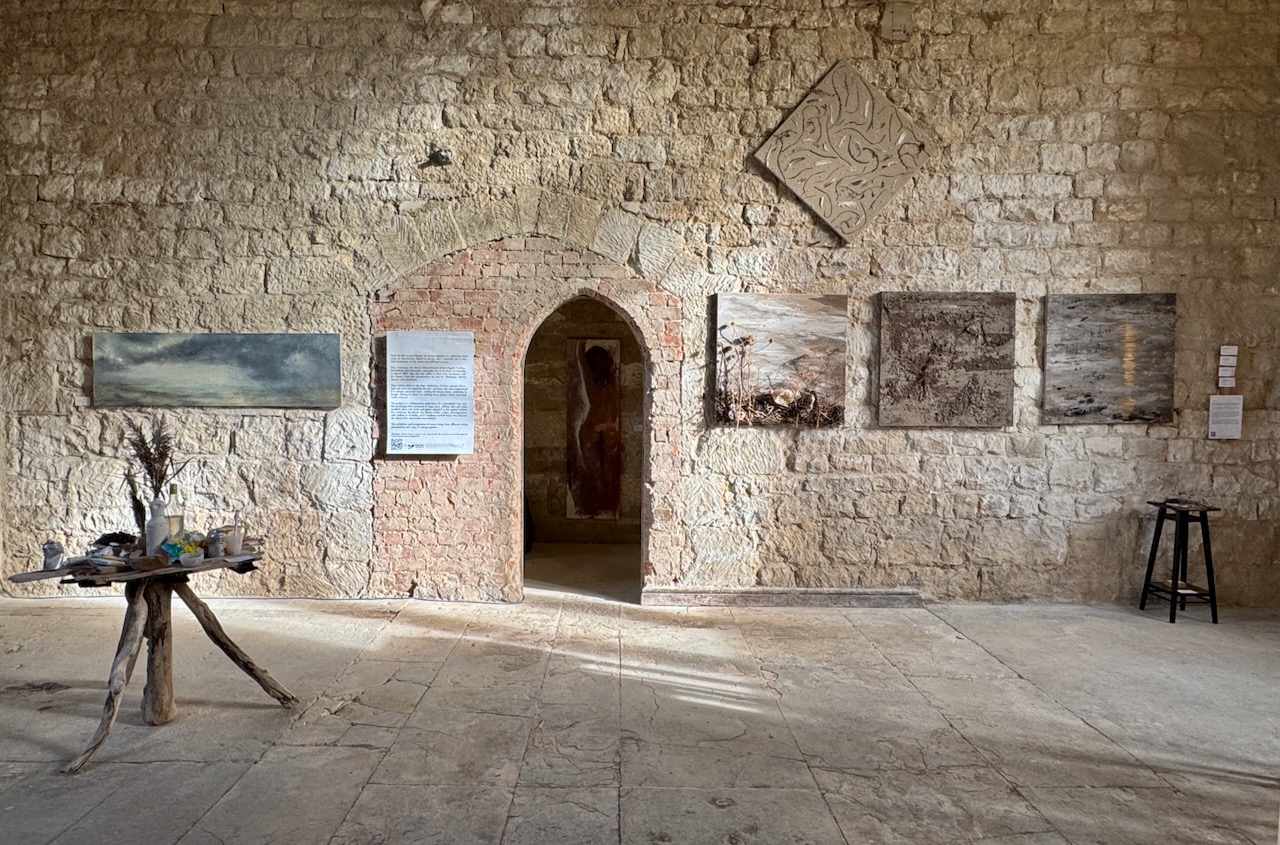
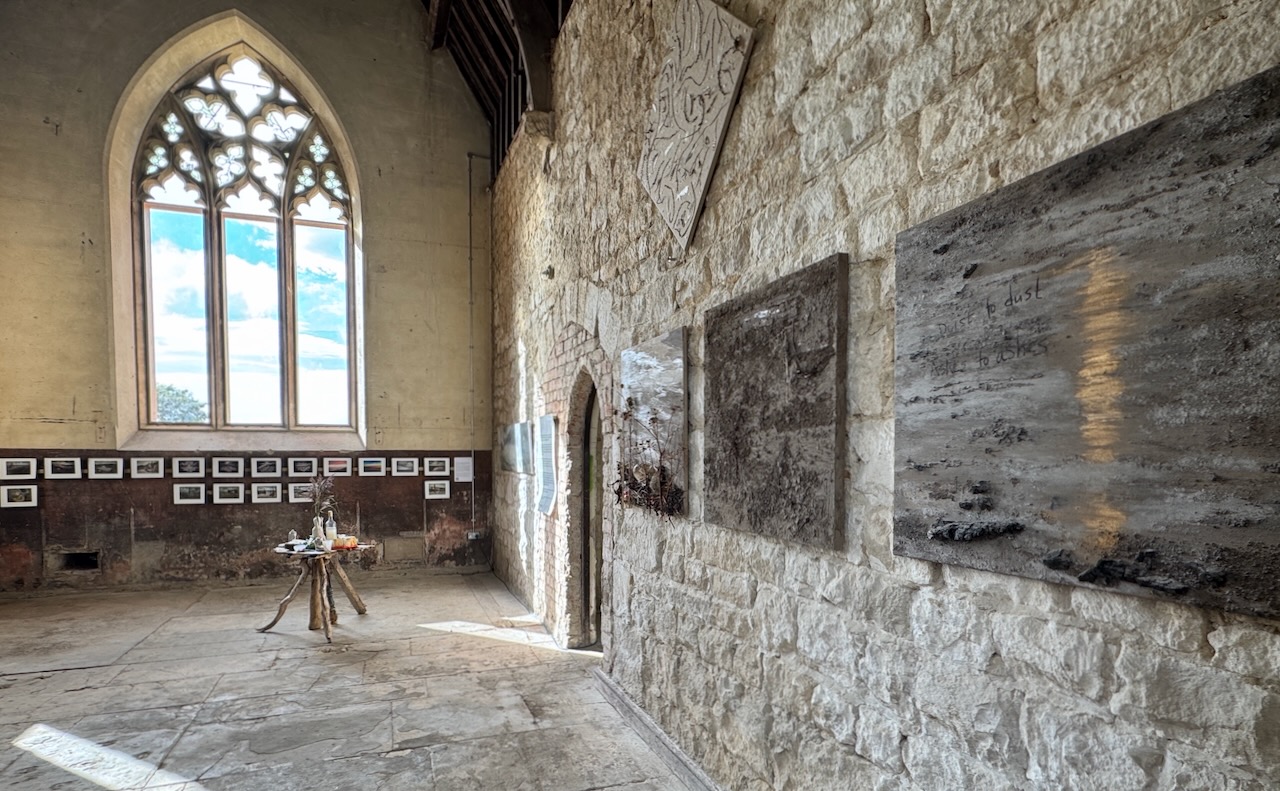
You may recall my 27-year history with the river from previous blogs about the Severn or its mud. These past months have seen me re-engage with it with renewed intensity in order to make new works based on the essence of my current relationship with it: as a silver sliver that can be seen from my garden or bathroom while brushing my teeth.
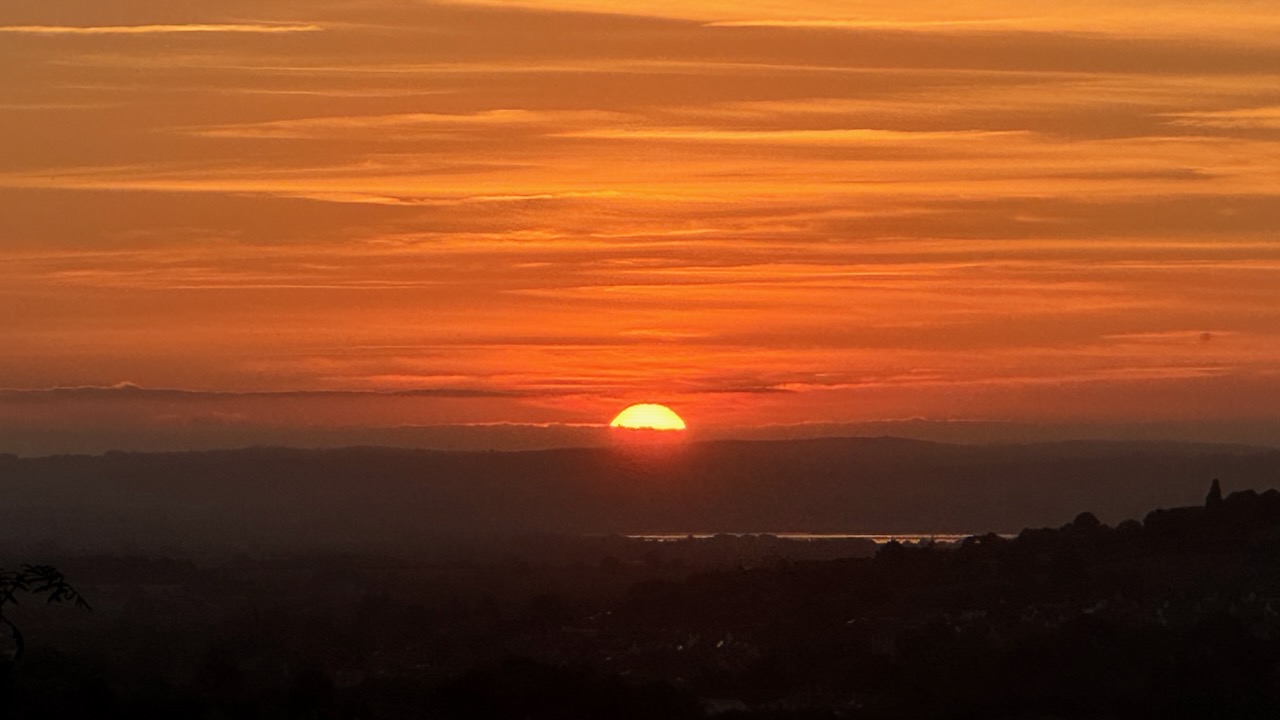
Though more long distance than it once was, my heart still beats in rhythm to its tides and responds to the peace I experience when I visit its banks and enter the ballroom of its eternal elemental dance.
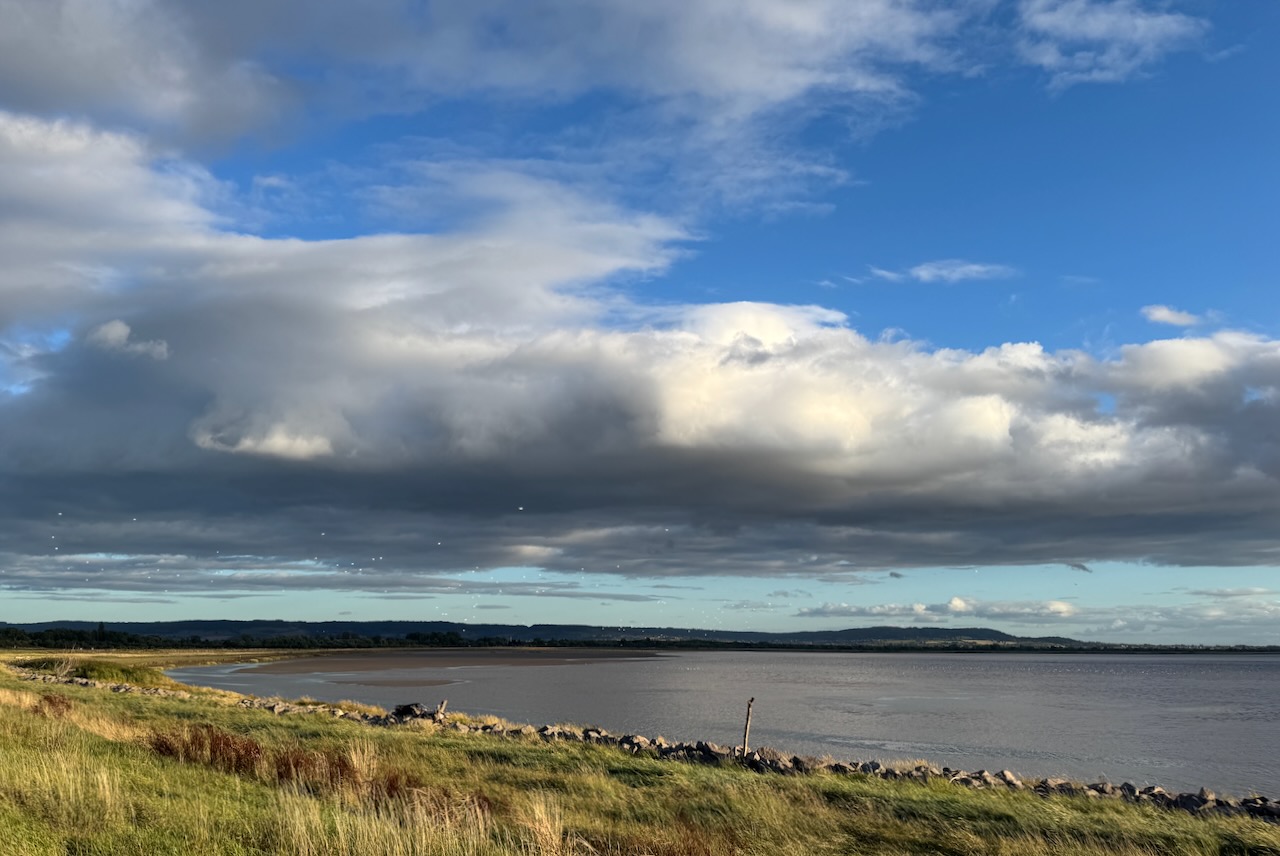
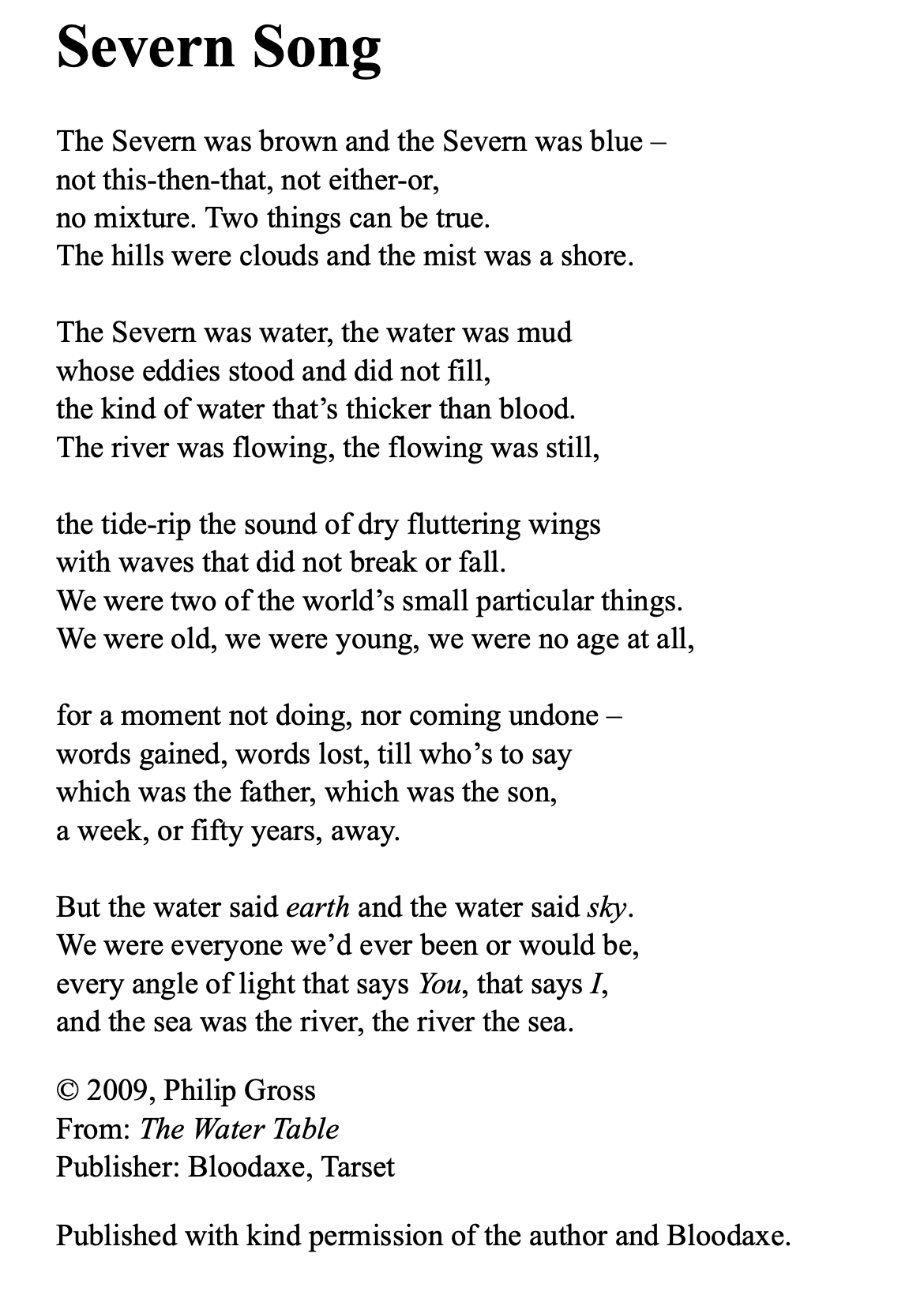
It is a space that exists both within and without. The huge sky, sunlit water or moody mud reflect spaces I seek when I want to retreat from the world. This Philip Gross poem captures what I experience better than anything I myself could write.
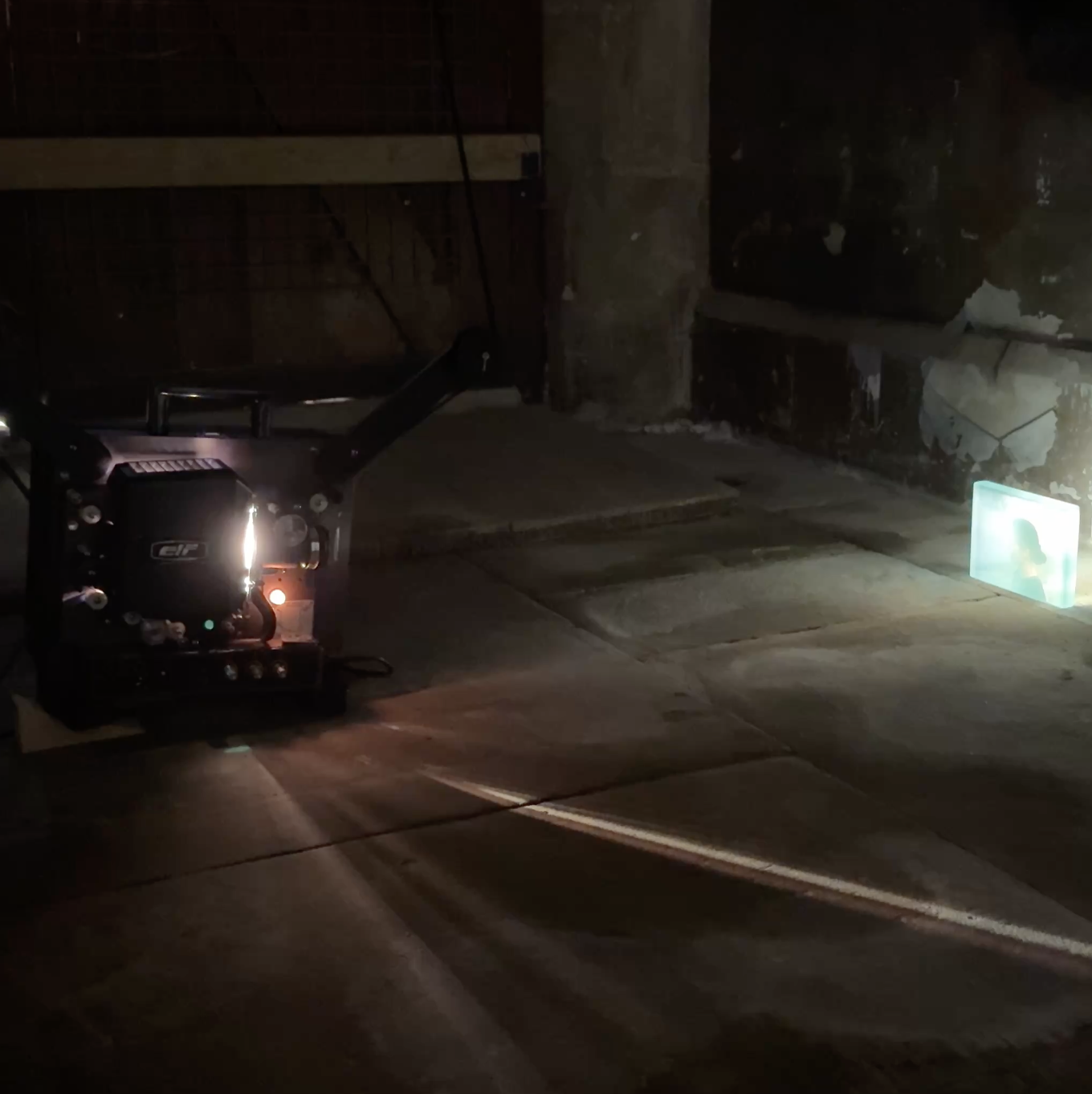
Dialogues with the Severn wasn’t perfect. But with 17 contributors donating their time, work, hearts and engagement with the river with such generosity, this was not the occasion to be looking too closely at what was wrong with it or our rivers or the wider world. This was the time to celebrate the things that are so much bigger than all of us. The things that will ultimately triumph while we humans busy ourselves finding new ways to destroy the natural order of pretty much everything.
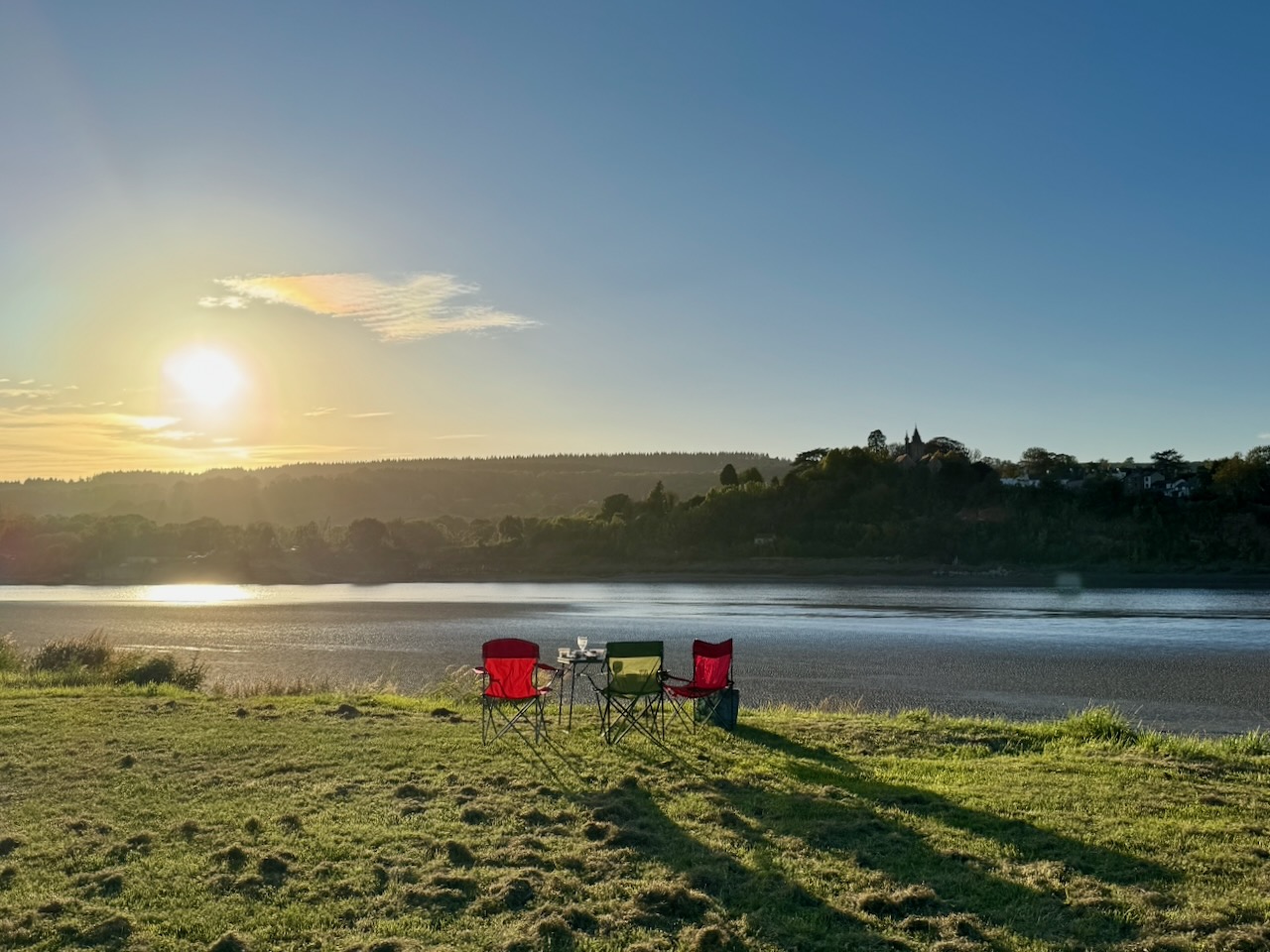
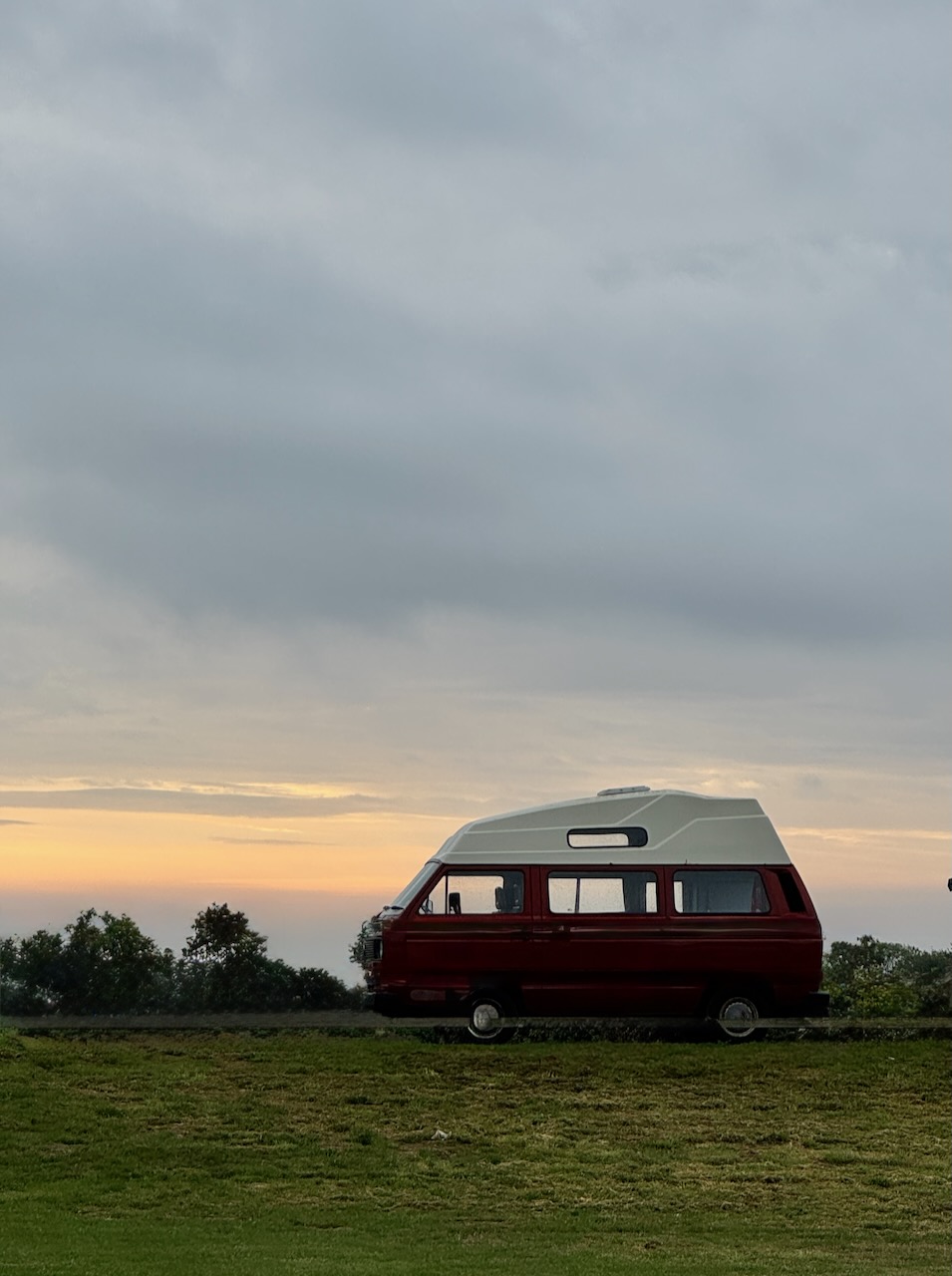
Last night, I camped in Romany Rouge – my camper van – in one of my favourite spots on the banks. Once a little-known destination at the end of a long grassy avenue, the solitude and peace are now rapidly disappearing in a building frenzy of patios, fences and climbing frames by the new owner of the original 17th century passage house. Flocks of birdsong compete with the sound of planes, cars and trains making their way on the other side.
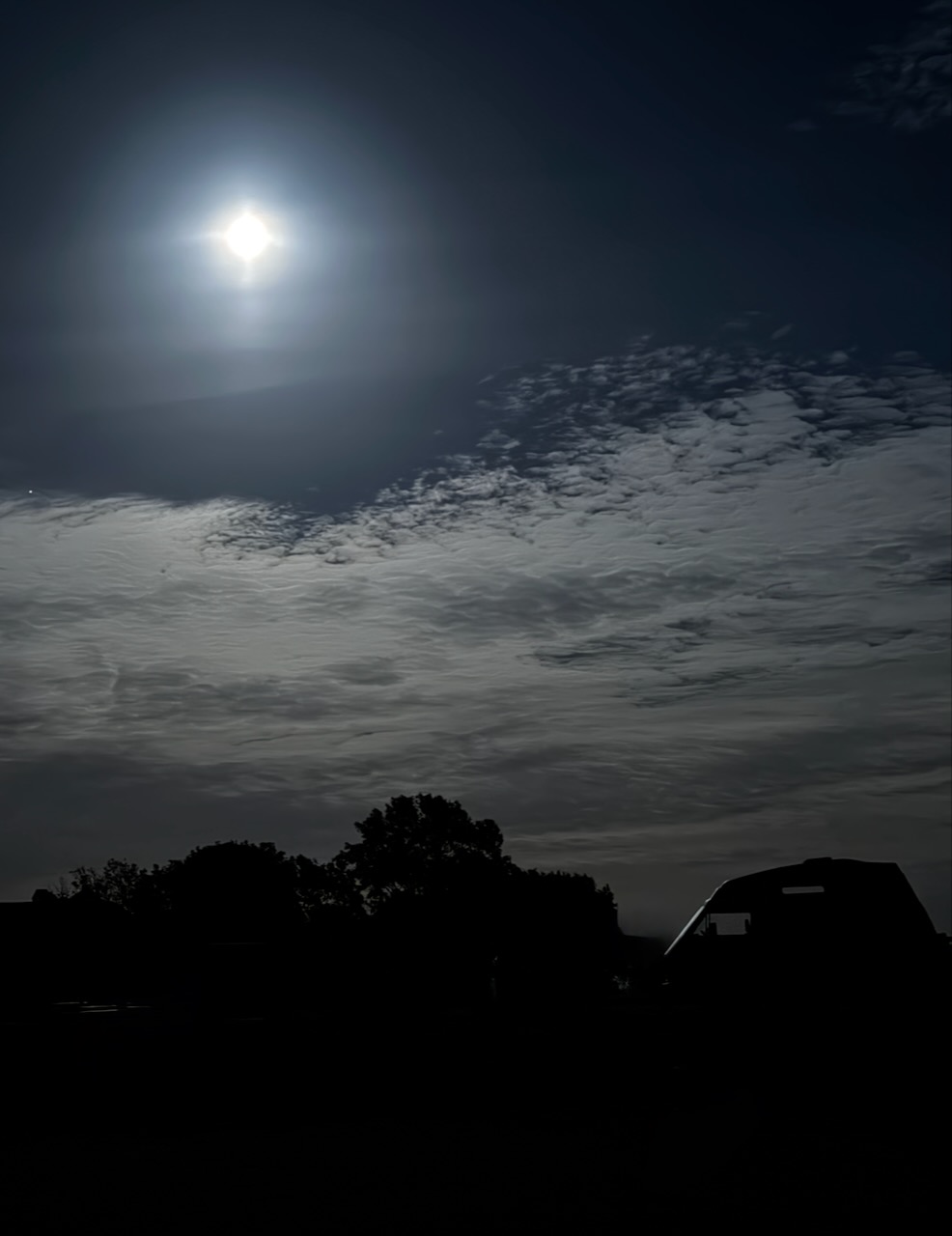
So, just like our event, this place is also not perfect. And yet, in the space of just 12 hours… I was immersed in the pinkening light and darkening silhouettes of a sunset and sunrise, a full moonrise and set, plus two large in-coming tides.
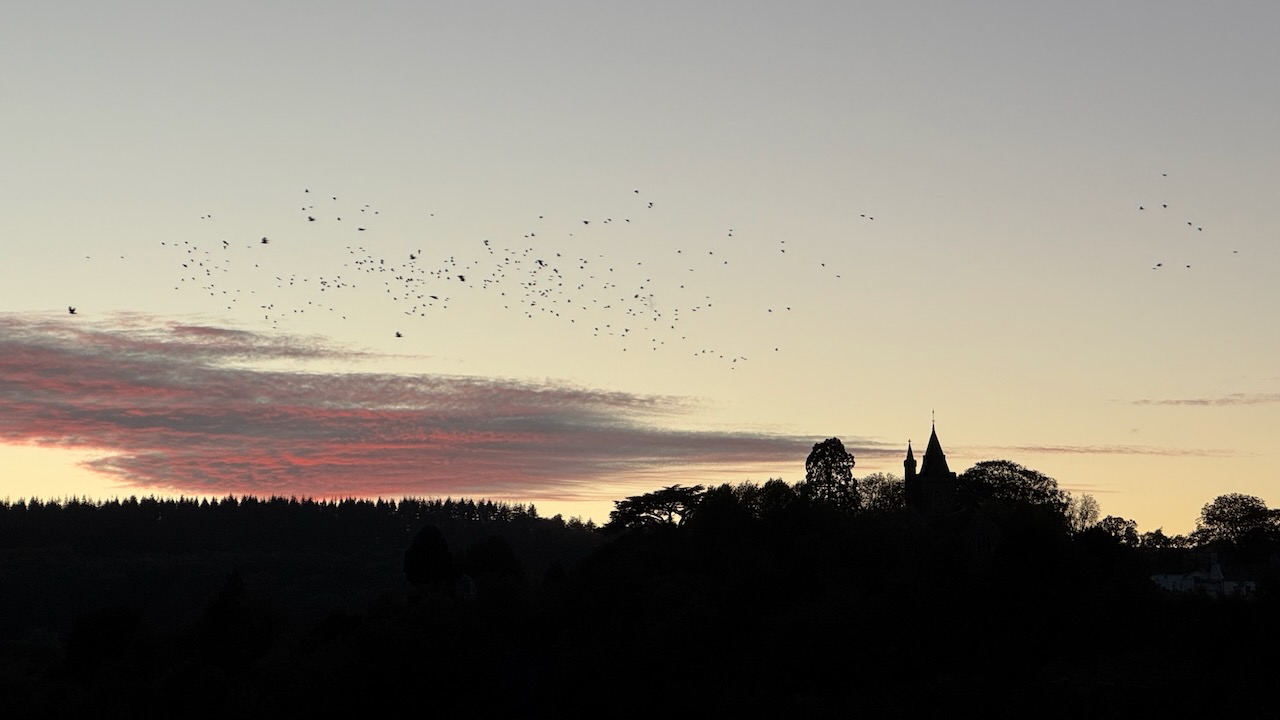
This morning was a lesson in patience.
The stillness of the low tide held tight, perfectly mirroring the far shore. I thought I heard the incoming tide seeping through the mud. A discernible breeze, a flurry of seagulls, the blurring of crisp reflections and water that appeared to flow in both directions. But the bore is a deceptive trickster, for it was a false alarm. The slack tide would endure many more chimes of the church clock.
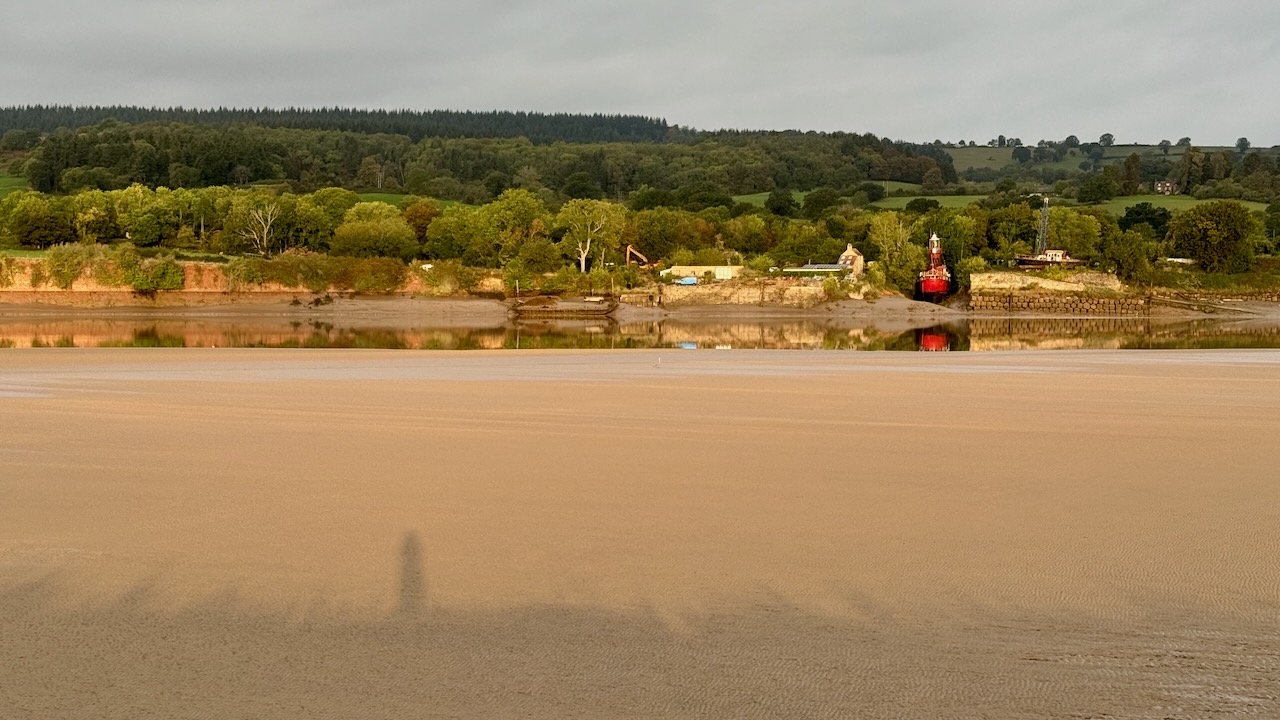
Dew-damp grass seeped through my shoes. Summer has most definitely passed. I begin to doubt the tide will come up this far.
Then I remembered my first encounter with the rewards of patience.
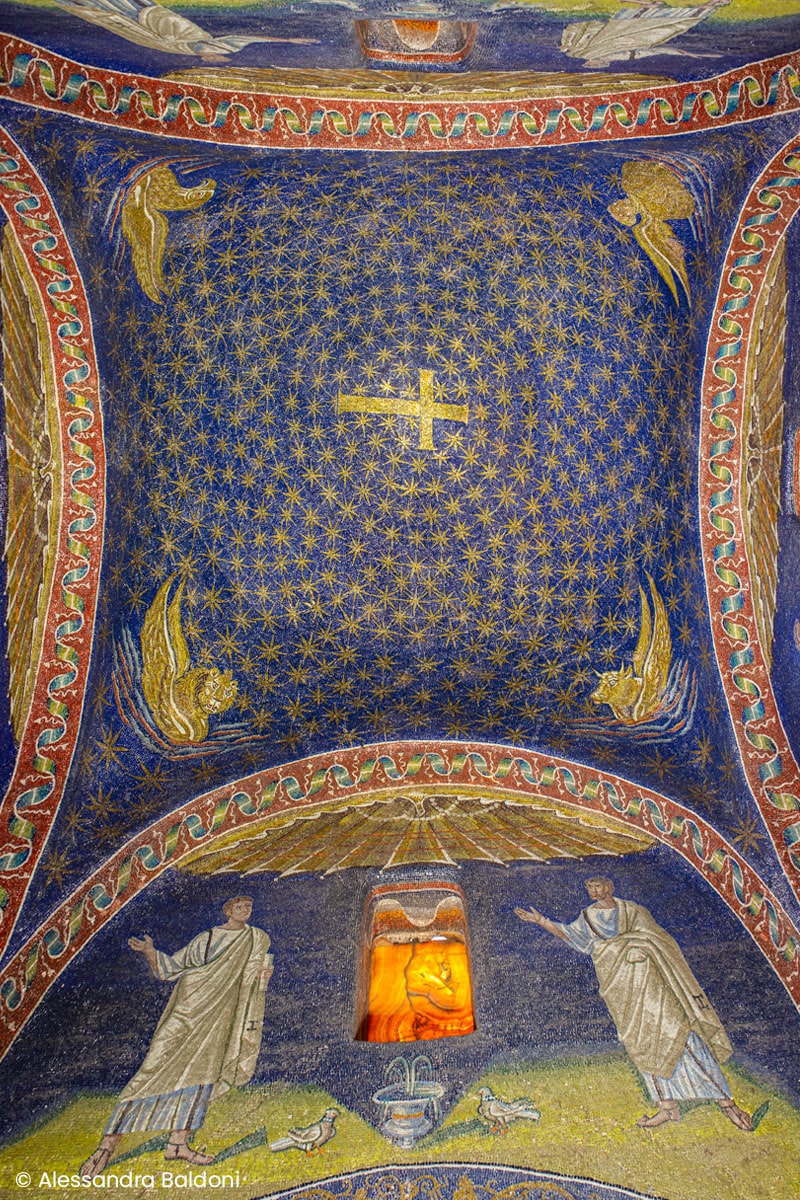
Back in the late eighties, an art tutor had taken my class to Ravenna to see the oldest blue and gold mosaics in the Byzantine Mausoleo di Galla Placidia by the Basilica di San Vitale. There was a February freeze, but inside the ancient church it was even colder. The tutor told us to look and wait; to override the shivers and barriers of boredom, irritation and impatience. It would be worth it.
Everybody left after five minutes, preferring cappuccino and panini to catching their deaths. Untypically for me, a notoriously disobedient pupil at school, I remained. I trusted this tutor, so I battled through the desires to bolt and stared at the stars set in the cobalt dome.
And then, all of a sudden, they began to sparkle. I hadn’t seen stars twinkle so avidly since I first tried magic mushrooms. But here it was more magical.
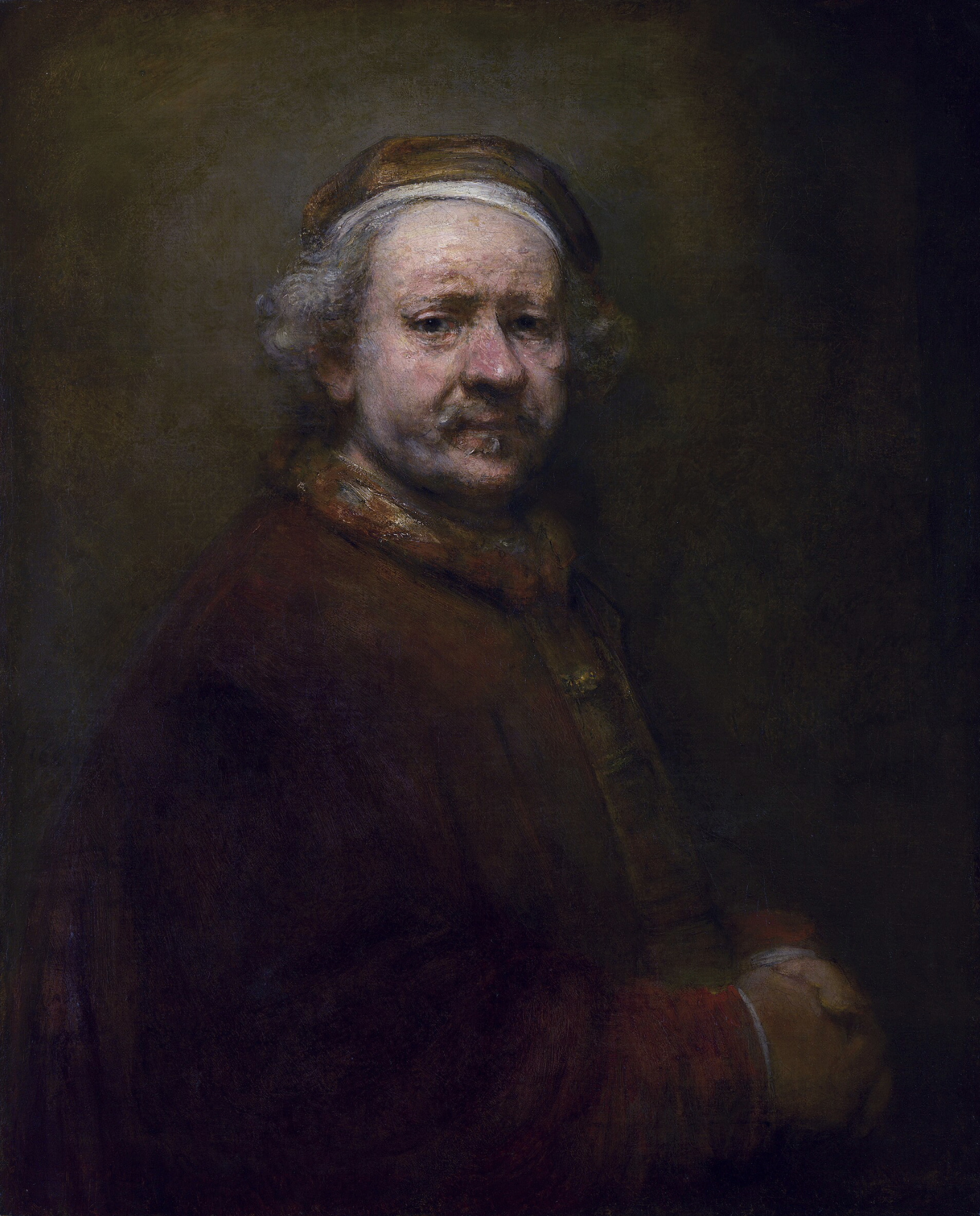
The same happened in front of a Rembrandt self-portrait at the National Gallery. Basically a brown painting with a pinkish face of an old man. I placed myself in front of it and waited… and waited… and then it too came alive. Or rather he came alive.
The translucency of meticulously applied layers of red, ochre, sienna and umber began to breathe and with it the elderly artist himself. His inner reflectiveness and the self-doubt of his later years became tangible. His eyes met me somewhere deep inside. From brown painting to masterpiece…
I taught this practice to my students in prison. To look at a still life intently until it became just shapes and shadows and light. I remember one young man, a heroin addict on treatment, struggling to comprehend what I meant. The analytical left brain is impatient to name and reluctant to let go of what it knows. But suddenly it surrendered and he saw it.
‘Woah,‘ he said, ‘this is better than a fix!’ And it is. I agree, not that I’ve ever had heroin. It is like seeing the world in all its connectivity and aliveness.
It is half an hour before the high tide’s due-time further downstream and I am cold and struggling with doubts. Maybe it won’t come up this far? Keen to warm up, I begin to walk downstream to meet it.
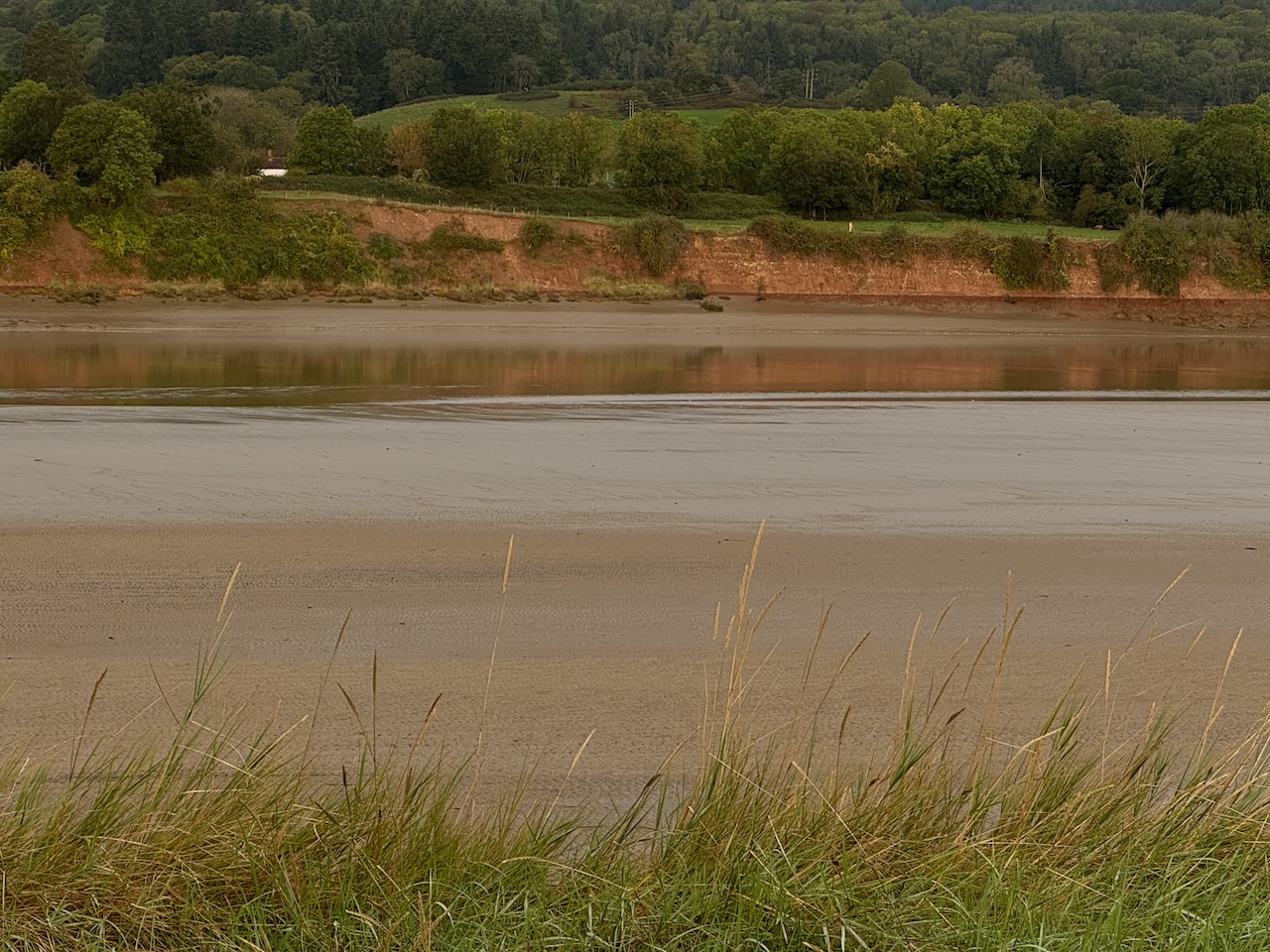
And there it was, the sea, without its usual white heralds or swell to announce its arrival. Only the undoubtable movement of water flowing in the wrong direction, making its way to Gloucester rather than Bristol.
I turn and accompany it, by now a fast-walking bride trailing a long lace veil in her wake, sweeping away the pristine reflections as if they were chalk drawings on a pavement.
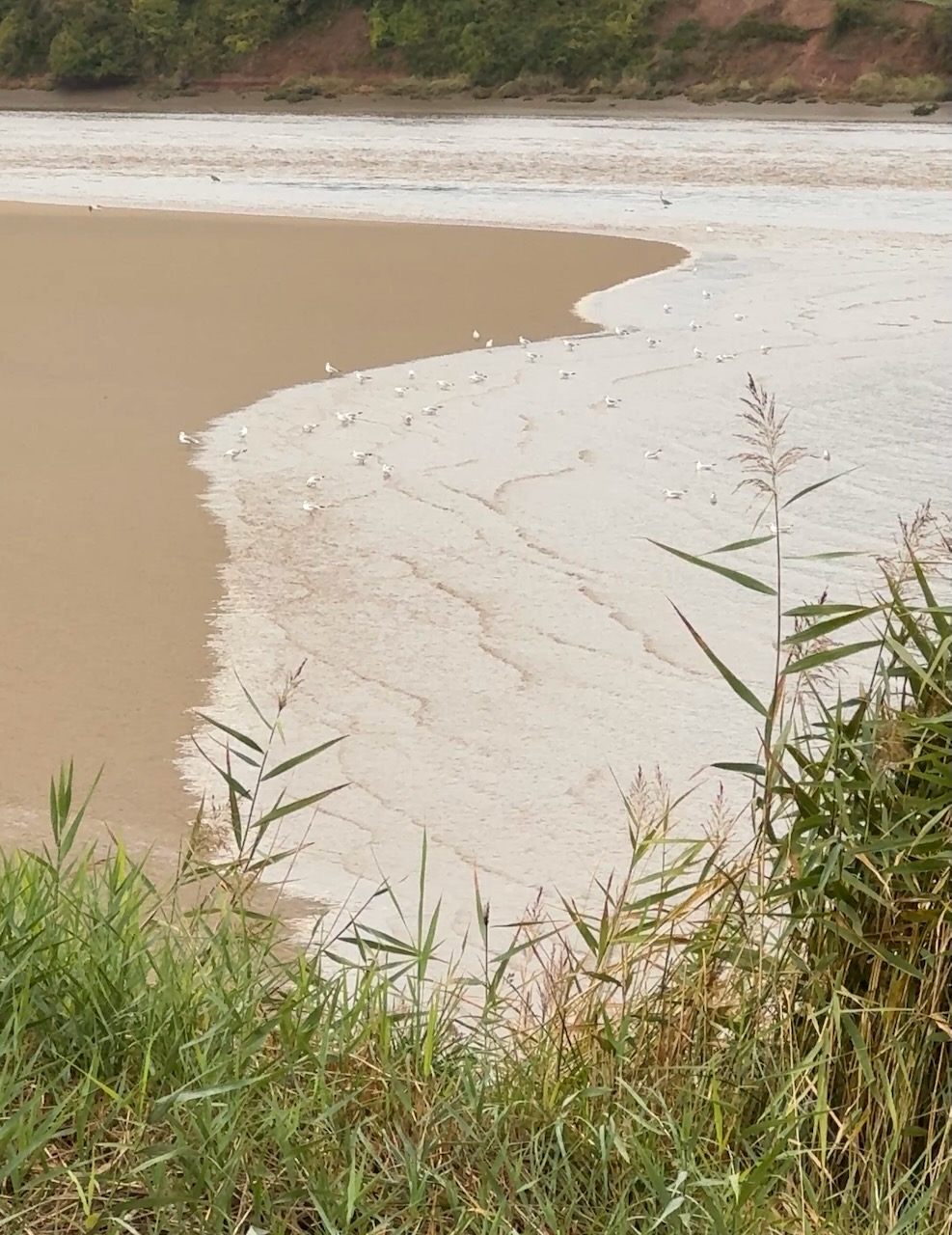
A lone heron waits out its patch on the mud. A flock of gulls swoop down to feast on rich pickings and hitch a free ride upstream. Little ripples break away from the main thrust north to nibble and gobble up the flats, the mud gently snap, crackle and popping like cornflakes in a fresh covering of milk. A new urgency and determination pushes the growing body of water forward as if it knows it is late.
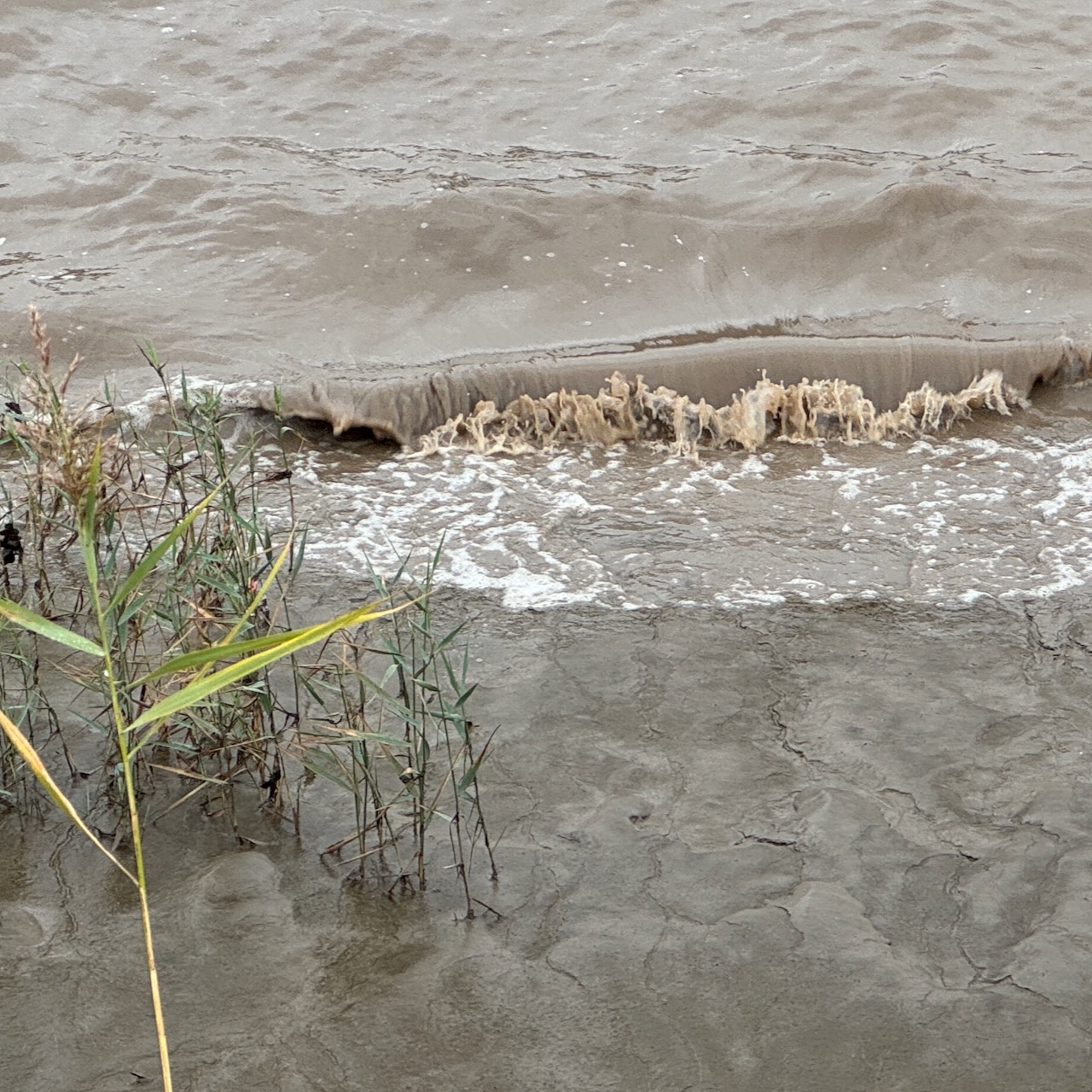
When the water reaches a low vertical cliff of mud, it crashes against it as if with a battering ram, then furiously licks it like an ice cream to wear down its defences. The heron now stands up to its knees, the shortest reeds up to their necks.
With still a lot of ground to cover, the tide becomes a ruthless army of unstoppable might. Violent, unpredictable and almost certainly lethal. The roar of lapping waves drowns out any notion of cars, planes or trains. Even the church bells have become muffled time.
The speed causes feeding frenzies of whirlpools and currents as the river battles against the sea, tumbling and stumbling in a wrestle that it can only lose.
It sends a shudder of fear…
And still the massive body of water keeps coming.
My soggy feet reap the dividends of my patience as I let out the long breath held in my chest. Finally the water is slowing down… slack tide will set in. And then the fully-mingled salty sea and freshwater river will begin their harmonious journey south, only to repeat the cycle this evening… and tomorrow… and forever…
That’s the perfection of this place. It connects you to the enormity of what cannot be destroyed by silly little us.
Right, breakfast.

