The time to remember that ‘to the world he was a soldier, to us he was the world’

‘Tis the season to remember… and yet, this year, for the first time, I forgot. Remembrance Sunday was almost over before I suddenly remembered to remember. 

Locked down at home, I was definitely silent. But maybe the official 2-minute silence at 11am passed me by because in my talks and blogs I am frequently remembering. In fact, ‘looking back’ has become part of my identity, my expertise even. So much so that I have been selected, as one of nine speakers, to do a Tedx Talk on the subject: Facing the past in order to create a fairer future.’ It’s an exciting opportunity though unfortunately lockdown has forced the proposed date of 29th November to be postponed until the spring. It will happen though… like so many other things in this disorientating Covid world in which we are currently immersed. 

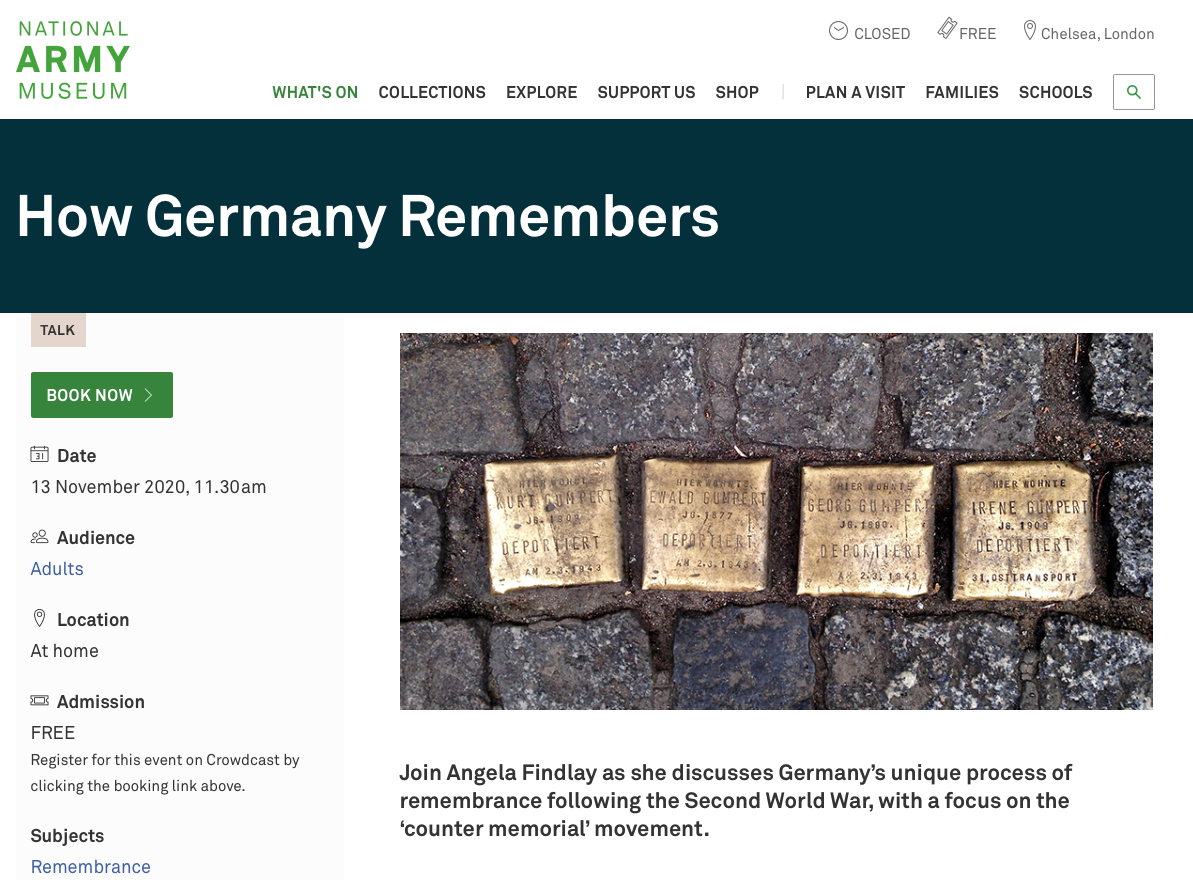
In the meantime, if you haven’t attended my talk on How Germany Remembers and would like to, there’s a chance to hear it online on Friday 13th November at 11.30am. It is being hosted by the National Army Museum in London where I spoke last year. You can read more about it here and you can register for free here.
But back to remembering… or forgetting in my case. Maybe there are some of us who feel a little tired of remembering. Or maybe it’s the national narrative we tell ourselves each year, that is tiring. This is one of the points made in Radio 4’s ‘Our Sacred Story’ in which Alex Ryrie, Professor of the History of Christianity at Durham University, suggests that the Second World War is both our modern sacred narrative as well as the shaper of our collective sense of what constitutes good and evil. 

This summer we celebrated the 75thanniversaries of VE and VJ Day. In fact, we’ve done loads of national remembering over the past years. So aside from Remembrance fatigue, I’m wondering if Covid’s restrictive squeeze on lungs, lives and events alike, is also impacting what and how we remember. Lockdown has been turning mindsets inwards, shifting focus and values onto all that is immediately around us – family, gardens, quiet streets or empty skies. Maybe this new way of being is merging effortlessly with the existing sub-stream of thought that strives for essence rather than glitzy, sparkling veneer. 

Looking at the BBC coverage of Remembrance Sunday, it is clear that even our mainstream institutions of commemoration are being forcibly stripped of excess. I salute the efforts of all involved in trying to evoke the all-too familiar rituals, yet nothing could distract from the extraordinary visuals of sparsity. Watching the morning ceremonies at the Cenotaph, one could be forgiven for not knowing where one was. The eerily still Whitehall dotted with a few socially-distanced, poppy- and wreath-bearing dignitaries resembled a set construction of a movie whose budget couldn’t stretch to more actors. And in Westminster Abbey, the Queen, bless her, hatted and masked up in black, couldn’t help but look a little like Darth Vader as she gently touched the white myrtle wreath that was then laid by a masked serviceman upon the Grave of the Unknown Warrior. 

I couldn’t sit through the empty-seated Royal Albert Hall festivities that in the past have both grated and made me cry against my will. Instead, I sought the essence of remembrance in other areas. I soon found it in the podcast, We have ways of making you think. In their Episode 203 on Remembrance, historian James Holland and comedian Al Murray were in conversation with Glyn Prysor, former historian of the Commonwealth War Graves Commission. Between them they brought to life the history of the ubiquitous white headstones that fill acres and acres of land both here and on the continent. 
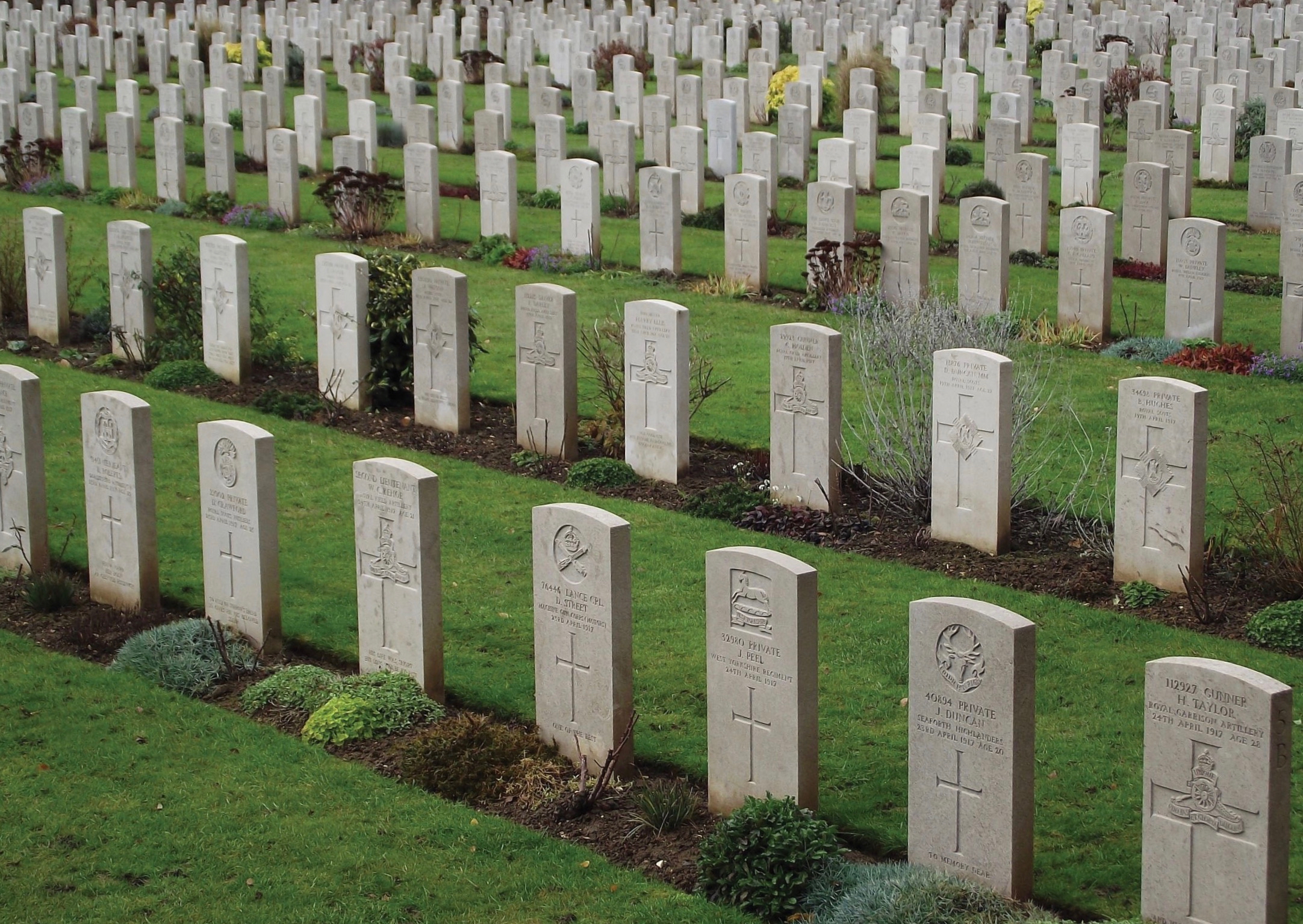
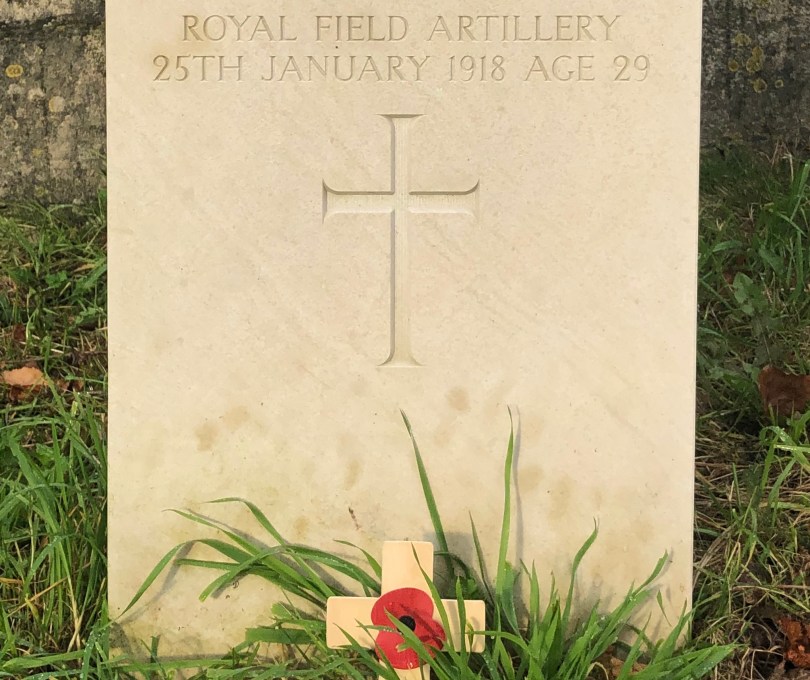
Set up in 1917 while World War One was still raging, the process of burying in the region of a million war dead, half of whose remains were missing, demanded a very new way of thinking. In a departure from the Victorian hierarchy of worthiness that extended into death and resulted in the common man just being ‘bunged’ into a mass grave, the Commission made a move towards inclusion. It wanted to evoke the sense that everyone had contributed to the war and everyone was equal in death. The outcome was a uniform design for all headstones that would make no distinction between wealthy and poor. This was of course deeply controversial. Individuality would only be marked through the listing of name, rank, unit, regimental badge and date of death. An appropriate religious symbol could also be added, or not. And a space at the bottom was dedicated to personal messages from family members, some of whom would never be able to travel to the continent to visit the graves of their loved ones. 

Covid has been highlighting the need for a similar leveling process across our hierarchies of wealth, fairness and opportunity. As in war, it is the personal losses and tragedies that will far surpass and long outlive the victories or shenanigans of the politics. In that vein, I found the essence of remembrance in an inscription spotted on a war grave in Bayeux:

Into the mosaic of victory, our most precious piece was laid.
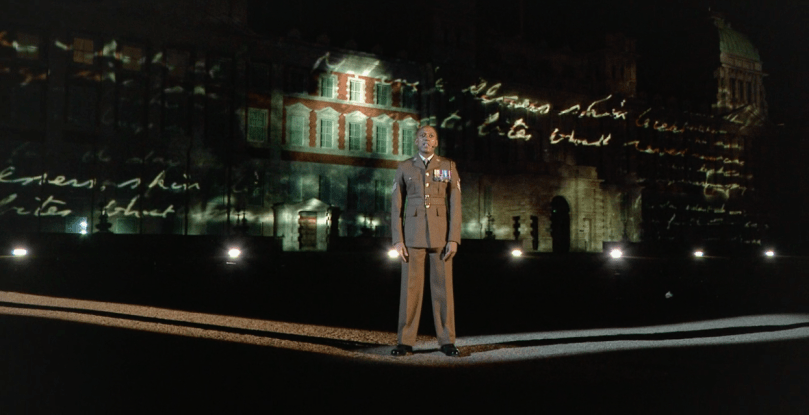
VJ Day 75 years on: Remembering the Pacific War as an example of what a unified, multinational and collaborative effort can achieve… for all.

What we choose to remember and why are questions that fascinate me, particularly in relation to the World Wars. For how we think of and present the past shapes the future. It’s therefore important to keep up with national narratives and August 2020 has offered a smorgasbord of anniversaries to study. On 6th August, Japan commemorated the atomic bombings of Hiroshima and Nagasaki. The 14th August was South Korea’s third Japanese Military Comfort Women Victims Memorial Day remembering the women forced to work in Japan’s military brothels. And here in the UK and elsewhere, 15th August was Victory over Japan or VJ Day marking Japan’s surrender and the end of the Second World War. For America the commemoration is actually 2nd September when the official surrender document was signed.
Hiroshima Peace Memorial Park

In spite of my on-going interest in WW2 I have known little about the war in the Far East other than Kamikaze pilots, brutal ‘Japs’ and the TV drama series Tenko shown in the early eighties about British, Australian and Dutch women held in a Japanese internment camp. I can still recall the sand-coloured heat, cruel captors and tattered dresses of sun burnt women. I of course have known more about the atomic bomb dropping on Hiroshima, but always as primarily an American/Japanese conflict. It wasn’t until I went there last year that I learned just how involved the British had been in the whole decision-making process. 
Tenko, BBC Series

As it turns out, I am not alone in my ignorance. Aside from widespread awareness of the notorious Japanese cruelty towards those they held captive – POWs, women and children alike – and the physical and mental scars from which many never recovered, it’s a fact, the war in the Far East always played second fiddle to the western imperative of beating the Germans. Even in 1943, troops in the Fourteenth Army fighting the Japanese in Burma referred to themselves as the ‘Forgotten Army.’ Post took months to arrive, resources were limited and their battles went unmentioned in newspapers. Yet by 1945, with around 1.3 million men and women having served in it, it was the largest army not only in the Commonwealth, but the world. 

I’d never heard of it. Nor did I know until yesterday that when surviving troops finally returned to the UK in 1946, they were told specifically not to talk about their war but to ‘move on’ like everybody else had been trying to do since VE Day. So, having already been overlooked while fighting some of the most ferocious battles of WW2, they were now being requested both to forget and be forgotten once again. It’s a good example of the selective nature of memory, whether personal or collective. And it highlights the importance of ‘re-membering’ the full body of a past, especially those forgotten parts that were dismembered and sacrificed on the altar of a carefully considered national narrative. 

This year’s VJ Day commemorations will have educated many of us on the Pacific War not least its multi-national nature. Gurkhas, Sikhs, Indians, Australians, Canadians, Africans, Americans, Welsh, Scottish and more fought side by side, united in their shared goal of defeating Japan. The 606,000 men that made up the aforementioned Fourteenth Army commanded by General William Slim were from 20 countries speaking 40 different languages. 87% were Indian, 3% African and 10% British. 

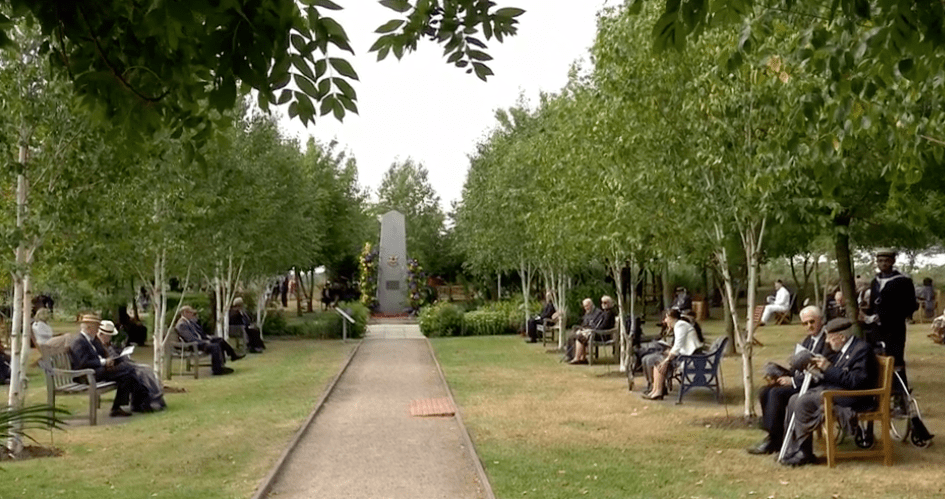
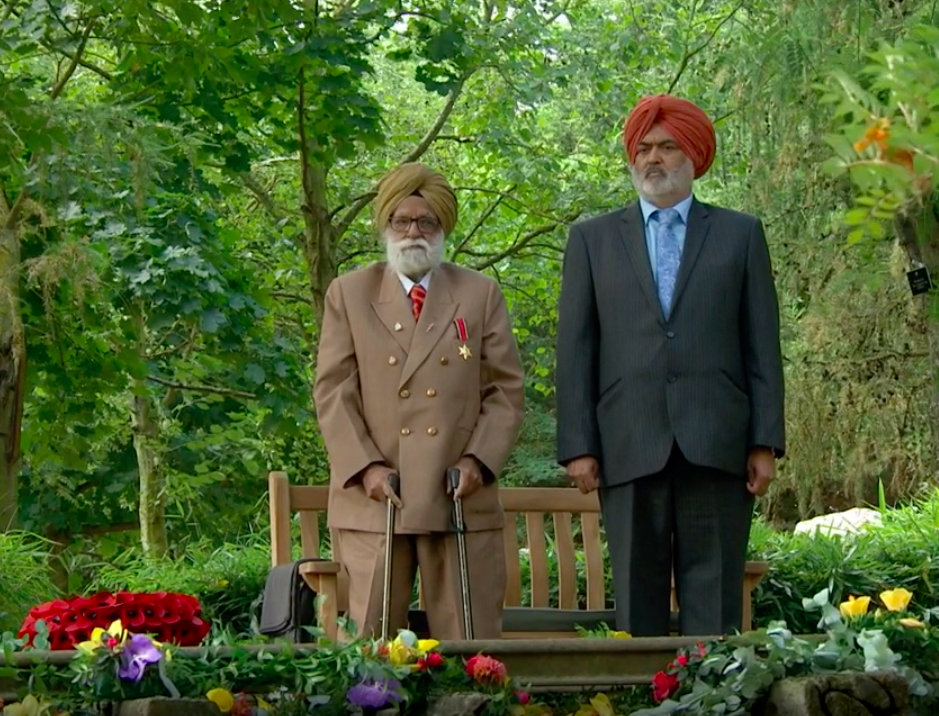
National Memorial Arboretum

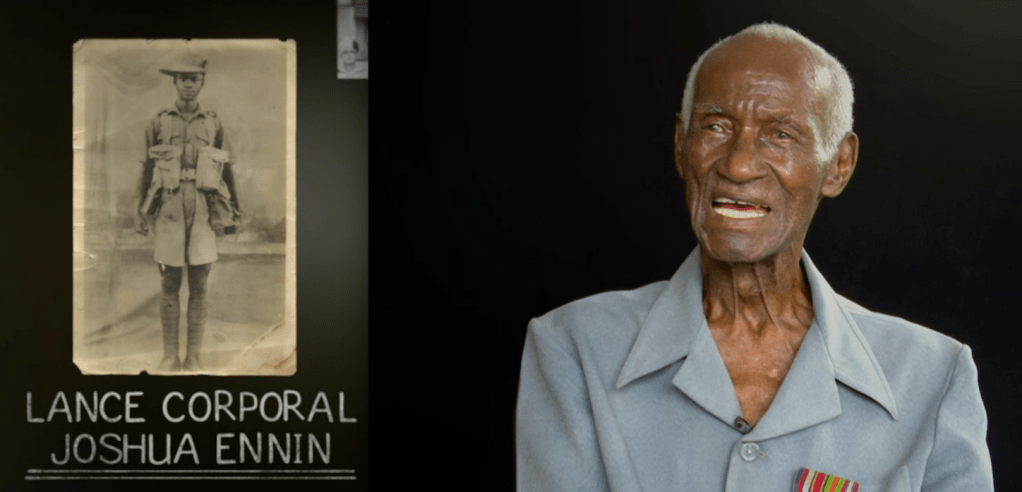
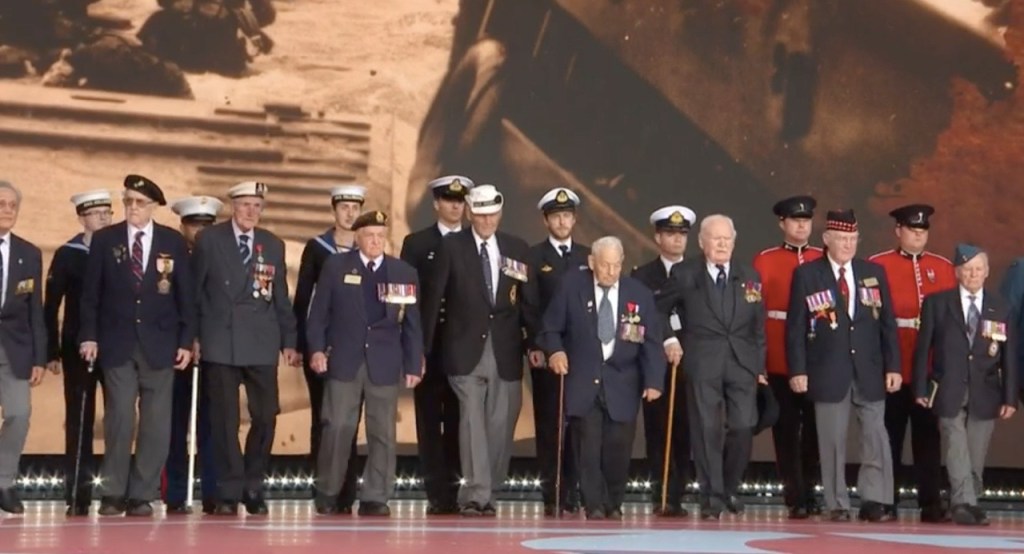
The BBC’s morning coverage of VJ Day, The Nation Remembers, reflected this beautifully through a multi-cultural programme of readings and music by British Asian actors, Indian musicians, Scottish and African soldiers. Set amongst the conveniently socially distanced trees of the National Memorial Arboretum in Staffordshire and with an incessant breeze ruffling hair and dresses alike, uniformed regiments casually mingled with royal dignitaries and politicians, while elderly veterans clad in best suits and medals shuffled on the arms of descendants or sat on benches staring into the far distance. “To all who served, we thank you,” said leaders from around the world in an online video. The presenter Sophie Raworth and historian Dan Snow once again sensitively drew out memories and stories to paint pictures of almost unimaginable scenes. But it was the veterans’ determined efforts to lay a wreath or stand up for the 2-minute silence that best captured the grit and humility of their generation. 

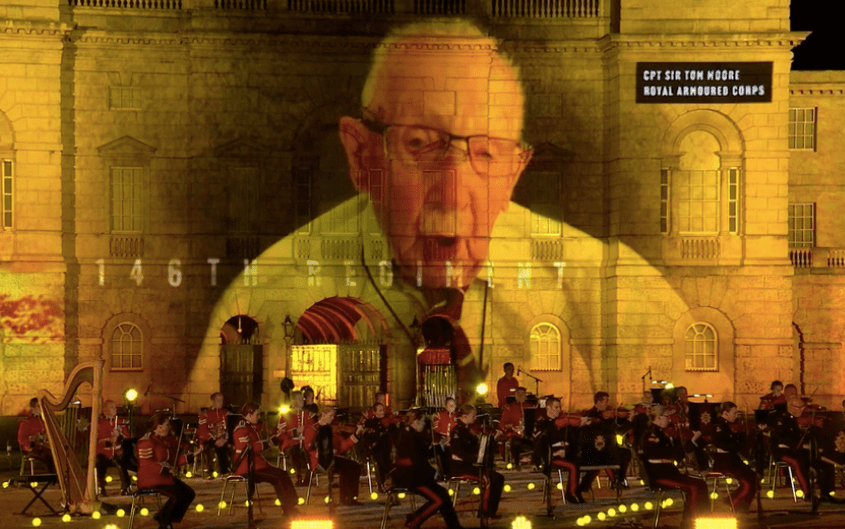
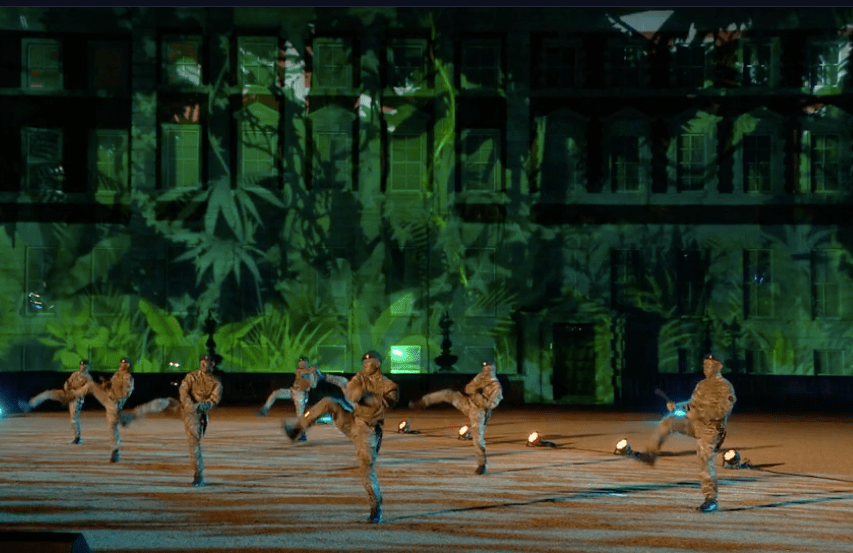
The more formal ‘Nation’s Tribute’ in the evening provided another moving, albeit more polished testament to their resilience. Hosted by Joanna Lumley – in her serious Gurkha supporter and presenter role rather than the Champagne-swigging Patsy of Absolutely Fabulous – and against a stunning backdrop of visuals projected onto Horse Guards Parade, we heard further multinational perspectives by veterans, including ‘Captain Tom’, our lockdown hero.

Captain Tom Moore

I could listen to them for hours but our national culture of Remembrance clearly has a remit both to entertain and make us cry. So, in keeping with tradition, military bands, glittering celebrity singers and an actually wonderful danced fight performed by knife-bearing Gurkhas punctuated the programme.

Gurkhas dance-fight

All in all, this event was less nationalistic or victorious and more inclusive than any previous ones I have seen. Maybe Covid-19, maybe the Black Lives Matter protests or maybe increased maturity has finally nudged our commemorations towards the humility of those that knew the horrific cost of war behind any victory. There was even a small injection of public self-questioning into the rightness of such contentious acts as the atomic bombing of Hiroshima. That’s new. And very welcome.

As always, veterans asked us to remember those that fought; to ‘appreciate the value of the freedoms we enjoy’ for which so many gave their lives; and ‘to resolve never to be involved in another war.’ Akiko Macdonald, a Japanese woman married to an English man and working with veterans on both sides, called for reconciliation: ‘Yesterday’s foe is today’s friend.’ And Prince William asked us once again ‘to learn the lessons of the past’. I have often done that too in my talks and blogs. But this year I found myself asking what ‘learning from the past’ could mean for us today?  

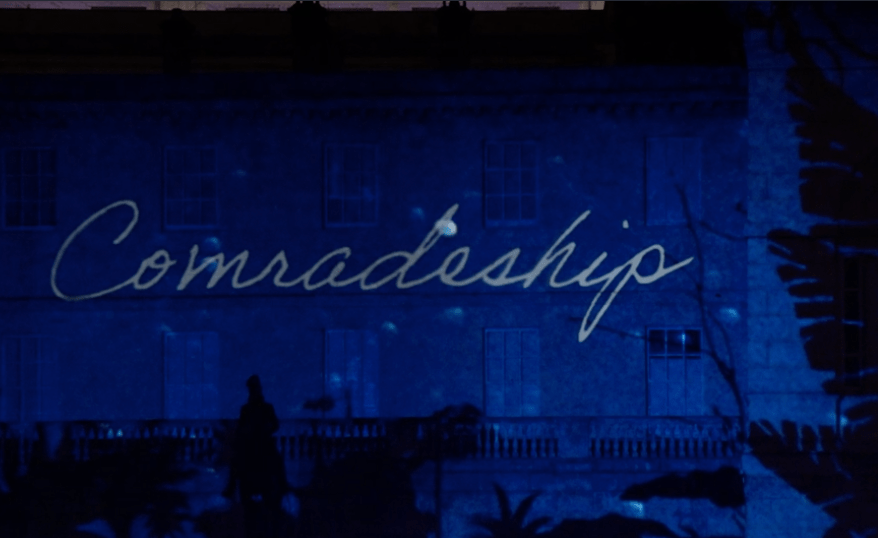
What I have learnt from the largely overlooked war in the Far East is the importance and power of working together, of overcoming difference to unite in a common goal. If we are to successfully tackle the enormous environmental, economic and social challenges the whole world faces, we need to learn to operate as a united body. Just as the Fourteenth Army overcame the challenges of national and cultural difference, we need to see beyond and rise above all that divides us. We need to pool resources, ideas and energy for the greater good of everyone. For as General Slim recognised in his journal, it was the ‘comradeship’ within the Fourteenth Army that ultimately turned defeat into victory. 

To watch the BBC coverage of the Commemorations I mention

The Nation Remembers

Nation’s Tribute

How should we celebrate VE Day 75 years on? Could it not be Peace in Europe Day rather than Victory?

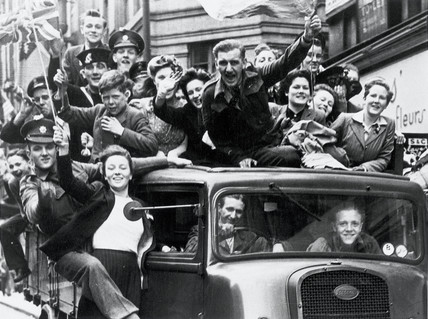
Friday 8thMay 2020 will be the 75thAnniversary of the end of the Second World War in Europe. It was the day when millions of people took to the streets and pubs to celebrate. For those who can remember that time in 1945, the emotions will be particularly poignant. Victory over the German enemy finally brought the promise of peace. That is indeed worthy of celebration. But what should we be doing three quarters of a century on?

VE Day, 1945

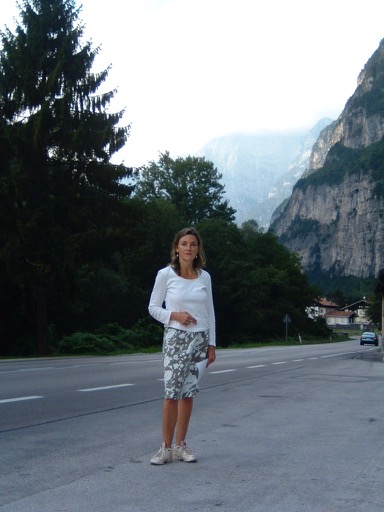
On Saturday 2nd May, I was due to be in Belluno on the edge of the Dolomites standing together with a group of total strangers from America and Italy. We had connected on Facebook and had hatched a plan to meet in the area where seventy-five years previously our fathers’, or grandfathers’, paths had crossed, first in war and then in peace. My sister, mother and my two octogenarian German aunts were coming too. 

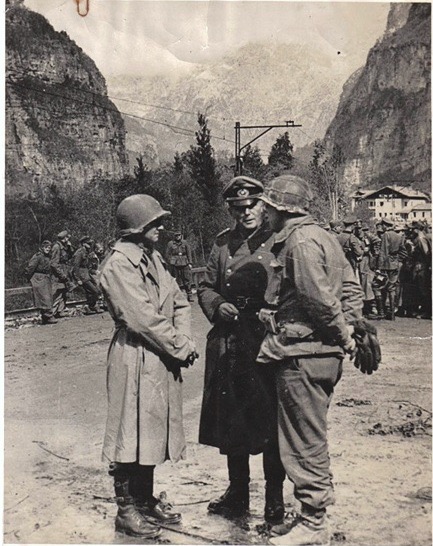
For me, it had all started fifteen years ago with the discovery of a photograph. I had googled my German grandfather’s name for the first time and the small black and white image that appeared on the screen instantly commanded my full attention. Until then, I had only known my grandfather as a framed photo on my mother’s writing desk. Just a face slightly obscured by the peak of a General’s hat with an iron cross hanging like a choker from a collared neck. He hadn’t moved in forty years. Now he was suddenly standing in front of me, wrapped in a belted, three-quarter length coat trimmed with a double row of perfectly aligned shiny buttons. 

His face is instantly recognisable, his eyes still partially hidden as he talks to two men in baggier uniforms. He looks relaxed, upright. There’s even an air of authority in the way one of the seventy-a-day cigarettes I had often heard about rests between the fingers of his right hand. Reading the caption below the photo, I learn that it is 2nd May, 1945. The soldier on the left is an American Colonel, CO of the 337thInfantry, the other a translator. They are negotiating the handover of German troops and armaments. This is the day of Germany’s unconditional capitulation to the Allies. The moment my grandfather’s war ended and his time as a prisoner began. His experiences in the years that followed as a POW to the British would shape his family’s inner, and outer, worlds.

2nd May, 1945

After years spent disentangling the family roots from the blood-soaked mud of conflict and Germany’s post-war silence, my relatives and I would be travelling to meet the sons of the American 337th Division and the granddaughter of the Colonel in the photograph. They had warmly welcomed me into their group. This 75thanniversary, supported by the Councillor of Culture in Belluno, had little to do with victory or defeat, winners or losers, goodies or baddies. It was about reconciliation. About growing friendships and understanding in the soil of broken grief and lingering pride or devastation. It promised to be a very special occasion… we will try again next year.

Visiting the location in 2007

I can feel I am slightly bracing myself for what will happen on 8thMay. How will Britain mark this historic occasion? Energetic flag-waving aside, will it be much the same as our annual Remembrance Days in November and D-Days in June? Tony Hall, Director General of the BBC says their coverage “will bring households together to remember the past, pay tribute to the Second World War generation, and honour the heroes both then and now.” So yes, judging by that and the day’s schedule, it probably will. 

Starting with a two-minute silence at 11am, a series of sing-alongs, prayers and encounters with veterans will follow, all interwoven with the familiar black and white footage. Then comes an evening of singers and actors performing well-loved songs, poetry and stories until 9pm when the Queen’s pre-recorded message will be broadcasted to close the day. Those who have got this far will probably feel slightly mushy (and possibly quite drunk). Filled with genuine gratitude to those who served, they will feel proud to be British, to be on the side of the victors and the heroic defenders of our freedoms… And that is all fine. Of course it is. But it’s not enough anymore. 

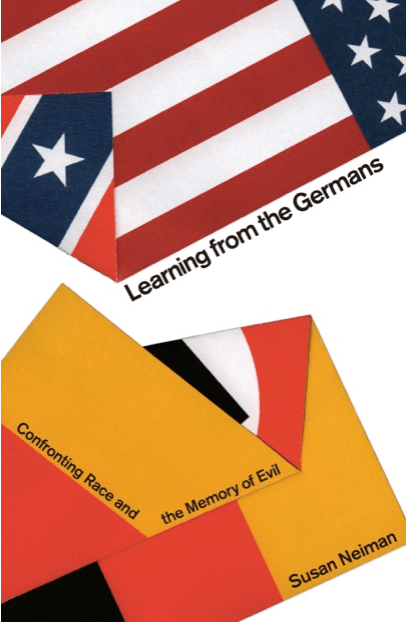
History used to be a matter of consolation or pride, now it is more a matter of warning and learning. As it shifts over time, black and white narratives of good and bad, victory and defeat, perpetrators, victims and heroes no longer hold. The story becomes more nuanced, the divisions more blurred, the lessons more universal. Simply remembering has become empty. Yet as Susan Neiman explains in her excellent book, Learning from the Germans, “We are not hardwired for nuance. Learning to live with ambivalence and to recognise nuance may be the hardest part of growing up.” No country can fully celebrate the triumphs of its history while ignoring the darker moments. So we cannot, nor should we be allowed to rest in our national self-image as the incontestable good guys. Seventy-five years ago, yes, but not today. 

Neil Macgregor, former director of the British Museum and now of the Humboldt Forum in Berlin notes: “What is very remarkable about German history as a whole is that the Germans use their history to think about the future, where the British tend to use their history to comfort themselves.” 

Maybe 75 years on is the right time for us to stop merely re-playing the gore, glory and gratitude of the Second World War and to start reaching beyond our own borders to include the histories and destinies of foreign populations, such as Russia, Poland, China – even Germany, who lost infinitely more and triumphed daily in tinier, but no less important ways. With a general consensus among historians about what happened and why, we can then shift our emphasis onto becoming fully aware that no country is immune from falling into the same abyss as Germany. Its descent happened gradually in full view. Like a frog being slowly brought to boil in a saucepan, most people didn’t notice.

Covid-19 has ushered in a rash of startlingly rapid changes to our laws and freedoms. We are forcibly and necessarily being shaken out of complacency and into the realisation that civilisation as we know it is both fragile and reversible. So more urgently than ever, our World War anniversaries need to be reminders of this and opportunities for learning and growth to inspire collective vigilance against darker forces and a genuine sense of unity across borders.

Let’s see what happens on Friday. If I wave anything, it won’t be a flag for Victory but a white flower for on-going Peace.

Some other views I found interesting:

We Remember World War II Wrong

Why I’ll be a VE Day dodger

German President Frank Steinemeier’s speech 08.05.20

Actions may speak louder than words, but words can lead to actions…

This first month of 2020 offered a veritable feast of potential inspiration for January’s blog. It was hard to choose. On the theme of prisons, there was BBC Two’s The Choir in which Gareth Malone has just two episodes to get young men in Aylesbury Young Offenders Institute to sing and viewers to cry. I know from experience, the latter was definitely easier. 

In cinemas, Jojo Rabbit, a risky, irreverent, bitter-sweet comedy about Hitler, breaks through taboos and somehow gets you laughing at the Nazis in ways they would have hated. Less amusing is Sam Mendes’s 1917, which, through its close-up filming method, dumps its audiences into the putteed boots and helmeted heads of two young British soldiers and sends them off on an impossible mission through hell. Within minutes one has snagged his hand on rusty barbed wire, a wound that alone would send all of us racing to A&E. But that is a mere scratch compared to what awaits him.

Another extraordinary BBC two-episoder, Lost Home Movies of Nazi Germany, gives deeper and more nuanced insights into both the lives and the beliefs of individuals living through those times. While Channel 4’s moving My grandparents’ War follows Kristen Scott Thomas and three other esteemed British actors as they uncover the brave roles their grandfathers played in the Second World War. 

2020 will be a year of 75th anniversaries relating to WW2 with more such documentaries, films, books (oh I wish mine too) and podcasts covering increasingly personal moments of suffering, bravery and evil. History has definitely shifted. No longer just a narrative of kings, politics and wars, it now hones in on the stories of individuals caught up in or affected by the decisions of their leaders. Our appetite to understand experiences from the two world wars has not abated, for they still touch us personally. But one day there will be no more contemporary witnesses to testify to the horrors, misery, fear and loss. No more survivors of the Shoah to remind us not to forget what can happen; to warn us that we are not immune.

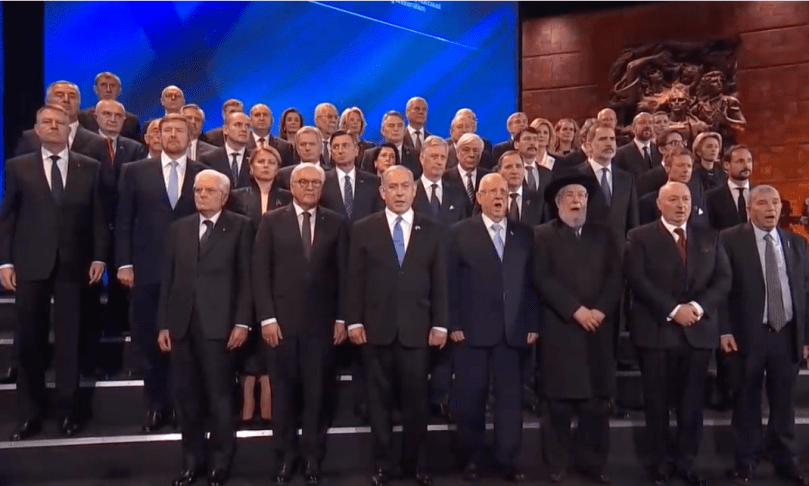
Over the past five years there has been a 320% rise in Far-Right attacks globally. In 2018 alone, there were 387 violent anti-Semitic incidents – 35 in Germany, 68 in the UK… The Holocaust was clearly not enough to snuff out the thinking that leads to such evil. Which is why I have chosen last week’s commemoration of the 75thanniversary of the liberation of Auschwitz and International Holocaust Remembrance Day at Yad Vashem in Jerusalem as my blog’s focus. There the overriding message of world leaders was of the necessity for vigilance to the language of hate, discrimination and prejudice. (The full speeches are on YouTube)

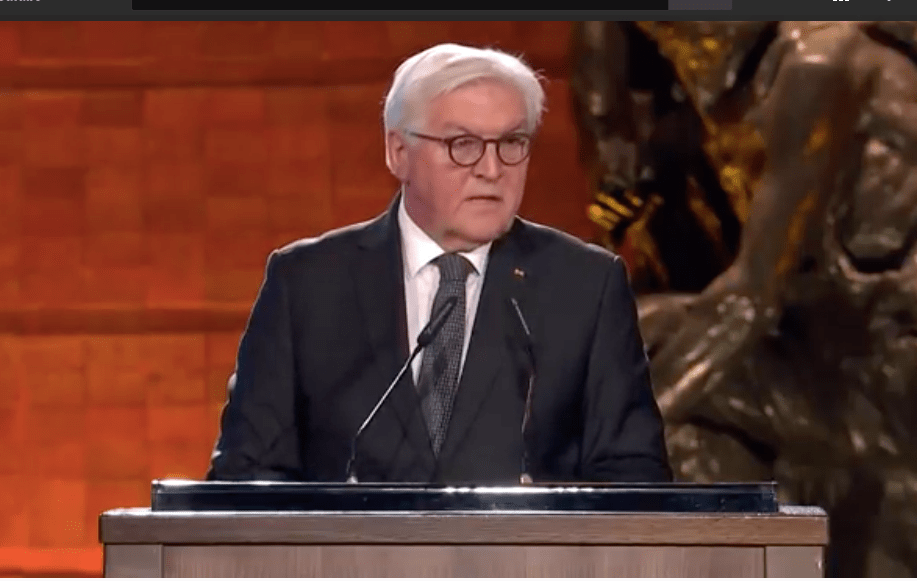
I have no doubt the Jewish speakers’ speeches in Jiddish were profound and extraordinary. And Prince Charles spoke movingly about the risk of the Holocaust being placed under a glass bubble within history and urged us to re-commit ourselves to tolerance and respect. (He speaks at 1:31:30) But it was once again the German president, Frank-Walter Steinmeier, the first ever German president to address guests at Yad Vashem, who, in my view, stole the show with his impossibly difficult and brave speech. I would like to include extracts from it here because, as we approach the thankfully silent bongs of Big Ben on 31st January, I believe his words are relevant to each and every one of us to act upon in our own little ways.

Opening his address (which starts at 1.49.20) with a Jewish blessing in seemingly fluent Hebrew, he continued in English, telling the tragic stories of four individuals murdered in the Holocaust. With the humility and honesty that has become a hallmark of German leaders at such occasions, he unflinchingly took responsibility on behalf of his country:

Germans deported them. Germans burnt numbers on their forearms. Germans tried to dehumanise them, to reduce them to numbers to erase all memory of them in the extermination camps. They did not succeed…. As human beings, they live on in our memory.

Frank-Walter Steinmeier talking at Yad Vashem in Jerusalem

Referring to the Yad Vashem monument, he continued, “I stand before this monument as a human being and as a German… and I bow in deepest sorrow.”

His reference to ‘human beings’ didn’t stop at the victims and those on the side of good: “The perpetrators were human beings,” he continued, lightly emphasising each of our potential to become perpetrators or victims. “They were Germans; those who murdered, those who helped in the murdering, and the many who silently towed the line… they were Germans. The industrial mass murder of 6 million Jews, the worst crime in the history of humanity – it was committed by my countrymen. The terrible war, which cost far more than 50 million lives, is originated from my country. Seventy-five years later, after the liberation of Asuchwitz, I stand before you all as President of Germany, and I stand here laden with the historical burden of guilt.”

Gulp… I don’t know if it moves you, but I know a little of just how heavy that burden is. But as anybody dealing with criminals and/or victims can attest to, genuine admissions of guilt and acts of apology, forgiveness, restorative justice or therapy offer opportunities for reconciliation, that powerfully healing balm for wounds which threaten to fester forever. Steinmeier knows this:

“At the same time, my heart is filled with gratitude… gratitude for the hands of the survivors stretched out to us, gratitude for the new trust given to us by people in Israel and across the world, gratitude that Jewish life is flourishing again in Germany. My soul is moved by this spirit of reconciliation… a spirit, which opened up a new and peaceful path for Germany and Israel; for Germany and Europe and the countries of the world.”

I love the way Germans can speak of ‘heart’ and ‘soul’ and ‘spirit’ so effortlessly…

“The eternal flame at Yad Vashem does not go out. Germany’s responsibility does not expire. We want to live up to our responsibility. By this, dear friends, you should measure us. I stand before you grateful for this miracle of reconciliation and I wish I could say that our remembrance has made us immune to evil. Yes, we Germans remember, but sometimes it seems as though we understand the past better than the present. The spirits of evil are emerging in a new guise, presenting their anti-Semitic, racist, authoritarian thinking as an answer for the future, a new solution to new problems of our age. And I wish I could say we Germans have learnt from history once and for all. But I cannot say that when hatred is spreading…”

“Of course, our age is a different age, the words are not the same, the perpetrators are not the same, but it is the same evil. And there remains only one answer: Never again. Nie wieder. That is why there cannot be an end to remembrance…”

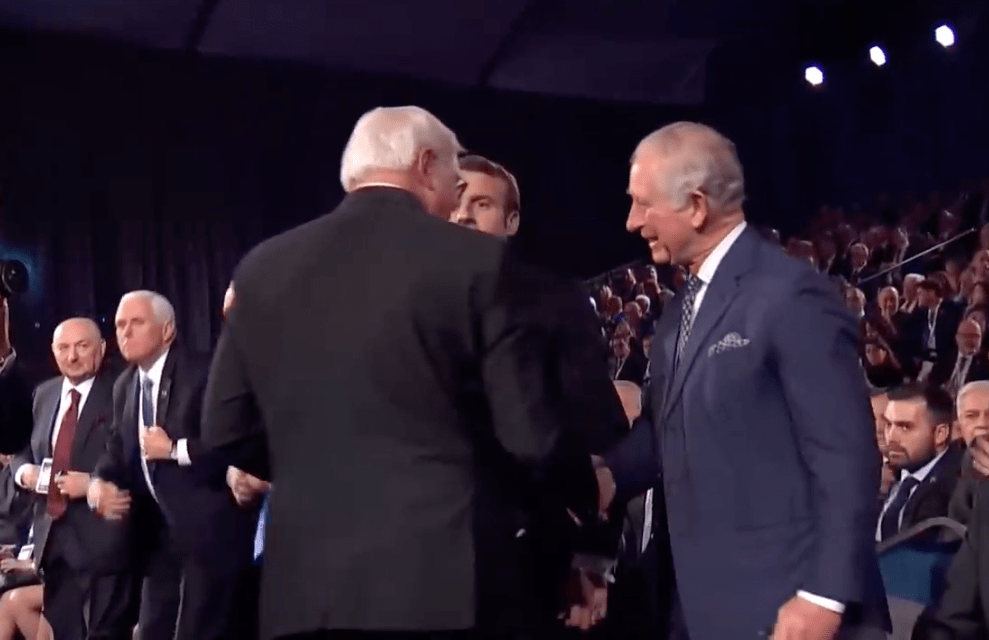
President Steinmeier and Prince Charles
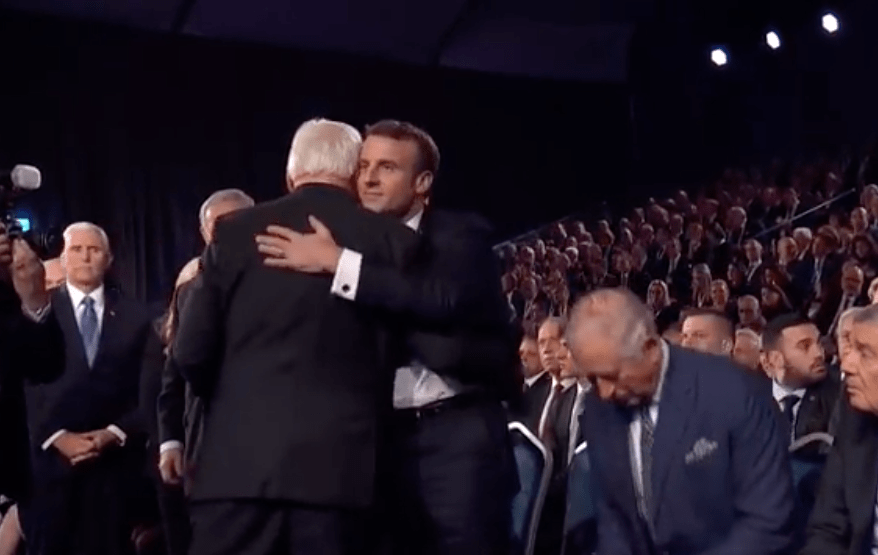
President Steinmeier hugged by President Macron
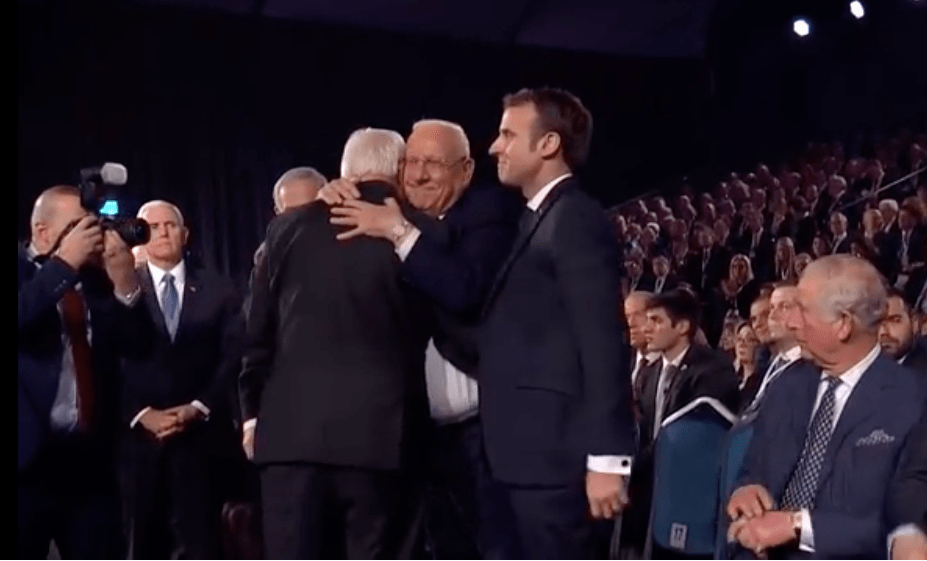
President Steinmeier hugged by Avner Shalev, Chairman of the Yad Vashem Directorate

I am so glad that President Steinmeier was given such heartfelt hugs on returning to his seat. After Prince Charles’s slightly awkward handshake and strained smile, President Macron looked him in the eyes and embraced him followed by Avner Shalev, Chairman of the Yad Vashem Directorate, who looked like he would never let him go. Such displays of heart, soul and spirit warm me every time.

Further reading:

The Times of Israel: At Yad Vashem, German president says Germans haven’t learned lesson of Holocaust

The Telegraph: Holocaust is no mere ‘fact of history’: Prince Charles stands with world leaders against rise of anti-Semitism

The Guardian: The need to remember and retain the lessons of what became the Holocaust grows rather than diminishes. 

The New York Times: At Holocaust Memorial, a Survivor and Towering Moral Voice Says He ‘Cannot Forgive’

The past residing in the present and shaping the future

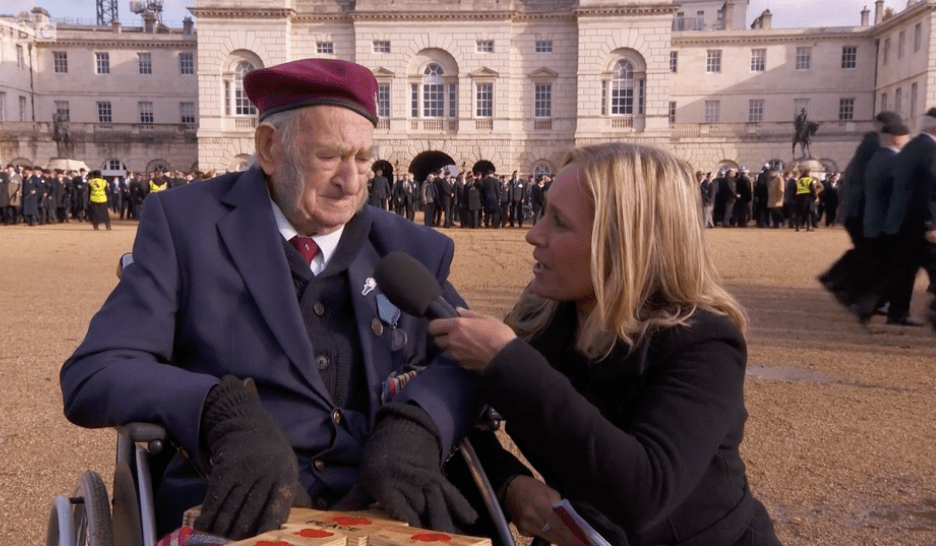
“It’s the memories,” 98-year old D-Day veteran, John Sleep, told the BBC interviewer, Sophie Raworth on Remembrance Sunday. Dressed in a blue suit decorated with medals and donning a burgundy beret and tie, his wheelchair was parked on Horse Guards Parade in front of the traditional ‘march past’ the Cenotaph. Asked how vividly he could remember it all, he said, “It was yesterday.” Silence followed as his face crumpled in its fight against tears. As for so many veterans, the title of “hero” bestowed on servicemen today feels misplaced. What he and his fellow soldiers did was not heroic, glorious or even brave necessarily. Those are qualities that belong to their friends who didn’t return. They are the real ‘heroes’ and their memories still roam and haunt the minds of the living. 

Memories; PTSD; horror, honour and pride get shaken into potent cocktails of commemoration at this time of year. Last weekend was almost overwhelming in the scale of significant events to be remembered. Don’t get me wrong; I love remembering the past because each time I ‘re-member’ an event, I learn a little more about its relevance to the present and the future. Time became a linear construct through the human need for rationality and order. Yet in reality, or in my experience at least, time refuses to simply line up chronologically. The past and future co-habit each moment of what we call the present.

November 1989, the fall of the Berlin Wall

This year’s calendar of remembrance started on 9th November, when Europe and beyond celebrated the 30thAnniversary of the fall of the Berlin Wall and remembered all those who died on the physical and symbolic front line of the Cold War. A bit like with the 9/11 collapse of the Twin Towers, it seems that everybody can place exactly where they were when it happened. I can recall my Sussex landlady’s unbridled joy as she danced in front of her television clapping her hands as the ‘Ossis’ flooded through the wall into the welcoming, cork-popping arms of West Germans. I remember clapping and grinning with her, careful to disguise my shameful ignorance of just how momentous a moment this was. The Cold War may have been the political backdrop to life back then, but I was still in the dark over the potency of German history… half my family’s history.

Next up was the annual Festival of Remembrance at the Albert Hall, an event that every year both moves me to tears and irritates me in equal measure. I have written about it before but in spite of some deeply kitsch musical contributions – James Blunt, the former army officer with a remarkably high voice and Leona Lewis, former X-Factor winner, who massacred ‘Like a Bridge over Troubled Water’ – I found this year’s festivities generally more sensitive, less triumphal (thank goodness) and more inclusive. They focused on the 75th anniversaries of lesser known, yet no less brutal, battles of 1944, such as Monte Cassino and Rome, and the collaboration and friendship of the British, Commonwealth and Allied armies who fought them. They also marked the 100th anniversary of GCHQ and the vital, albeit largely uncelebrated role of the secret services such as the code-breaking work at Bletchley Park completed by a workforce 76.35% of which were women… 

Ok, women’s forgotten / ignored / unrecognised place in war and history is a blog for another day. It’s the role of pride in all these activities of remembrance that I want to touch on here. Specifically the pride felt for and by family members. Pride can comfort in the face of death. Pride can give meaning to apparent pointlessness. Pride can assure the memory of a person is maintained for generations to come. Pride can overcome some of the horror of war. It can swell the heart and make thoughts soar. It can be a balm on the trauma of loss, which, if unprocessed, can be passed from generation to generation. 

So how is it for the relatives of German soldiers, I wonder? Millions died and yet pride is a tool that cannot be employed to soften the sharp corners of grief or maintain the memory. It’s difficult, I know. But for the sake of generations to come, in order to avoid the transgenerational transmission of unresolved emotions and to understand and most importantly quash the re-emergence of Germany’s Far Right, we need to address the problematic nature of remembering the men and women who were limbs in Hitler’s military body of destruction, but also brothers, fathers, husbands, sons, friends… and grandfathers of ordinary German families. 

John Sleep, our 98-year old veteran, is already putting my challenge into practice. Resting on the chequered blanket draped over his lap and gently held in place by misshapen hands in muddy, black woolen gloves, lies a simply-crafted wooden cross decorated with painted poppies and the word ‘Peace’. “It’s for the Monument of Tolerance,” he explained, “an organisation set up on the German border with all nationalities in it. The idea is to prevent wars,” he continues without the hesitation of his earlier answers. John also ‘does’ the German services. “I’ve got no problem with the Germans,” he declares. (Well that’s nice to hear.) “I think they did me a favour.” (Really??) “They got me a very good pension.” (Ah… ok – slightly disappointed face) But fair enough. He’d had “an argument” with a German tank and it had won.  

I like the ideas behind this Dutch Monument of Tolerance. Unveiled on 8 March 2001, it serves as a reminder of the more than 700 soldiers of 11 nationalities who lost their lives in the Leudal area between 1940 and 1945. I am pleased that at least here German families have an opportunity to bestow a tiny fraction of the recognition other nations can pour over their military family members. So, next Sunday 17th November, on the occasion of Germany’s humble Volkstrauertag – ‘people’s day of mourning’ – I would like to invite you to join me for a tiny minute in thought. A tiny moment in which we try and extend the lines of our famous and treasured poem of Remembrance to include some of Germany’s Wehrmacht soldiers and their families. 

“At the going down of the sun and in the morning, we will remember them.”

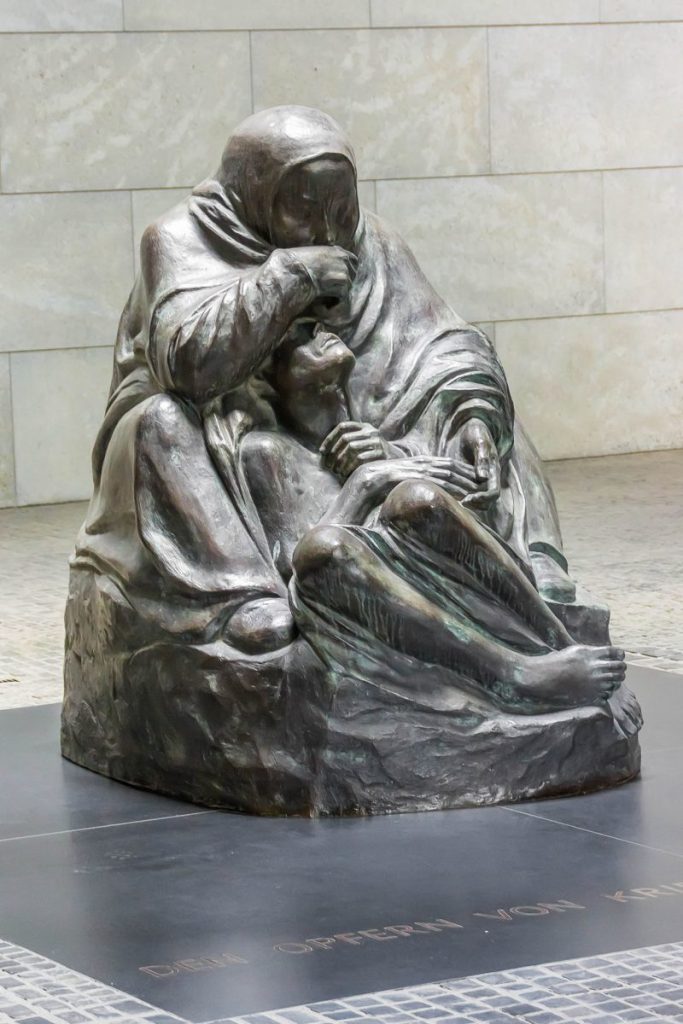
Käthe Kolwitz: Mother with her dead son, Neue Wache, Berlin

We love commemorating our victories and losses… but not our declarations of war it seems?

Could it be that even the British have become weary of commemorating the World Wars? Or was the lack of fanfare around the 80th anniversary of the outbreak of the Second World War earlier this month down to having a selective national memory? Do we only like to remember the bits where we emerge as clear heroes, victors or victims?

To my surprise, nothing, or very little, happened in this country on 3rd September 2019. Yet, at 11.15am on that day in 1939, Prime Minister Neville Chamberlain, in a somber broadcast to the nation made from the Cabinet room in 10 Downing Street, announced with regret that his efforts to ensure peace had failed and that “this country is at war with Germany.” The ensuing conflict lasted six years and cost around 50 million lives.

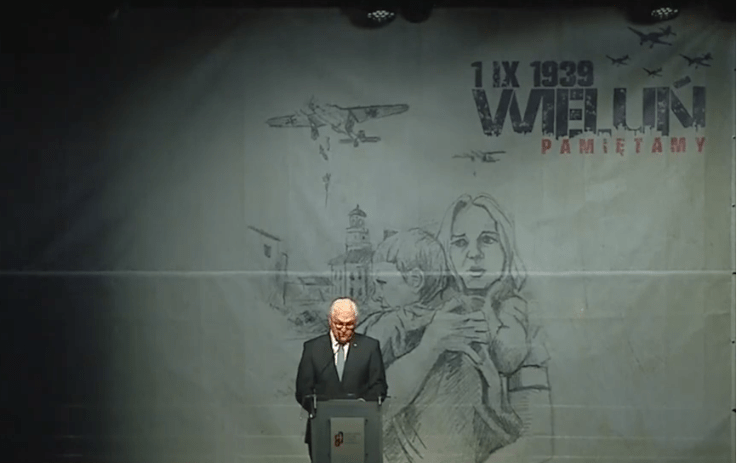
For Poland this anniversary was obviously a huge deal. Germany’s invasion was the catalyst for Britain’s and France’s declaration of war and few places suffered the same level of death and destruction between 1939 and 1945. It lost about a fifth – that’s six million – of its population including the vast majority of its three million Jewish citizens. Wielun, the first city to be bombarded by the Luftwaffe, was the chosen location for forty world leaders and representatives of other countries to gather together for a dawn ceremony on Sunday 1st September at 4am (2am GMT). Polish President Andrzej Duda, German Chancellor Angela Merkel, French Prime Minister Edouard Philippe, US Vice President Mike Pence were all present. (President Trump cancelled citing the approach of Hurricane Dorian as his reason for basically spending the day on the golf course.) President Putin wasn’t invited. But, why wasn’t our Prime Minister there? I think we sent our Foreign Secretary, Dominic Raab, to a subsequent ceremony in Warsaw but…? 

Surely a bit more than just a nod to our role in the unfolding of the most momentous episode in modern history would have been appropriate? Maybe a moment where we press pause on all justifications and humbly reflect on the regrettable escalation of the horrors that our declaration of war unleashed? Or a clearly stated renewed commitment to peace in Europe? Or an informed and respectful acknowledgment of the far greater losses suffered by so many other nations? I recently asked friends how many people they thought died in WW2. “Seven million Soviets? Two million Germans? Two million British?” they guessed. “Actually we have no idea,” they admitted. And they didn’t. Most British people don’t. It was between 20 and 27 million Soviets, 7 million Germans and 450,000 British… that’s including Crown Colonies.

To be fair, Boris Johnson, in a videoed speech that circulated on Twitter, praised the “dogged and unconquerable resistance” Poland displayed during the Second World War and how it “never succumbed to tyranny…” But he also couldn’t help slipping in a quick pat on the UK’s back for standing with Poland “in times of triumph and tragedy.” Hmmmh, you just have to listen to Neil Macgregor’s excellent series on Radio 4 As others see us to realise that this is not quite how Poland sees things. Part of their otherwise generally positive national memory of us is of ‘betrayal’, not once but three times! (This relates to the Katyn massacre, ignoring the plight of Polish Jews and Britain’s role at the Yalta Conference in 1945 when it was decided that Poland would be given to the Soviets.

British Defence Secretary, Ben Wallace, just rolled out the same old tired stuff about Britain going to war to “defend our values and our allies from the Nazis”. (Defending ones values and friends is how all sides justify conflict, however small or large.) He added, “Even though nearly every family in the UK still possessed the memories and hurt of the First World War, they were prepared again to make the ultimate sacrifice. The incredible courage of that generation who fought for our freedom must never be forgotten.” Aaaagh, they just can’t help themselves, these men! It is always all about usOur heroism, our sacrifice, our justified defence. Wouldn’t this have been the perfect time to engage with Polish history? The imbalance between what we know about others and what others know about us is embarrassing. Our narrative that “We went to war for Poland” is, for example, in Polish minds “We declared war for Poland” because the much hoped for military support didn’t actually follow. We really need to start embracing a wider-angled view of history! (This podcast is a great start)

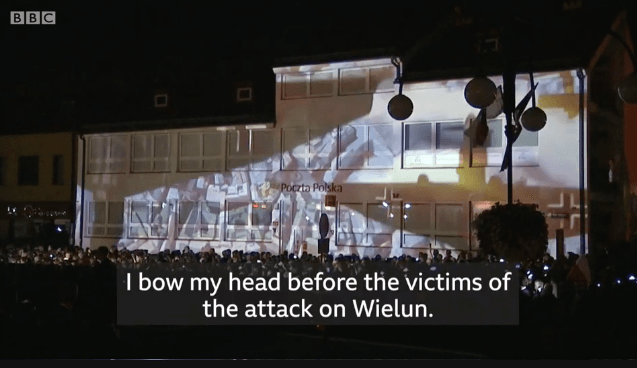
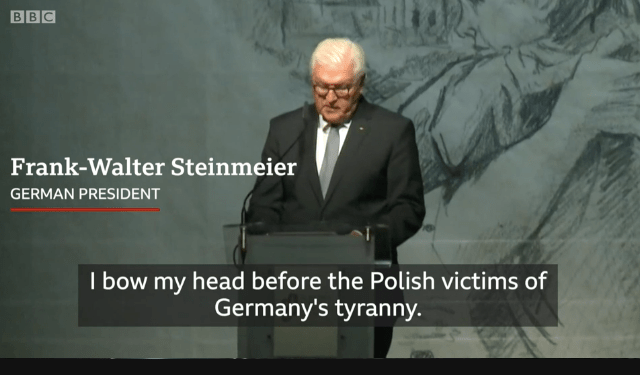
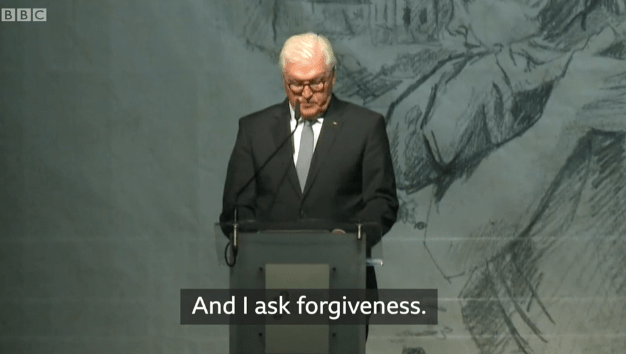
For me it was once again the German contribution that lit a way forward for us all. Speaking with typical unreserved apologetic candour, President Frank-Walter Steinmeier described how “Eighty years ago, at this very moment, all hell rained down on Wielun, fueled by German racist barbarity and the desire to annihilate… My country unleashed a horrific war that would cost more than 50 million people – among them millions of Polish citizens – their lives. This war was a German crime… I, along with [Merkel], want to tell all Poles today that we will not forget. We will not forget the wounds that Germans inflicted on Poland. We will not forget the suffering of Polish families and nor will we forget the courage of their resistance.” He then went on, with a bowed head and speaking in both German and Polish, to ask for Polish forgiveness. “I bow my head before the victims of the attack on Wielun. I bow my head before the Polish victims of Germany’s tyranny. And I ask for your forgiveness.”  

Wow! I know, this is not new. Germany has been publicly apologising for years, starting back in 1970 with Willy Brandt’s silent ‘Kniefall‘. Nevertheless, can we just pause and reflect a moment. The president of a powerful country holding up his hands in surrender and basically saying: “What we did was shit. We were shits. There are no words to describe just how shit we were and nothing can ever change that.” Just imagine how difficult that is to do. And how different the world would be if more people did that. The power of apology. The power of asking for forgiveness. (Whether it is possible to ask for forgiveness on behalf of another / others is debatable as Bernard Schlink does so well in his book ‘Guilt about the past’. But still…)

I’m glad that in a return speech, President Duda thanked Steinmeier for his presence at the painful anniversary before continuing to rightly denounce Nazi Germany’s attack on Poland as “an act of barbarity” and list other massacres and atrocities on Polish soil. He also drew attention to the genocide and mass murder continuing around the world today, and underlined the importance of international alliances like NATO and the European Union. (The question of further compensation was also raised later on… but you can read a fuller summary of the speeches here.) The pain still lingering between these countries that were so utterly destroyed on so many levels is visceral. As is the will for lasting reconciliation.

As much as I am frustrated and disappointed by our on-going and often unimaginative, inward-looking and lop-sided to the point of ignorant rhetoric on the World Wars, I am also optimistic. Younger generations are asking awkward questions that force a re-evaluation of the dusty, airbrushed pictures of our ‘glorious’ Empire. And the answers they are finding are uncomfortable. Maybe when we stop hiding our misdeeds behind the undisputedly ghastly deeds of the Nazis and the Holocaust and finally acknowledge our own national shadow, when we admit that the whole British Empire was based on the genocide of indigenous people and a forcing of our values on others, maybe then we can be genuinely better in the present and the future. 

Further reading:

https://www.dw.com/en/german-president-asks-for-polish-forgiveness-on-wwii-anniversary/a-50247207

https://www.telegraph.co.uk/news/2019/09/01/german-president-asks-forgiveness-80th-anniversary-start-second/?WT.mc_id=tmg_share_em

https://www.theguardian.com/world/2019/aug/30/truth-is-a-casualty-80-years-after-start-of-second-world-war

Dresden… a spectacular phoenix rising from the ashes

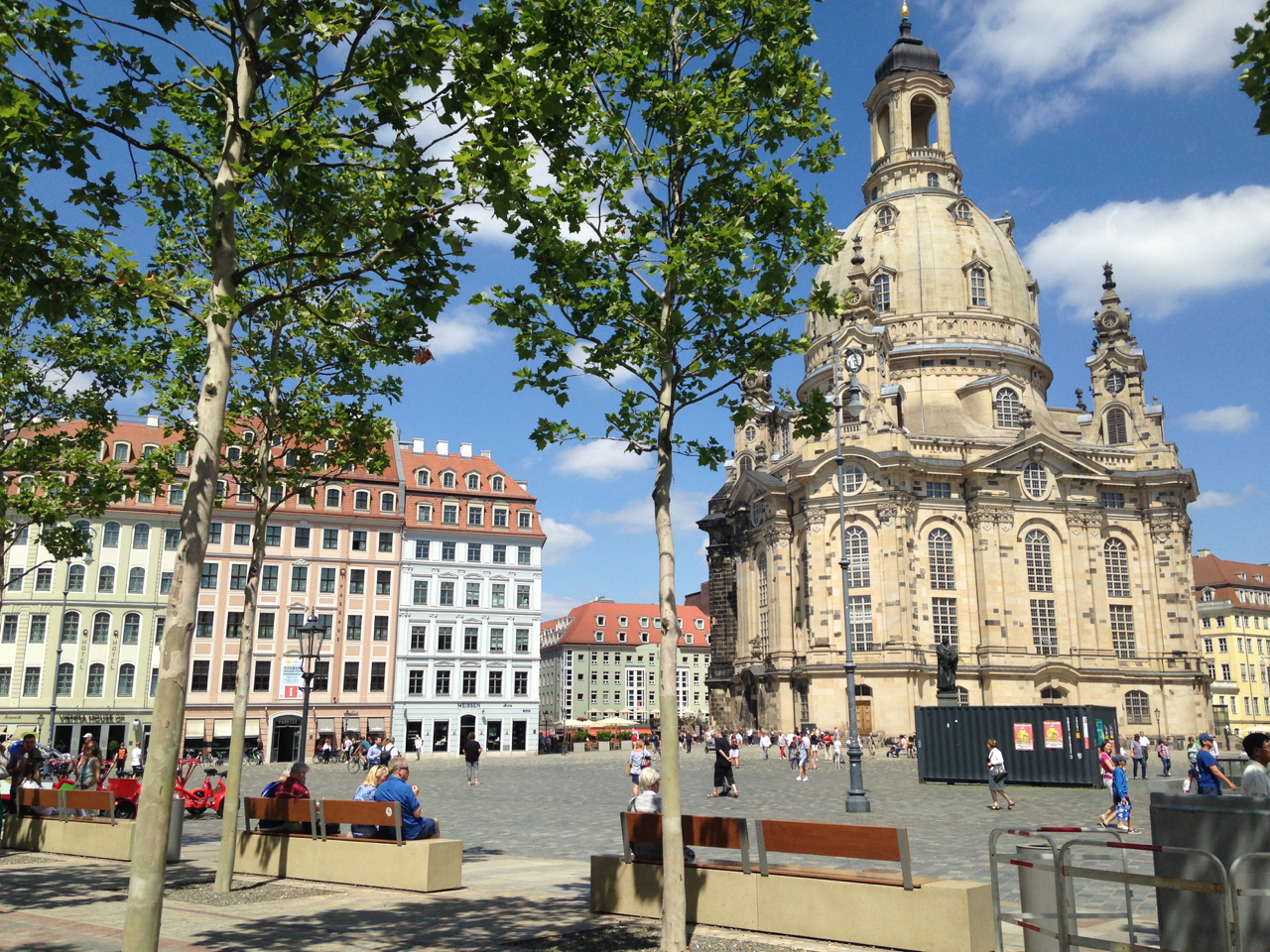
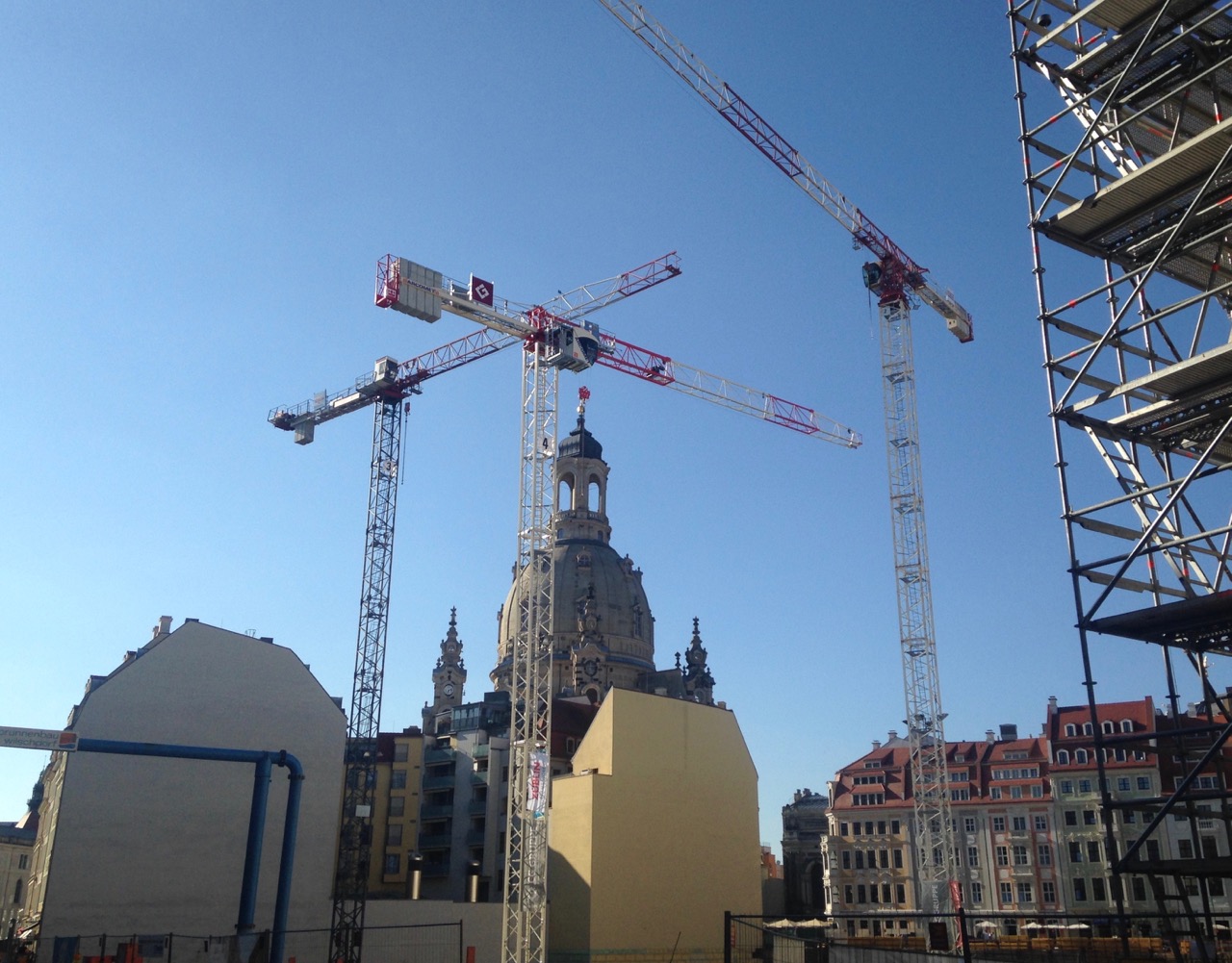
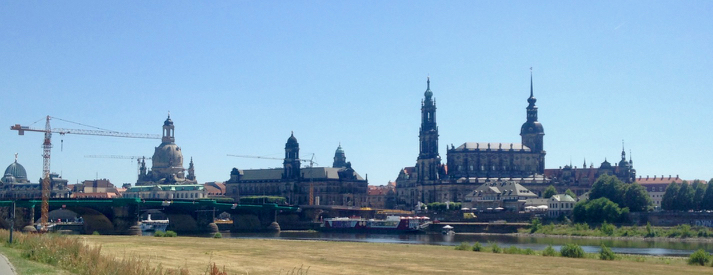
My recent trip to Dresden and Leipzig reminded me what wonderful places German cities can be. Particularly in summer when the music of high quality buskers wafts through squares lined with outdoor cafés offering chilled Grauburgunder and Pfefferling (chantarelle) dishes with white asparagus; when young people ride on rickety city bikes across the cobbles, hands dangling by their sides. It’s only the ever-present cranes punctuating the skyline of sloping roofs, or the gaping, pulled teeth-like gaps between buildings that remind you that all you are looking at was, in the not so distant past, rubble; grey, gaunt, improbably upright façades standing sentry among collapsed homes and destroyed families. 

I have to admit, before I went to Dresden I had questions about travelling to a reconstructed, rather than original, Baroque city. I questioned whether destroyed buildings should be re-built and replicated or whether their ‘death’ should be seen as an opportunity for something new. Or whether a 21stcentury appearance of 18th century architecture still constitutes an historic monument. My first sighting of the city’s famous profile of domes and spires lining the river and my subsequent face-to-face meeting with the ‘Florence on the Elbe’ quickly rendered those questions superfluous. Dresden is simply beautiful.

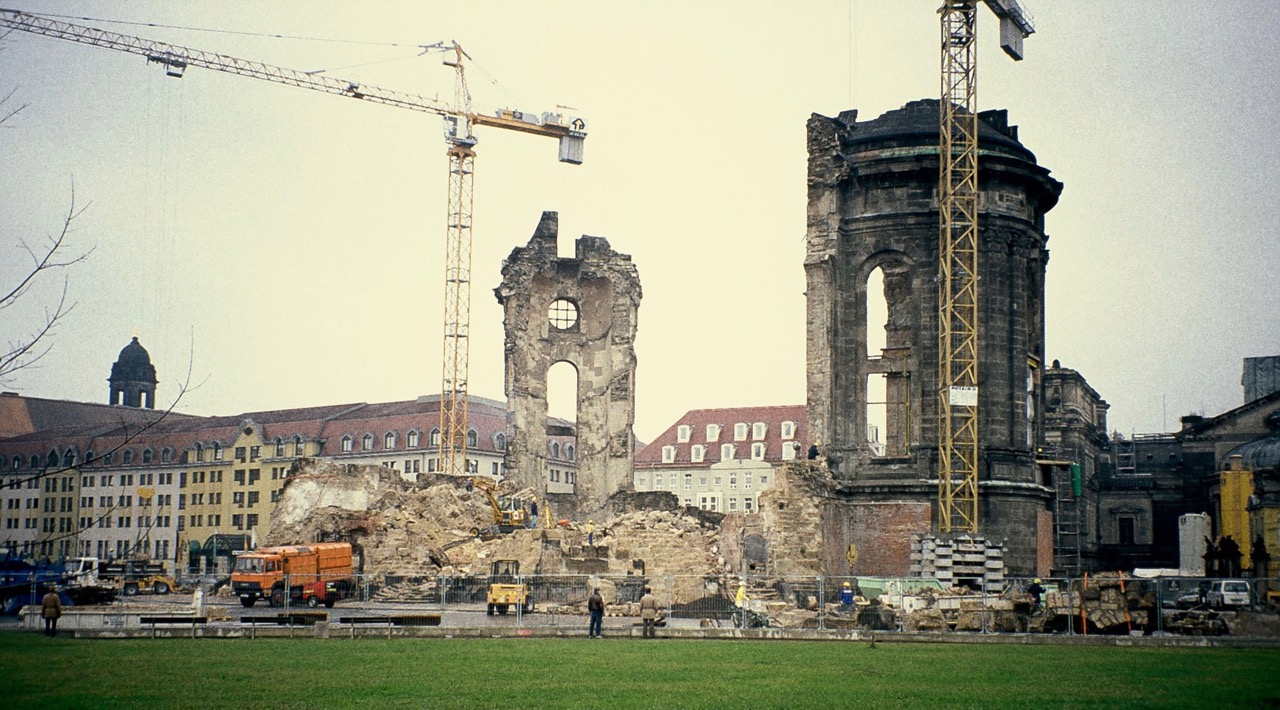
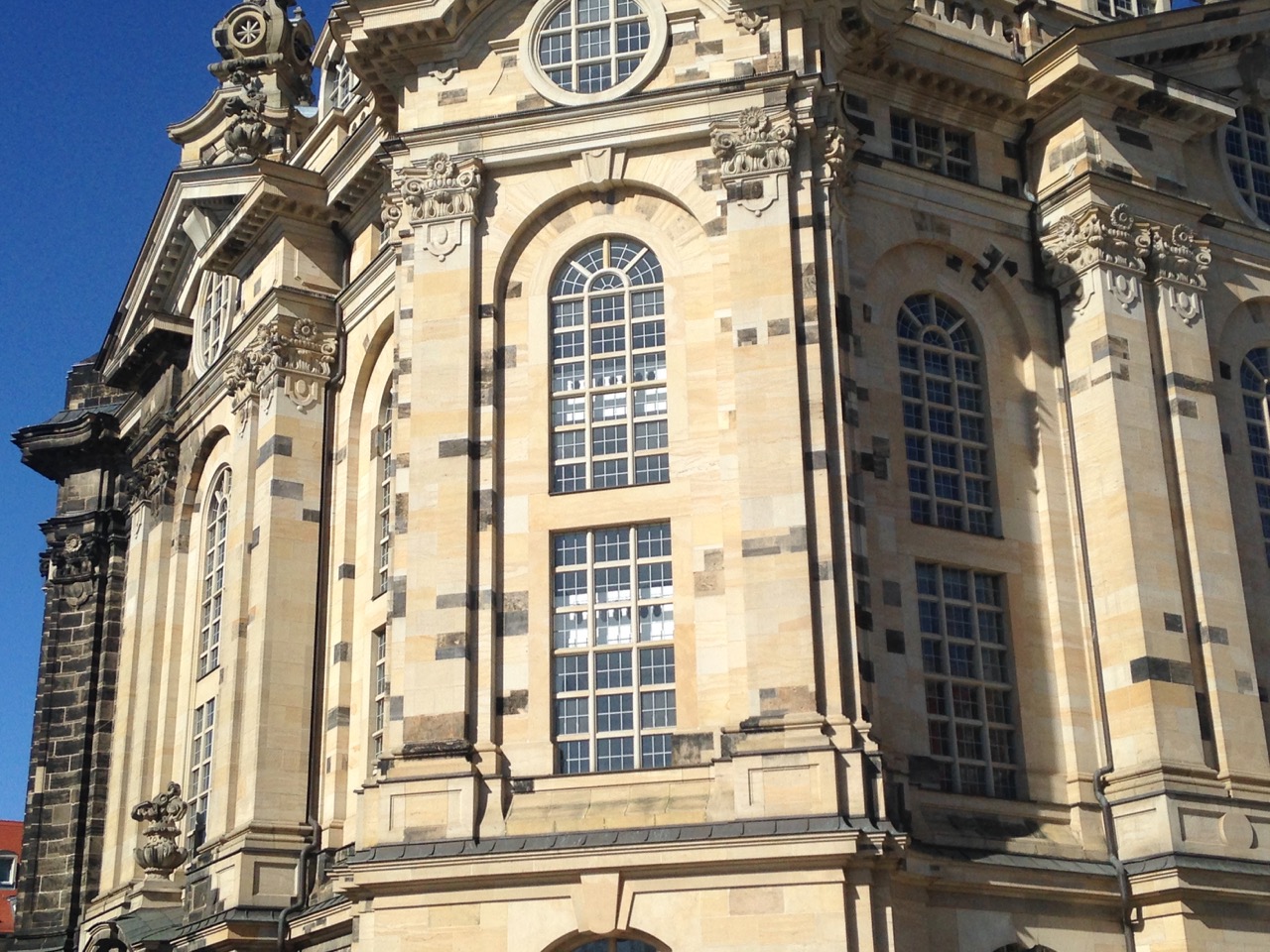
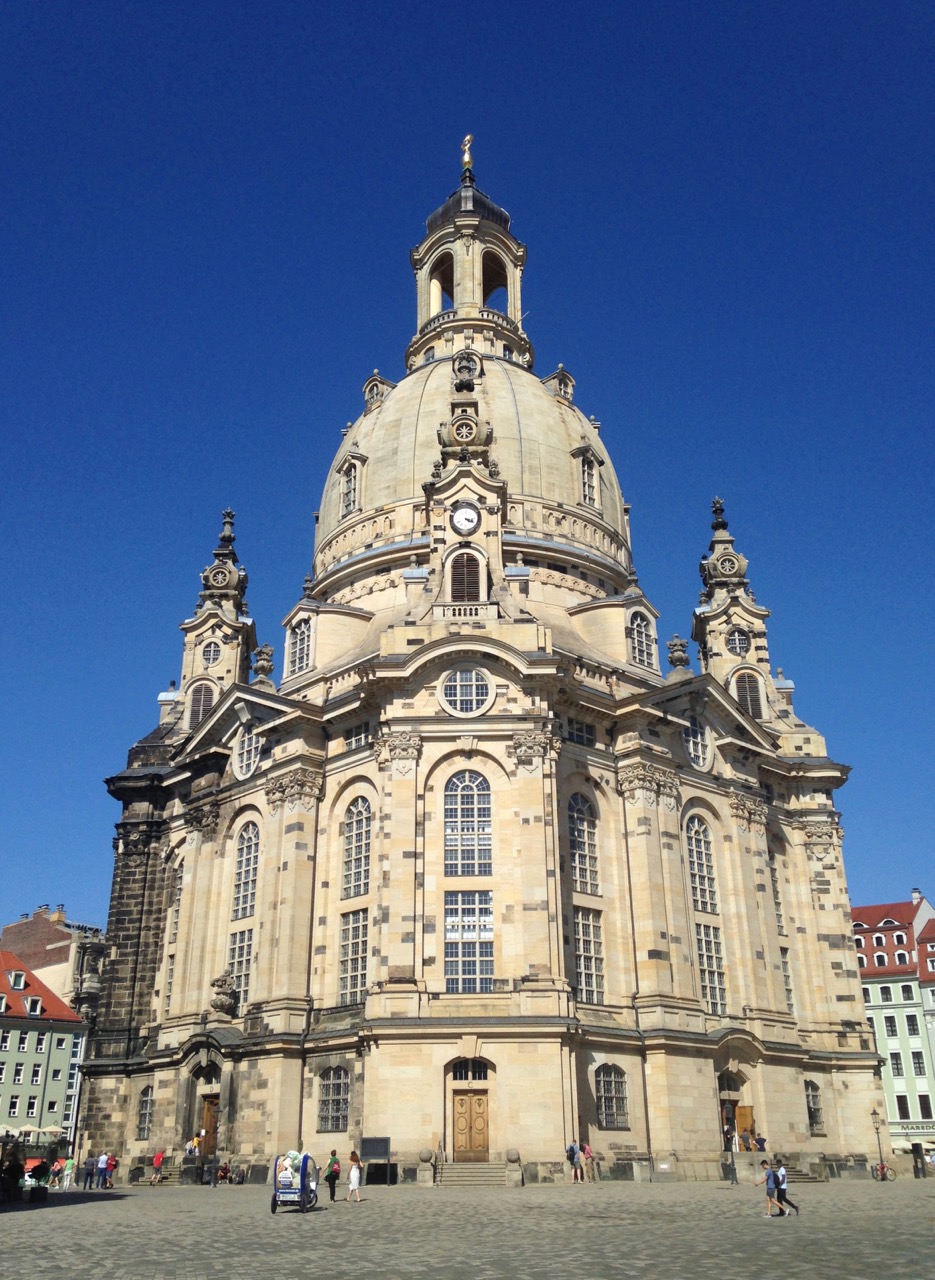
Of particular interest to me as a newly elected trustee to the London-based Dresden Trust, was the city’s most historic and well-loved landmark, the Frauenkirche. Its bombed remains had been left untouched by the communist regime of East Germany for decades, both as a symbol against war and a memorial for those 25,000 killed in the notorious 2-day aerial bombing attack by Britain’s RAF and the USA. 

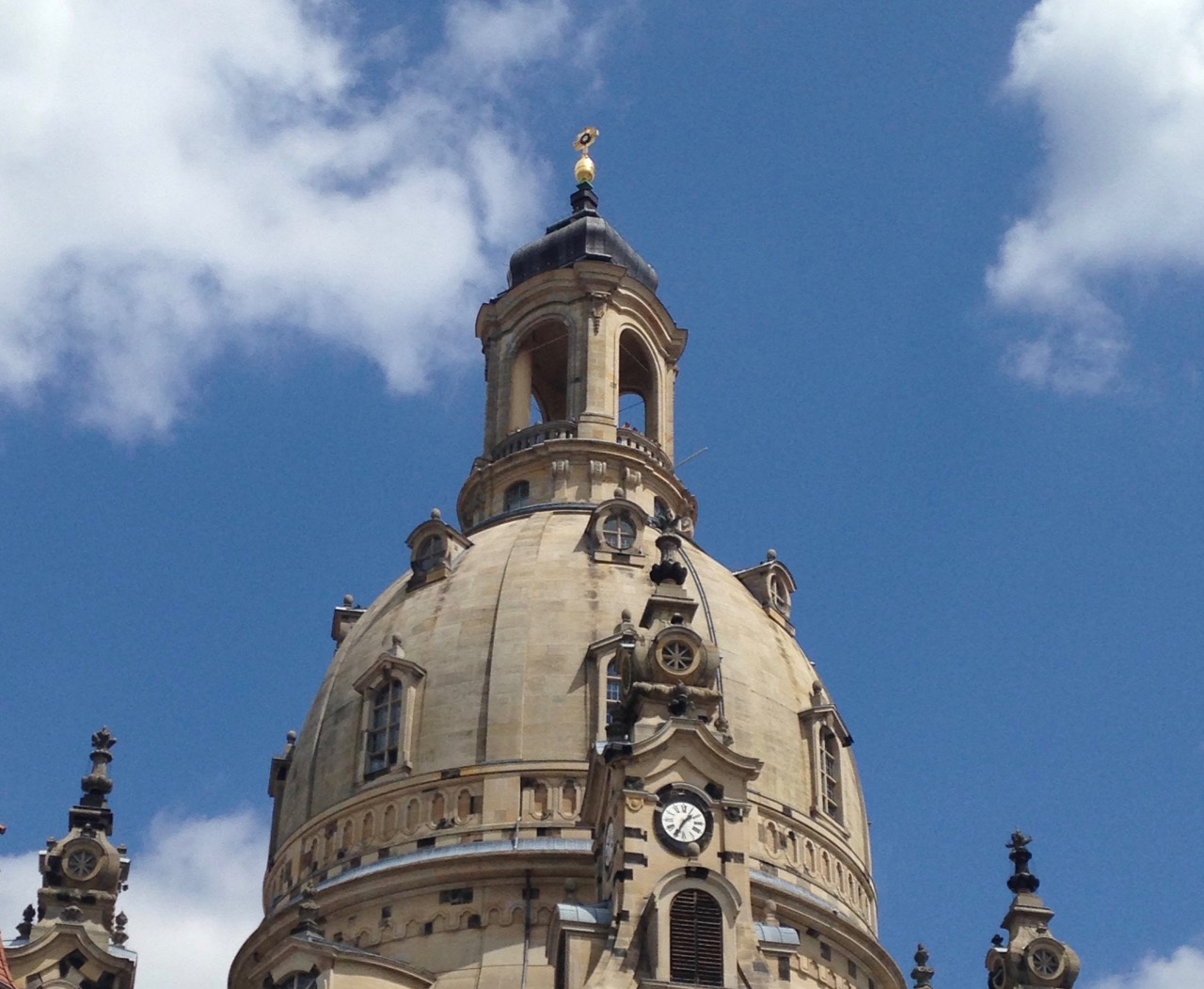
After the 1989 fall of the Berlin Wall and 1990 reunification of Germany, the future of the Frauenkirche became a focus of the widespread national debates and philosophical soul-searching still continuing to this day. 1993 then launched seventeen months of clearing, documenting and organising the 23,000 cubic meter mound of rubble with characteristic German thoroughness. 8,390 interior and exterior façade stones and ceilings were saved as well as over 90,000 back up blocks and other features. By 2005 – to cut a much longer story short – the church re-opened. Crowned by a shining golden orb – donated by the Dresden Trust as a heartfelt gesture of reconciliation from the people of Britain and created by a team of silversmiths headed by the son of a Bomber Command pilot – the church now proudly dominates the bustling Neumarkt once again, almost a literal phoenix raised from the ashes. 

The golden orb donated by The Dresden Trust

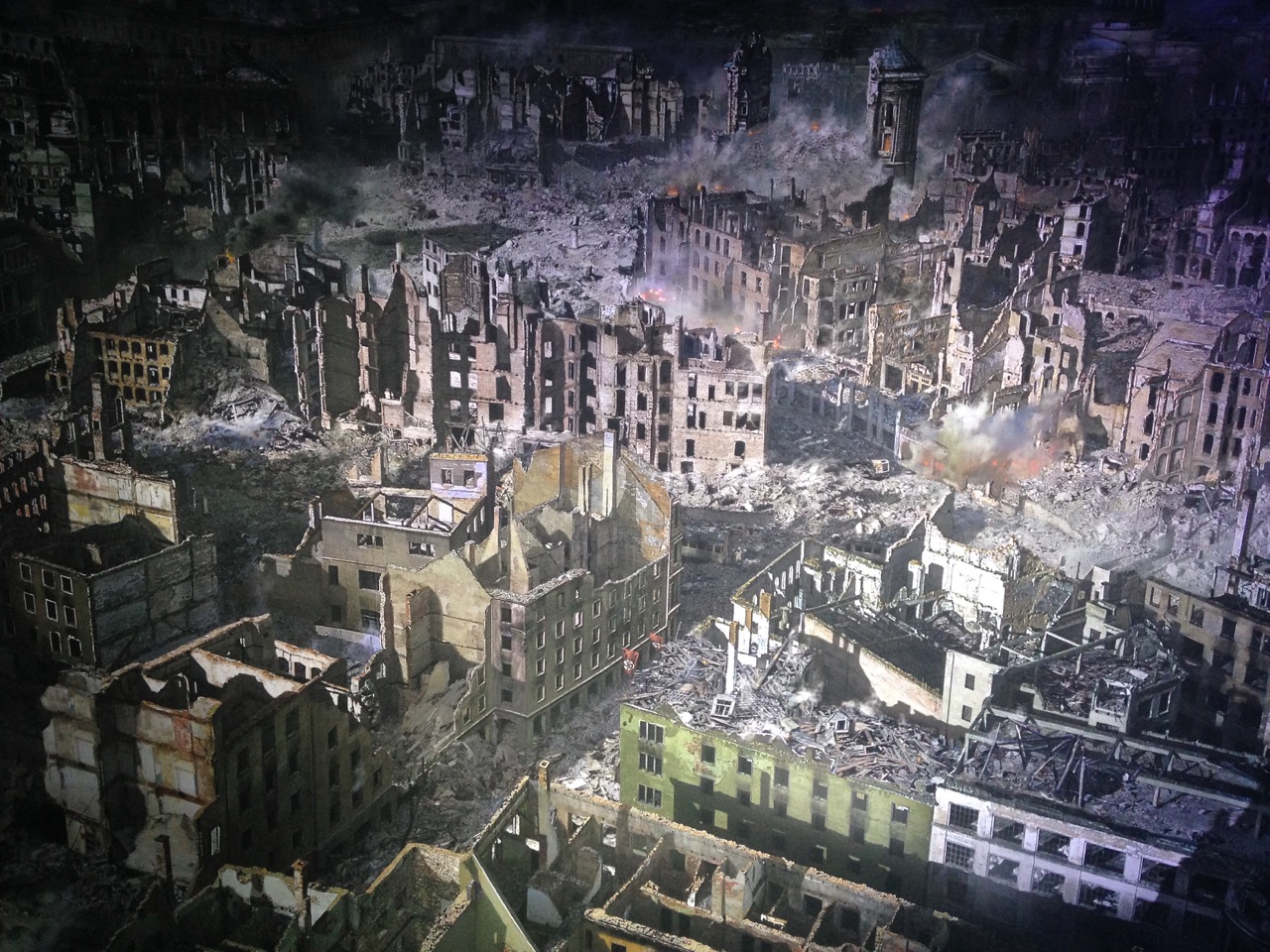
In a former industrial area a few miles away is the antithesis of the Frauenkirche’s resurrection. Housed in an empty gas container, the huge 360˚ digitally processed panorama of the bombed city by the Berlin-based artist, Yadegar Asisi, is almost as mind-blowing. Visitors enter the cylindrical space at ground level but can climb a centrally erected scaffold tower to view the city from various levels. Against a backdrop of music, lights dim or flicker to emulate night or bombs as people stand in silence staring at the abyss of destruction.

Dresden, 1945. A section of the 360˚ Panometer by Yadegar Asisi

Looking at this seems to viscerally insult ones humanity, possibly all the more so because, though we have all clocked the pointlessness of war many times over, “This time, we were the pigs”. In that devastating space, the guest book entry of an American visitor resounds with rare indisputability. This was ‘us’. Whatever our justifications for bombing Dresden – and there are always apparent justifications for aggression, just talk to violent offenders, listen to politicians – we designed bombs to have the maximum impact, not just on buildings or military targets but on civilians. It was an act that rightly continues to needle our ‘heroic victors’ narratives and shake the moral high ground we want to, and often do, occupy. For that reason alone, I am grateful for Dresden. 

Left: one of two original walls left standing

Nearly seventy-five years on, only the dark sections of the original Frauenkirche and the blackened stones that polka-dot the soft sandstone exterior like plasters bear witness to the horrors of those two fateful nights in February 1945. As normal life buzzes at its feet, the church, often filled with music, stands defiantly, a profoundly moving symbol of peace and reconciliation and a testament to the sheer bravery, optimism and determination of Dresdeners.

D-Day was mind-boggling in every way. So how should we ‘remember’ it when we have no more firsthand witnesses?

With all the D-Day commemorations and talk of heroes of the past week, I have to think of my naval English grandfather. His contribution to D-Day was possibly a little less than heroic. He had been invited to give a naval lecture at his son’s prep school and somehow, failing to realise they were still under security wraps, told a room full of enthralled, wide-eyed boys about the Mulberry Harbours. It was only when he spotted two even wider-eyed parental marines in the audience that he realised the top-secrecy of the information he had just imparted. Convinced he would be court-martialled, he emerged from a sleepless night hugely relieved to find the allied landings splashed all over the morning papers’ front pages.

I have to admit I have been profoundly moved by the commemorative ceremonies of D-Day’s 75th anniversary. It’s of course a well-known story but the BBC’s live coverage of events, first by Huw Edwards in Portsmouth and then by Sophie Raworth in Bayeux cemetery, felt particularly fresh. With the help of original footage, the incredible story of Operation Overlord was brought to life by historians Dan Snow and James Holland and some of the 300 or so nonagenarian veterans who had travelled there for the occasion.

What struck me anew was the sheer scale of the invasion. It is unsurprising that it is still considered the most ambitious and biggest land, air and sea operation ever in history. Every aspect of the assault is almost impossible to imagine, not least the out-of-the-box thinking, off the scale planning and coordination that lay behind it. As one of my single father friends said, “organising a picnic for two is hard enough, so I cannot begin to imagine how they organised…” – and here I’ll give you a few facts – 7000 ships and landing craft, 10,000 vehicles and 156,000 troops to land on a fifty-mile stretch of French beaches within a tiny window of good-enough weather. For the ensuing Battle of Normandy, they had to design and construct two harbours the size of Dover and then somehow get them across the channel. 442,000 cubic meters of concrete had to be transported; breakwaters were created out of old scuttled transport ships and warships of allied countries; they had to build jetties for the millions of tons of supplies and the two million men that would be needed over the next months: an estimated 8000 tons of fuel per day, half a million tanks, gliders, undersea pipelines, self-heating soup cans, air-portable motorbikes…. it’s utterly mind-boggling.

Veterans at Portsmouth

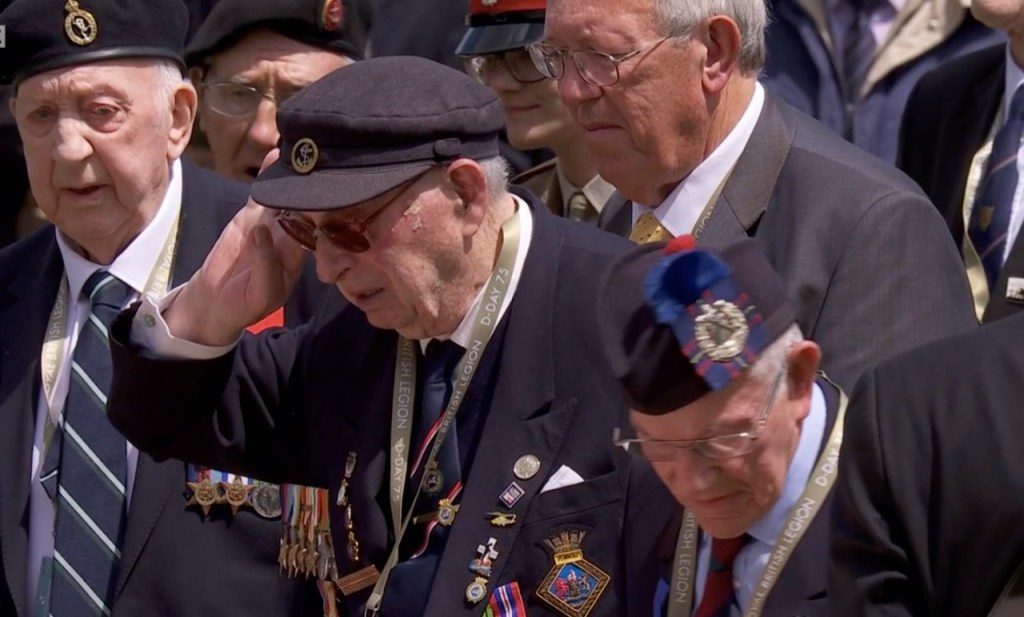
But facts and logistics aside, if that’s possible, the focus of these two days of commemoration was undoubtedly on the raw courage of the men involved. Approximately 4,400 allied soldiers were killed in the Normandy landings of June 6th 1944 and a total of 22,442 men and women died in the subsequent months of the Battle of Normandy. Many of those who fought were mere teenagers; many were conscripts who didn’t want to be there; none of them had any idea if they would return. Seventy-five years on, the last witnesses were returning to the sites of their nightmares to remember their mates who didn’t come back. In spite of the rows of medals proudly displayed across their chests, most don’t see themselves, nor do they want to be seen, as heroes. “A hero is someone who does something they don’t have to do,” said one. “I just had a job to do and I did it.” Instead, it was the friend “who gave his most precious gift, his unfinished life” who was the hero.

Veterans lay wreaths in Bayeux Cemetery

We have followed many veterans over the past decades, but watching and listening to these men had more poignancy than anything I have ever seen in terms of remembrance. Shrunken by age and accompanied by young serving personnel, they tottered across stages or among gleaming rows of beautifully kept war graves to lay wreaths or share their stories. The emotion was tangible even through the television screen as cameras moved in on old faces of men staring into a far distance where the roar of battle still resounds, their usually stiff upper lips wobbling as they wistfully recall their friends or quietly re-live the memories of carnage and gunfire that have privately haunted them for the past seven decades. I can’t think of a more powerful tribute than seeing a 95-year-old veteran with tears in his eyes, saluting.

Veterans in Bayeux Cemetery

Through them, we can touch history. But what happens when they are gone? I already feel a sense of nostalgia for the old-school dignity, modesty and courage that defined them. And what about the lessons they implore us to learn: Keep away from war, resolve for it never to happen again and remember. This Channel 4 footage of two British and German veterans meeting for a beer makes it clear just how painful, to the point of impossible, it has been for some of them to extend the hand of friendship to their former enemy. But when they are gone, I think that kind of future-orientated reconciliation is precisely what our remembrance culture should focus on rather than past victory, heroism and ‘triumph over evil’. “Too much remembering is a dangerous business,” Simon Jenkins says here and I agree.

As is always so clear on such occasions, our current world war commemorations are also designed for the families of those who served. Every soldier or casualty of war is someone’s son or grandfather, wife or mother, so could we from now on extend the healing attributes of honour, gratitude, pride and remembrance to others beyond ‘our own’ and re-dress the imbalance of our history books by broadening our victor’s narrative to include a far bigger picture of what actually went on for us to win the war?

It’s good that the 40,000 French civilians shot for resisting were included in these celebrations. There was also acknowledgment of the occupied French living in daily terror of the Nazi regime and the vital roles of the millions of men and women working behind the scenes in factories, hospitals, Bletchley Park as well as all those who risked their lives to report on the front lines. But President Putin, who wasn’t invited, reminded us that the Russians are also worthy of remembrance and gratitude for the three years and gargantuan losses they endured fighting German forces both prior to and after D-Day. And American friends, whose grandfathers had fought just as bravely in Italian campaigns, told me they wanted them be given the same level of acknowledgment as the D-Day heroes.

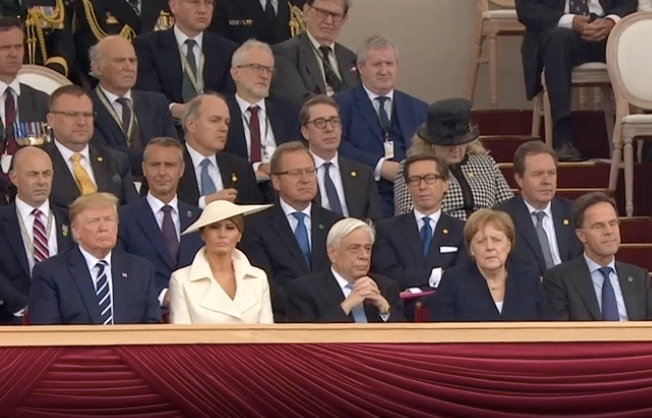
Angela Merkel in Portsmouth

I don’t expect anyone to share my thoughts for German soldiers, but on this day I found myself imagining those young German men who woke up in their bunkers on June 6th 1944 to the terrifying spectacle of 1,700 enemy ships rolling towards them like a tsunami from hell. Many of them were conscripts and “just doing their job”; many of them didn’t want to be there; many had instant psychiatric breakdowns and up to 9,000 became D-Day casualties. Many of them will be the fathers and grandfathers of our German friends today.

Other articles on the subject:

It’s time to move on from these overblown commemorations of war | Simon Jenkins | Opinion | The Guardian

The Latest: German ambassador talks of war ‘we provoked’            

75 years after D-Day we’re still astounded by the sheer scale of Operation Overlord

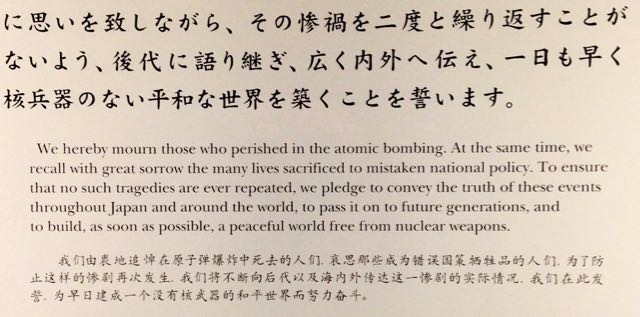
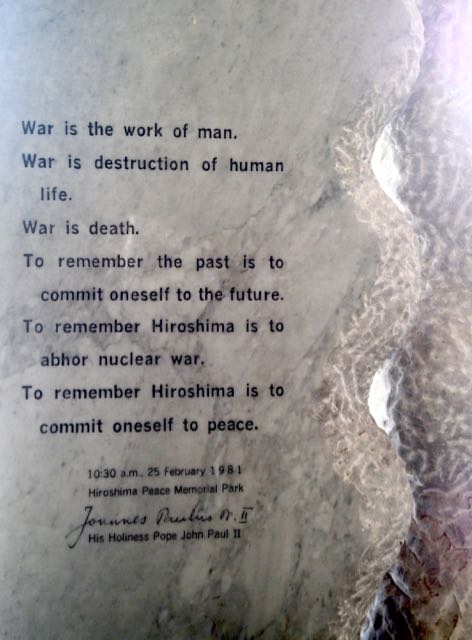
Japan’s heartfelt call for peace… but could it be even stronger?

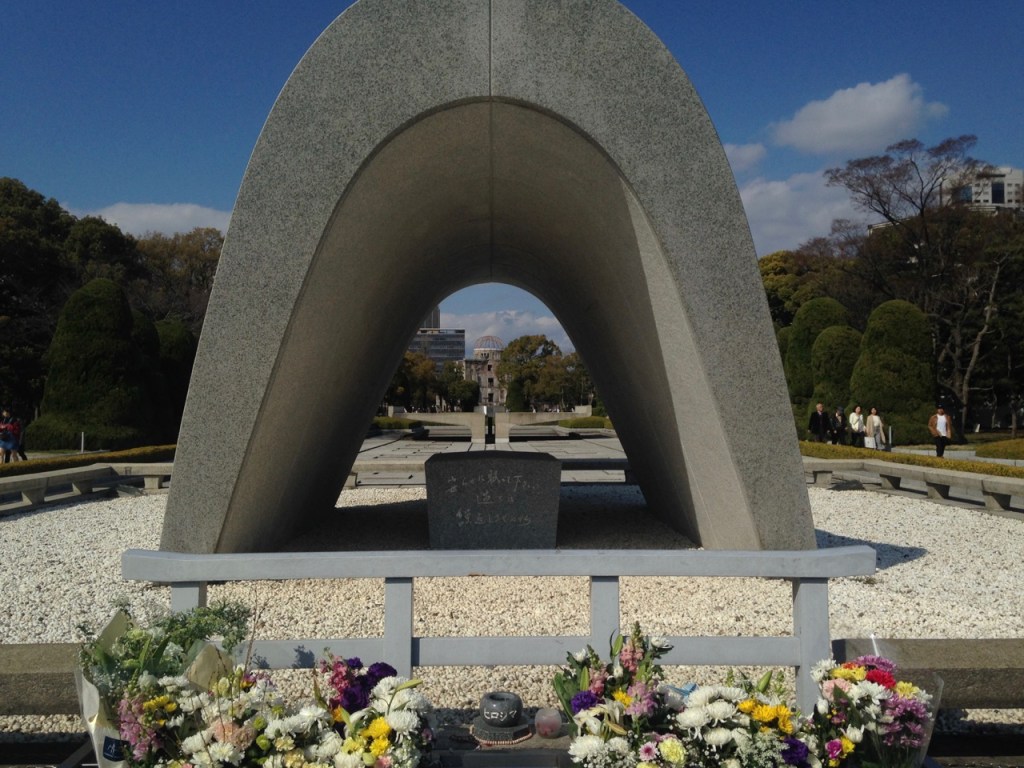
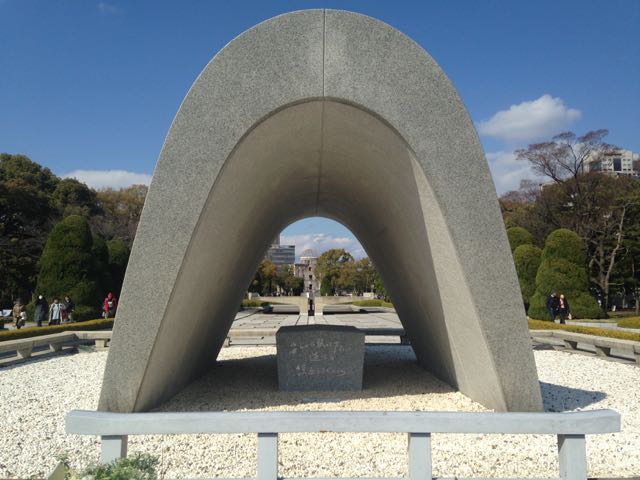
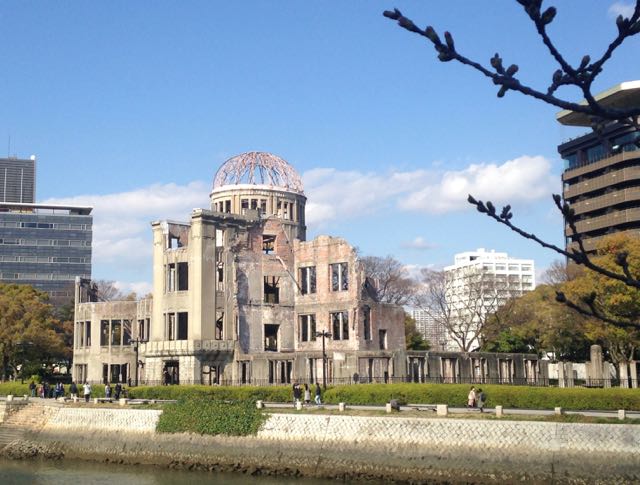
Whose call to peace is stronger? The call made by victims of conflict, or the call made by former perpetrators? That was the question I found myself asking as I wandered Hiroshima’s Peace Memorial Park earlier this month. 

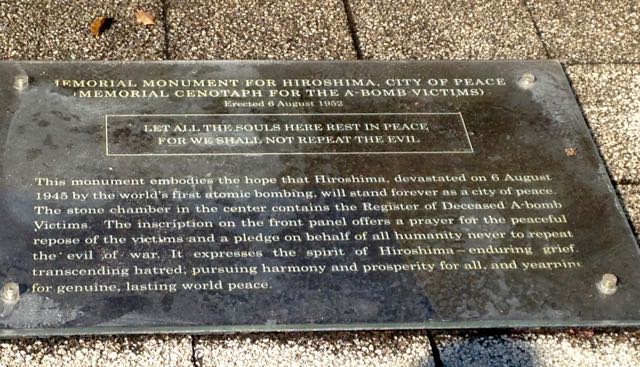
Memorial Cenotaph
Hiroshima Peace Park
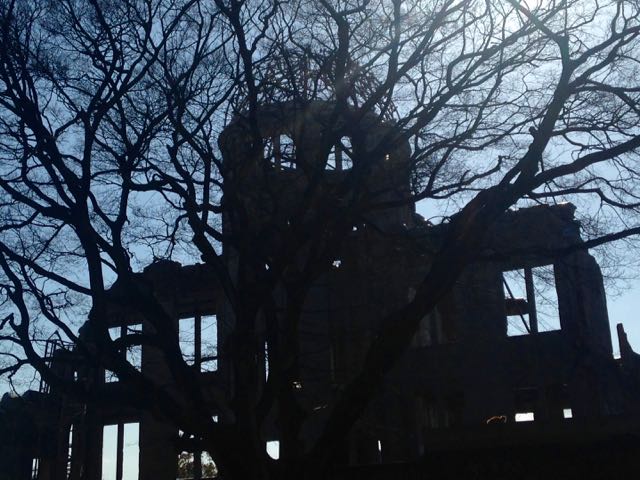
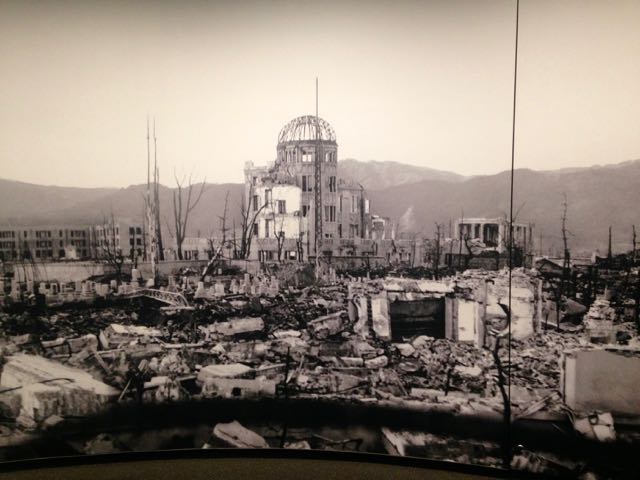
The A-Bomb Dome
The A-Bomb Dome

Japan is unique in so many ways. It’s a fascinating place of extremes and contradictions, where sublime beauty and attention to detail exist beside mass-produced, plastic-wrapped ugliness. I don’t think I have ever been to a place where so many things feel completely alien.

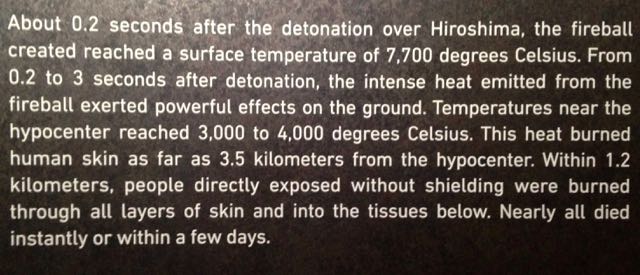
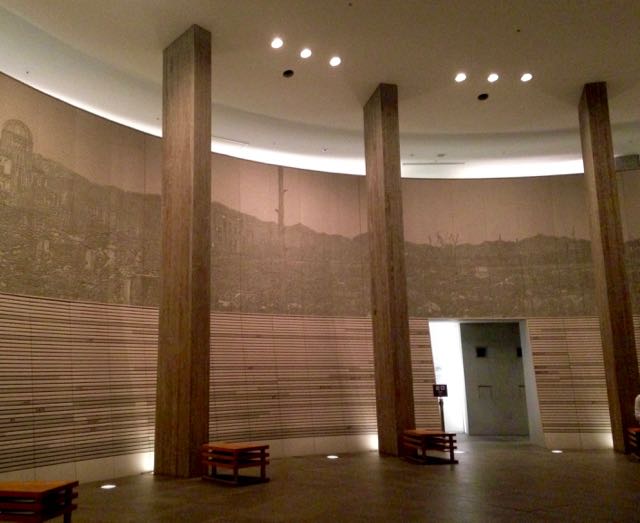
Of course Japan is also unique for being the only country in the world to have been victim not just to one, but two nuclear bombings. And it is very clear from the messages in Hiroshima Peace Memorial Museum that that narrative has played a strong role in defining how Japan sees itself today. Throughout the park were heartfelt messages offering pacifism and reconciliation as a path forward. 

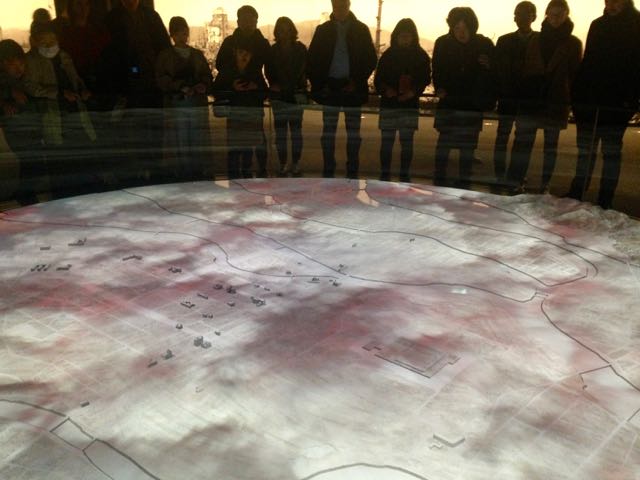
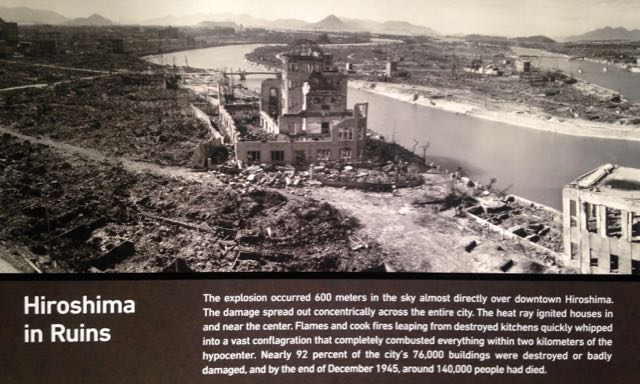
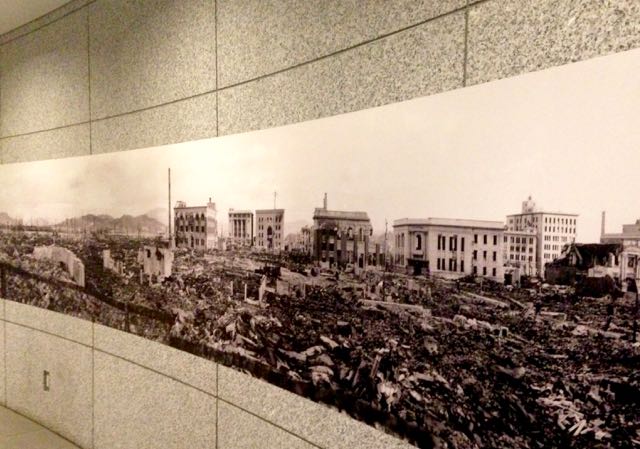
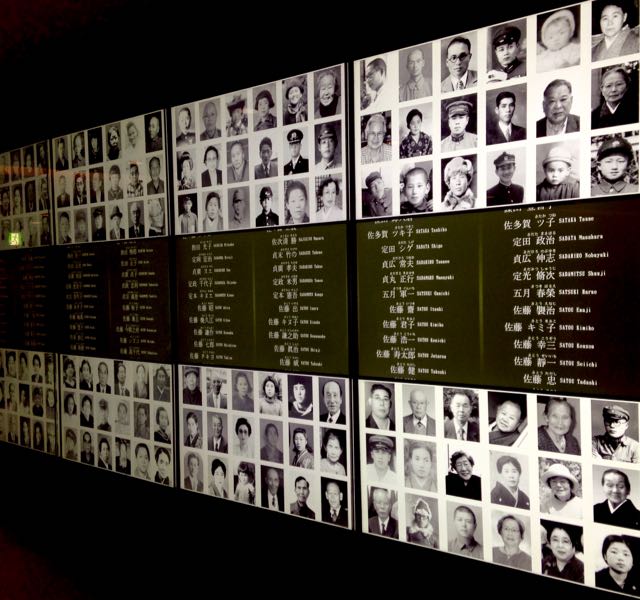
I honestly can’t imagine how anybody could emerge from the Peace Museum’s collection of photographs and preserved artefacts untouched by the epic tragedy. Twisted clocks stopped in their tracks at 8.15am and the charred remains of a lunch box or child’s tricycle serve as illustrations to the deeply moving and disturbing testimonies of eyewitnesses or parents, whose children blistered and bubbled to their deaths. Surely nobody can think atomic warfare is a good idea. 

And yet, as I wandered the park, I found a “but” forming in my mind. Not about the inarguable suffering of the inhabitants of Hiroshima and Nagasaki, but about the fact that the Japanese were also known for being the aggressors of ruthless cruelty, particularly in the Pacific theatre. For their call for peace to be truly effective, I needed ‘Japan the perpetrator of huge suffering’ to stand hand in hand with ‘Japan the victim’. But this admission of guilt is largely lacking. And maybe it is wrong of me to expect Japan to respond as honestly as Germany in this regard. After all, is it not just responding the same way as all countries… in fact, most perpetrators of crime… well actually, most of us as individuals when it comes to our own misdeeds?

Over the years there have been expressions of remorse, such as Prime Minister Shinzō Abe expressing “deep repentance” for Japan’s actions during World War II at a Joint Session of the United States Congress in 2015. But one could see this through a cynical lens, as a strategic move designed to emphasise Japan’s reconciliation and alliance with the USA: Two former enemies turned staunch allies become leaders in the promotion of free value and the rules of engagement in the international community. Meanwhile, Japanese textbooks focus on the suffering the Japanese public had to endure and gloss over Japan’s own devastating actions as an imperial power. Even when they do acknowledge them, it is again as a victim. They look at Japanese foot soldiers’ suffering in Burma, Thailand and Indonesia, ignoring the perspective of the countries colonised or attacked by Japanese forces, like China, Korea and South East Asia.

After my talks on Germany’s culture of apology and atonement, I am often told stories of parents who had fought in WW2 and been able to forgive the Germans… but not the Japanese. Germany was, of course, every bit as cruel albeit in a different way, but it has long held up its national hands in the most unconditional admission of culpability and display of penitence any nation has ever shown towards its own deeds. When people wonder why Japan hasn’t done the same, it could be argued that the answer lies in the reversal of the question: Why has Germany done so much? For Germany is utterly unique in this regard and Japan is merely following the tradition of all other nations around the world. 

The idea of national guilt and the potential need for a nation to apologise is a newish one. And, having been a staunch supporter of apology as a way to forge a new identity, I am actually questioning its importance as a gesture long after the event. True apology is deeply transformative, but when it comes to retrospectively apologising on behalf of a nation, can an apology by people who didn’t do anything to people to whom something wasn’t done have any real effect? So I think my question is now taking the shape of: How can a nation acknowledge its misdeeds and actively dismantle their negative legacy? This could be in relation to slavery, colonialism, war crimes, discrimination… By doing so, we open up the possibility of having dialogues that are less binary than the divisive, fact-based discourses about perpetrators and victims, right or wrong, good or bad etc. and rather focus on the experiences of individuals now; how they have been impacted and what would help them.

So, in answer to my opening question ‘Whose call to peace is stronger?’ I think I would answer, that of the former perpetrator. Because, in order to arrive there, they have had to pass though a deeper process of unflinching honesty, self-reflection, humility and genuine transformation.

For 27.1. – a Holocaust Memorial Day tribute to my audience last week

Nothing on the booking form or accompanying correspondence gave any clue as to who my audience would be on Thursday morning last week. I just turned up at Kenwood House on the edge of Hampstead Heath ready to give my German memorial talk to the monthly Arts Society. As we stood in the frosty sunshine waiting for the house to open, the Chair mentioned almost in passing, “This is North London, so most of our members are Jewish.

Read More »