Back to Jail, this time with a book not a paintbrush… 

There was something deeply familiar about the process of entering HMP Wandsworth last week. The first time I was there was in 2003 in my role as Arts Coordinator for the London-based Koestler Arts. I had founded the Learning to Learn through the Arts scheme a year earlier and was co-facilitating a 4-week dance and art project called Beyond Words.
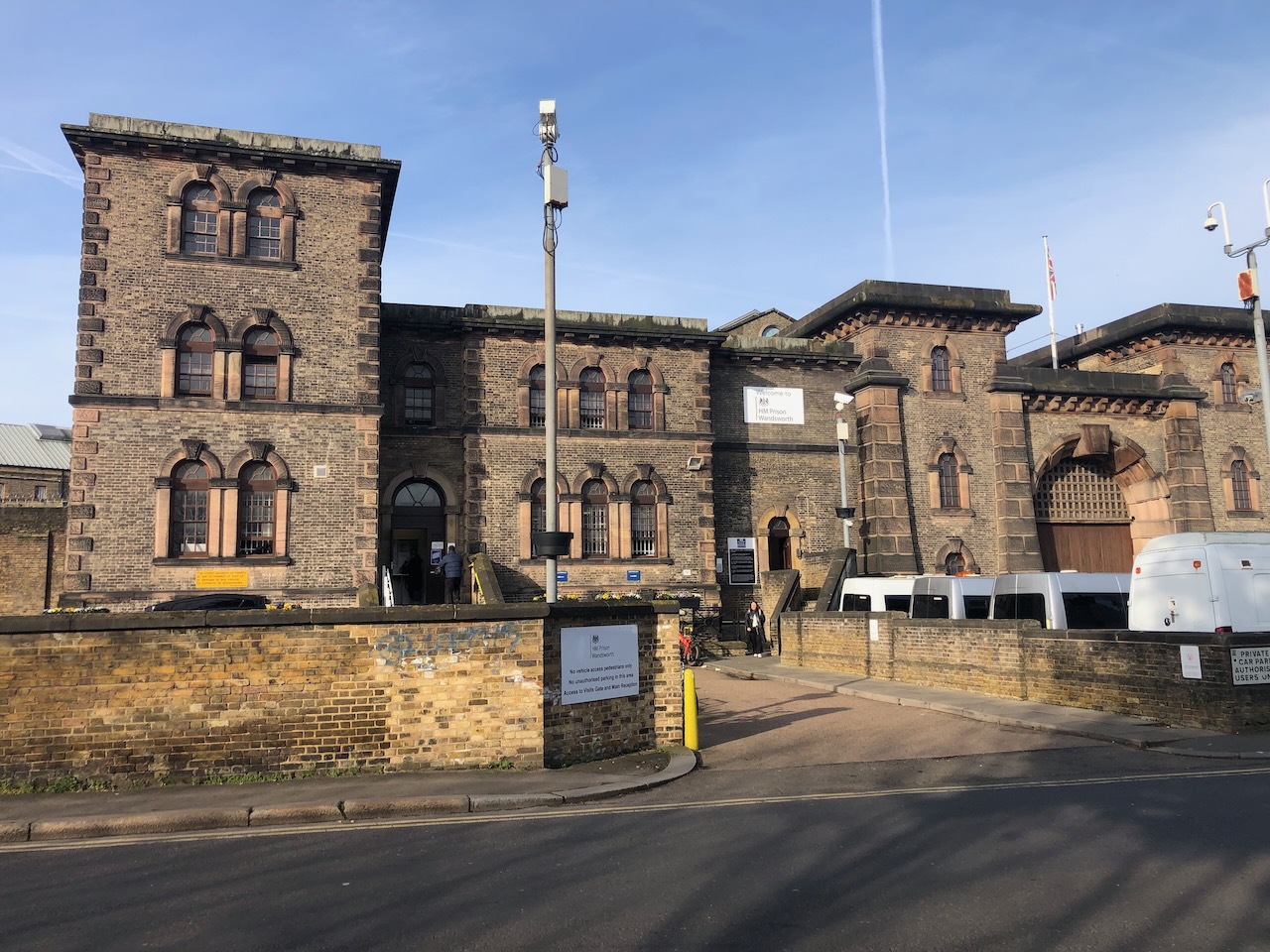
HMP Wandsworth, London

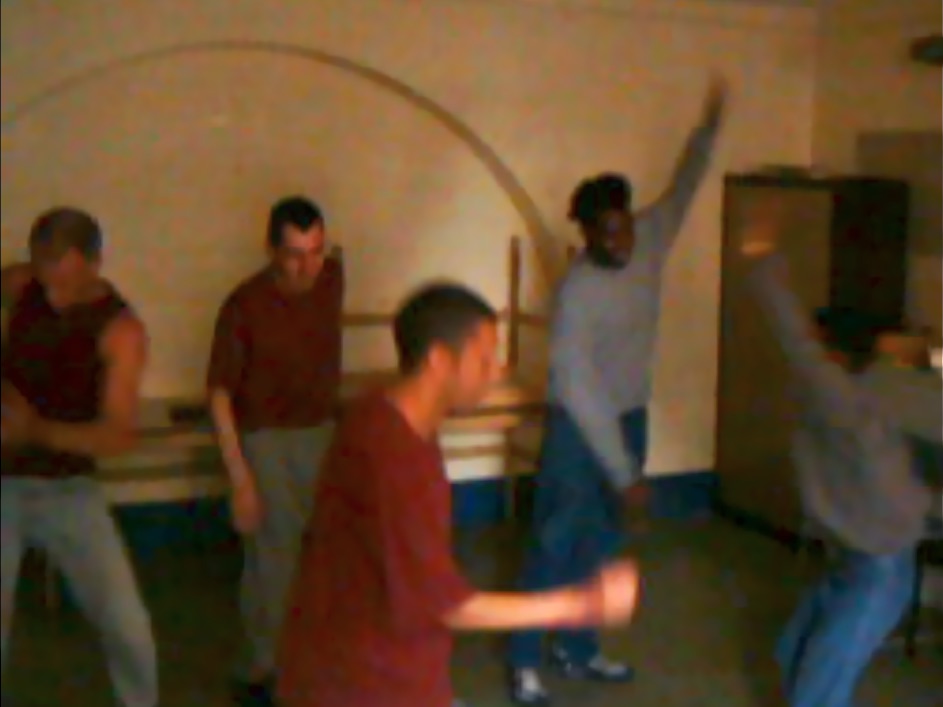
The aim was to bring dance and painting together to create a non-verbal language through which prisoners could express themselves. Each day was a mixture of individual and group exercises that saw the men clambering over tables and chairs to dissolve the formalities of a traditional classroom or splattering paint on paper with Expressionist vigour. Both approaches eventually led to solo multi-media performances and the development of communication skills, camaraderie, trust and sensitivity within the group.

Now, twenty years later, I was re-entering HMP Wandsworth, but this time in the wholly verbal capacity as author of In My Grandfather’s Shadow.

For people who haven’t experienced it, entering a prison can seem synonymous with entering hell. And for many, it probably is. This blog therefore feels unintentionally apposite to Good Friday, the day in the Christian calendar that signifies the crucifixion of Jesus Christ and his descension into hell. We have grounds for this picture of infernal misery from exposure to BBC programmes such as Prisoner,   Time,  Disclosure: Prisons on the brink.  Or five series of Prison Break. But my visit couldn’t have felt further from those dark scenes. 

The beautifully organised event was the result of a brilliant collaboration between the Wandsworth Prison Library team and the charities Give a Book and Prison Reading Group (PRG). Generous book donations came from Penguin Transworld and Radio Wano, the prison’s in-house radio station, took care of publicity. I knew from experience how difficult arranging such events can be. Months of dialogue and organisation can be kiboshed by any number of unforeseen occurrences, or simply by time-poor officers’ inability to deliver the prisoners to the room.  
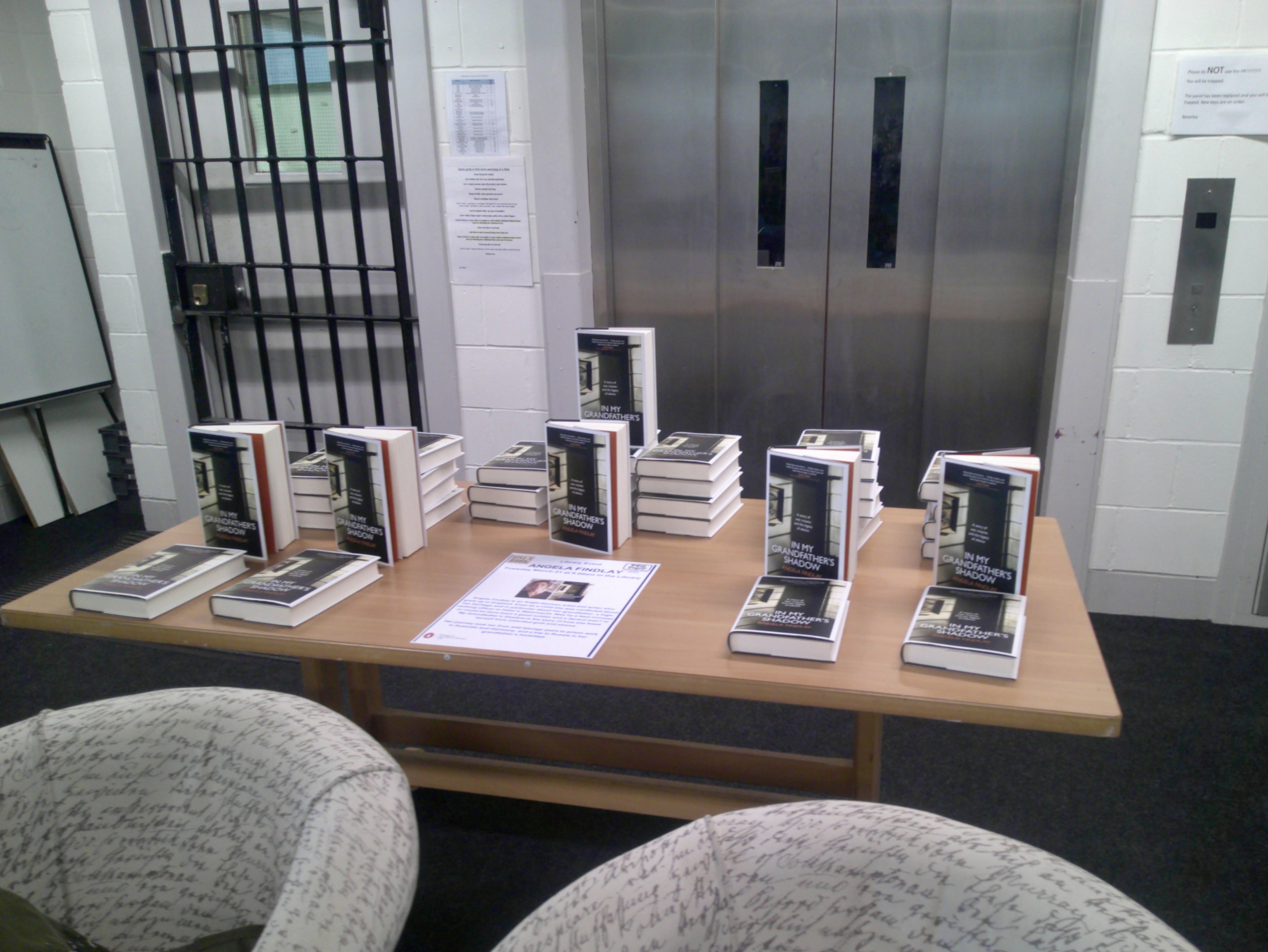
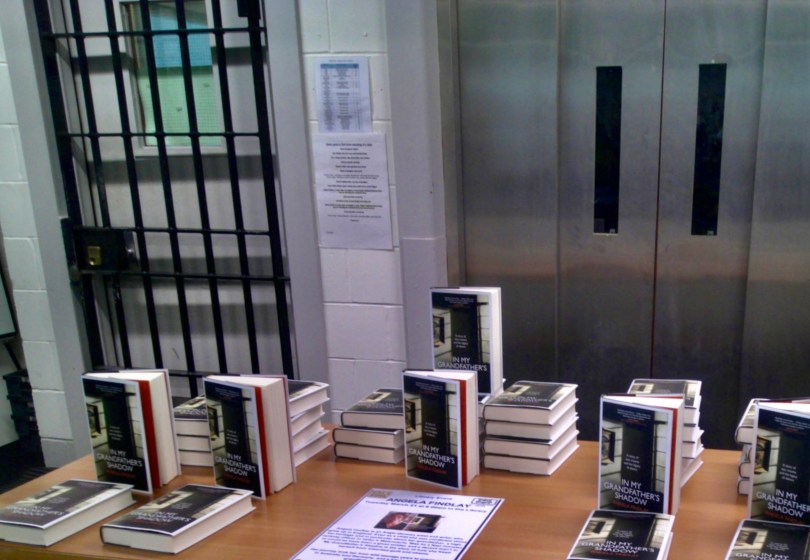
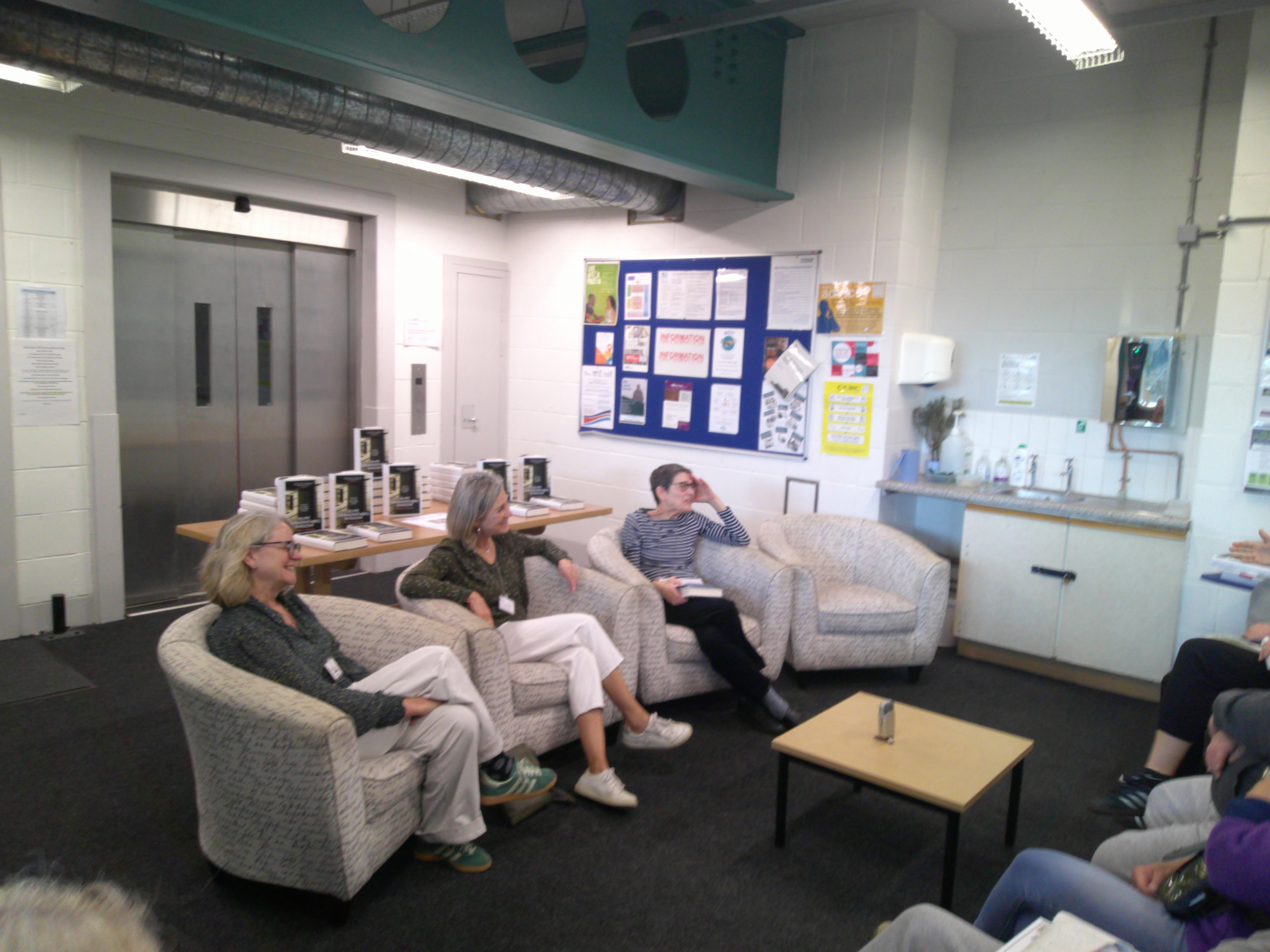
Not on this occasion though. Thirty-five men, mostly already seated, some with copies of my book on their laps, awaited us as we took our seats in front of a display of hardback copies that rivalled any book festival’s. Unlike my regular illustrated talks in which a series of images ties me to a certain chronology of thought, I was able to speak freely, engaging the antennae grown over years working ‘inside’ to gauge the interests and sensitivities of my audience. As I spoke into the men’s intense attention, I sensed cogs turning in brains as they connected my words to their personal situations. So many of my book’s themes speak to their experiences of trauma, addiction, conflict, violence, guilt, shame, depression, intergenerational family legacies… 

Like a muscle memory, my heart opened as they began to engage verbally, asking questions and contributing informed opinions and philosophies of their own to mine. One of the librarians said to me afterwards, ‘They are so deep.’ And yes, their questions dived in at the deep end, not dissimilar to audiences in Germany. Intelligent. Philosophical. They know darkness. And they recognise how you get there. What I, as always, hoped to show was a way out.
At one point, as I related how I had felt ‘at home’ in prison as a young woman, a prisoner suggested that it may have been because they are at the bottom. ‘We are the bottom of society.’ He was right. That is the perception of many. Shame is the ultimate bottom dweller of emotions. And in feeling shamed as a teenager for being half-German, I would have related well to those who resided at ‘the bottom’.
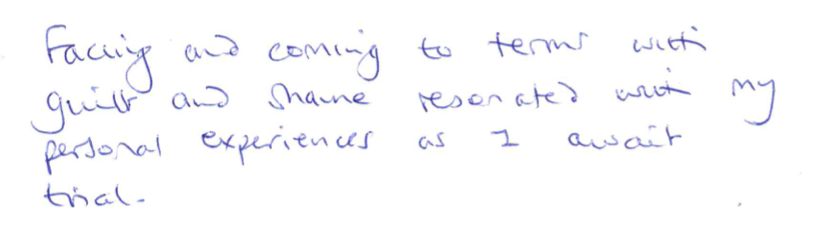
Comment from a prisoner at HMP Wandsworth

I cannot, however, see these men – and I say men as a generalisation because 95% of the prison population is made up of men – as genuinely being at the bottom of the human pile. It is wrong of society to simply clump them together into one unnuanced band of criminal brothers. There are of course some horrendous crimes. But each person is both individual and potentially so much more. Each has a story, a journey of how they got here. And dreams for something different.

One man revealed he had thought about writing his story but felt nobody would be interested. ‘What makes you think that?’ I enquired. ‘Because it would be too dark,’ he replied only to be refuted and encouraged by others with claims that the crime thriller is one of the most popular genres. 

Listening to and briefly meeting the prisoners at this library event didn’t appear to correspond to the prison statistics I regularly quote in my Art behind Bars talks.
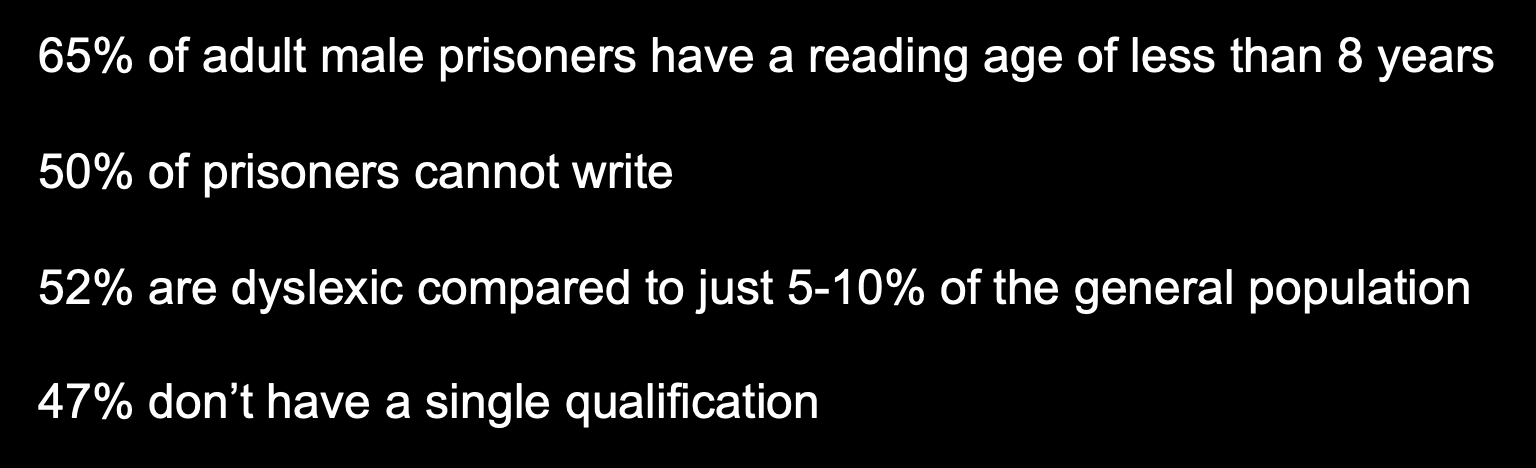
A 2022 government review of reading reported: “The most recent data published by the Ministry of Justice shows that 57% of adult prisoners taking initial assessments had literacy levels below those expected of an 11-year-old.” There is nothing new here, but they remain shocking statistics. And yet my experiences tell me that in spite of high rates of ADHD, illiteracy, dyslexia, prisoners are far from ‘thick’ or even uneducated. They may have failed in or been excluded from mainstream education, but all too often that is because they have not received an education appropriate to their learning styles or needs. It’s an education that doesn’t recognise or value what their experiences have taught them about life.

Once the discussions were over, a long queue lined up for signed copies dedicated to names that revealed the audience’s colourful cultural mix. Many imparted tantalising snippets that hinted at reasons for their interest in my subjects… they were from Poland; they were fascinated by alternative perspectives on WW2; they now recognised how their actions might impact their children; they longed for intellectual stimulus. 

L-R: Standing: Sarah Turvey (Founder of PRG) and Mima Edye-Lindner (Director of Projects, PRG) Seated: Me, Paul Eden (Volunteer for an HMP Wandsworth Reading Group), Susanna Wadeson (Penguin Transworld)

The importance of the work of HMP Wandsworth’s Library – headed by Beverley Davies and her Senior Assistant, Hannah Pickering (who was taking the photographs) – and the work of Give a Book, PRG and their reading group volunteers plus all the Arts Projects taking place in prisons around the country cannot be underestimated. I am so grateful for and heartened by it. Traditional classroom settings are not always the way to educate people. There are other ways to inspire minds. As Antoine de Saint-Exupéry wrote in Citadelle:

If you want to build a ship, don’t drum up the men to gather wood, don’t divide the work and give orders.

Instead, teach them to yearn for the vast and endless sea.

Last week’s Library Event seemed to do just that as both the below comments from the Library and Prisoner Nr. XXX reveal:

“The guys were really buzzing afterwards, and it was great that other people noticed what was going on and wanted to get involved. All the books were taken which is a real positive.”

Prison Reading Group was founded in 1999 by Jenny Hartley and Sarah Turvey. Together with the team from Give a Book and Director of Projects Mima Edye-Lindner, they delivered 5000+ books to 84 groups in 64 prisons.

If you would like to support them, please go to their websites: https://prisonreadinggroups.org.uk

Is trying nonagenarians for Nazi War Crimes the best way to achieve justice?

If it wasn’t so serious, the idea of a 96-year-old going on the run to escape trial would be quite comical. But behind the image of an old lady hopping into a cab at her retirement home and fleeing for the subway station in the early hours is a quagmire of deeply complex and emotive issues.

Irmgard Furchner stands accused of having contributed to the murder of 11,412 people between 1943 and 1945 when she was an 18-year-old typist and former secretary to the SS commander of the Stutthof concentration camp in Poland. She is the latest of several nonagenarian Nazi war criminals to be brought to trial, some of them in youth courts because they weren’t adults at the time of their alleged crimes.

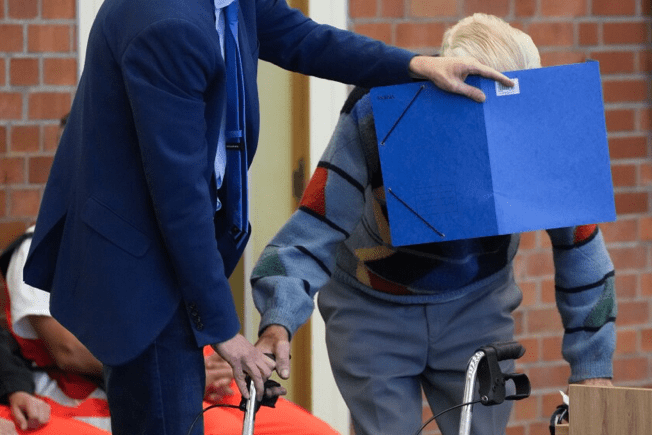
Irmgard Furchner being brought into court

The reason this particular case captured my attention is partly because it coincided with the seventy-fifth anniversary of the final day of the Nuremberg Trials that saw twelve senior members of the Nazi establishment sentenced to death by hanging. And partly because the hearing Furchner was due to attend was in Itzehoe, the same north German town that I have been going to all my life. I have been looking Nazism and the Second World War in the face for several decades now, but my countless happy memories visiting relatives there had completely insulated it from the chill of Germany’s wider history. 

Now it is in the spotlight as the face of retribution. So, is it a total no-brainer that even seventy-five years later, such people, nonagenarian or not, must pay for their part in some of the worst mass killings in history? Or is this more a rush by prosecutors to seize the final opportunity to redress the failures of the previous decades? Will sentencing these last Nazis to time in prison achieve justice for the victims? Or are these trials there to serve the broader objective of Never Forget? Is a ninety-year old even the same person as their eighteen-year-old self?

The last guilty verdict issued was to former SS guard Bruno Dey, who was handed a two-year suspended sentence in July 2020 at the age of 93. The 2019 trial against 95-year-old Johann Rehbogen for his service as a guard also in Stutthof Concentration Camp, had to be terminated as his organs were failing. The only successful conviction was of 96-year-old Oskar Gröning, the so-called ‘bookkeeper of Auschwitz,’ who was sentenced to four years in 2015 but died in hospital after his several appeals failed. I wrote about him at the time in my blog. In his case he had not tried to evade justice. Driven by a desire to counter Holocaust deniers and prevent something like Auschwitz from ever happening again, he had been openly talking about his time as an accountant in the death camp. His testimonies, however, were used against him in court with the unintended outcome that other low-level perpetrators and bystanders went silent. 

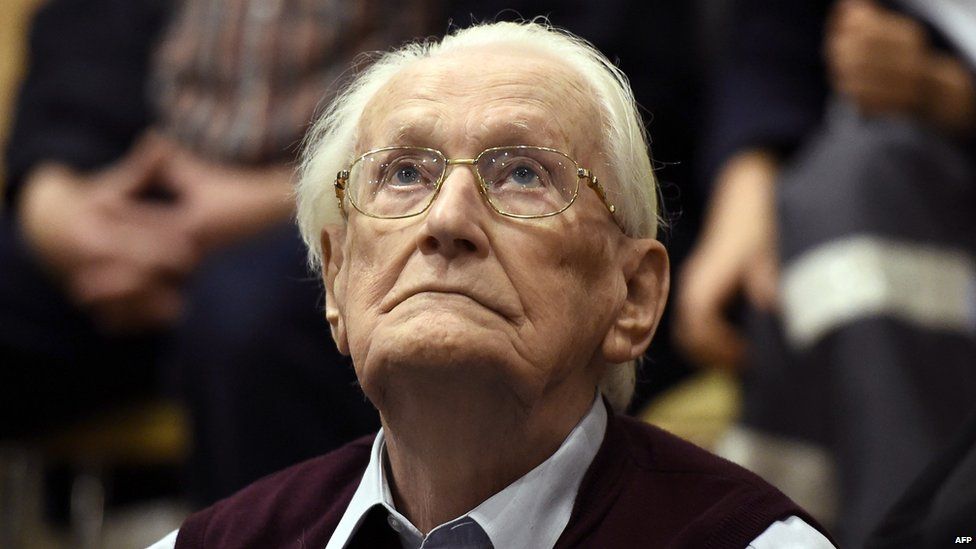
Oskar Gröning at his trial in 2015

For some people, the greatest justice to all victims of Nazi persecution that these trials can provide is to keep the crimes fresh in peoples’ minds and prevent them from being forgotten, denied or trivialised. They force Germans, including younger generations, to listen to the testimonies of survivors and to rake over the whole disturbing and uncomfortable past once again. 

It is so important that we never forget; that we all learn the lessons that Germany’s descent into barbarity and atrocity teaches us, not least about the vulnerability of democracy today. But survivors often declare that legal retribution is not the main outcome they are after. That they are more interested in shining light on unresolved or overlooked crimes and contributing to Holocaust remembrance and education. 

So, are we now at a time when imprisonment is a less effective response than a more direct dealing with the aftermath of the offence? Is there now another way that serves justice to the many victims of the Third Reich and their descendants AND sends a powerful message to would-be perpetrators of mass crimes that they will never get away with murder AND contributes to remembrance and education AND offers possibilities for healing and reconciliation? 

The past cannot be changed, but the present can. Might communication between those harmed by and those implicated in Nazi crimes, within the safe frameworks of Restorative Justice or mediation initiatives, offer the possibility to fulfil all the outcomes desired by the survivors? Could the excrutiating discomfort of acknowledgment of past wrongdoing be the punishment? Would talking together create an opportunity to resolve some of the harm and nurture the shoots of healing, forgiveness and reconciliation that can sprout from really listening and really being heard? 

Further reading:

Trial of 100-year-old man in Germany: why Nazi war crimes take so long to prosecute – The Conversation

Former Nazi death camp secretary, 96, remanded in custody after going on the run – Times of Israel

Nuremberg: The Trial of the Nazi War Criminals – Radio 4

Germans are right to pursue 100-year-old former Nazi war criminals – Irish Times

Are ‘chain gangs in high-vis jackets’ really the best way to beat crime?

I was going to divert from the usual themes of my blog and write about something light and summery. But then the government published its Beating Crime Plan and, though I can’t face going through all of it, I feel compelled to point out a couple of things. Because its showy, populist, tough-on-crime bluster and glaring ignorance of the real issues is a smack in the face for anyone who dared hope for a different, progressive or even a building-back-better or levelling-up approach.

You can read the full paper here if you really haven’t got better beach or staycation reading. Or just get an idea from the different views on its content in some of the links below. For now, I am just going to take two examples that come straight out of Boris Johnson’s mouth to illustrate my point. Which is basically that little of this is going to work… because it never has. 

The first quote is from the foreword:

“None of us can fulfil our potential if we live in fear, none of us can rise up if we’re held down by those who would do us harm. If we as a society, as a country, are to truly flourish then we have to start by beating crime – and I’m proud that this Government has the plan to do just that.”

So, the first sentence, while true, is also an own goal. Living in fear is precisely what so many children and young people are forced to do in their early lives. It’s what drives them to join a gang for supposed safety-in-numbers; to reach for the perceived protection of a knife; to become an aggressor rather than a victim. 

The second sentence, also off. ‘Beating crime’ is the not the way for a society and country to truly flourish. Crime, like drugs, is a largely a symptom, not the cause of failure. To thrive as a nation, we need to give the most disadvantaged more of a chance to fulfil their potential; to educate and support them to become the person that deep down they know they could be, but can’t find a way to be. As for the government’s plan Johnson is so proud of…

The second example is what Johnson said to reporters: 

“If you are guilty of antisocial behaviour and you are sentenced to unpaid work, as many people are, I don’t see any reason why you shouldn’t be out there in one of those fluorescent-jacketed chain gangs visibly paying your debt to society.” 

I am kind of assuming that all my readers can see reasons why this might not just be wrong, but also deeply offensive? Is it progressive, or even remotely appropriate to bring back what amounts to little less than medieval public shaming? Basic psychology, the Treaty of Versailles, no doubt your own experience of shame all demonstrate how humiliation, even if ‘justified’ usually leads to counter-productive outcomes. As for ‘chain gangs’… really?

And what ‘debt to society’ is he talking about? The debt of having been failed by the education system, of having lived in poverty due to the absence of a living wage, of having been a victim of systemic disadvantage / racism / drug addict parents / trauma / lack of opportunity? Not all criminals fall into those categories, but a great many do.

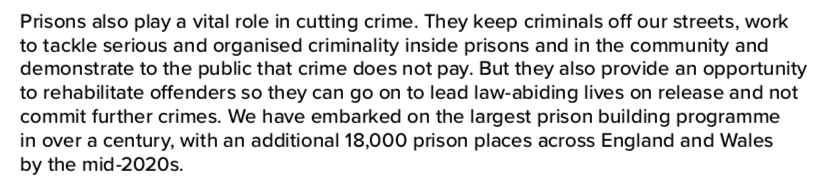
The plan continues with ideas that blatantly ignore recommendations, previous experience, the expertise of those on the ground… and even logic. More stop-and-search powers, even though these are known to disproportionately target black people. More prisons, even though their £37,000 per person per year merely results in the £18.1 billion bill for high re-offending rates, usually within 12 months of release. You just have to read the below paragraph and compare with the statistics to see how deluded and detached from reality the reasoning behind these plans are!

If prisons worked you wouldn’t have to embark on the largest prison building programme… you could spend all those millions of pounds on mental health therapies and drug addiction treatment and prevention; on building soft social skills; on support for dyslexia, jobs, housing… Anyway, I could go on, but it is too frustrating and fruitless to. Maybe next month I will find something lighter and more summery to write about… as long as the government don’t publish any more of their plans.

Related links – not all representative of my opinions

‘Weird and gimmicky’: police chiefs condemn Boris Johnson’s crime plan

Boris Johnson says stop and search is ‘kind and loving’. He’s gaslighting Black people

Boris Johnson Under Fire From Business Chief Over Hi-Viz ‘Chain Gangs’ Plan

Hi-vis chain gangs? This is what happens when a newspaper columnist becomes prime minister

Johnson proposes hi-vis chain gangs as part of crime plan

Crime always pays for the Tories – that’s why they turn to it again and again

Boris Johnson promises ‘fluorescent-jacketed chain gangs’ so criminals can visibly pay debt

Boris Johnson defends police pay freeze

Boris Johnson’s new police plans slammed by former Met officer

BBC World at One (start at 28:18 mins)

PRITI PATEL: The public want to see justice done

A talk, an exhibition and a TV series…

October is a busy month. Lots to see and do or get done. Can I just add three things to your list? The first two are London-based and optional; the third should really be compulsory for everybody.

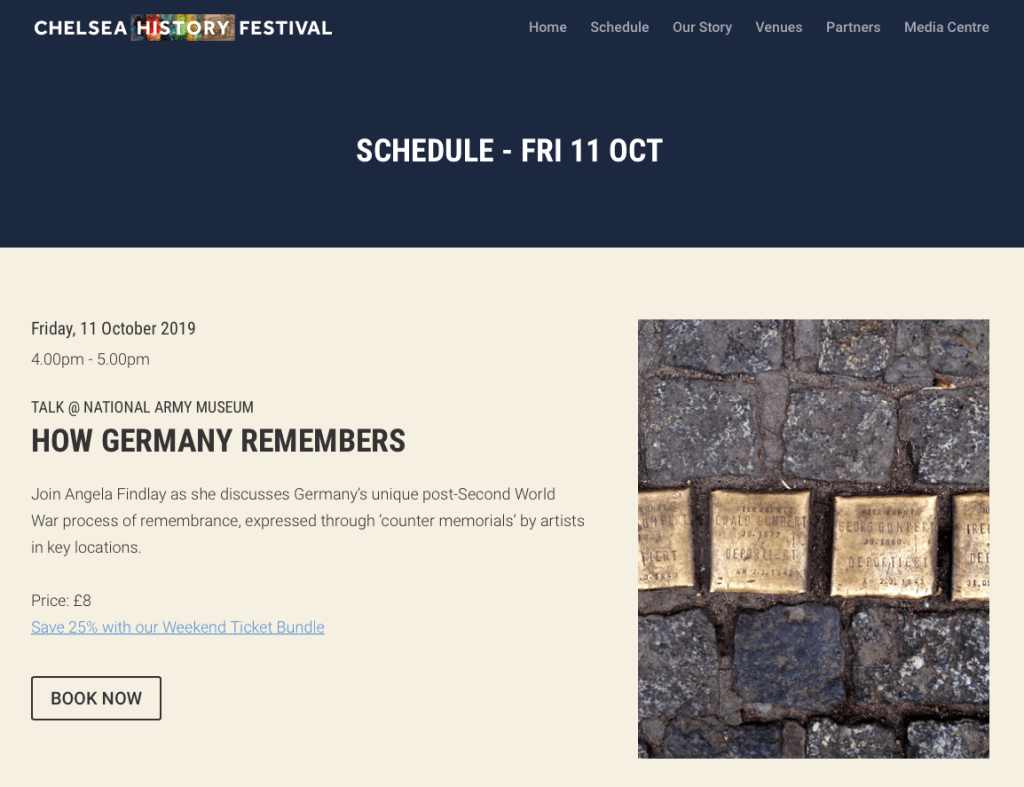
So firstly, for anyone in London on Friday 11th October at 4pm, I am very excited to be speaking at the National Army Museum’s inaugural Chelsea History Festival. My talk How Germany Remembers is just one in a whole line-up of talks by impressive historians, writers and speakers – including Max Hastings.

Secondly, and also this month until 3rd November, The Koestler Arts annual exhibition – Another Me – will be showing at the Southbank. I personally haven’t been yet but I know it will once again provide visitors with a glimpse of the huge talent and potential locked up in our prisons. It is a showcase for what the arts can do for people’s well-being, self-esteem and rehabilitation.

I was in fact invited to expand on these benefits for the autumn edition of The Arts Society magazine. Please feel free to read my article ‘Art behind Bars’ to learn more.

But thirdly, and in stark contrast to the positivity of the arts, is the shocking Channel 4 series Crime and Punishment. I know, I know, I have been here many times before. You are probably sick of me going on about the plight of prisoners and state of our prison system. But you won’t be half as sick as all the people involved, who know how acute the crisis is.

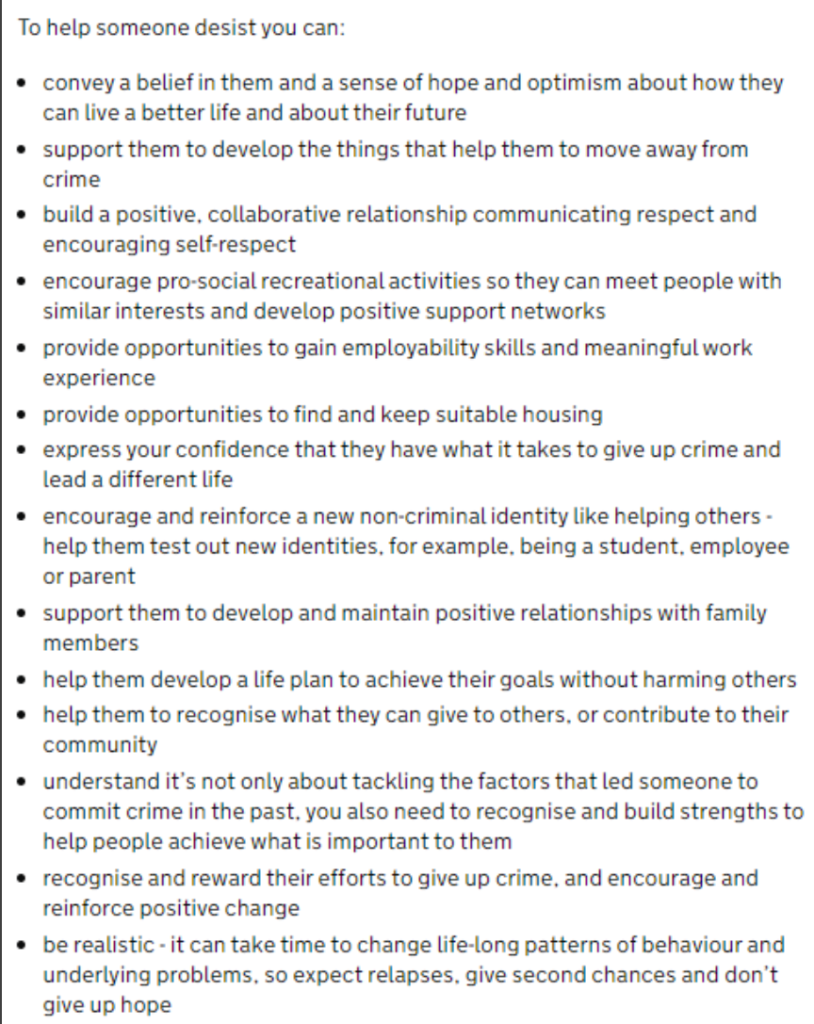
Please watch it. Even just Episode 2. And then compare what you see with the Ministry of Justice’s evidence-based summary of what works…

Even I was aghast at what I saw in the first three episodes, and I have been in many of our jails. Everything has got so much worse since the 43% cuts to the budget from 2011 onwards: the levels of frustration from being locked 23 hours a day in conditions that even animal rights campaigners would protest against; the levels of desperation that lead people to shred their bodies or hang themselves to get a radio or better clothes to wear for a visit from their wife and kid; the levels of terror in young officers who patrol the wings after just 10 weeks training and 2 weeks shadowing; and the levels of weary resignation of those who enrolled to help and make a difference but are repeatedly forced to cower behind plastic shields and just ‘contain’.

Photograph 3
Guernsey Prison, Margaret Macdonald Platinum Award for Photography 2019, Koestler Arts

I believe everybody you see in this series is doing their best. But increasingly without hope of change. What you witness is the underbelly of our society. A society that punishes disadvantage, that punishes mental health, that punishes lack of education. In almost every shot, hopelessness seeps under the cell doors to mix with the blood of self-harm.

We all probably feel there are far better causes to engage with – cancer patients, the rain forests, refugees and hedgehogs; that offenders have only themselves to blame and that prison has nothing really to do with us. But if you are reading this, it probably does. Because so many of us have had advantage, education, guidance and love. And it is precisely us who can help bring about change. How? you might ask. Well a good start would be to recognise that Boris Johnson’s policies to extend sentences and build more and bigger prisons are wholly illogical and will only make the situation worse. You could then take a moment to retreat into your imagination, put on the battered, ill-fitting shoes of some of these offenders and try to walk a few steps. See how far you are able to get. The barriers to a crime-free productive life on release are enormous and once more of us realise just how bad things are, we can all join in with the other voices that are demanding: enough is enough.

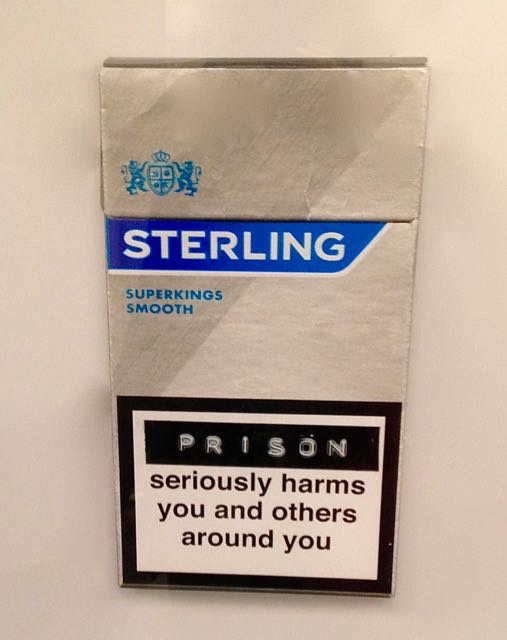
Doing time… or simply wasting time?

When you work in prisons or other extreme situations, certain snapshot images ink themselves on the walls of your memory. Hidden from view for much of the time, they appear like a tattoo when a sleeve is rolled up. I have one such image that often causes me to stop and think. 

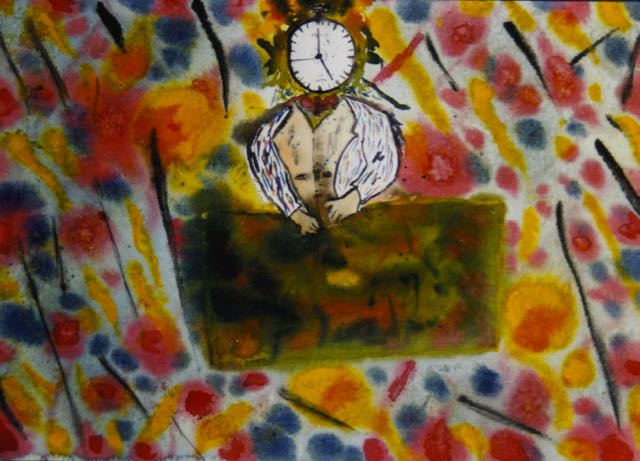
Doing time

It came about on one of my morning rounds, walking from wing to wing gathering up the participants of my art class to accompany them to the art studio. I had a key for all the locked gates through which you had to travel to get anywhere in the prison, but not a key for the cells. Casting his eye over my list of names, a prison officer stuck his metal key into a cell door, turned twice and pulled. The door opened to reveal a small, wiry man sitting on a neatly made, metal-framed bed just staring at the narrow space in front of him. He was dressed and ready for another day of… nothing; of waiting for time to pass. The slight slump of his body and thin, grey hair combed back from his forehead accentuated his pallor as he slowly turned his head to face us. Blank eyes betrayed a hint of the resigned surprise of someone who had got used to the loss of all privacy and power. For a tiny moment our eyes met. Was it a flash of hope I saw before the officer, realising his mistake, pulled the door closed without a word and locked it once again? I stood motionless as he studied the list and moved towards another cell, imagining the tiny man turning back his head to continue staring through the tidy arrangement of objects on the table opposite him: a single mug, a jar of cheap instant coffee, a toothbrush and a roll of toilet paper. 

I still see this man when I am running though wild garlic-filled beech forests or soaking in the exuberance of my mother’s colourful flower beds; when I feel the warmth of sunshine or the heat of a bath. I think of him still sitting there alone, just quietly waiting… wasting. And that basically sums up what our prisons are. One big waste: of time, of money, of opportunity, but, worst of all, of human lives. If you put aside questions of whether a person is guilty and deserving of punishment and, for one minute, place yourself into his cell and slip on his shoes… what do you feel? 

I know I bang on about it, but I hate waste. And the illogic of locking people up in increasingly depraved conditions with nothing purposeful to do, and then ejecting them back into society with the expectancy that they will somehow be changed for the better, urgently needs to be addressed. We all know the benefits of exposure to nature, the arts, colour, fresh air, exercise, work, self-discipline, being listened to… the list is long. So why, why are we systemically depriving the people in our prisons of all those things? The prison service’s self-declared mission is to help offenders lead “law-abiding and useful lives on release.” Yet in practice, it too often does the opposite.

As Brexit procrastinations continue to drag minds and resources away from pretty much all other societal issues and constant changes in Justice Secretaries and Prison Ministers prevent anything from getting done, our prisons are becoming even more overcrowded, understaffed, drug-infested, inhumane, dangerous and failing institutions. There are thousands of my ‘small, wiry man’ sitting on beds in tiny cells, over half of them with literary skills of an eleven year old, many of them victims of violence, neglect and abuse as children, each costing £38,000 per year, each just waiting and wasting while we become increasingly guilty of ‘looking away’. 

So what can you do? There are lots of wonderful initiatives, charities and people trying to make our prisons better places. Let the government know the current situation is unacceptable by supporting their work. Here are a few suggestions: Prison Reform Trust or Howard League for Penal Reform or The Forgiveness Project or The Koestler Trust or contact your local prison and offer to teach literacy, become a prison visitor or mentor to someone on their release. You will probably find it incredibly rewarding!

Minefields of ticking time bombs just waiting to explode

Pentonville Prison is “crumbling and rife with vermin”. HMP Birmingham is in a “state of crisis”. Prison staff protest over “unprecedented violence” in jails. “Biggest UK prison riot in decades could and should have been prevented,” report finds.

We have been reading one such headline after another for months now, actually years, probably decades. Almost everything about our prison system is failing and contributing to this dire state: chronic overcrowding, understaffing, lack of purposeful activity, easily available drugs, squalor, rises in violence, self-harm, suicide… they are all interlinking, poisonous contributors to what is becoming a system wholly unfit for purpose. Yet still nothing substantial is done.

Read More »

Good news and great ideas… or just bleedin’ obvious and long overdue?


So there’s good news and bad news on the prison front this month.

The good news is that the Justice Secretary, David Gauke, has declared that “there is a role for the arts” in criminal justice. He believes it’s a good idea. In an interview with The Times on May 25th, Mr Gauke said “the creative sector is a big employer, you hear stories of someone involved in a prison production who ends up in the West End as a lighting technician…” He wants “a culture of rehabilitation” that encourages “drama, writing and painting in prisons.”

Feltham - Christopher copy.jpg


Read More »

What can we do? What can I do? What can you do?

“What is the most important thing we can do?” That is the question I am so often asked at the end of my ‘arts in prison’ talk. Yet I have never been able to give an answer that feels satisfactory.

Through pictures, stories, statistics and facts, my audiences get a glimpse into our prison system, into the minds and lives of offenders, and into what role the arts can play in the process of rehabilitation. “I had no idea!” is the most common response, and then,  with their new insight, people across the country, from sixth formers to retirees, want to know what they personally can do to help solve the increasingly dire situation that is our criminal justice system (CJS).

Read More »

In memory of a remarkable man who knew instinctively the power of forgiveness

My blogger’s brain seems to be in recess along with parliament and my own little ‘bong’ has been temporarily silenced along with Big Ben’s. August has not been the time to focus on any of my usual themes – prisons, rehabilitation, Art, WW2 Germany, Remembrance, memorials and forgiveness – so I will not waffle simply for the sake of fulfilling my goal to publish a monthly blog.

IMG_9420

Instead I would like to use this platform to share the following heartfelt TRIBUTE by Marina Cantacuzino, founder of The Forgiveness Project, to Shad Ali who died unexpectedly and suddenly earlier this month. As you will read, he was a truly remarkable, beautiful and inspirational human being who I had the honour of meeting and working with last May at HMP Parc while he was co-facilitating one of the Forgiveness Project’s prison RESTORE programmes. I wrote about the experience back in my May 2016 blog.

Read More »

“Britain’s Shame” – the price for trying to be “Great”?

Last month I wrote about how the words “Britain” and “shame” rarely appear in the same sentence. This month the two words have been inseparable. “Britain’s Shame” even became the title for BBC’s Panorama programme on the horrifying and heartbreaking fire at Grenfell Tower on 14th June. The programme opens with the accusation that shoved these two words together to sit unwillingly and uncomfortably side by side for all the world to see: “They were warned several times, countless times; they were warned probably until the day before the fire…”

IMG_1336.jpg‘Falling on deaf ears’, Koestler Trust entry from HMP Standford Hill

I don’t feel in any position to write about the tragedy that has ended or blighted so many innocent peoples’ lives. It is too sad and it is too soon. But I do feel in a position to talk about the shame that surrounds it, the shame that needs to be looked at and above all felt so that vital changes can be swiftly made before another tinderbox of neglect ignites.

Read More »