In praise of Historical Fiction

On Wednesday evening, I found myself on the third floor of Hatchards Piccadilly, surrounded by books bursting with stories – including our own – as I chaired a conversation with novelists Alice Jolly and Rachel Seiffert. Their latest books, published by Bloomsbury and Virago respectively in November 2025, were both shortlisted for the £20,000 Walter Scott Prize for Historical Fiction, which Alice went on to win. 
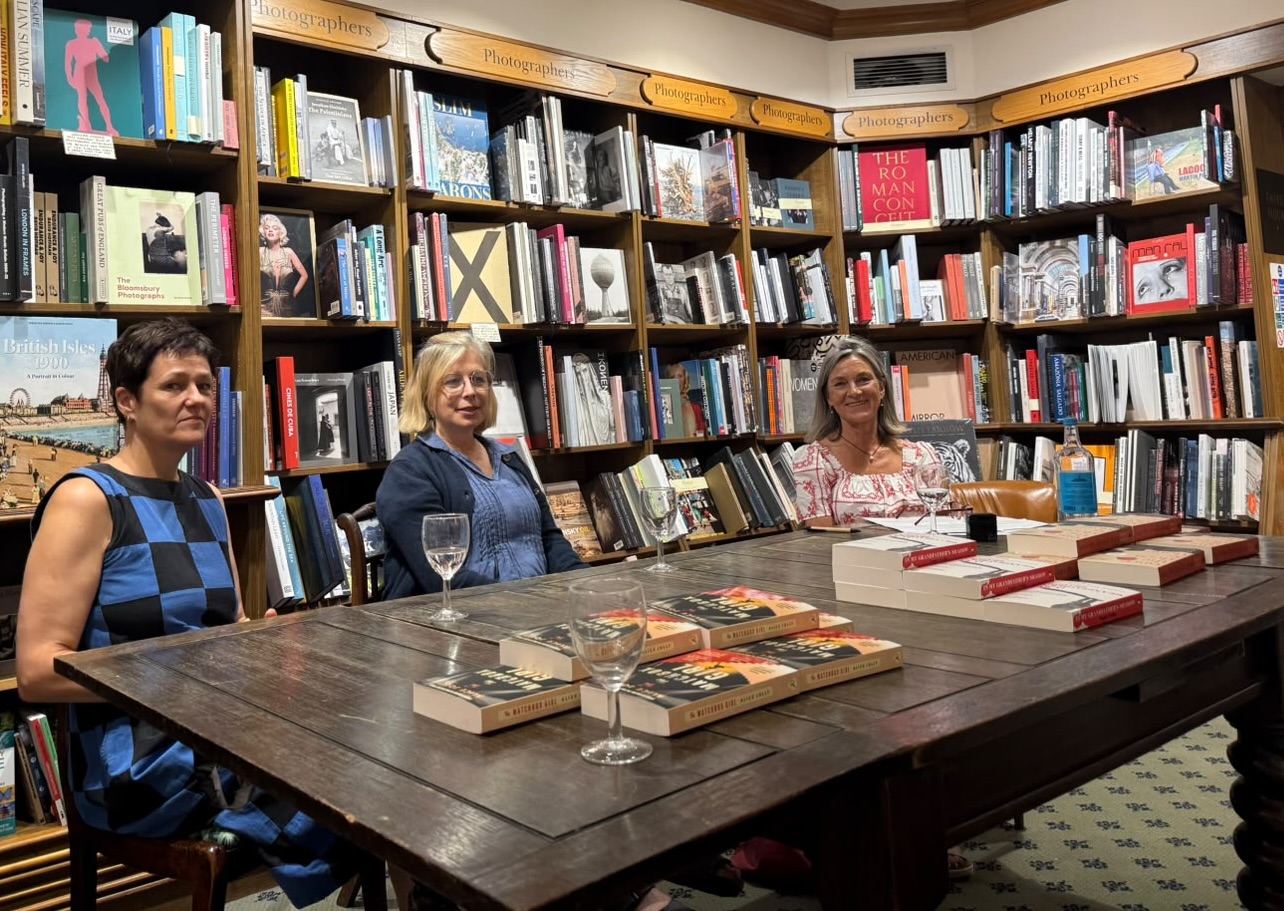
Rachel Seiffert, Alice Jolly and me at Hatchards Piccadilly

We were talking about historical fiction – about the challenge of imagining lives very different from our own without surrendering to easy judgment. It could easily have remained a conversation about the past. Instead, it felt urgently relevant to the present.

As I write, Iran has issued a fresh warning that it could target UK airbases that have supported the United States in its strikes. That would bring the conflict to RAF Fairford in Gloucestershire. The thought of my own county becoming part of a war in the Middle East feels surreal. 
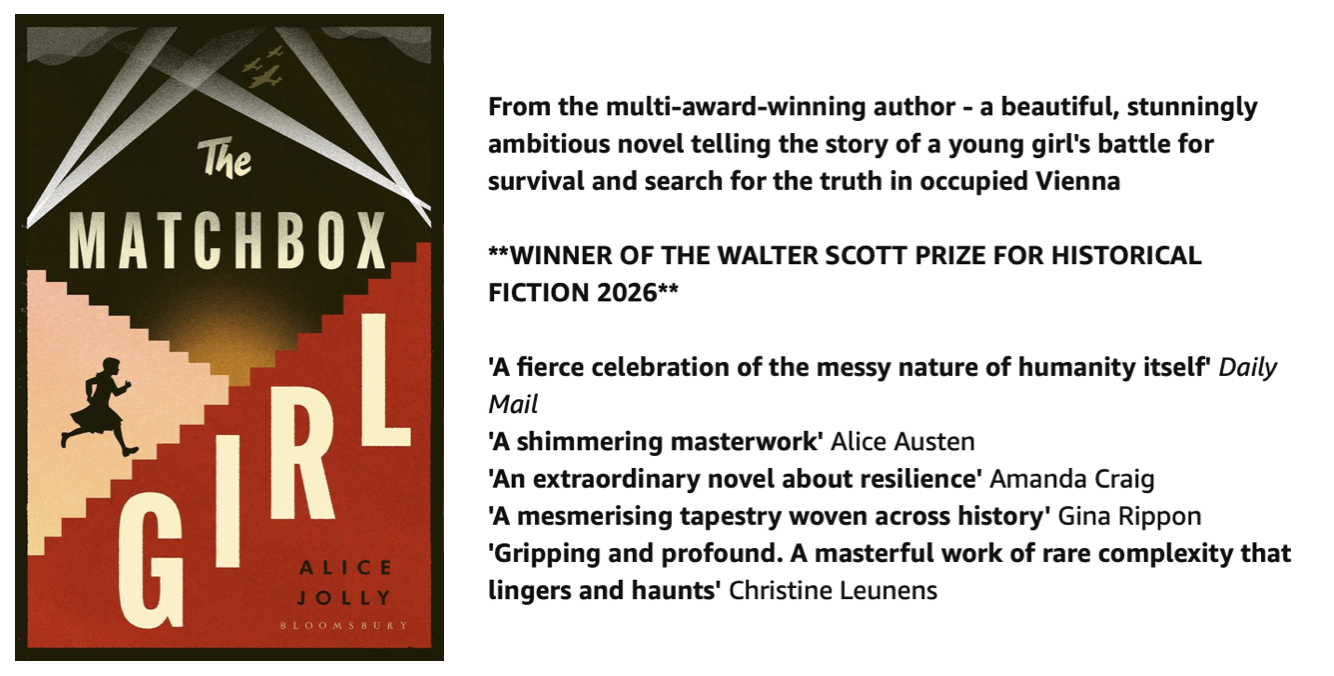
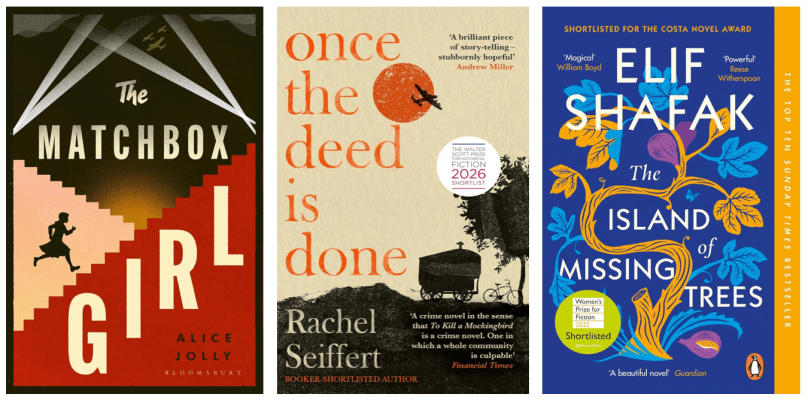
While their books couldn’t be more different in style, both explore overlooked and little-known corners of life within the broader history of the Third Reich. Alice’s The Matchbox Girl is a fictional account of the real, deeply controversial Dr Asperger, who worked in the pioneering Curative Education Ward at the Vienna Children’s Hospital. The narrator is a fictional young woman, Adelheid Brunner, a non-verbal patient at the clinic and keen observer of the gathering force of Nazism around her. 
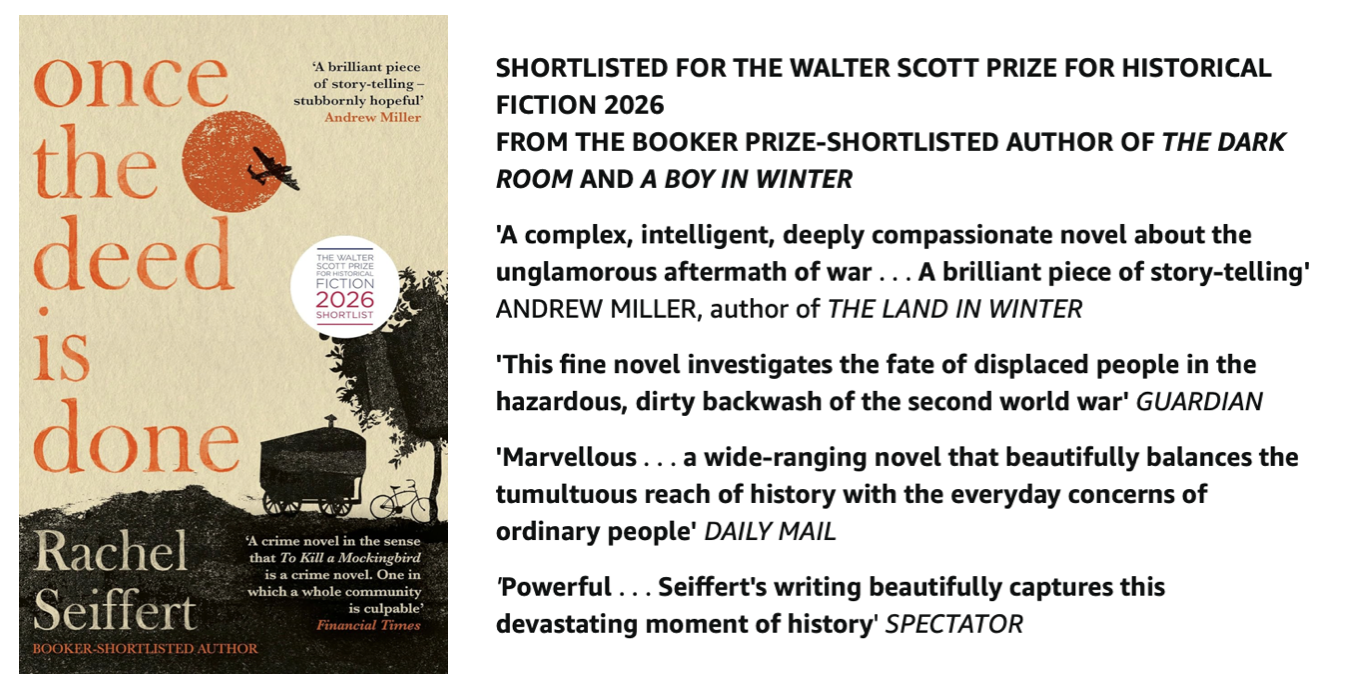
Rachel’s Once the Deed is Done is set on the Lüneburg Heath in northern Germany in the immediate aftermath of the Second World War. Through multiple perspectives – a schoolteacher, a policeman’s son, British Red Cross workers, displaced Ukrainian children and other townspeople – it explores displacement, moral uncertainty and the first days of British occupation.
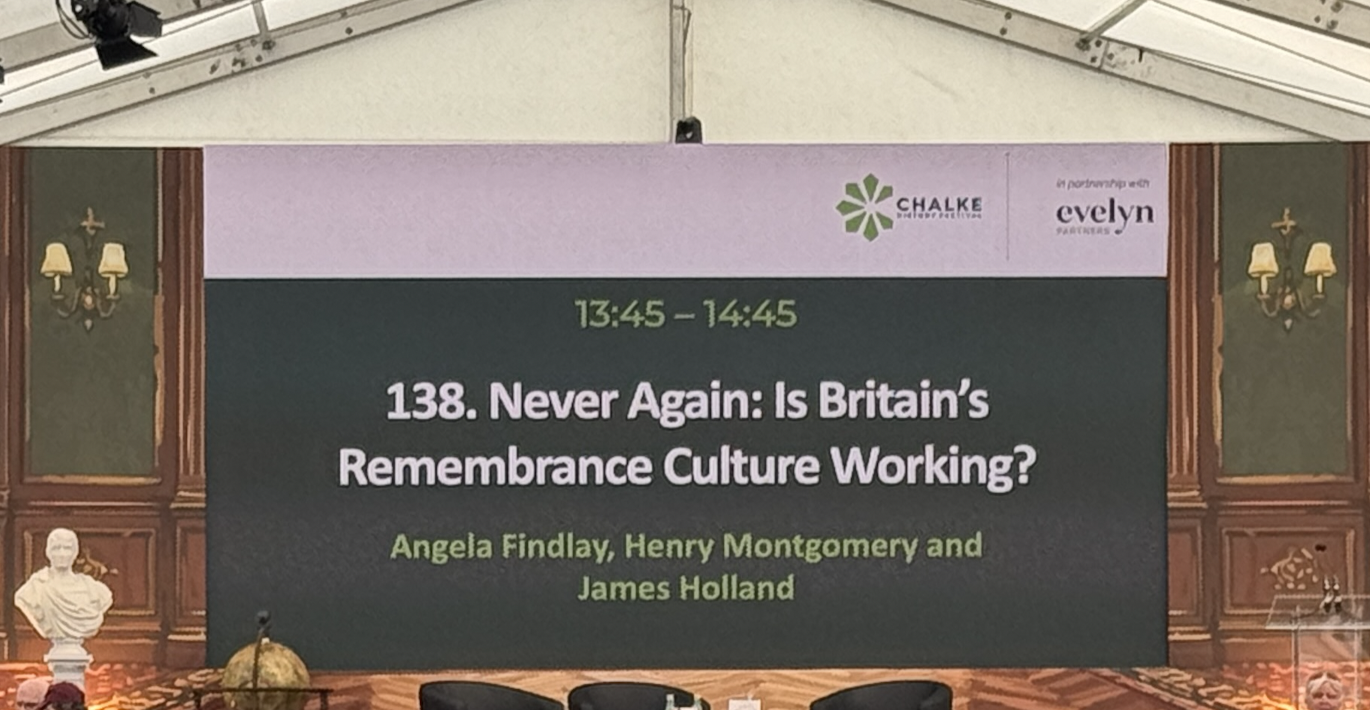
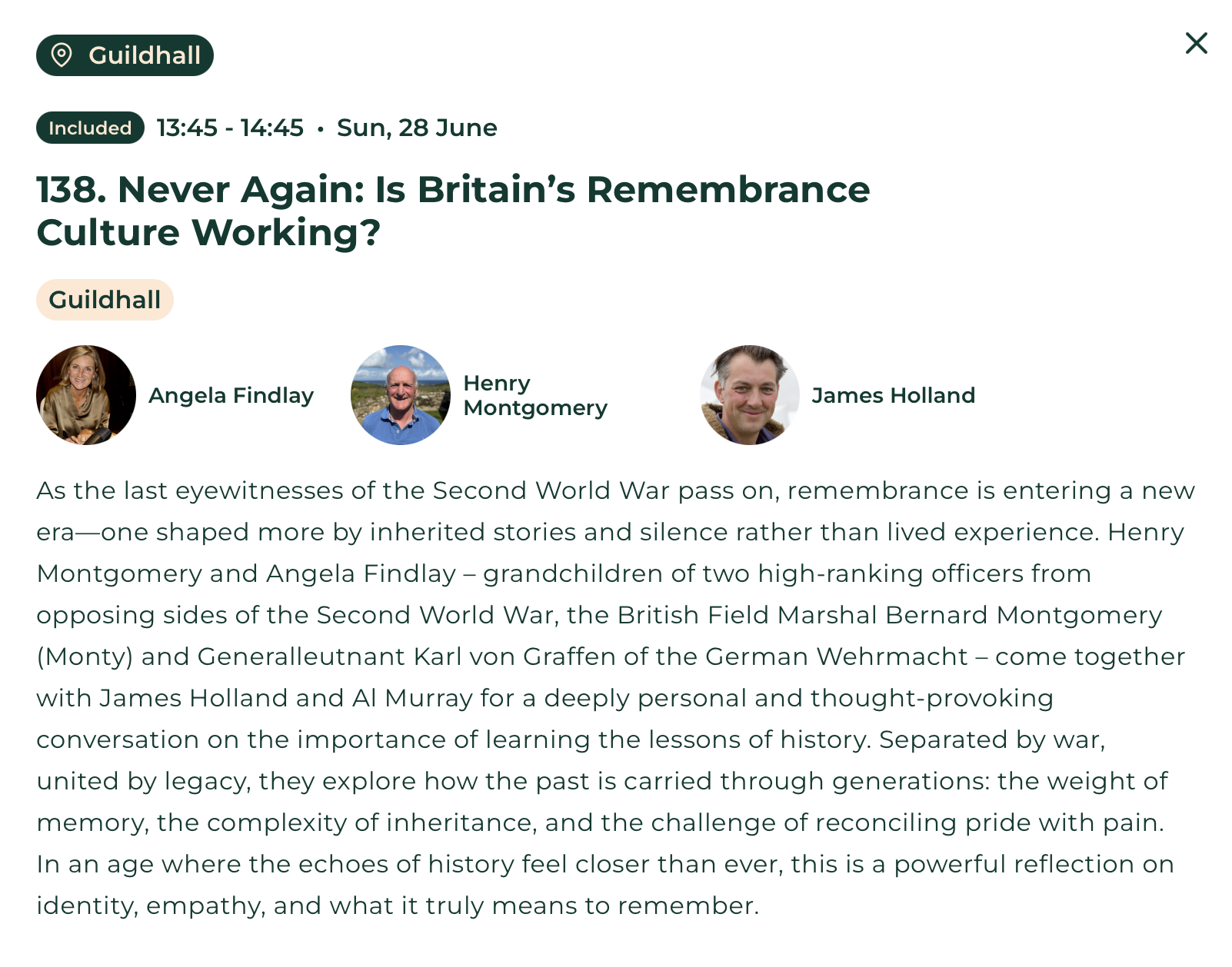
The conversation that followed warmed my heart. Normally at such events – not least the recent Chalke Valley History Festival where Henry Montgomery, James Holland and I came together to talk about Remembrance of the World Wars – I find myself the sole female voice encouraging people, both in Germany and England, to suspend judgment of those traditionally and easily cast as bad or evil, and to ask instead how they came to commit such deeds. This time, I wasn’t alone.

Fiction can offer wonderful paths into the internal worlds of characters. To bring them fully to life, writers have to feel their way into their skin, their homes, their times, their heads. As both authors said, by doing so you discover the parts within yourself that are capable of, well, everything. Of extreme kindness or heroism, or ignorance and cruelty. We are it all.
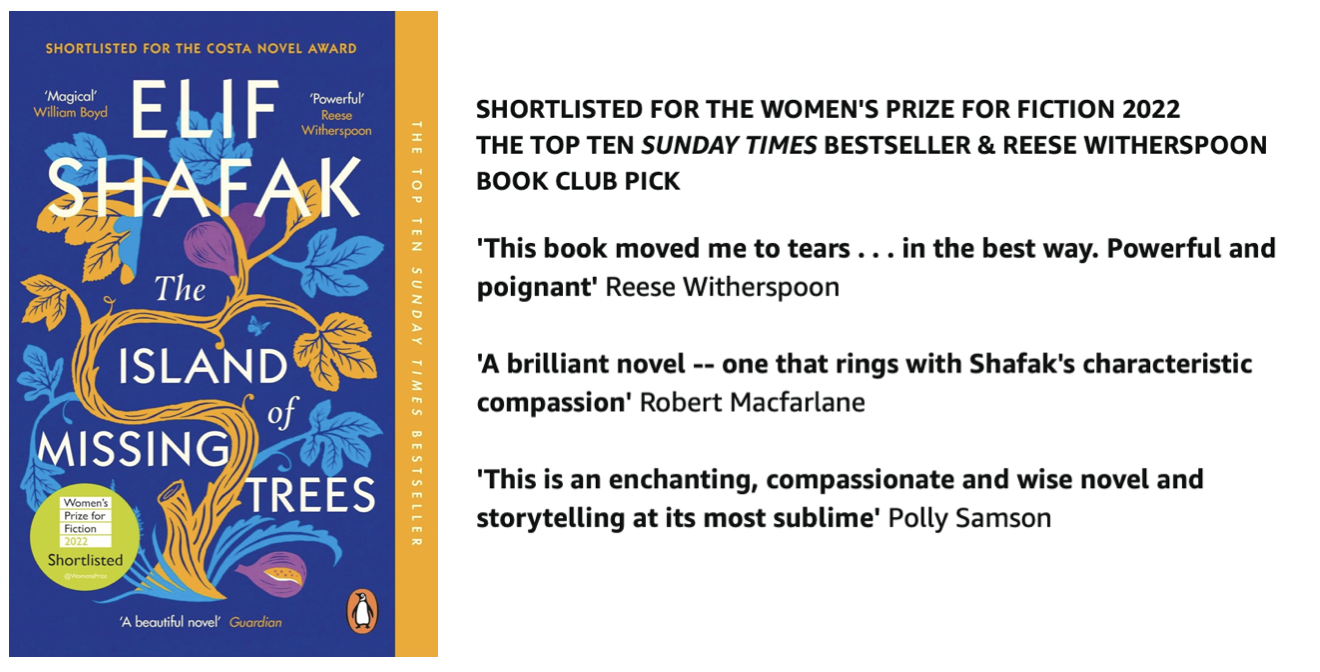
Elif Shafak, another of my favourite writers, speaks so eloquently on this for the Hay Festival’s July Book Club. You can listen to her here. Her novel, The Island of Missing Trees, has to be one of my favourites ever and a wonderful summer read. 

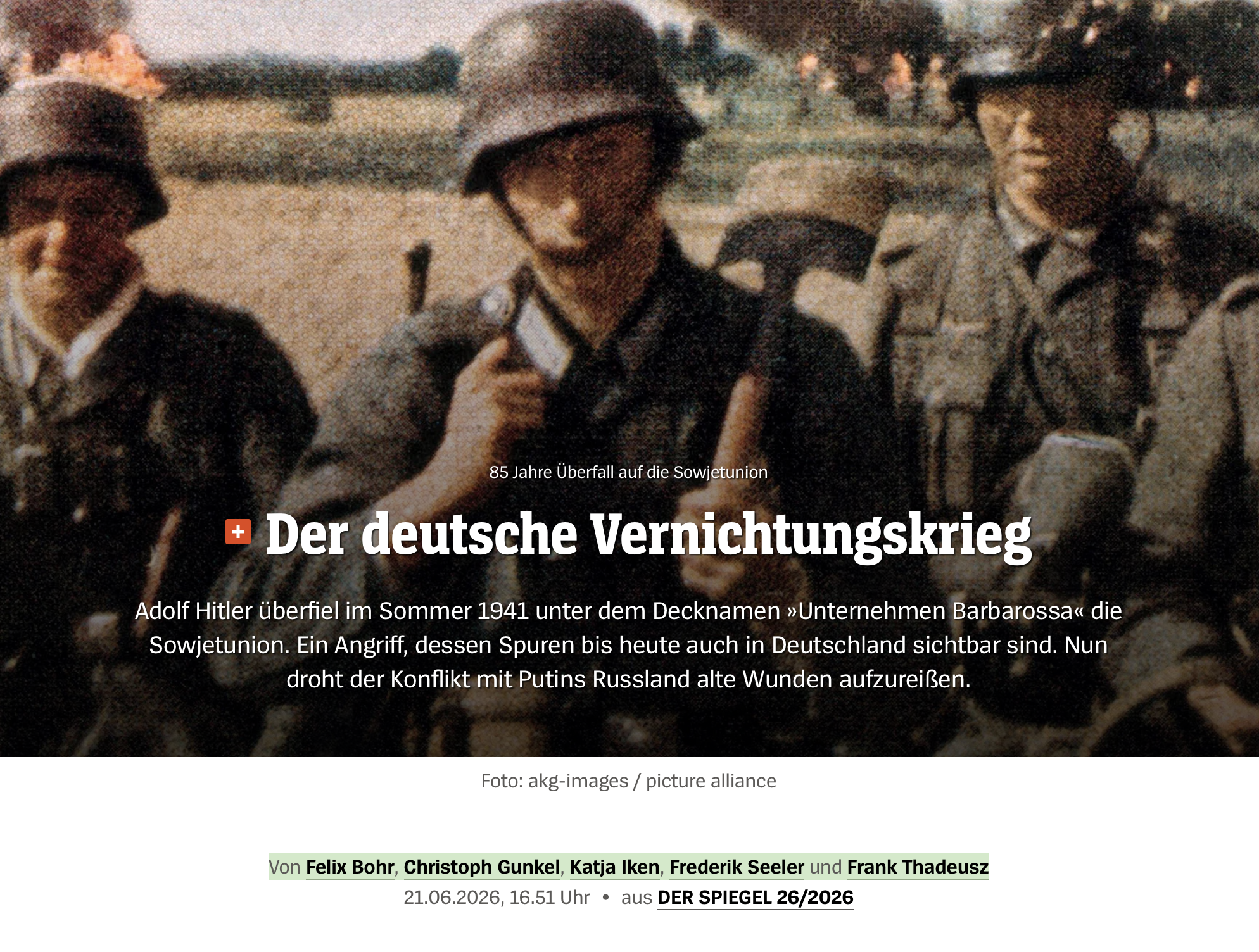
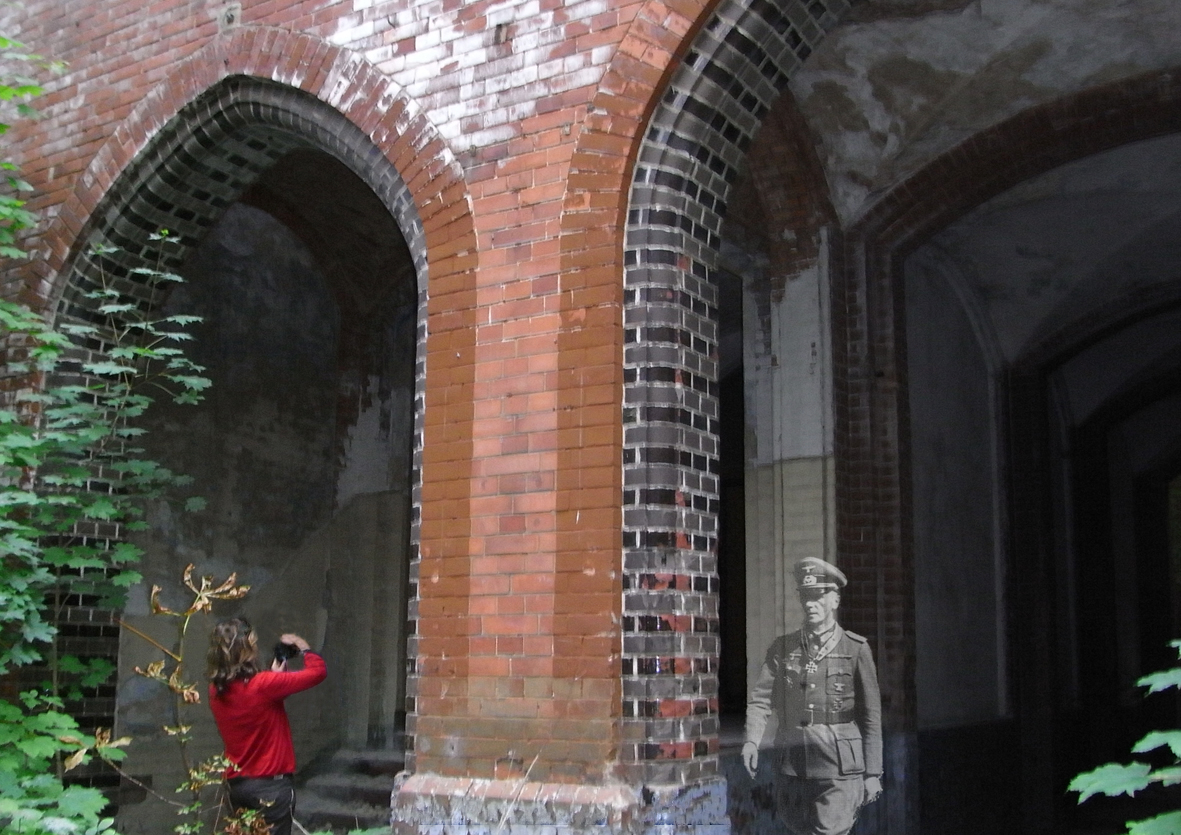
Almost everywhere in the world, there will be people who harbour hate and revenge in their hearts; who want to foster cultures of blame, division and judgment. Politics, the media and social media can all too easily encourage this. Things are taken out of context, like cutting out an image of a person with scissors and collaging it into a different setting to paint that same person a stronger shade of dark. A stark light that casts harsh shadows robs the picture of essential shades of grey. Such dramatisation is too often rewarded with more votes, more sales, and more clicks. My German grandfather and I were recently the objects of such a process of reduction to black and white stereotypes – the evil Wehrmacht officer and the condemnatory granddaughter – in an article in a prominent German magazine. It was shocking. Upsetting. Untrue. Damaging. But ultimately so BORING in its familiarity!

We all recognise how women’s voices, stories, experiences and points of view have been overlooked and suppressed throughout history. Men’s bodies and characteristics have long dominated as yardsticks by which we set temperatures in trains, design seatbelts in cars, define success, power and historical significance. Yet what struck me most listening to these three women was not simply that they were women, but the way they approached history itself. Rather than seeking certainty, heroes and villains, they embraced ambiguity, curiosity and the difficult work of imagining making choices they have never themselves had to make. Their words were steeped in the kind of intuitive wisdom we all possess but sometimes – understandably – feel reluctant or frightened to trust. Understanding is not the same as excusing, and empathy is not weakness but one of the foundations of peace. If we are to maintain peace in the world, I believe it is precisely this way of thinking that we need more of. 

Another military plane has just rumbled its noisy path across the sky above my little garden… my little sanctuary of flowers, dried-out lawn and views across to the streak of shimmering light that is the River Severn. 

It reminds me why conversations like Wednesday’s matter. History teaches us what happened. Fiction invites us to imagine ourselves into different situations and ask the harder question: What might I have done? 

COMING UP: 18th-20th September: Dialogues with the Severn – A celebration of the river through arts, talks and walks. Chapels of Rest, Stroud, GL51HJ. More info to follow soon.
Nothing about being human is black and white. So why do we keep acting as if it is?

This month, through no planning of my own, my book – In My Grandfather’s Shadow – seemed to go on tour.   

On 22nd July it reached its fourth anniversary since publication and, as if to celebrate each year, four interesting invitations came my way. From a prison, a history festival, a German magazine and a school.

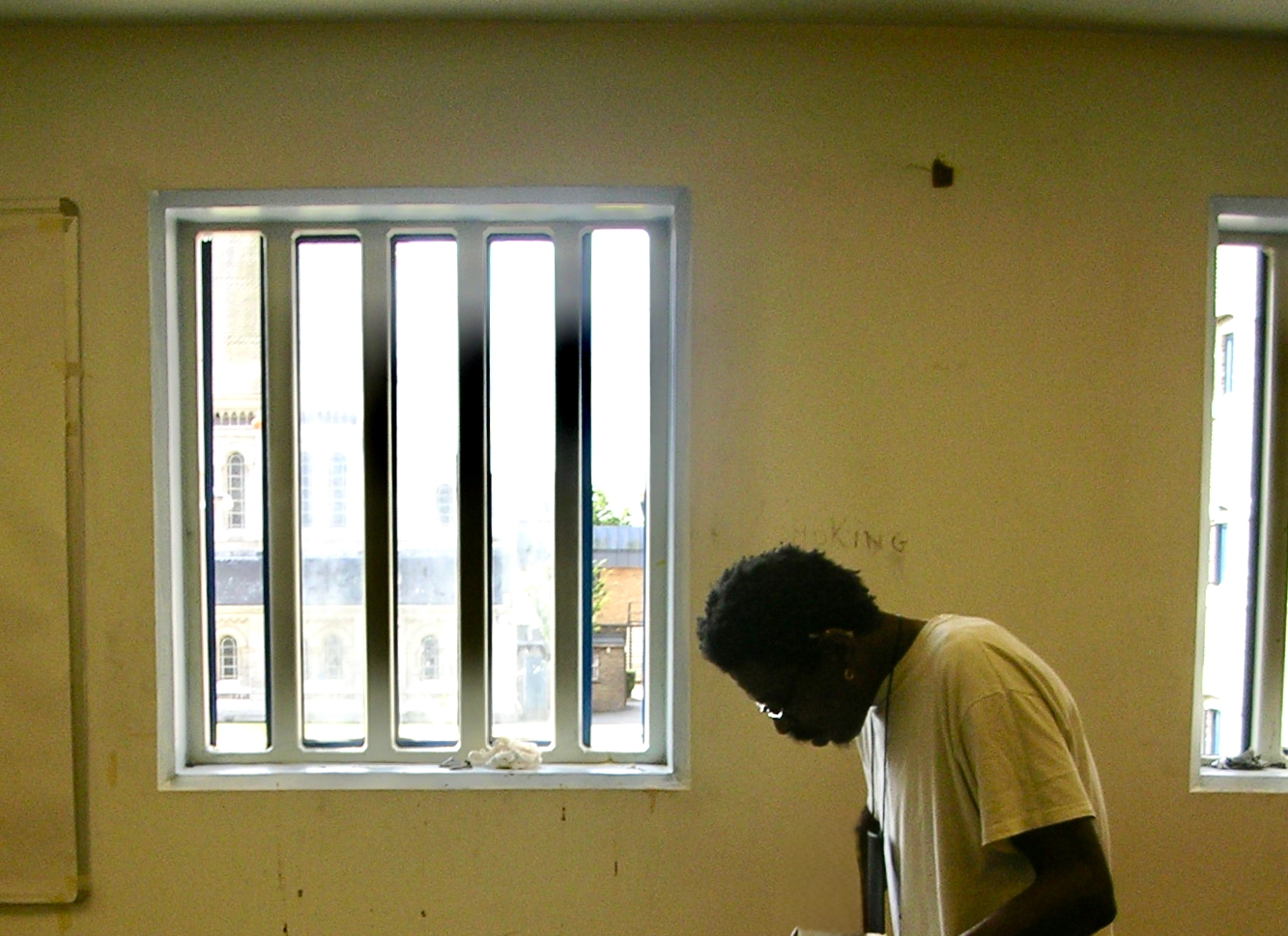
This week I spent a day in prison, moving between hot rooms filled with men, each clutching a copy. They had been distributed by Give A Book through its Prison Reading Groups programme. The Shannon Trust, an indispensable charity promoting literacy in prisons, had invited me to speak to two groups. Many of the men had not only read the book but had annotated its pages with notes and carefully prepared lists of questions and comments. 

Do you think there is a way through guilt? 

How do you find out what has gone on in one generation that might need resolving?

Should there be more art in prisons and schools? 

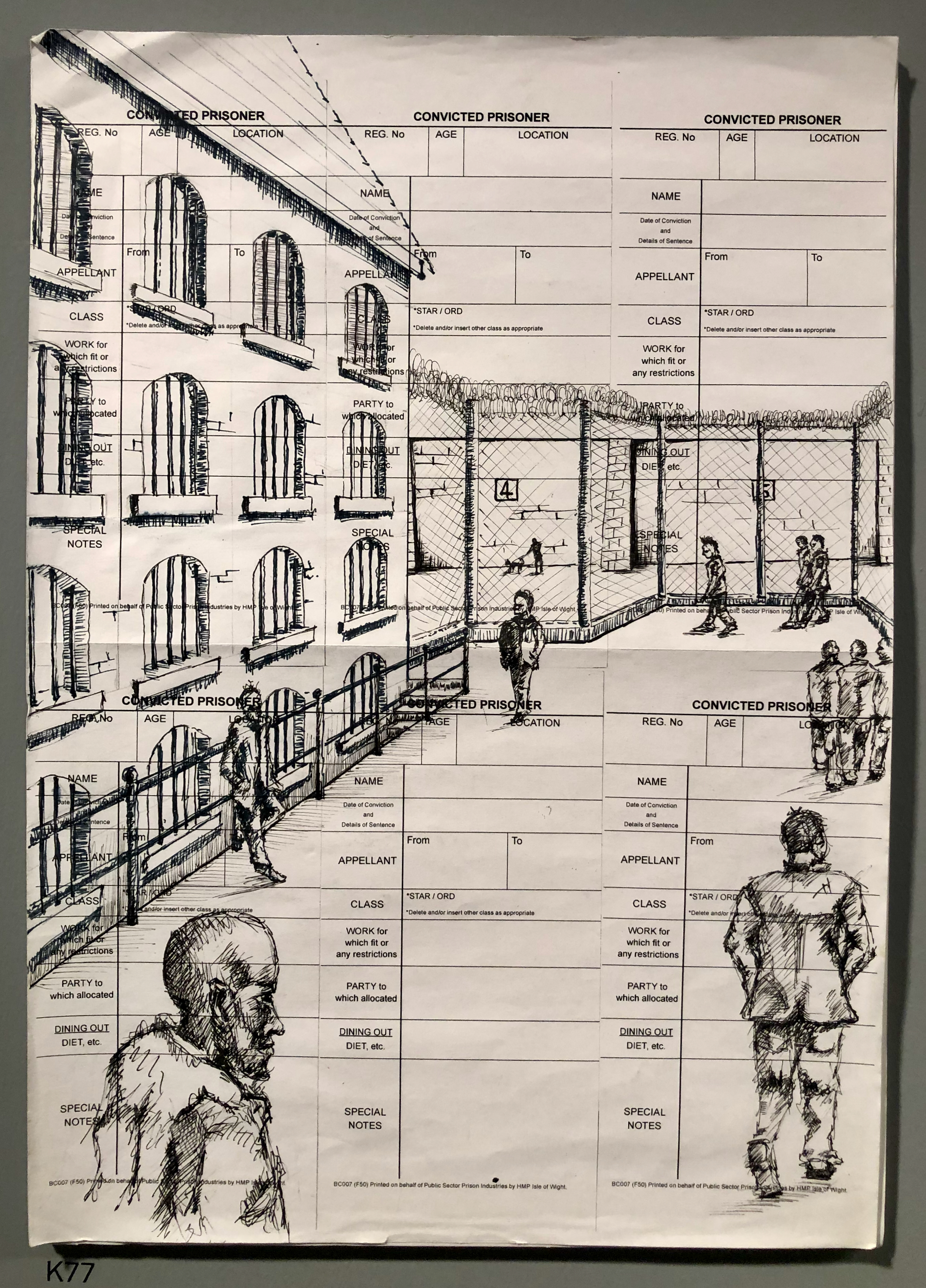
I feel so fortunate to have access to these pockets of society that most people never encounter. Prisons hum with life, attitude and testosterone. They also carry the unmistakable stench of waste: wasted money, wasted opportunity, wasted time and wasted human potential. Not because of those living or working inside, but because of how the system is designed. Cuts to funding and staff, overcrowding, and a punitive undercurrent in policymaking have created conditions that prevent prisons from functioning as they could. 

Award winner, Koestler Arts, 2022

As I have often found over the decades, I can speak more freely inside these locked institutions than outside them. The people who live and work there generally have more experience and understanding of the darker side of human nature. The parts of ourselves most of us prefer not to acknowledge and thankfully do not act upon, but that nonetheless reside in us all.

The great Russian writers understood this well. 

“If only it were all so simple! If only there were evil people somewhere insidiously committing evil deeds, and it were necessary only to separate them from the rest of us and destroy them. But the line dividing good and evil cuts through the heart of every human being. And who is willing to destroy a piece of his own heart?”   Aleksandr Solzhenitsyn from The Gulag Archipelago.         

Human beings are capable of both extraordinary good and extreme evil. If we accepted that as a foundational truth, our society might paradoxically become more compassionate and more honest. Instead, we are encouraged to project evil onto others and goodness onto ourselves. 

We see this in our culture of remembrance, the subject I will be exploring with Henry Montgomery and James Holland at Chalke Valley History Festival this Sunday. We see it in the media, as I was recently reminded while being interviewed by one of Germany’s most respected magazines, Der Spiegel, for an article marking the 85th Anniversary of Operation Barbarossa, Germany’s invasion of Russia in 1941 and the war of annihilation that followed – a war in which my Wehrmacht grandfather took part. We see it in every form of discrimination. And we see it in our criminal justice system. 

I understand why, in Germany, nuance remains difficult when discussing those dreadful years shaped by Nazi ideology and its hierarchy of human worth… and worthlessness. Germany cannot be seen to relativise any aspect of that history, just as it cannot be seen to pass critical judgment on Israel. I have a huge amount of empathy for the country’s predicament. However…

In some ways, a serious criminal is in a similar situation, albeit on an individual rather than a national scale. Yet just as our prison system risks trapping people in a criminal identity with adverse outcomes, so certain aspects of Germany are in danger of remaining stuck in a ‘They were the guilty perpetrators’ identity. With ever fewer contemporary witnesses and widespread silence still prevailing within families, it becomes increasingly easy to project total accountability – or evil – onto whole groups and categories, without acknowledging the impossible choices ordinary individuals – people like us – often faced, and how their decisions were driven by fear, survival, ignorance, weakness or a genuine belief they were serving a greater good. 

We judge them at our peril. 

And what good does judgment do anyway? Of course, crimes must be judged and punished. But the person? 

Writing In My Grandfather’s Shadow required me to walk many metaphorical miles in my grandfather’s boots. I wanted to understand both the man and the circumstances in which he lived. What choices did he really have? What alternatives, as a career soldier, were available to him? These were questions I had learned to ask through my work with prisoners. Not to excuse or justify, but to comprehend how essentially decent people can become culpable of terrible deeds.

Faced with another person’s unique situation – their education, upbringing, family background, psychological resources, personality and opportunities – would I truly have made different decisions? 

With all that is going on in the world today, we may one day be put to the test. 

Whenever I visit prisons to talk about my book, I notice the effect non-judgment can have on the men – and as 96% of the prison population is male, it is usually men I am talking to. I witness defences softening. People begin to think differently about themselves and others.  Self-reflection emerges. Empathy. A dawning of hope and the possibility of change which ultimately is the possibility of a better society for all of us. 

It is not rocket science. But it does require a shift away from our current culture of disconnection, blame, decontextualisation and blinkered thinking.

Perhaps that is why the fourth invitation, to speak at a school, touched me so deeply. A pupil had read my book and been sufficiently affected by it to pass it on to her headmaster. He read it, wrote to me and invited me to give the speech at their forthcoming Speech Day. For someone who was expelled from school, this is indeed an honour! As well as academic achievement, he wants to instil these same values of inclusion and compassion in his students to help equip them to find their own individual ways into the world. 

It’s only a start. But it is a start. And we need to start.

Forthcoming events:

Chalke Valley History Festival

Hatchards, Piccadilly. In Conversation: Alice Jolly and Rachel Seiffert with Angela Findlay

I am delighted to be chairing this event with two of my favourite authors on Wednesday 22nd July at 6:30pm at Hatchards, Piccadilly. Both books relate to the Nazi and World War II years in Germany / Austria.

Book here

Rock, Paper, Scissors and AI

Last week I met a man who is drafting a book along the same themes as mine. He too has German roots and his is a remarkable story that I hope will one day be published. We discussed the fascinating process of researching historical content, and the more arduous one of finding an agent or publisher. In my case, both involved huge quantities of time, trawling through books, websites and the brick-like tome that is the handbook for writers. For him, information and guidance were more at his fingertips in the form of AI. The difference got me thinking. 

Part of me feels glad to have completed In My Grandfather’s Shadow before the tools of Chat GPT or Open AI became widely available, or indeed unavoidable in the case of search engines. The temptation to constantly tweak my own imperfect writing voice according to the suggestions of an entity that has absorbed millions of other people’s work – including my own by now – might have been irresistible. But how much time I would have saved. And online searches might have discovered my grandfather’s movements on the Italian front, all records of which at the time lay buried in the silence of Italy’s complex and unresolved history of collaboration and resistance. 

There is no doubt AI is unbelievably brilliant and useful in many areas. I am not anti-AI per se. But when it comes to making art, I worry about the loss of essential skills and faculties to a desire for ease and instant answers. What happens when colours and shapes are made by the same keyboard clicks that generate words, mathematical equations, spreadsheets, drone attacks or hacks? Of course, great art will come out it. Artists have always embraced modern technologies and fashioned them to express their own visions. David Hockney’s iPad works spring to mind. But how many of our multi-sensory human skills – coordination, balance, weight, instinctive rightness – might we lose?

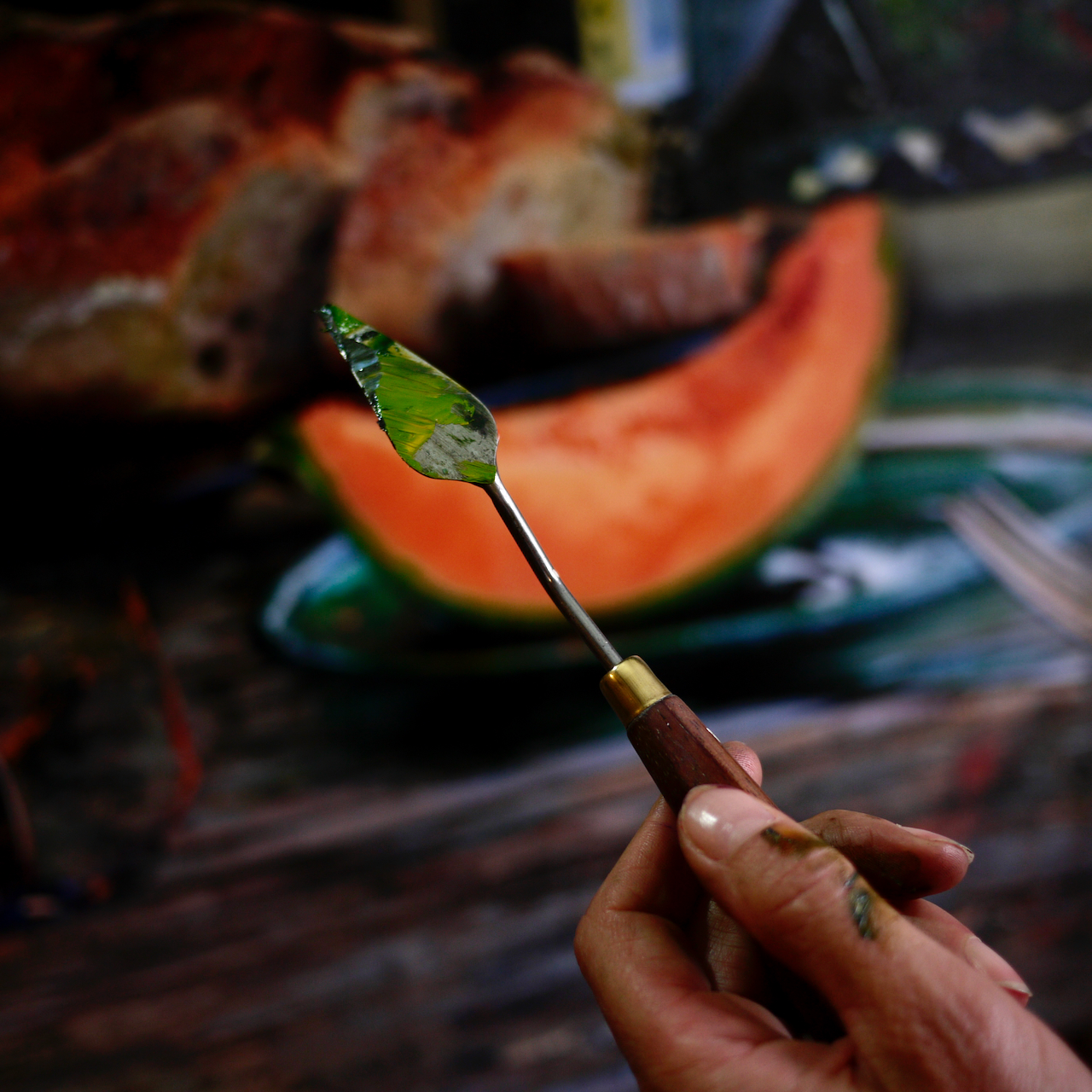
While AI chatbots are becoming terrifyingly advanced, Grayson Perry’s insightful 2-parter on Channel 4 – Grayson Perry Has Seen the Future – reveals how physical robots are still lagging in emulating the complexities of simple actions we take for granted – like making a cup of tea. So much is involved to get brain and body to work together. When painting was part of my main profession, I revelled in the mixing of colours. Hands squeezed tubes, rinsed brushes, and spread paint onto canvas like buttering bread. Taste buds sprang into action, the tongue searching like a cook for the missing flavour… a little more darkness, a bit more warmth, maturity, or contrast. Colours needed to ‘sing’ particular harmonies or discords. The eye would journey over a terrain of textures while the nose inhaled the same oily odours of centuries of masters gone by. 

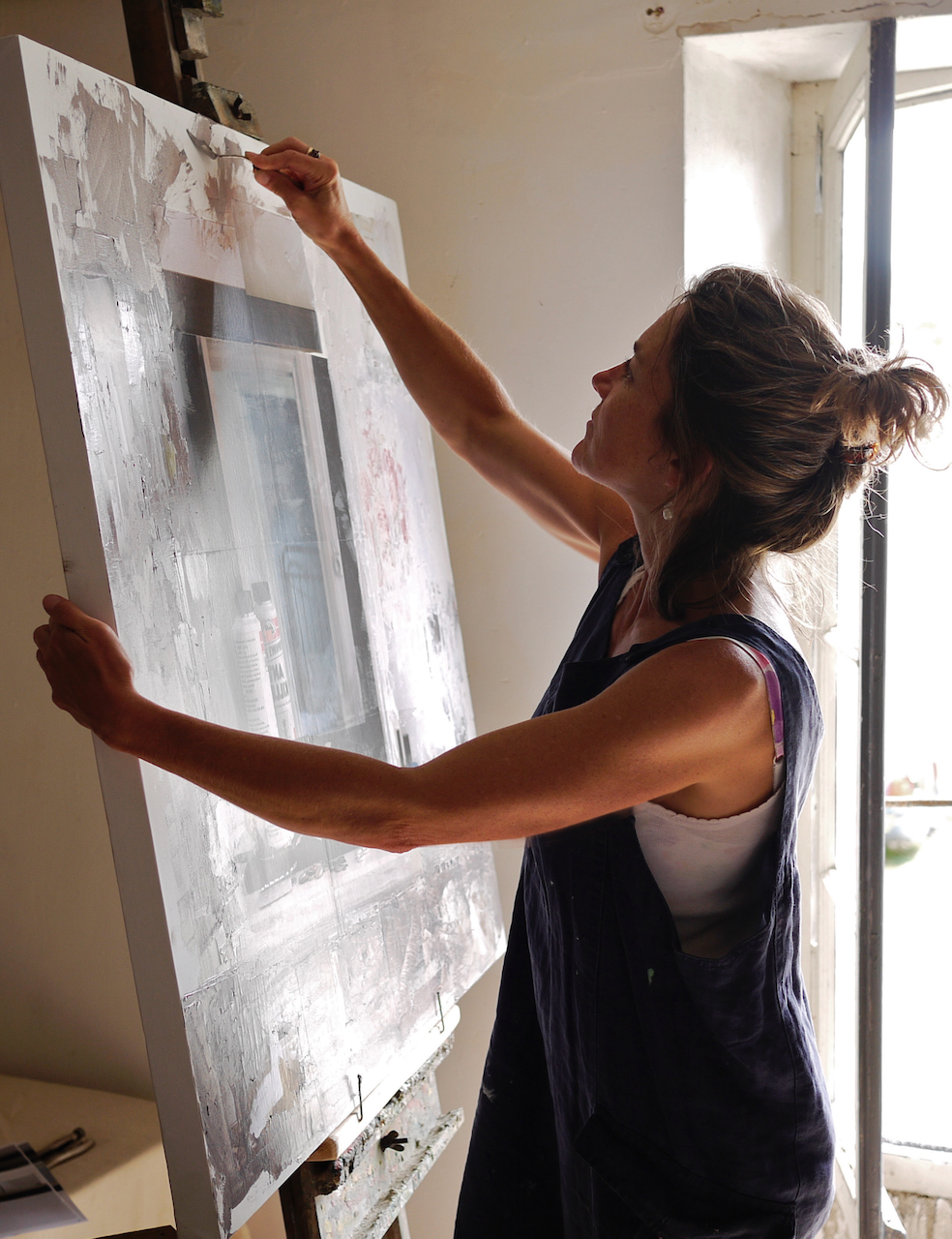
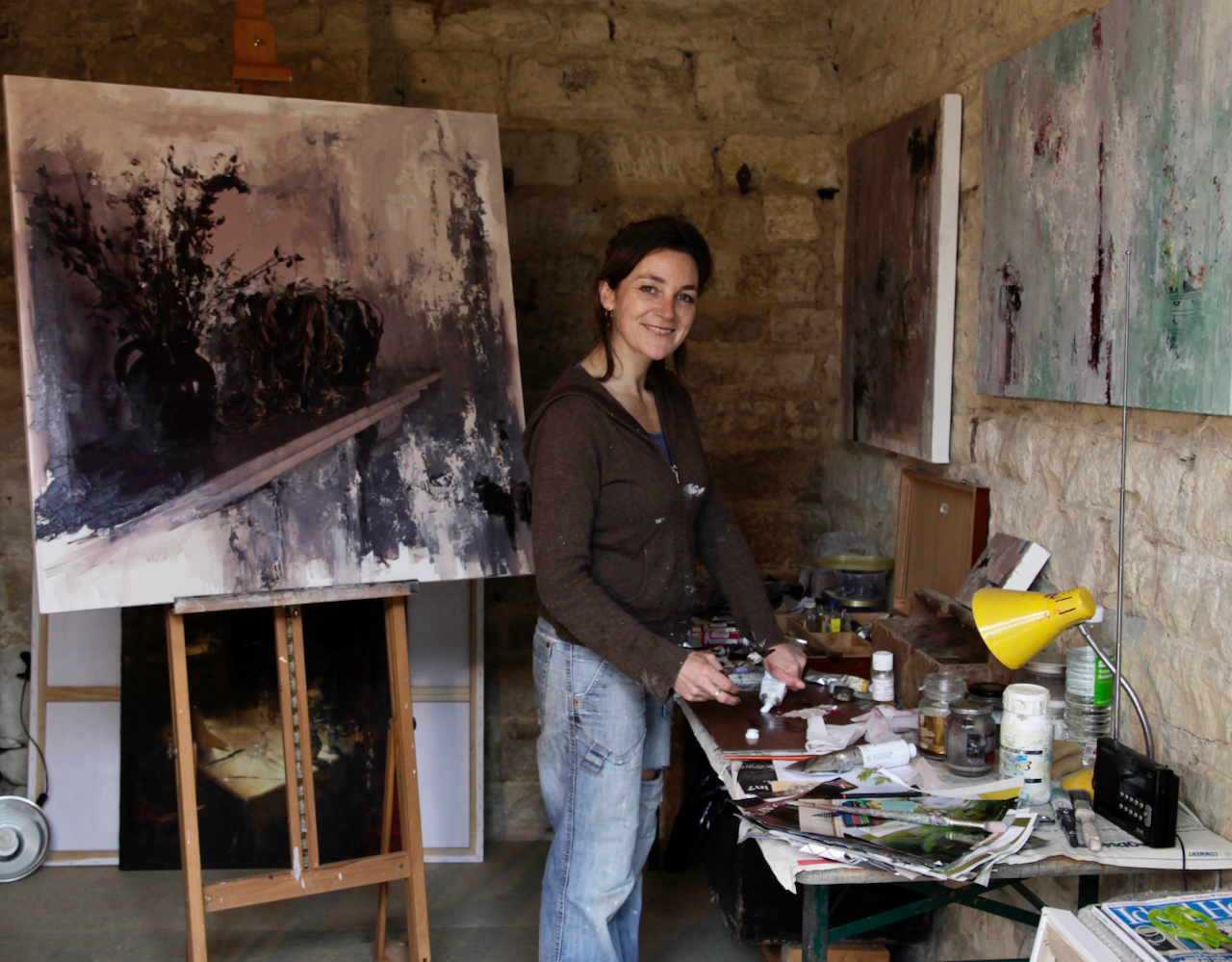
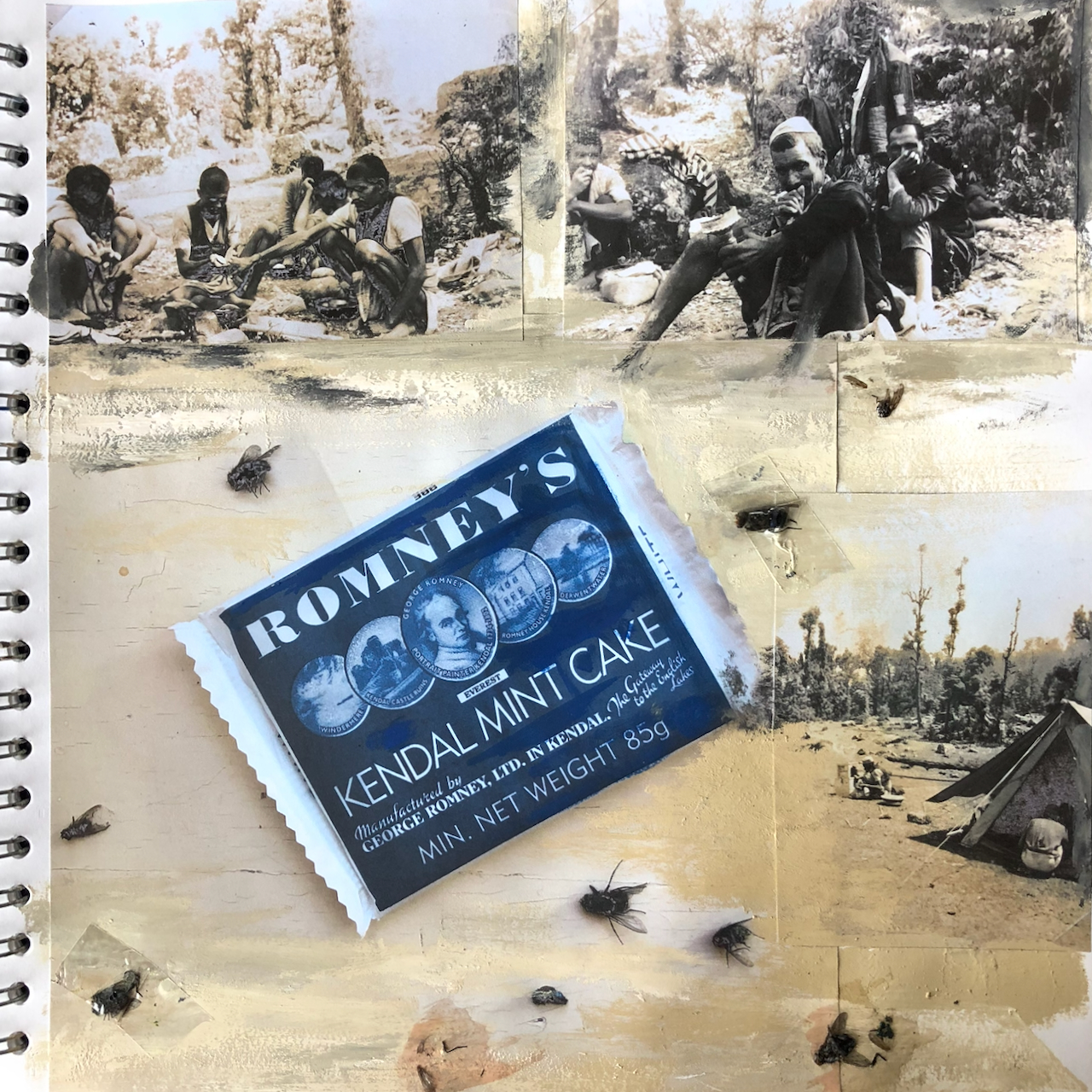
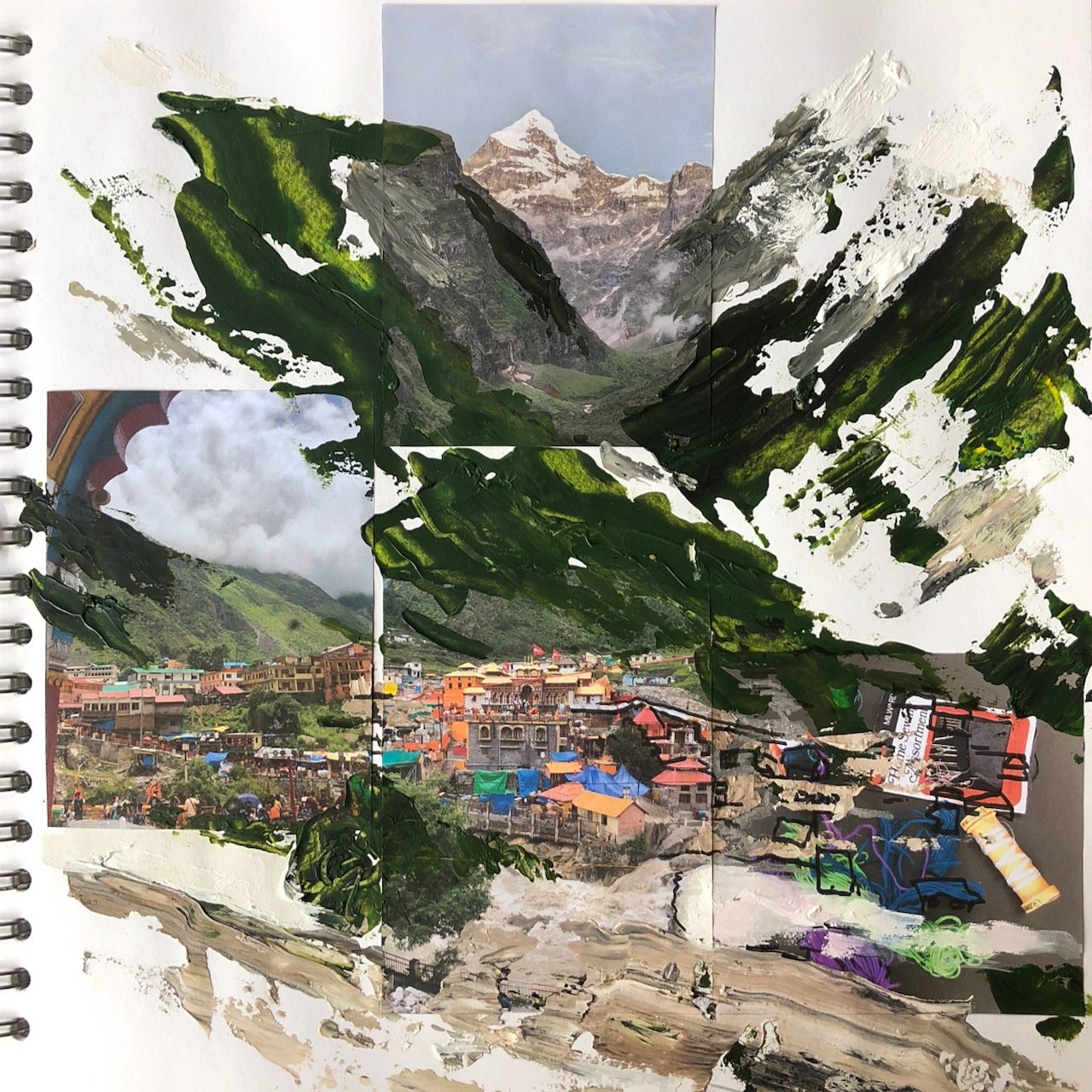
Maybe I am nostalgic. That could well be. Equally possible is that I am frustrated that though I have an all-singing iPad, I have not mastered the brilliant tools of Canva, Procreate or iMovie. Instead, I sit in my studio with scissors, glue, sticky fingers, and paper images strewn across the floor. I assemble and reassemble in contortions that resemble games of Twister. I destroy, lose and abandon works… often wishing there was a Command Z key I could tap to undo the error that led to ruination and the bin. 

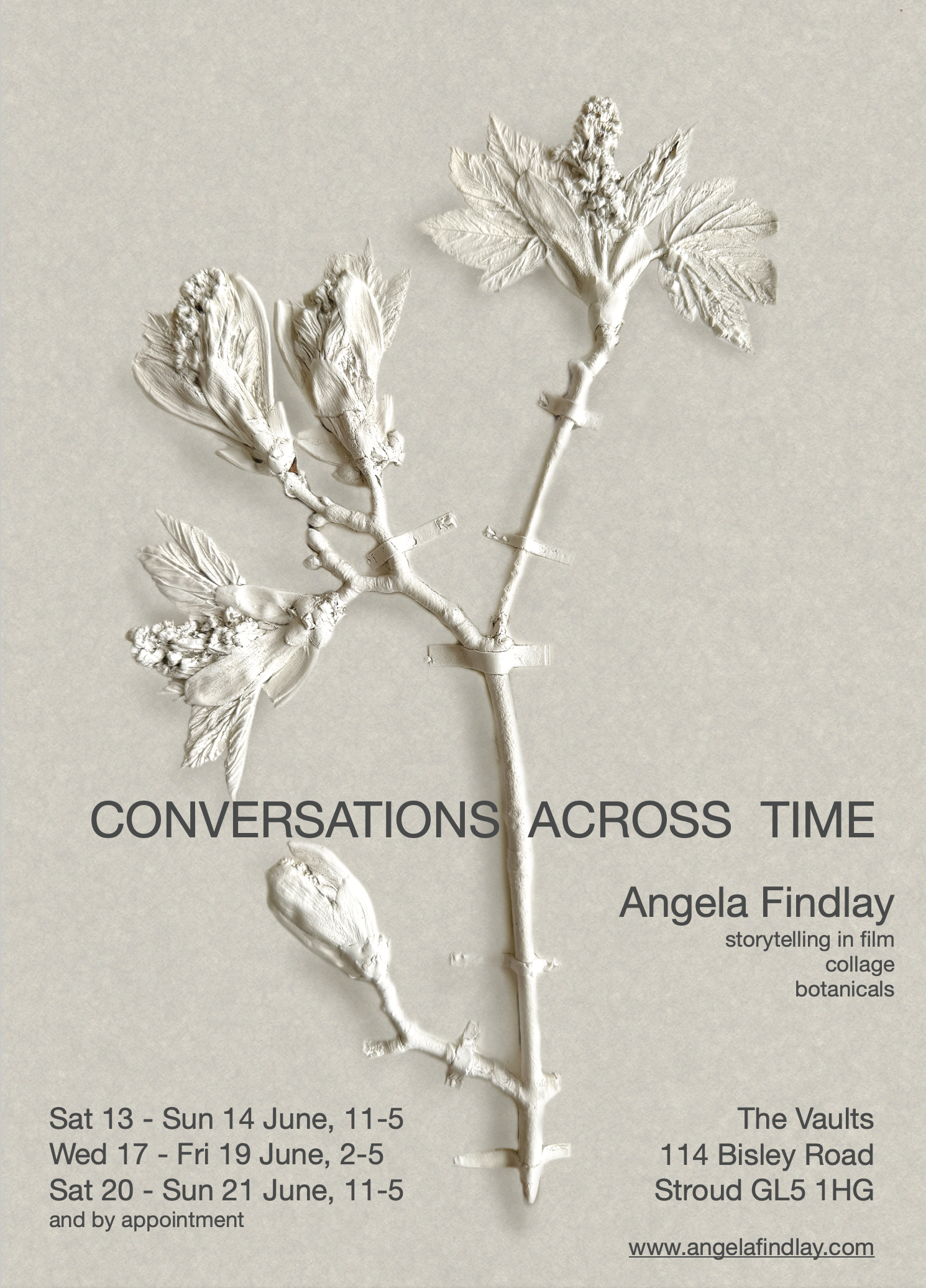
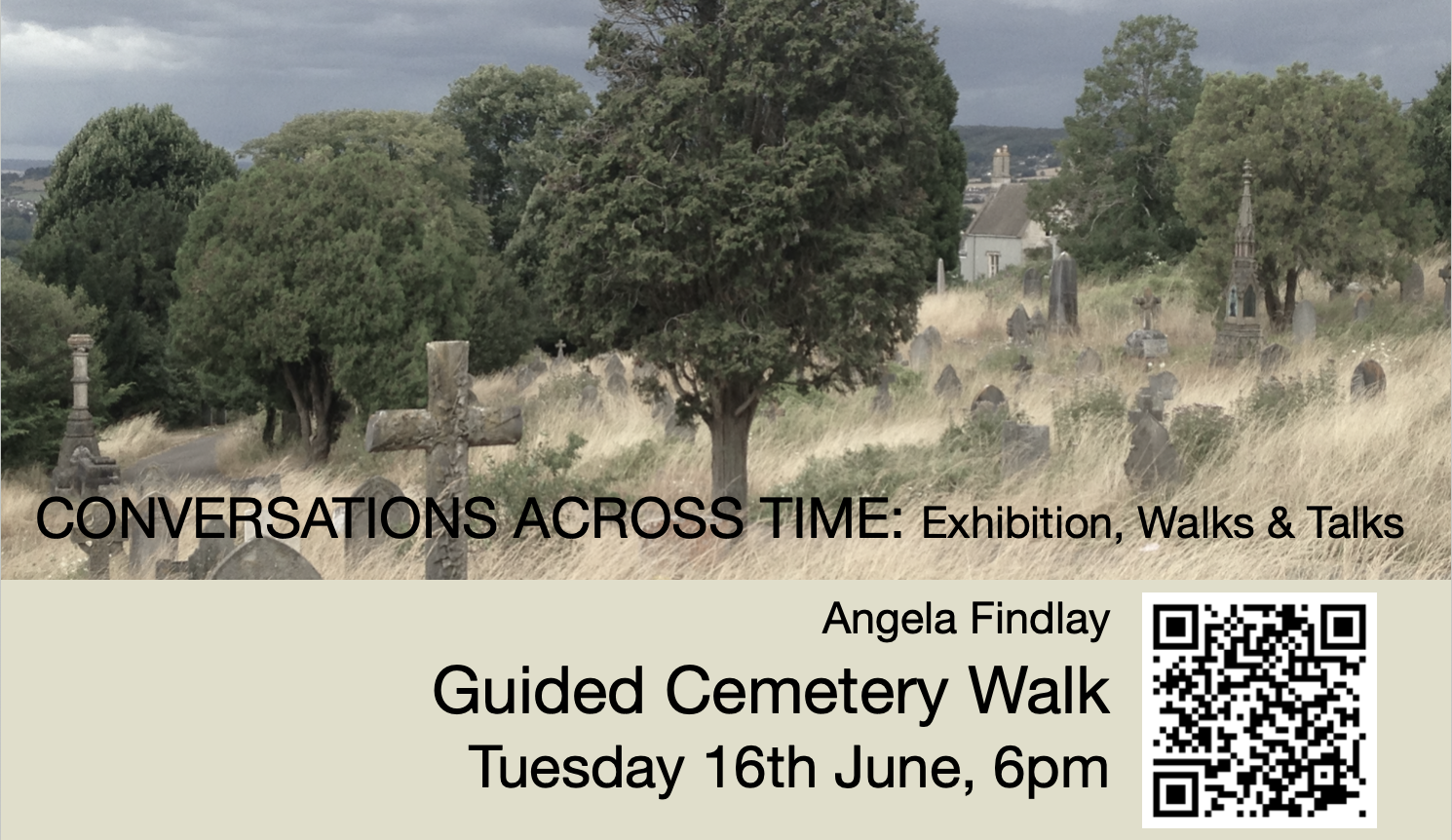
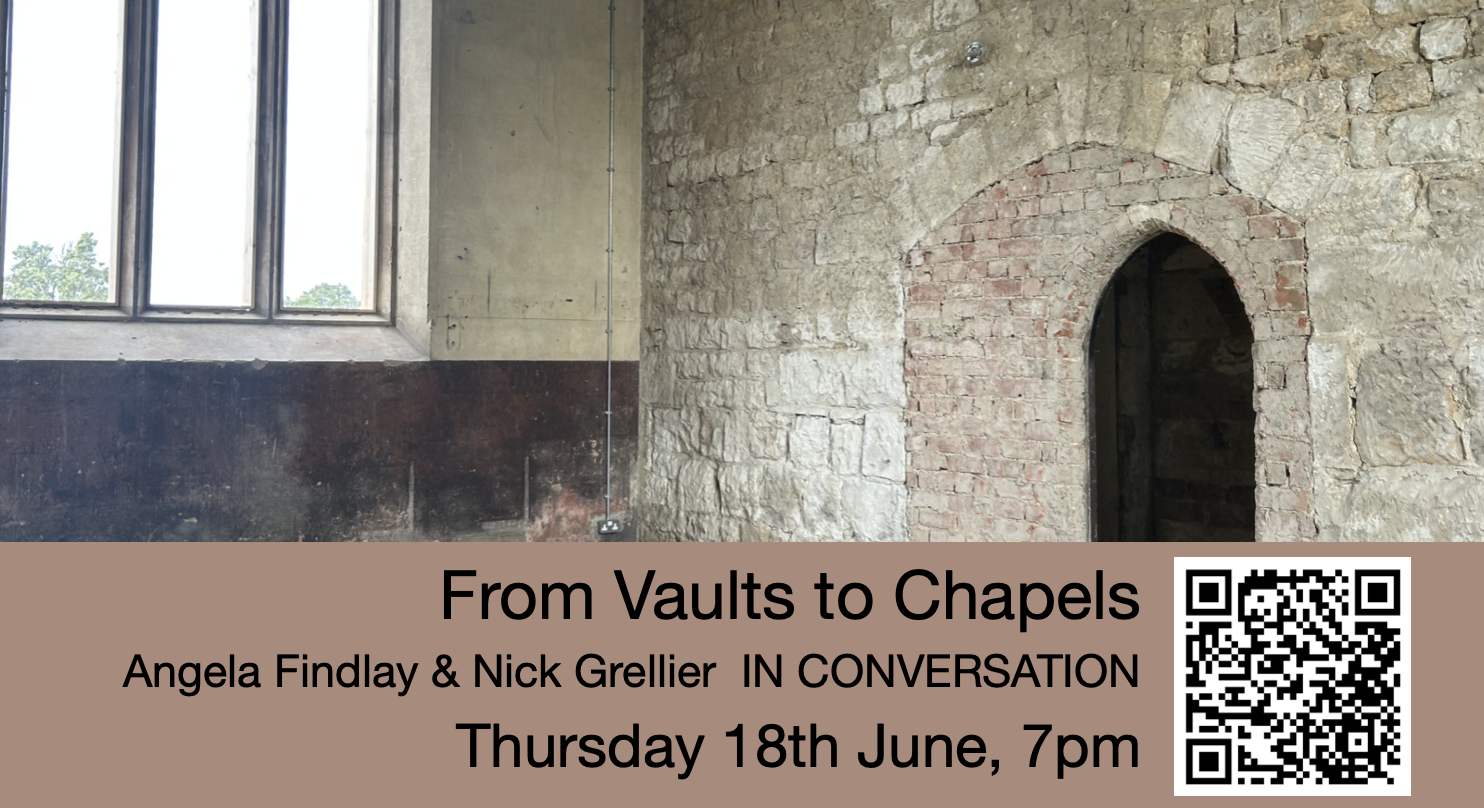
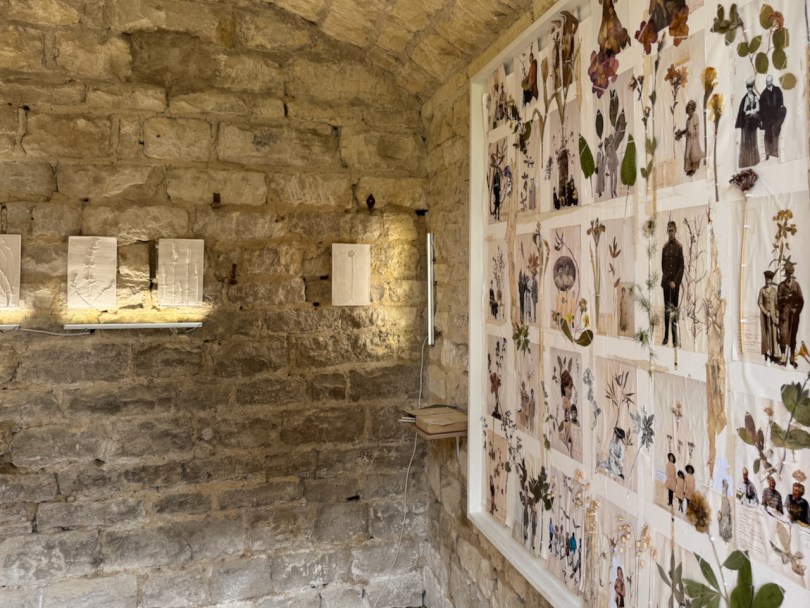
I have no wish to be a fuddy-duddy doom monger like those who thought our heads would blow off when the motor car was introduced, or who mourned the loss of letters when the telephone was created… though there is loss as well as gain involved in both inventions. But my forthcoming exhibition CONVERSATIONS ACROSS TIME is distinctly handmade. And like IN PROCESS last autumn, it is experiential, small and intimate. 

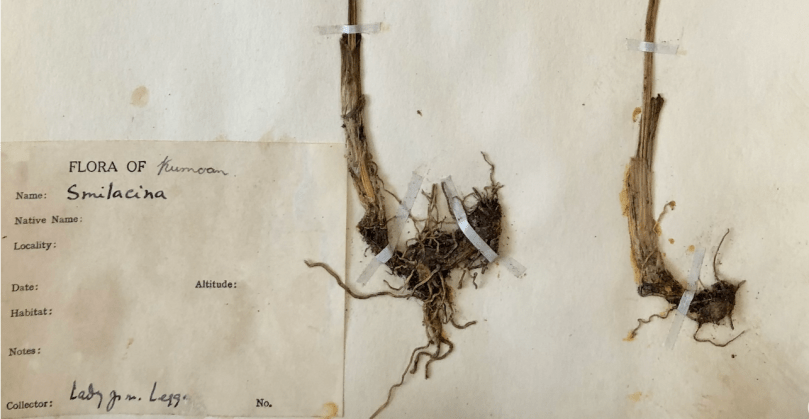
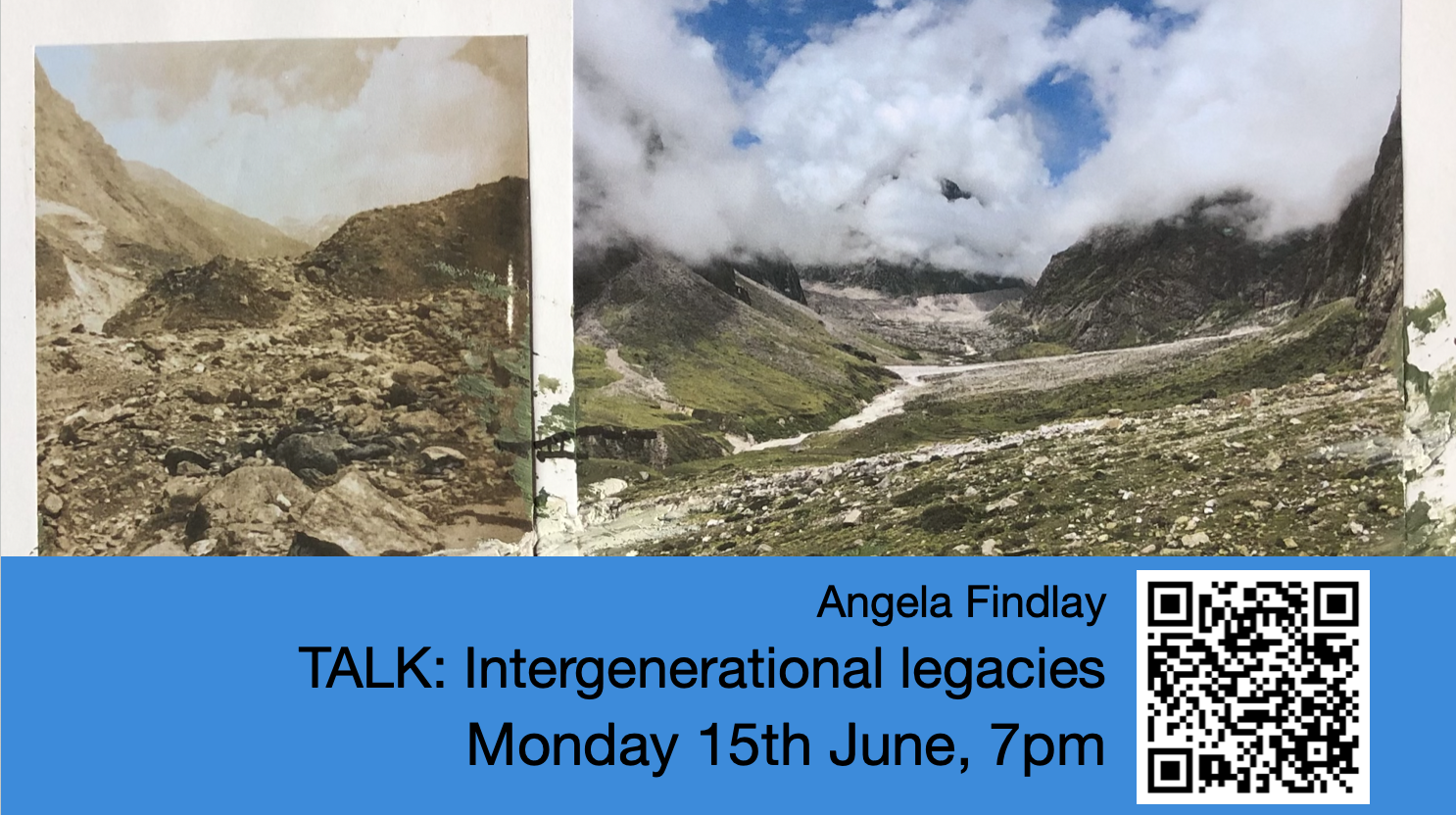
Part of Stroud’s brilliant annual SITE Festival, it continues to tell the story of my intrepid great-great-aunt, Joan Margaret Legge, while exploring, in a variety of media, intergenerational relationships and the legacies of those who have gone before us.

I invite you to physically immerse yourself in The Vaults in Stroud Cemetery, or attend one of the events below that are linked to the themes explored. Or simply benefit from the advances in technology that will allow you to see some, (but not all) of it with a few clicks here from the comfort of your home! 

More INFO and TICKETS to events: Use QR codes below or click here: TALKWALKIN CONVERSATION

The easiest way to receive up-to-date information on Talks, Exhibitions and Events is to Sign Up to my occasional newsletter. You can unsubscribe at any point.