
‘Tis the season to remember. In our progression through the grey gloom of this autumn [just 18 minutes of sunshine since 28th October apparently!] and the celebrations of Halloween, All Souls, Samhain, Guy Fawkes and November 11th, the dead take centre stage. Leaves and forest floors redden while poppies bloom on jacket lapels, village monuments and shop counters. This Sunday in London, as on all Remembrance Sundays, red wreaths will be laid by royalties, senior politicians and Commonwealth High Commissioners before some of the last surviving WW2 veterans march or are wheeled past the Cenotaph.
We have been collectively remembering Armistice Day since 1919, the first anniversary of peace at the end of World War One. Remembrance has since been extended to both World Wars and all those who have given their lives in service to defend our freedoms. It is a hugely important day for the British, the Commonwealth and many other countries around the world, albeit not in Germany. There, since the Middle Ages, 11am on 11.11 has marked the start of the carnival season and, on a more serious note, Armistice Day is not considered to have welcomed the beginning of peace but years of intense unrest and far worse horrors to come.
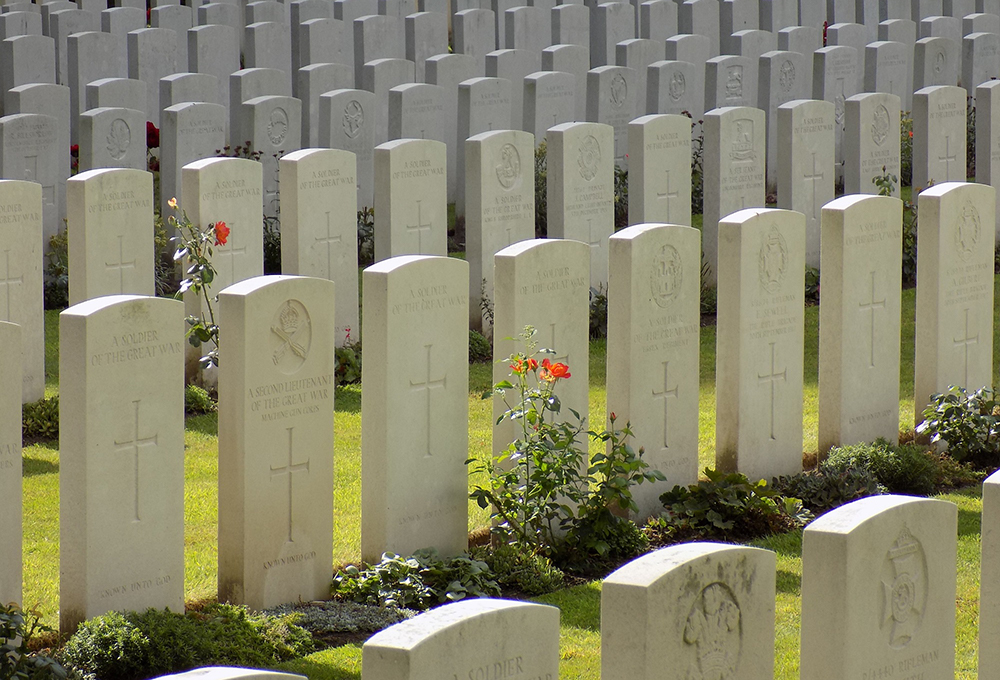
I often dedicate my November blog to our traditional, deeply moving and impeccably executed rituals of remembrance, but not always without a little questioning too. Through the 15 years of research for In My Grandfather’s Shadow, I came to appreciate a far broader narrative of WW2 remembrance than that which Britain generally embraces and teaches. Granted there has been welcome progress over the decades with the inclusion of women as well as the huge contributions and sacrifices made by Gurkha, Indian, Sikh, African and Caribbean servicemen, among others. But there is still widespread ignorance of the bigger context.
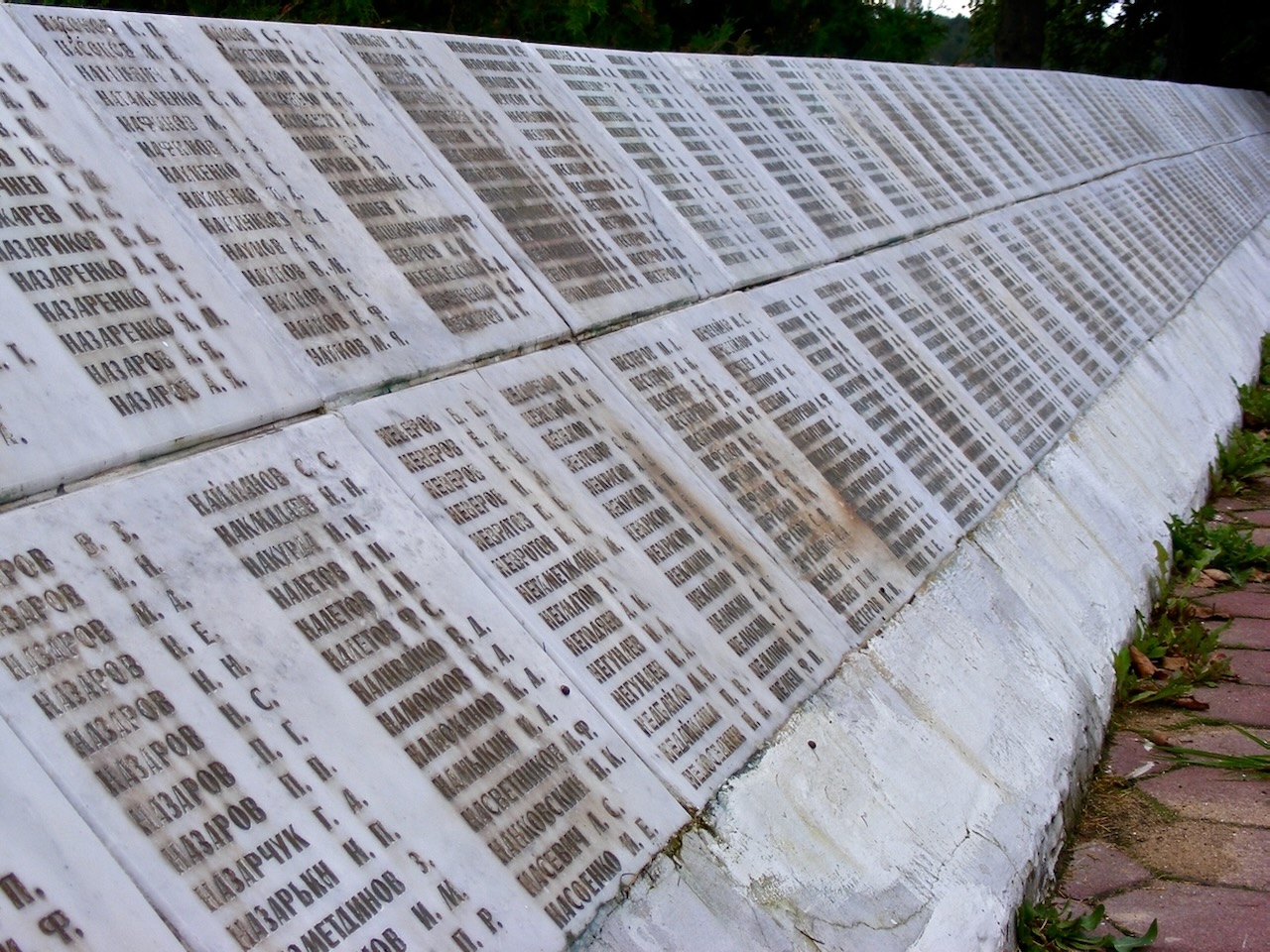
When I give my talks, I often use statistics. They provide a solid, black and white foundation of fact to my more psychological / philosophical ponderings. So often these figures shock. For example, when I ask people to guess the total losses, including civilians, of say Russia, Germany and Britain in the Second World War they are usually so far out that they themselves are horrified. I challenge you to make a guess… I’ll put the answers at the end of the blog. One man literally went white when he realised how wrong he had been in his thinking or, by his own admission, his lack of thinking. Another woman recently wrote to tell me how my book had opened her eyes in so many ways. “First off,” she said, “the big realisation of how little I have understood of the two world wars, my ignorance of those times and the aftermath.” This despite attending remembrance services all her life.
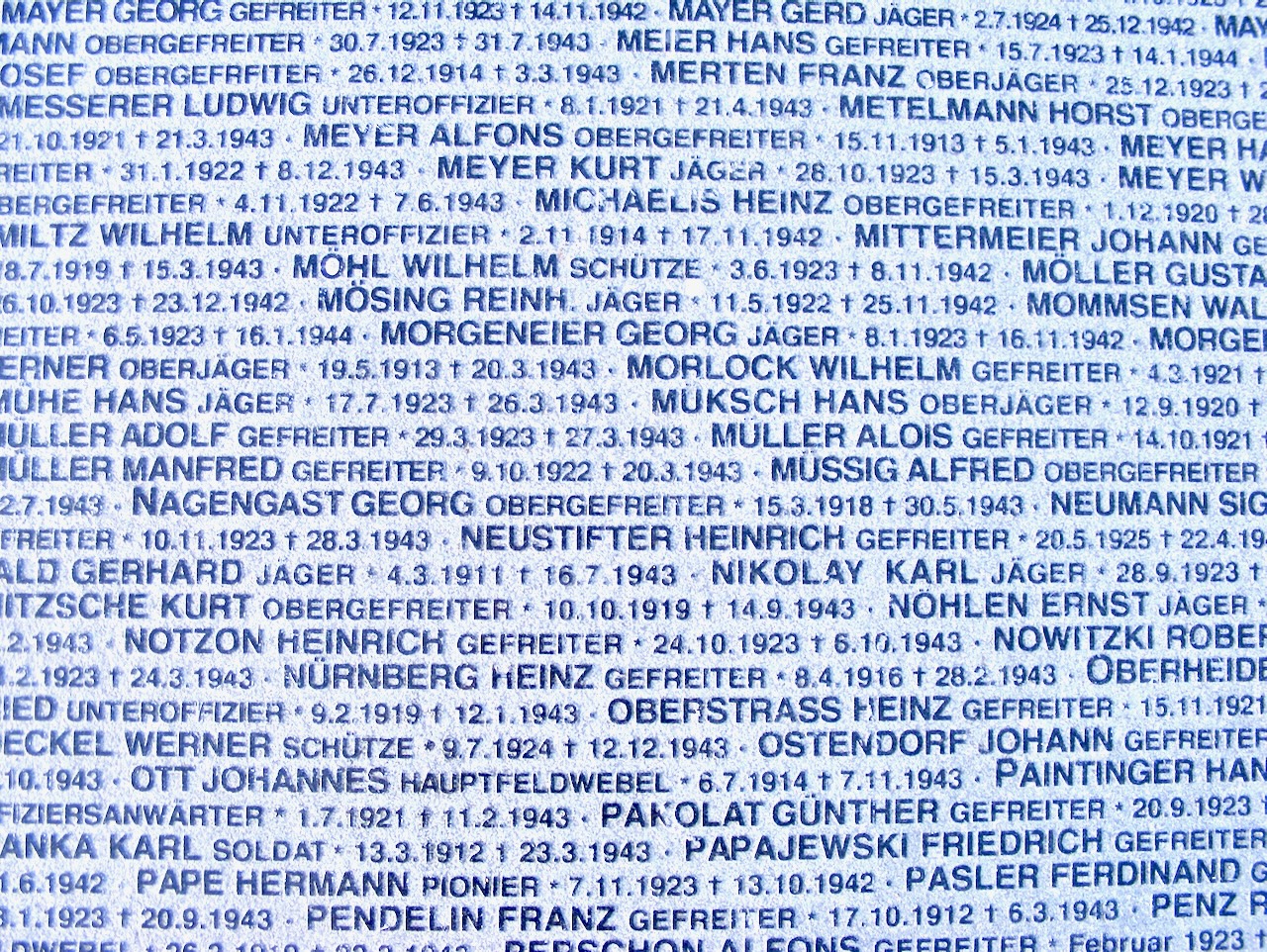
The quantity of deaths doesn’t mean each death was any less keenly felt. But I think she voices what is probably true of most of us. I certainly was ignorant of the broader landscape of loss and destruction, and no doubt still would be if I hadn’t had German roots that needed excavating and hadn’t made trips through Germany and Russia that exposed me to other ways of looking. The World Wars are the episode in history with which the British are often accused of being unnaturally obsessed. And yet, as a nation, we often present it as a deceptively straightforward story of good triumphing over evil. The victors write history after all.

Every nation has its ‘chosen traumas’ and ‘chosen victories’ which serve as cornerstones to its identity and prevent true healing from the past as they continue to play out in the present. We frequently have binary views of how we should feel based on – to use the reader’s words again – “simplistic, reductionist understanding… goodies and baddies…” Rarely have we “considered what it must feel like to have a different identity…”
I really appreciate and admire this woman’s soul-searching honesty. The humility and gentle opening to hearing the other sides’ stories gives me huge hope.
Healing, reconciliation, peace, forgiveness… all goals we strive for within our culture of Remembrance… can best come about when we become familiar with and find some understanding for the other side’s experience. Maybe, with our greater distance from both the acute trauma and the impassioned jubilation of our forebears, that is what generations now and in the future can strive to do more of.
Answer to my statistics question: Out of the around 60 million people killed in WW2, 26 million were Russian, approx. one third of them military and two thirds civilians. Between 7-9 million Germans died, roughly 6 million were soldiers and 3 million civilians. In the United Kingdom, just under 451,000 were killed. That’s 383,800 military, including combatants from overseas territories (Crown Colonies and the Indian Empire), and 67,200 civilians.
 angela findlay blog
Once again, we, the 100% British folks, have our cherished Anglo-German friend Angela to thank for a more nuanced insight into our customary national reaction to history.
A 1940s boy, I was brought up strictly and exclusively in the established cultural and political stereotypes of the time. Whether in the school-room, the cinema, or around the dining room table, the background music to my childhood was a version of “Land of Hope and Glory” mashed with “Rule Britannia” and “The British Grenadier” (OK, yes, with a good deal of Johnnie Ray, Bill Haley and Elvis Presley thrown in) -accompanied by heroic scenes from black and white War Films and Ealing Comedies.
Once a year, all this glorious celebration of our Britishness and essential high moral value came together on Remberance Sunday. We were given a sharply focussed annual opportunity, to “remember” – “lest we forget…”
For me, personally, all of this remained very much the same in the 1950s and ’60s. It even sustained much of its momentum during the ’70s. However, as age – and inevitably growing cynicism – caught up with me, those old pride-full black and white movies, and all that went with them, began to take on a different flavour. “Lest we forget” began to take on a new meaning. Lest we forget what, exactly?
Obviously, it’s only right that we should remember the dedication and the bravery of those who fell in the service of their country. Yes indeed, but do we not also owe it to them to remember, and to learn from, the political mistakes, the strategic and tactical stupidities and the frequent acts of negligence (both incompetent and deliberate) that led to the need for those many sacrifices?
Why, oh why do we insist, year after year, upon remembering the death and the “sacrifice” while utterly ignoring the real lessons to be learned – the causes and the conduct of the two main wars involved – the ways in which such horrific slaughter might have been avoided?
Most importantly of all, we seem to devote very little, if any, time to the question – what must we DO in the here and now to make sure that those things never happen again.
Take WW1 as a prime example – please bear with me – is there not a parallel here with Slavery and other historic wrongs? In those cases, modern UK Governments apologise for those wrongs and the suffering caused by their predecessors. There’s even talk now of paying reparations. So, what about the descendents of all those British mothers and fathers, sisters and brothers, sons and daughters whose loved ones were slaughtered utterly unnecessarily in the trenches of the “Great War”? Should we not be apologising to them too?
Does anyone today actually believe that the assassination of one foreign Duke justified the horrors that followed? Does anyone believe that Britain was fighting for its freedom from 1914 to 1918, or “defending democracy”? Surely we all know that WW1 was a totally unnecessary and utterly unforgiveable abomination inflicted on the loyal innocent youth of our nation by an incompetent cadre of politicians and military staff. Should modern Goverments not apologise for that too – and “REMEMBER” the true lessons to be learned?
As for WWII, clearly, we and many on mainland Europe, owe a great deal to the brave men and women who defended our democracy in the 1940s. But does anyone believe that WWII would have happened had it not been for WW1? Does anyone believe that the rise of Hitler would have been inevitable, if the Allies had imposed a less oppressive peace treaty at Versailles in 1919?
Perhaps, with one quarter of this 21st Century marching past, its time to say goodbye to our dear old nostalgic Cenotaph thoughts and feelings. Perhaps it’s time now to remember everything in a different way – no less respectful to those who died, but a great deal less respectful to those who caused their deaths – and much more thoughtful about the lessons for the future – for our children’s future – “Lest we forget….”
[With renewed thanks to Angela for her thought-provoking piece – and apologies for hogging so many of her column inches to vent my feelings on the subject, this is to emphasise, as is customary, that the errors and omissions in the above piece are the author’s alone and do not purport to spring from any other source.]
So many interesting questions and relevant comments to ponder on in turn… thank you as always, David. It is most rewarding to see how a humble blog can provoke such a stream of thought.