The Point of February

A lot goes on in February. 

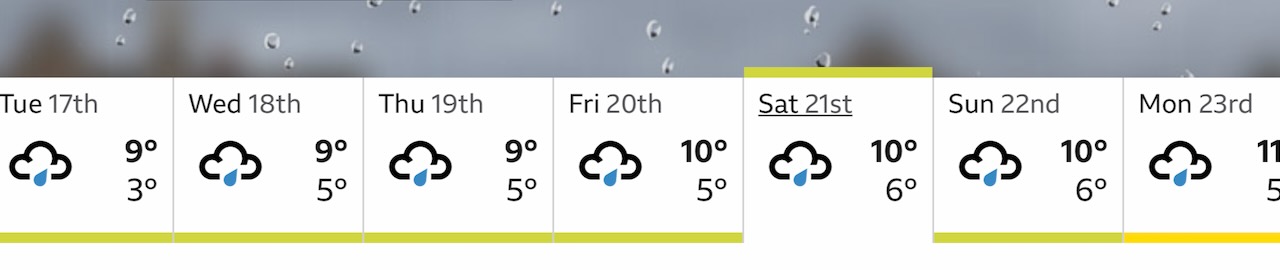
The month opens with the ancient Gaelic festival of Imbolc, the halfway point between the winter solstice and the spring equinox, marking the returning light and the first stirrings of spring. You could be forgiven for doubting it this year, with the interminable wet grey stretching across most of the winter. 
Mid-month in many parts of Europe and beyond is carnival season. In the Rhineland in Germany, Weiberfastnacht launches the week of street parties, parades and general craziness. Bands of women brandishing scissors storm town halls, ceremonially lopping off men’s ties in a symbolic reversal of power. Traditionally a kiss might be offered in exchange. I suspect there would be little appetite to bestow even a small peck upon the cheek of any of the unsavoury men currently filling the headlines whose ties many would gladly queue overnight to sever. 

Skipping over Valentine’s Day with its plethora of red rose themed flower bunches, heart-shaped chocolates and pink bubbly, on 17 February, the Chinese Zodiac ushered in the Year of the Fire Horse – a harbinger of intensity and fast-paced change on both personal and global levels. It sounds promising. And that day I genuinely felt the stable door to my long, conscious wintering fly open. I bolted like a horse with a rocket up its arse. This equine imagery swiftly morphed, however, into something closer to a headless chicken unsure in which direction to run. A rush of energy is not necessarily the same as orientation.
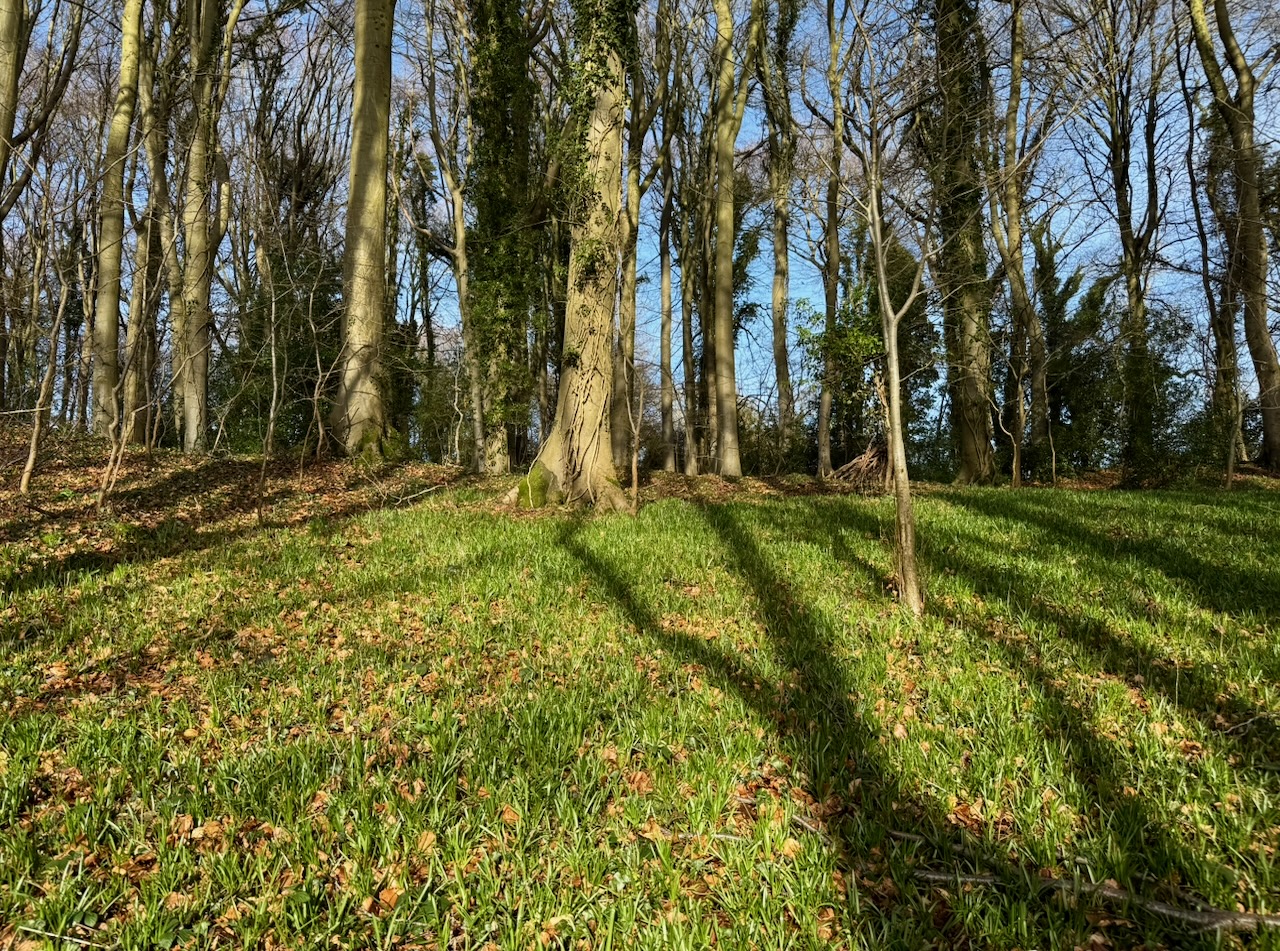
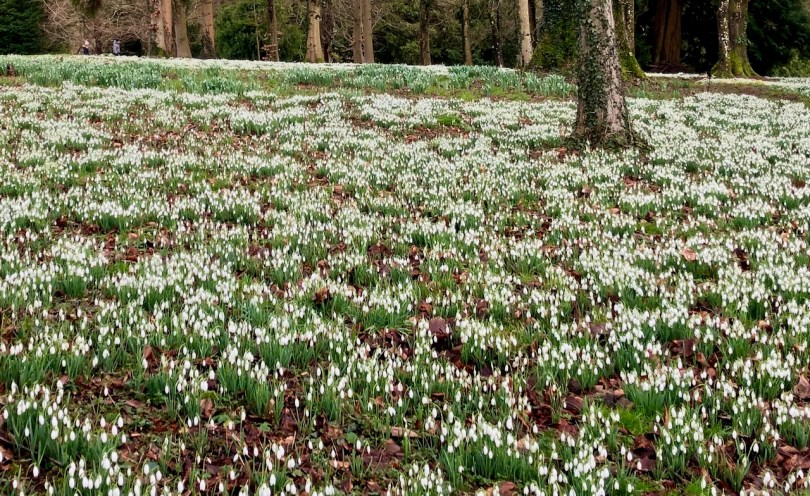
Then in the final week of the month, came rare sunshine. A morning walk in the woods. Warm breezes threaded with birdsong combed through bare branches quietly filling with sap. Forest floors rolled out green carpets in anticipation of white anemones, yellow celandine, and bluebells. For a moment, I felt the promise the daily news so persistently denies us. 

In stark contrast, I think of the extraordinary advances in AI, building a new world of technological brilliance and mechanised humanity. Social media claims to tailor connection, yet so often blurs our individual and cultural edges into a controllable global homogeneity. We may be more networked than ever, but also more divided.

Each generation pushes against the boundaries of its time: church, family, class, gender. Restriction is perceived as the enemy to individuality. But as boundaries dissolve, are we becoming freer or simply blending? Might we be witnessing not just liberation but a longing? A reemergence of desire for what is elemental, real and rooted? 
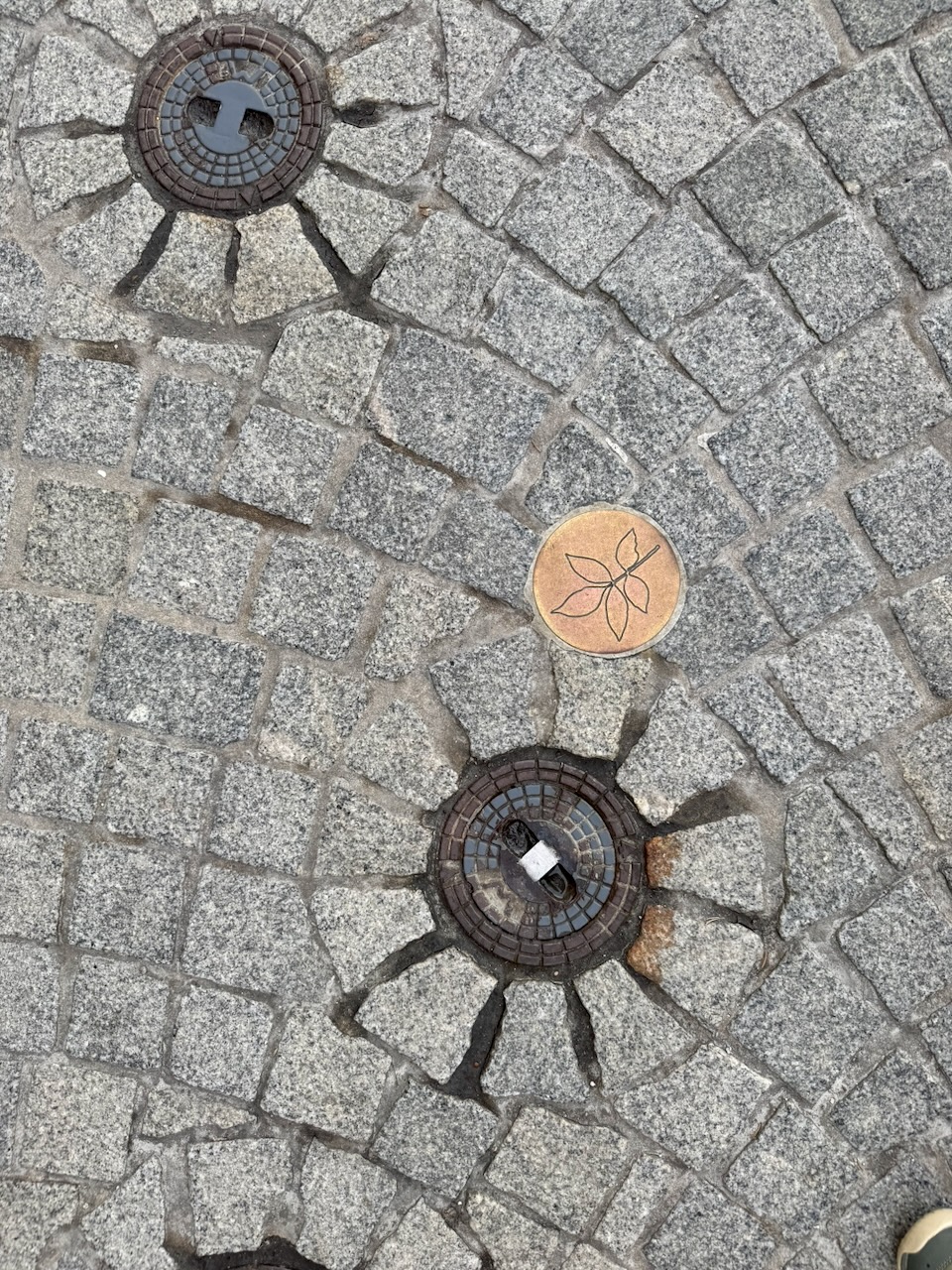
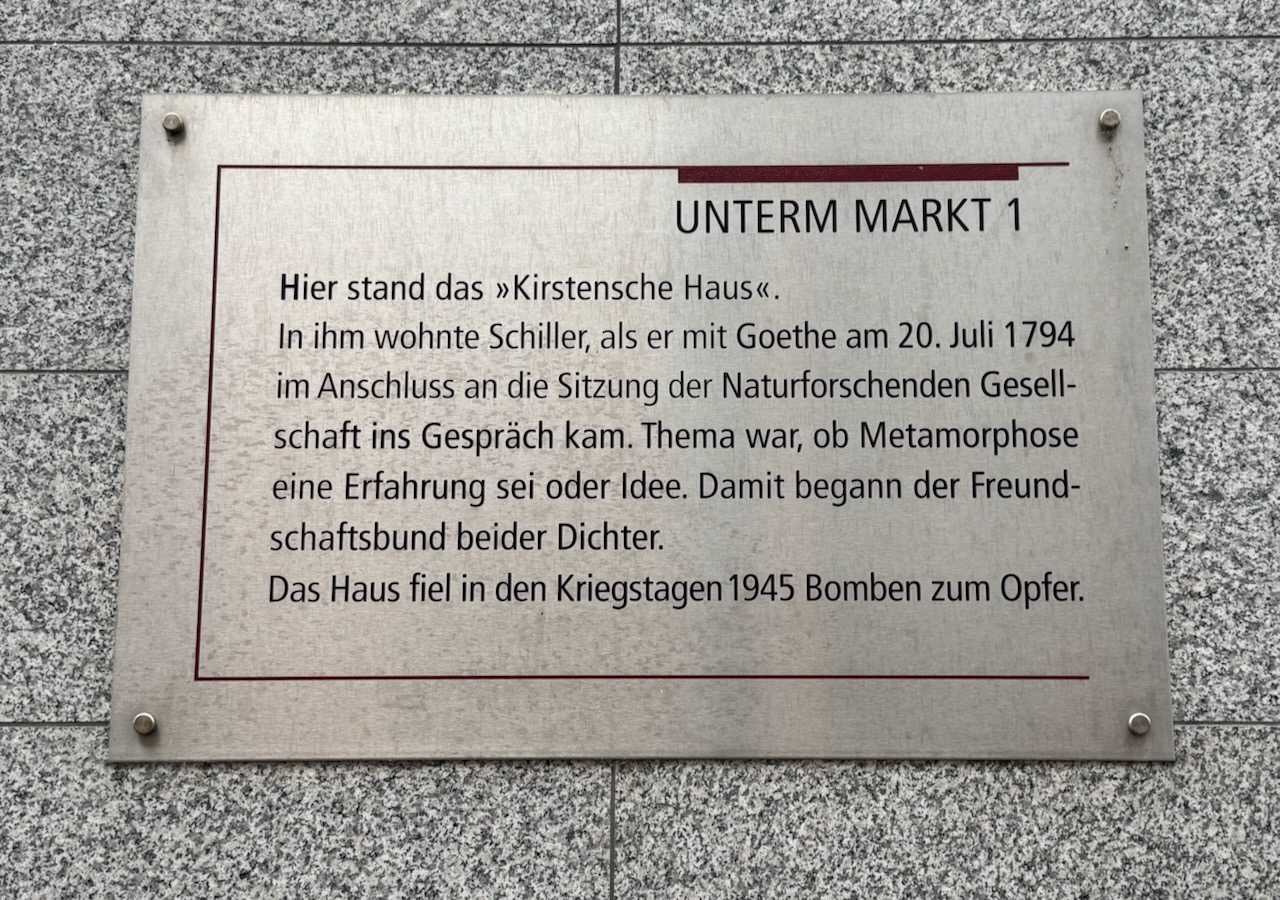
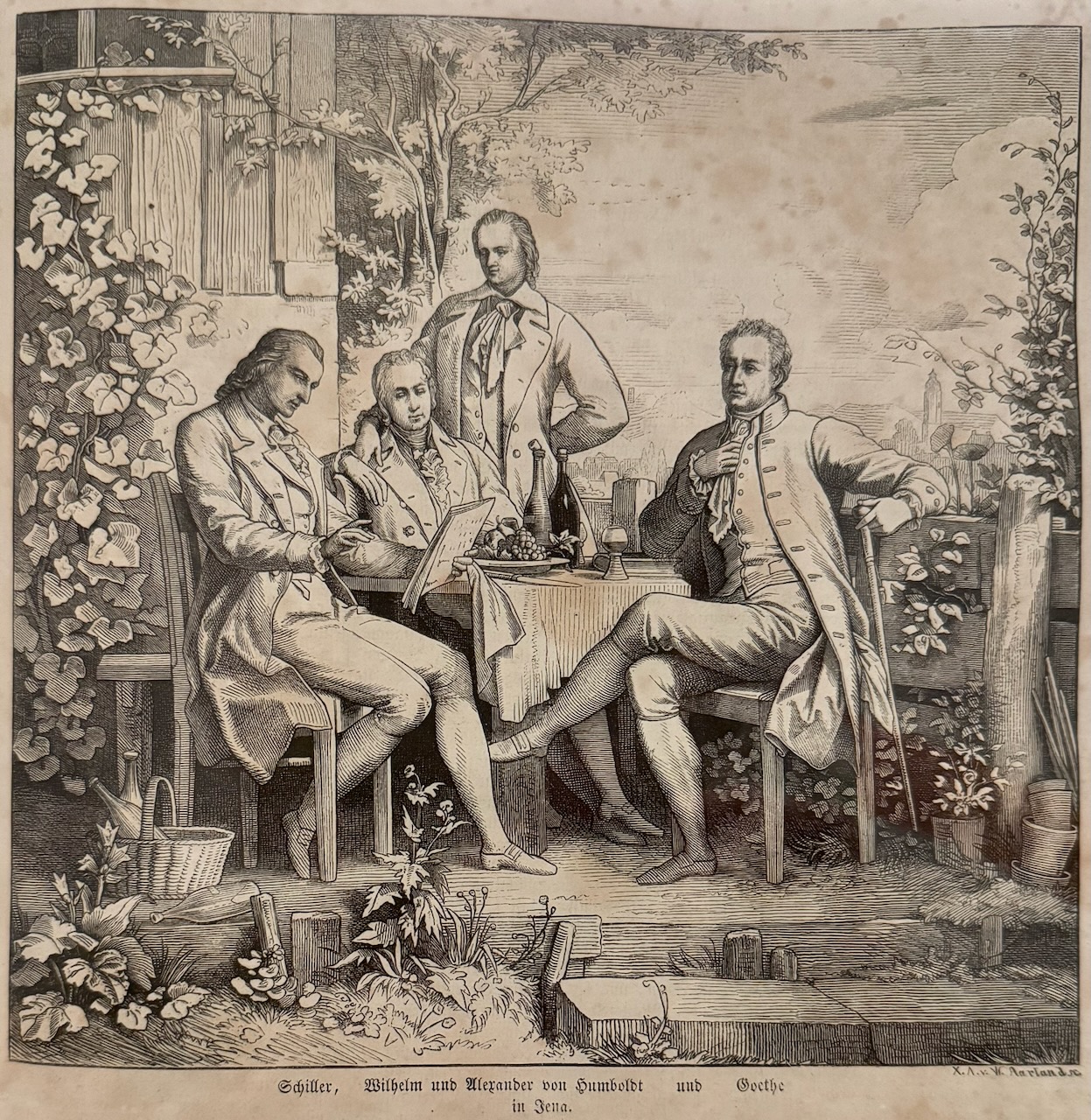
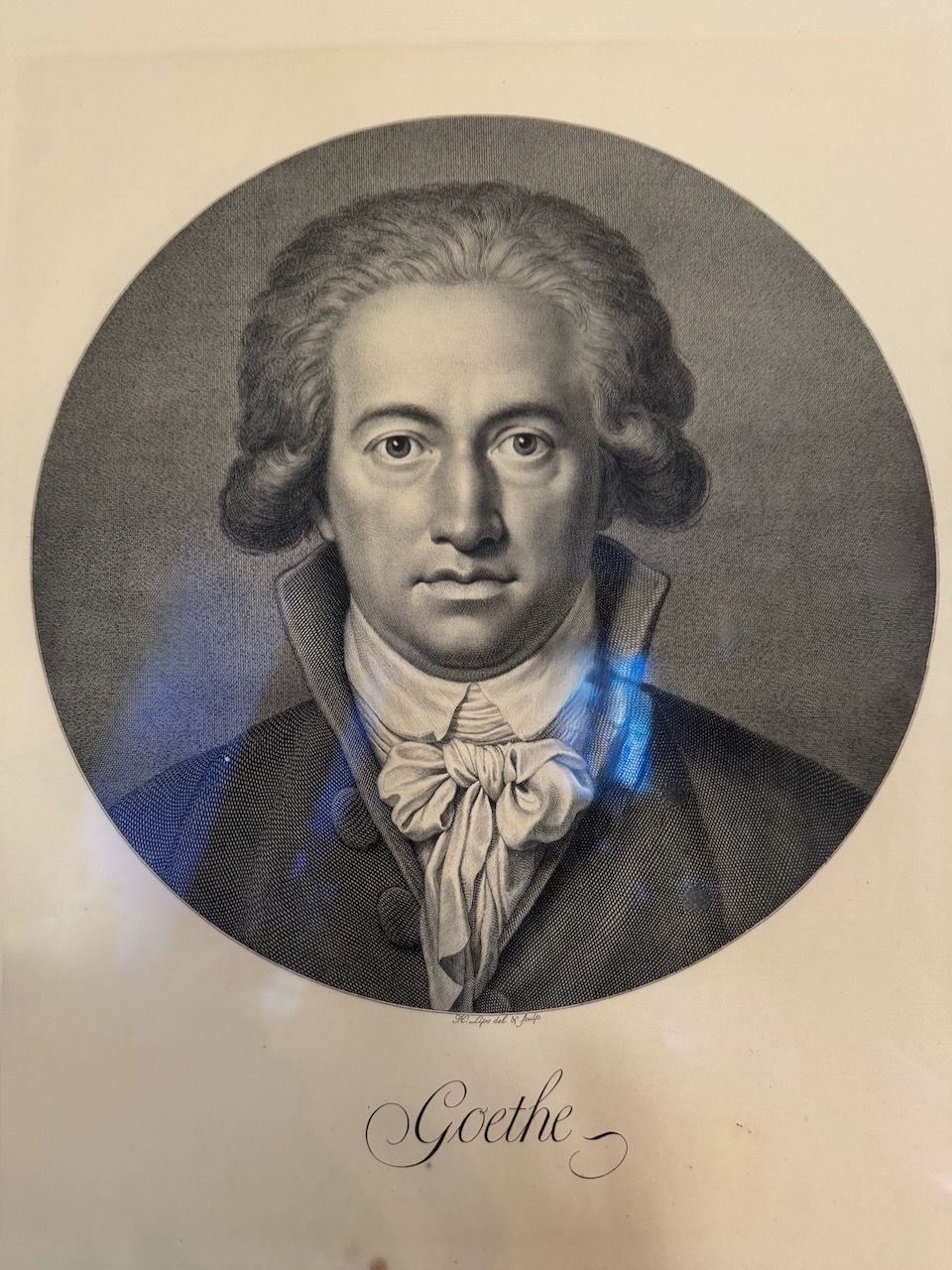
My thoughts return to Goethe’s Metamorphosis and Urpflanze – the archetypal plant – concepts he shared in 1794 with Schiller during a short walk between the Town Hall and Schiller’s house in Jena. This conversation would mark the beginning of their lifelong friendship. In short, (very) short, he proposed that behind the myriad forms of plant life lies an archetype: an invisible set of laws that shape their variations. A rose does not rebel against its rose-ness. A beech tree does not experiment with becoming a birch. Even animals – aside from Jonathan Livingston Seagull – remain faithful to the parameters of their species.  
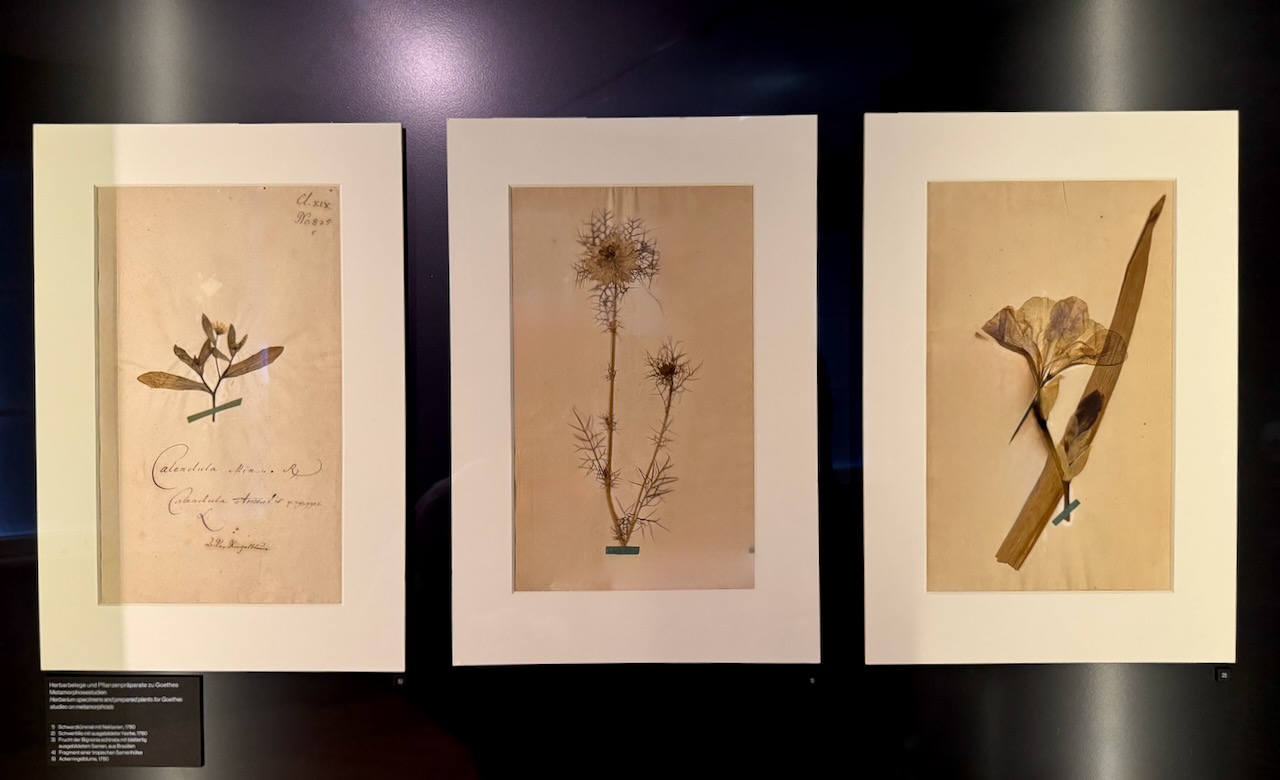
Some of Goethe’s flower specimens, Goethe Haus, Weimar

Humans, endowed with free choice, face a more complex task. We can wander far from ourselves and lose sight of any sense of an archetype.

How then do we like other living beings maintain a connection to our essence? 

Watching The Tony Blair Story on Channel 4 recently, I was struck by his unmistakable sense of destiny. The conviction of a task, sometimes arriving as a premonition. That certainty propelled him toward significant achievements. But also led to the – in my view – catastrophic misjudgement of the Iraq War. Ego, power, entitlement? We are daily reminded all too clearly where those things lead. 
Meanwhile, we are told that 12% of young people are NEETs – Not in Education, Employment or Training – drifting in a culture of instant stimulation but starved of meaning. How can they hear the quiet calling of vocation? How can they imagine let alone explore a destination with smartphones constantly robbing them of the fertile boredom and daydreaming out of which so many creative ideas once emerged?

The French artist Christian Boltanski once said: The best way to make work is to do nothing… and nothing… until you get so bored that you do something. 
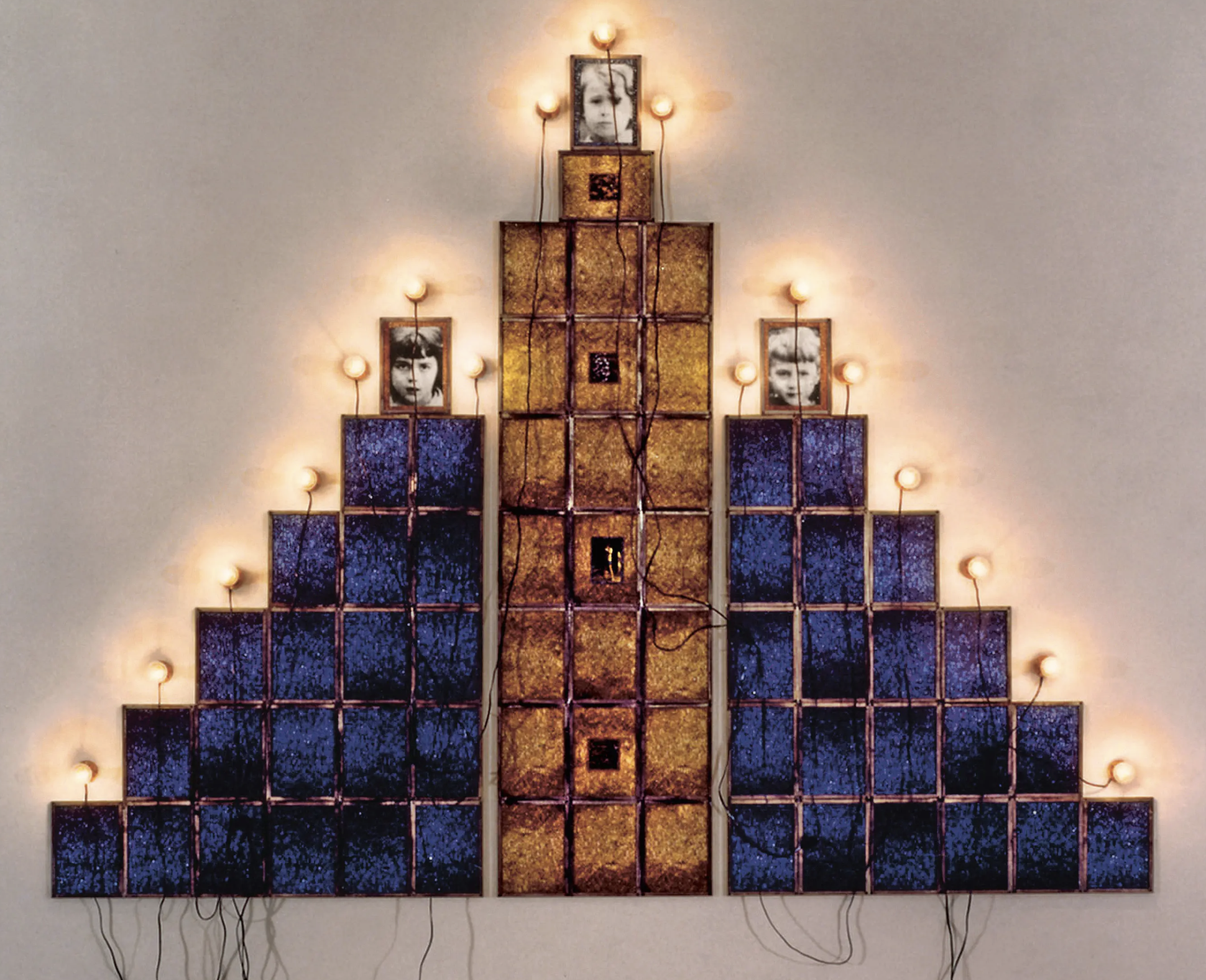
He added: All we can do is wait and hope, hope that someday we’ll understand something, that someday we’ll understand who we are.

February, perhaps, is precisely this waiting. Dormancy, not death. Preparation. And then like racers off the starting block, commitment. 

I am now referring to those oft-quoted lines frequently attributed to Goethe – though written by William Hutchinson Murray in The Scottish Himalayan Expedition (1951)

Until one is committed, there is hesitancy, the chance to draw back… the moment one definitely commits oneself, then Providence moves too. All sorts of things occur to help one that would never otherwise have occurred… Boldness has genius, power, and magic in it. Begin it now.” 

February holds both truths at once: the necessity of waiting, and the call to begin.
Between Light and Darkness: From Jena’s Rebels to Buchenwald

“I think you’ll like this,” a friend said unloading a hardback the size and weight of a breeze block. Slightly daunted and clueless about the rebels of its title, it sat atop the leaning tower of my bedside book pile. When I finally picked it up, I couldn’t put it down. 

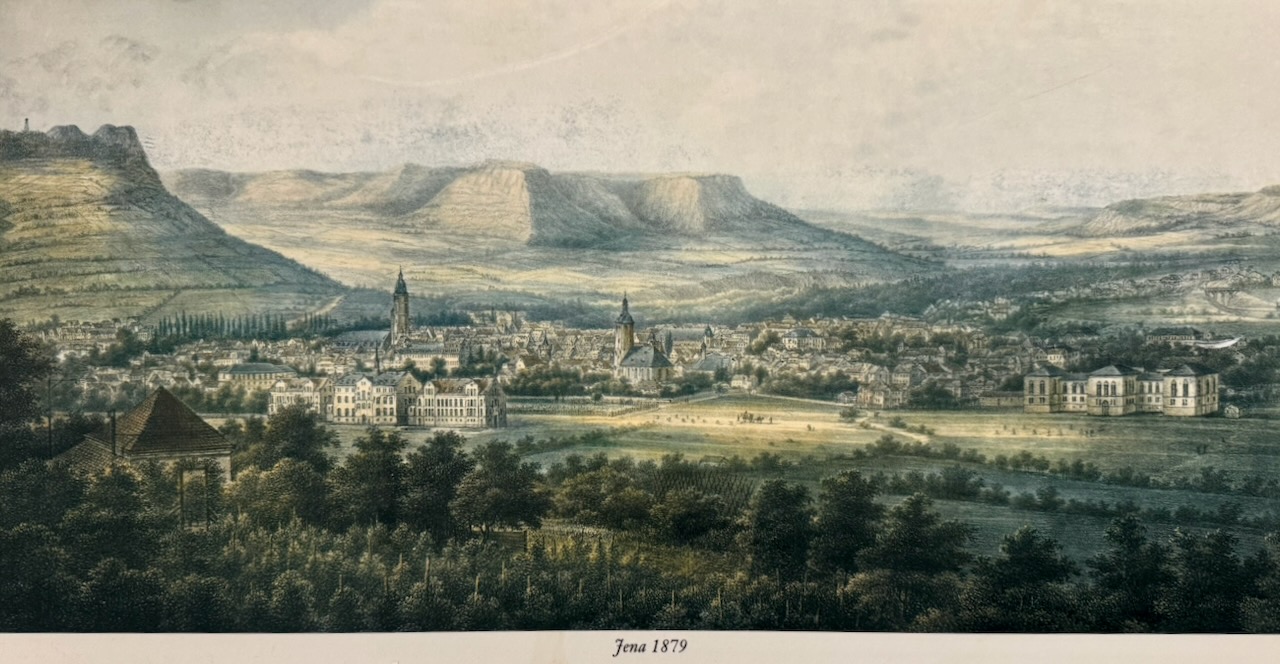
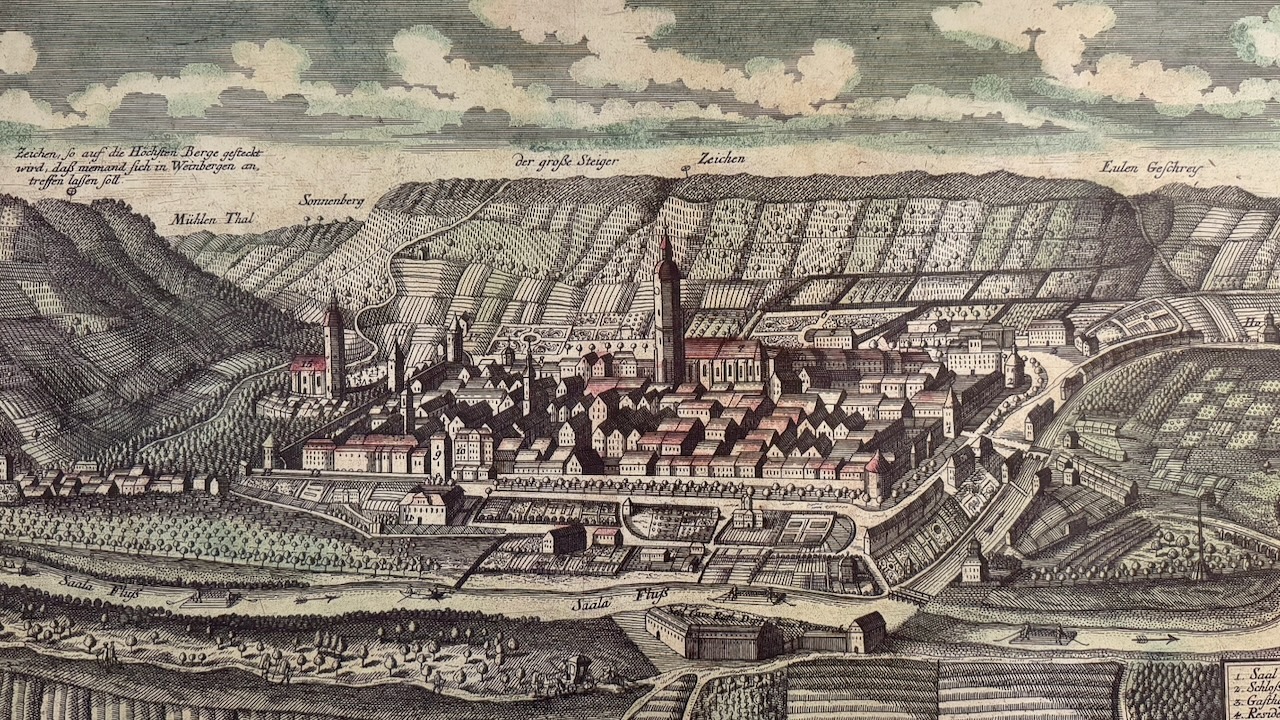
Magnificent Rebels by Andrea Wulf transported me to the small university town of Jena (pronounced ‘Yain-a’) near Weimar, where, between 1795 and 1803, a group of brilliant minds coalesced and forever changed the world.

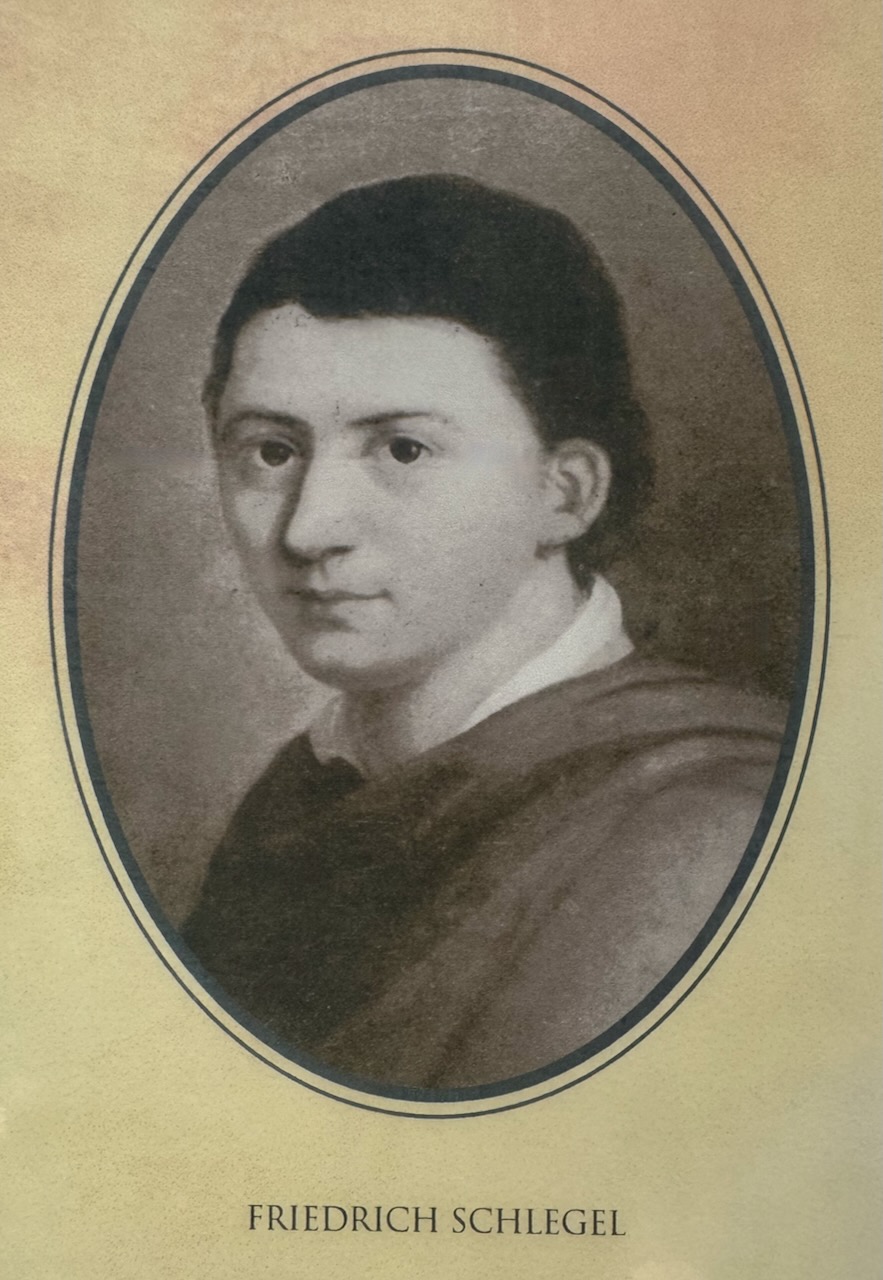
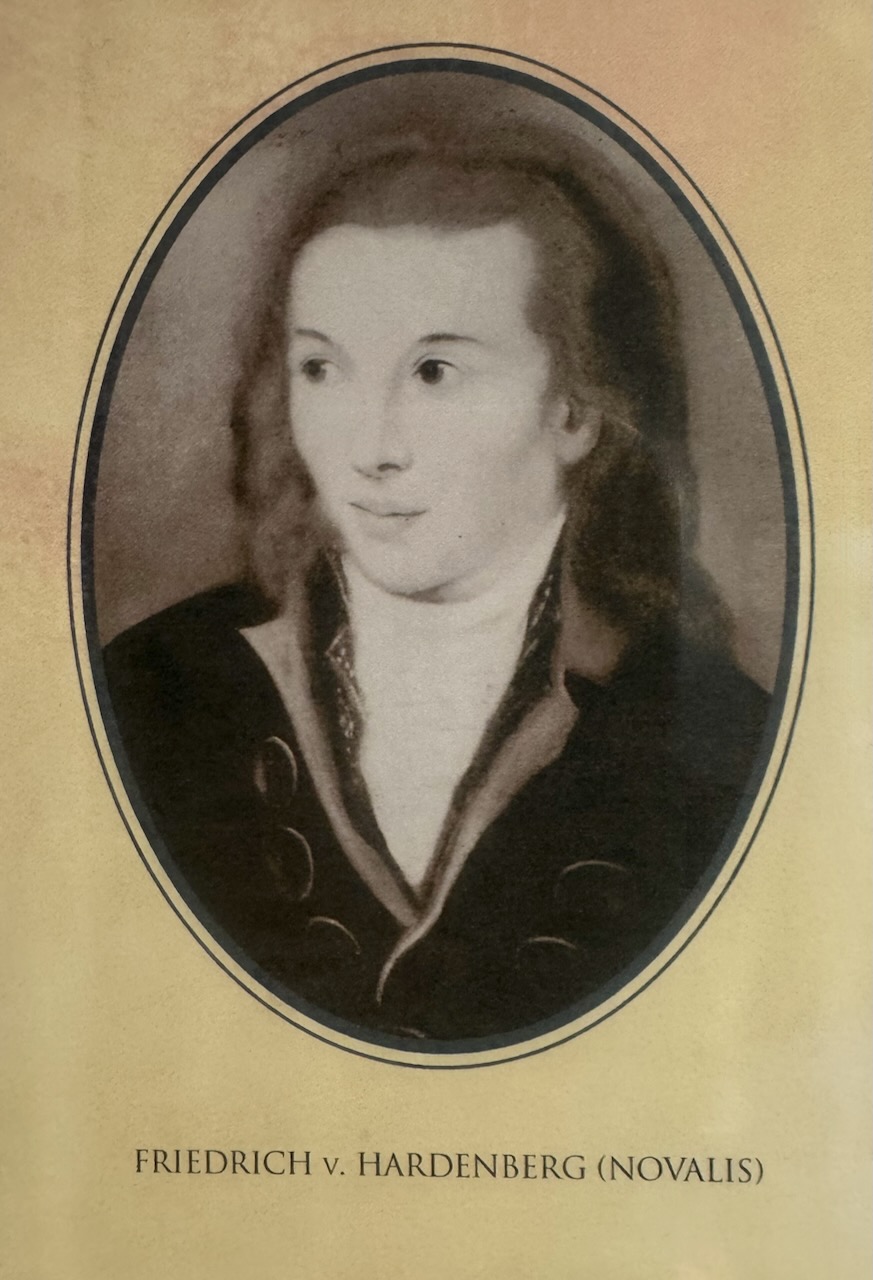
Known as the First Romantics, they were far more than the modern associations with sentimentality and solitary figures in idealised landscapes. This group of Germany’s brightest poets, philosophers and scientists – Goethe, Schiller, Kant, Fichte, Hegel, Novalis, the Schlegel and von Humboldt brothers, Schelling, and their wives – rebelled against the fragmented, rationalised worldview of the Enlightenment. Against the backdrop of the French Revolution and Napoleon’s armies, they revolutionised thinking, paving the way for modernity, the liberation of the Ich (Self), and the idea of free will.

Jena lay at the heart of the Holy Roman Empire, which was neither Holy nor Roman but encompassed much of present-day Germany. Its university was governed by four Saxon rulers from different duchies, making rules difficult to enact and enforce. Escaping the censorship other universities faced, it became more progressive and open-minded than anywhere else. So while England, Spain and France turned outwards towards colonies and the United States, Germany remained inward-looking. With 40 universities (compared to England’s two) books were everywhere, fuelling imaginations and breaking new ground in people’s internal worlds. 

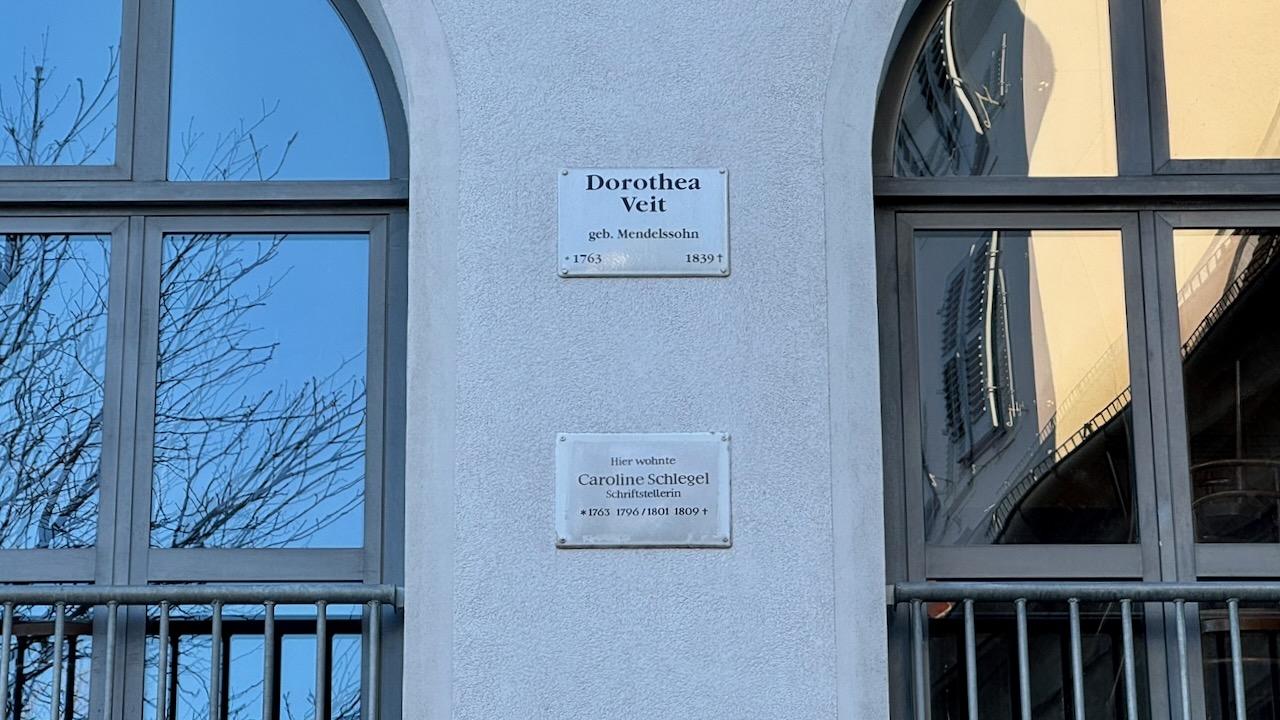
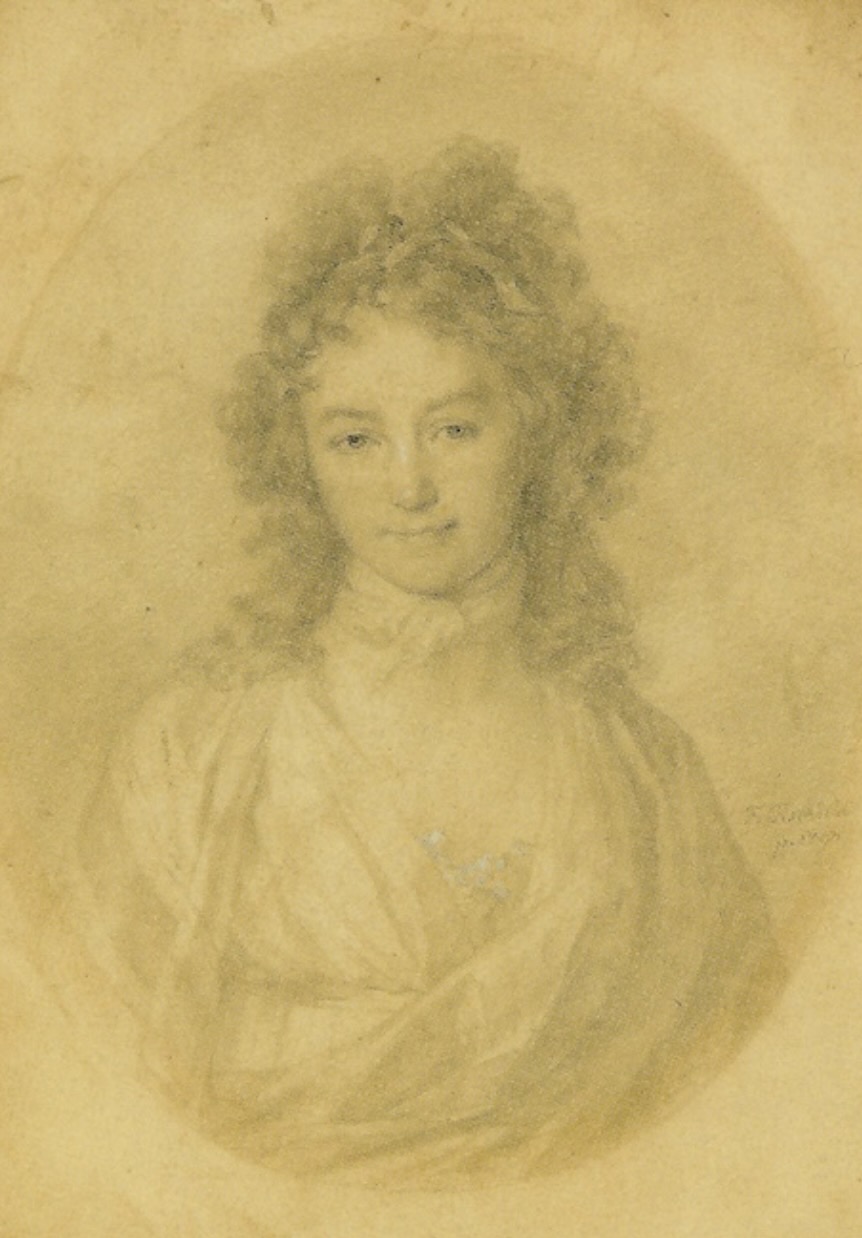
With the liberal-minded intellectual Caroline Michaelis-Böhmer-Schlegel-Schelling (she married three times!) as the beating heart of the group, the Jena Set sought to poetise the increasingly mechanical world. They tore down boundaries between the arts, sciences, nature and the divine, weaving them together into a new reality. This recognition of the interconnectedness of all disciplines, with the Self and the arts as sense-makers of the world, ignited something in me, just as it had for many others both during their lifetimes and over the following two centuries. In our increasingly technicalised world, their conception of the world feels more relevant than ever. 

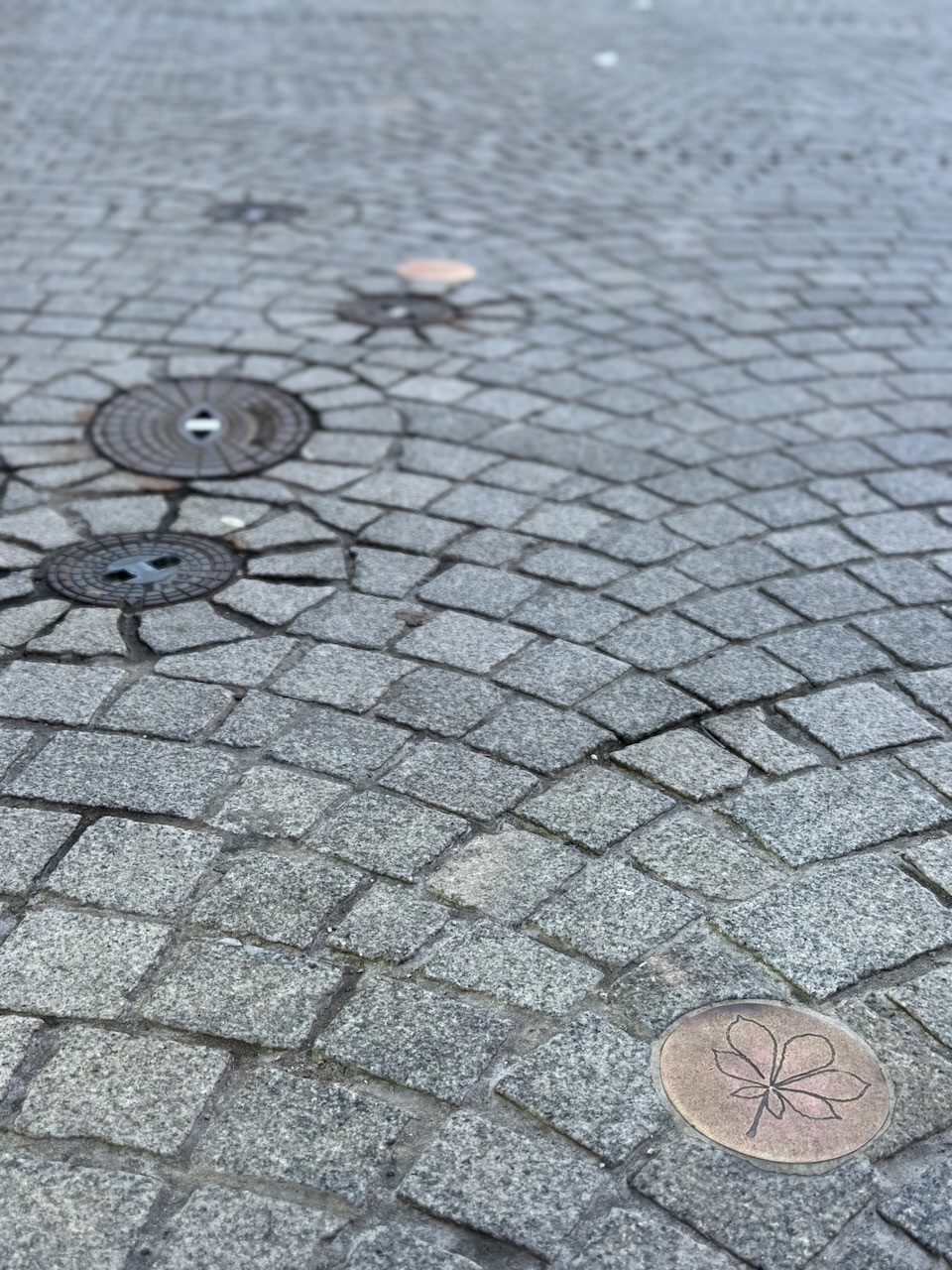
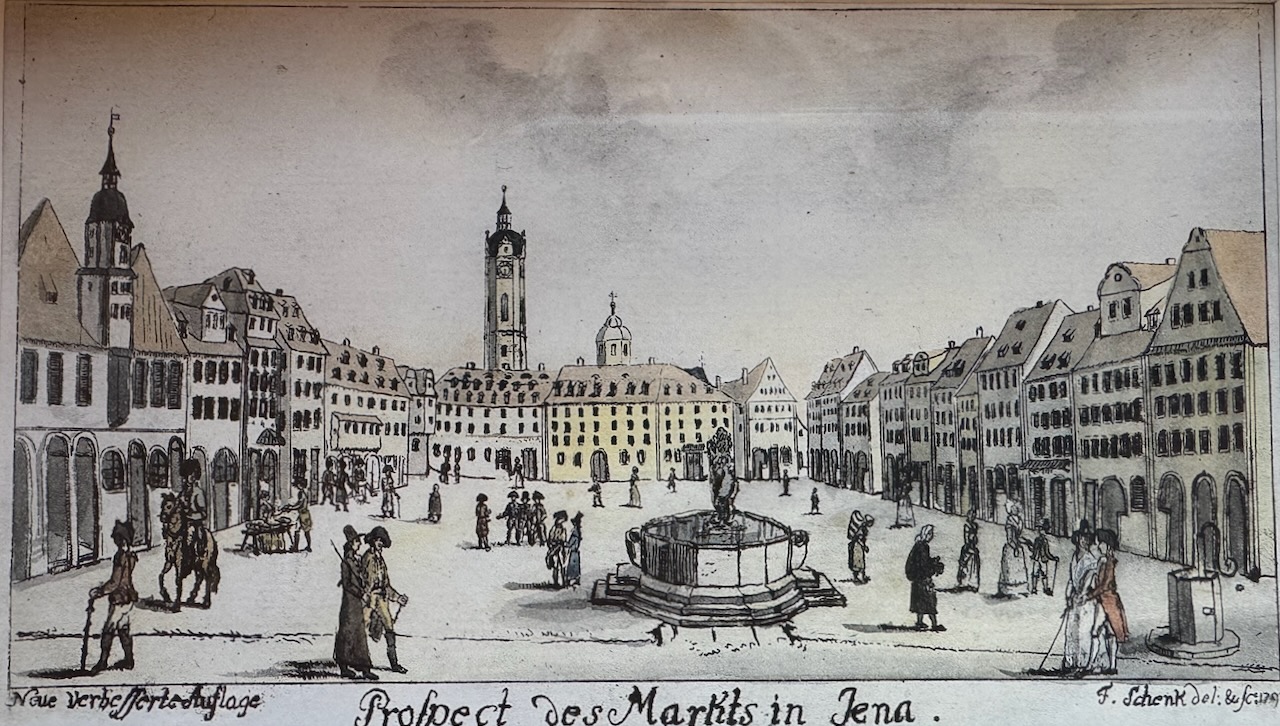
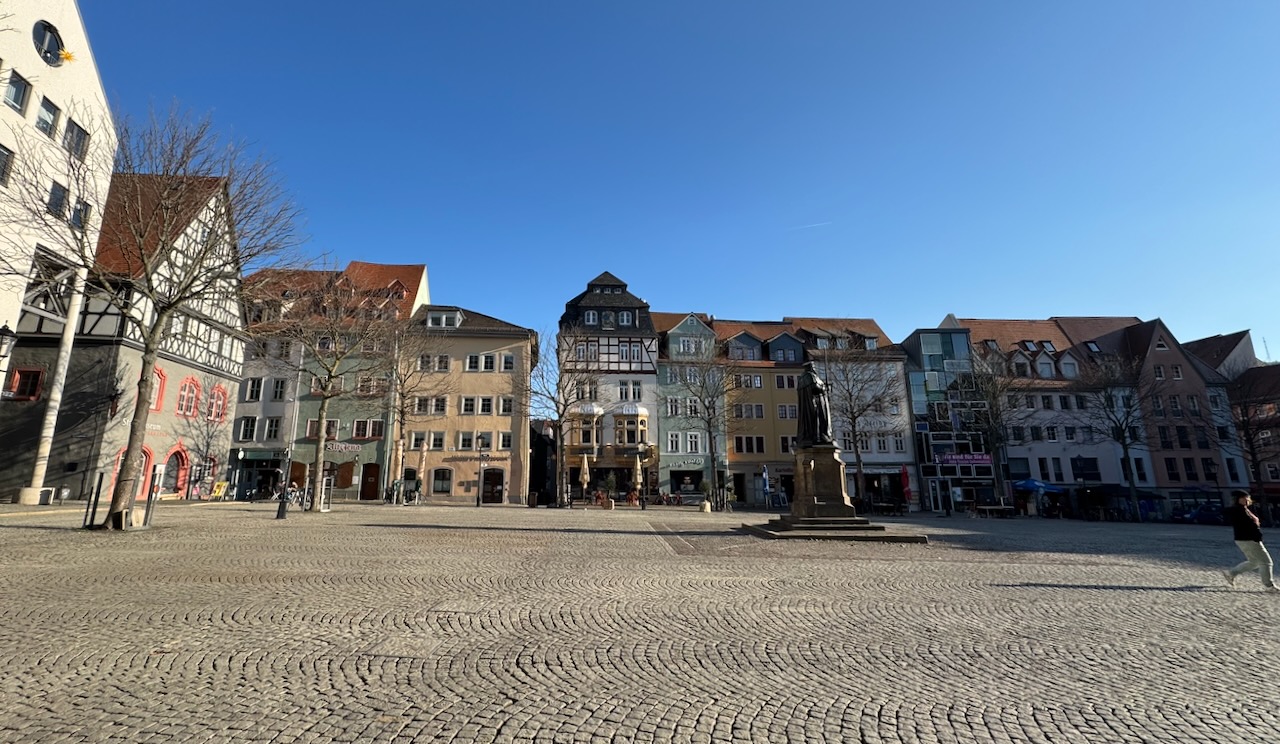
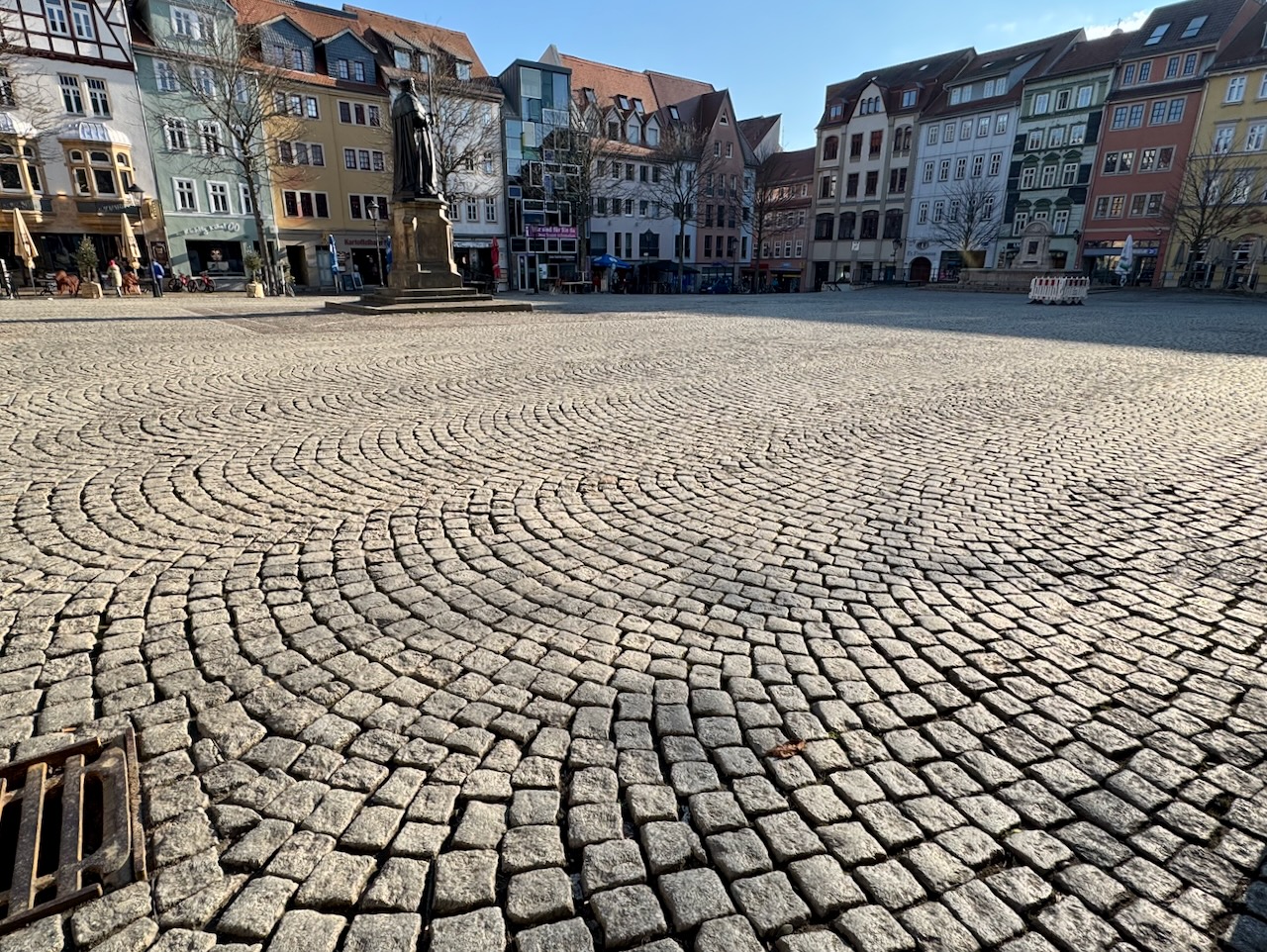
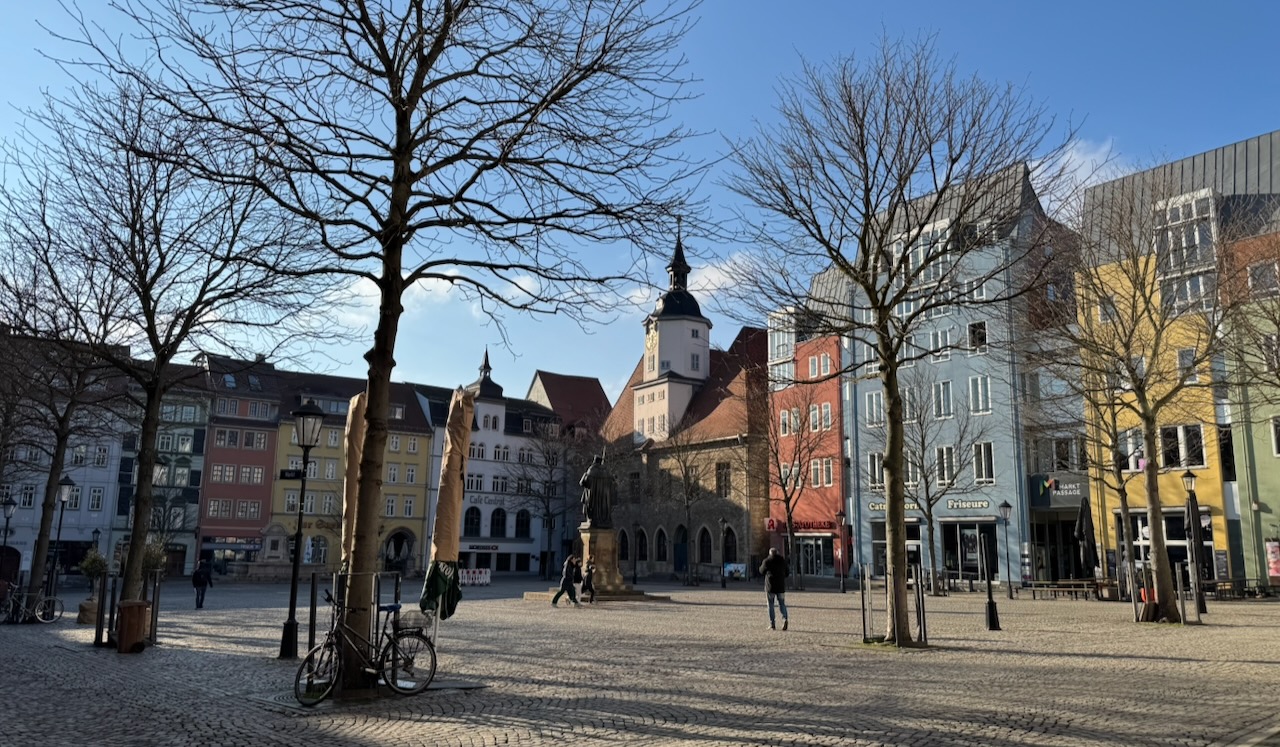
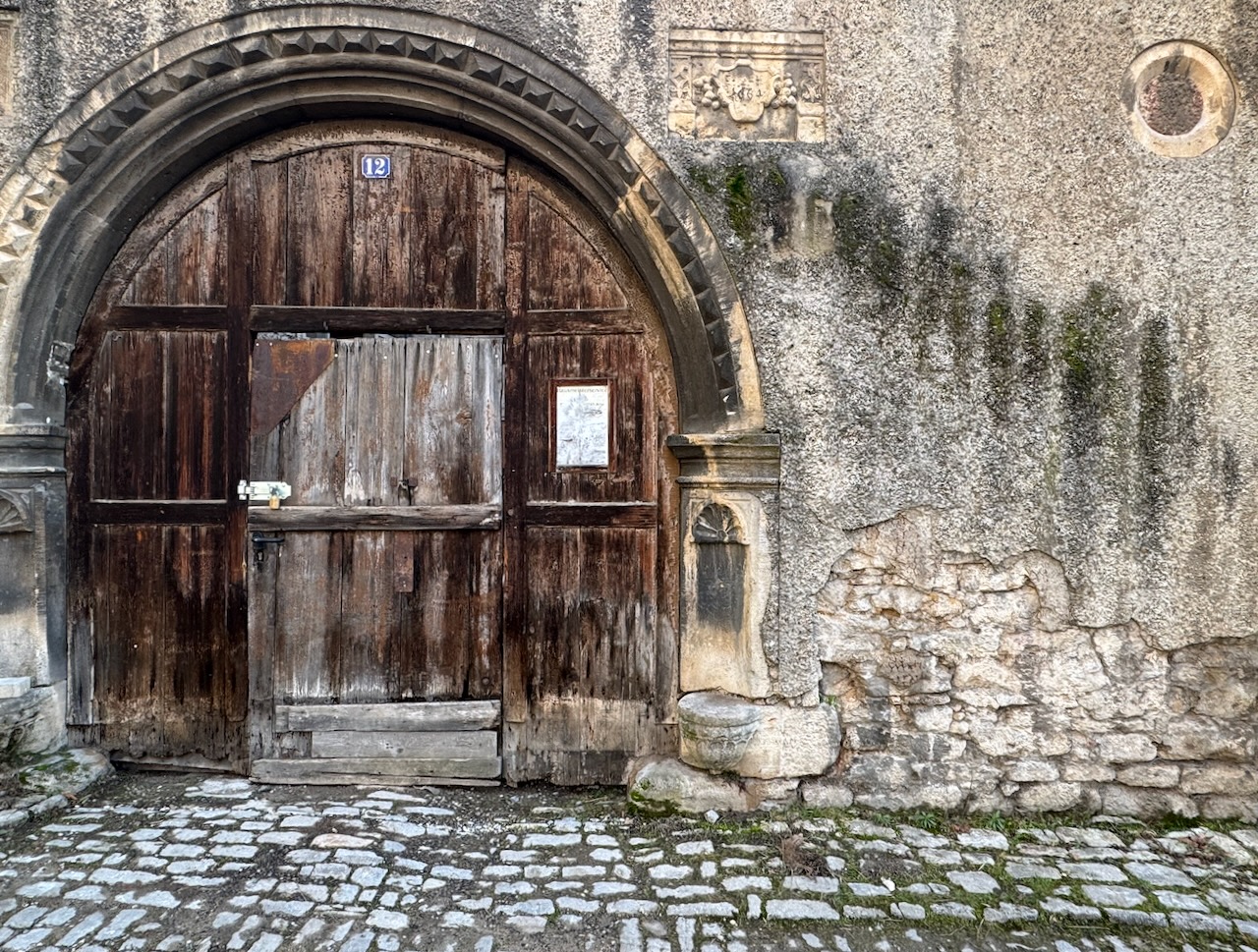
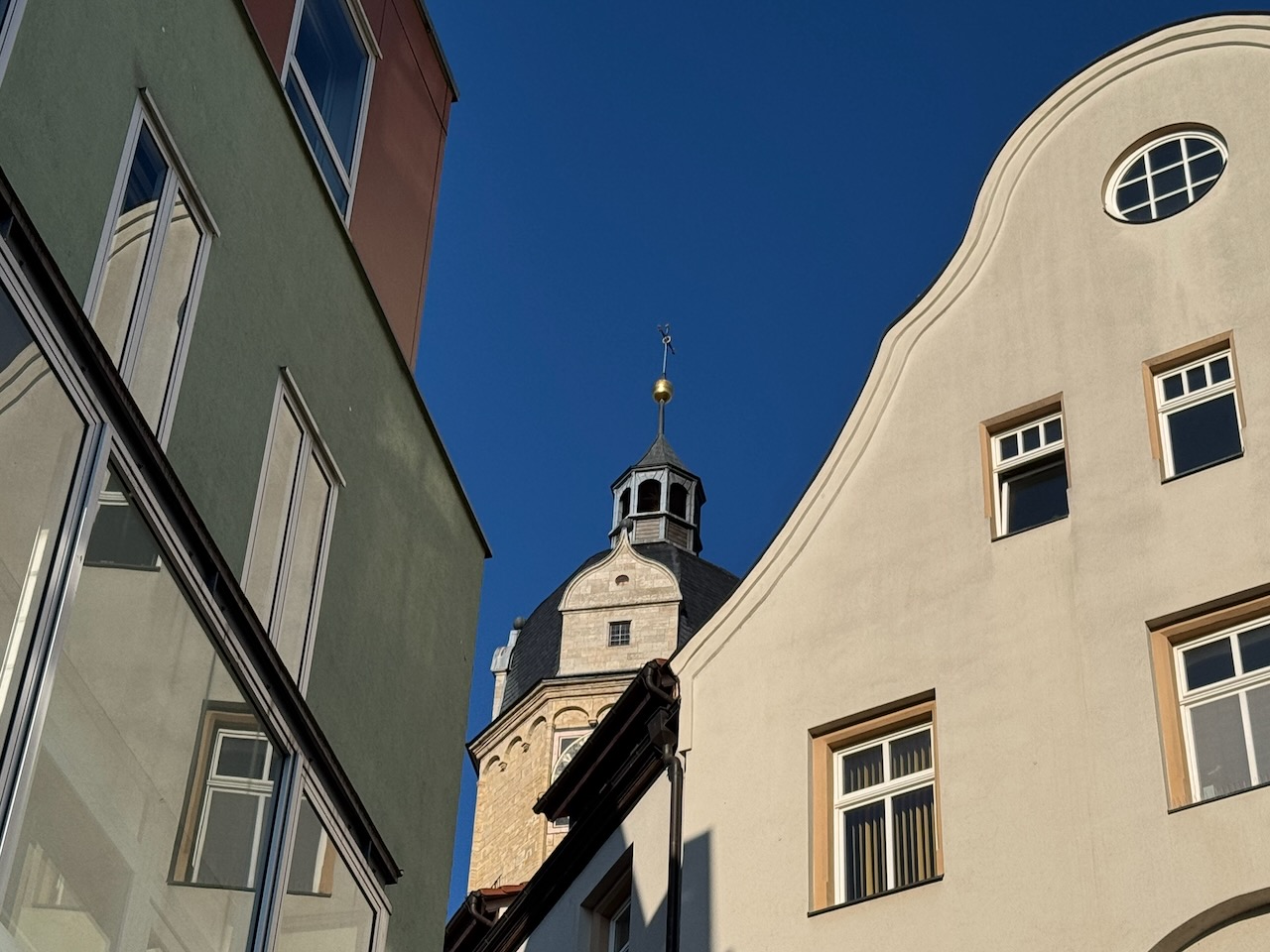
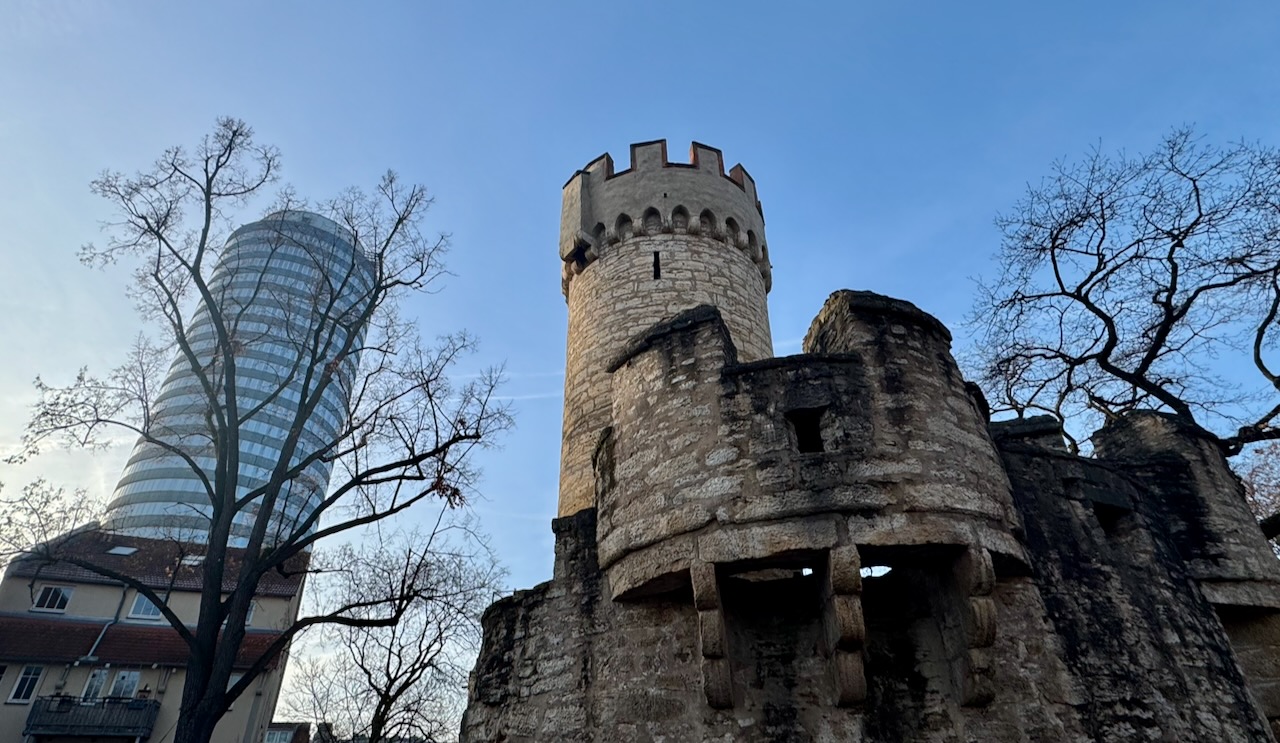
My excitement reading this book was so visceral that this January I travelled to Jena and Weimar to roam the streets they once inhabited. Like them, experiencing a place using all the senses is essential for me to understanding it. Jena didn’t disappoint, despite much of its architecture being destroyed during WWII and later by GDR urban policies. I could almost hear their excited chatter as they crossed the cobbled marketplace, made their way to the Schlegels’ salon, or wandered each other’s minds as they strolled the river in ‘Paradise’. This was Germany at its best – a land of poets and thinkers as well as composers such as Bach, Beethoven and Handel.

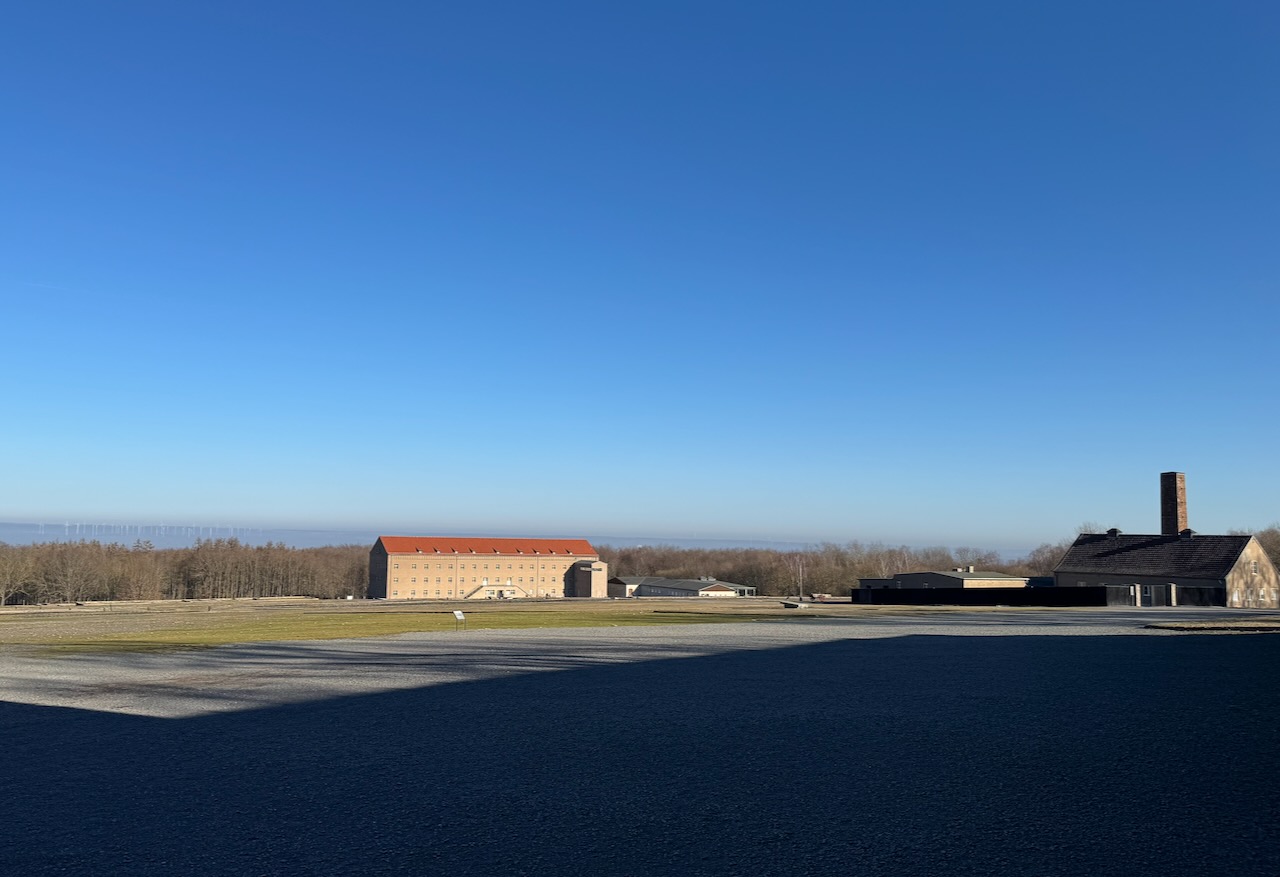
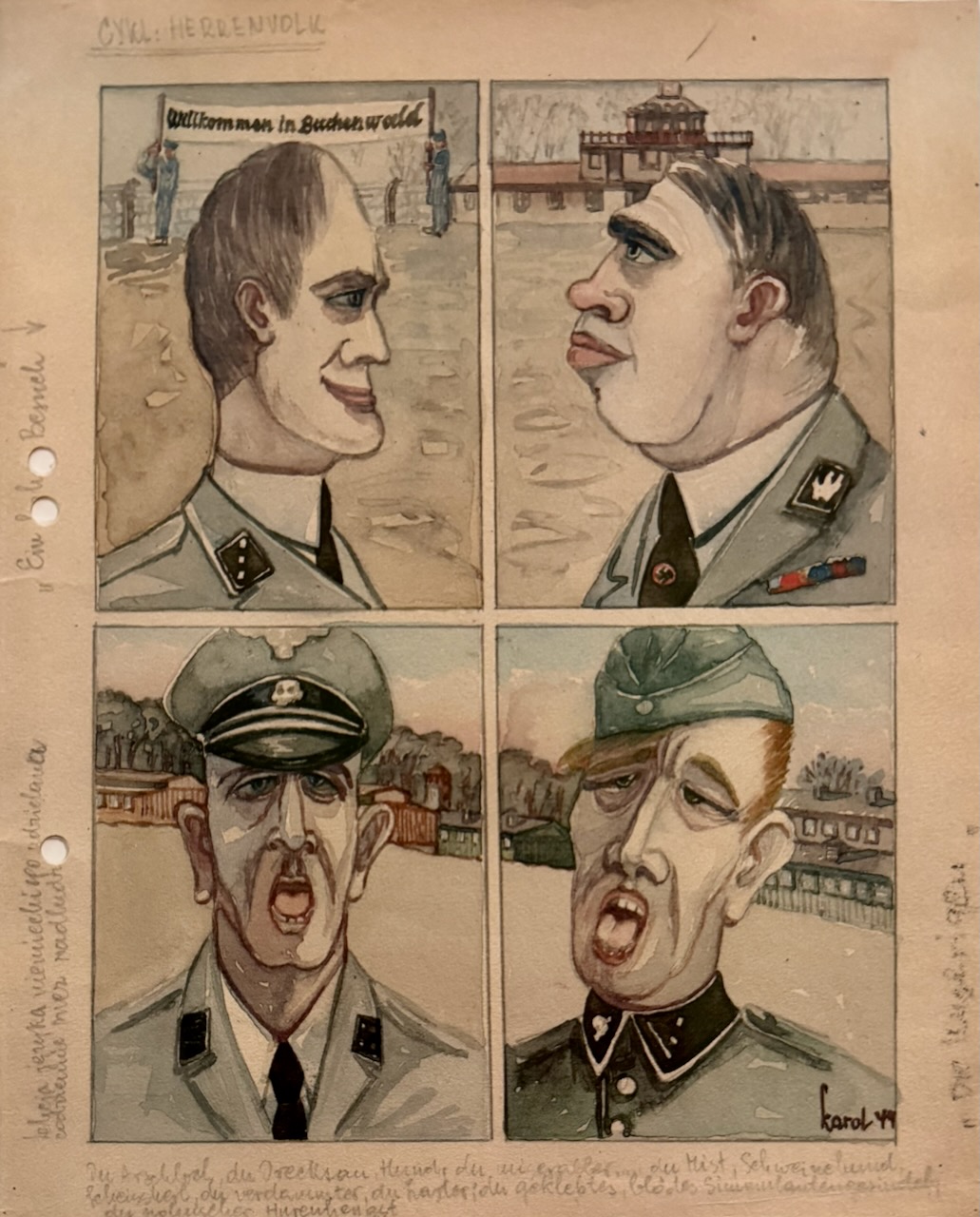
Three days later, I visited Buchenwald, a short bus ride from Goethe’s main home town of Weimar. The former concentration camp stood in stark contrast to the Jena I had just explored. Built in 1937, less than 20 years after architect Walter Gropius founded the Bauhaus in Weimar – a movement that, like the Jena Set, united disciplines, fusing art, craft and architecture into one of the most influential streams in modern design – it imprisoned Jews, political dissidents, Soviet prisoners of war, Roma and Sinti, homosexuals, religious leaders, Polish citizens, women, children, artists and writers… people labelled as wrong, inferior, of no worth.

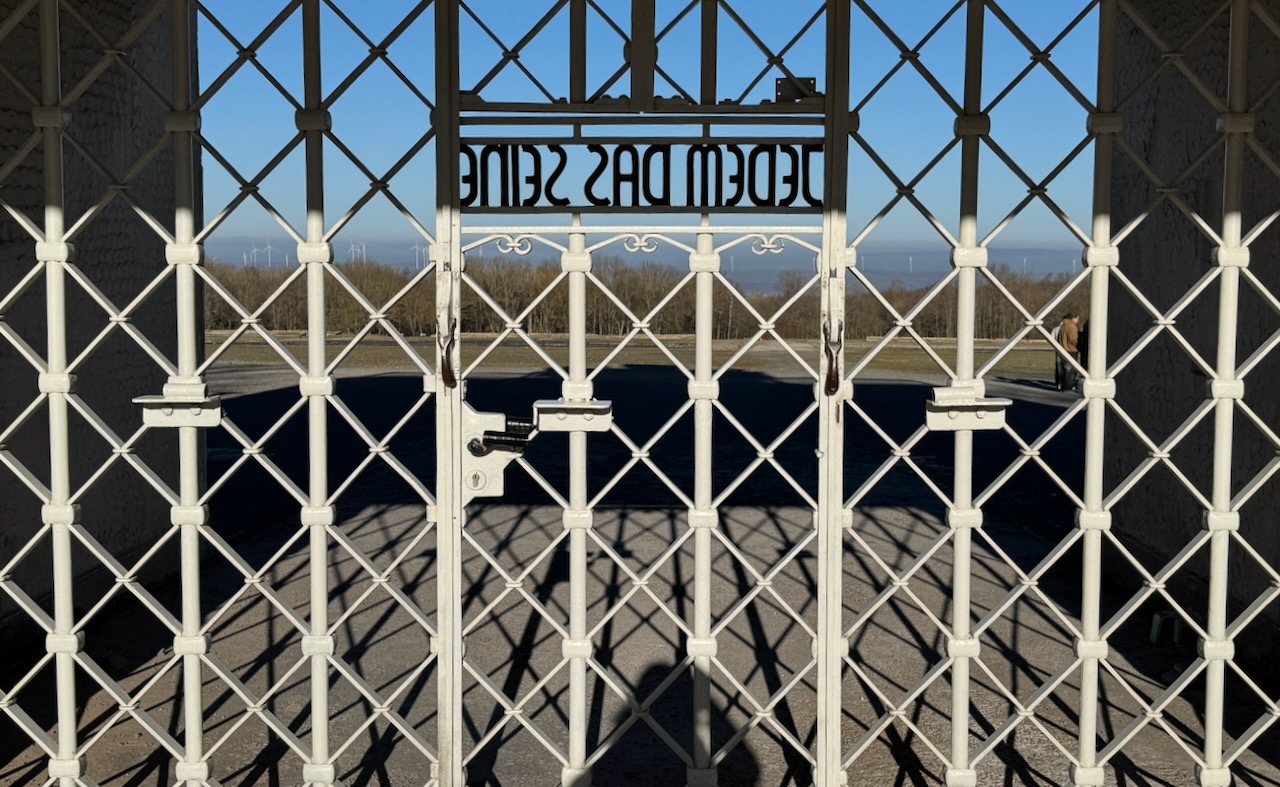
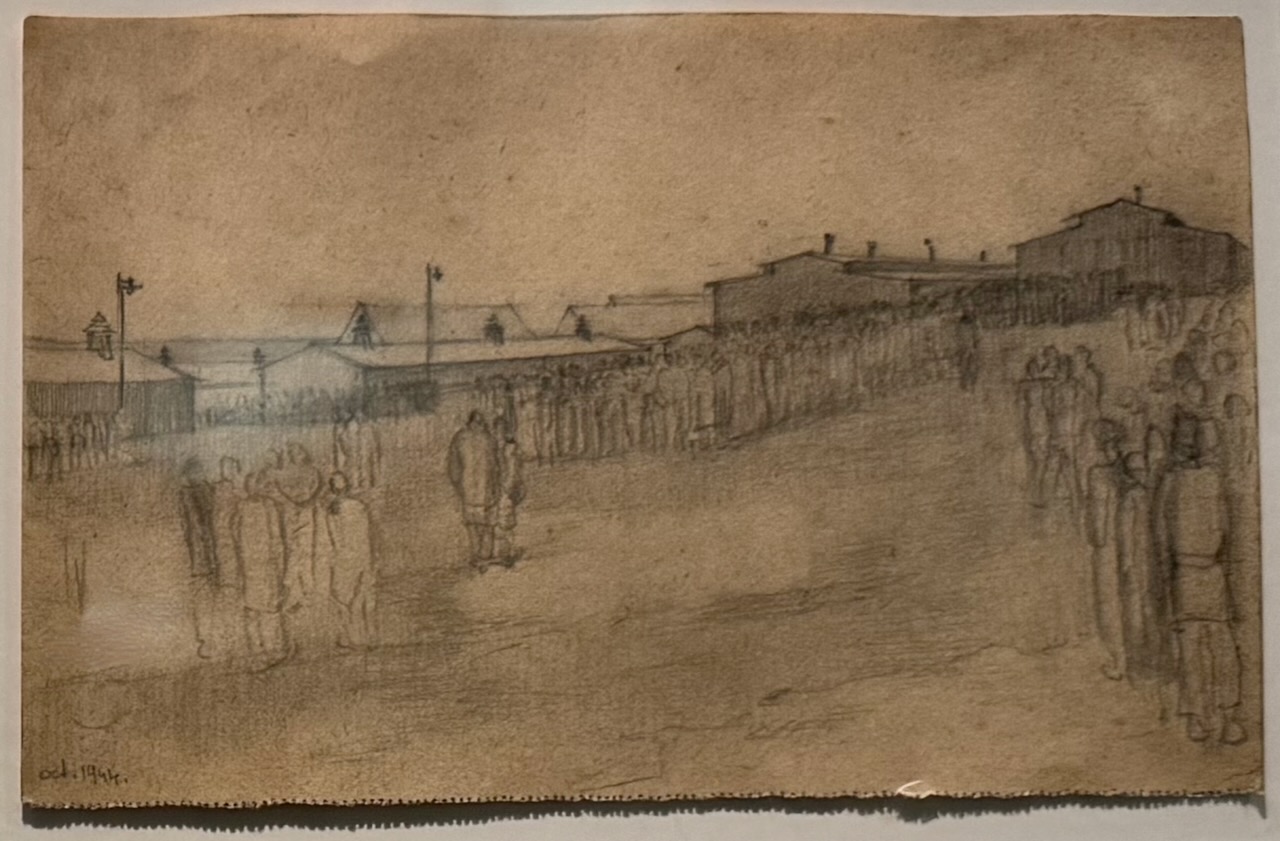
The gates of Buchenwald bear the provocative words JEDEM DAS SEINE (‘To Each His Own’), furtively created in Bauhaus-style lettering by a defiant inmate. Once inside, the visitor instantly shrinks to a moving speck in the vast, seemingly empty arena of former suffering. I clocked the tapping of a distant woodpecker before being swallowed by the site’s app, which conjured visions of hell as I moved from freezing roll calls to the disinfection station, through over-crowded bunks, and into the crematorium ovens.

The theme for Holocaust Memorial Day on 27th January 2026 is ‘Bridging Generations.’ Like my VE Day talks last year – including one with Henry Montgomery (‘Monty’s’ grandson) at the National Army Museum, and more recently with James Holland and Al Murray on their popular WWII podcast We have Ways of Making You Talk – it’s a call to action. As contemporary witnesses die out, the responsibility for remembrance must pass to those who came after.

Yet, as a recent Times article highlighted, the number of schools marking the Holocaust has more than halved since the Hamas attacks on Israel on 7th October 2023. This is deeply concerning. It reveals a profound misunderstanding of what the Holocaust warns us about the present. Strip away categories and nationalities, and both perpetrators and victims were first and foremost ordinary people, like you and me.

The contrast between the intellectual vibrancy of Jena and the grim history of Buchenwald mirrors Germany’s descent from soaring heights to depraved depths.

While grieving the death of his beloved fiancée, the Jena Set poet Novalis discovered a new imagery of darkness. He likened his routine descents into the salt mines of Weißenfels to a journey through the wilderness of the self and the universe. He embraced the night as a place of transformation, knowing, as they all did, that light and dark are inseparable.

For me, regular descents into the darkness of prisons or into Germany’s Nazi past have become similar excavations of the human condition. Novalis found a higher existence in the darkness. I found smaller gems. The most important of them all: both the brightest light and the deepest darkness live within us.

Watch or listen to my episode ‘How to commemorate WW2’ on the We Have Ways of Making You Talk podcast