From screens to Spring…

Spring is Nature’s childhood. It’s frequently associated with youth, new beginnings and innocence. Yet while blossoms skip through our outdoor landscapes, our screens highlight with renewed urgency the premature loss of innocence of our younger generations with devastating consequences to their mental health, education, relationships and identity.

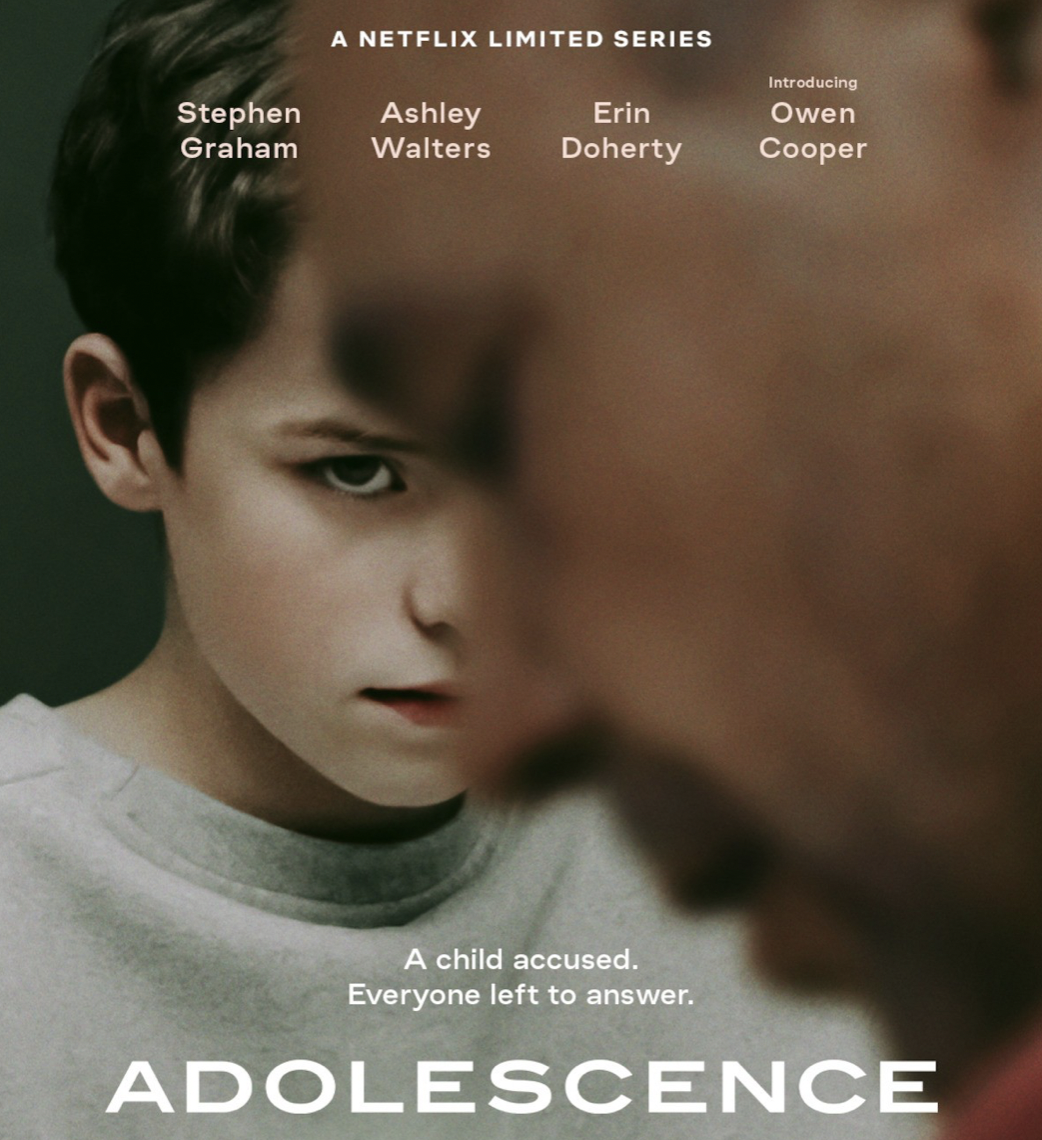
With that in mind, I was going to write about the new Netflix series, Adolescence, that has provoked widespread debate and concern about toxic masculinity, the ‘manosphere’ and sexist ‘manfluencers’ like Andrew Tate. (If you haven’t seen it, I can only encourage you to do so). Online platforms and social media are abuzz with it. Even Radio 4’s Moral Maze dedicated its weekly slot to exploring the question: What’s wrong with men?
Plenty more such questions could be asked in relation to the various world leaders dominating our headlines – Trump, Putin, Zelenskyy, Netanyahu, Starmer, Pope Francis – who between them are presenting a smorgasbord of appealing to repellent aspects of maleness.

I also considered writing about my recent visit to one of London’s dilapidated prisons – organised by the wonderful charity Prison Reading Group – to deliver a session on my book to a group of male prisoners who had read it. About the lingering impressions I’m left with, both of the shabby, four-storey wing that looked, smelt and sounded like your worst imagining of incarceration, and of what happened in the tiny room embedded in it that offered space for our inspired conversation. As always, I was touched by the men’s deep grasp of the themes I address in In My Grandfather’s Shadow, their carefully prepared lists of insightful questions, their gratitude for the positive impact the book had made on their lives. As always, I felt intense frustration at a system of wasted opportunity, money, time and human potential. As always, the wounds left by the absence of fathers, positive male role models and the learned ability to deal with overwhelming emotions glared red.
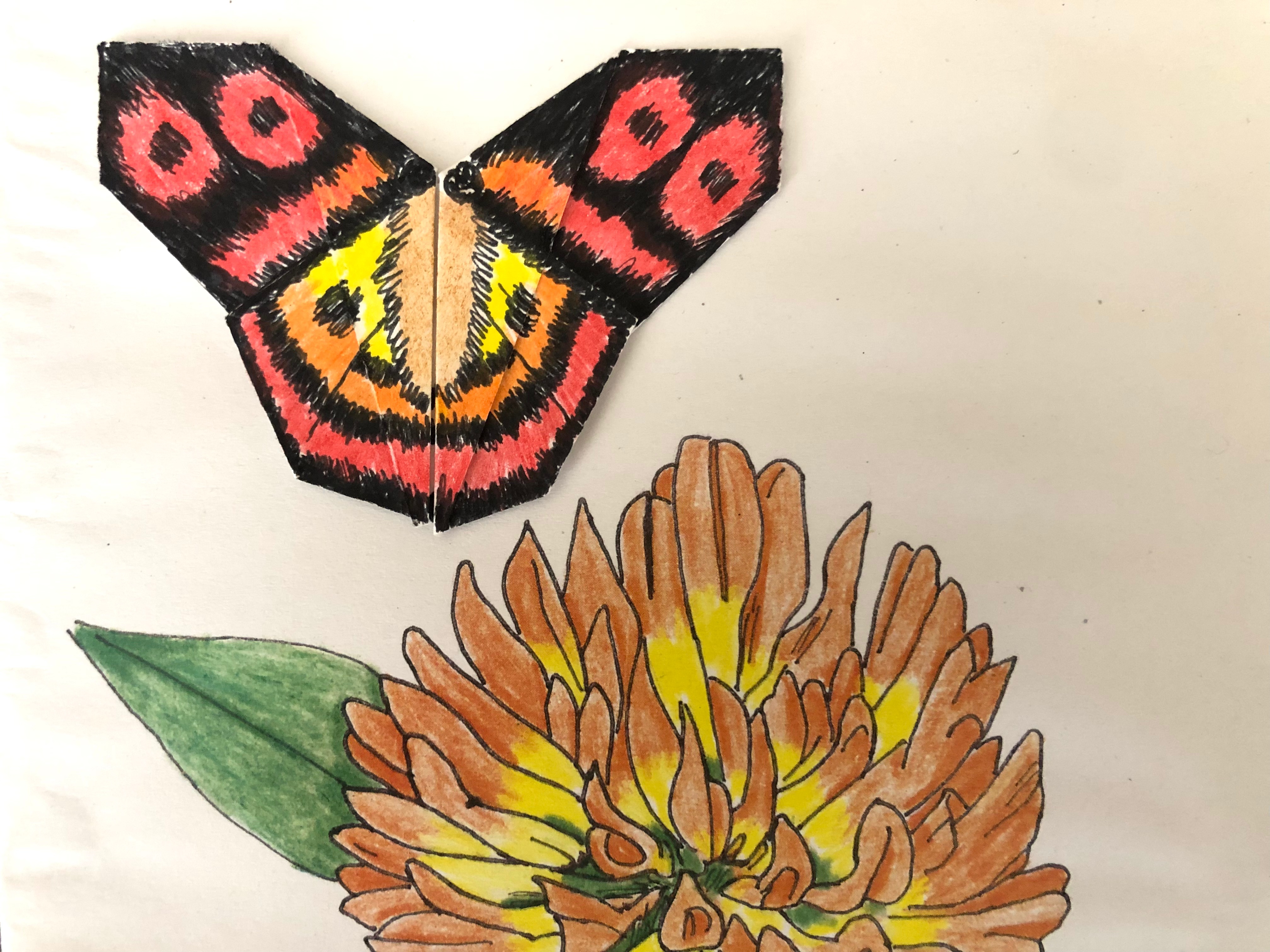
Detail from a handmade thank-you card from Prisoner B

But in the end, I couldn’t face writing about any of these huge and complex topics, even though they occupy my thoughts.

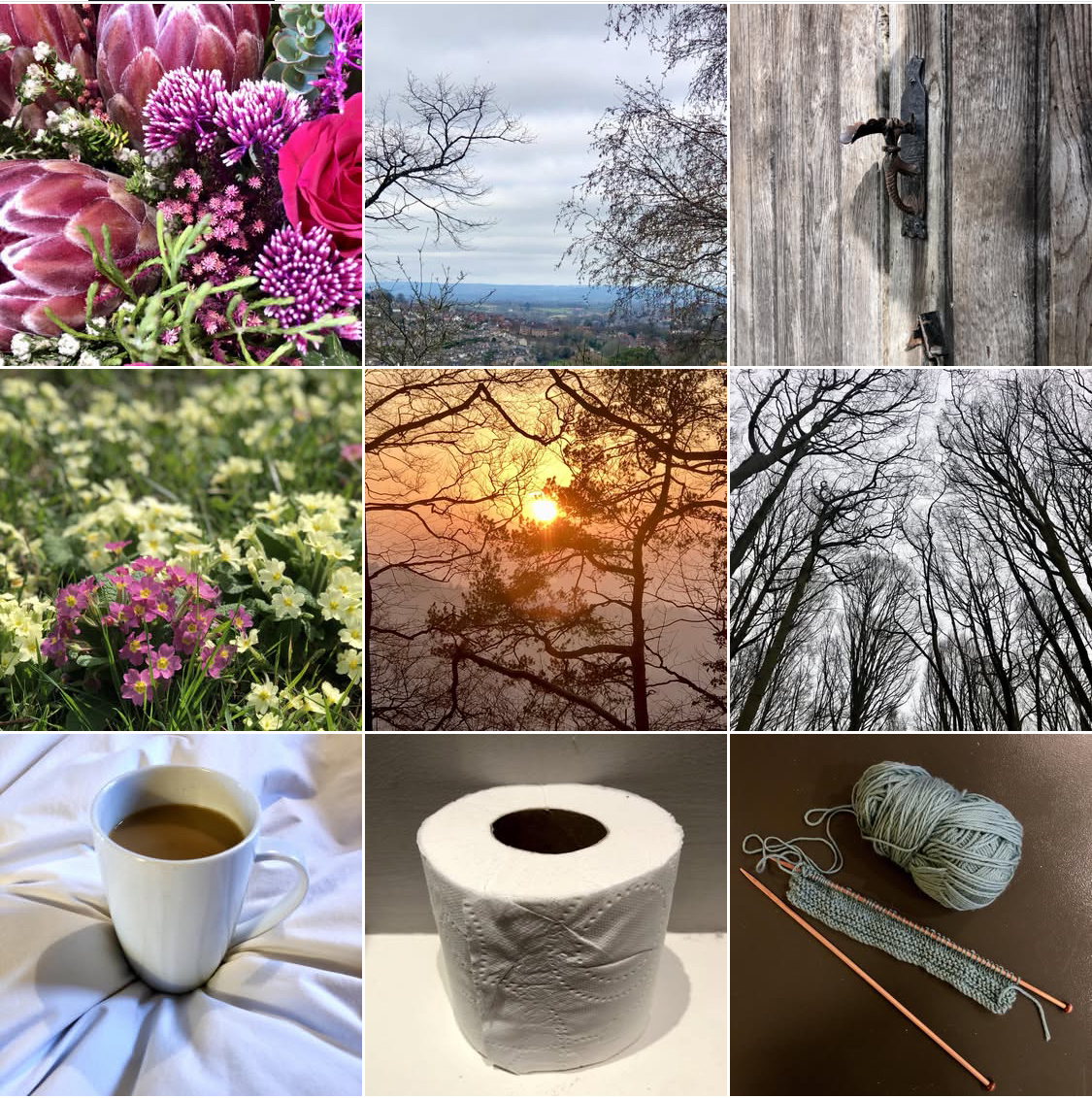
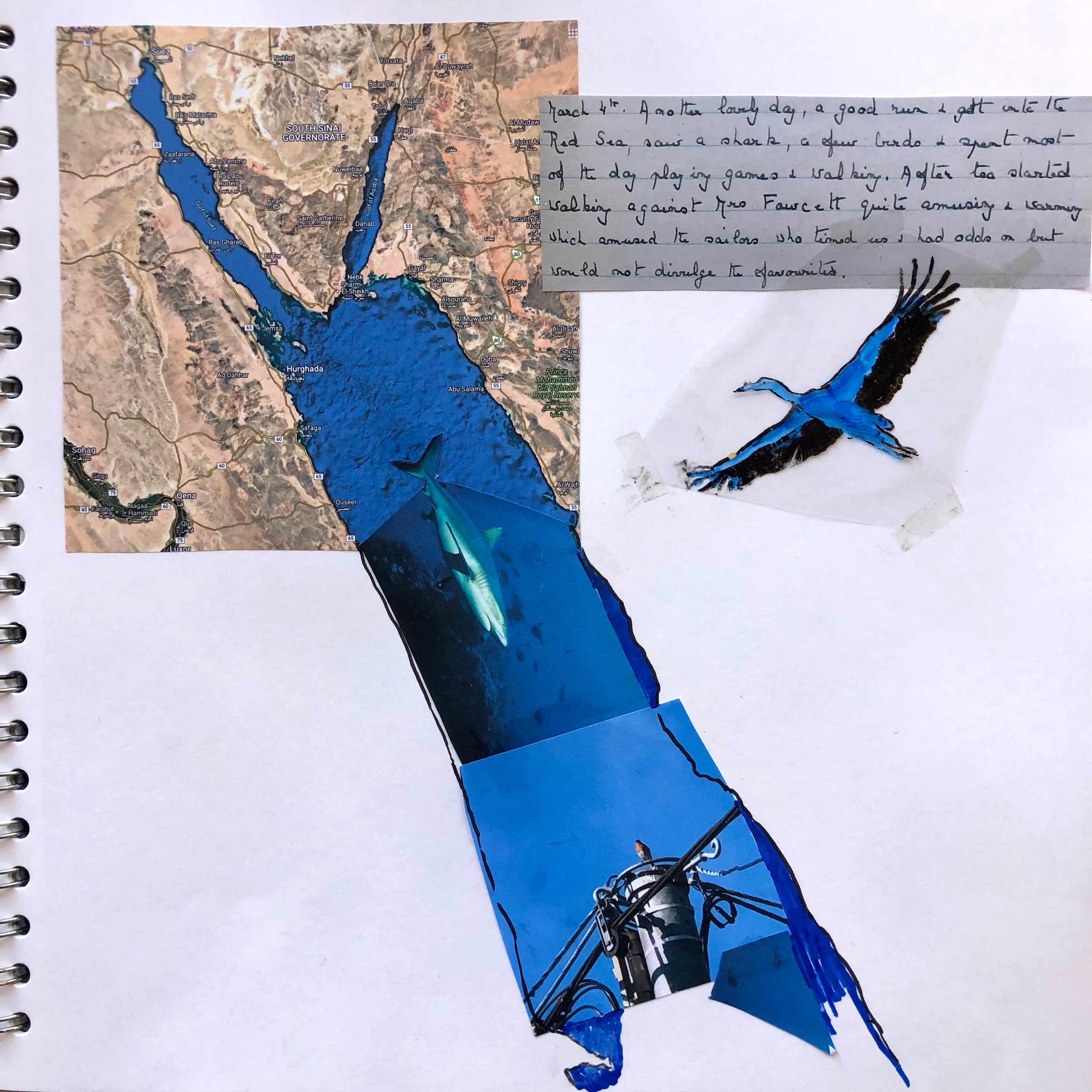
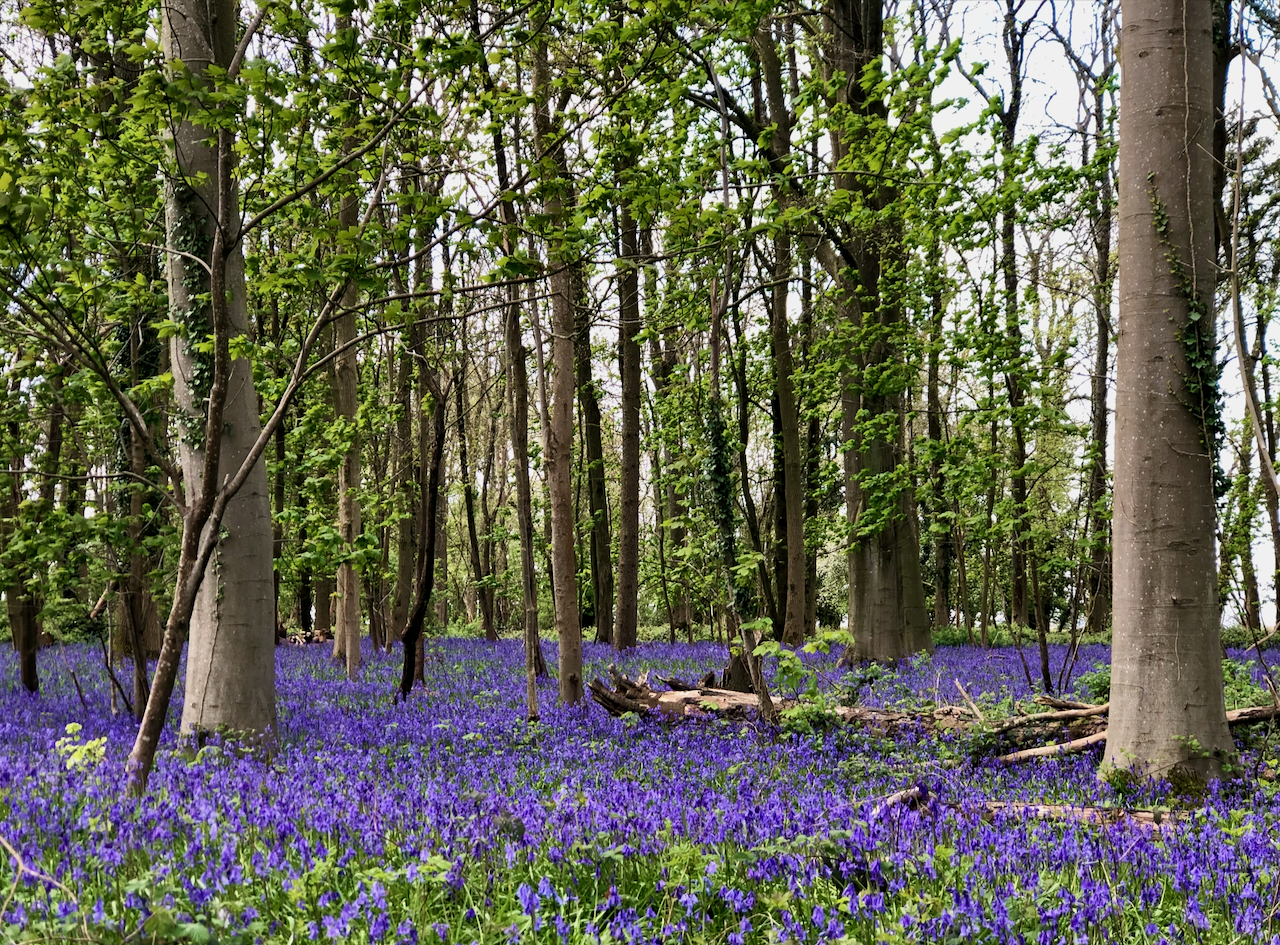
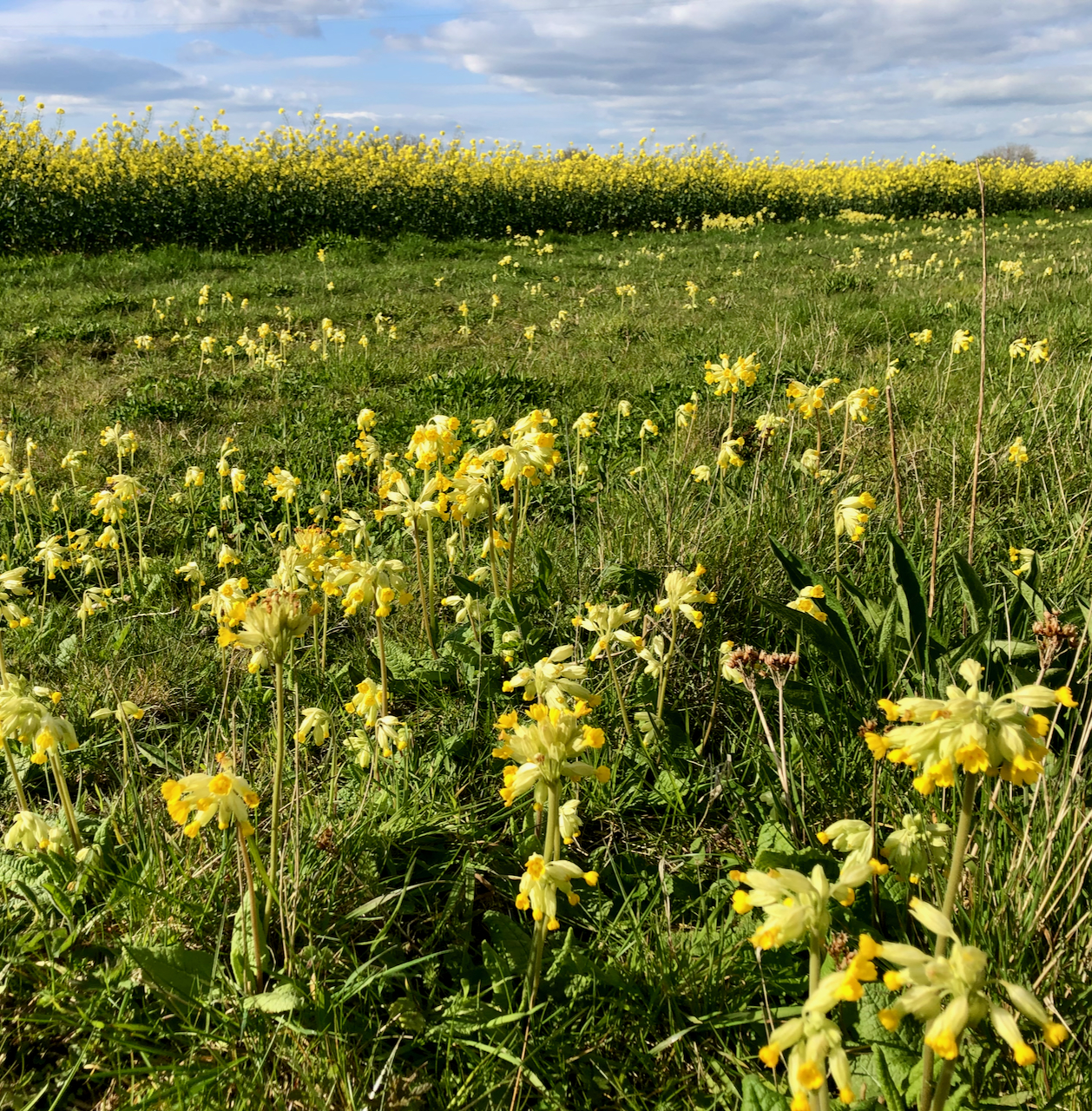
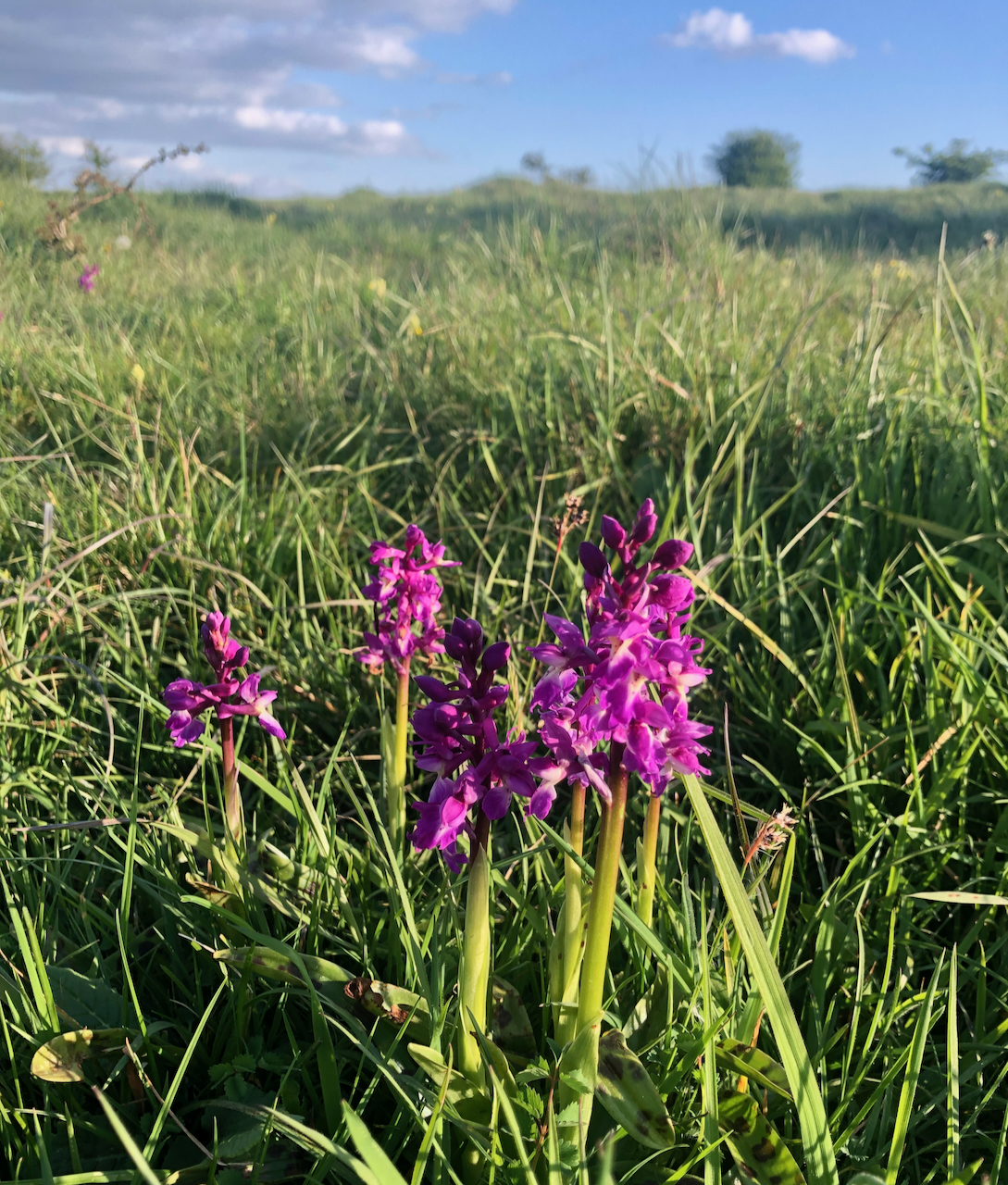
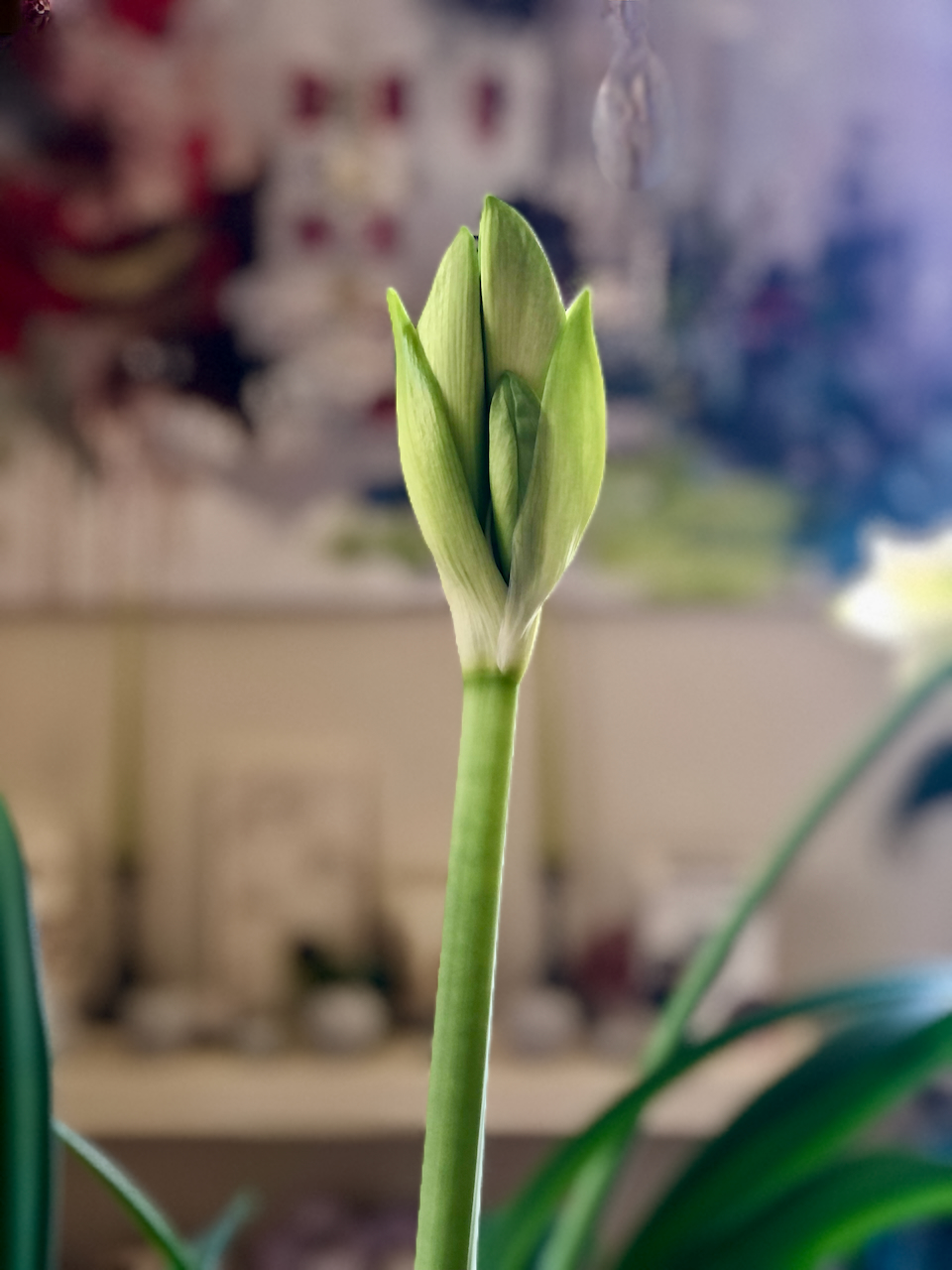
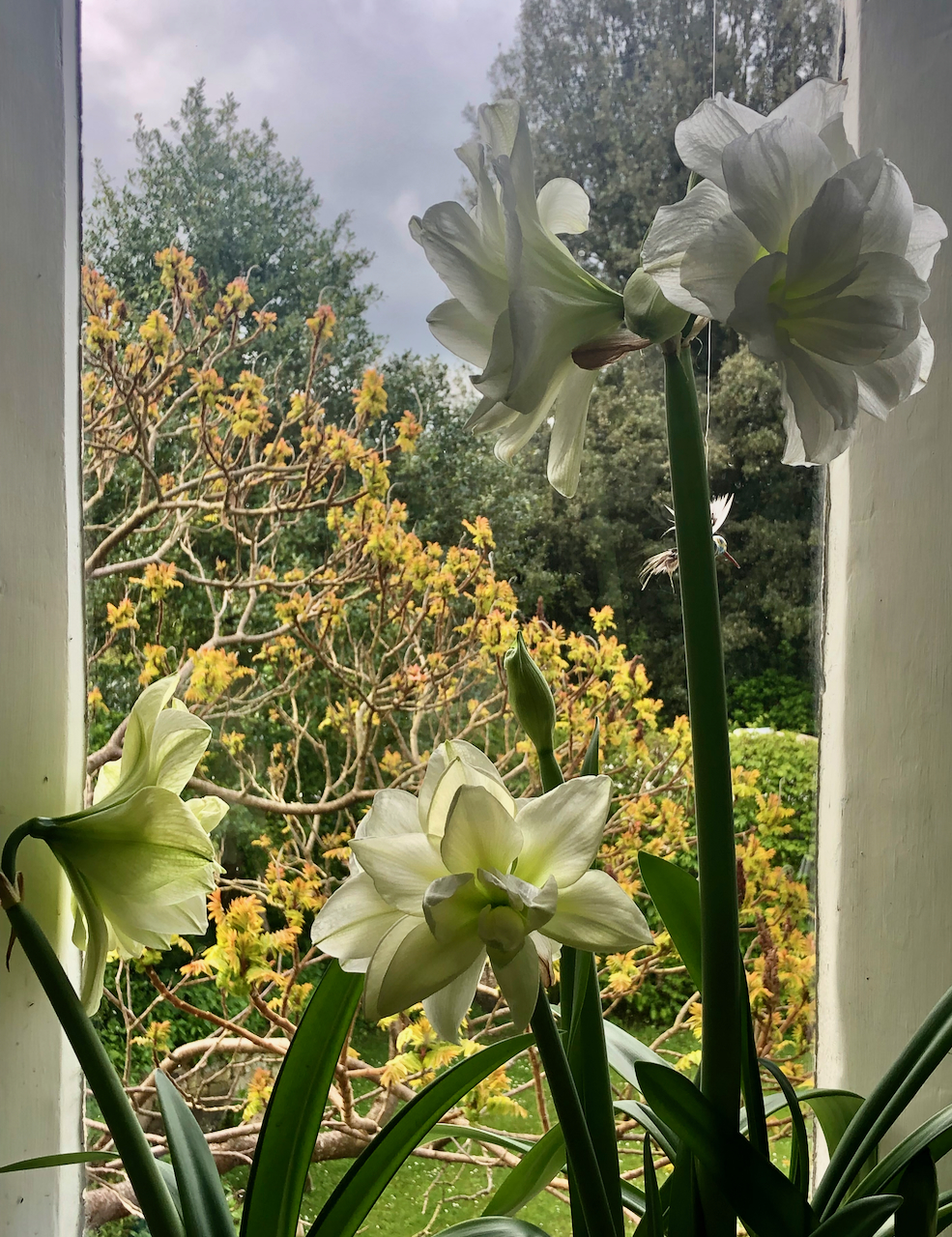
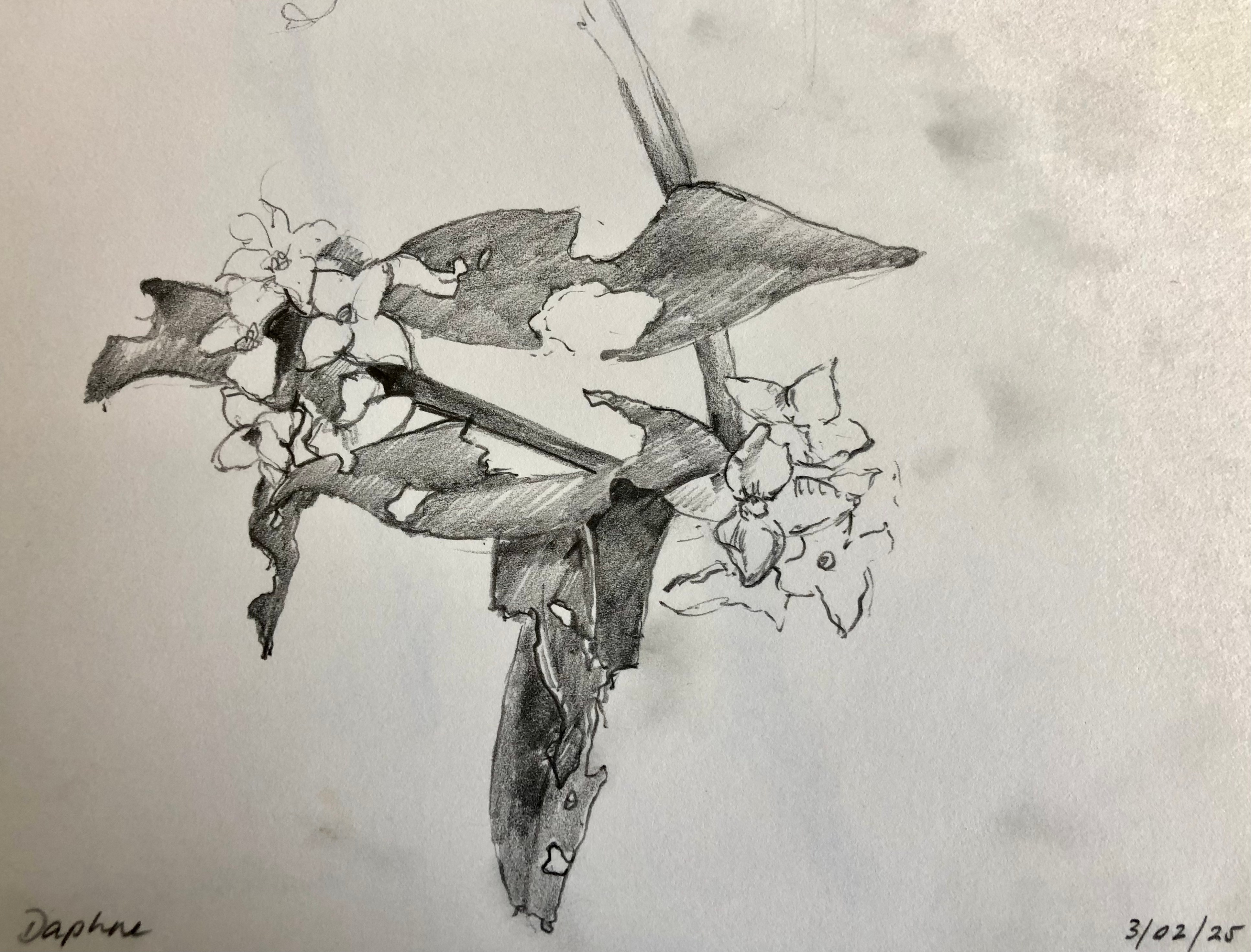
Instead, I find myself once more turning my focus to the more uplifting emergence of spring flowers both in nature and my garden. And to my inspiring great great aunt who travelled to India to gather floral specimens for Kew Gardens and in whose steps I am metaphorically walking for the next few months, following her diary as she sails from Birkenhead to Mumbai and then trains it up to the Himalayas. Each day I am reenacting a small action or activity she did in 1939, taking a slightly oblique photo that relates to it, posting it on Instagram (angela_findlay) and then creating an experimental collaged page in my sketch book. It’s my way into telling her story.
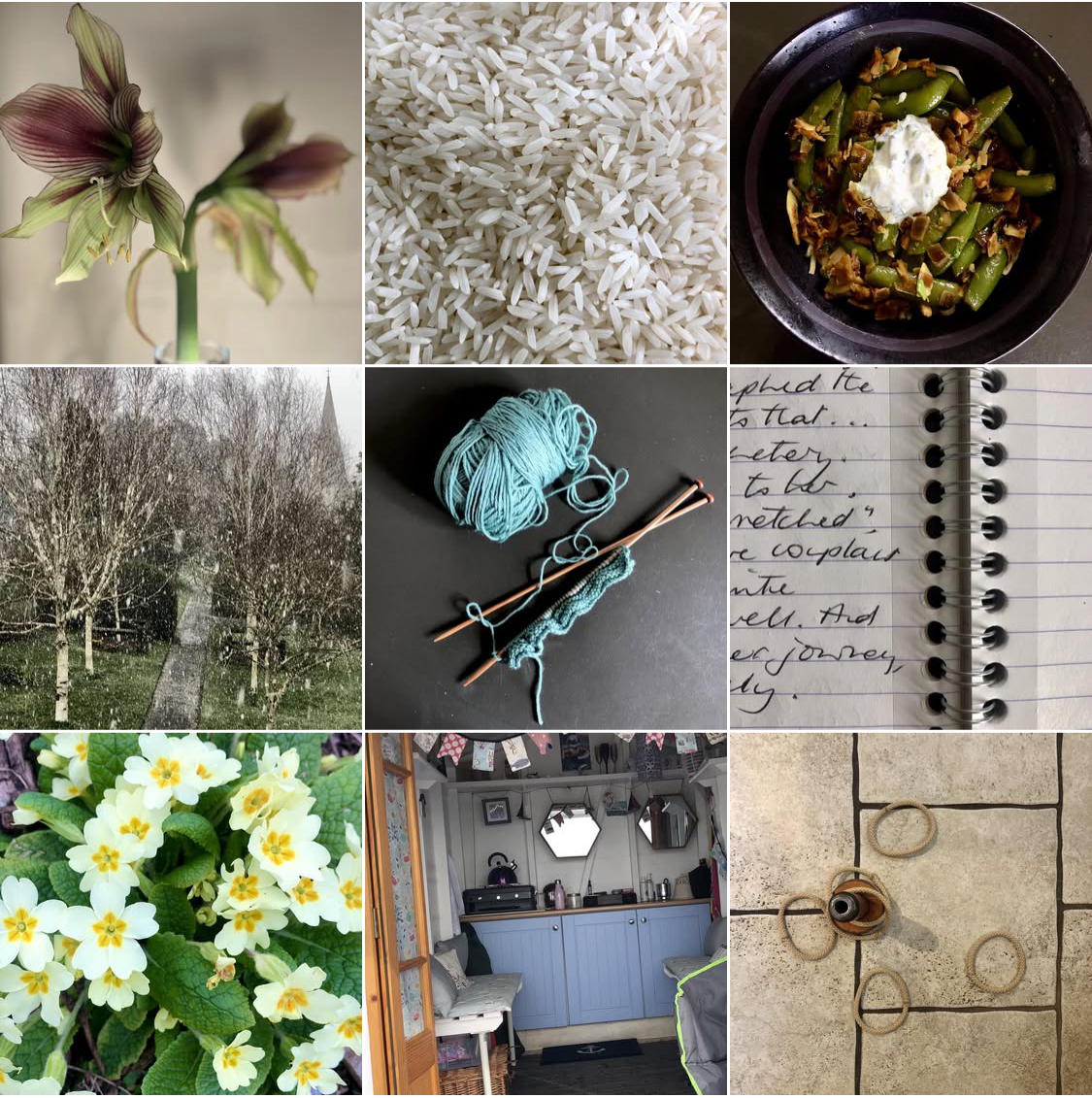
From 17th February to 13th March she was on board the T.S.S. Hector cruise ship playing quoits on deck or holed up in her cabin feeling seasick. (Not easy to make ‘art’ out of either!) There followed a few ‘outstanding’ days in and around Colombo visiting tea plantations and paddy fields, another sea voyage and several trains to the small hill station of Ranikhet in Uttarakhand. This will be her base for several months as she acclimatises, goes on practice treks and waits for the snows to melt further north giving her access to her ultimate destination, The Valley of Flowers. 
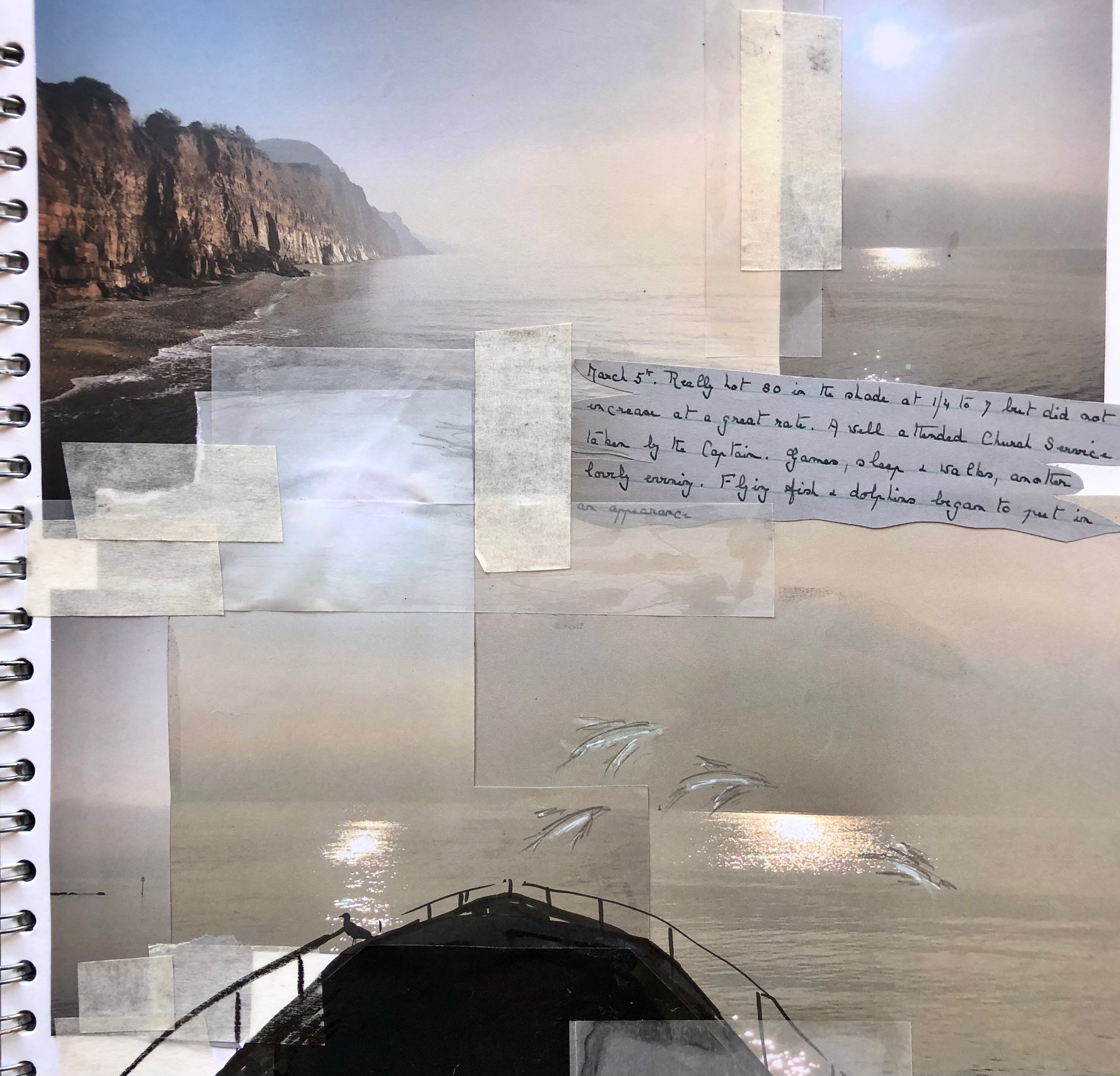
With deep regret I am coming to accept that I am not one of those exquisite botanical painters whose sketch books are veritable works of art. And I am sorely lacking in the plethora of technological and digital tools that are creating mind-blowing new universes in the art world. But I find solace in the fact that like Joan, I too am on a journey towards a (in my case, artistic) destination unknown, exploring and accompanying this intrepid female relative on her solo adventure. Ironically the worldly backdrop to her trip are the precarious months leading to the start of the Second World War. Mine is the run-up to the 80th Anniversary of its end. Or, if stupidity and egos escalate in the wrong direction, the beginning of the third…
War, the word alone snaps me back to present reality. I imagine we are all treading this fine line between engagement with the wider pain and travails of so many and the small (and big) joys and concerns that can be found within our homes and lives. How to care and act without losing sight of the beauty and wonder constantly available to us? How to engage with the immeasurable force of Nature’s creativity rather than human beings’ destructiveness? How to stay awake and feel, but not succumb to anger or blame?

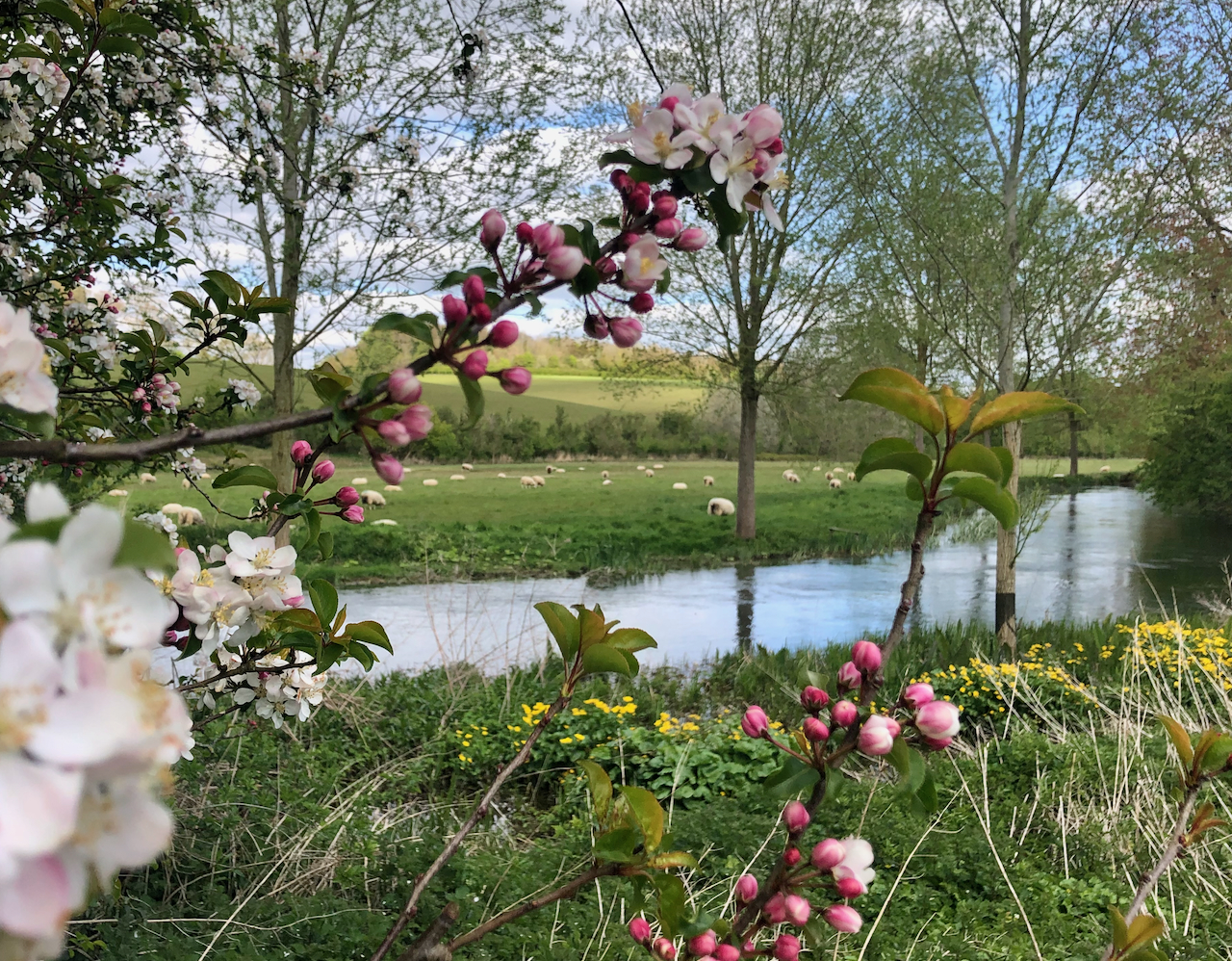
It’s an on-going practice… a dance. And Spring feels like a perfect time to take to the floor.
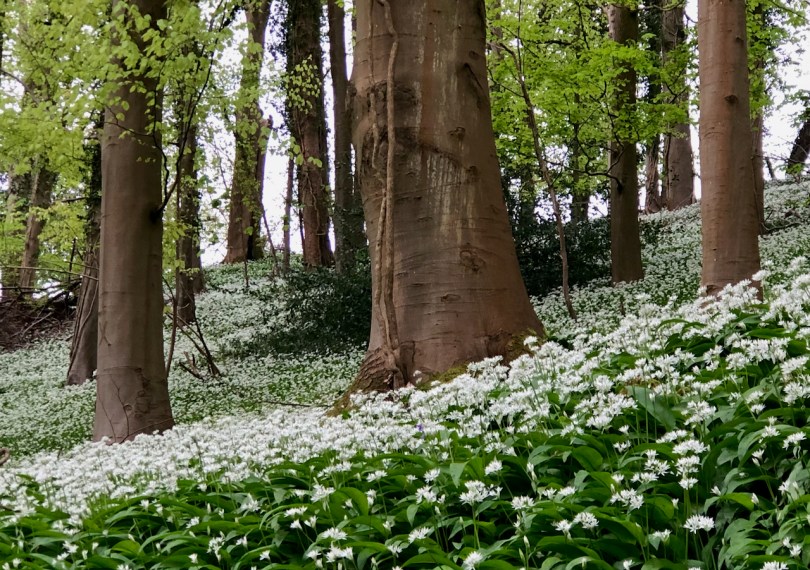
Finding new ways forward in a valley of flowers…

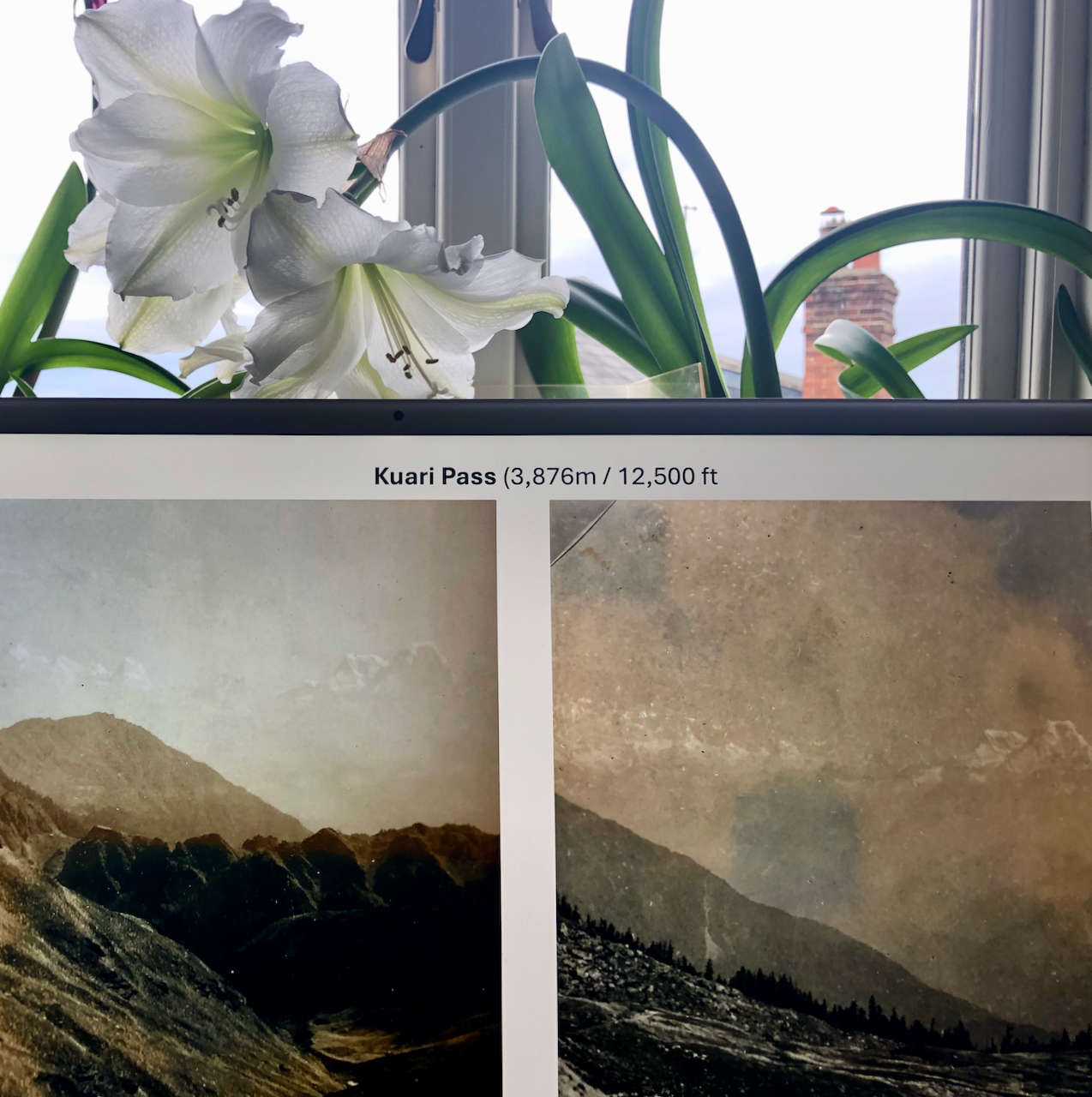
For the past month I have been immersed in the sights and sensations of Northern India… not literally but in my head, psyche and the screen of my desktop.

©Staffordshire Records Office

Having stepped out of my German ‘grandfather’s shadow’ and the darkness of the times in which he was embroiled, I am now switching families to walk in the footsteps of my English Great Great Aunt, who travelled to the Himalayas to gather flower seeds and specimens for Kew Gardens. Surrounded by the blooms of Spring and regularly soaked by rains, just as she was, it has not been difficult to feel my way into her world. And it’s a great deal more enjoyable than marching across Russia in 1941.


A friend recently asked me, what is it that makes you research your predecessors? Why do you feel a need to look back? I couldn’t come up with an off-the-cuff answer, just an interest in the question and a strong sense that ‘looking back’ wasn’t really what I was doing.

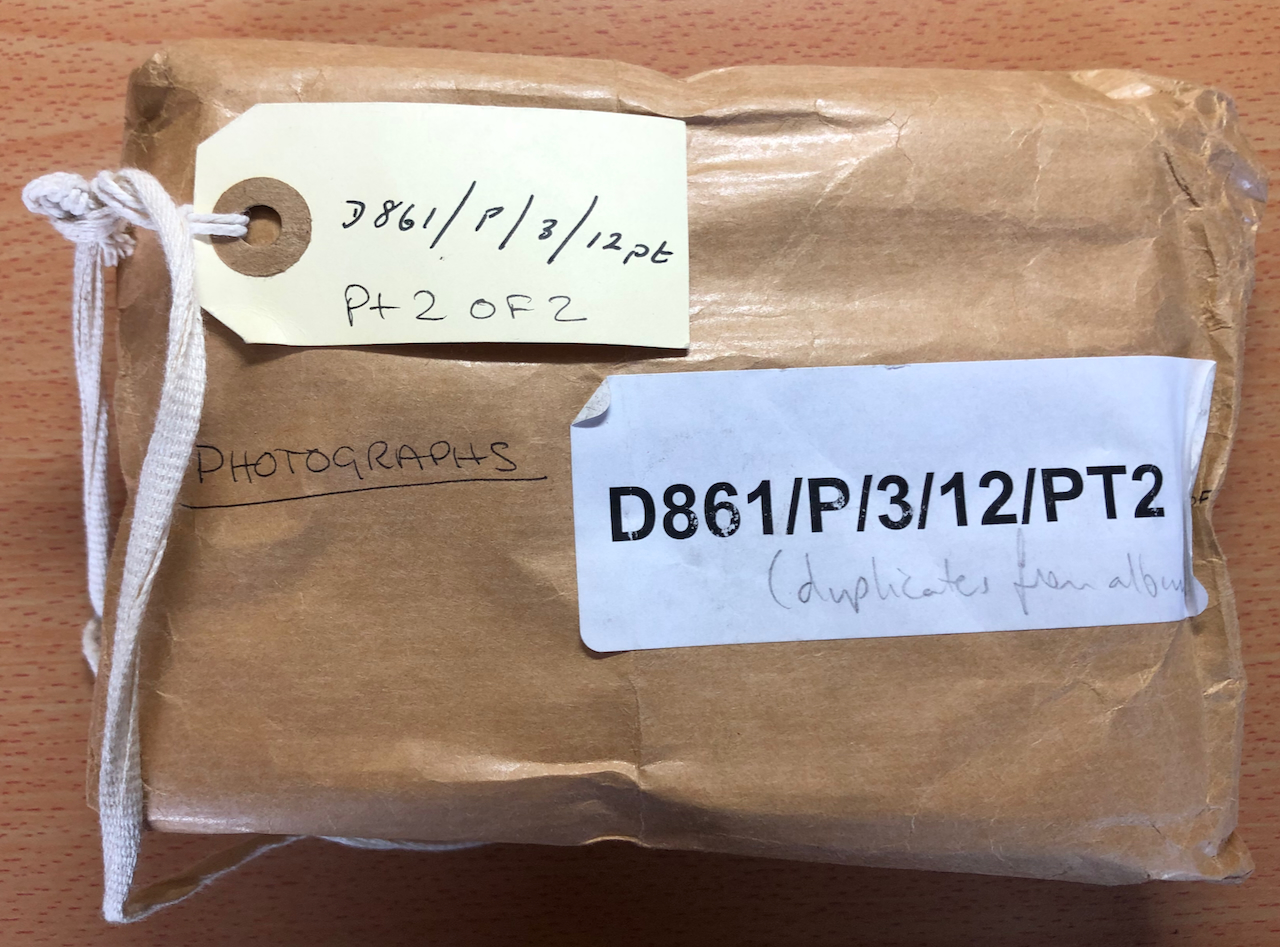
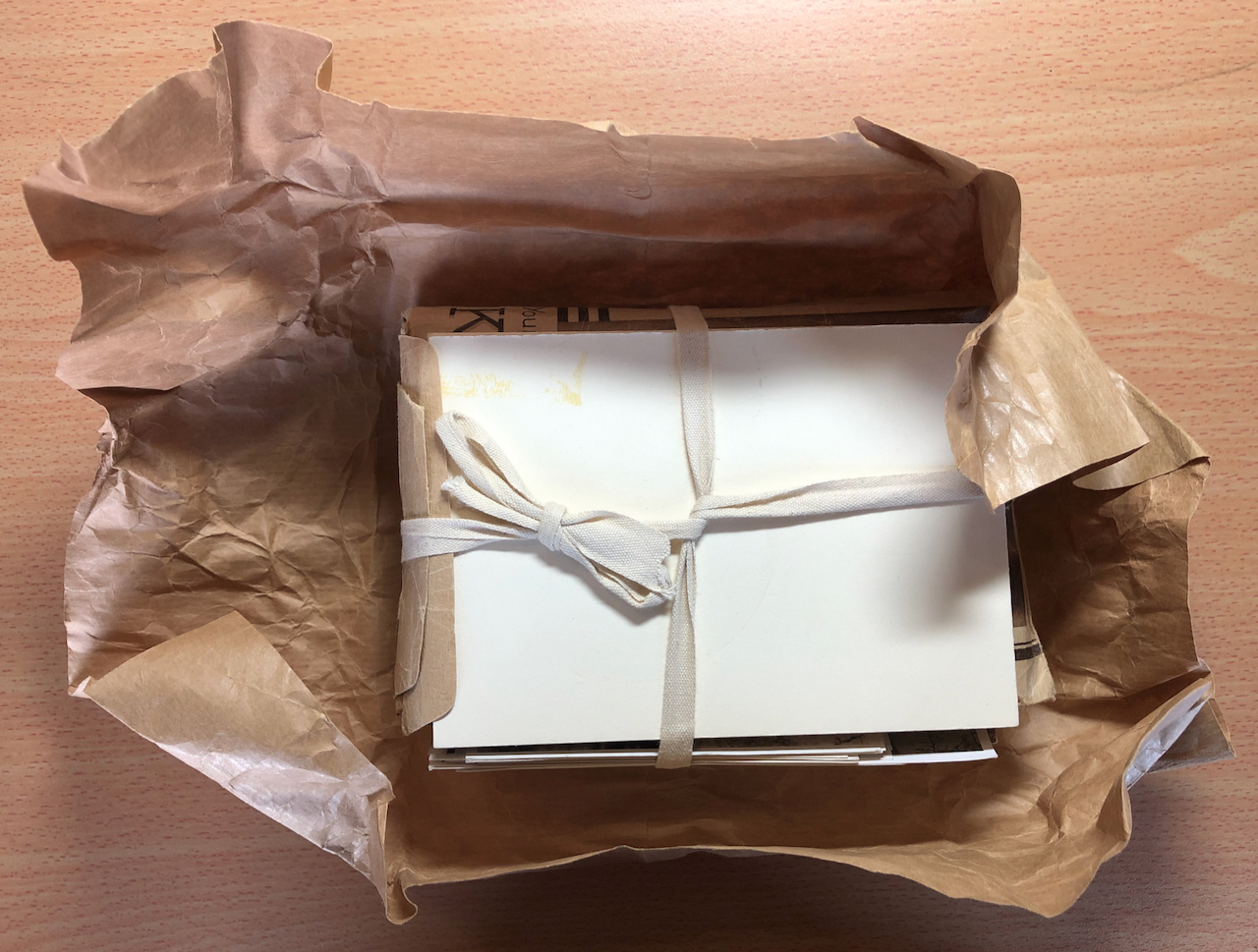
You will hear more about my Great Great Aunt Joan in the future for she is the subject of my current research. I don’t yet know where it will lead, I just love unpacking ‘brown paper packages tied up with string’ stored away in archives, reading diaries and letters, and scouring black and white images for visual details that will help me create a picture of a once living person long since buried in the annals of time. 

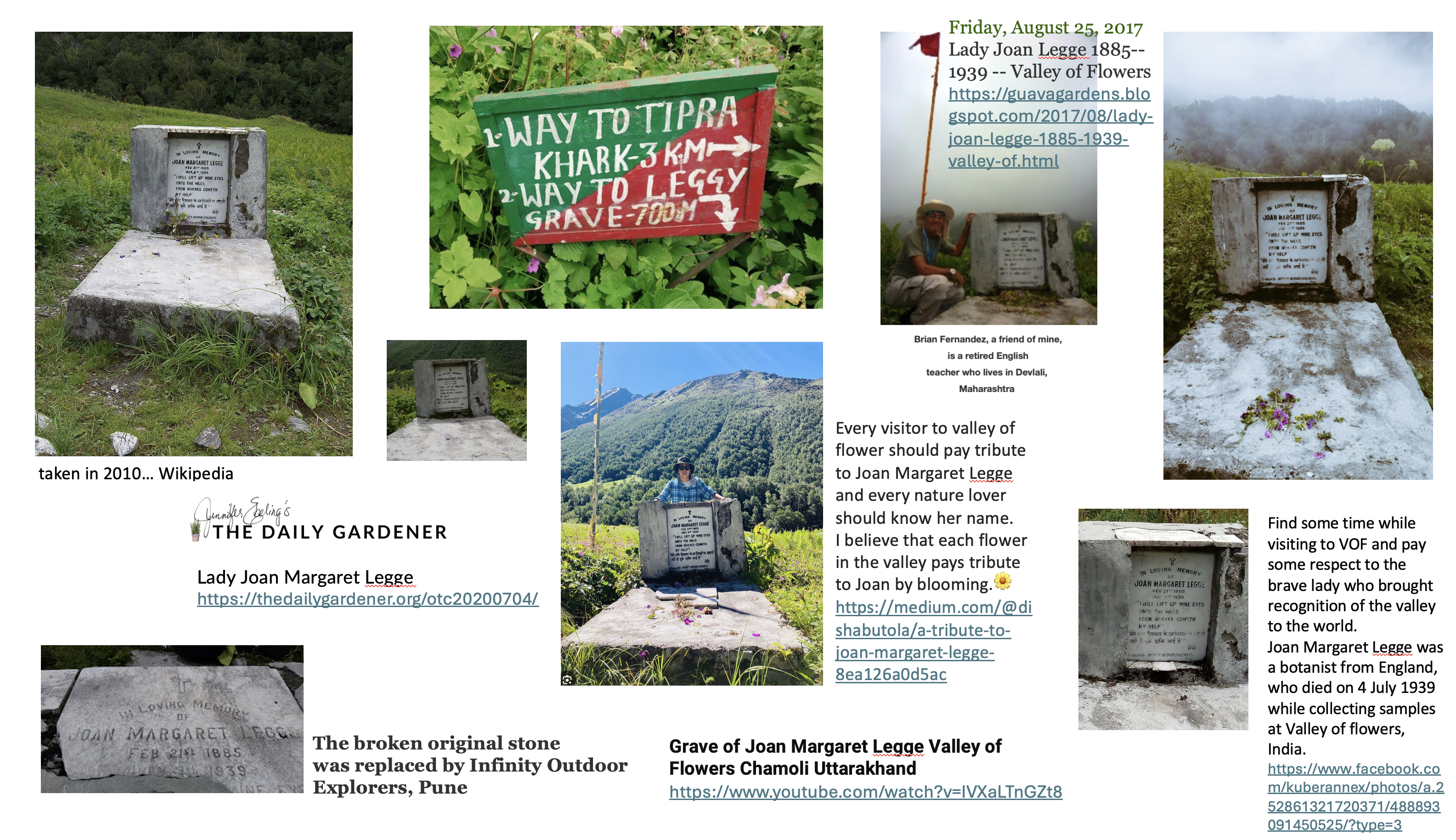
Joan’s grave lies in the Himalayan ‘Valley of Flowers’, 3,600 metres above sea level just west of Nepal and flanking the Tibetan border. She died there in 1939 aged 54. For many months of the year it is concealed by the snows but in the few months between June and September when they melt and the valley becomes accessible, a small rectangular gravestone emerges in the verdant meadows like a baby’s first tooth. Nestled below a range of snow-capped ‘glories’ that zigzag a skyline into the rarefied air, it captures the imagination of trekkers. Google search ‘Joan Legge’ and you will find she features in many a social media post or blog. People are touched by the story of this solitary British woman who found her end in such a remote and beautiful place. 

I too have long been fascinated by Joan though I can’t explain why. Her name just twinkled like a star when I first heard it in my late teens or early twenties. I knew few details other than that she was a spinster who had opted out of the trappings of aristocratic society and travelled to India; a woman who bucked the expectations and trends of the time in favour of independence and adventure. Like the tip of an iceberg her grave is just the beginning of a story I would like to find a way of telling. 

As for my friend’s question of ‘looking back’, I don’t actually feel the past lies ‘behind’ us. I am certainly interested in looking at history, most specifically Nazism, the Holocaust and the Second World War, for clues on how we can best learn the lessons of the past. And with that it mind I have explored the roles of memorials, apology, restorative justice, punishment and prisons, not least in my blogs. And yet, while they all can and do work to a degree, none of them seem to prevent cycles of violence, conflict, discrimination and trauma from repeating themselves over and over as we can witness all too frequently in the world.  

There must be something else… some other way, but we are unable to see, or even think it within the limitations of our current belief systems and knowledge of life.

My sense is that we need to go way beyond the specifics of each conflict to the very root of what leads to all of them. ‘Othering’ and seeing things is terms of clear-cut binaries that justify violent actions are clear causes. But could our fundamental, albeit often unconscious linear-based depiction of time, evolution, even ‘progress’ also be part of the problem with their goal-oriented focus on the future and belief that the past is largely done and dusted and trailing inanimately behind?

It feels increasingly like an (erroneous) modern construct (and I’m talking thousands of years ago not ten) that sees humanity as collectively shuffling forwards towards an ideal state lying in some distant future. Admittedly the present moment is where it’s all at in many belief systems, but nonetheless there is usually a destination towards which to strive. In Yogic or Buddhist practices, it might be Enlightenment, in Christian terms, Heaven or Eternal Life on the other side of death. In economics, it can be seen in politicians’ relentless chase for ‘growth’, in technology, it’s ‘progress’, in the environment, net-zero, in health, a perfect body, in leisure, a chase for something bigger, better, faster, further…

Darwinian theories of the ‘survival of the fittest’ lead to competition with winners and losers, an increasing separation of weak and strong, good and bad, rich and poor; a sense of lack, of being left behind, of missing out, of not being good enough or being better… and so many more of the psychological states that can be found behind the widespread symptoms of mental health, poverty, addictions, injustice… and war.

How well has this outlook served us? Not too well if I look around at where we are today with most problems failing to be solved using the same thinking that created them. 

My most recent attempt to find solutions has been to duck out of the continuous stream of bad news and surround myself with flowers and sepia photos of breath-taking mountains, to inhale the extraordinary, albeit understated bravery of my great great aunt and to do a deep-dive into the contents of three inspirational books that landed in my hands as gifts with the kind of serendipitous timing that, in my experience, portends something magical.

I can feel something shifting far below the surface of the present chaos. Possibilities for improvement and lasting change… in our present, not some distant future. They have not yet flowered in my mind, so you might have to wait a little while for me to articulate what they look like!