Simon Jenkins I would kiss you, if I could…

  Image

…for your refreshing article on 30.01.14 in the Guardian:

Germany, I apologise for this sickening avalanche of first world war worship. The festival of self-congratulation will be the British at their worst, and there are still years to endure. A tragedy for both our nations.

http://www.theguardian.com/commentisfree/2014/jan/30/first-world-war-worship-sickening-avalanche?commentpage=1

I too would like to apologise to the Germans for the largely immature, thoughtless, self-centred approach we seem to be taking towards this 4-year centenary. What on earth do we think we are doing? To what end are we striving with all this emphasis on ourselves as a nation of heroes, victims, winners? Our obsession with our victory a century ago is being seen with bemusement on the continent. Read some of Germany’s responses to Michael Gove’s renewed attempts to push the whole blame for the start of WWI on the Germans. Every parent knows that finger-pointing is childish. And yet the Minister of Education (of children no less) is still doing it 100 years after the event??! It’s not as if we are an otherwise innocent and peaceful nation that is regularly and reluctantly dragged into wars. Our leaders are gung-ho and ready to go. Look at Blair and Cameron chafing at the bit to get back into battle at the first opportunity.

Read More »

What are we “remembering” on Remembrance Day?

I found it symbolically pleasing to be planting bulbs as yesterday’s two-minute silence hummed over the radio waves across the UK. Sitting in the quiet sunshine, I started to “remember”, only to immediately bump into the questions: what and who am I remembering? And to what end? After all I have no personal “memories” of the First and Second World Wars, nor even of Iraq or Afghanistan. Relatives yes, but in the World Wars they were on opposite sides.

Bomber Harris memorial

Bomber Harris Memorial, (1992) London

Read More »

Is there a point in still talking about Second World War Germany ?

lowresKvG9_2

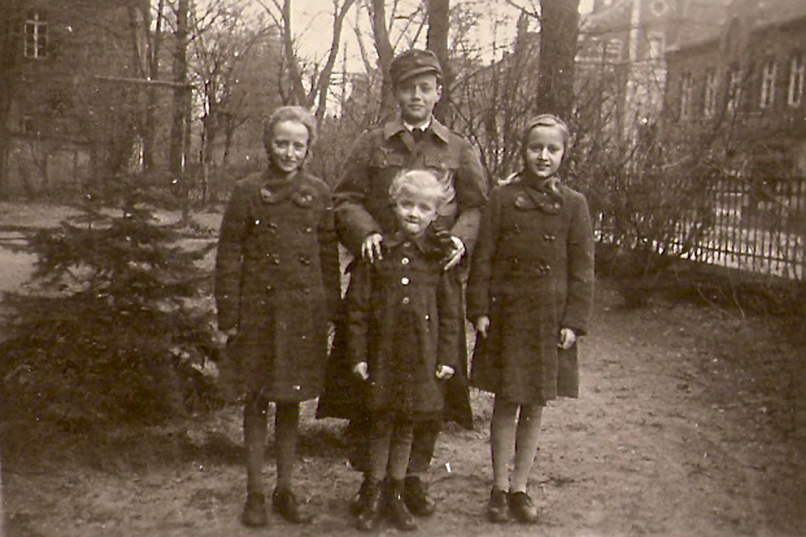
I found it almost impossible to write over the summer or to organise my thoughts into some sort of coherent flow while the sun shone outside producing the intrepid army of courgettes that now lies liquidized in my freezer. Instead I hung out in Nazi Germany, trying to organise 9 years of research into a 40 minute talk for schools and as yet unknown audiences. It was a process of willing black and white photographs to come to life to reveal what has been lurking in the corners of Germany’s post-war national silence for 50 years. But I also found myself wondering (with regular twangs of self-doubt) what the point is of still talking about this subject? And is it still relevant and important for today’s younger generations of English and Germans to engage with Hitler and the Holocaust, or have Bin Laden & other contemporary despots taken his place as ‘Dr Evil’?

Read More »

Having to tell people you are good… the joys of being self-employed

The week ahead is a dauntingly big ‘Admin Week’ for me. Daunting because, for the self-employed, “admin” basically involves telling people that you are good; that they want you and need you. This doesn’t come naturally to the artist in me, precisely because I see my paintings as a way of saying what I want to say without having to say it. And the other parts of me don’t like it either, because they just don’t.

Sure, I have been known to get on my soapbox and spout off about things I believe in, that’s no problem: the huge defects of our prison system; the benefits of the arts to offenders; the potential power of apology within Restorative Justice, the un-funnyness of out of date anti-German jokes; recycling; growing potatoes; the music of The Cat Empire… I clearly spout off about a lot of things. But I find it harder to tell people how good my paintings are and why they should buy one, or how well my talks have been received by schools and why they should book one, or  how great my forthcoming art course on the Greek Island of Skyros will be and that they really should enrol. And yet that is precisely what this admin week requires me to do.

Let’s see if I can make it less painful for myself.

Read More »

Why chairs…?

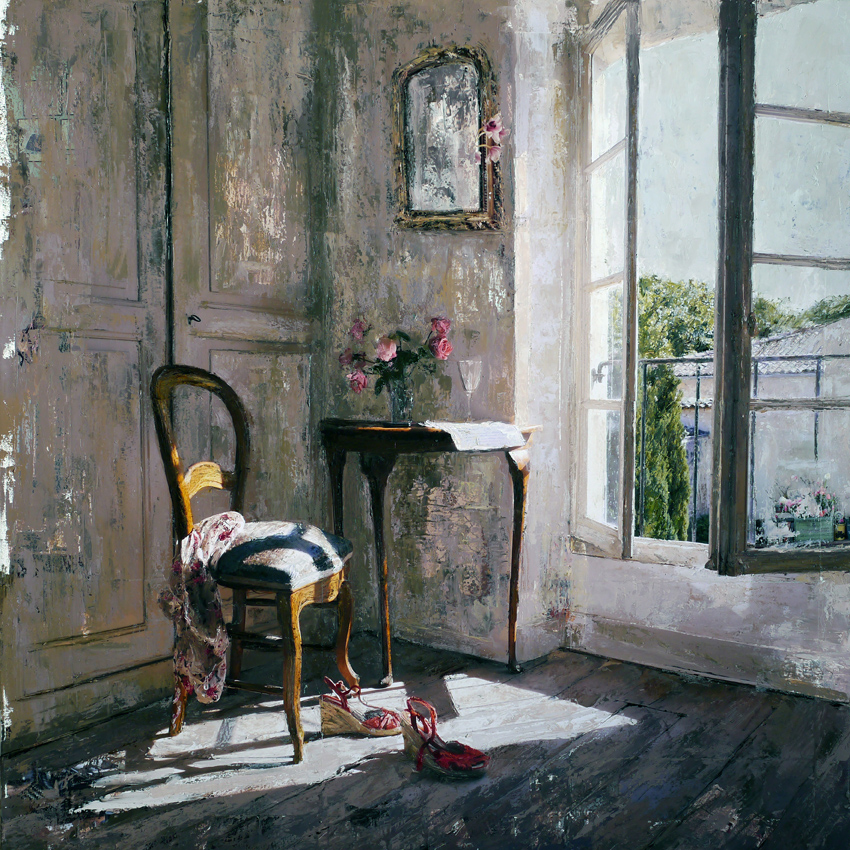
low res P1020543

Thoughts can fly (2012), 100 x 100cm. Mixed media and oil on canvas

low res 2009_05172ndweekend0042

Re-dressing absence, Stroud Cemetery (2009) Collaboration with Shirley Margerison

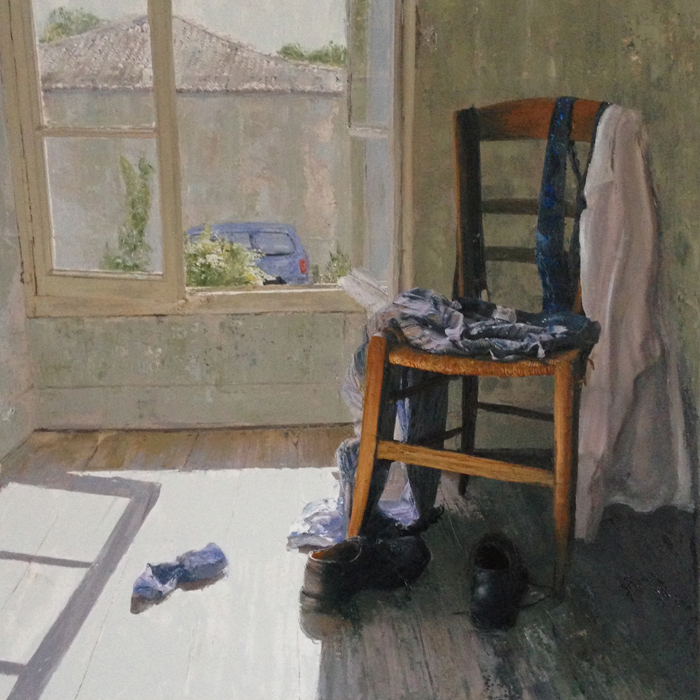
low res Him undressed 2 IMG_0099

Him undressed (2013) 60 x 60cm. Mixed media and oil on canvas

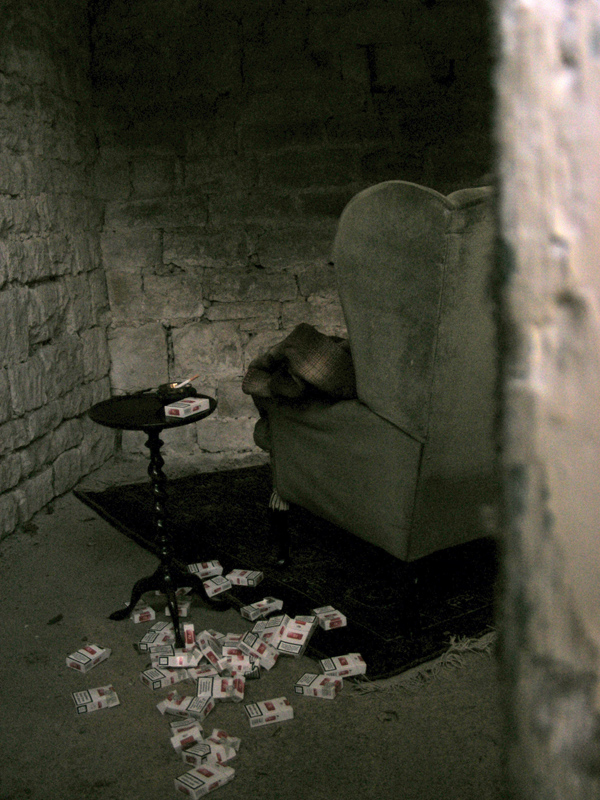
low res DSCF3045

Untitled – 3 (2010) Installation in vault. Armchair with cigarette packets

I have just returned from a trip to the Cinque Terre in Italy. People always ask if I take my paints, assuming painting is something I love to do all the time. Actually painting is hard work and painting a painting invariably involves being confronted with oneself. So I like having breaks from that. But I can never get away from being inspired. From looking at something and having ideas about what I could do with it. I can’t imagine ever being able to switch off the desire to create out of the raw material I gather.

Read More »

Why is Restorative Justice and the power of apology not fully integrated into our justice system?

low res 041

I never seem to stop being baffled by aspects of our society. But more than anything else, I’ve been baffled by the illogic of our criminal justice system since I was able to think for myself. Last night I co-facilitated a Restorative Justice conference that brought it home to me once more how important a role apology has in the process of repairing the harm caused to another.

In so many cases the victim, the most important person within the context of a committed crime, can be hugely helped by the “simple” act of a genuine apology. Isn’t that precisely what we are taught to do as children when we have done something bad? And yet as we grow up and do more seriously bad things, the role of apology is largely replaced by punishment, a revenge of sort that responds to and feeds a victims’s natural and justified anger but contributes little to the easing of their pain. We’ve seen examples of apology countless times in politics: Ireland’s decades of pain-filled longing for an apology from the British government for Bloody Sunday in contrast to the hugely powerful yet simple gesture in Germany in 1970 when Willy Brandt spontaneously knelt at the memorial to the Warsaw Jewish Ghetto. No words were needed and it was accepted by the world as a public acknowledgment of wrong – no excuses, no justifications, just a silent and humble act of apology.

Read More »