
On 4th July, while the minds and eyes of many people in Britain and further afield were firmly focused on Election Day, mine were occupied with my Great Great Aunt who died on this day 85 years ago. In one of those unintentionally magical examples of serendipity, I had managed to secure an appointment at Kew Gardens, London to view some of the fruits of her trekking and gathering in the Himalayas in 1939 just prior to her sudden death.
I introduced Joan Margaret Legge in a recent blog and talked a little on how, while the Second World War was rumbling towards its beginning, she had travelled to the Valley of Flowers, otherwise known as the Bhyundar Valley, in Northern India.
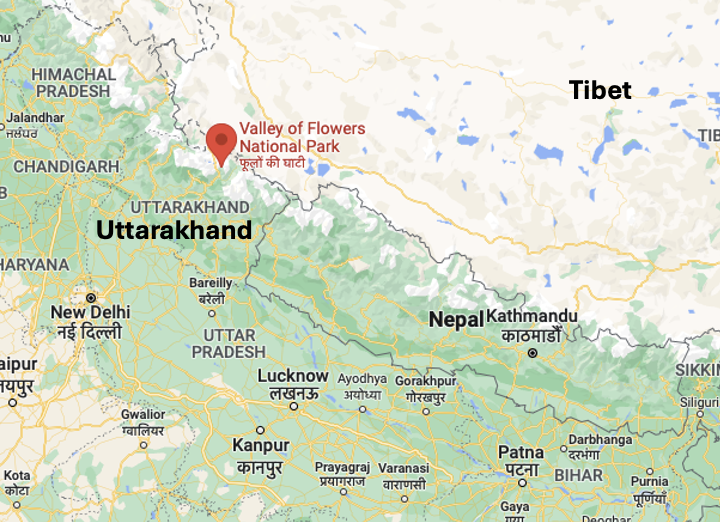
As a keen amateur botanist she had been inspired by the recent discovery of the valley in 1931 by a team of three lost British mountaineers returning from an ascent of Mount Kamet and seeking shelter from inclement weather. One of the climbers, Frank S. Smythe, had been so entranced by the valley that he returned in the monsoons of 1937 to explore and collect examples of its flora. His book, published in 1938, was the inspiration for my great great aunt to set sail in February 1939 and travel up through India to her base camp in the lower hills around Ranikhet. Waiting there for the snows higher up to melt, she spent two months acclimatising, doing practice hikes and organising porters and equipment for the big trek to her destination where she planned to spend the summer gathering seeds and samples for Kew.
Between 22nd May and 20th June she trekked north sleeping in precariously pitched tents with a hardy team of local men carrying provisions. Usually on her feet but sometimes on her bottom, she scrambled and climbed her solitary way through the mountains in a state of sweaty or rain-drenched awe of the ‘Glories’ as she called the soaring peaks that emerged and disappeared in the sky. She took cameras, presses supplied by Kew, wrote diaries and filled collectors’ notebooks with minuscule handwriting describing calyxes and tuberous roots while always scanning the terrain for flowers to press and send to the Herbarium in the hope of filling some of the gaps in Smythe’s earlier, spoiled-by-mould attempts to record what grew there.
On my first visit to Kew in 2022 I had been told that none of her notebooks or specimens could be located, that they had probably not survived or had been of insufficient quality or significance. It was impossible to search for them… understandably so, the Herbarium houses an incredible seven million specimens!
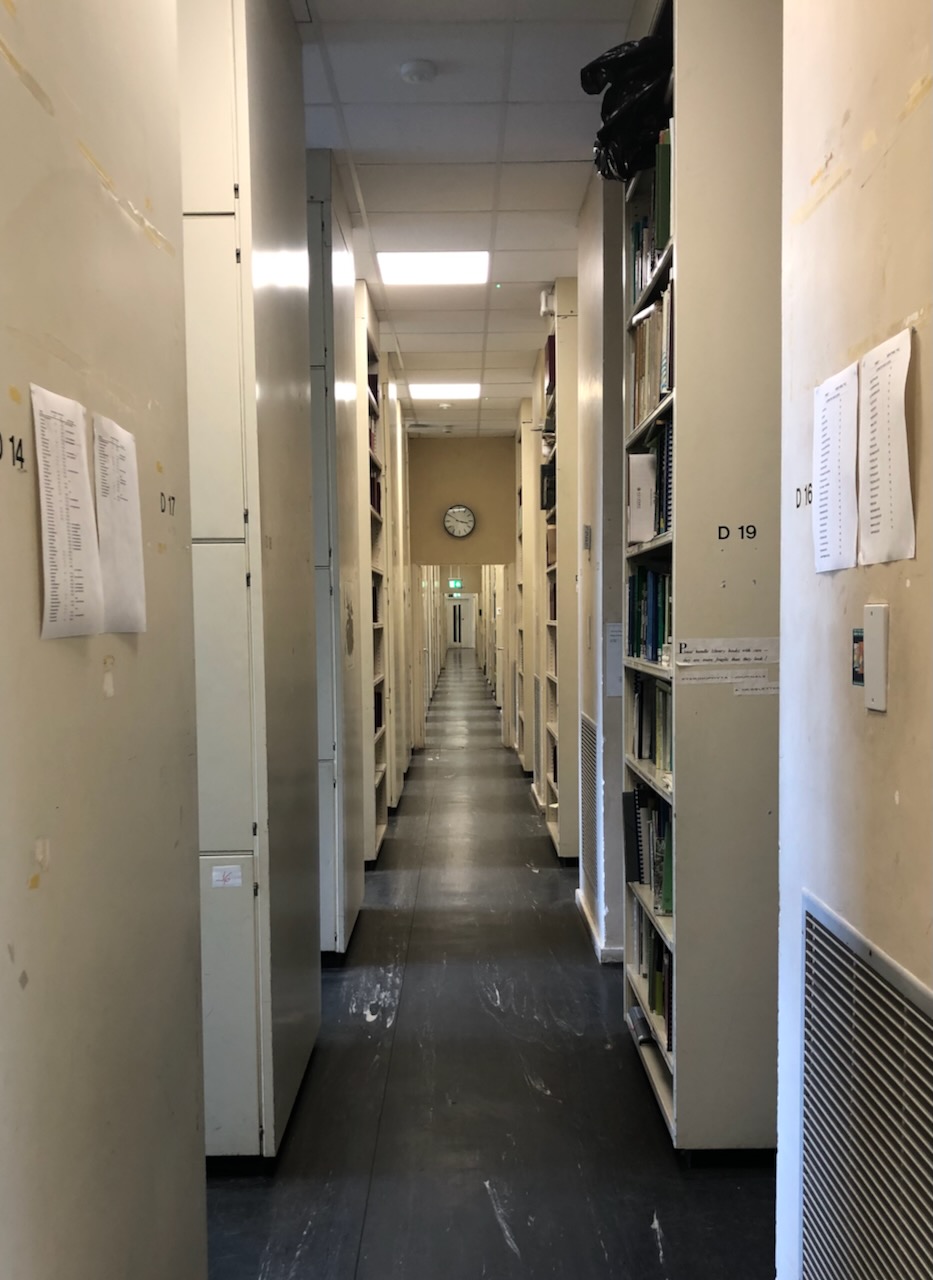
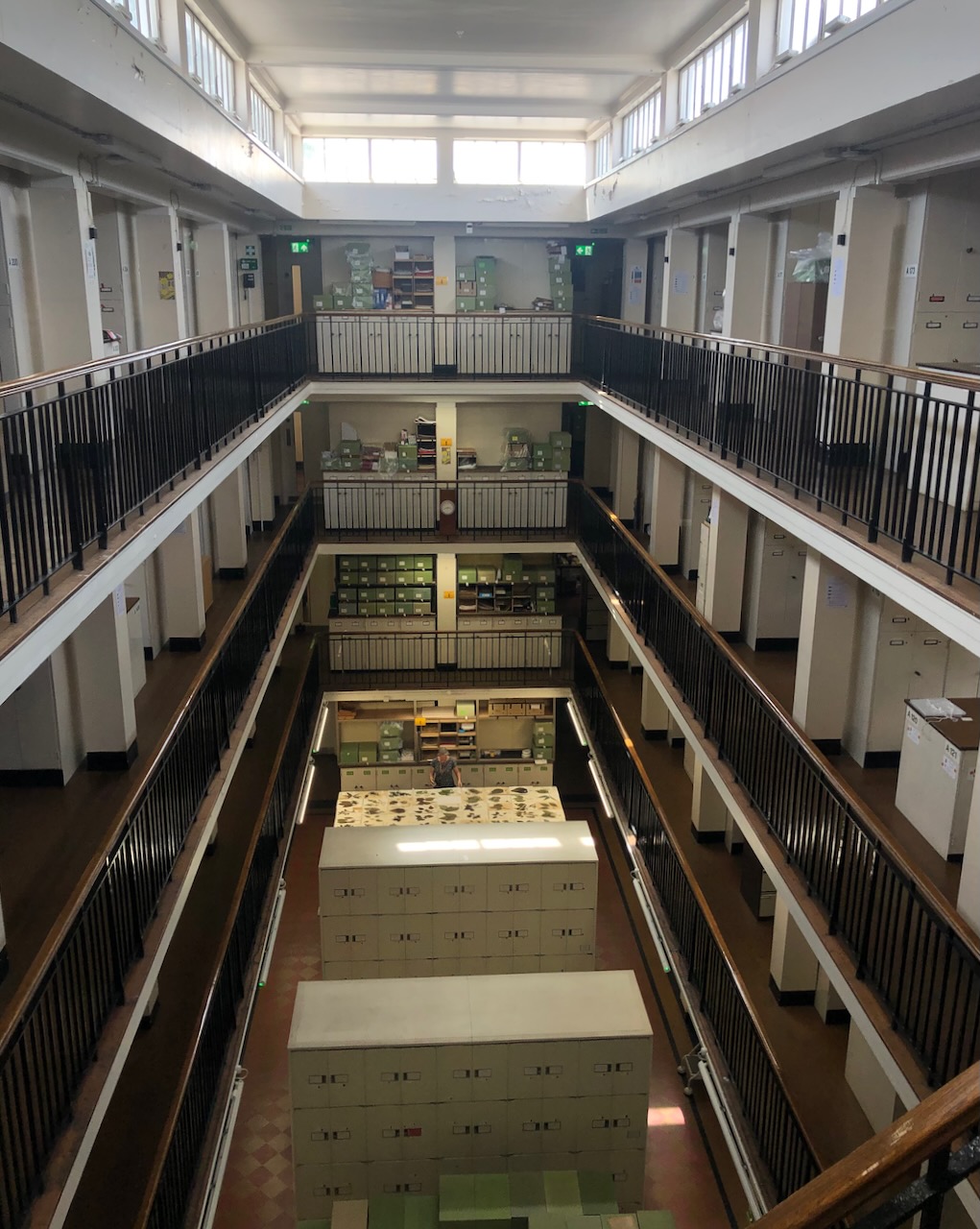

When I research I sometimes get this dogged instinct not to accept the first claim of something no longer existing or being lost in the annals of some past archival system and, not quite ready to give up, I renewed my quest to locate them. Following a string of helpful leads, several kind employees at the Herbarium, intrigued by my aunt’s story, joined me in my search. They soon discovered that a collector’s notebook and an as-yet unknown quantity of her specimens had indeed survived and the latter had been recently digitalised as part of a huge project to create a digital catalogue of the contents of Kew’s filing cabinets.
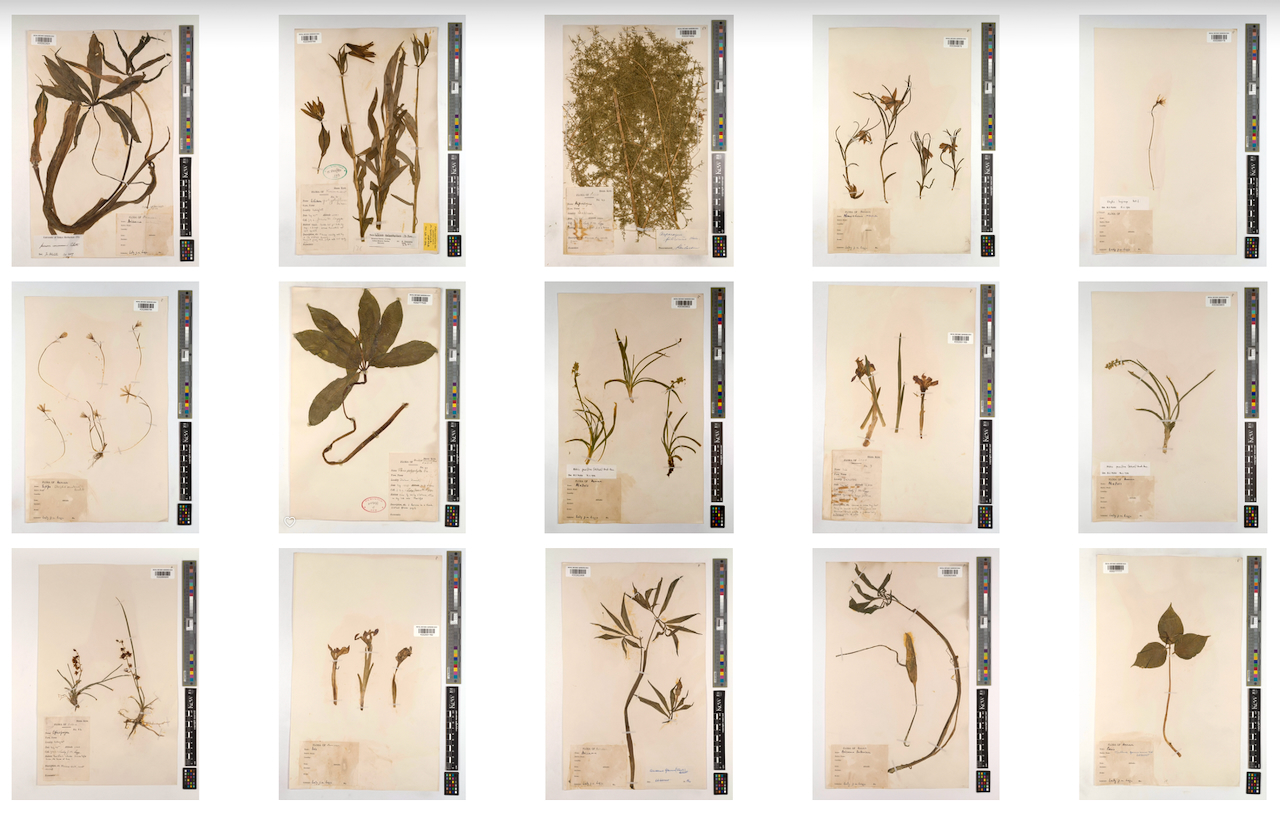
And so, on the anniversary of Joan’s death, dodging ballot papers and predictive polls, I immersed myself in the sepia papers of a time and world that no longer exists.
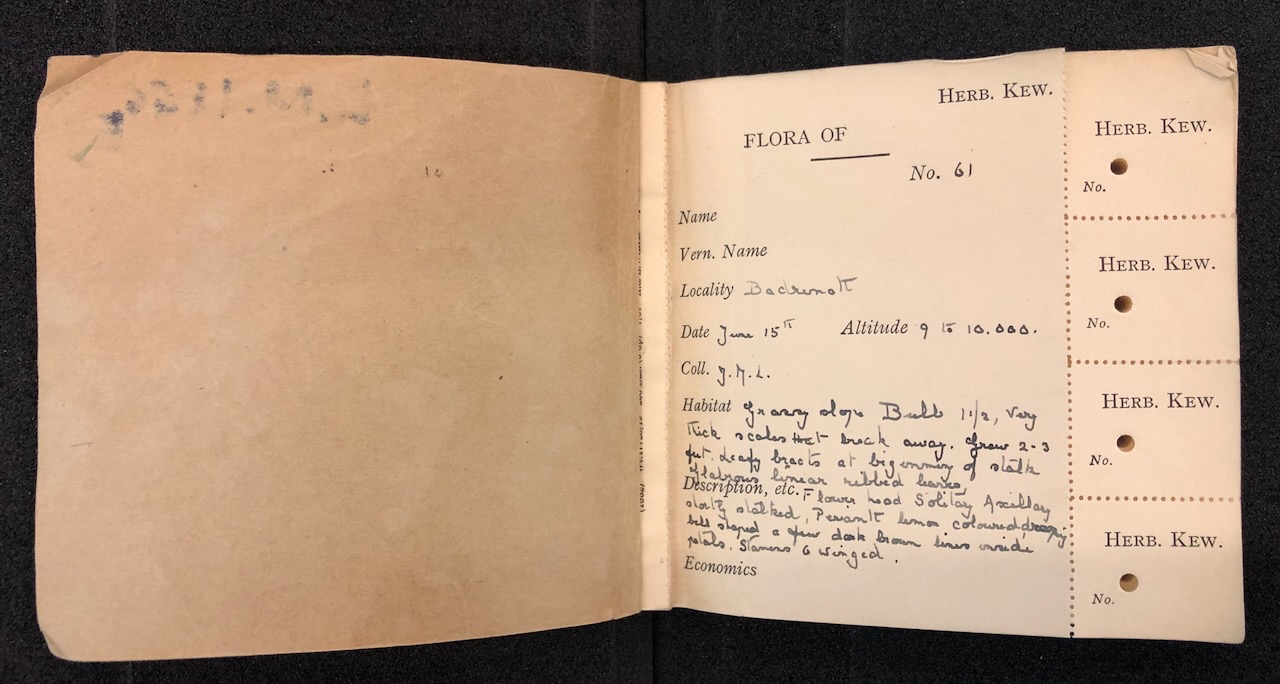
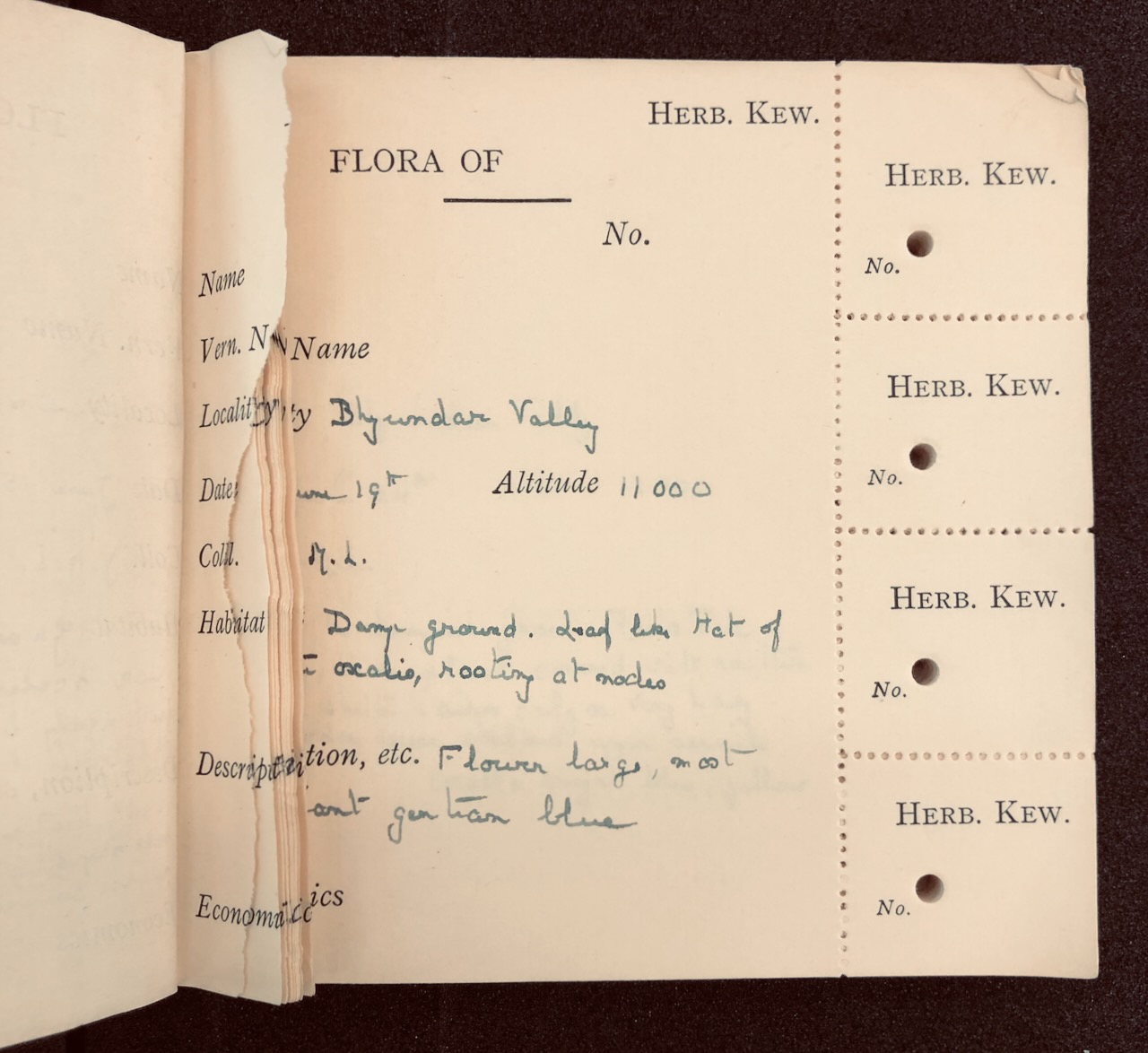
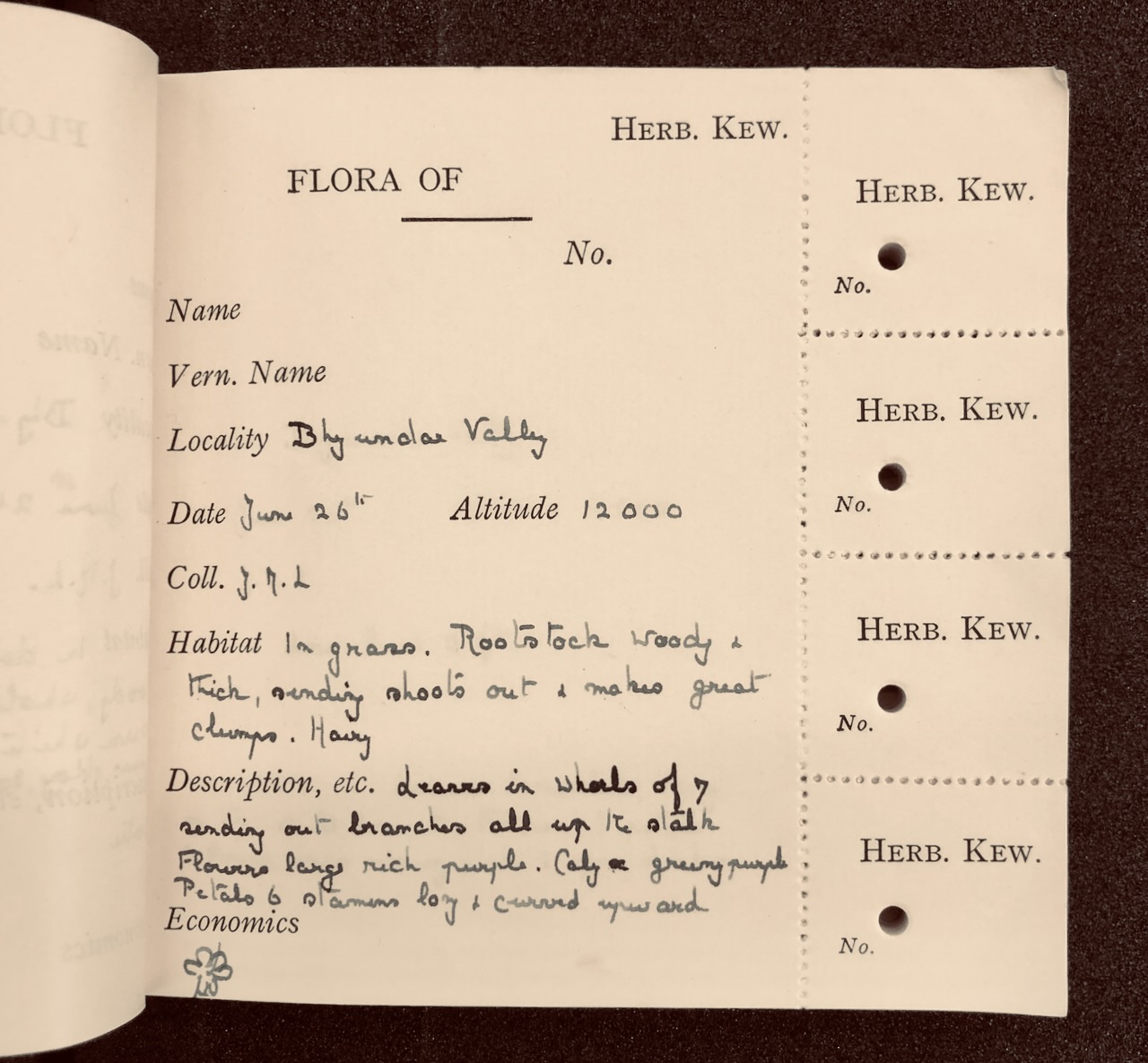
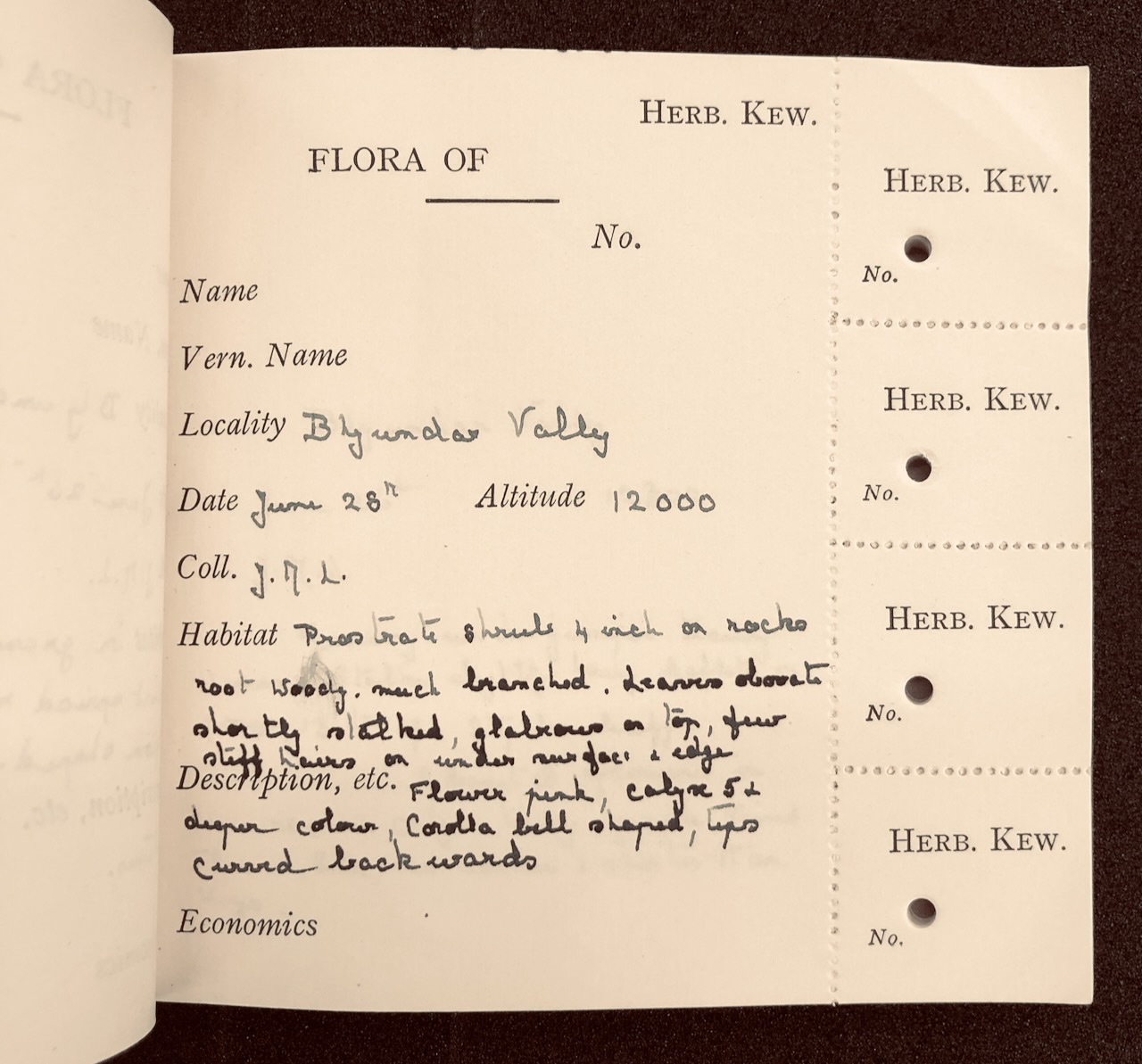
Exhumed from their graves and held in place by tiny straps, I was able to connect to Joan through the physical ghosts of the plants she had harvested. Traces of earth still clung to their roots, potent yellow pollen spilled from crumpled and flattened flowers, residual colours blushed petals and leaves as their ethereal beauty gently concertinaed the 85-year stretch of time between Joan’s picking and my viewing into a space in which I could almost touch her.

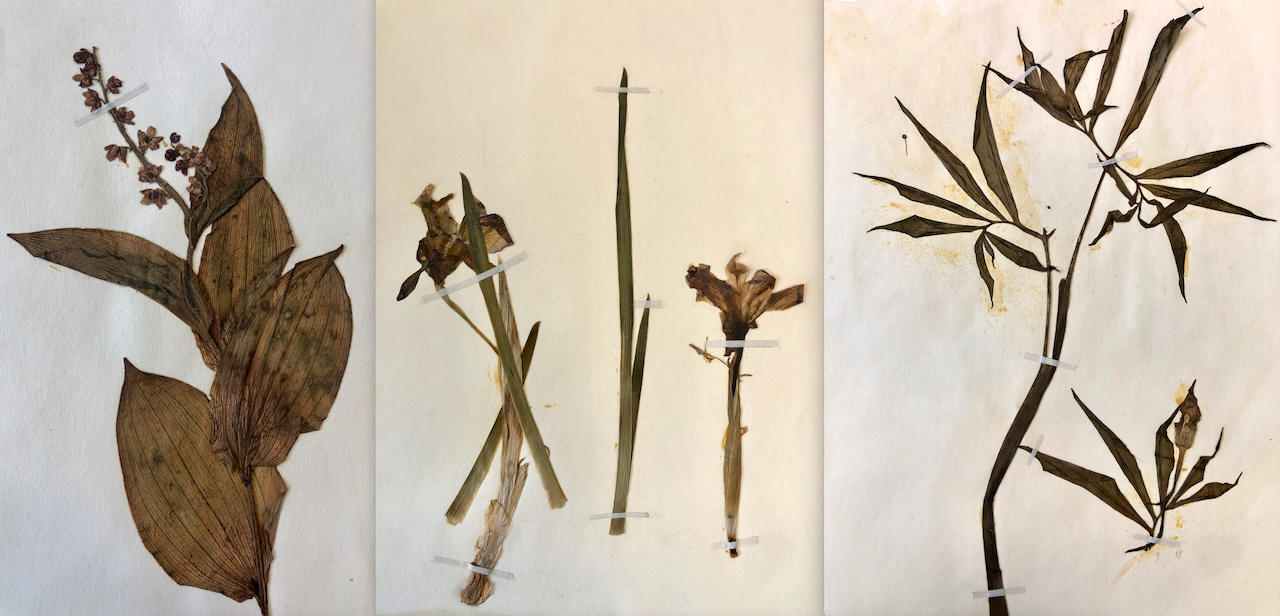
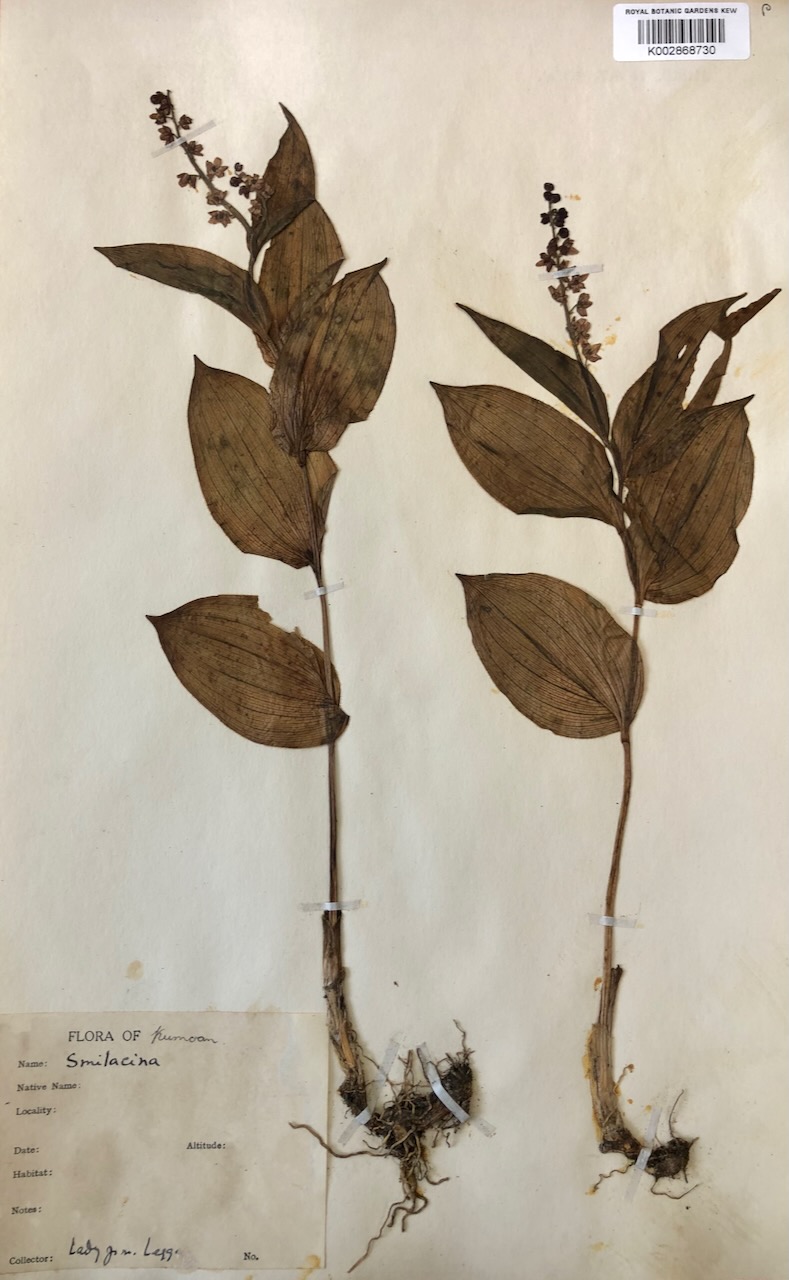
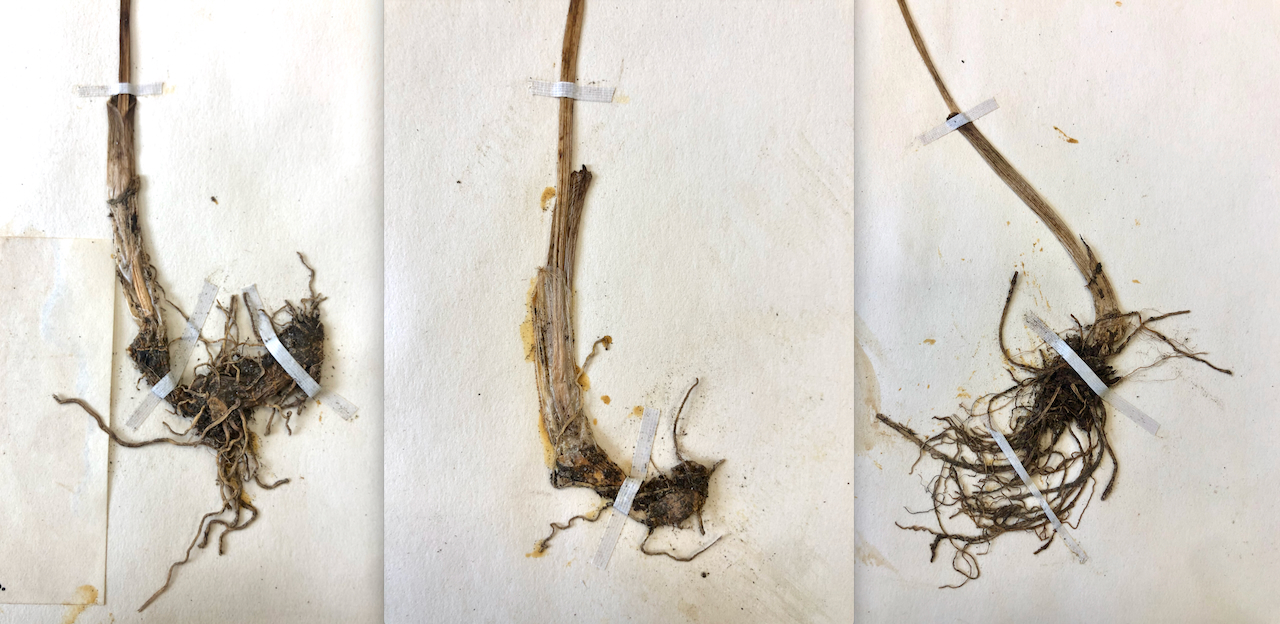
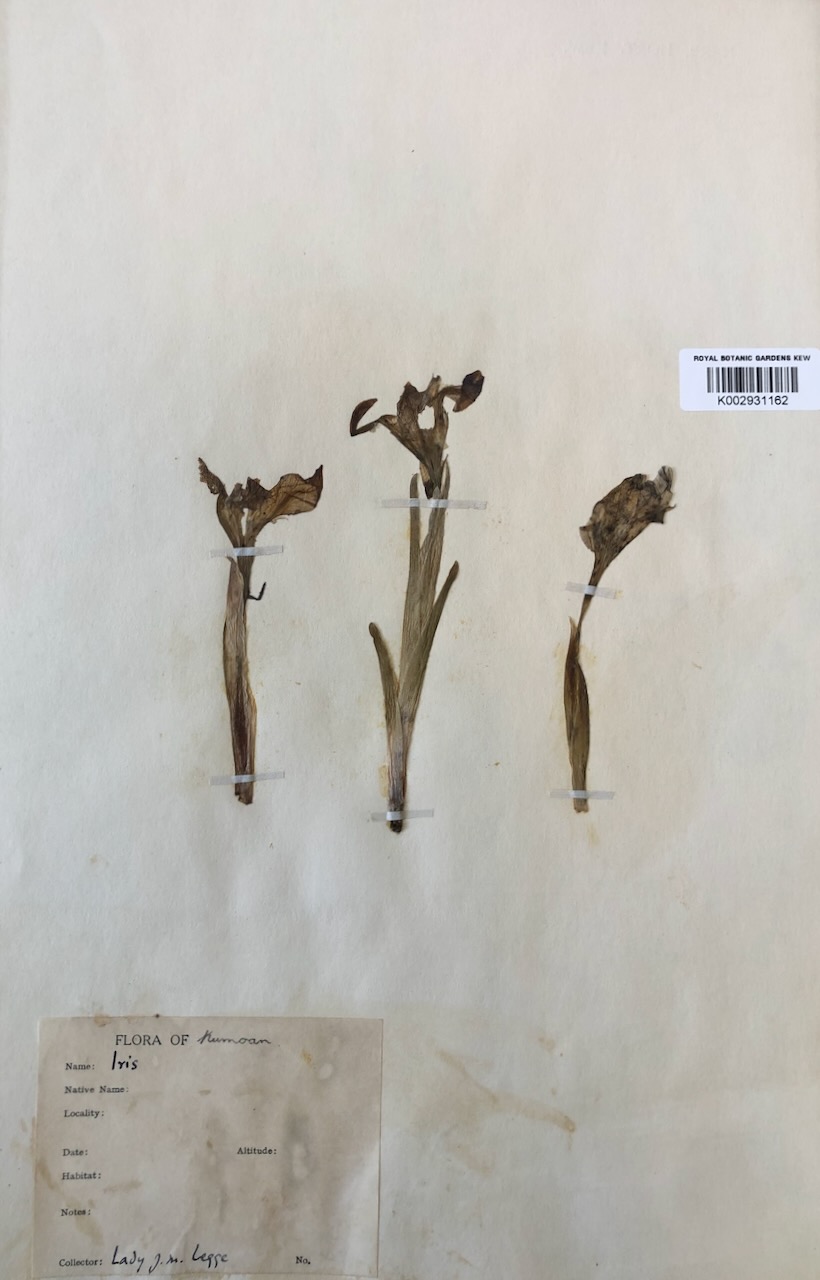
Strange to think that these faded blooms had made it back to England while she hadn’t… It was a poignant preamble to an impending trip with my sister and two first cousins, all female descendants of Joan, designed to follow in her footsteps through the monsoon rains and soaring peaks of Uttarakhand, from Ranikhet to Joshimath and Badrinath and on to her isolated grave in the Valley of Flowers. As far as I know, we will be the first members of her family to visit Joan. It will be the realisation of a dying wish of my dear uncle who had long wanted to travel there himself but, unable to fulfil his dream, invited us to go there in his place.
Time marches on, history is made. We have a new prime minister and his government’s actions and inactions will make it into the newspapers and history books. Meanwhile, the silent and unseen reside as untold stories pressed between their pages awaiting discovery.
All images are © copyright of the Board of Trustees of the Royal Botanic Gardens, Kew and/or The Herbarium Catalogue, Royal Botanic Gardens, Kew. Published on the Internet http://www.kew.org/herbcat [accessed on 04/07/2024]
 angela findlay blog