When big isn’t necessarily better

Reflections on: IN PROCESS… a life, a film, a book, an exhibition, The Vaults, Stroud. Sunday 19th October, 11am-5pm and by appointment until 1st November.
 

“We must, we must, we must increase the bust.

The bigger the better, the tighter the sweater, the boys depend on us.”

I remember chanting that with my boarding school roommates as a teenager, elbows flung back in a futile attempt – in my case at least – to inflate our adolescent chests. Bigger was definitely better, or so we believed.
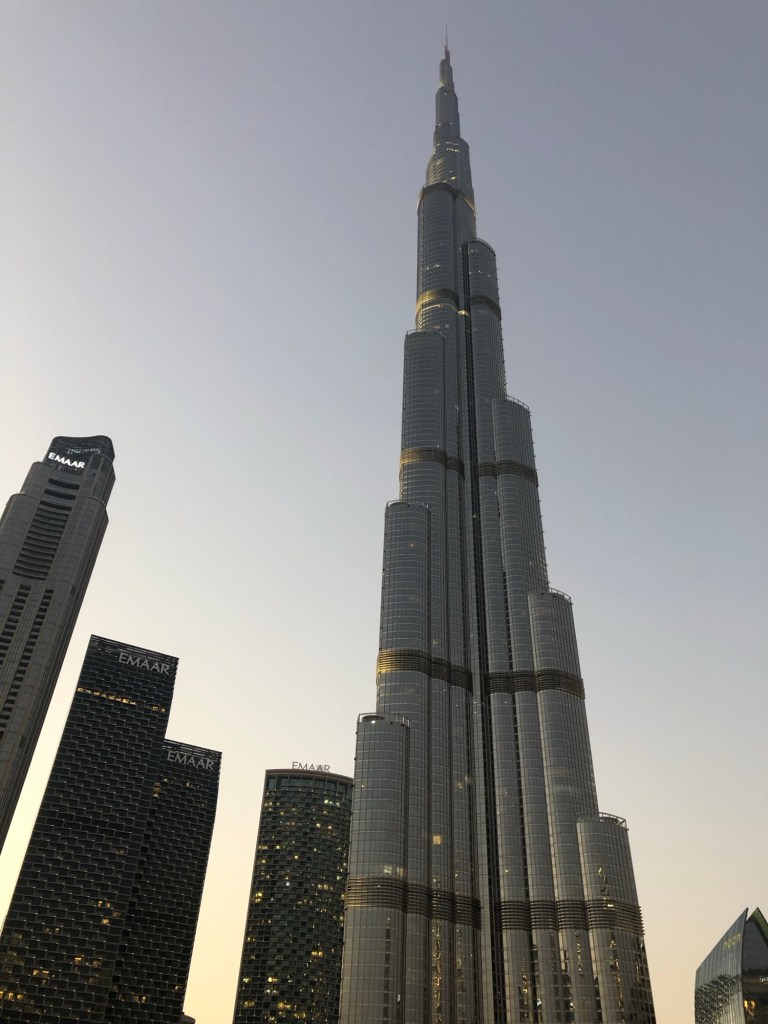
Burj Khalifa, Dubai

Skyscrapers, cars, salaries, houses… In so many areas of modern society, ‘big’ still equals ‘better.’ More followers, more likes, more headlines, more sales. The biggest countries led by the most powerful leaders and largest militaries make the most noise. And yet we know, quantity doesn’t equate to quality. Magnitude doesn’t always reflect meaning or value.

This idea – that bigger isn’t always better – is something I’ve seen reflected both in the trajectory of my great great aunt Joan’s life and in my own development as an artist. (If you are new to Joan’s story, please see my previous blogs for background.)
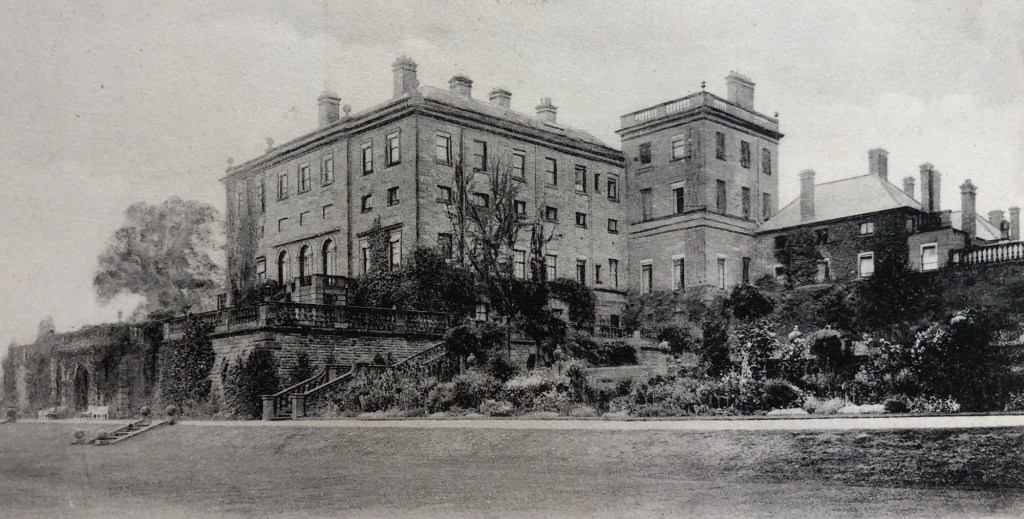
Patshull Hall, Staffordshire

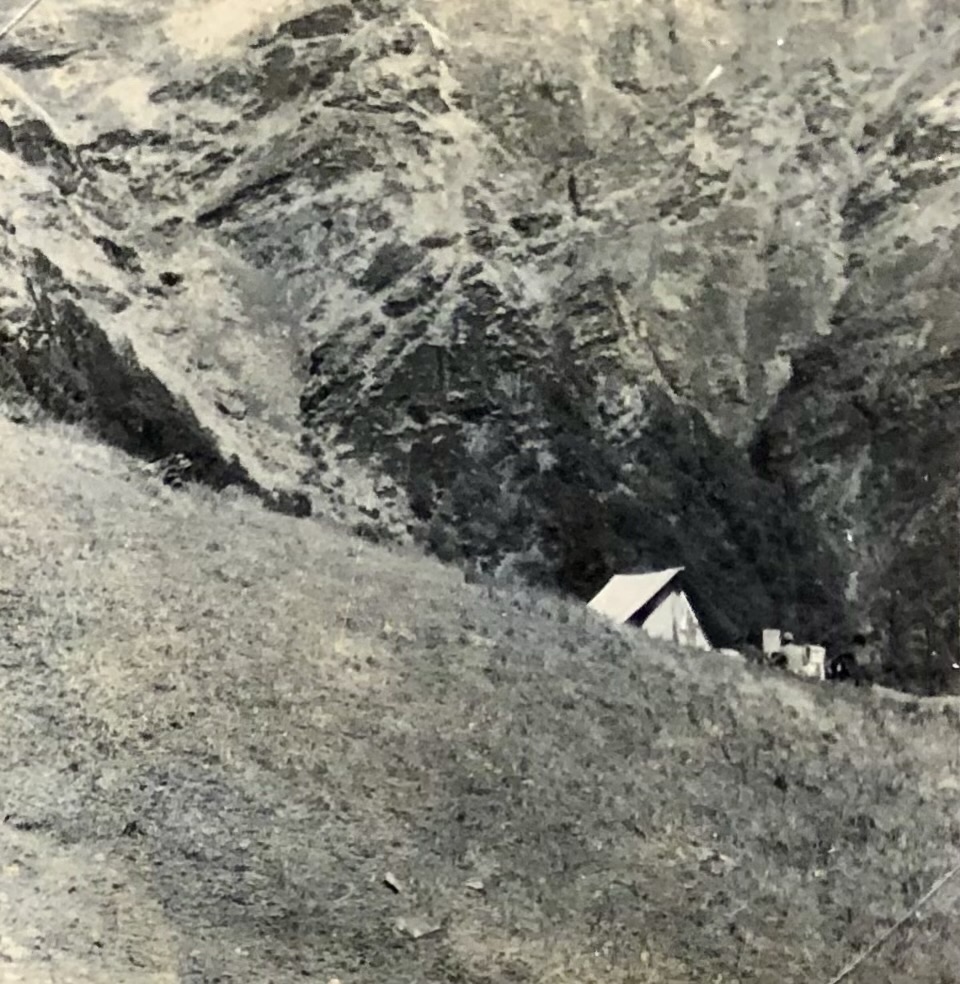
Joan’s tent

Joan grew up in a 147-room stately home in Staffordshire. Yet she spent her final weeks in a single, often soggy Meade tent pitched in a remote Himalayan Valley, surrounded not by grandeur but by shepherds, wildflowers and the sound of rain. She had traded scale for purpose. And her joy, it seems, had grown as her material load had lessened.

My own artistic journey has followed a similarly inverse curve.
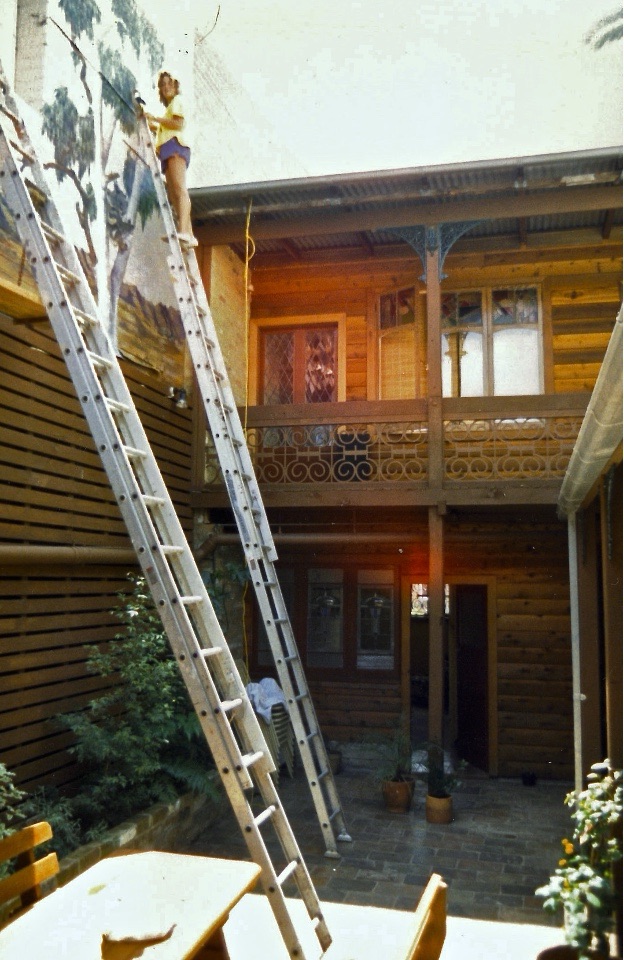
Painting a mural in Sydney, 1987

I began large, unable to contain any drawing or painting within the boundaries of paper or canvas. My work spilled onto walls, first private then public, then grew further to fill stage backdrops for theatres or touring bands. Various mishaps including a paint-splattered boss’s car and a disastrous commission to paint the backdrop for INXS KICK album tour in 1987, which promptly cracked and fell off in large chunks when rolled up, nudged me toward the more forgiving surface of prison walls. There, no amount of damage could make the environment worse than it already was.
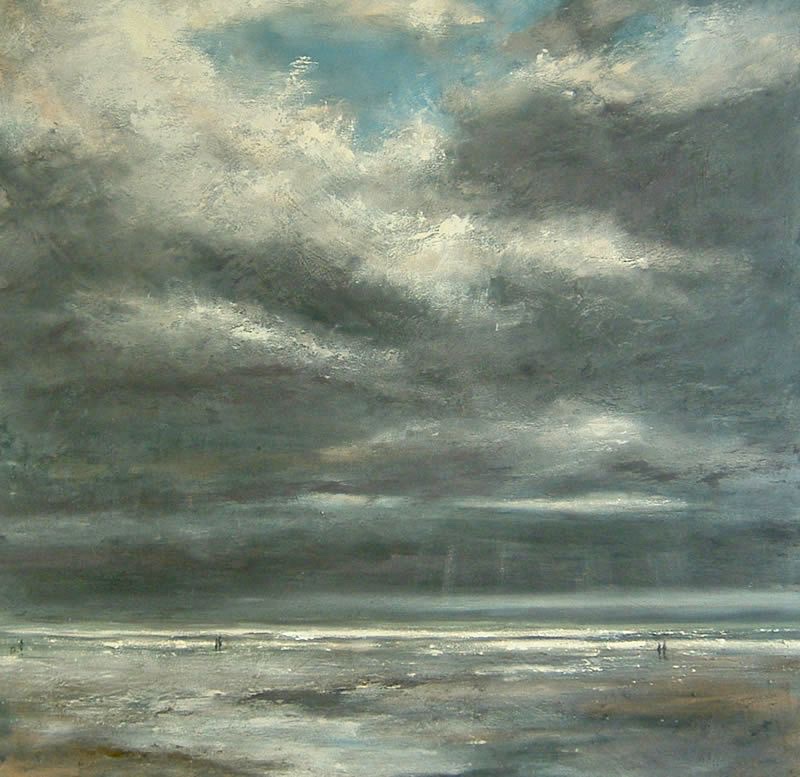
The light danced, 120x120cm

Years later, I turned my focus to canvases of my own, their size dictated by the available studio space and commercial considerations of galleries. And most recently, to works just 28x28cm – or smaller. I have replaced the vast audiences of art fairs with the quiet intimacy of just six or seven visitors at a time into the two vaults beneath my home in Stroud’s Cemetery.

The Vaults

Those vaults now house In Process… a deeply personal exhibition about Joan, her life and the resonance her death still holds for me, our family and small communities she encountered in India.

In one vault, where gravediggers once hung their tools and I now hang mine, visitors watch a short film projected into the open lid of an old trunk telling the story of Joan Margaret Legge.
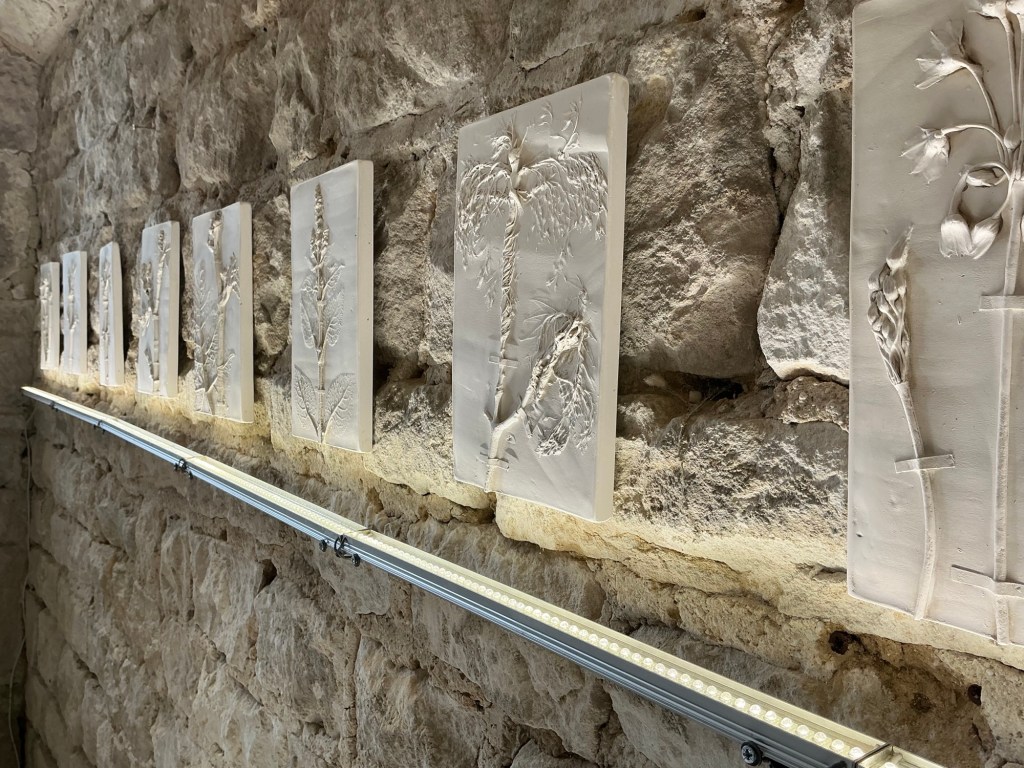
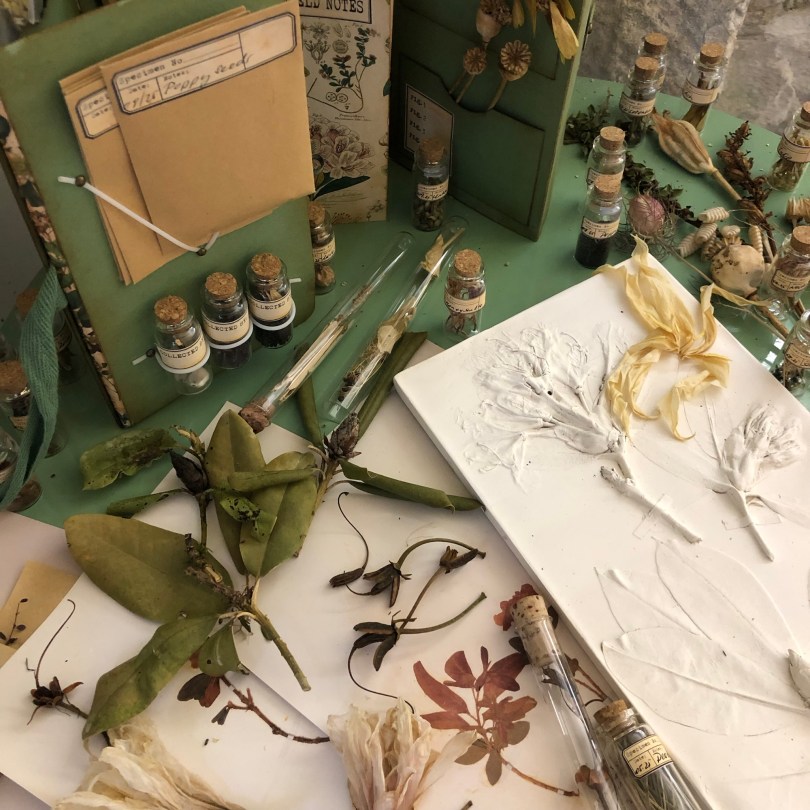
In the other, where those same workers drank tea, ghostly white plaster casts hang like three-dimensional botanical drawings reminiscent of the specimens Joan collected and sent to Kew Gardens.
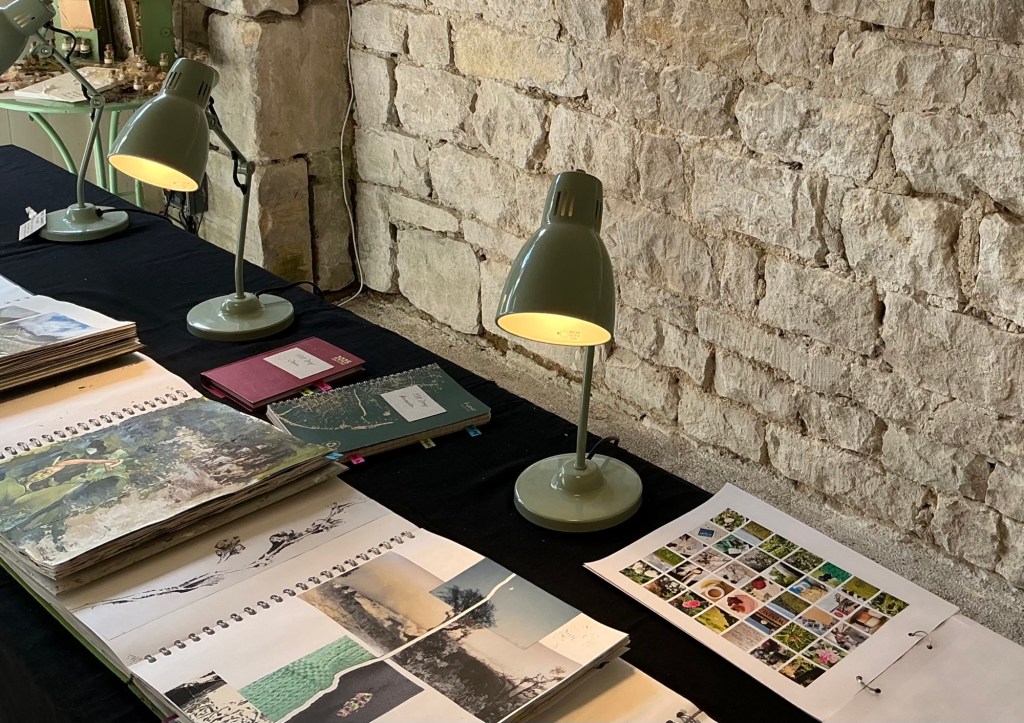
‘138 days’

A series of square sketchbooks chart the 138 days I followed Joan’s 1939 diary entries. Starting on 17th February when I stepped into her shoes as she boarded a ship to India, I step out of them again on 4th July, the day she slipped off the edge of a Himalayan path to her death. One photograph, one sketchbook page, each day a quiet re-embodiment across time. Not a recreation of her journey, but a chance to listen more deeply to the changing tone of her voice in the final months of her life.

At the heart of the exhibition is its smallest piece: a re-working of a first edition of Frank Smythe’s Valley of Flowers, the very book that inspired Joan’s expedition. Through collage, drawings and pressed flowers, it now tells the stories of three visitors to the valley rather than just one: his, hers and mine. Wrapped in brown paper and tied with string like an archival package, the book invites visitors to wear white gloves to turn its delicate pages, not because it is precious in a monetary sense, but out of respect, Unlike most artworks, these ones are meant to be handled and engaged with.
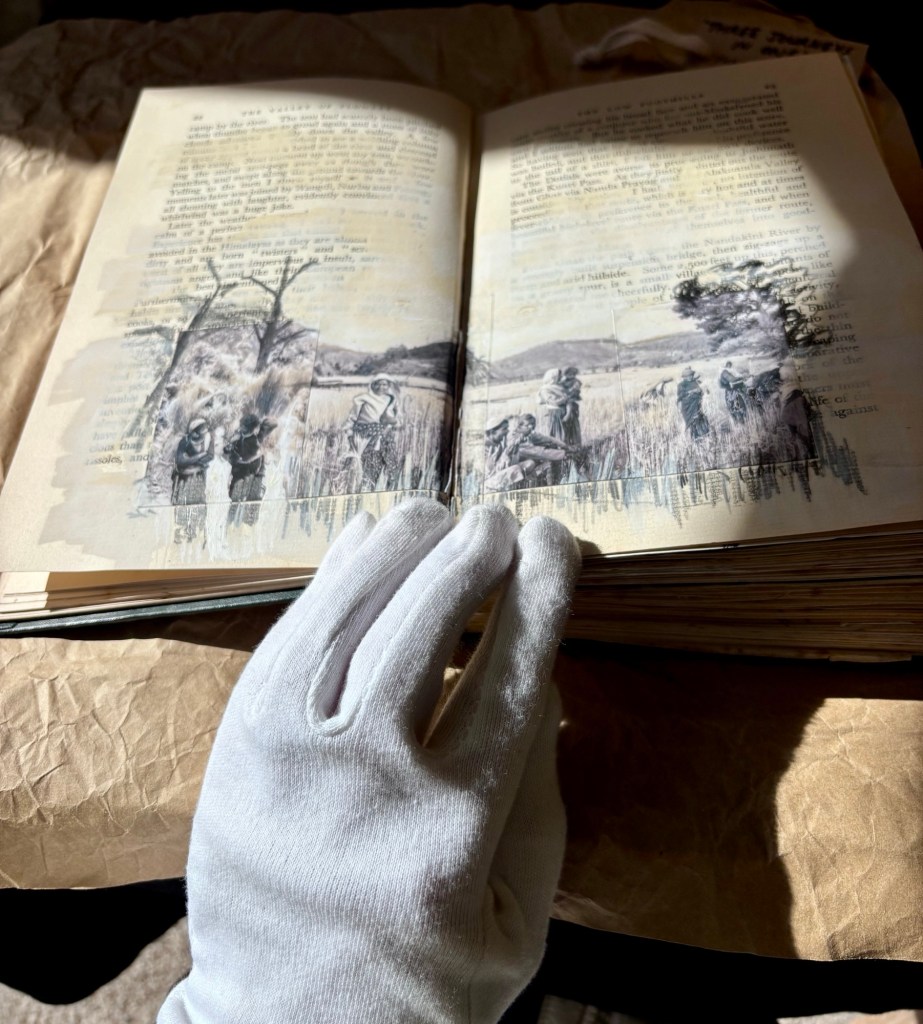
‘Three journeys in one’

There is nothing for sale. No press campaign. No sponsorship. Just a quiet space, tucked away in a garden, found by invitation or chance. A strange but deliberate choice, and to me, a more authentic reflection of the humbleness of where Joan’s life ended than any traditional gallery could offer.

What Joan lost in material possessions, she gained in purpose and joy. Her life distilled into what nine porters could carry. She found a sense of completeness long before she had completed her journey.
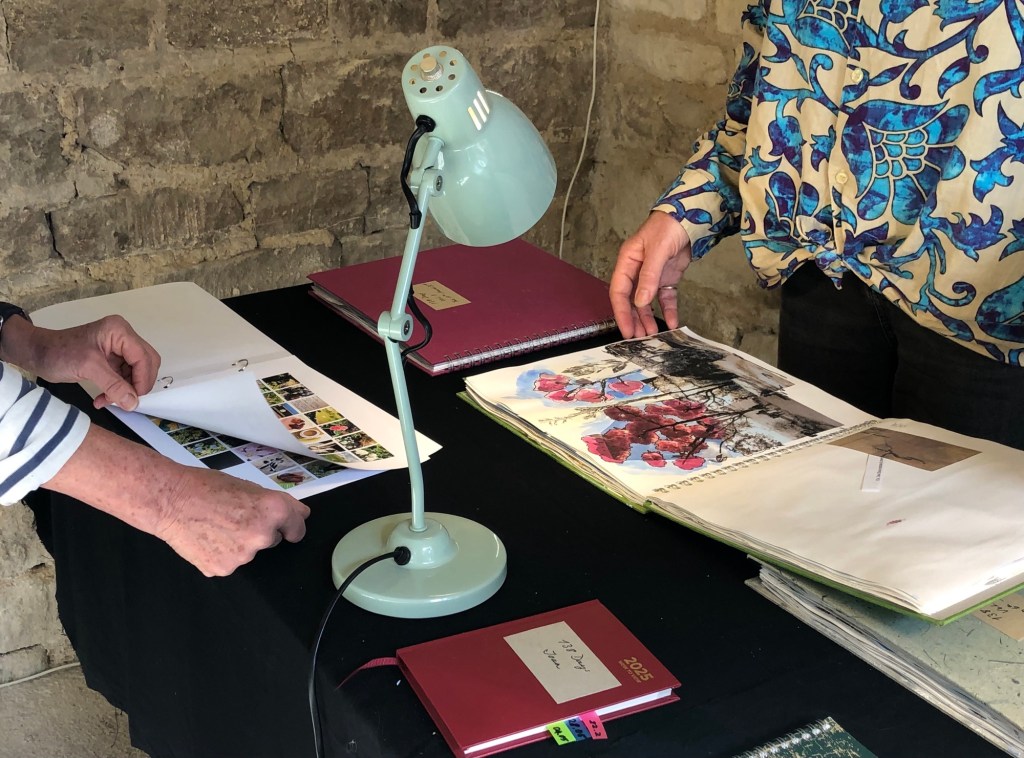
That’s what I hope to convey in the improvised, immersive pieces shown in the warm belly of my limestone vaults. People forgive imperfection and lack of polish as they connect with Joan’s story through their hands, senses and bodies.

Just as artists learn to see not just form but negative space – the shapes between things – so Joan’s outwardly abundant life transformed into an inner world: slower, quieter, less visible, but not lesser in any way.

Maybe this is a natural outcome of ageing… the gentle decluttering of ambition and a reshuffling of values. Or maybe Joan’s story is a simple reminder that richness cannot always be seen and meaning doesn’t always require an audience.

The symmetry in our shrinking trajectories is just an observation.

But it feels strangely right.

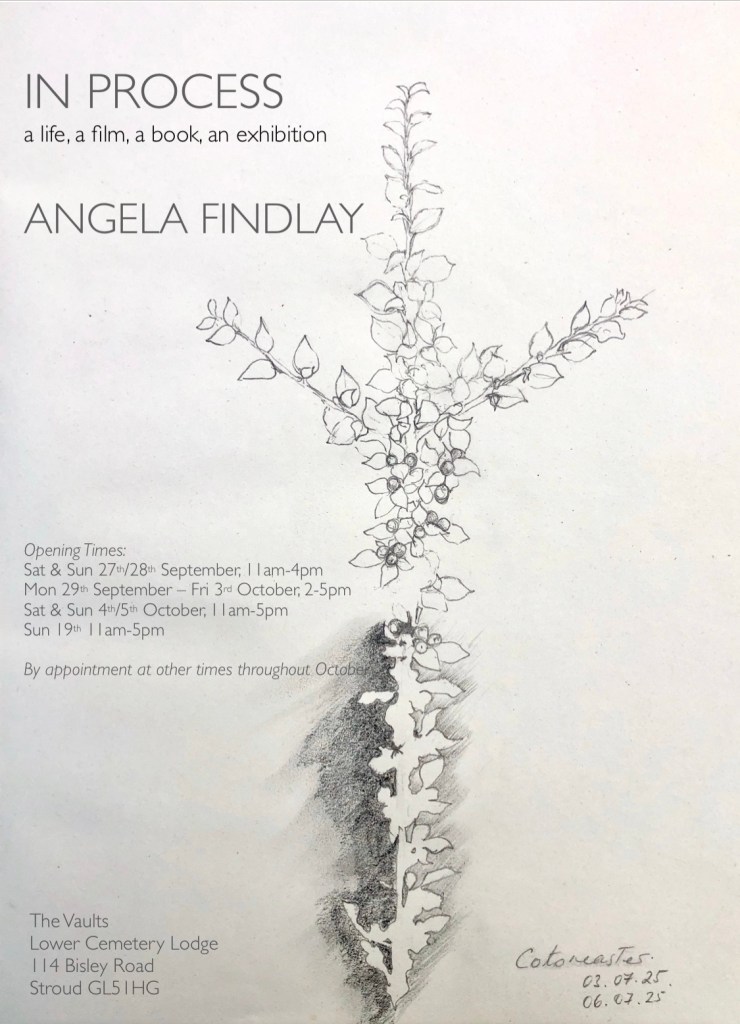
IN PROCESS…

Sunday 19th October, 11am-5pm and by appointment until 1st November.

The Vaults, 114 Bisley Road, Stroud


In search of ‘nothing’… part 1

My yearning for ‘nothing’ has been growing incrementally over the past few years. I have alluded to variations of apparent nothingness in my book and previous blogs when I discuss ‘negative space’, ‘the feminine principle,’ the vital pause at the start of Beethoven’s 5th, all expressions of that immaterial level of life that evade measurement or proof by current instruments of science. It is space, in every sense of the word.

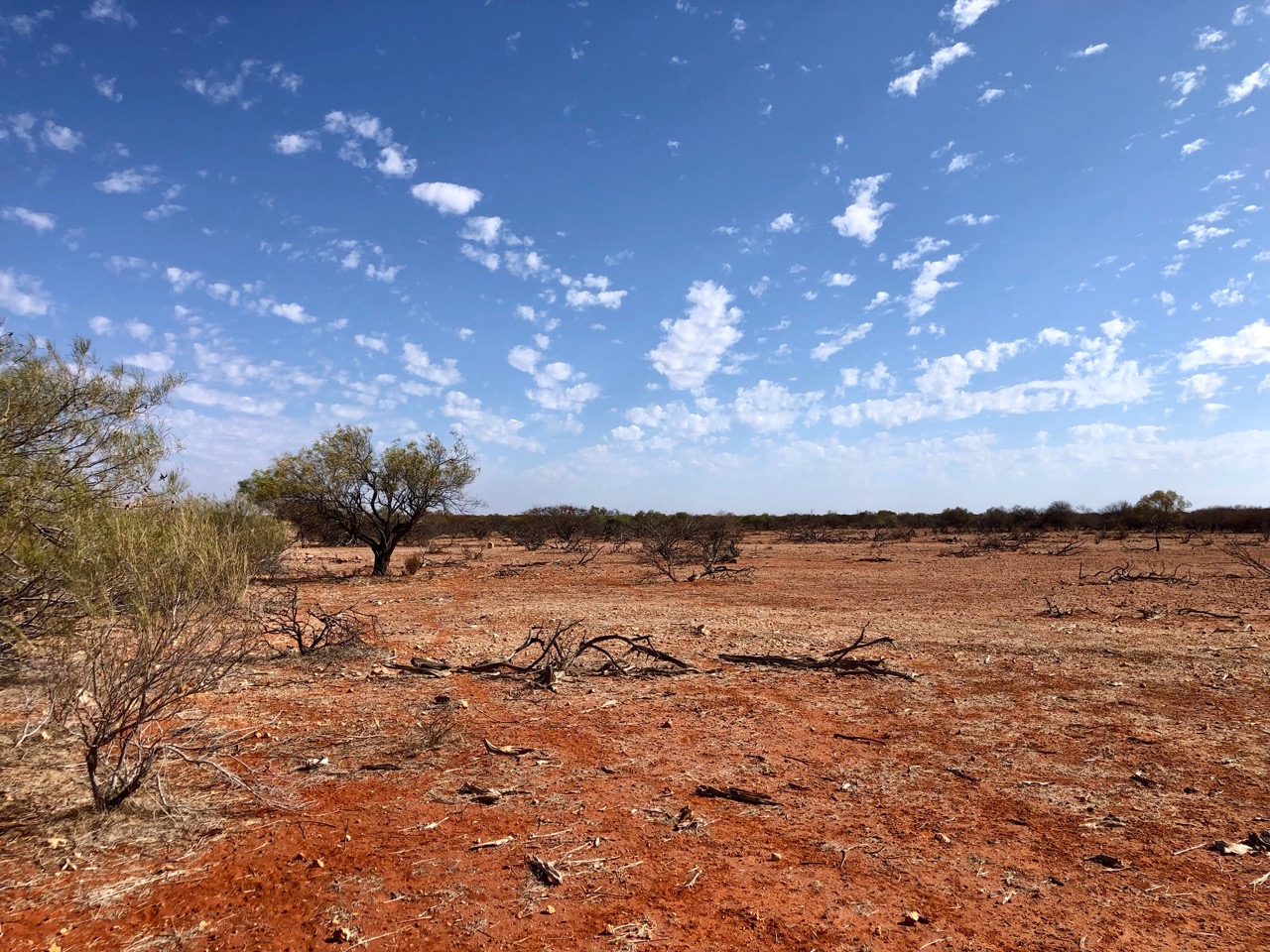
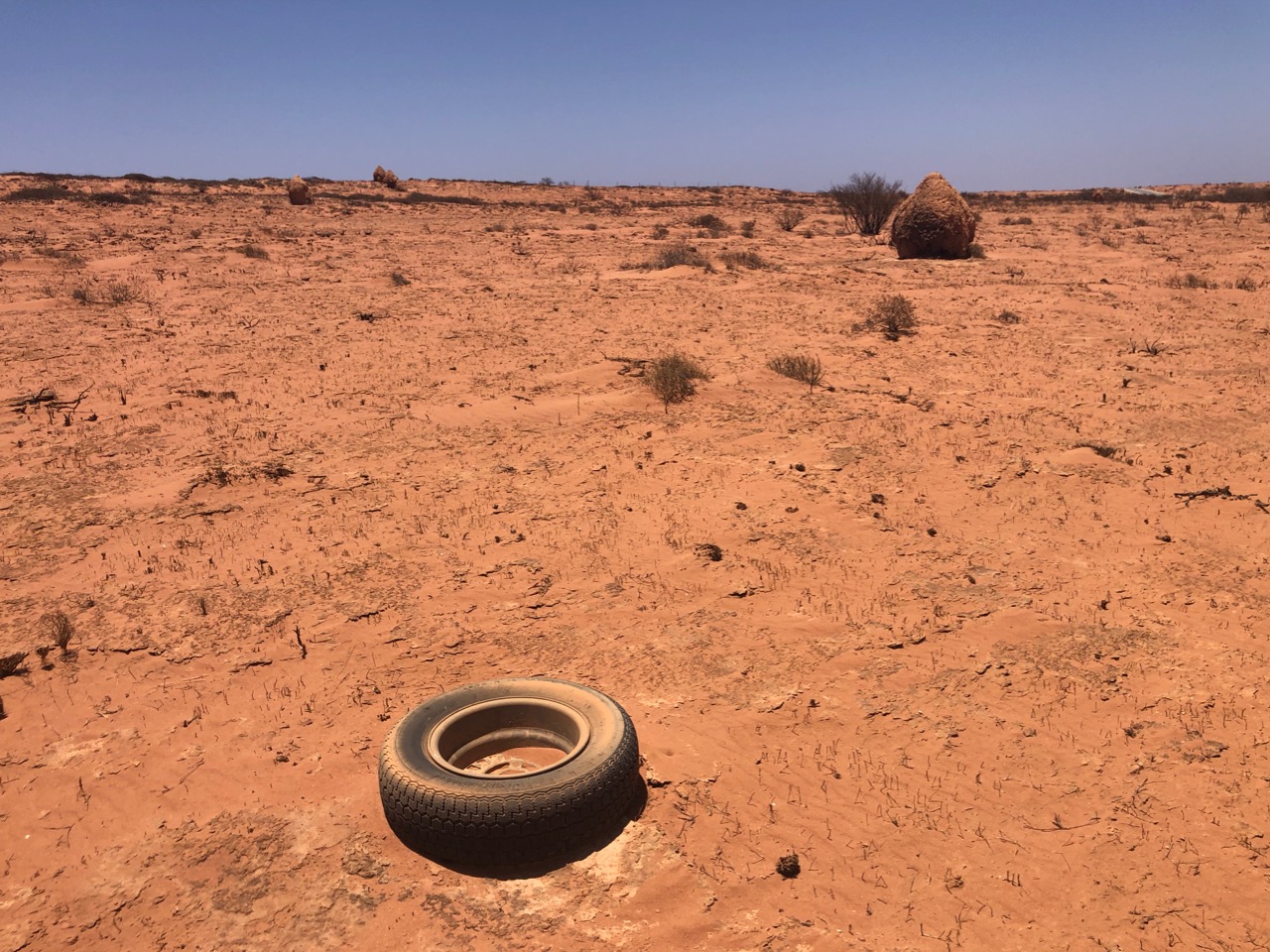
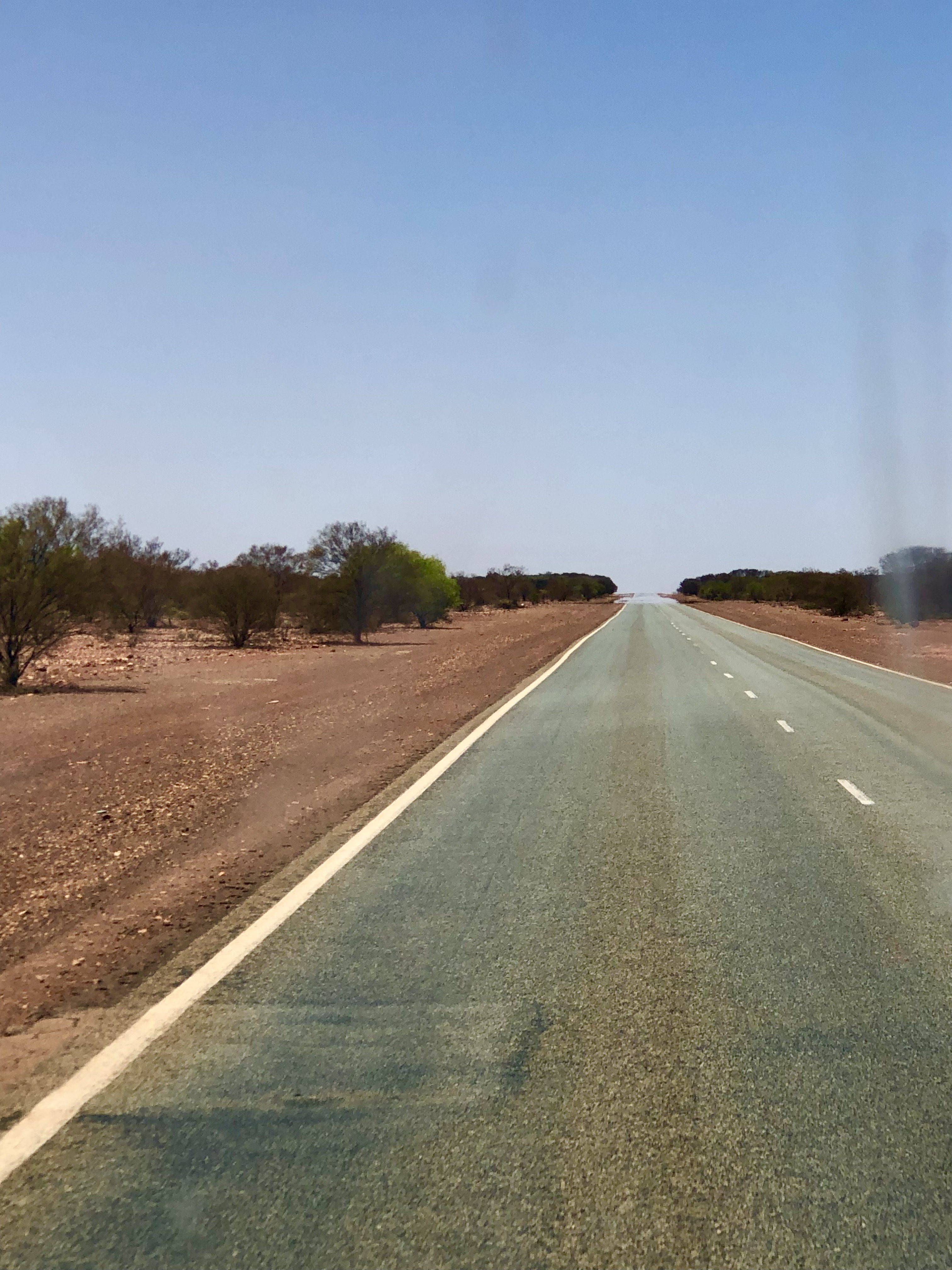
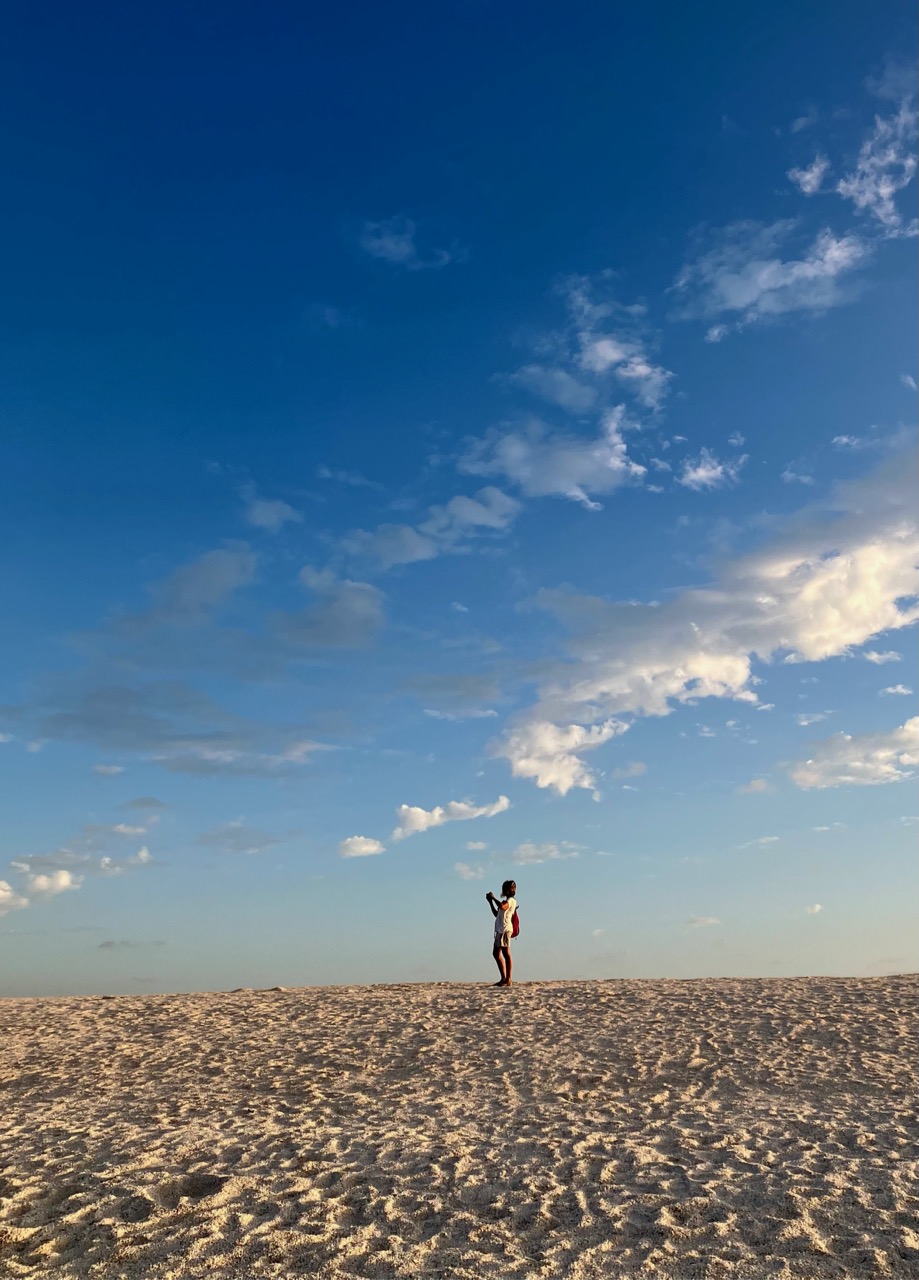
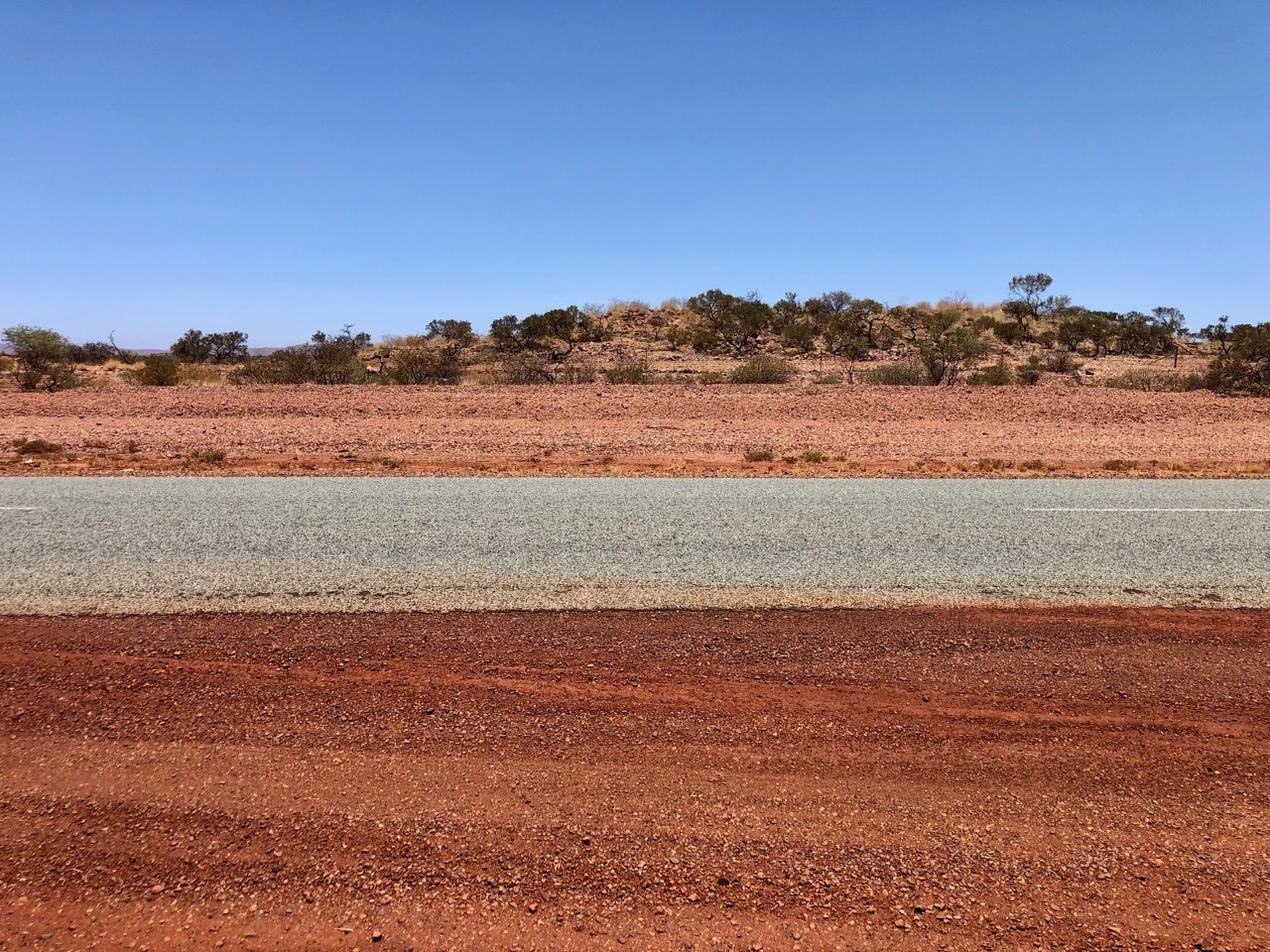
Ever since my first and only trip there in the mid-eighties, Australia’s unique form of emptiness has tempted me back. Its vast cobalt-domed red plains sealed by 360˚ of horizon and uncluttered by physical landmarks of human endeavour older than 235 years. Here the world could well be flat. For the mind expands unhindered in all directions, stretching until the last strands of taut linear thought surrender their elasticity to slip like well-worn pyjama bottoms into a useless pile around the ankles.

The island continent is a landmass that cannot be understood with the brain. It must be embodied, felt. Having travelled there between the wars, a confounded D.H. Lawrence wrote in Kangaroo (1923): “You feel you can’t see, as if your eyes hadn’t the vision in them to correspond with the outside landscape.” 

The Western Australian novelist, Tim Winton, expands on this inability to process what is around you in his book Island Home. It requires time. Duration and experience. Submission and waiting. ‘Space was my primary inheritance,’ he writes of his upbringing. ‘I was formed by gaps nurtured in the long pauses between people.’

I recognise the impossibility of putting the sensory vocabulary from the 18 months spent here in my early twenties into words. And yet, a residual, visceral resonance with the land, aboriginal culture and those ‘gaps’ remained through the decades despite my disproportional terror of almost every native creature that swims, slithers or hops. 

One of the aims of this trip to the inland and coastal terrain of Western Australia was to visit old housemates who shared that vibrant formative period in Sydney. Other motivations came from a need to escape the increasing compactness of a busy work schedule and a head filled to the brim with daily horror stories of escalating conflicts, the non-sense of current politics and power struggles, the dreaded false Gods of ‘economic growth’ and technological ‘progress’ and the cold soggy winter shades of grey. I wanted to blow my mind wide open in order to (re)connect with a more primal relationship to space and time. And life itself.

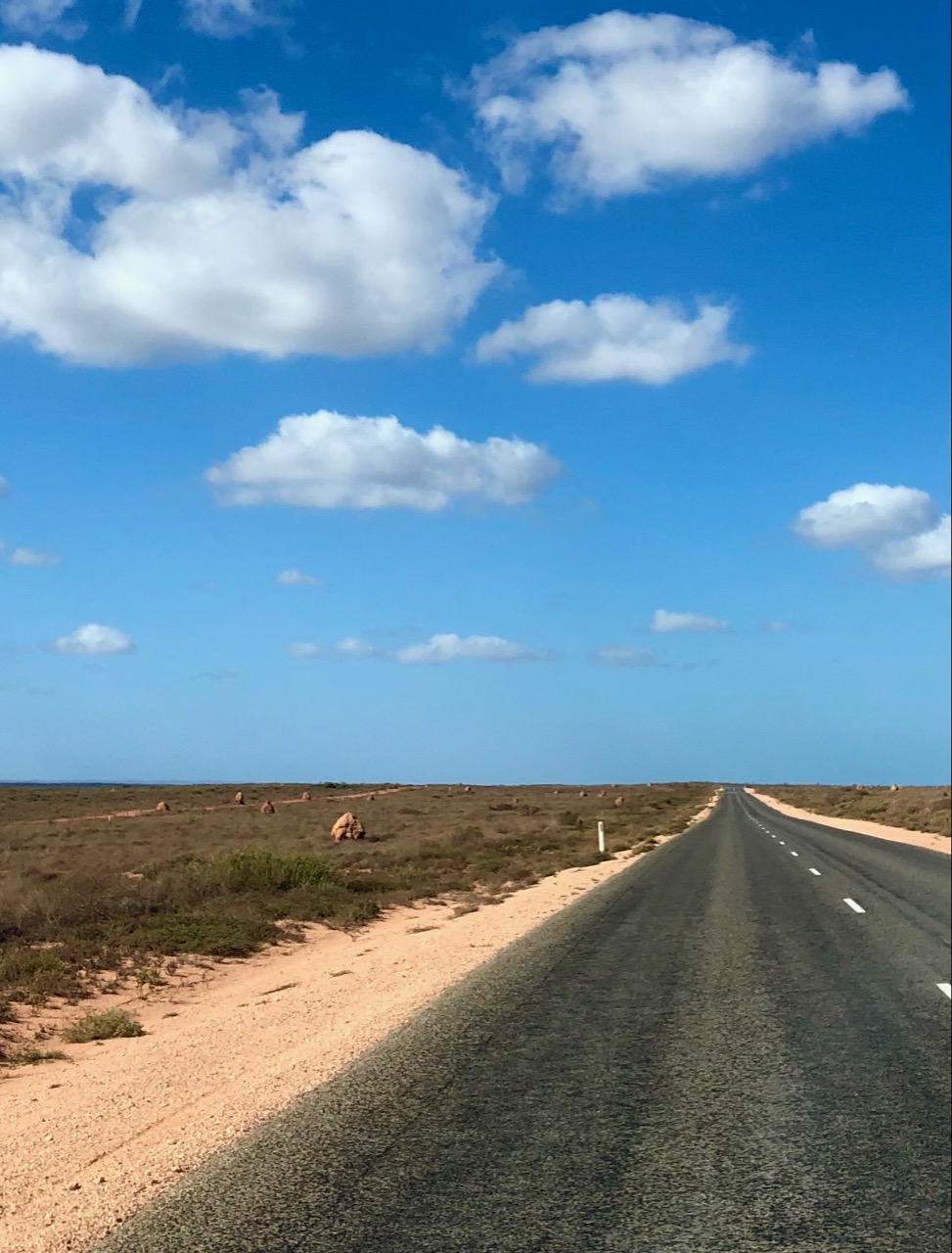
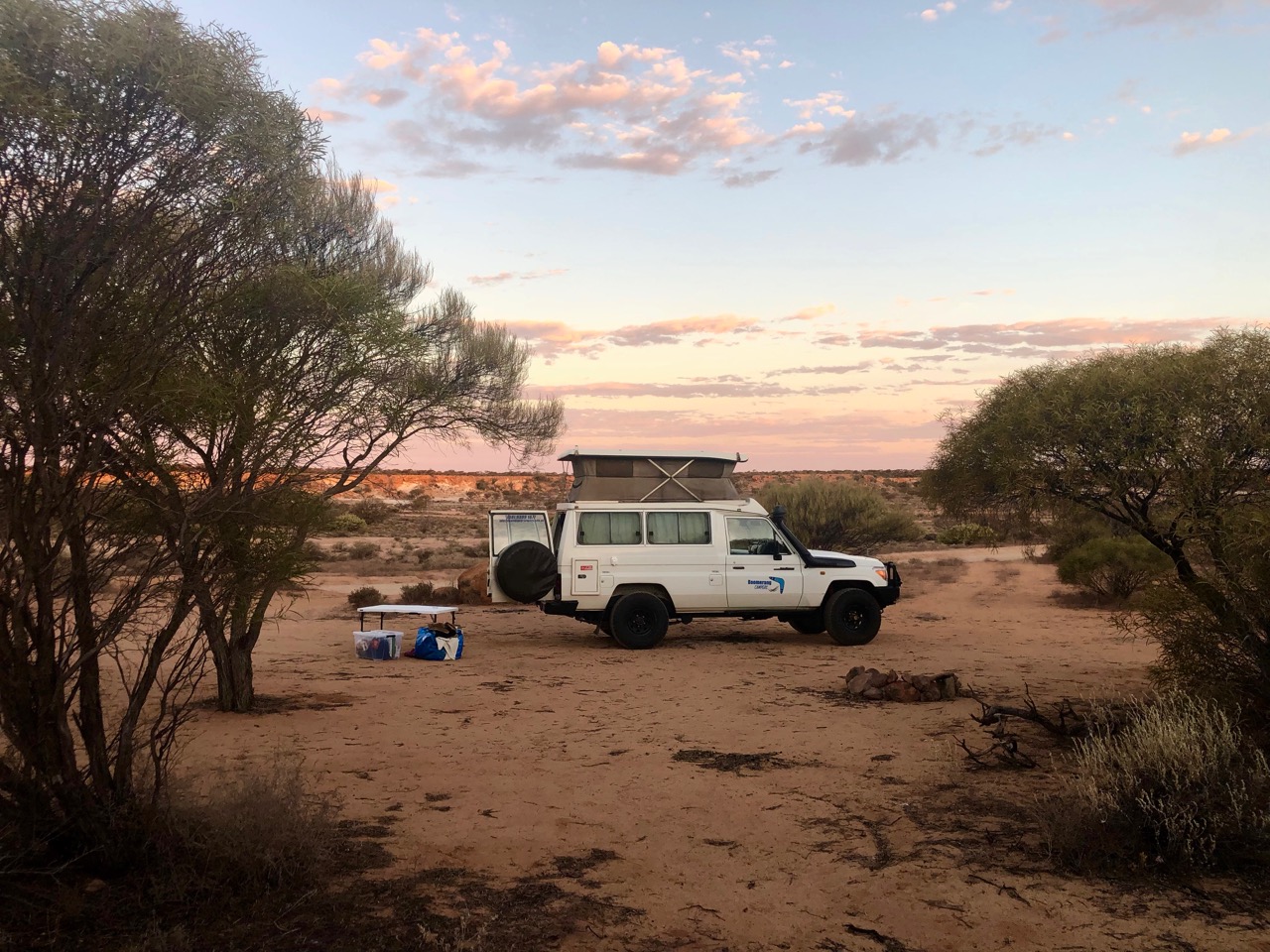
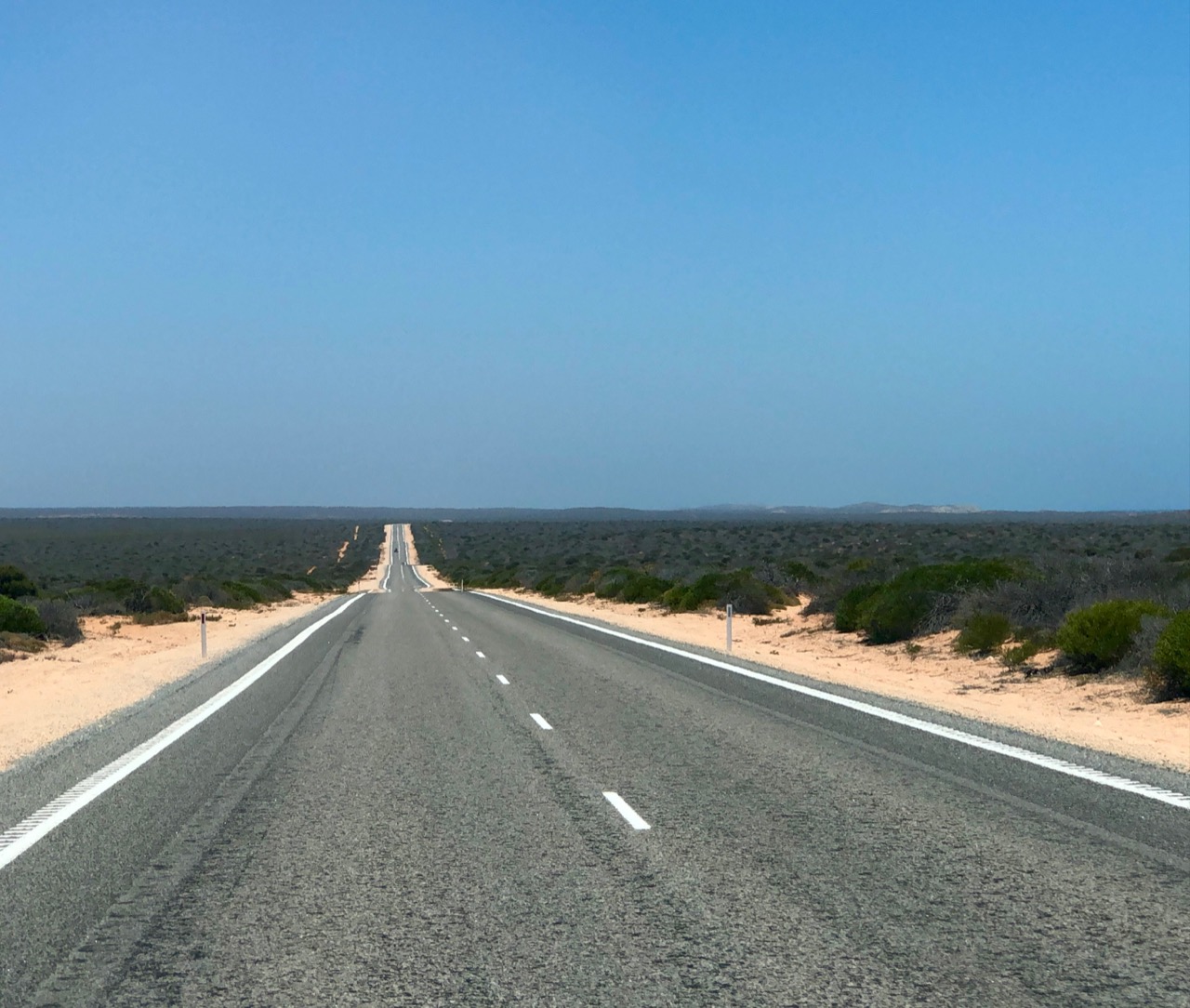
Departing from Perth on 15th December, a friend from Melbourne and I loaded fuel, water and food into a 4WD Toyota Landcruiser ‘troupy’ converted into a camper van clearly designed for a contortionist. Heading north-east we followed the Sat Nav’s increasingly sparse instructions until a lazy voice told us to just ‘drive straight for 280km.’ And then another 250. And then another.

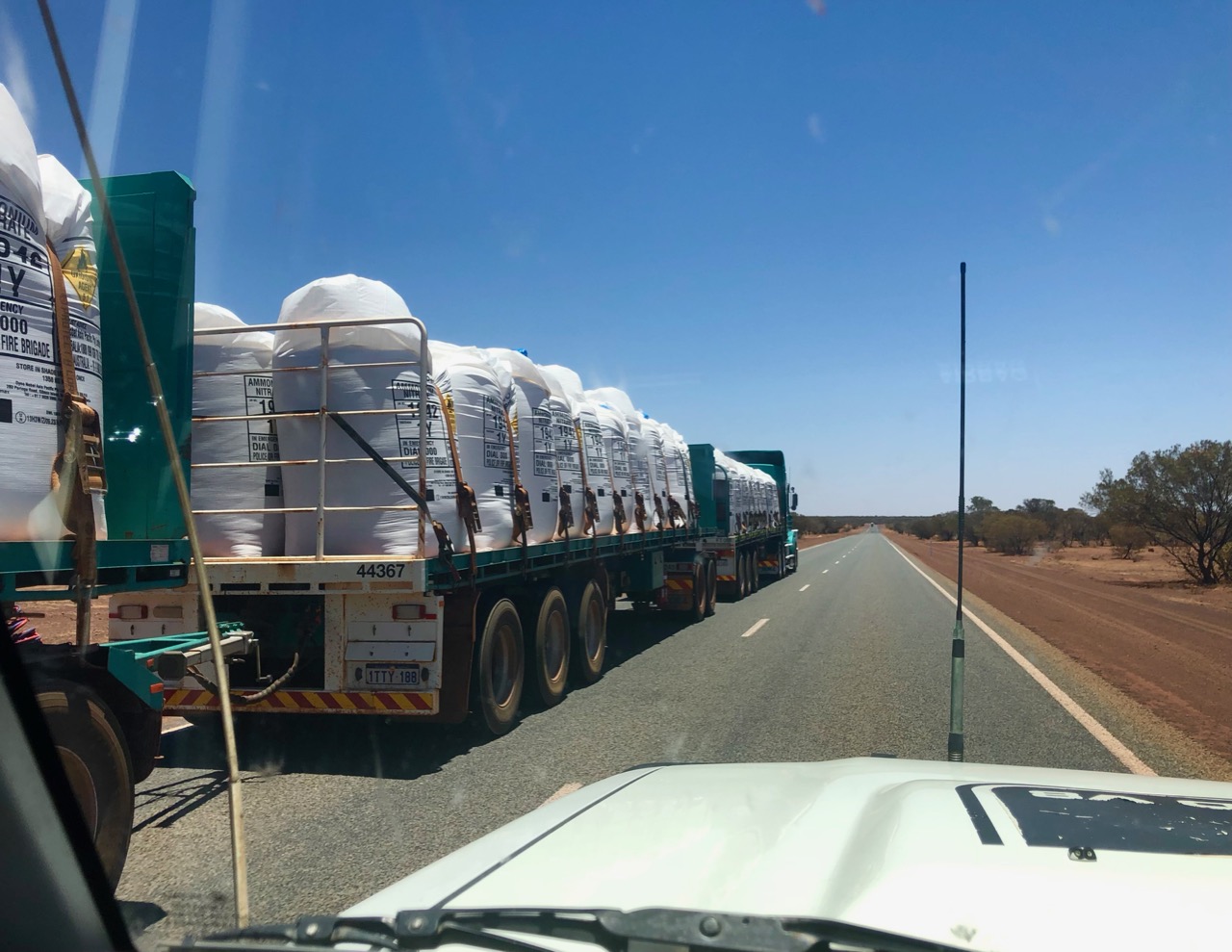
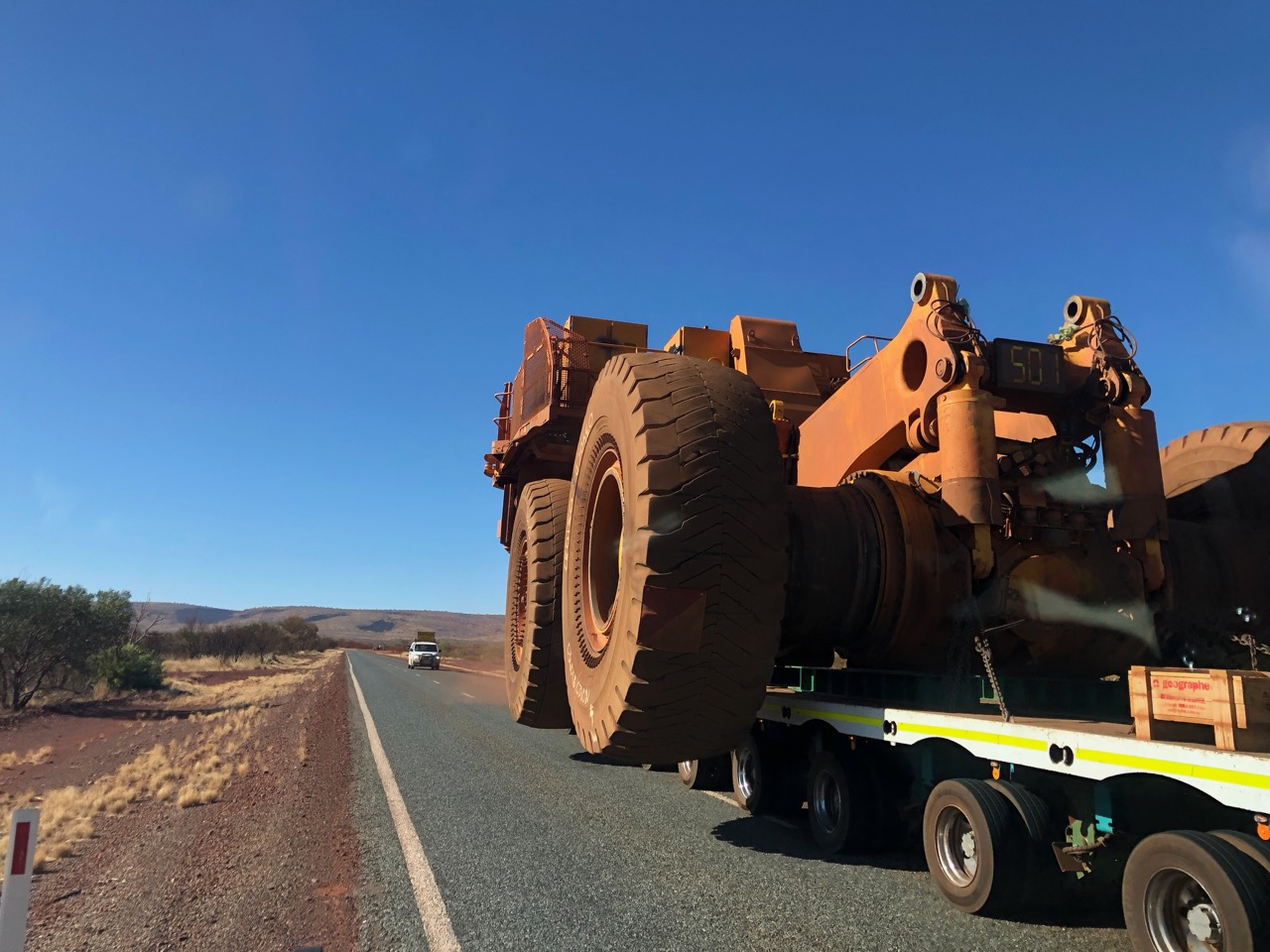
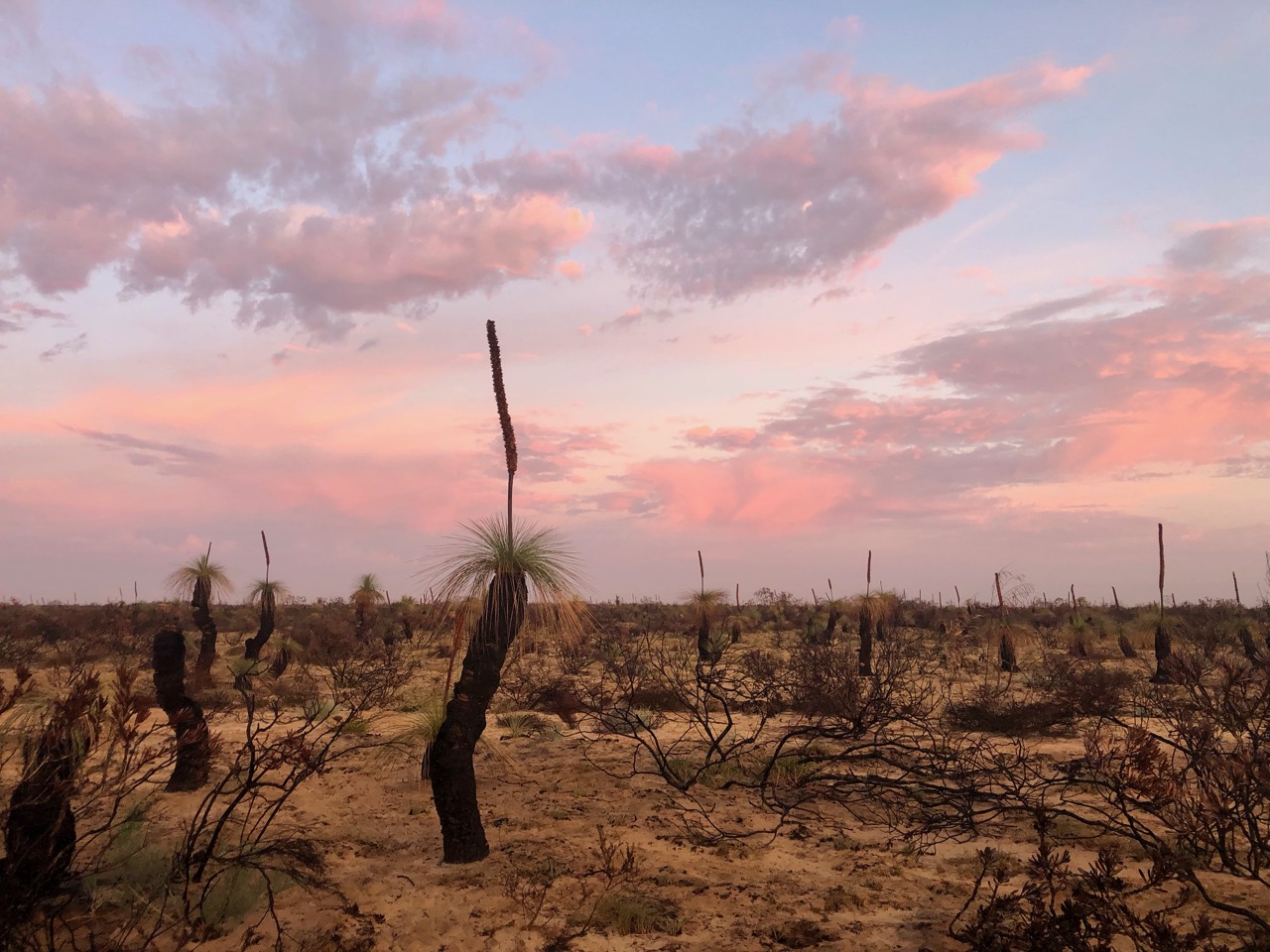
Barely turning the steering wheel except to overtake 60-meter-long road trains bearing heavy loads of ready-made houses or industrial monsters destined for the mines, we watched as the golden fields of the wheat belt dried and darkened into the deep ochres of the outback. The green foliage and white trunks of swaying gum trees gradually gave way to more sclerotic scrubland as earth and sky baked in the unrelenting rage of 44˚ sunrays. With rivers and gorges evaporated and all sensible holidaymakers having headed south, meet-and-greet parties of thirsty flies eagerly awaited us at each stop to feast on our eyelids, nostrils and lips. 

“One seems to ride forever and come to nothing and to relinquish at last the very idea of an object.” Anthony Trollope in the 19th Century

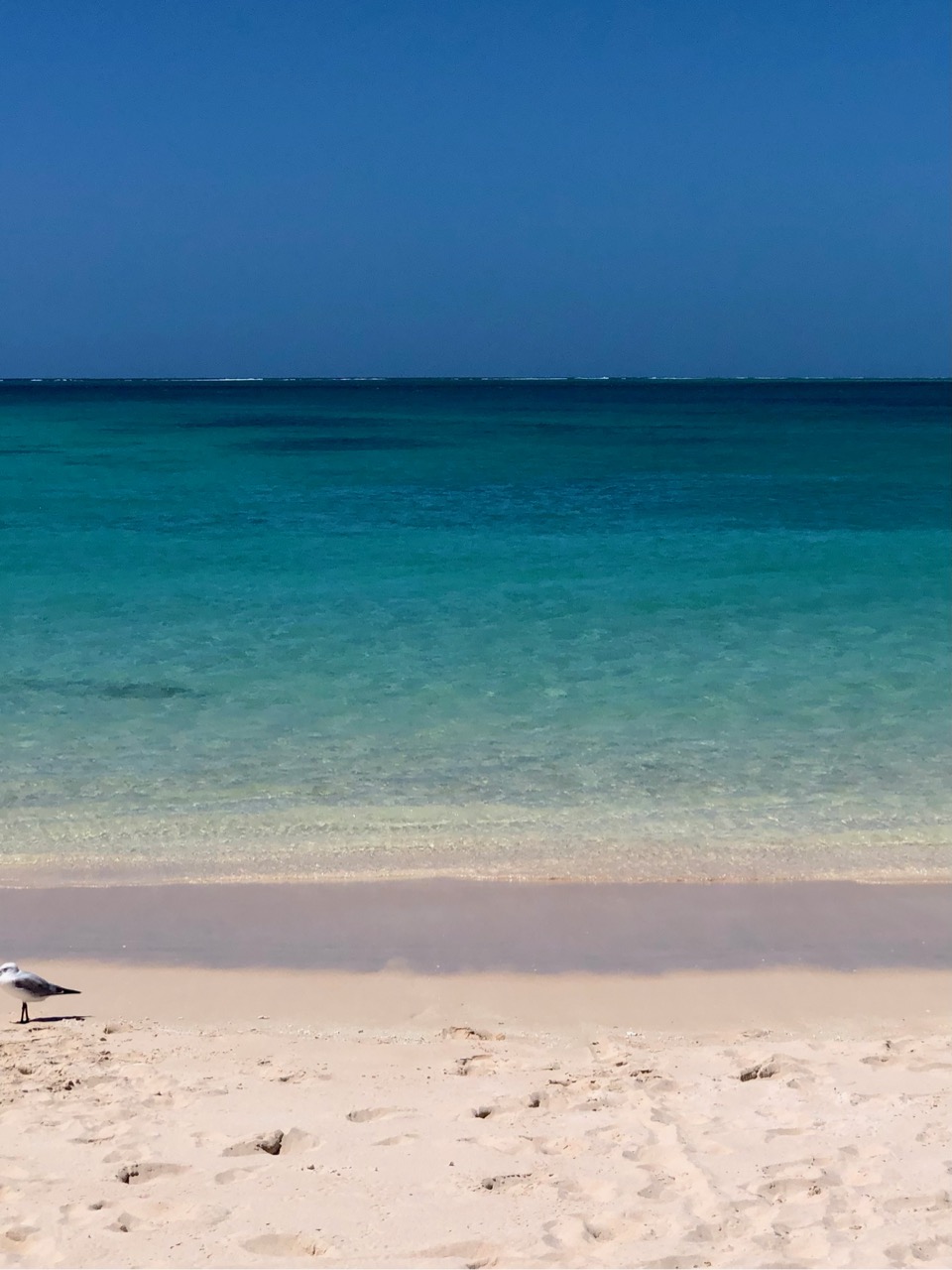
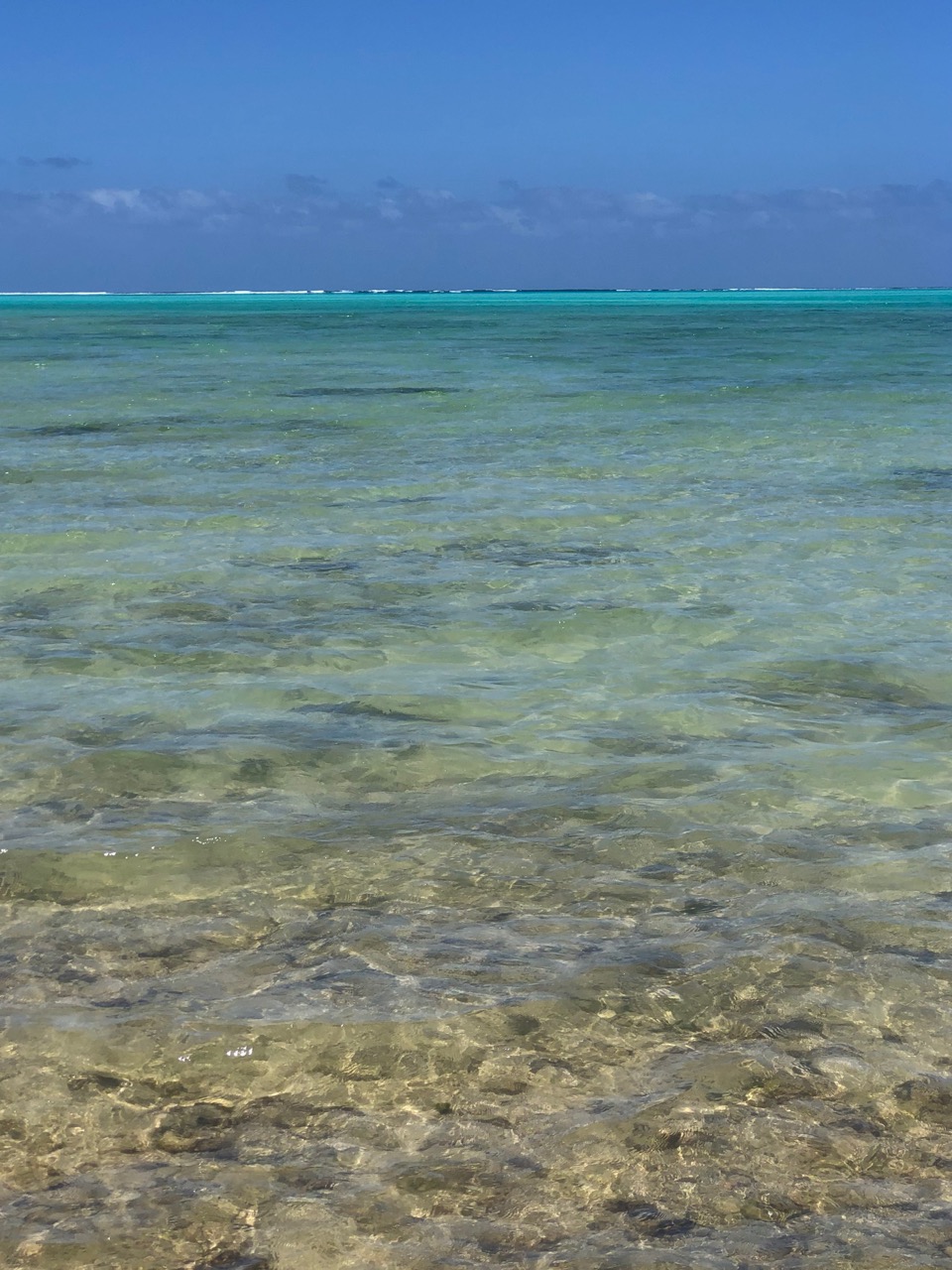
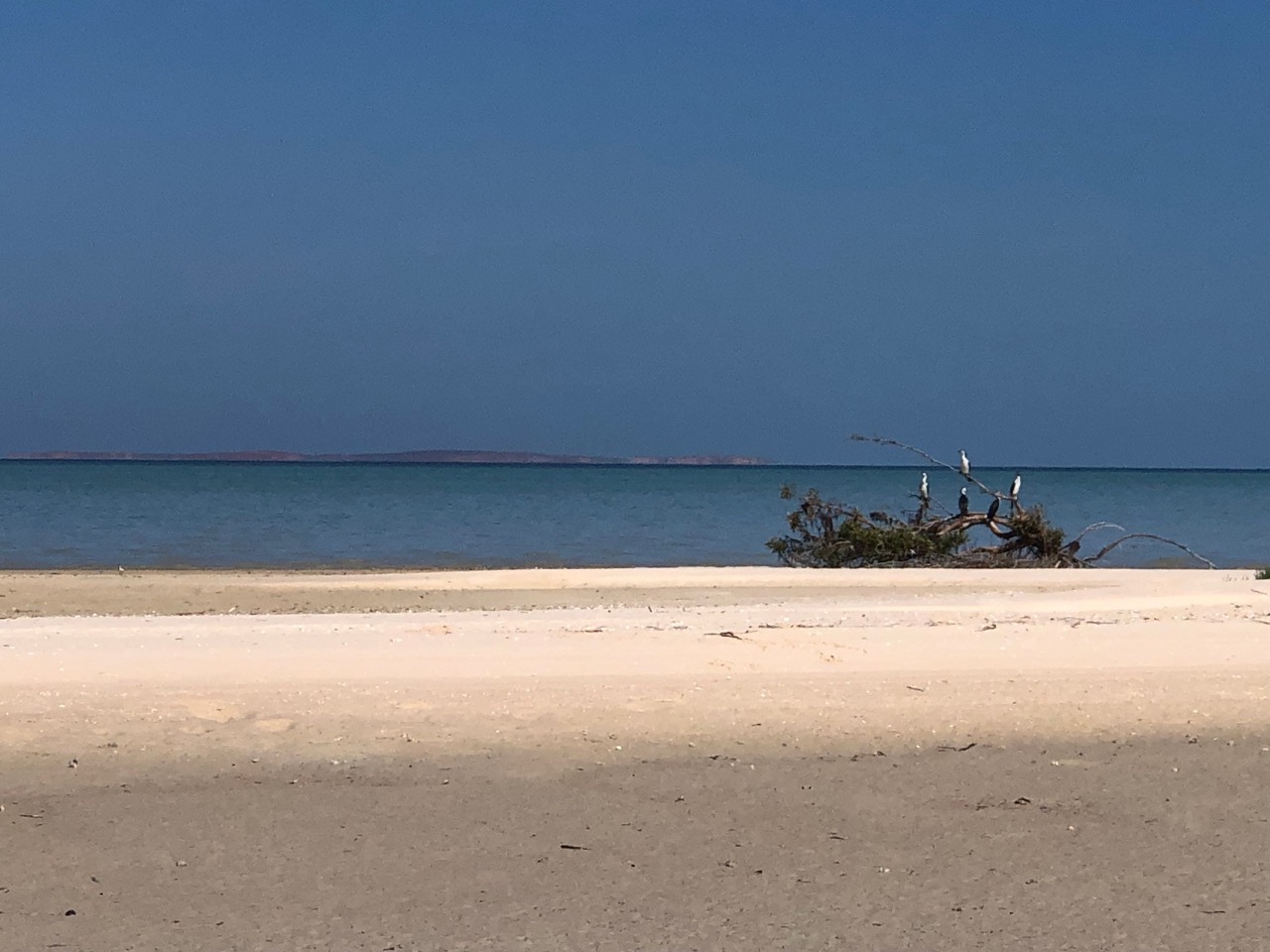
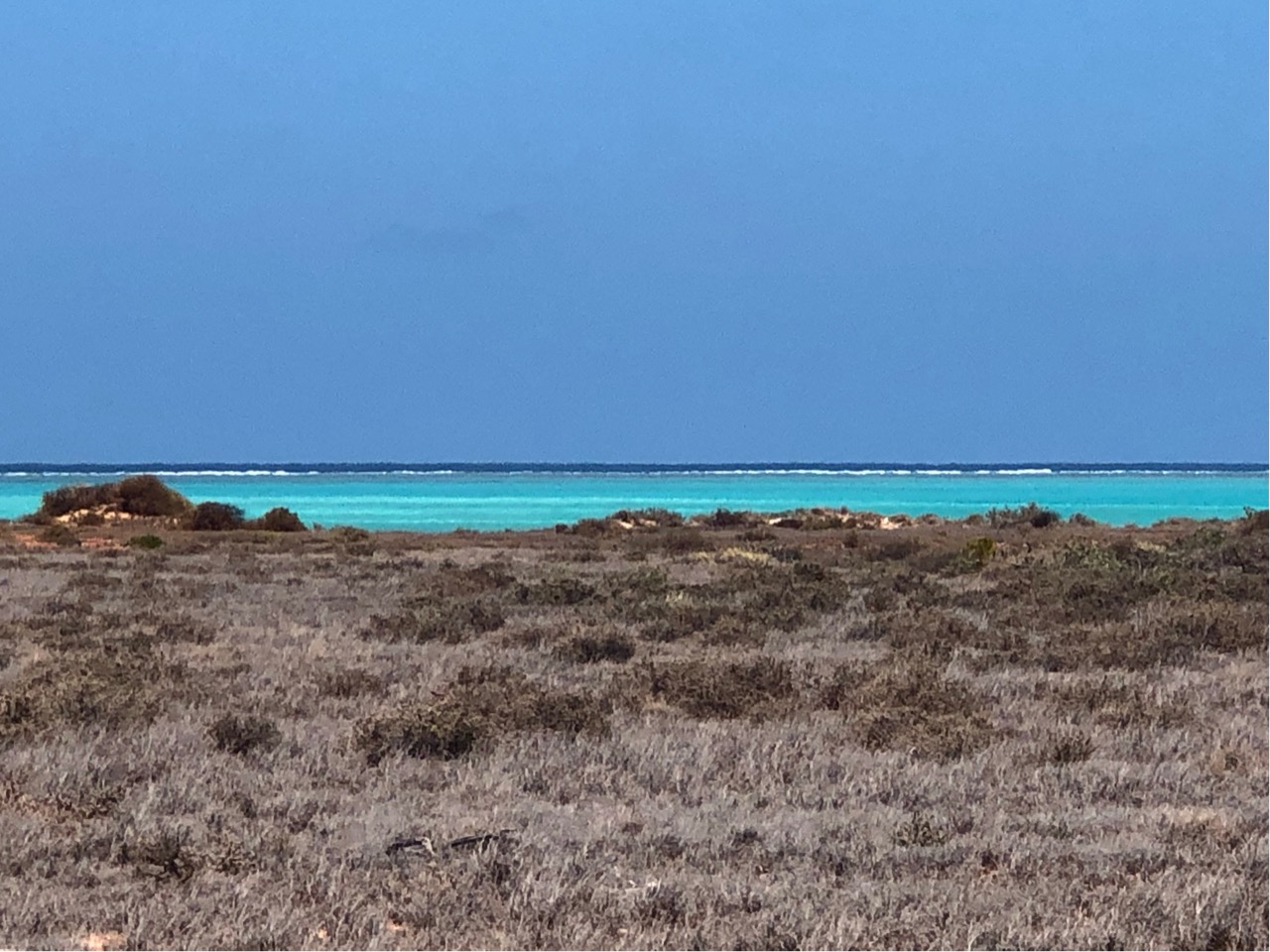
While indicators of bush fire risks threatened, the surreal warnings of floods made us salivate. It was only when we reached the white sand shores of Cape Range that we were introduced to the element of liquid. Turquoise waters busy with turtles and unfazed multi-coloured fish that populate the coral of the fringing Ningaloo Reef.

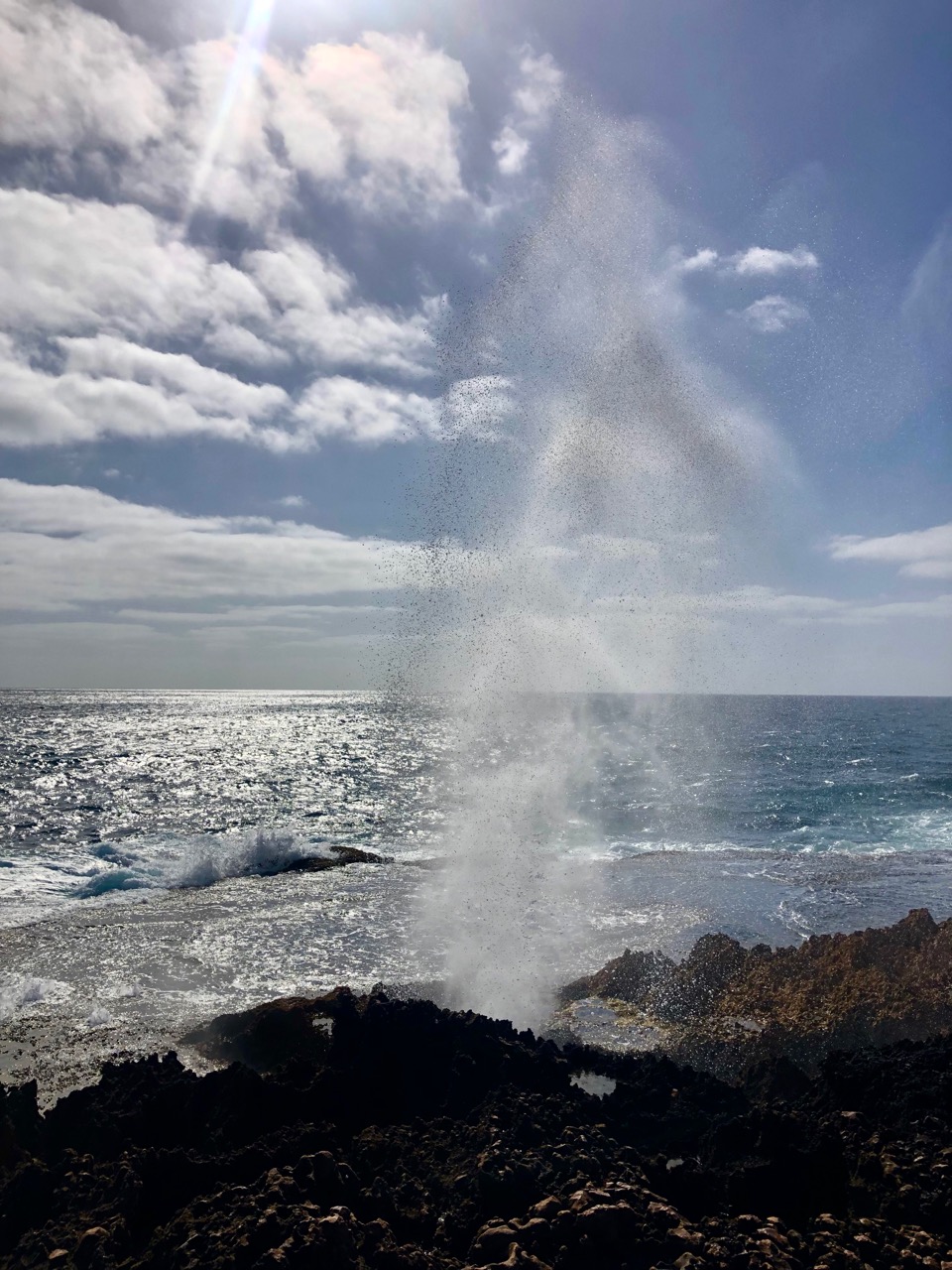
Water, water may have been everywhere, but there was not a drop to drink. No taps, no showers, no quenching glass to fill. Here the elements don’t provide a mere backdrop to human dramas. They are the drama. And they rarely disappoint. The very molecules that make up earth, sea, air and heat seem packed more tightly to consolidate into physical entities that vie to destroy each other in fierce games of rock – paper – scissors. 

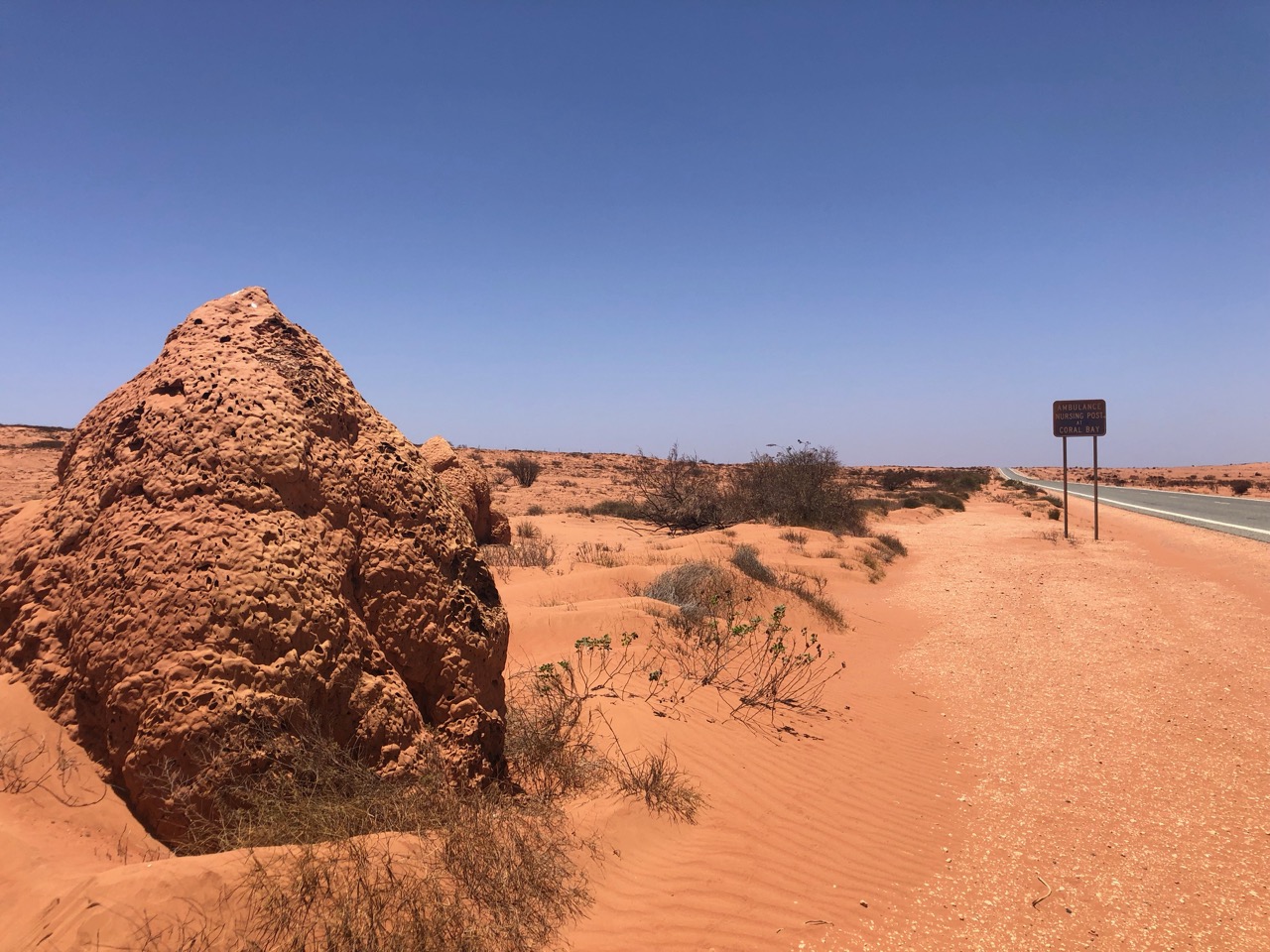
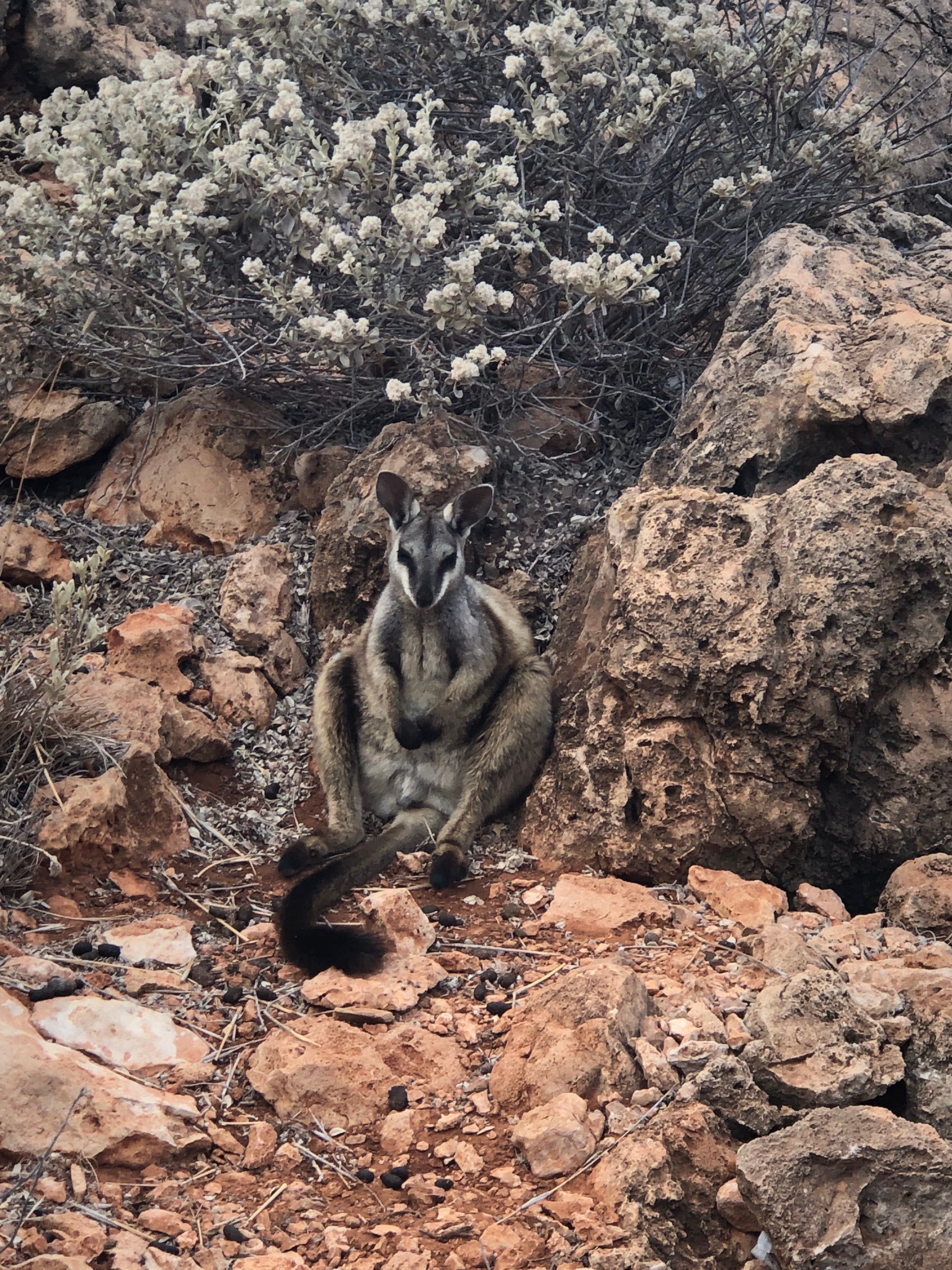
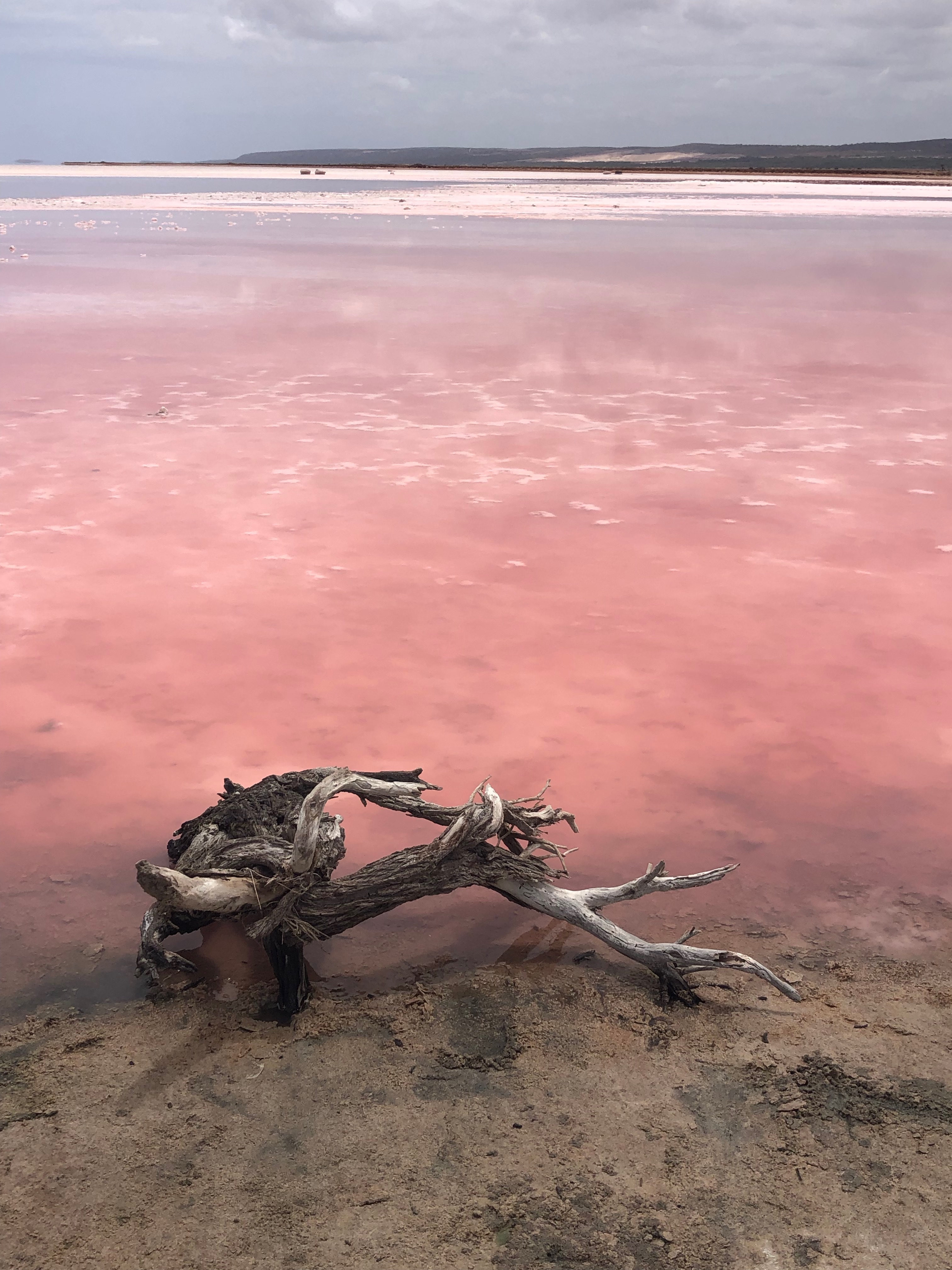
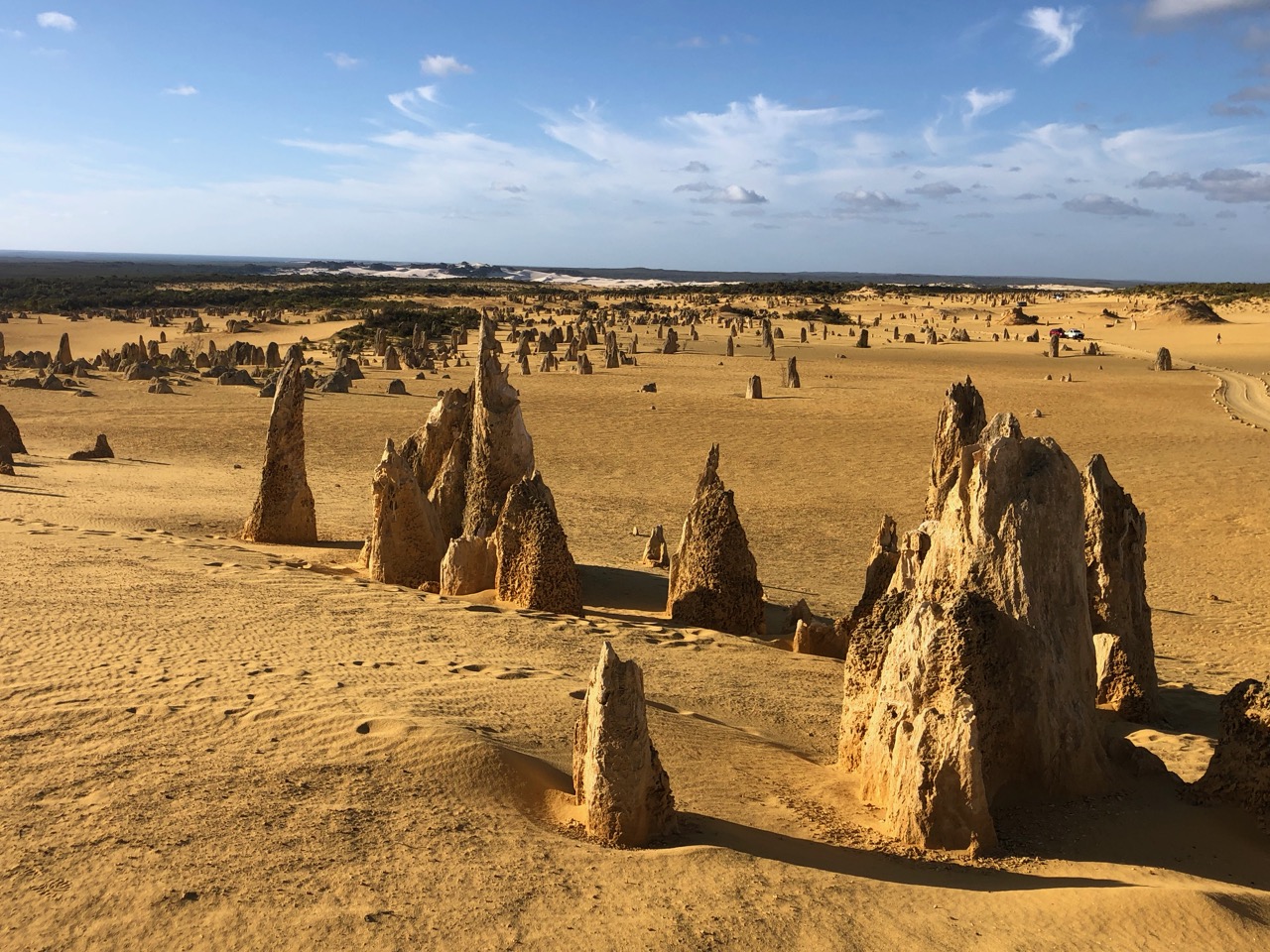
As we travelled southwards down the coast we passed orange monuments of termite mounds, the jagged teeth and rounded limestone phalli of the Pinnacles Desert. We looked down from heady heights onto a mottled green lagoon in which spooky shapes of sharks and stingrays silently moved about their day isolated from the inky depths. We shuffled along eerie beaches made from deep swathes of white shells emptied of their inhabitants and lined by water too salty to enter. We climbed ragged gorges shaped by cyclonic rains and wind and home to black-flanked rock wallabies, paddled in silver-pink salt lakes and swam through mazes of coral. Each scene could have been a movie set… and a sci-fi one at that.  

It’s not surprising that three weeks on I am still feeling the ever-changing landscape whisper its secrets into the spaces within my mind and body. With both deliberately denied all news, social media and the familiarities of home, it is easier to hear.

For many visitors and natives, the landscape is daunting, monotonous, melancholic, ugly. But for some it is an acute experience. I find myself inspired by the clean-cut lines of the horizon that stretches in all directions as far as the eye can see dividing opaque blocks of cobalt and red ochre or bleached cerulean, salted turquoise and pristine white into the containers of empty space. 

Much of Western Australia is made up of a landscape where the marks of two centuries of colonial successors appear to merely scratch the surface with straight asphalt lines and low-lying bungalows ducked under corrugated roofs in an attempt to escape oppressive heat and excess cost. To the trained eye, however, non-indiginous man’s marks are much deeper and more destructive… in places devastating. But there is no getting away from it, we are a mere blink in the long timeline of this ancient geology. 

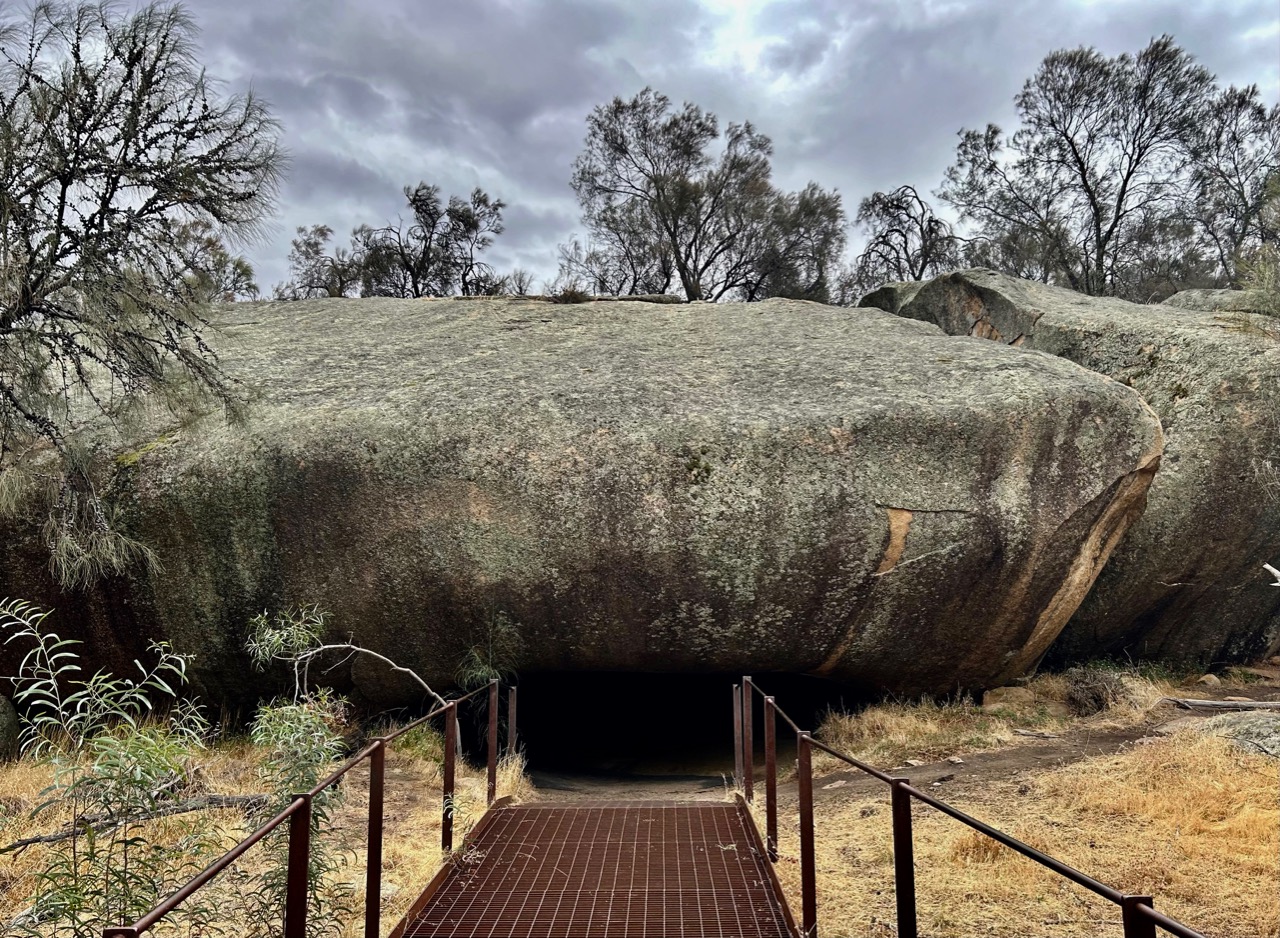
There were moments I too longed for the containment of four solid walls, a chance to withdraw from the wild and hibernate, as I am accustomed to doing at this time of year. And it was indeed within the cool damp walls of a dimly lit sacred cave that I found stunning evidence of the nothing I have been seeking…

To be continued… Part 2 will follow soon!

A Bonanza of Beauty and Art

In a radical departure from my usual darker themes, I’ve got something special for you. (You may find it more rewarding to view April’s blog on my blog site rather than as an email where the layout sometimes gets a little garbled.)

I have just returned from a three-day trip to Amsterdam with my nearly 89-year-old mother. After her stroke in 2016, talking and understanding became difficult, at times impossible. This trip was designed to bypass both and provide delightful experiences in some of the areas of life we both love – art and flowers. The main components would be the Vermeer exhibition at the Rijksmuseum and the Keukenhof Tulip Festival. Both exceeded our already high expectations as we were treated to a visual and sensory bonanza. We bathed in beauty, feasted on colour, immersed ourselves in the scents and sounds of sunlit spring…

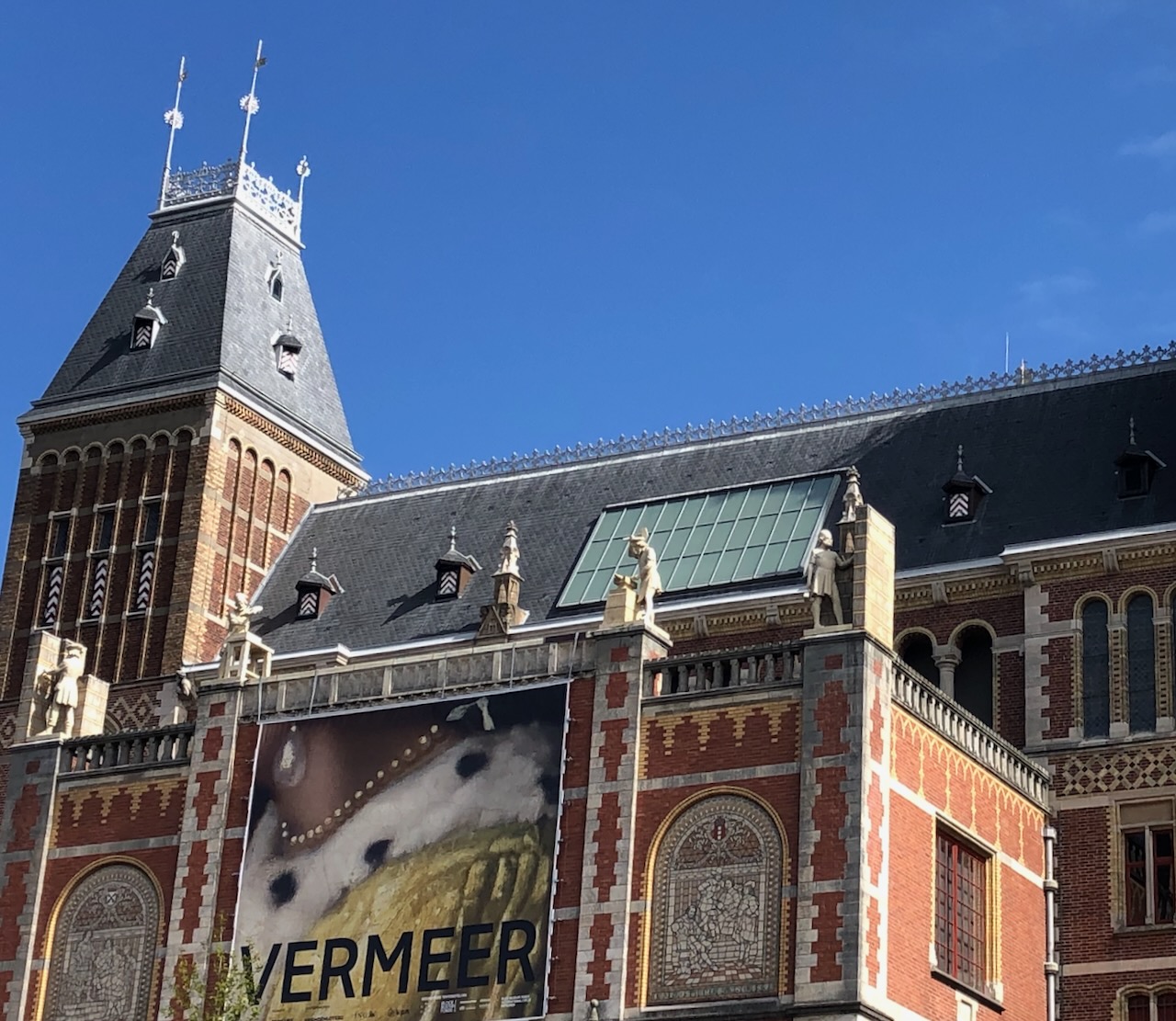
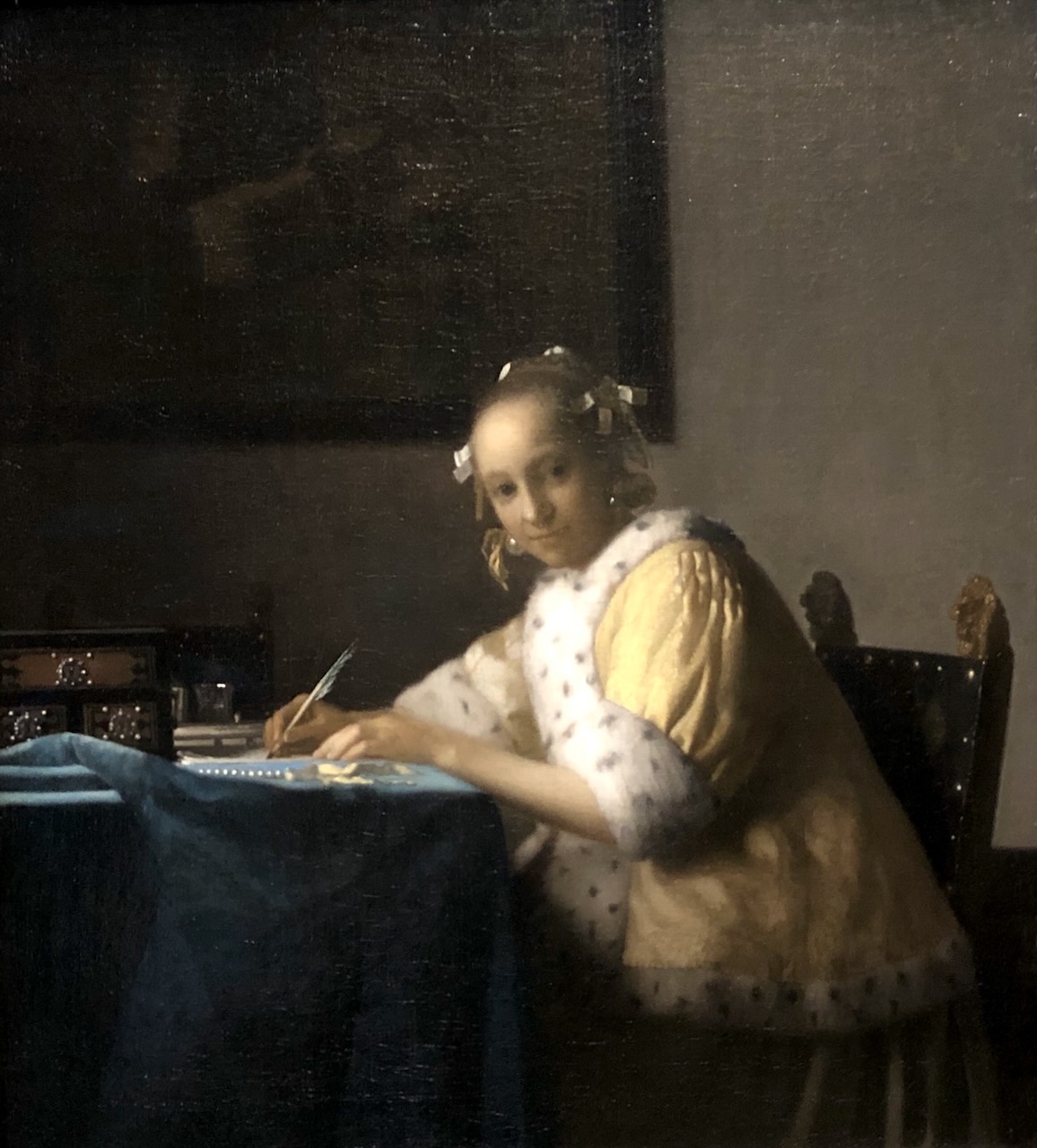
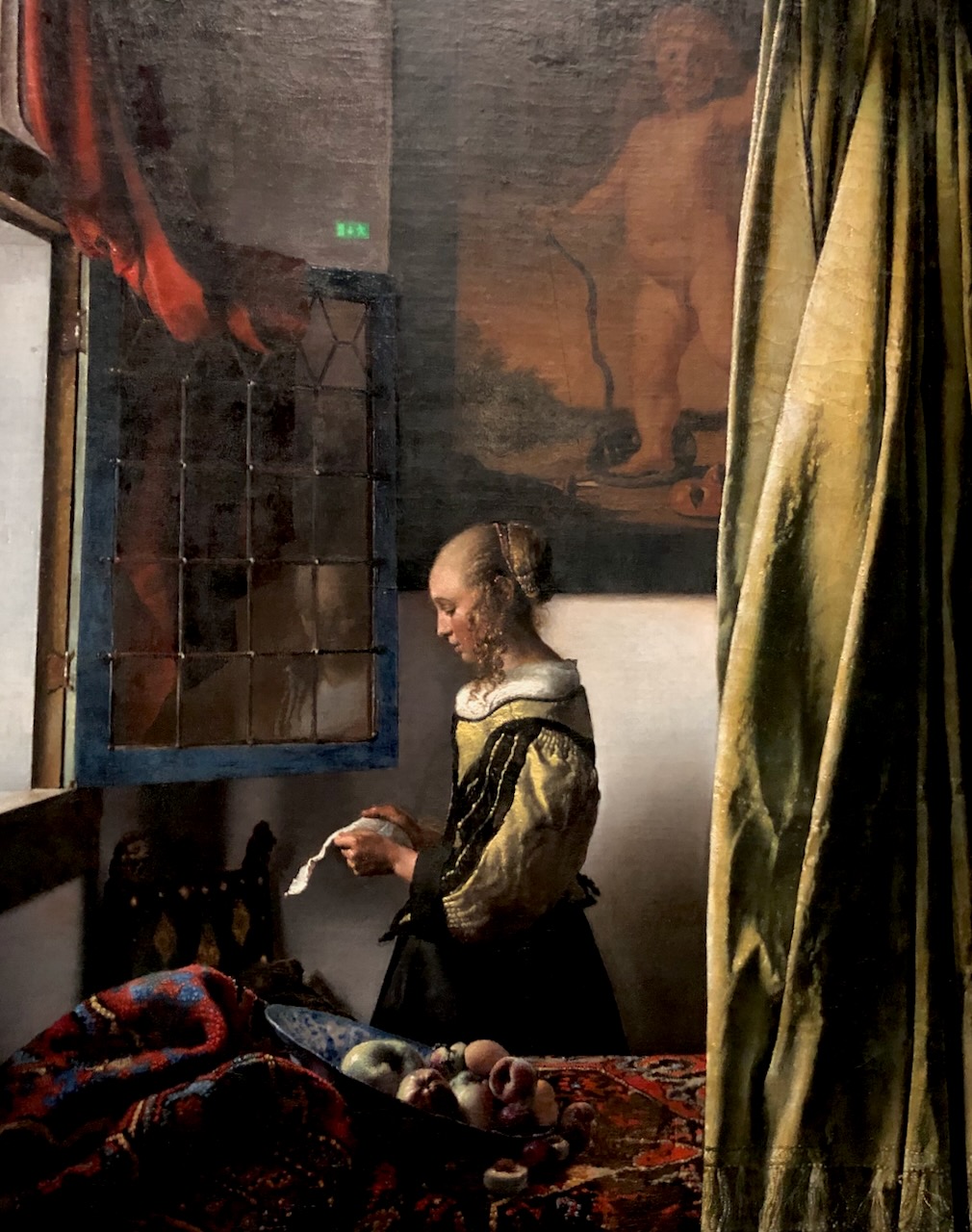
Sold out within two days of its opening in February, this exhibition presents the largest collection of Vermeer paintings ever – 28 out of the 37 known works. Words feel inadequate to describe the quiet intimacy of these often tiny paintings that offer immaculately observed, snapshot-like glimpses into Dutch domestic interiors where mid-17th century women work, play instruments, read or write.

A strong relationship between internal and external worlds is created through letters and the subject’s gaze turned towards open windows or us, the viewers.

Crisp, almost silhouetted figures against potent negative spaces of ‘white’ wall backdrops; droplets of light falling on the brass studs of a chair or the beads of an earring; sumptuous folds of silk sleeves and curtains… the details are breath-taking.

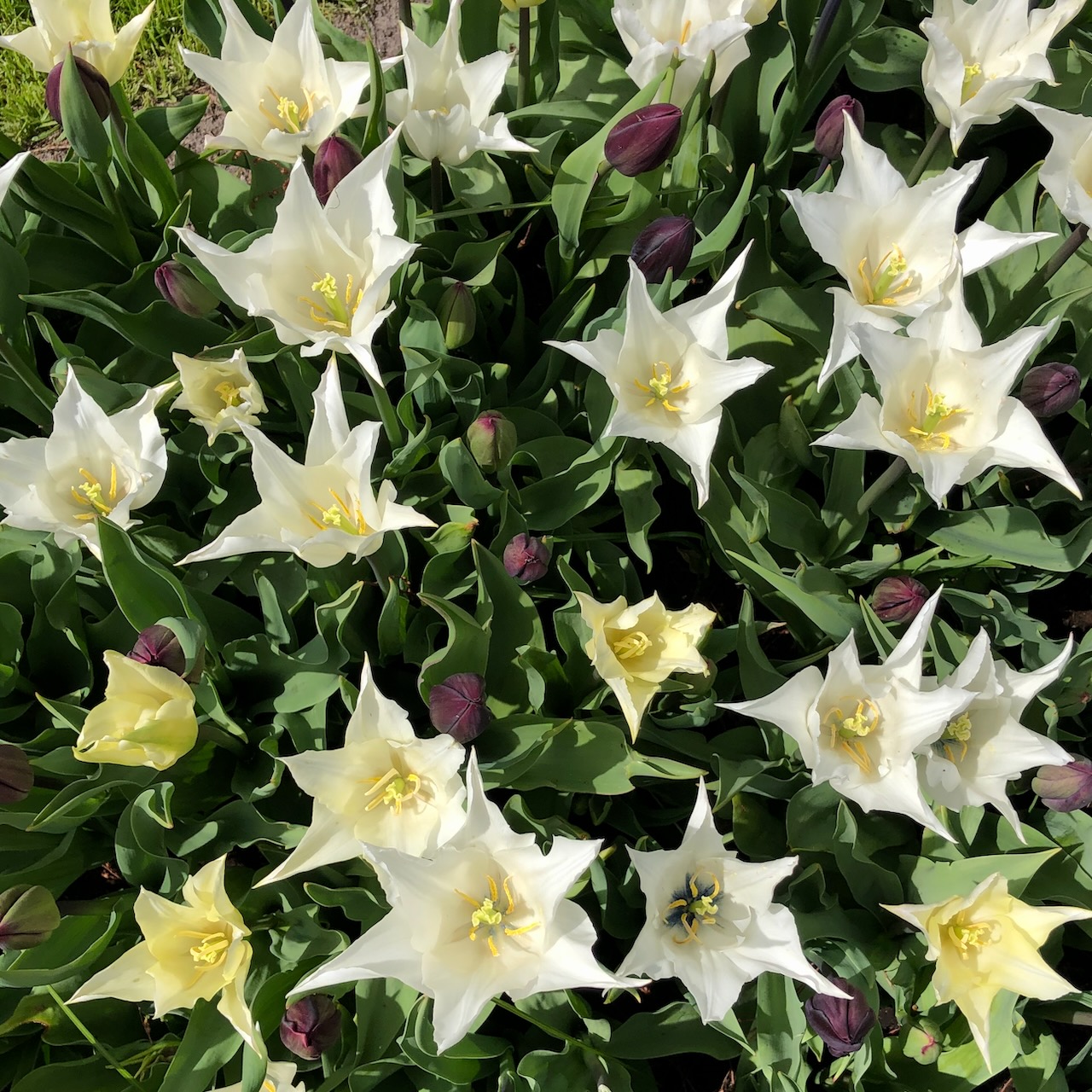
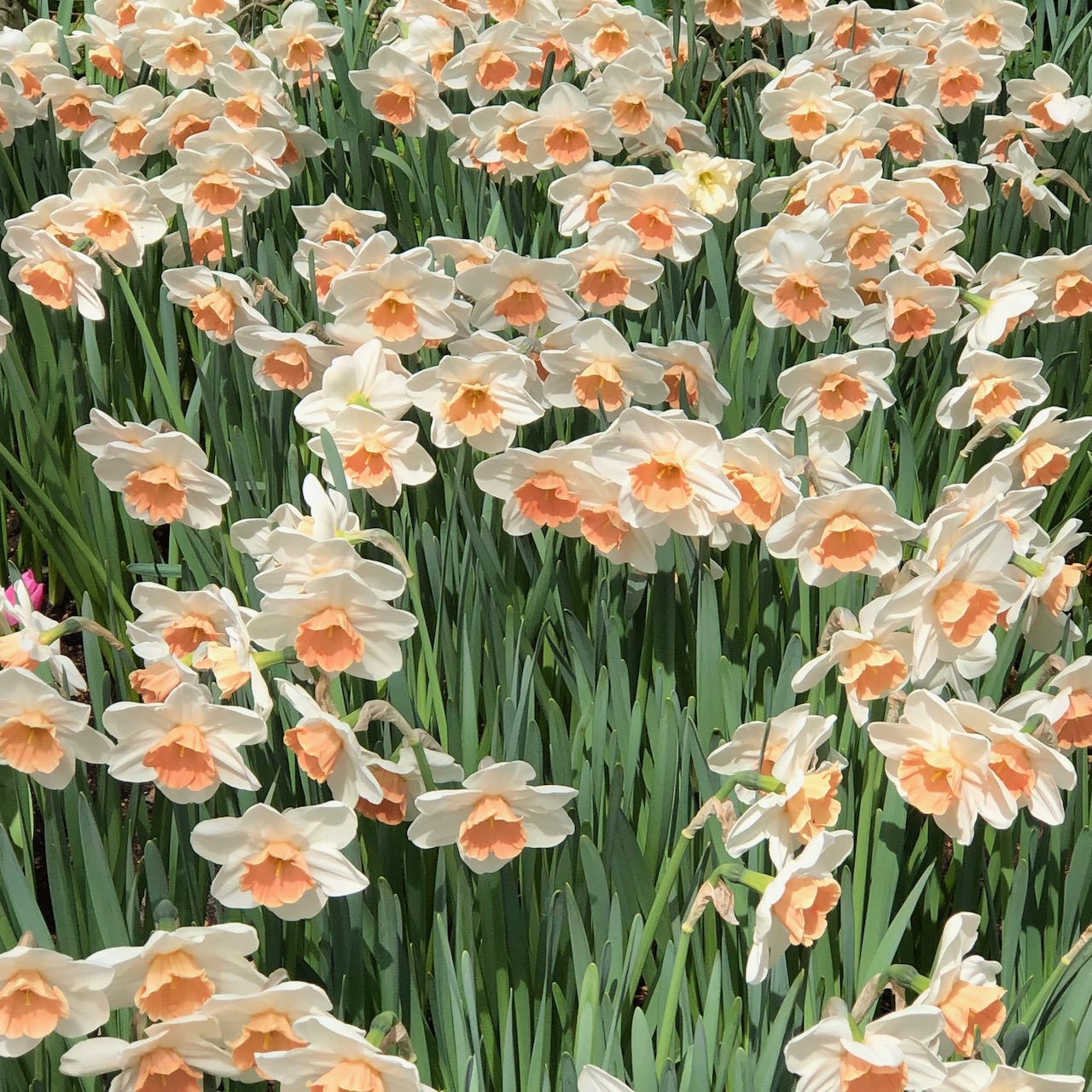
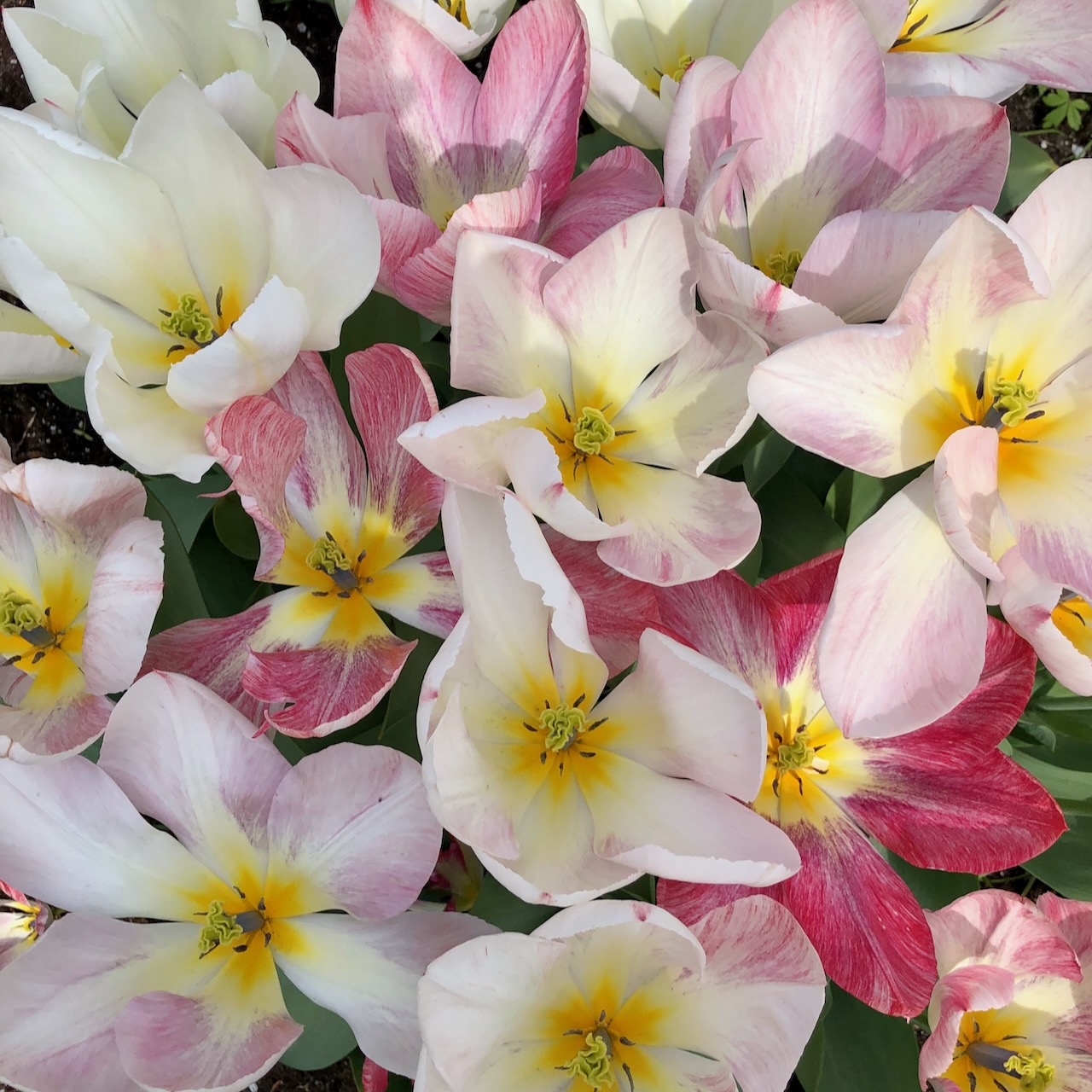
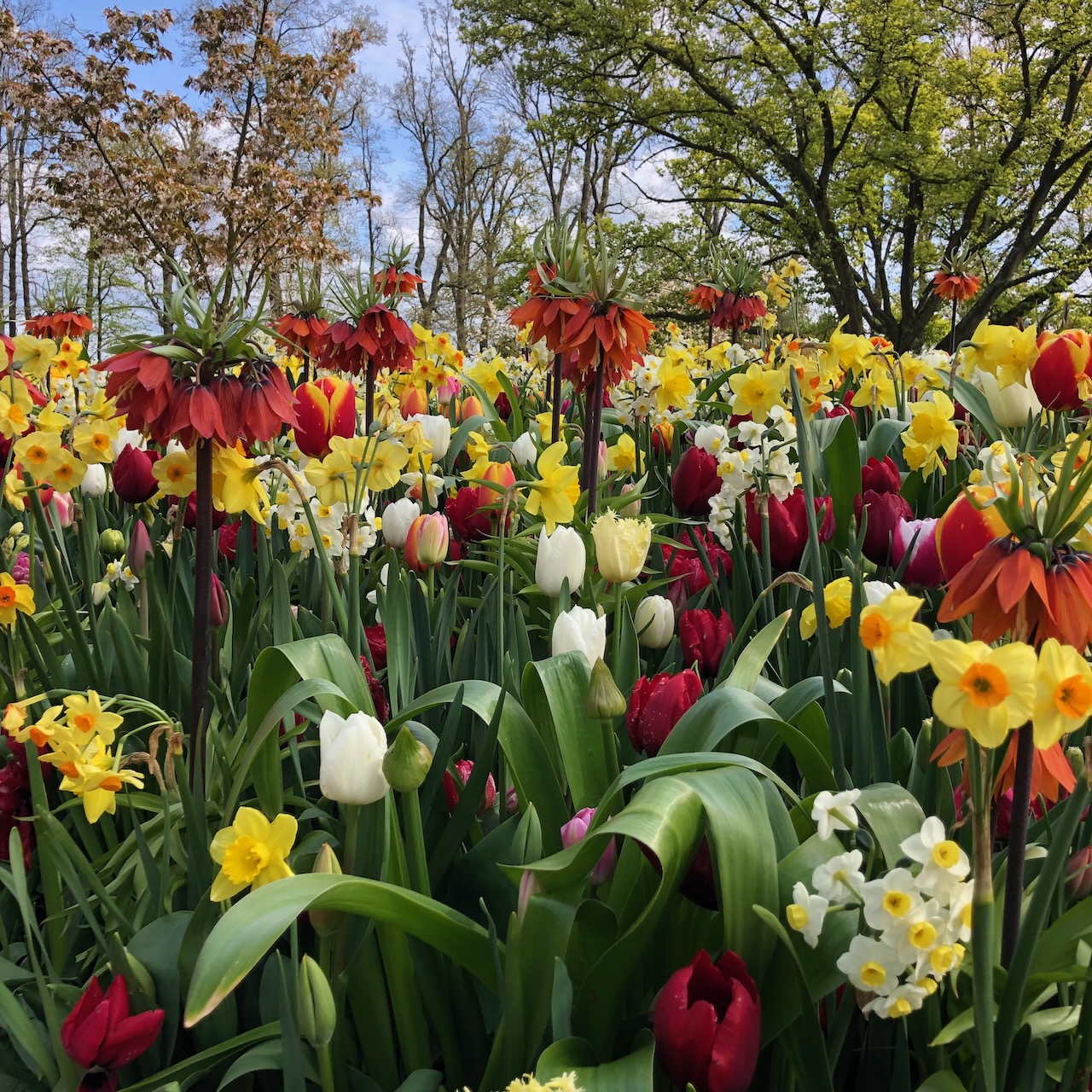
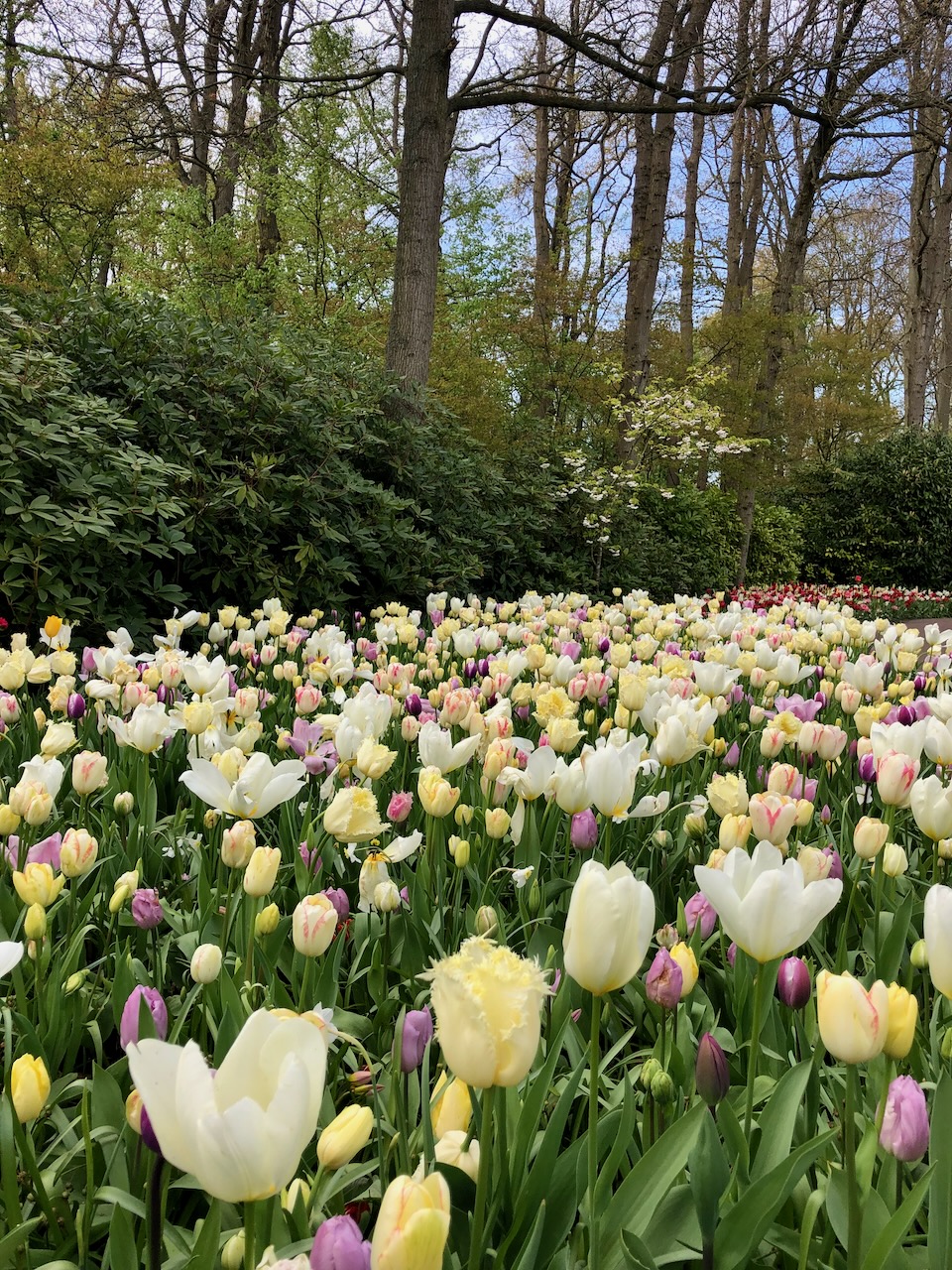
In complete contrast was the loud exuberance of the 7 million bulbs planted by 50 gardeners for the two month Keukenhof Tulip Festival. The cold weather had meant that daffodils, hyacinths, narcissi, muscari, tulips and cherry blossoms were all blooming in a form of perfect synchrony. A heady mix for which no words are needed… just enjoy!

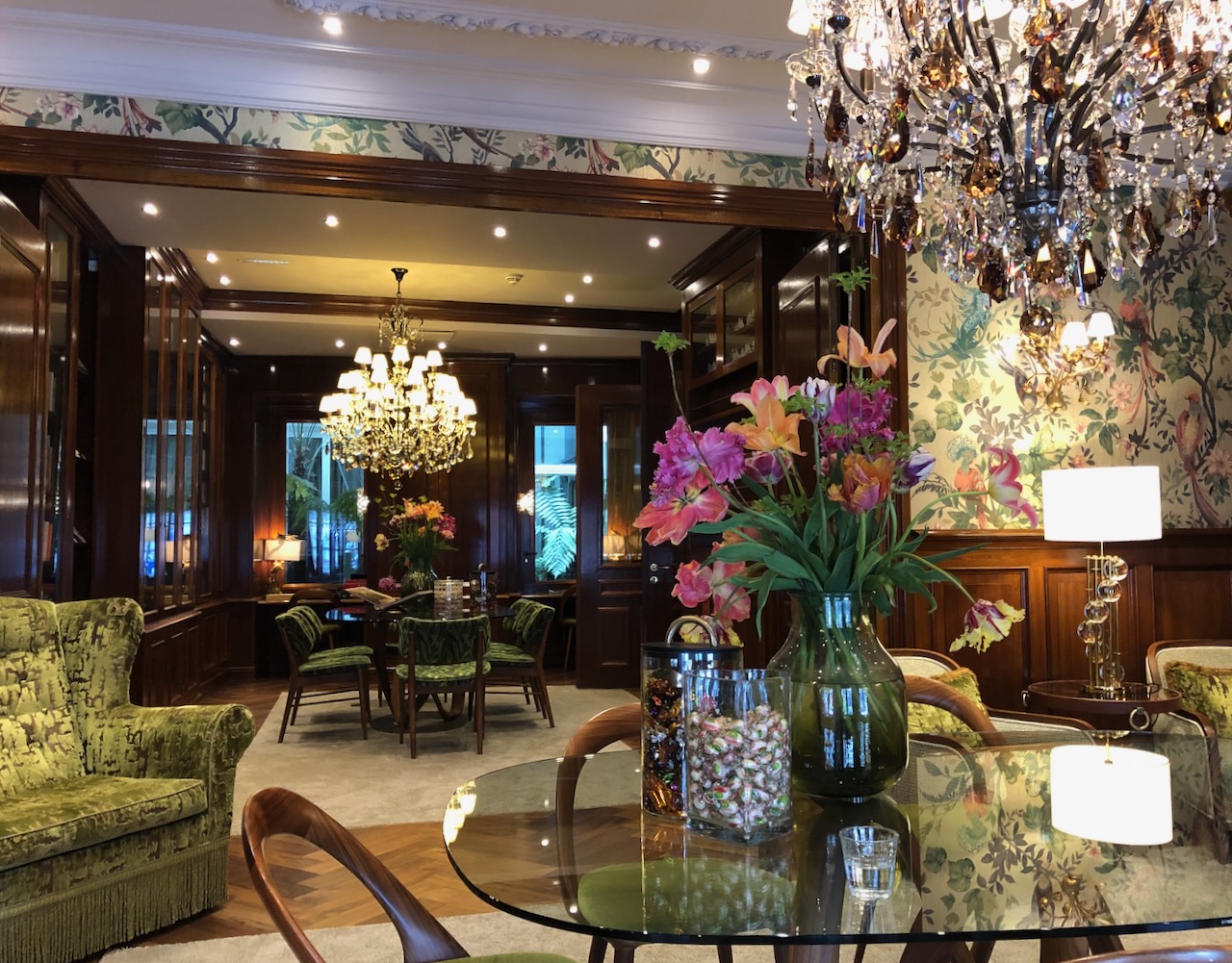
Back at our beautiful hotel – a rare indulgence – the themes of interiors and flowers continued in a creative meeting of design, texture, pattern and nature…

And then finally to the fields and the lovely words of my trooper of a mother that pretty much sum up the special days for both of us: “I don’t want to leave…”