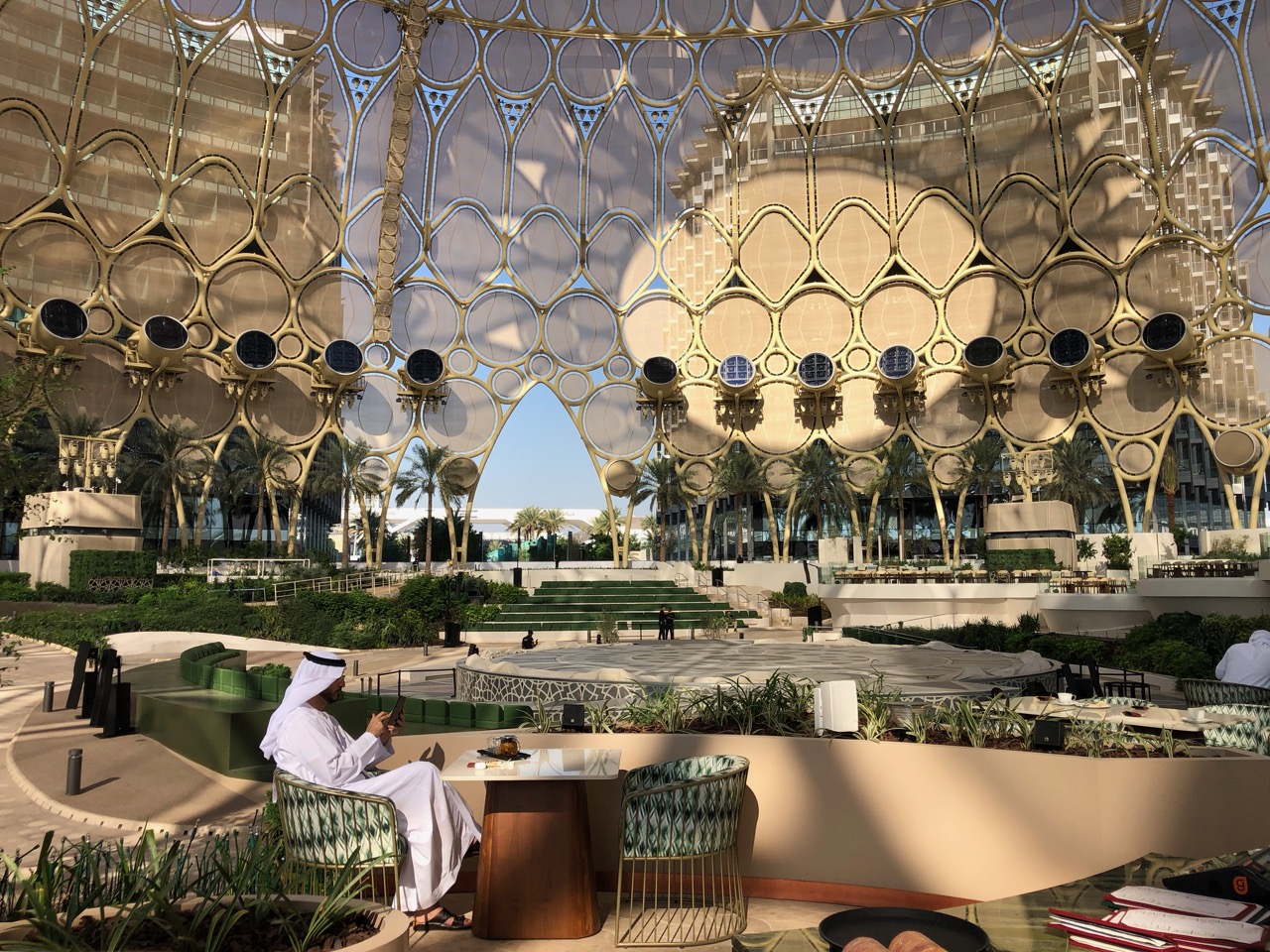
As Cop28 UAE drew to its unsatisfactory conclusion, it felt ironic to find myself standing in the Rub’ al Khali desert south of Abu Dhabi, home to the largest oilfield in the world, learning from a little tour into the dunes how fossil fuels were created from, well, fossils. I know, duh, so obvious. But they are the fossils of the living creatures that died out when the earth heated and killed them all. It was one of those kind of cosmic full circle / cycle moments.
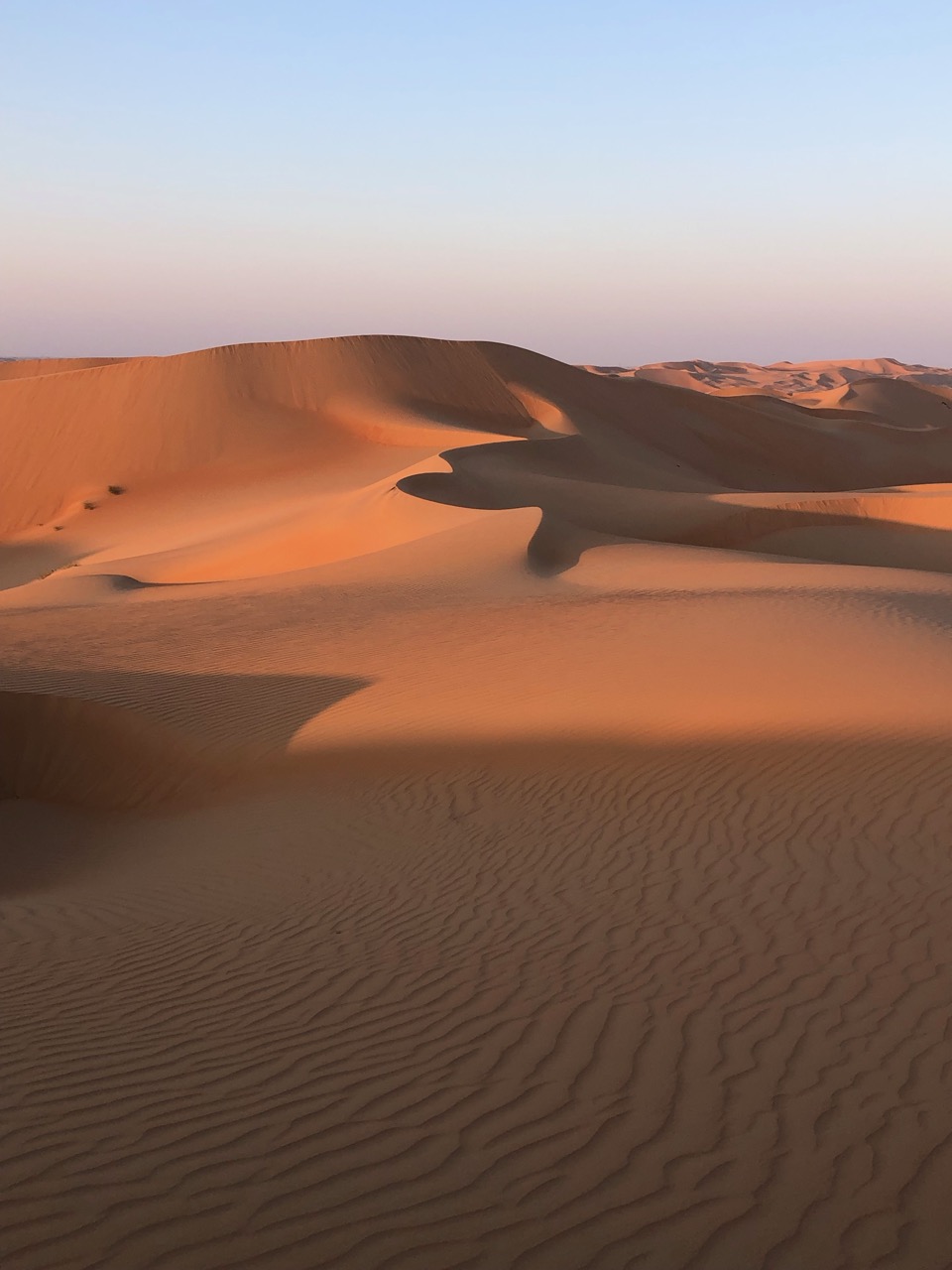

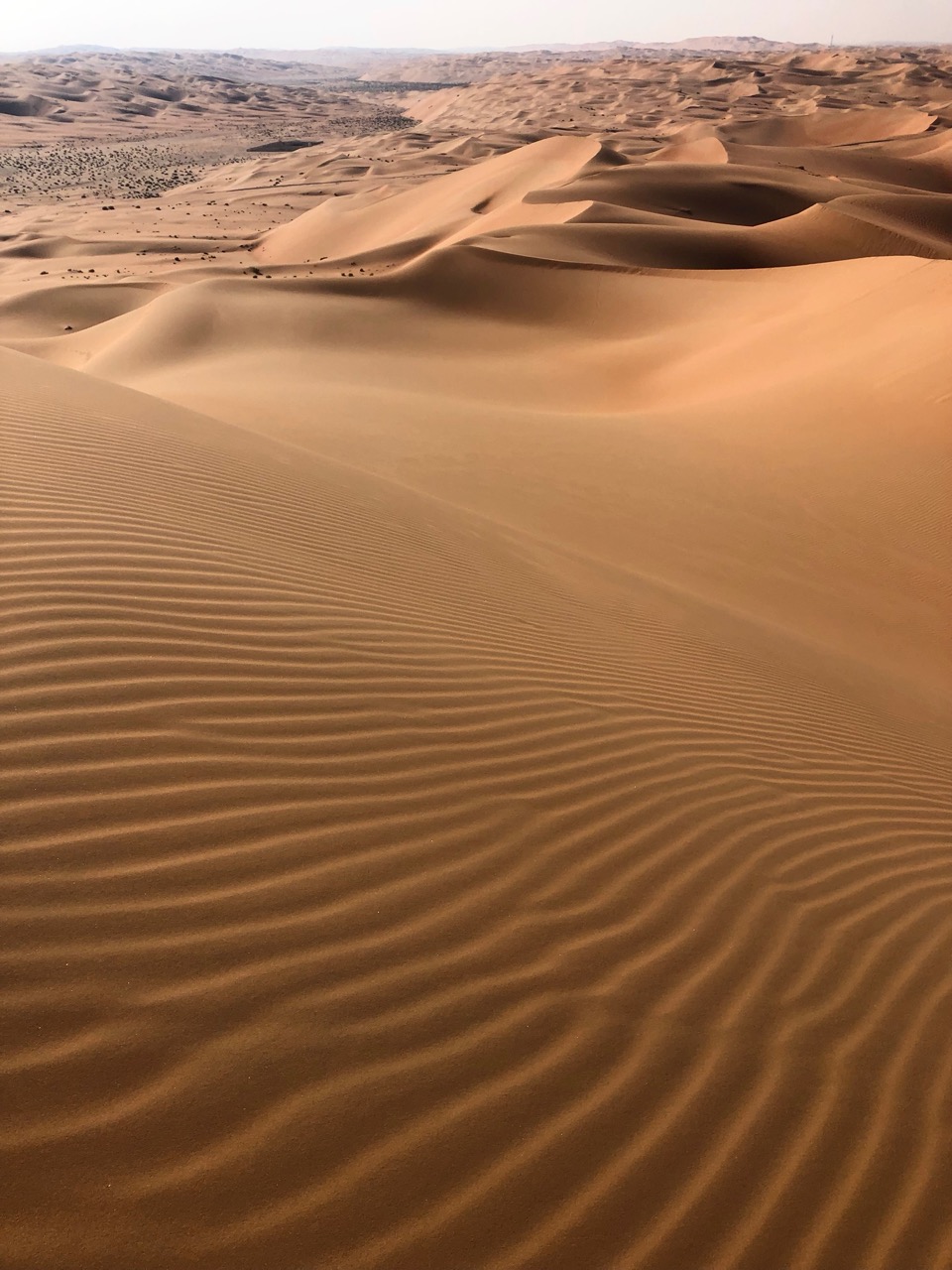
I was never naturally drawn to the Middle East, but when an opportunity arose to visit the United Arab Emirates, I embarked on the trip with the same determination with which I approached the research behind my book on WW2: to suspend judgement of perceived villains in order to try to understand, in this case those who are producing the black sticky substance that is now threatening to kill us all.
Within the context of the environmental disaster story, it is all too easy to dismiss places such as Dubai as mere playgrounds for foreign fat cats, one Big Dick competition between oil-rich nations with just-because-we-can attitudes. Yet within minutes of my arrival, my jaw was hanging open and it rarely closed over the following week.
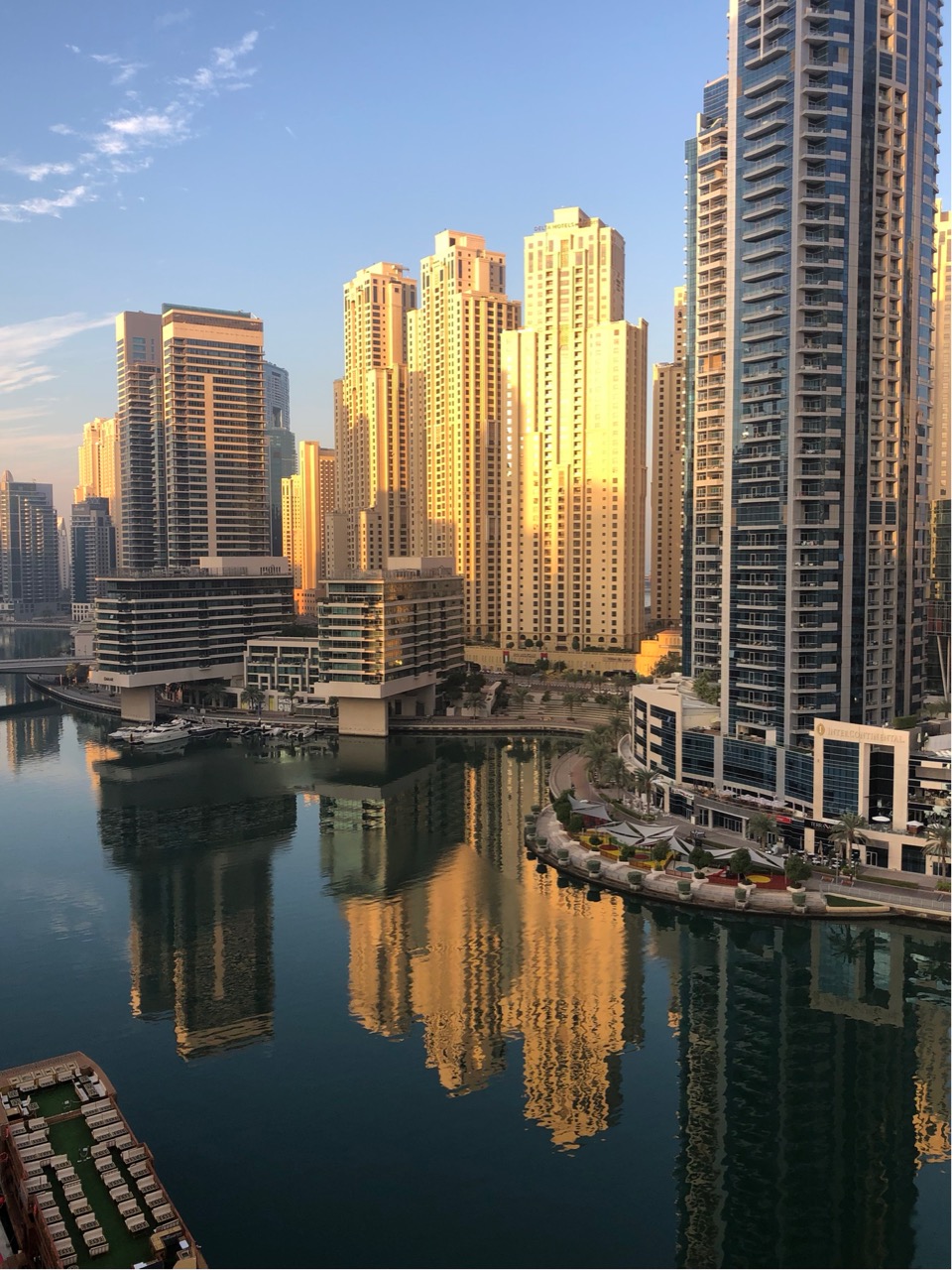
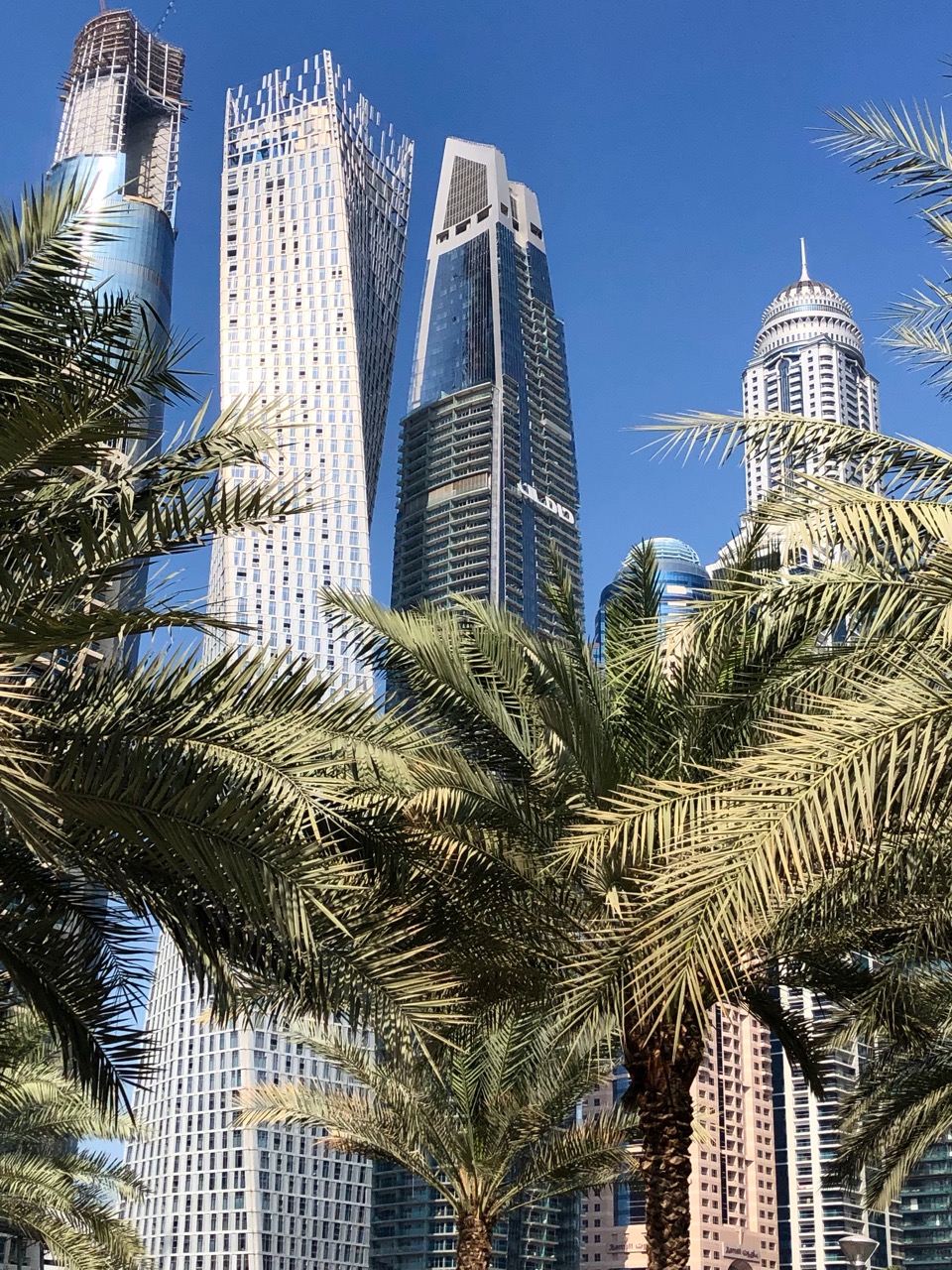
My astonishment came not so much from the giddying heights of shiny vertical monoliths thrusting into an intense cobalt sky scribbled with diagonal crane arms, but from the fact that less than eighty years ago when much of Europe lay in ruins, this whole area was desert inhabited by nomadic Bedouin living in tents. After so many years focused on the destruction of war, I found it staggering, humbling, inspiring even to witness construction on such a scale: 360° infinity pools suspended 200 meters in the air, restaurants, offices, malls, endless apartments (all serviced by smiley Indians, Pakistanis and Africans keen to make money as most Emiratis don’t work or even live here.) Not to mention the Burj Khalifa, the worlds tallest building at 830 meters…


Further down the coast in Abu Dhabi, a brand-new Louvre, a Guggenheim in the making, the breath-takingly beautiful Sheikh Zayed Grand Mosque and vast Qasr Al Watan Presidential Palace… (in order below)
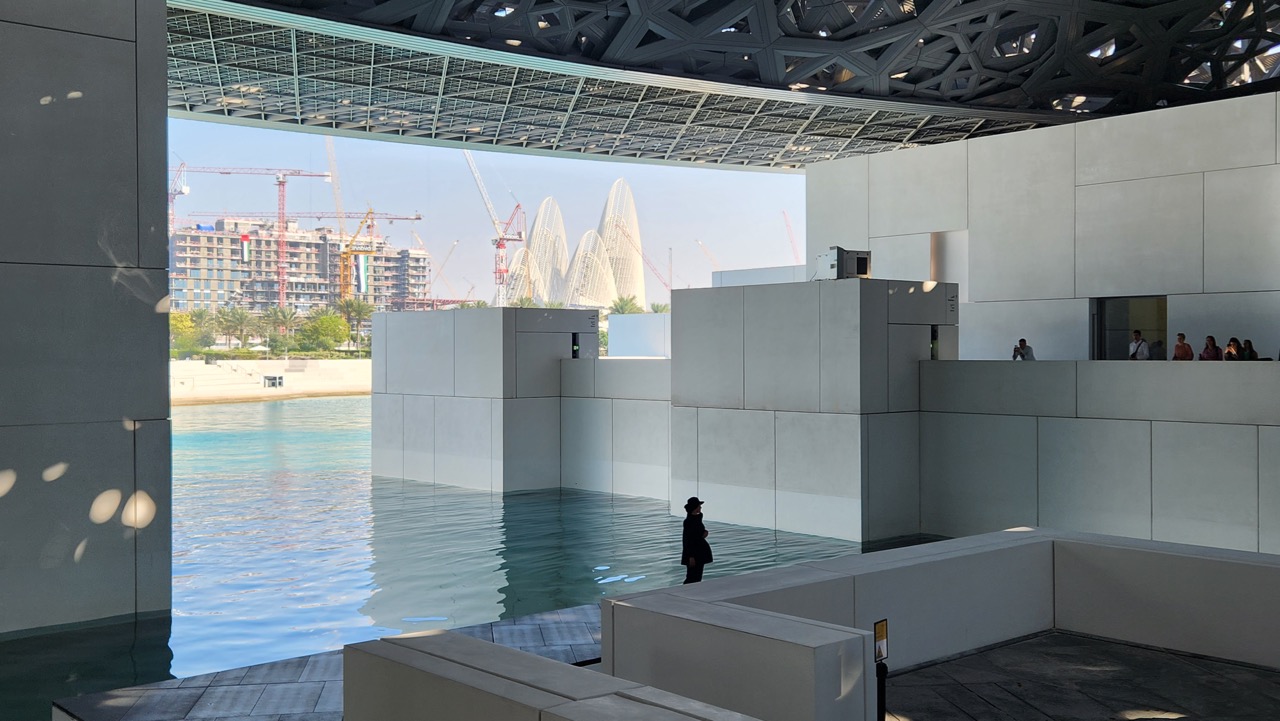
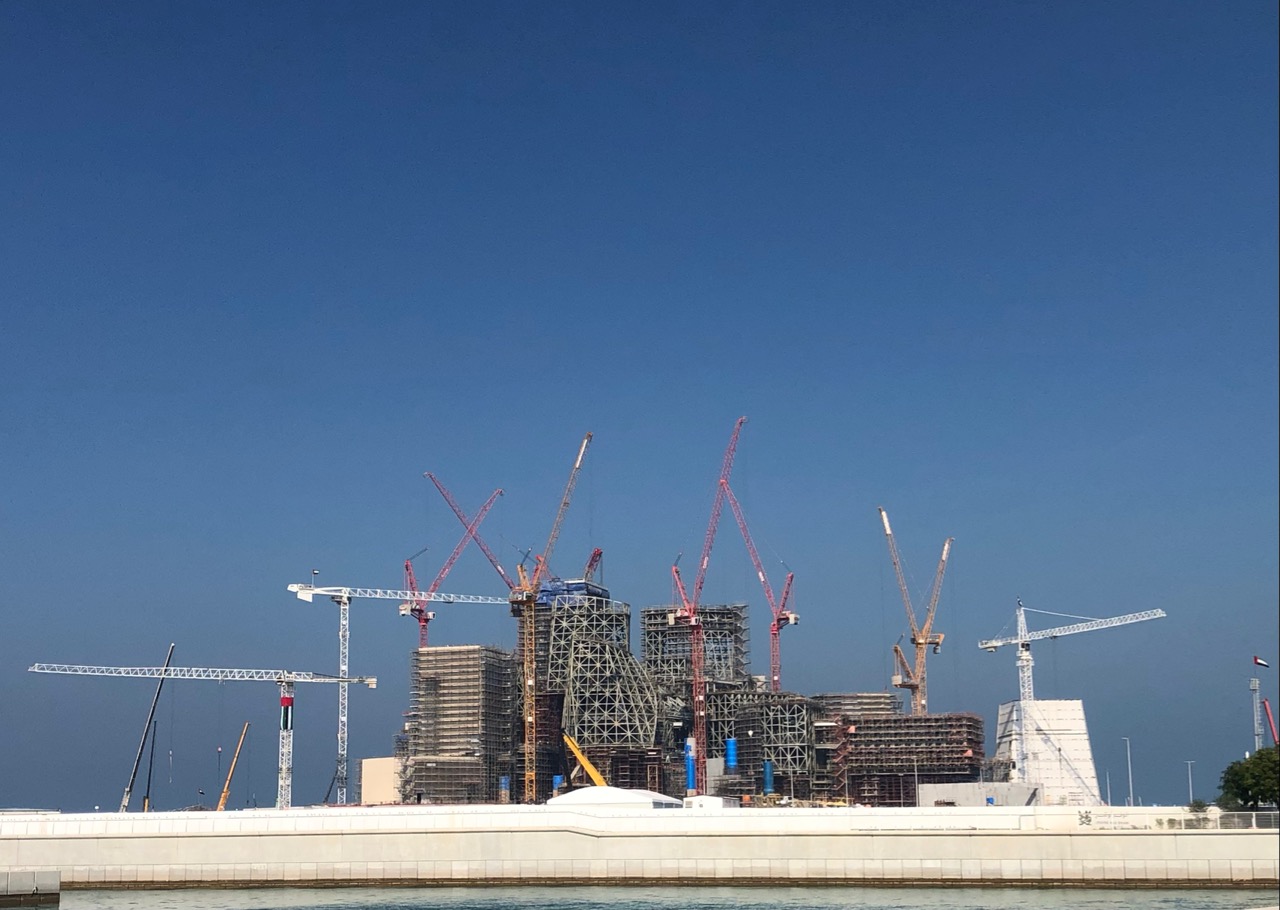
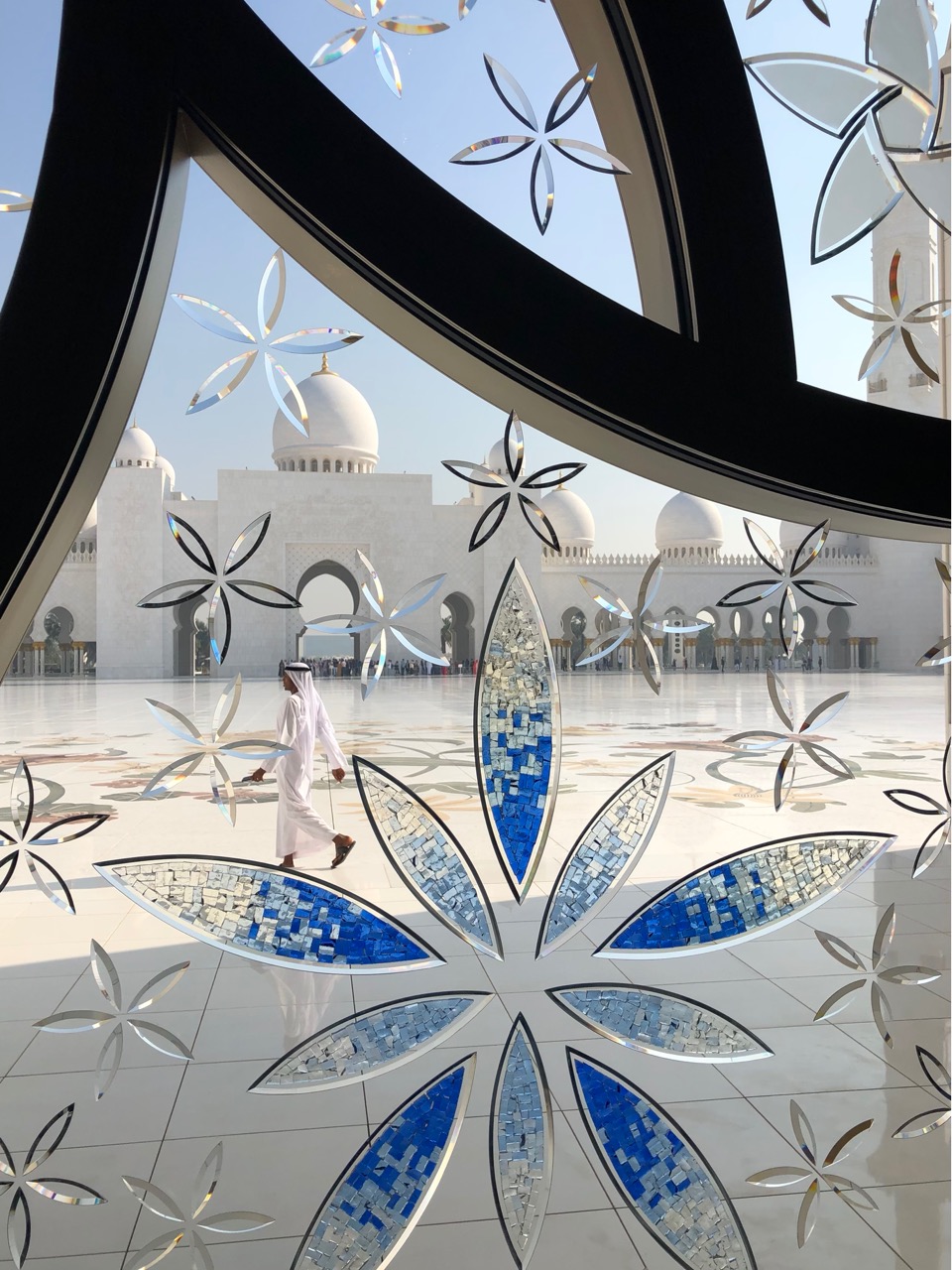
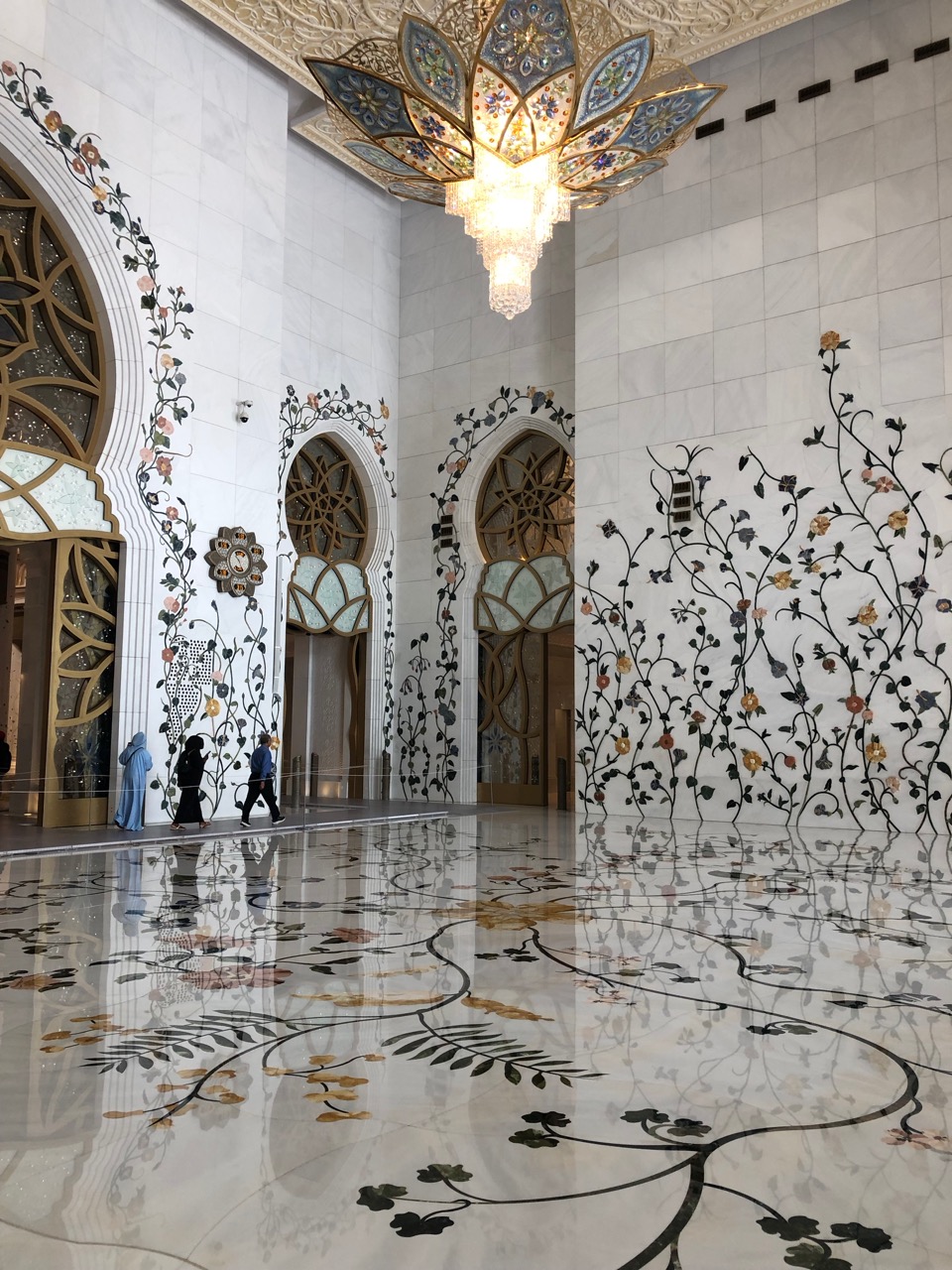
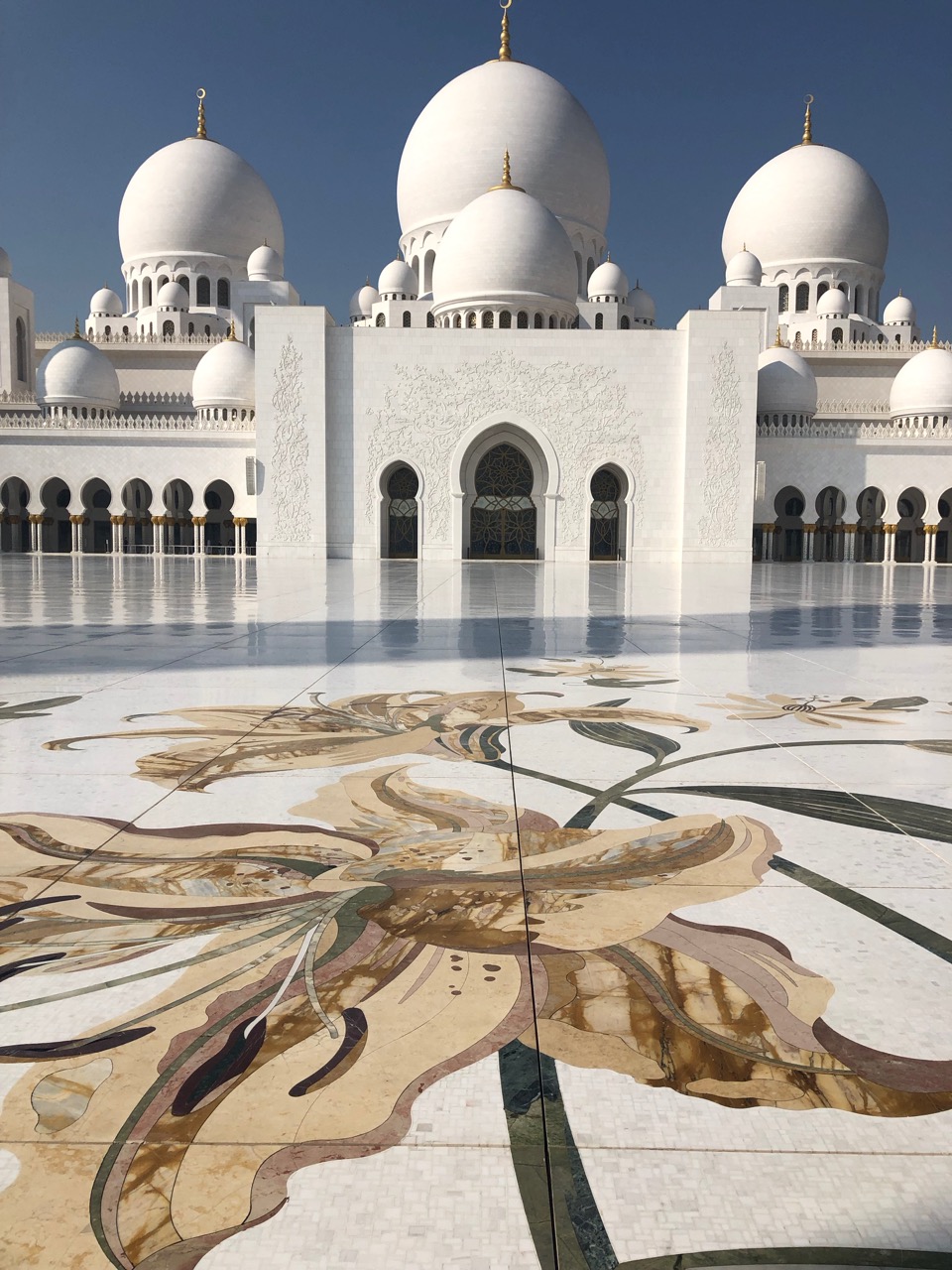
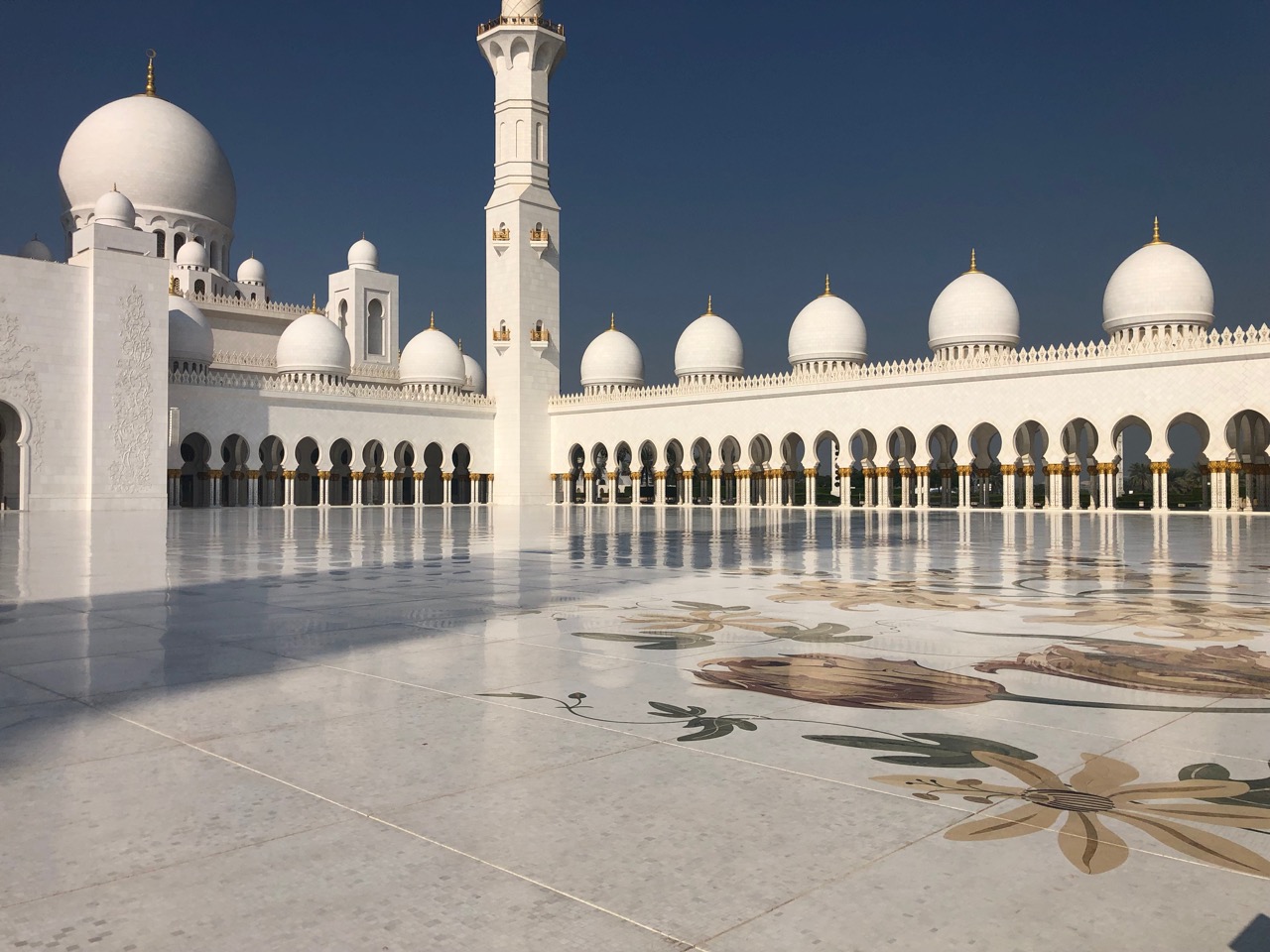

Terrible inequalities within this gleaming urban landscape are inevitable and as old as the world. But for once I allowed myself to temporarily look beyond the blatant, at times nauseating bling and consumerism and enjoy areas where sheer skill and innovation meet deeply considered, exceptionally designed aesthetics and architecture.
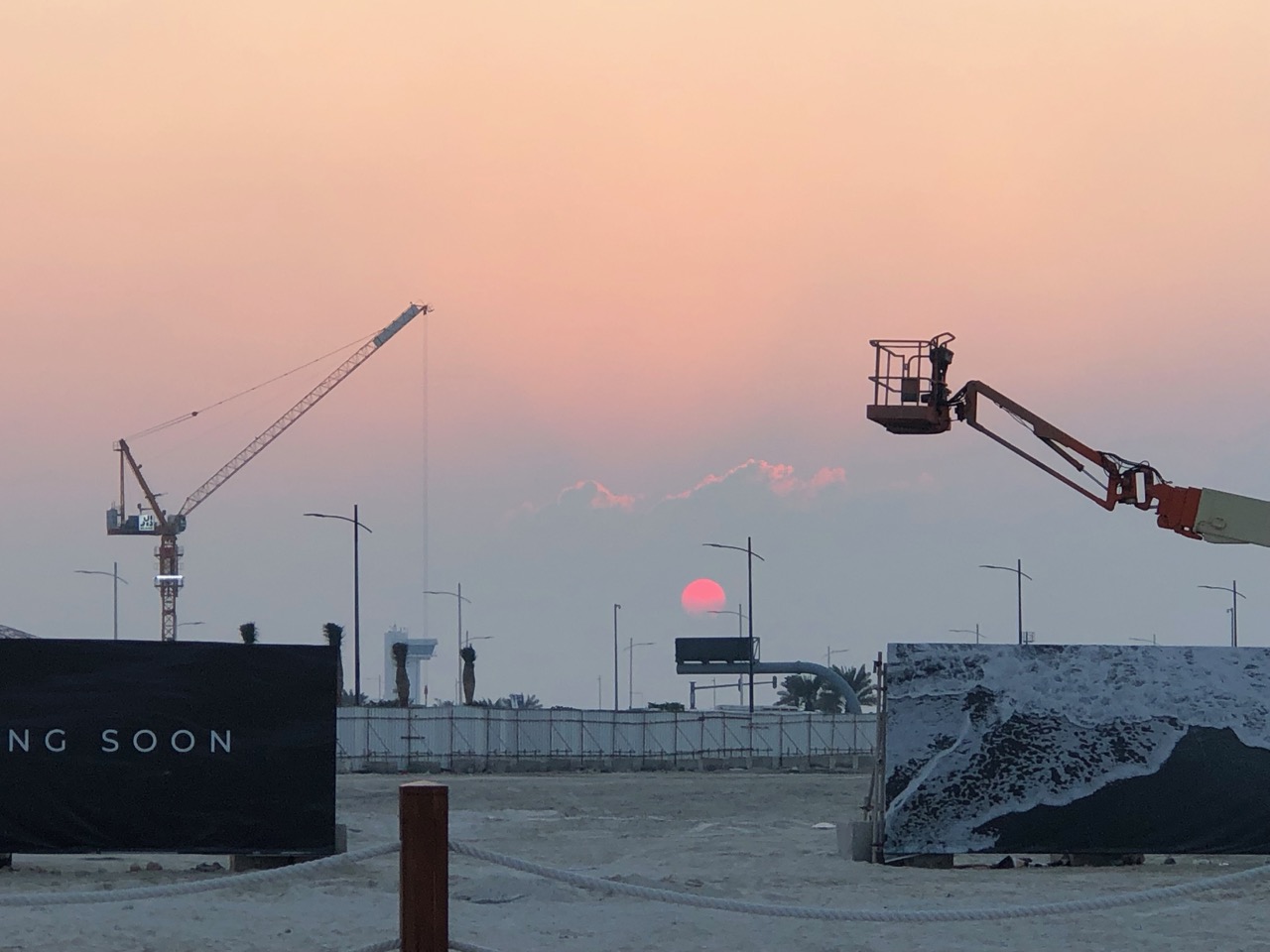
A few days of cycling through the different districts that transform into twinkling wonderlands as the red ball of the sun plummets behind the horizon, left me questioning the ethics of my unstoppable sense of awe… admiration even. Was it misplaced within the context of all that is wrong with Dubai, excessive wealth, power, oil? Or did it arise from the sense that I was witnessing the creation of modern-day equivalents to the buildings of antiquity? Cathedrals, pyramids, temples… also built using underpaid workforces or slaves and designed to reflect the beliefs of the times and honour the God(s) of a particular culture. From the widespread secular perspective of the 21stcentury, those Gods were clearly false. And yet we still appreciate with wonder what was created in their name.
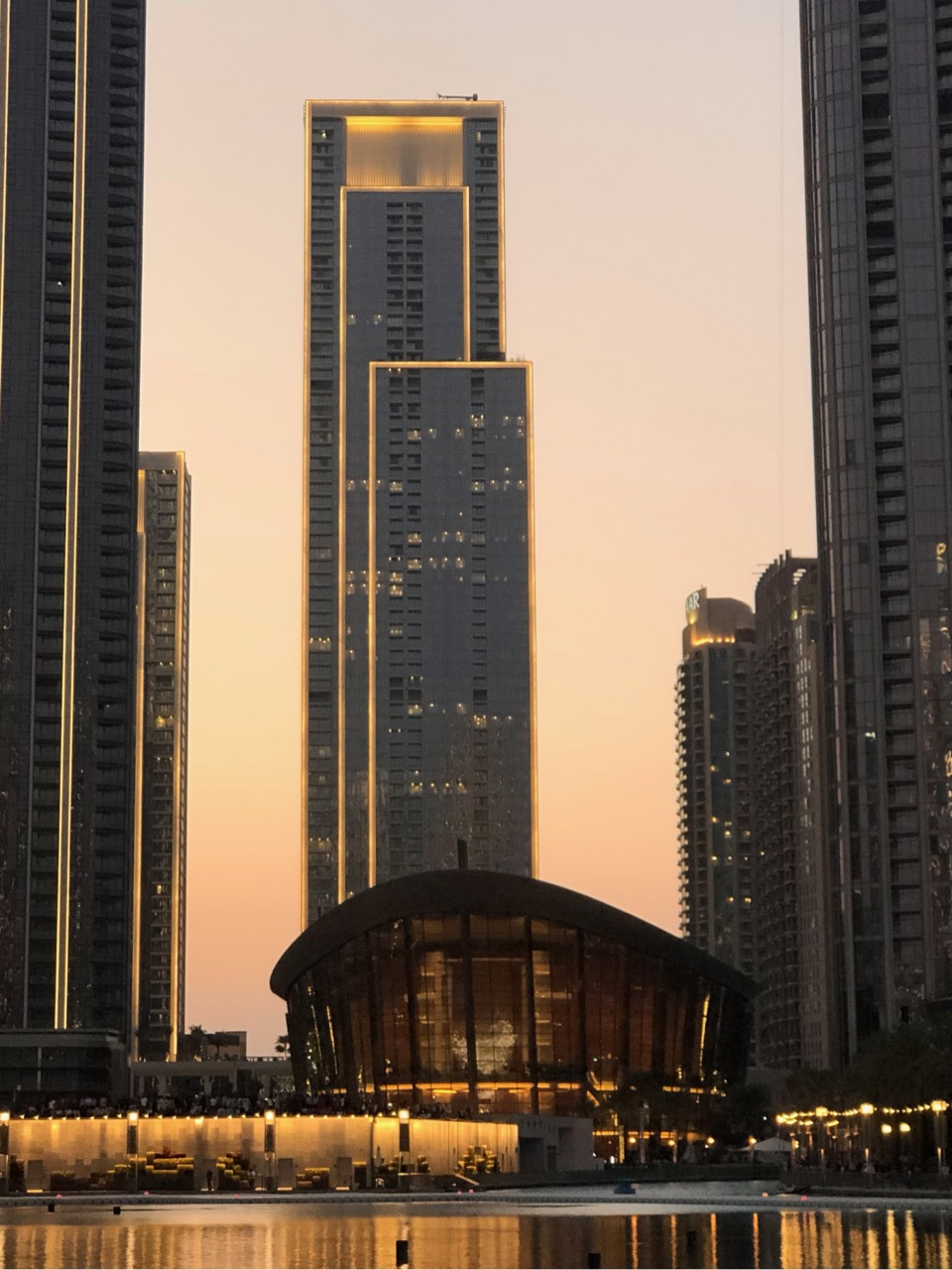
What particularly struck me were the gaps between the buildings so integral to the overall impact of this brand new, place. The negative spaces of empty sky between the materiality of the physical manifestations.
Materialism, in the philosophical sense of the word, started with a shift in the perception of reality from a focus on the invisible, creative force of life, often located far above, to the physical world below. It was the transition Giotto made in art in the 14th century from the gold or deep blue heavens of Byzantine art to the cerulean sky of the natural world.

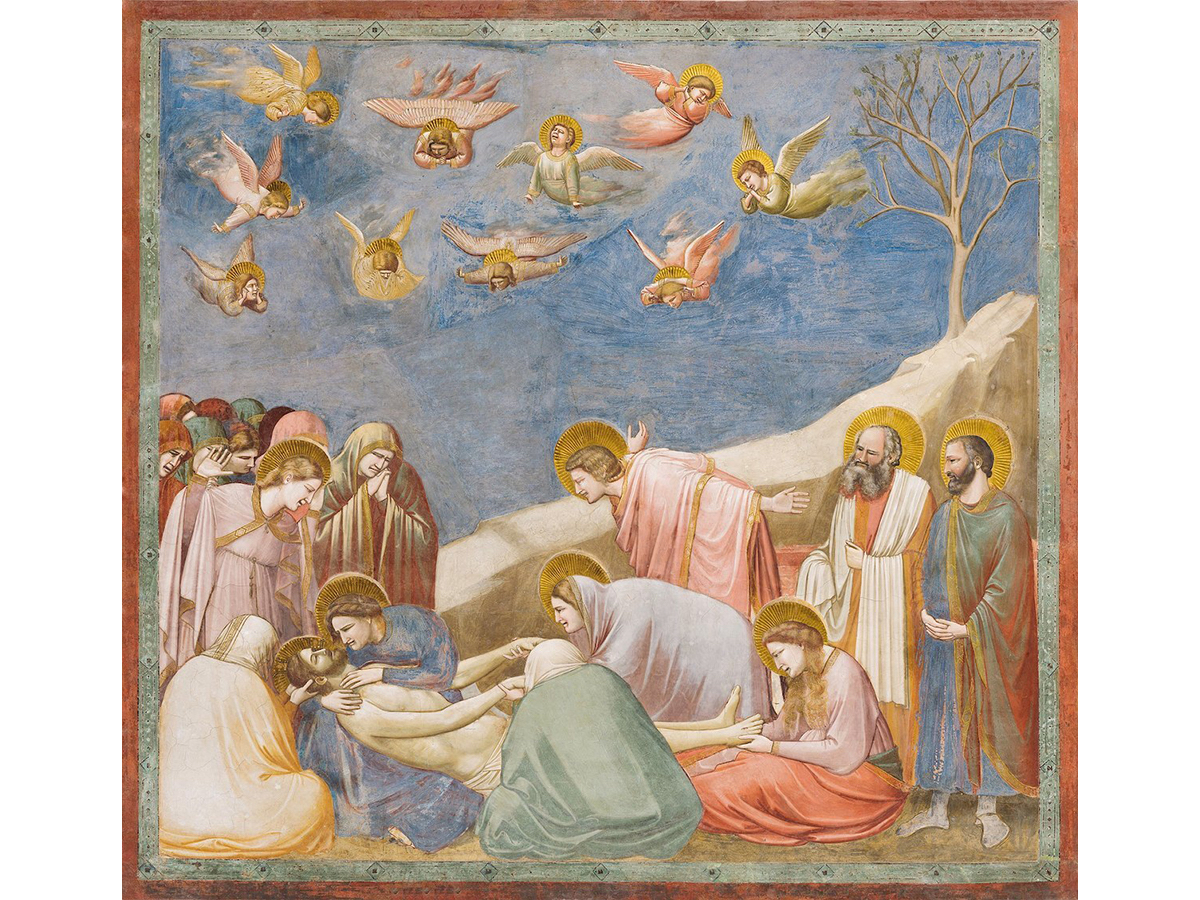
I initially decided these glitzy skyscrapers were obvious ‘Temples to Oil’ designed to boast and out-do competitors in height and status. But a week with my brother, who has lived and worked in the Middle East for over a decade, made me see it is not as simple as that. That they are less odes to oil and more a demonstration of what can be done with money.
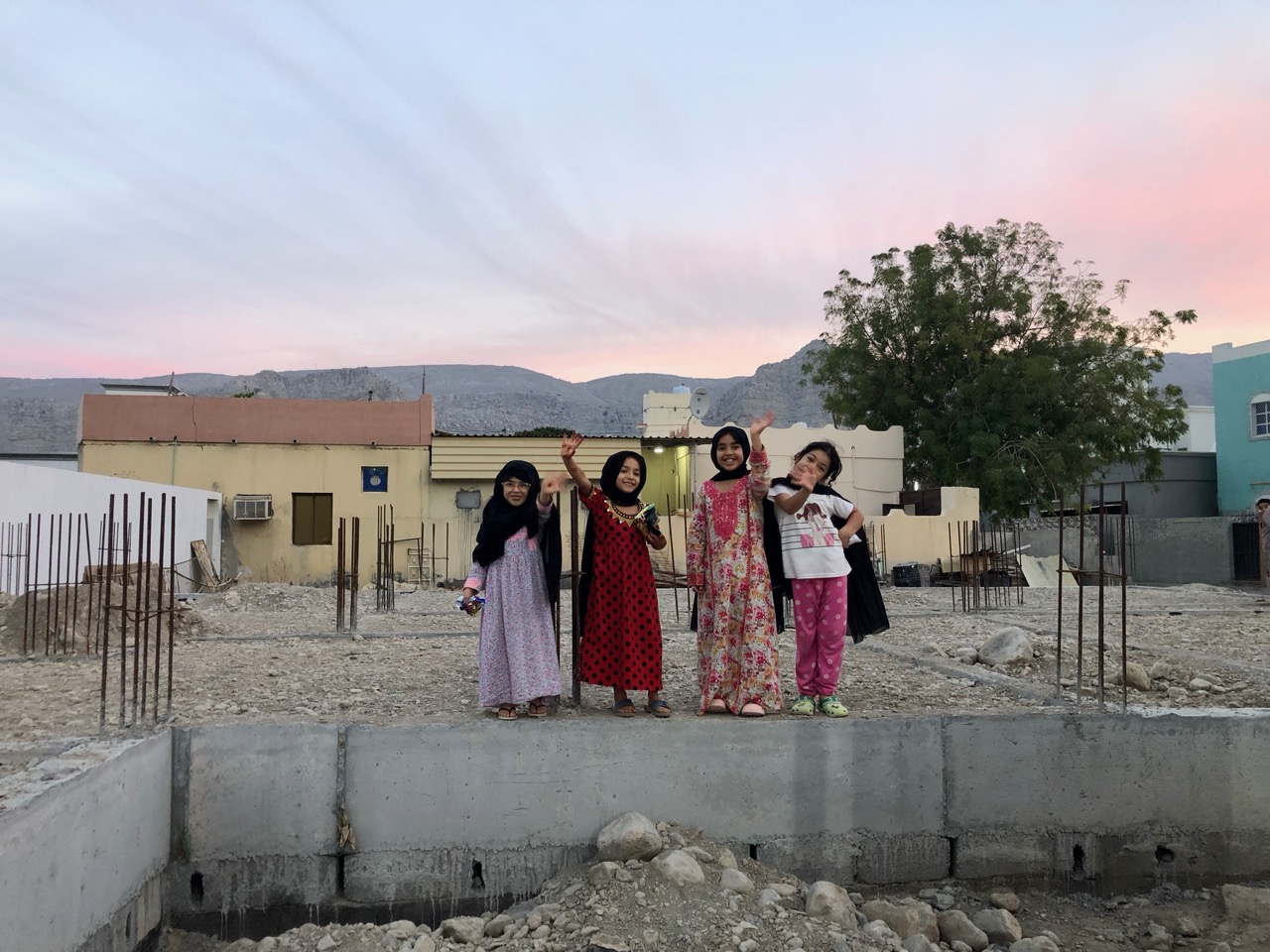
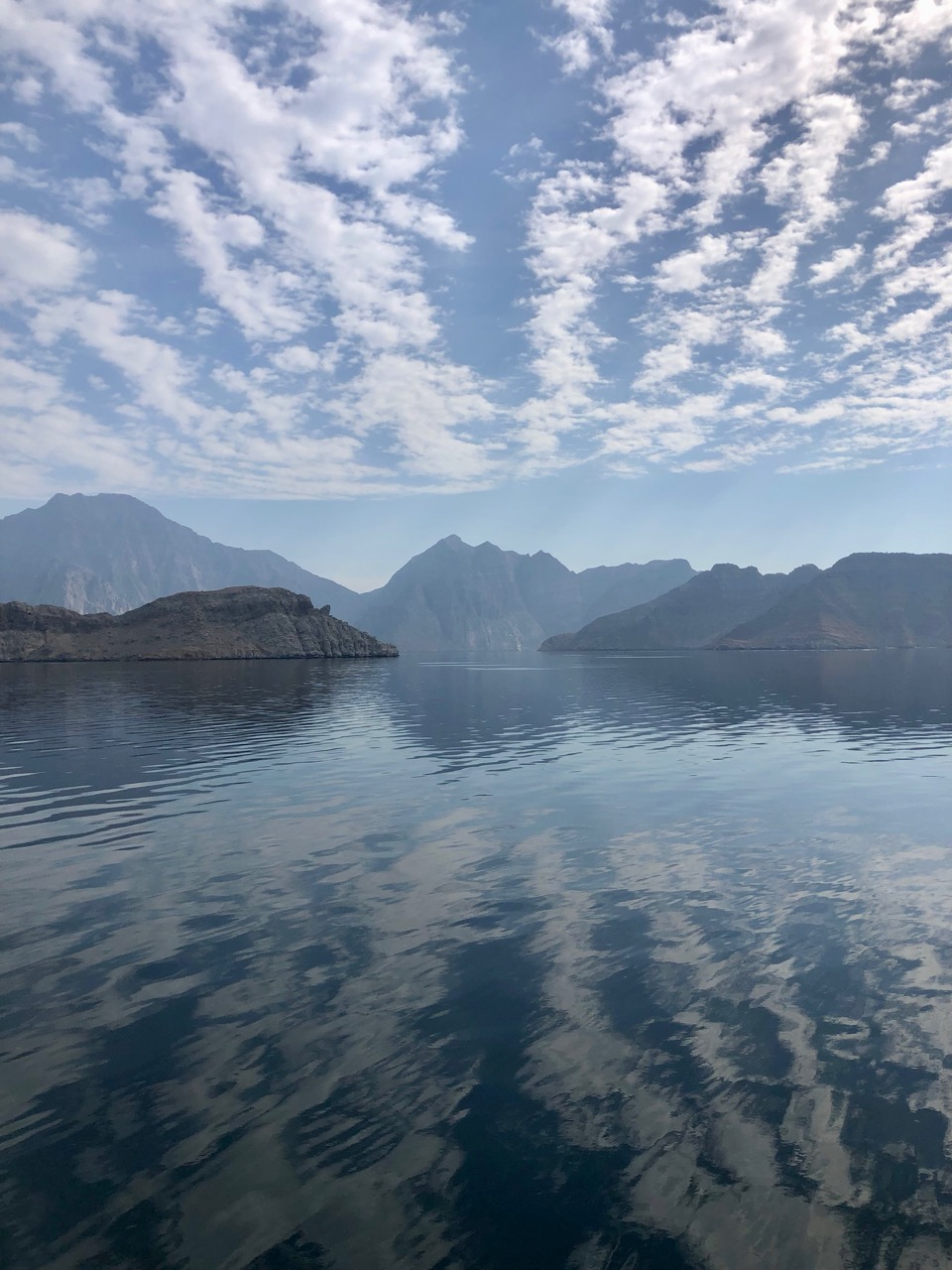
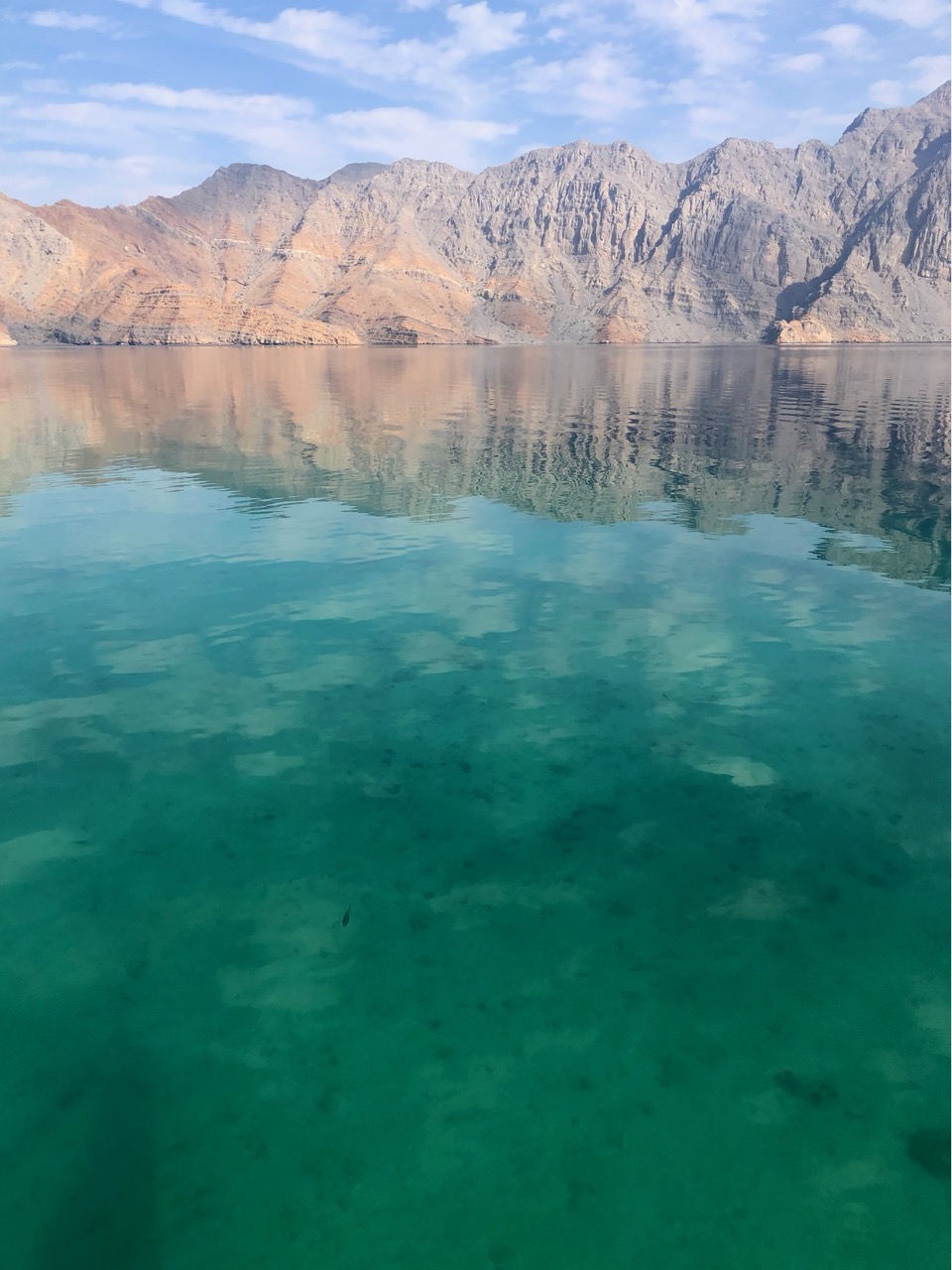
Ultimately I could not live in such a place. Far more appealing were the small coastal town of Khasab in the Musandam region of North Oman where brightly clothed children waved at us from dusty building plots and pristine fjords surrounded by soft golden cliffs were home to dolphins, tropical fish and small isolated villages of fishermen.
I wonder whether one can compare the money made from oil with the money made from drug dealers. Are the dealers to blame or is it the need for any destructive substance that lies at the root of the problem or dependency that inevitably develops? I have much more to learn, digest and think about and I am aware my ponderings are based on the superficial experience of an uninformed tourist. But the trip has undoubtedly broadened my mind and changed some of my perceptions of the world. For starters, it made me want to throw all my carefully segregated recyclables straight into the bin… what is the point after all?! But the idea of blaming some generic environmental ‘baddy’ also reminds me of the Dire Straits lyrics: “When you point your finger cos your plan fell through, you got three more fingers pointing back at you.” After all, don’t I belong to the nations who discovered oil, grew their industries, wealth and world influence from it, enjoyed the comforts and conveniences it brought and subsequently became utterly dependent on it?
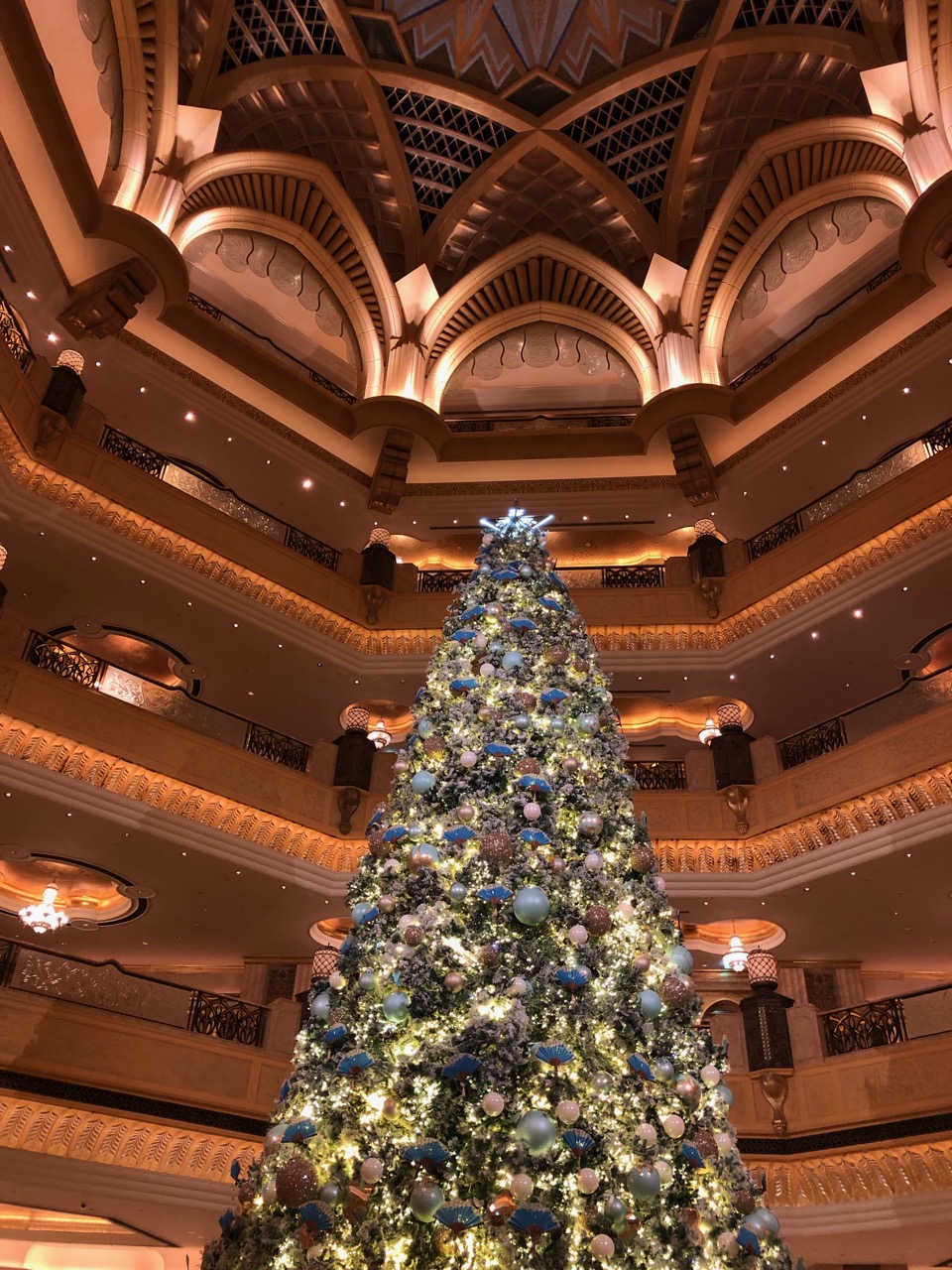
If I don’t get another chance, I would like to take this opportunity to thank you for reading my Blogs and to wish you very happy, peaceful festivities ahead, warm homes and hearts and a wonderful start to 2024.
 angela findlay blog