Following Joan… Part Three

(If you are joining Joan’s story now, you might want to read Following Joan… Parts One and Two first.) 

‘Do you think she jumped… or did she fall?’

It’s 2020 and I am sitting opposite my uncle, a grandfather clock tick-tocking the present into the past.

That question has always lingered around the name of my Great Great Aunt Joan. She was said to have been troubled, never having recovered from the death of her beloved older brother, Gerald, killed at Gallipoli in the First World War. Ill health had dogged her. And as another war loomed on the horizon, perhaps she could not bear to witness more loss. 

I sometimes wish I could type ‘Joan Legge’ into the search box of my life’s hard drive to locate the exact moment her story began to intrigue me. Perhaps it was a conversation with my grandmother, Joan’s niece. Both she and her younger sister had believed, independently, that Joan would not return from her trip to the Himalayas in 1939. Their mother was said to have ‘the gift’ – an unfathomable intuition, a form of knowing that slips past reason. 

That fascinated me, for even as a child I sensed there were hidden channels of communication and knowledge beneath the surface of ordinary life. Perhaps their foreboding of no return planted the idea that Joan’s death had been deliberate.

Joan 1905

Or maybe it came from the anecdotes I gleaned over time from my father and uncle about this eccentric spinster who, after Gerald’s death, cast off the frills and trappings of aristocracy and privilege to forge a life of farming, service and adventure. A life that ended in solitude, in a remote valley half a world away. 

Some lives close with a sense of completeness, even peace. Death may be welcomed after a struggle with illness or the slow wear of age. Others remain unfinished, wrapped in mystery, unresolved, tugging at the conscience of descendants like a child clutching at its mother’s apron strings. 

Joan’s sudden death was of that latter kind. It sent shock waves through the generations, softening with distance into small ripples. Even now they lap at the shores of my own soul. 

Map of the Valley of Flowers, the site of Joan’s camp, death & grave marked in red
©Staffordshire History Centre

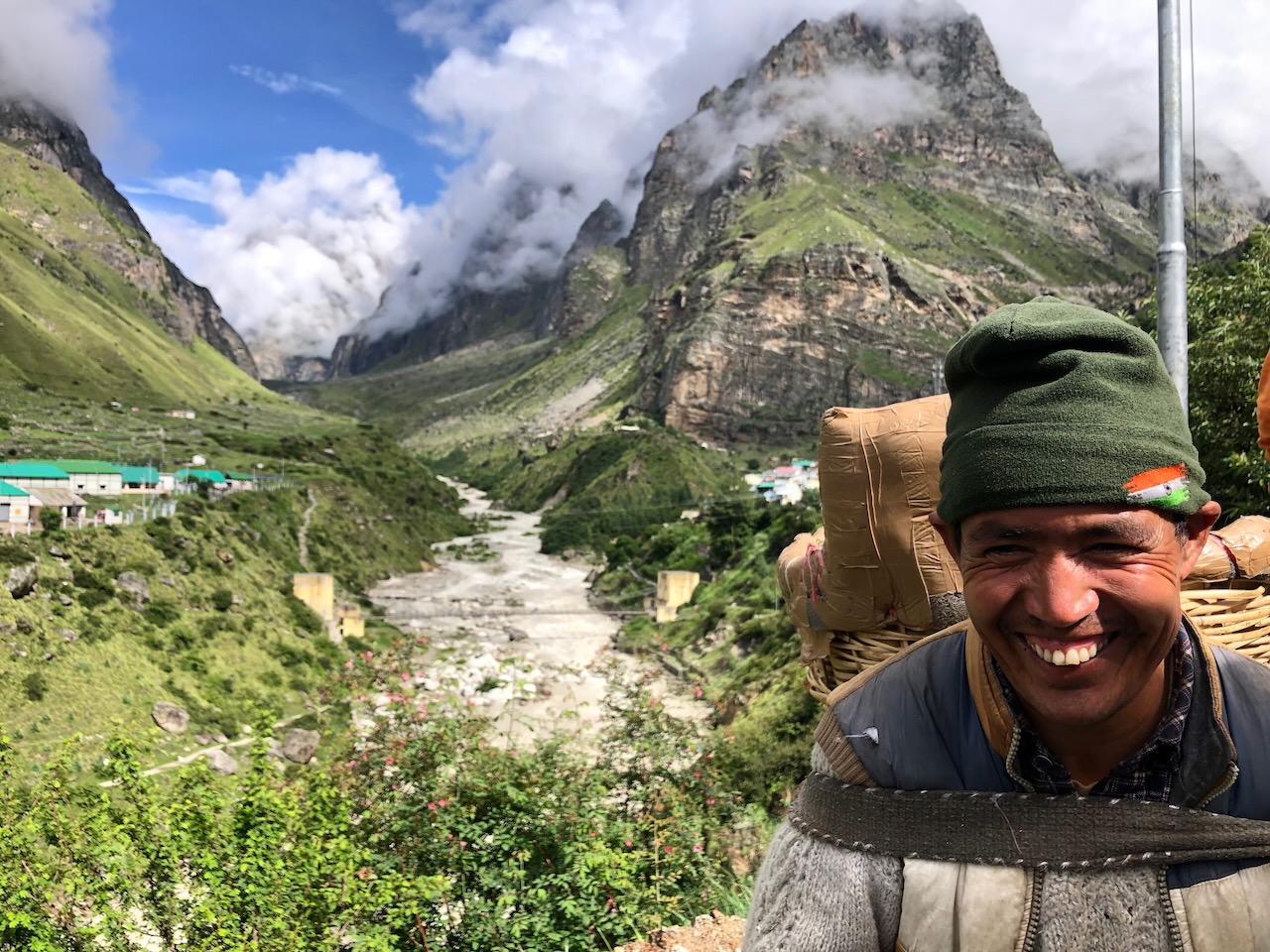
It was only last year, travelling to the Valley of Flowers with three of Joan’s descendants, that I fully grasped the scale of her courage. And the violence of her end. The monsoon rains offered us just a fleeting glimpse of the place she fell, its position traced on a map sketched in the days after her death. Yet it was enough to shatter the gentler image I had long created of her tumbling down a wooded slope. The truth was starker. Joan had fallen clean over the edge of a sheer granite cliff.
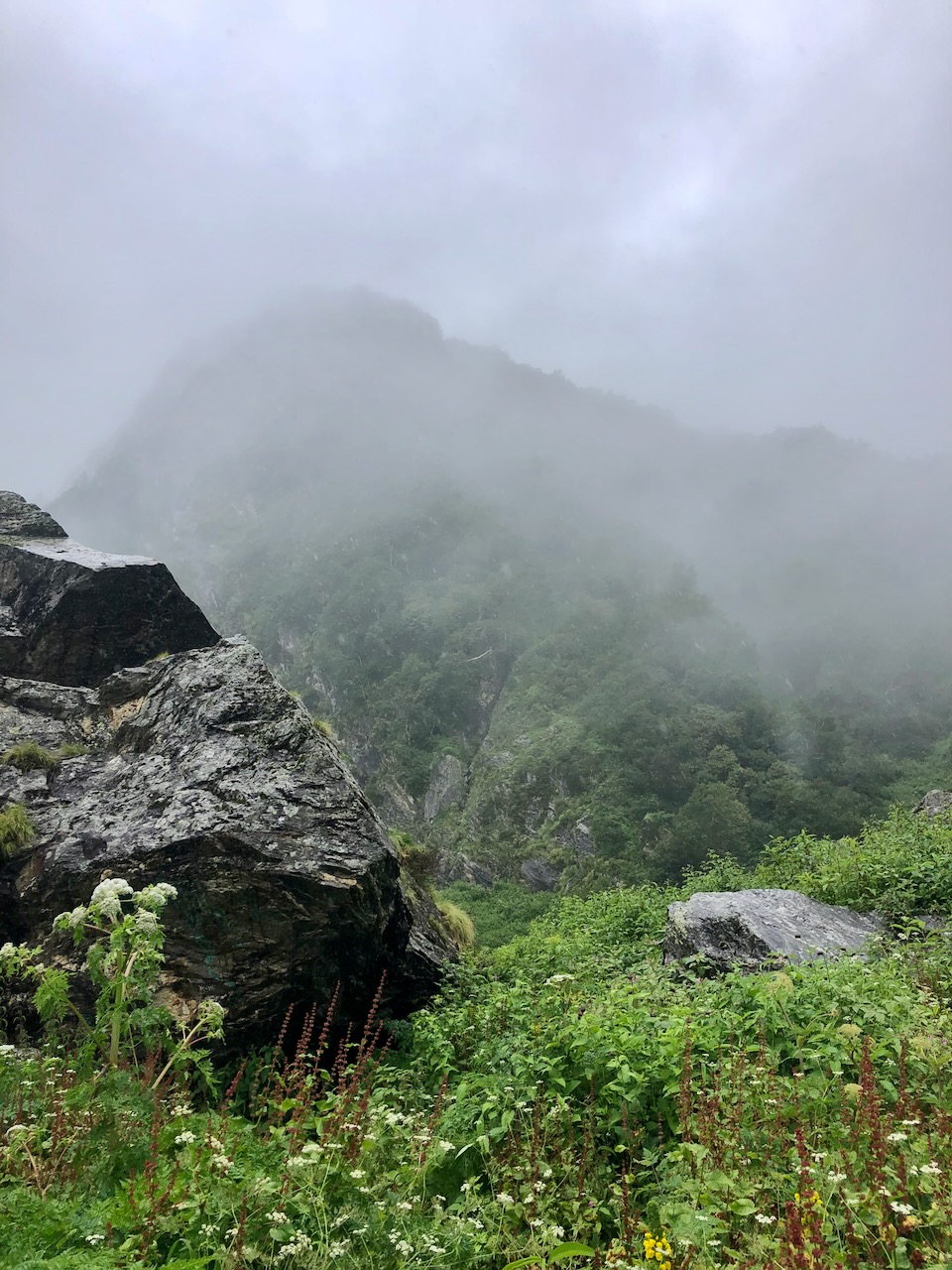
Her fall haunts me. Those unthinkable seconds of awareness, knowing you are hurtling toward your end. How different from a death that comes inch by inch, offering time to prepare, to resist, to rage, or to reconcile. In July 2024, when I left the Valley of Flowers and Joan’s remote grave, a sudden grief overwhelmed me, buckling my legs and landing me in a pile of donkey droppings. Yet Joan’s own words leave no room for doubt. Her diaries brimmed with excitement for the months ahead, with awe for the surrounding peaks, and with delight in her adventure. She did not choose death. She was very much alive.

So why does her story touch me so deeply? Why not my great grandmother, killed in a car crash?  Why not my grandfather, the ‘muck and magic man’, pioneer of organic farming? Why Joan? And why me – the only one in the family drawn, again and again, to the lives behind us rather than those unfolding ahead? Is it because I have no children to anchor my gaze forward? Or is it that I have no children precisely because the voices behind me insisted on my attention?

Gerald (far left), Joan’s father (seated left), Joan (centre) and others, 1907

Perhaps neither, or both. What I do know is that the dead have enriched my life. And in honouring them, in breaking the silence of the unspoken, in unravelling the mysteries and untangling the knots they left behind, I believe their presence has enriched the lives of others’ too. 

Through my recent studies in Family Constellations, I have increasingly come to experience life as a river, flowing on with or without us. We step into its current for longer or shorter spans, mingling in the same waters where our predecessors once moved. What matters is not the length of time, but the resonance we leave behind. Not quantity, but quality.

Birth is the one beginning we all share. But our endings are as varied as our lives. Accident, chance, destiny, choice… no one can know death’s moment or manner, only its inevitability.

So was Joan’s death a tragedy as her obituaries mourned? Or was it a brilliant ending to a life lived fully right into its final breath? 

Draft for Joan’s eulogy by her sister: ‘If in another world kindred spirits dwell together there Joan & her brother Gerald will be found, I think, among a happy throng of pioneers and explorers of all ages. Courage, endurance and an indomitable will were possessed by this devoted brother and sister and both lie buried in a mountain grave & as one of her friends wrote, ‘”already halfway to Heaven”. She started on her greatest hazardous adventure joyfully and she died as she had lived, unafraid –

Joan and Gerald, 1907

I dedicate this blog to my dear friend in Australia, Tas. Over the past six years, corticobasal syndrome (CBS) has been claiming his body, his movement, his speech. And yet his spirit, his humour, his integrity and his enduring delight in friends, family and life itself still blaze. To know him is both an inspiration and a gift I deeply treasure.  

Further details of my exhibition / event on Joan will follow in my next Blog.  
In the Flow: Ode to the River Severn

First Encounter with the River Severn

June 1999. You wouldn’t know it was there. Nothing suggests the proximity of Britain’s longest river as you amble down the canal towpath at Frampton-on-Severn. I have a hand-painted sign promising Cream Teas to thank for its discovery. The arrow lured passers-by through a hedge and into a wonderland of round tea tables bedecked with embroidered tablecloths and mis-matching crockery and arranged beneath the boughs of a huge copper beech. A tall man navigated trays of silver teapots and 3-tiered cake stands along narrow paths mown through the long grass. 

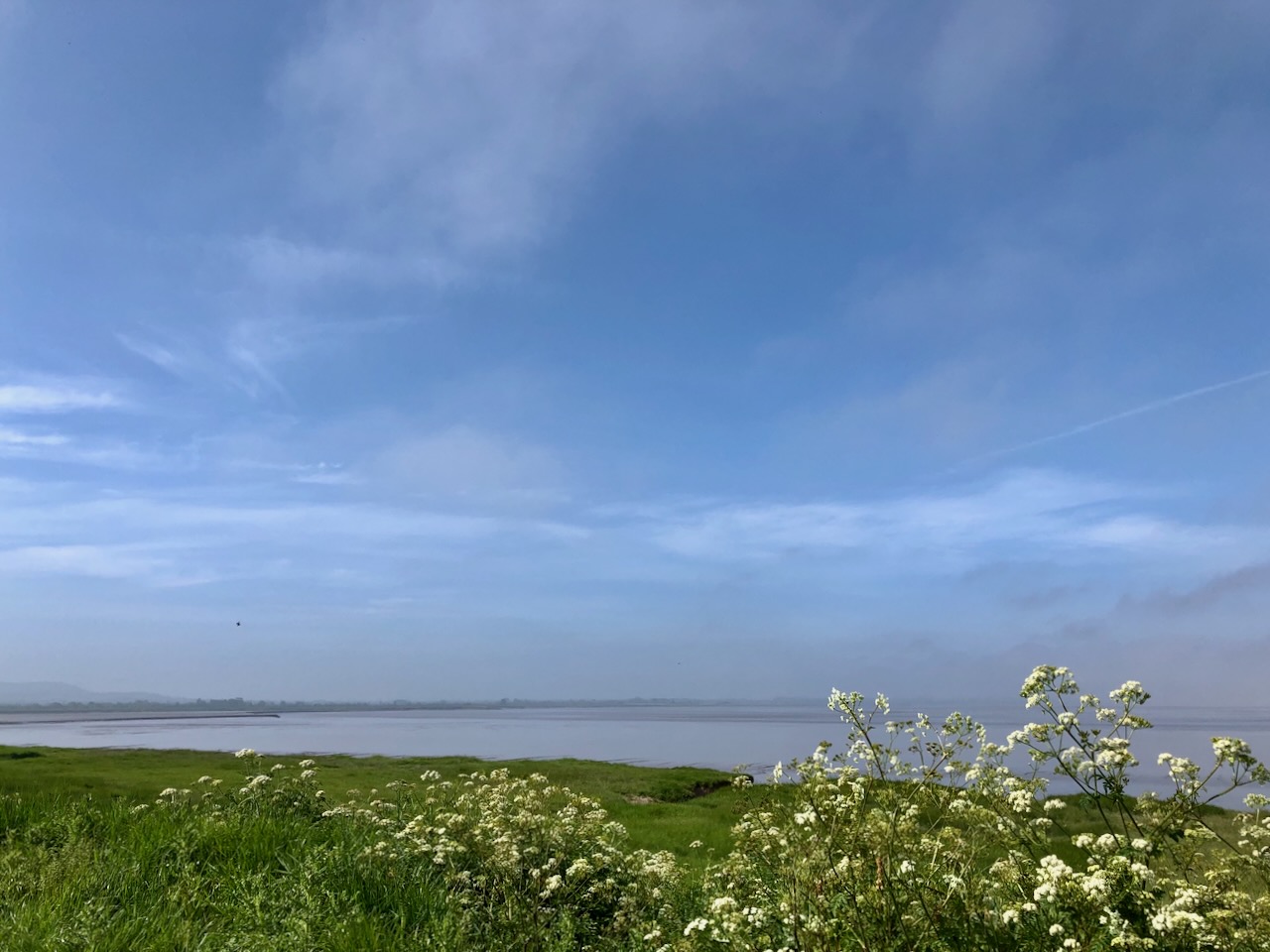
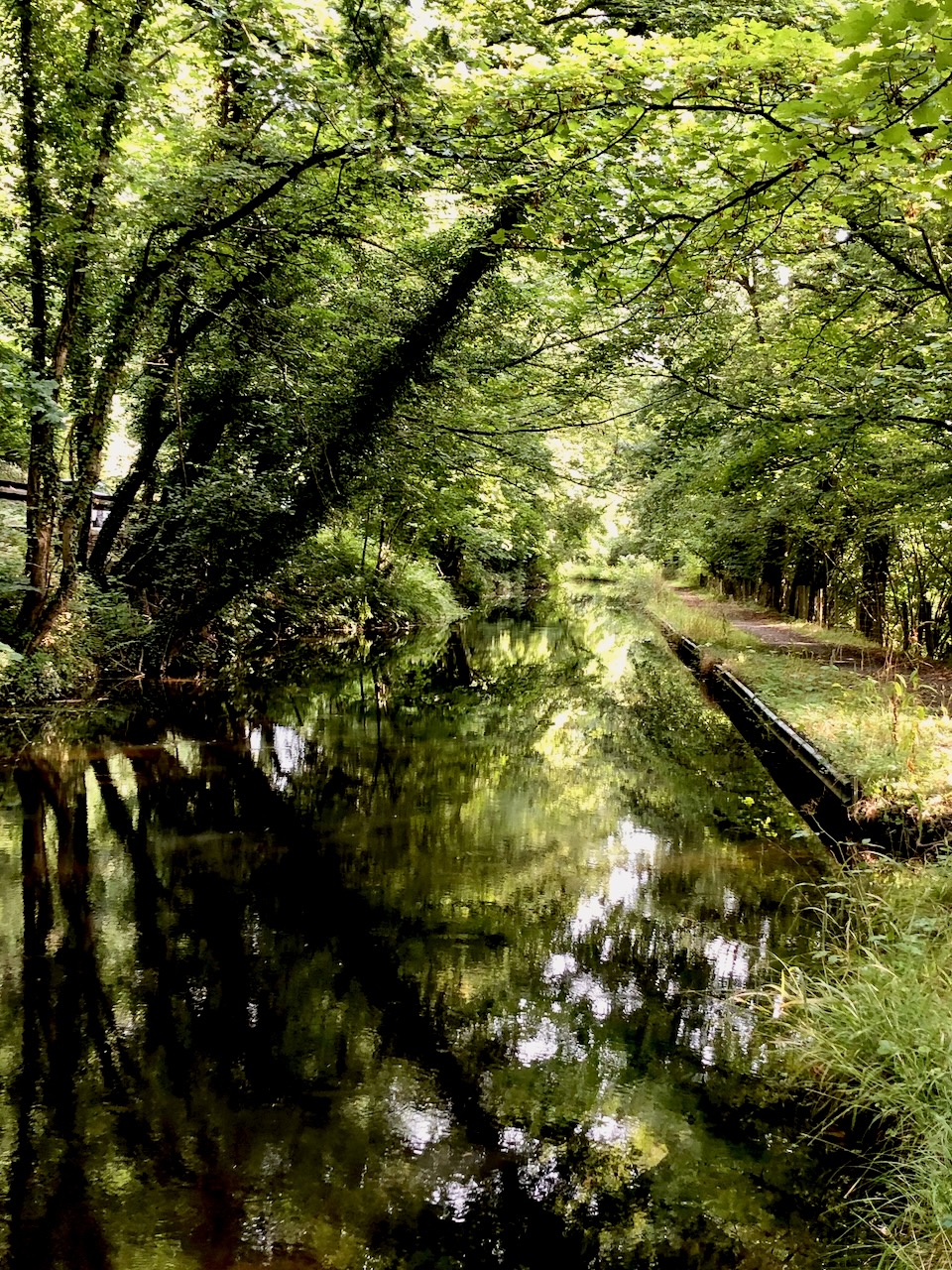
I had moved back to England after 10 years living abroad and was checking out the Stroud area as a possible new home. The top floor of the accompanying Lodge was up for rent, I soon learned… would I like to look at it? A sweeping staircase carried us up two stories and into an apartment of hexagonal rooms adorned with small fireplaces. Then, bending double, two miniature doors awkwardly birthed us onto a roof terrace and into the breath-taking view that would become my world. The River Severn stretched like a taut blue sheet tucked into a distant shore. Low tide mud sparkled. Silence was broken only by the soft chink of teacups on saucers.

Life on the River Severn

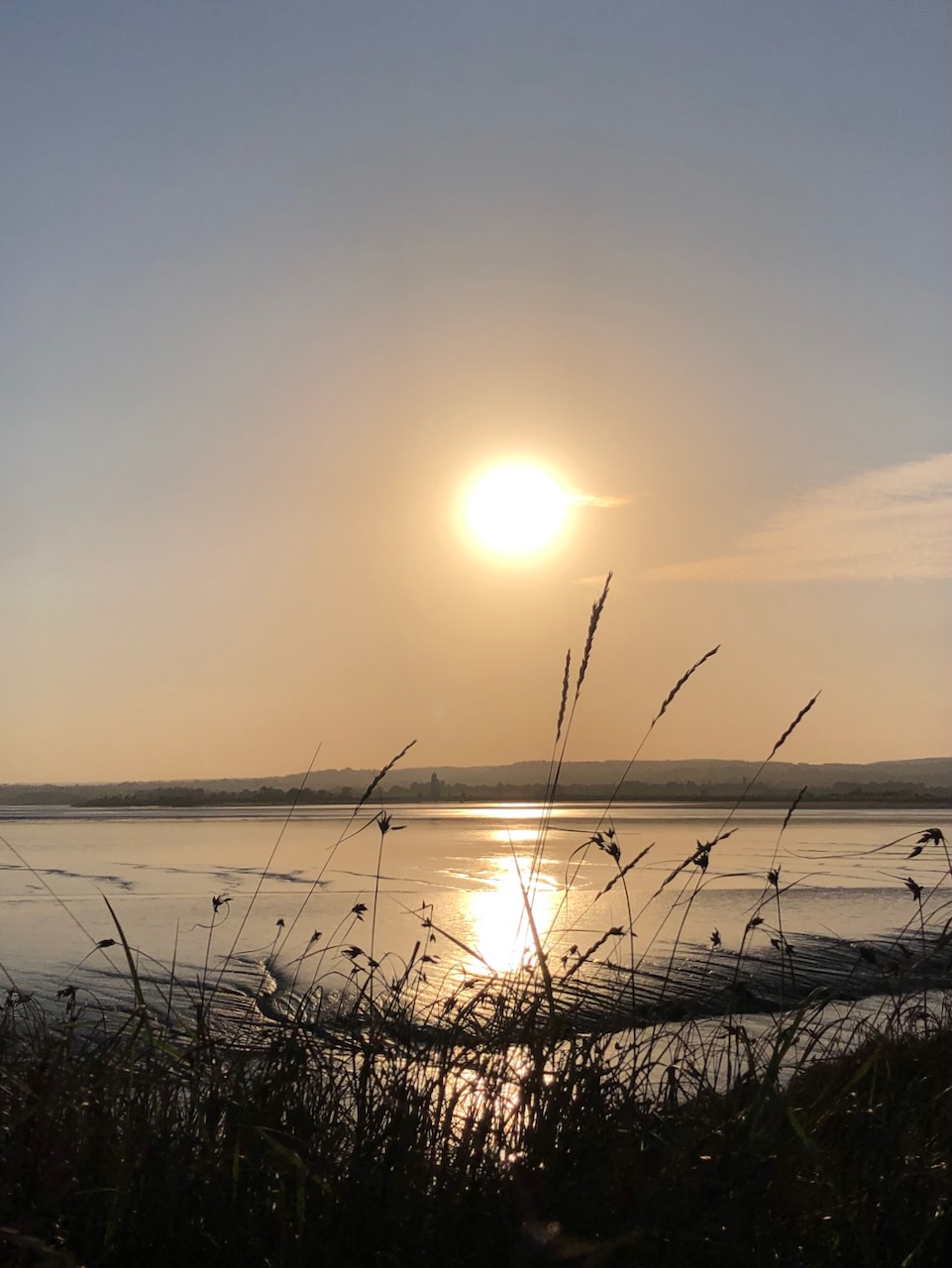
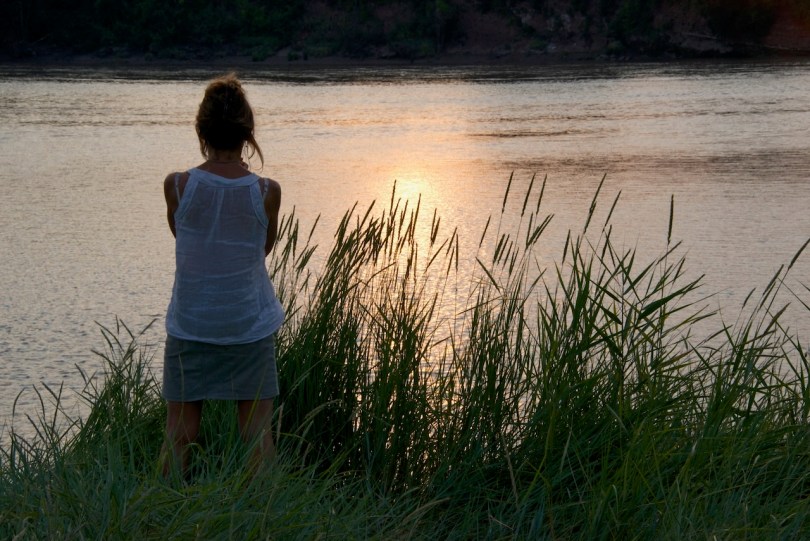
I would live in that apartment on the Severn for nearly three years. Every day I walked along the banks of the estuary, my breath aligning with the deep ebb and flow of the tides. 

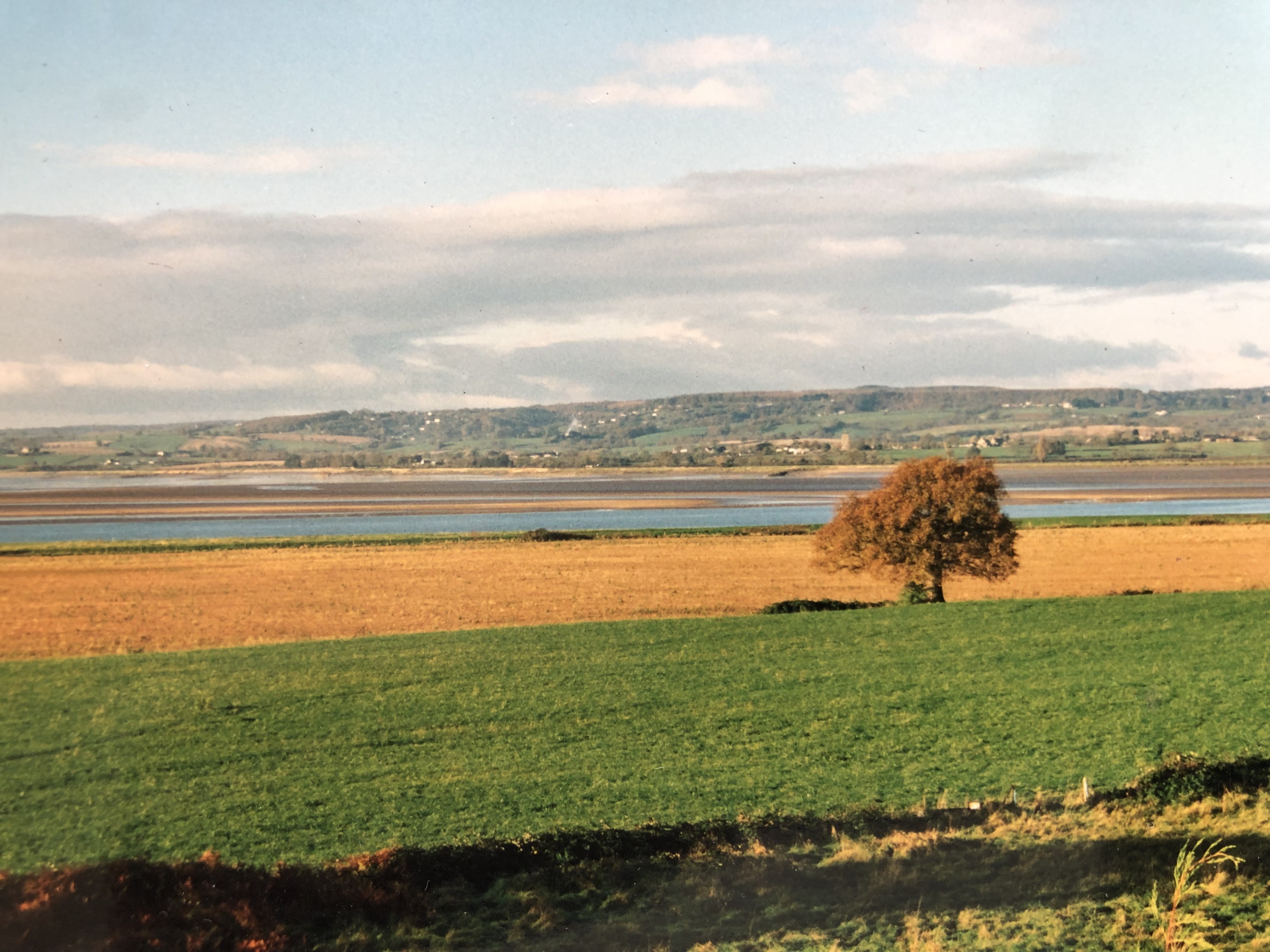
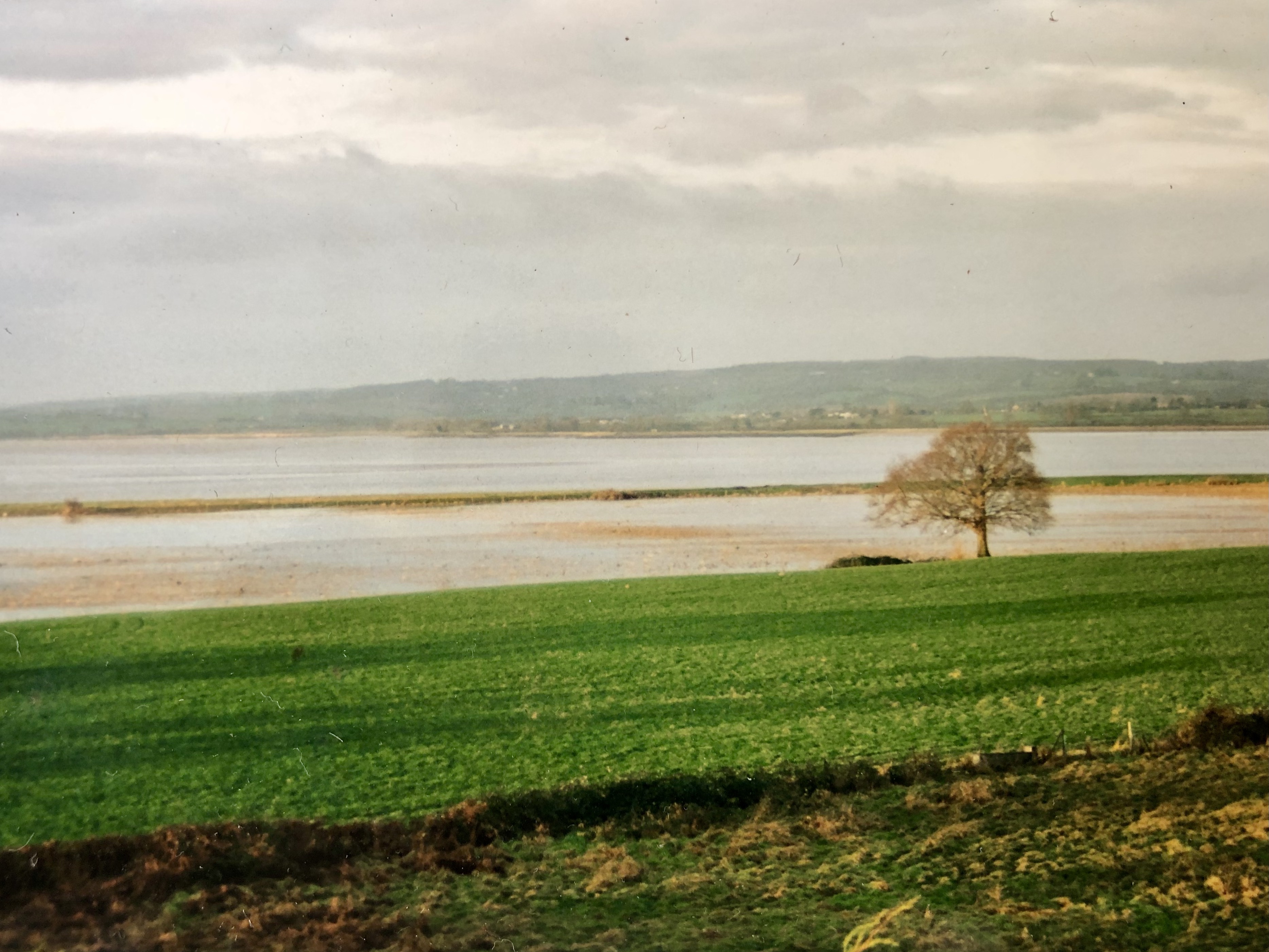
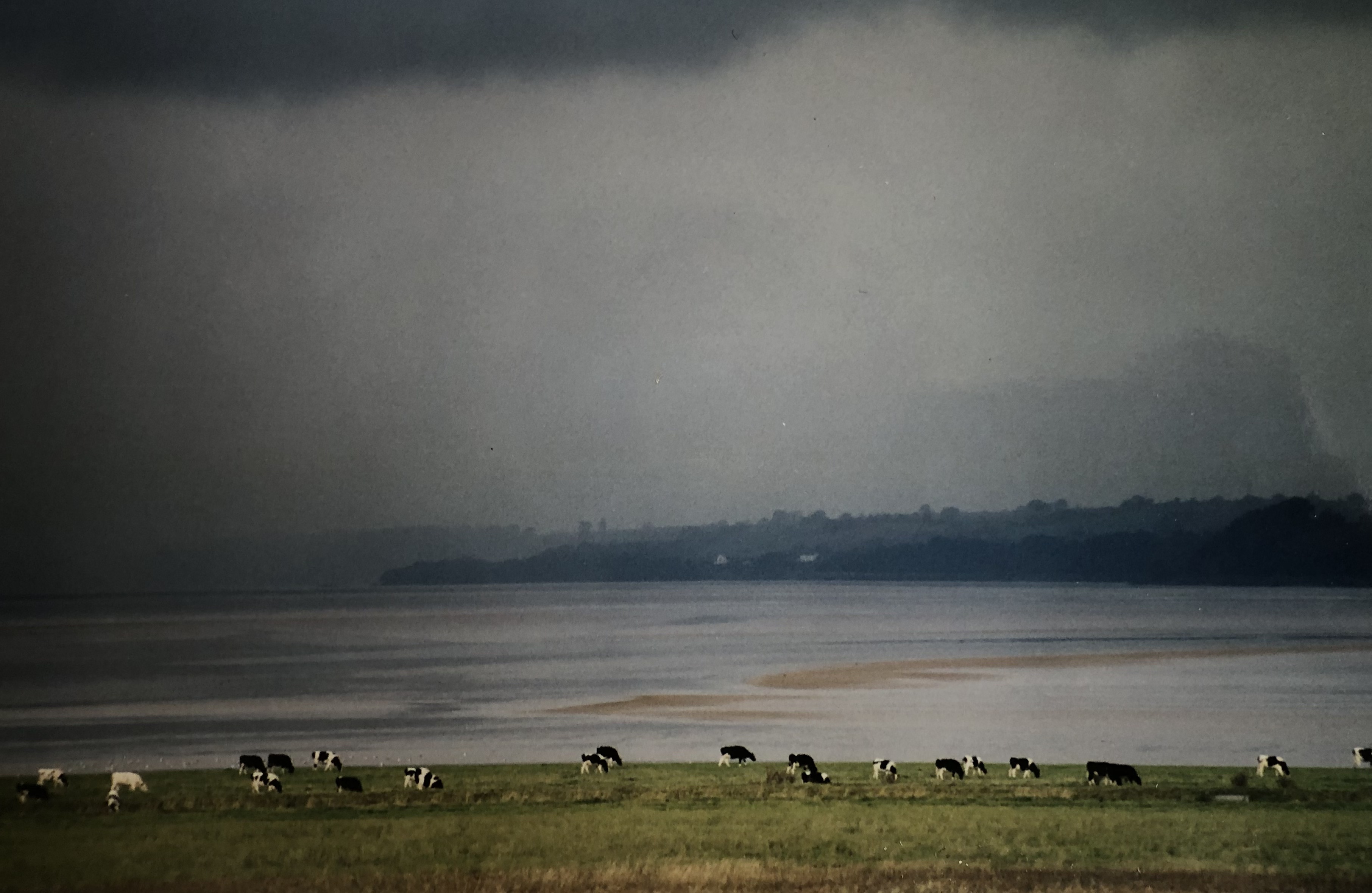
I witnessed the stoicism of a little oak tree holding its precarious own through the seasons, storms and floods; watched cows amble home at dusk accompanied by the swirling black clouds of starlings that condensed and evaporated in the gentle orange glow.

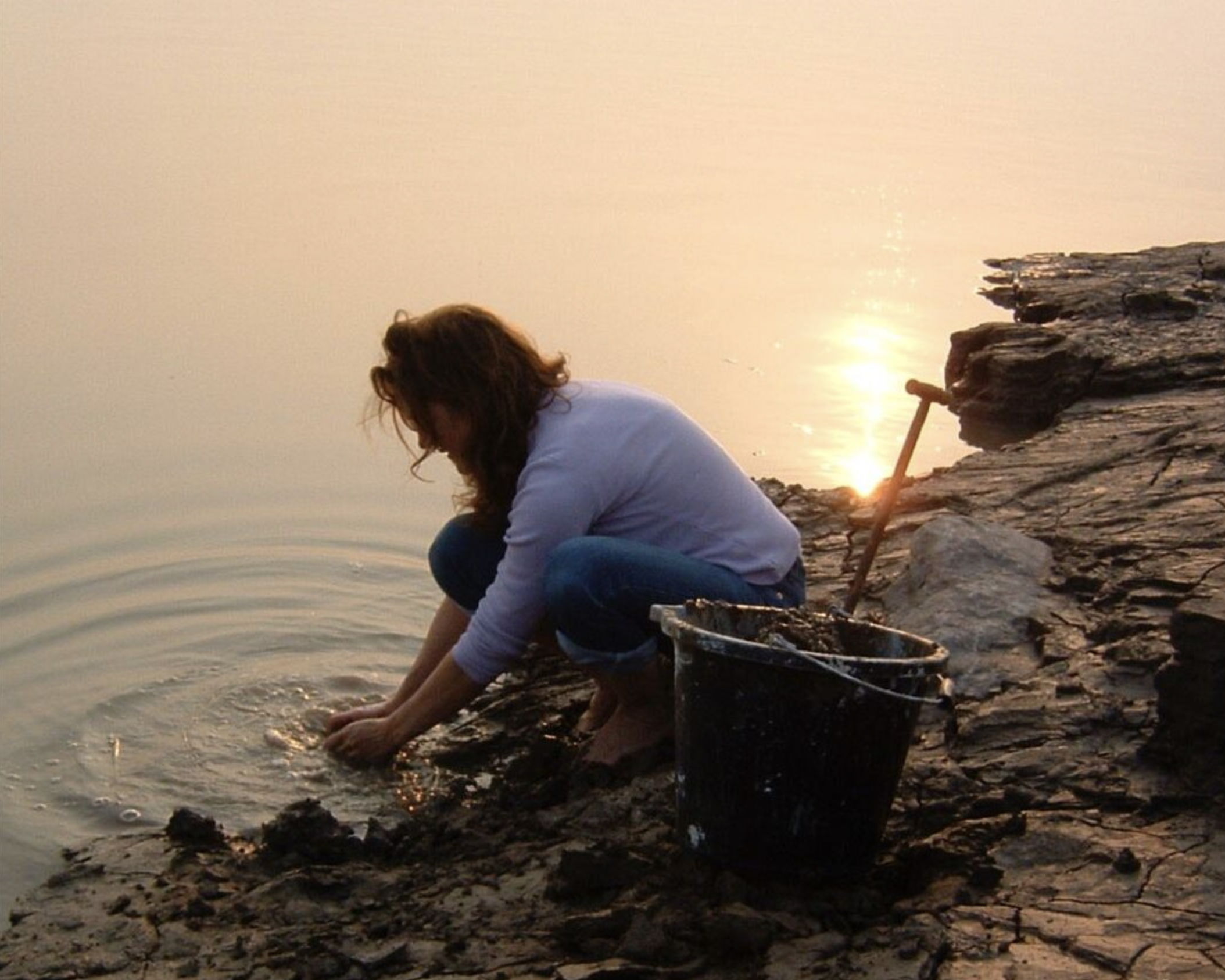
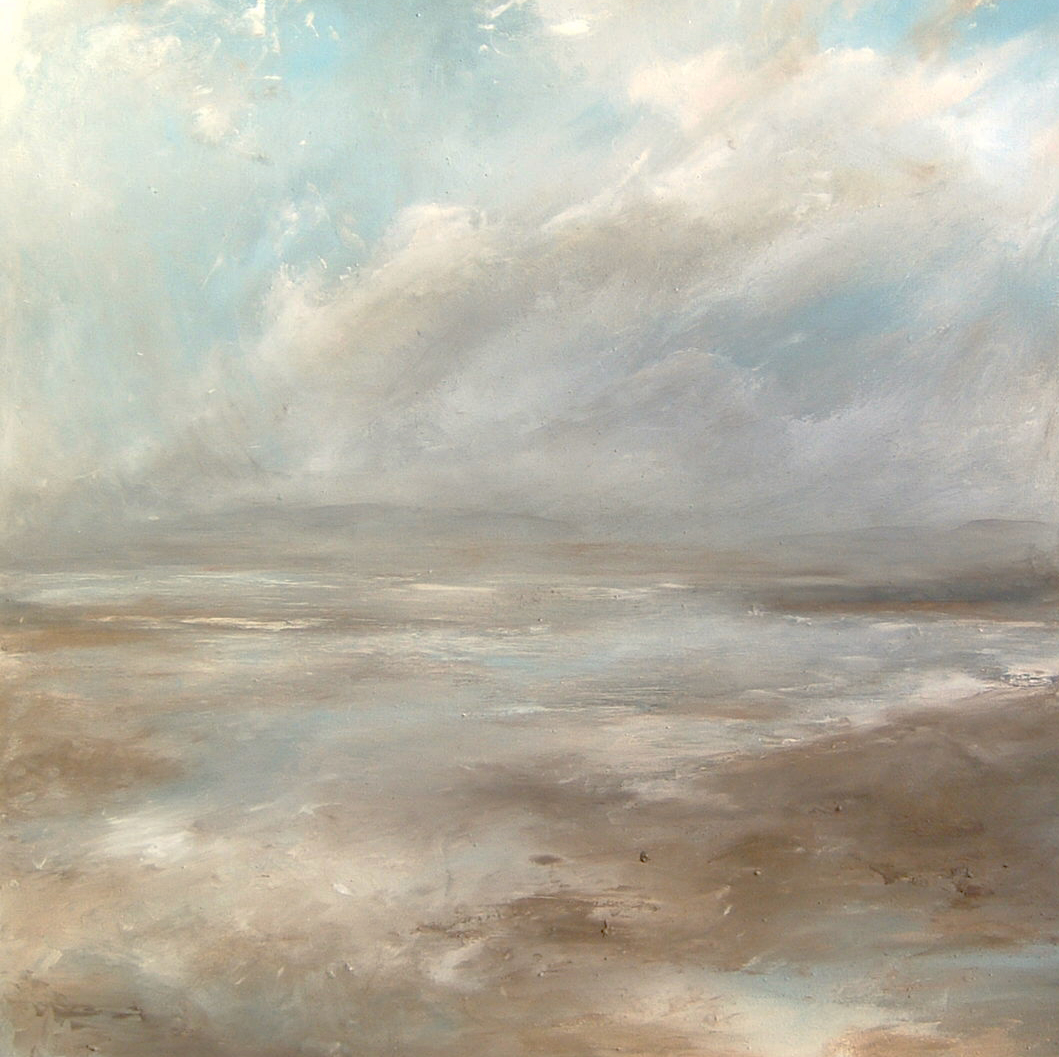
This was where I became a professional artist, scooping rich, melted-chocolate mud into buckets, mixing it with paint and dancing sky and weatherscapes onto large canvases with my hands. 

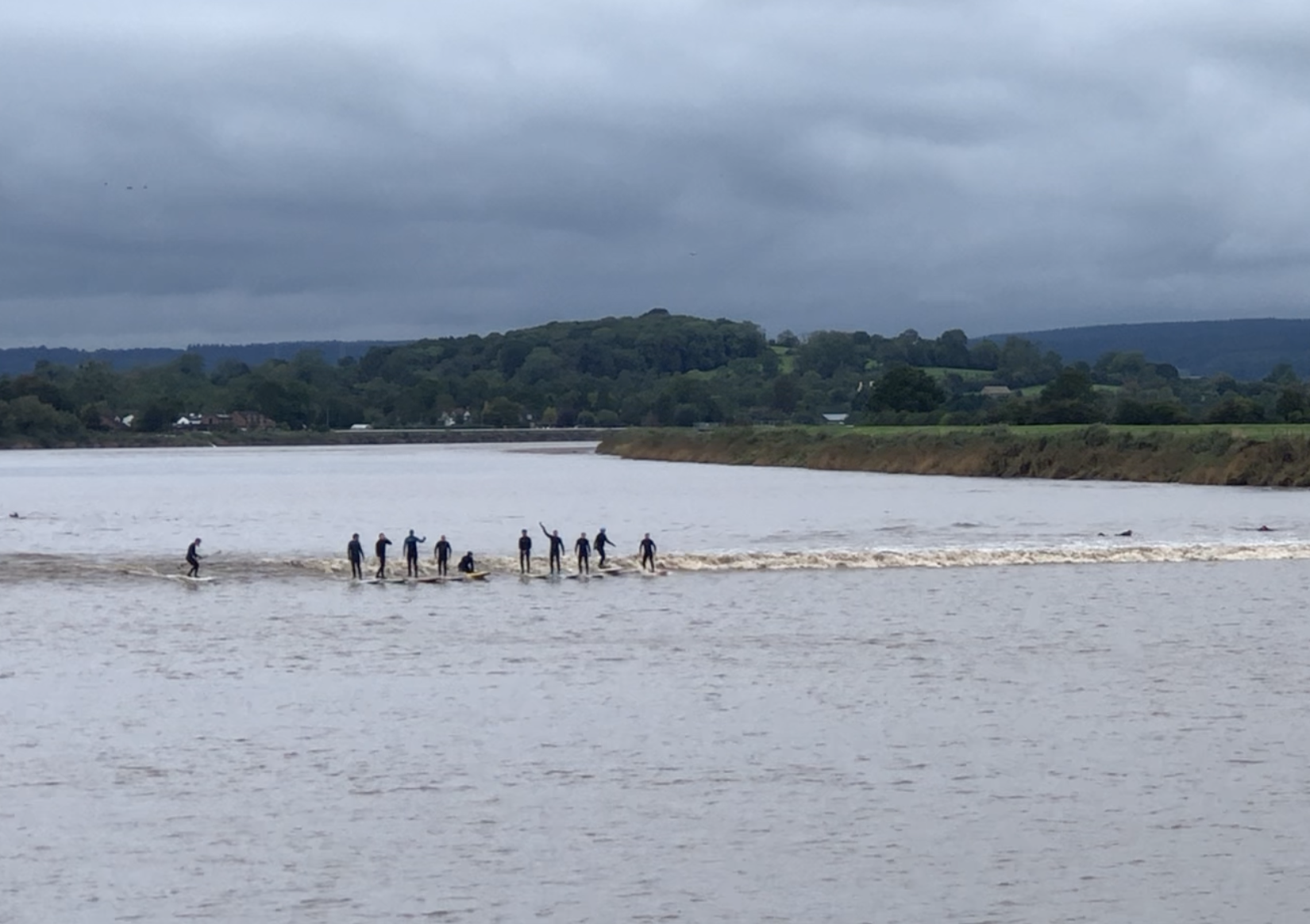
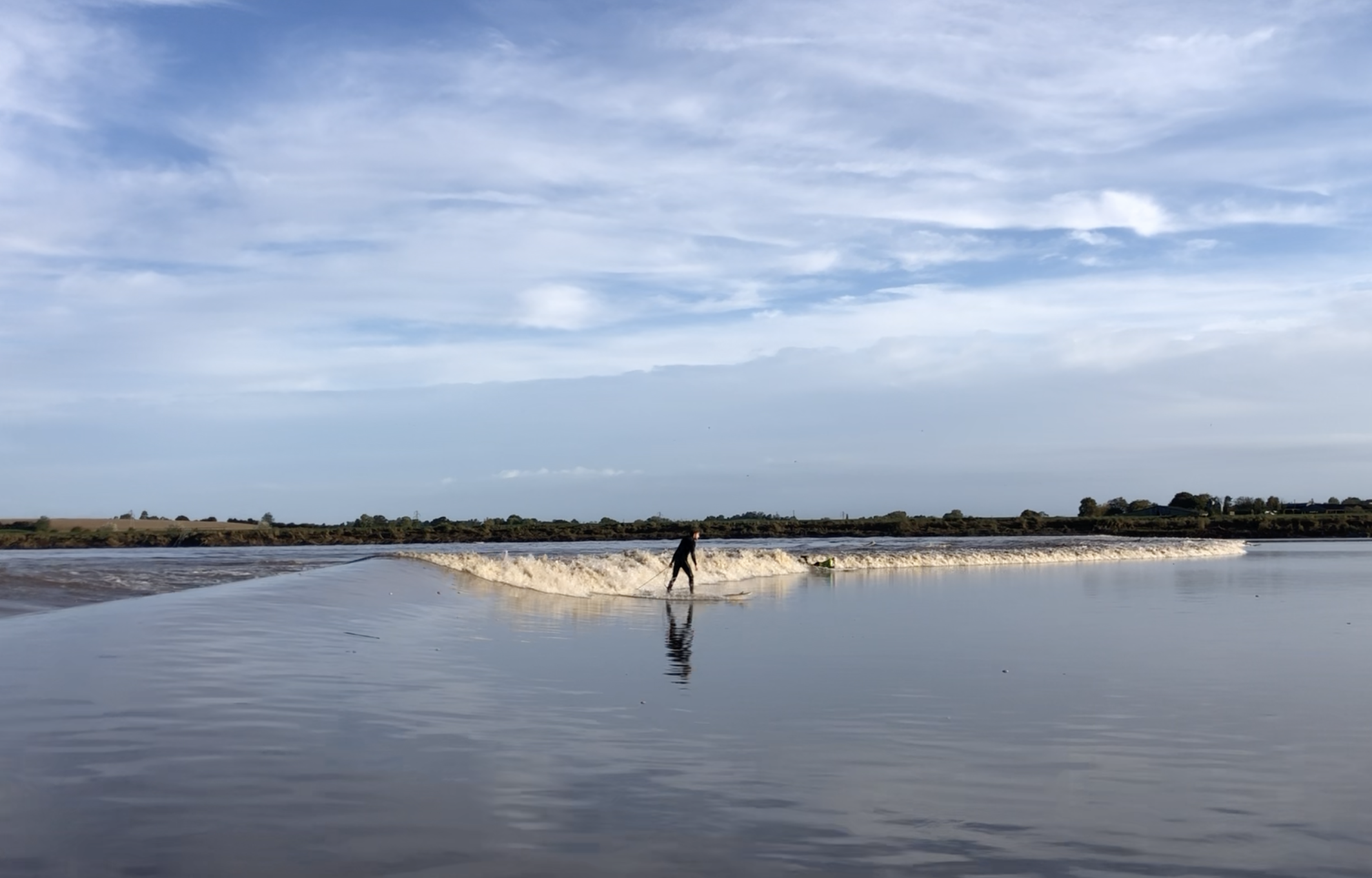
On many a chilly morning I stood on the Severn’s banks with mugs of coffee and expectant crowds waiting for the world’s second highest Bore to swash its way up the estuary and carry brave surfers upstream. Once, in the pitch of night, I crossed its swirling waters in a rickety old boat and returned in the frozen pinks of dawn. 

A Severn Bore

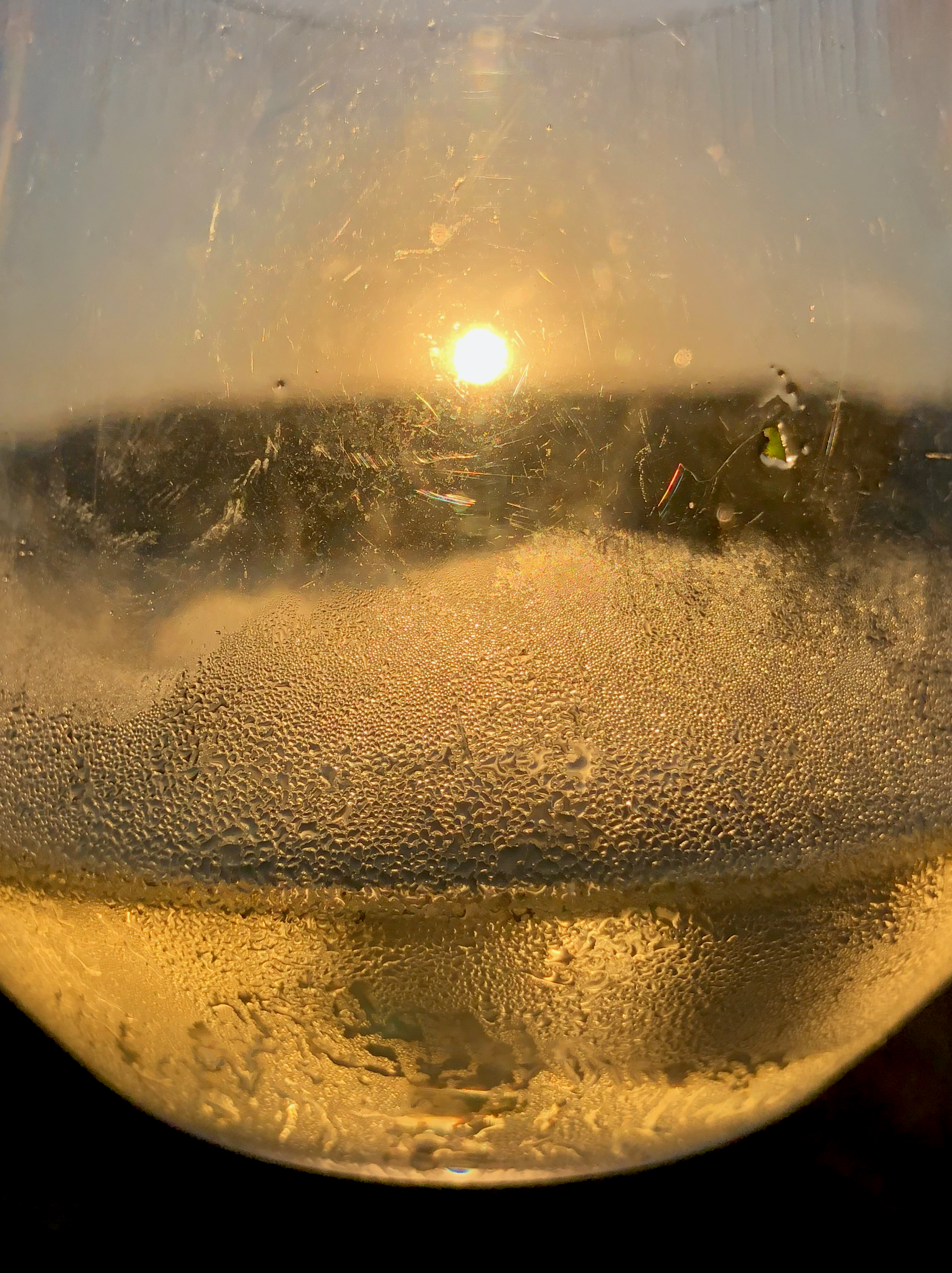
In later years, I would park my camper van on its shores, drink chilled glasses of wine in the sun’s last rays and sleep through rising moons and meteoric showers. 

I have a rich store of happy, muddy memories of the River Severn.

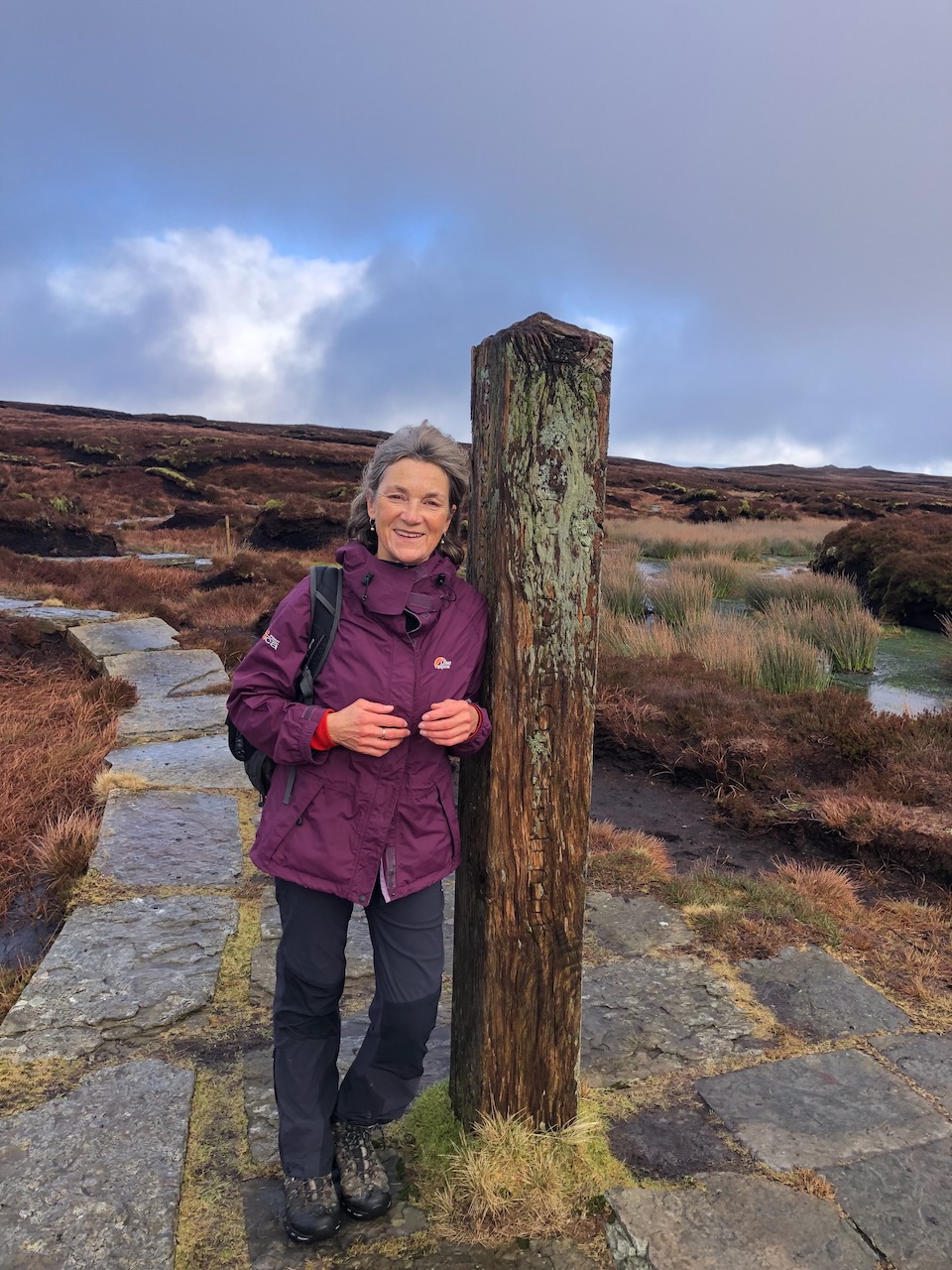
Walking the Severn Way from source to sea

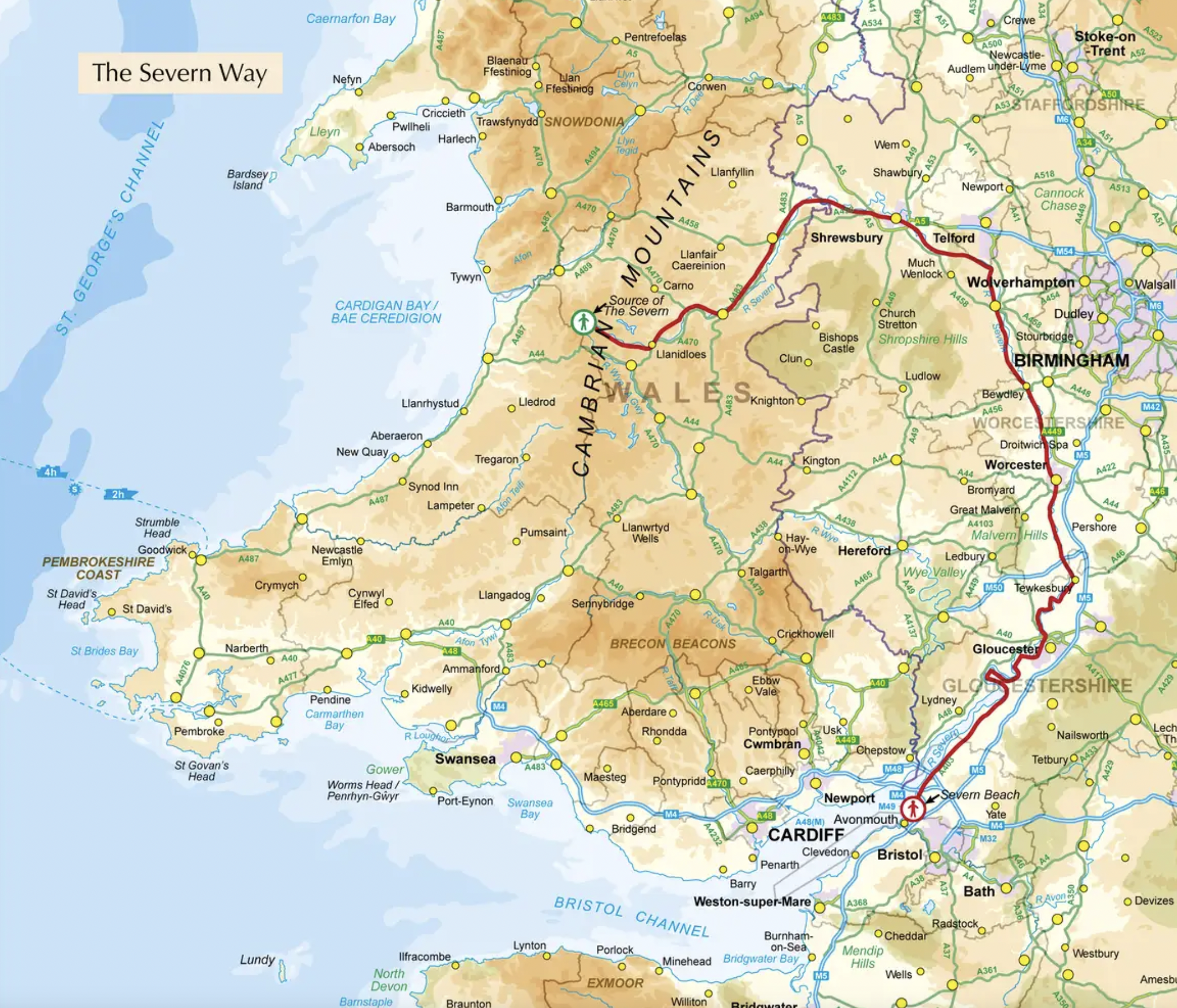
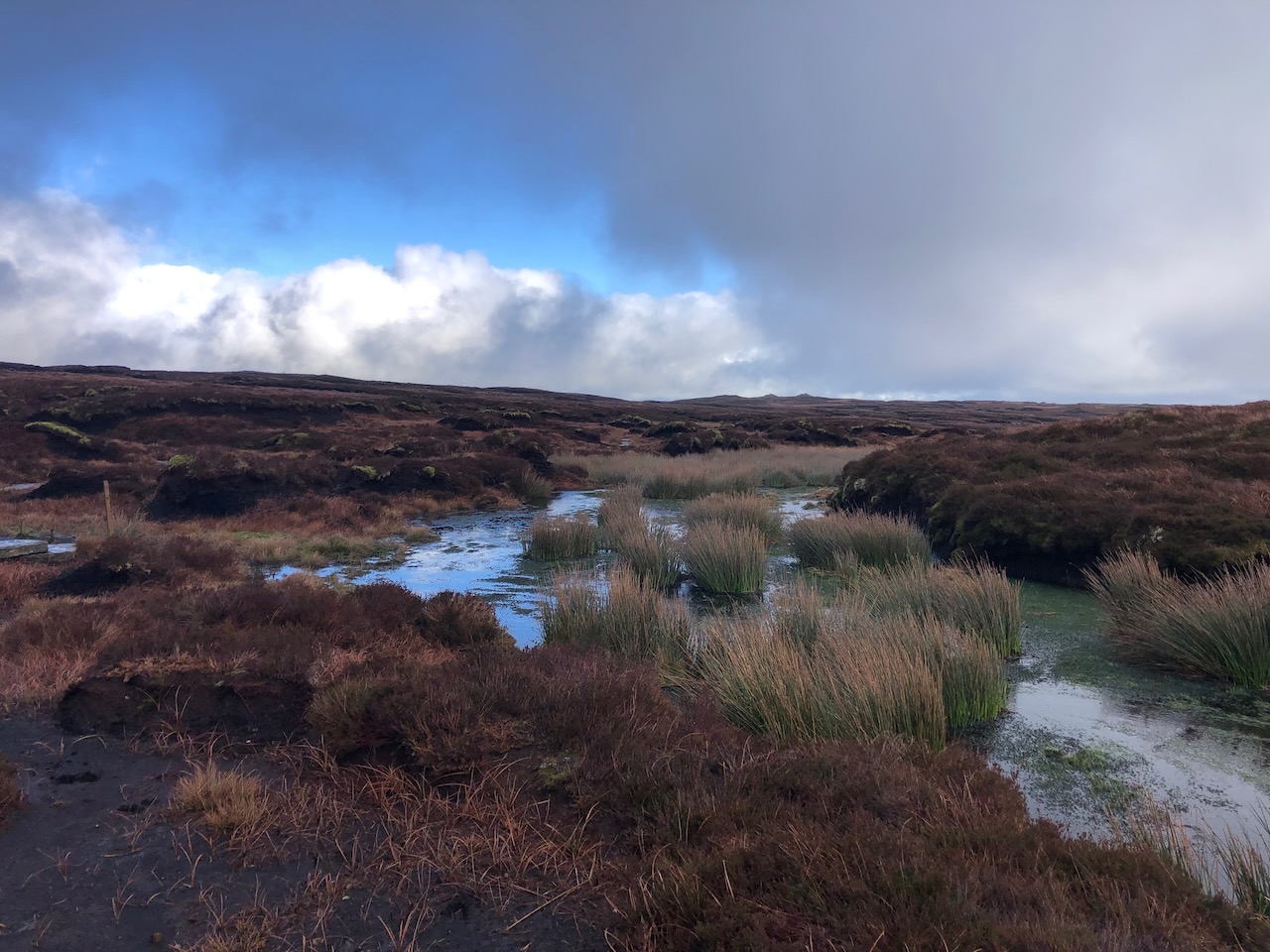
For the past eight months I have followed its 220-mile course [albeit not in order] from source to sea; from the peaty uplands of Plynlimon in Mid Wales, north-east through Powys and Shropshire, then south through Worcestershire, Gloucestershire to where it sweeps into the Bristol Channel… the Celtic Sea… the Atlantic Ocean. 

Map from the Severn Way Guidebook by Terry Marsh

Within a mile of its boggy birth, the infant Severn starts tumbling through the Hafren Forest, gathering erratic speed like a toddler until the ‘Severn-break-its-neck’ Falls plunge it into the valley that will bob it to its first town, Llanidloes.

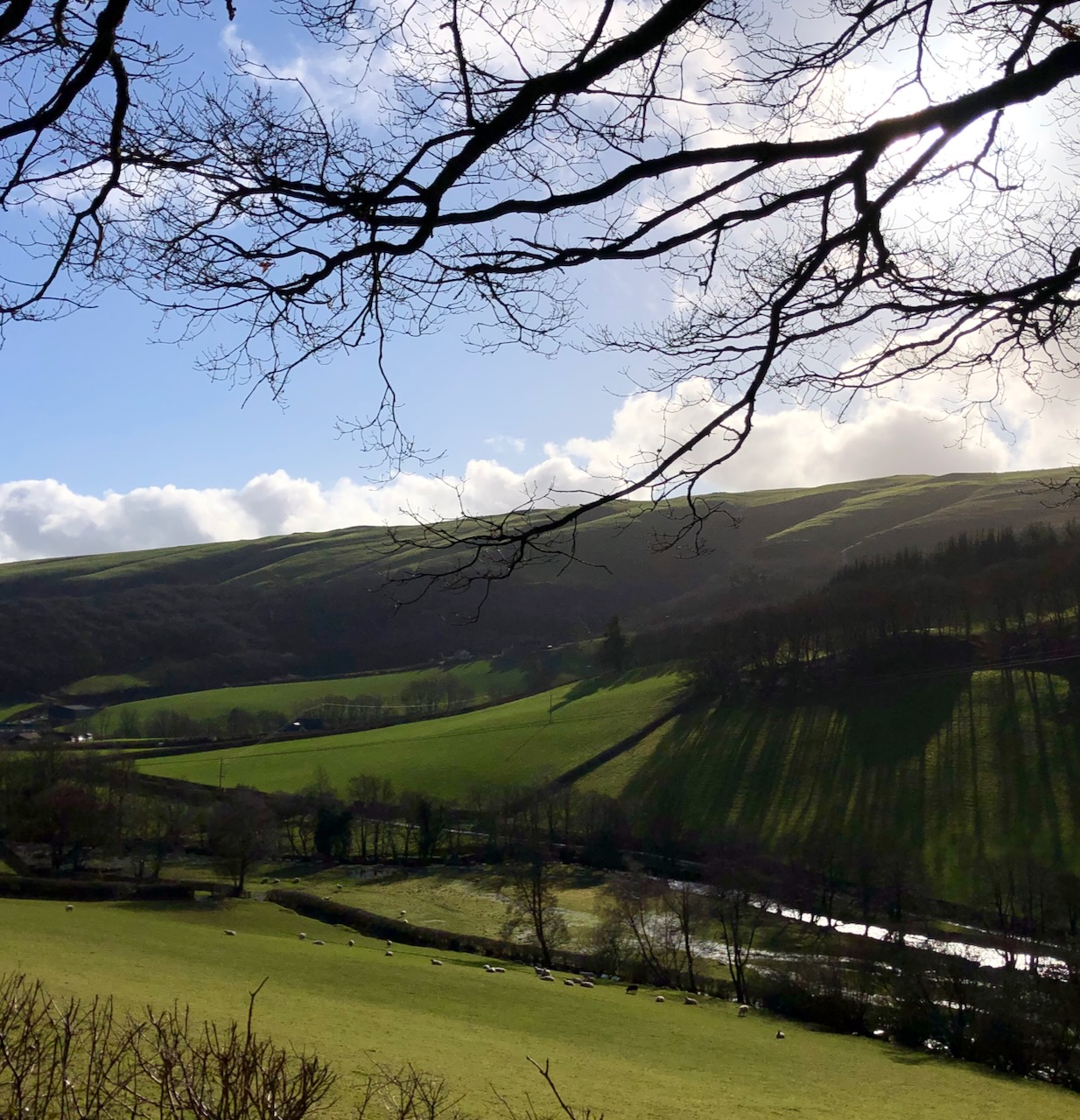
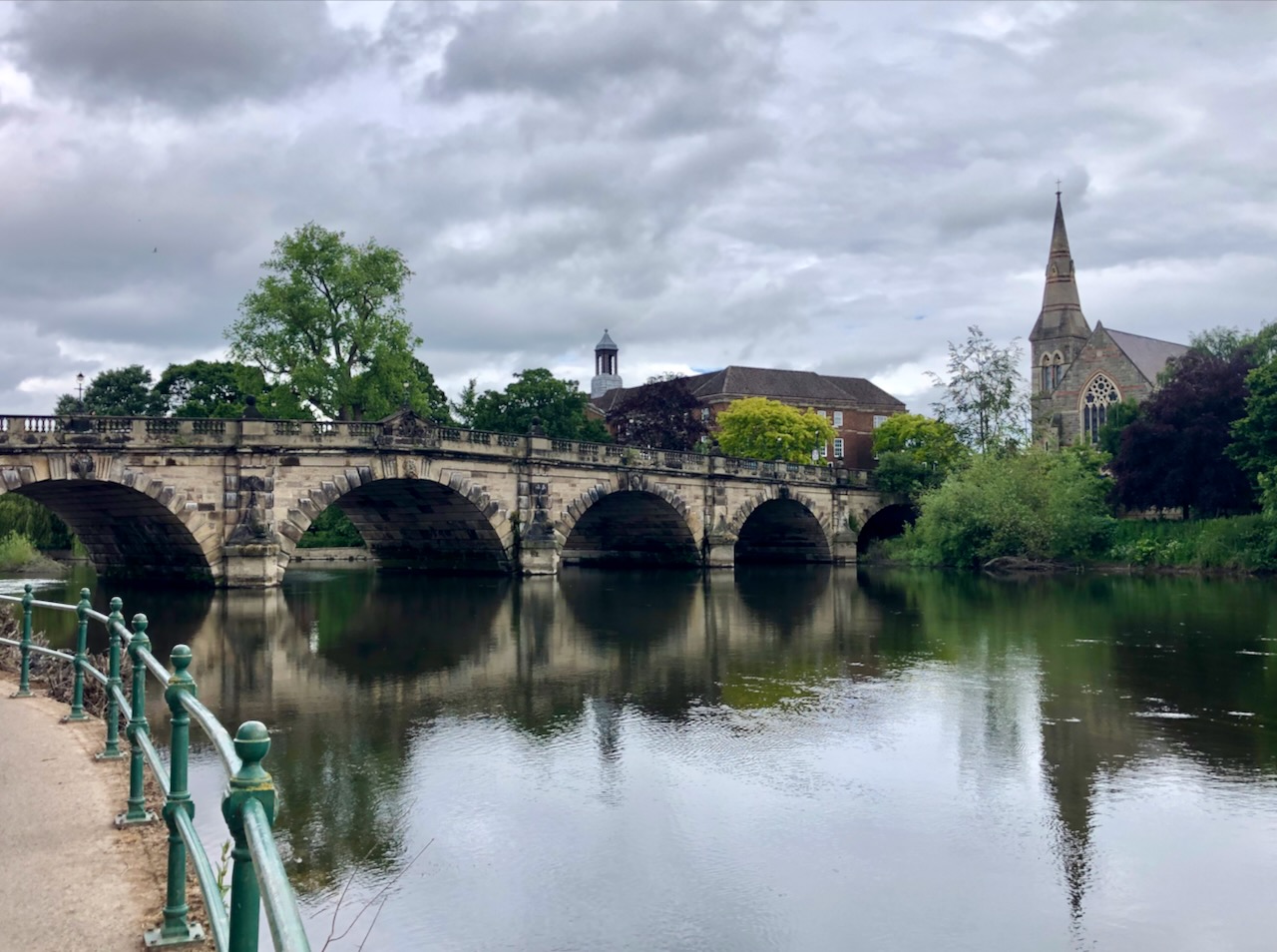
Assuming a steadier gait, it meanders through undulating pastureland before looping north to cross the Welsh/English border at Crew Green. Growing prosperity expands its girth into a watercourse that cuts through floodplains as it heads into the dense cluster of the period buildings and timber-framed mansions that formerly made up one of Britain’s most prosperous wool and cloth trade towns, Shrewsbury.

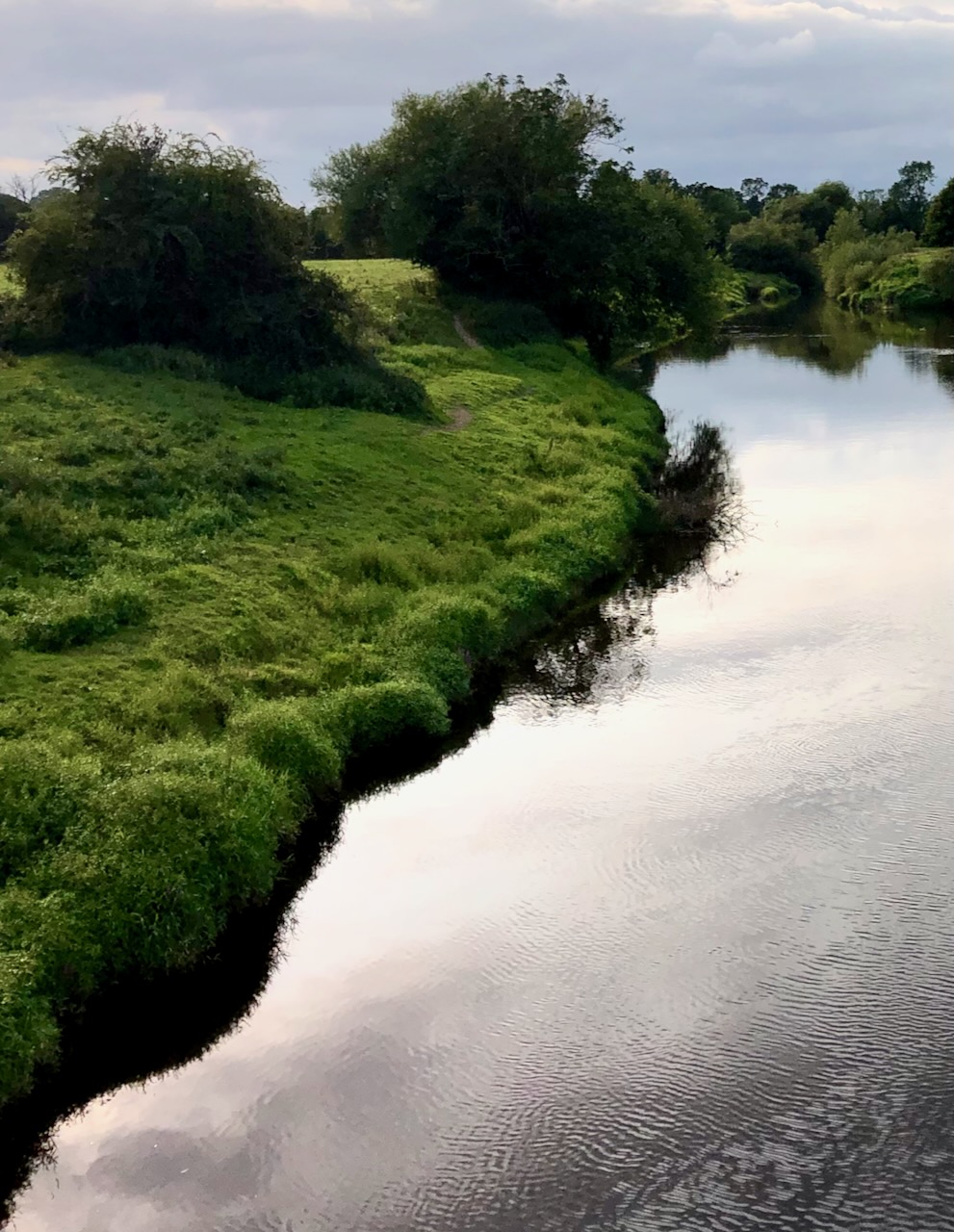
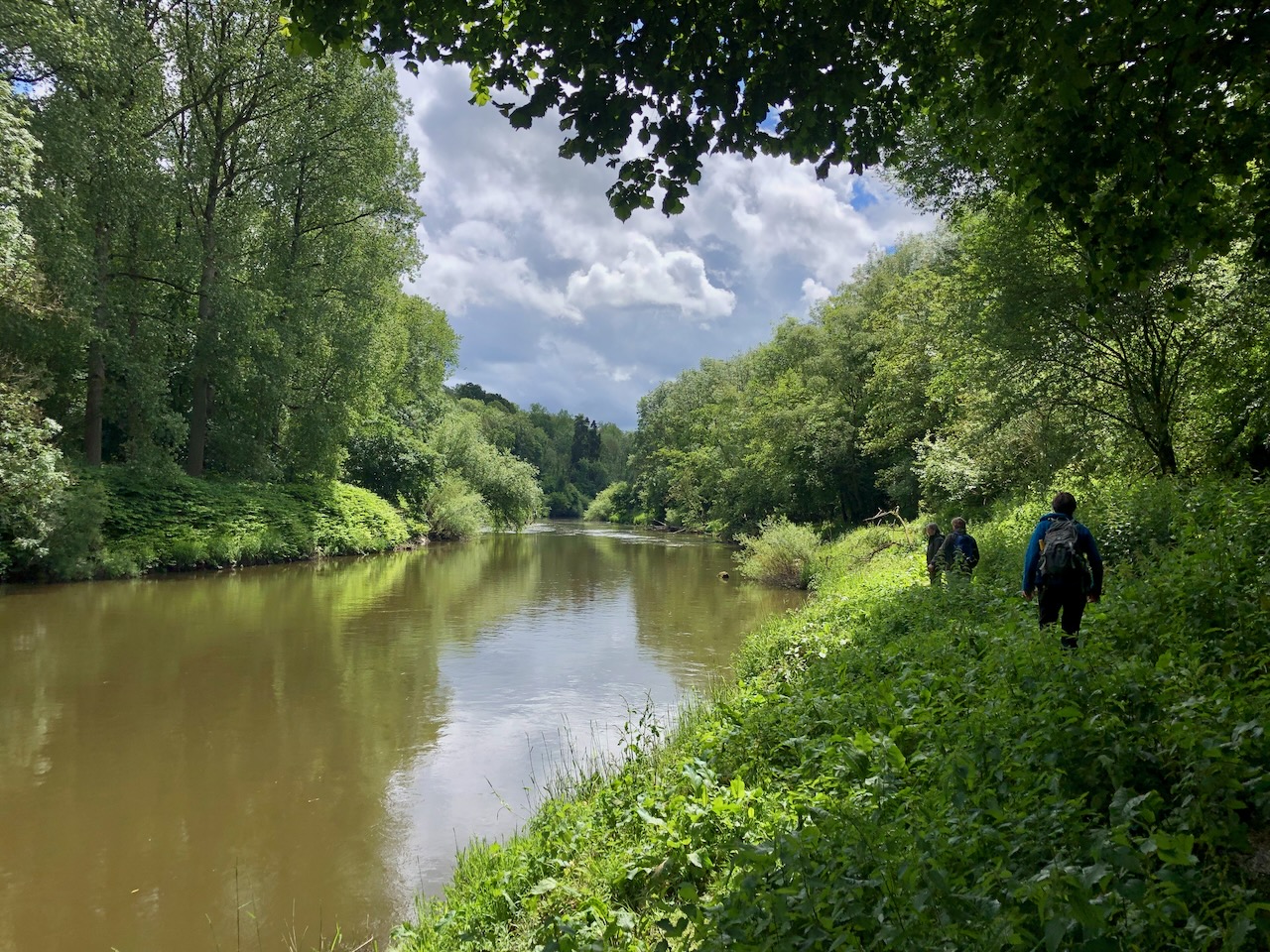
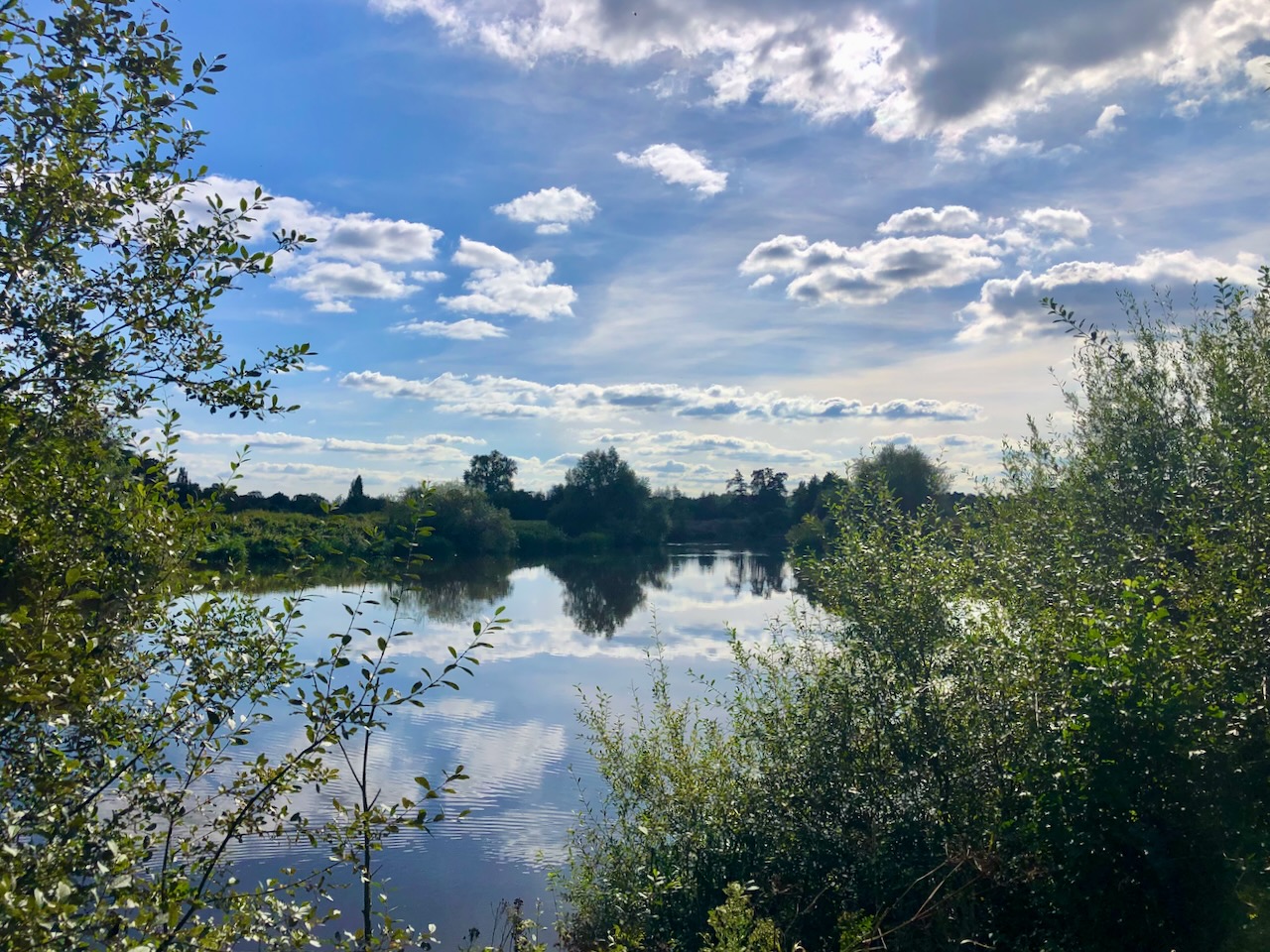
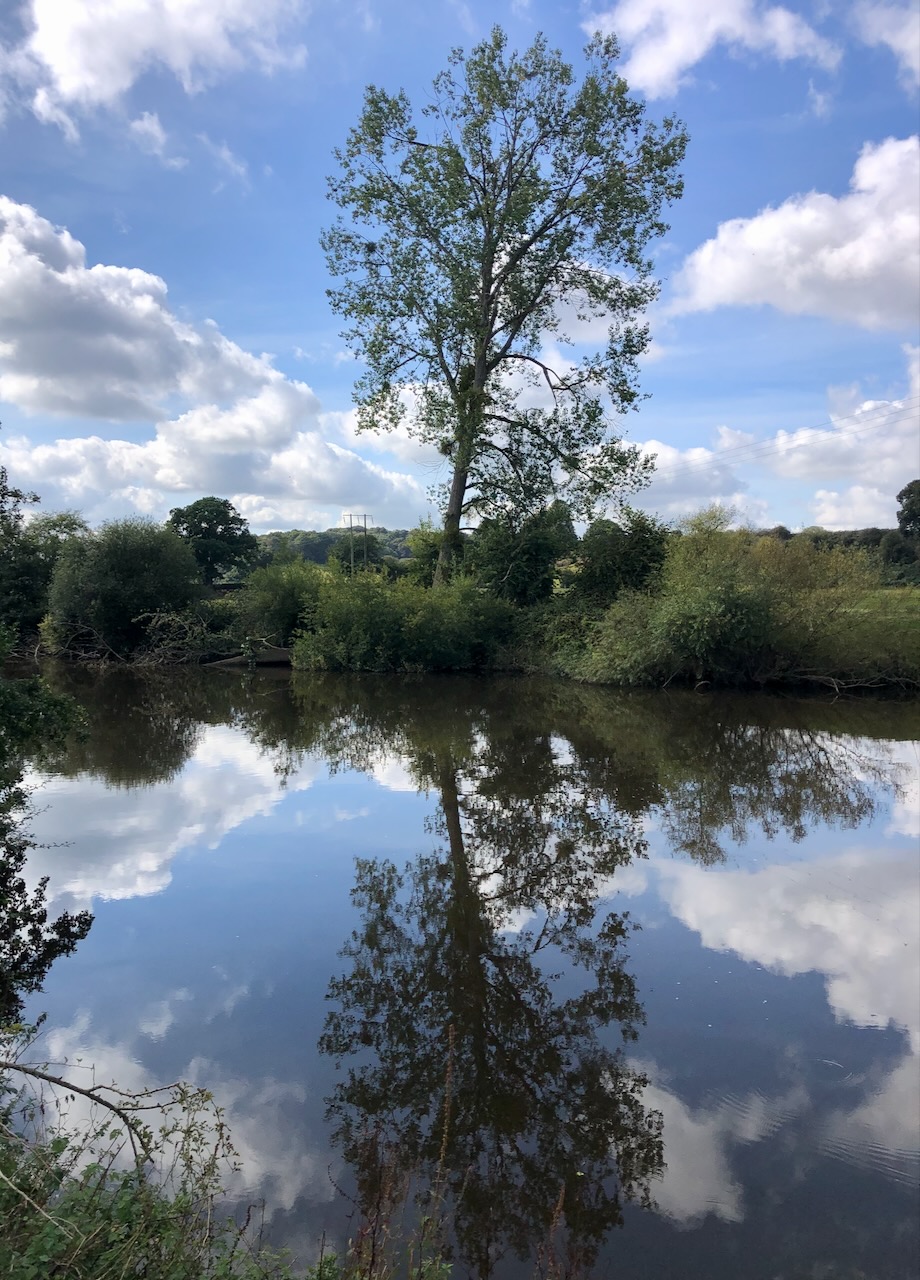
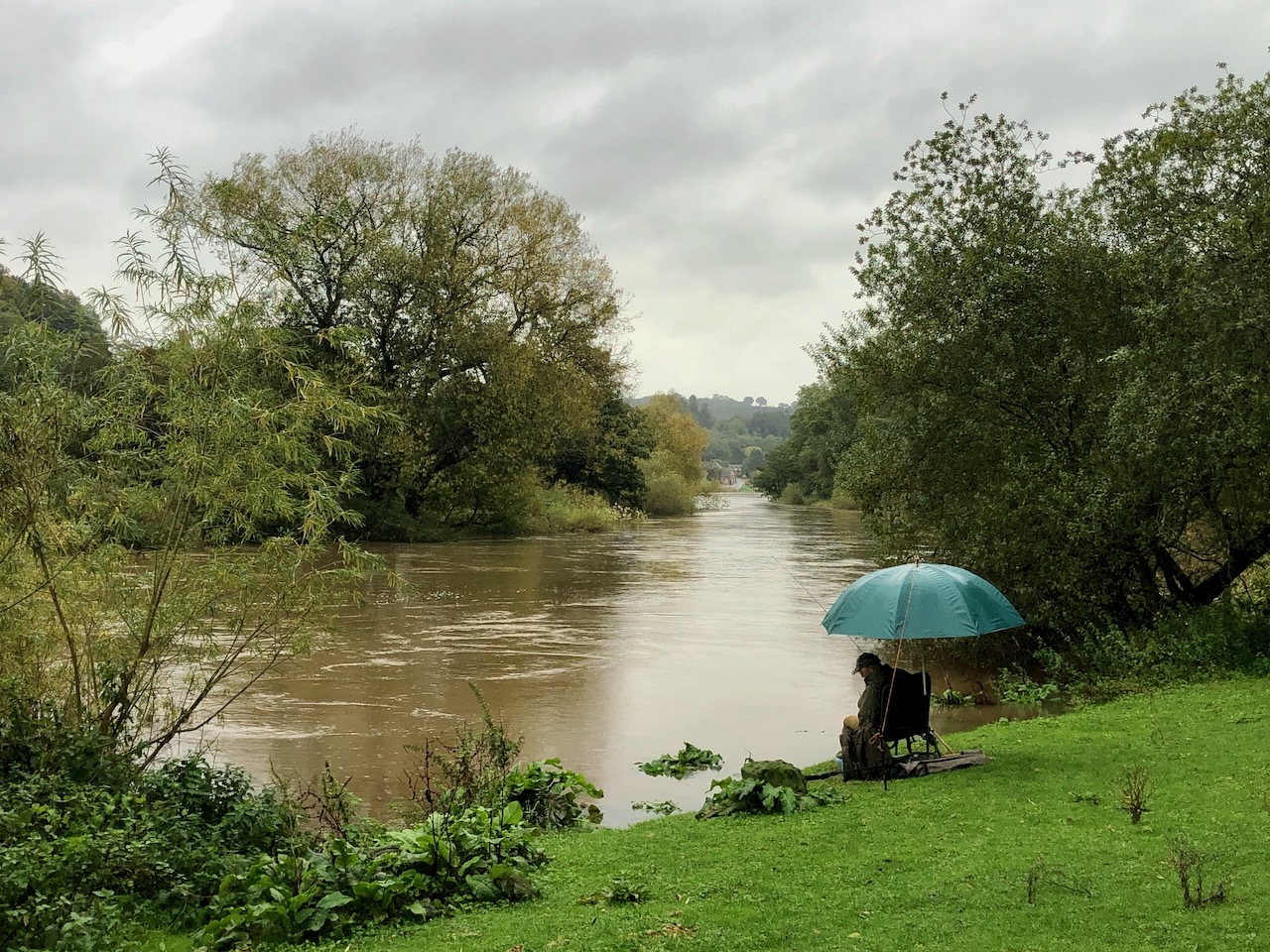
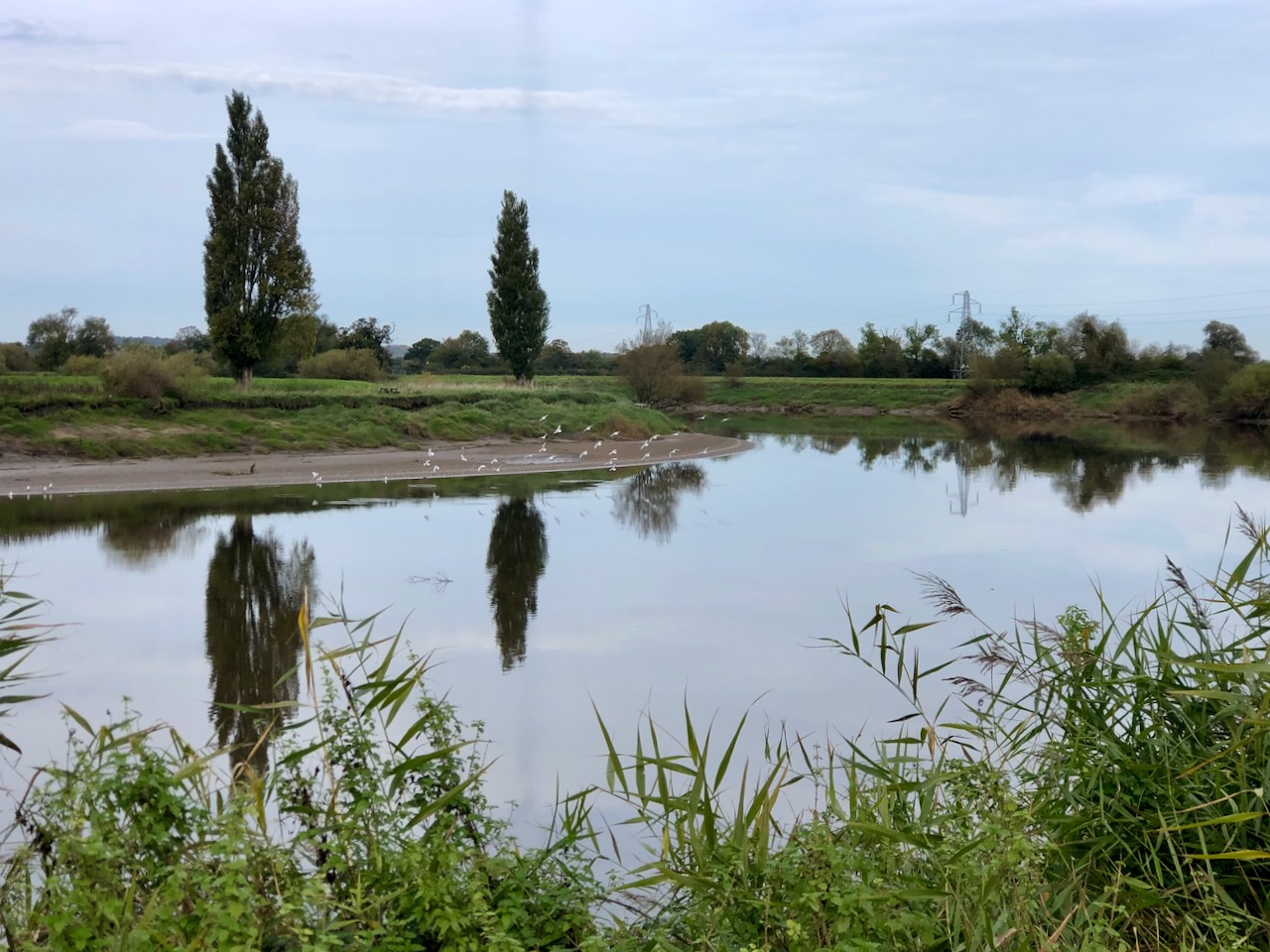
Past the birthplace of Charles Darwin, a glassy stillness and almost imperceivable flow belie the Severn’s true force as it smoothly snakes its path between overgrown banks of willow, elder and the deceptively pretty pinks of thuggish Himalayan Balsam.  

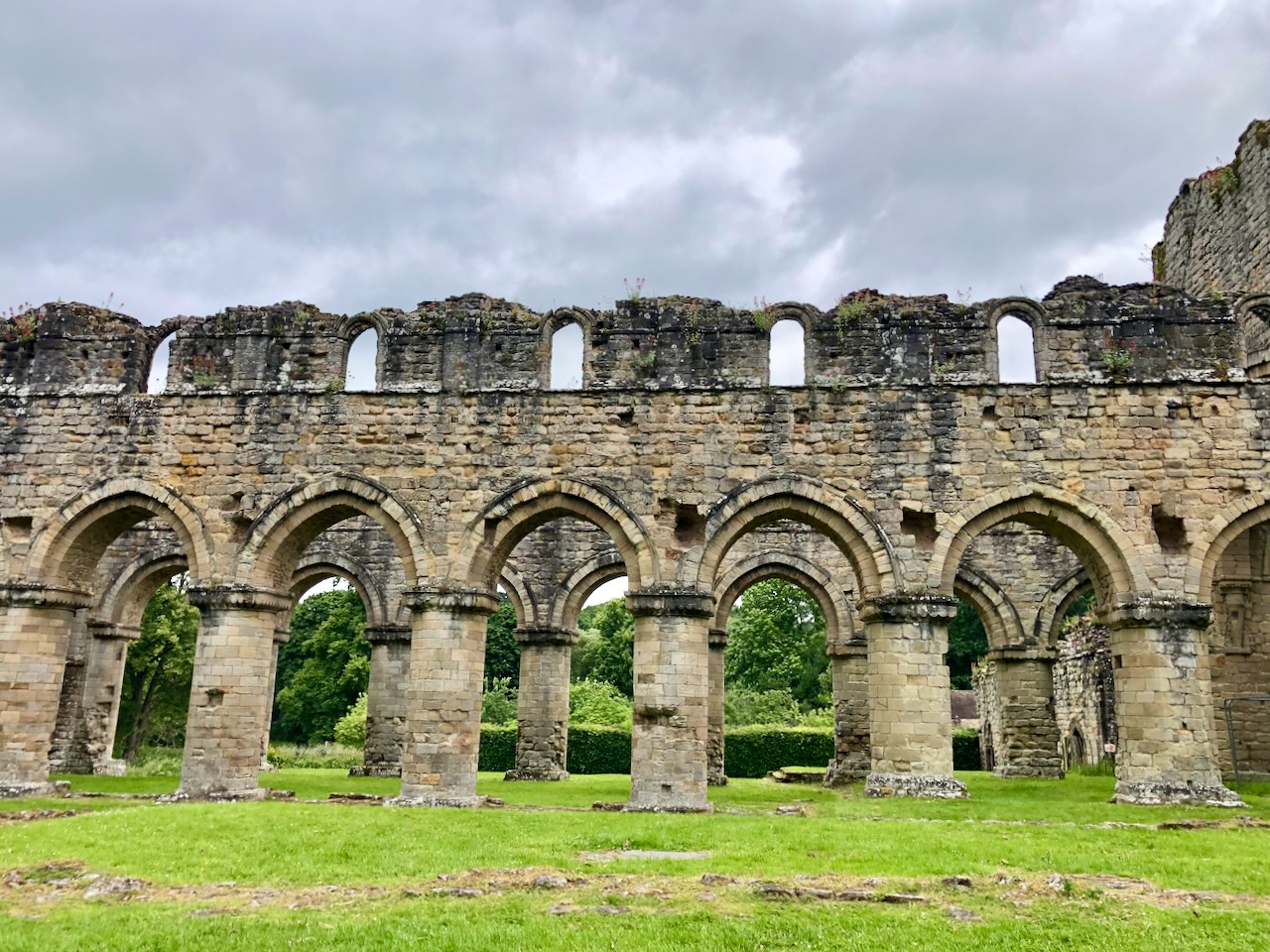
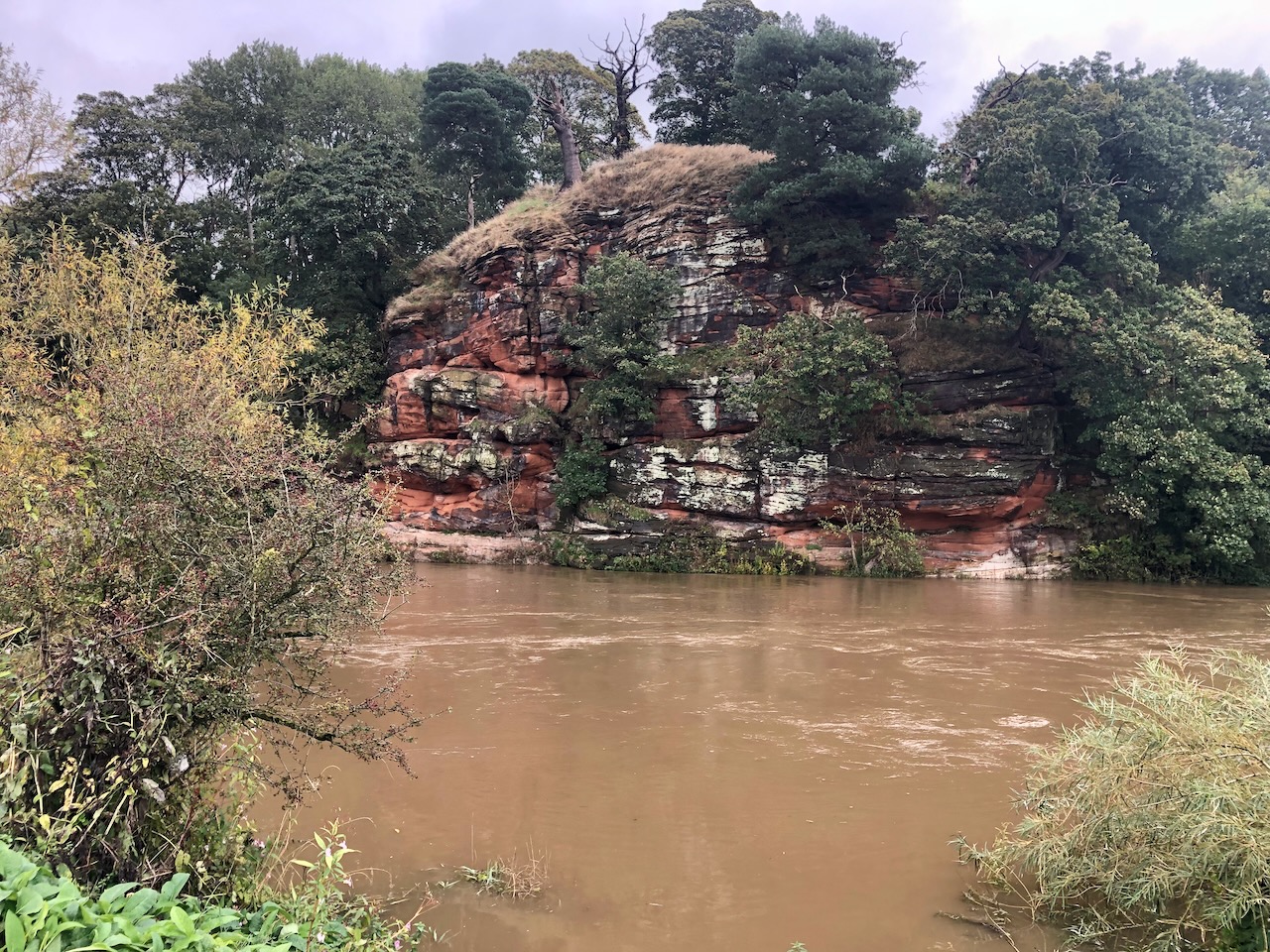
History punctuates the landscape with traces of Roman forts and roads, a Saxon chapel, the evocative ruins of the Cistercian Abbey at Buildwas, 16th Century market halls and sandstone caves that once sheltered hermits or stranded travellers unable to cross the river. As the Severn bullies its way south through gorges striped by coal, limestone and iron ore strata, the legacies of once booming industries and trades are memorialised in mines, railway stations and canals that once linked local towns across Britain. 

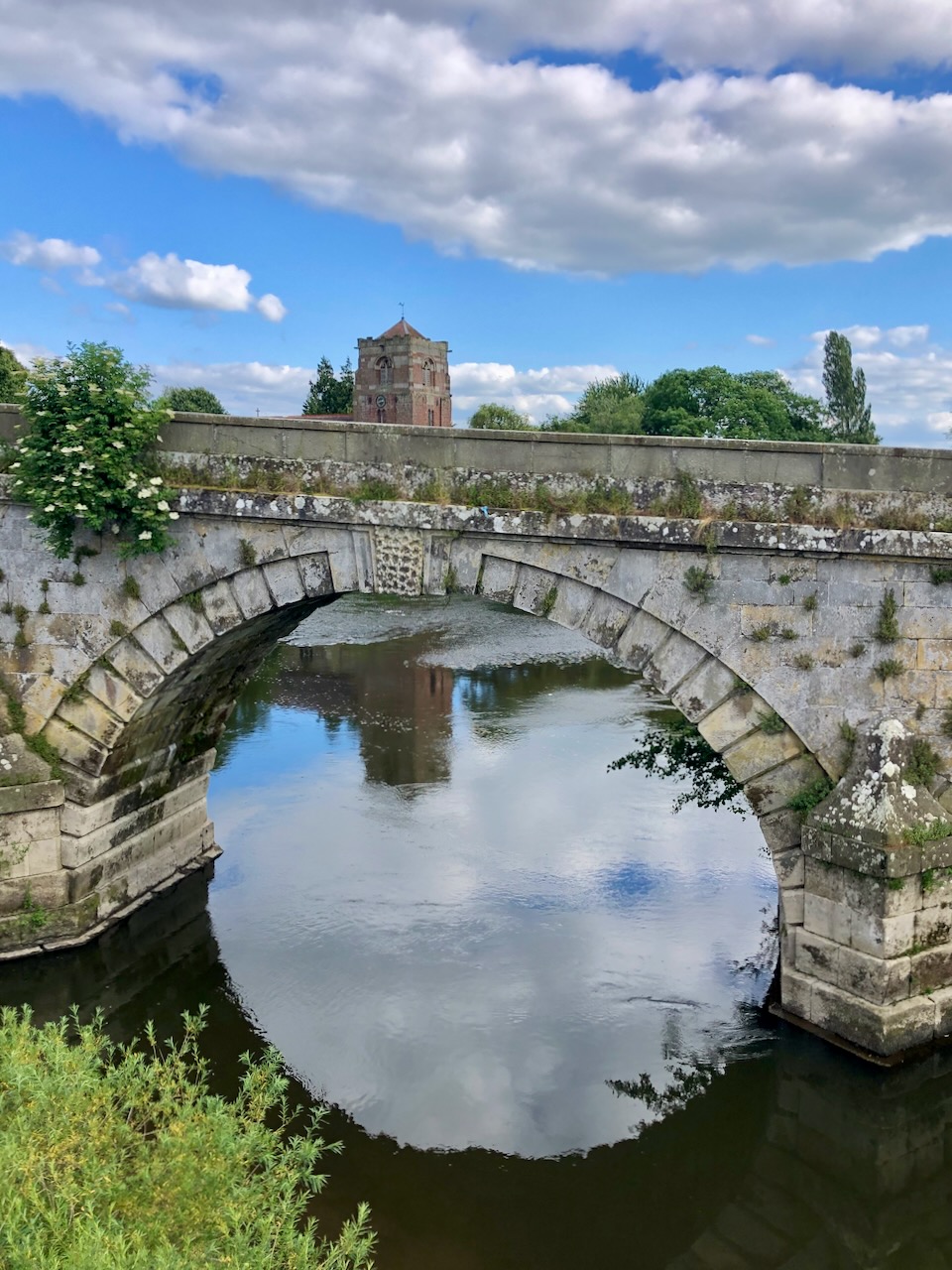
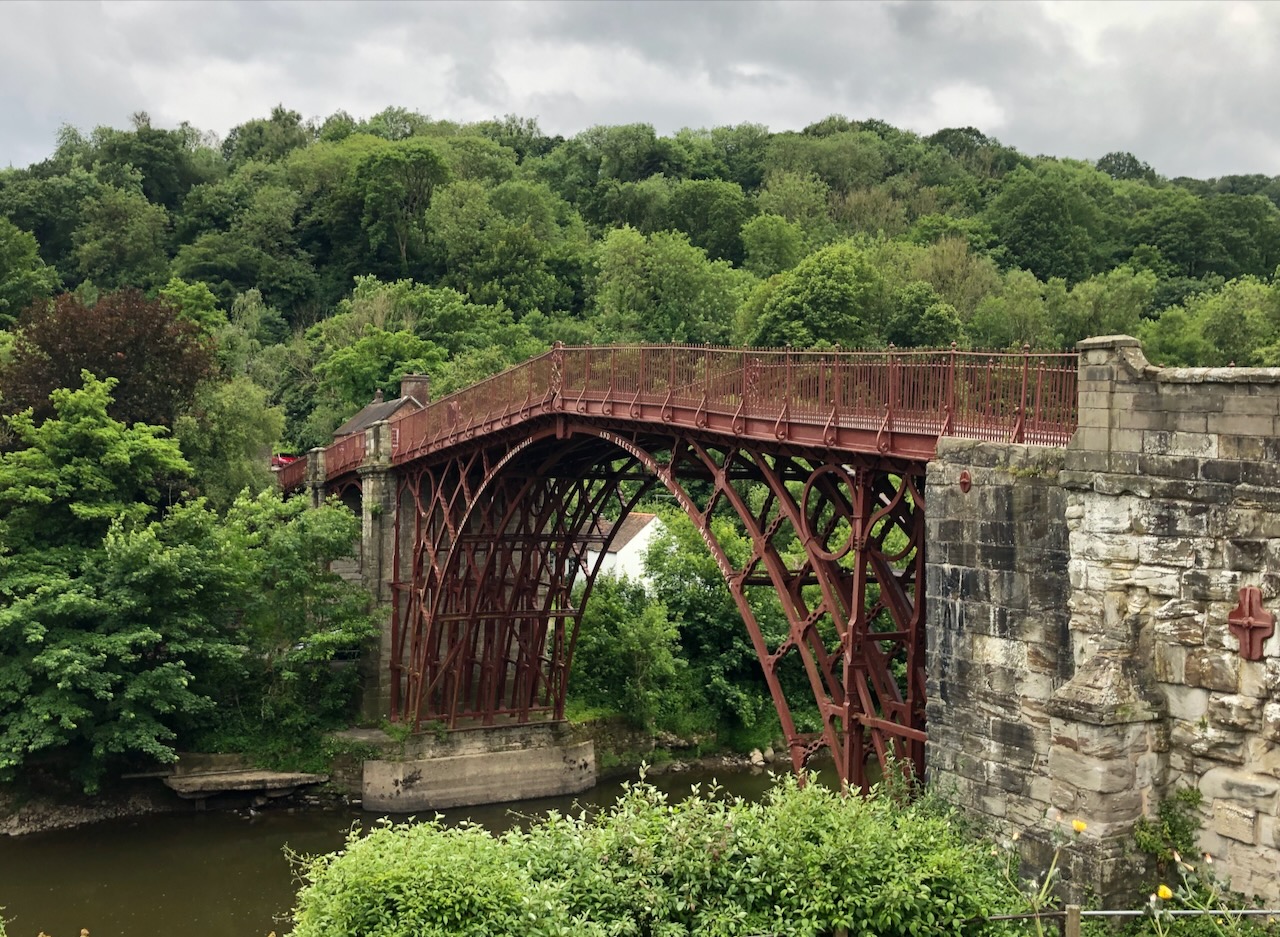
Regular bridges drip feed the imagination with the industrial revolution. Ironbridge boasts the world’s first iron bridge cast by the grandson of Abraham Darby in 1779 in the wake of his grandfather’s revolutionary discovery seventy years earlier that coke could be used for smelting iron instead of charcoal. Further downstream, the fortified town of Bridgnorth perches on a sandstone cliff. Once the busiest port in Europe, it hummed with the sound of iron works and carpet mills, breweries and tanners until the 1860s when railways heralded the end of river trades.  

Following its increasingly wide, milky-coffee-coloured road, vocabulary from school geography lessons surfaced from the recesses of my turbulent education: Oxbow lakes, flood and sandbanks, confluences; soaring cumulonimbus or, equally frequently, water-dumping nimbostratus clouds.

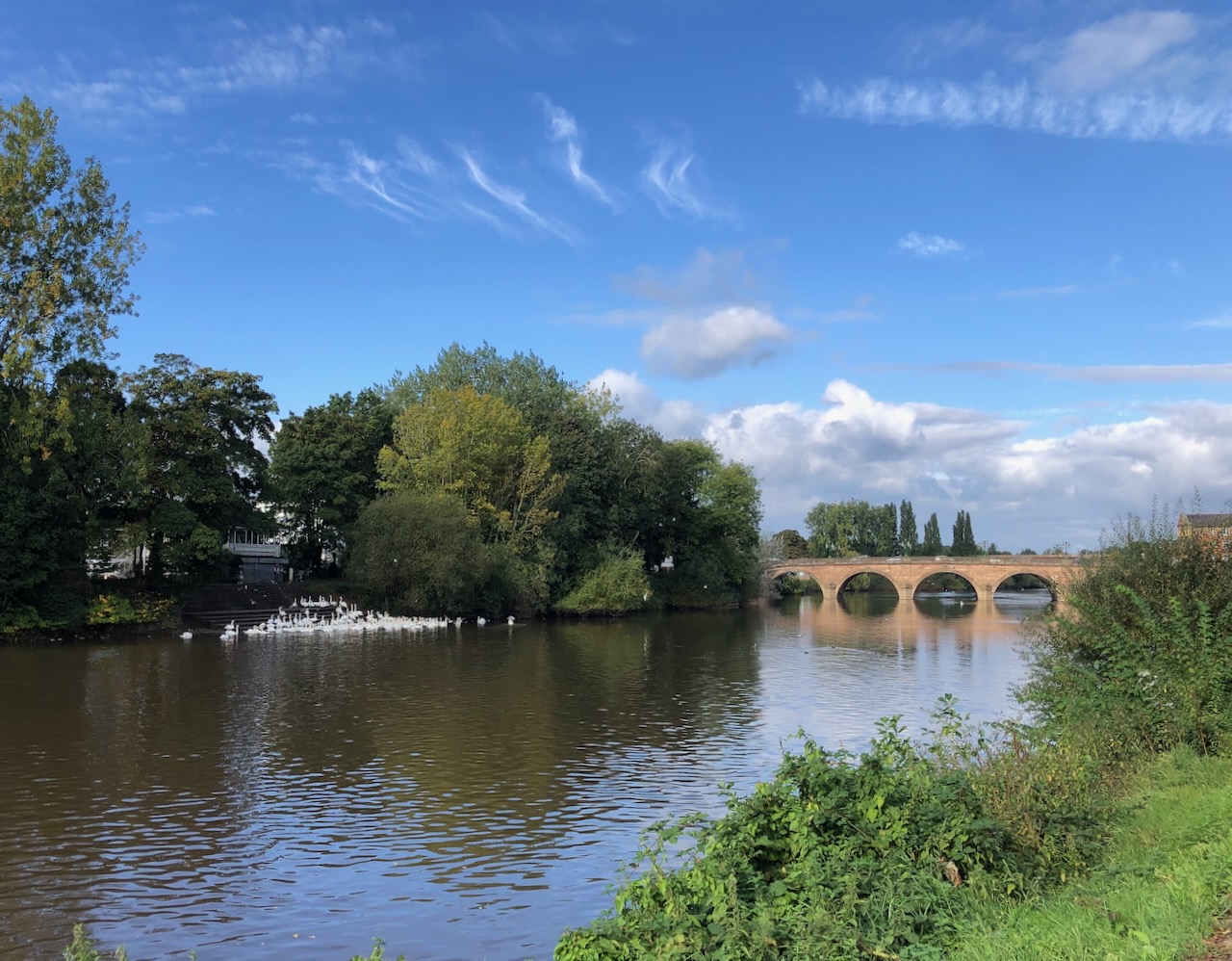
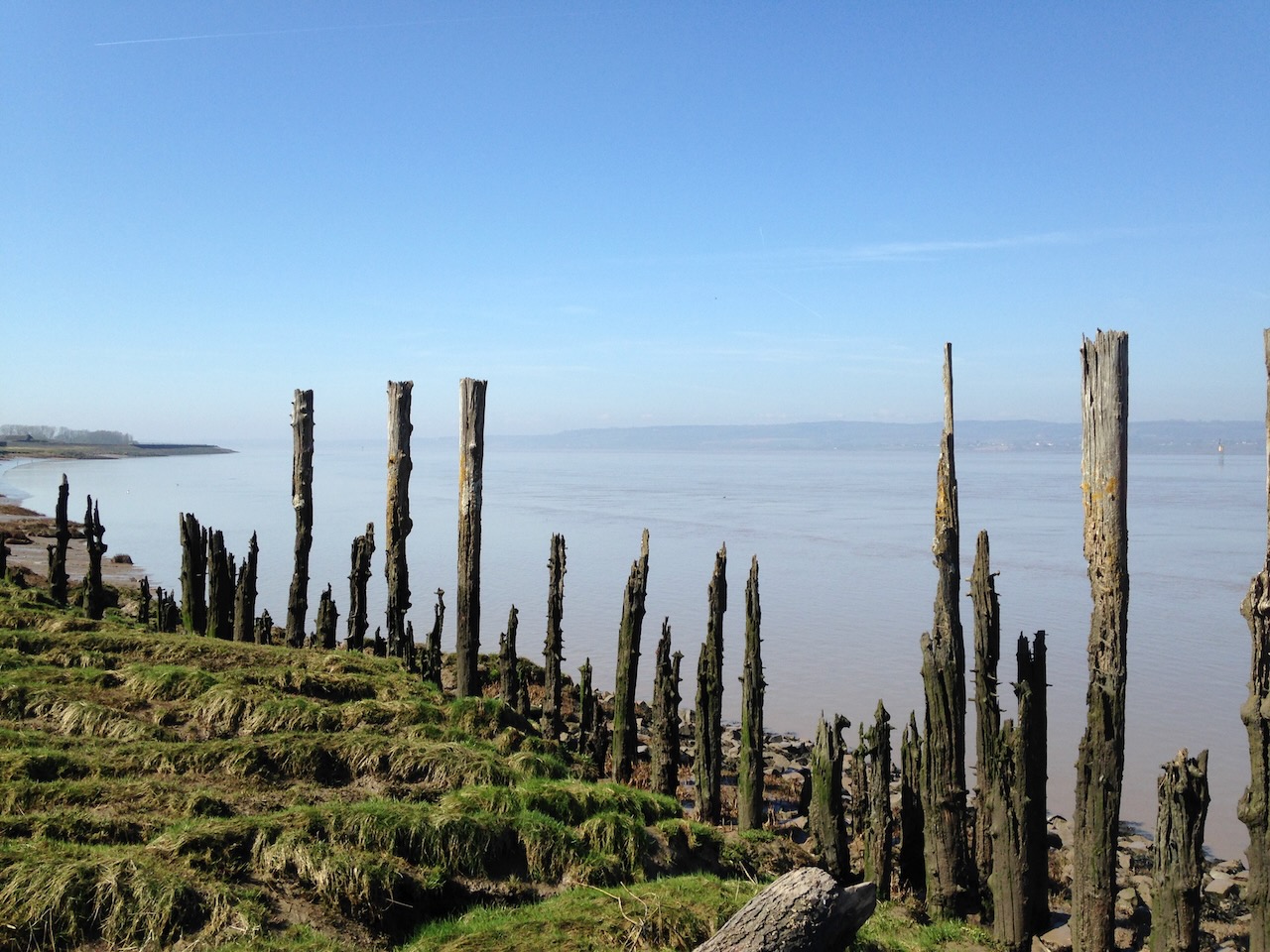
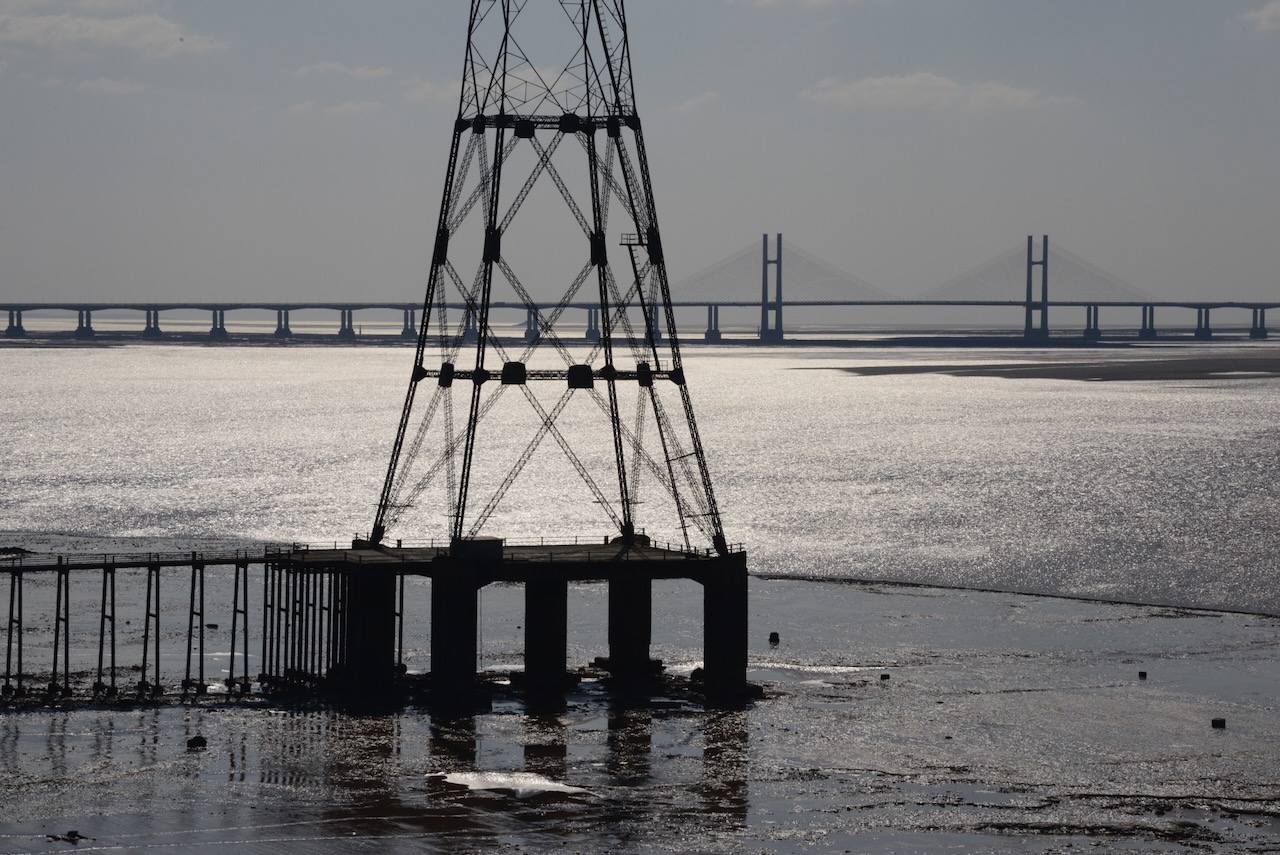
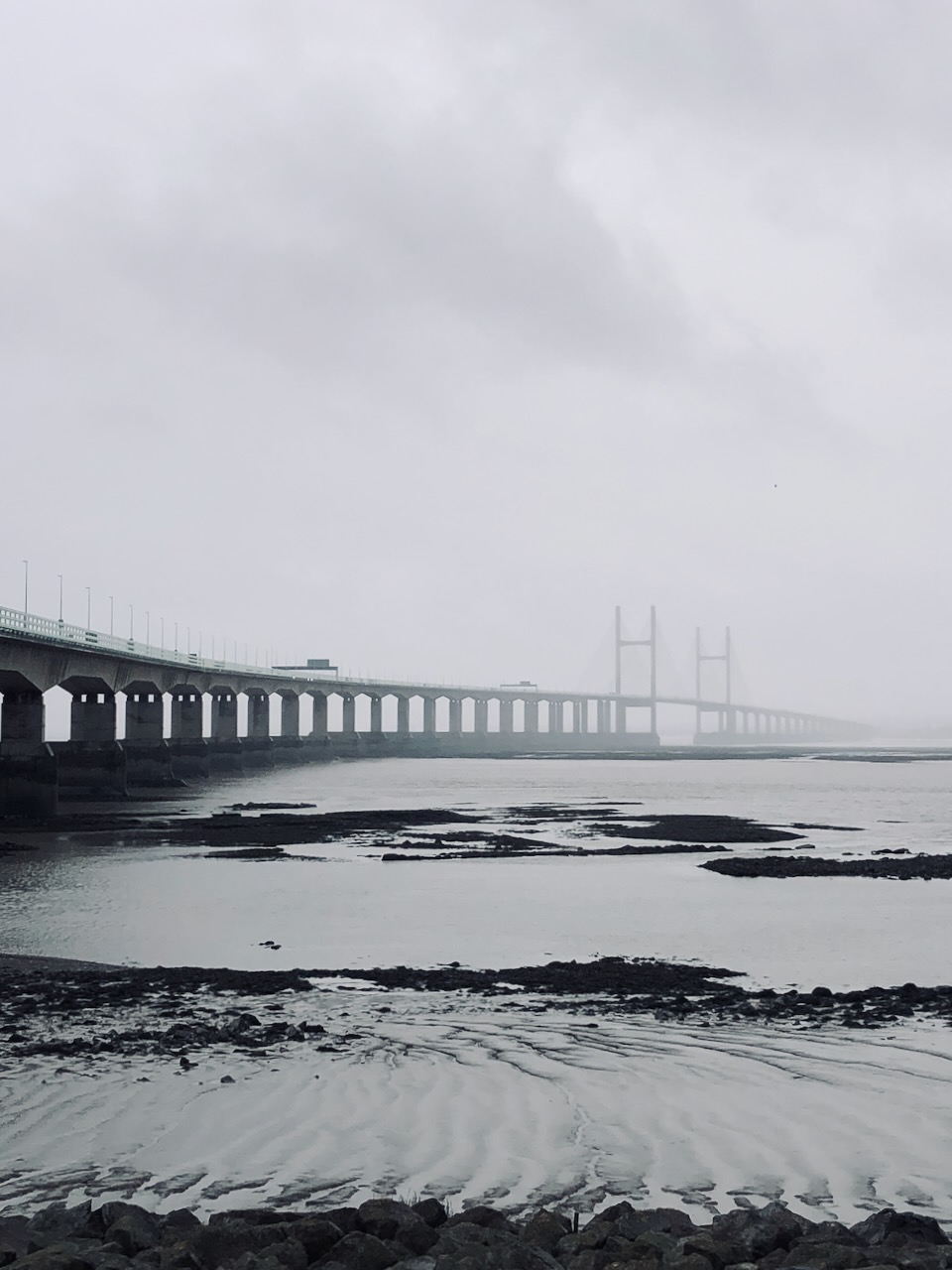
South of Gloucester and around the peninsular at Arlingham, the now tidal Severn breathes in the sea and releases the river out into the vast estuary. At Purton, the ghostly remains of a graveyard of more than 80 sunken barges reveal man’s hopeless struggle to halt the erosion of the banks. Through the working docks at Sharpness and past a pair of looming power stations, the two Severn Bridges rise like misty goalposts. Portals to the open sea. And an abrupt, somewhat unspectacular end to the Way.

With the walking completed, there remained just one more aspiration: to surf the Severn Bore. A bad dream thankfully warned this novice surfer with a fear of water off. Instead, I rode the Bore in a boat driven by its champion.

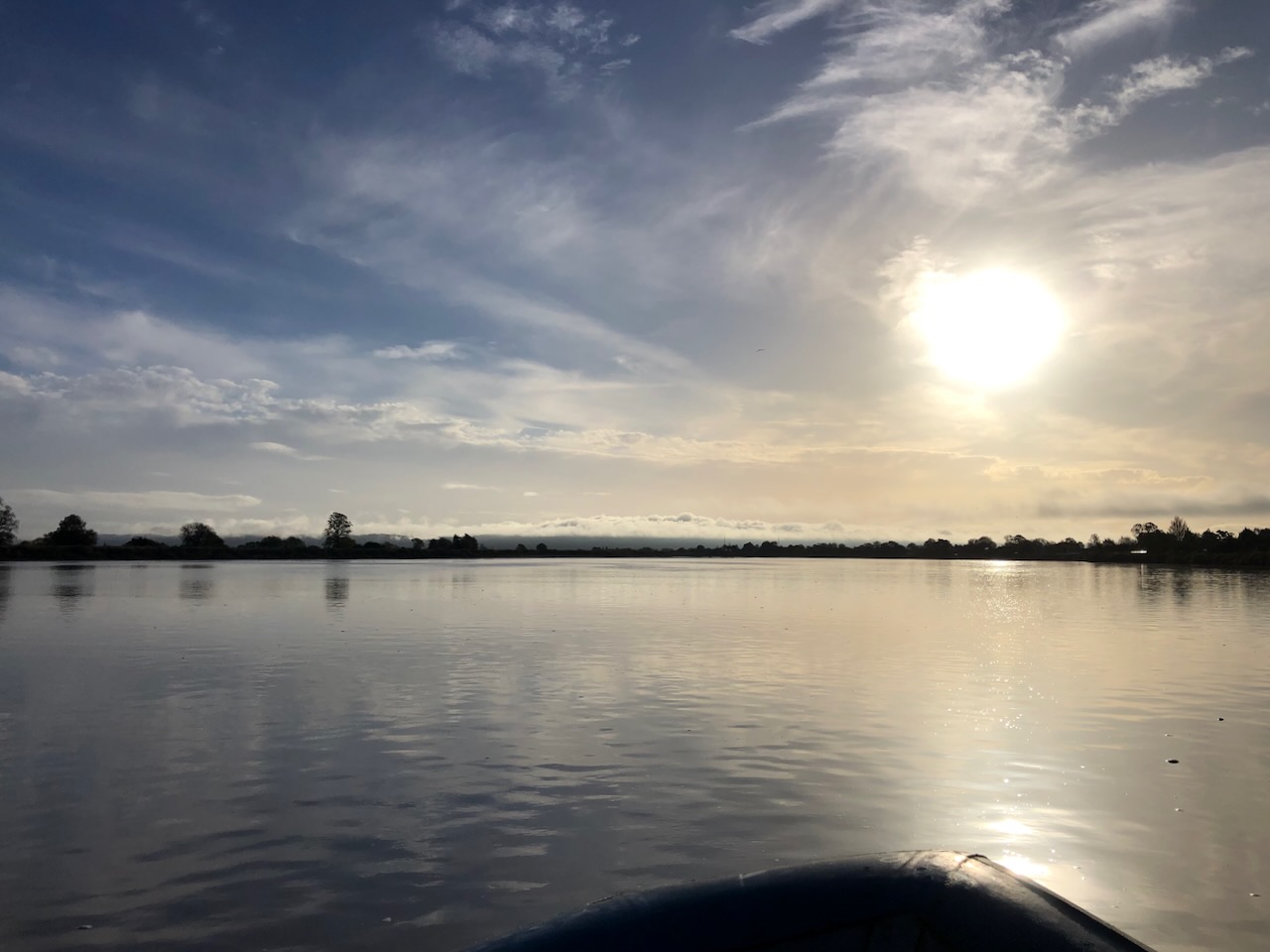
We set out on a slack tide in the early dawn, deposited two surfers into the tidal stream and waited. You can hear the roar as it approaches. Pulled by the force of the moon, a small line of foam scrabbling its way against the flow comes into view, gathering body until it is a swell. And then you are on it. Riding the crest as salty water from far away thrusts its way up the river dragging the sea in its wake like a heavy cloak.

Immersed in the perfect balance of the 4 elements, the smile on my face remains for many hours. The magic of Sabrina will last a lot longer.

Random, chance, God… or what?

Zinc Oxide Tape. Waterproofing Wax. Leech socks.

These were the entries listed on the first page of my new notebook. And I ignored all three.

The fourth, written in slightly brighter blue ink read ‘Tanya Vad… Thank you’. I had arrived in India. Dhanyavaad was the most important word I wanted to learn.

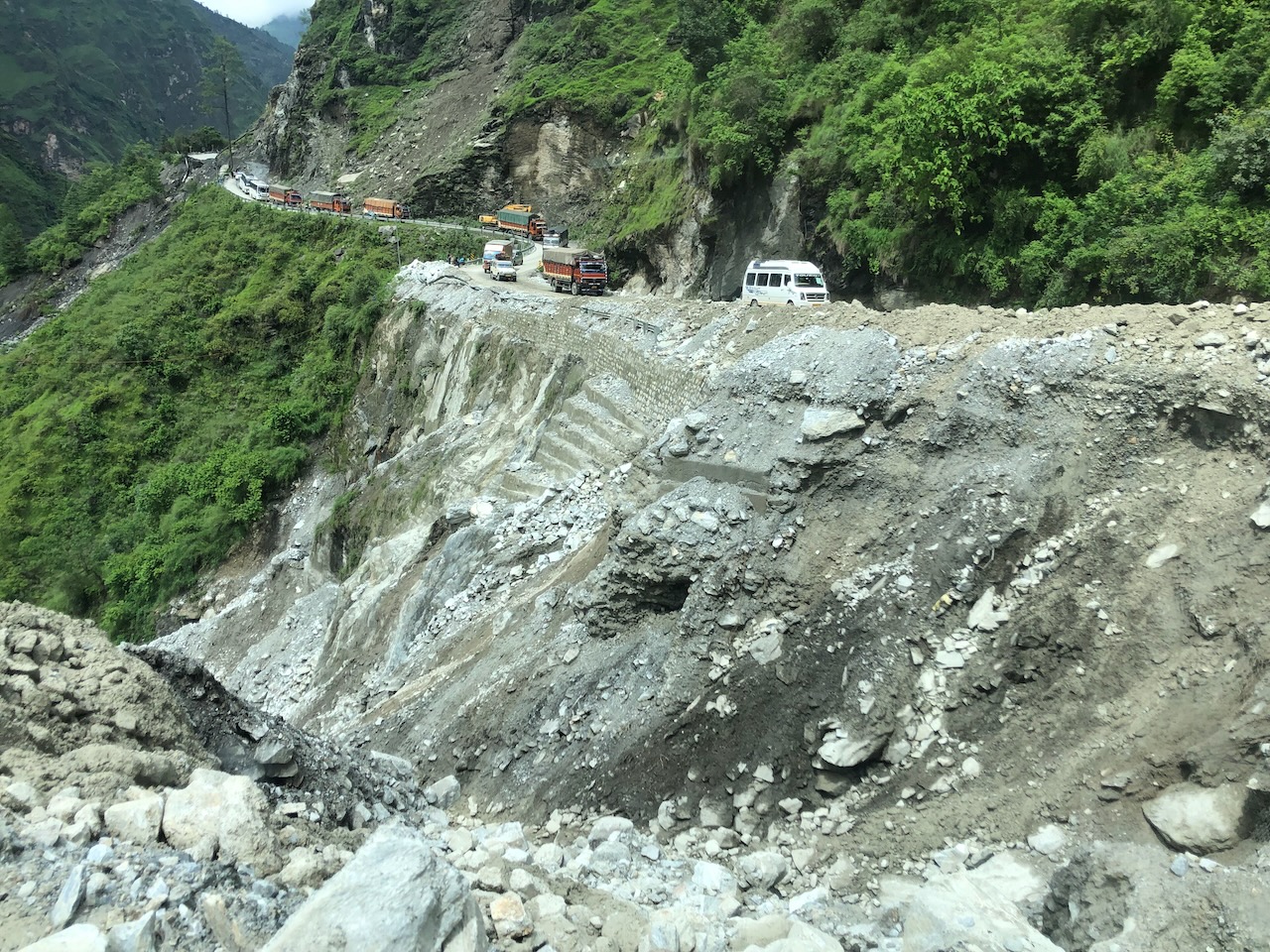
This small 11 x 7.5cm notebook would accompany me for the next 18 days, safely tucked away like a baby joey in the blue pouch strapped to my tummy. I would dig it out regularly, flip the turquoise-green cover over the black spiral spine and scribble something, often illegibly, as I walked or rattled round a hairpin bend in our bus dodging landslides. Over the weeks it gathered names, email addresses, dates, details and ideas for my new creative project.

As anybody who has travelled with a purpose knows, the notes you take become an invaluable aide-memoire for when you return home. As you re-enter your everyday, the sharp outlines of a foreign, multicoloured present seal into a soft-focus bubble that drifts away to bob among other memory balloons in skies gone by. Experiences fade and jumble in a cacophony of impressions. Verbal re-tellings omit details as they settle into a condensed narrative designed for low attention spans. Bring out the notebook, however, and you instantly have a co-witness; a means to tangibly touch the past. 

I have boxes of such notebooks. They have helped me write or paint, jolting my memory, filling in gaps. That is why losing this little green one, felt like the end of the world.

It happened a few days before the end of the trip. I mentioned my impending adventure in my previous blog, how I was about to embark on a journey following in the 1939 footsteps of my Great Great Aunt Joan to the Valley of Flowers in Northern India. Our happy, harmonious group consisted of my sister, two female cousins, three or sometimes more local guides plus a driver. We made a dream team and I am telling you about this specific incident because I can’t yet put the bigger whole into words. And because in essence it captures the magic of the entire trip. The many small miracles we experienced and the power of stories.

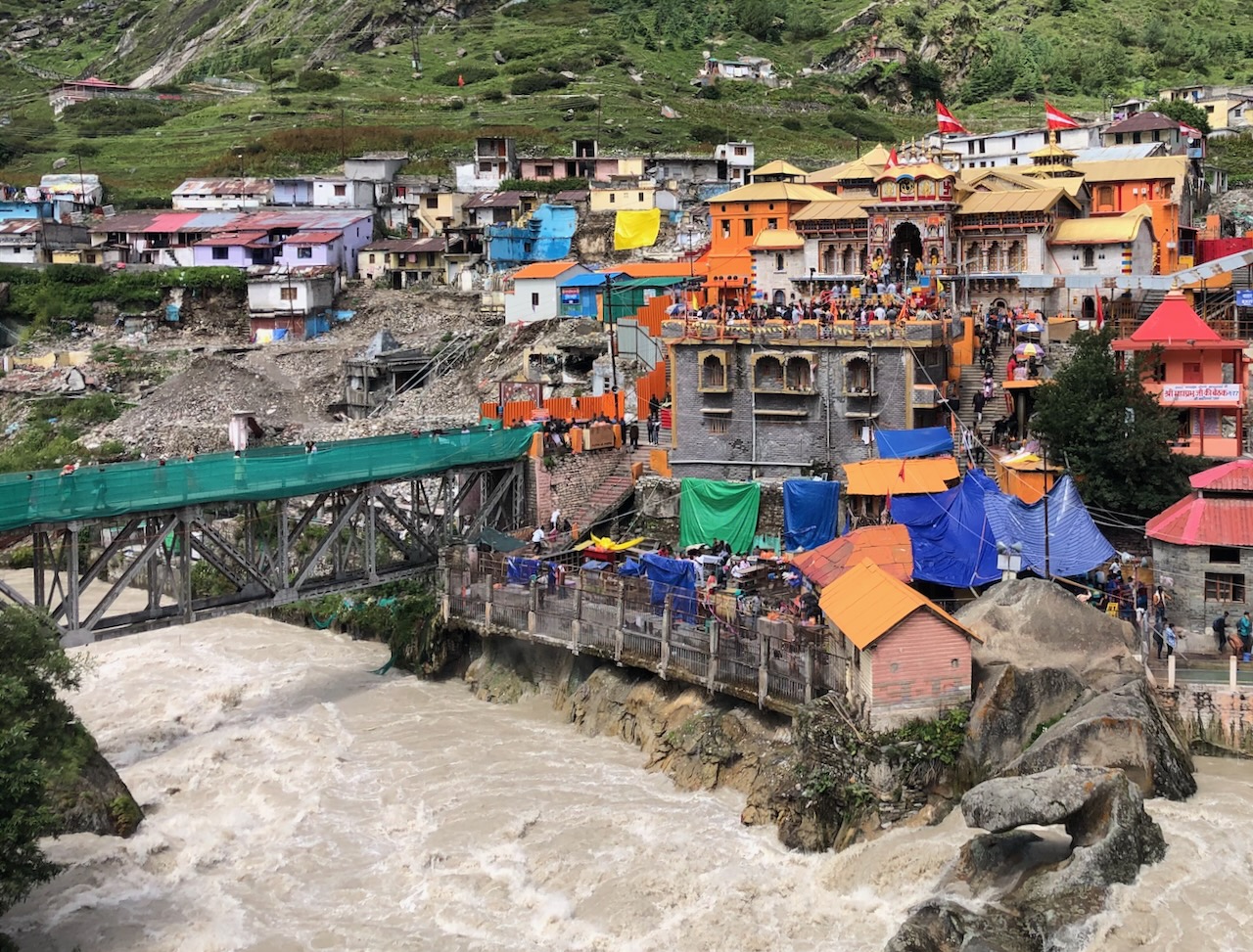
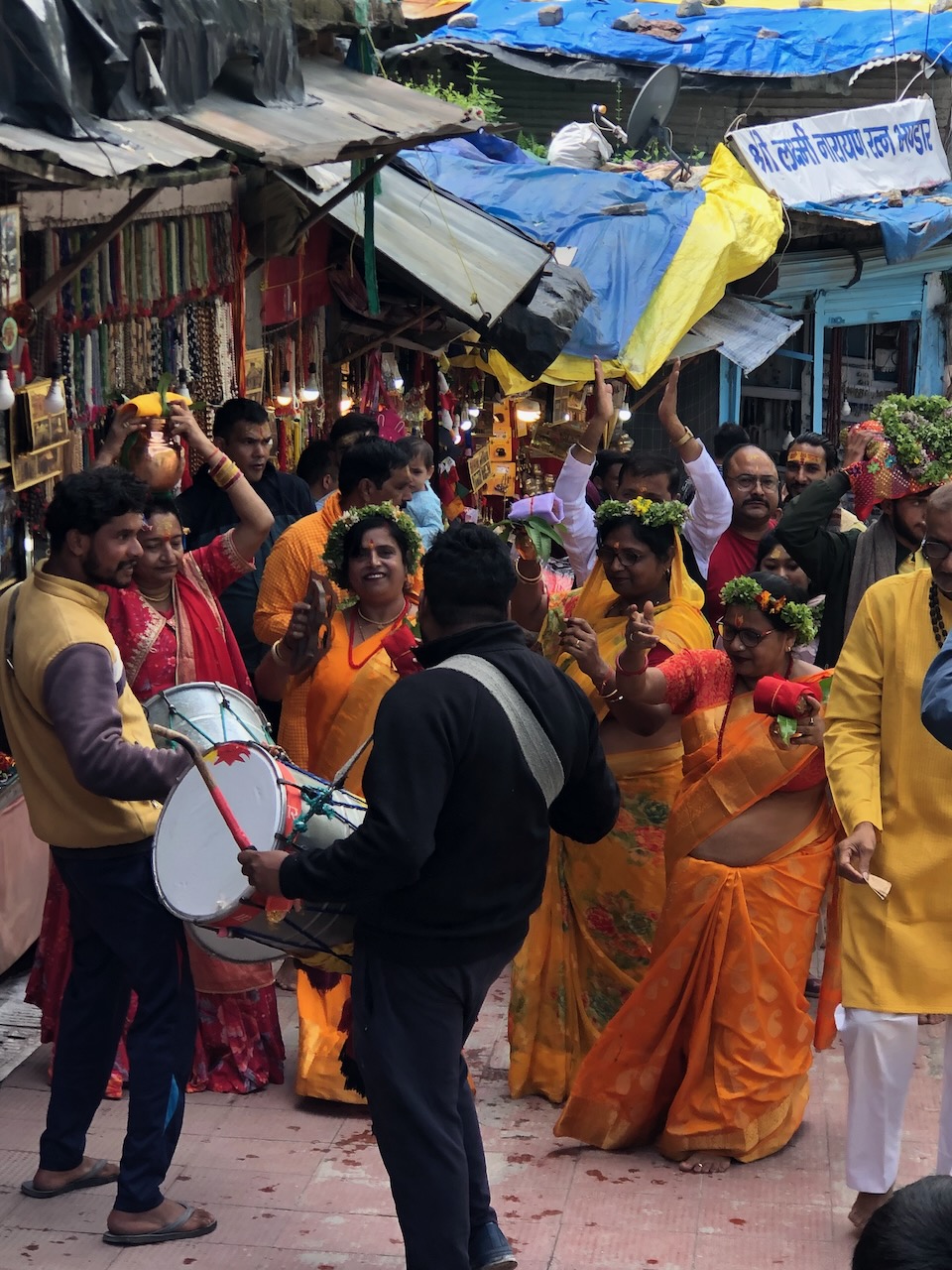
On this particular day, just as Joan had done 85 years earlier, we were visiting the temple in Badrinath. An atmosphere of noisy celebration, dancing and orange-coloured joy pervaded the streets of this small but hugely important Hindu town located at an elevation of around 3,100 meters in the Garhwal Himalayas. Inaccessible and closed for six months of the year due to extreme weather, it is one of the most visited pilgrim destinations in India attracting 5-mile queues in the summer months as people line up to pay their respects to the 2000-year-old black granite deity of Lord Badrinath housed in the main temple building. 

Being slightly off-season due to the monsoons, we were able to simply kick off our shoes and, bearing wreaths of marigolds, join the gentle flow of pilgrims, many of whom would have travelled for days to be here. Once inside we planted ourselves on some steps to watch people of all ages circling the inner temple, taking (prohibited) selfies and videos and gathering goodie-bags of holy sweets, sultanas and nuts for their families. After some time, we shuffled out again in a bubbling counter stream that spilled onto the temple forecourt, an architectural wonder that miraculously clung to the riverbank while other sections downstream had succumbed to gravity and slipped into the raging, milky-beige waters of the Alaknanda River. 
We retrieved our shoes and stood discussing where to go for lunch. That’s when I noticed it was gone. My pouch was open and empty. An all-too familiar plummeting sensation drained my face and body as a memory surfaced from the depths of 1987, my last visit to India, when my bag containing 3-months of undeveloped film, diaries, recordings not to mention passport, visa, ticket home and money were stolen on a train, never to be seen again. A small wave of panic broke out within our group, scooping strangers into its current. The men in charge of storing shoes searched their patch; sister, cousins and guides dispersed in all directions to scour corners, dustbins and donations boxes both in and outside the temple complex. Our main guide, by now friend, Kiran, took me to a small nearby room stuffed with five uniformed security guards and fifteen or so screens of surveillance footage. We fast forwarded our way through videos following my movements – me feeling both relief that I had refrained from taking a sneaky photo and slight concern that a hidden camera might have caught me ducking behind a wall to remove my leggings. The loss of ‘a little green diary’ was announced over the temple’s Tannoy system, but our efforts were to no avail. 

Thoughts raced through my head as I searched the grainy grey images both for the moment of its disappearance and any possible symbolic significance I could attach to it. Maybe I am not meant to be doing a project on Joan – or Legge Ma’am as she is known in these parts. Maybe this is a sign I should have just experienced the trip and trusted I would remember what is important rather than constantly jotting things down. [This is just how my mind works.] Will this ruin the trip for me, for everyone? How could I have dropped it? Who could have taken it… why would they? Maybe…

Then the phone call came. The little green diary had been found. I restrained myself from hugging the guards in the rush of relief and hope. But for me to fully believe it, I had to see it. 

Our other guide, also now friend, Naresh, had re-entered the complex and gone to the place where people were gathered to listen to the teachings. The door of the temple was firmly locked for the daily offerings – the prasadam – so he made his way to the middle of the crowd and started reciting the beautiful story of Legge Ma’am and why we, her four descendants had come here. He was an excellent story-teller. And that’s when “the magic happened,” he told us afterwards. “It was so strong, so strong that everybody came near to me and started listening to the story. And they were very curious… finally they get to know the importance of this notebook, for all of us and for them as well.” 

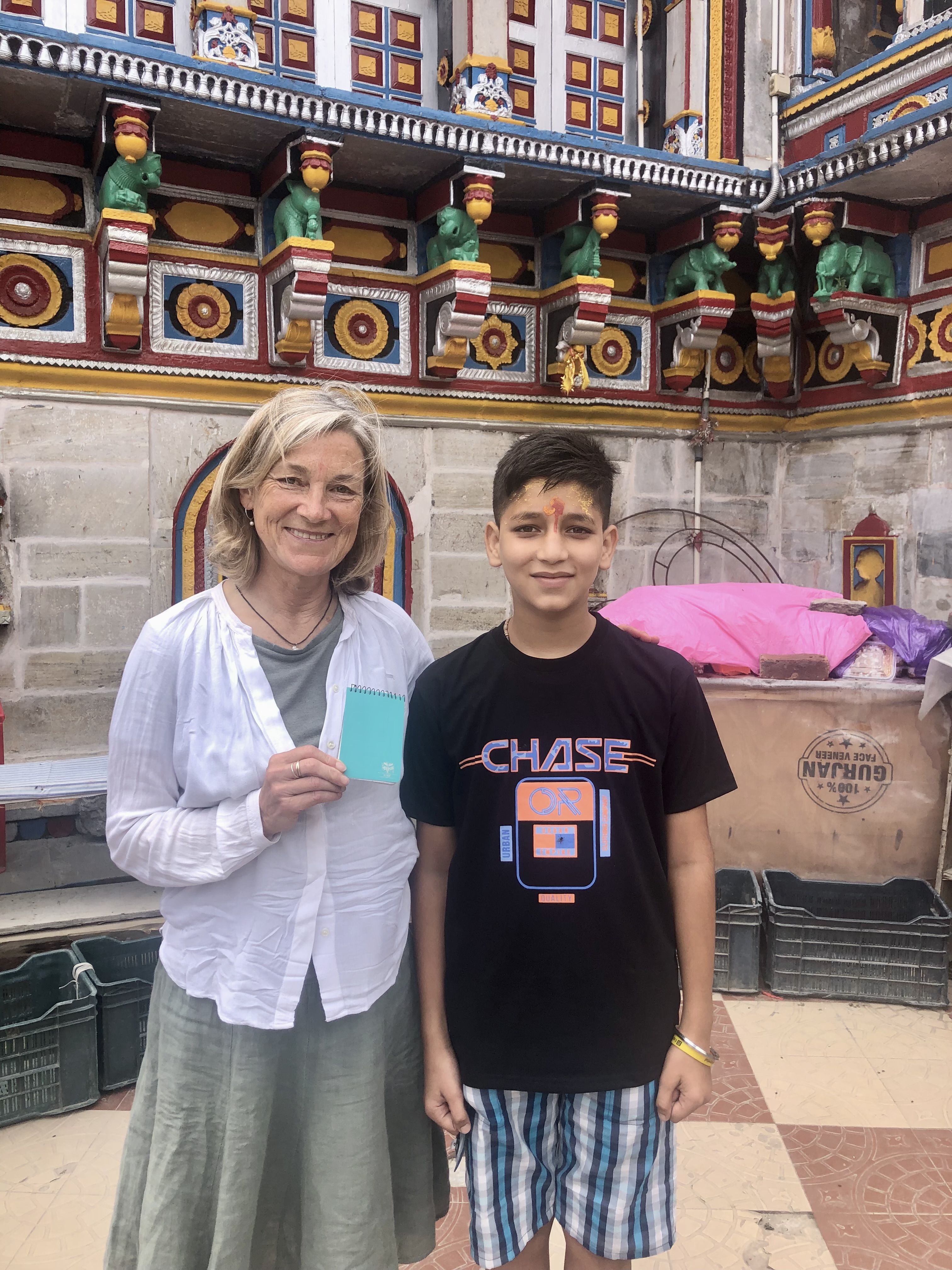
A young boy then came forward. He had found the notebook but hadn’t known what to do with it so had put it in the main donation box at the foot of Lord Badrinath in the temple…. which was closed. Naresh called us back into the complex and we waited. We gained fresh red teekas (or bindis) between our eyebrows and more handfuls of sticky white sugar balls and showered the young hero, Shriansh (which fittingly means Part of God) with all the muesli bars we could scramble together from the bottom of our bags.

By now, people were very keen to help, including the priest. When the temple finally re-opened, we were all ushered in. The bright viridian green of the notebook cover could be spotted through the glass walls of the donation box, nestling on a bed of faded rupee notes. So close and yet… Only one man had the authority to open the box. A District Officer (DO) based 200 km away. He was the sole person to hold a key. And he came to Badrinath just once a month. 

That was the point when Naresh, who hadn’t planned on praying that day, asked the deity of Lord Badrinath to help us, just as some of us had already been asking St Anthony, the Christian finder of lost objects. One, or both, stepped in. 

The priest told Naresh to look behind him. There was the DO. Not on his official monthly visit, but by some serendipitous miracle, he had come to pray that day. He willingly fished the key out of his pocket and a little while later, a policewoman handed me my precious notebook. Hugs, tears, smiles and many clasped hands and bows followed… ridiculous really, but we all knew the true value of these spiral-bound pages.

With Shriansh, the finder of the little green notebook

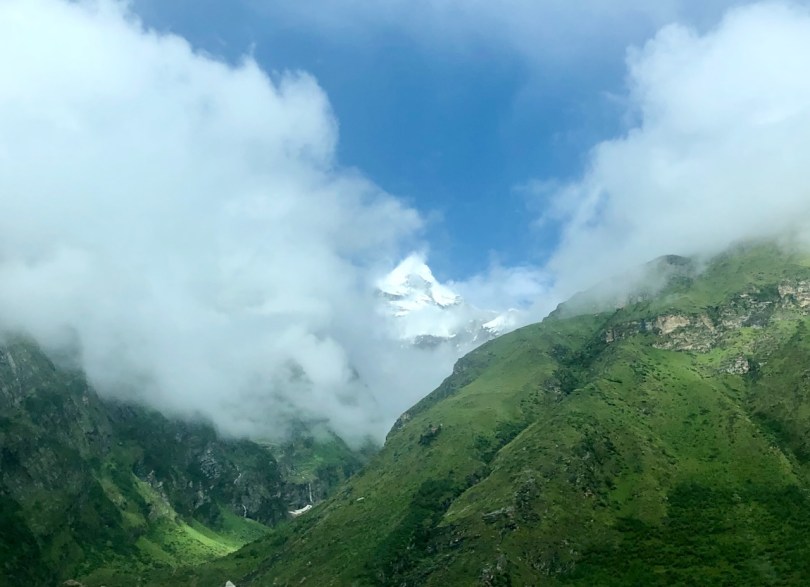
Each one of us will interpret this story differently. For some it might be a random string of events with a lucky outcome. For others it might be evidence of God, a sign that Joan was watching over us, a meant-to-be moment or proof of the power of stories that need to be told. Meaning, just like beauty and truth, is made within. For me personally, the magic of the story lies in the glimpse it gave me of a huge force for good that works behind the scenes we snap with our phones and try to capture in words. Like the evasive Himalayan peaks – or ‘Majesties’ as Joan called them – that briefly appeared in their full glory between parted clouds only to vanish again, this benign power shone through the many eyes that sought contact and connection. It was what I saw in the faces that so readily broke into smiles and laughter; in the hearts that were wide, wide open inviting us to open ours too.