To apologise, or not to apologise (for slavery), that is the question.

I am already anticipating a deeply divided and critical response to the recent announcement that Charlie Gladstone and five members of his family, all descendants of the Victorian-era prime minister William Gladstone, are travelling to Guyana to apologise for the significant role one of their ancestors played in the slave trade. But I’d like to ask those who are cynical of such a trip to consider what the alternatives might be.

John Gladstone, William’s father, was one of the largest slave owners in the British West Indies. You can read all about him in the links at the end, but basically he made a fortune as a Demerara sugar planter enslaving hundreds of Africans to work in his plantations until slavery was abolished in 1833. He then became the fifth-largest beneficiary of the £20m fund (about £16 billion today) set aside by the British government in 1837 to compensate planters for loss of income. The final instalments of this compensation were paid out in 2015.

Charlie Gladstone is roughly the same age as me and, though the ‘crimes against humanity’ perpetrated by his family member were nearly 200 years ago whereas those my German grandfather was involved in were a mere eighty, the burden of shame may well weigh as heavily. As I describe in detail in my book, In My Grandfather’s Shadow, the unresolved deeds of our forefathers remain in a family blood line, in our roots. Whether you are ignorant of or choose to engage with them, there will be an impact that needs resolution of some sort. 

Apology is one of many steps that can be taken to try to repair wrongdoing, and personally I think it is good that people such as those in the group Heirs of Slavery, including David Lascelles 8th Earl of Harewood, are finally beginning to address not only the sources of their family’s wealth, but also our collective colonial history and the traumatic consequences that can still be witnessed all too clearly in racism, inequalities in health, wealth, education and opportunity. In their cases it is about apology and accountability, with some of them making financial contributions towards charitable institutions and – in the Gladstone’s case – further research into the impact of the slave trade.

Harewood House, built between 1759-71 with the profits made from plantations and slavery

Others are at it too. Back in July, the Dutch King, Willem-Alexander, apologised on behalf of his country for the Netherland’s historical involvement in slavery and asked for forgiveness. It’s of course a flawed gesture in its incompleteness, but isn’t a heartfelt apology, whether possible or not so long after the event, at least a gesture of recognition of wrongdoing that can lead to a willingness to redress the former total loss of humanity? So many victim groups would attest to the immense value of a genuine ‘I’m sorry’.

King Willem-Alexander apologising on 160th anniversary of the abolition of slavery in the Netherlands

Our prime minister doesn’t think so. Back in April, Rishi Sunak refused to apologise for UK’s role in slavery saying that ‘trying to unpick our history is not the right way forward’ and that the focus, ‘while of course understanding our history in all its parts and not running away from it, is making sure that we have a society that is inclusive and tolerant of people from all backgrounds.’

Fair point about looking forwards. But how can you truly ‘understand’ such a horrific history, underpinned by past government policy, without being moved to demonstrate some direct expression of remorse to those it continues to affect? Or is that precisely what we are scared of? That an apology equates to an admission of culpability and therefore an obligation to compensate?

In his series of essays based on lectures delivered at Oxford University and bound into the 2009 book Guilt about the Past, Bernard Schlink, German author of the 1997 bestseller The Reader and various other literature, tackles not only German guilt about the past, but other long shadows of collective and global past guilt. (I am well aware we can’t actually be guilty of something we didn’t do, but we can still feel guilt.)
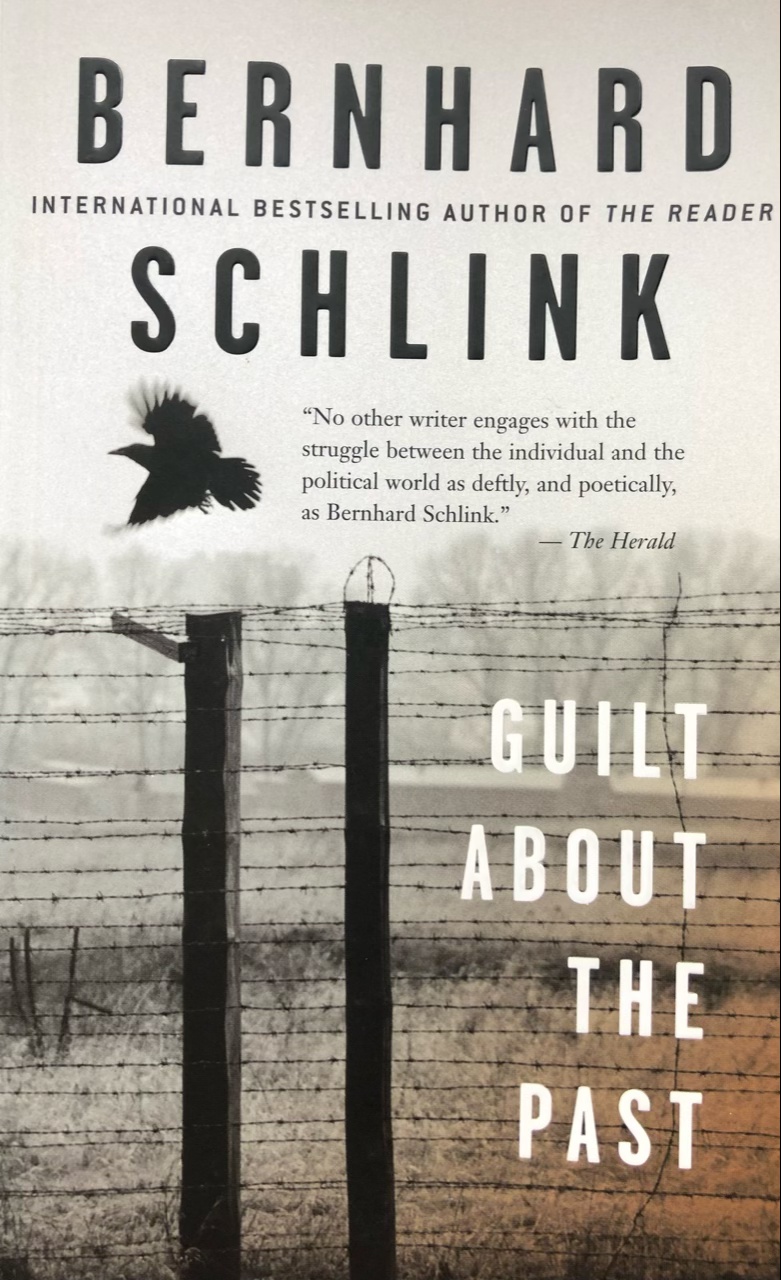
In the essay entitled ‘The Presence of the Past’, he addresses the issue of remembering or forgetting a traumatic past. “A collective past, like that of an individual, is traumatic when it is not allowed to be remembered and is just as much so if it has to be remembered… Detraumatisation is the process of becoming able to both remember and forget; it is leaving the past in the past, in a way that embraces remembrance as well as forgetting. This applies in the same way to the victims and their descendants as to the perpetrators and their descendants.” (p.36)

We need to find that balance.

One of Schlink’s claims that struck me most while exploring my own sense of guilt for my German family’s past was in the chapter on ‘Forgiveness and Reconciliation.’ He says that if someone seeks forgiveness for their own guilt it has weight, but “to ask for forgiveness for someone else’s guilt is cheap.” (p.73) 

Cheap… So where does that leave those of us living today and the question of apology for things that happened decades or even centuries ago? 
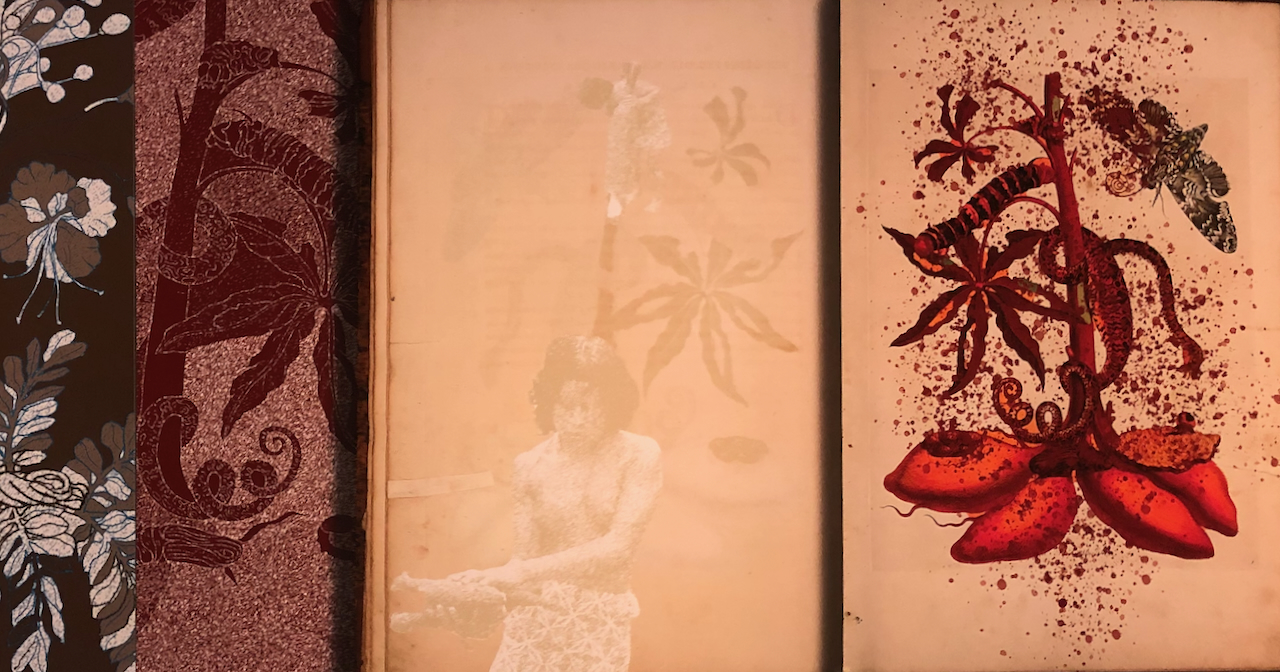
Detail from Patricia Kaersenhout’s ‘Of Palimpsests and Erasure’ (2021) (https://www.pkaersenhout.com)

Schlink and I come to a similar conclusion. It’s about understanding. He says, any kind of reconciliation requires “a truth that can be understood.” And “true understanding is more than searching for and finding causes. It includes putting yourself in someone else’s place, putting yourself in someone else’s thoughts and someone else’s feelings and seeing the world through that person’s eyes.” Doing this, he says, establishes equality. “We make [the other person] equal to us and us to them; we build up society when we understand.” (p.82)

This form of ‘understanding’ goes way beyond the slightly glib understanding the current leader of our country suggests. It requires engaging in the truth of what happened and feeling it. Feeling how appalling it was and being moved to act to heal and make good the wrongs that still poison our national veins and those of the human beings living today whose forefathers were harmed.

Further reading, as always not all links reflect my own opinions:

William Gladstone: family of former British PM to apologise for links to slavery 
William Gladstone’s family to apologise for historic links to slavery

‘I felt absolutely sick’: John Gladstone’s heir on his family’s role in slavery

Rishi Sunak rejects calls for slavery reparations from UK

When will Britain face up to its crimes against humanity?

Dutch king apologises for country’s historical involvement in slavery

Campaigners urge king to do more to acknowledge UK’s slavery role

The British aristocratic families reckoning with their slave owning past

The German translation of In My Grandfather’s Shadow will be published in Germany in September. Please contact me for details of forthcoming events relating to in Germany.

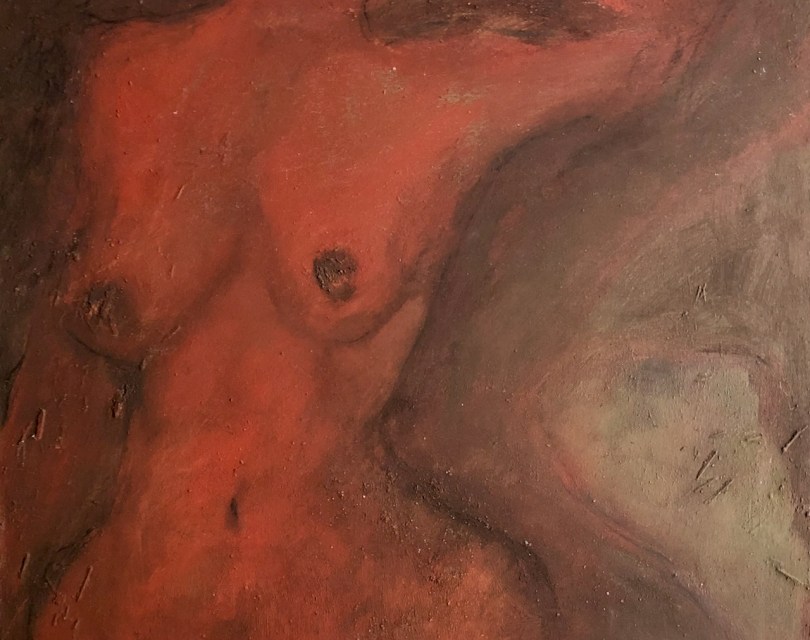
Title painting: ‘Salt of the African earth‘ by Angela Findlay, 1994

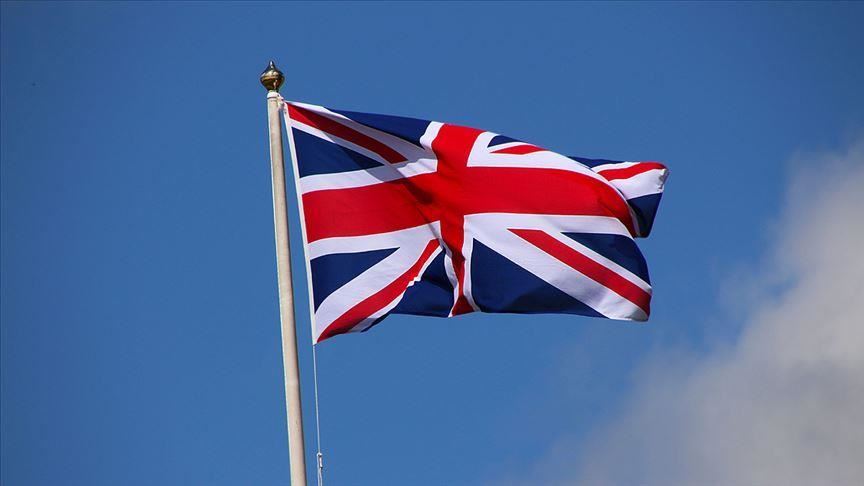
What does ‘British’ mean to you? And are certain ideas of ‘Britishness’ holding us back?

I’m really interested in the question of what ‘British’ means to people now. I am curious which images of Britishness are conjured up by Brexiteers. What British means to Black Lives Matter (BLM) protestors, NHS workers, army officers, staunch Conservatives and practicing artists alike. And what British means to you, whether you are British or not.

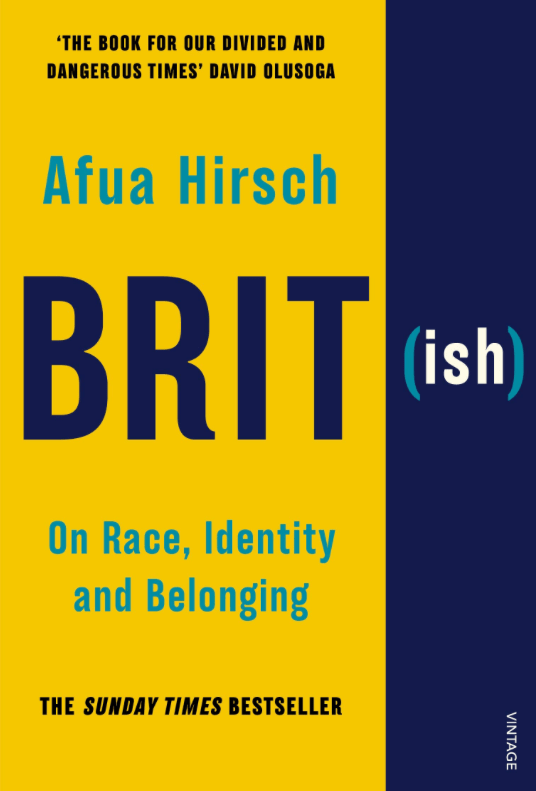
The reason for my interest comes partly from reading Afua Hirsch’s excellent book, BRIT(ish). Born to British and African parents and raised in middle-class Wimbledon, she explores questions of identity on personal, collective and political levels and reveals the on-going challenges and prejudices faced by many black British. It’s shocking, moving and humbling. And it offers potent insights into Britain’s evident desire to be ‘post-racial’ before it has properly confronted the deeply embedded racism derived from old but intractable beliefs in the superiority of whiteness. 

As a person born to parents of differing nationalities, I have often occupied myself with questions of national identity. Now I am fascinated by the concept of ‘British’ more than ever because, from where I’m standing, Britain and Britishness are hurtling towards a potentially exciting cusp of change. I don’t mean the very tangible changes we, along with much of the world, are making as a result of the Covid pandemic. I also don’t mean the changes that will inevitably come about as a result of Brexit and our divorce from the EU. I’m not even referring to the changes the prime minister and government are plotting in order to make Britain ‘the greatest place on earth’. No, all those proposed changes, a bit like HS2 in a post-Covid world, feel slightly old and out of date already. Most have a reactive feel to them, like sticking plasters, firefighting or making-it-up-as-you go-along.  

Change is rarely comfortable. And fundamental change even less so. Many people fear it and tend to hold tightly to the status quo in preference of disruption. But I am keen to understand precisely what qualities of ‘British’ people are wanting to hold on to. Because it seems to me, and I am far from alone in this, that Britain – whatever that means – is holding onto something, or at least desperately trying to hold onto something. Critical words that have been around for decades in smaller circles are suddenly trending in new publications, articles and programmes. Where Britishness may once have conjured up images of fish and chips, rainy queues, Mr Bean and the Royal Family; or diplomacy, reserve, wit and multi-culturalism, the main things now being cited both here and abroad – and not without considerable sadness and dismay by countries that have deeply admired and loved the UK – seem to be largely scathing criticisms. Above all, of prevailing attitudes: British self-importance; self-congratulation; delusions of grandeur; flag-waving patriotism; exceptionalism; self-entitlement; immaturity, isolationism, archaism… it is not a flattering list.

What has happened? It’s long been clear that Britain has never got over winning the war and, though it’s less verbalised, losing its empire. Boris Johnson is busy channelling Churchill and the language used by many of our leaders merely reveals how stuck they are in ruts of victor/loser rhetoric on the one hand, and nostalgia on the other. Both are ossified and now misplaced attitudes that infuse national thinking and hinder their ability to respond to the very specific demands of these unbelievably challenging times with the appropriateness some countries with lower death rates have displayed. And of course, our pride in our victories and apparently benign empire is only partially justified anyway. There are far broader perspectives to explore and embrace that will not only bring honest nuance to our favoured narratives, but also acknowledge the lingering dark shadows we have cast over whole areas and peoples in our past. As Afua Hirsch says, ‘Britain definitely has secrets. They lurk in the language and the brickwork and the patterns of society.’

Why is it important to look at them?  

Why do we need to look behind us before moving ahead? 

Because until we do, many options and possibilities for the future will remain closed to us, not least in relation to the biggest challenge facing the world, climate change. Like a person riddled with festering wounds, Britain cannot move forward with the light optimism it so desires. It can only limp making the wounds more livid. But once we have tended to the hurt, trauma and ethical redress needed to heal our past, we will be able to move forward less hindered. We can then start the process of integrating the fragmented aspects of British society into a healthier, synchronised whole. This more inclusive version of ‘British’ with its stronger, more contemporary identity will restore us to the position of respect and admiration we long for and will then rightly deserve. 

It won’t be comfortable… but it will be deeply healing and liberating in the long run.

In the meantime, while I am aware that English, Welsh and Scottish also have individual identities, please send me the words and qualities that ‘British’ conjures up for you.

A few related links:

Afua Hirsch on BRIT(ish) – a short video

BRIT(ish) Review – what does it mean to be black and British now?

National Geographic: Why Britishness, as an identity, is in crisis

So we’re all here… but how do we get ‘there’?

Things have to change… surely no-one could disagree with that? For Covid has neatly lined up in plain sight all that is unsustainable, unjust and disproportionately vulnerable in our society. The question is: How? Who can we rely on to bring about change? I have already gone through a list of potential candidates to lead the way – the prime minister, politicians, councils, charities, schools – but they are all tied up in complicated knots of agendas, quotas, targets, financial restraints, guidelines… the list is long. So I have been asking myself, what I personally can do. But aside from the things I already do, I haven’t come up with much that doesn’t involve getting angry or overwhelmed to little effect. 

It’s quite easy to become despondent isn’t it? In spite of my initial high-octane optimism that this pandemic was a global wake-up call of such volume that nobody could sleep through it, I have to admit to succumbing to little bouts of chocolate- and mid-week-rosé-fuelled Can’t-be-arsed Syndrome myself. Because as lockdown eases, it has become increasingly clear that some of those in positions of power haven’t woken-up. It’s sort of not in their interest to. So that leaves us to bring about the changes. You, me, him, her, them. And I think I have finally identified two places we could start. One is in the past, the other in the present.

The Past

In order to move into a new future with lightness, vision and energy, we need to face and reconsider our past. History is intrinsically linked to identity – who we are and how we got here – and is broadly made up of heroes, victims and villains. Of course it’s natural to want to see your ancestors and nation as heroic. And if they can’t be heroes, then victim. The move to villain, on the other hand, is huge, hard and largely unprecedented. But people need a healthy balance of their country’s strengths and weaknesses and that requires shining the spotlight of awareness and truth into the dark, painful and uncomfortable corners of our history. Not just for deep moral reasons, but because unresolved trauma, injustice or wrongdoing refuse to rest. Instead they remain potent disruptors, passing from generation to generation in search of resolution. 

We have just witnessed how the footfall of the recent Black Lives Matter protests rattled the buried crimes of our colonial past until they erupted through the pavements, toppling outdated values from their pedestals in order to draw attention to the costly price of British imperialism. Counter protests claiming the removal of statues is to ‘destroy history and heritage’ don’t wash, for statues don’t uphold history, just the values of the time; the events and people we want to remember. Like carefully selected snapshots of a nation’s best side, they are not the whole picture.  

Whatever you think of protest, it has time and again been the vital precursor to change. It was, after all, the student demonstrations of 1968 that demanded Germany finally pull its reluctant head out of the sandy silence to face the atrocities of its past and seek atonement. The current protests are also a demand for a more honest appraisal of who we are, not just as a nation but as individuals whose values and actions have been unconsciously shaped by the deeds, and misdeeds, of those who went before us.

So, we each have a real choice here. We can either keep repeating the familiar stories of past glory, riches and world power while watching on as our present falls into widening abysses of social injustice, inequality and environmental destruction. Or we can pull out the roots of these fissures and start to lay more solid and fertile foundations for a better future for the younger generations. 

The Present

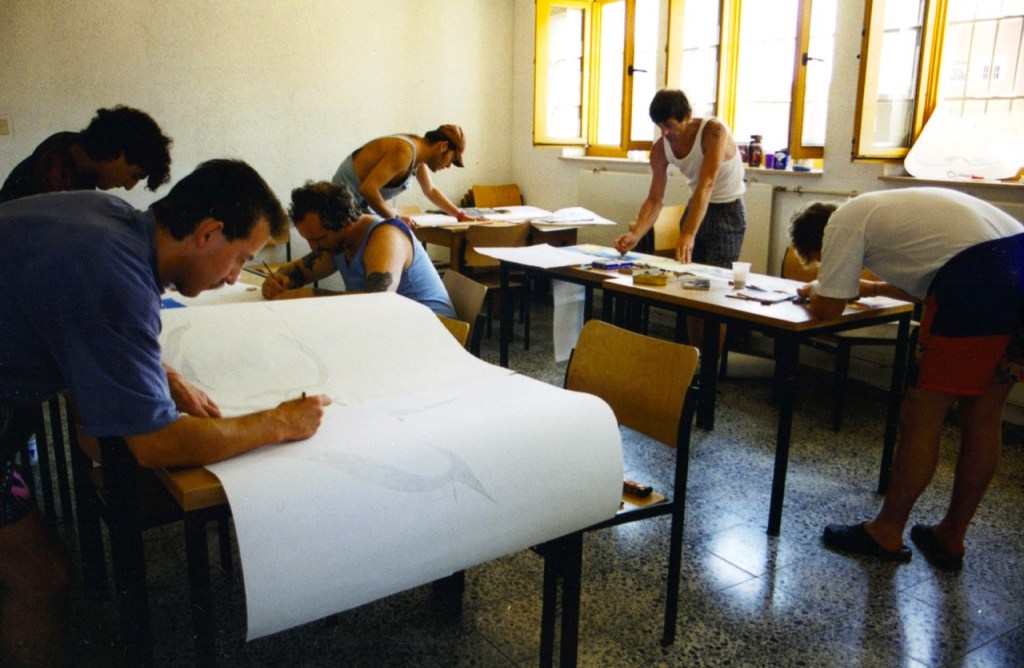
The second starting point comes from a lesson I used to teach prisoners in my mural painting classes, one that I myself now need to relearn: that regardless of what is going on around you, there is always personal choice. 

Creativity is all about choices. No rights or wrongs, just a series of decisions. It’s a process in which successes and strengths are built upon, while mistakes and weaknesses are learnt from, transformed and integrated. The prisoners experienced how each person becomes a co-creator working toward a common goal, the details of which emerged along the way. Initially they couldn’t apply this freedom of choice to their daily prison lives. ‘Choice?’ they’d say. ‘What choice? We can’t be with loved ones, we can’t go to the pub, we can’t even have a shower when we choose!’ True, I’d agree before suggesting that they did maintain a freedom of choice when it came to how to respond to each given moment, person or situation. Would they smile, curse or punch? Put the pencil back in the materials cupboard, or nick it? Over time, they witnessed how their choices began to change their world, and then other worlds they touched. A ripple effect of change…

Of course this wisdom is not mine. It was the basis of the teachings of Viktor Frankl, the Austrian neurologist, psychiatrist and creator of logotherapy who claimed: “Everything can be taken from a man but one thing: the last of the human freedoms to choose one’s attitude in any given set of circumstances, to choose one’s own way.”

He should know. He survived Auschwitz and various other camps by discovering what he believed was the primary purpose in life: the quest for meaning. In the early days of psychology and psychotherapy, there was an assumption that we exist in order to reach a certain level of pleasure, power or success. Sigmund Freud’s ‘pleasure principle,’ claimed that the central motivator in human life was to gain as much gratification of our fundamental needs and urges as possible. His disciple, Alfred Adler, substituted ‘pleasure’ with ‘power’ as the prime driver of human striving. His theory believed that all of us are born with an innate feeling of inferiority, which we try to overcome by striving for superiority through power, influence and money. For Frankl, on the other hand, all these goals were actually symptoms that a person had failed to find meaning; a meaningful goal, task or person. Meaning fills the void that so often fuels the unhealthy and destructive drives for personal power and pleasure. Covid and lockdown nudged many of us into searches for meaning, now it’s our choice whether we pursue it.

The Future

I have experienced deep meaning and reward in facing and redeeming the uncomfortable aspects of my German national and familial heritage. In tiny and larger ways, the process changed me as I uncovered unconscious drivers; it changed members of my family and it continues to change people who attend my talks… That’s why I can’t encourage people enough to look at their own history and lineage, warts and all, before the people who can tell you about them disappear. If we can heal our past and make good choices in our present, maybe, just maybe, we will succeed in steering our masked and fragile society to a future that is fairer, kinder and more sustainable for all. 

In Victor Frankl’s words: Live as if you were living a second time, and as though you had acted wrongly the first time.