The changing faces of Berlin…

For more than 30 years I have been watching cranes and diggers deconstruct and rebuild the architectural face of Berlin. It is an infinitely fascinating process to follow.
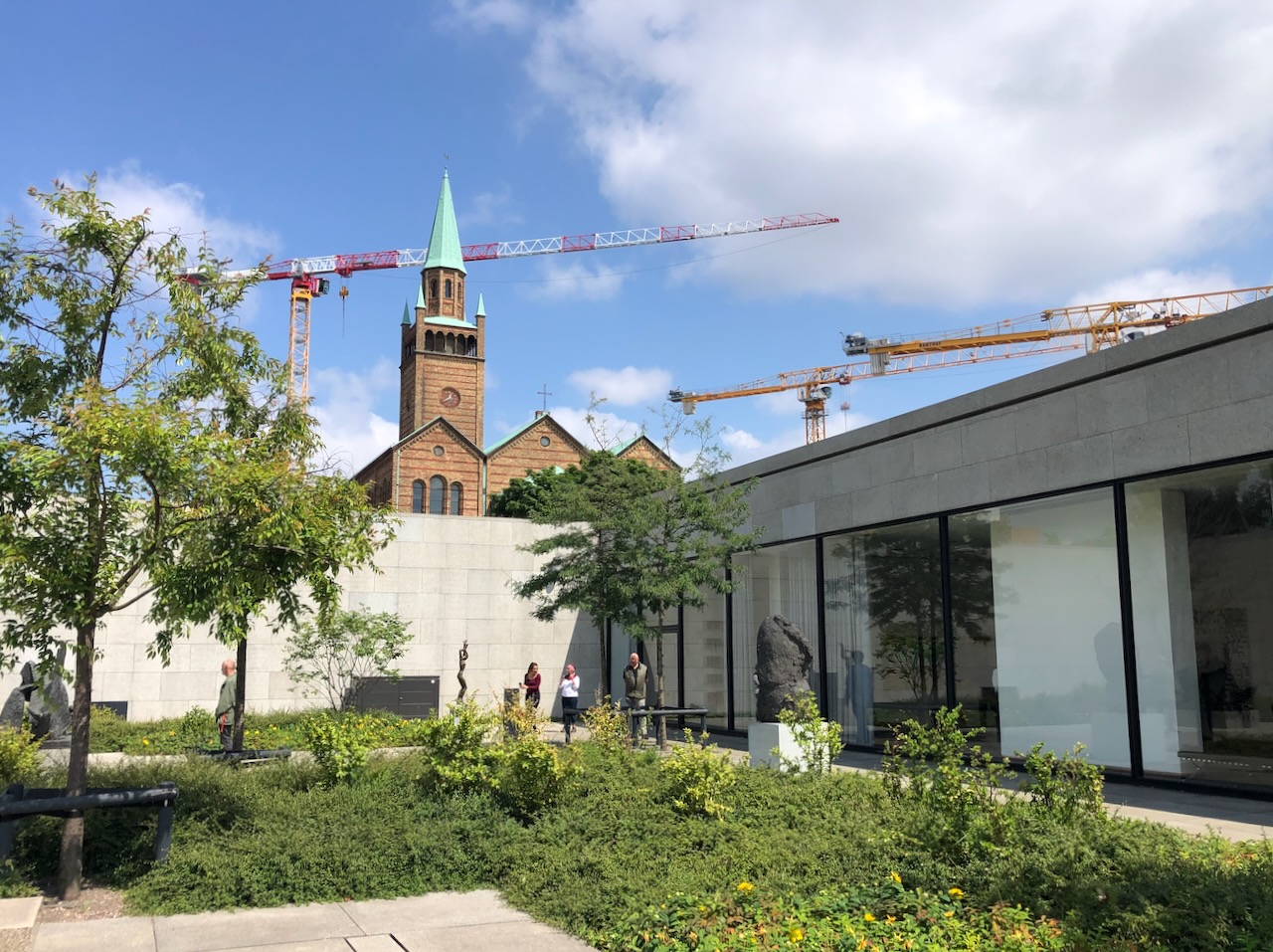
Neue Nationalgallerie by Mies van der Rohe… with cranes

The focus of my most recent trip, however, ended up being the people who inhabit the city, both past and present. And typically for Berlin, it has created a brilliant exhibition to trace the changing faces of those who lived through its turbulent history.

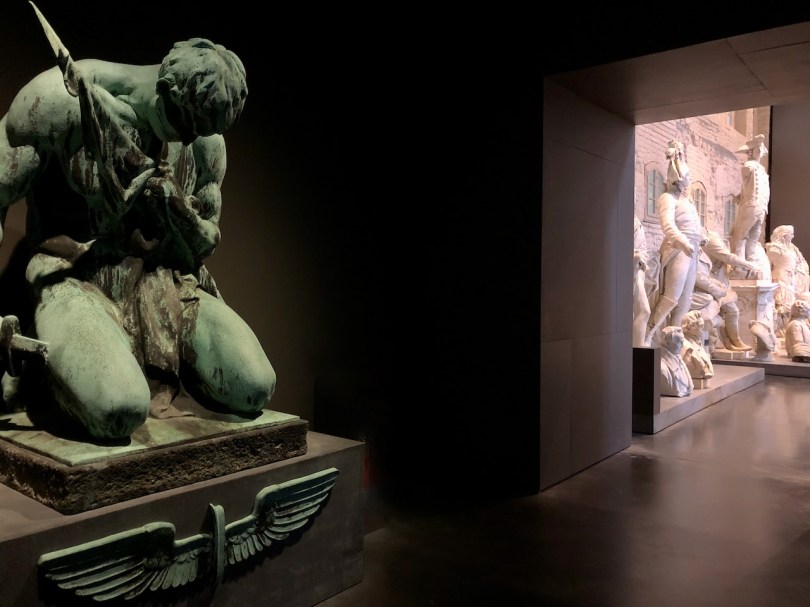
Enthüllt / Unveiled is housed in the Renaissance Citadel in the western borough of Spandau and not only offers a surreal experience but also an inspired response to the emotionally and politically charged ‘statue debate’. 
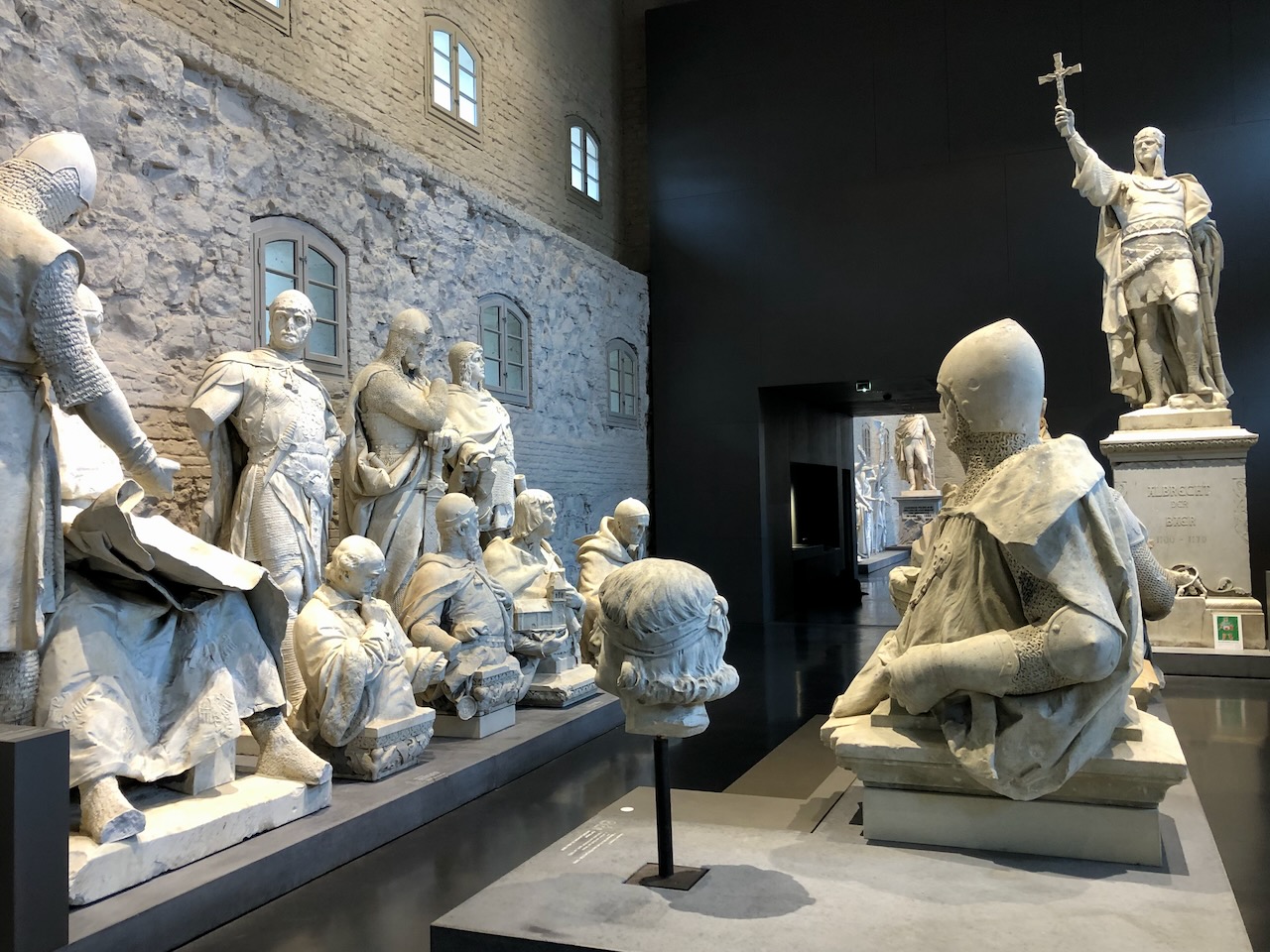
Albrecht the Bear and others

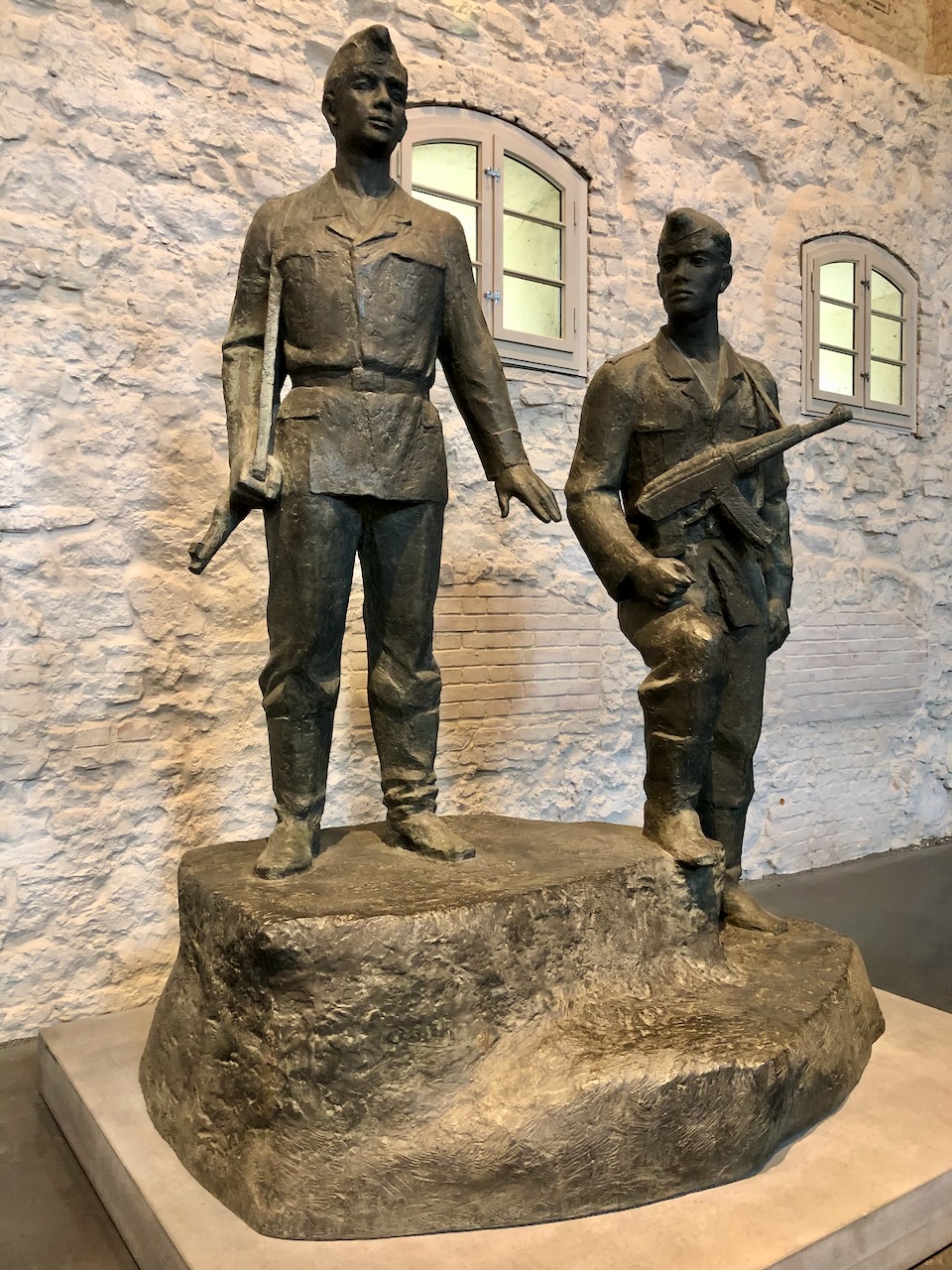
Housed in the 114-meter-long former Provisions Depot of the fortress, Berlin’s once revered or feared rulers, Prussian military heroes and bishops rub marble and bronze shoulders with thinkers, revolutionaries and victims. Spanning a timeline from the 12th century Albrecht the Bear (whose face you learn would not have been known so would have been crafted from a local tradesman or friend of the sculptor’s) to contentious GDR border guards, most of the statues have been removed from their plinths to stand at eye level. Many are missing limbs and noses or even their entire bodies. With chests still puffed but their status removed, you meet the figures of history on equal terms. It is a powerful experience.
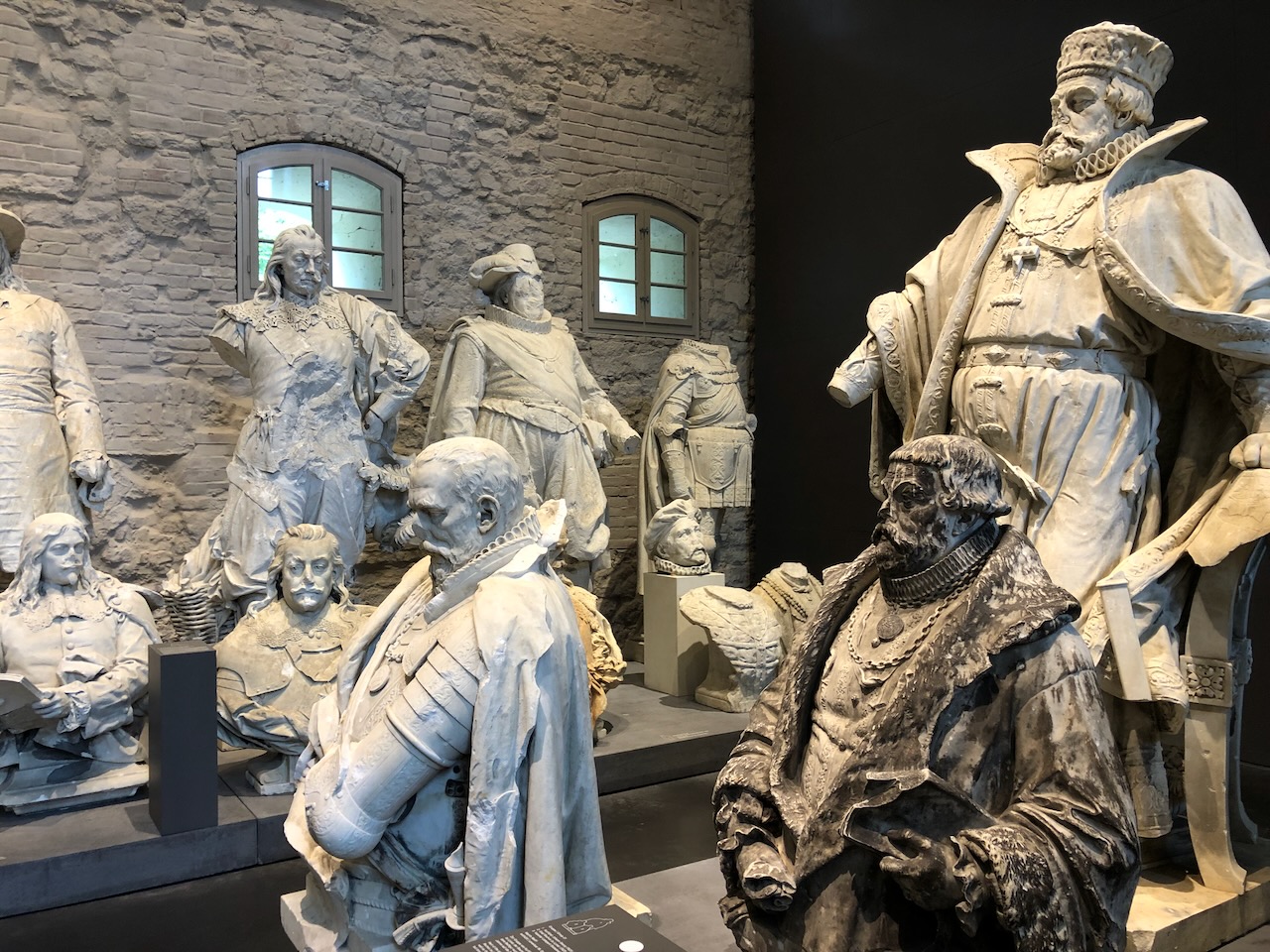
Various headless/faceless/slightly worse-for-wear Electors, Chancellors and Counts from the 1500s

Monument to the Grenzposten / Border guards (1971)

One of the highlights of the exhibition comes right at the end. Displayed on its side, Lenin’s 3.5-tonne granite head once rested atop a 19-meter-high statue by Soviet Sculptor, Nikolai Tomski. Created in 1970 and designed to blend with the Soviet architecture around Lenin Square (now United Nations Square), it was pulled down in 1992, cut into more than 120 blocks, buried in the Müggelheimer Forest and covered with gravel. It was recovered in 2015 for the Citadel exhibition, complete with nibbled ears (people chiselled off chunks for souvenirs) and transportation bolts sticking out of the crown.
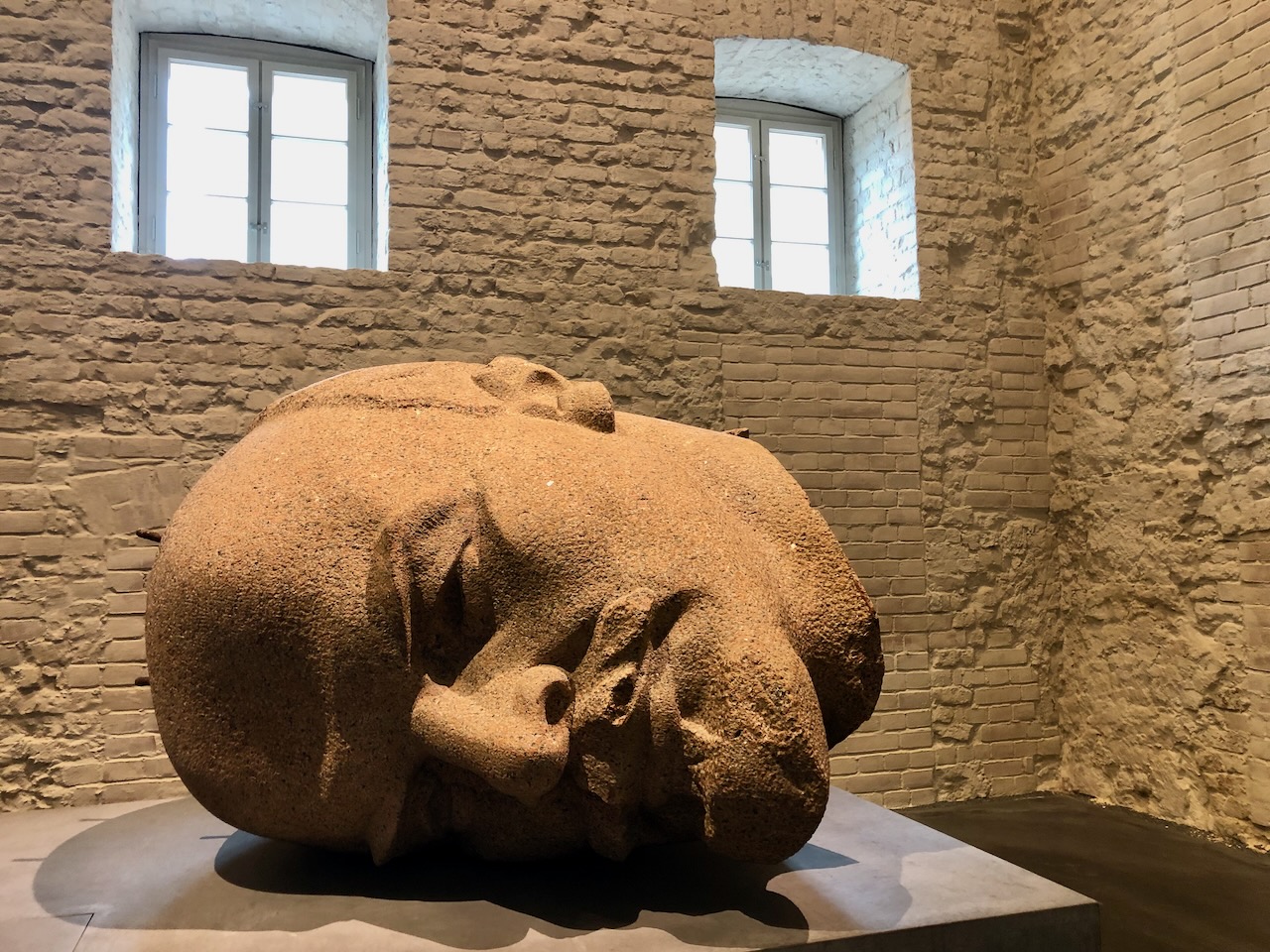
Founder of the Soviet Union, Lenin

Traditional memorials are generally markers of achievement and greatness. Raised on plinths, you ‘look up’ to the person or event being celebrated. But what happens when they no longer reflect the values of the time, when their legacy becomes toxic? Do you leave them as lifeless witnesses to a time past with no apparent power in the present? Do you topple or remove them in an attempt to lose the history, or does that lose the discourse and potential to learn lessons? Do you contextualise them with plaques…? 

Germany, with its contentious past has explored these questions possibly more than anywhere else. Accompanied by huge debate, emotion and financial investment, statues and monuments have been removed, banned, dismantled, buried, unburied, re-erected in new locations, built from scratch… All this can be read about in the ubiquitous digital documentation running through the exhibition. But Dr Urte Evert, the curator of Unveiled, seems to have done something very clever. By allowing visitors to touch the statues, children to clamber on them, artists to respond to them, performers to dance among them, she encourages engagement and dialogue, not only with the art forms, but with history. And this feels more important today than ever.
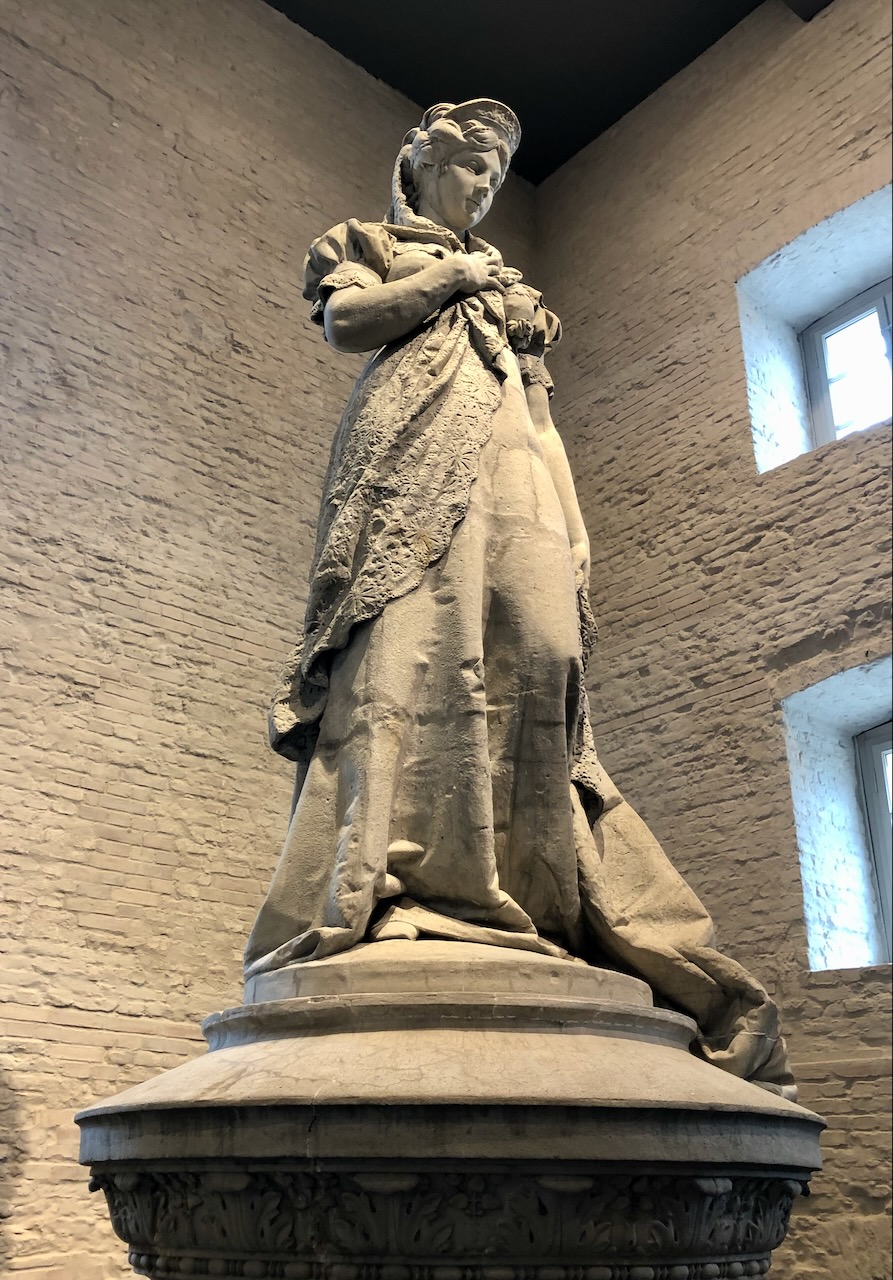
Queen Luise, ‘Queen of Hearts’ (1776-1810)

What is also striking, but not surprising, is that every statue from Kaiser Wilhelm I to Alexander von Humboldt and Immanuel Kant is a man. Apart from one, Queen Luise, wife of King Friedrich Wilhelm III and an early form of celebrity referred to as the Queen of Hearts… or according to Napoleon “the only real man in Prussia.” Even in today’s Berlin there are few statues celebrating women and even fewer to individual women.

Käthe Kollwitz

In a square named after her in the fashionable district of Prenzlauerberg, a rather lumpy and grumpy-looking Käthe Kollwitz, artist, sculptor, committed socialist and pacifist sits on a heavy block narrowly dodging graffiti. She is remembered everywhere and this is just one of many statues of her.
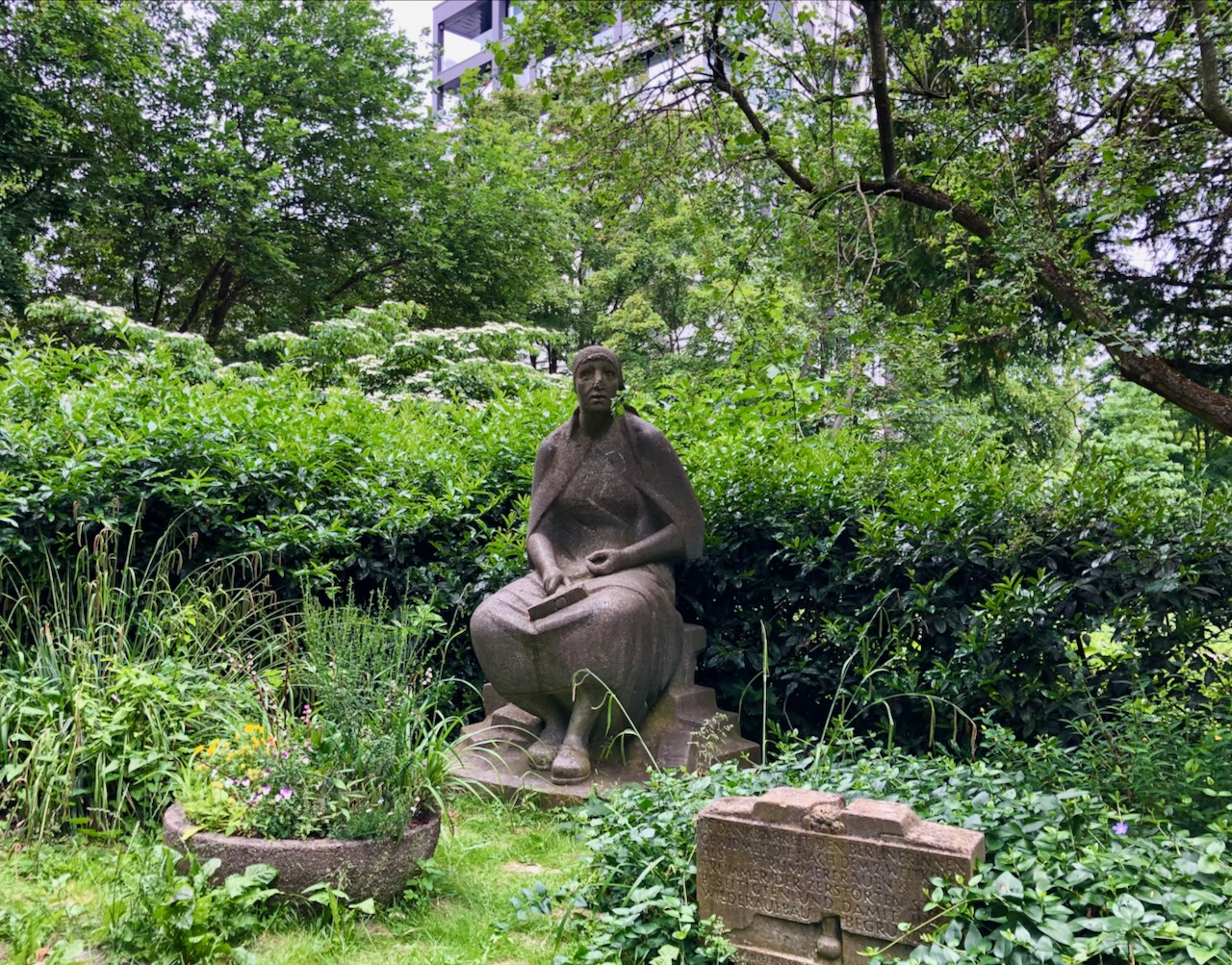
Memorial to the Trümmerfrauen / Rubble women (1950s)

Originally placed on a hill made of the bombed remnants of the city but now reposing with hammer still in hand in the greenery of Hasenheide Park, a Memorial to the Trümmerfrauen of Berlin offers acknowledgement to the ‘rubble women’ who cleared and sorted Germany’s destroyed cities by hand, stone by stone.
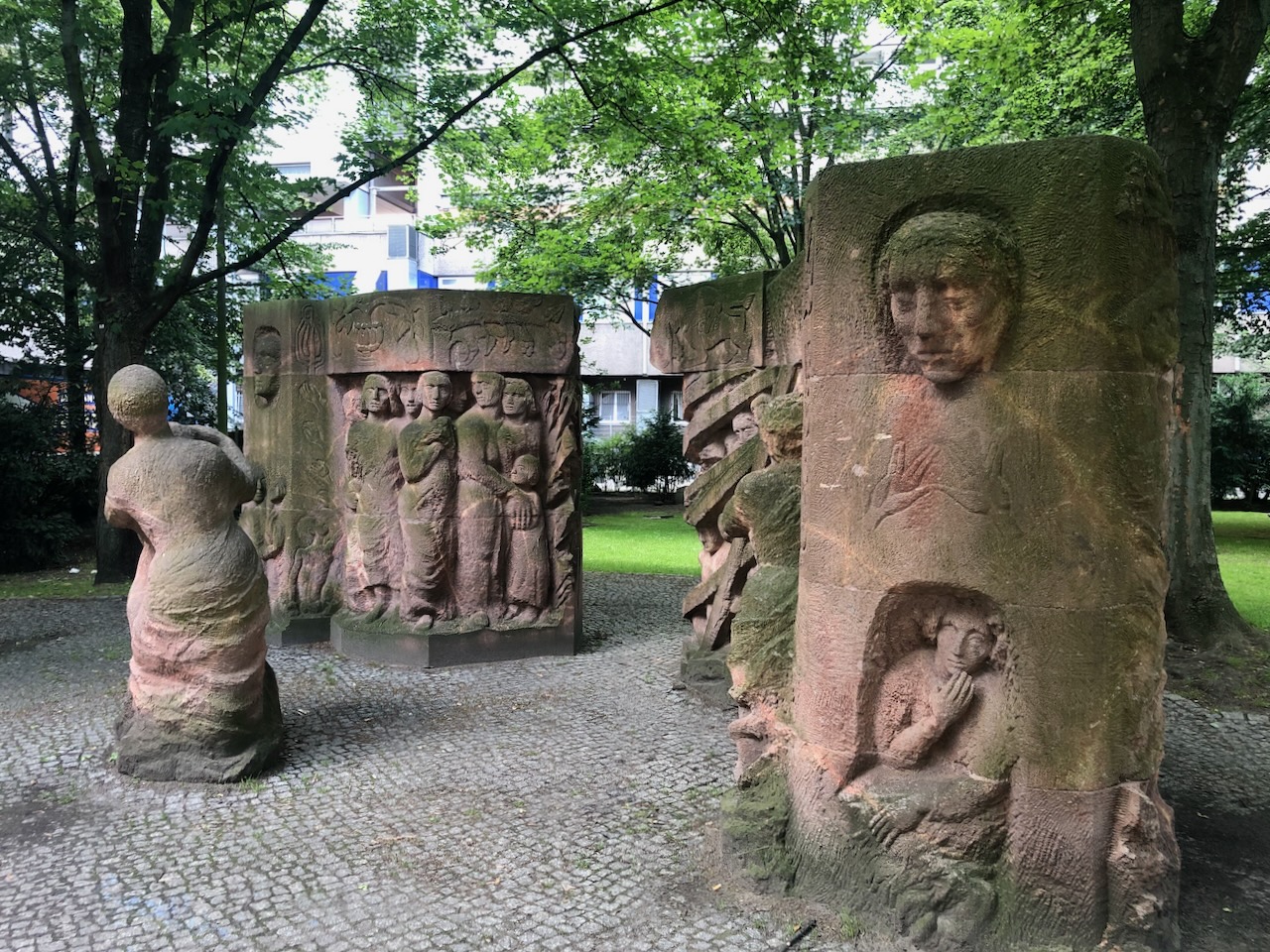
Block of Women, Rosenstraße

More centrally and on the site of the destroyed Old Synagogue, the Rosenstraße Monument, also known as the Block of Women, marks the 1943 peaceful uprising of some 600 non-Jewish German women who demanded the SS and Gestapo release their detained Jewish husbands awaiting deportation. It was a rare moment of successful protest against the Nazis. 
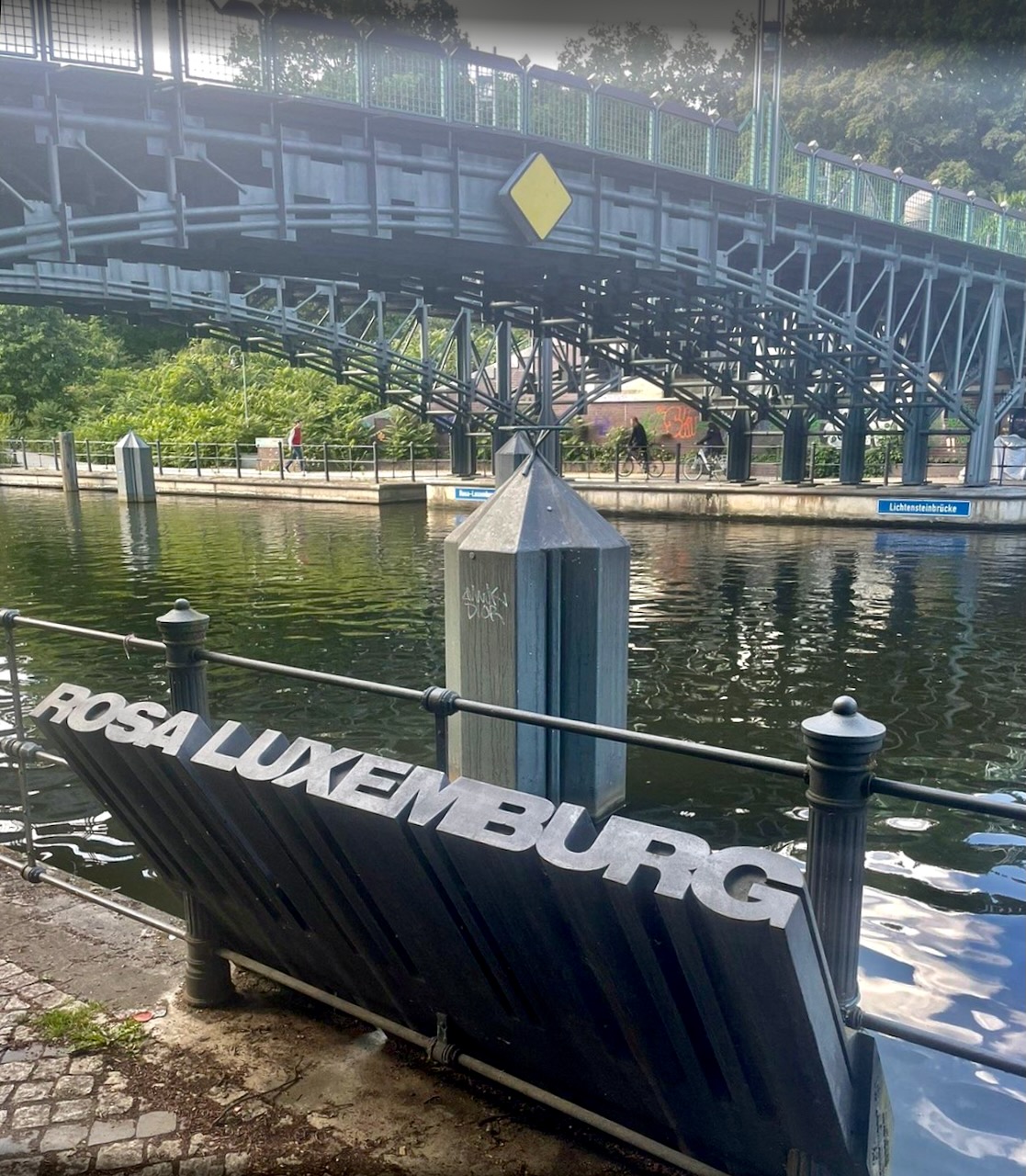
Rosa Luxemburg Memorial

And Rosa Luxemburg, one of the founders and heroines of the anti-war Spartacus League is remembered in big letters spelling out her name along the side of the Landwehr Canal where her tortured and executed body was fished out in 1919. She also has a figurative statue outside the Rosa Luxemburg Stiftung in Friedrichshain.

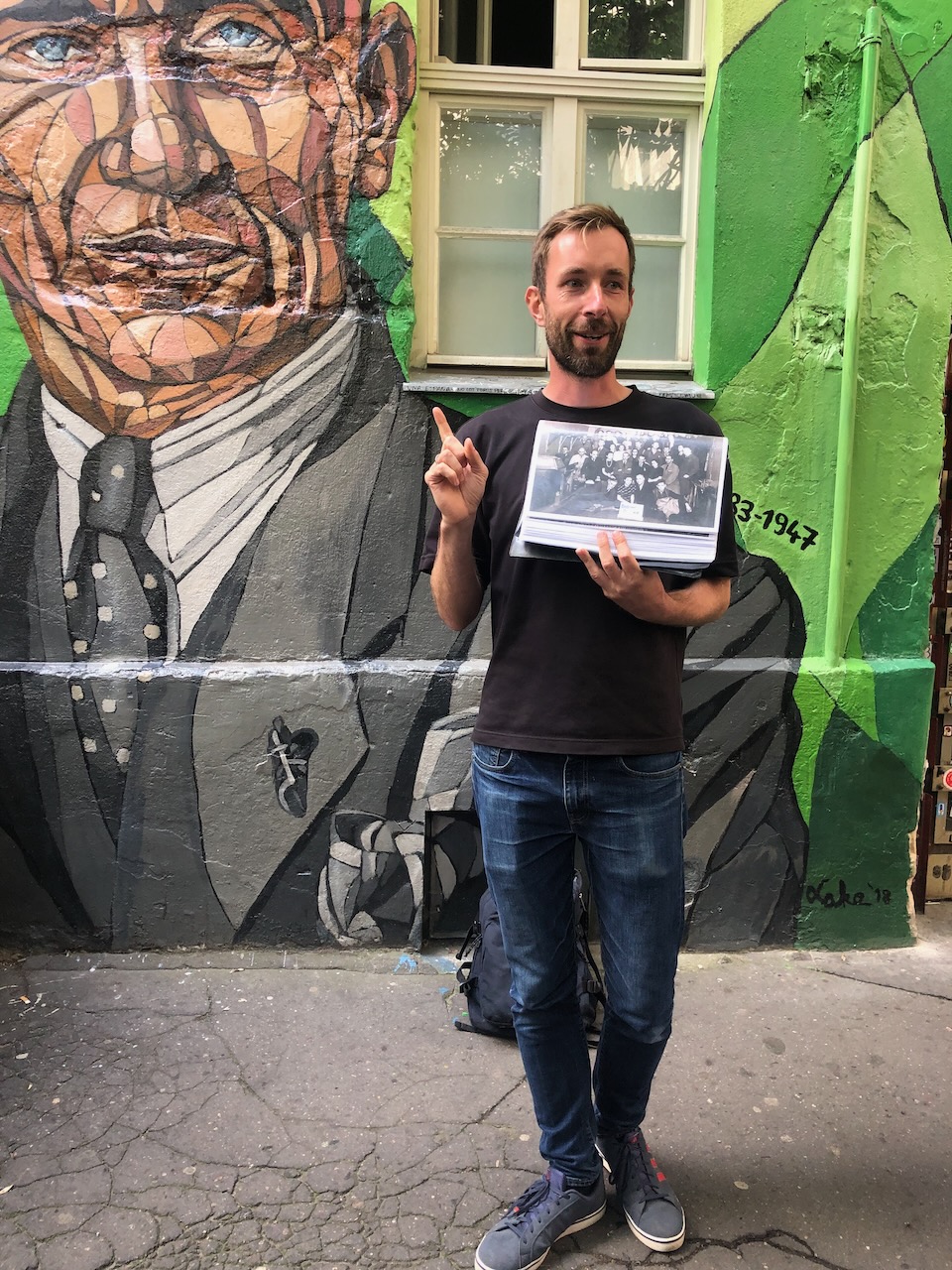
There are no doubt more but today the demographics of Berlin look very different. It’s a cool international city of young hipsters, artists, entrepreneurs, thinkers, activists, expellees, refugees, LGBTQ people, politicians, former GDR bureaucrats and prisoners… the list is long and colourful. John Kampner’s excellent book In Search of Berlin charts its development over the centuries, its ruptures, reinventions and constant search for identity. I keep thinking I know Berlin quite well now, that I have seen a lot of it… how wrong I am. There is more… so much more. And a highlight of this trip was joining Matti Geyer of Tours of Berlin on one of his private tours. (I love a good walking tour and have been on many.) As a born-and-bred Berliner with incredible knowledge and delightful delivery, he could bring new corners of the city to life and introduce me to further gems in this ever-transitioning city. I am already look forward to accompanying him on another.
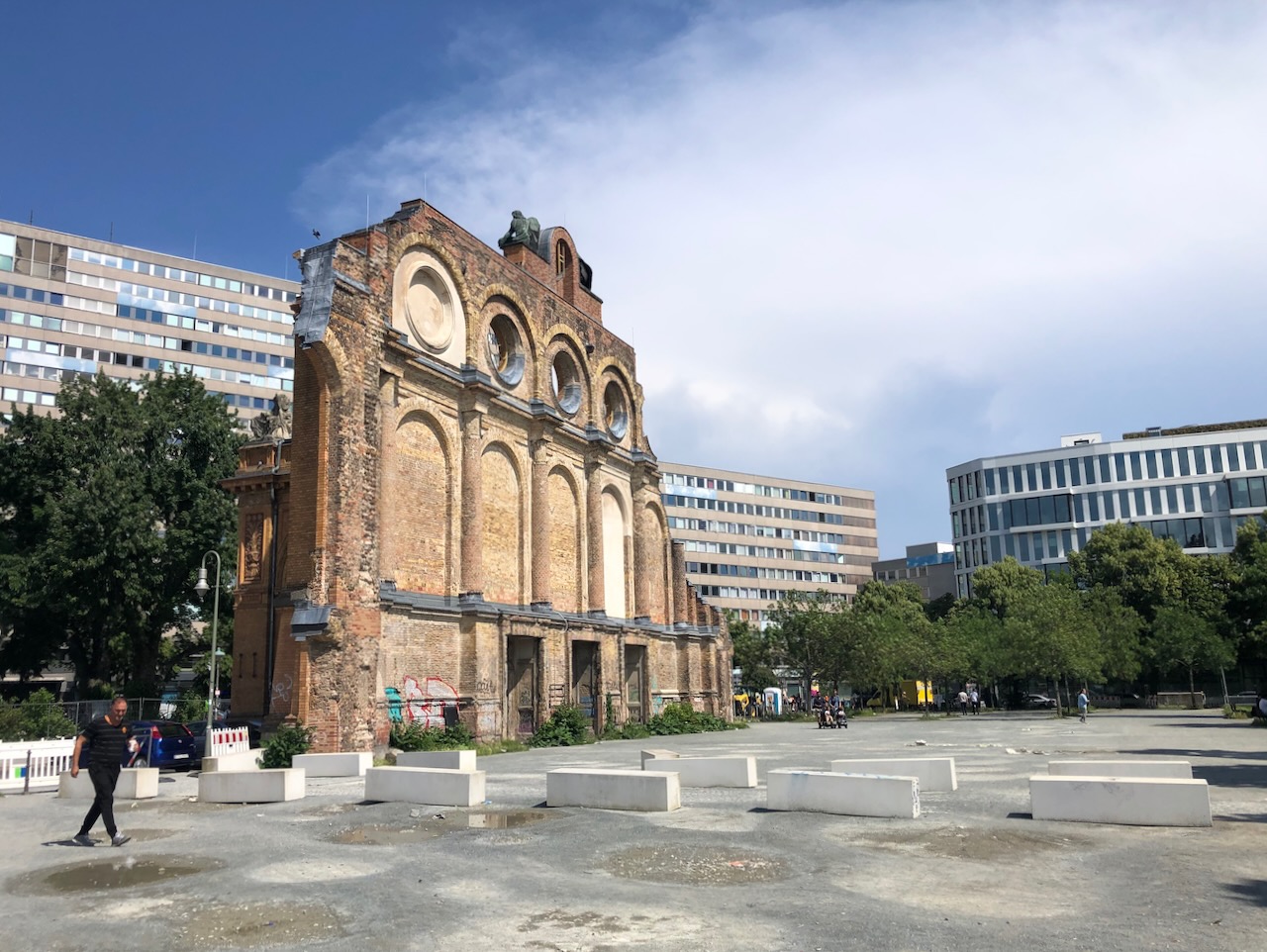
Germany’s relationship to its past and Berlin’s unique relationship with itself have been fraught with challenges. But while you can feel the unsettled rumble of discontent that has spread throughout Europe and beyond, the wounds and divisions appear to be healing. There is an effortless confidence in its integration of past shadows into its present identity which none of the shiny new façades can hide.
Further reading (as always not necessarily reflective of my views):

Aryan homoeroticism and Lenin’s head: the museum showcasing Berlin’s unwanted statues by John Kapner, The Guardian

History set in stone by Penny Croucher

In Search of Berlin by John Kampner

Counter Monuments: Questions of Definition by Memory and History Blog

So we’re all here… but how do we get ‘there’?

Things have to change… surely no-one could disagree with that? For Covid has neatly lined up in plain sight all that is unsustainable, unjust and disproportionately vulnerable in our society. The question is: How? Who can we rely on to bring about change? I have already gone through a list of potential candidates to lead the way – the prime minister, politicians, councils, charities, schools – but they are all tied up in complicated knots of agendas, quotas, targets, financial restraints, guidelines… the list is long. So I have been asking myself, what I personally can do. But aside from the things I already do, I haven’t come up with much that doesn’t involve getting angry or overwhelmed to little effect. 

It’s quite easy to become despondent isn’t it? In spite of my initial high-octane optimism that this pandemic was a global wake-up call of such volume that nobody could sleep through it, I have to admit to succumbing to little bouts of chocolate- and mid-week-rosé-fuelled Can’t-be-arsed Syndrome myself. Because as lockdown eases, it has become increasingly clear that some of those in positions of power haven’t woken-up. It’s sort of not in their interest to. So that leaves us to bring about the changes. You, me, him, her, them. And I think I have finally identified two places we could start. One is in the past, the other in the present.

The Past

In order to move into a new future with lightness, vision and energy, we need to face and reconsider our past. History is intrinsically linked to identity – who we are and how we got here – and is broadly made up of heroes, victims and villains. Of course it’s natural to want to see your ancestors and nation as heroic. And if they can’t be heroes, then victim. The move to villain, on the other hand, is huge, hard and largely unprecedented. But people need a healthy balance of their country’s strengths and weaknesses and that requires shining the spotlight of awareness and truth into the dark, painful and uncomfortable corners of our history. Not just for deep moral reasons, but because unresolved trauma, injustice or wrongdoing refuse to rest. Instead they remain potent disruptors, passing from generation to generation in search of resolution. 

We have just witnessed how the footfall of the recent Black Lives Matter protests rattled the buried crimes of our colonial past until they erupted through the pavements, toppling outdated values from their pedestals in order to draw attention to the costly price of British imperialism. Counter protests claiming the removal of statues is to ‘destroy history and heritage’ don’t wash, for statues don’t uphold history, just the values of the time; the events and people we want to remember. Like carefully selected snapshots of a nation’s best side, they are not the whole picture.  

Whatever you think of protest, it has time and again been the vital precursor to change. It was, after all, the student demonstrations of 1968 that demanded Germany finally pull its reluctant head out of the sandy silence to face the atrocities of its past and seek atonement. The current protests are also a demand for a more honest appraisal of who we are, not just as a nation but as individuals whose values and actions have been unconsciously shaped by the deeds, and misdeeds, of those who went before us.

So, we each have a real choice here. We can either keep repeating the familiar stories of past glory, riches and world power while watching on as our present falls into widening abysses of social injustice, inequality and environmental destruction. Or we can pull out the roots of these fissures and start to lay more solid and fertile foundations for a better future for the younger generations. 

The Present

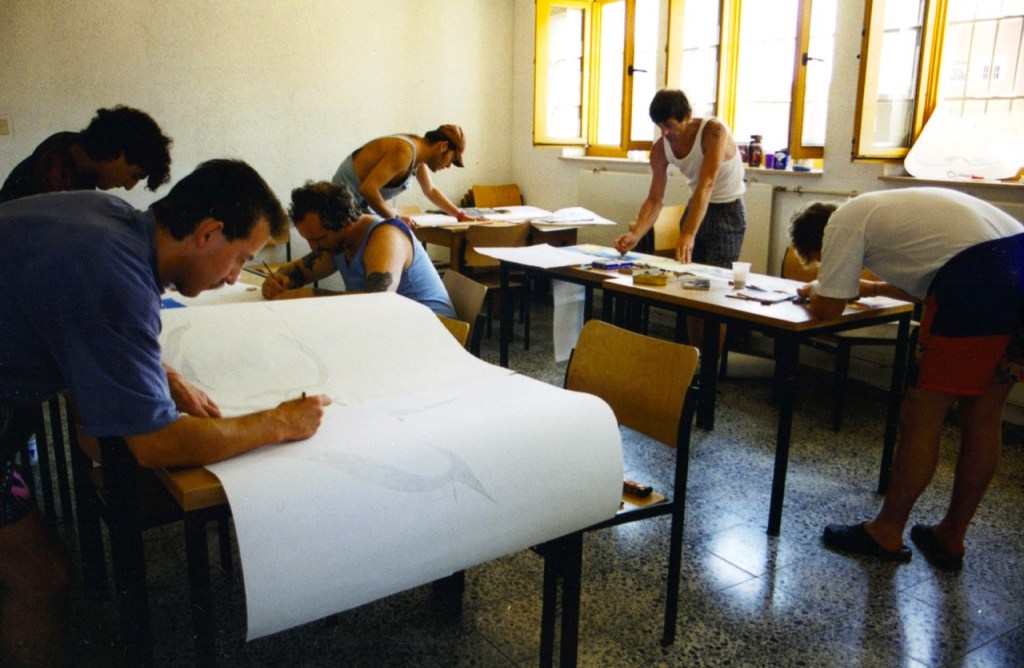
The second starting point comes from a lesson I used to teach prisoners in my mural painting classes, one that I myself now need to relearn: that regardless of what is going on around you, there is always personal choice. 

Creativity is all about choices. No rights or wrongs, just a series of decisions. It’s a process in which successes and strengths are built upon, while mistakes and weaknesses are learnt from, transformed and integrated. The prisoners experienced how each person becomes a co-creator working toward a common goal, the details of which emerged along the way. Initially they couldn’t apply this freedom of choice to their daily prison lives. ‘Choice?’ they’d say. ‘What choice? We can’t be with loved ones, we can’t go to the pub, we can’t even have a shower when we choose!’ True, I’d agree before suggesting that they did maintain a freedom of choice when it came to how to respond to each given moment, person or situation. Would they smile, curse or punch? Put the pencil back in the materials cupboard, or nick it? Over time, they witnessed how their choices began to change their world, and then other worlds they touched. A ripple effect of change…

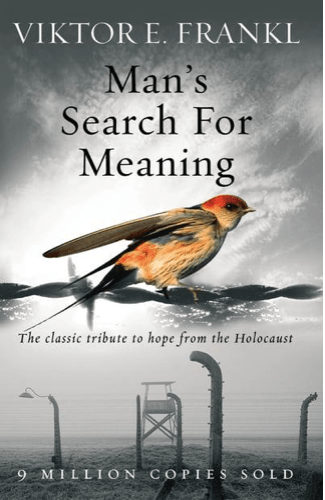
Of course this wisdom is not mine. It was the basis of the teachings of Viktor Frankl, the Austrian neurologist, psychiatrist and creator of logotherapy who claimed: “Everything can be taken from a man but one thing: the last of the human freedoms to choose one’s attitude in any given set of circumstances, to choose one’s own way.”

He should know. He survived Auschwitz and various other camps by discovering what he believed was the primary purpose in life: the quest for meaning. In the early days of psychology and psychotherapy, there was an assumption that we exist in order to reach a certain level of pleasure, power or success. Sigmund Freud’s ‘pleasure principle,’ claimed that the central motivator in human life was to gain as much gratification of our fundamental needs and urges as possible. His disciple, Alfred Adler, substituted ‘pleasure’ with ‘power’ as the prime driver of human striving. His theory believed that all of us are born with an innate feeling of inferiority, which we try to overcome by striving for superiority through power, influence and money. For Frankl, on the other hand, all these goals were actually symptoms that a person had failed to find meaning; a meaningful goal, task or person. Meaning fills the void that so often fuels the unhealthy and destructive drives for personal power and pleasure. Covid and lockdown nudged many of us into searches for meaning, now it’s our choice whether we pursue it.

The Future

I have experienced deep meaning and reward in facing and redeeming the uncomfortable aspects of my German national and familial heritage. In tiny and larger ways, the process changed me as I uncovered unconscious drivers; it changed members of my family and it continues to change people who attend my talks… That’s why I can’t encourage people enough to look at their own history and lineage, warts and all, before the people who can tell you about them disappear. If we can heal our past and make good choices in our present, maybe, just maybe, we will succeed in steering our masked and fragile society to a future that is fairer, kinder and more sustainable for all. 

In Victor Frankl’s words: Live as if you were living a second time, and as though you had acted wrongly the first time.

Daring to look your family’s past in the face

Last week a Chinese schoolboy approached me after my talk The other side: The Second World War through the eyes of an ordinary German family. Slightly trembling and in broken English he asked me if I had been frightened looking into my family’s past. In my talk I describe the journey I started 10 years ago, of peering deep into the darkest episode of modern history to discover what role my family, above all my German grandfather, a decorated Wehrmacht General, had played, or may have played. I knew the boy was asking this question for a personal reason, the shadows of his own family demons were almost visible, passing like clouds over his terrified face.

My grasp of Chinese history is woefully thin. I wracked my brains for atrocities or events that this boy’s family member(s) could have been involved in. Tiananmen Square in 1989 sprang to mind along with the general sense of horrors perpetrated by Chairman Mao’s regime. But actually it didn’t matter whether I knew the precise what, when, where and who of his story. What mattered was the impact it was having on his life.

Read More »

“Tell your story… until your past stops tearing you apart”

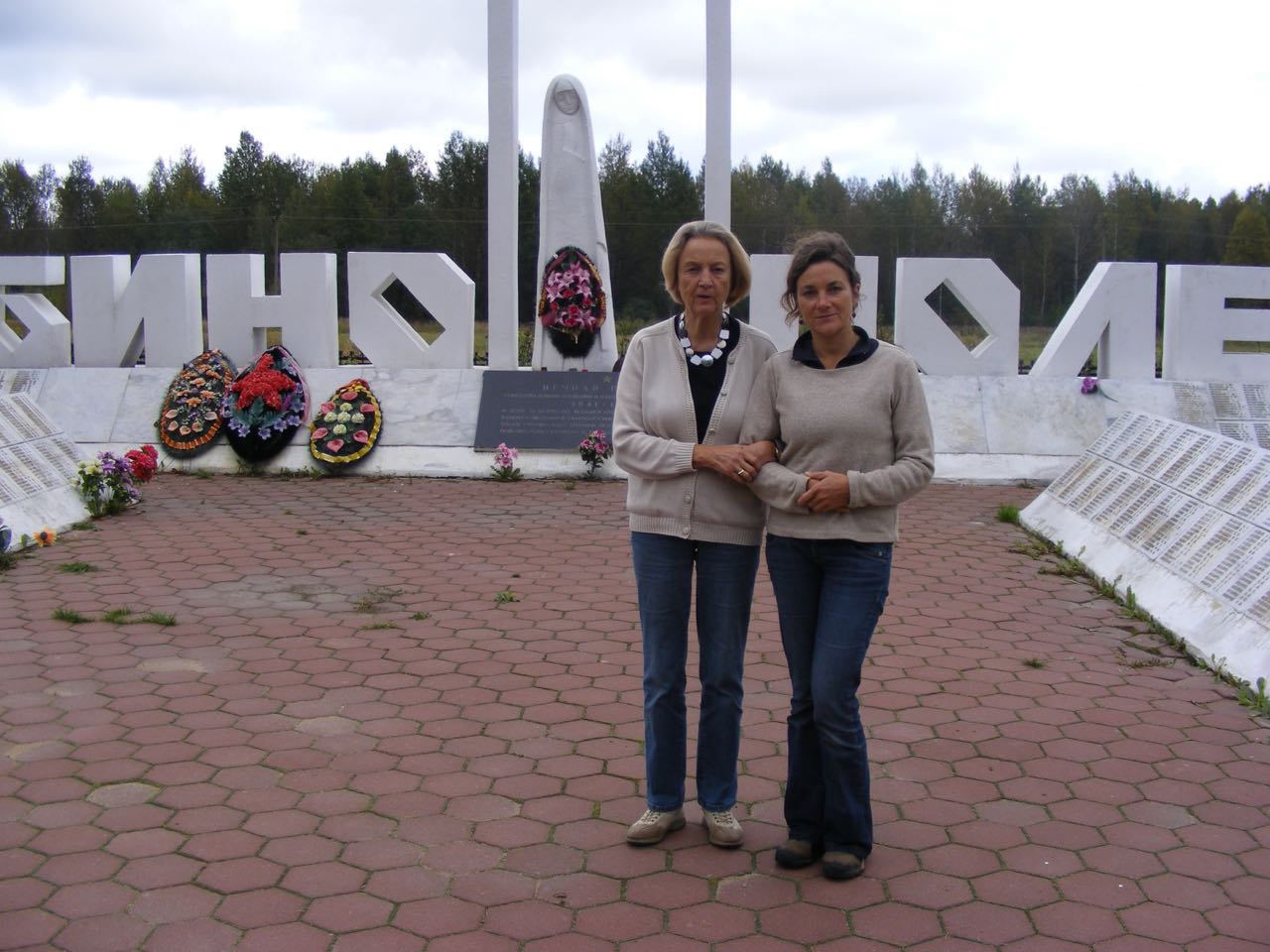
2009_0922Russia090290

Tell your story.
Let it nourish you, sustain you and claim you.
Tell your story.
Let it feed you, heal you and release you.
Tell your story.
Let it twist and re-mix your shadowed heart.
Tell your story,
Until your past stops tearing your present apart.

I heard the above words recently on Radio 4’s Spoken Word programme “Writing a new South Africa”. You can hear it here at 14.38 minutes: http://www.bbc.co.uk/programmes/b053bsfm
Spoken aloud, with all the power of someone who knows the potency of the words, it struck me that this is precisely what I have been doing in the past years.

Read More »

Is there a point in still talking about Second World War Germany ?

lowresKvG9_2

I found it almost impossible to write over the summer or to organise my thoughts into some sort of coherent flow while the sun shone outside producing the intrepid army of courgettes that now lies liquidized in my freezer. Instead I hung out in Nazi Germany, trying to organise 9 years of research into a 40 minute talk for schools and as yet unknown audiences. It was a process of willing black and white photographs to come to life to reveal what has been lurking in the corners of Germany’s post-war national silence for 50 years. But I also found myself wondering (with regular twangs of self-doubt) what the point is of still talking about this subject? And is it still relevant and important for today’s younger generations of English and Germans to engage with Hitler and the Holocaust, or have Bin Laden & other contemporary despots taken his place as ‘Dr Evil’?

Read More »

Searching for identity, through art and dance

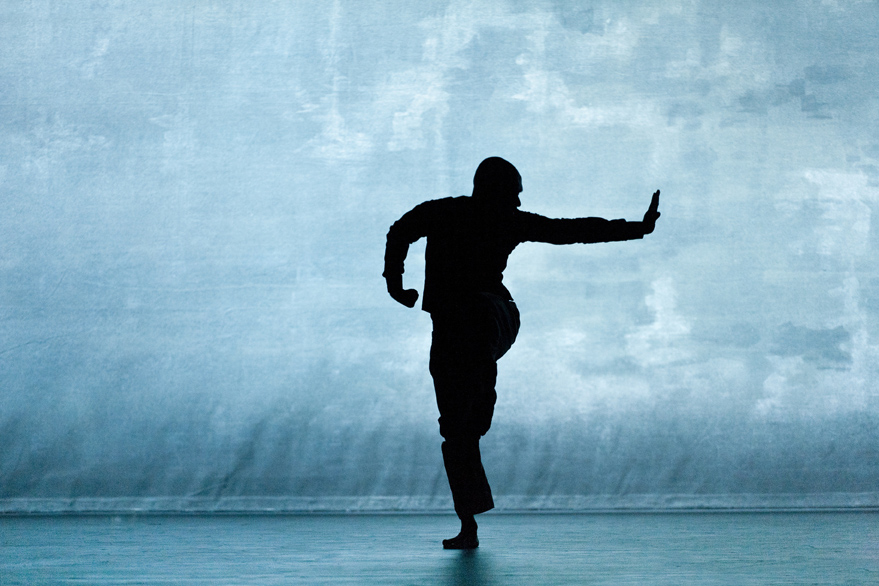
Akram Khan’s solo dance production “Desh” has to be one of the most beautiful and moving pieces I have ever seen. It is a visceral exploration of and search for identity; an attempt to bridge the gulf between two vastly differing cultures – Bangladesh and the UK – and a personal quest by Khan to find resolution within his own family and indeed himself. (http://www.akramkhancompany.net/)

Image

Akram Khan in Desh, Sadler’s Wells, 2013

I had a triple hit of identity issues on Friday. It all started with my being rudely awoken by unexpectedly urgent and slightly panicked questions into who I am and what on earth my life is about.

Read More »

1945 to 2013 in one painting

low res

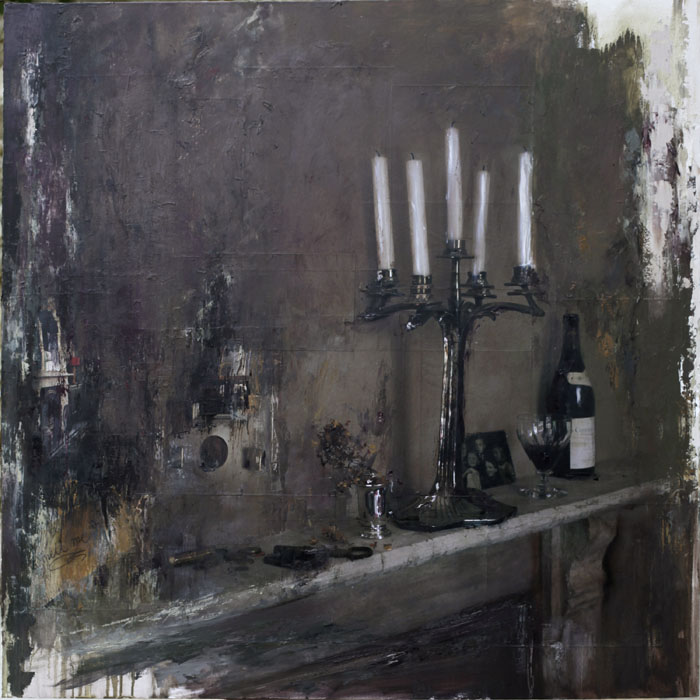
Untitled (with lipstick) 2011

by Angela Findlay

My most recent solo show Fragments of time at McAllister Fine Art in Godalming is entering its final week. It shows work combining photographic collage and oil and is a development of ideas and techniques that led to a collaboration with John Helseltine and a joint  exhibition Filling the cracks in 2011

Reflecting on the paintings I find myself wondering where to next? This body of work has been the result of several years of an on-going interest in capturing glimpses of the everyday, usually overlooked and yet often very beautiful testimonies to peoples’ lives within the privacy of their homes. Initially I worked from a dawning sense of the fragility of what we call “home”, a paradox in the face of the security and consistency we seek there.

In 1945 as an eleven year old German girl, my mother fled her home with her younger sister, the approaching Russian army a mere 40 miles away. The few stories of her childhood experiences float silently in my imagination, their edges blurring with those of my own memories. The implications of her sparse accounts didn’t register fully until I was older. But the images she sketched of a Berlin in flames, the train station heaving with jostling people, and the agonising choice of which doll to take – the beloved but threadbare one or the brand new one from her father on leave from the front? – began to provide a source of inspiration for my work.

Read More »