In search of ‘nothing’… part 1

My yearning for ‘nothing’ has been growing incrementally over the past few years. I have alluded to variations of apparent nothingness in my book and previous blogs when I discuss ‘negative space’, ‘the feminine principle,’ the vital pause at the start of Beethoven’s 5th, all expressions of that immaterial level of life that evade measurement or proof by current instruments of science. It is space, in every sense of the word.
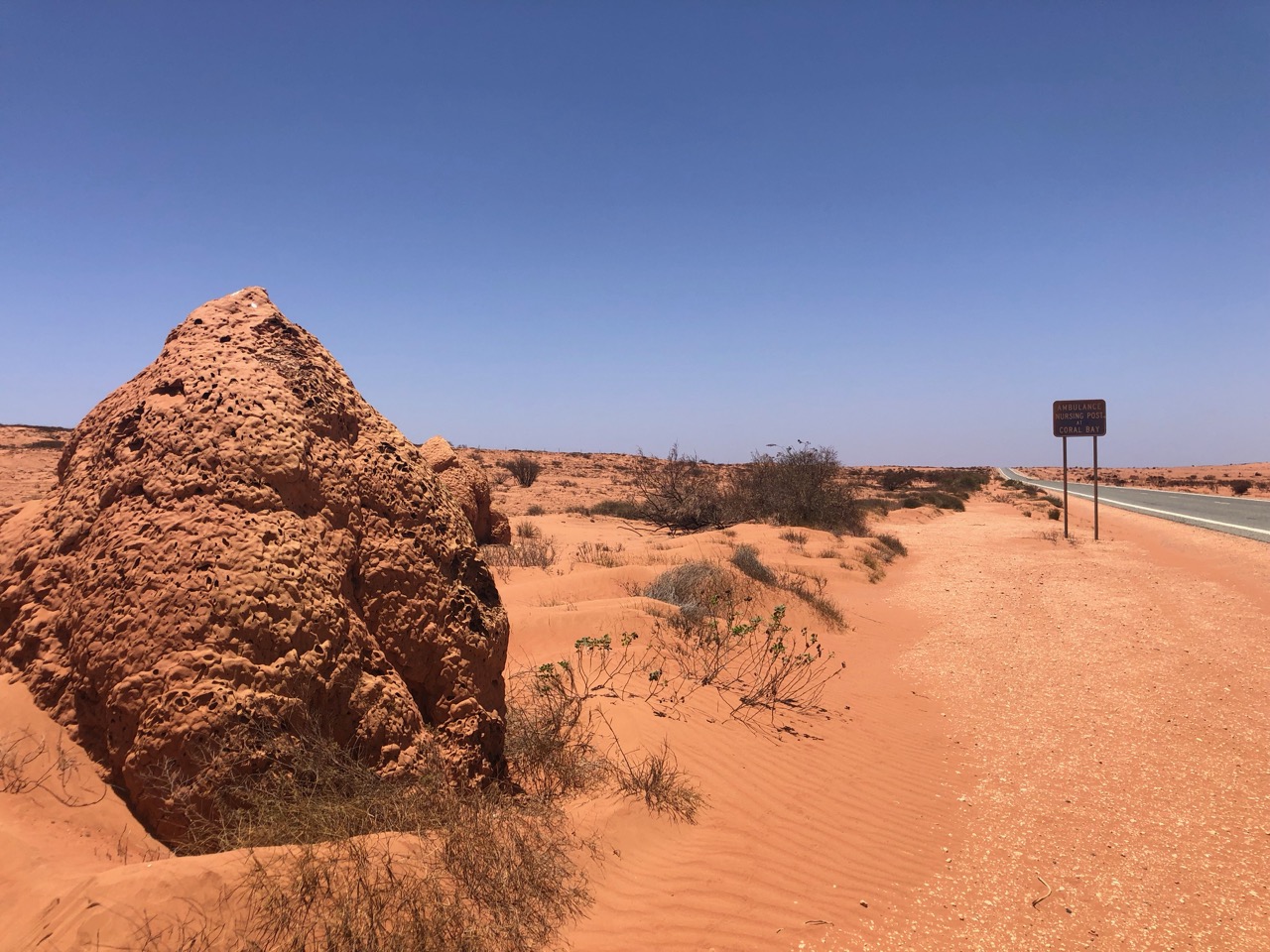
Ever since my first and only trip there in the mid-eighties, Australia’s unique form of emptiness has tempted me back. Its vast cobalt-domed red plains sealed by 360˚ of horizon and uncluttered by physical landmarks of human endeavour older than 235 years. Here the world could well be flat. For the mind expands unhindered in all directions, stretching until the last strands of taut linear thought surrender their elasticity to slip like well-worn pyjama bottoms into a useless pile around the ankles.
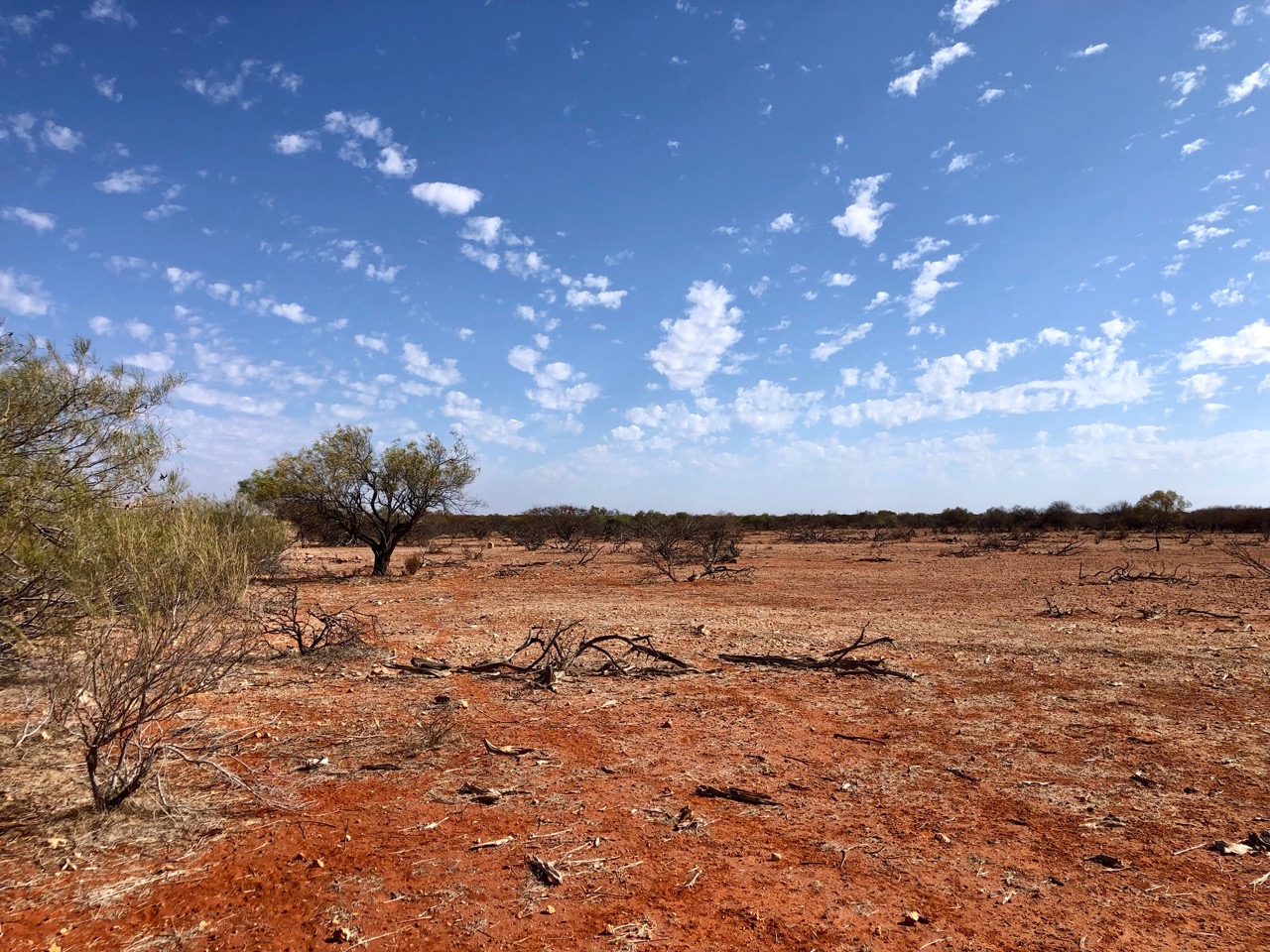
The island continent is a landmass that cannot be understood with the brain. It must be embodied, felt. Having travelled there between the wars, a confounded D.H. Lawrence wrote in Kangaroo (1923): “You feel you can’t see, as if your eyes hadn’t the vision in them to correspond with the outside landscape.” 

The Western Australian novelist, Tim Winton, expands on this inability to process what is around you in his book Island Home. It requires time. Duration and experience. Submission and waiting. ‘Space was my primary inheritance,’ he writes of his upbringing. ‘I was formed by gaps nurtured in the long pauses between people.’
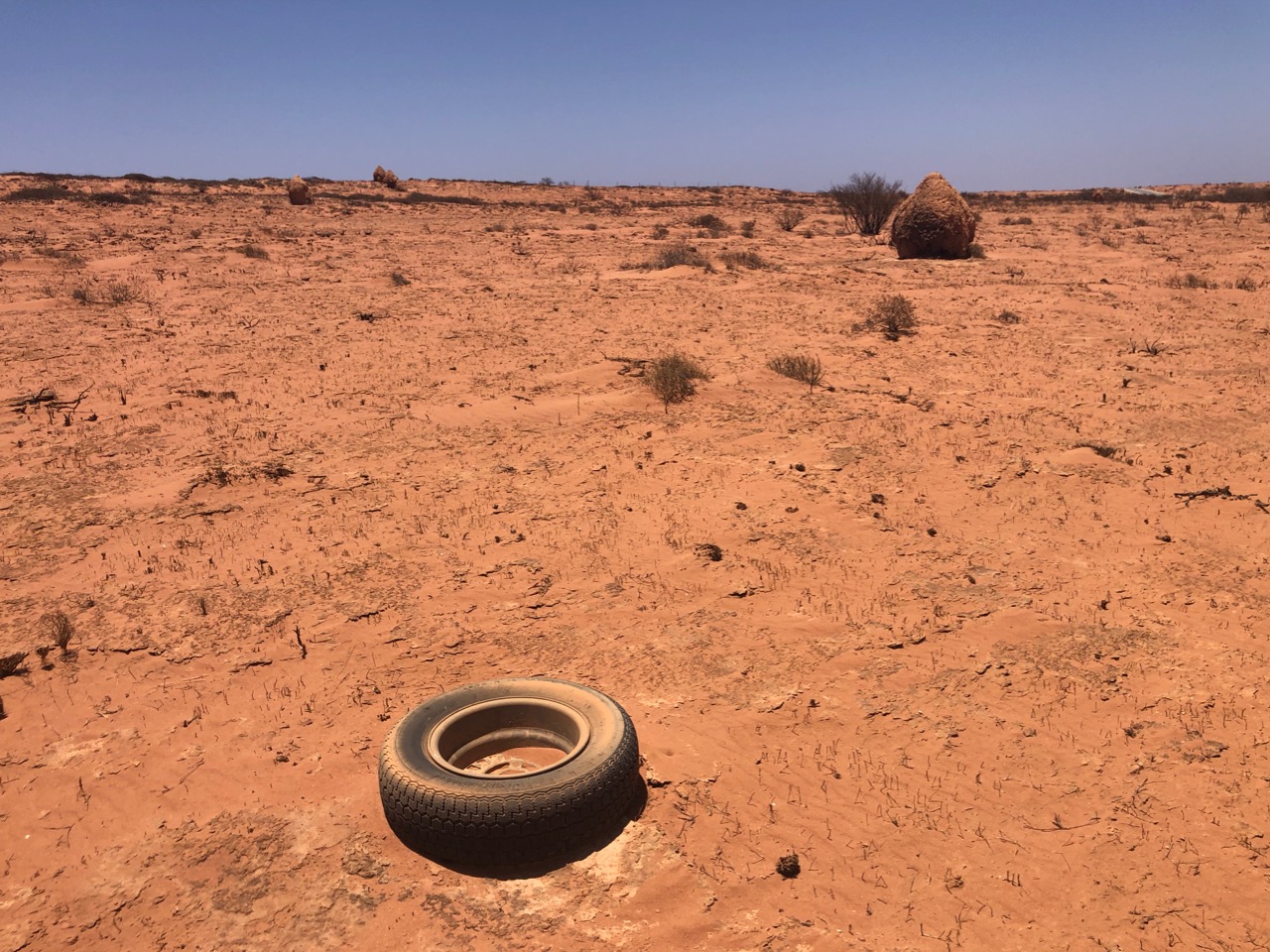
I recognise the impossibility of putting the sensory vocabulary from the 18 months spent here in my early twenties into words. And yet, a residual, visceral resonance with the land, aboriginal culture and those ‘gaps’ remained through the decades despite my disproportional terror of almost every native creature that swims, slithers or hops. 

One of the aims of this trip to the inland and coastal terrain of Western Australia was to visit old housemates who shared that vibrant formative period in Sydney. Other motivations came from a need to escape the increasing compactness of a busy work schedule and a head filled to the brim with daily horror stories of escalating conflicts, the non-sense of current politics and power struggles, the dreaded false Gods of ‘economic growth’ and technological ‘progress’ and the cold soggy winter shades of grey. I wanted to blow my mind wide open in order to (re)connect with a more primal relationship to space and time. And life itself.

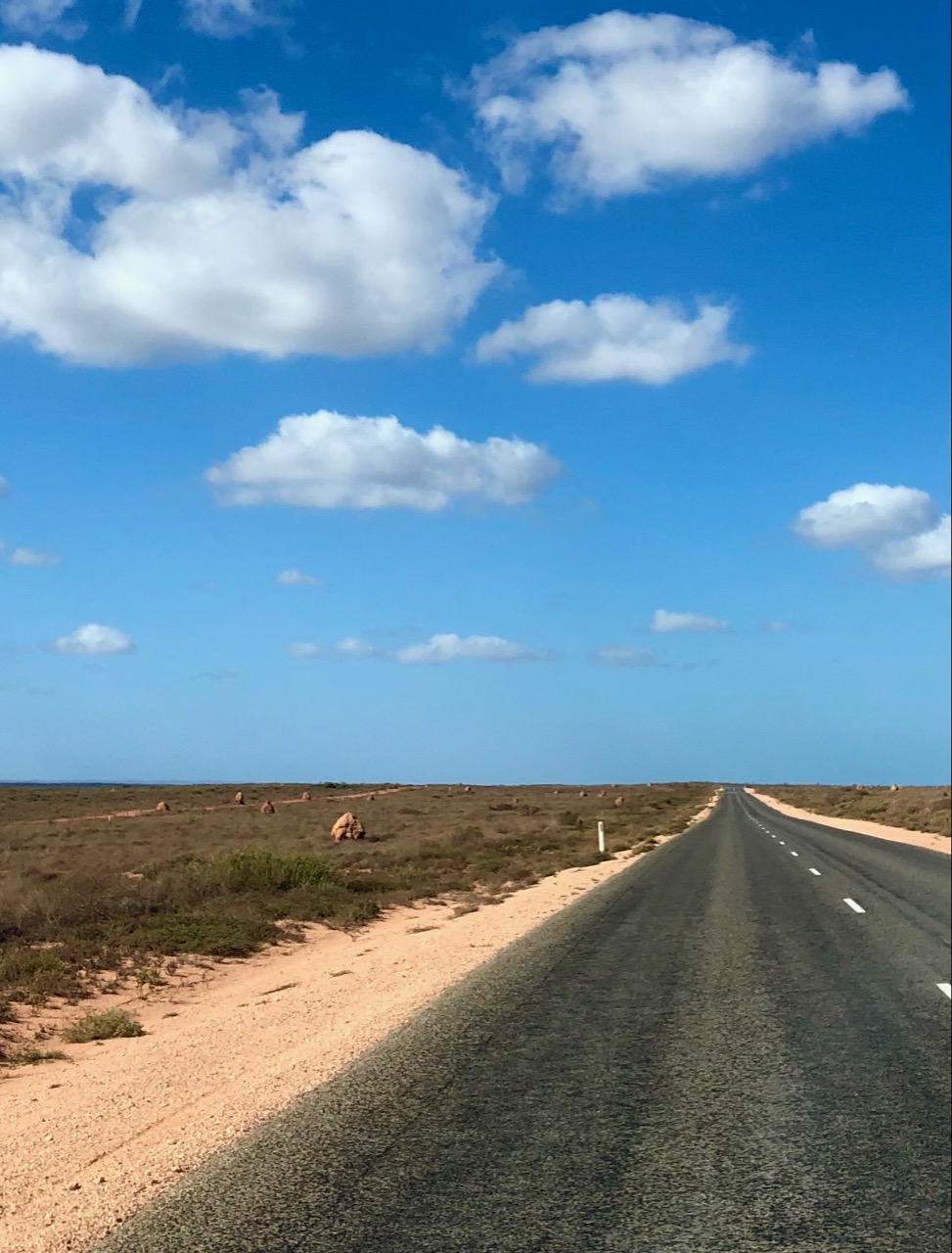
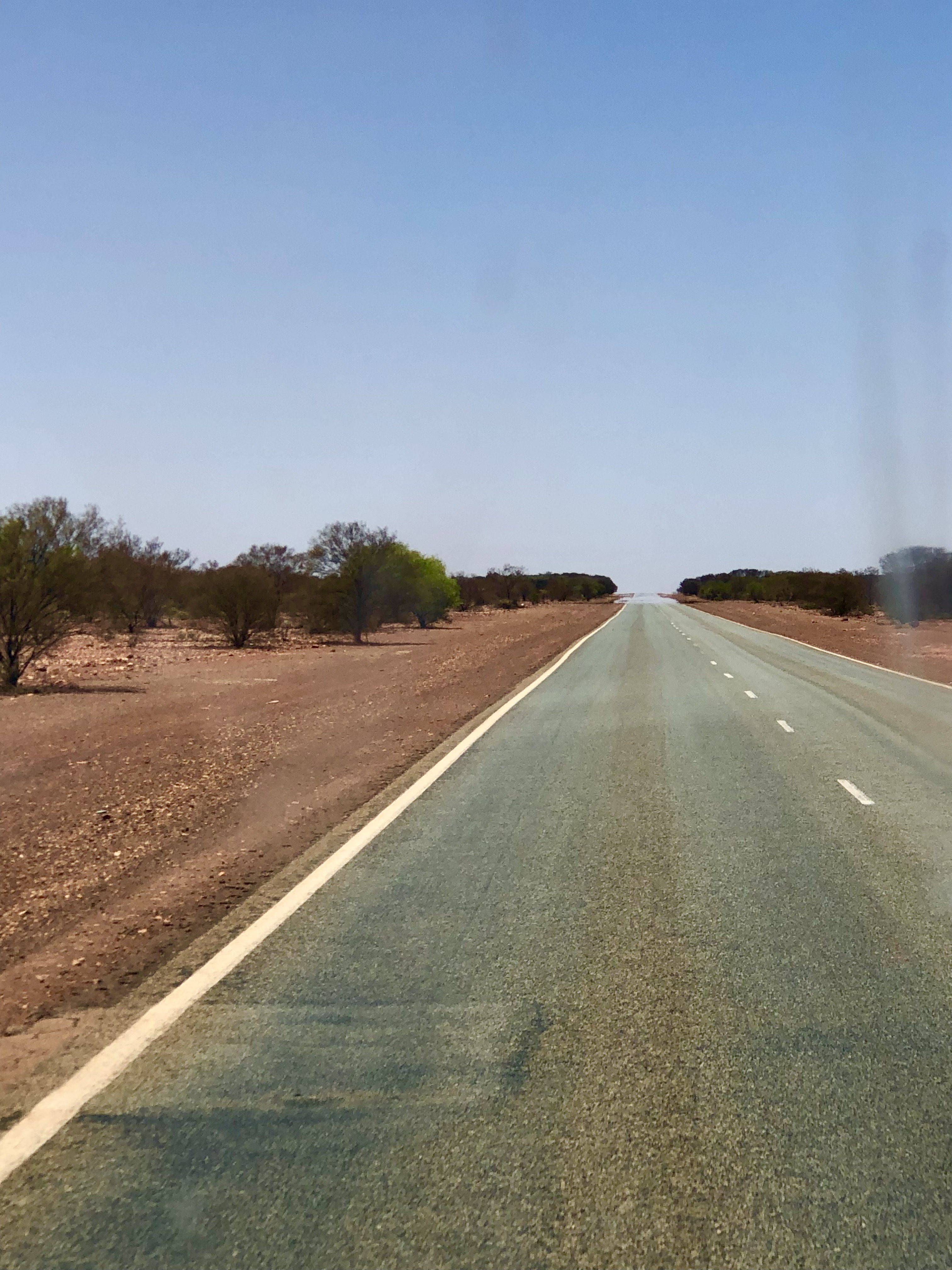
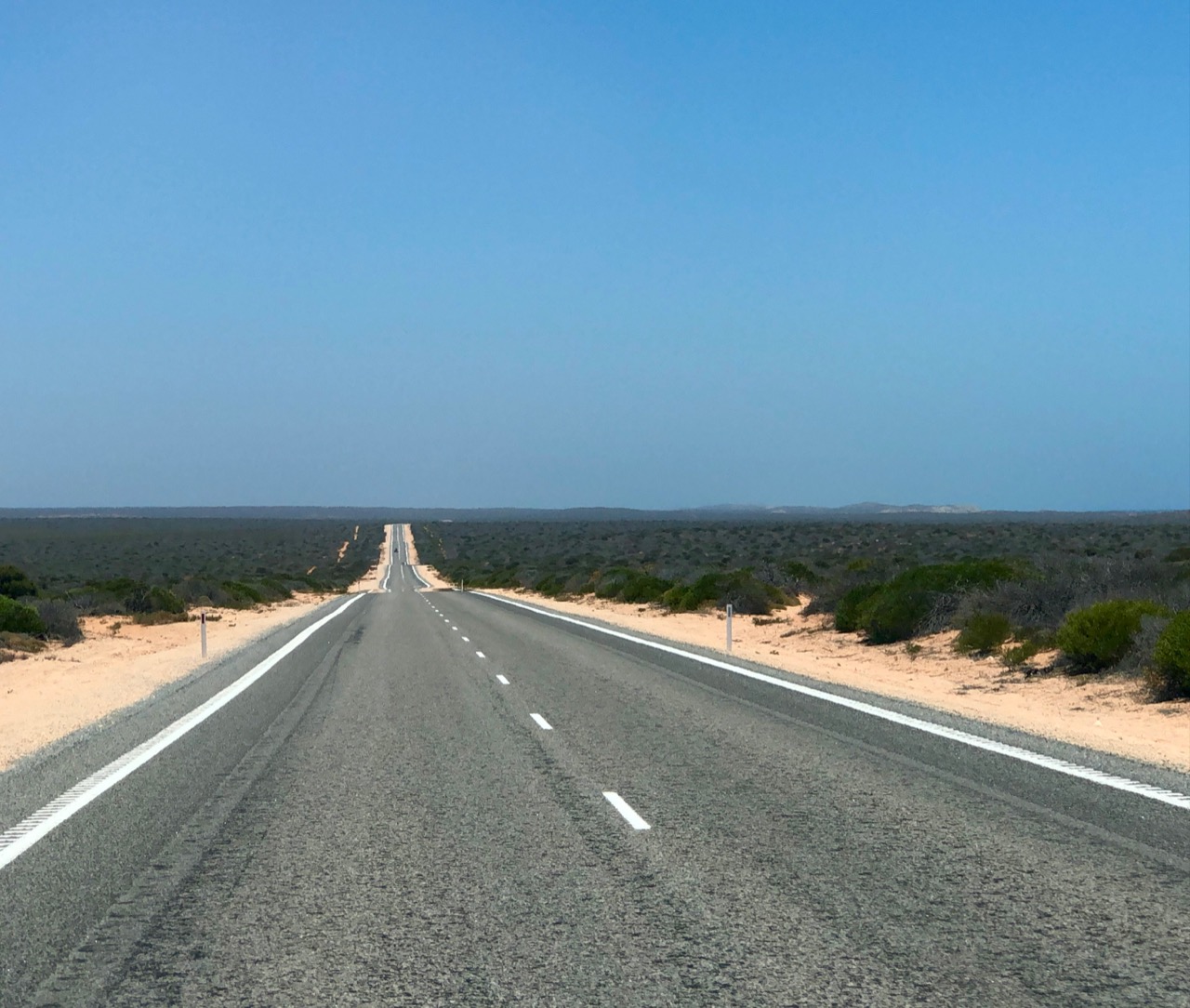
Departing from Perth on 15th December, a friend from Melbourne and I loaded fuel, water and food into a 4WD Toyota Landcruiser ‘troupy’ converted into a camper van clearly designed for a contortionist. Heading north-east we followed the Sat Nav’s increasingly sparse instructions until a lazy voice told us to just ‘drive straight for 280km.’ And then another 250. And then another.
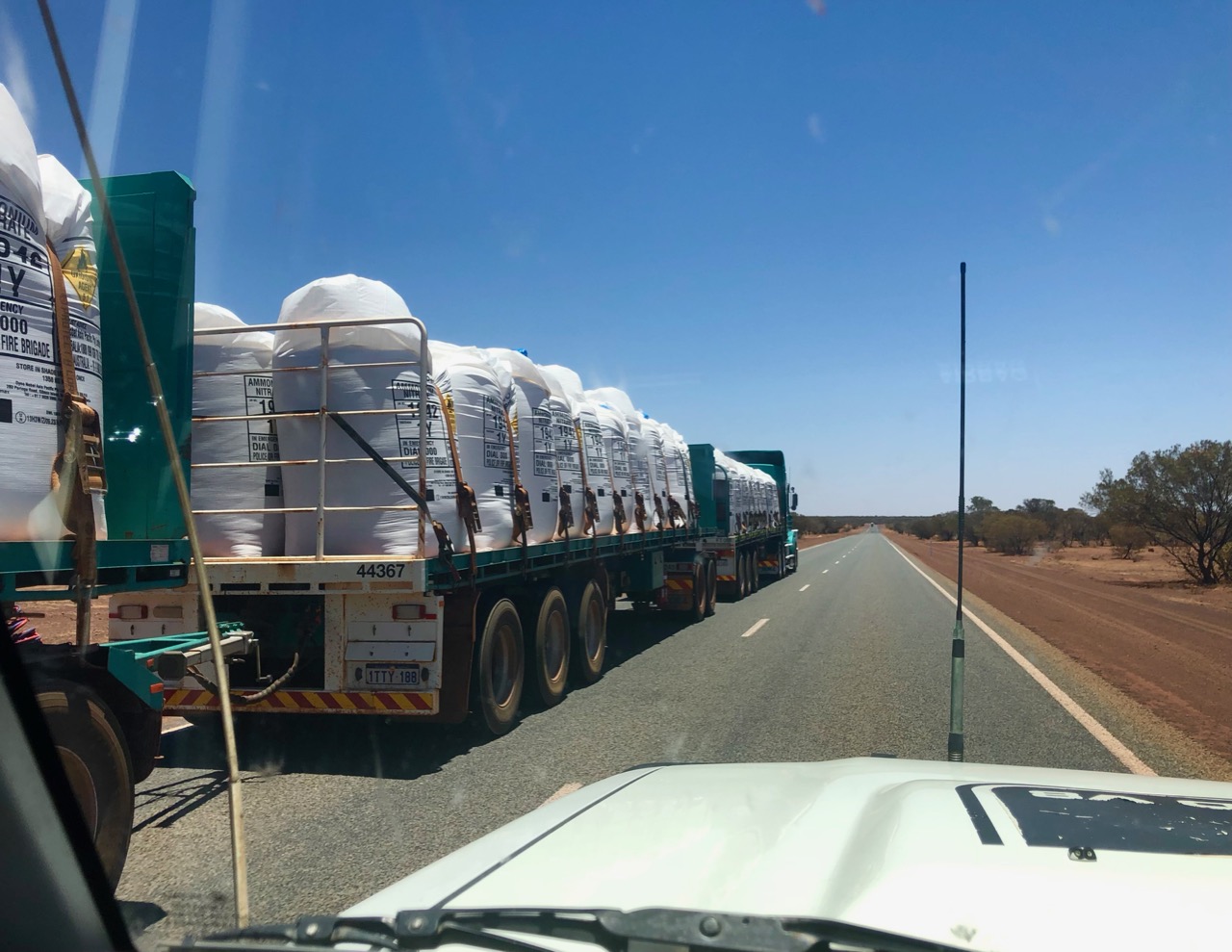
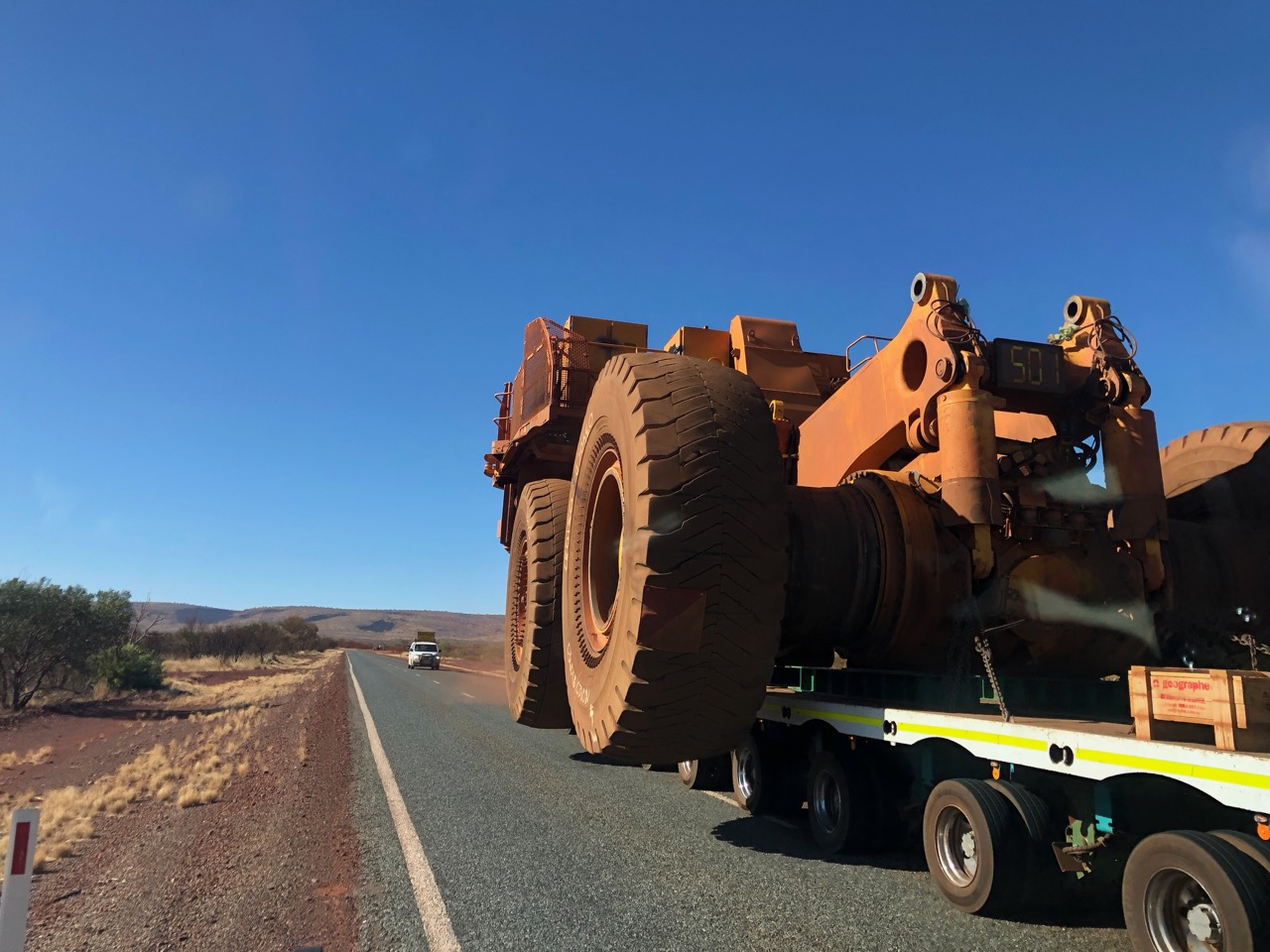
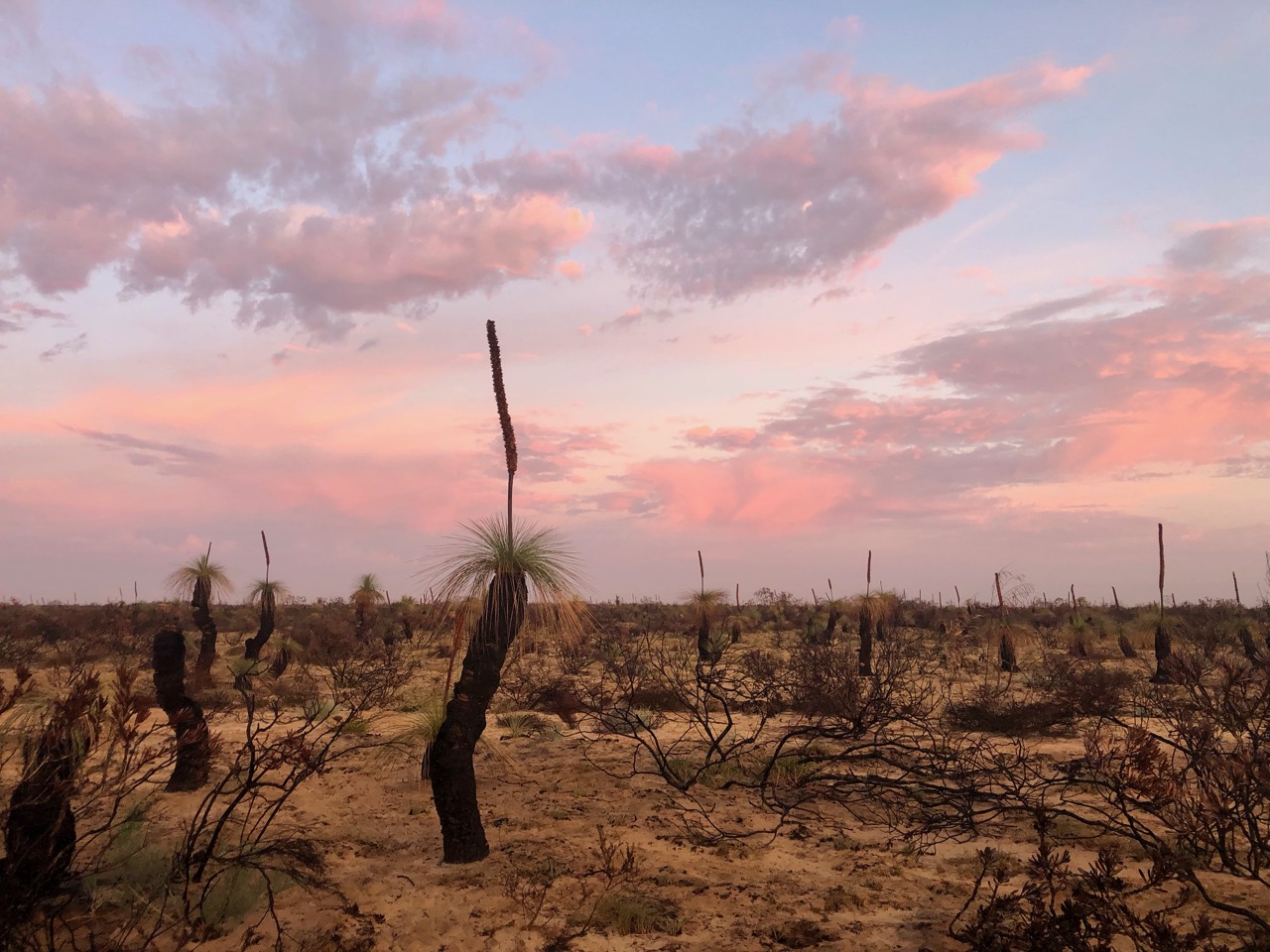
Barely turning the steering wheel except to overtake 60-meter-long road trains bearing heavy loads of ready-made houses or industrial monsters destined for the mines, we watched as the golden fields of the wheat belt dried and darkened into the deep ochres of the outback. The green foliage and white trunks of swaying gum trees gradually gave way to more sclerotic scrubland as earth and sky baked in the unrelenting rage of 44˚ sunrays. With rivers and gorges evaporated and all sensible holidaymakers having headed south, meet-and-greet parties of thirsty flies eagerly awaited us at each stop to feast on our eyelids, nostrils and lips. 
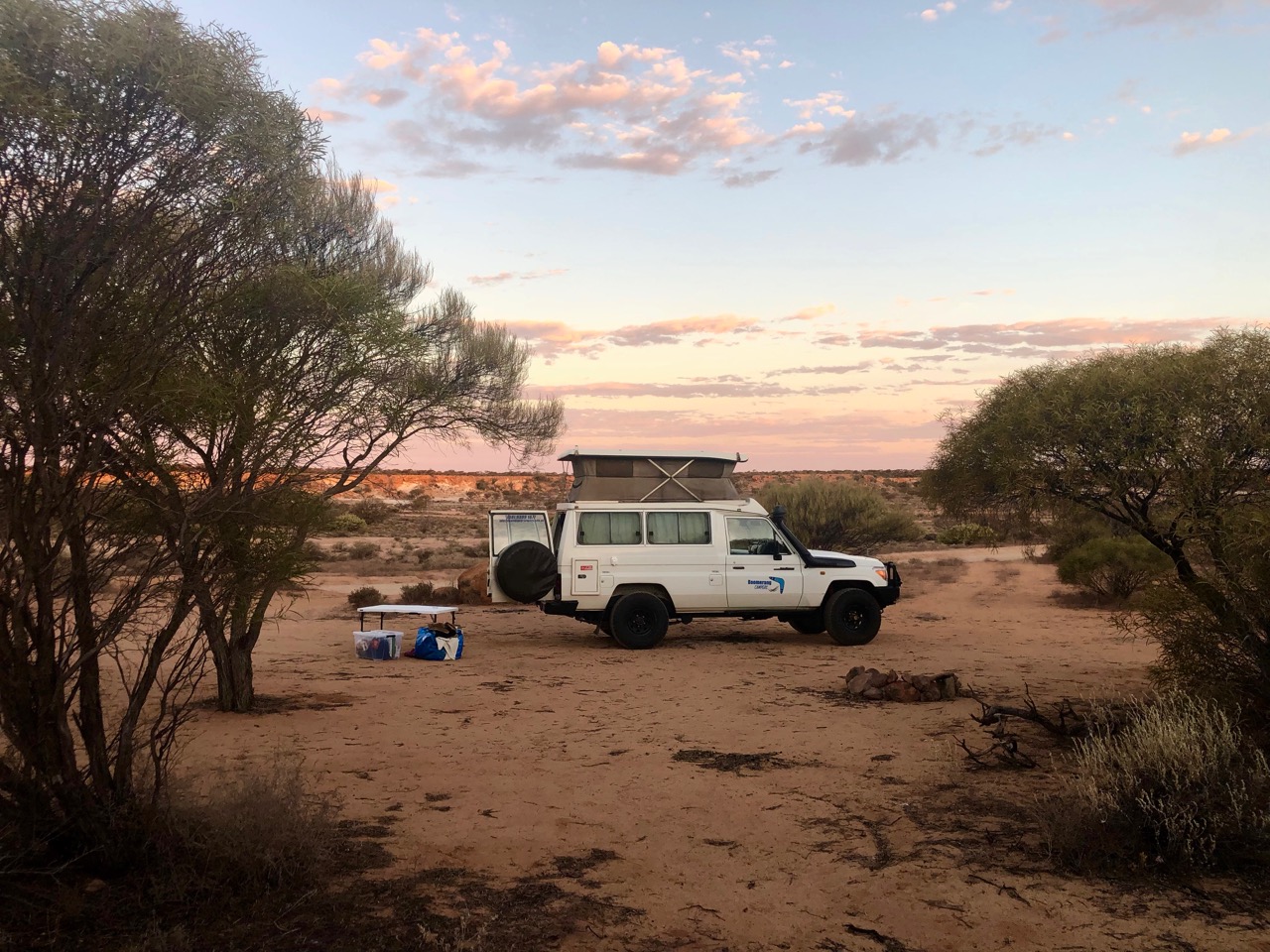
“One seems to ride forever and come to nothing and to relinquish at last the very idea of an object.” Anthony Trollope in the 19th Century
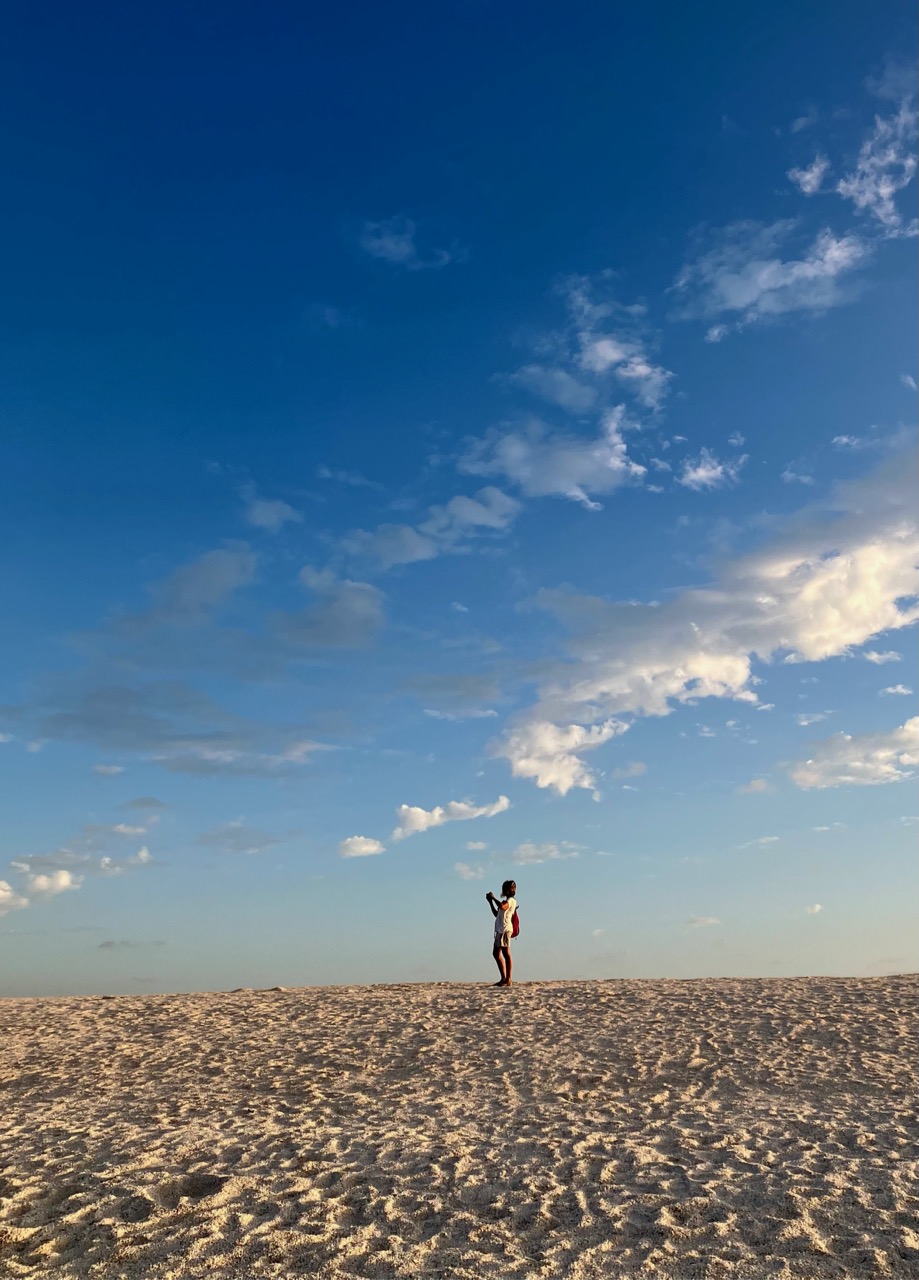
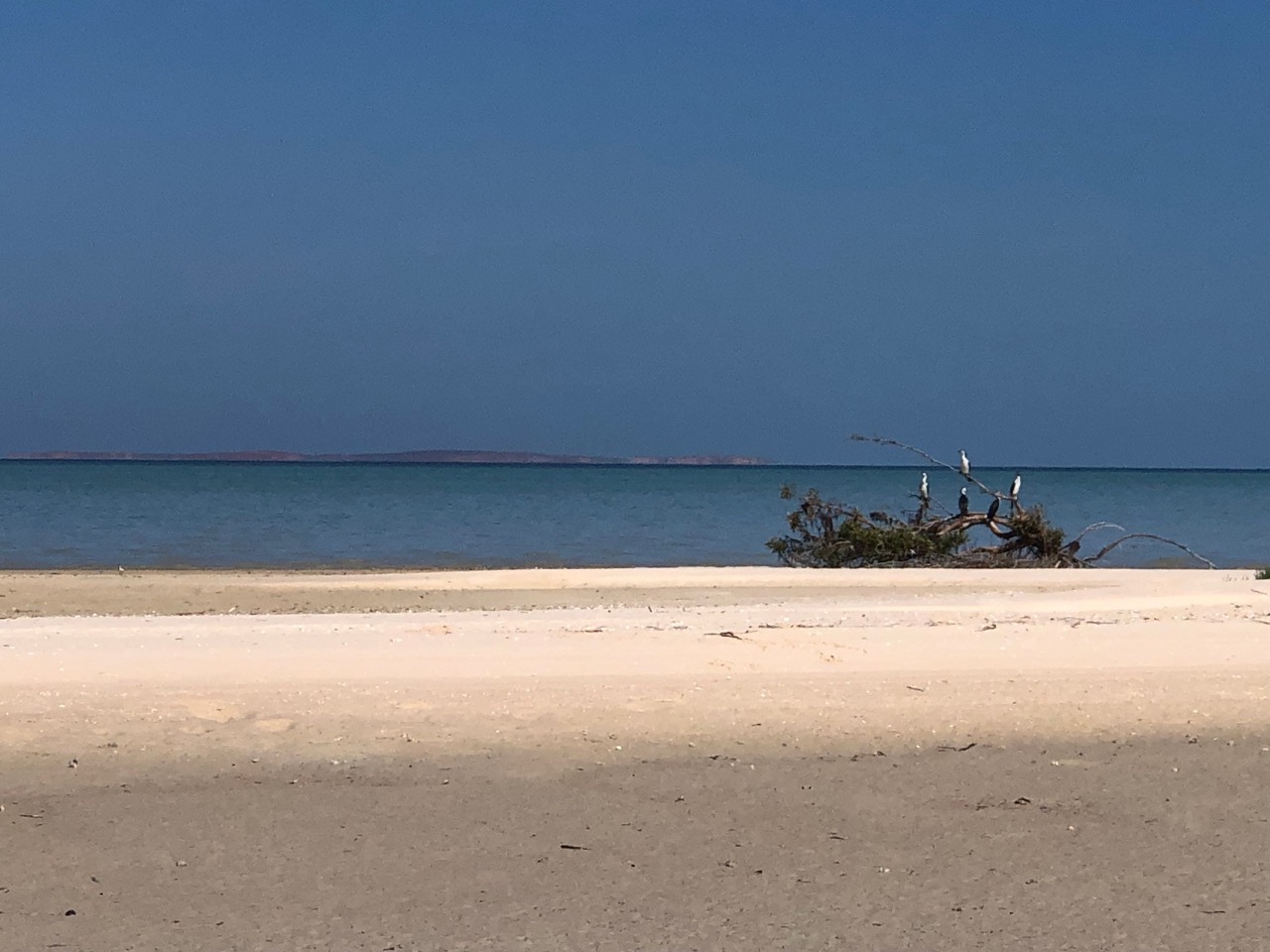
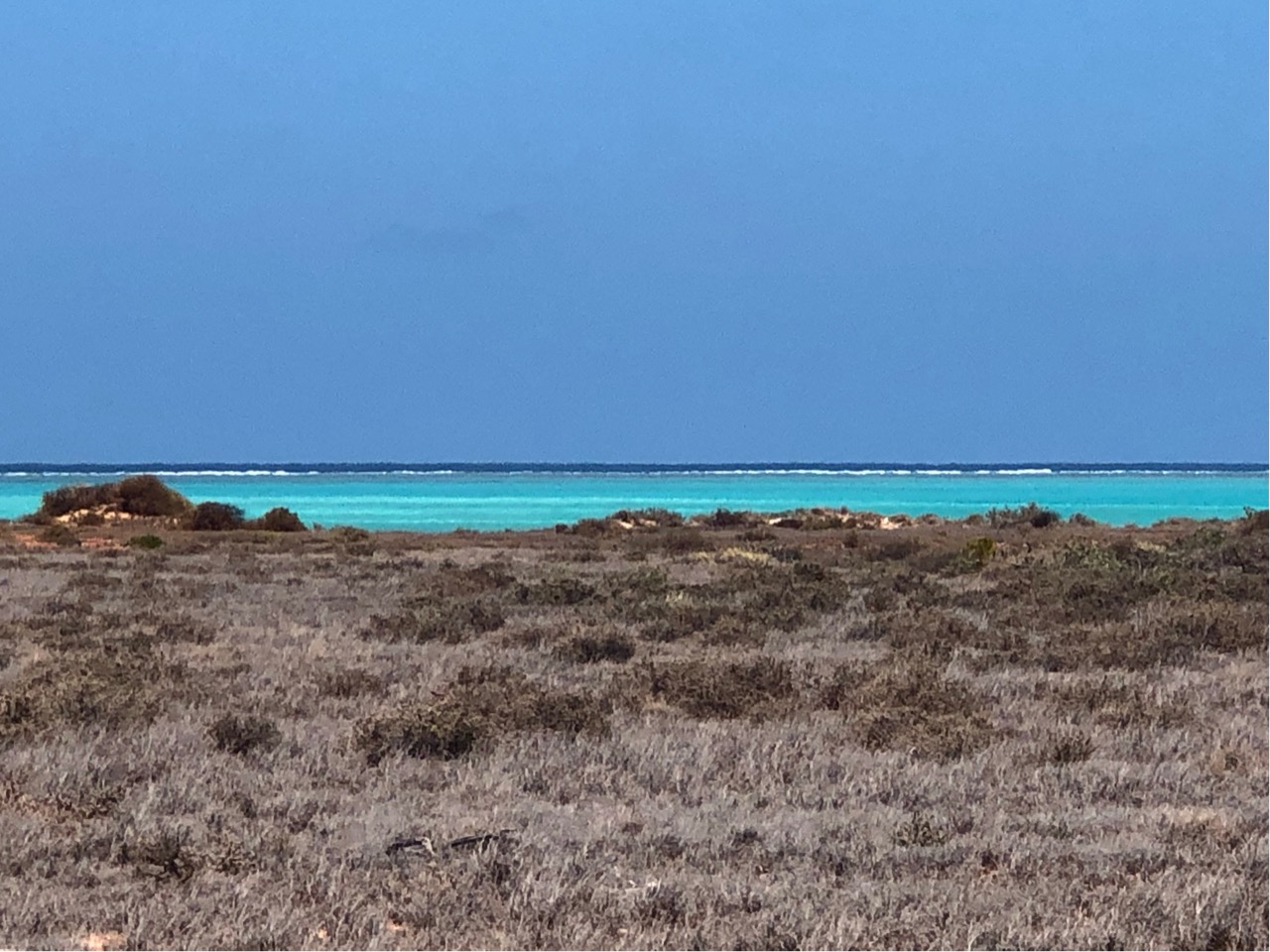
While indicators of bush fire risks threatened, the surreal warnings of floods made us salivate. It was only when we reached the white sand shores of Cape Range that we were introduced to the element of liquid. Turquoise waters busy with turtles and unfazed multi-coloured fish that populate the coral of the fringing Ningaloo Reef.
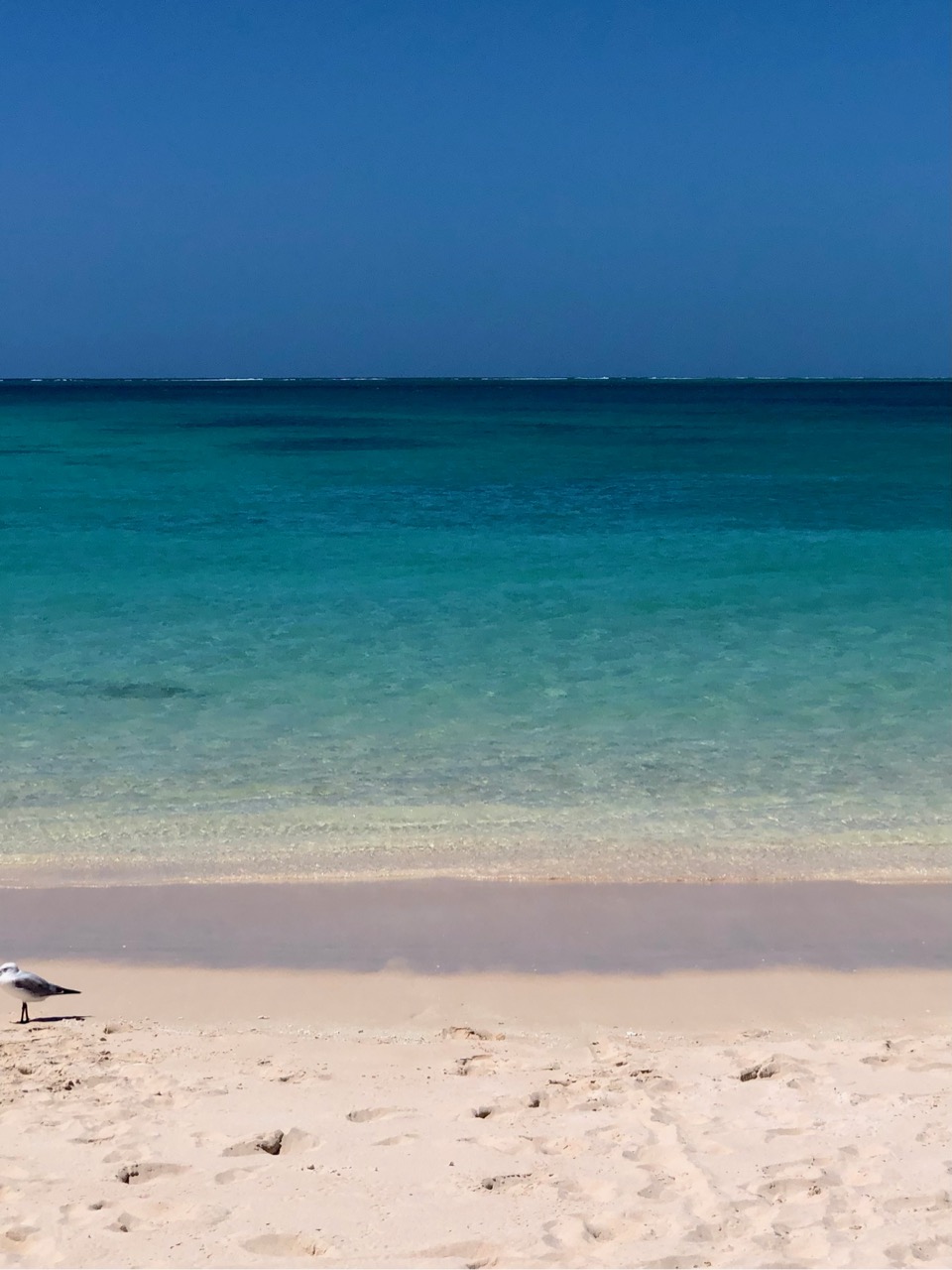
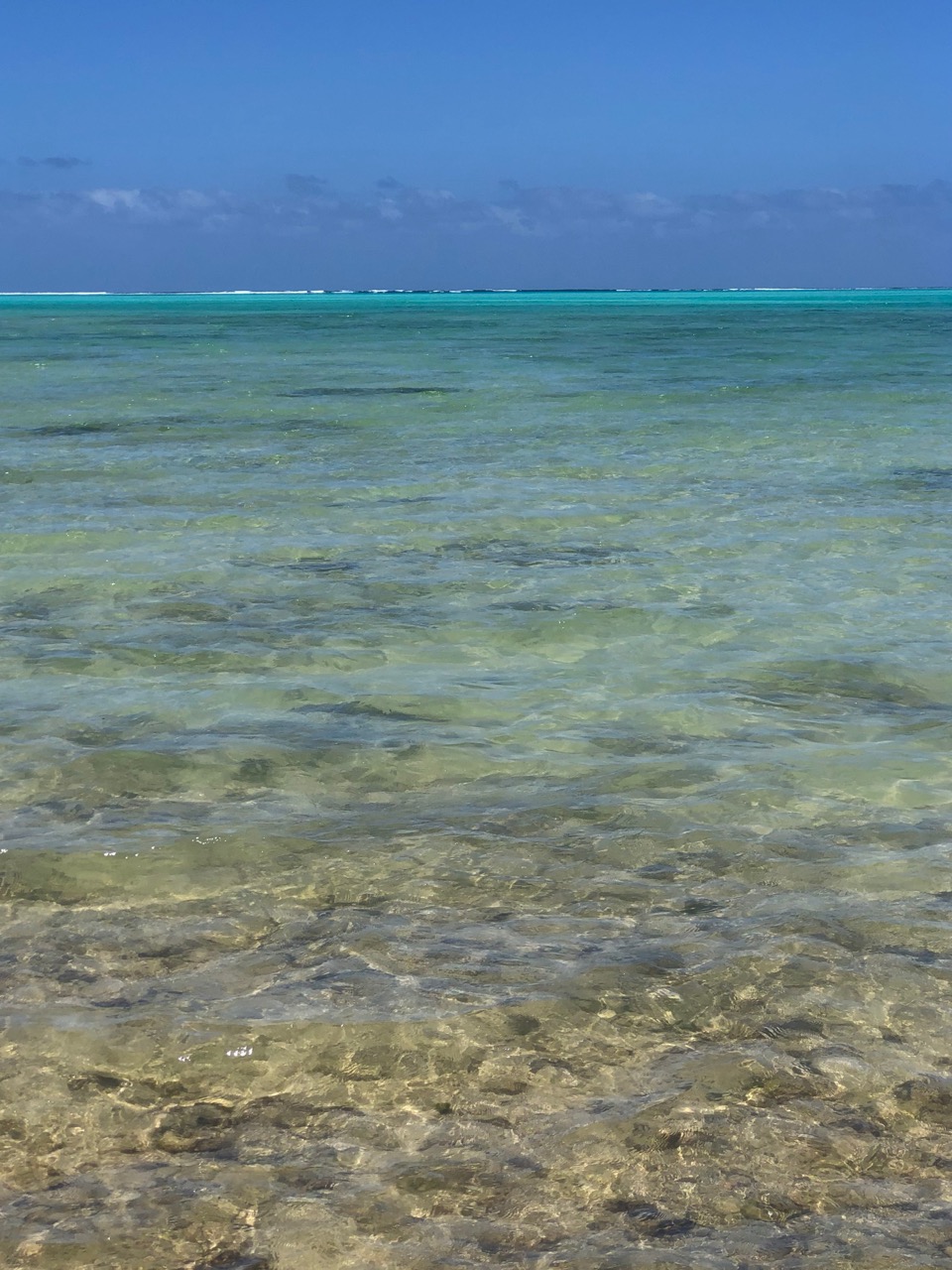
Water, water may have been everywhere, but there was not a drop to drink. No taps, no showers, no quenching glass to fill. Here the elements don’t provide a mere backdrop to human dramas. They are the drama. And they rarely disappoint. The very molecules that make up earth, sea, air and heat seem packed more tightly to consolidate into physical entities that vie to destroy each other in fierce games of rock – paper – scissors. 
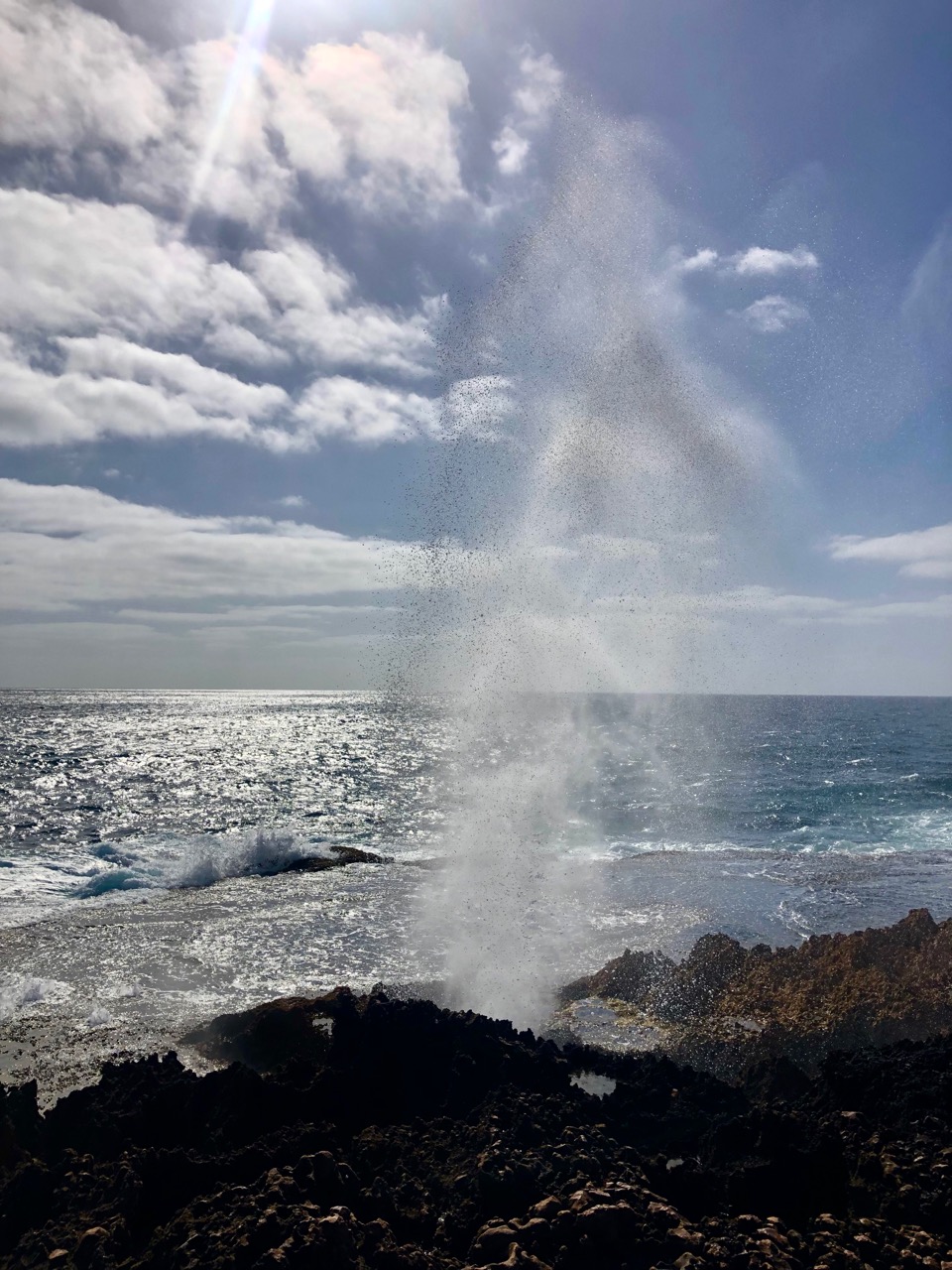
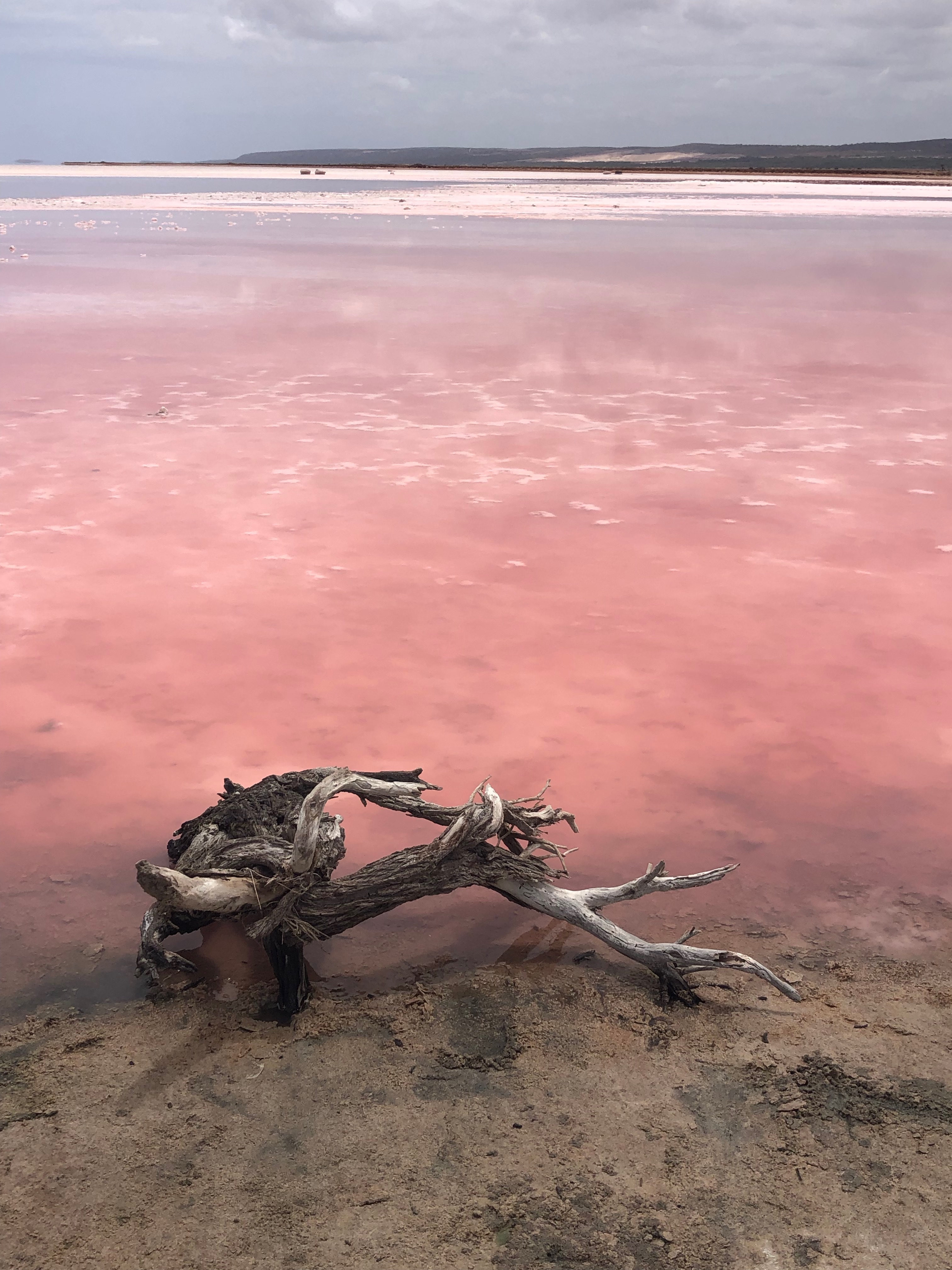
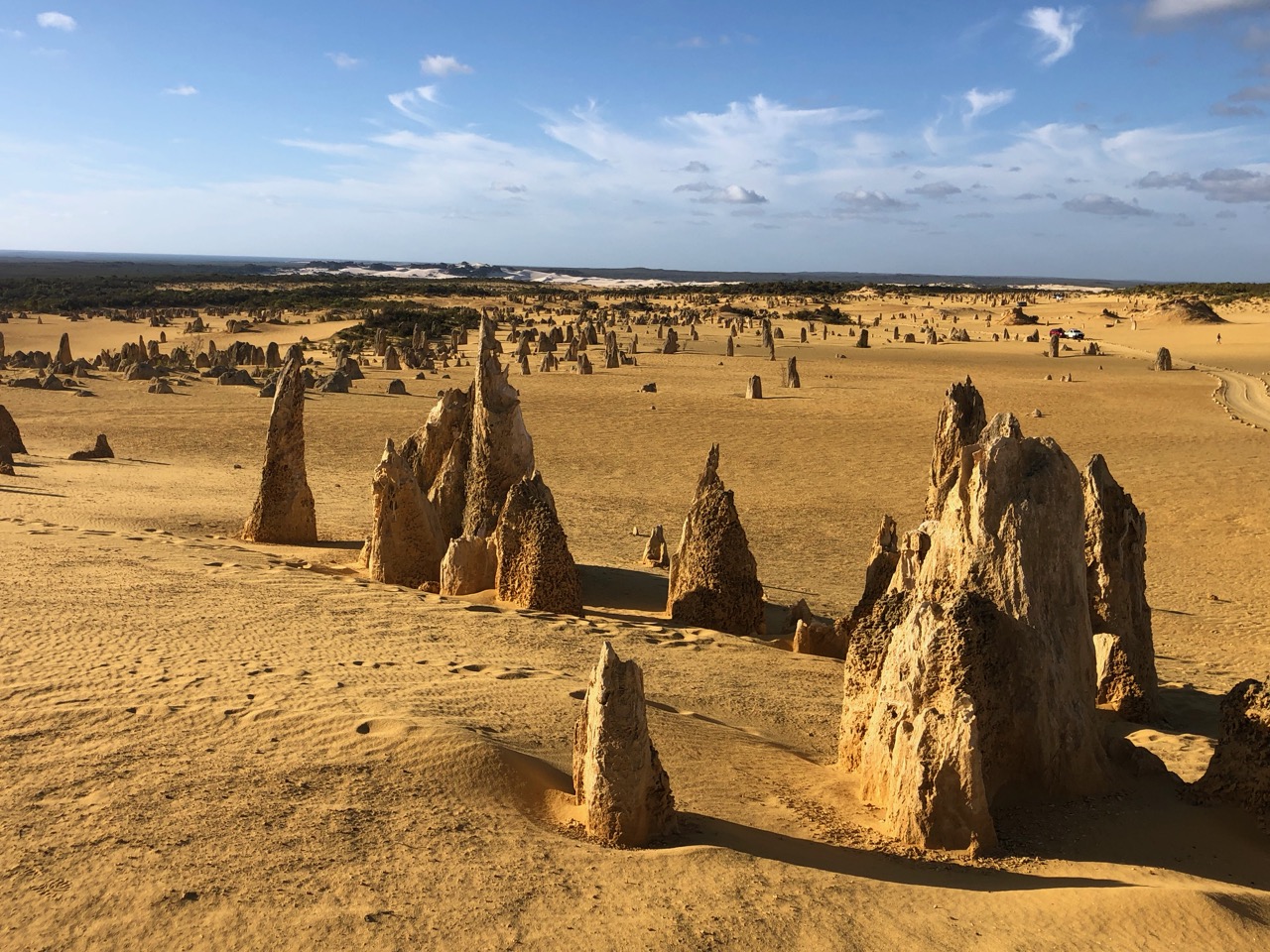
As we travelled southwards down the coast we passed orange monuments of termite mounds, the jagged teeth and rounded limestone phalli of the Pinnacles Desert. We looked down from heady heights onto a mottled green lagoon in which spooky shapes of sharks and stingrays silently moved about their day isolated from the inky depths. We shuffled along eerie beaches made from deep swathes of white shells emptied of their inhabitants and lined by water too salty to enter. We climbed ragged gorges shaped by cyclonic rains and wind and home to black-flanked rock wallabies, paddled in silver-pink salt lakes and swam through mazes of coral. Each scene could have been a movie set… and a sci-fi one at that.  
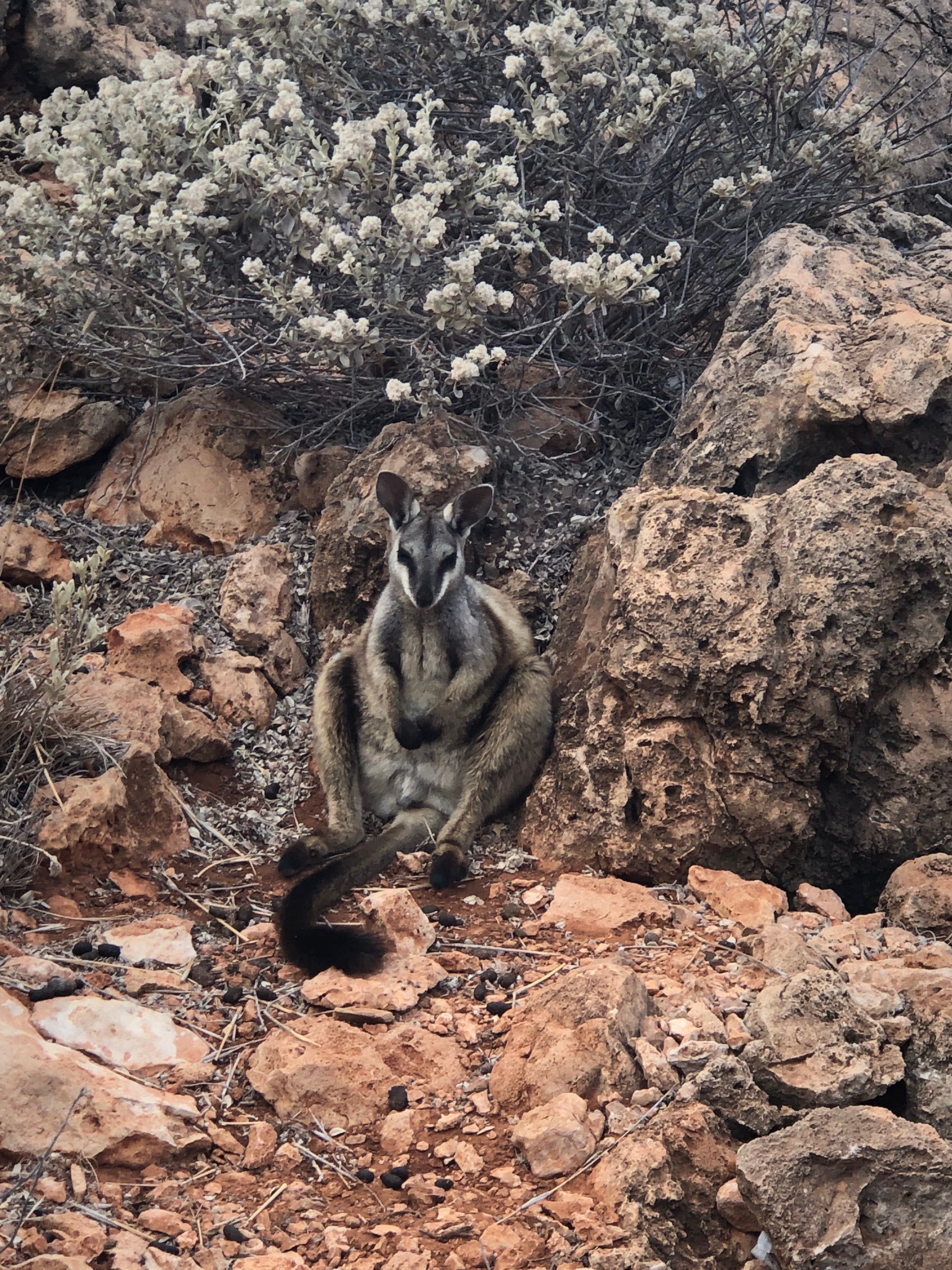
It’s not surprising that three weeks on I am still feeling the ever-changing landscape whisper its secrets into the spaces within my mind and body. With both deliberately denied all news, social media and the familiarities of home, it is easier to hear.

For many visitors and natives, the landscape is daunting, monotonous, melancholic, ugly. But for some it is an acute experience. I find myself inspired by the clean-cut lines of the horizon that stretches in all directions as far as the eye can see dividing opaque blocks of cobalt and red ochre or bleached cerulean, salted turquoise and pristine white into the containers of empty space. 
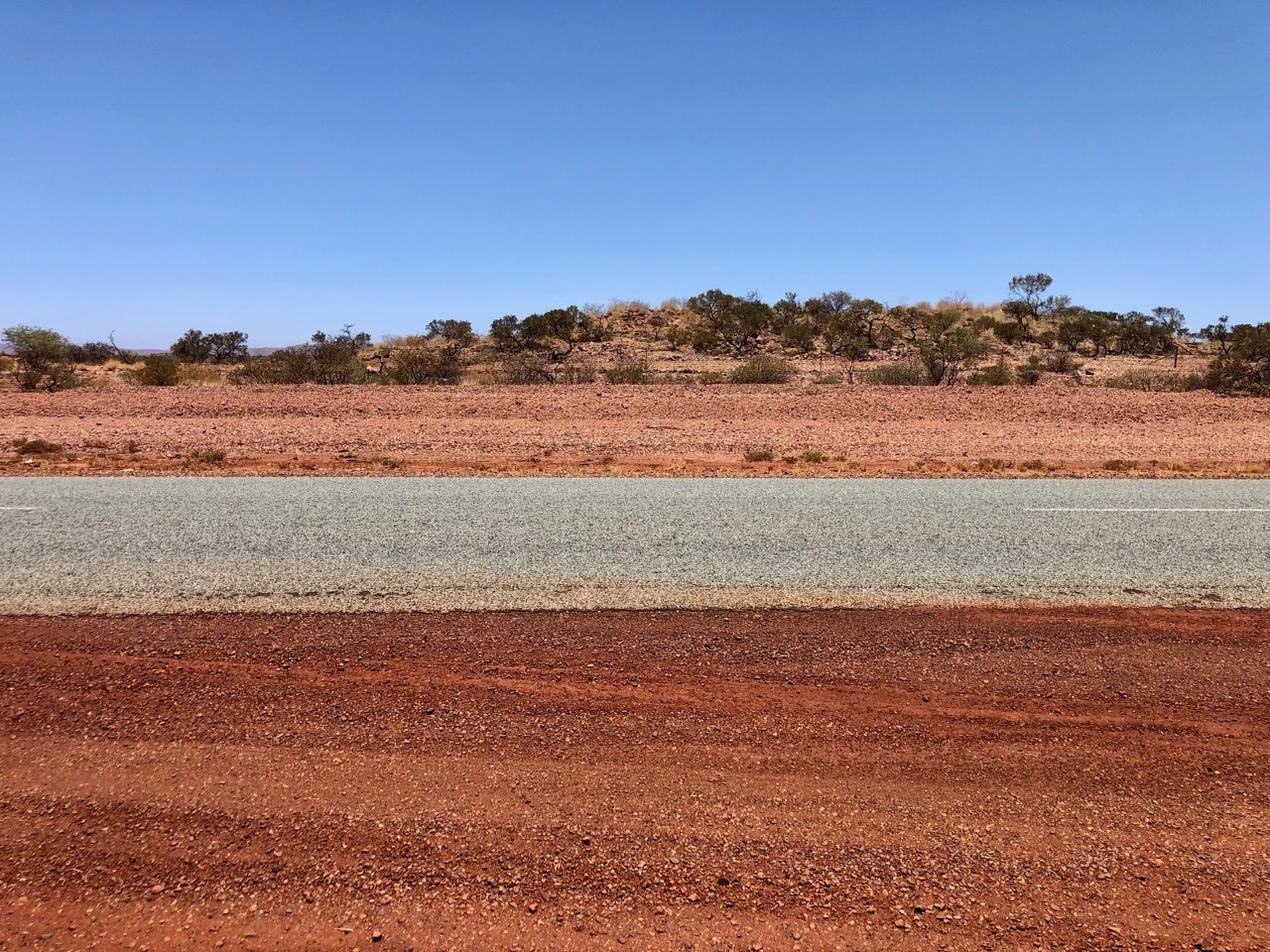
Much of Western Australia is made up of a landscape where the marks of two centuries of colonial successors appear to merely scratch the surface with straight asphalt lines and low-lying bungalows ducked under corrugated roofs in an attempt to escape oppressive heat and excess cost. To the trained eye, however, non-indiginous man’s marks are much deeper and more destructive… in places devastating. But there is no getting away from it, we are a mere blink in the long timeline of this ancient geology. 

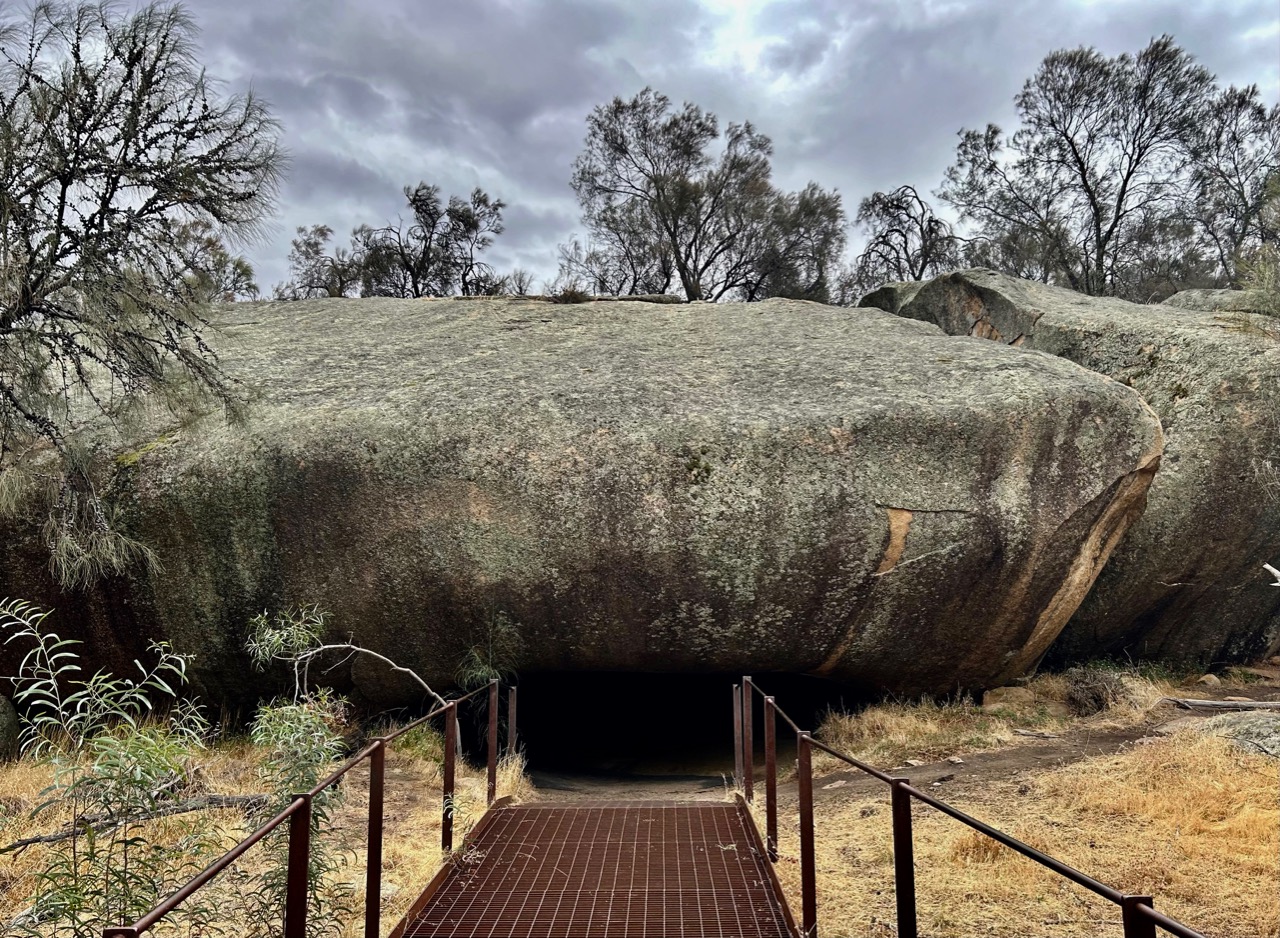
There were moments I too longed for the containment of four solid walls, a chance to withdraw from the wild and hibernate, as I am accustomed to doing at this time of year. And it was indeed within the cool damp walls of a dimly lit sacred cave that I found stunning evidence of the nothing I have been seeking…
To be continued… Part 2 will follow soon!

So we’re all here… but how do we get ‘there’?

Things have to change… surely no-one could disagree with that? For Covid has neatly lined up in plain sight all that is unsustainable, unjust and disproportionately vulnerable in our society. The question is: How? Who can we rely on to bring about change? I have already gone through a list of potential candidates to lead the way – the prime minister, politicians, councils, charities, schools – but they are all tied up in complicated knots of agendas, quotas, targets, financial restraints, guidelines… the list is long. So I have been asking myself, what I personally can do. But aside from the things I already do, I haven’t come up with much that doesn’t involve getting angry or overwhelmed to little effect. 

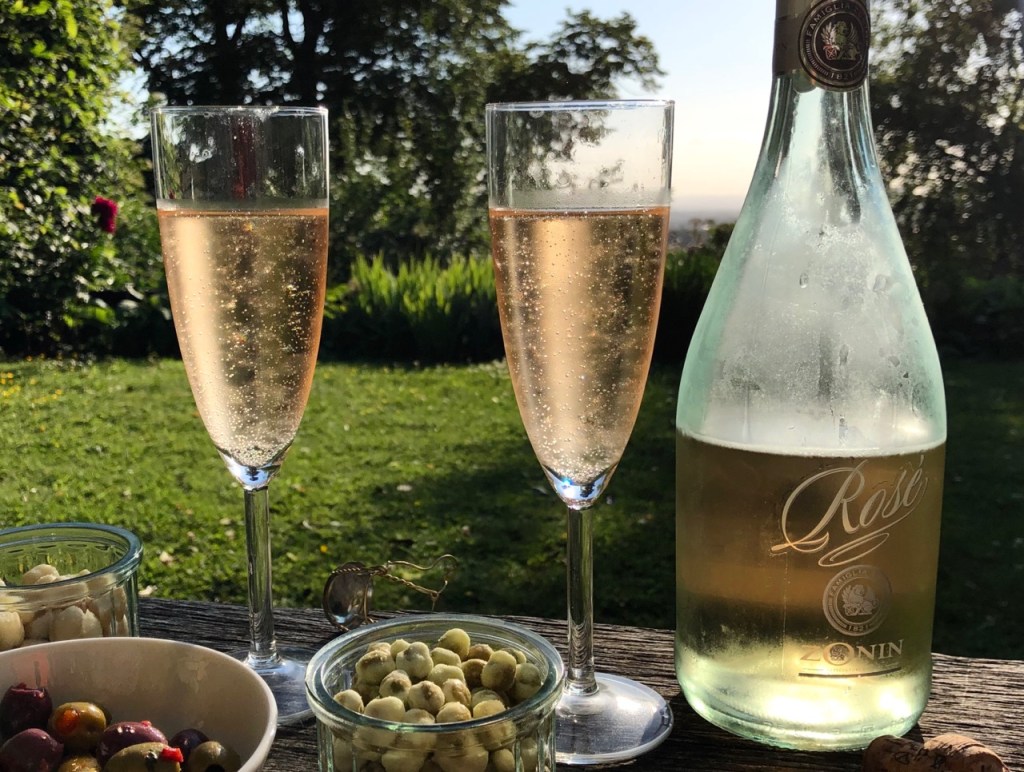
It’s quite easy to become despondent isn’t it? In spite of my initial high-octane optimism that this pandemic was a global wake-up call of such volume that nobody could sleep through it, I have to admit to succumbing to little bouts of chocolate- and mid-week-rosé-fuelled Can’t-be-arsed Syndrome myself. Because as lockdown eases, it has become increasingly clear that some of those in positions of power haven’t woken-up. It’s sort of not in their interest to. So that leaves us to bring about the changes. You, me, him, her, them. And I think I have finally identified two places we could start. One is in the past, the other in the present.

The Past

In order to move into a new future with lightness, vision and energy, we need to face and reconsider our past. History is intrinsically linked to identity – who we are and how we got here – and is broadly made up of heroes, victims and villains. Of course it’s natural to want to see your ancestors and nation as heroic. And if they can’t be heroes, then victim. The move to villain, on the other hand, is huge, hard and largely unprecedented. But people need a healthy balance of their country’s strengths and weaknesses and that requires shining the spotlight of awareness and truth into the dark, painful and uncomfortable corners of our history. Not just for deep moral reasons, but because unresolved trauma, injustice or wrongdoing refuse to rest. Instead they remain potent disruptors, passing from generation to generation in search of resolution. 

We have just witnessed how the footfall of the recent Black Lives Matter protests rattled the buried crimes of our colonial past until they erupted through the pavements, toppling outdated values from their pedestals in order to draw attention to the costly price of British imperialism. Counter protests claiming the removal of statues is to ‘destroy history and heritage’ don’t wash, for statues don’t uphold history, just the values of the time; the events and people we want to remember. Like carefully selected snapshots of a nation’s best side, they are not the whole picture.  

Whatever you think of protest, it has time and again been the vital precursor to change. It was, after all, the student demonstrations of 1968 that demanded Germany finally pull its reluctant head out of the sandy silence to face the atrocities of its past and seek atonement. The current protests are also a demand for a more honest appraisal of who we are, not just as a nation but as individuals whose values and actions have been unconsciously shaped by the deeds, and misdeeds, of those who went before us.

So, we each have a real choice here. We can either keep repeating the familiar stories of past glory, riches and world power while watching on as our present falls into widening abysses of social injustice, inequality and environmental destruction. Or we can pull out the roots of these fissures and start to lay more solid and fertile foundations for a better future for the younger generations. 

The Present

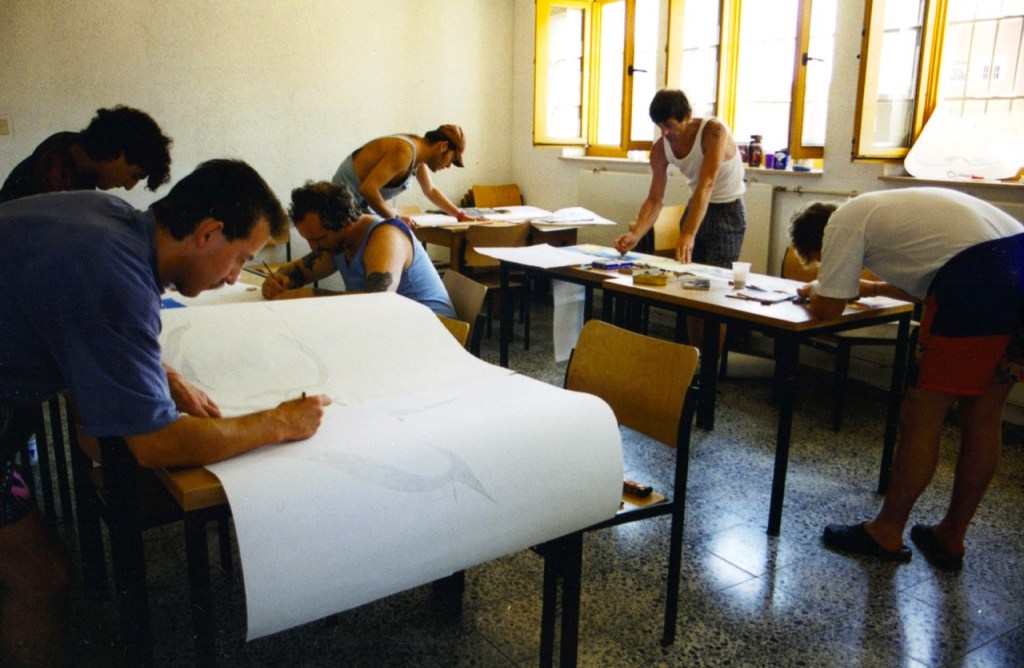
The second starting point comes from a lesson I used to teach prisoners in my mural painting classes, one that I myself now need to relearn: that regardless of what is going on around you, there is always personal choice. 

Creativity is all about choices. No rights or wrongs, just a series of decisions. It’s a process in which successes and strengths are built upon, while mistakes and weaknesses are learnt from, transformed and integrated. The prisoners experienced how each person becomes a co-creator working toward a common goal, the details of which emerged along the way. Initially they couldn’t apply this freedom of choice to their daily prison lives. ‘Choice?’ they’d say. ‘What choice? We can’t be with loved ones, we can’t go to the pub, we can’t even have a shower when we choose!’ True, I’d agree before suggesting that they did maintain a freedom of choice when it came to how to respond to each given moment, person or situation. Would they smile, curse or punch? Put the pencil back in the materials cupboard, or nick it? Over time, they witnessed how their choices began to change their world, and then other worlds they touched. A ripple effect of change…

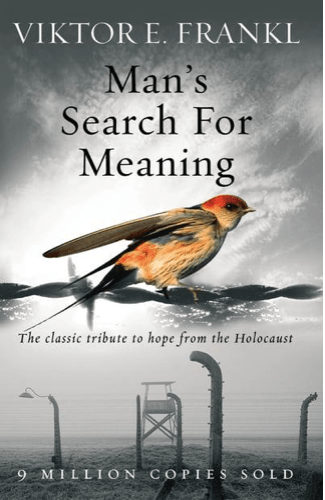
Of course this wisdom is not mine. It was the basis of the teachings of Viktor Frankl, the Austrian neurologist, psychiatrist and creator of logotherapy who claimed: “Everything can be taken from a man but one thing: the last of the human freedoms to choose one’s attitude in any given set of circumstances, to choose one’s own way.”

He should know. He survived Auschwitz and various other camps by discovering what he believed was the primary purpose in life: the quest for meaning. In the early days of psychology and psychotherapy, there was an assumption that we exist in order to reach a certain level of pleasure, power or success. Sigmund Freud’s ‘pleasure principle,’ claimed that the central motivator in human life was to gain as much gratification of our fundamental needs and urges as possible. His disciple, Alfred Adler, substituted ‘pleasure’ with ‘power’ as the prime driver of human striving. His theory believed that all of us are born with an innate feeling of inferiority, which we try to overcome by striving for superiority through power, influence and money. For Frankl, on the other hand, all these goals were actually symptoms that a person had failed to find meaning; a meaningful goal, task or person. Meaning fills the void that so often fuels the unhealthy and destructive drives for personal power and pleasure. Covid and lockdown nudged many of us into searches for meaning, now it’s our choice whether we pursue it.

The Future

I have experienced deep meaning and reward in facing and redeeming the uncomfortable aspects of my German national and familial heritage. In tiny and larger ways, the process changed me as I uncovered unconscious drivers; it changed members of my family and it continues to change people who attend my talks… That’s why I can’t encourage people enough to look at their own history and lineage, warts and all, before the people who can tell you about them disappear. If we can heal our past and make good choices in our present, maybe, just maybe, we will succeed in steering our masked and fragile society to a future that is fairer, kinder and more sustainable for all. 

In Victor Frankl’s words: Live as if you were living a second time, and as though you had acted wrongly the first time.