Creativity in times of destruction…

“It’s brutal.”

That’s how a friend recently described being an artist. He had been a student at Goldsmiths in the late eighties and early nineties, during the rise of the Young British Artists (YBAs) like Damien Hirst, Tracy Emin and Sarah Lucas, names that would go on to dominate the art world, thanks in part to the patronage of Charles Saatchi.

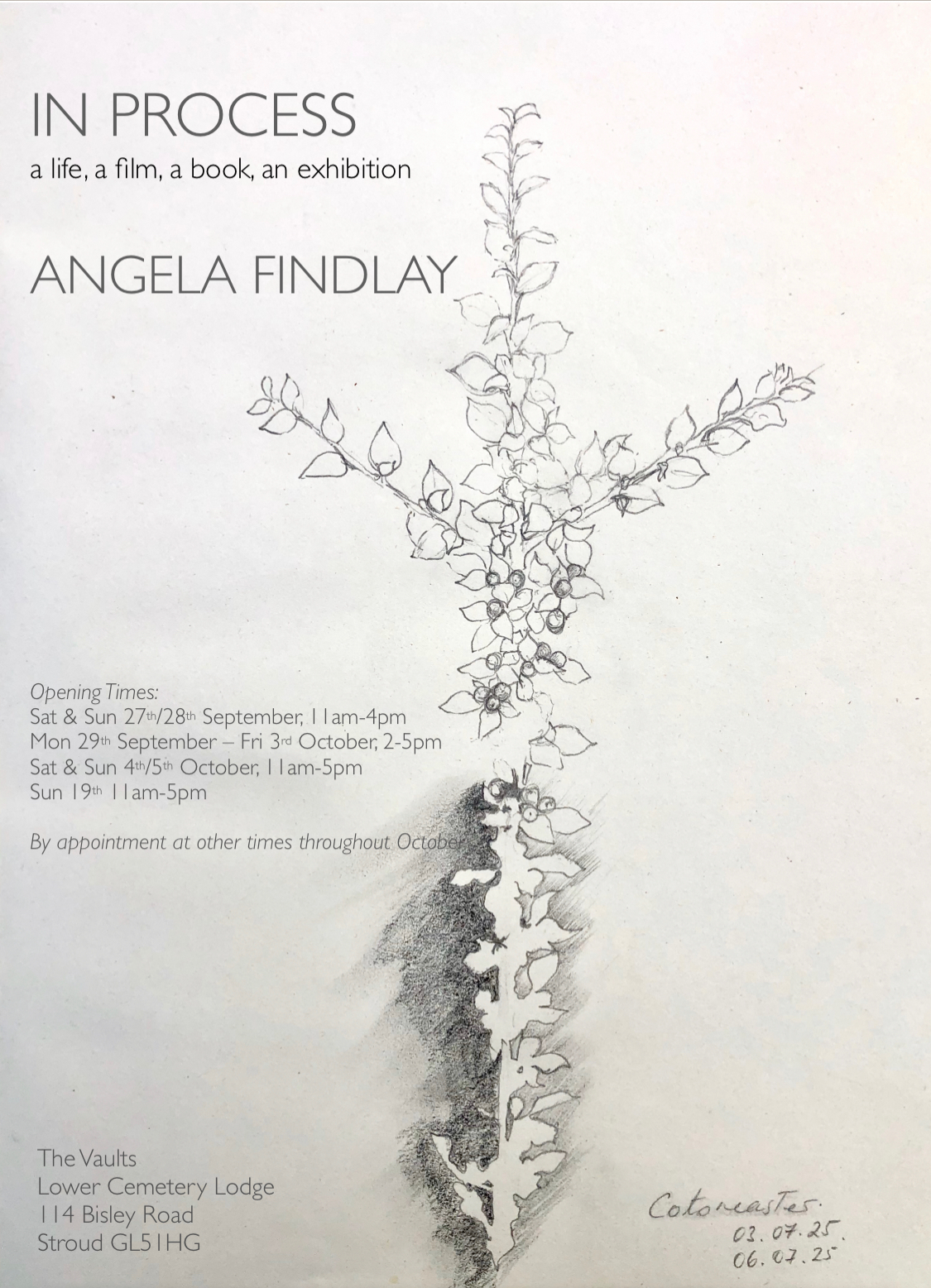
We ran into each other at the local paint shop—a regular stop for him in his current life as a decorator. Across a spread of tester pots and fillers, the conversation effortlessly turned to the day-to-day grind of being an artist. Over the summer I have been preparing for my forthcoming exhibition, In Process… (which opens today, 27th September!) and was feeling the impact of long, solitary studio days, wrestling with questions only I was posing and whose answers seemed only to matter to me. It can be a struggle: adhering to a discipline of showing up as captain to a ship with no passengers, steering a course to a nebulous destination, deep-diving into the depths of the soul, mind or body – wherever the well of creativity bubbles up – to haul tiny gems to the surface. Exhaustion and self-doubt often creep in.
‘What’s the point?’ is the main saboteur. The work seems irrelevant, the purpose elusive. There’s no financial gain, just costs. In the isolation of the studio, there’s no one to argue with those thoughts. Indeed it is easy to agree with them: Why bother?
And in times of widespread destruction – whether global or even personal – that sense of futility can grow.

This summer, for example, parts of my home were stripped back to their foundations. My life was overtaken by builders, noise, dusty cups of coffee and chaos. Creativity felt all but impossible. In the grand scheme of things, this was a minor inconvenience. Soon, things would return to normal. But what about those whose lives have been shattered by larger forces… wars, displacement, destruction and poverty on a massive scale? How does creativity find its place amidst the rubble of Gaza, Ukraine, or other war-torn regions? Or even amongst the devastating images that make their way into our minds?

History has shown that creativity can thrive in the moments when everything appears to be falling apart. Creative expression becomes a form of resilience, opposition, even survival. It can be a small act of regaining control in an otherwise uncontrollable situation; a conduit for grief, an out-breath for trauma, a balm for moral wounds. Marks on walls or scraps of paper cry out: I am still here.

In today’s news-filled world where conflicts and politics pitch people against each other while social media distracts and distorts, I feel the call to act. To do or say something that will make a difference. I contemplate taking to the streets and marching in protest. Or superglueing myself to a pavement. I wonder if ‘speaking out’ involves publishing endless blogs and posts on social media denouncing what (I feel) is wrong? Ineffectuality wears one down. 

But to me, the direction of the human race is a force majeure, too big for even the Trump to halt. We find ourselves swept in its rampageous current, both unwilling cogs in the destruction of things we once valued, and parts of an optimistic surge to re-build better. I feel feeble and impotent. When I can’t even open the lid on a jar of gherkins, how can I shift anything of significance? But maybe this disorientating maelstrom is precisely the context in which creativity becomes most vital. Maybe the internal orientation creativity demands provides a space for the mind to process, to breathe, to make light of the weight and sense of the senseless, and to find fragments of meaning in what frequently seems like an overwhelming mess.

Destruction can’t defeat creativity; it calls it forth, demanding that we seek beauty, purpose and points of connection. That process can feel ‘brutal’.  What’s the point? is never far away. But I try to remember: The point is not always to create something monumental. Nor is it to offer neat answers. Sometimes, the point is simply to make something that wasn’t there before, to keep moving forward and to hold onto the belief that every act of creation – however small and seemingly insignificant – is a counter movement, an act of defiance, a stand against that which threatens to destroy us. 

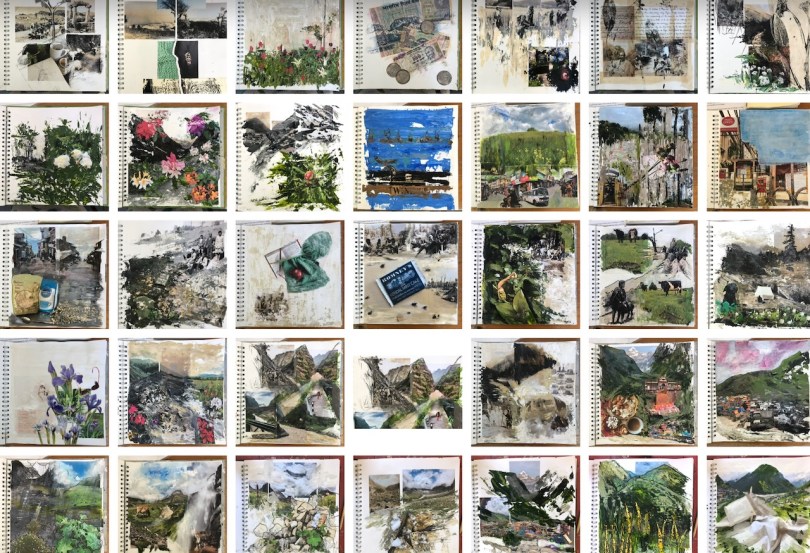
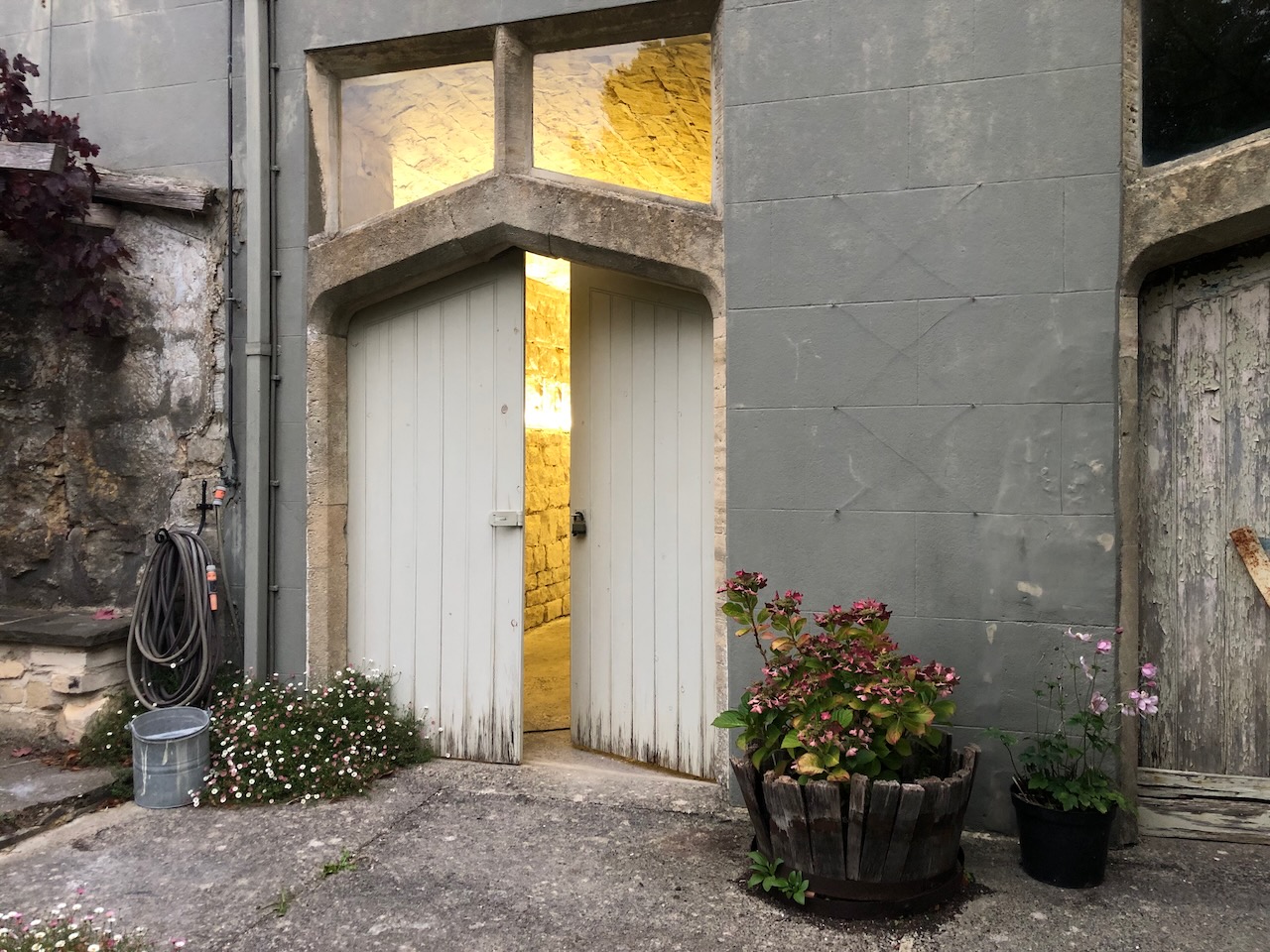
In Process… at The Vaults in Stroud

I have heaved my most recent exhibition out of a time of dark chaos. But as I – and it – clawed our way to the surface, it grew its own wings. Help came from unexpected places. Beauty emerged. And now it is there, in the Vaults, among the grapes on my vine, fruits to share.

There was a point!

You are so welcome to visit.

IN PROCESS…

In Process… Opening Times:  

  • Saturday & Sunday 27th/28th September, 11am-4pm
  • Monday 29th September – Friday 3rd October, 2-5pm
  • Saturday & Sunday 4th/5th October, 11am-5pm
  • Sunday 19th October 11am-5pm
  • And by appointment at other times throughout October (excluding 10th–17th and 22nd–26th October)

If you would like more context to the work in the exhibition prior to coming, please read my previous three blogs: Following Joan… Parts One, Two & Three.

Remember, Remember… we all lost

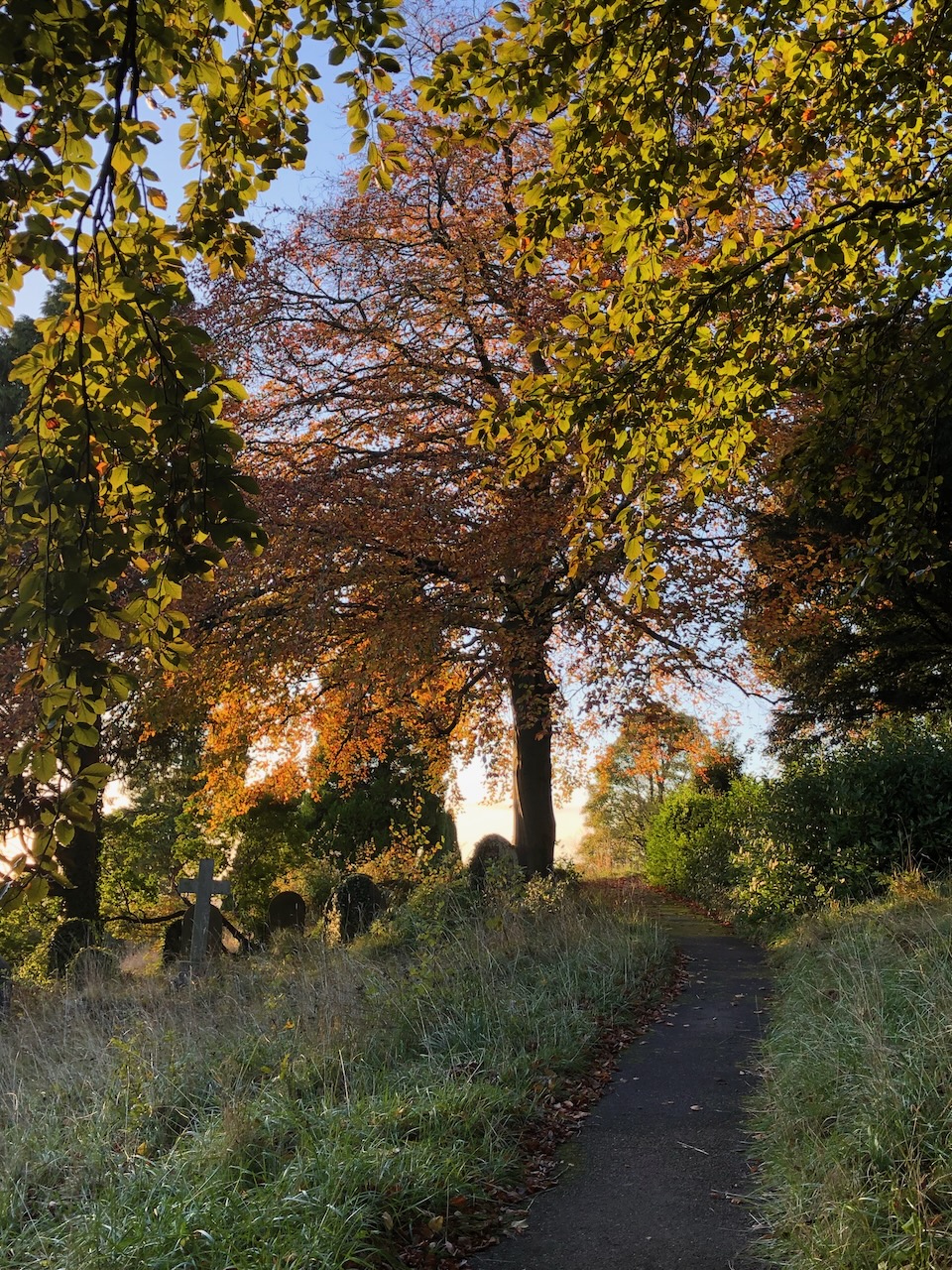
‘Tis the season to remember. In our progression through the grey gloom of this autumn [just 18 minutes of sunshine since 28th October apparently!] and the celebrations of Halloween, All Souls, Samhain, Guy Fawkes and November 11th, the dead take centre stage. Leaves and forest floors redden while poppies bloom on jacket lapels, village monuments and shop counters. This Sunday in London, as on all Remembrance Sundays, red wreaths will be laid by royalties, senior politicians and Commonwealth High Commissioners before some of the last surviving WW2 veterans march or are wheeled past the Cenotaph.

We have been collectively remembering Armistice Day since 1919, the first anniversary of peace at the end of World War One. Remembrance has since been extended to both World Wars and all those who have given their lives in service to defend our freedoms. It is a hugely important day for the British, the Commonwealth and many other countries around the world, albeit not in Germany. There, since the Middle Ages, 11am on 11.11 has marked the start of the carnival season and, on a more serious note, Armistice Day is not considered to have welcomed the beginning of peace but years of intense unrest and far worse horrors to come. 

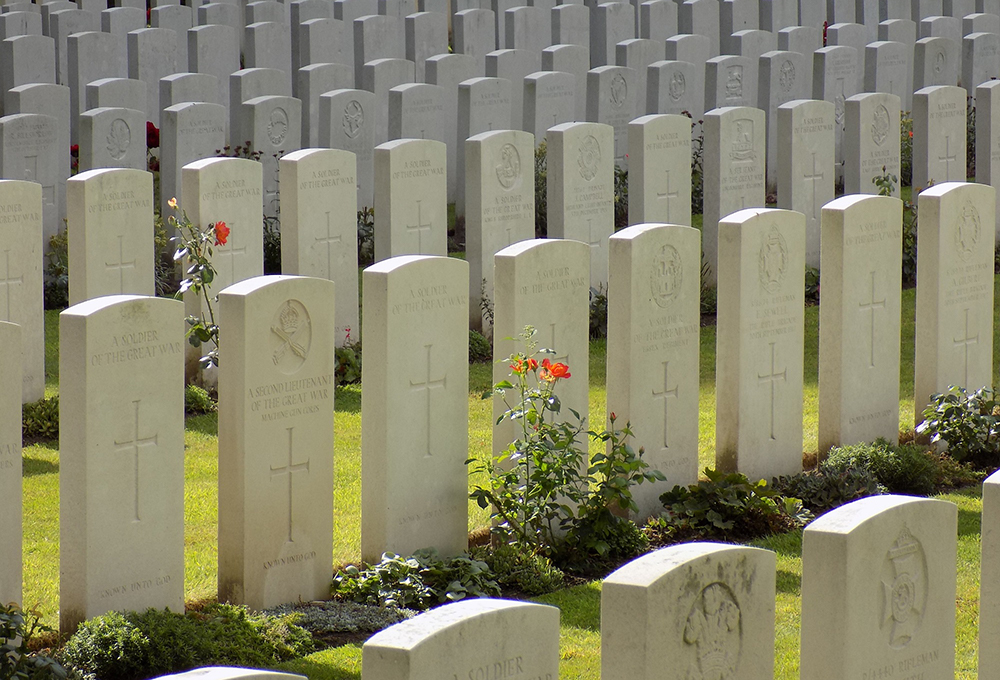
British and Commonwealth dead

I often dedicate my November blog to our traditional, deeply moving and impeccably executed rituals of remembrance, but not always without a little questioning too. Through the 15 years of research for In My Grandfather’s Shadow, I came to appreciate a far broader narrative of WW2 remembrance than that which Britain generally embraces and teaches. Granted there has been welcome progress over the decades with the inclusion of women as well as the huge contributions and sacrifices made by Gurkha, Indian, Sikh, African and Caribbean servicemen, among others. But there is still widespread ignorance of the bigger context.

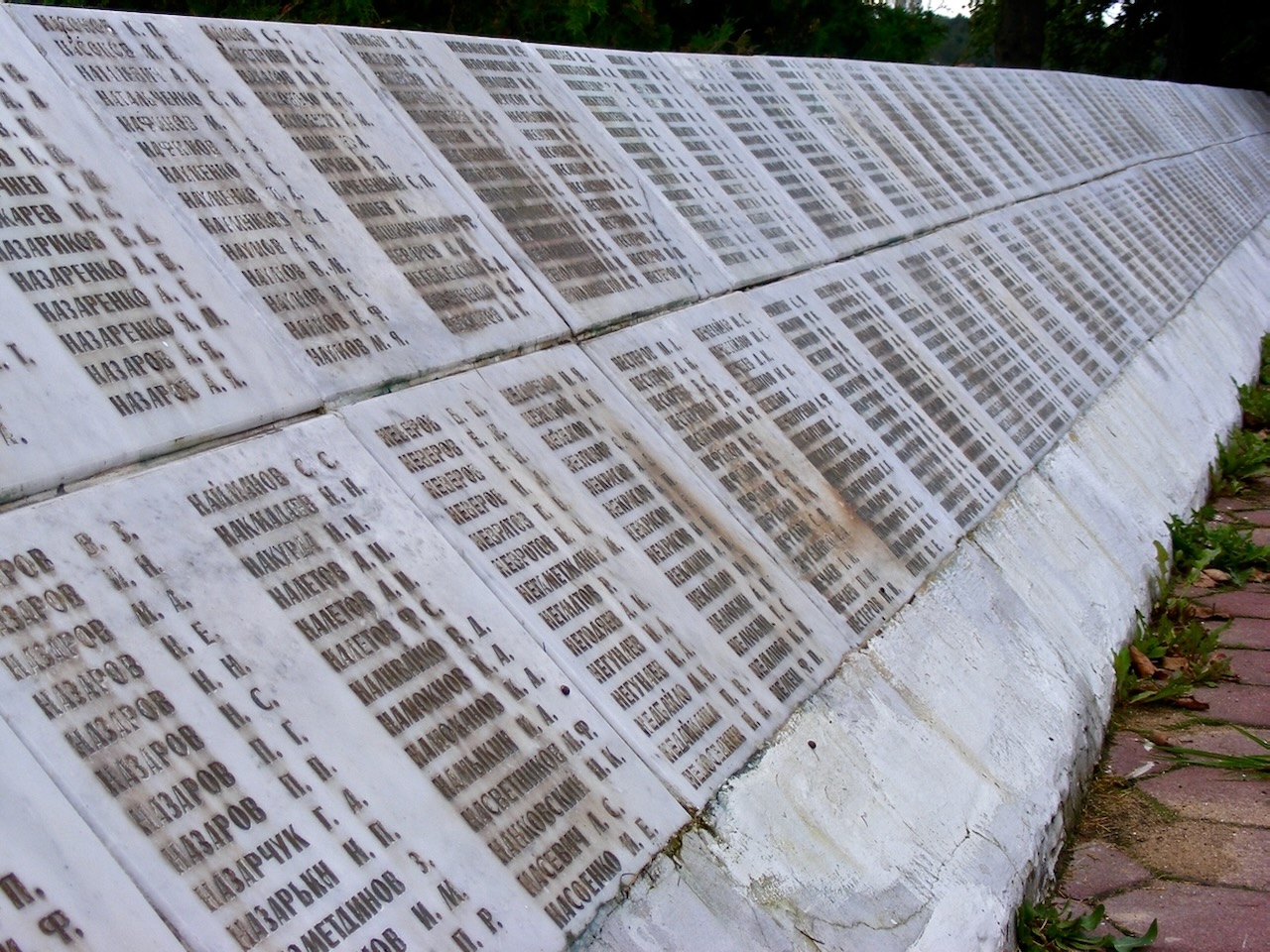
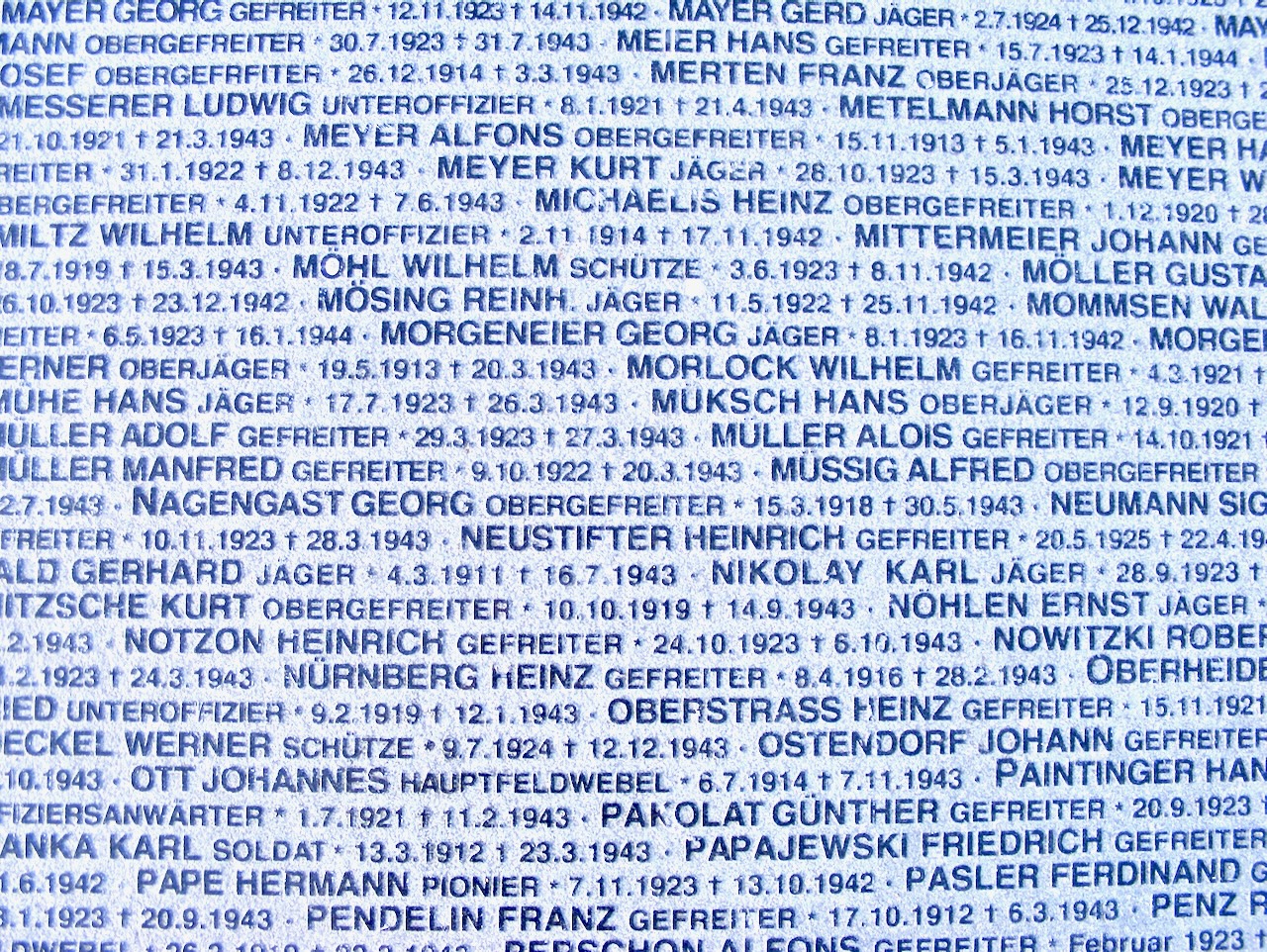
Russian dead

When I give my talks, I often use statistics. They provide a solid, black and white foundation of fact to my more psychological / philosophical ponderings. So often these figures shock. For example, when I ask people to guess the total losses, including civilians, of say Russia, Germany and Britain in the Second World War they are usually so far out that they themselves are horrified. I challenge you to make a guess… I’ll put the answers at the end of the blog. One man literally went white when he realised how wrong he had been in his thinking or, by his own admission, his lack of thinking. Another woman recently wrote to tell me how my book had opened her eyes in so many ways. “First off,” she said, “the big realisation of how little I have understood of the two world wars, my ignorance of those times and the aftermath.” This despite attending remembrance services all her life. 

German dead

The quantity of deaths doesn’t mean each death was any less keenly felt. But I think she voices what is probably true of most of us. I certainly was ignorant of the broader landscape of loss and destruction, and no doubt still would be if I hadn’t had German roots that needed excavating and hadn’t made trips through Germany and Russia that exposed me to other ways of looking. The World Wars are the episode in history with which the British are often accused of being unnaturally obsessed. And yet, as a nation, we often present it as a deceptively straightforward story of good triumphing over evil. The victors write history after all. 

Every nation has its ‘chosen traumas’ and ‘chosen victories’ which serve as cornerstones to its identity and prevent true healing from the past as they continue to play out in the present. We frequently have binary views of how we should feel based on – to use the reader’s words again – “simplistic, reductionist understanding… goodies and baddies…” Rarely have we “considered what it must feel like to have a different identity…” 

I really appreciate and admire this woman’s soul-searching honesty. The humility and gentle opening to hearing the other sides’ stories gives me huge hope.   

Healing, reconciliation, peace, forgiveness… all goals we strive for within our culture of Remembrance… can best come about when we become familiar with and find some understanding for the other side’s experience. Maybe, with our greater distance from both the acute trauma and the impassioned jubilation of our forebears, that is what generations now and in the future can strive to do more of. 

Answer to my statistics question: Out of the around 60 million people killed in WW2, 26 million were Russian, approx. one third of them military and two thirds civilians. Between 7-9 million Germans died, roughly 6 million were soldiers and 3 million civilians. In the United Kingdom, just under 451,000 were killed. That’s 383,800 military, including combatants from overseas territories (Crown Colonies and the Indian Empire), and 67,200 civilians.

Can one be utterly awe-struck and ethical when it comes to the United Arab Emirates?

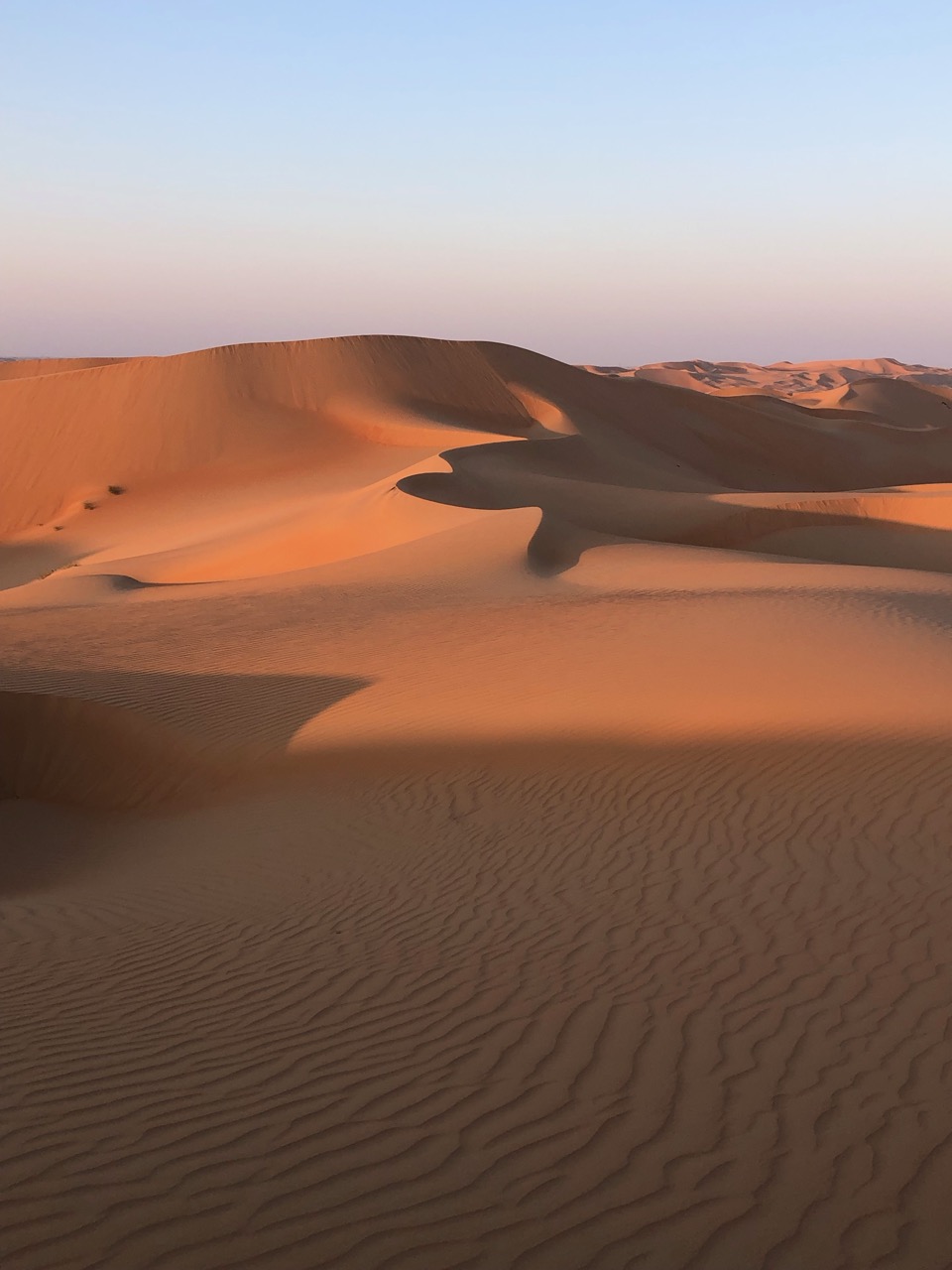
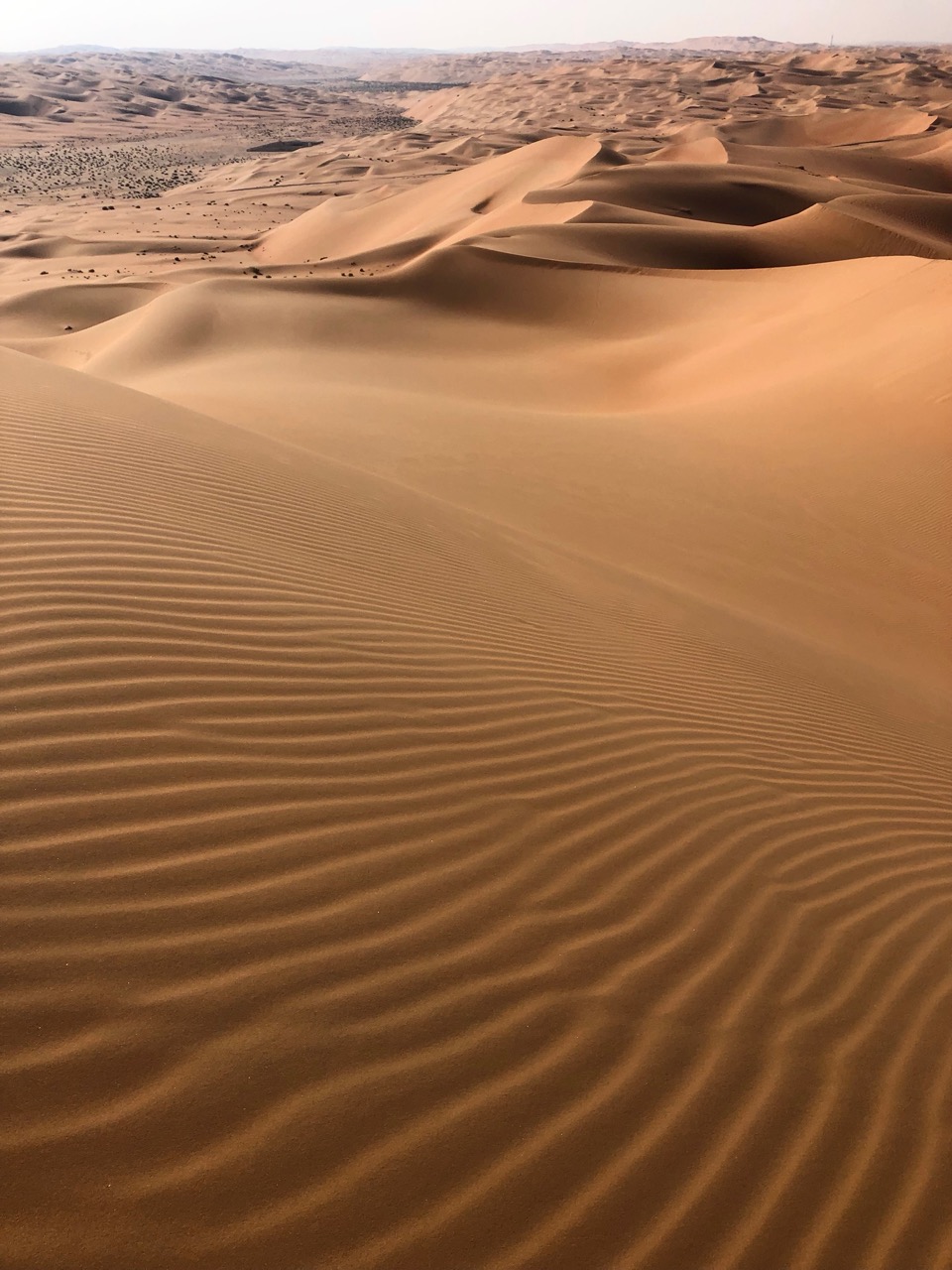
As Cop28 UAE drew to its unsatisfactory conclusion, it felt ironic to find myself standing in the Rub’ al Khali desert south of Abu Dhabi, home to the largest oilfield in the world, learning from a little tour into the dunes how fossil fuels were created from, well, fossils. I know, duh, so obvious. But they are the fossils of the living creatures that died out when the earth heated and killed them all. It was one of those kind of cosmic full circle / cycle moments. 

I was never naturally drawn to the Middle East, but when an opportunity arose to visit the United Arab Emirates, I embarked on the trip with the same determination with which I approached the research behind my book on WW2: to suspend judgement of perceived villains in order to try to understand, in this case those who are producing the black sticky substance that is now threatening to kill us all. 

Within the context of the environmental disaster story, it is all too easy to dismiss places such as Dubai as mere playgrounds for foreign fat cats, one Big Dick competition between oil-rich nations with just-because-we-can attitudes. Yet within minutes of my arrival, my jaw was hanging open and it rarely closed over the following week.

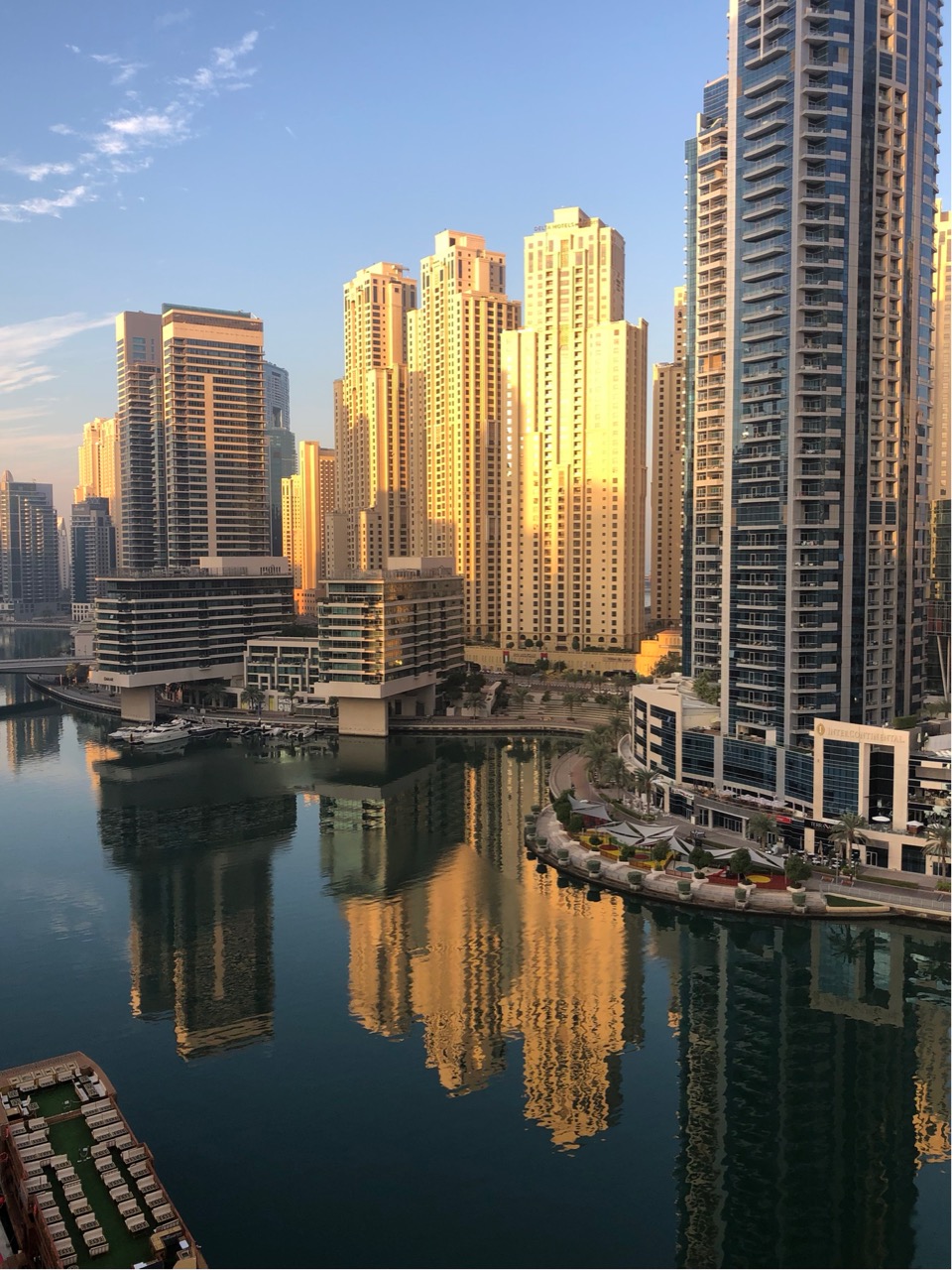
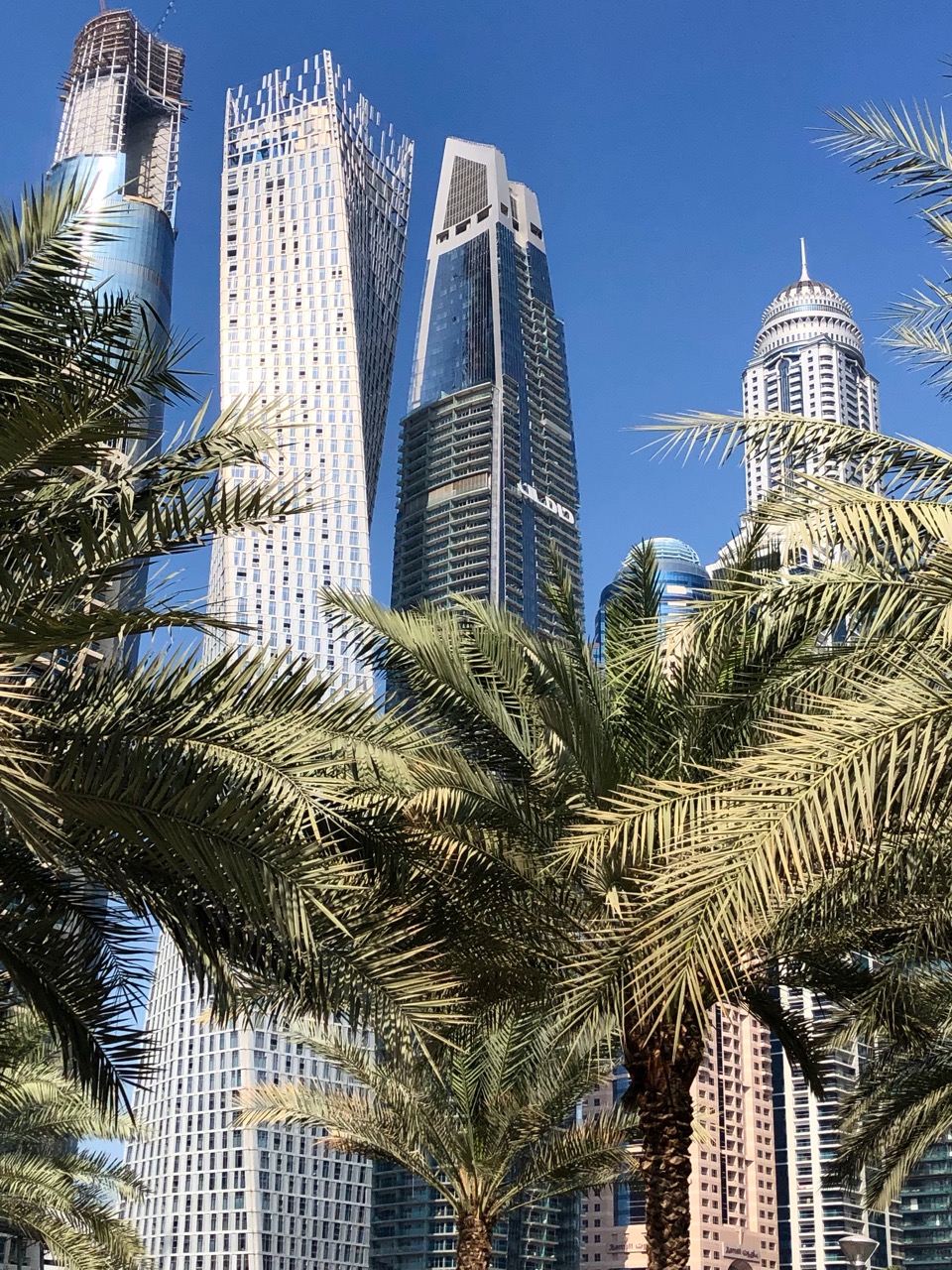
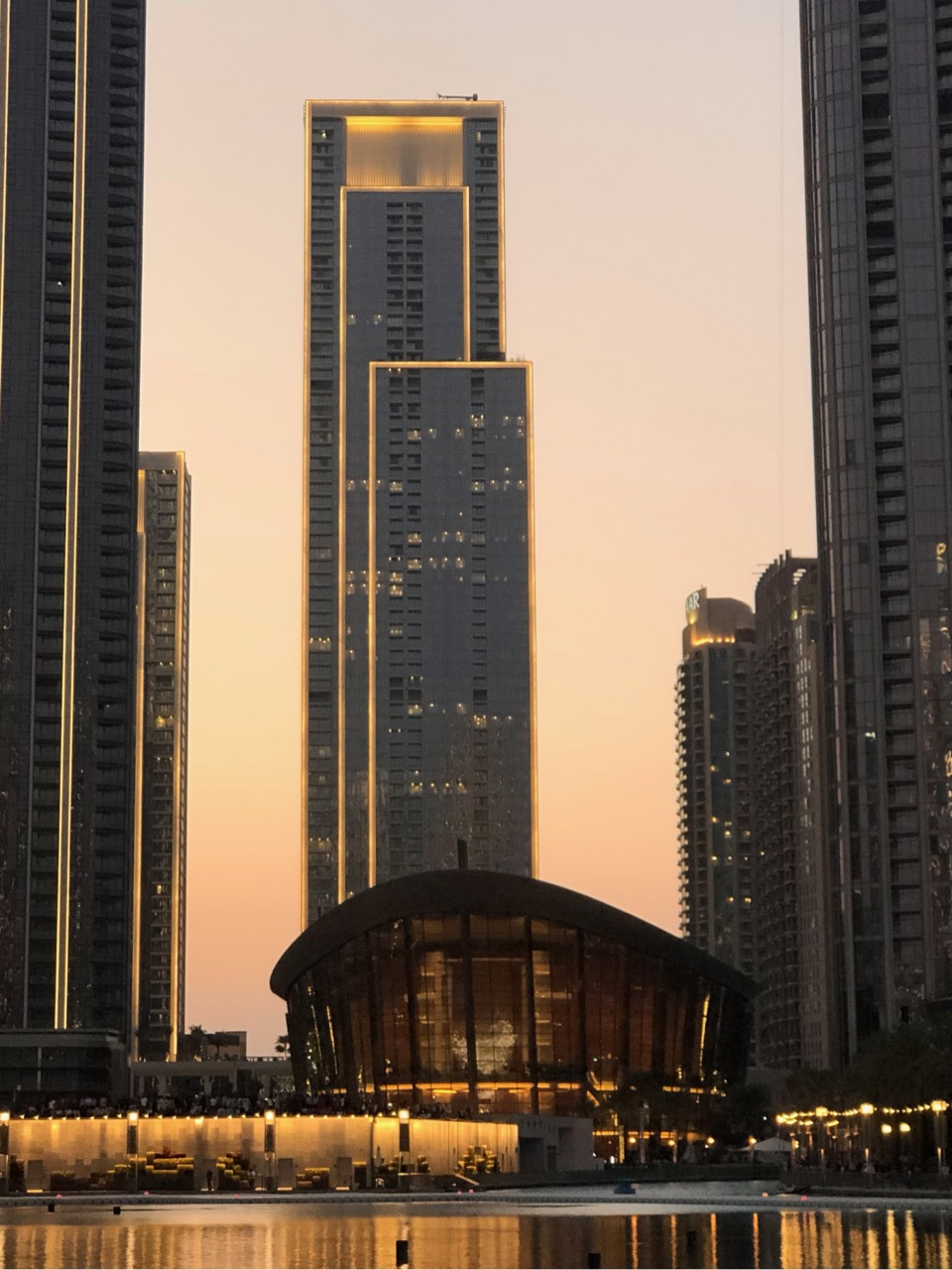
My astonishment came not so much from the giddying heights of shiny vertical monoliths thrusting into an intense cobalt sky scribbled with diagonal crane arms, but from the fact that less than eighty years ago when much of Europe lay in ruins, this whole area was desert inhabited by nomadic Bedouin living in tents. After so many years focused on the destruction of war, I found it staggering, humbling, inspiring even to witness construction on such a scale: 360° infinity pools suspended 200 meters in the air, restaurants, offices, malls, endless apartments (all serviced by smiley Indians, Pakistanis and Africans keen to make money as most Emiratis don’t work or even live here.) Not to mention the Burj Khalifa, the worlds tallest building at 830 meters…

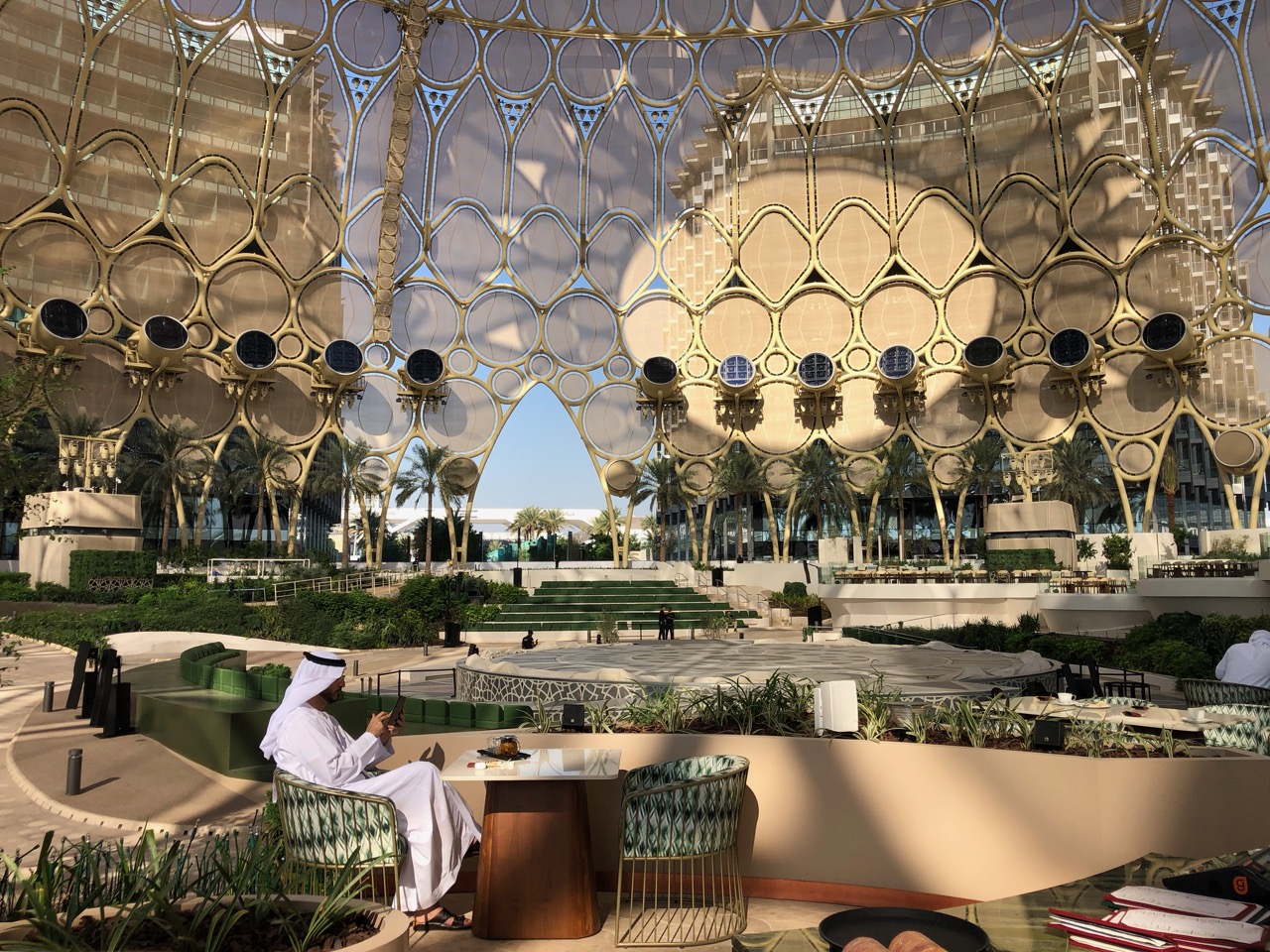
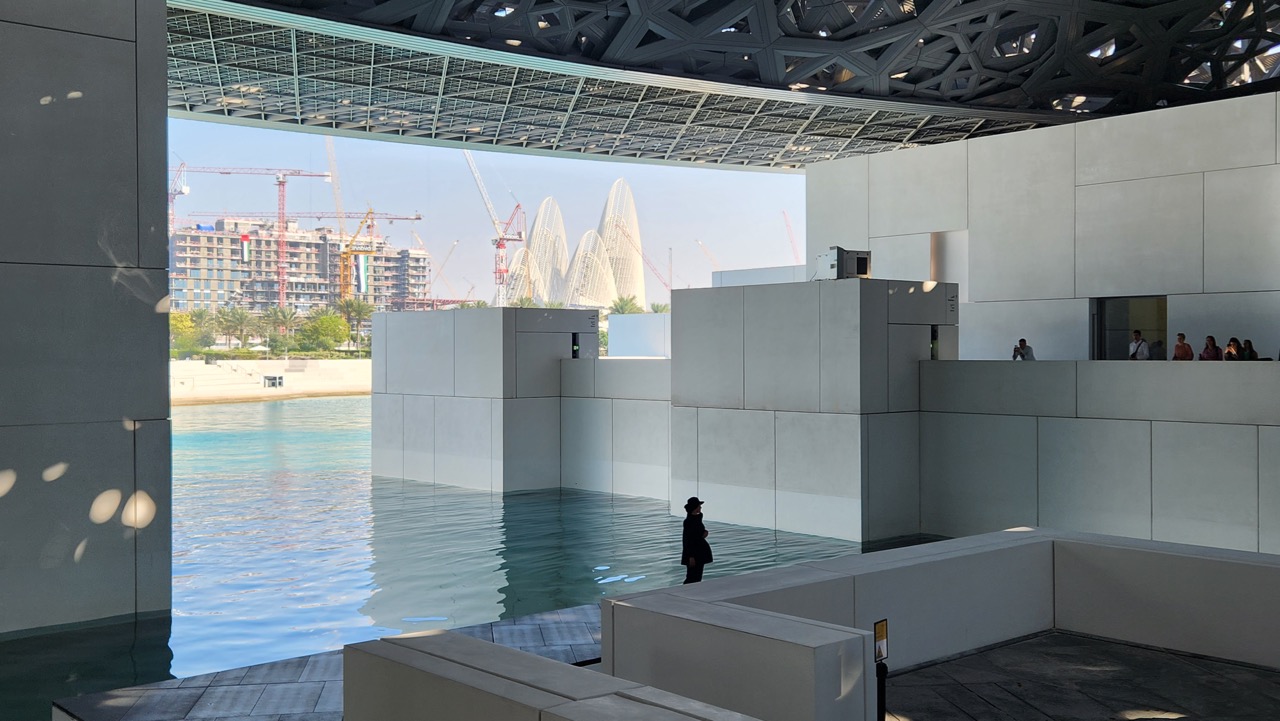
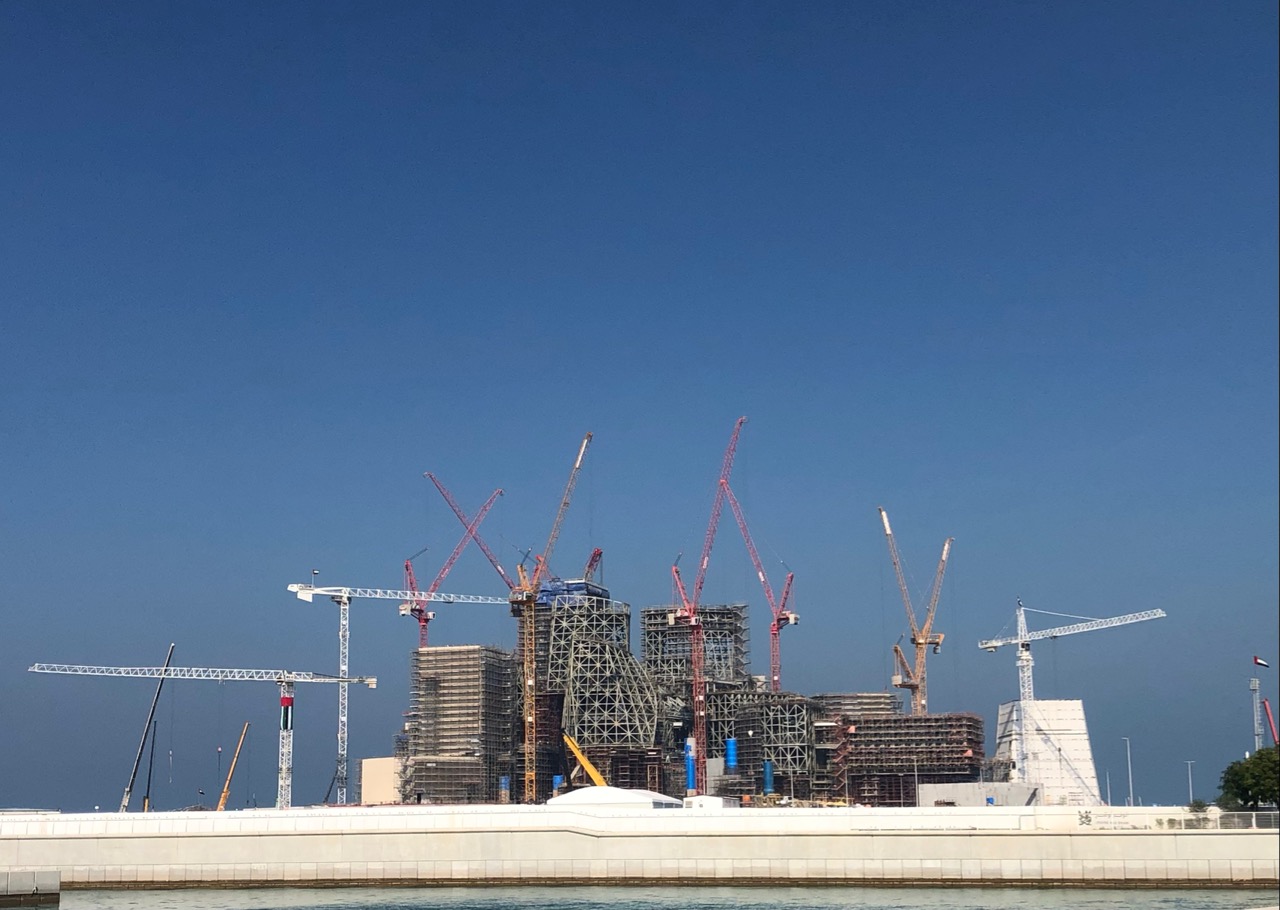
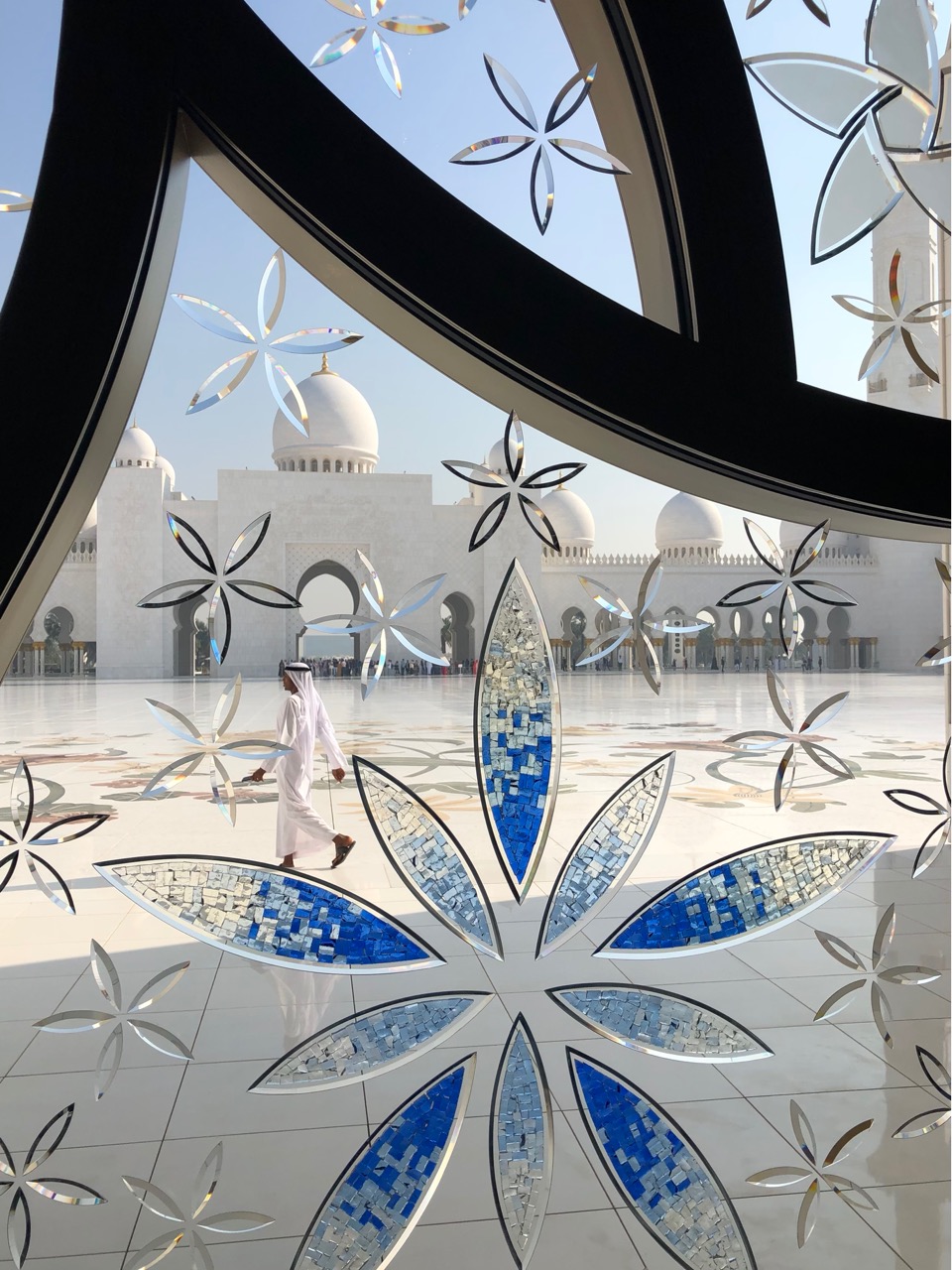
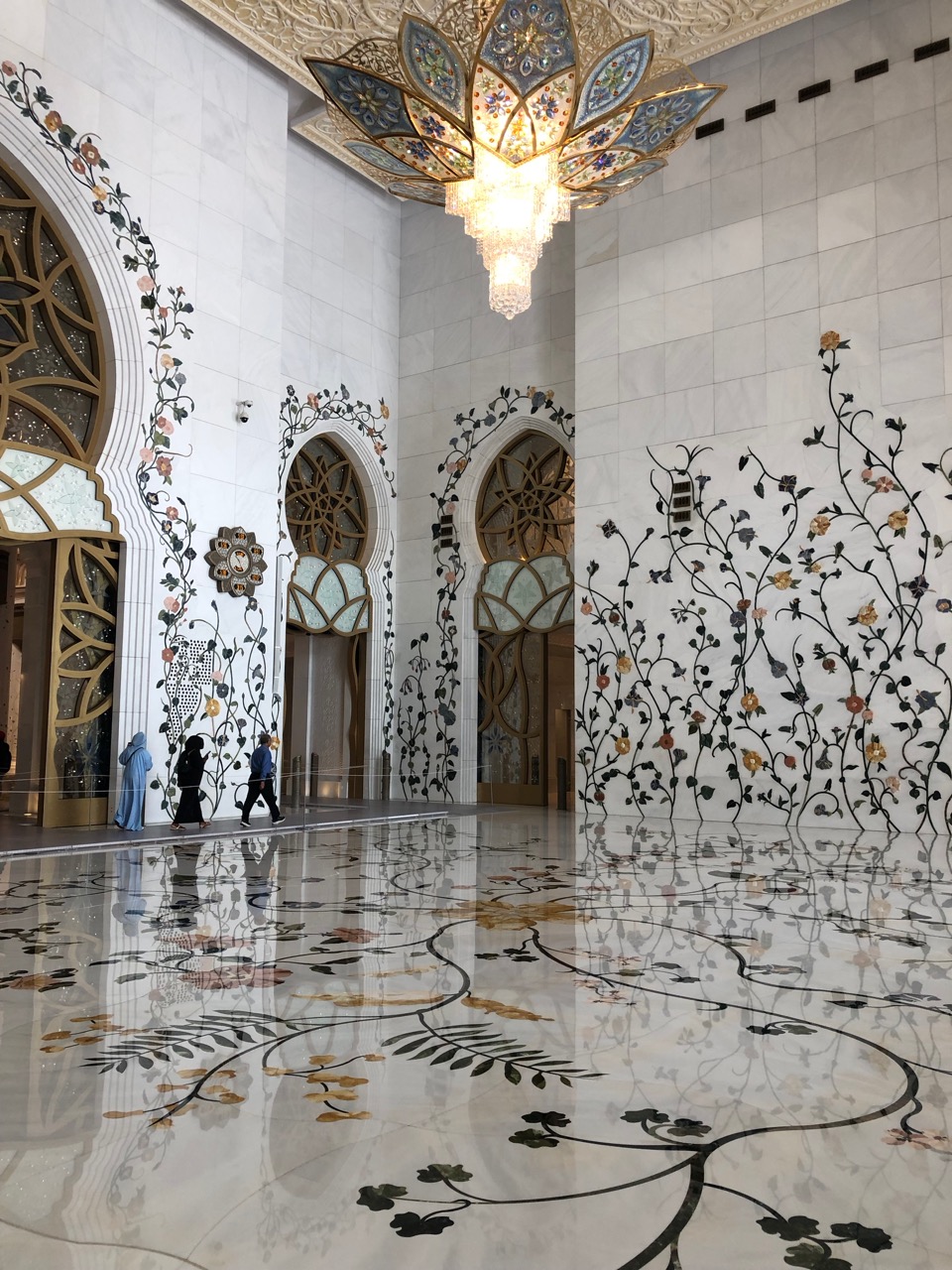
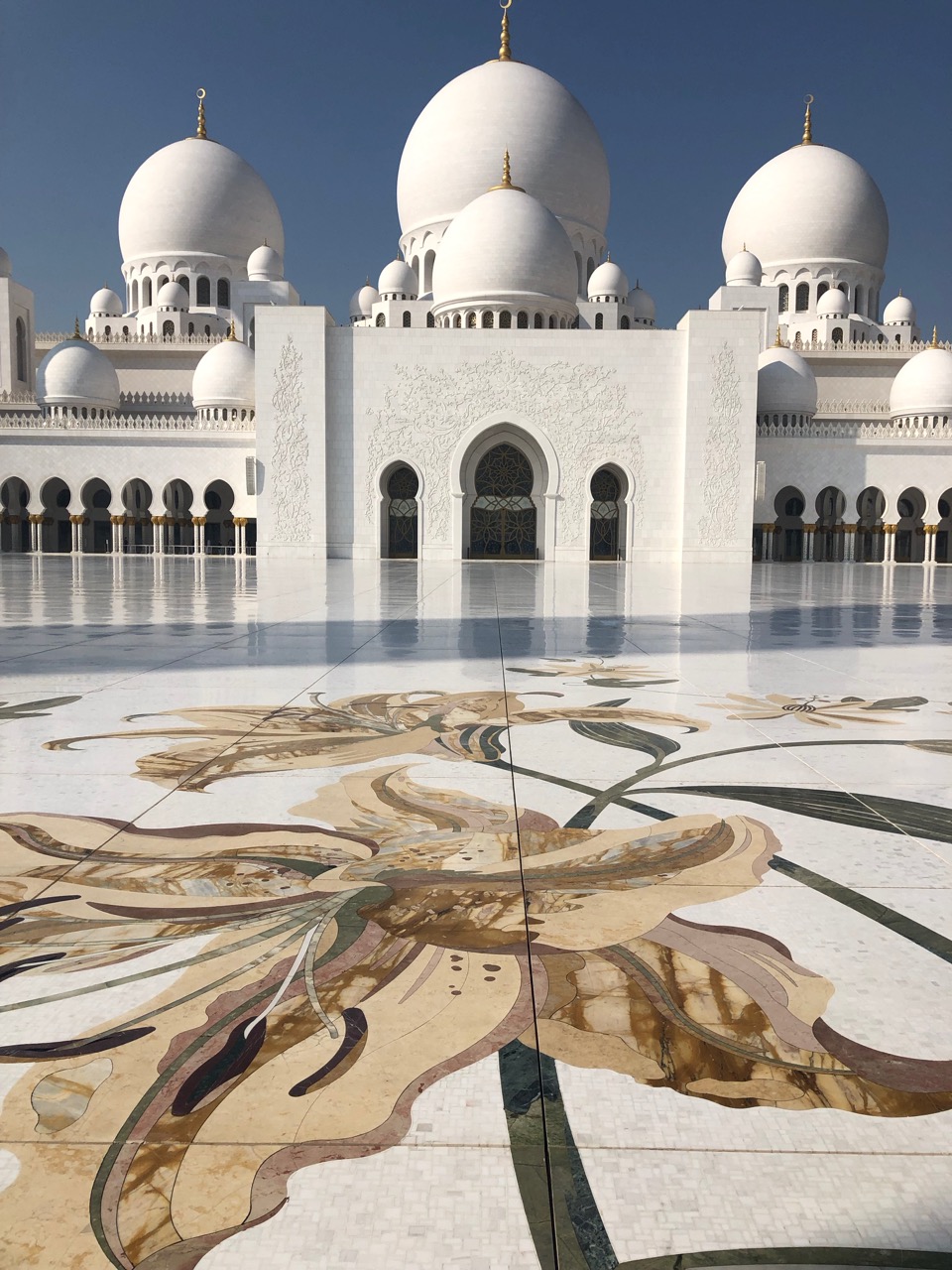
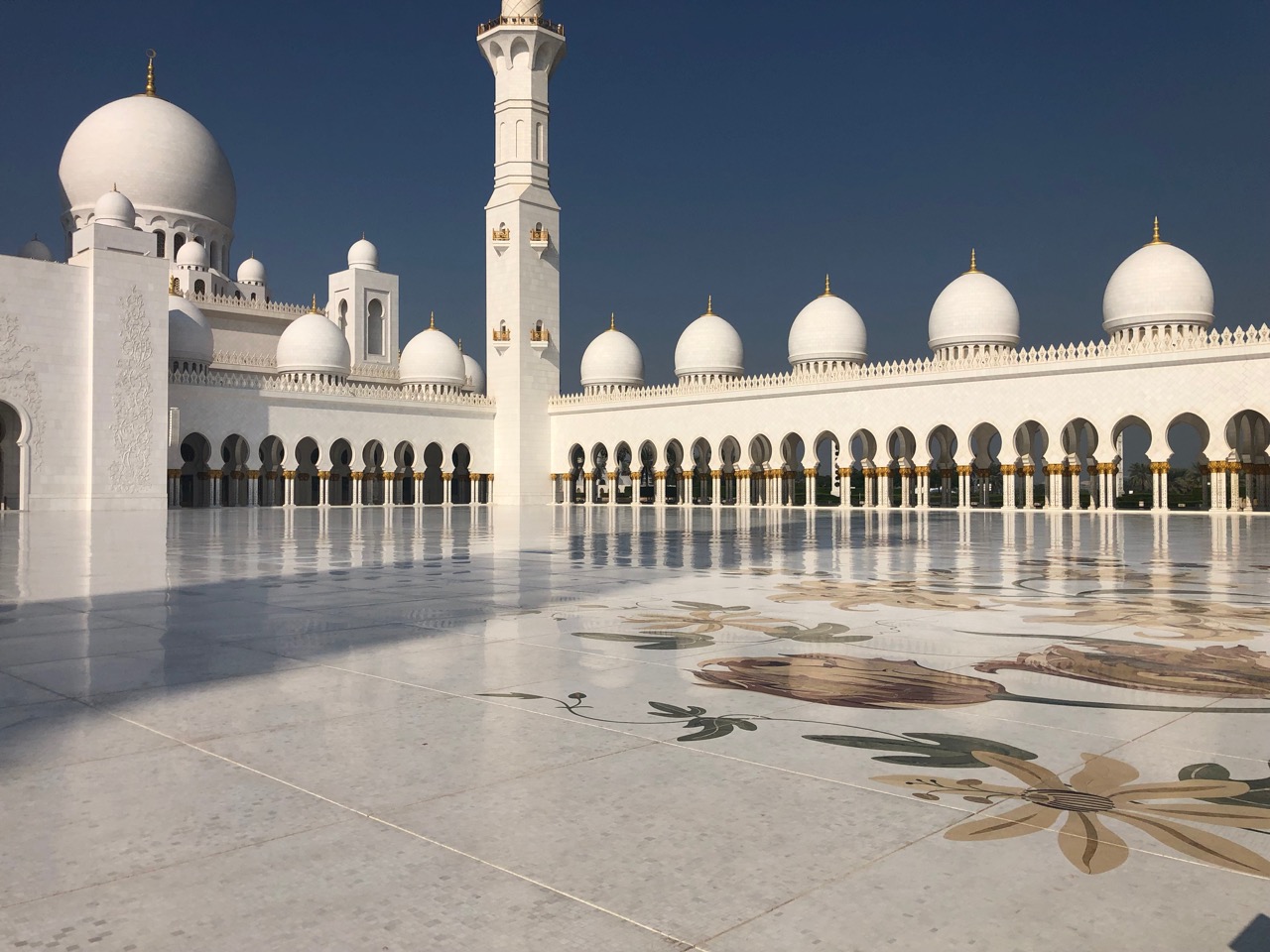
Further down the coast in Abu Dhabi, a brand-new Louvre, a Guggenheim in the making, the breath-takingly beautiful Sheikh Zayed Grand Mosque and vast Qasr Al Watan Presidential Palace… (in order below)

Terrible inequalities within this gleaming urban landscape are inevitable and as old as the world. But for once I allowed myself to temporarily look beyond the blatant, at times nauseating bling and consumerism and enjoy areas where sheer skill and innovation meet deeply considered, exceptionally designed aesthetics and architecture.

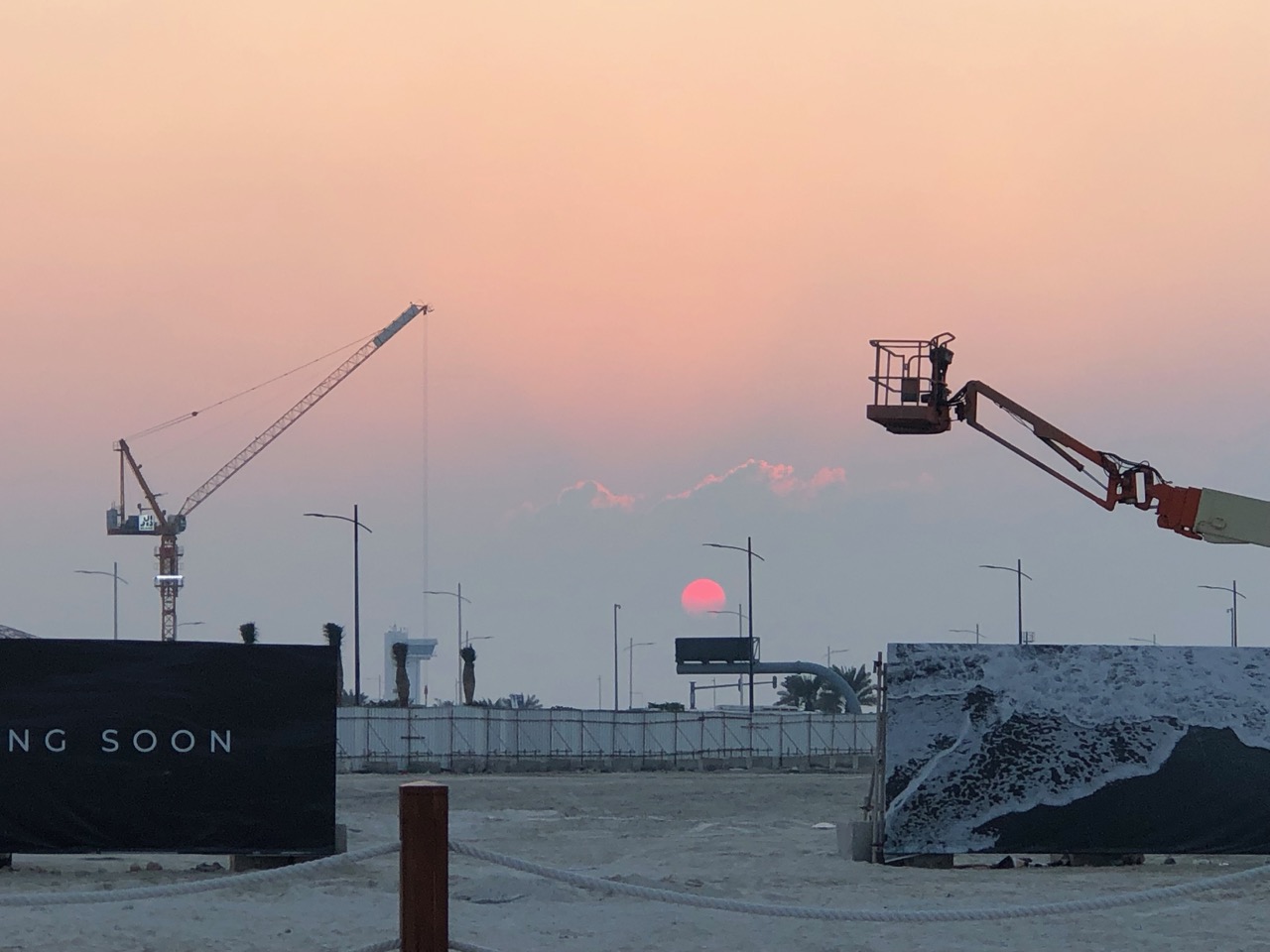
A few days of cycling through the different districts that transform into twinkling wonderlands as the red ball of the sun plummets behind the horizon, left me questioning the ethics of my unstoppable sense of awe… admiration even. Was it misplaced within the context of all that is wrong with Dubai, excessive wealth, power, oil? Or did it arise from the sense that I was witnessing the creation of modern-day equivalents to the buildings of antiquity? Cathedrals, pyramids, temples… also built using underpaid workforces or slaves and designed to reflect the beliefs of the times and honour the God(s) of a particular culture. From the widespread secular perspective of the 21stcentury, those Gods were clearly false. And yet we still appreciate with wonder what was created in their name. 

What particularly struck me were the gaps between the buildings so integral to the overall impact of this brand new, place. The negative spaces of empty sky between the materiality of the physical manifestations. 

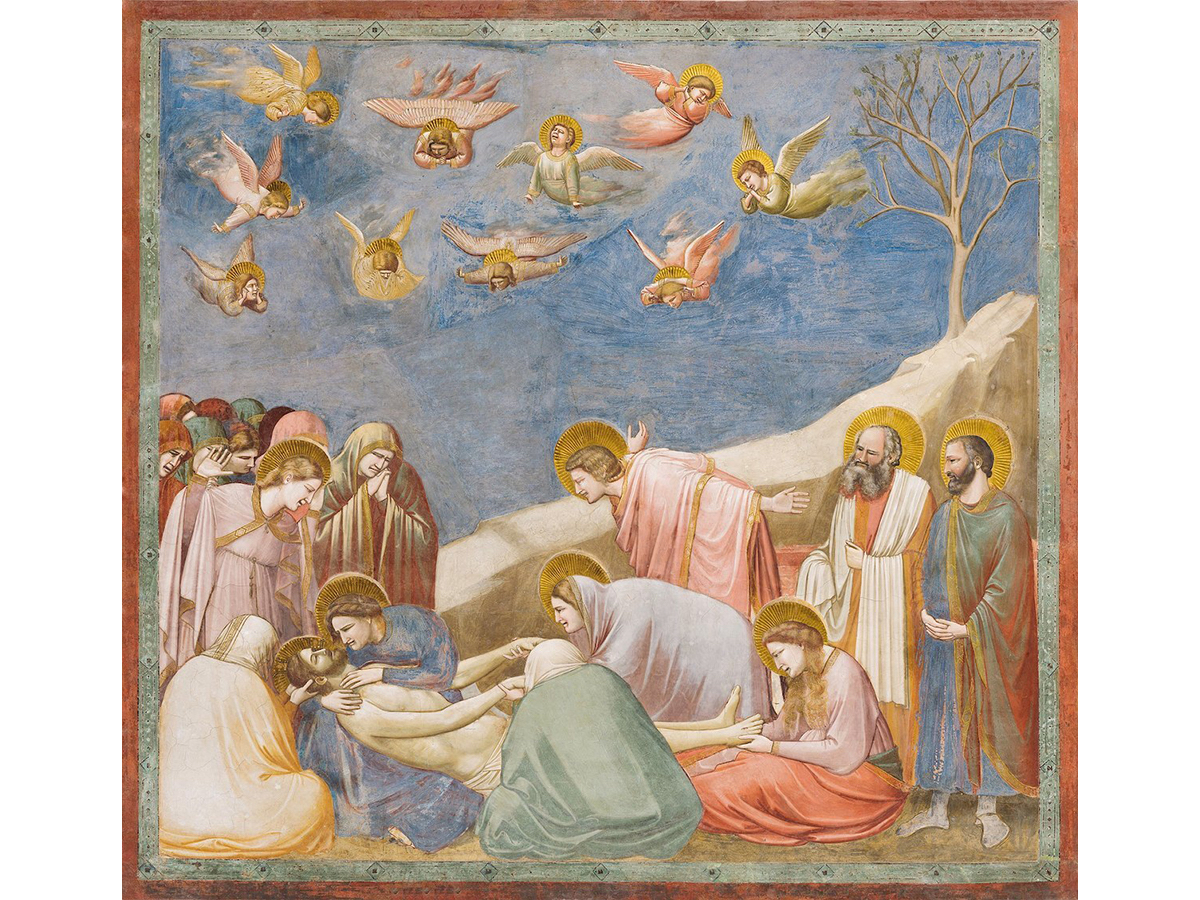
Materialism, in the philosophical sense of the word, started with a shift in the perception of reality from a focus on the invisible, creative force of life, often located far above, to the physical world below. It was the transition Giotto made in art in the 14th century from the gold or deep blue heavens of Byzantine art to the cerulean sky of the natural world. 

I initially decided these glitzy skyscrapers were obvious ‘Temples to Oil’ designed to boast and out-do competitors in height and status. But a week with my brother, who has lived and worked in the Middle East for over a decade, made me see it is not as simple as that. That they are less odes to oil and more a demonstration of what can be done with money. 

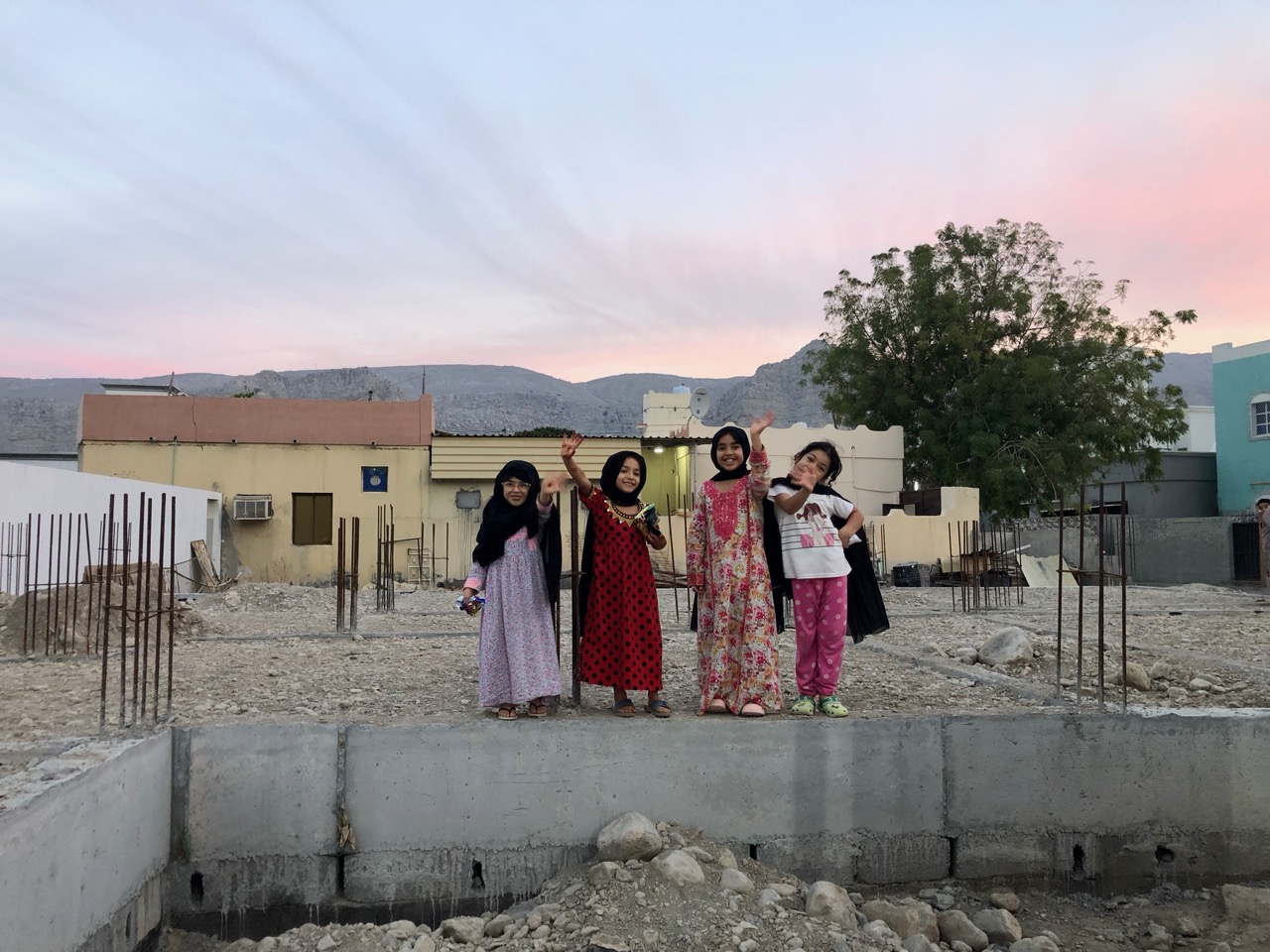
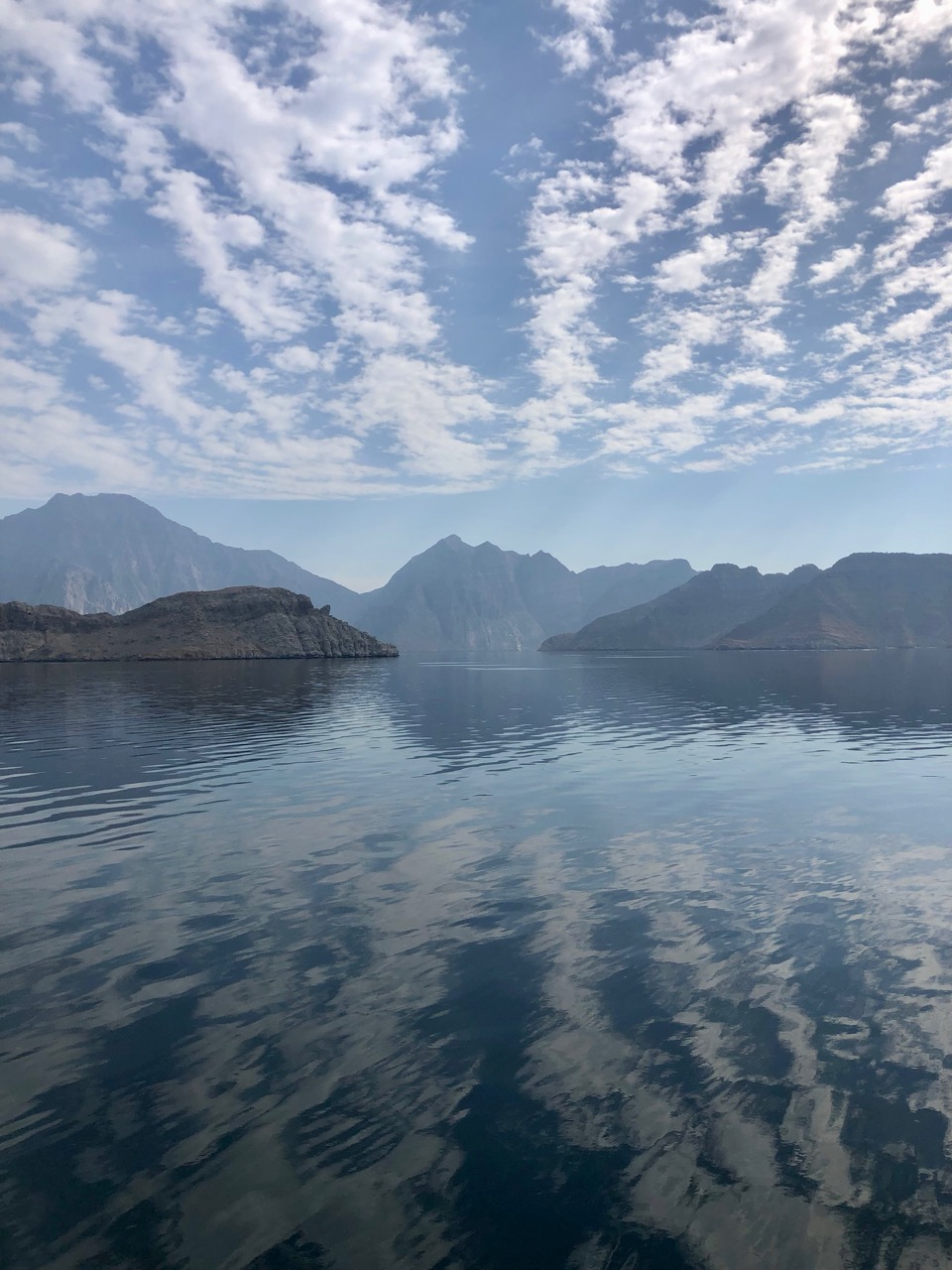
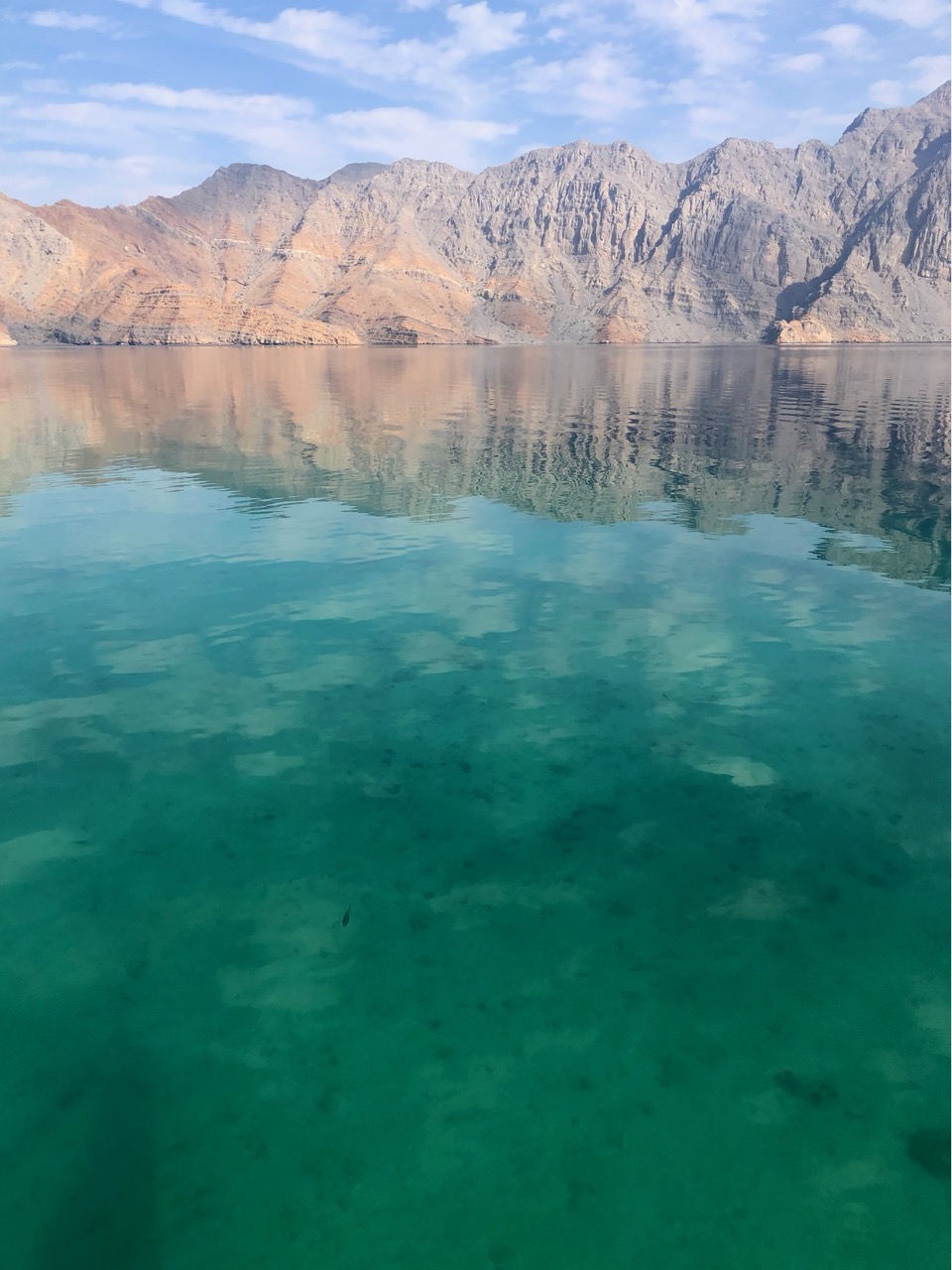
Ultimately I could not live in such a place. Far more appealing were the small coastal town of Khasab in the Musandam region of North Oman where brightly clothed children waved at us from dusty building plots and pristine fjords surrounded by soft golden cliffs were home to dolphins, tropical fish and small isolated villages of fishermen.

I wonder whether one can compare the money made from oil with the money made from drug dealers. Are the dealers to blame or is it the need for any destructive substance that lies at the root of the problem or dependency that inevitably develops? I have much more to learn, digest and think about and I am aware my ponderings are based on the superficial experience of an uninformed tourist. But the trip has undoubtedly broadened my mind and changed some of my perceptions of the world. For starters, it made me want to throw all my carefully segregated recyclables straight into the bin… what is the point after all?! But the idea of blaming some generic environmental ‘baddy’ also reminds me of the Dire Straits lyrics: “When you point your finger cos your plan fell through, you got three more fingers pointing back at you.” After all, don’t I belong to the nations who discovered oil, grew their industries, wealth and world influence from it, enjoyed the comforts and conveniences it brought and subsequently became utterly dependent on it?

If I don’t get another chance, I would like to take this opportunity to thank you for reading my Blogs and to wish you very happy, peaceful festivities ahead, warm homes and hearts and a wonderful start to 2024.