Following Joan… Part Three

(If you are joining Joan’s story now, you might want to read Following Joan… Parts One and Two first.) 

‘Do you think she jumped… or did she fall?’

It’s 2020 and I am sitting opposite my uncle, a grandfather clock tick-tocking the present into the past.

That question has always lingered around the name of my Great Great Aunt Joan. She was said to have been troubled, never having recovered from the death of her beloved older brother, Gerald, killed at Gallipoli in the First World War. Ill health had dogged her. And as another war loomed on the horizon, perhaps she could not bear to witness more loss. 

I sometimes wish I could type ‘Joan Legge’ into the search box of my life’s hard drive to locate the exact moment her story began to intrigue me. Perhaps it was a conversation with my grandmother, Joan’s niece. Both she and her younger sister had believed, independently, that Joan would not return from her trip to the Himalayas in 1939. Their mother was said to have ‘the gift’ – an unfathomable intuition, a form of knowing that slips past reason. 

That fascinated me, for even as a child I sensed there were hidden channels of communication and knowledge beneath the surface of ordinary life. Perhaps their foreboding of no return planted the idea that Joan’s death had been deliberate.

Joan 1905

Or maybe it came from the anecdotes I gleaned over time from my father and uncle about this eccentric spinster who, after Gerald’s death, cast off the frills and trappings of aristocracy and privilege to forge a life of farming, service and adventure. A life that ended in solitude, in a remote valley half a world away. 

Some lives close with a sense of completeness, even peace. Death may be welcomed after a struggle with illness or the slow wear of age. Others remain unfinished, wrapped in mystery, unresolved, tugging at the conscience of descendants like a child clutching at its mother’s apron strings. 

Joan’s sudden death was of that latter kind. It sent shock waves through the generations, softening with distance into small ripples. Even now they lap at the shores of my own soul. 

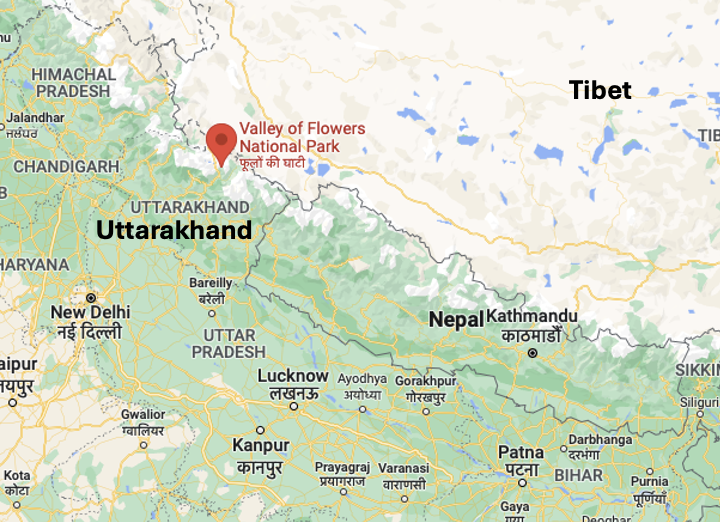
Map of the Valley of Flowers, the site of Joan’s camp, death & grave marked in red
©Staffordshire History Centre

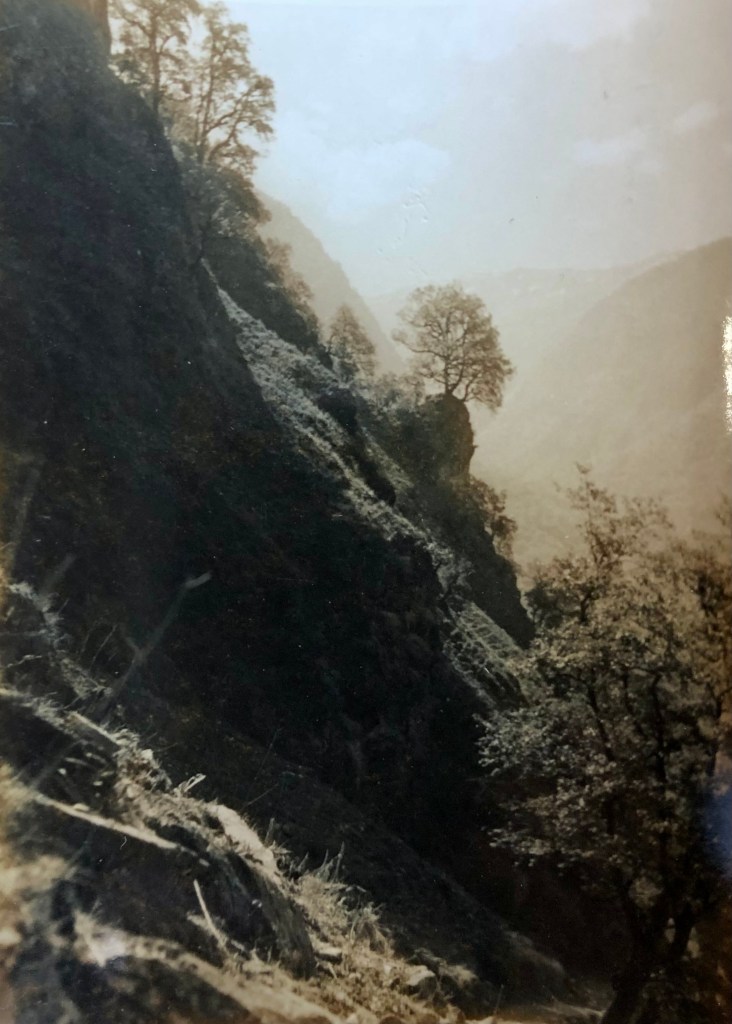
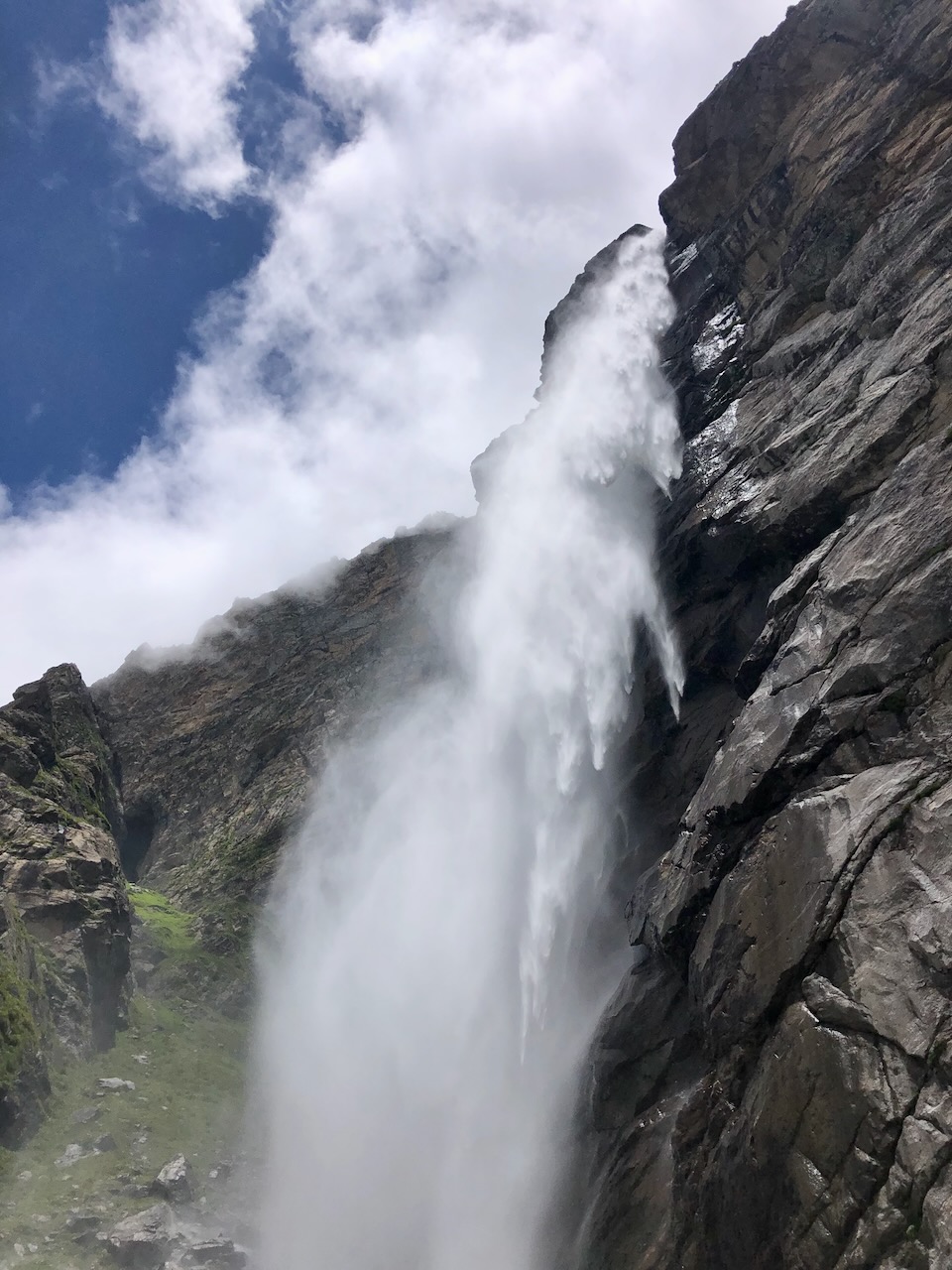
It was only last year, travelling to the Valley of Flowers with three of Joan’s descendants, that I fully grasped the scale of her courage. And the violence of her end. The monsoon rains offered us just a fleeting glimpse of the place she fell, its position traced on a map sketched in the days after her death. Yet it was enough to shatter the gentler image I had long created of her tumbling down a wooded slope. The truth was starker. Joan had fallen clean over the edge of a sheer granite cliff.

Her fall haunts me. Those unthinkable seconds of awareness, knowing you are hurtling toward your end. How different from a death that comes inch by inch, offering time to prepare, to resist, to rage, or to reconcile. In July 2024, when I left the Valley of Flowers and Joan’s remote grave, a sudden grief overwhelmed me, buckling my legs and landing me in a pile of donkey droppings. Yet Joan’s own words leave no room for doubt. Her diaries brimmed with excitement for the months ahead, with awe for the surrounding peaks, and with delight in her adventure. She did not choose death. She was very much alive.

So why does her story touch me so deeply? Why not my great grandmother, killed in a car crash?  Why not my grandfather, the ‘muck and magic man’, pioneer of organic farming? Why Joan? And why me – the only one in the family drawn, again and again, to the lives behind us rather than those unfolding ahead? Is it because I have no children to anchor my gaze forward? Or is it that I have no children precisely because the voices behind me insisted on my attention?

Gerald (far left), Joan’s father (seated left), Joan (centre) and others, 1907

Perhaps neither, or both. What I do know is that the dead have enriched my life. And in honouring them, in breaking the silence of the unspoken, in unravelling the mysteries and untangling the knots they left behind, I believe their presence has enriched the lives of others’ too. 

Through my recent studies in Family Constellations, I have increasingly come to experience life as a river, flowing on with or without us. We step into its current for longer or shorter spans, mingling in the same waters where our predecessors once moved. What matters is not the length of time, but the resonance we leave behind. Not quantity, but quality.

Birth is the one beginning we all share. But our endings are as varied as our lives. Accident, chance, destiny, choice… no one can know death’s moment or manner, only its inevitability.

So was Joan’s death a tragedy as her obituaries mourned? Or was it a brilliant ending to a life lived fully right into its final breath? 

Draft for Joan’s eulogy by her sister: ‘If in another world kindred spirits dwell together there Joan & her brother Gerald will be found, I think, among a happy throng of pioneers and explorers of all ages. Courage, endurance and an indomitable will were possessed by this devoted brother and sister and both lie buried in a mountain grave & as one of her friends wrote, ‘”already halfway to Heaven”. She started on her greatest hazardous adventure joyfully and she died as she had lived, unafraid –

Joan and Gerald, 1907

I dedicate this blog to my dear friend in Australia, Tas. Over the past six years, corticobasal syndrome (CBS) has been claiming his body, his movement, his speech. And yet his spirit, his humour, his integrity and his enduring delight in friends, family and life itself still blaze. To know him is both an inspiration and a gift I deeply treasure.  

Further details of my exhibition / event on Joan will follow in my next Blog.  

Following Joan… Part Two

(If you are joining Joan’s story now, you might like to read ‘Following Joan… Part One’ first)

Goal reached, Valley of Flowers. Fritillaries nodding their heads around me. Men off.’ 

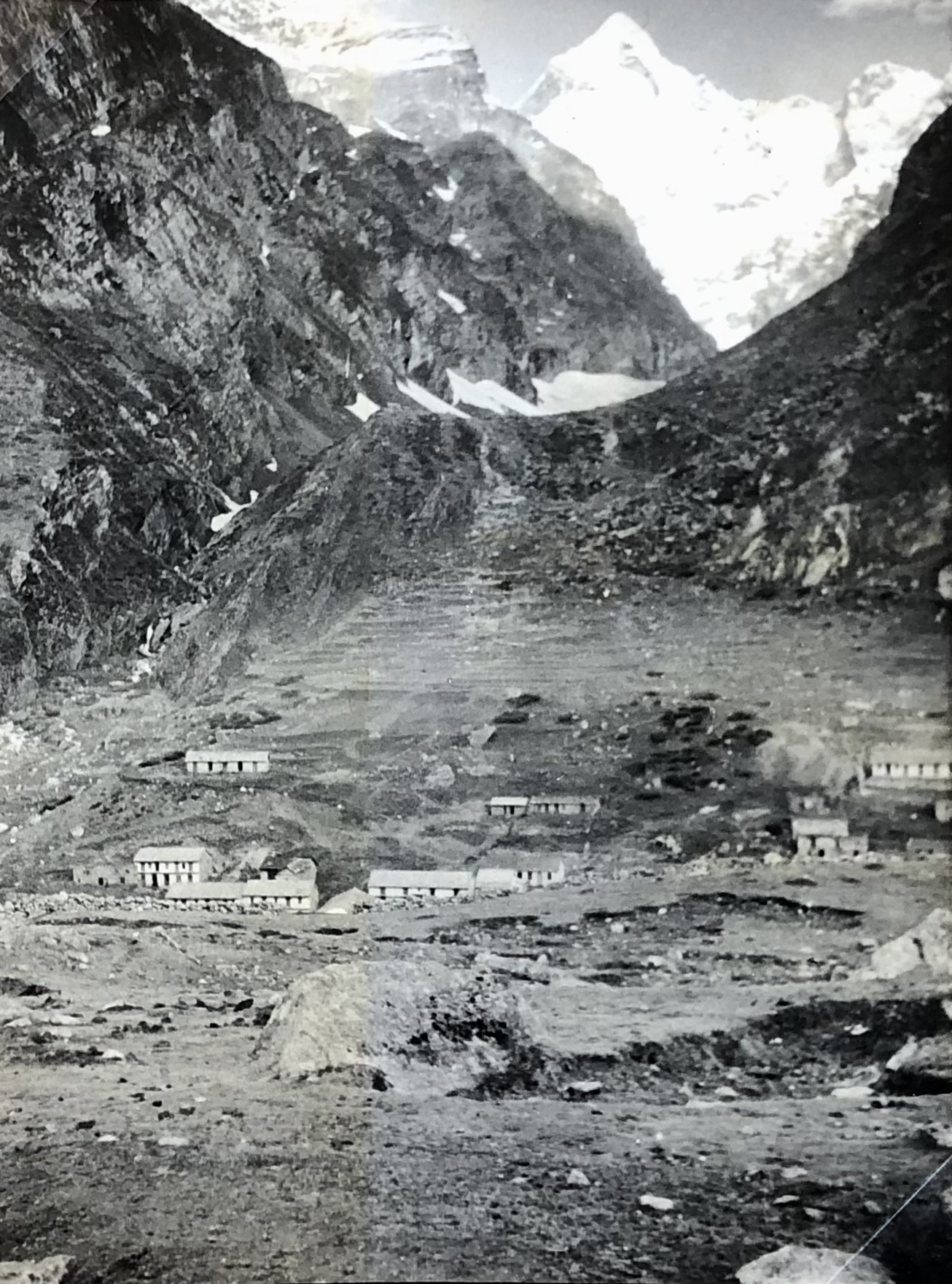
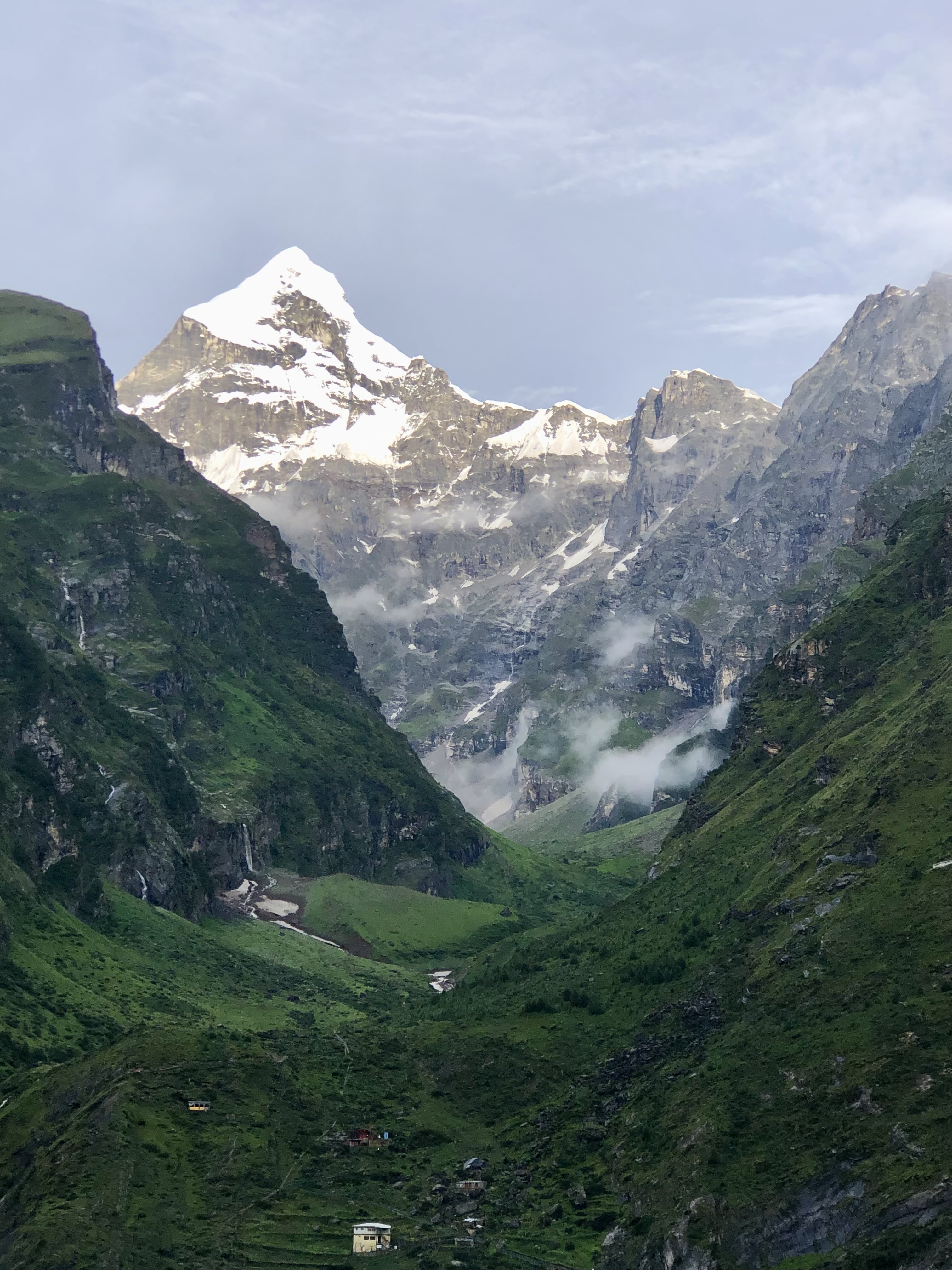
On 20th June 1939, just over four months after leaving England, 54-year-old Joan and her troop of porters reached the Valley of Flowers in the northern Indian Himalayas. 

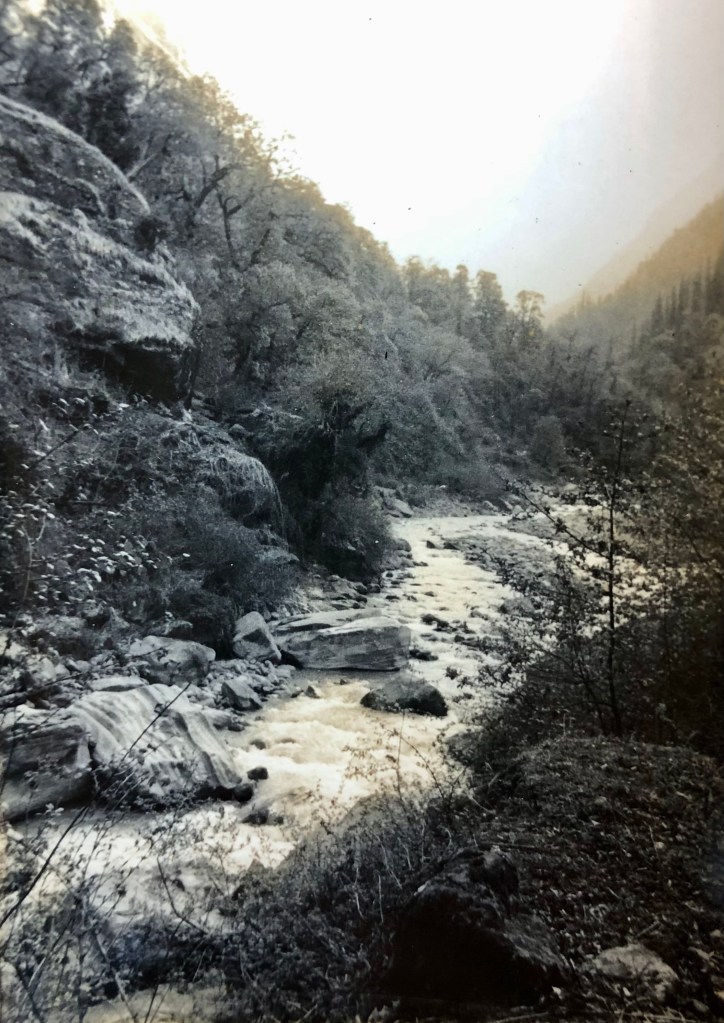
It was ‘a morning in a thousand’. Firs and jasmine scented the air, dew drops sparkled & everyone was cheerful & happy. The track wound up and down until it suddenly dropped sheer to the river. At the bottom, the worst native bridge Joan had encountered yet stretched precariously across a particularly turbulent section. ‘If I had met it in the early days I don’t think I could have faced it.’  

Then came a real climb, so steep she had to crawl part of the way. Even with ice axe and climbing boots, she couldn’t stay upright. The path clung to the side of a mountain which plummeted several hundred feet into the raging waters below, the ground crumbly and uncertain. But she pressed on. ‘One is so busy placing feet that one hasn’t time to think of possibilities.’ 
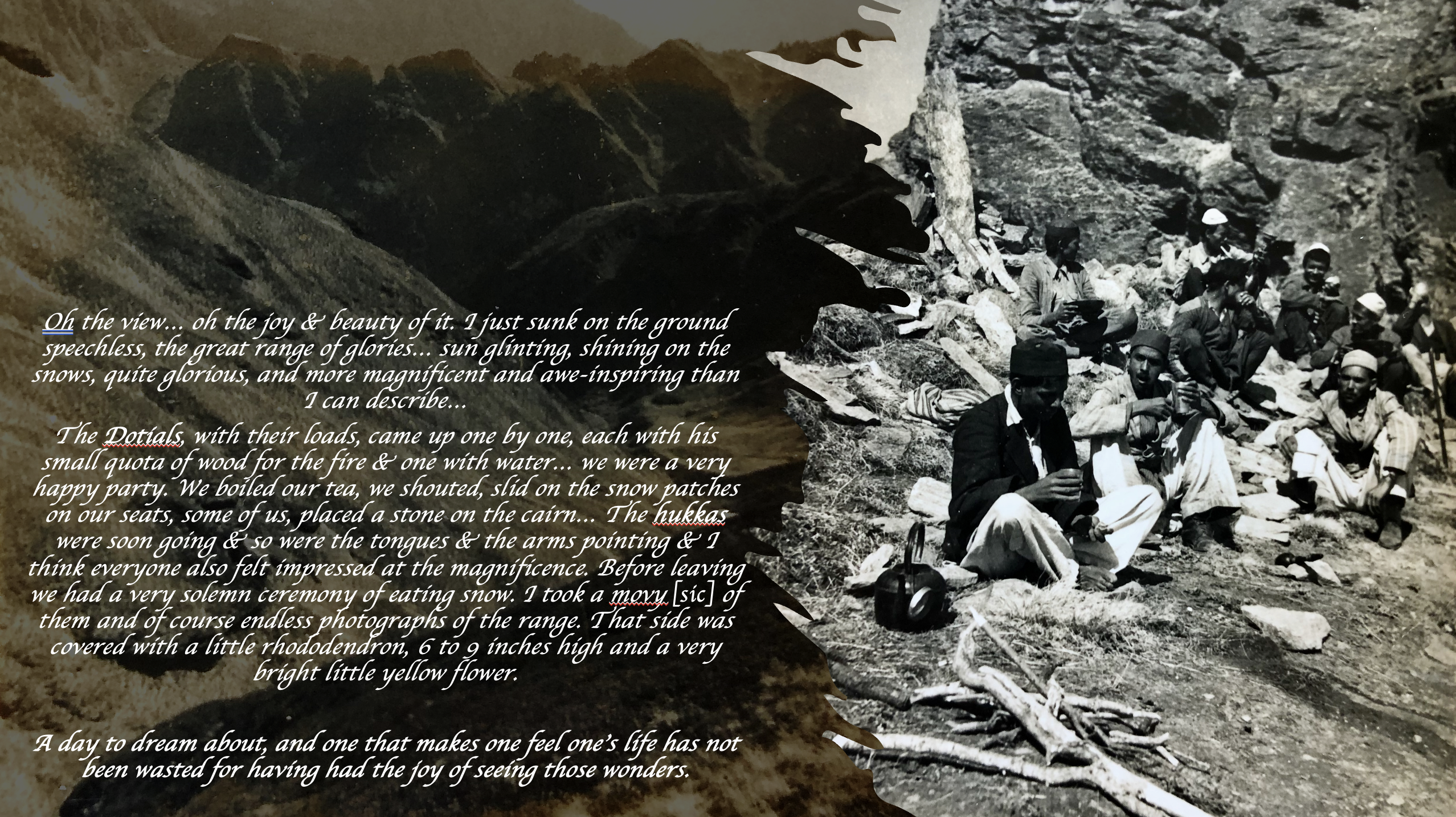
They slid down a precipice, hanging on to rhododendron bushes, crossed another snow field, then climbed again. Ganga Ram & Amba Dath – two of Joan’s three most loyal young guides – clearly thought she was too slow. ‘Each took a hand & ran me up paying no heed if I was on my feet or not. I had to beg for mercy twice as really they nearly finished me off,’ she wrote. And then they were there. The goal reached. The Valley of Flowers.
Tents were pitched exactly where mountaineer and author Frank Smythe had camped for several months in 1937. With three men managing the camp and plans to stay there until October, Joan was free to roam and explore the terrain of her new home in search of alpine flowers. The monsoon rains were gathering. Conditions would soon become unimaginably wet and the ground increasingly treacherous. But Joan was deeply happy.

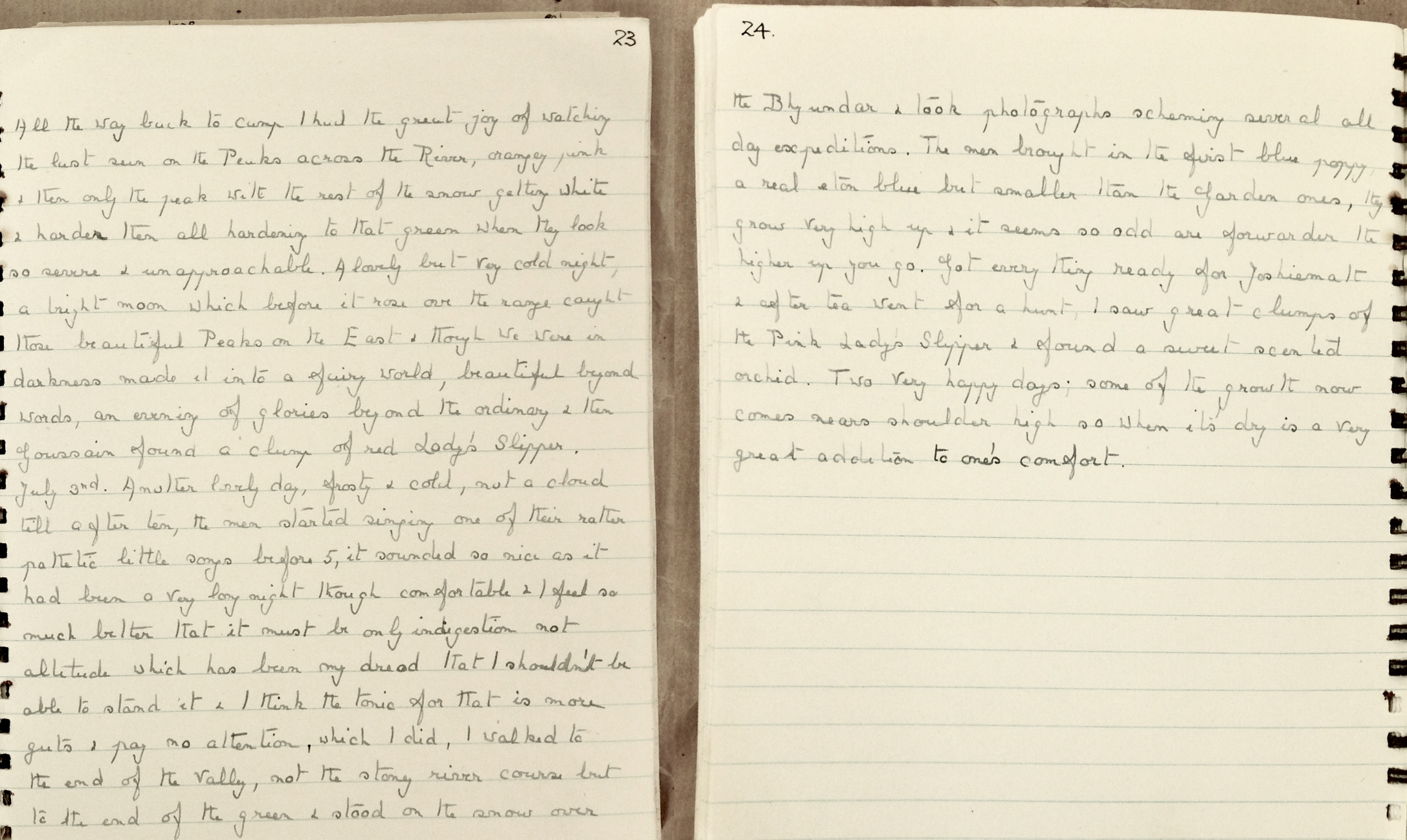
July 2nd. ‘It was the most glorious evening, every way you looked magnificent, through the gorge range upon range of perfect mountains…’ The descent from these dizzying heights, however, was less glorious. Rains had rotted much of the ground and the final stretch was so steep that she had no choice but to descend on her seat, using the ice axe as a brake. Yet Joan revelled in challenge and beauty alike, undaunted by danger, enchanted by flowers and alive to every shifting shadow. ‘All the way back to camp I had the great joy of watching the last sun on the peaks across the river, orangey pink… the rest of the snow getting white & harder, then that green when they look so severe & unapproachable.

That night was lovely but cold. A bright moon rose over the range, catching the snowy summits in the east. Though Joan’s camp lay in darkness, the moonlight made the mountains glow. ‘A fairy world,’ she wrote, ‘beautiful beyond words.’

July 3rd. ‘The men started singing before 5 o’clock this morning, it sounded so nice. The ground has all dried up & things are extremely lovely. If we get spells of two days fine, it will be a great help. Everything is growing very fast.

The following day, Joan was dead.

©Staffordshire History Centre

As abruptly as her life ended, her diary – so alive with wonder – skids to a halt.

Silence.

A telegram or letter from the sub-postmaster in Joshimath informed her family. Joan had slipped, fallen and died instantly. Due to the remote terrain, her body was carried back to camp and preserved in the snow until a magistrate could formally record the death. When her sister, Dossy, requested that Joan be buried in the valley, a small grave was made. A year later a headstone was erected, apparently delivered by Dossy herself.

Except that last bit has been deemed most unlikely by Dossy’s grandchildren who can find no record of their grandmother having made the long, arduous journey to India in the first year of the Second World War.

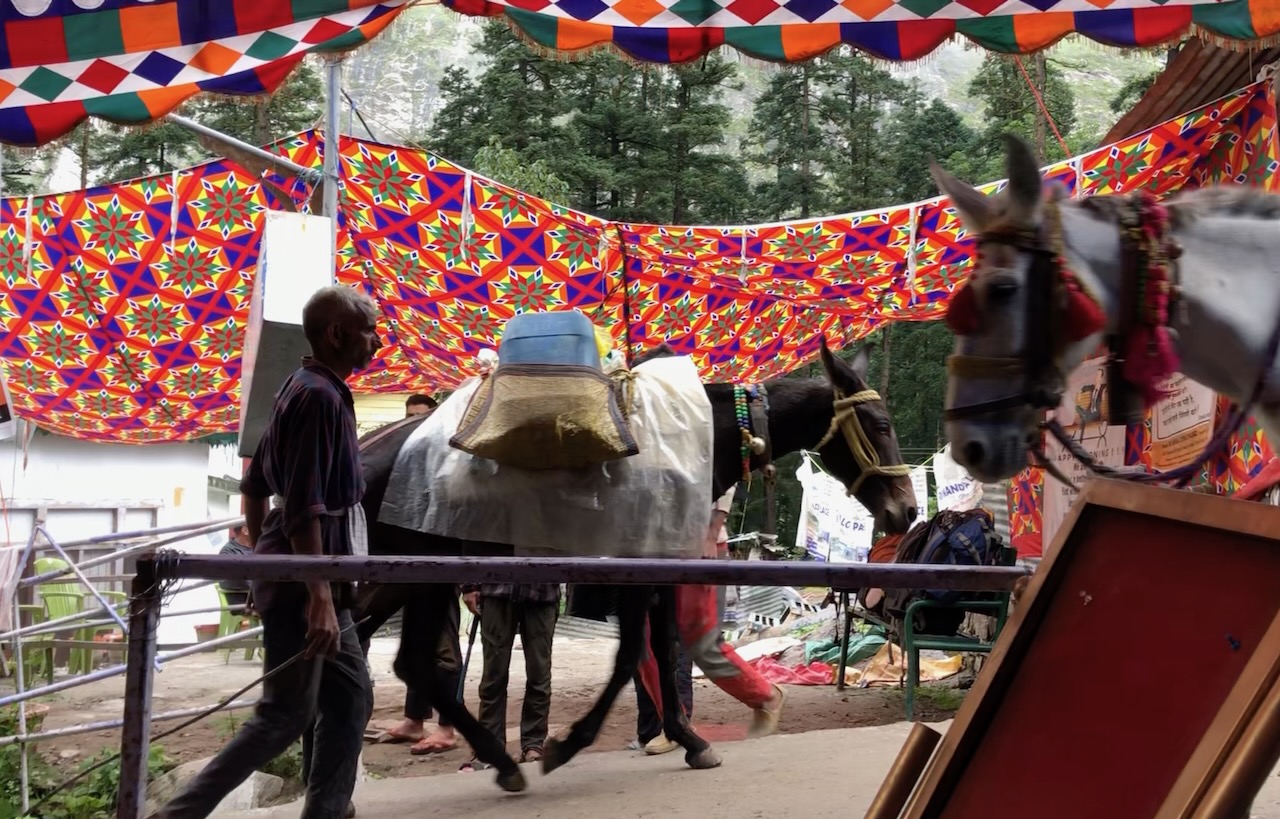
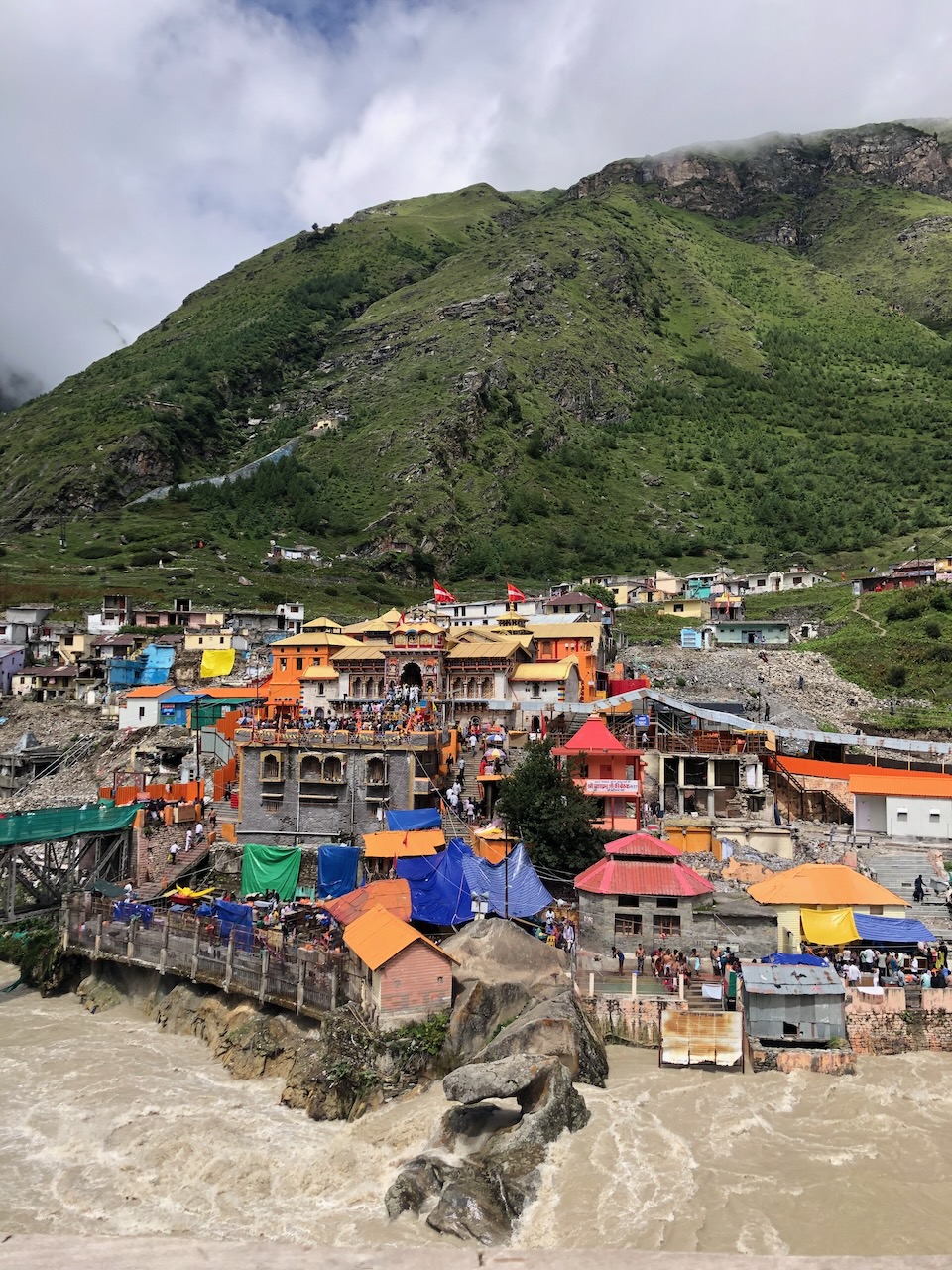
Without Joan’s detailed voice to explain what happened, conflicting accounts have taken root, a Chinese whisper of history… herstory. Was she reaching for a flower to add to her collection of specimens for Kew Gardens? Did she just slip, the edge of the cliff invisible in dense fog? For several years, I’ve tried to disentangle fact from error and in late July 2024, I and three of Joan’s descendants travelled to Ghanghariya, a colourful, bustling shanty town of damp hotels, pilgrims and donkeys, ready to make the long climb into the Valley of Flowers. The landscape might not reveal the past, but it could not lie.

Ghanghariya

We were warmly welcomed at the impressive Information Centre, honoured guests of the great-great-grandchildren of shepherds, villagers, and guides from Joan’s time each eager to share their version of what had happened to ‘Legge Ma’am’. Soon I had scribbled five different endings to Joan’s life in my little green notebook, the one that would mysteriously vanish a few days later as if to tell me: it didn’t really matter. The only truth that did, was that Joan had not been forgotten.

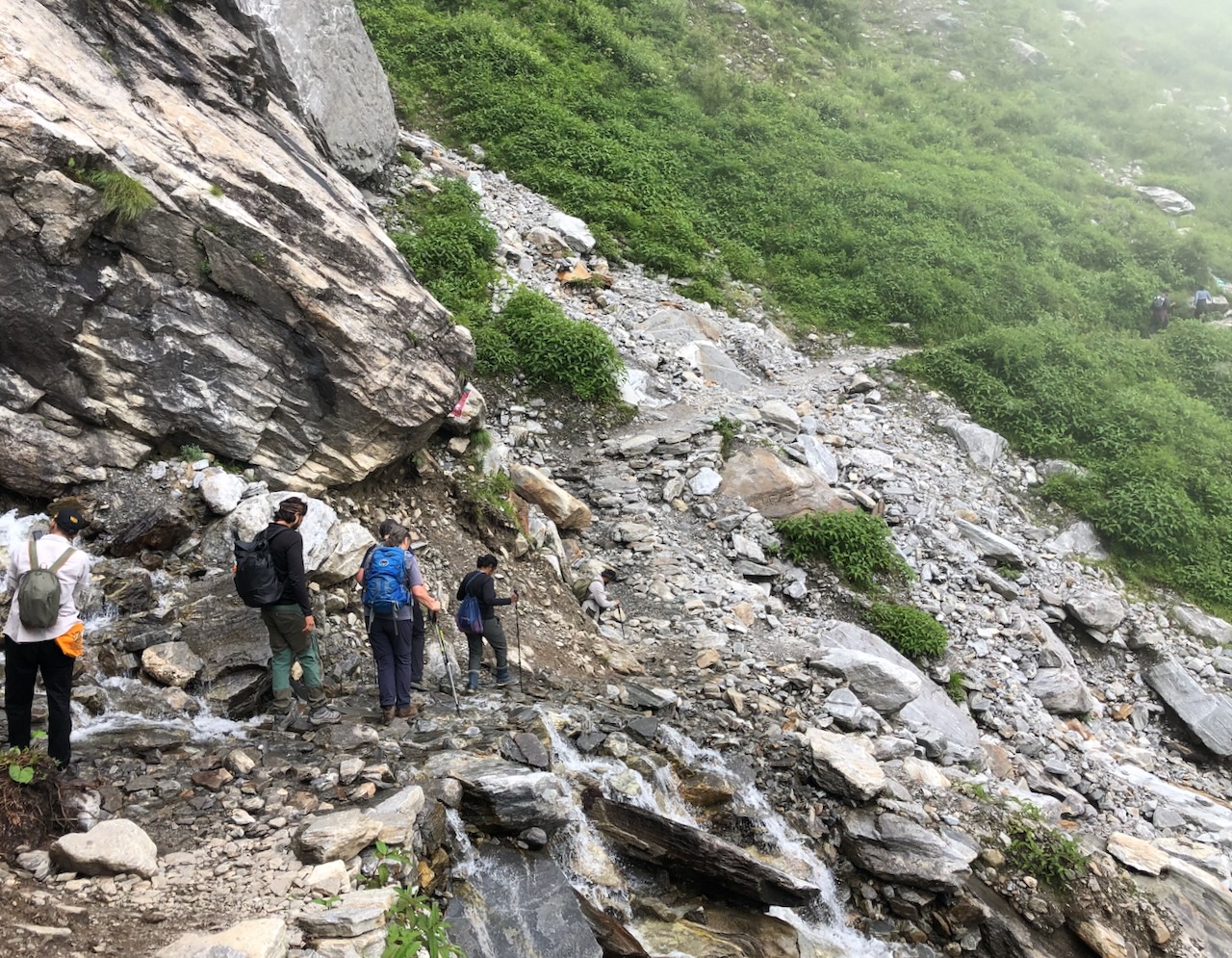
The next day we set off, once again retracing Joan’s footsteps, traversing the same raging river (via a slightly less terrifying bridge) and climbing the steep slopes into the valley.

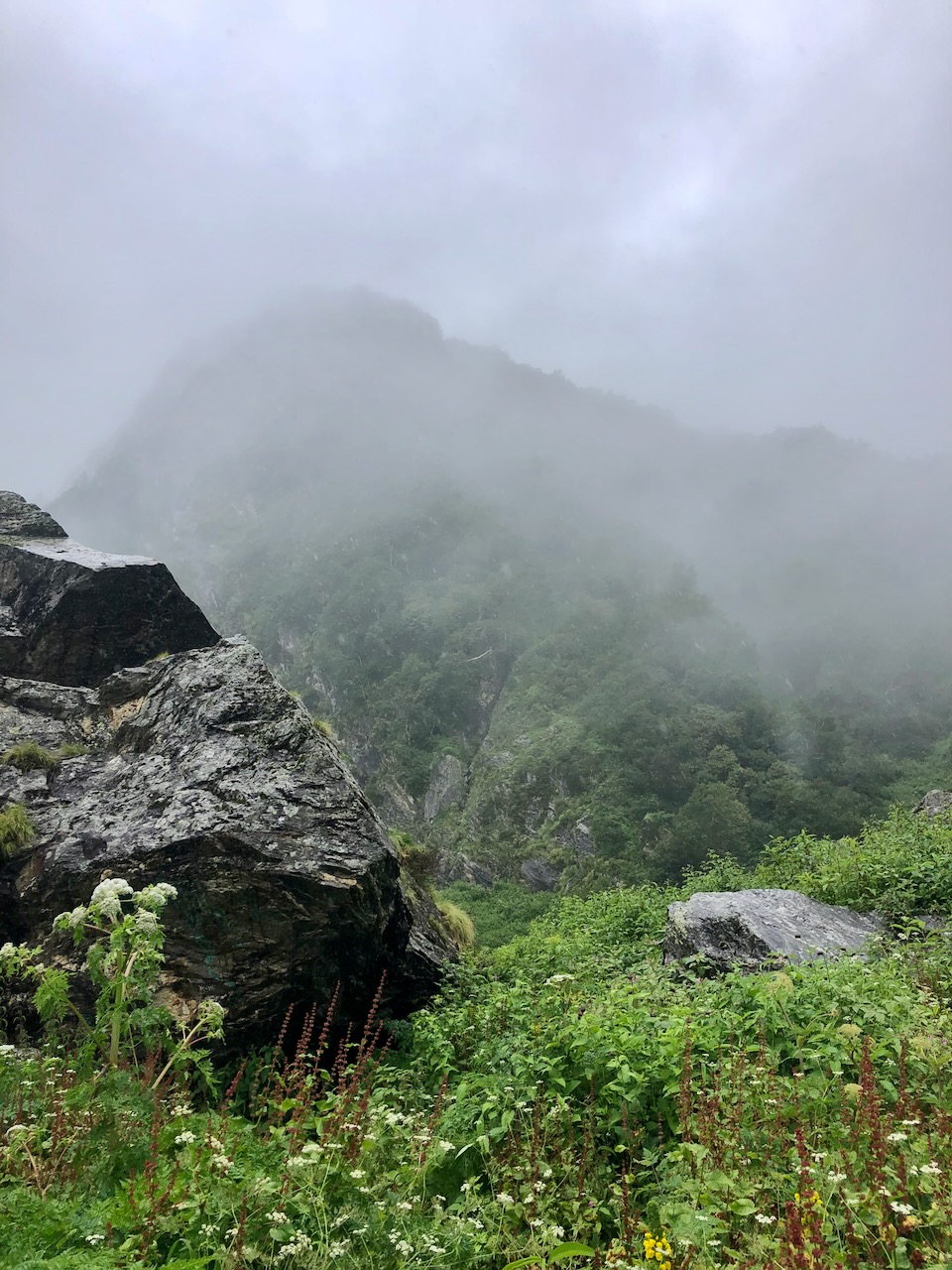
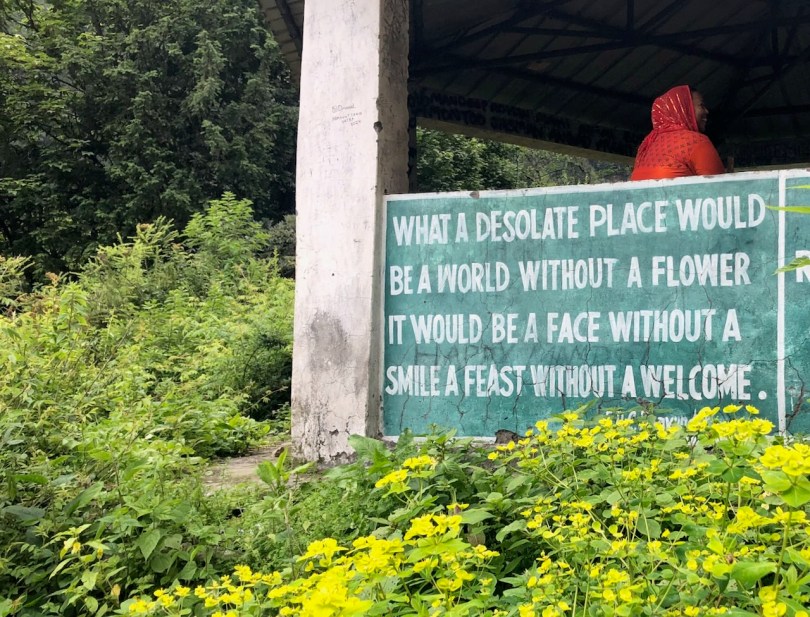
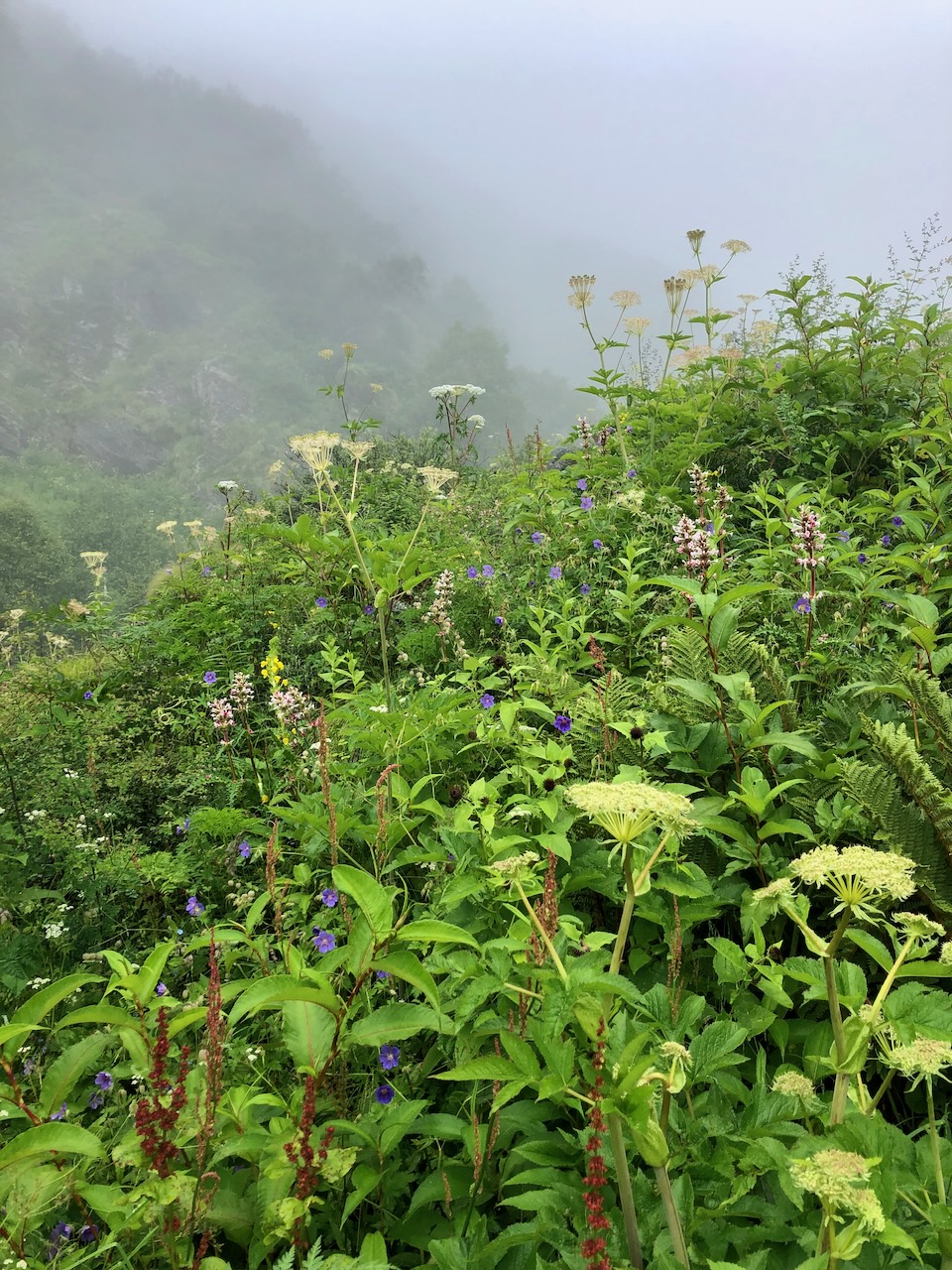
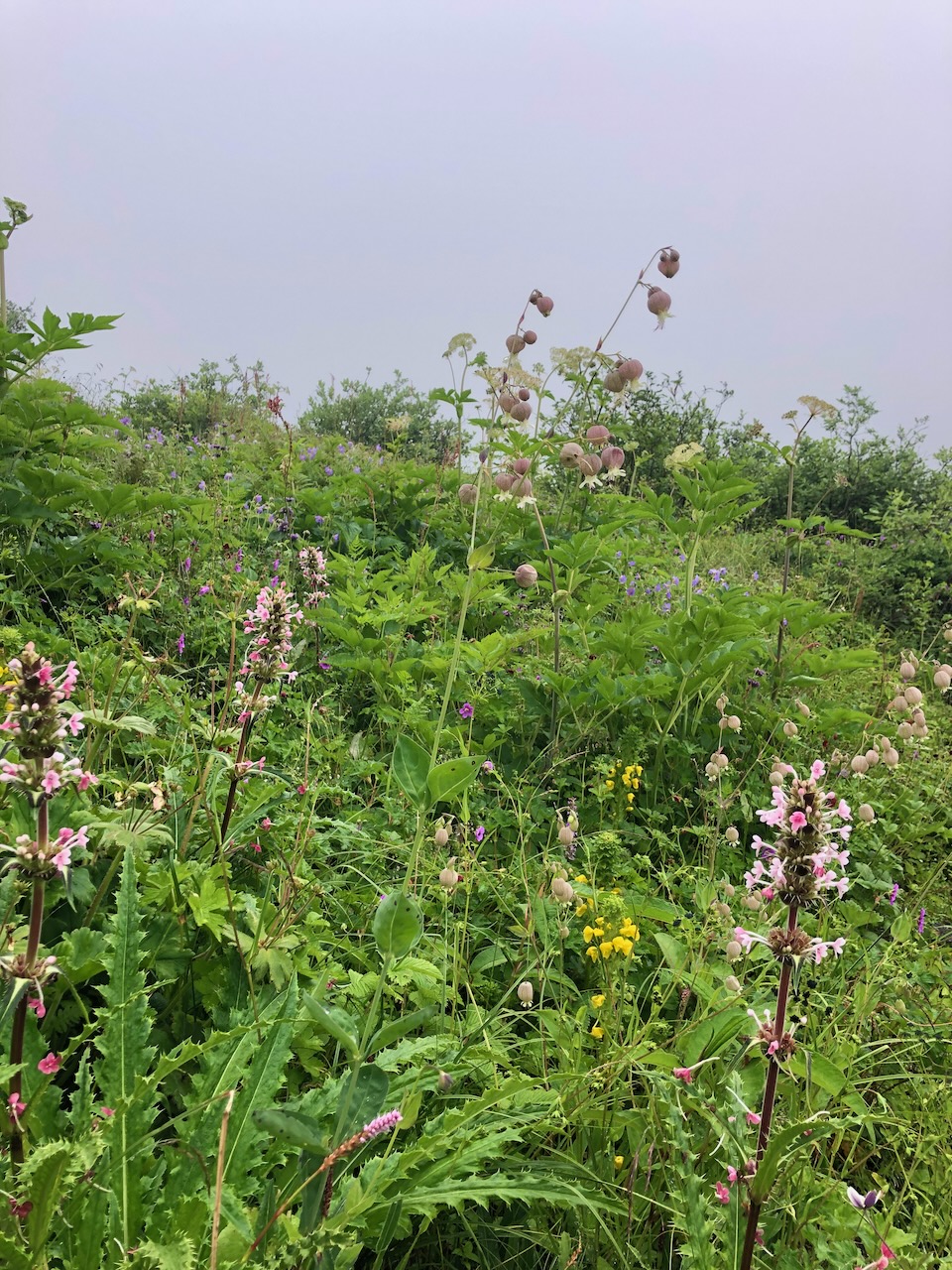
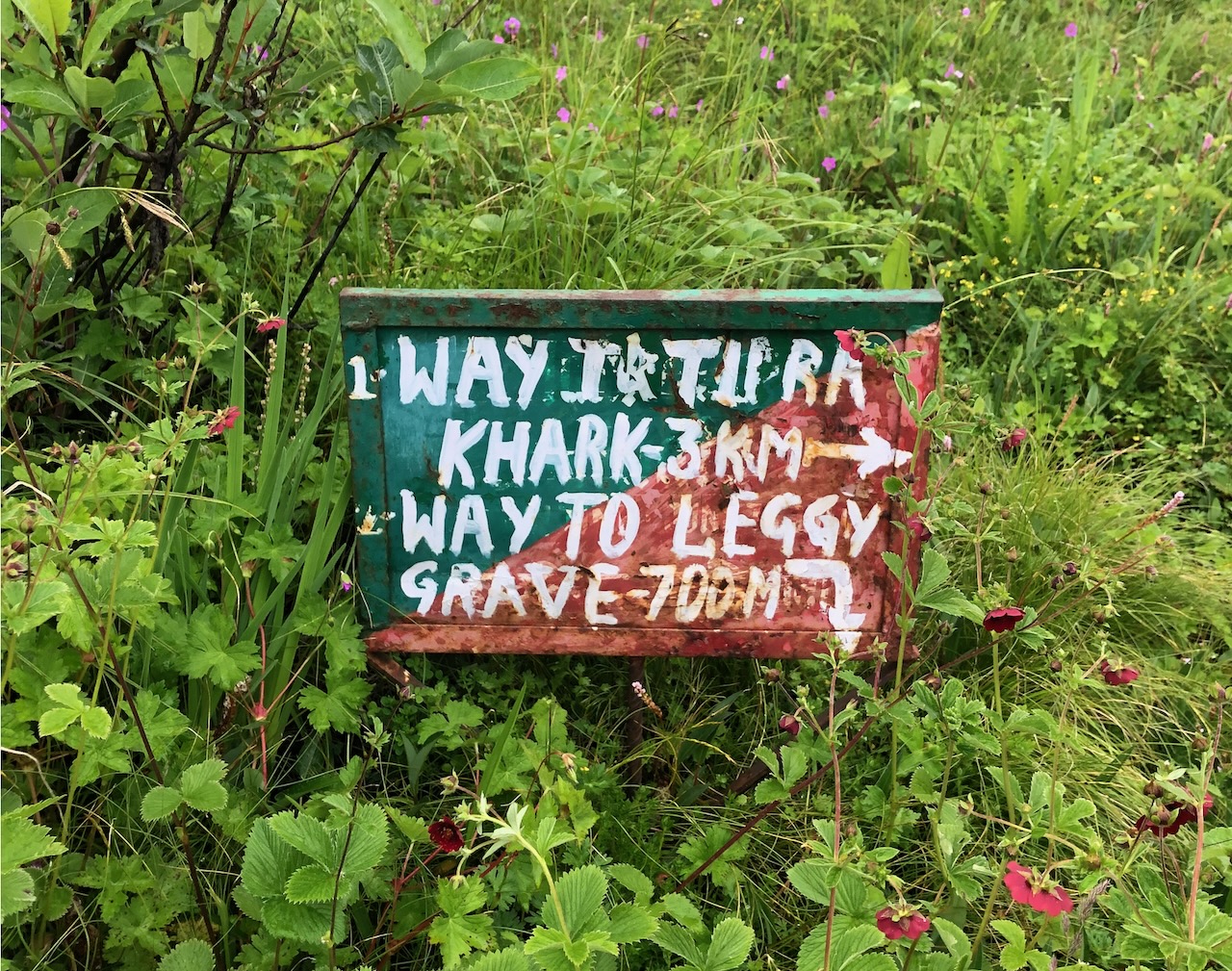
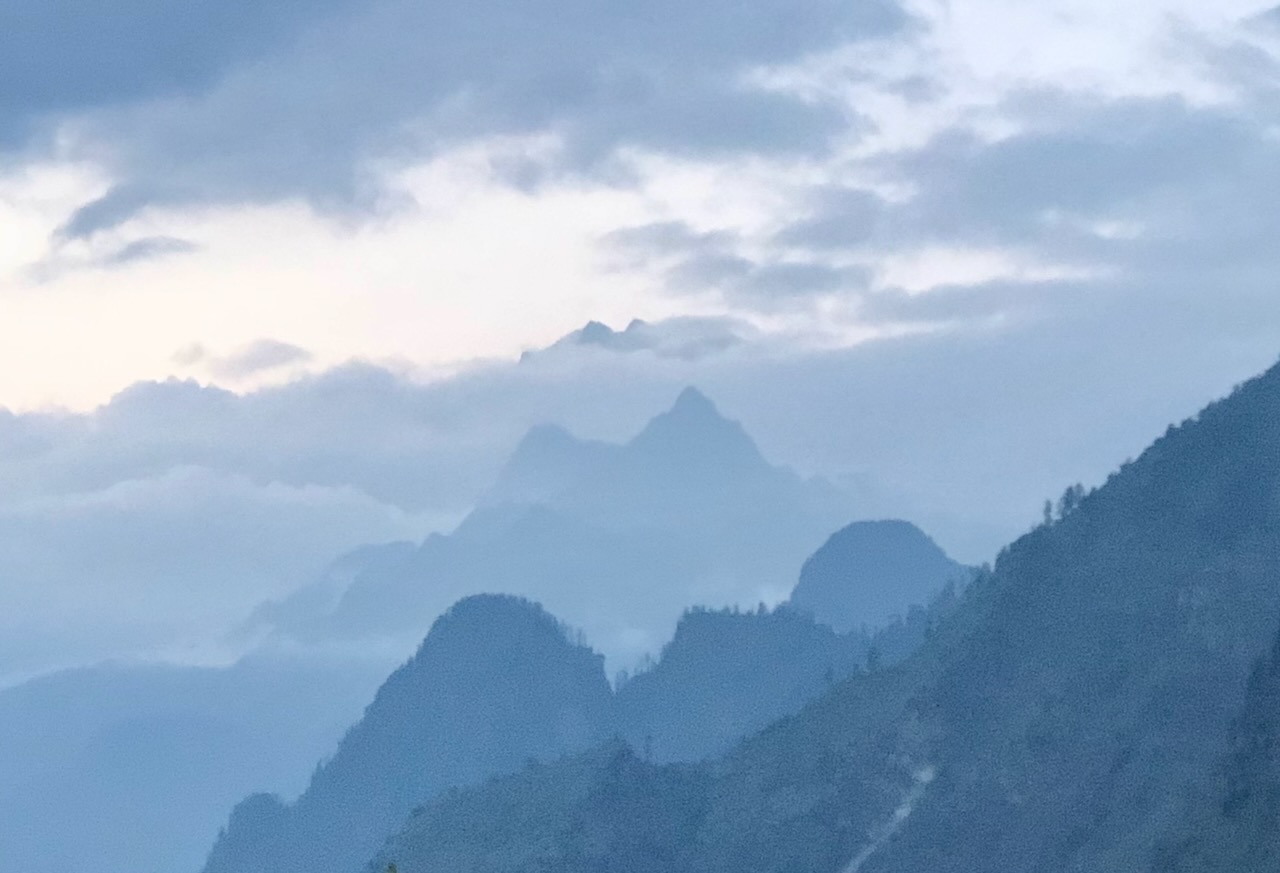
Low cloud concealed Joan’s snowy ‘majesties’ and even the valley itself. Flowers, shoulder high, lined the narrow trail until a small hand-painted sign forked it and directed us to the right.

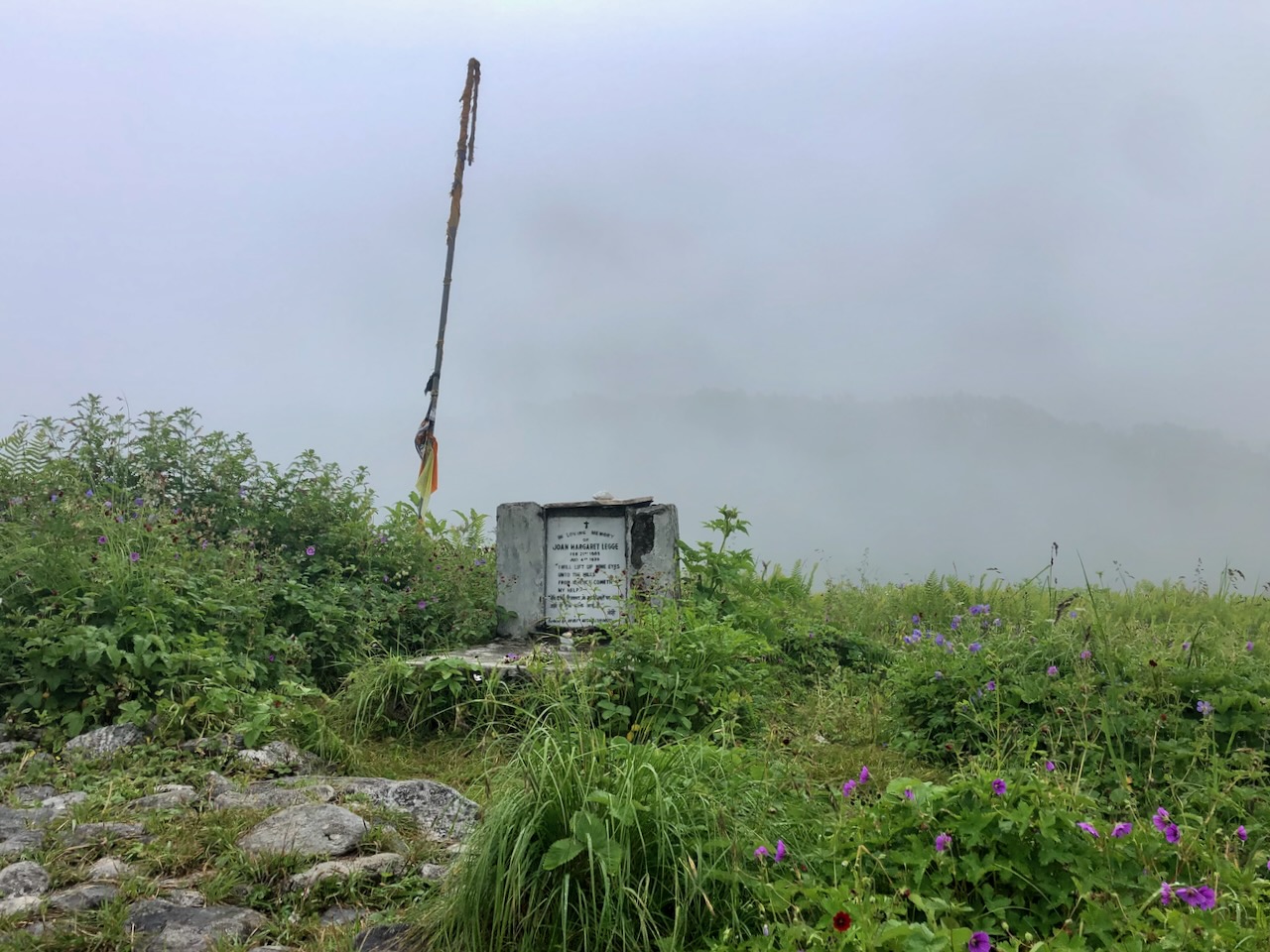
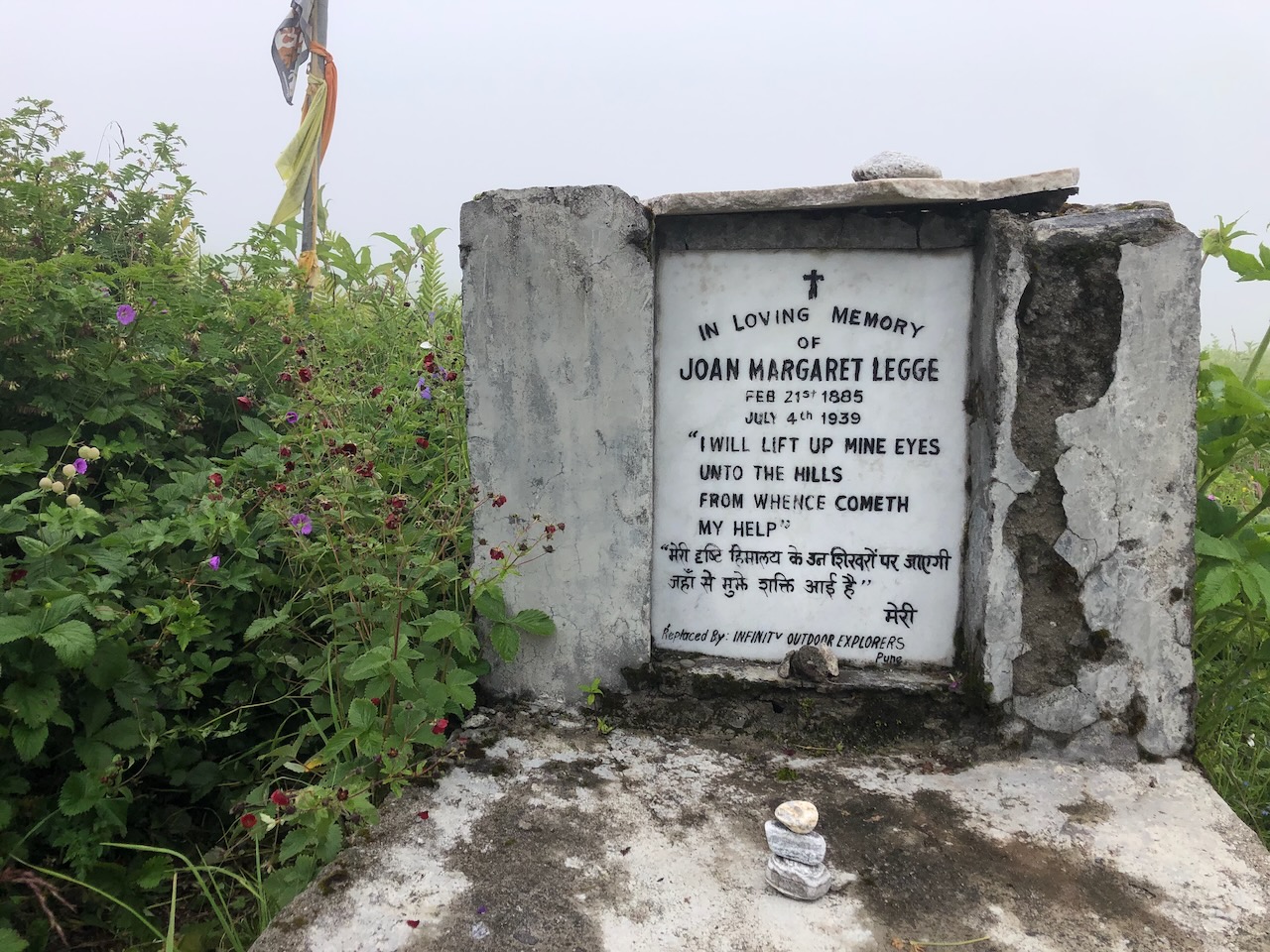
‘Leggy Grave’ could not have been more remote. With the original, broken headstone having been generously replaced by Infinity Outdoor Explorers and the area lovingly tended by villagers, Joan rested, Ophelia-like, among geraniums, potentillas and flowers whose names I don’t know. But she did.

Buried under snow for eight months of the year, this was where my intrepid great-great aunt found peace. A ‘lost daughter of the Himalayas’. And in the prophetic words of the sub-postmaster written over eight decades ago, ‘though death is inevitable, her death in a lonely forest under the tragic circumstances will always be mourned.’

While Joan lives on in the hearts and imaginations of people in northern India – many of whom have trekked miles to pay their respects – back in England, her name, her journey and her collection of flowers had all but vanished into the obscurity of family attics and forgotten archives. She entered my orbit in my twenties, a bright star that inspired independence, courage, a different way to be a woman in the world. I’ve followed her willingly, right to the edge. Imagined her fall… falling… falling… time stretching to infinity like a bungee… then snapping.

A tragic death, or an enviable end to a life well-lived? I’ll let Joan speak for herself.

‘… if we would only give up struggling after worldly things. They don’t count much when you come face to face with what the old Sardou calls the sublimity of the Himalayas whose magnificence, serenity and everlastingness grip one right to the core. You will probably think I am mad, but I don’t think so. There are things that stand and are I think increased, they are love and gratitude.’

Joan, June 1939

Forthcoming Event:

At the end of September, you are warmly invited to an exhibition/series of events showing research and art created in honour of Joan. Exact dates and details to be confirmed, but it will be in the beautiful Chapels of Rest in Stroud Cemetery.

Following Joan… Part One

On 17th February 1939, Joan Margaret Legge boarded the T.S.S. Hector at Birkenhead’s Vittoria Docks and set sail for India. Surrounded by a flurry of last-minute flowers, letters and good wishes as well as Leica cameras, rolls of Kodak film and 17 packages from Fortnum & Mason, she began a four-week sea voyage that would deposit her in Mumbai. From there she would travel north by train to the Himalayan hill town of Ranikhet. And so, aged 54, began her greatest adventure.

The year before, Joan had read mountaineer Frank Smythe’s newly published book The Valley of Flowers and was so captivated by his descriptions of the majestic Himalayas that she resolved to go there herself. With the intention of adding to the collection of flower specimens Smythe had collected, she offered her services as a keen albeit amateur botanist to Kew Gardens, who willingly accepted sending her flower presses and detailed instructions on how to collect and preserve flora from the field. 

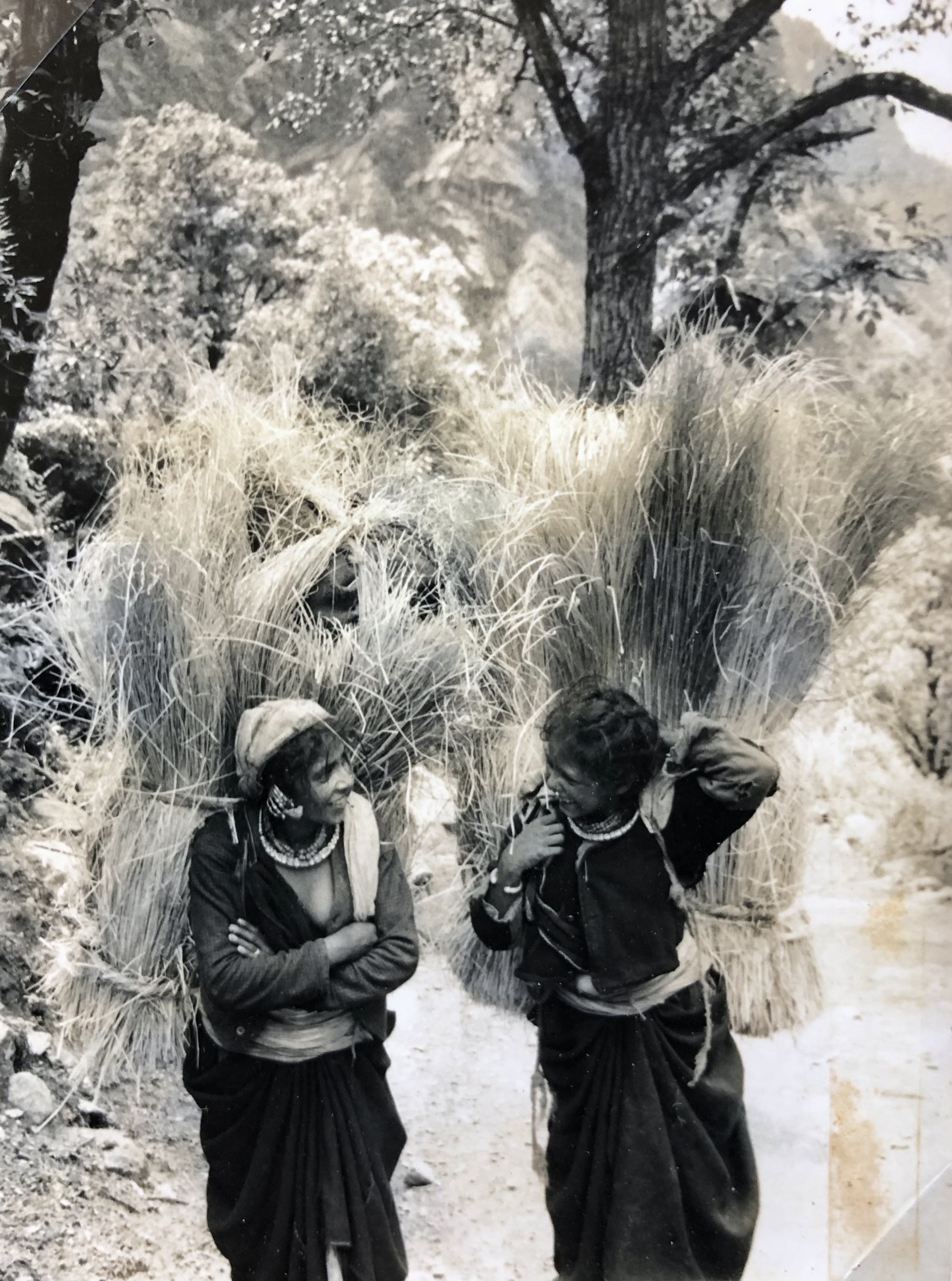
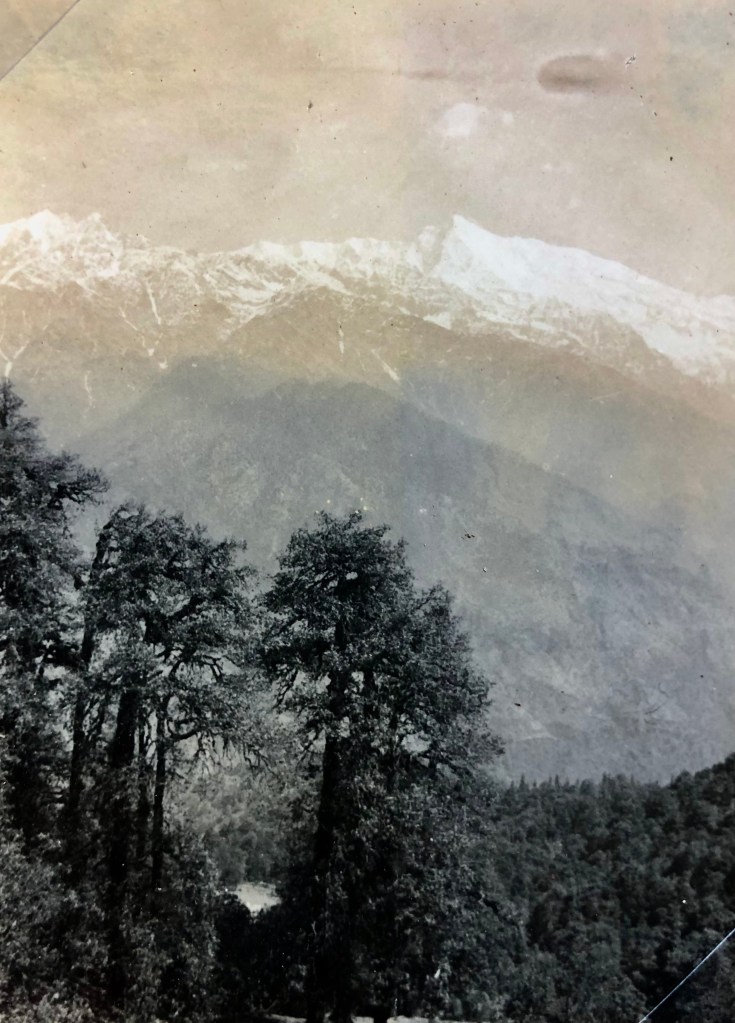
Her daily diary entries – written in tiny, meticulous script – and a remarkable collection of surviving photographs, now housed at the Stafford Archives, paint vivid scenes of rural life in northern India. As a woman navigating imperial times, Joan observed the stark poverty, the tangled legacy of British rule, and the troubling presence of Christian missionaries amid deeply rooted local faiths. Yet she did so with sensitivity and genuine curiosity, not the arrogance or entitlement so often associated with her era. She taught herself enough Hindustani to converse with those she met along the way, delighting in children, cups of tea, goats with saddle bags and botanical novelties in equal measure.

Several months of acclimatisation treks around Ranikhet gave her time to assemble a team of guides and porters and to test her equipment – tents, a canvas bath, ice axe and other supplies – in preparation for the ultimate trek to her final destination: the remote, high-altitude Bhyundar Valley, nestled just south of the Tibetan border. On May 22nd, they headed north.

31st May, 1939. Arrival at the Kuari Pass: A very great day in one’s life

As I have mentioned in earlier blogs, Joan was my great-great aunt on my father’s side. And last July, three other descendants and I retraced her Indian footsteps. Together with local guides who were already familiar with ‘Legge Ma’am’ as they fondly and reverently called her, we made our way to some of the same hills and valleys she once walked, recognising waterfalls, temples, holy trees, bridges and landscapes she had captured in both writing and image.

Like all pilgrimages to places of memory, her story seemed to reassemble itself in the elements around us: the humid air, the scent of pine needles crunching underfoot, the wind and monkeys dancing through the trees, the sheer drops and raging rivers, the saffron-clad pilgrims, and the fleeting glimpses of snow-covered peaks – ‘the Glories’, as Joan called them in her awe – emerging through shifting skies. As the four of us dipped our toes into the trials of that wild and beautiful land, its altitudes, its weather, its unfamiliar rhythms, her quiet courage and unflinching resilience rose steadily in our esteem.

Joan’s story is that of an intrepid 54-year-old woman who displayed the same grit and independence as her more famous contemporaries, such as Gertrude Bell or Evelyn Cobbold. But unlike them, her path was quieter, deeply personal and largely unsung. Her modesty, her self-deprecating wit, and the sense of spiritual joy and serenity captured in her letters and journals only deepen the power of her achievement. The beauty and the tragedy of what came to pass have lifted Joan’s journey into something more than biography. It is a story that asks, gently but insistently, to be remembered. Maybe I am the last in our lineage to feel her so vividly. Maybe I am the one meant to tell it.

With that in mind, on 17th February 2025, exactly 86 years after Joan set sail, I stood at Vittoria Docks in Birkenhead to symbolically wave her off. I imagined the Hector gliding down the Mersey, carrying with it not just Joan and her belongings, but the promise of new horizons and adventure. I walked beside the ghost of that ship until it reached the sea, trying to feel what she might have felt… the thrill and anxiety as she watched the landmass she called home and all that was familiar fade from view.

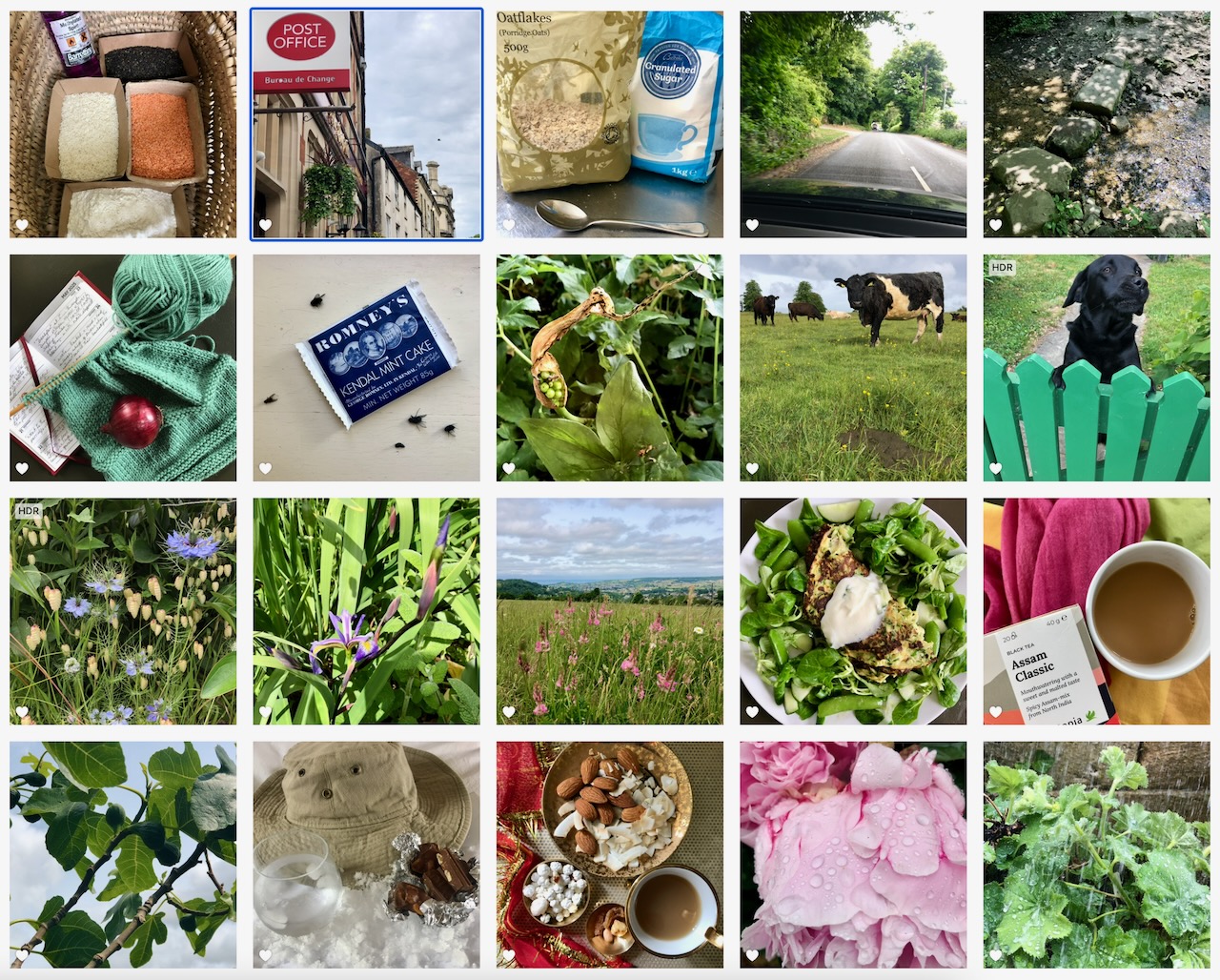
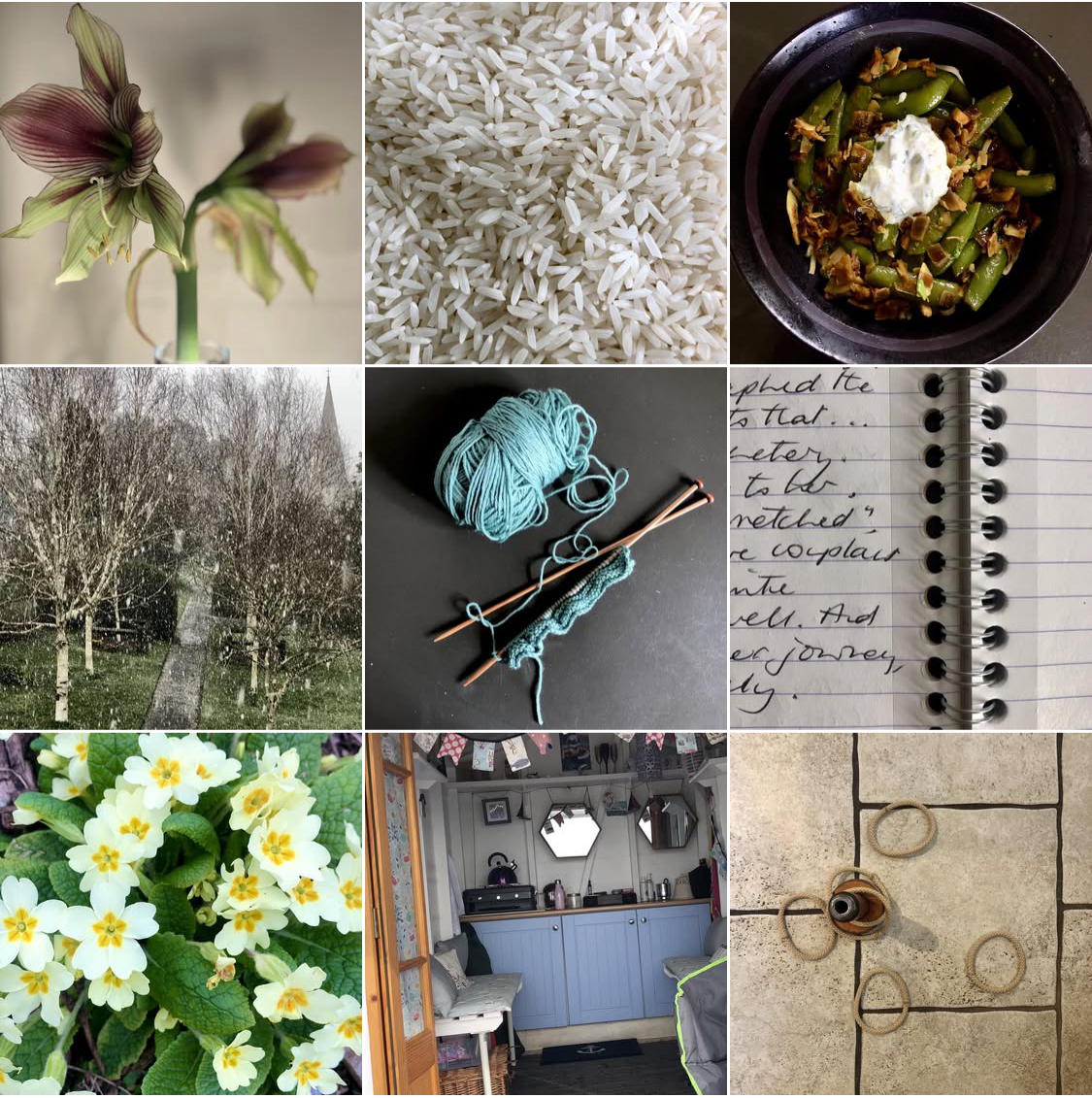
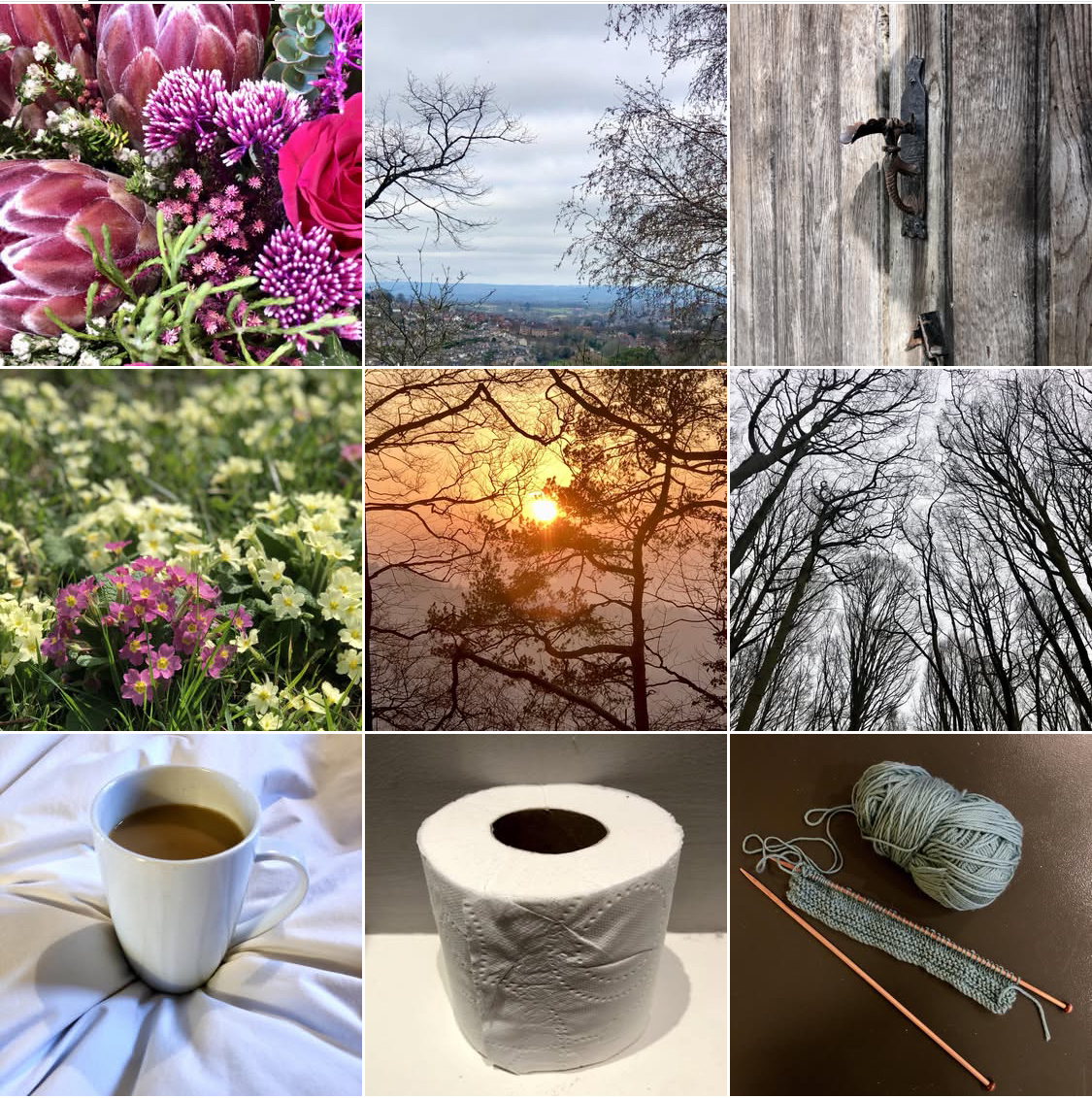
Daily Instagram posts: @ angela_findlay

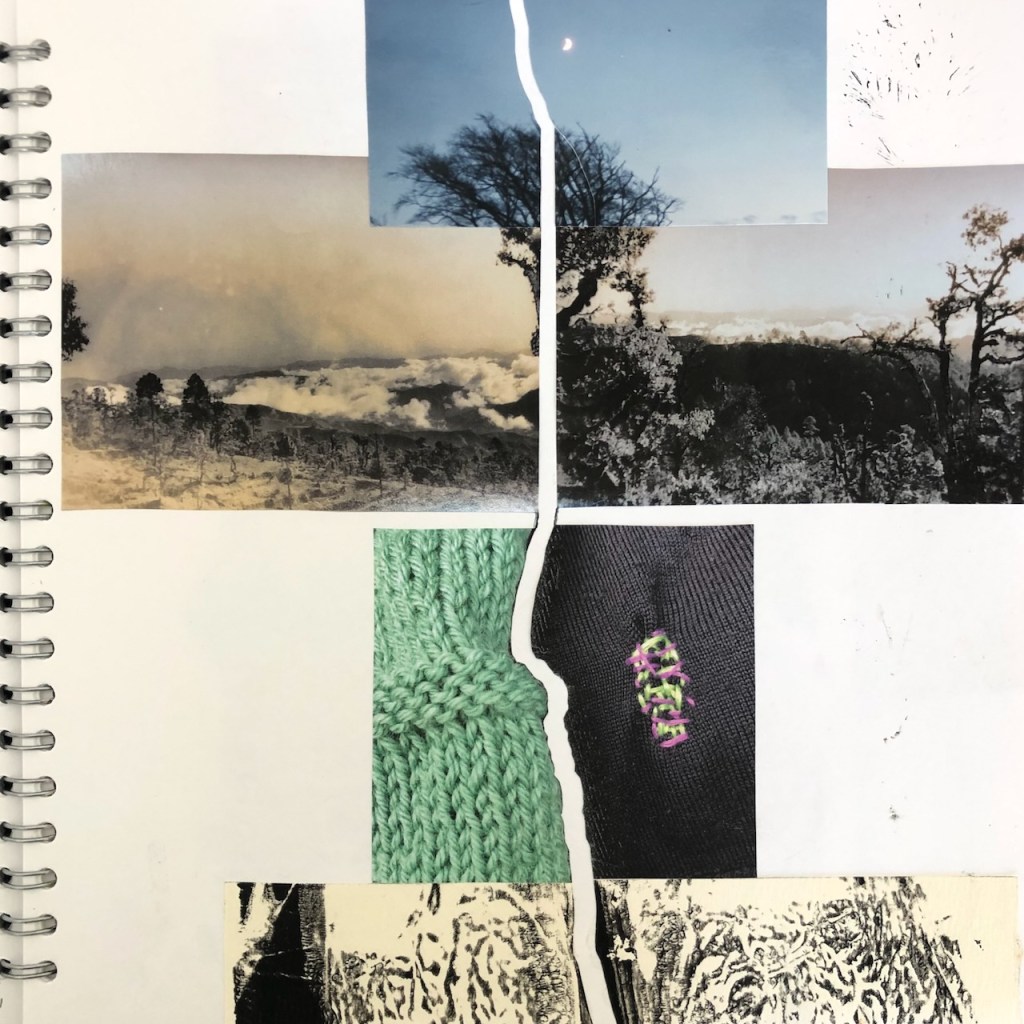
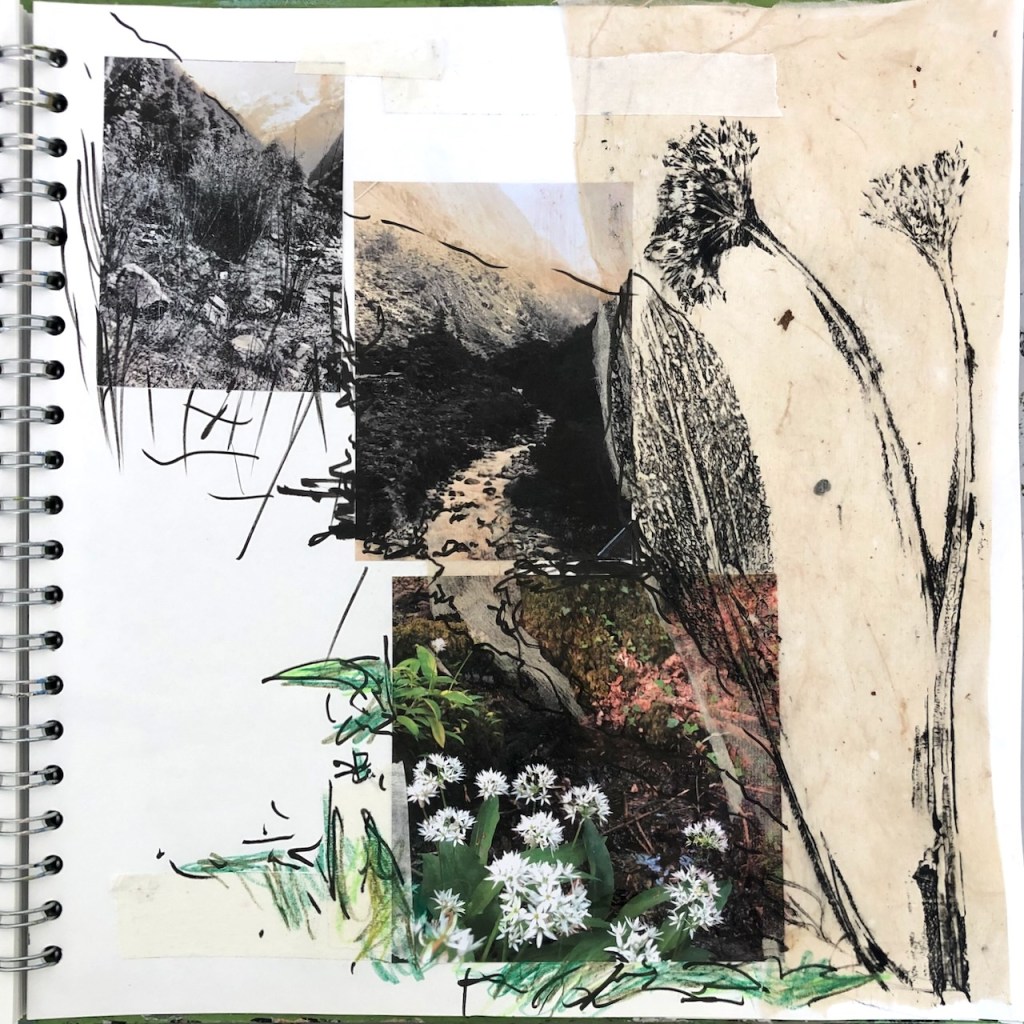
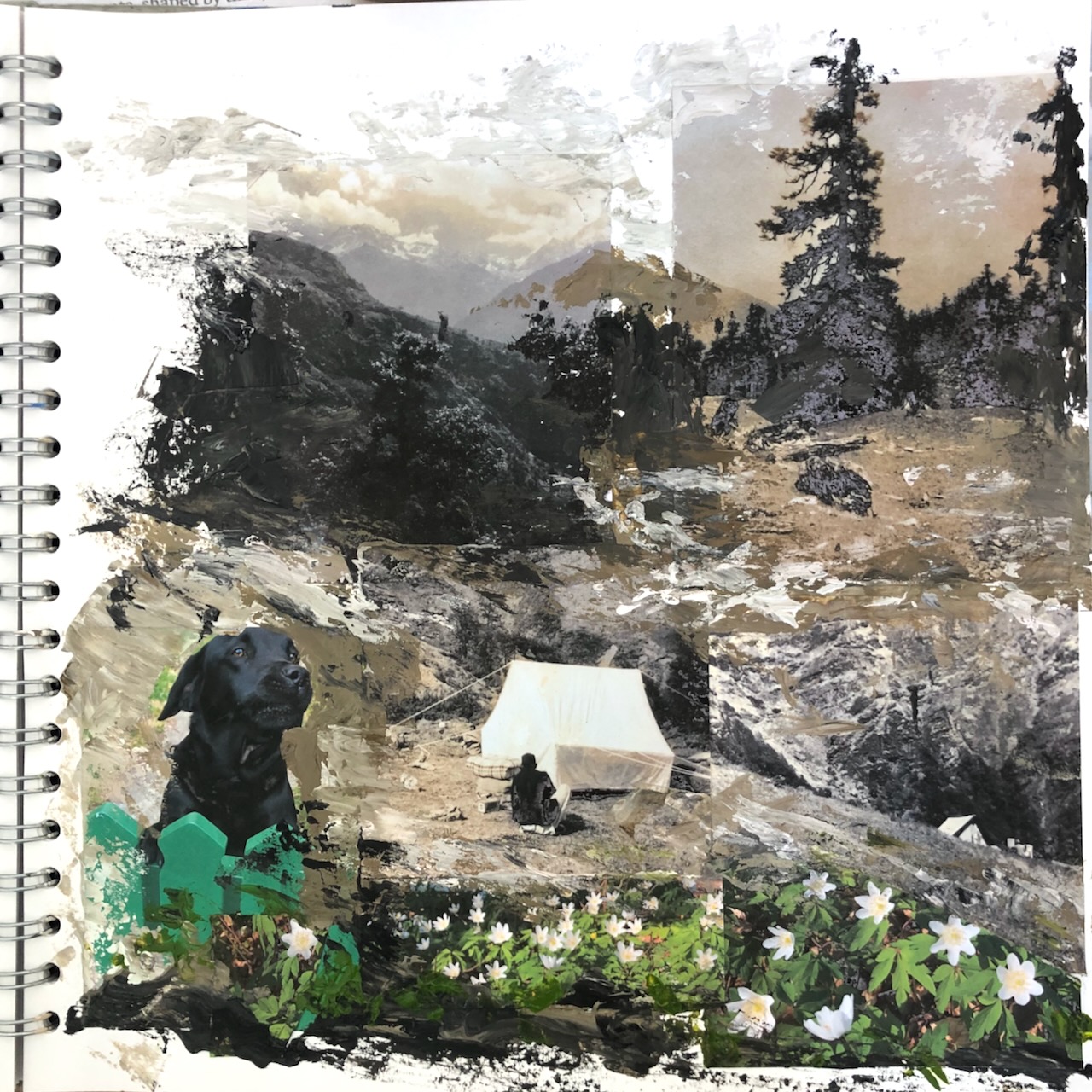
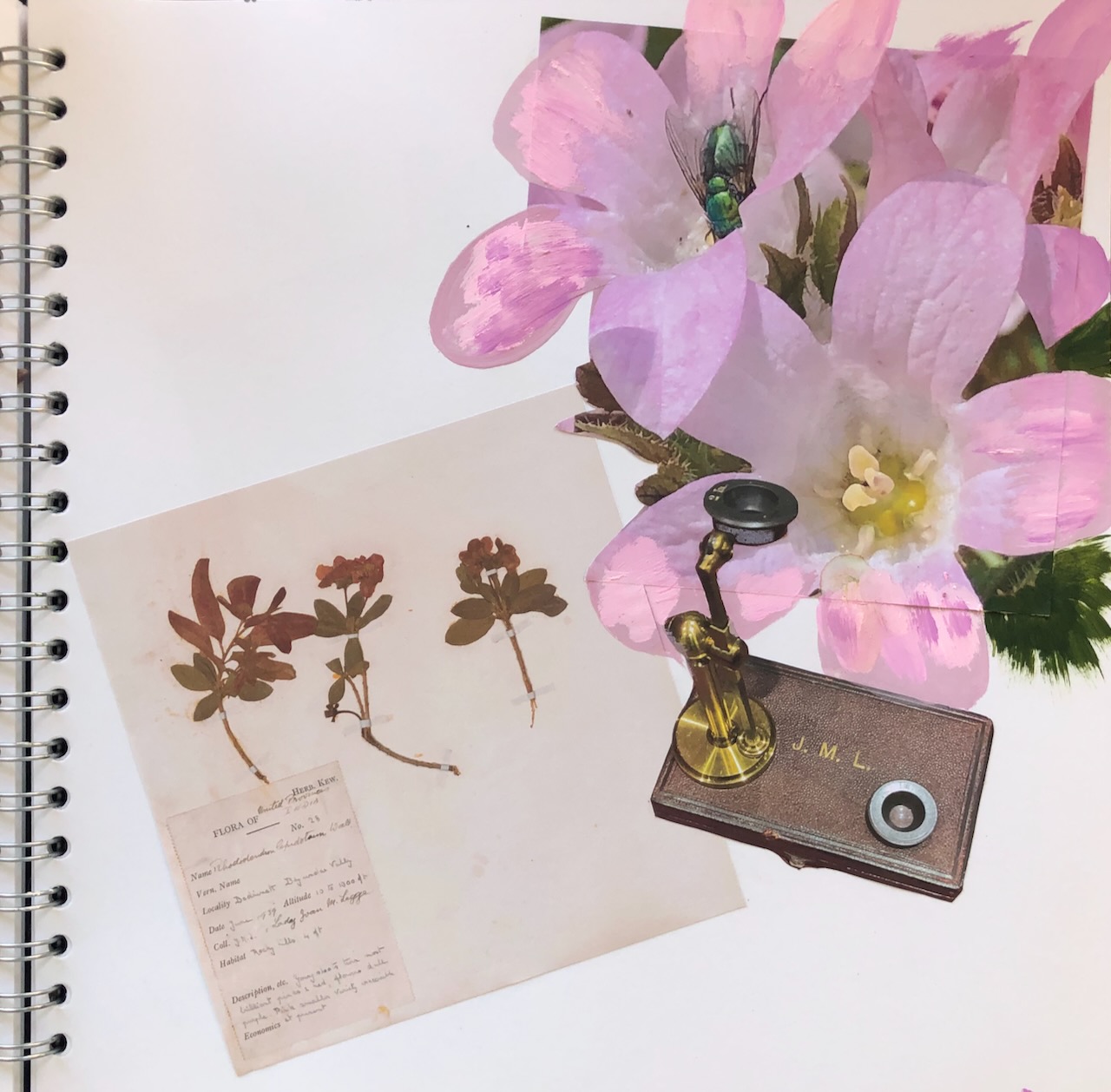
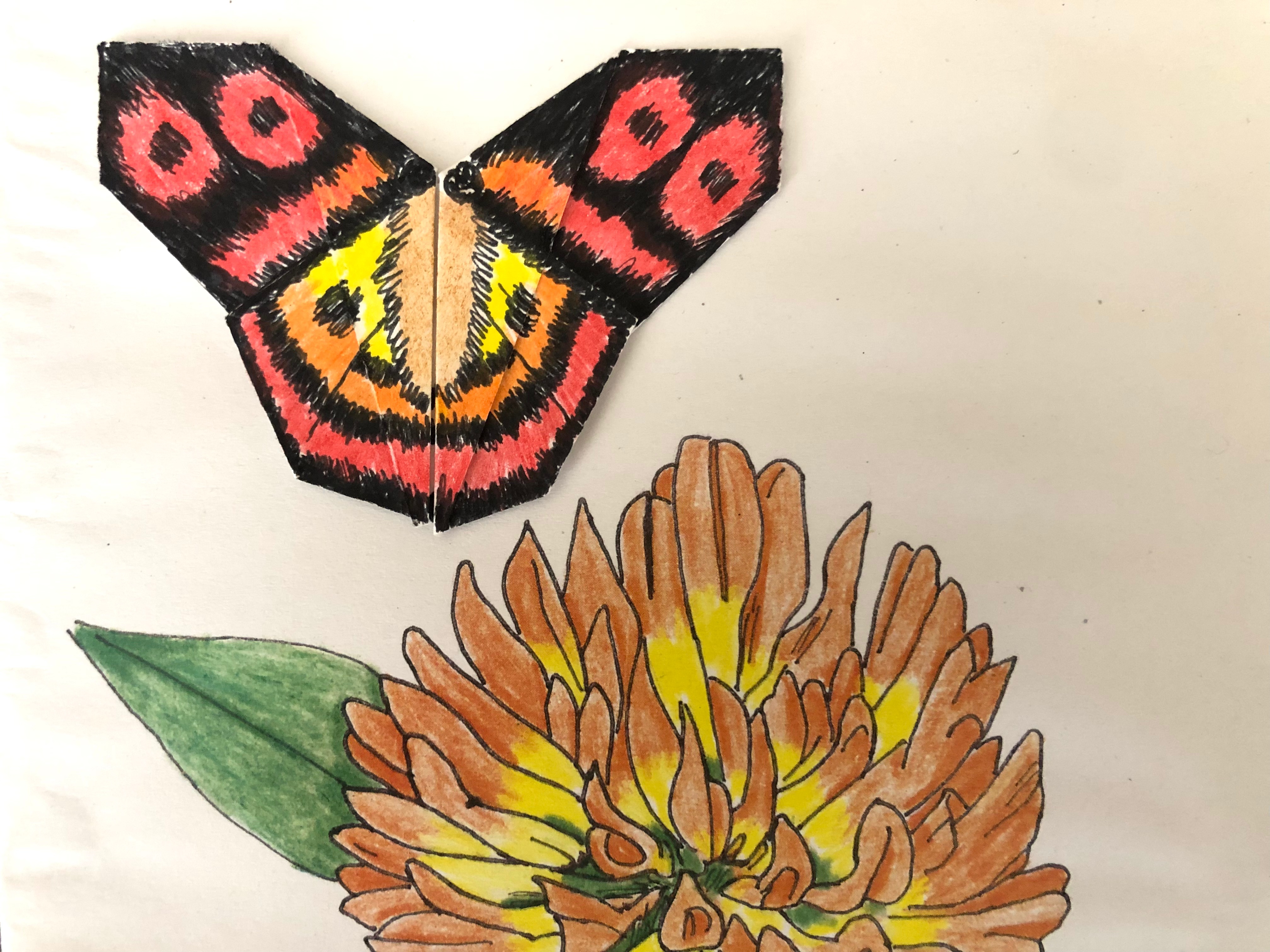
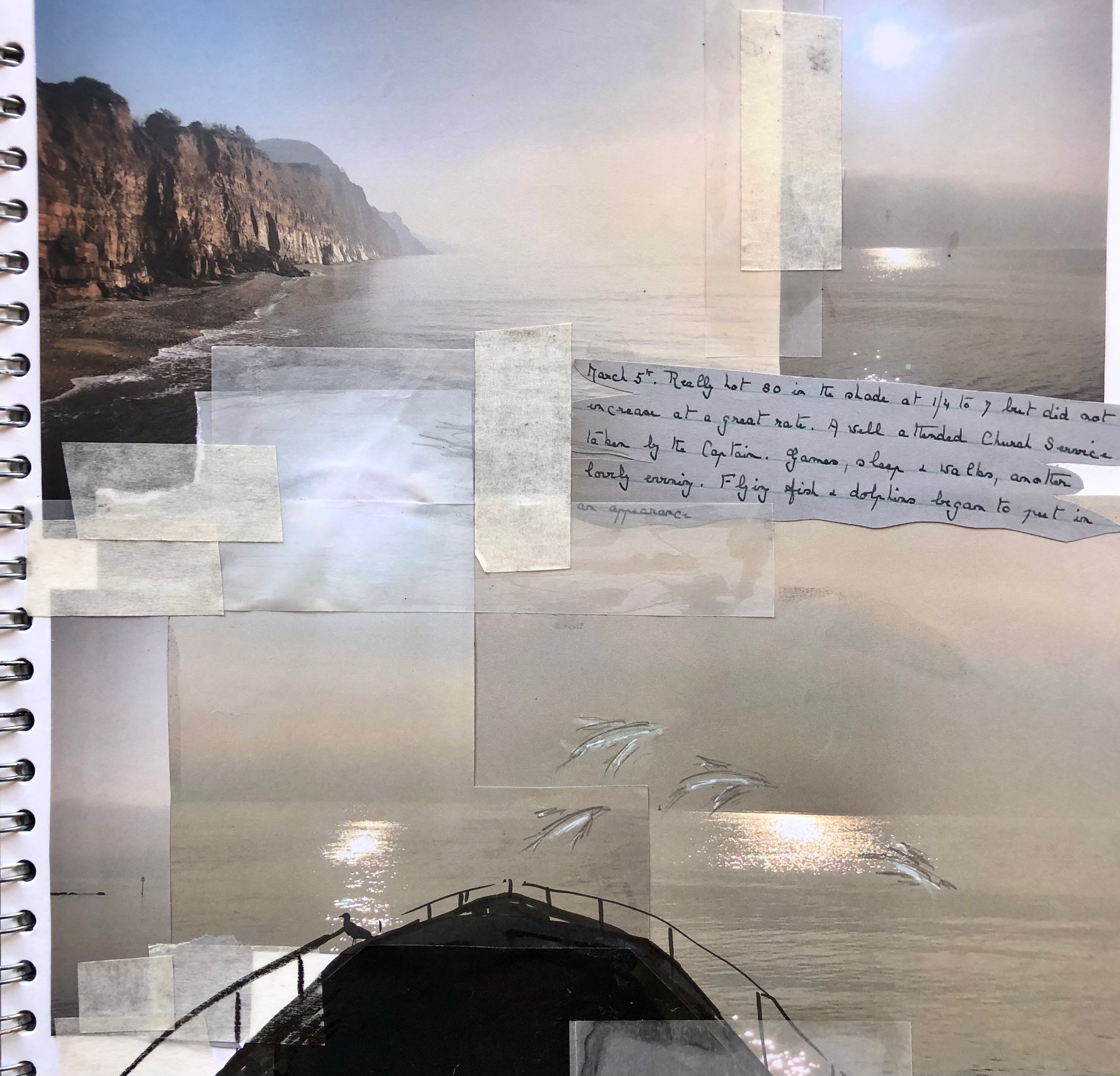
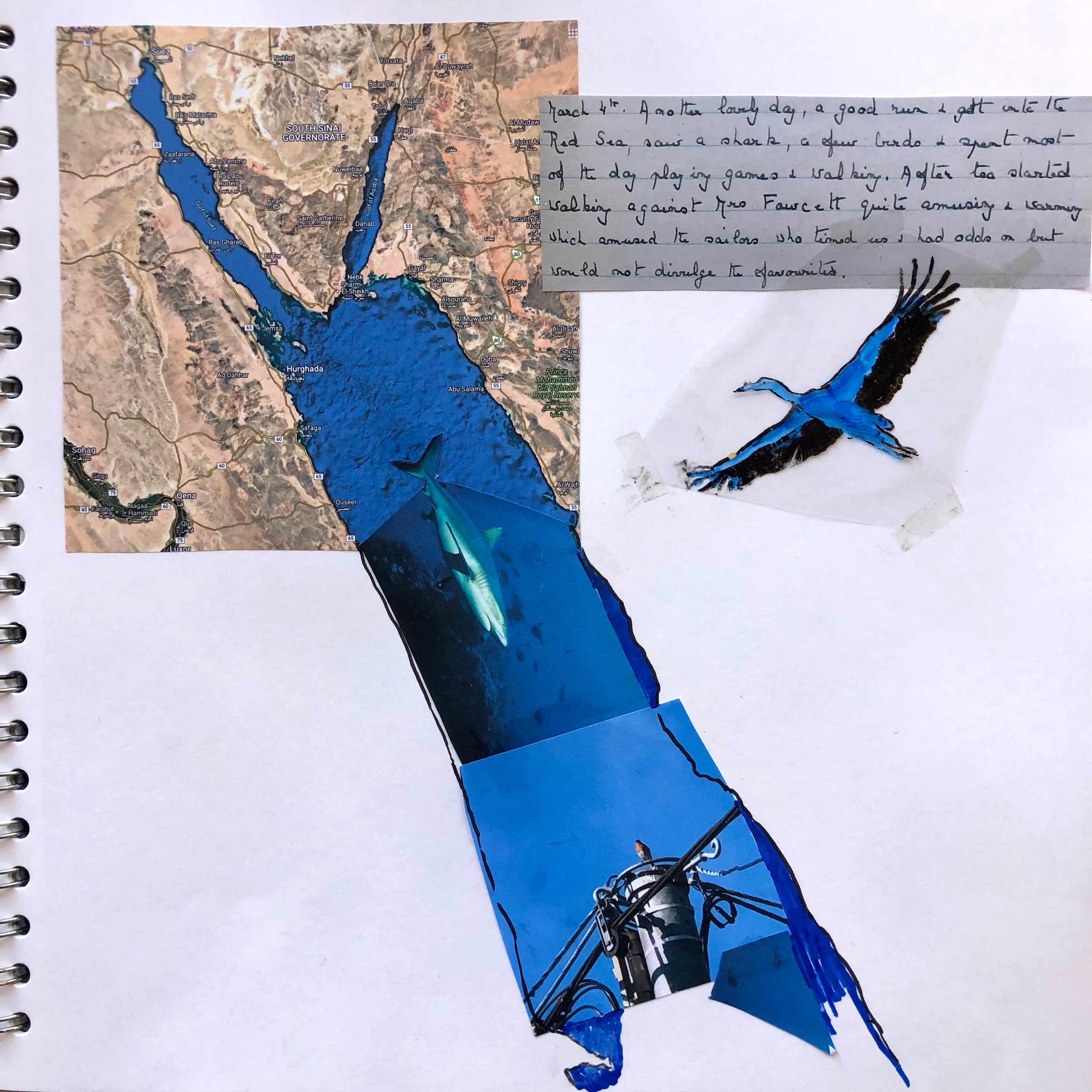
Since that day, as some of you will know, I’ve been following Joan’s diary in real time, reenacting something she saw or did each day, capturing it through a single square photograph, posting it to Instagram, and translating it into an artistic rendition on a page in one of several dedicated sketchbooks.

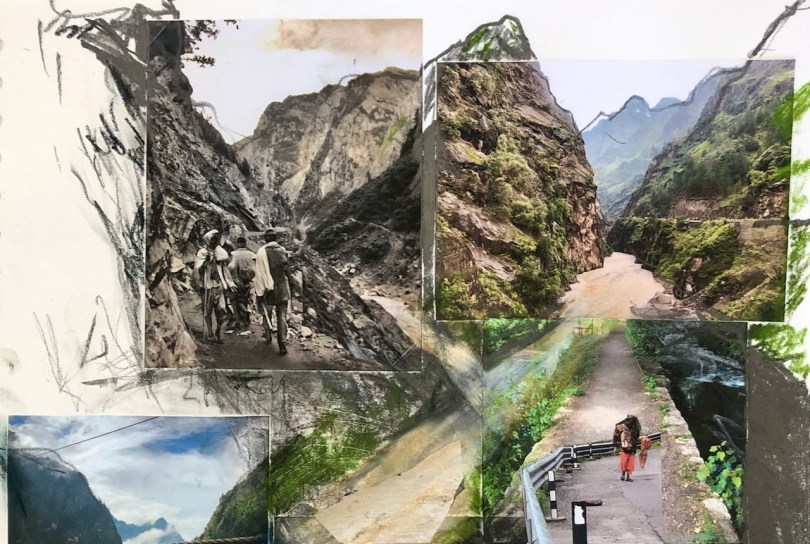
Just as she did, I keep a written diary threading her life into my own. These past months have served as a reintroduction to my artistic practice, long abandoned as my brain grappled for a decade with words rather than images to write the story of my German grandfather. The process has involved an exploration of techniques in visual storytelling as I reacquaint myself with paints and brushes, scissors and glue, clay and plaster. Layers of collage stitch tenuous patterns between past and present, India and England, flowers living and long dead.

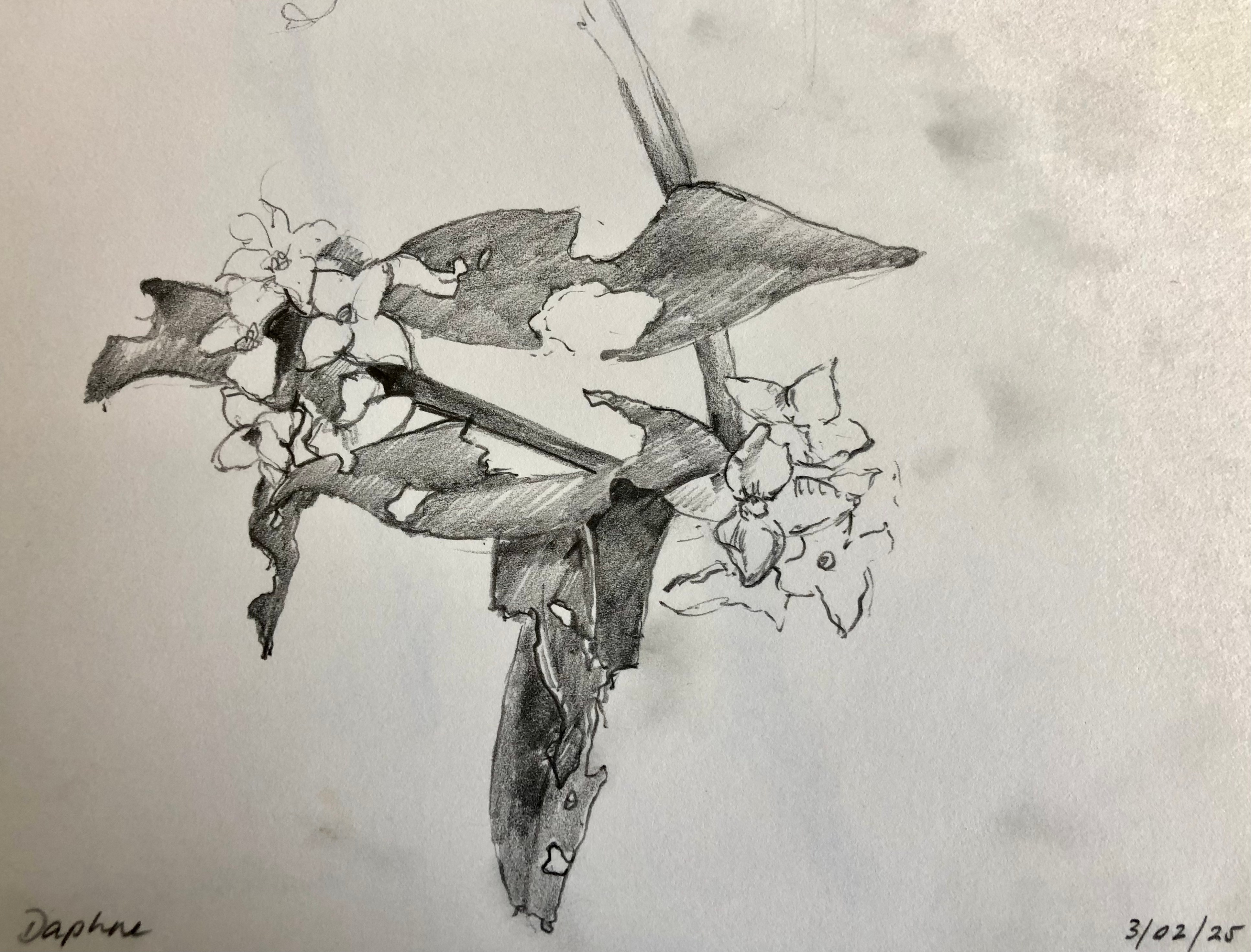
As today’s world echoes the precariousness of Joan’s, my gaze drifts over flowers and leaves, tracing their delicate lines in quiet wonder, both with my eyes and the tip of my pencil. My studio has stirred to life. And the steady rhythm of commitment and focus have birthed new creative ideas and potential collaborations.

Joan died on 4th July 1939. As that date approaches once again, I’m nearing the end of our shared journey. I will miss her – a courageous companion and inspiration. A daily reminder of a world that predated the horrors of WW2, ecological destruction, plastic waste and the proliferation of smart phones. But Joan’s story didn’t end with her death. And my telling of it doesn’t end in the fourth incomplete sketchbook.   

From screens to Spring…

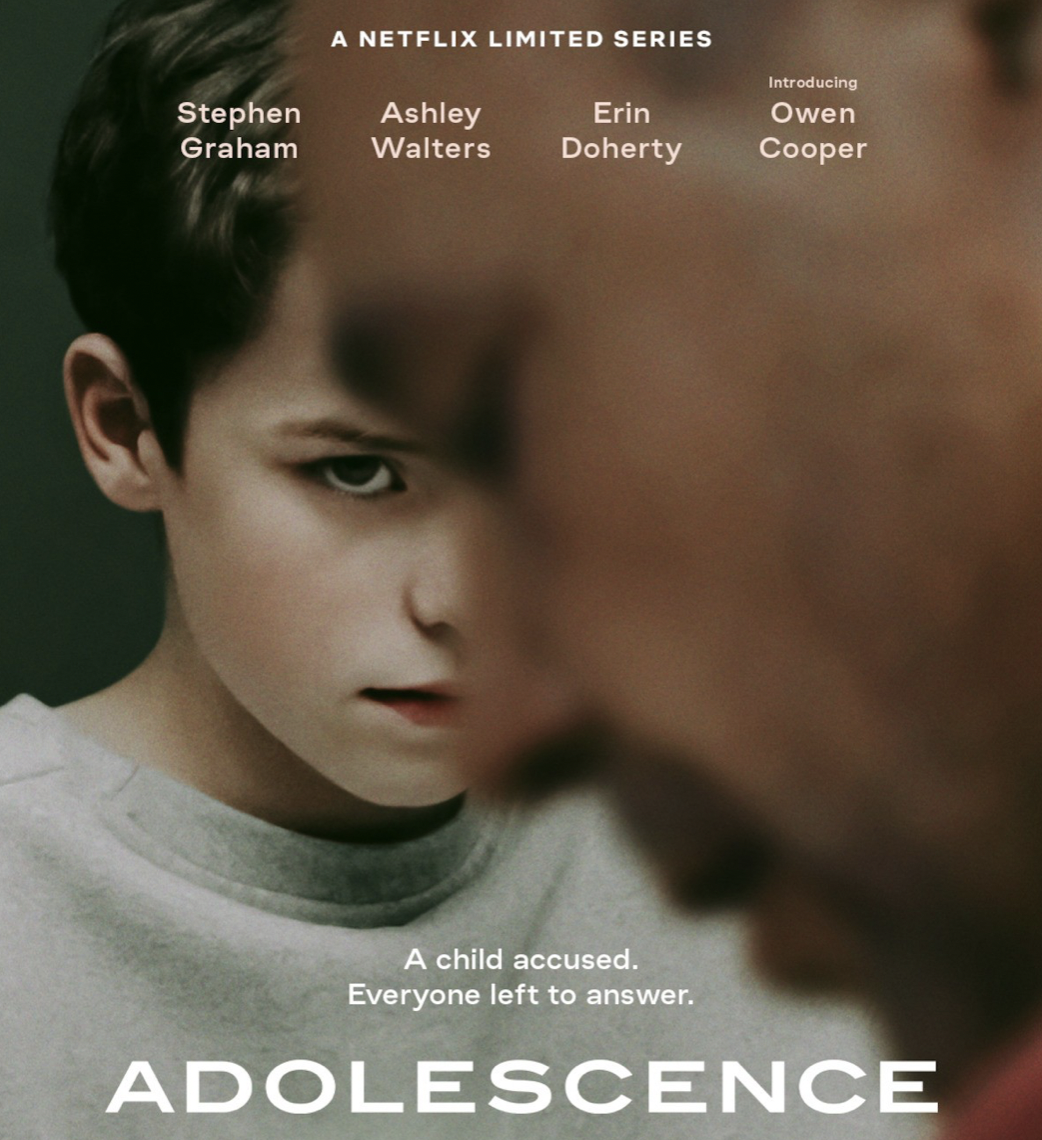
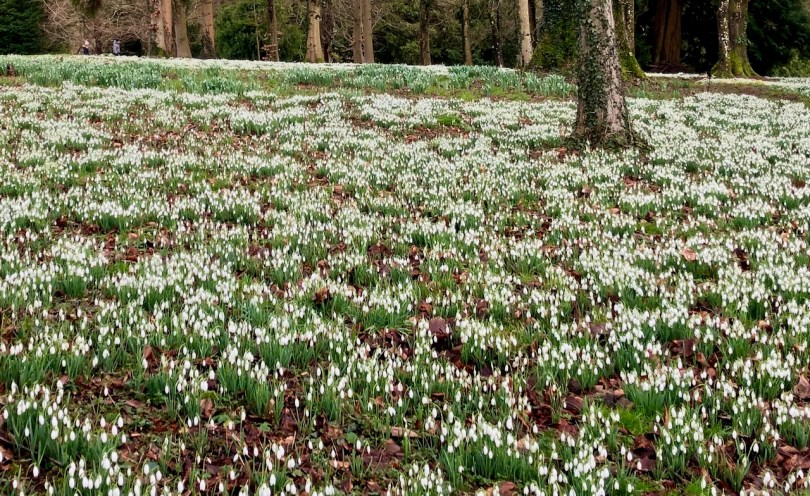
Spring is Nature’s childhood. It’s frequently associated with youth, new beginnings and innocence. Yet while blossoms skip through our outdoor landscapes, our screens highlight with renewed urgency the premature loss of innocence of our younger generations with devastating consequences to their mental health, education, relationships and identity.

With that in mind, I was going to write about the new Netflix series, Adolescence, that has provoked widespread debate and concern about toxic masculinity, the ‘manosphere’ and sexist ‘manfluencers’ like Andrew Tate. (If you haven’t seen it, I can only encourage you to do so). Online platforms and social media are abuzz with it. Even Radio 4’s Moral Maze dedicated its weekly slot to exploring the question: What’s wrong with men?

Plenty more such questions could be asked in relation to the various world leaders dominating our headlines – Trump, Putin, Zelenskyy, Netanyahu, Starmer, Pope Francis – who between them are presenting a smorgasbord of appealing to repellent aspects of maleness.

I also considered writing about my recent visit to one of London’s dilapidated prisons – organised by the wonderful charity Prison Reading Group – to deliver a session on my book to a group of male prisoners who had read it. About the lingering impressions I’m left with, both of the shabby, four-storey wing that looked, smelt and sounded like your worst imagining of incarceration, and of what happened in the tiny room embedded in it that offered space for our inspired conversation. As always, I was touched by the men’s deep grasp of the themes I address in In My Grandfather’s Shadow, their carefully prepared lists of insightful questions, their gratitude for the positive impact the book had made on their lives. As always, I felt intense frustration at a system of wasted opportunity, money, time and human potential. As always, the wounds left by the absence of fathers, positive male role models and the learned ability to deal with overwhelming emotions glared red.

Detail from a handmade thank-you card from Prisoner B

But in the end, I couldn’t face writing about any of these huge and complex topics, even though they occupy my thoughts.

Instead, I find myself once more turning my focus to the more uplifting emergence of spring flowers both in nature and my garden. And to my inspiring great great aunt who travelled to India to gather floral specimens for Kew Gardens and in whose steps I am metaphorically walking for the next few months, following her diary as she sails from Birkenhead to Mumbai and then trains it up to the Himalayas. Each day I am reenacting a small action or activity she did in 1939, taking a slightly oblique photo that relates to it, posting it on Instagram (angela_findlay) and then creating an experimental collaged page in my sketch book. It’s my way into telling her story.

From 17th February to 13th March she was on board the T.S.S. Hector cruise ship playing quoits on deck or holed up in her cabin feeling seasick. (Not easy to make ‘art’ out of either!) There followed a few ‘outstanding’ days in and around Colombo visiting tea plantations and paddy fields, another sea voyage and several trains to the small hill station of Ranikhet in Uttarakhand. This will be her base for several months as she acclimatises, goes on practice treks and waits for the snows to melt further north giving her access to her ultimate destination, The Valley of Flowers. 

With deep regret I am coming to accept that I am not one of those exquisite botanical painters whose sketch books are veritable works of art. And I am sorely lacking in the plethora of technological and digital tools that are creating mind-blowing new universes in the art world. But I find solace in the fact that like Joan, I too am on a journey towards a (in my case, artistic) destination unknown, exploring and accompanying this intrepid female relative on her solo adventure. Ironically the worldly backdrop to her trip are the precarious months leading to the start of the Second World War. Mine is the run-up to the 80th Anniversary of its end. Or, if stupidity and egos escalate in the wrong direction, the beginning of the third…

War, the word alone snaps me back to present reality. I imagine we are all treading this fine line between engagement with the wider pain and travails of so many and the small (and big) joys and concerns that can be found within our homes and lives. How to care and act without losing sight of the beauty and wonder constantly available to us? How to engage with the immeasurable force of Nature’s creativity rather than human beings’ destructiveness? How to stay awake and feel, but not succumb to anger or blame?

It’s an on-going practice… a dance. And Spring feels like a perfect time to take to the floor.

The ghosts of lost flowers

On 4th July, while the minds and eyes of many people in Britain and further afield were firmly focused on Election Day, mine were occupied with my Great Great Aunt who died on this day 85 years ago. In one of those unintentionally magical examples of serendipity, I had managed to secure an appointment at Kew Gardens, London to view some of the fruits of her trekking and gathering in the Himalayas in 1939 just prior to her sudden death.

I introduced Joan Margaret Legge in a recent blog and talked a little on how, while the Second World War was rumbling towards its beginning, she had travelled to the Valley of Flowers, otherwise known as the Bhyundar Valley, in Northern India.

As a keen amateur botanist she had been inspired by the recent discovery of the valley in 1931 by a team of three lost British mountaineers returning from an ascent of Mount Kamet and seeking shelter from inclement weather. One of the climbers, Frank S. Smythe, had been so entranced by the valley that he returned in the monsoons of 1937 to explore and collect examples of its flora. His book, published in 1938, was the inspiration for my great great aunt to set sail in February 1939 and travel up through India to her base camp in the lower hills around Ranikhet. Waiting there for the snows higher up to melt, she spent two months acclimatising, doing practice hikes and organising porters and equipment for the big trek to her destination where she planned to spend the summer gathering seeds and samples for Kew.

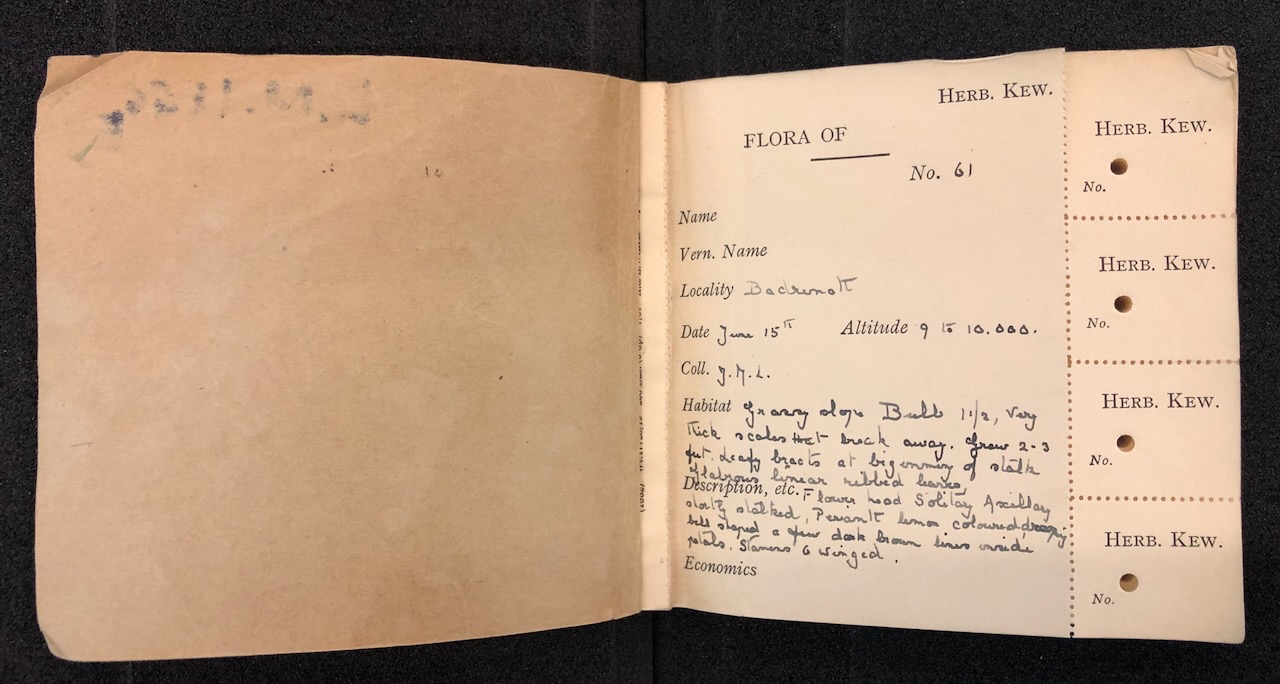
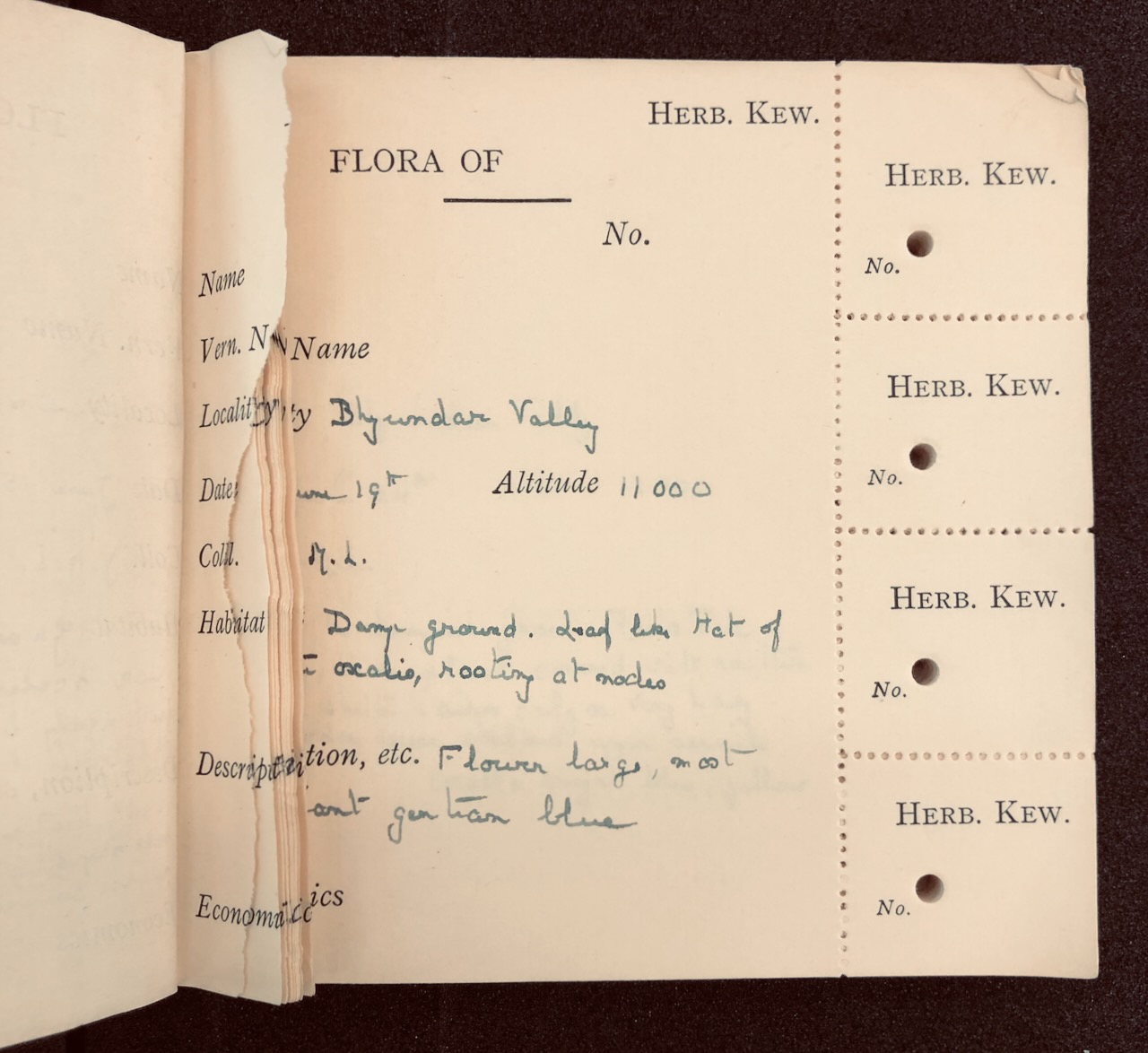
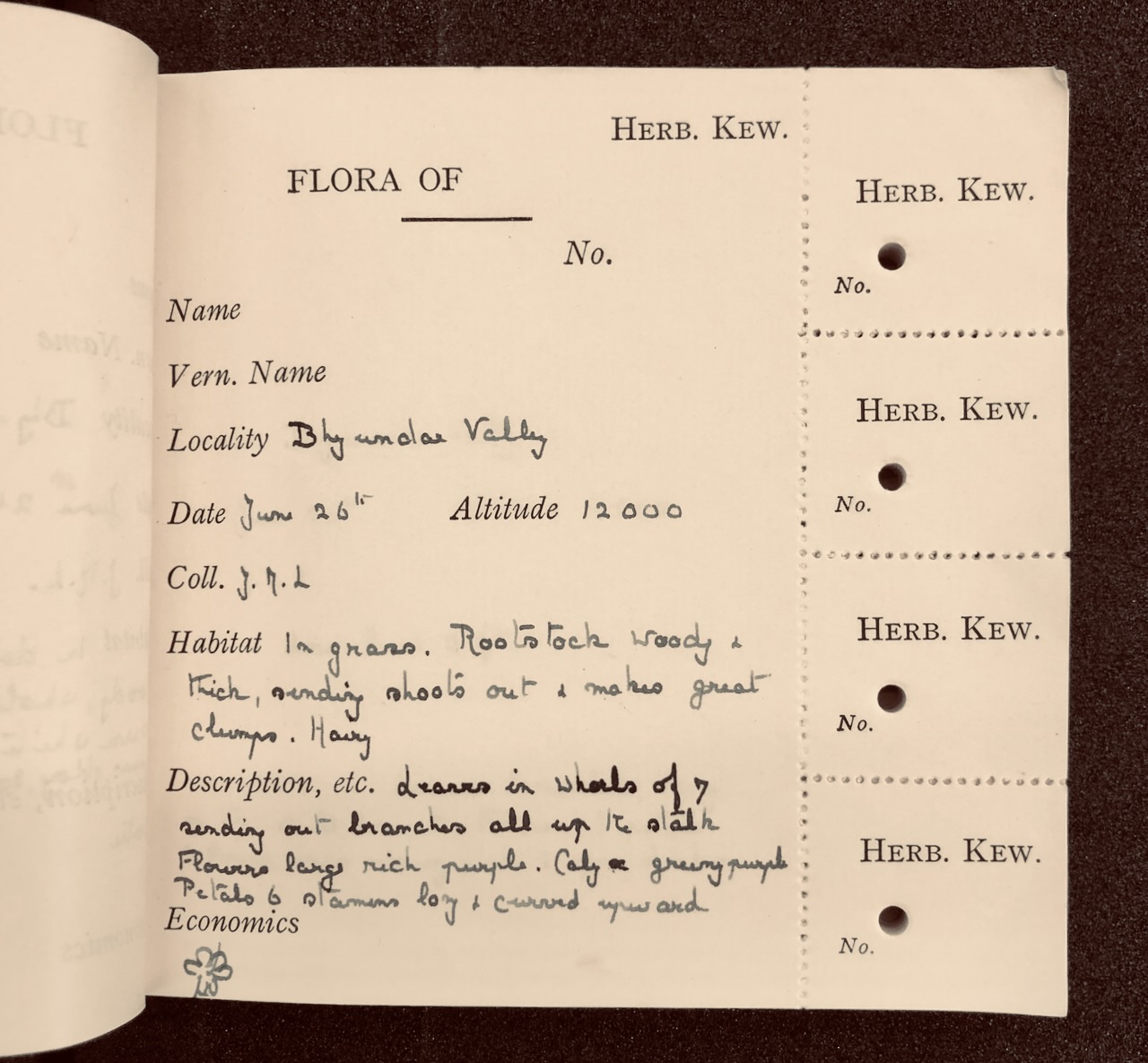
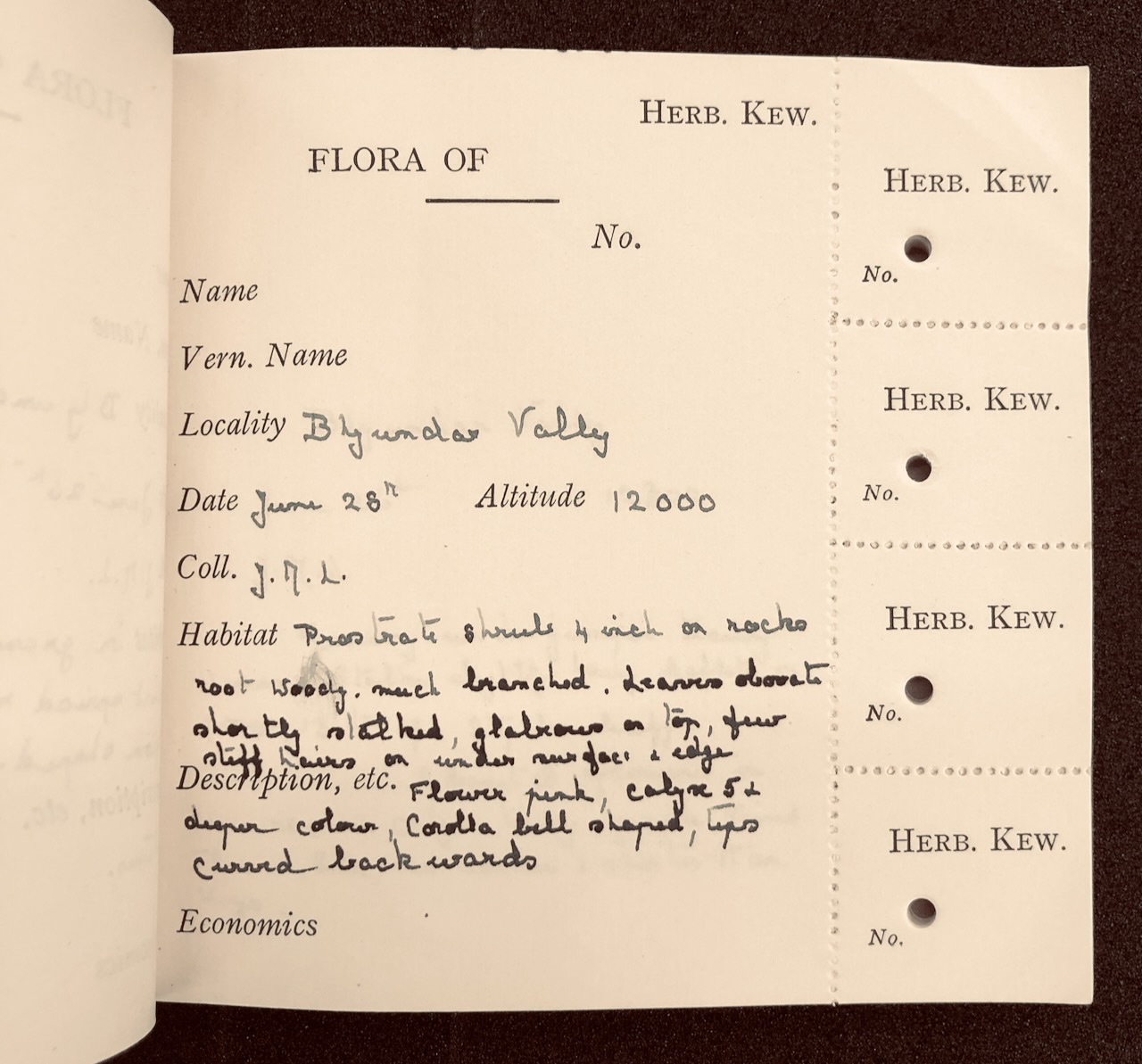
Between 22nd May and 20th June she trekked north sleeping in precariously pitched tents with a hardy team of local men carrying provisions. Usually on her feet but sometimes on her bottom, she scrambled and climbed her solitary way through the mountains in a state of sweaty or rain-drenched awe of the ‘Glories’ as she called the soaring peaks that emerged and disappeared in the sky. She took cameras, presses supplied by Kew, wrote diaries and filled collectors’ notebooks with minuscule handwriting describing calyxes and tuberous roots while always scanning the terrain for flowers to press and send to the Herbarium in the hope of filling some of the gaps in Smythe’s earlier, spoiled-by-mould attempts to record what grew there. 

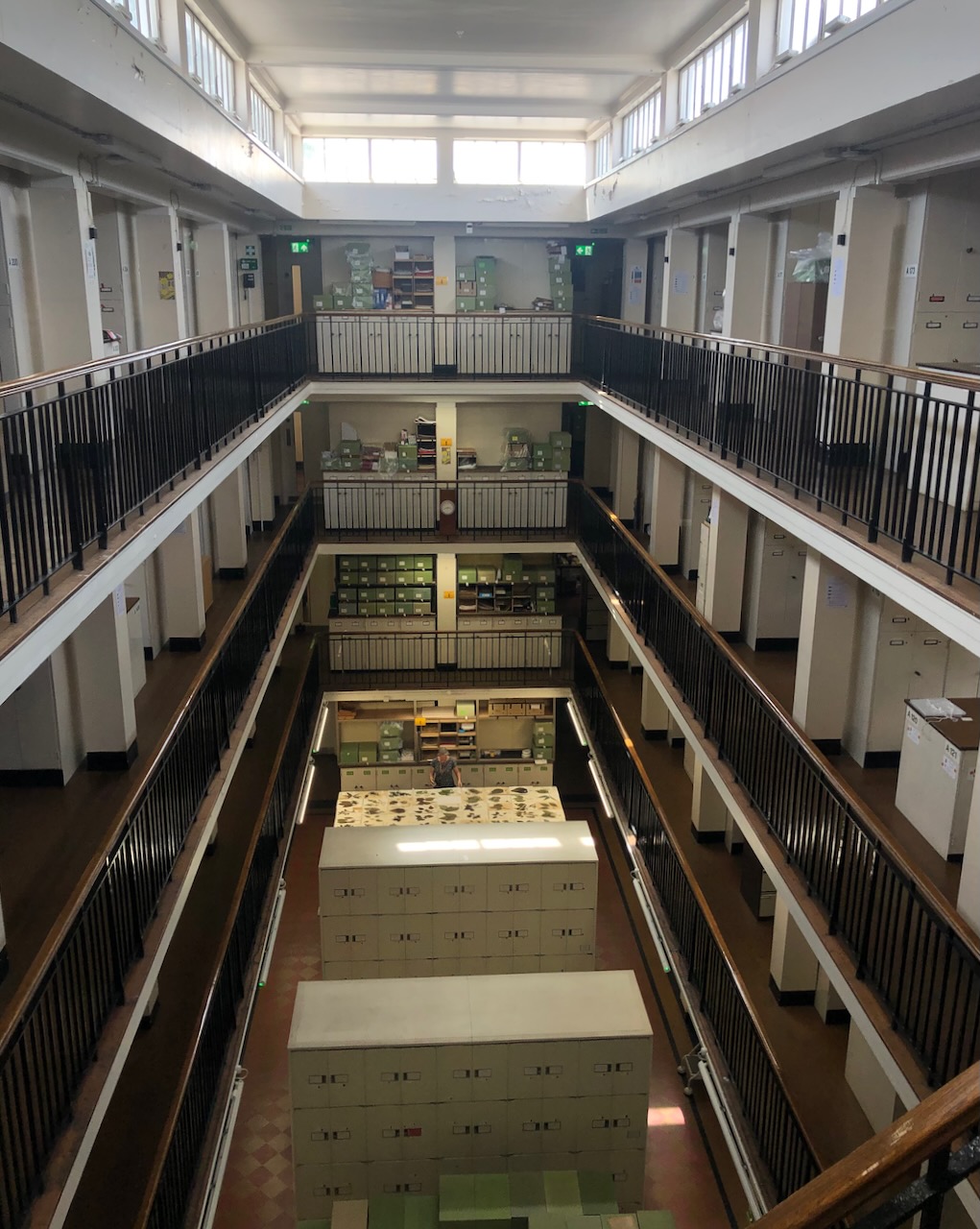
On my first visit to Kew in 2022 I had been told that none of her notebooks or specimens could be located, that they had probably not survived or had been of insufficient quality or significance. It was impossible to search for them… understandably so, the Herbarium houses an incredible seven million specimens!  

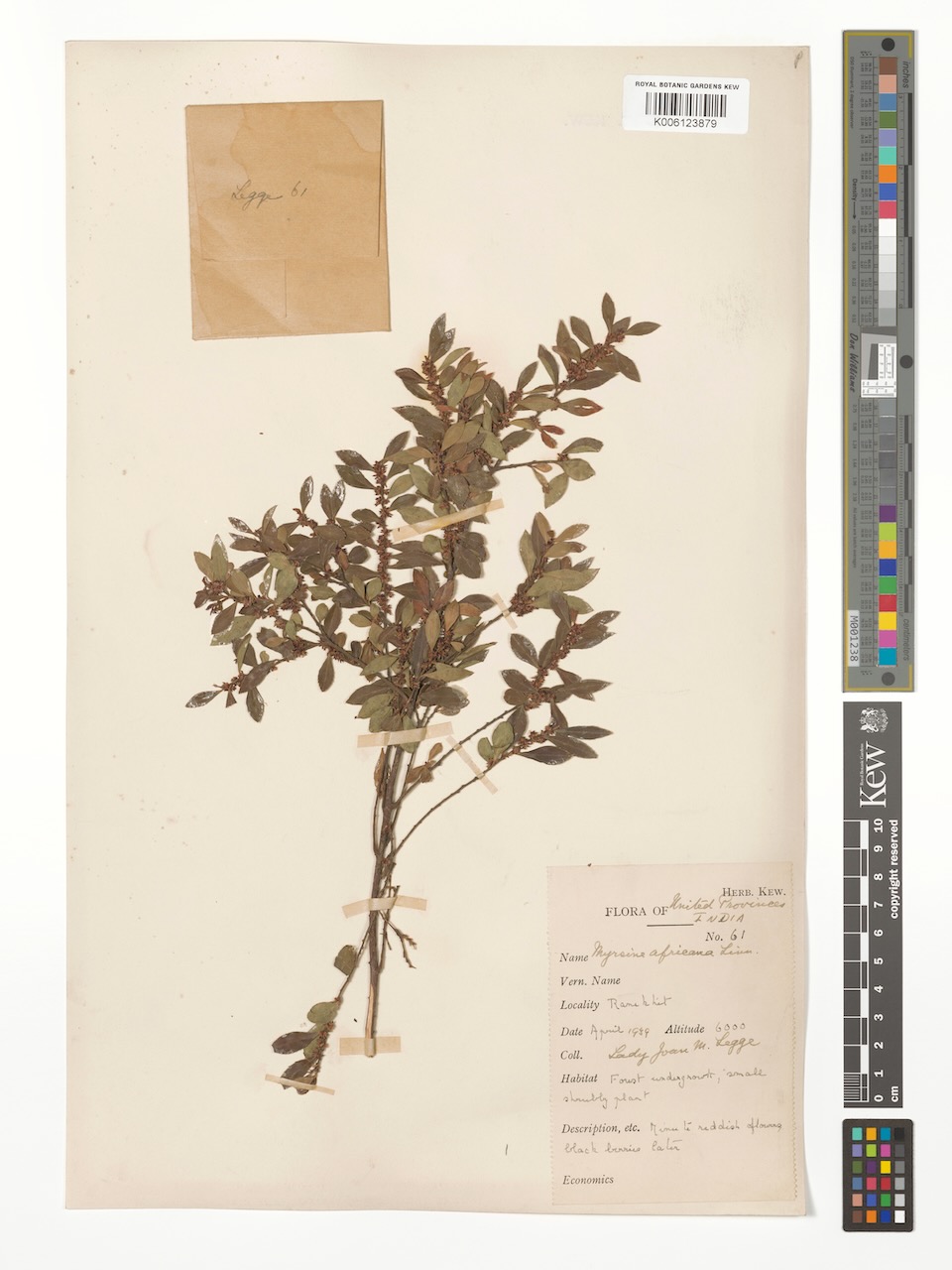
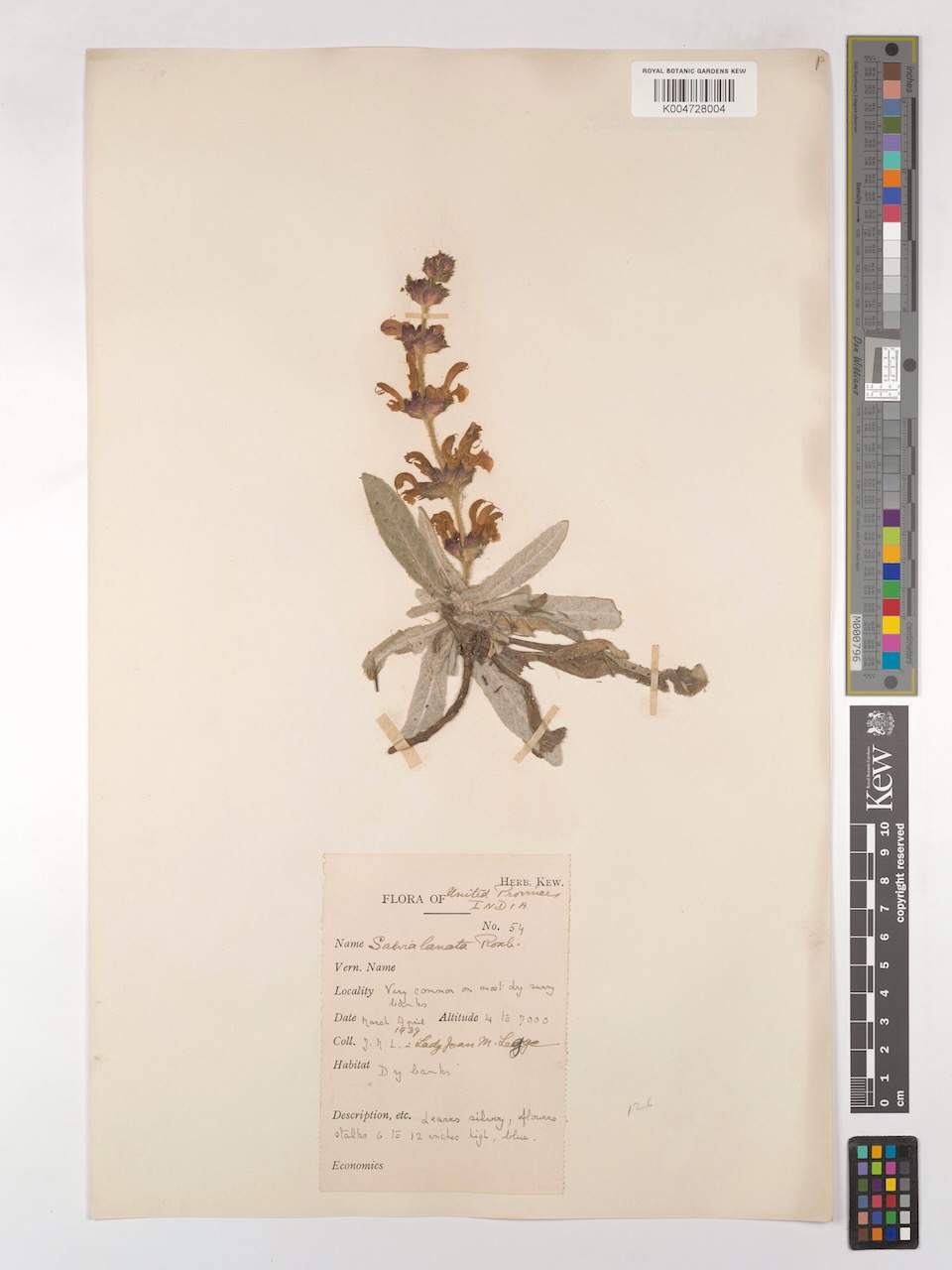
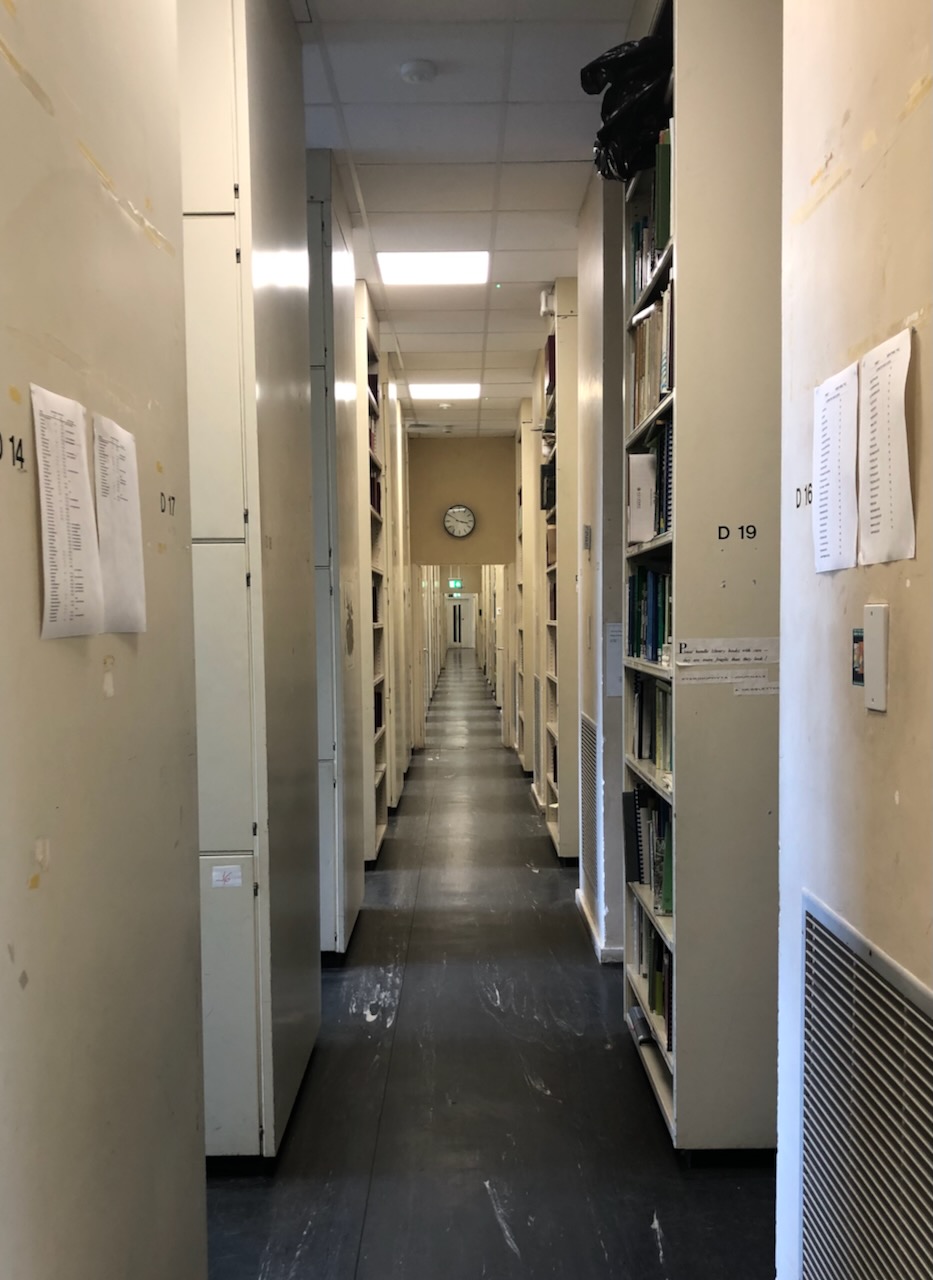
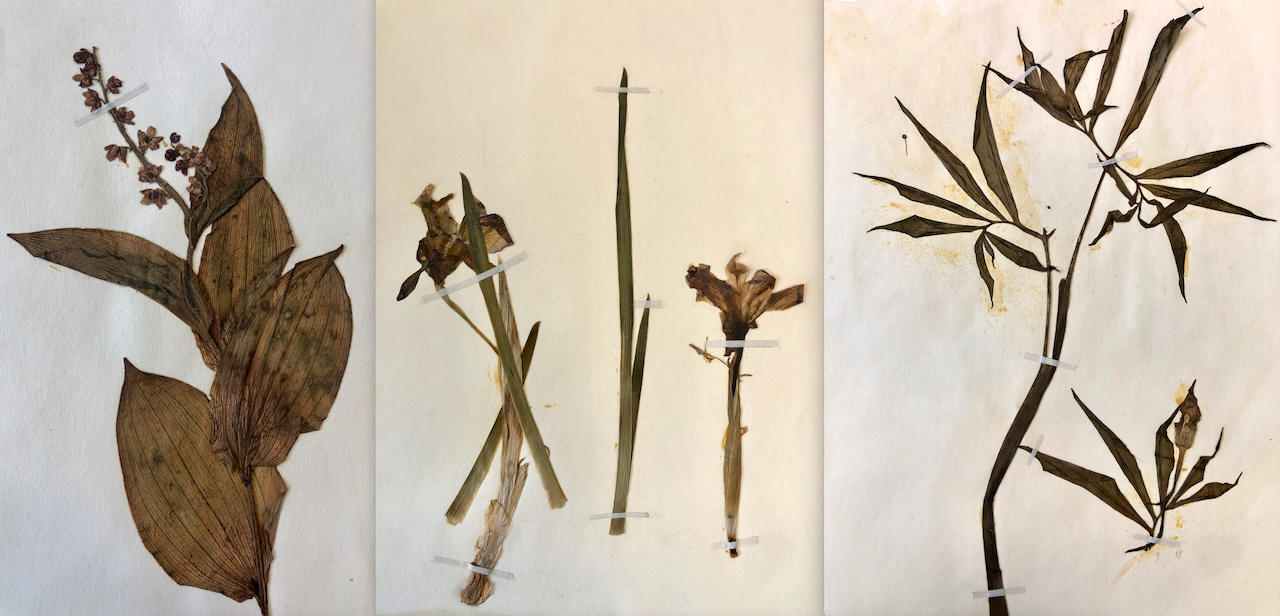
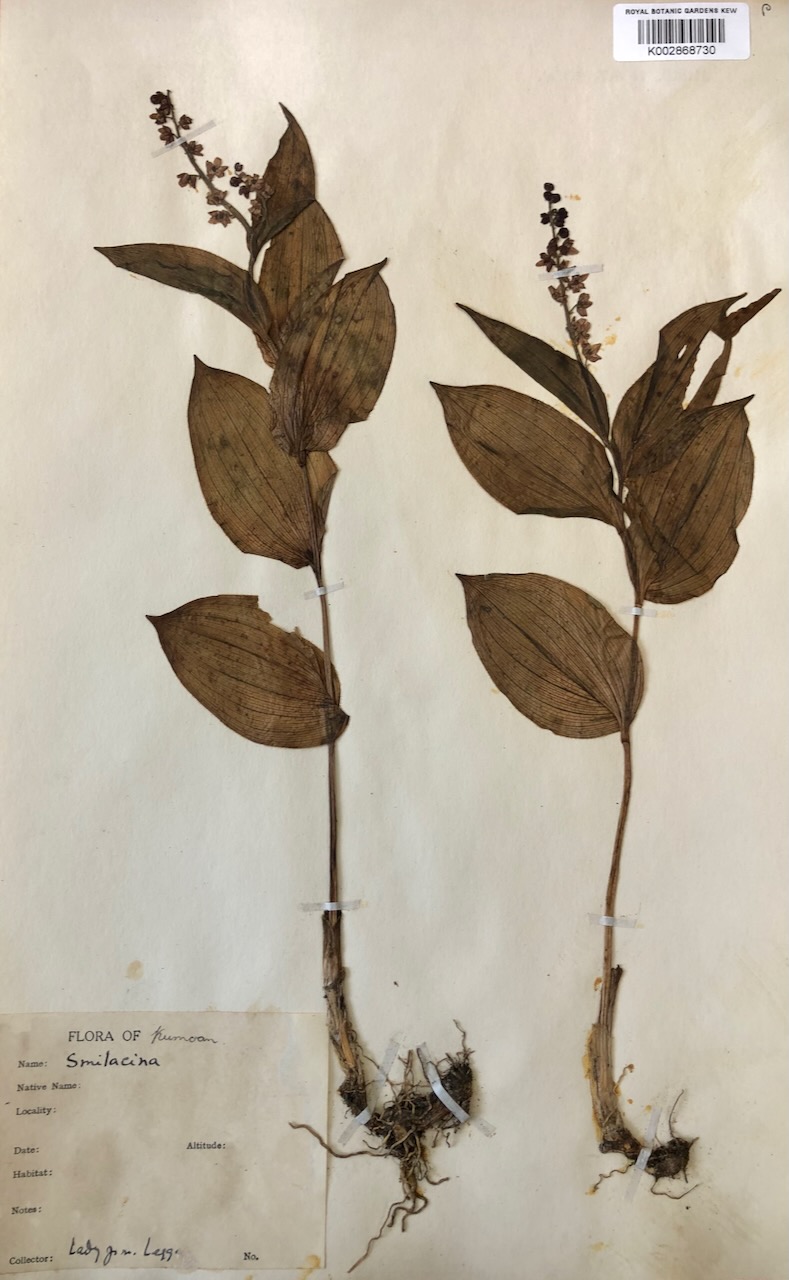
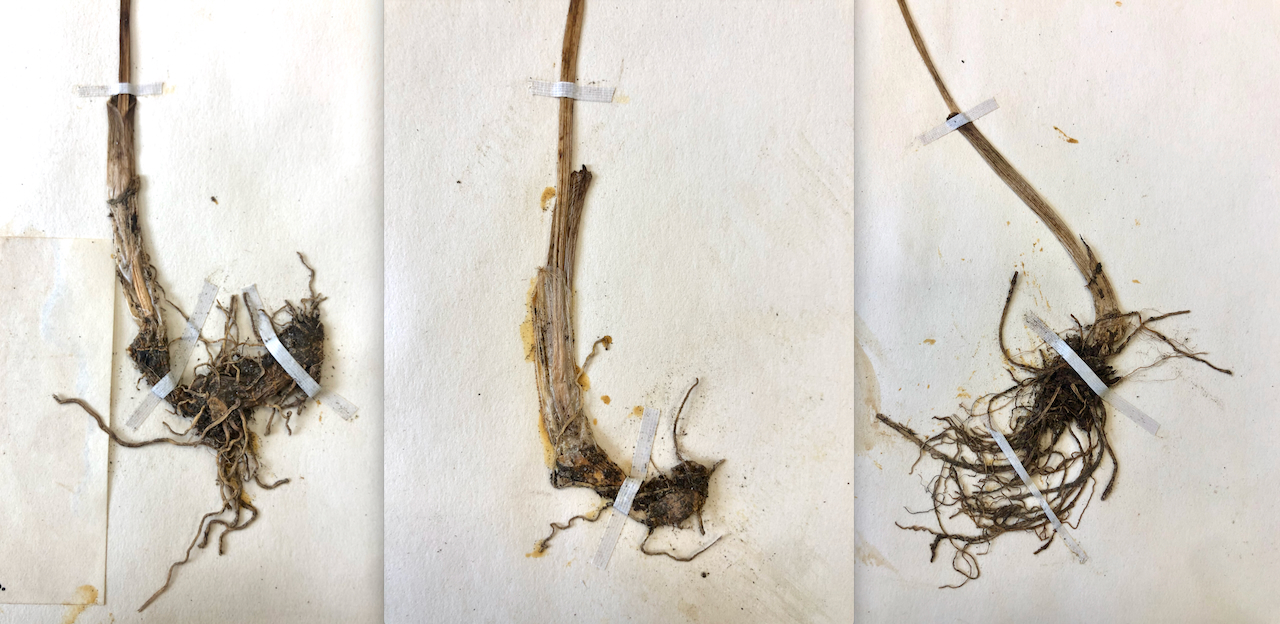
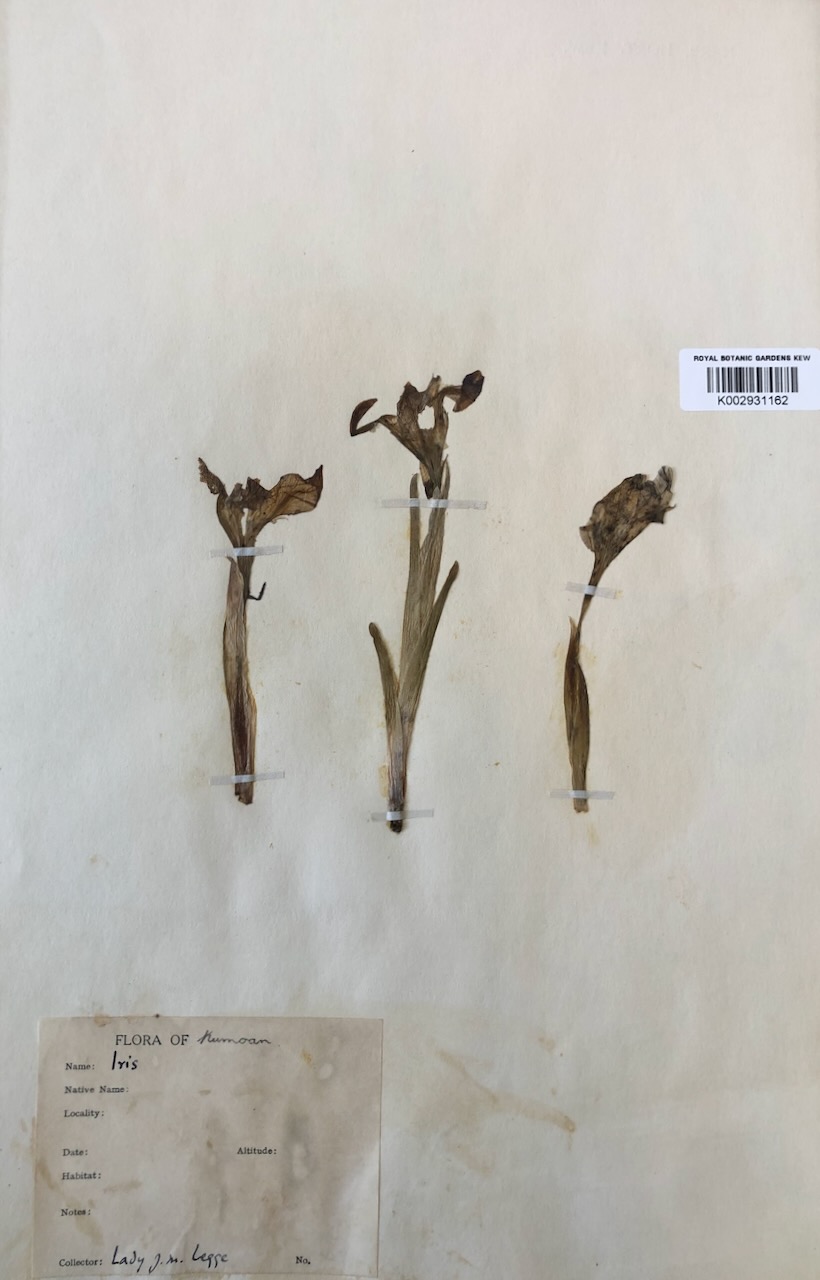
When I research I sometimes get this dogged instinct not to accept the first claim of something no longer existing or being lost in the annals of some past archival system and, not quite ready to give up, I renewed my quest to locate them. Following a string of helpful leads, several kind employees at the Herbarium, intrigued by my aunt’s story, joined me in my search. They soon discovered that a collector’s notebook and an as-yet unknown quantity of her specimens had indeed survived and the latter had been recently digitalised as part of a huge project to create a digital catalogue of the contents of Kew’s filing cabinets.

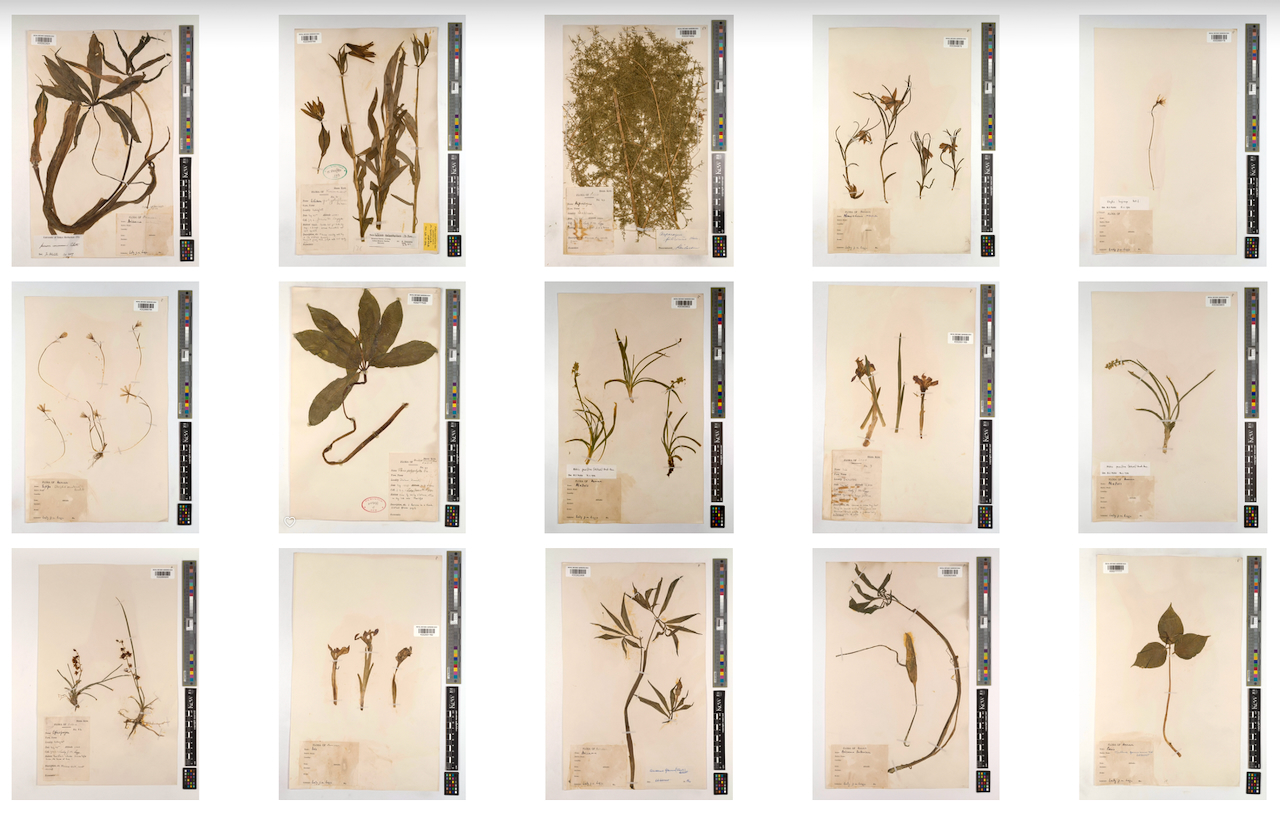
Digitalised specimens of Joan Margaret Legge ©Kew Gardens

And so, on the anniversary of Joan’s death, dodging ballot papers and predictive polls, I immersed myself in the sepia papers of a time and world that no longer exists.

Joan’s Collector’s Notebook, 1939  Â©Kew Gardens

Exhumed from their graves and held in place by tiny straps, I was able to connect to Joan through the physical ghosts of the plants she had harvested. Traces of earth still clung to their roots, potent yellow pollen spilled from crumpled and flattened flowers, residual colours blushed petals and leaves as their ethereal beauty gently concertinaed the 85-year stretch of time between Joan’s picking and my viewing into a space in which I could almost touch her. 

Strange to think that these faded blooms had made it back to England while she hadn’t… It was a poignant preamble to an impending trip with my sister and two first cousins, all female descendants of Joan, designed to follow in her footsteps through the monsoon rains and soaring peaks of Uttarakhand, from Ranikhet to Joshimath and Badrinath and on to her isolated grave in the Valley of Flowers. As far as I know, we will be the first members of her family to visit Joan. It will be the realisation of a dying wish of my dear uncle who had long wanted to travel there himself but, unable to fulfil his dream, invited us to go there in his place.

Time marches on, history is made. We have a new prime minister and his government’s actions and inactions will make it into the newspapers and history books. Meanwhile, the silent and unseen reside as untold stories pressed between their pages awaiting discovery.

All images are © copyright of the Board of Trustees of the Royal Botanic Gardens, Kew and/or The Herbarium Catalogue, Royal Botanic Gardens, Kew. Published on the Internet http://www.kew.org/herbcat [accessed on 04/07/2024]

Â