Looking at our present and future to find the lessons of the past

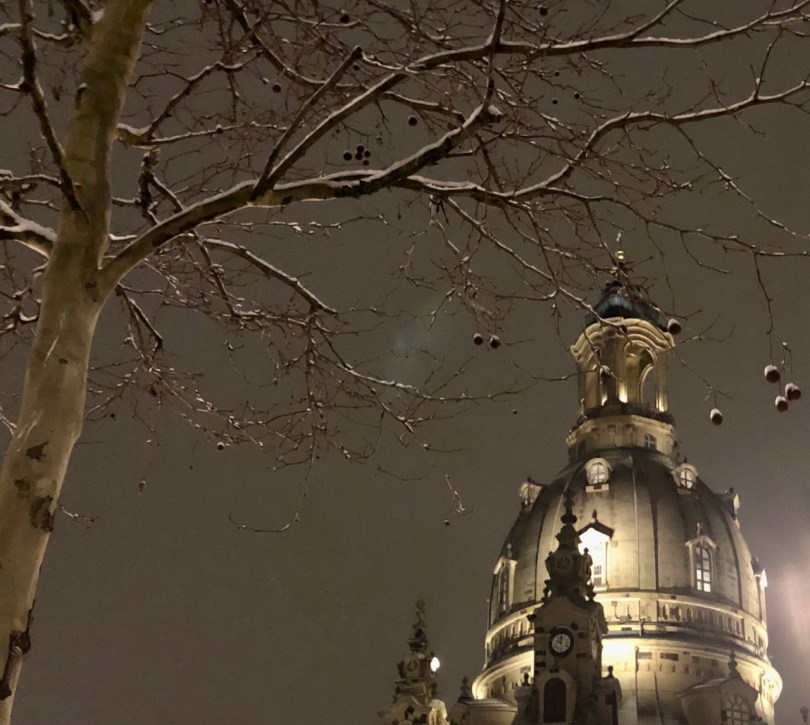
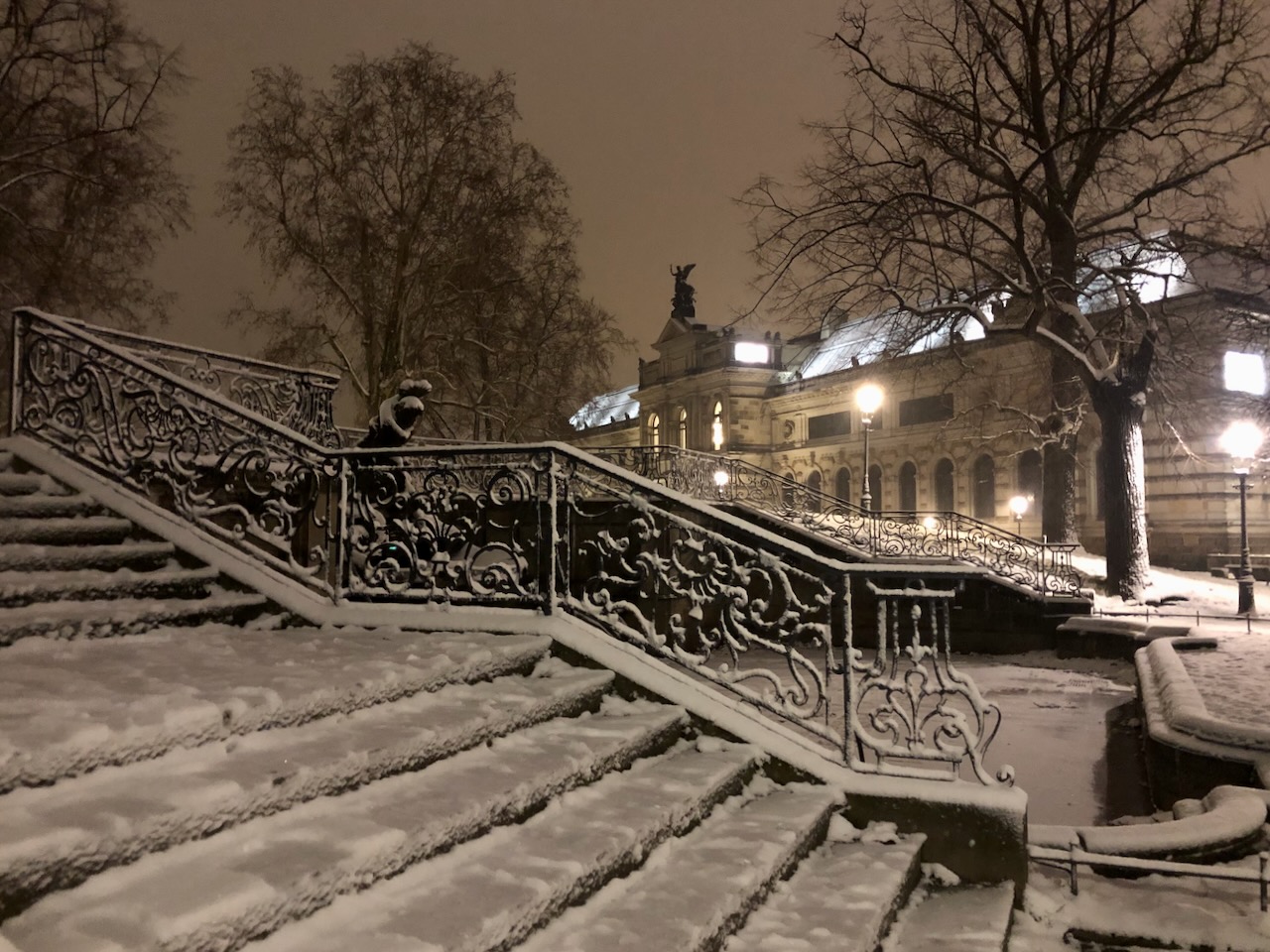
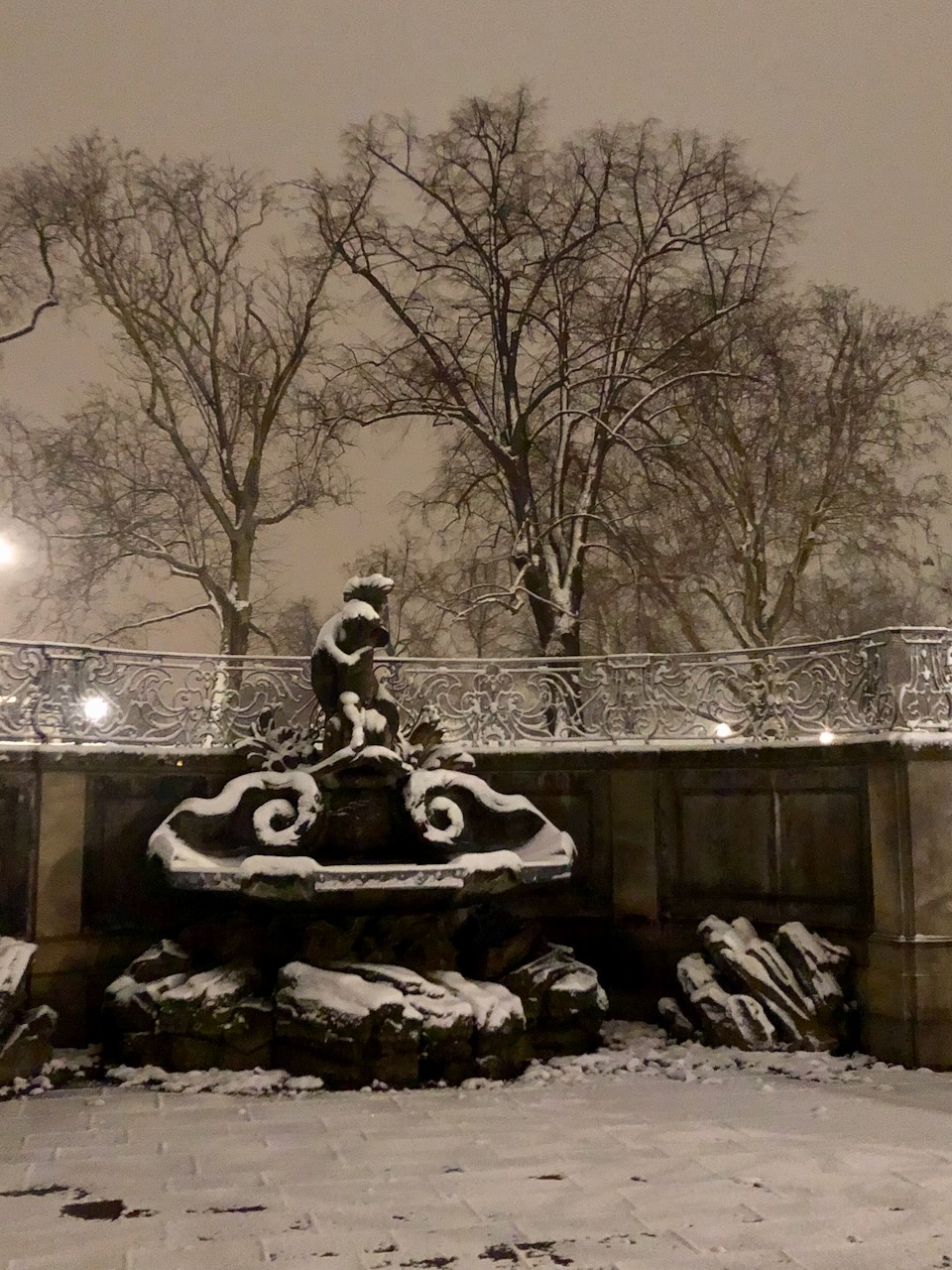
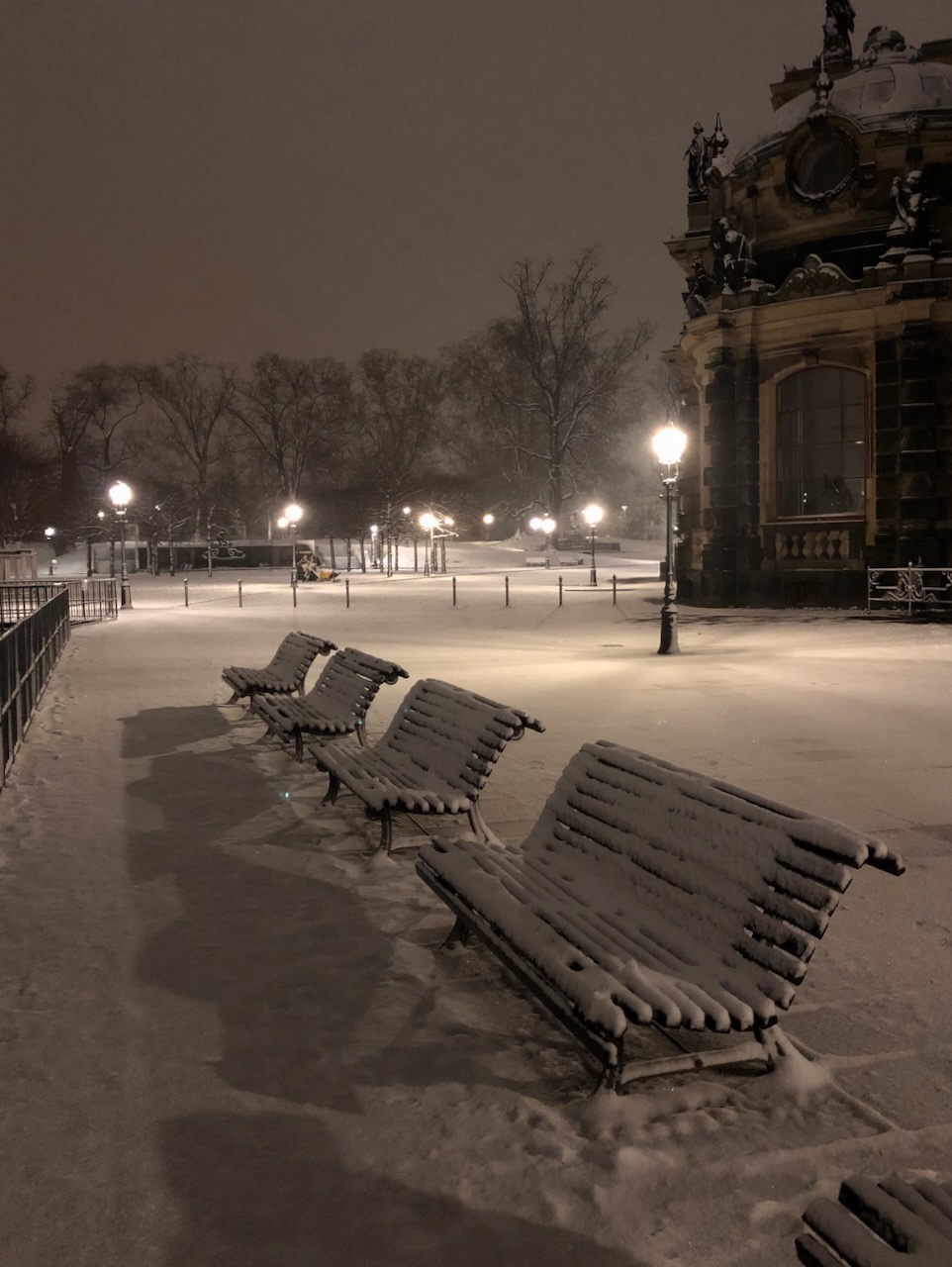
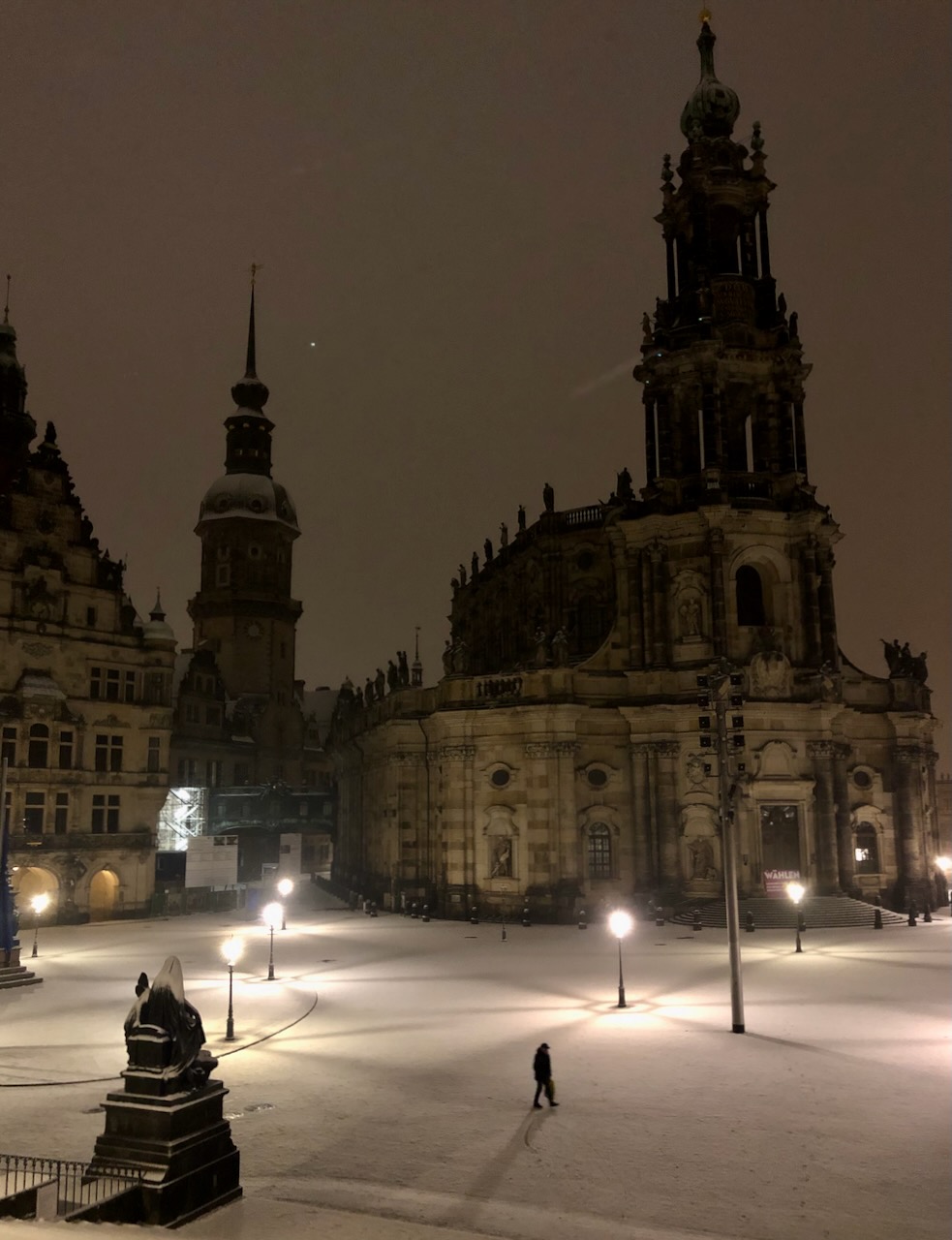
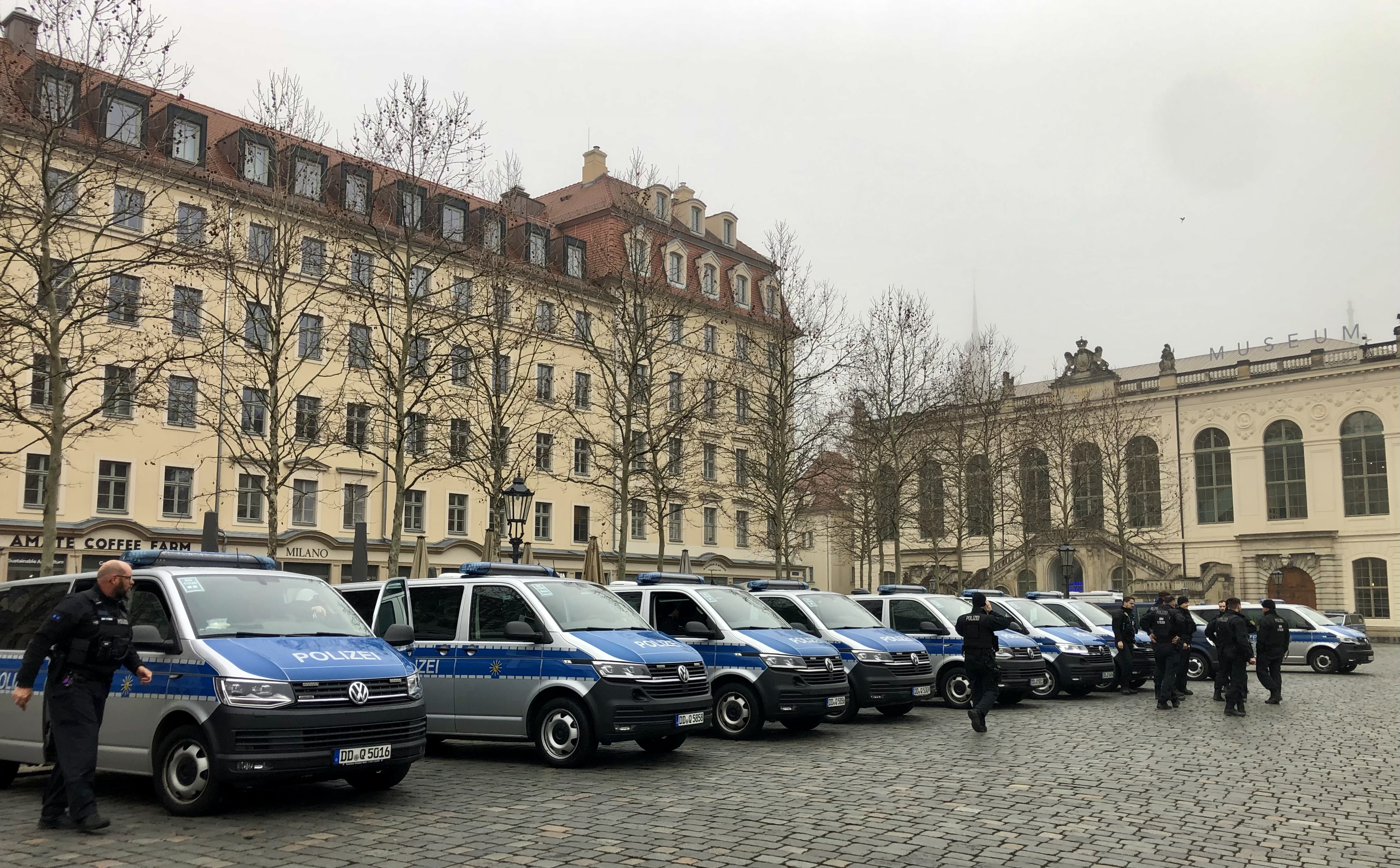
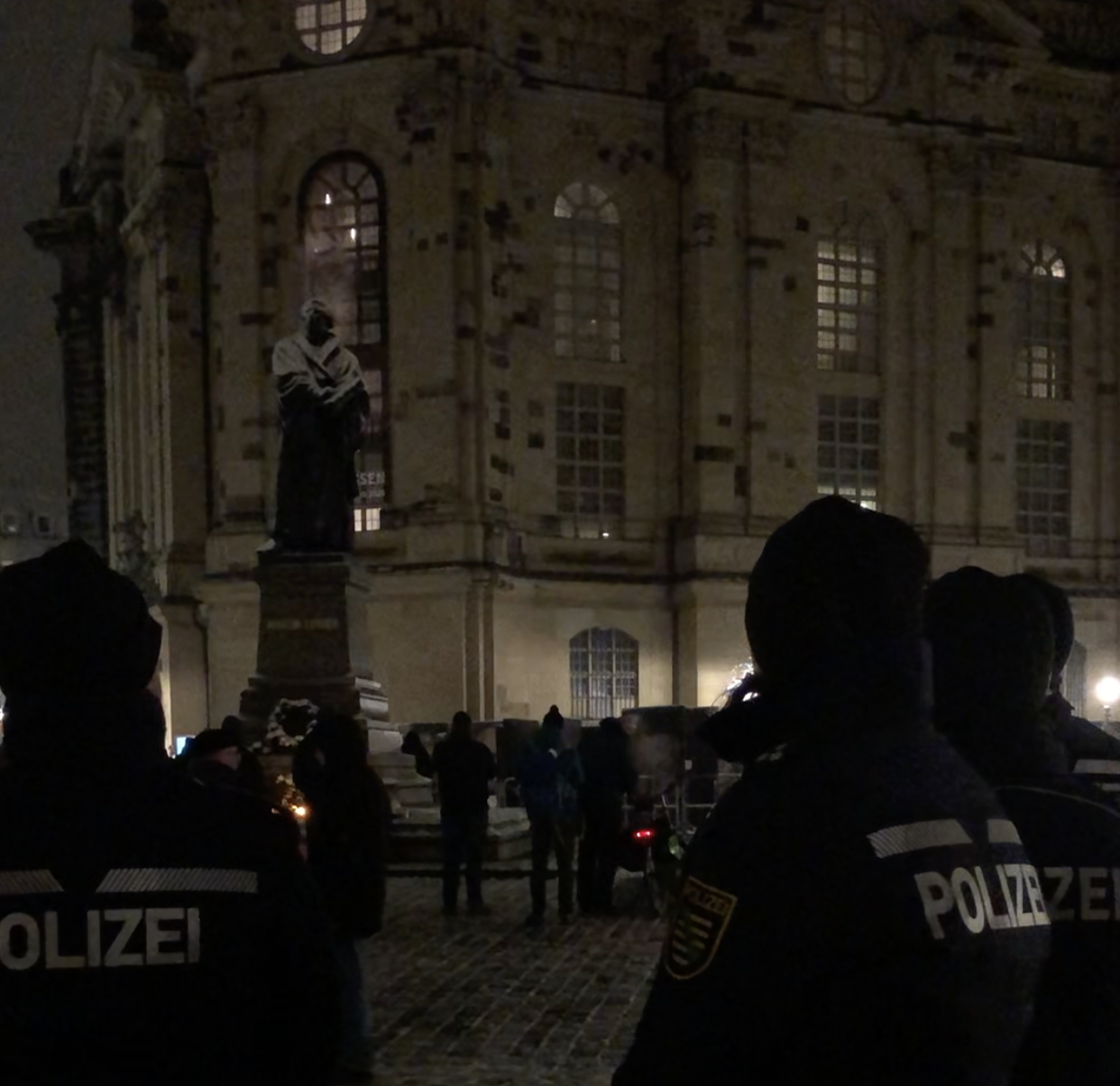
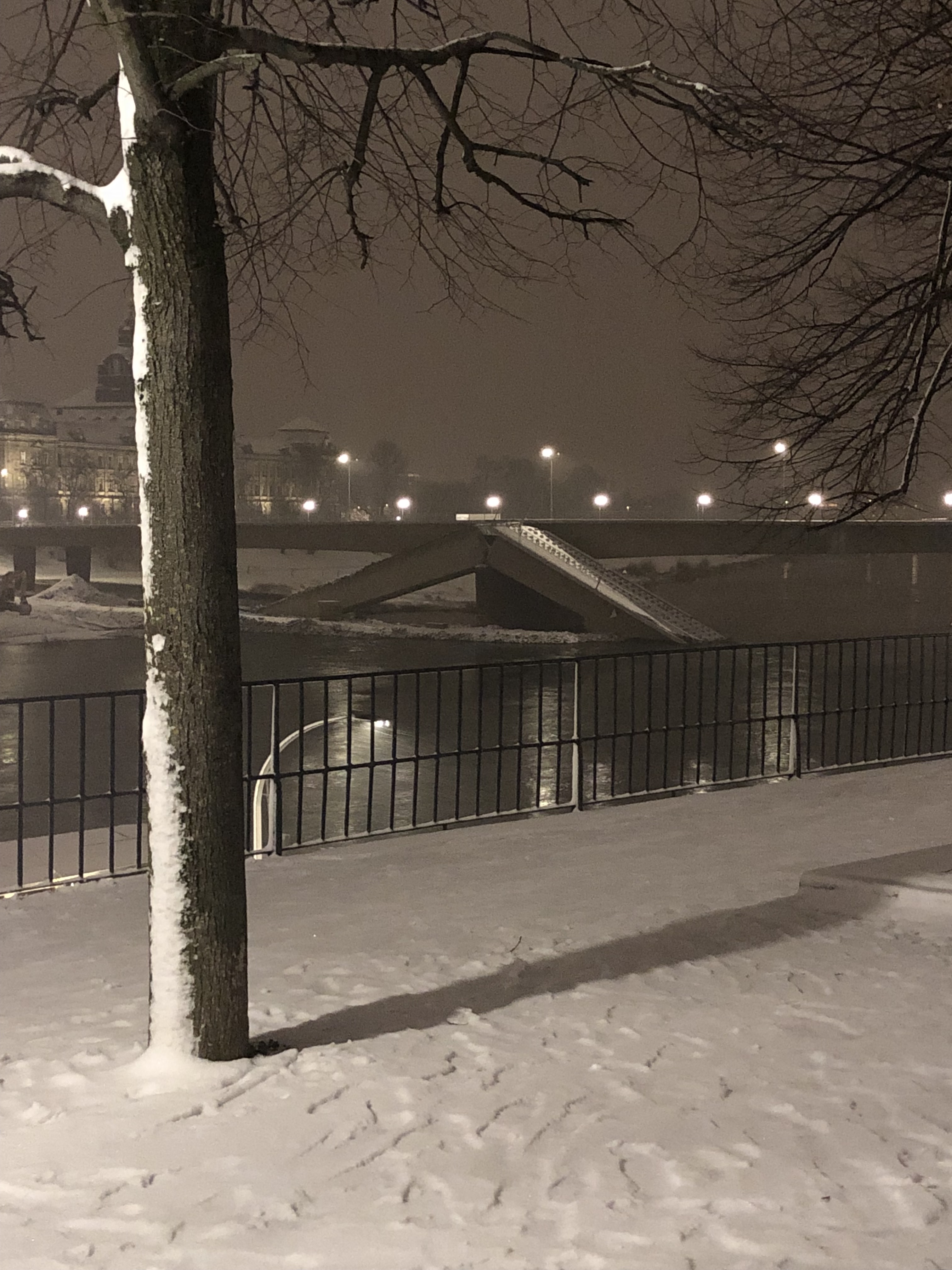
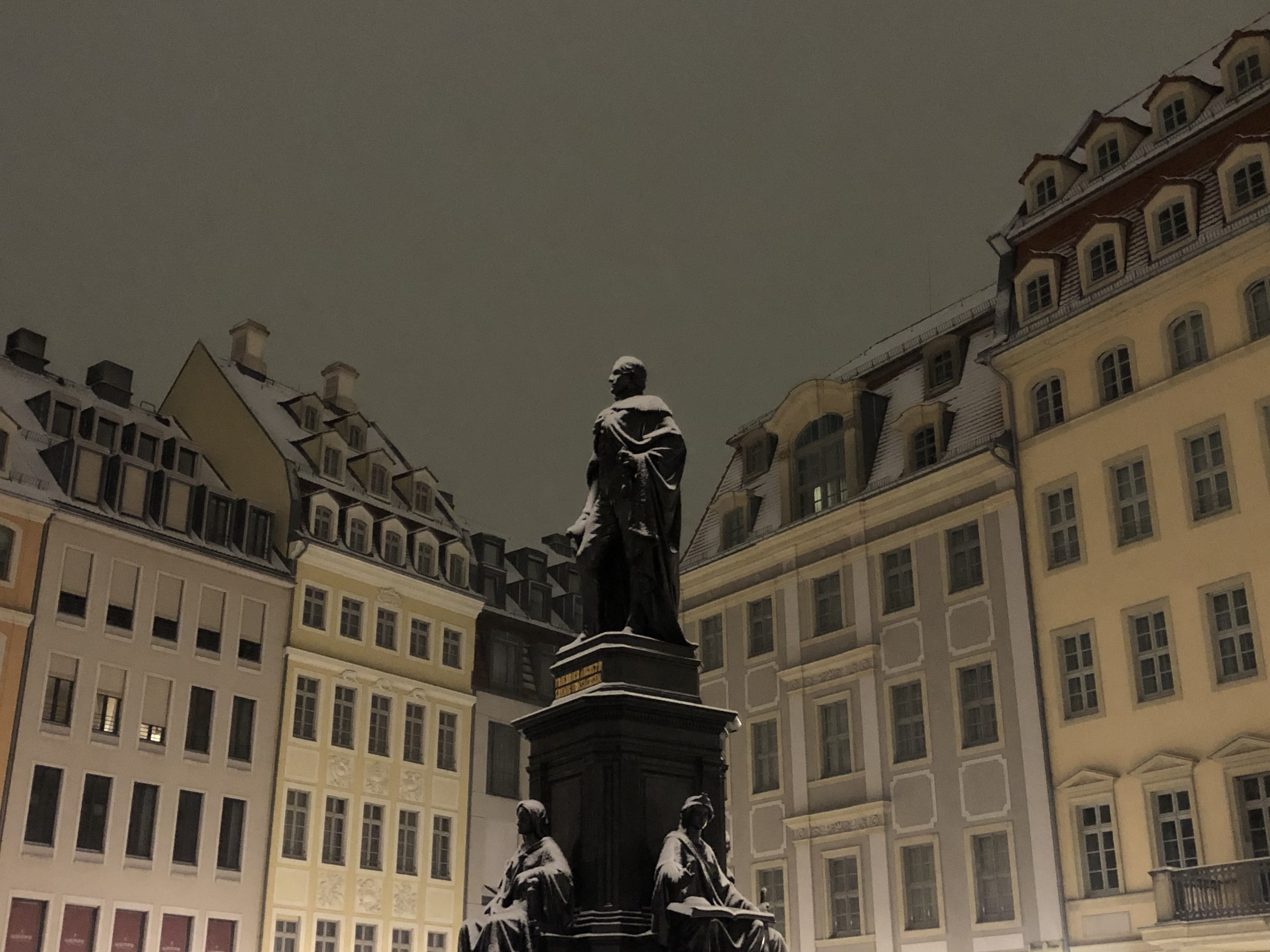
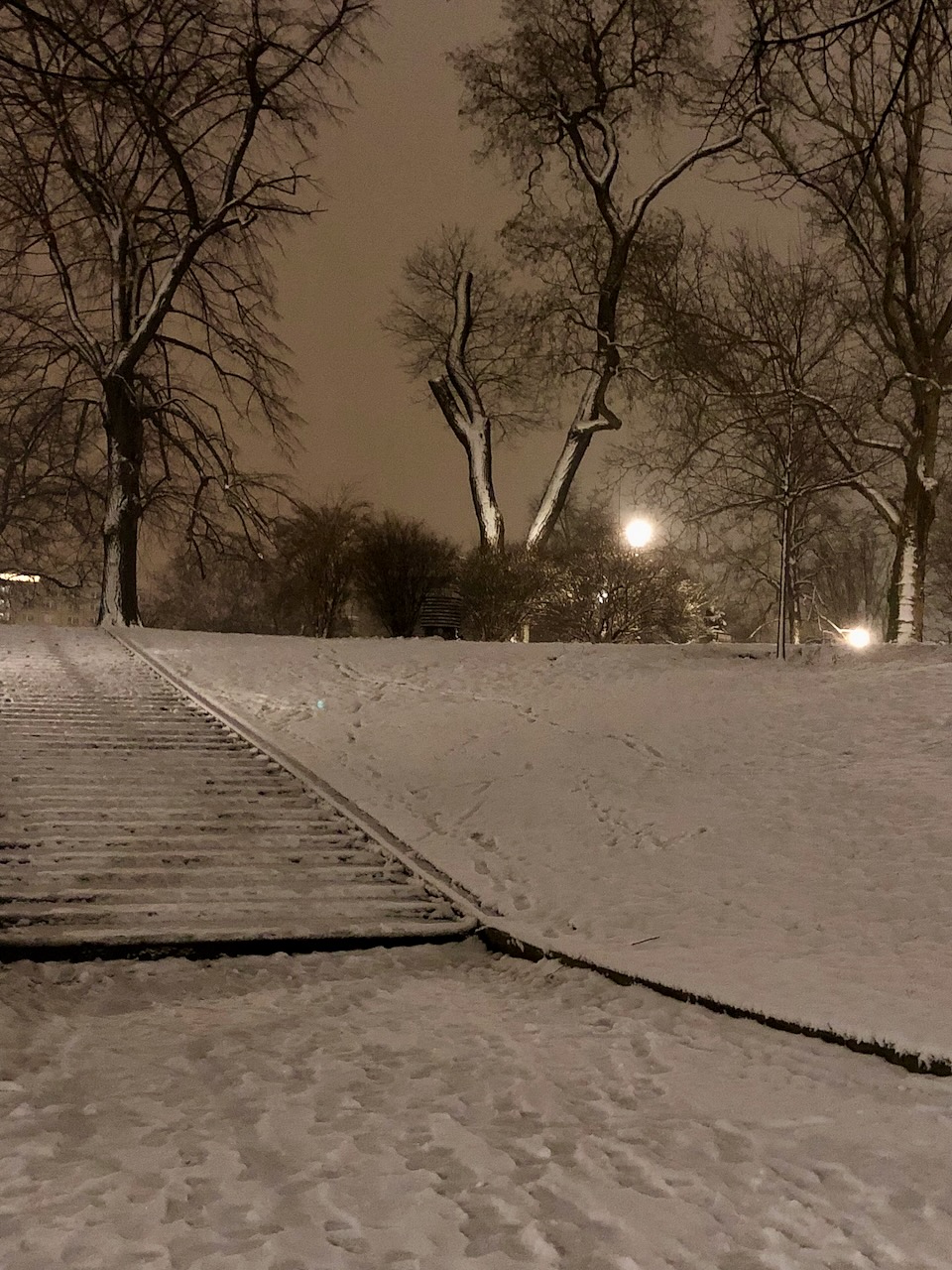
On February 13th at 9.45pm, the bells started; asymmetrical tones infusing the snow-sprinkled city. 

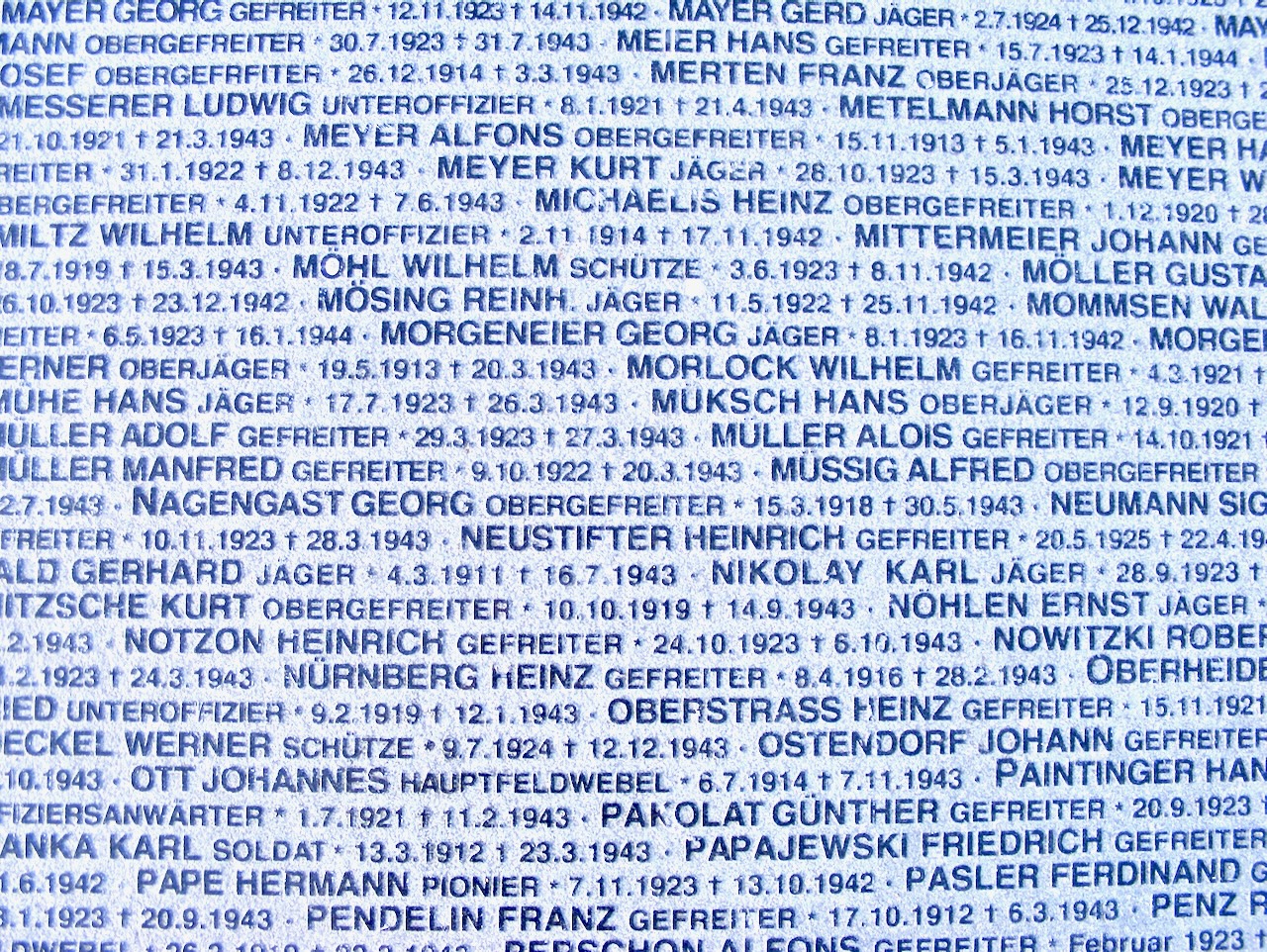
People wrapped in scarves and silence, stared at the dome of the Frauenkirche that 80 years before had been mangled by bombs into a pile of rubble that would scar the city for over fifty years.

Candles placed on the ground flickered benign flames as memories haunted the minds of those who had witnessed a firestorm that melted asphalt, roofs and neighbours alike.

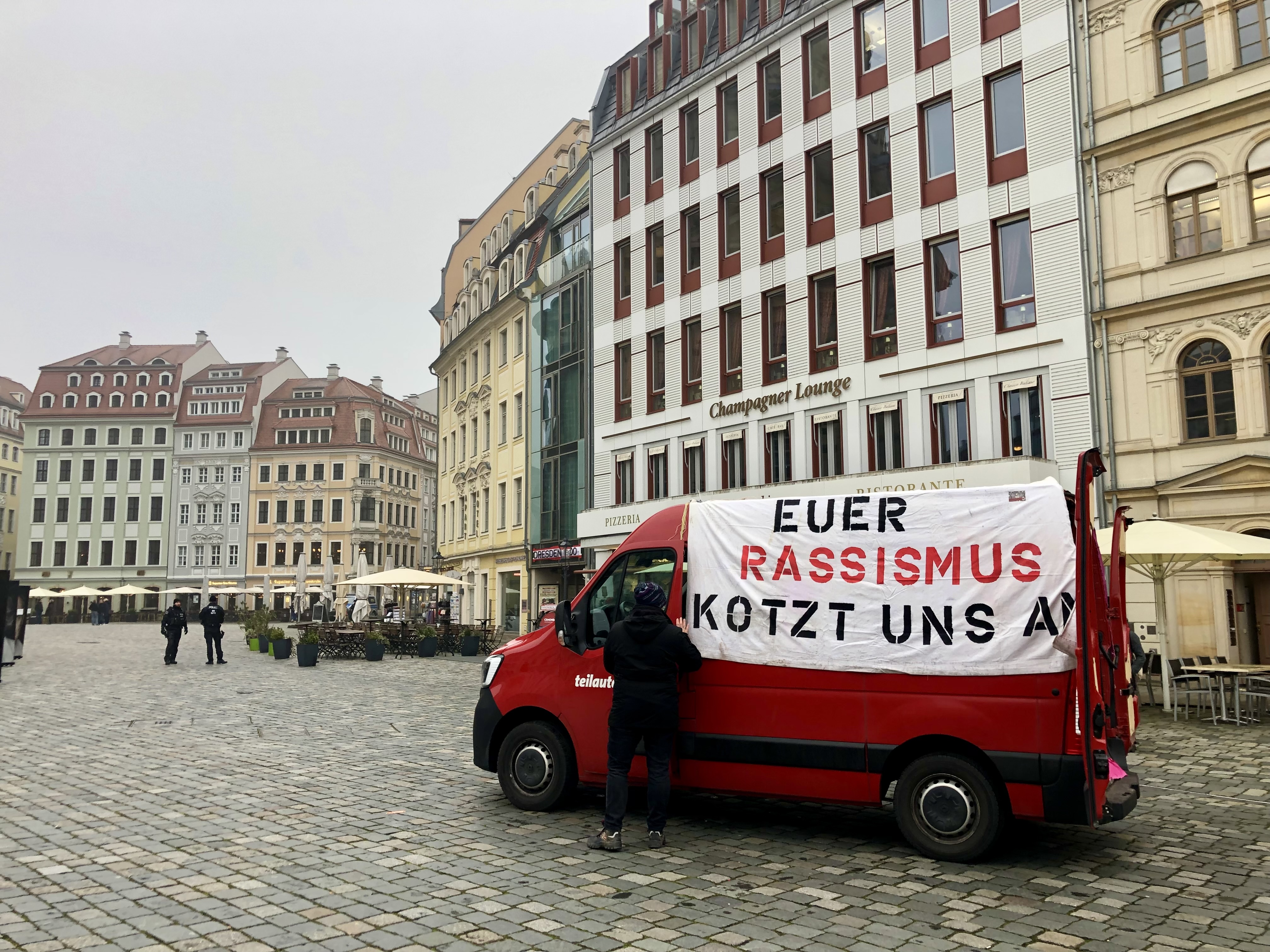
A human chain of hand-holding citizens wove through the resurrected buildings, knitted together both in remembrance and defiance of the re-emerging forces of lessons not learned.

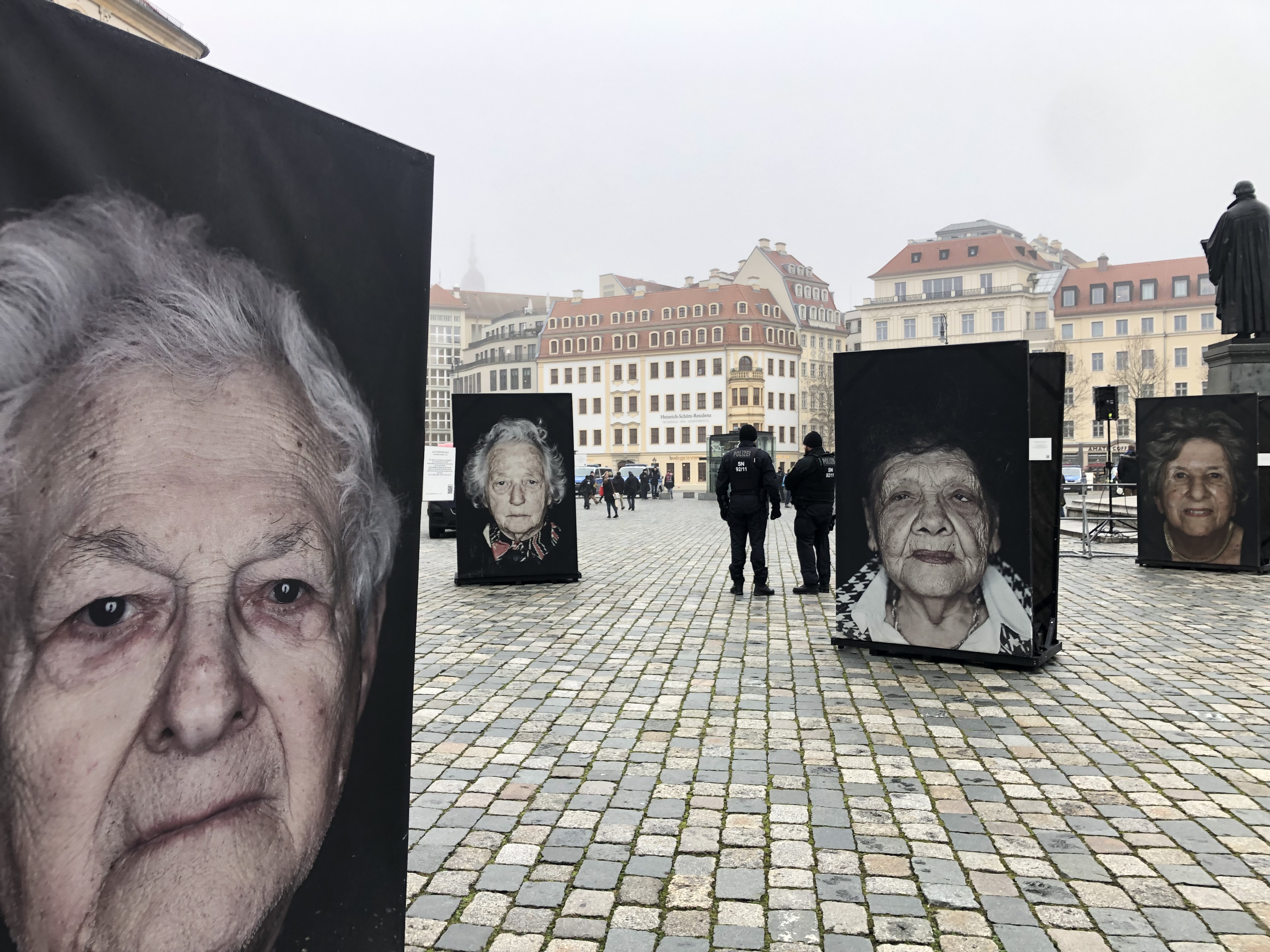
This year’s anniversary of the British and USA bombing of Dresden was determined not simply to look back and roll out familiar but increasingly empty tropes such as ‘Never Again’. Instead, ‘Future through Remembrance’ was the theme repeated through the activities I attended as a Trustee of the British Dresden Trust. Younger generations from Germany, Ukraine, Poland, UK occupied the foreground mingling the wisdom of elders with messages that gave genuine hope for our troubling times. 

Stay awake. Be aware and curious as a child about what is happening around you. Look at history from multiple angles. Step back to see it in perspective. Take responsibility. 

Benjamin Britten’s War Requiem followed by silence in place of applause gave the horror, tragedy and futility of any war the viscerality needed to galvanise us out of complacency into using Remembrance fiercely rather than sentimentally; to unite us as human beings, each with a heart and soul that thump with a longing for peace. 

It was the move from formality to informality, from grand gestures to tiny actions we are all capable of doing everyday, that left the most lasting impression. From pomp and ceremony to conversation; from people in suits or uniforms telling us the importance of remembrance of a time that is increasingly distant, both temporally and emotionally, to a lively exchange between young and old from different nations on the values of democracy and peace.

Peace that is all too easily taken for granted. 

Further Reading and Links

The Dresden Trust

History and politics collide as Dresden mourns its destruction in WWII by Katja Hoyer

DRESDEN: A Survivor’s Story by Victor Gregg

DRESDEN: The fire and the darkness by Sinclair McKay

AIR RAID by Alexander Kluge

The Duke of Kent marks the 80th anniversary of the bombing of Dresden

Commemoration: 80th Anniversary of the destruction of Dresden

l

Question to self: Is speaking out still the right thing to do?

If you haven’t yet seen Jesse Eisenberg’s latest film, ‘A Real Pain,’ I can only urge you to do so. Starring himself and Kieran Culkin [youngest son in Succession!], the pair play two estranged cousins who travel to Poland to fulfil the wish of their recently deceased, concentration camp survivor grandmother for them to visit her former home. It’s essentially a road movie and extremely funny. But the context of the Holocaust and the attempts of third-generation Americans to come to terms with it, makes it also profoundly moving, thought-provoking and important. 

Millions of people world-wide are still grappling with the aftermath of those appalling years of Nazi rule. More, rather than fewer, stories of survivors and first-hand witnesses are coming to light told by descendants who have finally found ways to articulate what their forebears couldn’t. My own, In My Grandfather’s Shadow, published in 2022, is testament to the painful process of peeling back the layers of incredulity in which the extremes of both cruelty and suffering are wrapped. For many, it is justifiable to judge or blame ordinary Germans for not speaking out or revolting against the wrongness of what was happening in clear sight. Despite acknowledging their justified fears, it would have been the right thing to do.

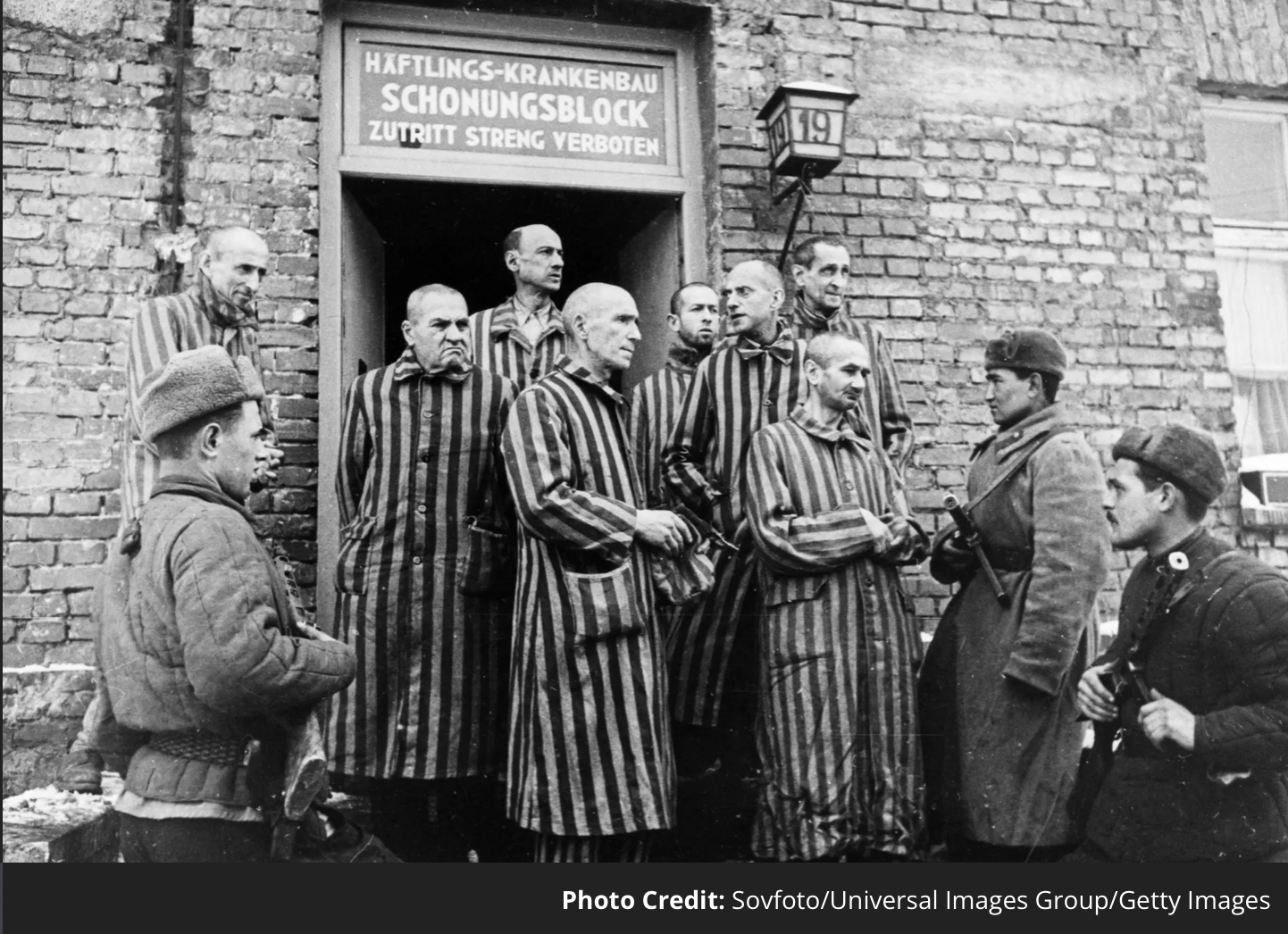
As we approach Holocaust Memorial Day marking the 80th anniversary of the liberation of Auschwitz by Soviet forces in 1945, we are asked to remember the horrific consequences of the crimes that, in part, were enabled because people did not speak out. We will once again repeat the heartfelt ‘Never Again’ that has been chanted like a mantra over the decades. But is it enough?

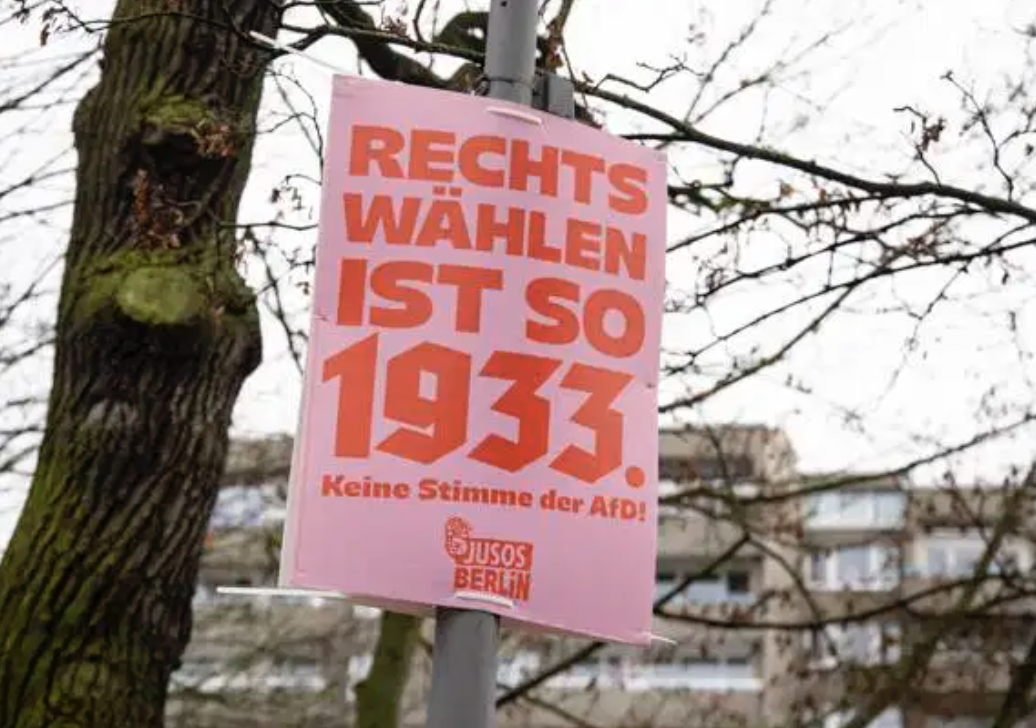
“Voting right-wing is so 1933”

Across the globe, the roots and shoots of far-right policies are taking hold with renewed vigour. In highly vigilant Germany, ‘Voting right-wing is so 1933’ is a campaign slogan for left-wingers. But calling out discrimination and anti-immigrant policies, becoming an ‘upstander’ rather than a bystander has become increasingly perilous, even a danger to life. I wonder how Bishop Mariann Budde’s recent controversial sermon at the inaugural prayer service at Washington National Cathedral will play out. Referencing immigrants and LGBTQ+ individuals among others, she calmly but directly asked President Trump “to have mercy on the people in our country who are scared now.” Will she be cancelled, trolled, fired, discreetly removed from her post? So far she is refusing to apologise for speaking her truth. Was it brave, wise, right? Or, as he and his supporters claim, ‘nasty, woke, inappropriate’ and she a “Radical left hard line Trump hater”? Bizarre as it sounds, by seeking a path of compassion, did she inadvertently shame and dent an ego as big as the world?

As someone with (non-Jewish) German roots, I feel like it is both in my DNA and a conscious personal responsibility to speak out in the face of a perceived injustice or wrongdoing. However, I am beginning to feel an even stronger impulse. In these times of widespread latent and reactive vitriol and rage, I have started to listen into the other side’s point of view rather than – or at least before(!) – slating it. To create a tiny pause, a space between the attack and counter-attack model so many discussions rapidly descend into. It’s like stepping back from an easel when you have been immersed in some detail in order to see the whole picture. For when we speak out against something with conviction but without seeing the back story behind the other’s conviction, we are basically assuming a moral and intellectual high-ground that imparts the message that ‘they’ are wrong (inferior) and ‘we’ are right? This never goes well! Trump’s return to the White House proves that.

Decades of trying to comprehend the behaviour of ordinary Germans eighty or ninety years ago have revealed to me that many of them won’t have been so different to many of us today, i.e. more concerned with their own lives – milking cows, running businesses, keeping children warm and fed – than politics. Looking away, keeping stumm becomes a basic survival tactic. But the outrage humans feel in the face of endless discrimination, inequality, injustice, harm can rapidly turn to despondency and disaffection when we realise we can do little more than sign a petition or share a rant on social media or among friends. Eventually we might become numb, at worst immune to the wrongdoing. I know that I personally read, watch and listen to the news far less than I used to because the drip-feed of madness, badness and sadness feels toxic and induces inertia. I have no idea if this is maturity, complacency, disheartenment, a nauseating lack of humour or an equally nauseating sense of self-righteousness, but I have lost some of my more outspoken tendencies and anger at the world and replaced them with something that is hopefully more productive but still relevant to these times.

My prison work showed me that the most valuable action I could offer prisoners was to listen and to hear them. Not just their stories, excuses and justifications, but what came before. The drivers of their behaviour. With their defences down, trust, compassion and understanding could grow. Attitudes and actions quietly changed without them being shown to be wrong.

I am not sure if this is the right way to go in general life. The story of the Zen / Chinese Farmer comes to mind with its ‘We’ll see…’

It’s certainly not a quick-fix solution. But maybe it’s a tiny antidote to the constant stoking of anger? A drop towards the creation of a kinder world in which wider discourse and a greater tolerance of difference are possible. And ‘Never Again’ regains its urgency and weight. 

A few links to that don’t necessarily reflect my views, but are accessible sources to pursue your own research.

A Real Pain Review

A Real Pain Trailer

Germany’s present is not Germany’s past by Katya Hoyer

Who is Mariann Edgar Budde, the bishop who angered Trump with inaugural sermon?

I am not going to apologise’: The Bishop who confronted Trump speaks out

This liminal space…

It will be different for everybody. But I love the quietness of these in-between days… 

That bloated weariness from endless festivities and good will. The jaded sparkle of unwrapped gifts spilling out of recycling bins. The jingle of carols fading as the challenges of Christmas are banished into as distant a future as any one year allows. 

For me there’s a sense of peace. A release from the storm of traditions. A disorientation. A heart full of gratitude.

With New Year still to celebrate, there’s just one last real or symbolic cork to pop. Then it’s back to reality with its resolutions, rhythms and routines. Bleak mid-winter stretched unruffled, a blanket of dark fields tucked into the horizon over a sleeping, muddy countryside.

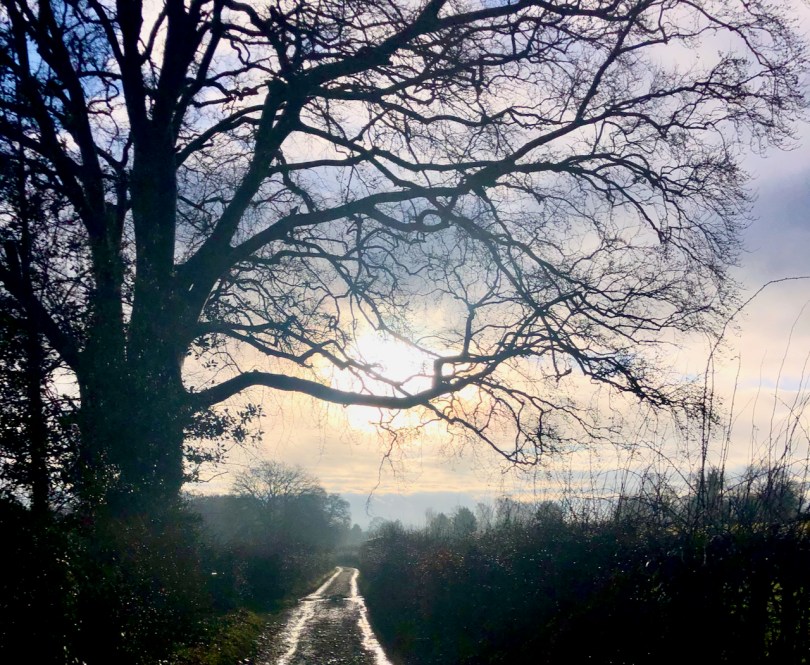
Trees stand brittle, skeletal. We know Spring will come, but in the immediate months ahead it is easy to lose faith that colour, light and warmth will ever return. 

Looking closely, however (with a slightly alarming nod to climate change), small promises have already started to decorate bare branches like fairy lights. A little pink blossom here, a tiny green bud there.

But it is out of sight, below the earth’s surface, where the real hope and action thrive. 

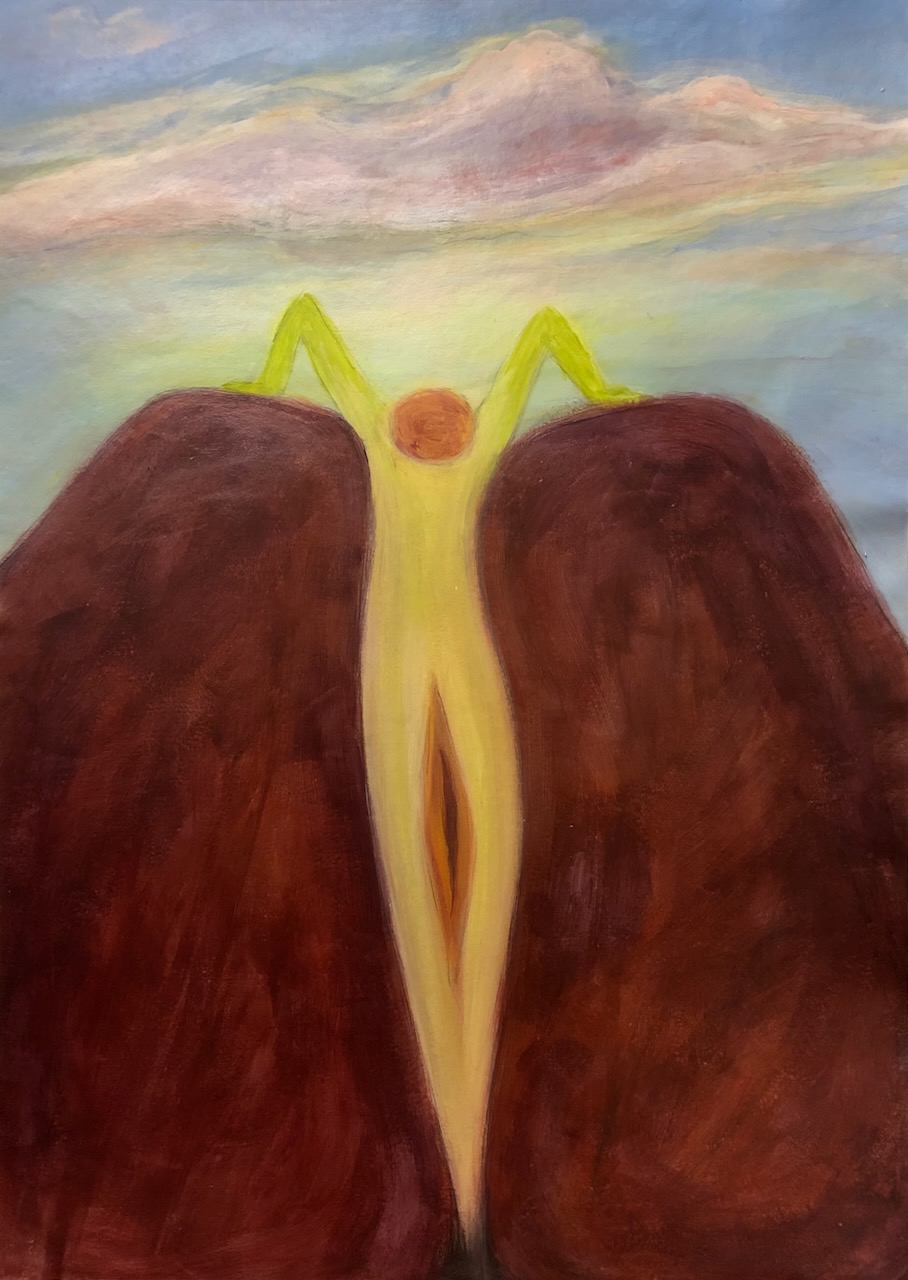
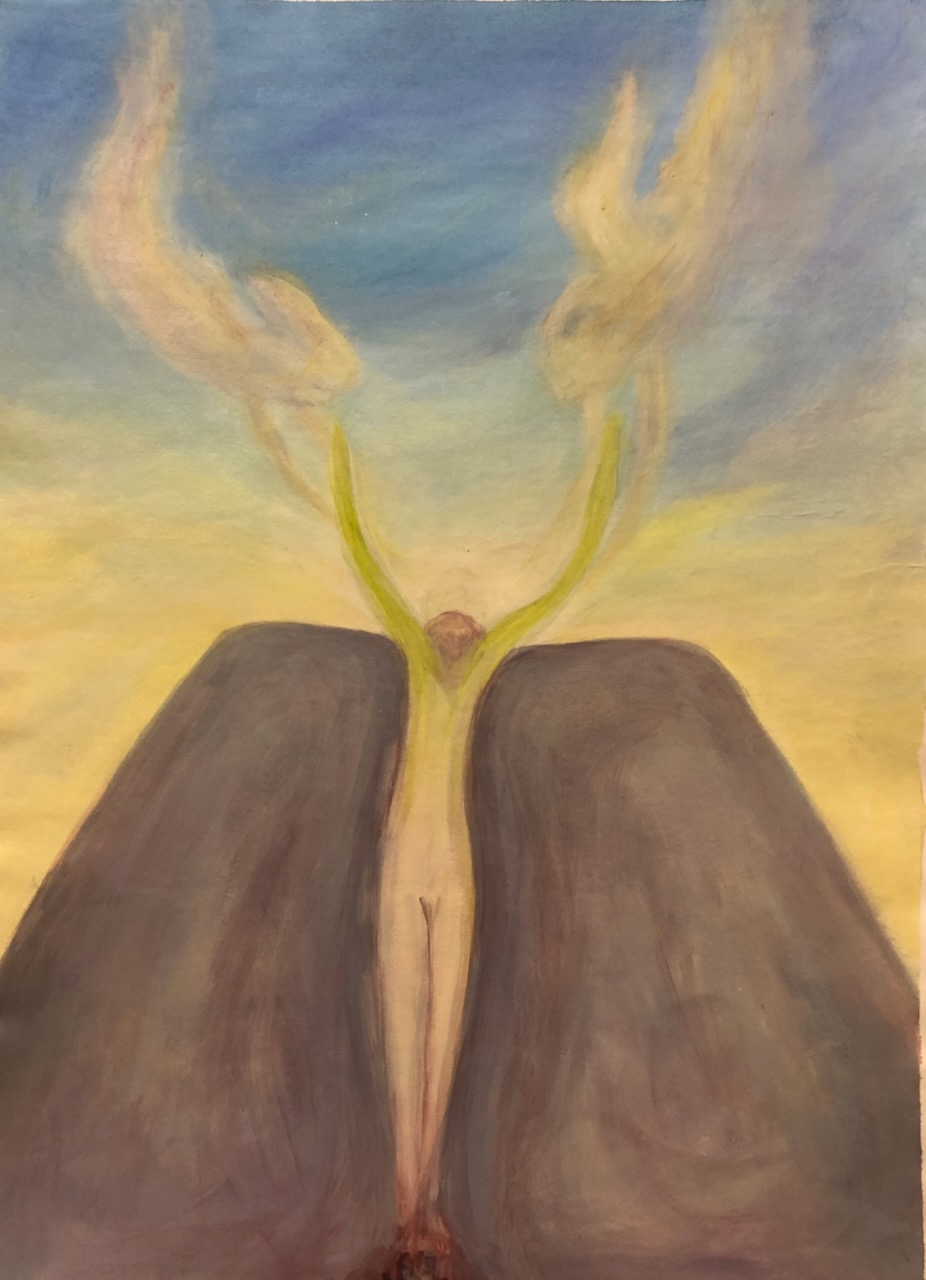
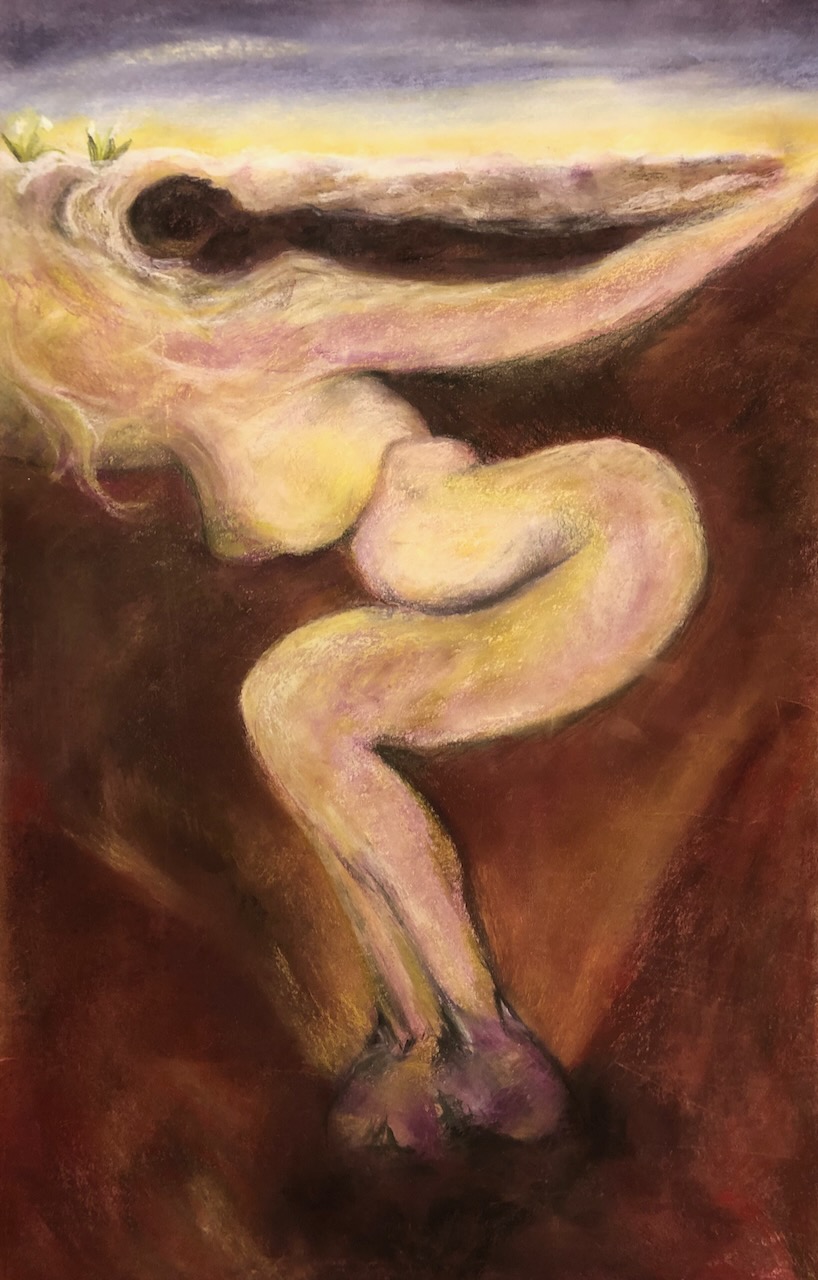
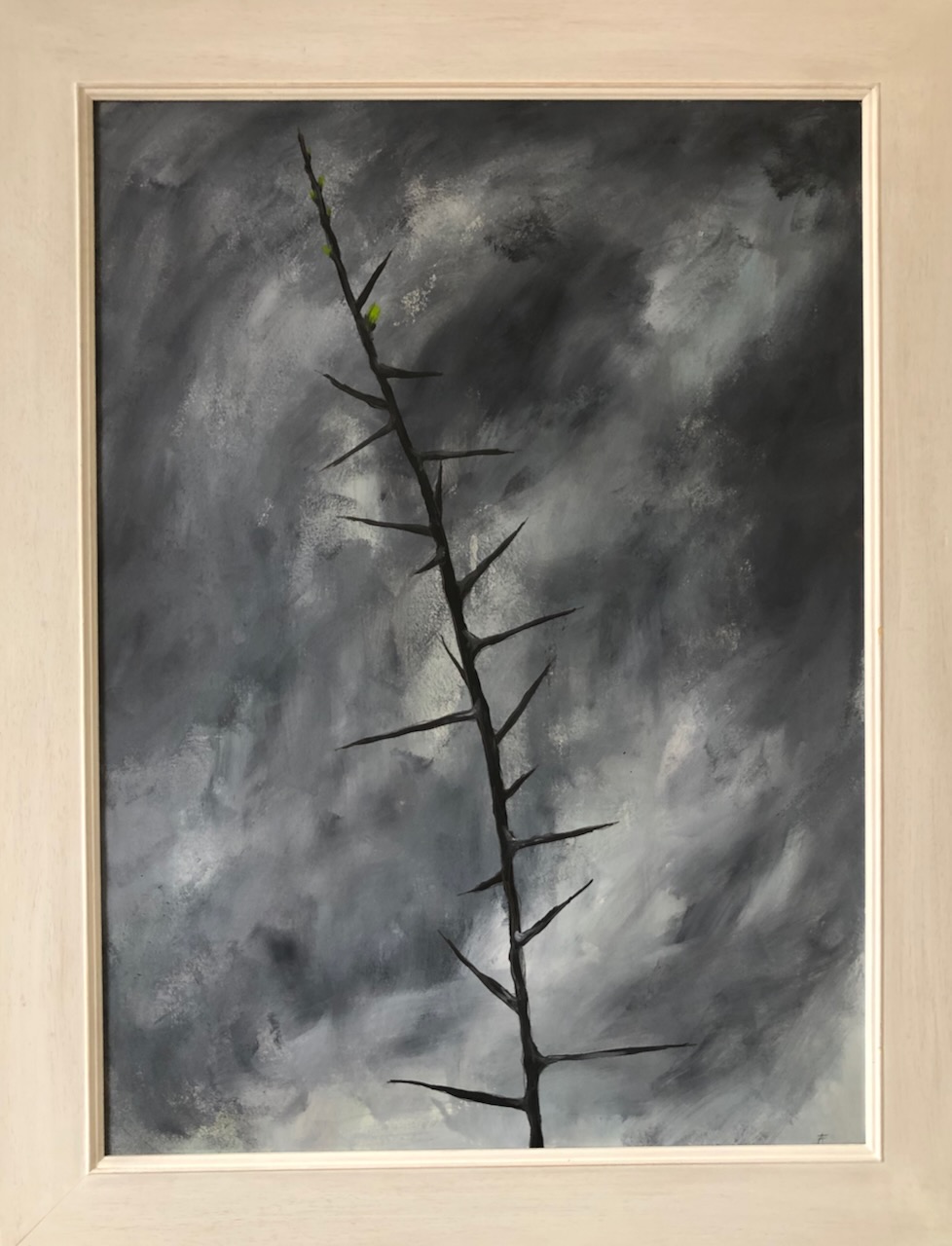
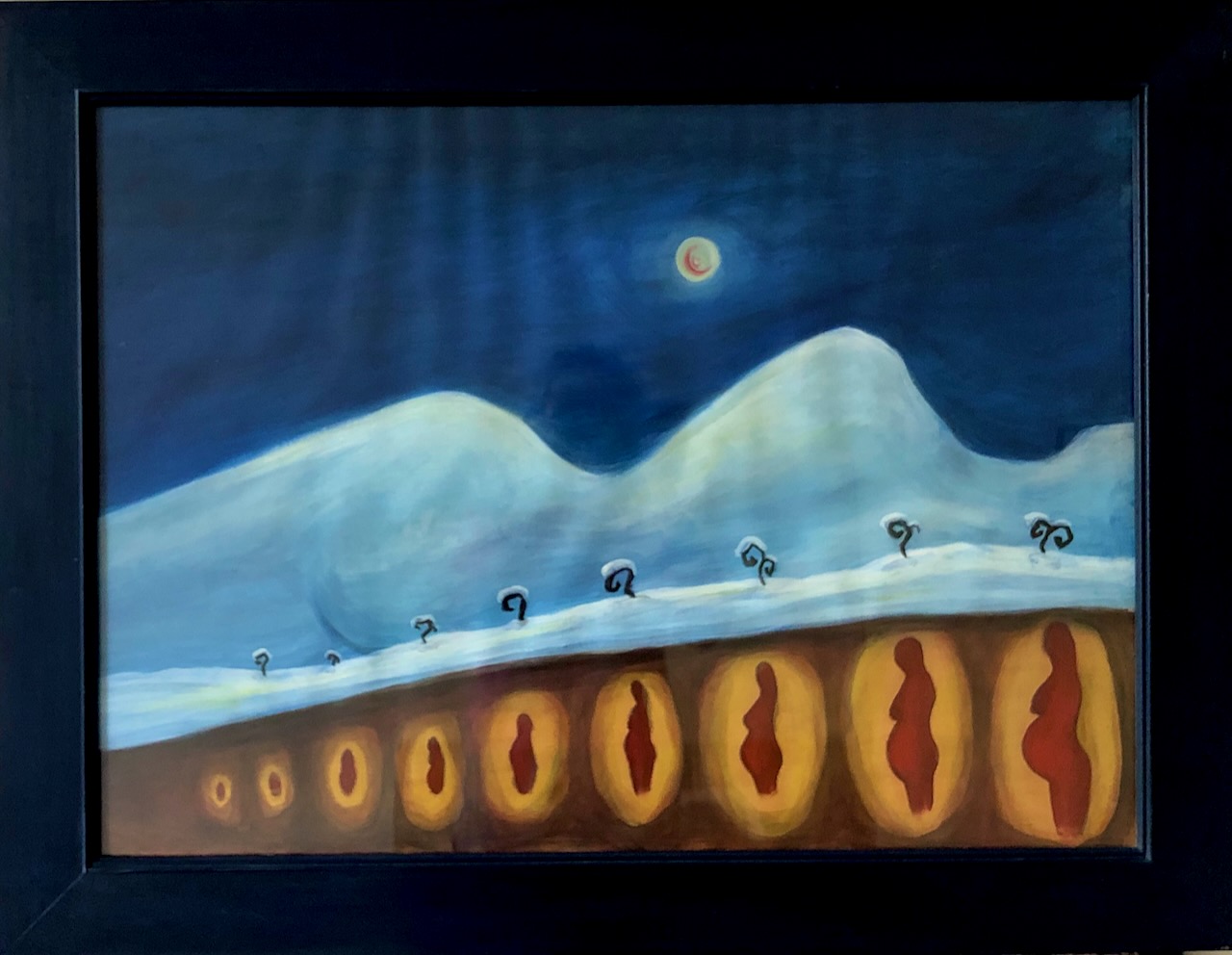
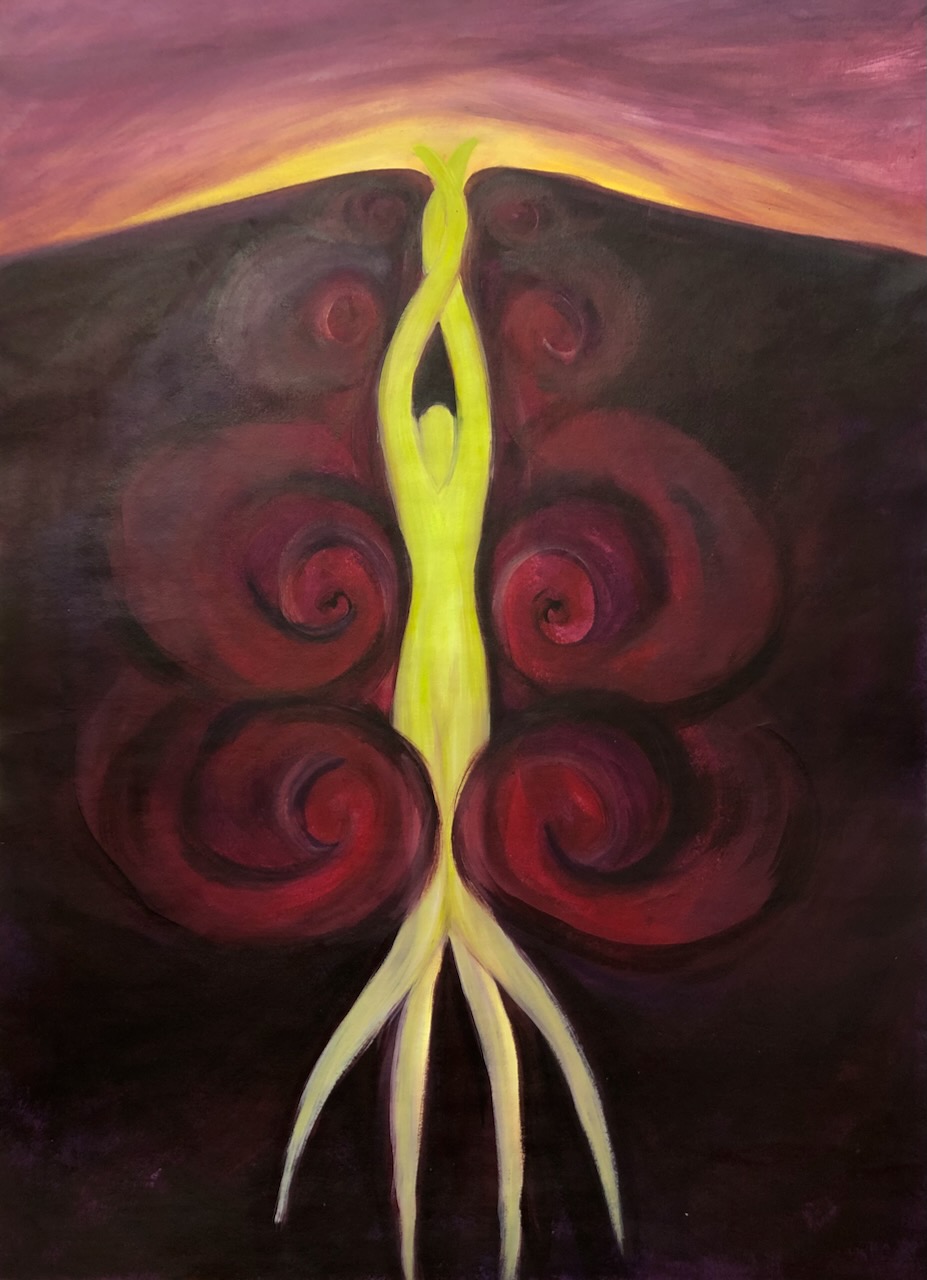
My recent move from storage to studio has uncovered numerous sketches and paintings I haven’t looked at for over twenty years. They were painted in the nineties when I lived on the west coast of Ireland consciously engaging with the four seasons and their corresponding echo within the inner rhythms of a human lifespan. Inspired by Celtic mythology and various spiritual traditions, my thirty-something-year-old self saw winter as Mother Earth’s pregnant womb, and Spring the birth and dance of youth. 

On a soul level, we experience winter in those times when it appears nothing is happening. When everything seems dead, stuck, over. It can feel eternal and deeply uncomfortable. We might search for escape in company, drink, exercise, work… or chocolate and movies. Might make wrong decisions through impatience to crank up the old and move forward. Then one tiny shoot of new growth breaks through the surface and into our lives. The season changes and Winter’s purpose is revealed as saps start to rise unstoppably. Energy returns after its slump… or slumber. Because of its slump or slumber. New creativity flows. Our soul’s spring has arrived.

In the meantime, this darkness can nourish us. It invites stillness and rest. Quiet intimacy. Soul. Life is tiring… winter offers us a chance to withdraw and replenish our energies. So I welcome these dark mornings, short days and early nights – ideally interrupted by crisp sunshine to brighten the spirits – as a period of germination. An opportunity to lay off the guilt of achieving less as we enrich more. A time of holding rather than pushing.

With all that in mind, I wish you a gentle, inspiring, meaningful and happy path into your New Year.

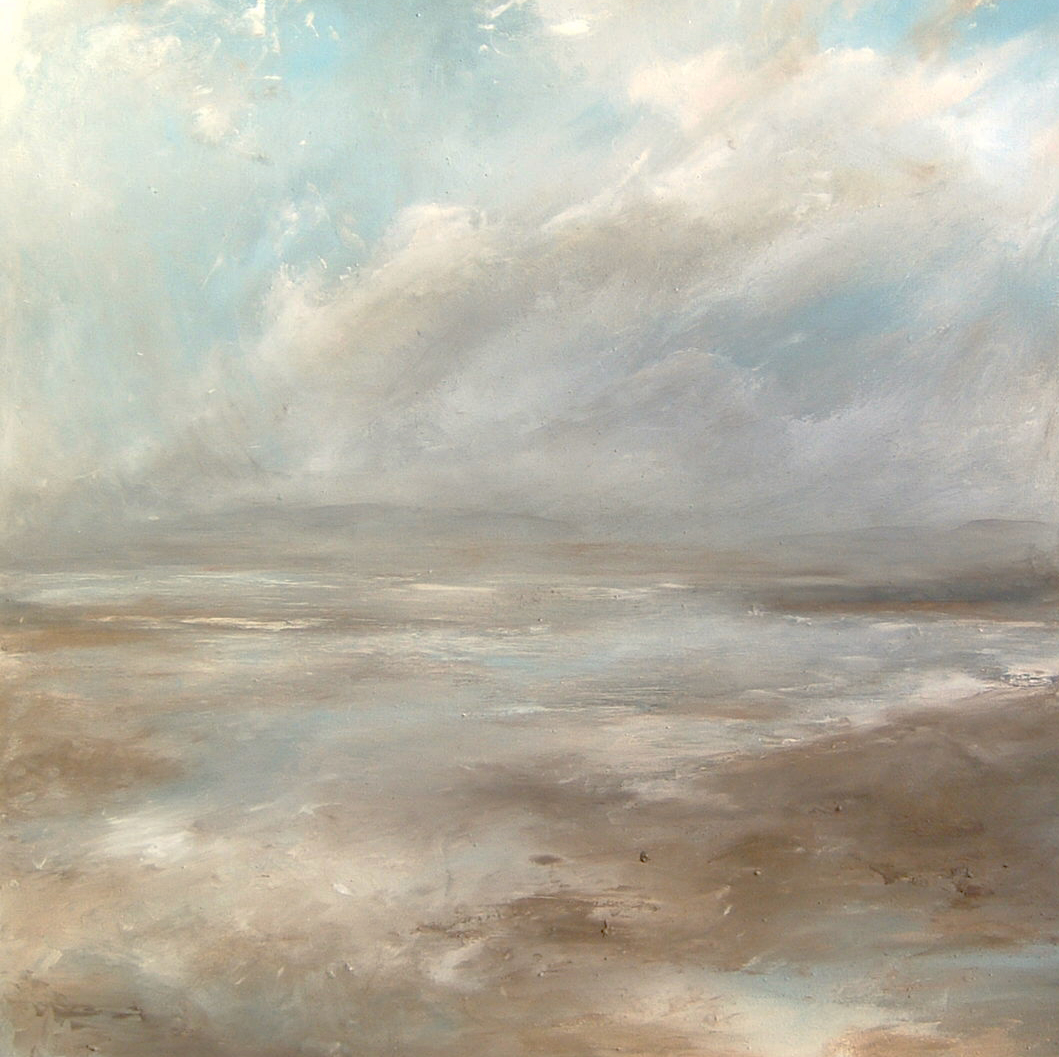
(All the paintings above are a mixture of acrylic and/or pastel and roughly 75x55cm)

Remember, Remember… we all lost

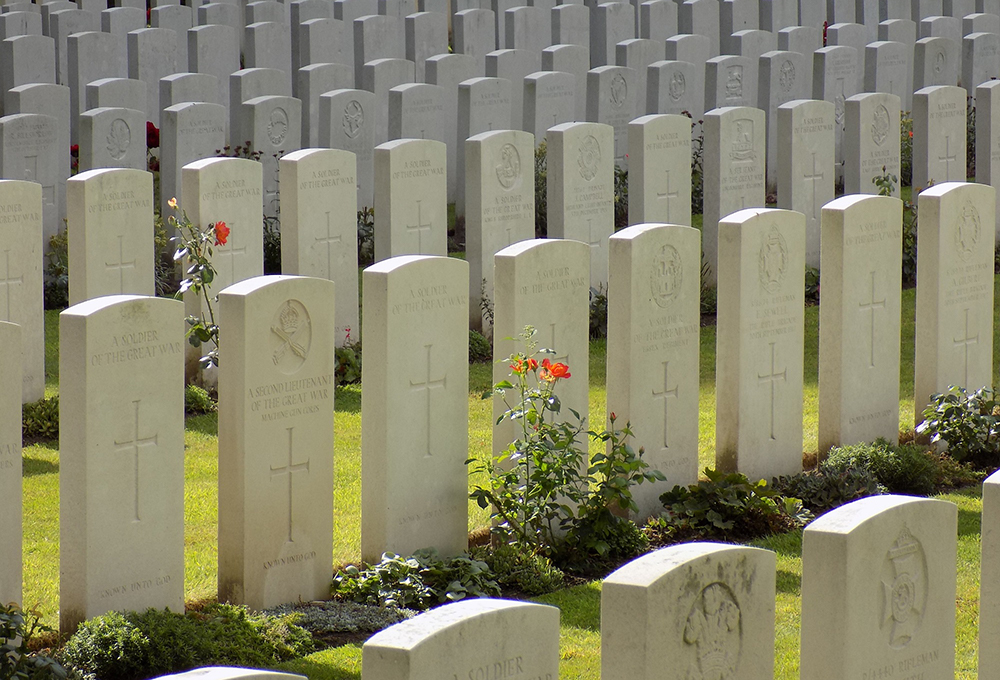
‘Tis the season to remember. In our progression through the grey gloom of this autumn [just 18 minutes of sunshine since 28th October apparently!] and the celebrations of Halloween, All Souls, Samhain, Guy Fawkes and November 11th, the dead take centre stage. Leaves and forest floors redden while poppies bloom on jacket lapels, village monuments and shop counters. This Sunday in London, as on all Remembrance Sundays, red wreaths will be laid by royalties, senior politicians and Commonwealth High Commissioners before some of the last surviving WW2 veterans march or are wheeled past the Cenotaph.

We have been collectively remembering Armistice Day since 1919, the first anniversary of peace at the end of World War One. Remembrance has since been extended to both World Wars and all those who have given their lives in service to defend our freedoms. It is a hugely important day for the British, the Commonwealth and many other countries around the world, albeit not in Germany. There, since the Middle Ages, 11am on 11.11 has marked the start of the carnival season and, on a more serious note, Armistice Day is not considered to have welcomed the beginning of peace but years of intense unrest and far worse horrors to come. 

British and Commonwealth dead

I often dedicate my November blog to our traditional, deeply moving and impeccably executed rituals of remembrance, but not always without a little questioning too. Through the 15 years of research for In My Grandfather’s Shadow, I came to appreciate a far broader narrative of WW2 remembrance than that which Britain generally embraces and teaches. Granted there has been welcome progress over the decades with the inclusion of women as well as the huge contributions and sacrifices made by Gurkha, Indian, Sikh, African and Caribbean servicemen, among others. But there is still widespread ignorance of the bigger context.

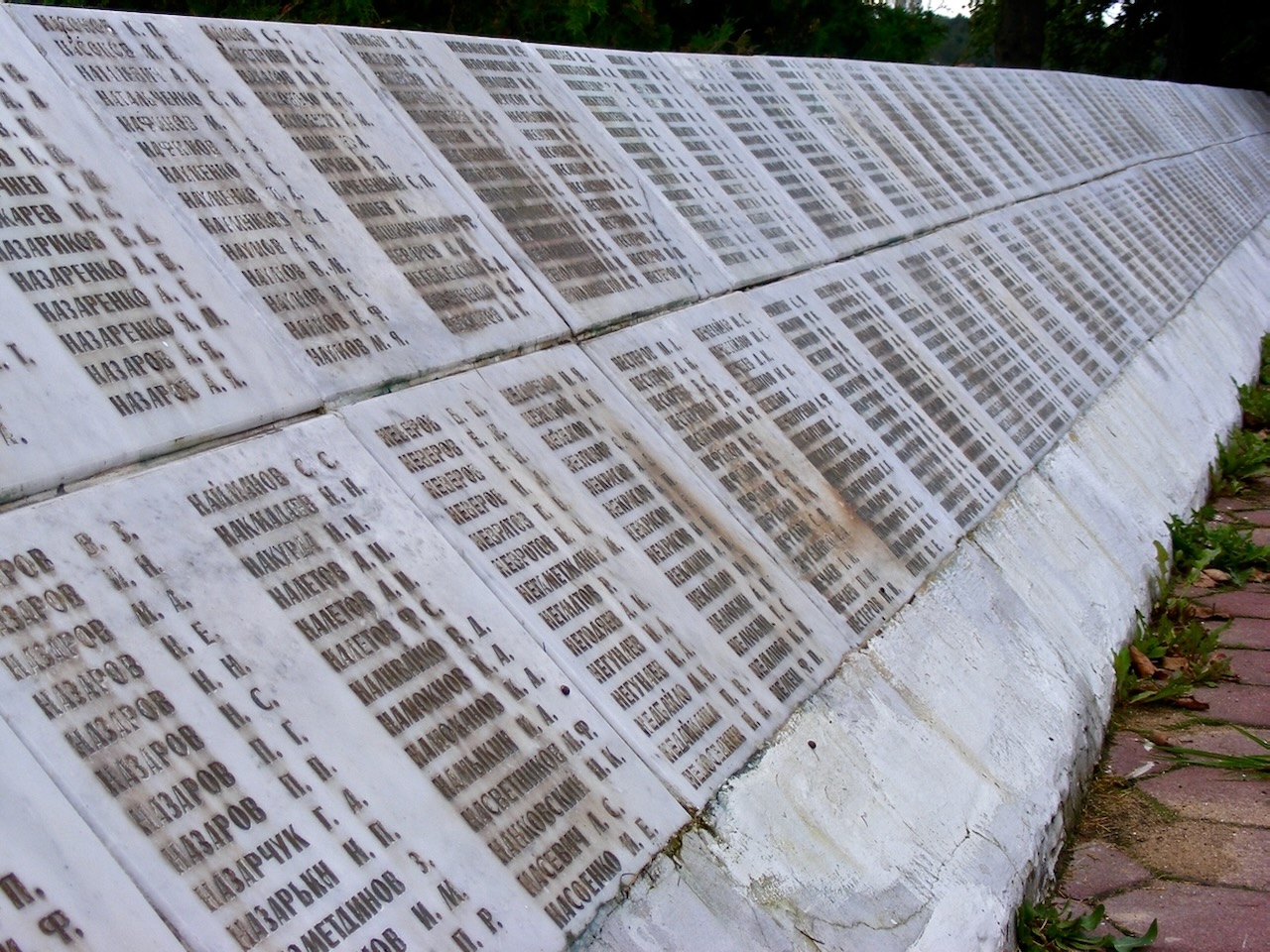
Russian dead

When I give my talks, I often use statistics. They provide a solid, black and white foundation of fact to my more psychological / philosophical ponderings. So often these figures shock. For example, when I ask people to guess the total losses, including civilians, of say Russia, Germany and Britain in the Second World War they are usually so far out that they themselves are horrified. I challenge you to make a guess… I’ll put the answers at the end of the blog. One man literally went white when he realised how wrong he had been in his thinking or, by his own admission, his lack of thinking. Another woman recently wrote to tell me how my book had opened her eyes in so many ways. “First off,” she said, “the big realisation of how little I have understood of the two world wars, my ignorance of those times and the aftermath.” This despite attending remembrance services all her life. 

German dead

The quantity of deaths doesn’t mean each death was any less keenly felt. But I think she voices what is probably true of most of us. I certainly was ignorant of the broader landscape of loss and destruction, and no doubt still would be if I hadn’t had German roots that needed excavating and hadn’t made trips through Germany and Russia that exposed me to other ways of looking. The World Wars are the episode in history with which the British are often accused of being unnaturally obsessed. And yet, as a nation, we often present it as a deceptively straightforward story of good triumphing over evil. The victors write history after all. 

Every nation has its ‘chosen traumas’ and ‘chosen victories’ which serve as cornerstones to its identity and prevent true healing from the past as they continue to play out in the present. We frequently have binary views of how we should feel based on – to use the reader’s words again – “simplistic, reductionist understanding… goodies and baddies…” Rarely have we “considered what it must feel like to have a different identity…” 

I really appreciate and admire this woman’s soul-searching honesty. The humility and gentle opening to hearing the other sides’ stories gives me huge hope.   

Healing, reconciliation, peace, forgiveness… all goals we strive for within our culture of Remembrance… can best come about when we become familiar with and find some understanding for the other side’s experience. Maybe, with our greater distance from both the acute trauma and the impassioned jubilation of our forebears, that is what generations now and in the future can strive to do more of. 

Answer to my statistics question: Out of the around 60 million people killed in WW2, 26 million were Russian, approx. one third of them military and two thirds civilians. Between 7-9 million Germans died, roughly 6 million were soldiers and 3 million civilians. In the United Kingdom, just under 451,000 were killed. That’s 383,800 military, including combatants from overseas territories (Crown Colonies and the Indian Empire), and 67,200 civilians.

In the Flow: Ode to the River Severn

First Encounter with the River Severn

June 1999. You wouldn’t know it was there. Nothing suggests the proximity of Britain’s longest river as you amble down the canal towpath at Frampton-on-Severn. I have a hand-painted sign promising Cream Teas to thank for its discovery. The arrow lured passers-by through a hedge and into a wonderland of round tea tables bedecked with embroidered tablecloths and mis-matching crockery and arranged beneath the boughs of a huge copper beech. A tall man navigated trays of silver teapots and 3-tiered cake stands along narrow paths mown through the long grass. 

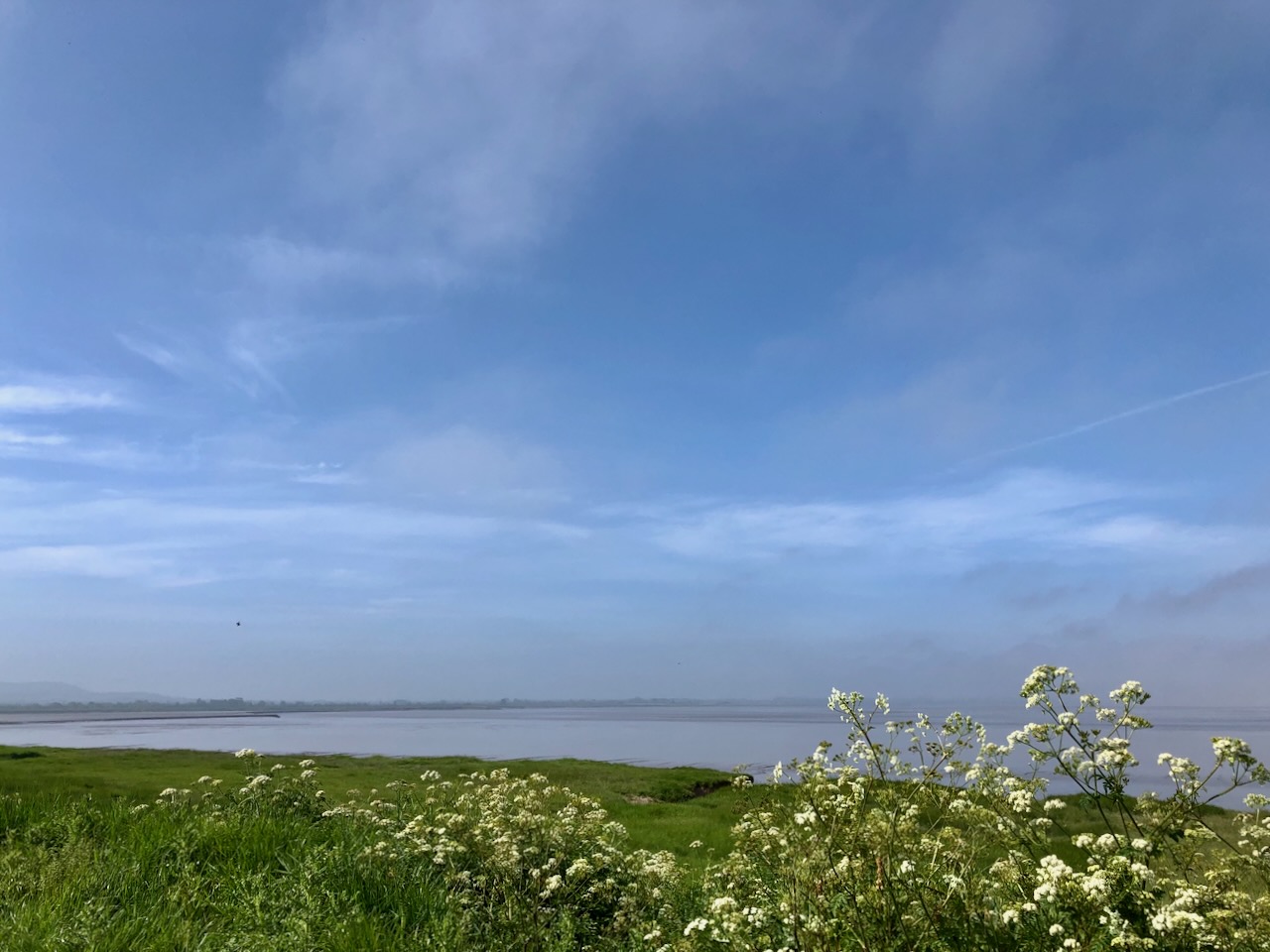
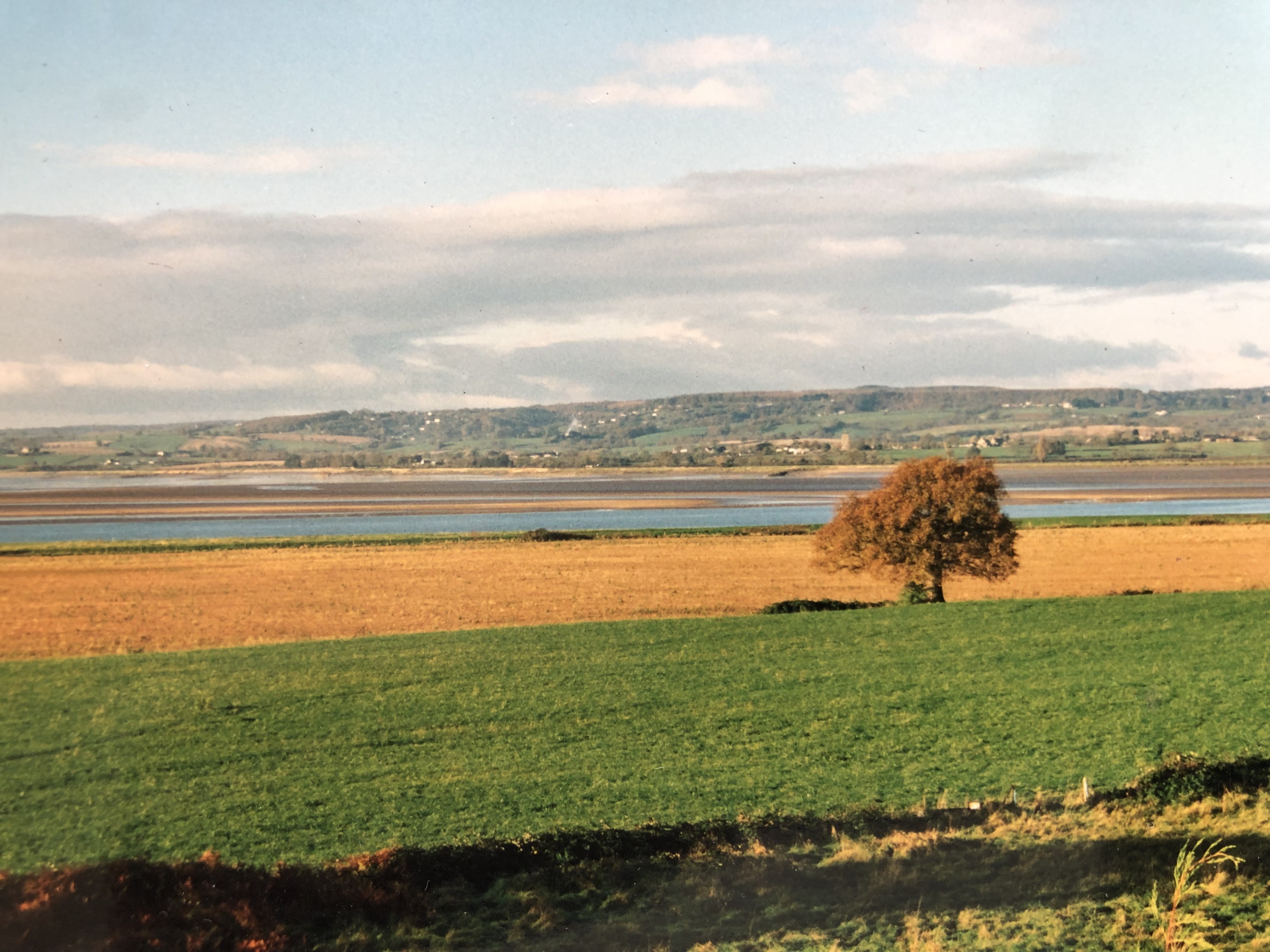
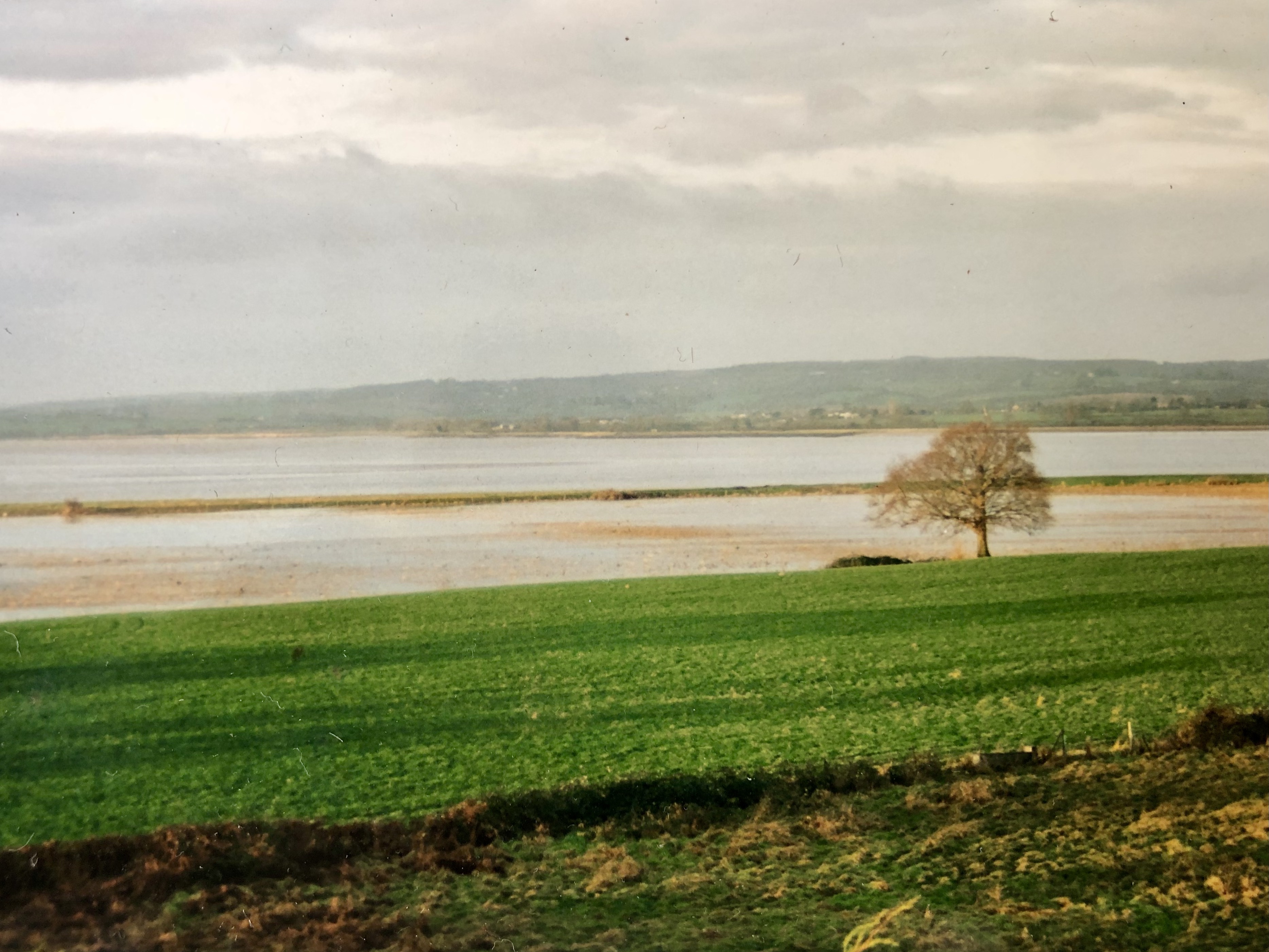
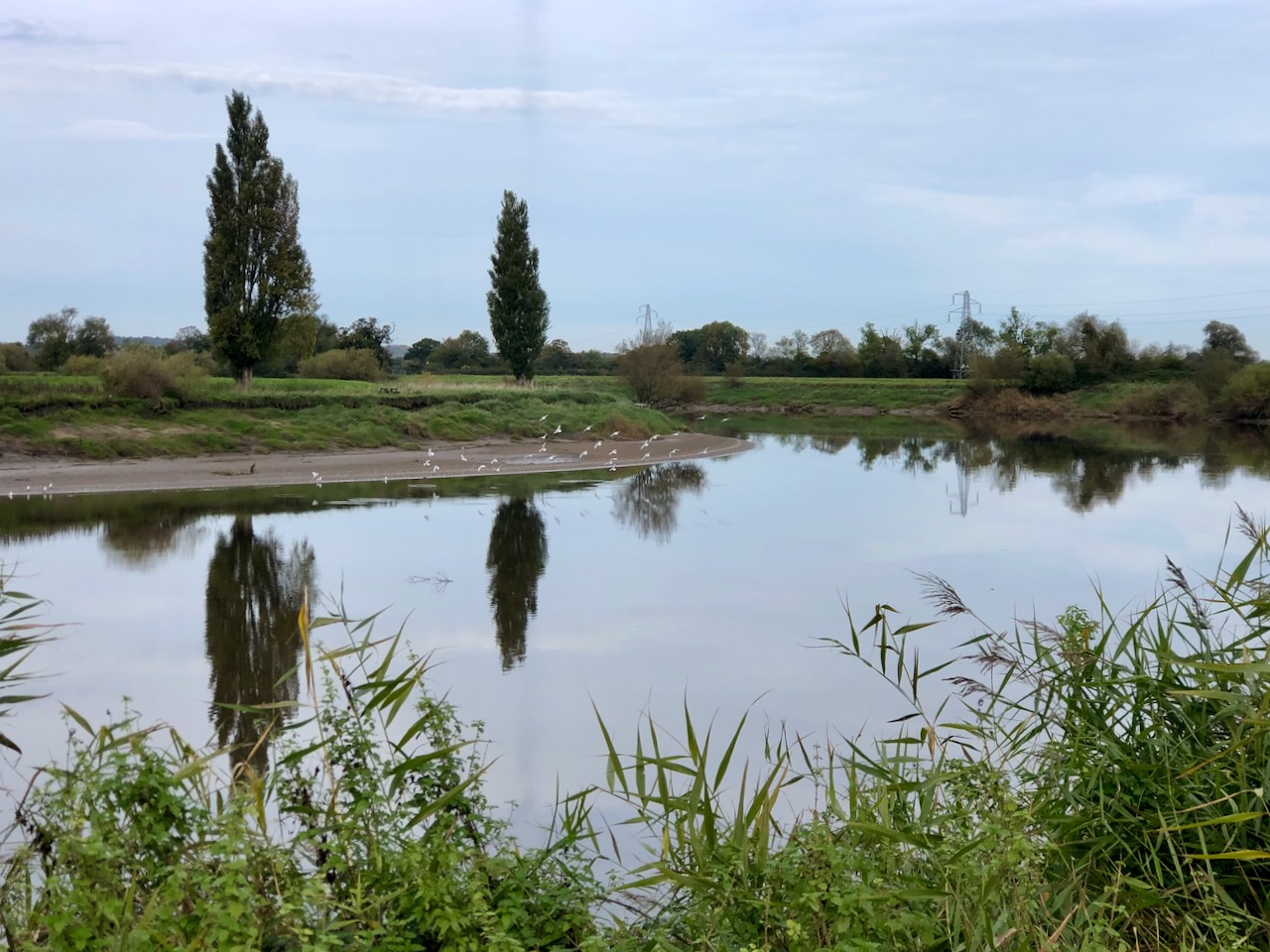
I had moved back to England after 10 years living abroad and was checking out the Stroud area as a possible new home. The top floor of the accompanying Lodge was up for rent, I soon learned… would I like to look at it? A sweeping staircase carried us up two stories and into an apartment of hexagonal rooms adorned with small fireplaces. Then, bending double, two miniature doors awkwardly birthed us onto a roof terrace and into the breath-taking view that would become my world. The River Severn stretched like a taut blue sheet tucked into a distant shore. Low tide mud sparkled. Silence was broken only by the soft chink of teacups on saucers.

Life on the River Severn

I would live in that apartment on the Severn for nearly three years. Every day I walked along the banks of the estuary, my breath aligning with the deep ebb and flow of the tides. 

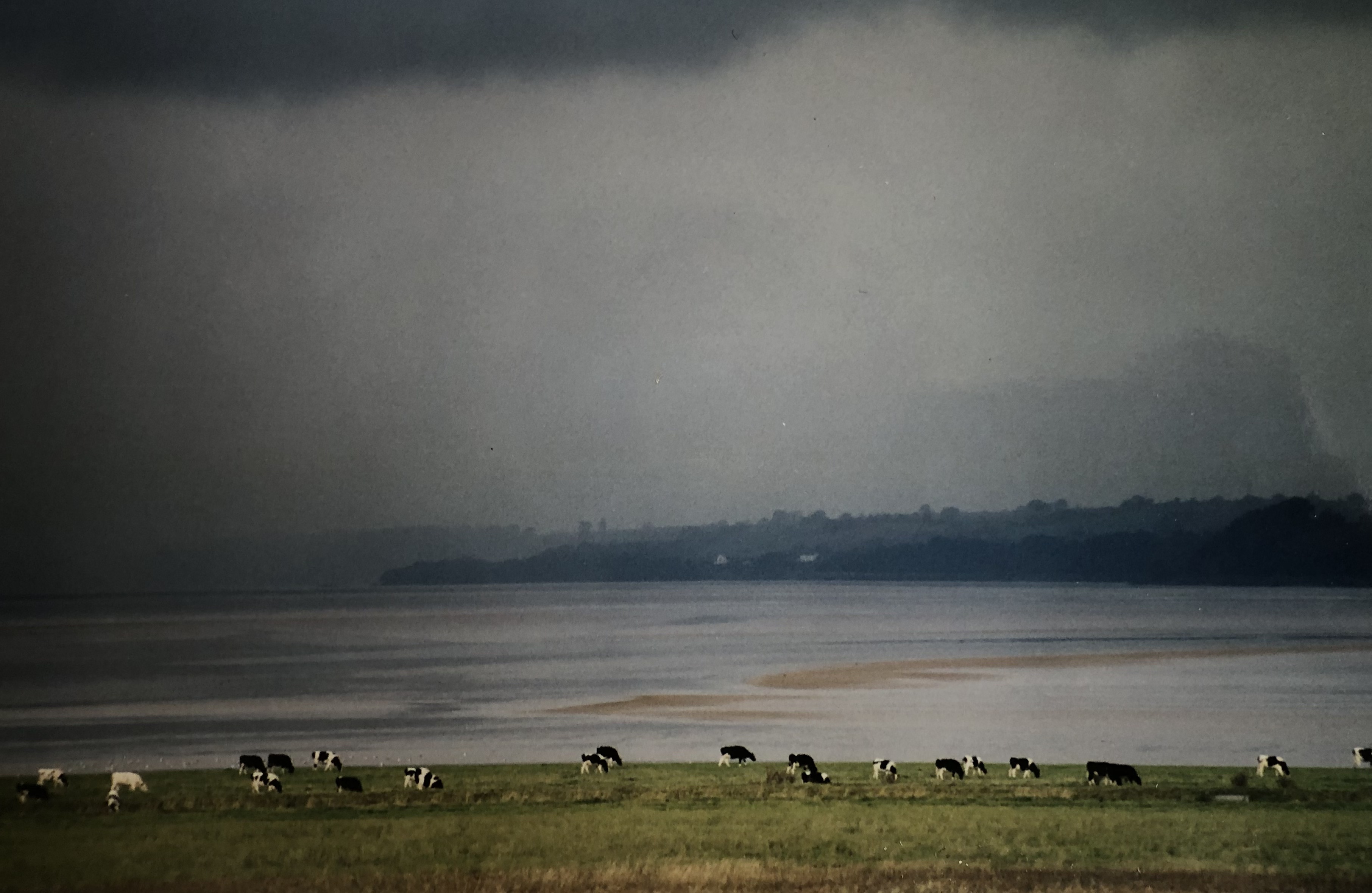
I witnessed the stoicism of a little oak tree holding its precarious own through the seasons, storms and floods; watched cows amble home at dusk accompanied by the swirling black clouds of starlings that condensed and evaporated in the gentle orange glow.

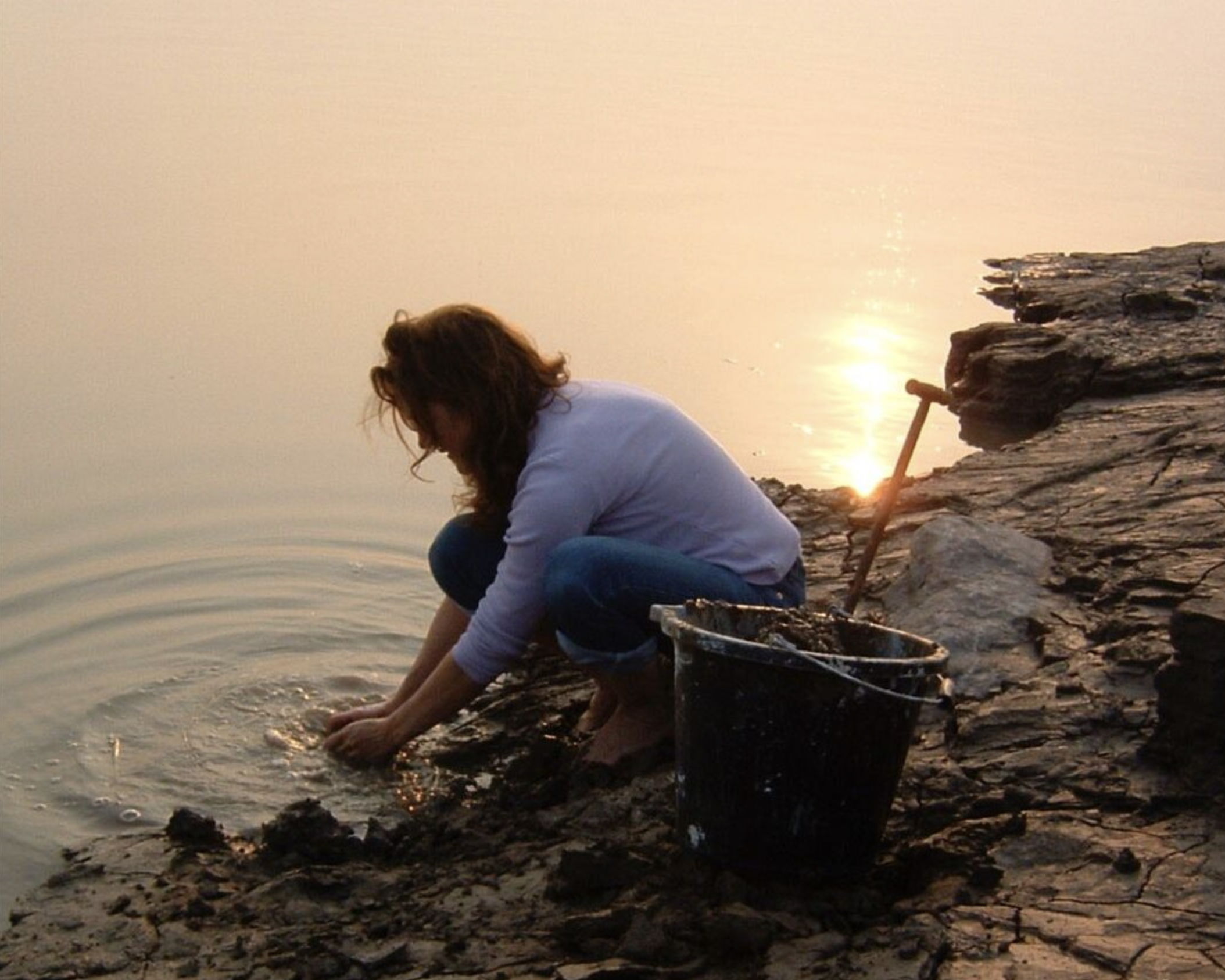
This was where I became a professional artist, scooping rich, melted-chocolate mud into buckets, mixing it with paint and dancing sky and weatherscapes onto large canvases with my hands. 

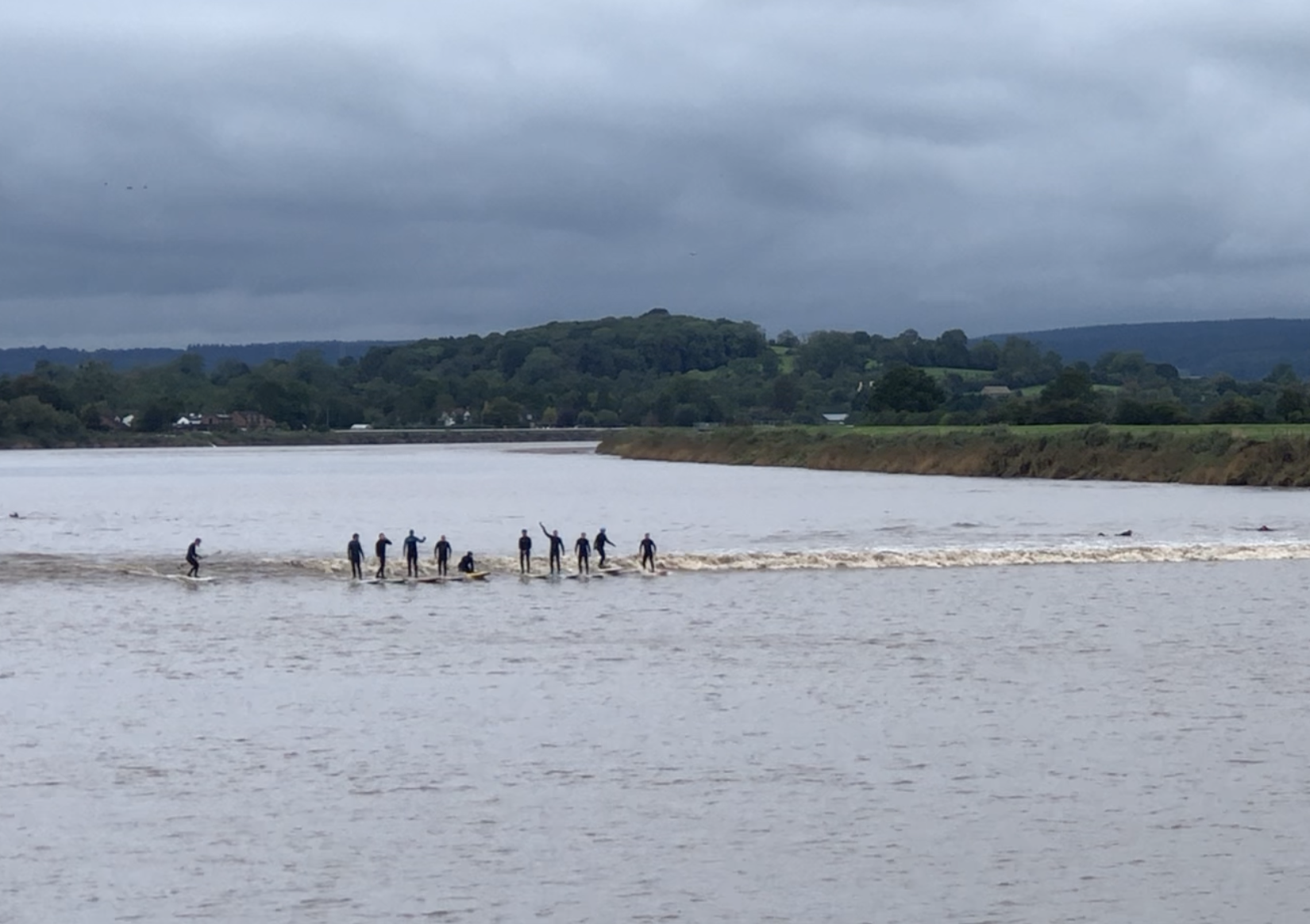
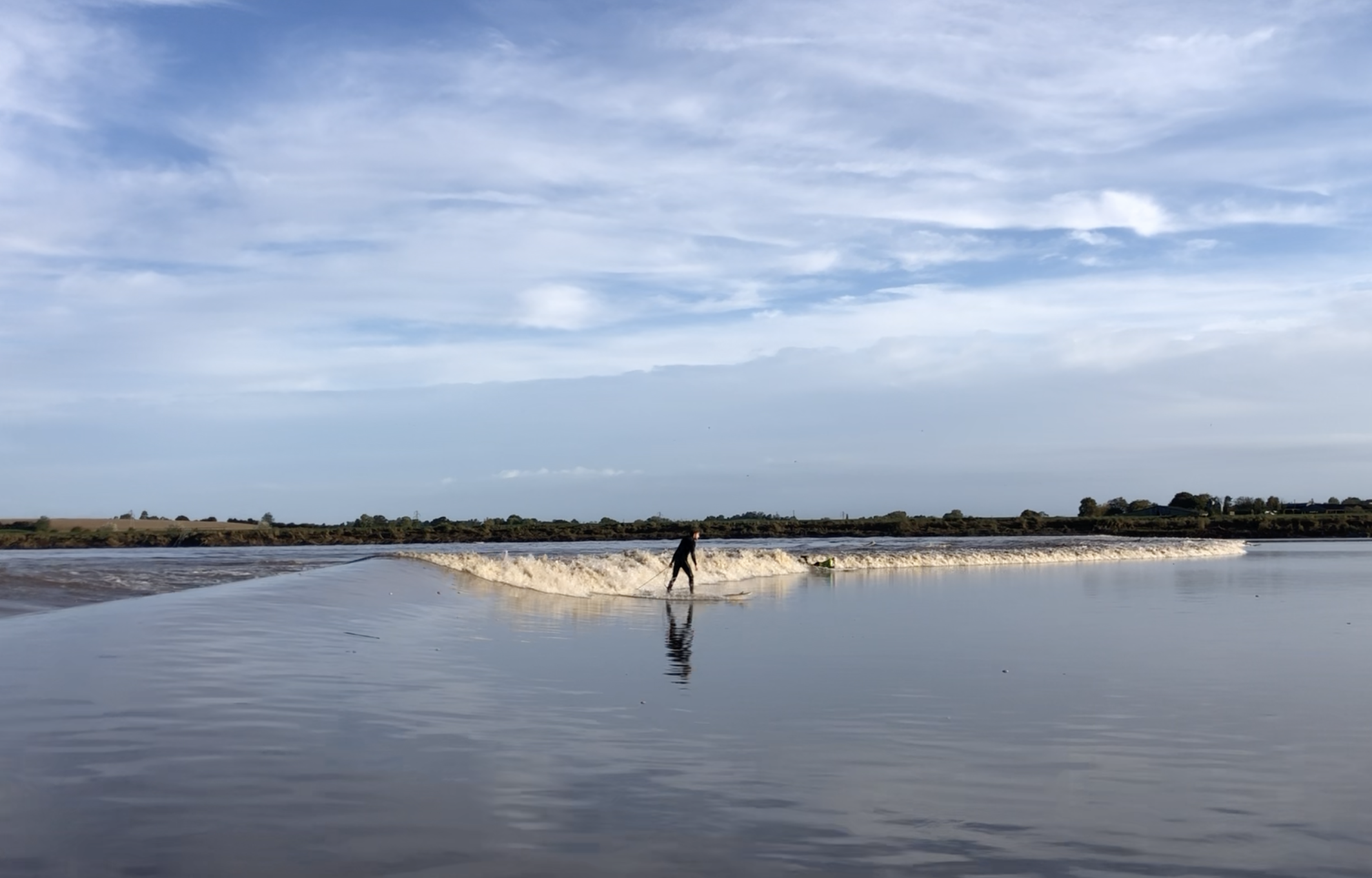
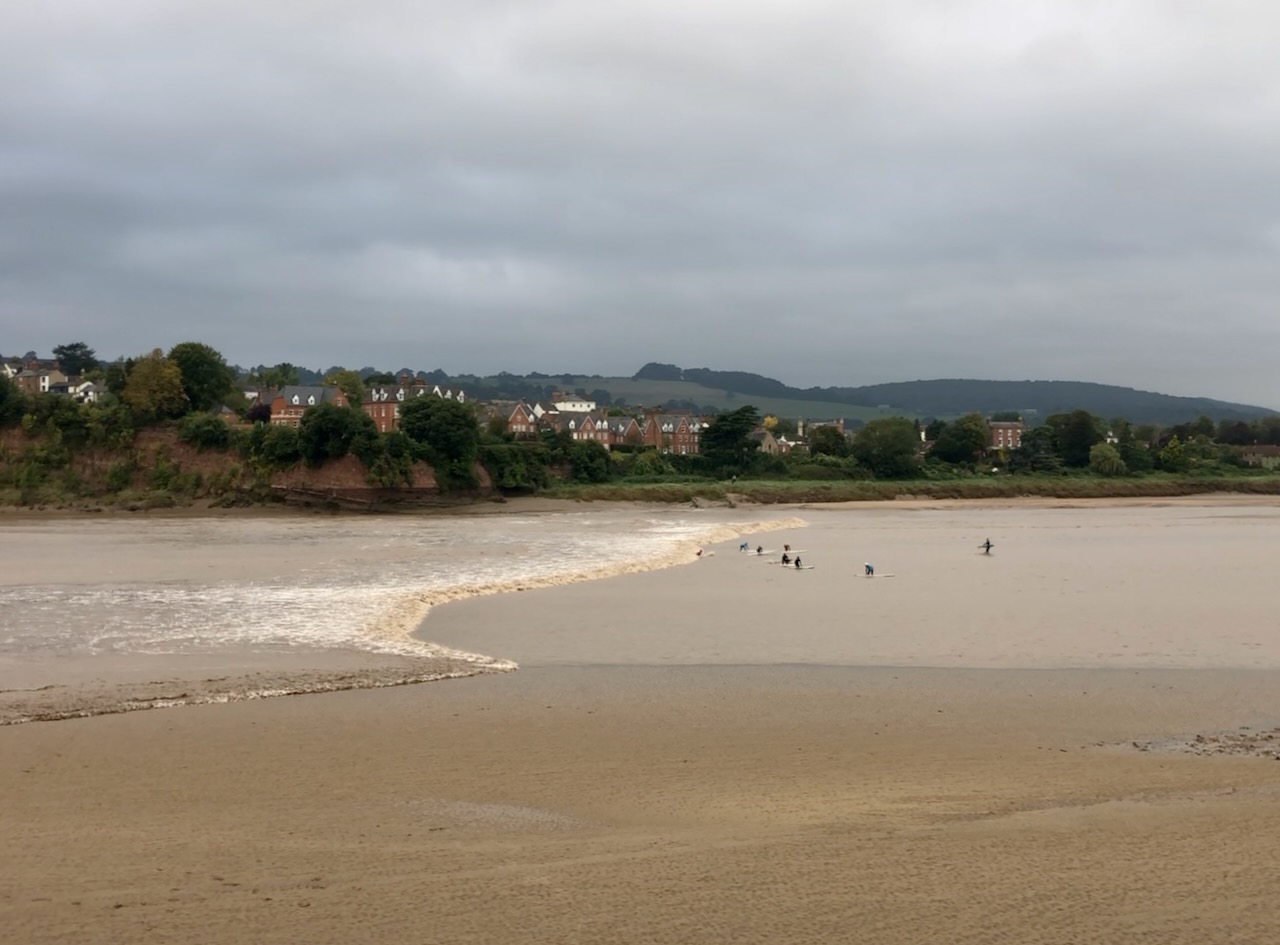
On many a chilly morning I stood on the Severn’s banks with mugs of coffee and expectant crowds waiting for the world’s second highest Bore to swash its way up the estuary and carry brave surfers upstream. Once, in the pitch of night, I crossed its swirling waters in a rickety old boat and returned in the frozen pinks of dawn. 

A Severn Bore

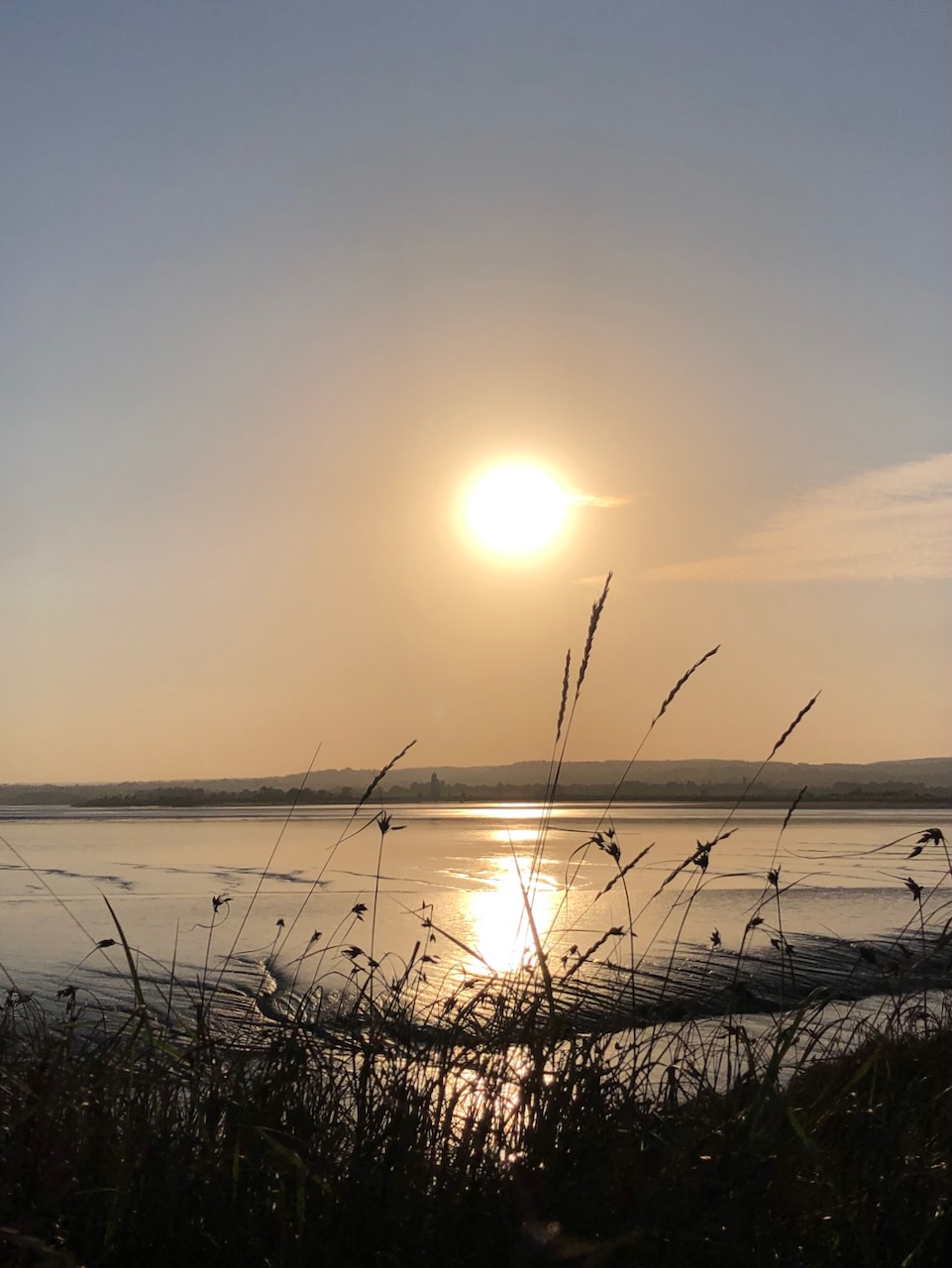
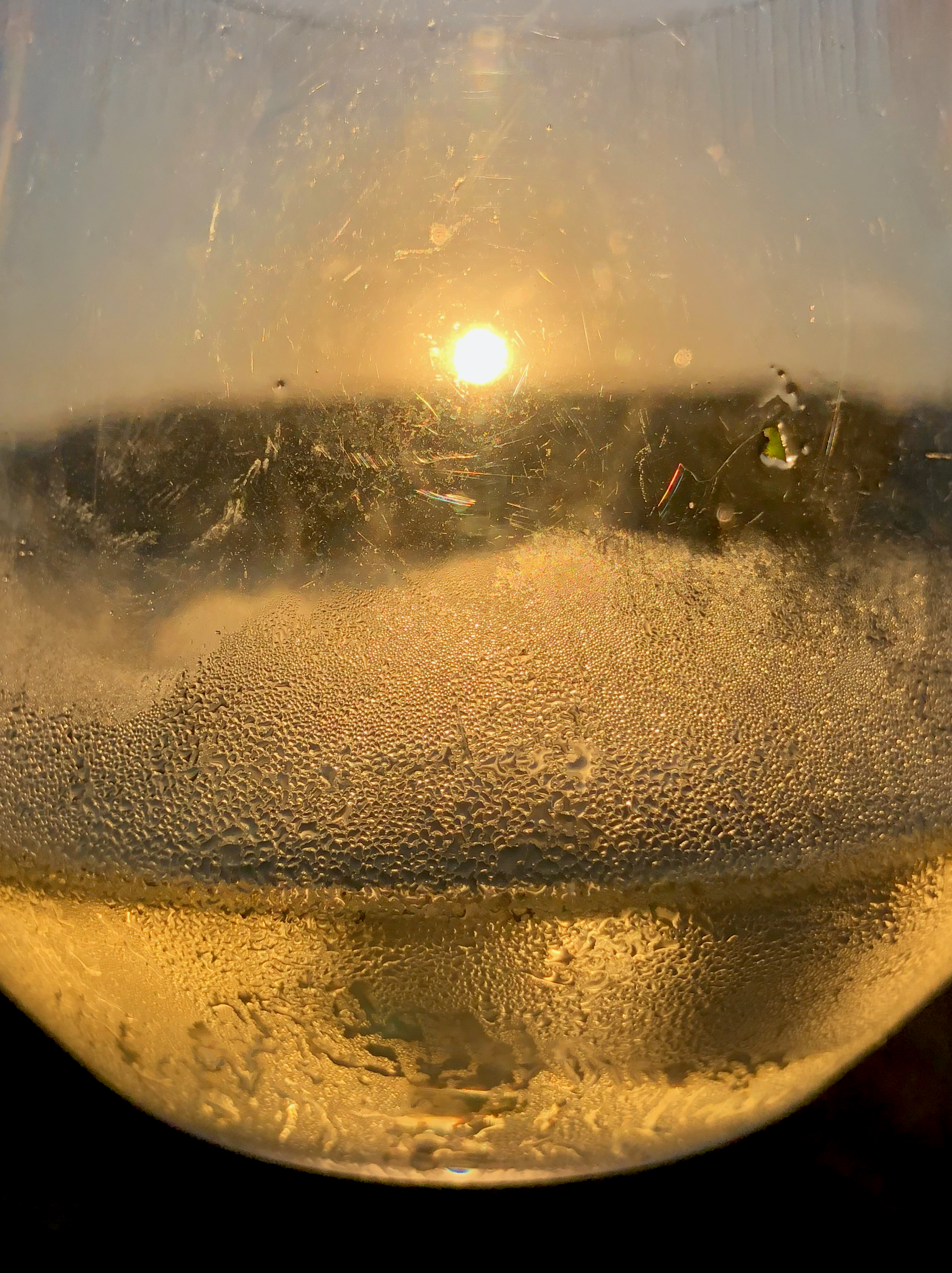
In later years, I would park my camper van on its shores, drink chilled glasses of wine in the sun’s last rays and sleep through rising moons and meteoric showers. 

I have a rich store of happy, muddy memories of the River Severn.

Walking the Severn Way from source to sea

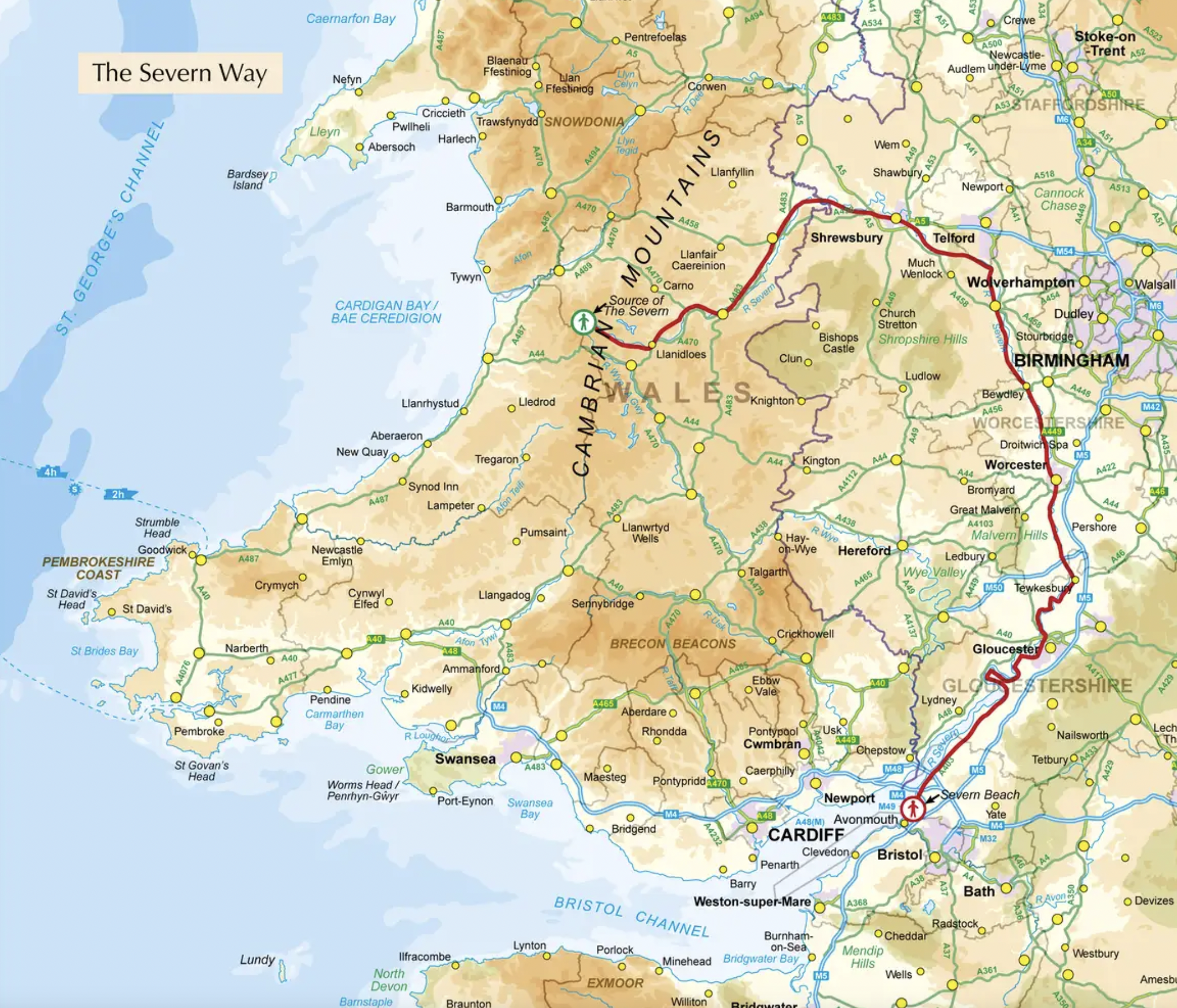
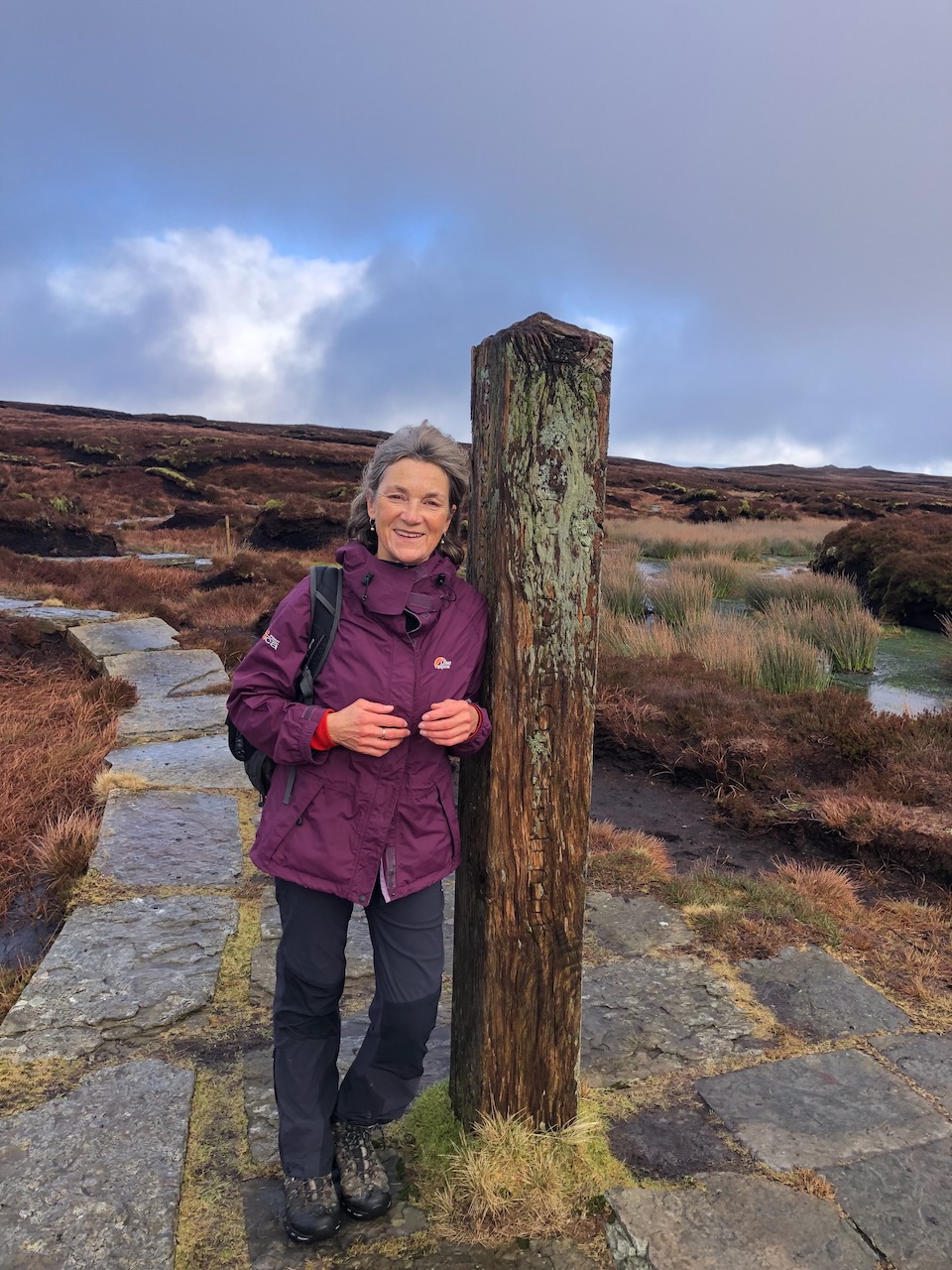
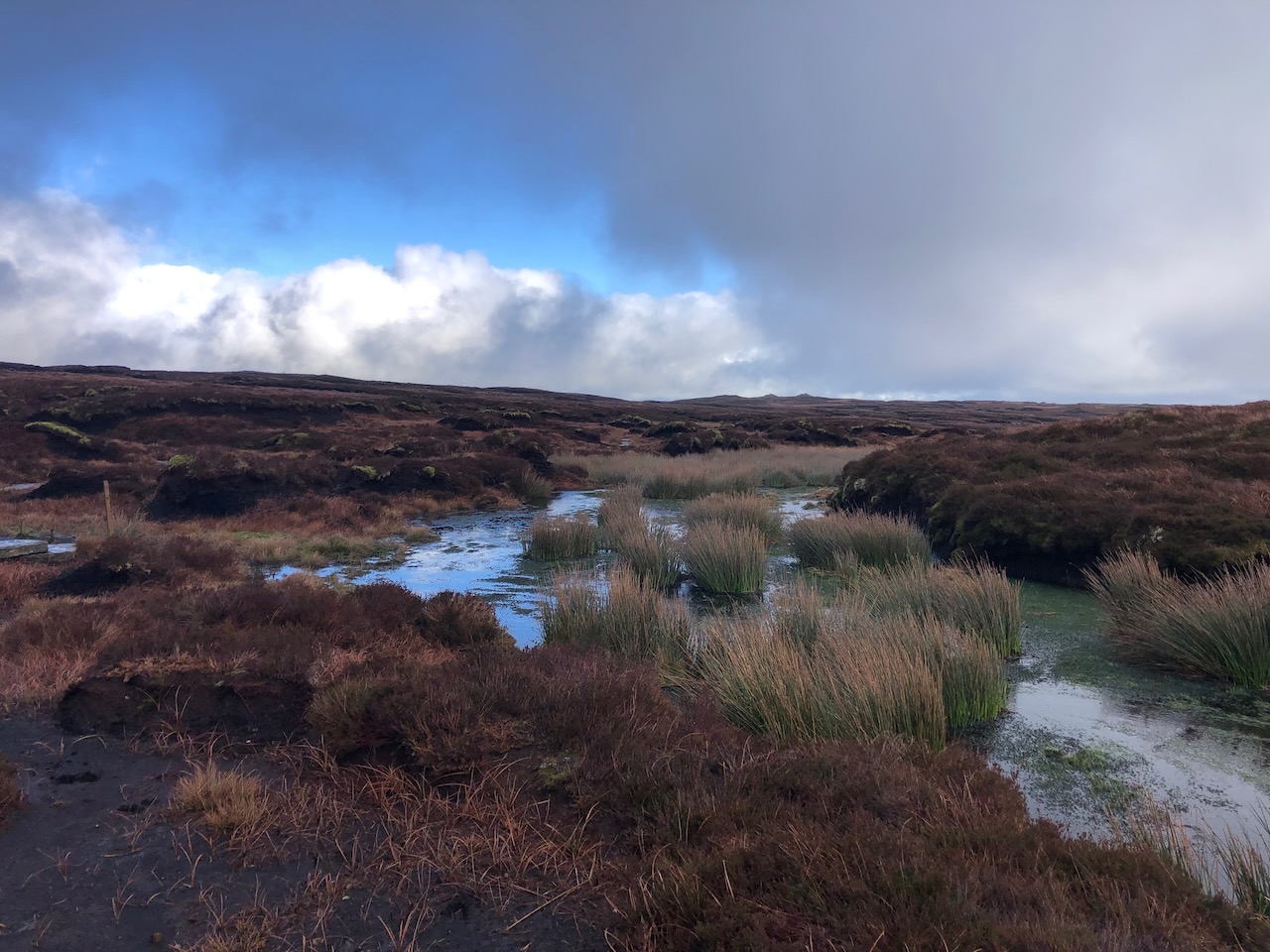
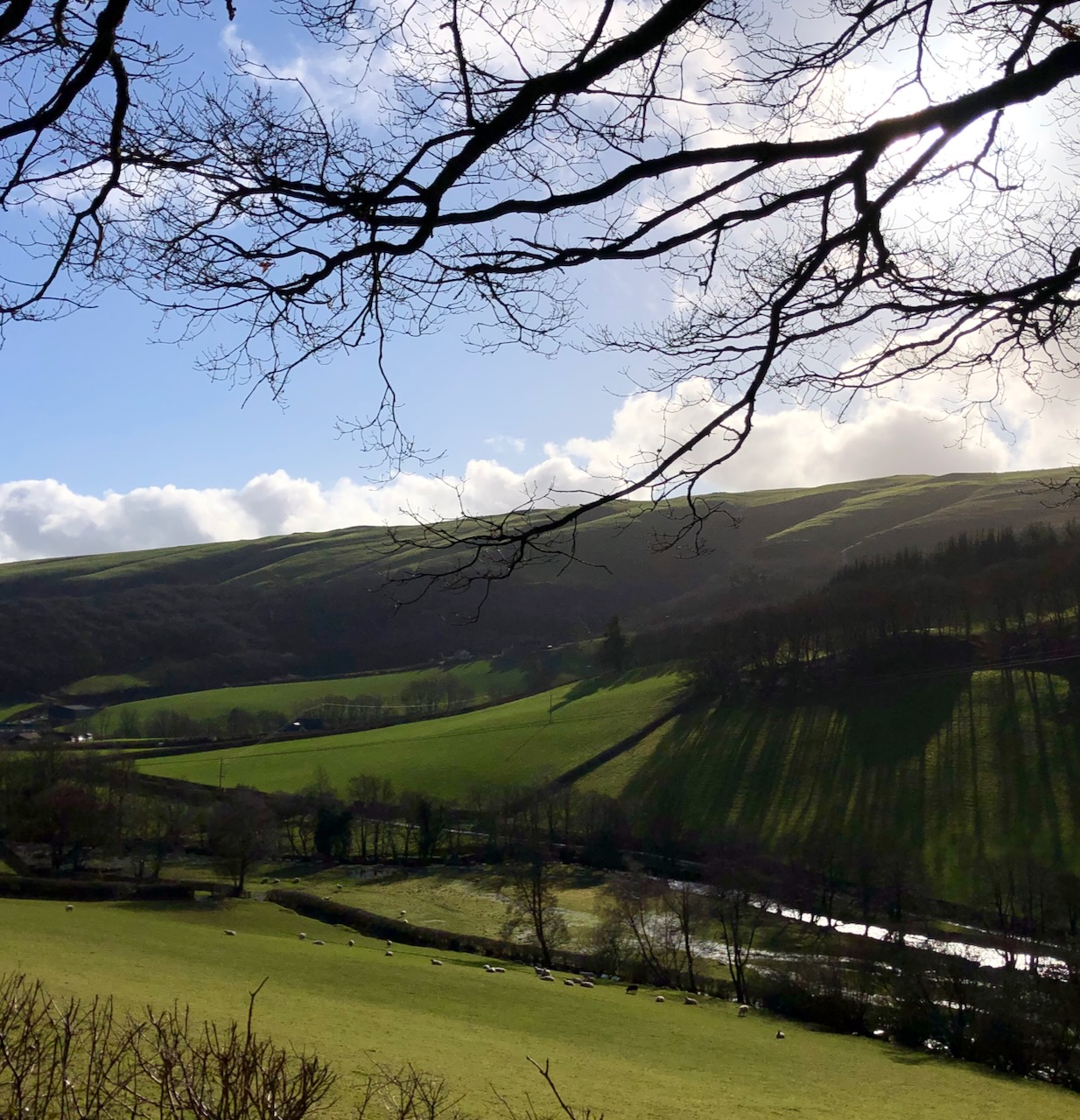
For the past eight months I have followed its 220-mile course [albeit not in order] from source to sea; from the peaty uplands of Plynlimon in Mid Wales, north-east through Powys and Shropshire, then south through Worcestershire, Gloucestershire to where it sweeps into the Bristol Channel… the Celtic Sea… the Atlantic Ocean. 

Map from the Severn Way Guidebook by Terry Marsh

Within a mile of its boggy birth, the infant Severn starts tumbling through the Hafren Forest, gathering erratic speed like a toddler until the ‘Severn-break-its-neck’ Falls plunge it into the valley that will bob it to its first town, Llanidloes.

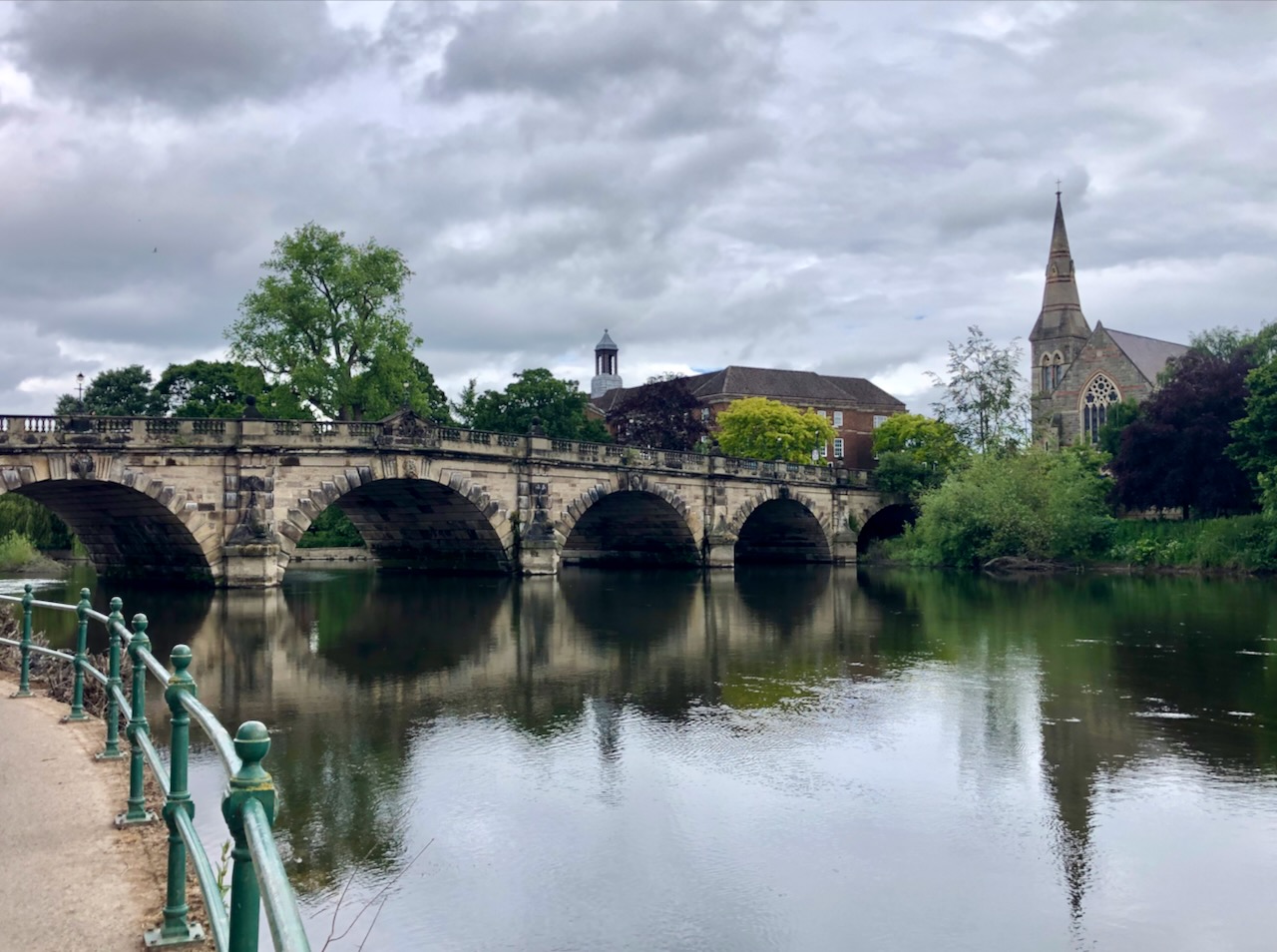
Assuming a steadier gait, it meanders through undulating pastureland before looping north to cross the Welsh/English border at Crew Green. Growing prosperity expands its girth into a watercourse that cuts through floodplains as it heads into the dense cluster of the period buildings and timber-framed mansions that formerly made up one of Britain’s most prosperous wool and cloth trade towns, Shrewsbury.

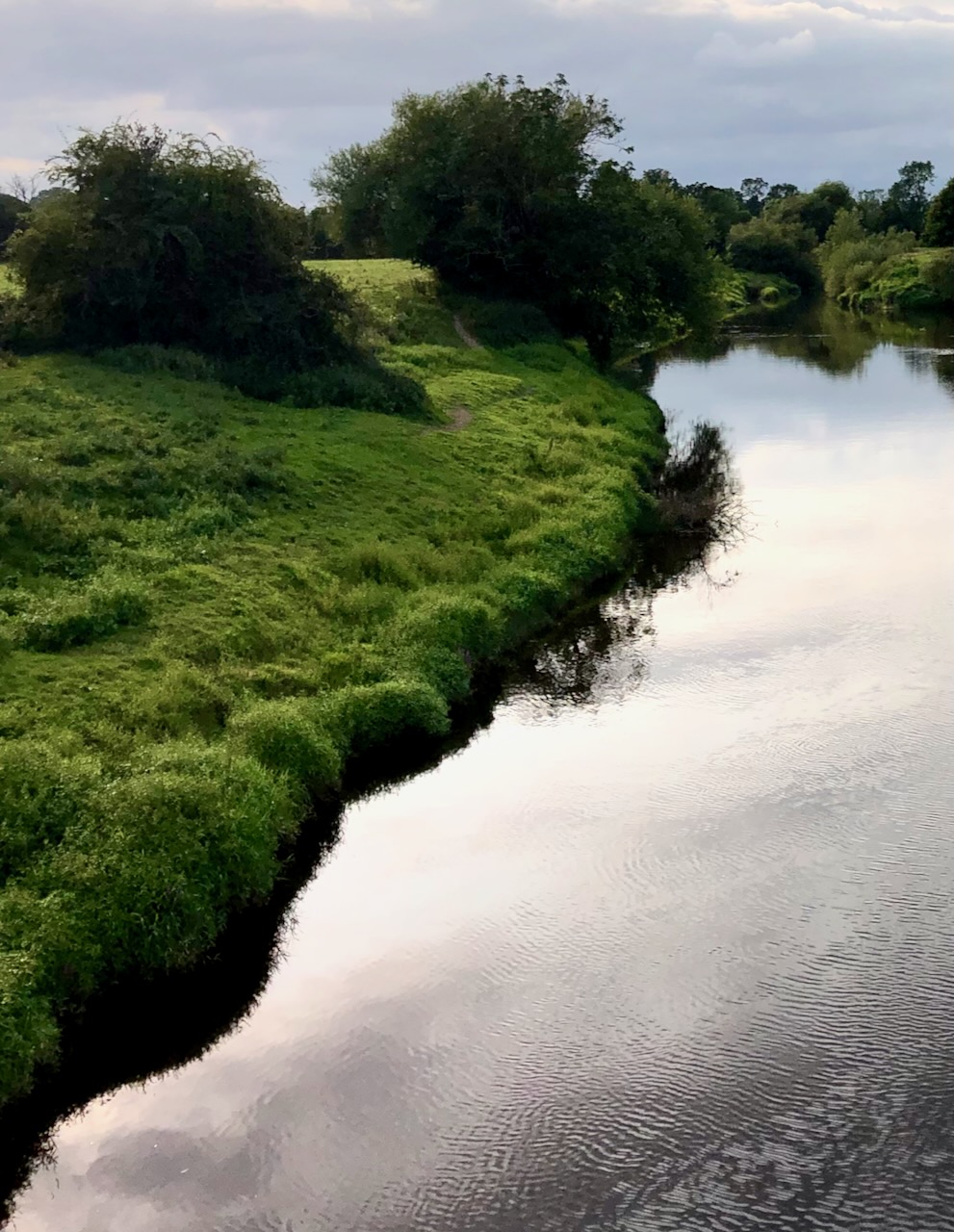
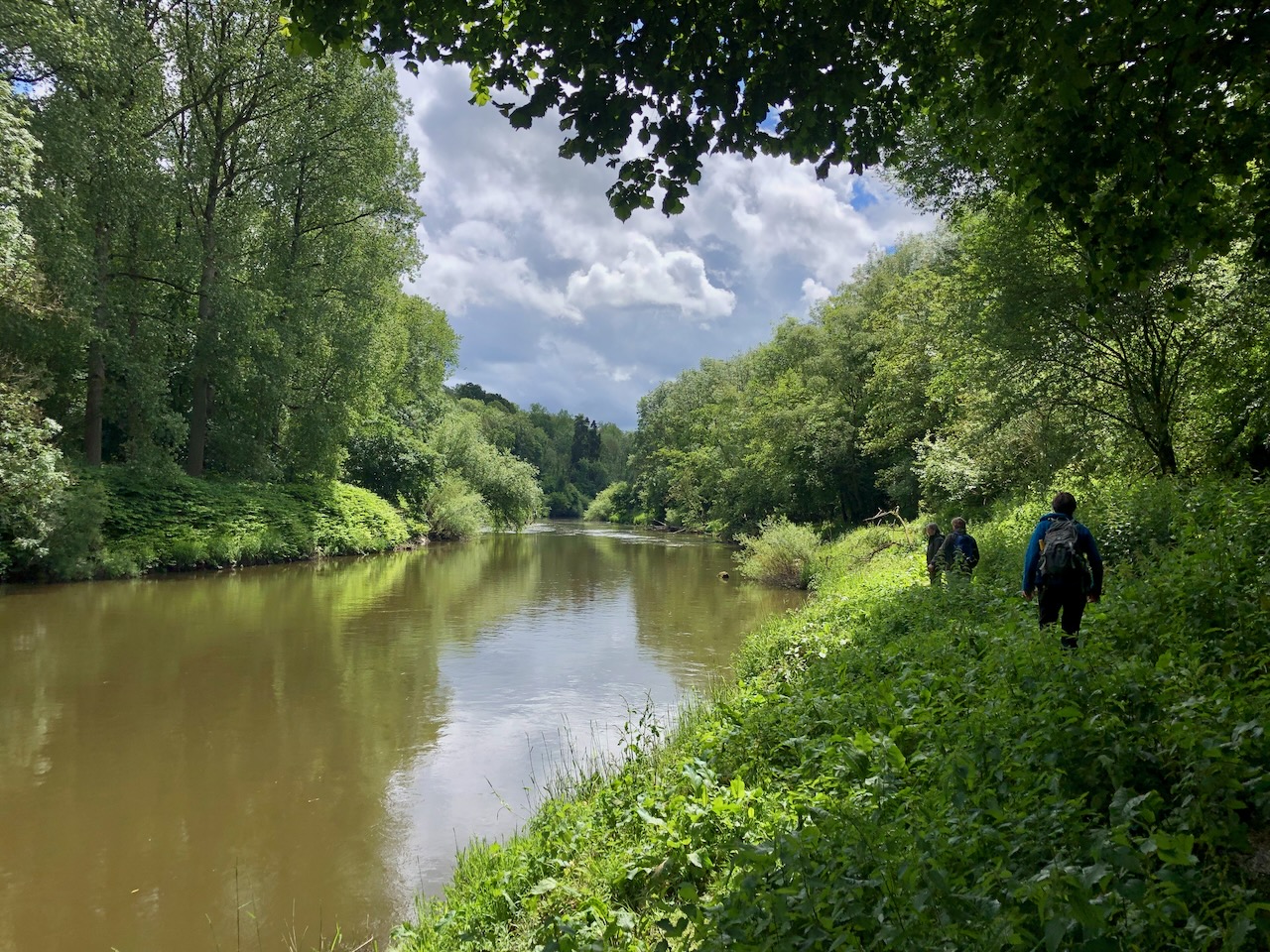
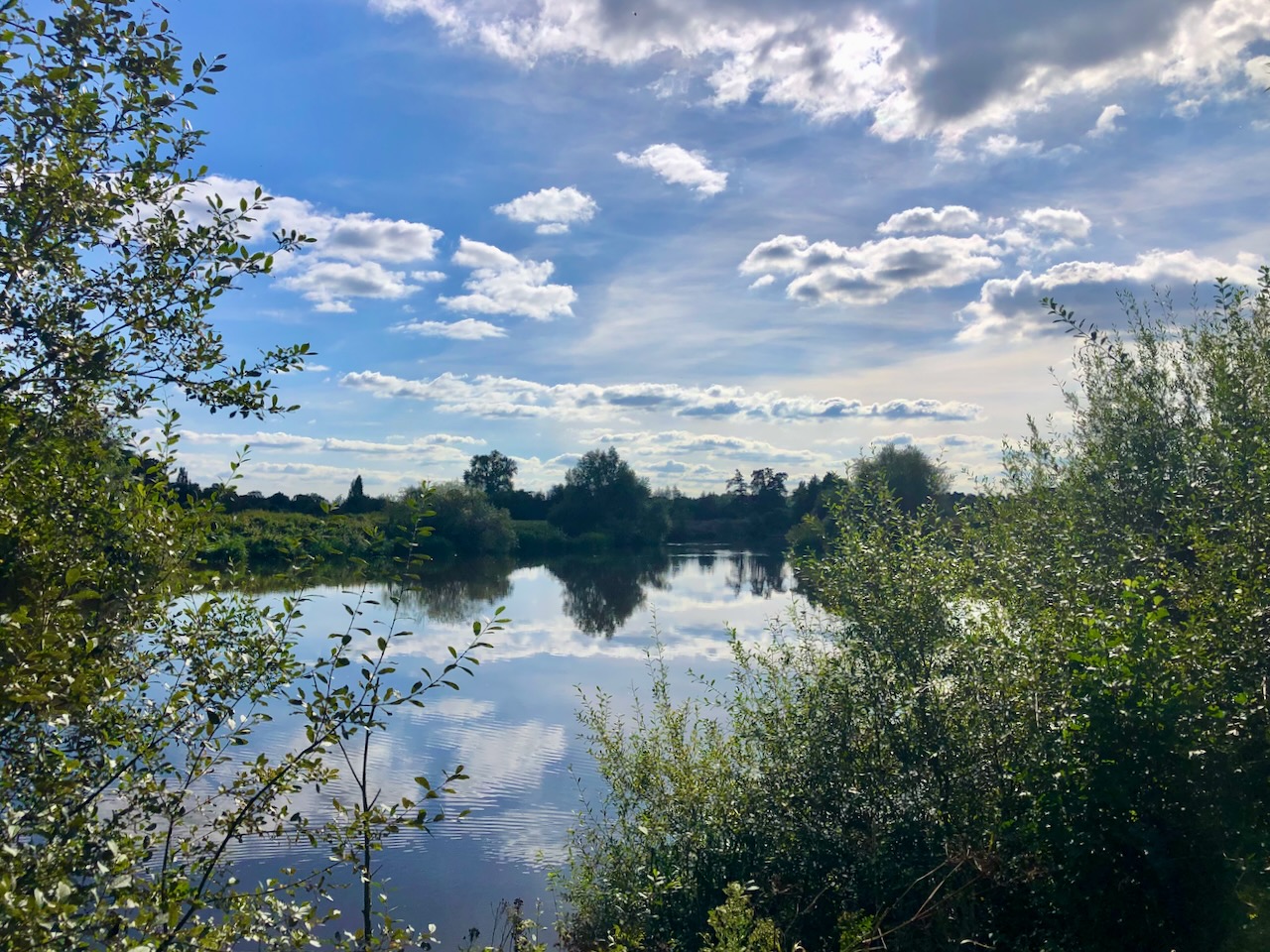
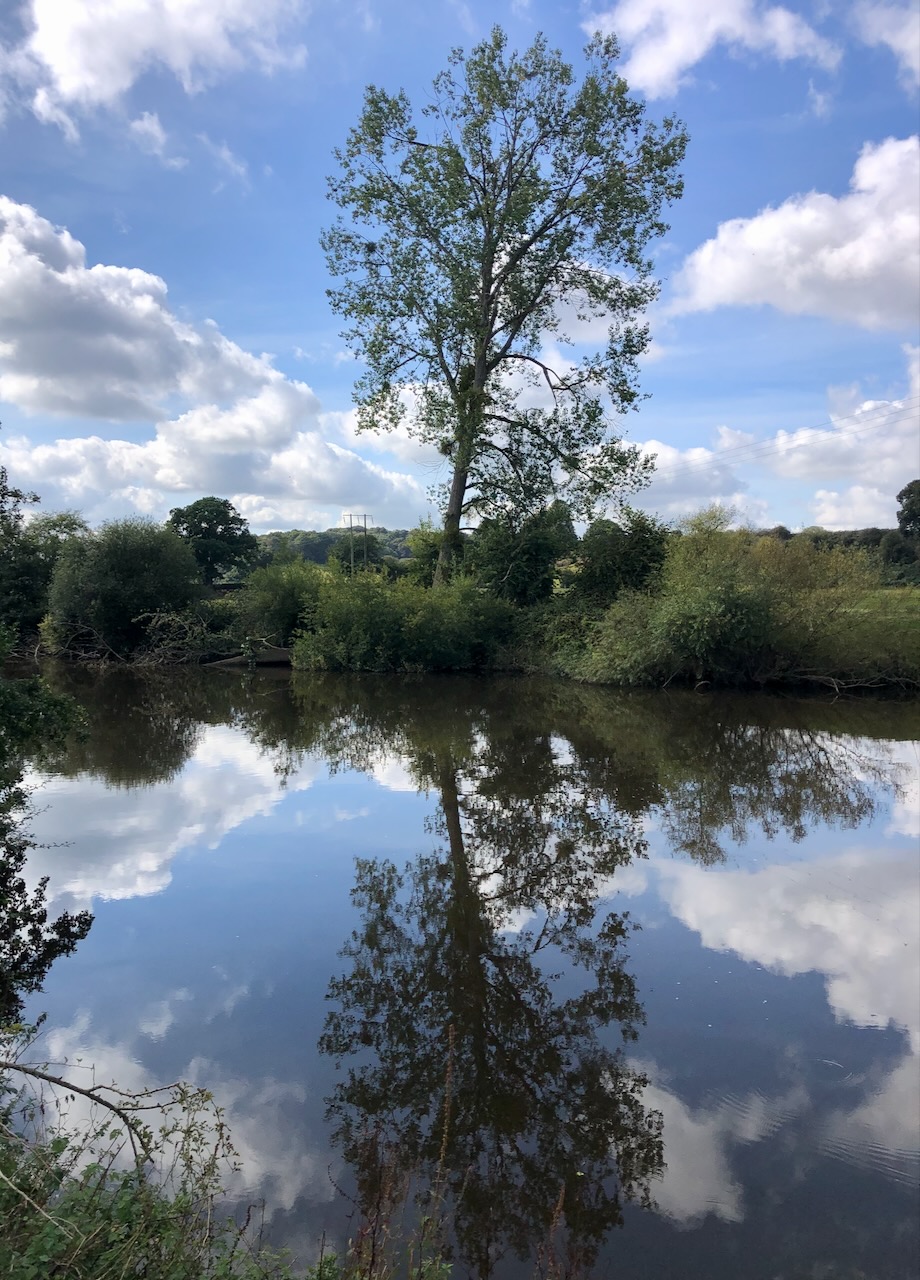
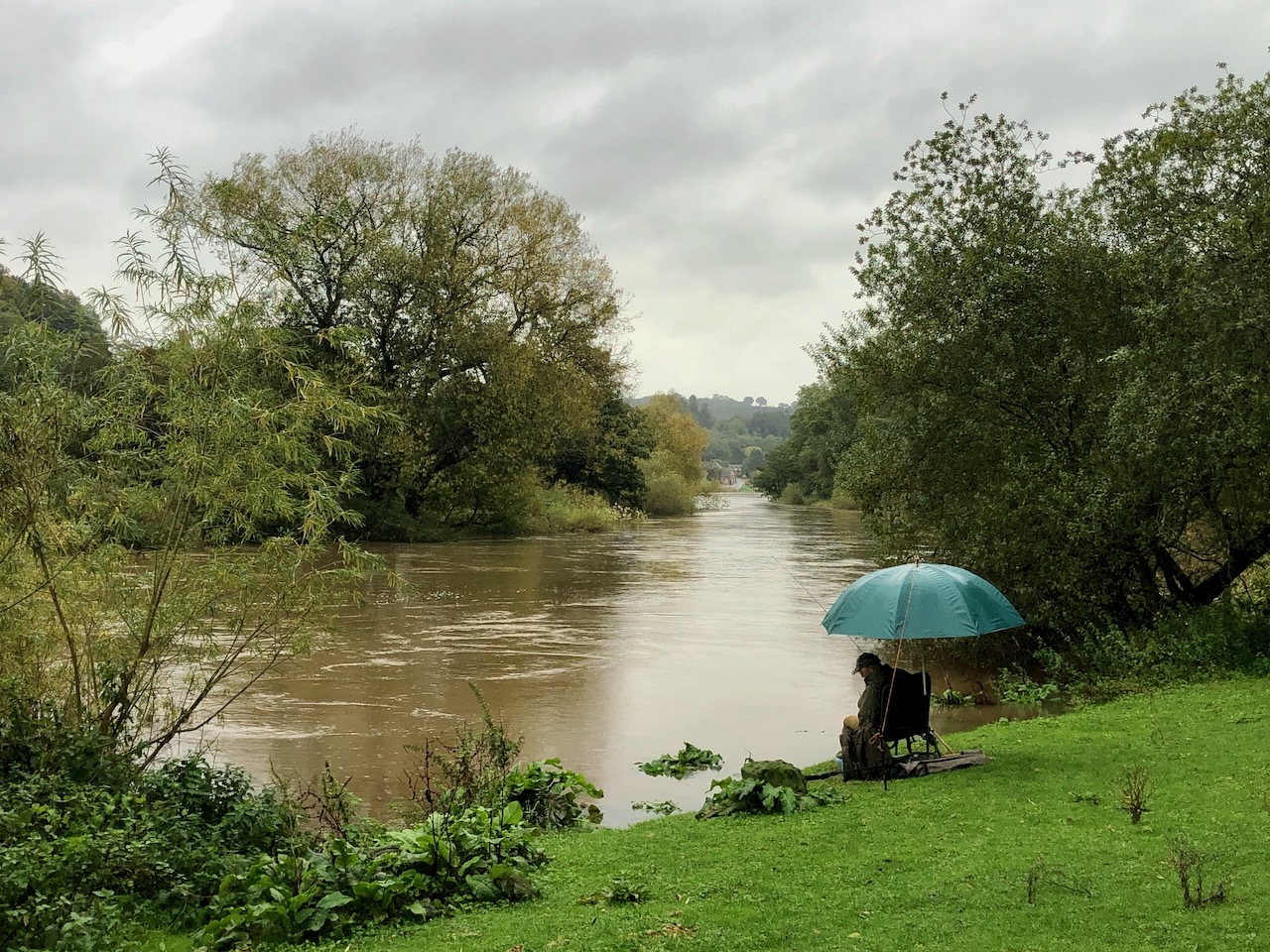
Past the birthplace of Charles Darwin, a glassy stillness and almost imperceivable flow belie the Severn’s true force as it smoothly snakes its path between overgrown banks of willow, elder and the deceptively pretty pinks of thuggish Himalayan Balsam.  

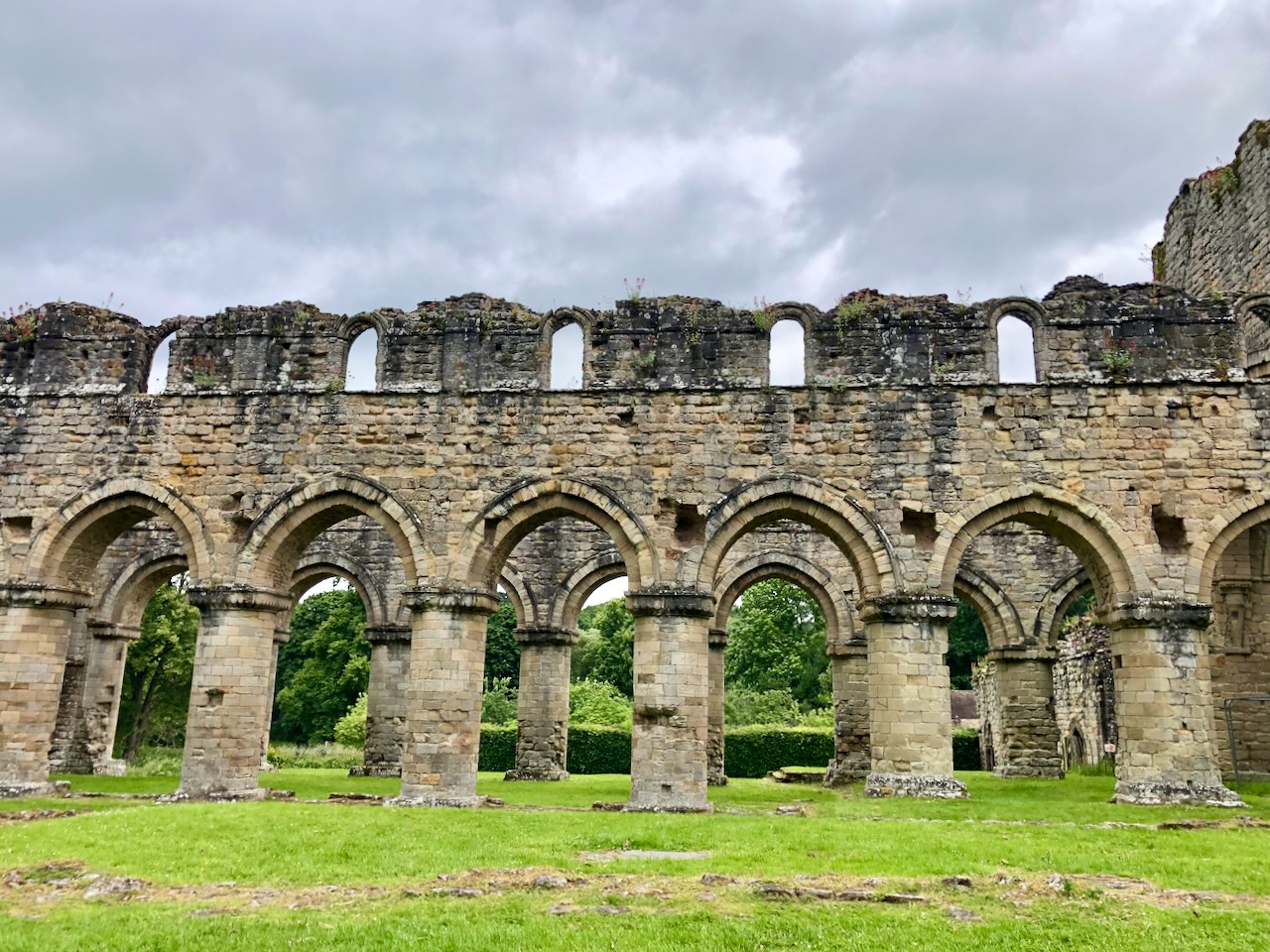
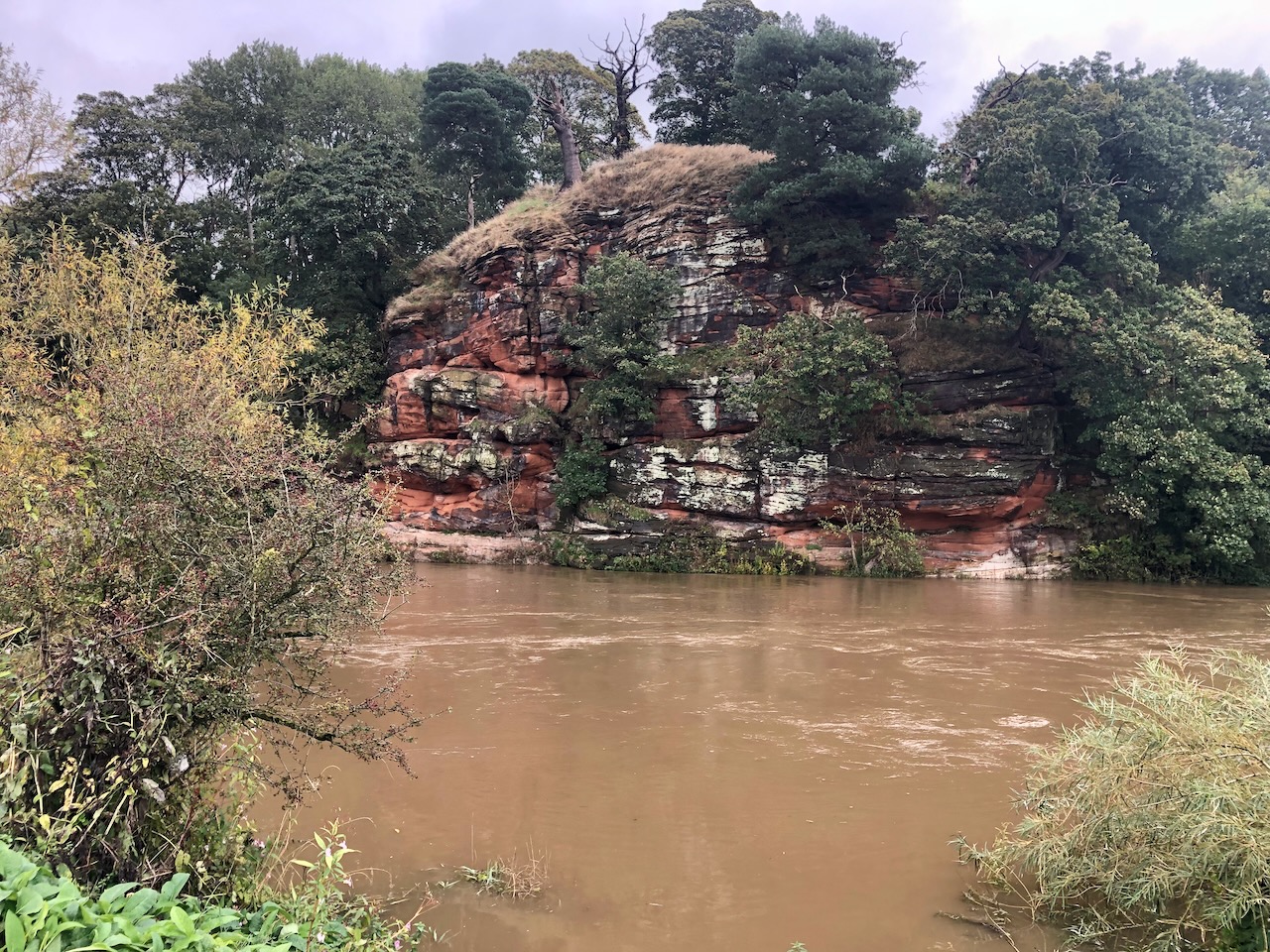
History punctuates the landscape with traces of Roman forts and roads, a Saxon chapel, the evocative ruins of the Cistercian Abbey at Buildwas, 16th Century market halls and sandstone caves that once sheltered hermits or stranded travellers unable to cross the river. As the Severn bullies its way south through gorges striped by coal, limestone and iron ore strata, the legacies of once booming industries and trades are memorialised in mines, railway stations and canals that once linked local towns across Britain. 

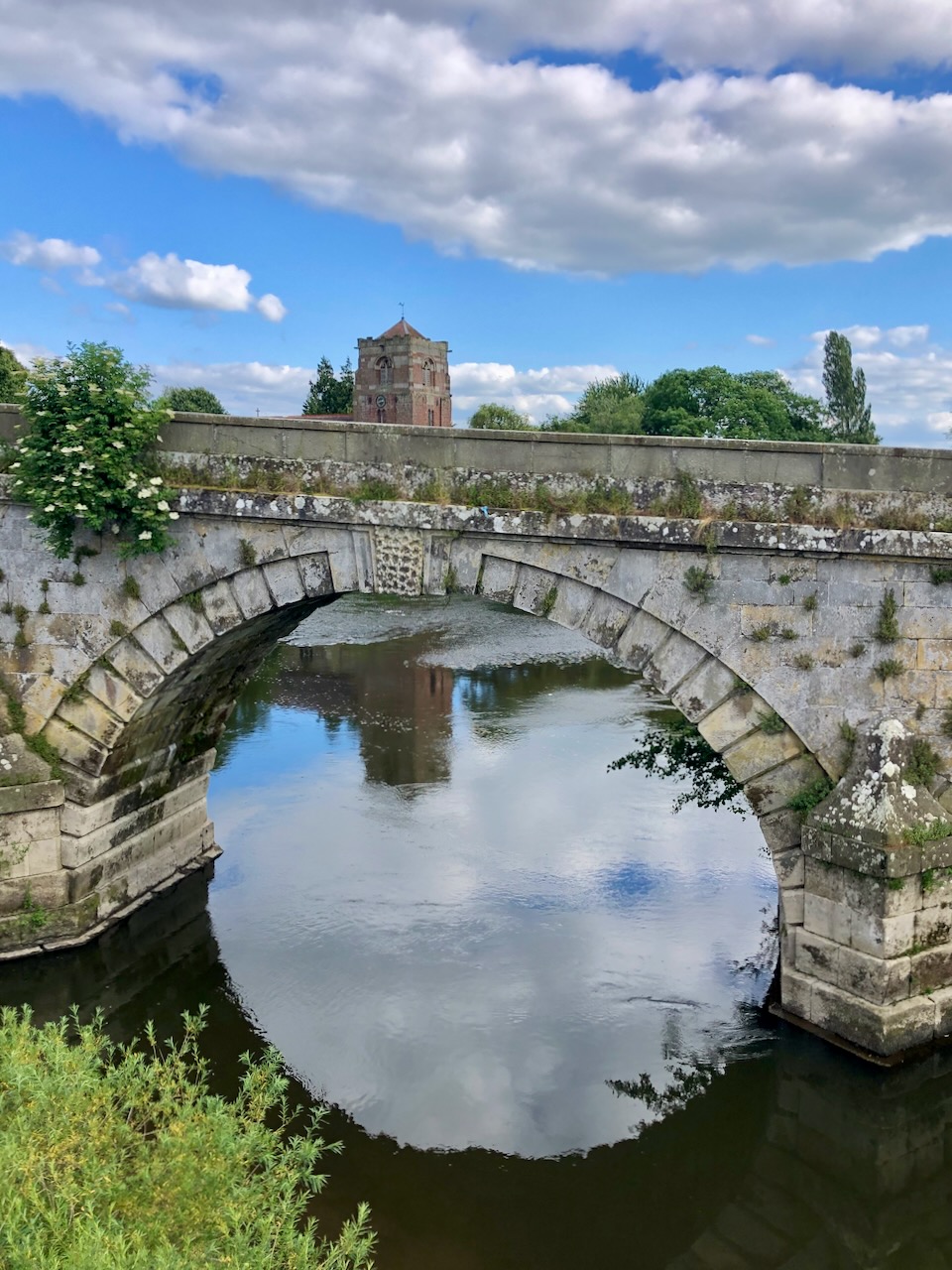
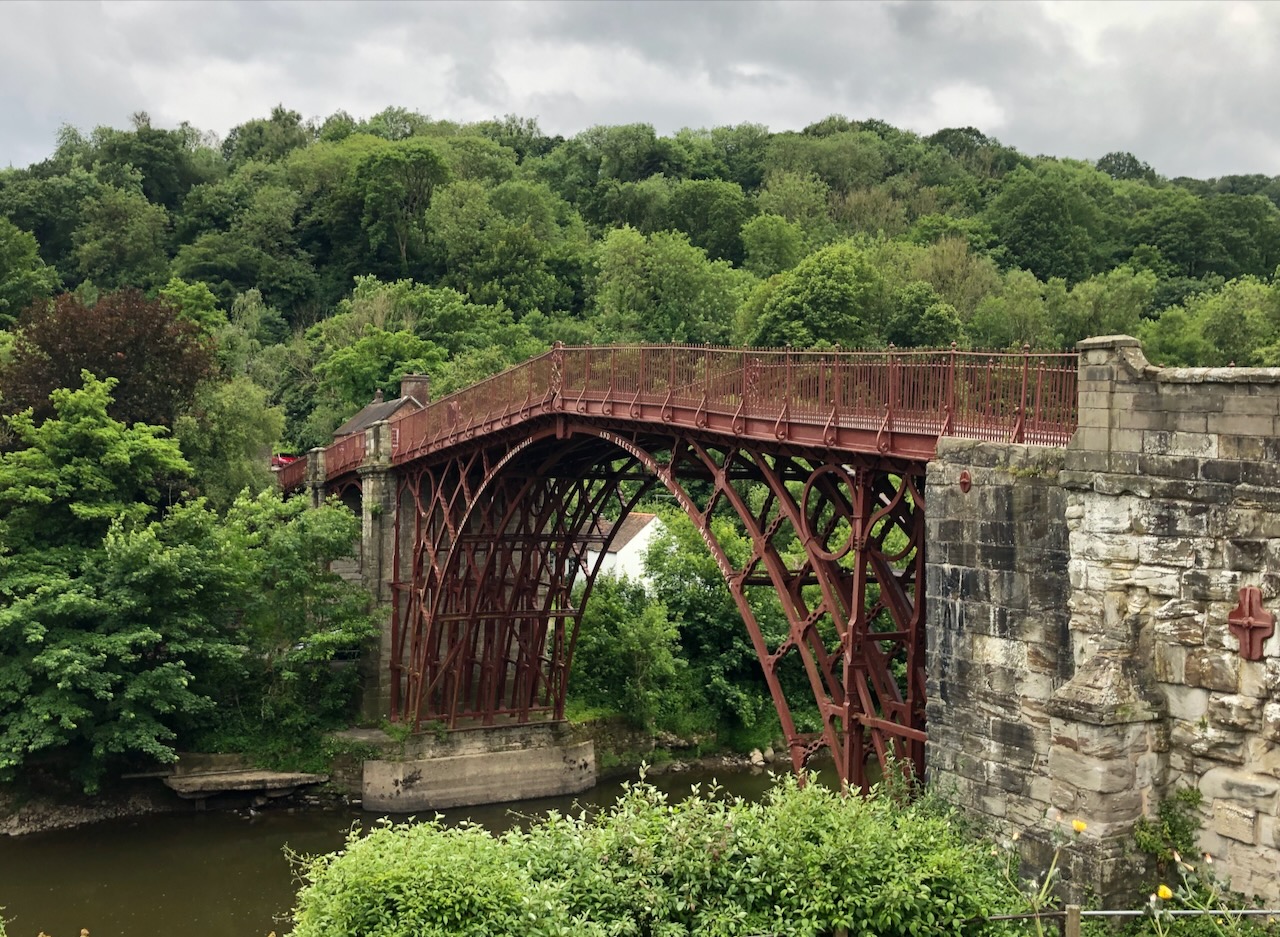
Regular bridges drip feed the imagination with the industrial revolution. Ironbridge boasts the world’s first iron bridge cast by the grandson of Abraham Darby in 1779 in the wake of his grandfather’s revolutionary discovery seventy years earlier that coke could be used for smelting iron instead of charcoal. Further downstream, the fortified town of Bridgnorth perches on a sandstone cliff. Once the busiest port in Europe, it hummed with the sound of iron works and carpet mills, breweries and tanners until the 1860s when railways heralded the end of river trades.  

Following its increasingly wide, milky-coffee-coloured road, vocabulary from school geography lessons surfaced from the recesses of my turbulent education: Oxbow lakes, flood and sandbanks, confluences; soaring cumulonimbus or, equally frequently, water-dumping nimbostratus clouds.

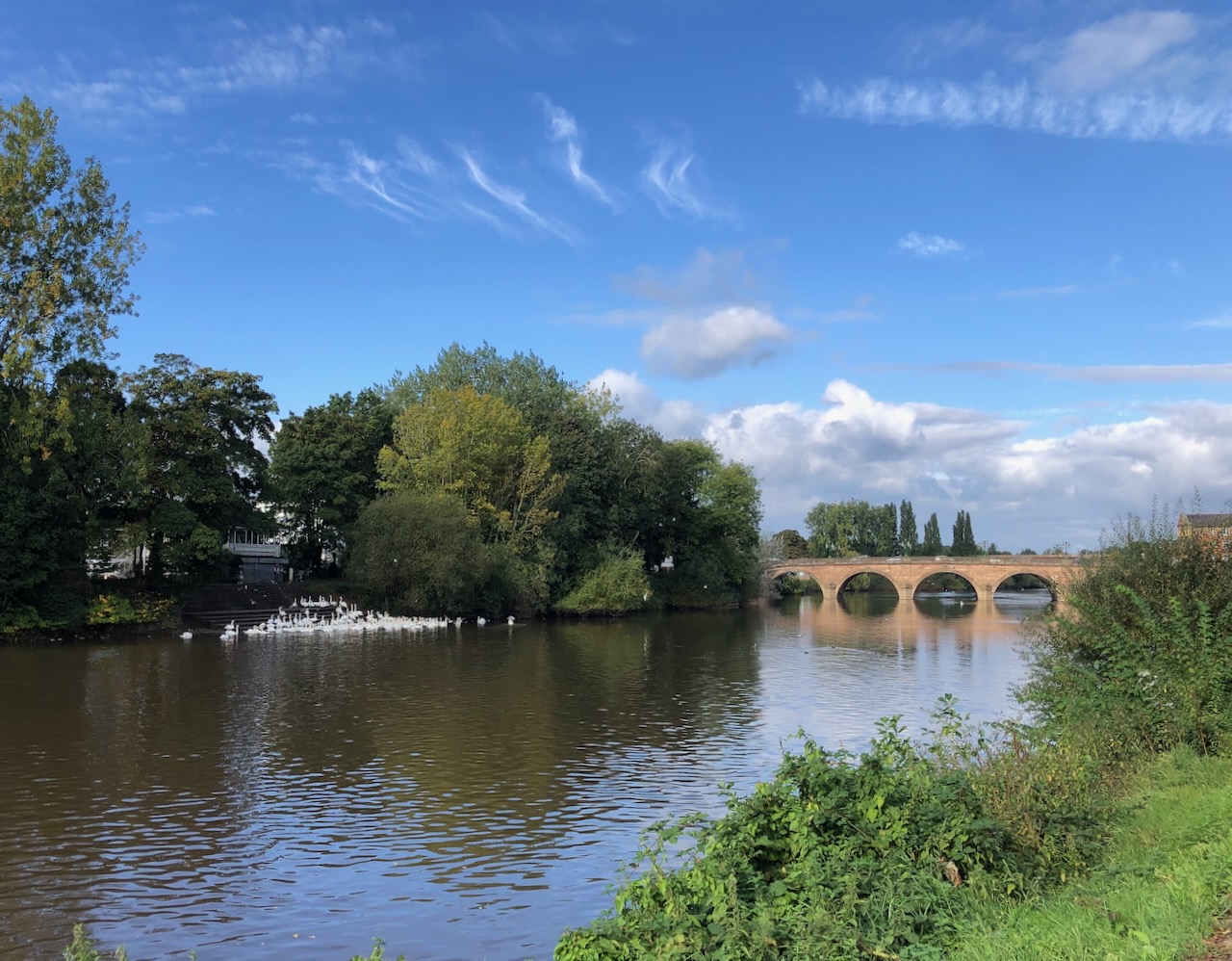
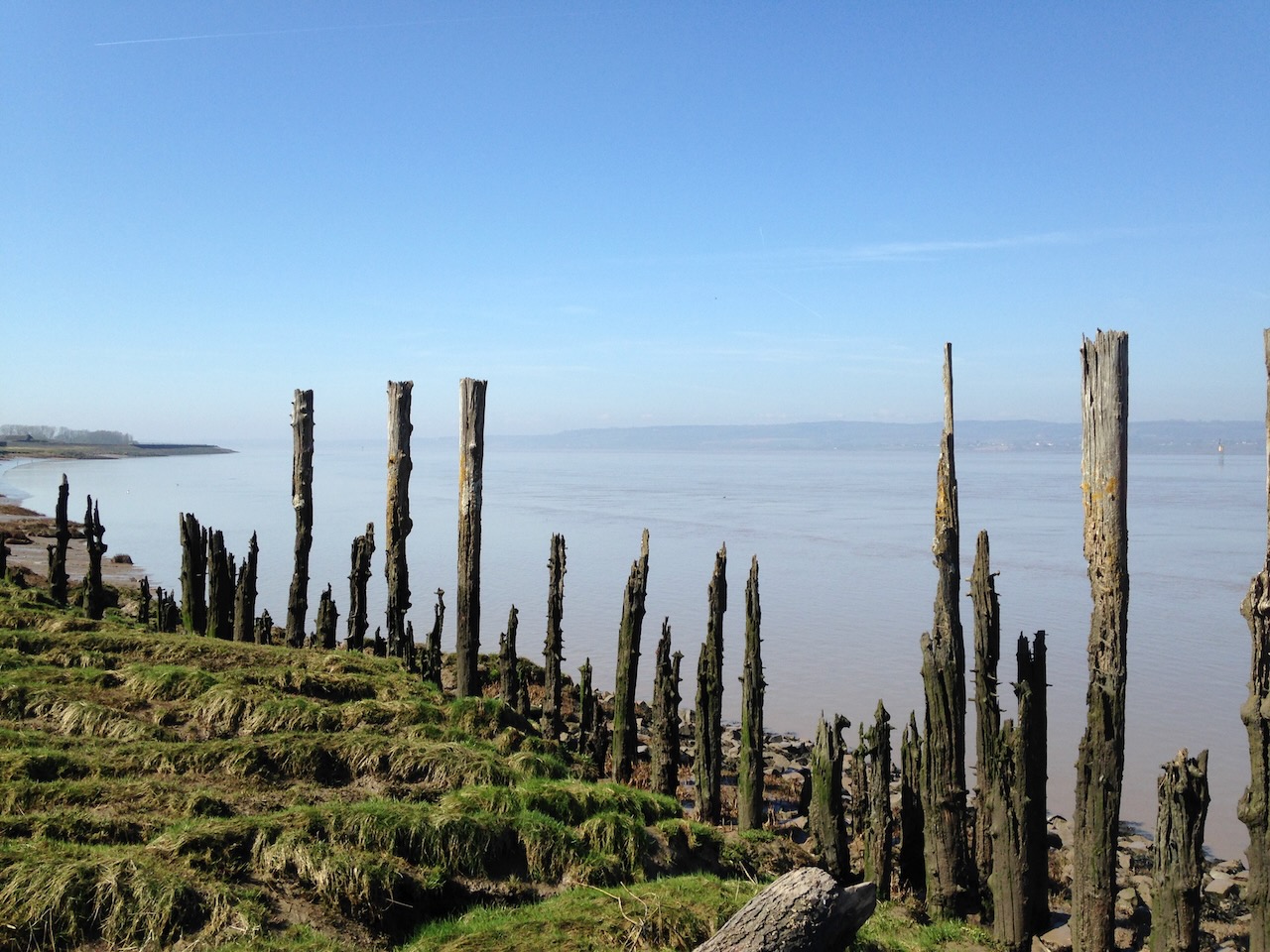
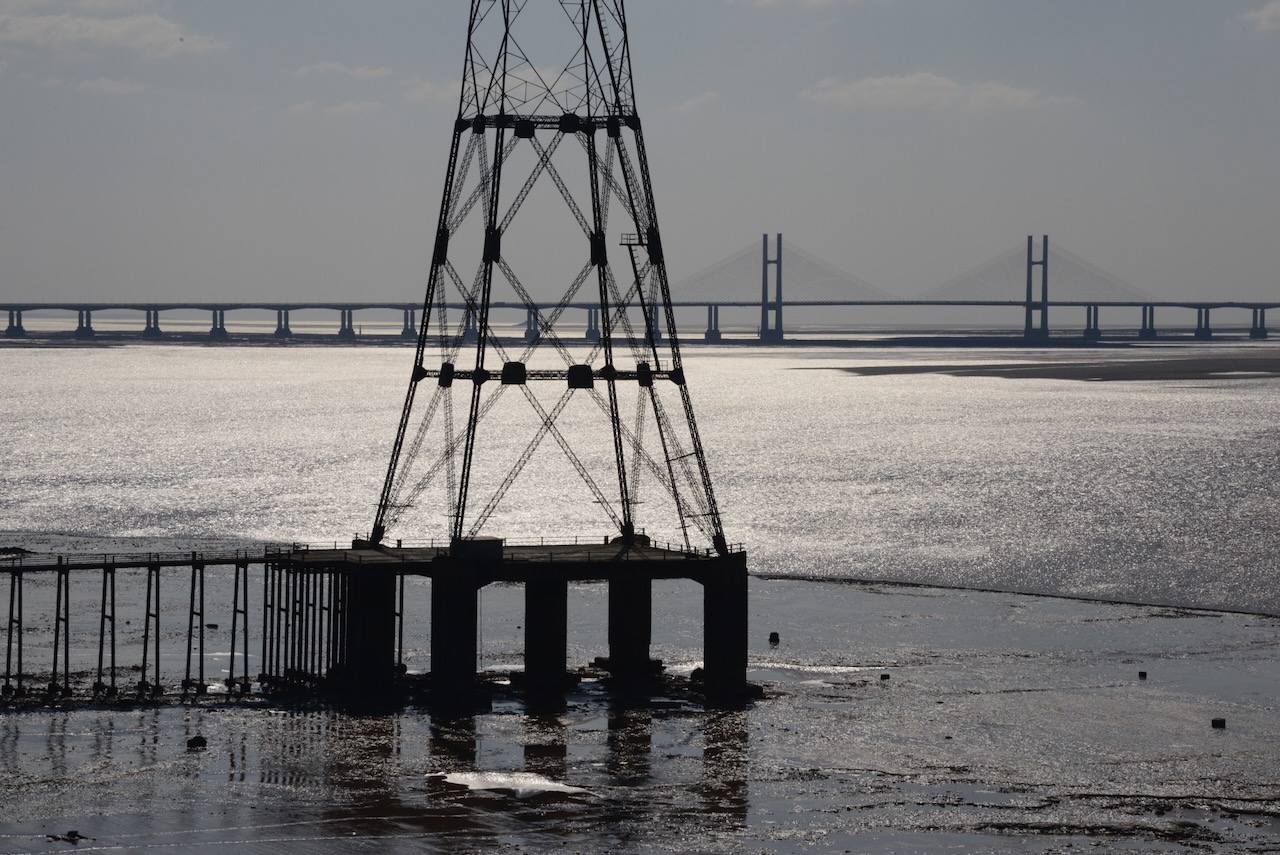
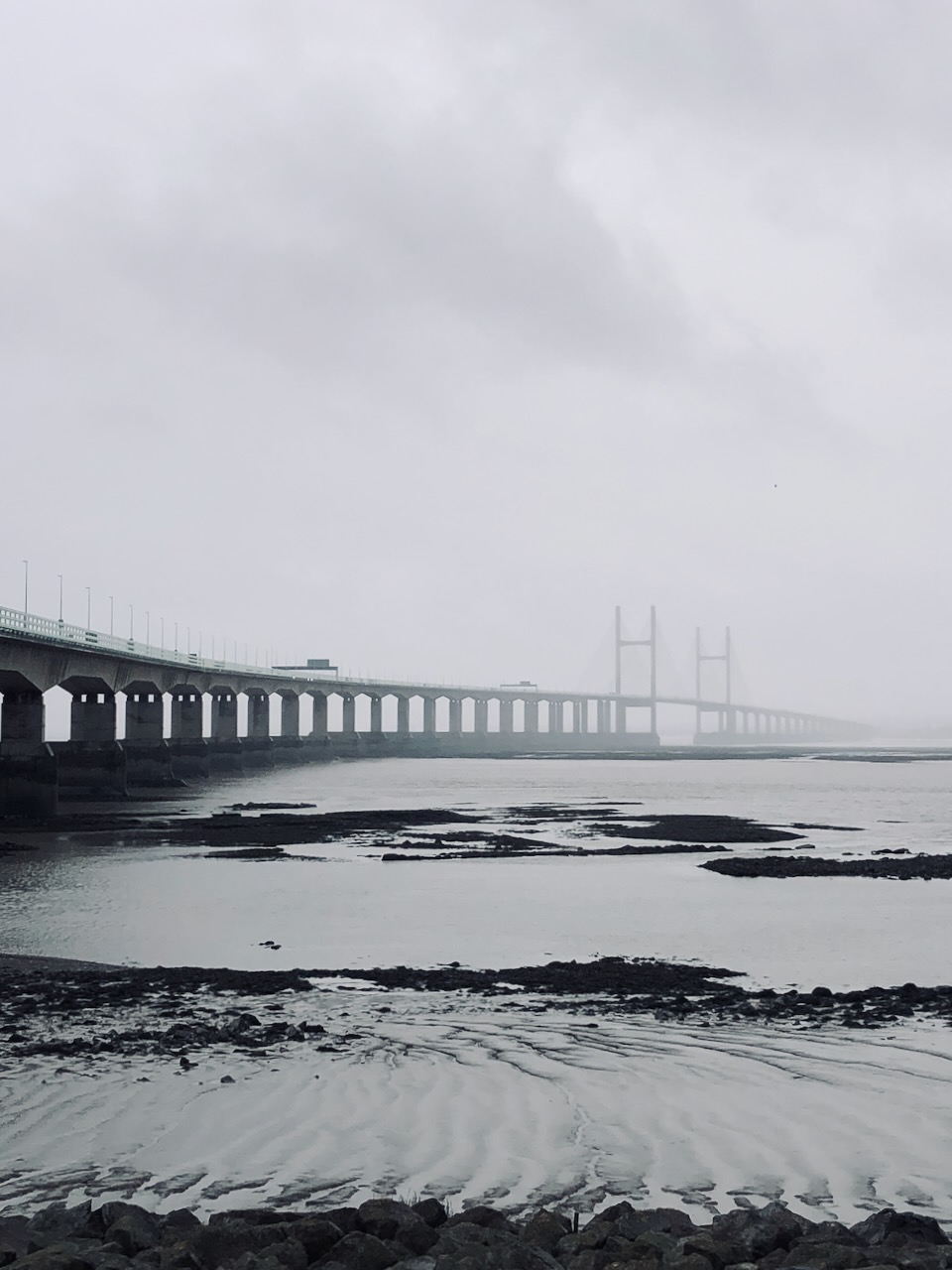
South of Gloucester and around the peninsular at Arlingham, the now tidal Severn breathes in the sea and releases the river out into the vast estuary. At Purton, the ghostly remains of a graveyard of more than 80 sunken barges reveal man’s hopeless struggle to halt the erosion of the banks. Through the working docks at Sharpness and past a pair of looming power stations, the two Severn Bridges rise like misty goalposts. Portals to the open sea. And an abrupt, somewhat unspectacular end to the Way.

With the walking completed, there remained just one more aspiration: to surf the Severn Bore. A bad dream thankfully warned this novice surfer with a fear of water off. Instead, I rode the Bore in a boat driven by its champion.

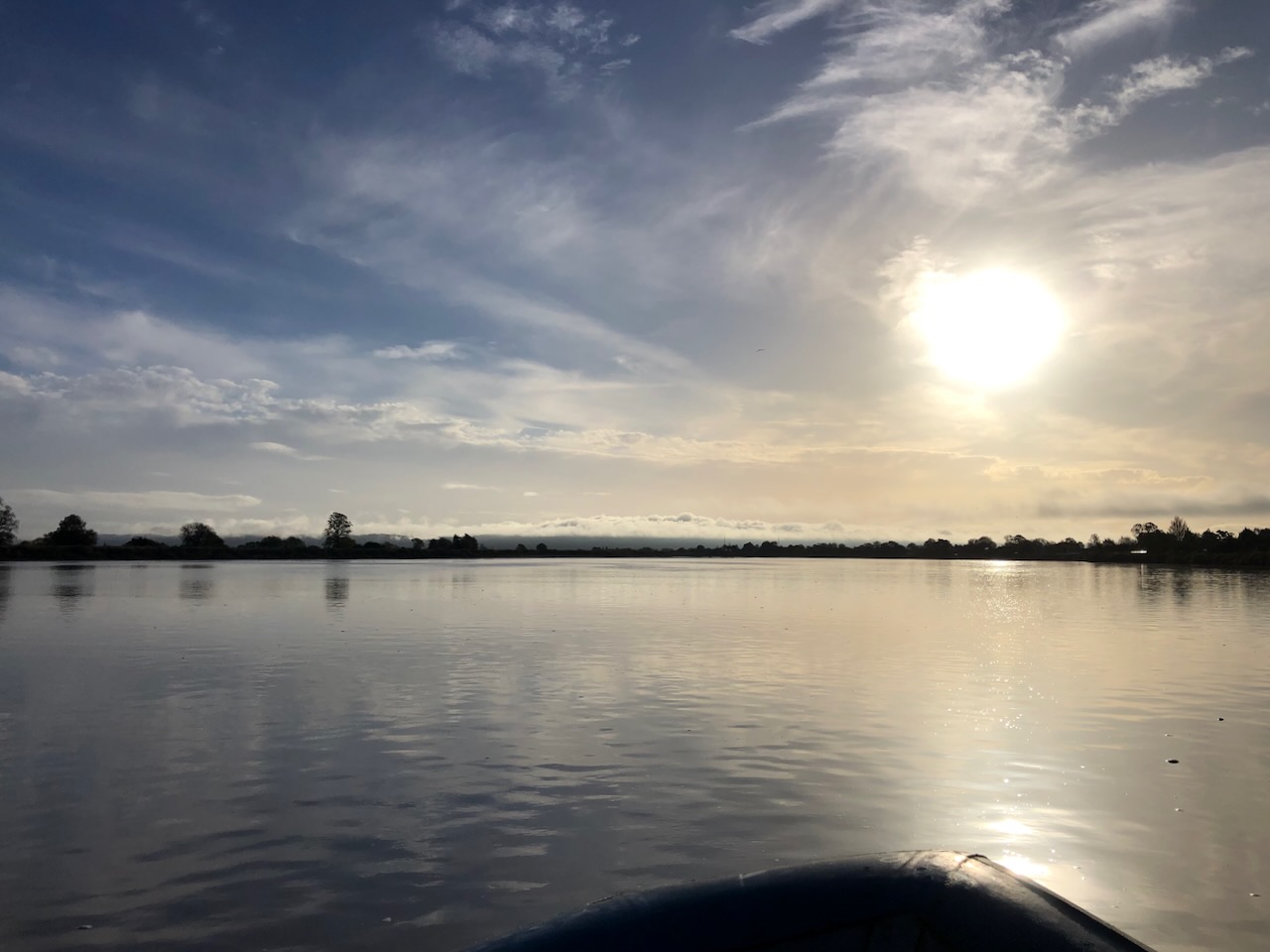
We set out on a slack tide in the early dawn, deposited two surfers into the tidal stream and waited. You can hear the roar as it approaches. Pulled by the force of the moon, a small line of foam scrabbling its way against the flow comes into view, gathering body until it is a swell. And then you are on it. Riding the crest as salty water from far away thrusts its way up the river dragging the sea in its wake like a heavy cloak.

Immersed in the perfect balance of the 4 elements, the smile on my face remains for many hours. The magic of Sabrina will last a lot longer.

A personal meditation on the loss of summer

I associate the first half of September with painful muscle memories of returning to school for the start of the new academic year. That dreaded countdown to the end of the summer holidays… a slow but intense process of loss. Now it’s the waning warmth and hours of daylight. The demise of peaceful silence as the hum of activity and traffic re-clutter mornings. Leaves, not long ago the fresh green of youth, yellow and fall like aging teeth while flower heads darken and shrivel shedding their petals like hair.  

(As you can see, my mood and thoughts plummet in September! Early September that is. It gets better though, if you care to read on…)

Expanded thoughts stretching lazily into the great outdoors are reined in. Earth’s gravitational pull sucks sap and life forces back into its bosom, simultaneously draining me of mine. I grieve the death of summer. My optimism falters. It requires an act of will to stop my spirits from sinking into a deep, weary sigh.  

Dying… death, the sole inevitable event in each of our lives, yet about which we know so little and only talk reluctantly. 

As if mirroring the fading light and life in nature, death in various guises fell close to home during the last months. The natural passing of a dear, elderly godfather. The sudden, wholly tragic demise of the 14-year-old son of close friends of my sister’s family. Further afield but landing in our days nonetheless, the nameless numbers of violent deaths from conflicts or upturned boats. And in my regular dips into churches and cathedrals while walking the 215-mile Severn Way, I encounter those who have long gone, some preserved in perpetuity in grand tombs, others lost in overgrown cemeteries.

Still clinging to my scanty summer wardrobe while shivering in stubborn refusal to turn on the heating, everything changes for me as we pass through the portal of the Equinox and turn the corner into autumn. The sense of loss and gradual dying shift into a graceful letting go; an embracing of our interior worlds and the gifts of the encroaching darkness that, like the tide, cannot be stopped. The worst period of mourning is over.

Earlier this week I was privileged to witness a beautiful example of joy and laughter in the wake of loss and grief. It came in the form of a fellow visitor to the Museum of Royal Worcester. Cabinets of china artefacts do not belong to my usual aesthetic, but I was there with my 90-year-old mother for whom they do. In a far room, sitting at a table covered in brushes and bottles of ceramic paints, a woman, maybe in her sixties, sat with her head bent over a bare clay mug impressed with an owl design. I soon learned that she had come here to honour her late parents, with whom she had always lived, in the most profound way she could think of. As lovers of porcelain themselves, they would have been beyond overjoyed to see the cups, bowls, vases and ornaments on display. Now, she was painting an owl mug for each of them, carefully outlining the wings in darker slip and stopping her excited chat to concentrate on the beak or pupils. She shone with the simplicity and profundity of her action. It touched me deeply. She was doing a far better job of overcoming a far greater loss than I had been with my summertime blues.
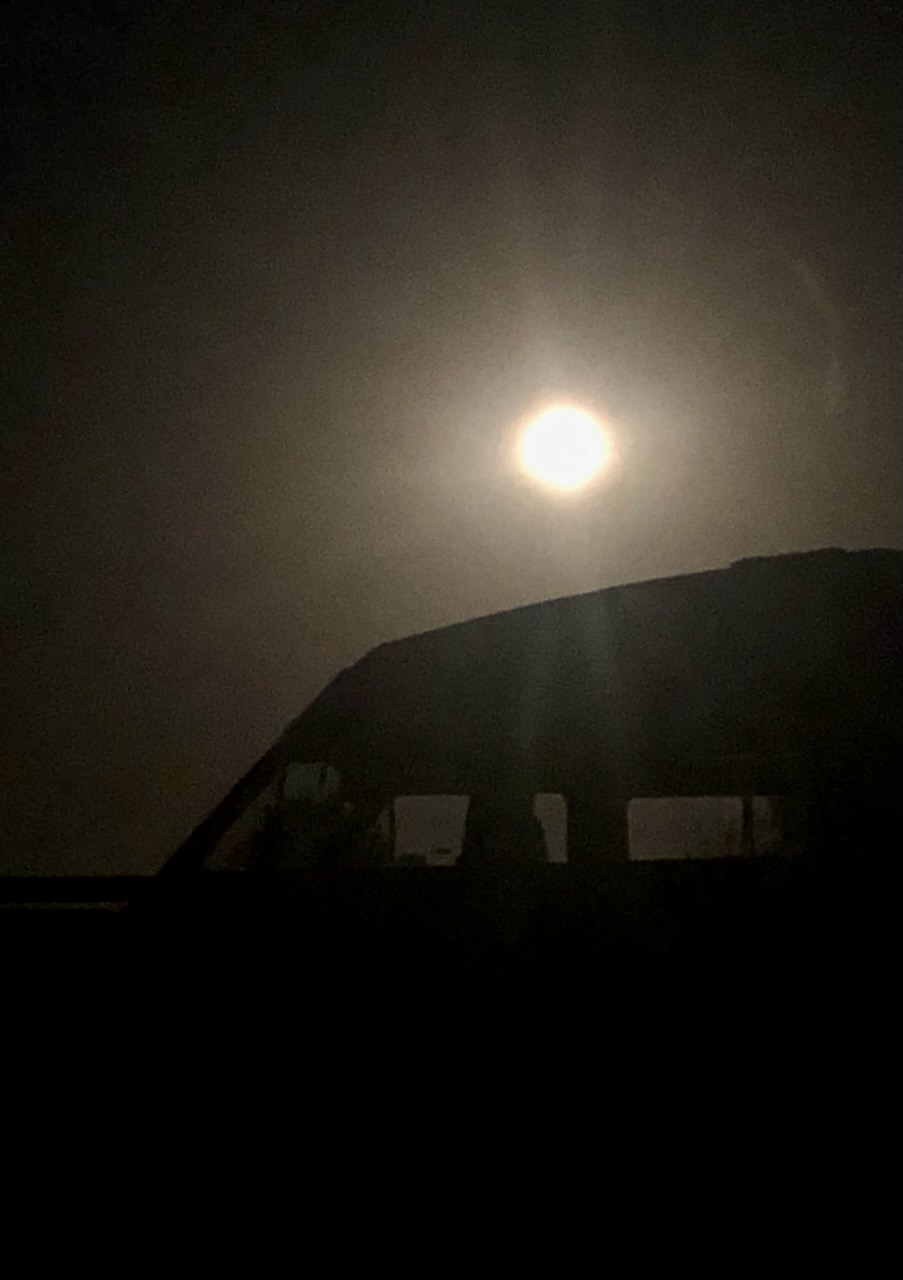
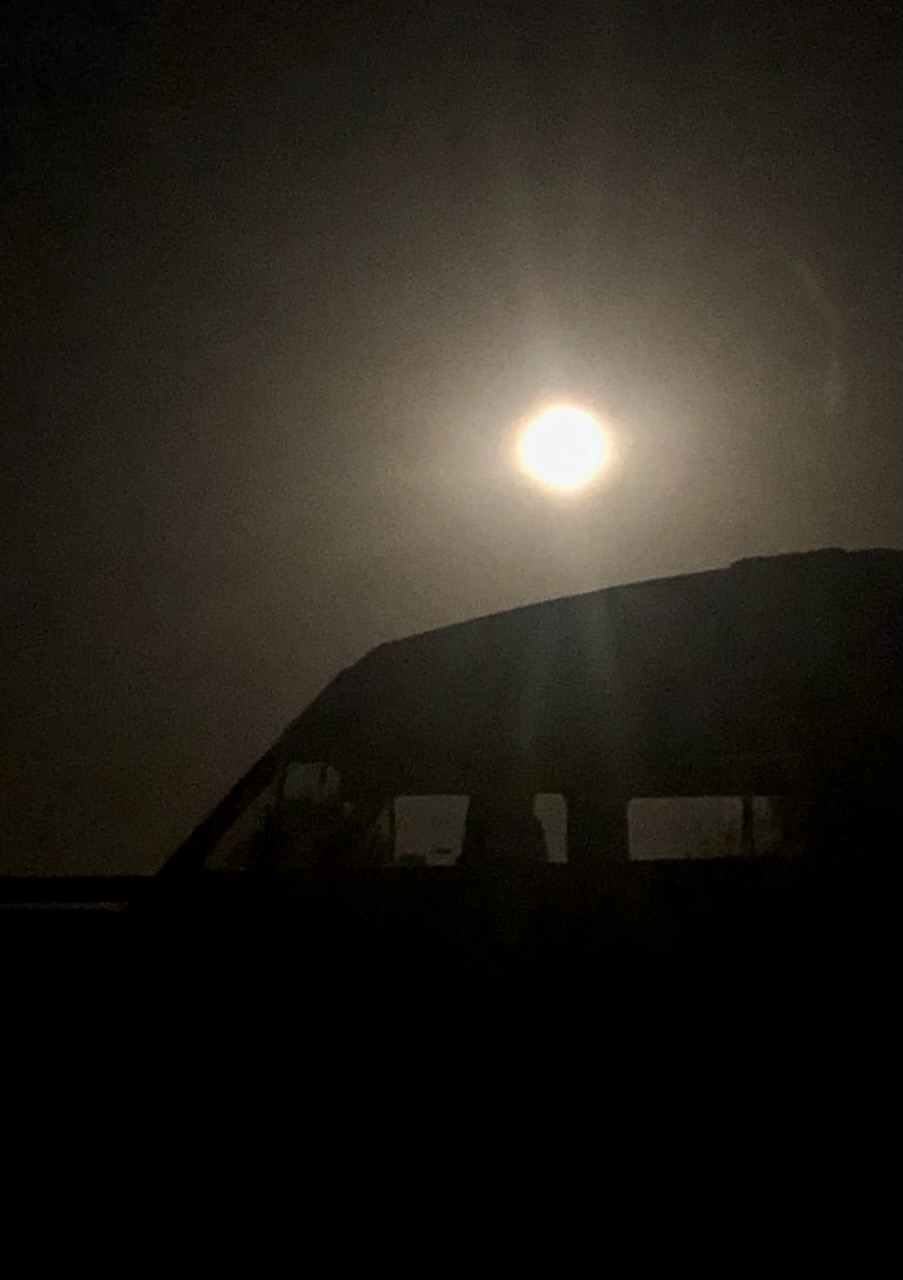
Then a cool night in my camper van with the visceral thrust of Severn Bores pushed and pulled upstream and over the banks by a full moon boldly rising in defiance of the descending sun. Reminders that the deep in- and out- breaths of the tidal river are part of the larger breaths of the Earth, the Seasons, Nature, Life… and Death.

Reminders that nothing is either lost or dead. That all is well and all will come again. 

A small 3* Severn Bore

Welcome to you, Autumn, with all your outer splendour and inner hope!

Random, chance, God… or what?

Zinc Oxide Tape. Waterproofing Wax. Leech socks.

These were the entries listed on the first page of my new notebook. And I ignored all three.

The fourth, written in slightly brighter blue ink read ‘Tanya Vad… Thank you’. I had arrived in India. Dhanyavaad was the most important word I wanted to learn.

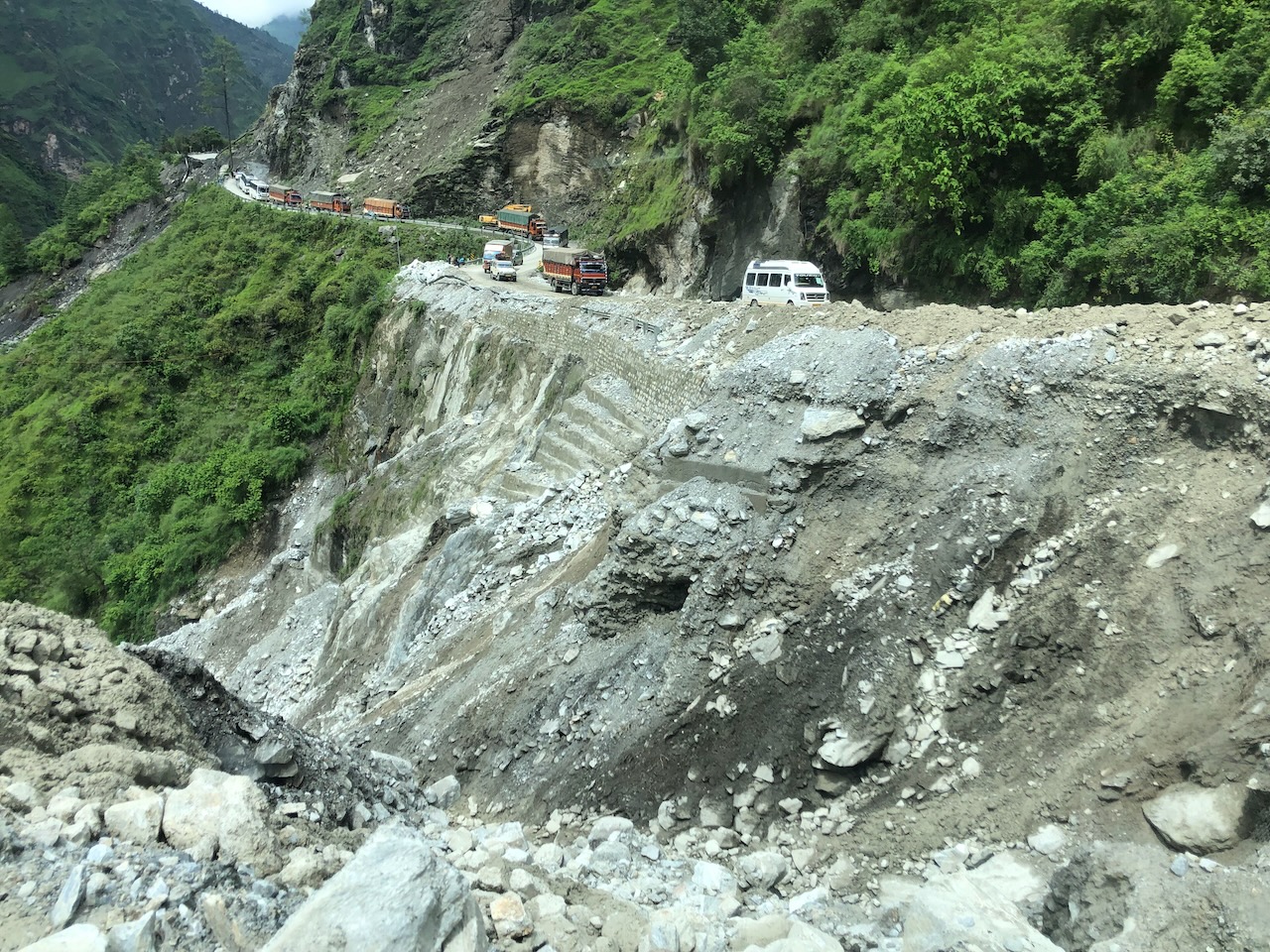
This small 11 x 7.5cm notebook would accompany me for the next 18 days, safely tucked away like a baby joey in the blue pouch strapped to my tummy. I would dig it out regularly, flip the turquoise-green cover over the black spiral spine and scribble something, often illegibly, as I walked or rattled round a hairpin bend in our bus dodging landslides. Over the weeks it gathered names, email addresses, dates, details and ideas for my new creative project.

As anybody who has travelled with a purpose knows, the notes you take become an invaluable aide-memoire for when you return home. As you re-enter your everyday, the sharp outlines of a foreign, multicoloured present seal into a soft-focus bubble that drifts away to bob among other memory balloons in skies gone by. Experiences fade and jumble in a cacophony of impressions. Verbal re-tellings omit details as they settle into a condensed narrative designed for low attention spans. Bring out the notebook, however, and you instantly have a co-witness; a means to tangibly touch the past. 

I have boxes of such notebooks. They have helped me write or paint, jolting my memory, filling in gaps. That is why losing this little green one, felt like the end of the world.

It happened a few days before the end of the trip. I mentioned my impending adventure in my previous blog, how I was about to embark on a journey following in the 1939 footsteps of my Great Great Aunt Joan to the Valley of Flowers in Northern India. Our happy, harmonious group consisted of my sister, two female cousins, three or sometimes more local guides plus a driver. We made a dream team and I am telling you about this specific incident because I can’t yet put the bigger whole into words. And because in essence it captures the magic of the entire trip. The many small miracles we experienced and the power of stories.

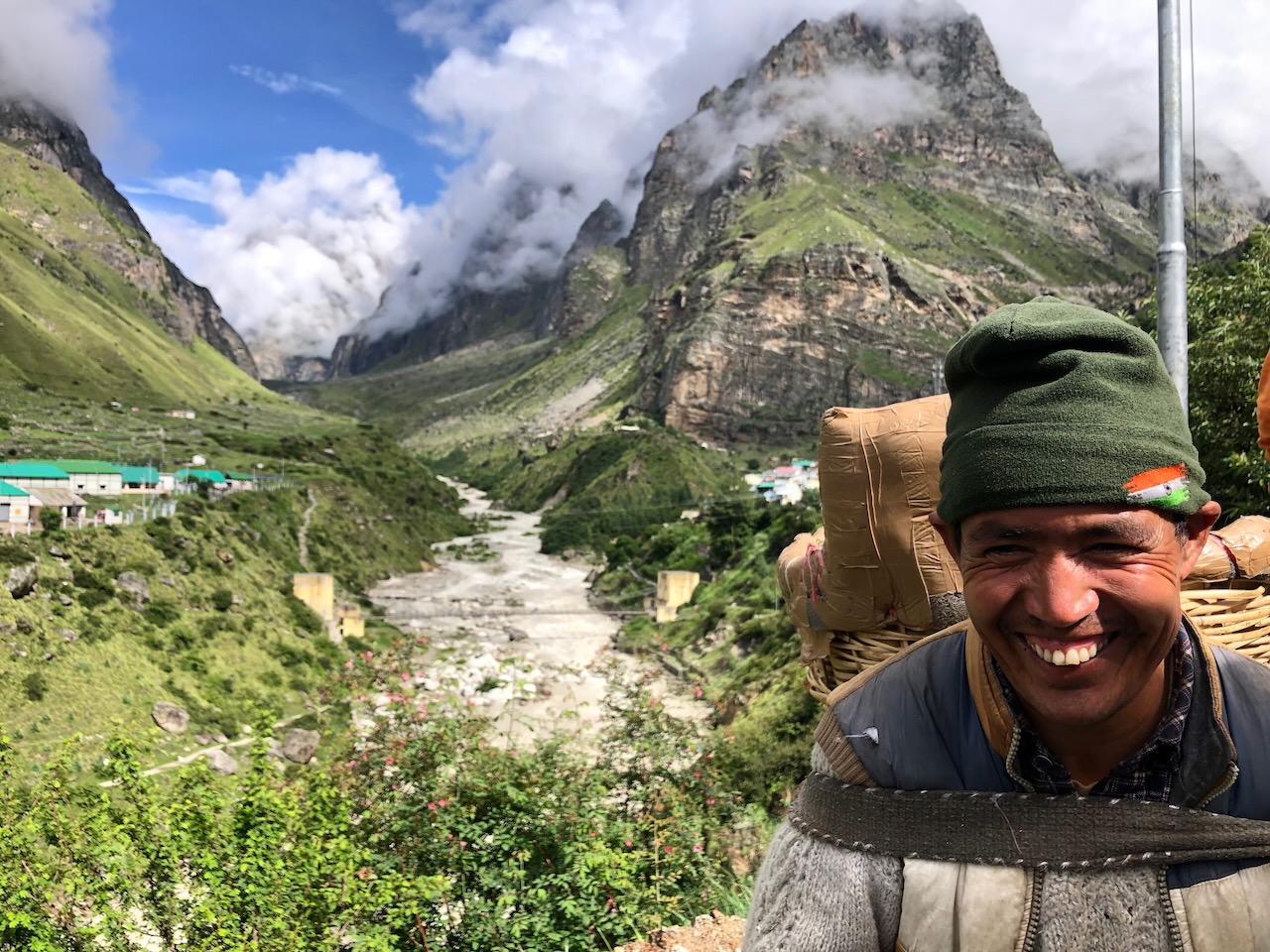
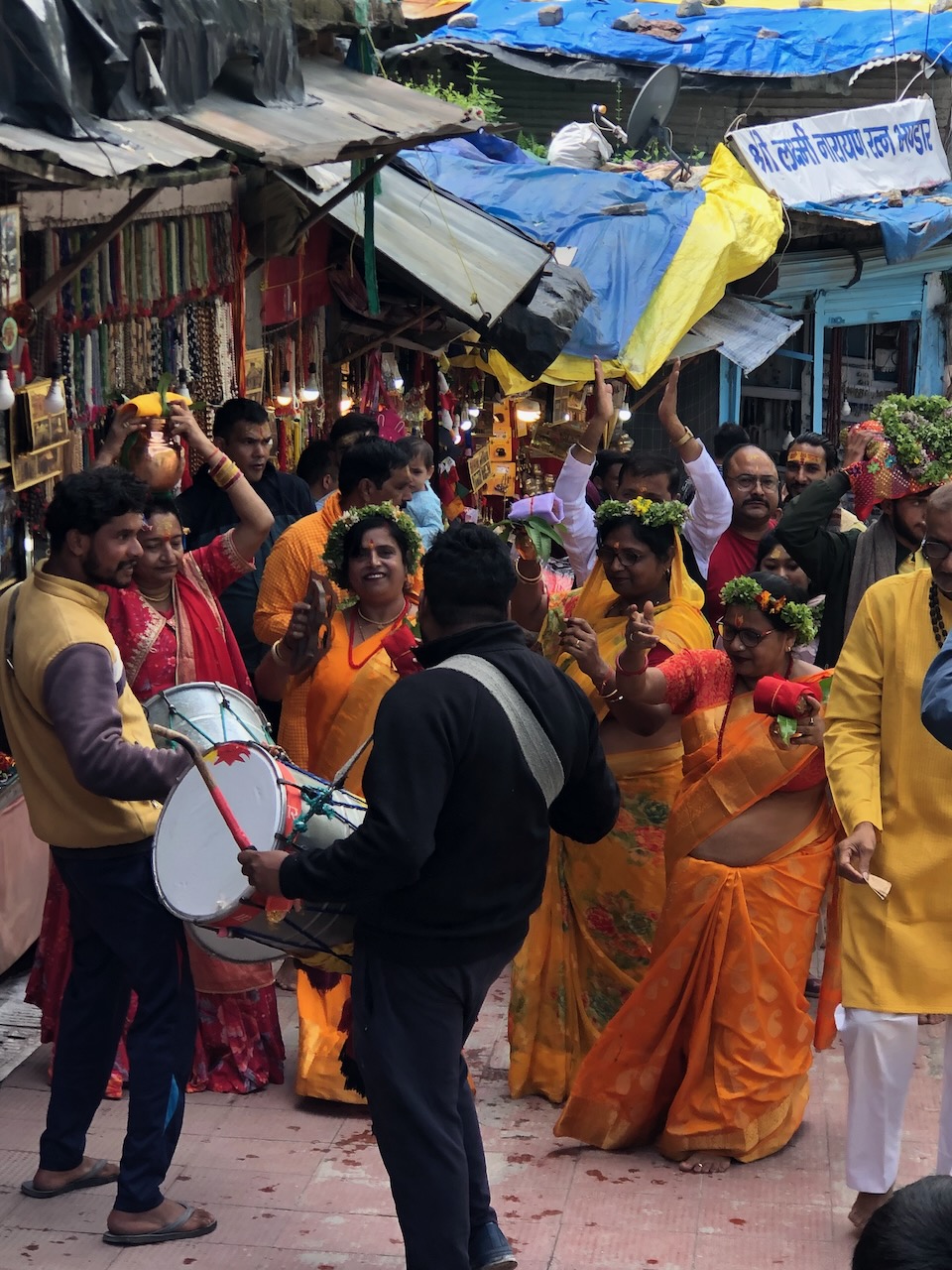
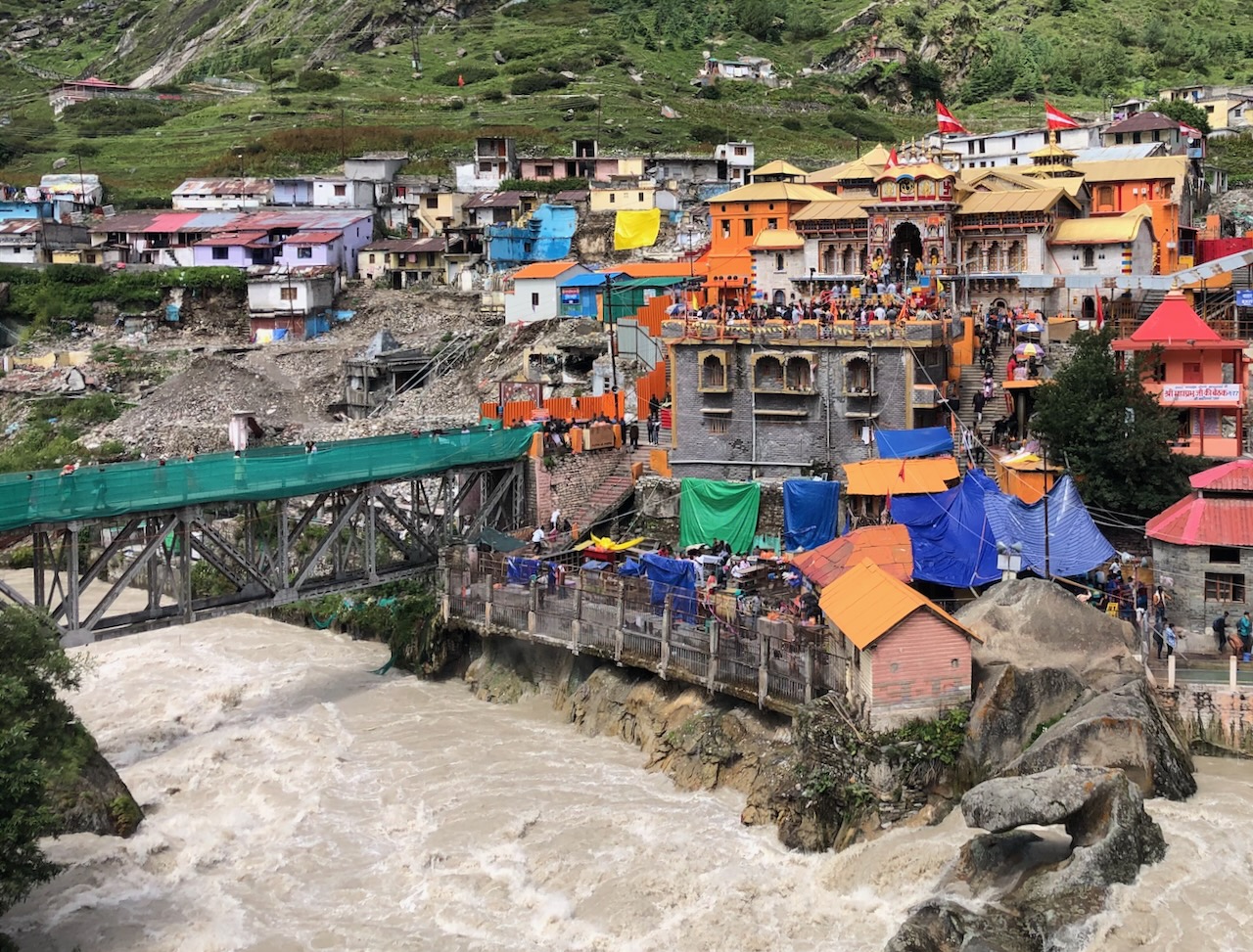
On this particular day, just as Joan had done 85 years earlier, we were visiting the temple in Badrinath. An atmosphere of noisy celebration, dancing and orange-coloured joy pervaded the streets of this small but hugely important Hindu town located at an elevation of around 3,100 meters in the Garhwal Himalayas. Inaccessible and closed for six months of the year due to extreme weather, it is one of the most visited pilgrim destinations in India attracting 5-mile queues in the summer months as people line up to pay their respects to the 2000-year-old black granite deity of Lord Badrinath housed in the main temple building. 
Being slightly off-season due to the monsoons, we were able to simply kick off our shoes and, bearing wreaths of marigolds, join the gentle flow of pilgrims, many of whom would have travelled for days to be here. Once inside we planted ourselves on some steps to watch people of all ages circling the inner temple, taking (prohibited) selfies and videos and gathering goodie-bags of holy sweets, sultanas and nuts for their families. After some time, we shuffled out again in a bubbling counter stream that spilled onto the temple forecourt, an architectural wonder that miraculously clung to the riverbank while other sections downstream had succumbed to gravity and slipped into the raging, milky-beige waters of the Alaknanda River. 
We retrieved our shoes and stood discussing where to go for lunch. That’s when I noticed it was gone. My pouch was open and empty. An all-too familiar plummeting sensation drained my face and body as a memory surfaced from the depths of 1987, my last visit to India, when my bag containing 3-months of undeveloped film, diaries, recordings not to mention passport, visa, ticket home and money were stolen on a train, never to be seen again. A small wave of panic broke out within our group, scooping strangers into its current. The men in charge of storing shoes searched their patch; sister, cousins and guides dispersed in all directions to scour corners, dustbins and donations boxes both in and outside the temple complex. Our main guide, by now friend, Kiran, took me to a small nearby room stuffed with five uniformed security guards and fifteen or so screens of surveillance footage. We fast forwarded our way through videos following my movements – me feeling both relief that I had refrained from taking a sneaky photo and slight concern that a hidden camera might have caught me ducking behind a wall to remove my leggings. The loss of ‘a little green diary’ was announced over the temple’s Tannoy system, but our efforts were to no avail. 
Thoughts raced through my head as I searched the grainy grey images both for the moment of its disappearance and any possible symbolic significance I could attach to it. Maybe I am not meant to be doing a project on Joan – or Legge Ma’am as she is known in these parts. Maybe this is a sign I should have just experienced the trip and trusted I would remember what is important rather than constantly jotting things down. [This is just how my mind works.] Will this ruin the trip for me, for everyone? How could I have dropped it? Who could have taken it… why would they? Maybe…

Then the phone call came. The little green diary had been found. I restrained myself from hugging the guards in the rush of relief and hope. But for me to fully believe it, I had to see it. 

Our other guide, also now friend, Naresh, had re-entered the complex and gone to the place where people were gathered to listen to the teachings. The door of the temple was firmly locked for the daily offerings – the prasadam – so he made his way to the middle of the crowd and started reciting the beautiful story of Legge Ma’am and why we, her four descendants had come here. He was an excellent story-teller. And that’s when “the magic happened,” he told us afterwards. “It was so strong, so strong that everybody came near to me and started listening to the story. And they were very curious… finally they get to know the importance of this notebook, for all of us and for them as well.” 

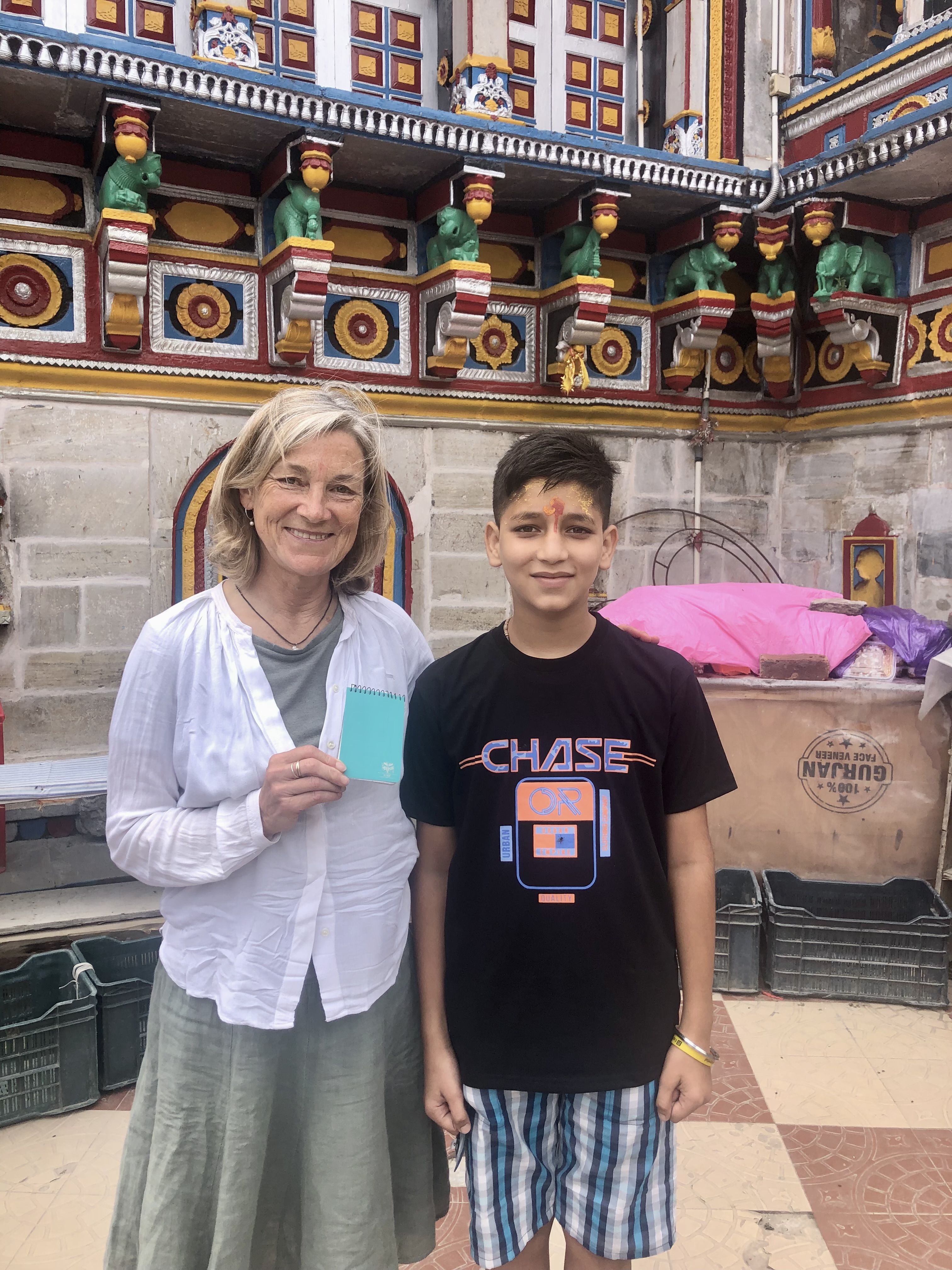
A young boy then came forward. He had found the notebook but hadn’t known what to do with it so had put it in the main donation box at the foot of Lord Badrinath in the temple…. which was closed. Naresh called us back into the complex and we waited. We gained fresh red teekas (or bindis) between our eyebrows and more handfuls of sticky white sugar balls and showered the young hero, Shriansh (which fittingly means Part of God) with all the muesli bars we could scramble together from the bottom of our bags.

By now, people were very keen to help, including the priest. When the temple finally re-opened, we were all ushered in. The bright viridian green of the notebook cover could be spotted through the glass walls of the donation box, nestling on a bed of faded rupee notes. So close and yet… Only one man had the authority to open the box. A District Officer (DO) based 200 km away. He was the sole person to hold a key. And he came to Badrinath just once a month. 

That was the point when Naresh, who hadn’t planned on praying that day, asked the deity of Lord Badrinath to help us, just as some of us had already been asking St Anthony, the Christian finder of lost objects. One, or both, stepped in. 

The priest told Naresh to look behind him. There was the DO. Not on his official monthly visit, but by some serendipitous miracle, he had come to pray that day. He willingly fished the key out of his pocket and a little while later, a policewoman handed me my precious notebook. Hugs, tears, smiles and many clasped hands and bows followed… ridiculous really, but we all knew the true value of these spiral-bound pages.

With Shriansh, the finder of the little green notebook

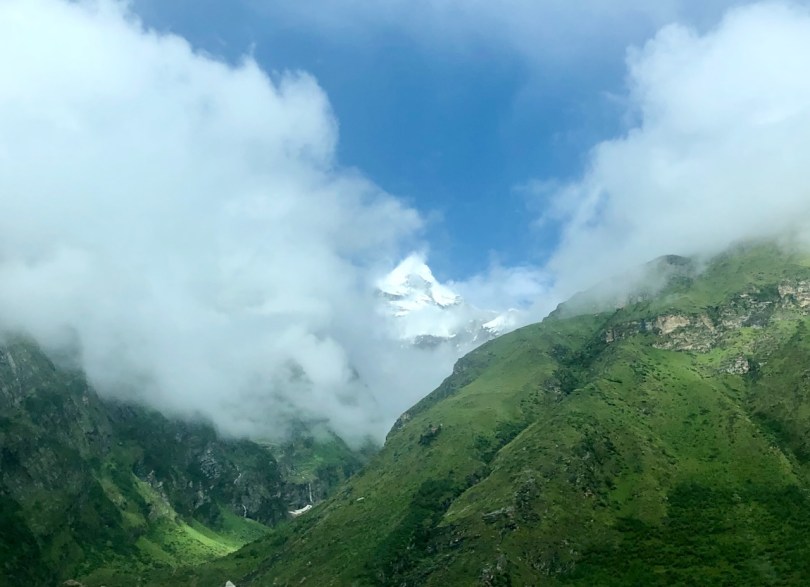
Each one of us will interpret this story differently. For some it might be a random string of events with a lucky outcome. For others it might be evidence of God, a sign that Joan was watching over us, a meant-to-be moment or proof of the power of stories that need to be told. Meaning, just like beauty and truth, is made within. For me personally, the magic of the story lies in the glimpse it gave me of a huge force for good that works behind the scenes we snap with our phones and try to capture in words. Like the evasive Himalayan peaks – or ‘Majesties’ as Joan called them – that briefly appeared in their full glory between parted clouds only to vanish again, this benign power shone through the many eyes that sought contact and connection. It was what I saw in the faces that so readily broke into smiles and laughter; in the hearts that were wide, wide open inviting us to open ours too.  

The ghosts of lost flowers

On 4th July, while the minds and eyes of many people in Britain and further afield were firmly focused on Election Day, mine were occupied with my Great Great Aunt who died on this day 85 years ago. In one of those unintentionally magical examples of serendipity, I had managed to secure an appointment at Kew Gardens, London to view some of the fruits of her trekking and gathering in the Himalayas in 1939 just prior to her sudden death.

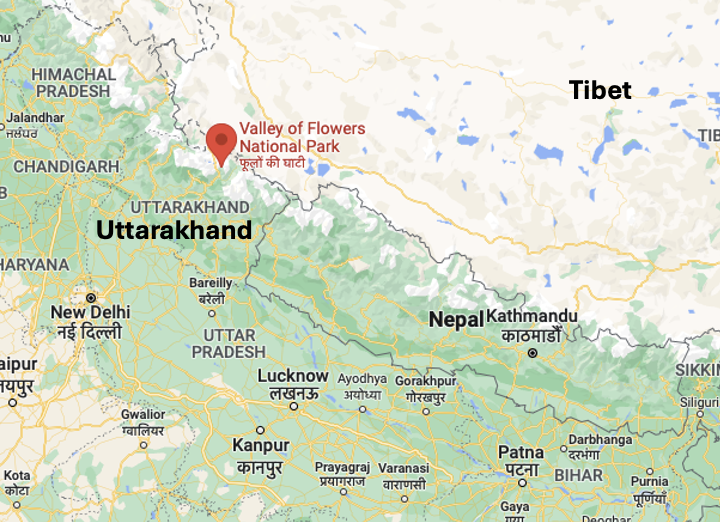
I introduced Joan Margaret Legge in a recent blog and talked a little on how, while the Second World War was rumbling towards its beginning, she had travelled to the Valley of Flowers, otherwise known as the Bhyundar Valley, in Northern India.

As a keen amateur botanist she had been inspired by the recent discovery of the valley in 1931 by a team of three lost British mountaineers returning from an ascent of Mount Kamet and seeking shelter from inclement weather. One of the climbers, Frank S. Smythe, had been so entranced by the valley that he returned in the monsoons of 1937 to explore and collect examples of its flora. His book, published in 1938, was the inspiration for my great great aunt to set sail in February 1939 and travel up through India to her base camp in the lower hills around Ranikhet. Waiting there for the snows higher up to melt, she spent two months acclimatising, doing practice hikes and organising porters and equipment for the big trek to her destination where she planned to spend the summer gathering seeds and samples for Kew.

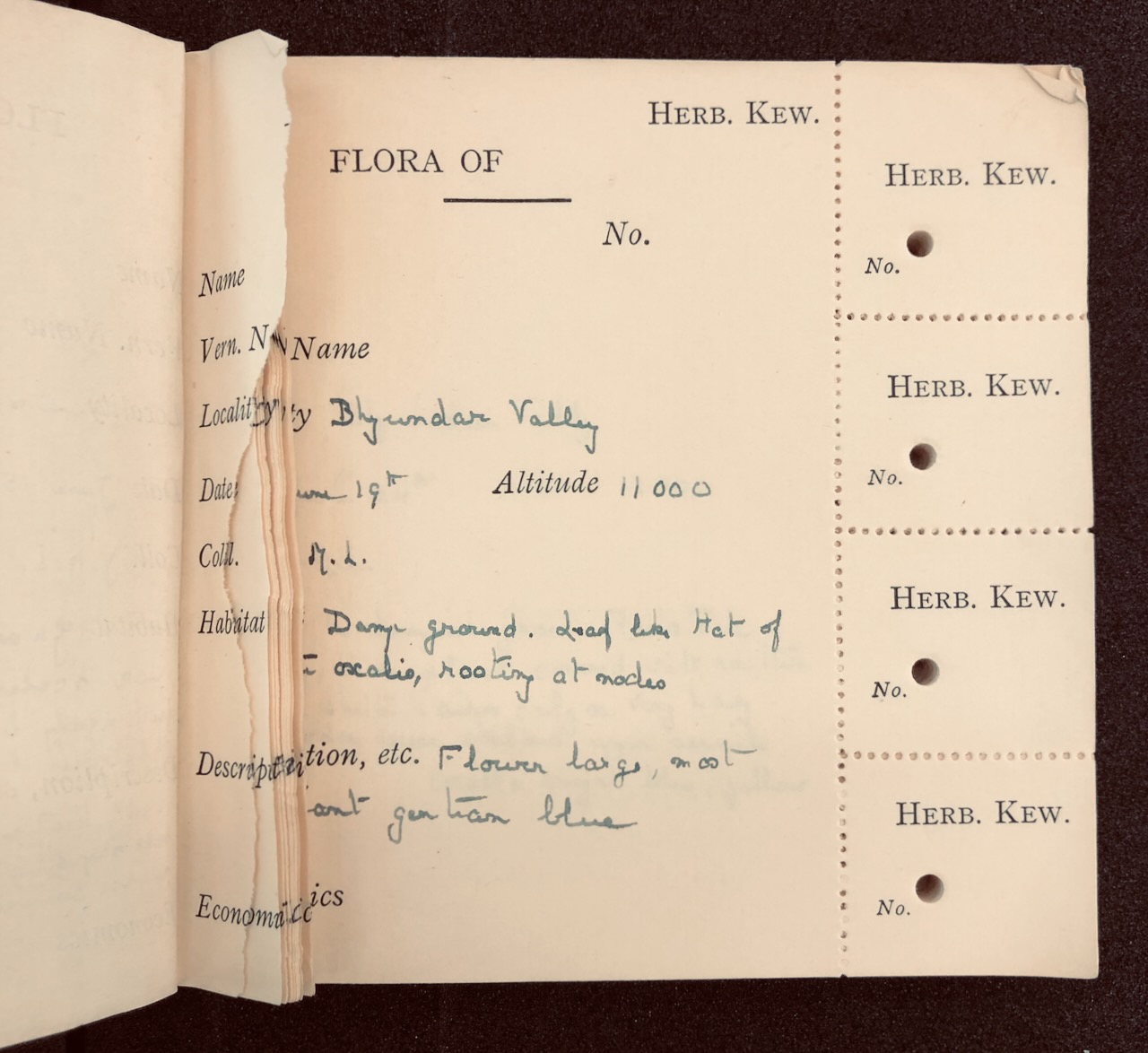
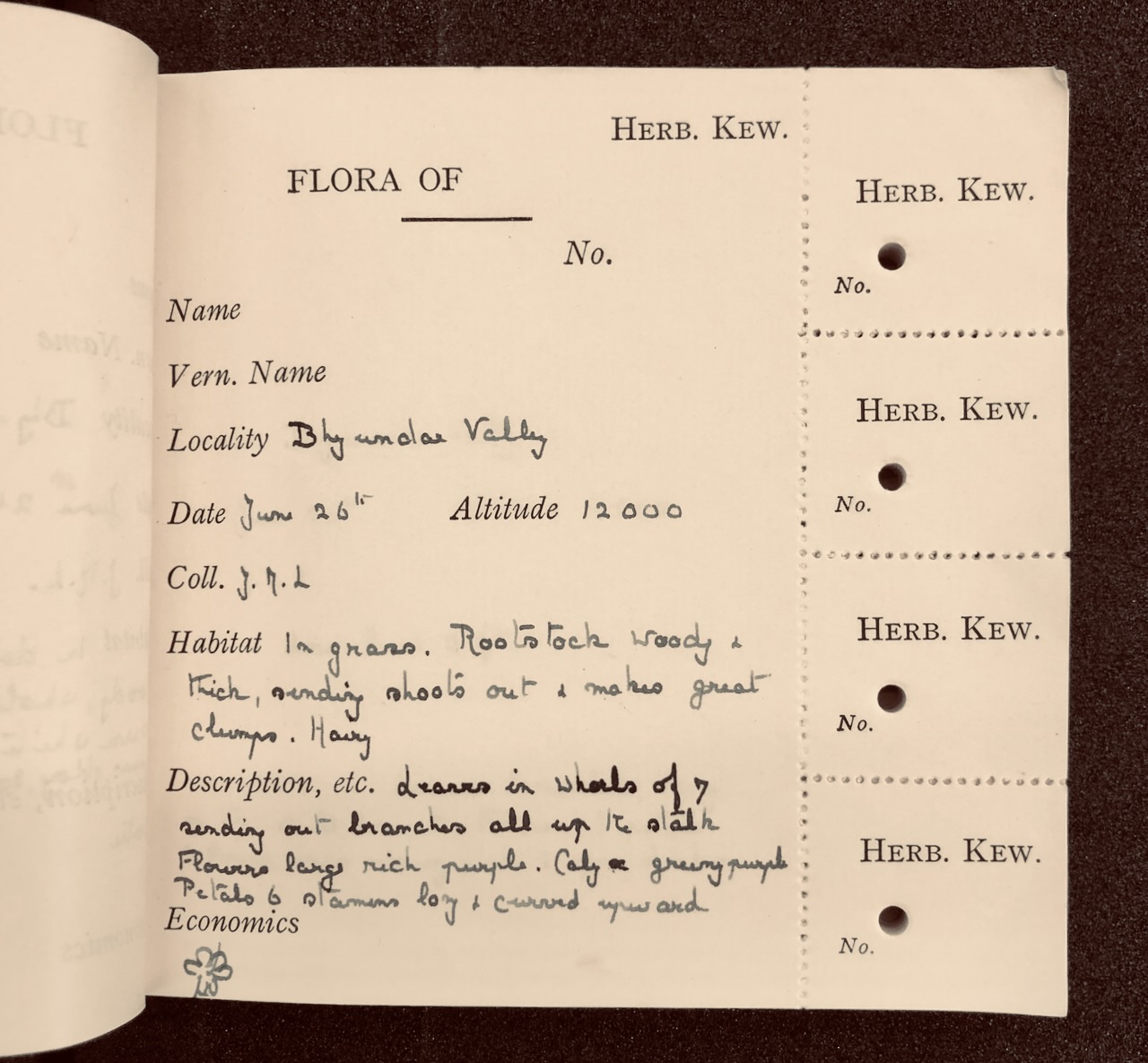
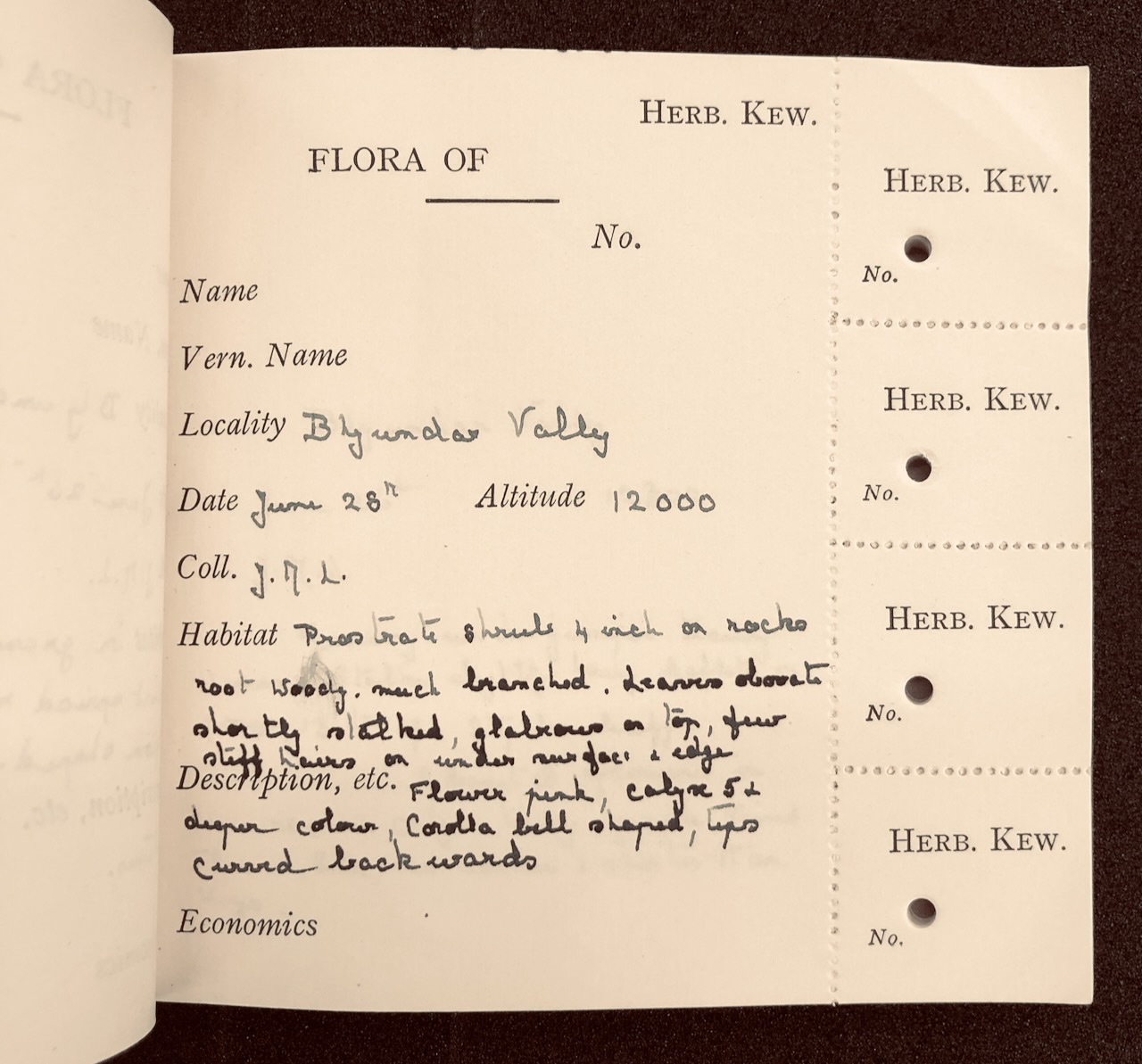
Between 22nd May and 20th June she trekked north sleeping in precariously pitched tents with a hardy team of local men carrying provisions. Usually on her feet but sometimes on her bottom, she scrambled and climbed her solitary way through the mountains in a state of sweaty or rain-drenched awe of the ‘Glories’ as she called the soaring peaks that emerged and disappeared in the sky. She took cameras, presses supplied by Kew, wrote diaries and filled collectors’ notebooks with minuscule handwriting describing calyxes and tuberous roots while always scanning the terrain for flowers to press and send to the Herbarium in the hope of filling some of the gaps in Smythe’s earlier, spoiled-by-mould attempts to record what grew there. 

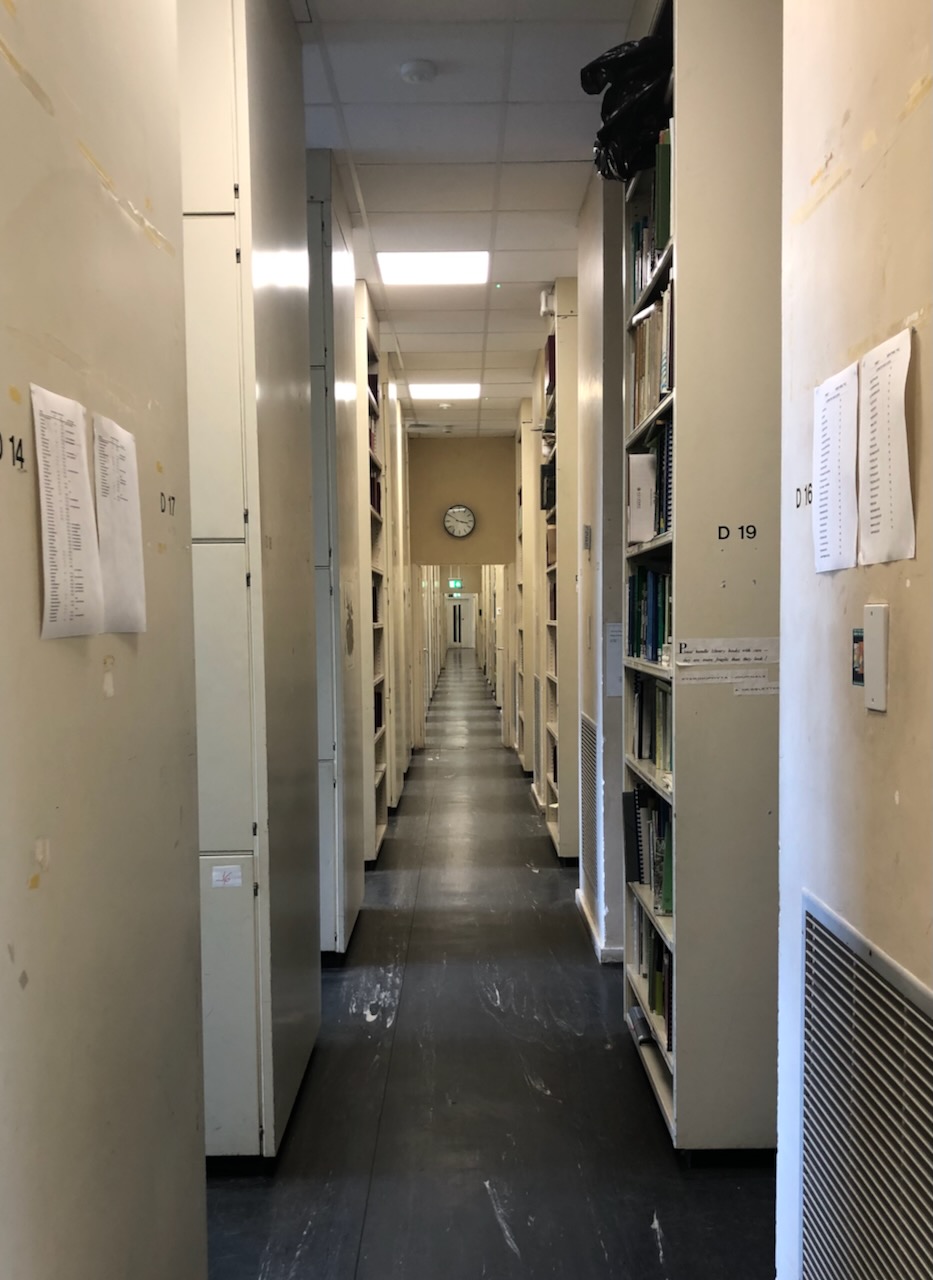
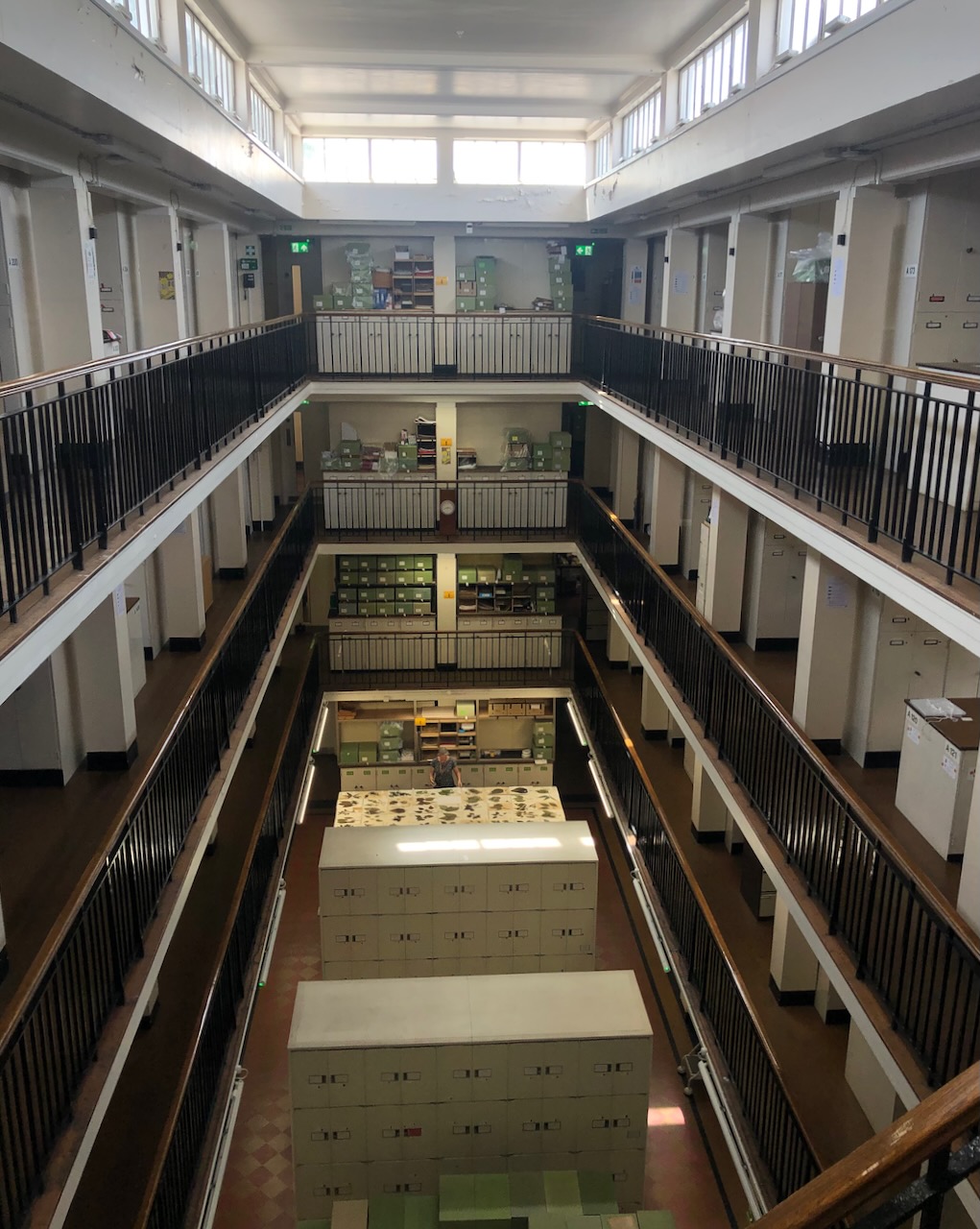
On my first visit to Kew in 2022 I had been told that none of her notebooks or specimens could be located, that they had probably not survived or had been of insufficient quality or significance. It was impossible to search for them… understandably so, the Herbarium houses an incredible seven million specimens!  

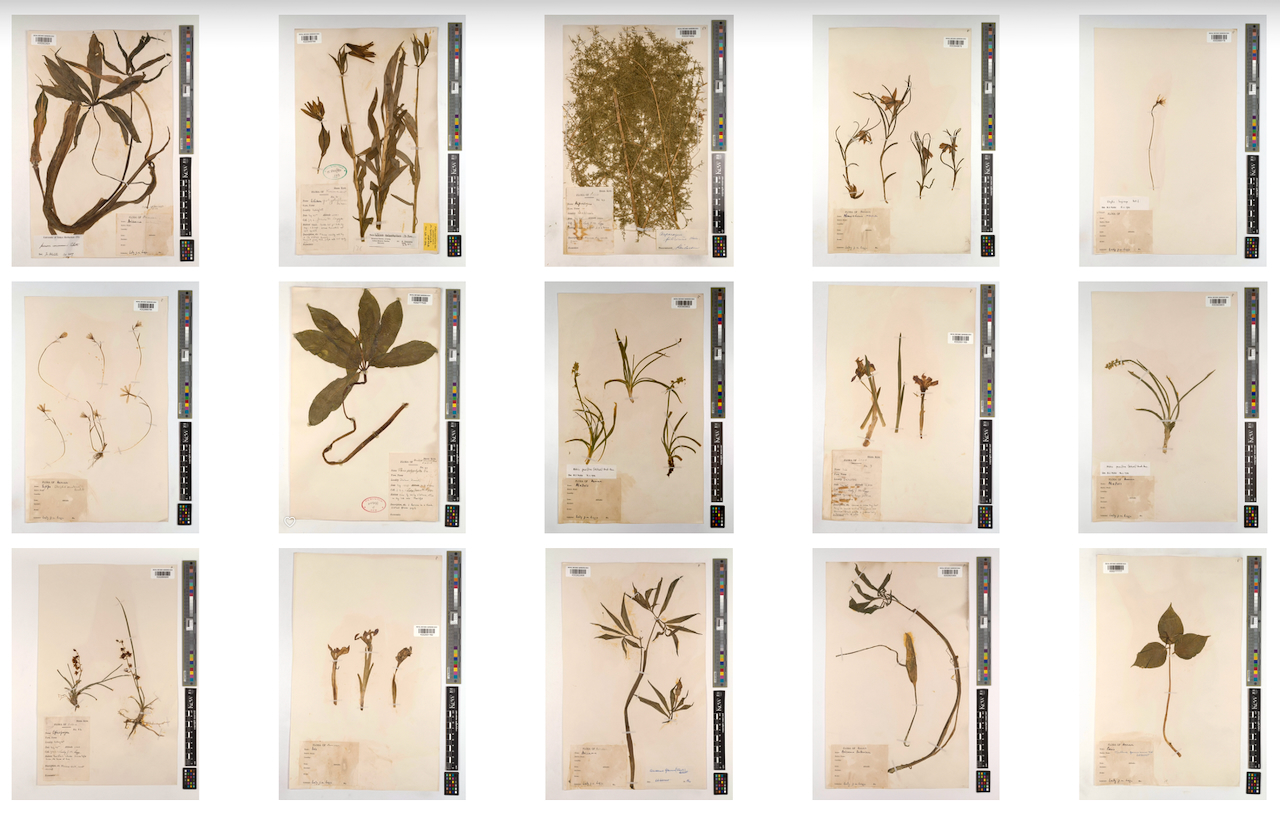
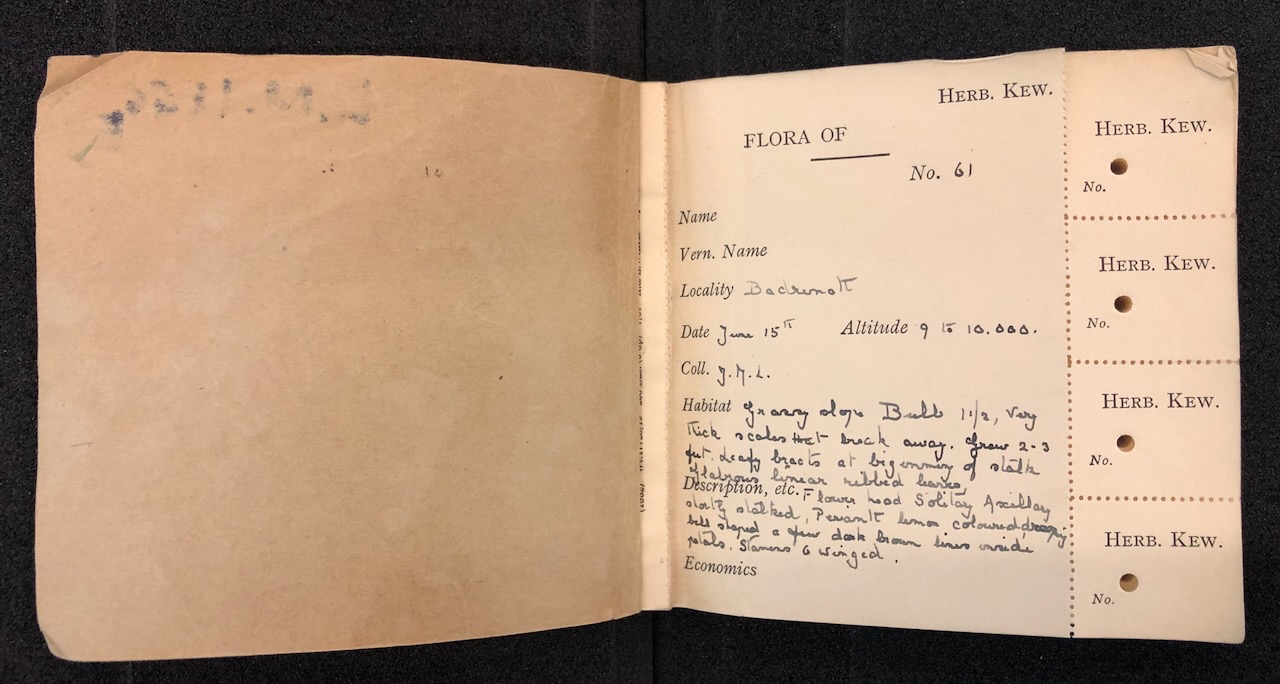
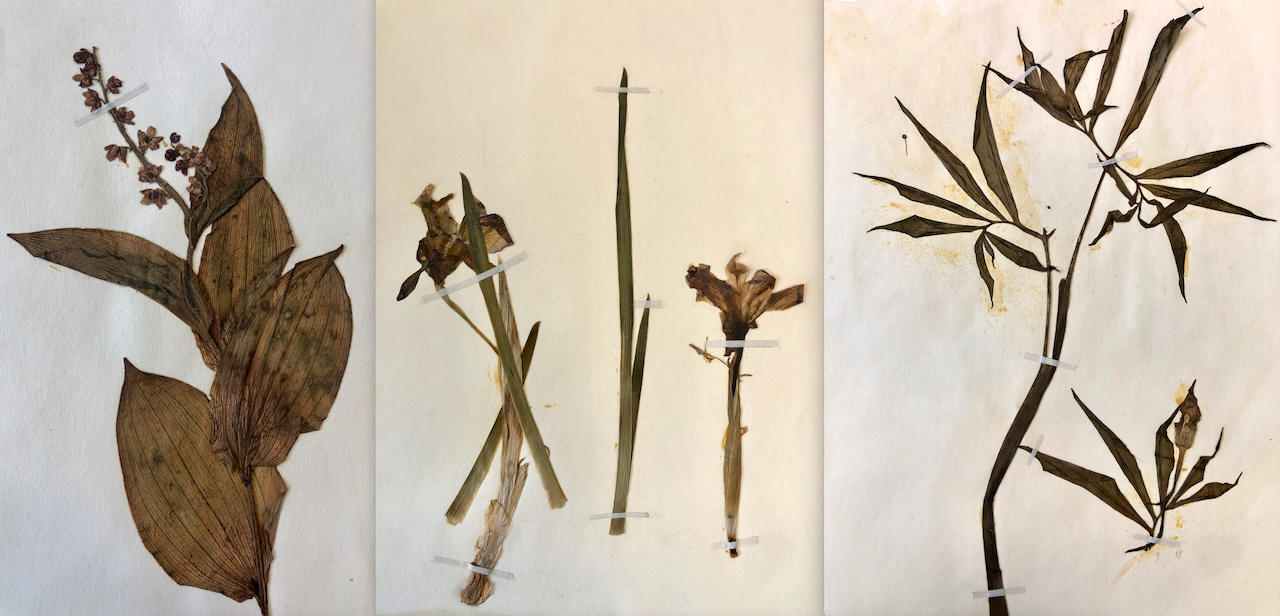
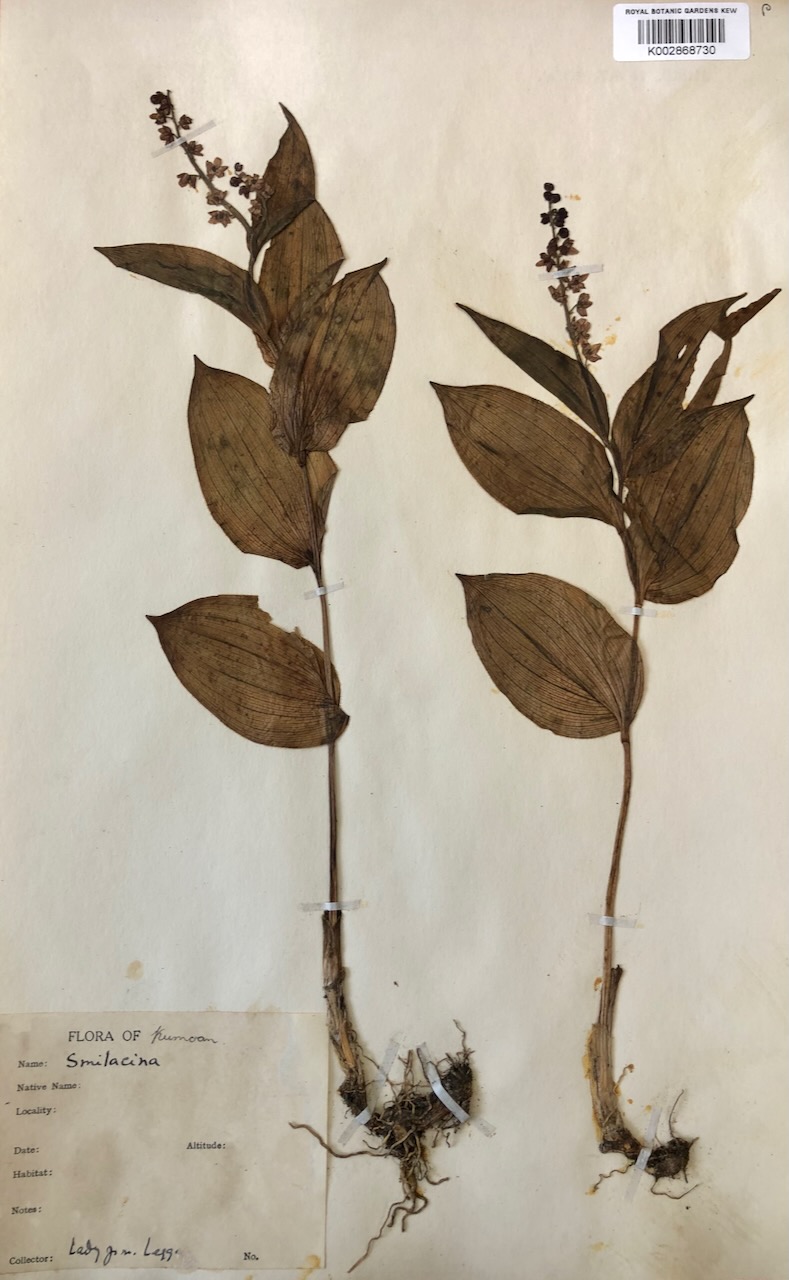
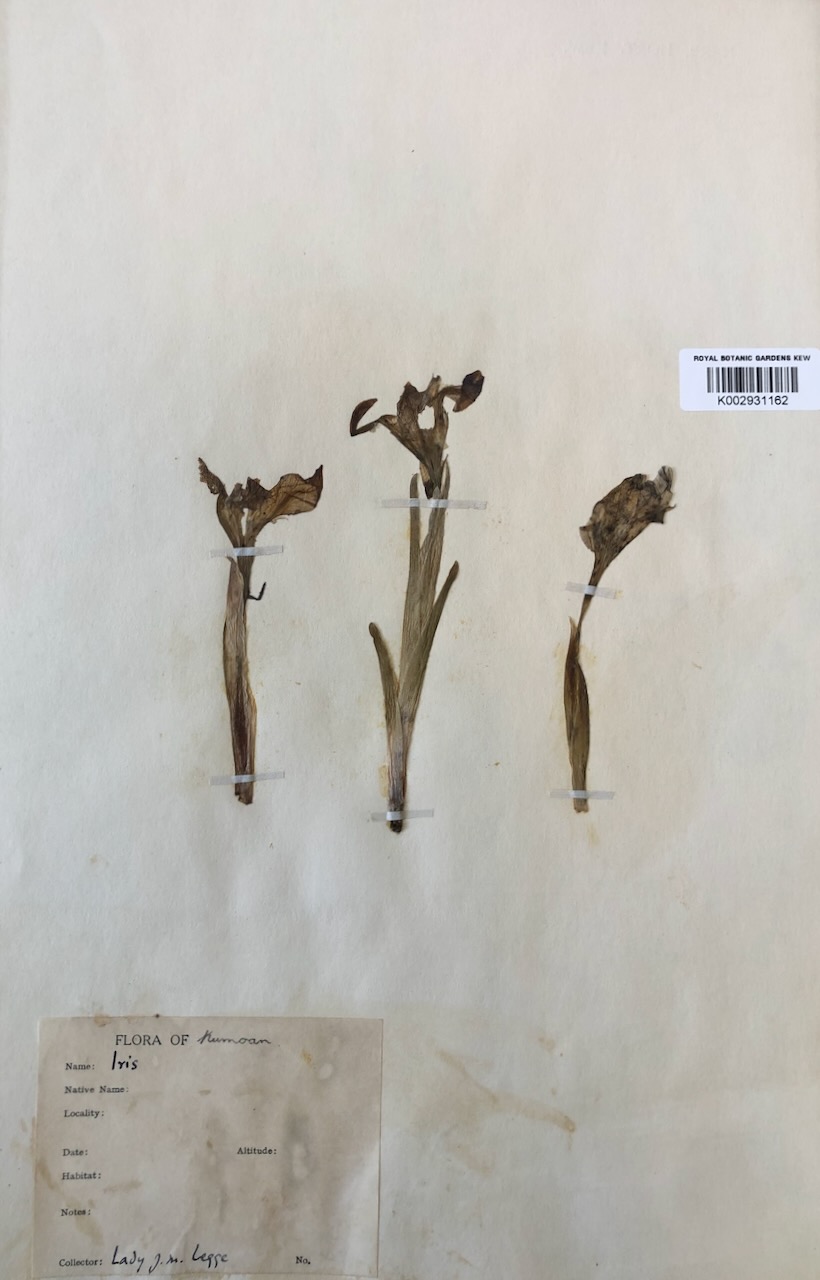
When I research I sometimes get this dogged instinct not to accept the first claim of something no longer existing or being lost in the annals of some past archival system and, not quite ready to give up, I renewed my quest to locate them. Following a string of helpful leads, several kind employees at the Herbarium, intrigued by my aunt’s story, joined me in my search. They soon discovered that a collector’s notebook and an as-yet unknown quantity of her specimens had indeed survived and the latter had been recently digitalised as part of a huge project to create a digital catalogue of the contents of Kew’s filing cabinets.

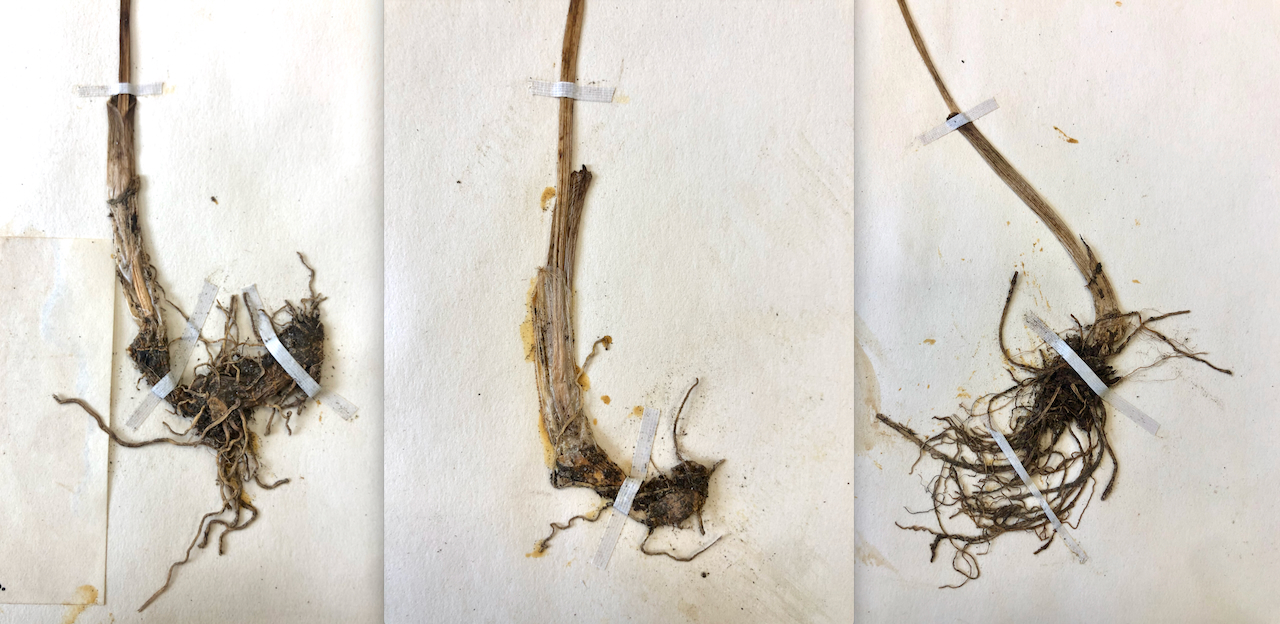
Digitalised specimens of Joan Margaret Legge ©Kew Gardens

And so, on the anniversary of Joan’s death, dodging ballot papers and predictive polls, I immersed myself in the sepia papers of a time and world that no longer exists.

Joan’s Collector’s Notebook, 1939  ©Kew Gardens

Exhumed from their graves and held in place by tiny straps, I was able to connect to Joan through the physical ghosts of the plants she had harvested. Traces of earth still clung to their roots, potent yellow pollen spilled from crumpled and flattened flowers, residual colours blushed petals and leaves as their ethereal beauty gently concertinaed the 85-year stretch of time between Joan’s picking and my viewing into a space in which I could almost touch her. 

Strange to think that these faded blooms had made it back to England while she hadn’t… It was a poignant preamble to an impending trip with my sister and two first cousins, all female descendants of Joan, designed to follow in her footsteps through the monsoon rains and soaring peaks of Uttarakhand, from Ranikhet to Joshimath and Badrinath and on to her isolated grave in the Valley of Flowers. As far as I know, we will be the first members of her family to visit Joan. It will be the realisation of a dying wish of my dear uncle who had long wanted to travel there himself but, unable to fulfil his dream, invited us to go there in his place.

Time marches on, history is made. We have a new prime minister and his government’s actions and inactions will make it into the newspapers and history books. Meanwhile, the silent and unseen reside as untold stories pressed between their pages awaiting discovery.

All images are © copyright of the Board of Trustees of the Royal Botanic Gardens, Kew and/or The Herbarium Catalogue, Royal Botanic Gardens, Kew. Published on the Internet http://www.kew.org/herbcat [accessed on 04/07/2024]


The changing faces of Berlin…

For more than 30 years I have been watching cranes and diggers deconstruct and rebuild the architectural face of Berlin. It is an infinitely fascinating process to follow.

Neue Nationalgallerie by Mies van der Rohe… with cranes

The focus of my most recent trip, however, ended up being the people who inhabit the city, both past and present. And typically for Berlin, it has created a brilliant exhibition to trace the changing faces of those who lived through its turbulent history.

Enthüllt / Unveiled is housed in the Renaissance Citadel in the western borough of Spandau and not only offers a surreal experience but also an inspired response to the emotionally and politically charged ‘statue debate’. 

Albrecht the Bear and others

Housed in the 114-meter-long former Provisions Depot of the fortress, Berlin’s once revered or feared rulers, Prussian military heroes and bishops rub marble and bronze shoulders with thinkers, revolutionaries and victims. Spanning a timeline from the 12th century Albrecht the Bear (whose face you learn would not have been known so would have been crafted from a local tradesman or friend of the sculptor’s) to contentious GDR border guards, most of the statues have been removed from their plinths to stand at eye level. Many are missing limbs and noses or even their entire bodies. With chests still puffed but their status removed, you meet the figures of history on equal terms. It is a powerful experience.

Various headless/faceless/slightly worse-for-wear Electors, Chancellors and Counts from the 1500s

Monument to the Grenzposten / Border guards (1971)

One of the highlights of the exhibition comes right at the end. Displayed on its side, Lenin’s 3.5-tonne granite head once rested atop a 19-meter-high statue by Soviet Sculptor, Nikolai Tomski. Created in 1970 and designed to blend with the Soviet architecture around Lenin Square (now United Nations Square), it was pulled down in 1992, cut into more than 120 blocks, buried in the Müggelheimer Forest and covered with gravel. It was recovered in 2015 for the Citadel exhibition, complete with nibbled ears (people chiselled off chunks for souvenirs) and transportation bolts sticking out of the crown.

Founder of the Soviet Union, Lenin

Traditional memorials are generally markers of achievement and greatness. Raised on plinths, you ‘look up’ to the person or event being celebrated. But what happens when they no longer reflect the values of the time, when their legacy becomes toxic? Do you leave them as lifeless witnesses to a time past with no apparent power in the present? Do you topple or remove them in an attempt to lose the history, or does that lose the discourse and potential to learn lessons? Do you contextualise them with plaques…? 

Germany, with its contentious past has explored these questions possibly more than anywhere else. Accompanied by huge debate, emotion and financial investment, statues and monuments have been removed, banned, dismantled, buried, unburied, re-erected in new locations, built from scratch… All this can be read about in the ubiquitous digital documentation running through the exhibition. But Dr Urte Evert, the curator of Unveiled, seems to have done something very clever. By allowing visitors to touch the statues, children to clamber on them, artists to respond to them, performers to dance among them, she encourages engagement and dialogue, not only with the art forms, but with history. And this feels more important today than ever.

Queen Luise, ‘Queen of Hearts’ (1776-1810)

What is also striking, but not surprising, is that every statue from Kaiser Wilhelm I to Alexander von Humboldt and Immanuel Kant is a man. Apart from one, Queen Luise, wife of King Friedrich Wilhelm III and an early form of celebrity referred to as the Queen of Hearts… or according to Napoleon “the only real man in Prussia.” Even in today’s Berlin there are few statues celebrating women and even fewer to individual women.

Käthe Kollwitz

In a square named after her in the fashionable district of Prenzlauerberg, a rather lumpy and grumpy-looking Käthe Kollwitz, artist, sculptor, committed socialist and pacifist sits on a heavy block narrowly dodging graffiti. She is remembered everywhere and this is just one of many statues of her.

Memorial to the Trümmerfrauen / Rubble women (1950s)

Originally placed on a hill made of the bombed remnants of the city but now reposing with hammer still in hand in the greenery of Hasenheide Park, a Memorial to the Trümmerfrauen of Berlin offers acknowledgement to the ‘rubble women’ who cleared and sorted Germany’s destroyed cities by hand, stone by stone.

Block of Women, Rosenstraße

More centrally and on the site of the destroyed Old Synagogue, the Rosenstraße Monument, also known as the Block of Women, marks the 1943 peaceful uprising of some 600 non-Jewish German women who demanded the SS and Gestapo release their detained Jewish husbands awaiting deportation. It was a rare moment of successful protest against the Nazis. 

Rosa Luxemburg Memorial

And Rosa Luxemburg, one of the founders and heroines of the anti-war Spartacus League is remembered in big letters spelling out her name along the side of the Landwehr Canal where her tortured and executed body was fished out in 1919. She also has a figurative statue outside the Rosa Luxemburg Stiftung in Friedrichshain.

There are no doubt more but today the demographics of Berlin look very different. It’s a cool international city of young hipsters, artists, entrepreneurs, thinkers, activists, expellees, refugees, LGBTQ people, politicians, former GDR bureaucrats and prisoners… the list is long and colourful. John Kampner’s excellent book In Search of Berlin charts its development over the centuries, its ruptures, reinventions and constant search for identity. I keep thinking I know Berlin quite well now, that I have seen a lot of it… how wrong I am. There is more… so much more. And a highlight of this trip was joining Matti Geyer of Tours of Berlin on one of his private tours. (I love a good walking tour and have been on many.) As a born-and-bred Berliner with incredible knowledge and delightful delivery, he could bring new corners of the city to life and introduce me to further gems in this ever-transitioning city. I am already look forward to accompanying him on another.

Germany’s relationship to its past and Berlin’s unique relationship with itself have been fraught with challenges. But while you can feel the unsettled rumble of discontent that has spread throughout Europe and beyond, the wounds and divisions appear to be healing. There is an effortless confidence in its integration of past shadows into its present identity which none of the shiny new façades can hide.

Further reading (as always not necessarily reflective of my views):

Aryan homoeroticism and Lenin’s head: the museum showcasing Berlin’s unwanted statues by John Kapner, The Guardian

History set in stone by Penny Croucher

In Search of Berlin by John Kampner

Counter Monuments: Questions of Definition by Memory and History Blog

Oh dear, what’s happening in Germany…? Could this be the result of a lingering attribution of collective guilt to generations that can’t by definition of the word be ‘guilty’?

“Sometimes in moral philosophy it’s important to think about plants.” I heard these words in last week’s In Our Time and they chimed with my current shift of focus from war to flowers. They were said by the leading philosopher, Philippa Foot, to a room full of Oxford males. She was basically saying that moral evaluation should be see as a continuum of the way in which we see other living things.

A week earlier, I was sent a link to a video by Yanis Varoufakis, former finance minister of Greece, whose proposed speech in April at the Palestine Congress in Berlin was stormed by police and banned. [You can have a listen to his reconstruction of it here.] Somehow I found the two were connected.

So what is happening in Germany in relation to Israel’s war on Gaza? Some reports are pretty concerning. It is understandable that Israel’s security and right to exist has long been Germany’s ‘Staatsräson’ (reason of state). However, since the Hamas-instigated horrors of October 7th, the belief in Israel’s right to defend itself has evolved into a fairly uncompromising pro-Israel position that seems to equate any criticism of Benjamin Netanyahu’s policies with anti-Semitism. Friends in Germany relate how alarmed people are by the shutting down of debate and silencing of different voices, both painfully reminiscent of the authoritarianism and loss of democracy of Nazi Germany. 

The German government’s unswayable support of Israel in whatever it does is a result of Germany’s past. It is seen as morally the right thing to do. But could nearly eighty years of the world’s media placing Germany and Guilt in the same sentence to explain everything, from its open-arm policy towards refugees to its hesitancy to supply weapons for use against Russia, now be backfiring?

My German mother will be 90 this weekend. She was 11 years old when the Second World War ended and is one of increasingly few Germans who experienced Nazism first hand.

My mother, Jutta, aged 11

In the post-war decades, collective guilt and accusations of complicity in the Nazi atrocities were attributed to the entire German population. Plenty of people consider subsequent generations guilty too, by way of blood / nationality / family association. You might remember my 2018 blog  ‘Shot for what you represent’ with the incident of the English woman who, on hearing I was half-German, picked up her hand off the table, turned her fingers into a gun and shot me in the face! In her eyes, all Germans are unquestionably guilty and “jolly well should feel guilty” too.

This is in stark contrast to many Holocaust survivors such as Sabina Wolanski, who said at the inauguration of Berlin’s Holocaust Memorial in 2005: I do not believe in collective guilt. The children of the killers are not killers. We must never blame them for what the elders did, but we can hold them responsible for what they do with the memory of their elders’ crime. Similarly Viktor Frankl, author of the seminal book “Man’s Search for Meaning”, who in a 1988 speech spoke out against the very concept of ‘collective guilt’ describing it as a continuation of Nazi-ideology.

I believe they are right. I understand how Germans, myself included, might feel shame for being part of a group who allowed genocide to happen. Many also feel a deep sense of responsibility for not allowing it to be forgotten and making sure it doesn’t happen again. But guilt?

Let’s explore the dynamics of this word for a moment. 

Guilt is the result of an action within our control and responsibility. To be guilty, you have to have done (or failed to do) something that falls out of the framework of what is socially acceptable by the group with consequences of harm to an ‘other’. Frequently ‘guilty’ parties will not feel guilt or shame as they see their actions as having been justified, necessary, righteous even, within the context in which they were committed. Resentment and retaliation for being deemed ‘guilty’ can follow.

In Who’s to Blame? Collective Guilt on Trial, Coline Covington describes how Judeo-Christian cultures place particular emphasis on guilt, forgiveness and atonement alongside rituals that are supposed to restore moral order, cleanse the groups of shame and hatred, and prevent or close cycles of vengeance. For a long time, I have believed this was right and Germany’s culture of Vergangenheitsaufarbeitung (working through the past) and counter memorials was an example to all of us of how things could (and should?) be done. I am no longer sure that is what’s needed now.

Memorial to the Murdered Jews of Europe by Peter Eisenman, Berlin

The problem is, Covington says, that most restorative rituals for peace-building are built on a binary understanding of good and evil, right and wrong, victims and offenders. “The finger of blame is pointed and yet true healing is meant to eradicate blame. This inherent contradiction contains the seeds of failure.” Could it be that we are witnessing this failure in Germany, Israel/Gaza, Russia/ Ukraine and elsewhere, resulting in new perpetrators and victims of atrocity and trauma? 

If so, how do we overcome binaries? I tried a couple of weeks ago in an online group of Jews, non-Jewish Germans, my own Anglo-German mix and others. Someone had been talking about the frightening increase in anti-Semitic acts and some members of the group had dismissed those behind them as ‘idiots’. A common reaction to unacceptable behaviour, and I have said the same many times in relation to certain members of the Tory party! But it got me thinking… because when we proclaim a shocked judgment: “How could they!” How stupid!” “How awful / evil / weak!”, we are basically believing: If I were them, I wouldn’t do what they are doing. We are seeing ourselves as morally superior, stronger, more intelligent and right, while ‘they’ are inferior, guilty, ignorant, wrong. 

Does this dynamic not replicate, in an initially small but precise way, the dynamics behind the Nazi, or indeed any, discriminations and judgments against apparent ‘lesser mortals’?

Do Ho Suh, Karma Juggler, Thread embedded in cotton paper

In this particular constellation, I naturally belonged in the ‘German perpetrator’ rather than the ‘Jewish victim’ category. It’s an uncomfortable place to be, but I have noticed that since finishing my book, the label no longer sticks as well. My grandfather’s shadow that once draped over my identity like a huge cloak has been so comprehensively unpicked, understood, transformed and woven into the fabric of my whole being that I can no longer see people in such binary terms. Like the beautiful art of the Korean artist, Do Ho Suh, whose exhibition Tracing Time I saw on a recent trip to Edinburgh, I can see how we are all threaded together into a colourful tangle of humanity, each one necessary and part of the whole. 

Do Ho Suh: Blueprint (2013), Thread embedded in cotton paper

There were people in the group who suggested I was ‘absolving’ myself and wanting to free myself of the burden of guilt, almost as if this was utterly impossible or prohibited. I do understand that response and how for descendants of survivors, this could feel an affront. But, without diminishing any of the suffering of and compassion for the descendants of survivors, I myself choose to no longer see people in terms of “my side/your side”, as one member put it. I believe that in order to overcome the judgmental binaries of ‘us-good’ and ‘them-bad’, we all need to make a greater effort to understand what lies behind bad or evil deeds. We not only need to step into the other person’s shoes, but into their entire situation. Only then can we recognise that if we were in the totality of their internal and external life, we would act, or would have acted in exactly the same way as them. The results of Milgram’s 1961 experiment with obedience to authority suggested something similar. Apparently good people, like us, can also become capable of extreme bad.

You will all I am sure now know about the horrendous, inhumane conditions of HMP Wandsworth and so many of Britain’s jails, and the decades of glaring failures of our Criminal Justice System in general. (If not, you can get an impression here and here and here) None of us live very far away from a jail, and yet so many of my Art Behind Bars talk audiences say they had “no idea.” Will we too one day be judged and found guilty of the stigmatisation of offenders that enables this shamefully degrading system to exist in our name as a fulfillment of our wish for governments to be ‘tough on crime’? Will we be accused of turning a blind eye, not acting and later claiming ‘we didn’t know’?
I am deliberately being a little provocative to make a point. Because as far as I can see, the only way we have a chance of breaking the catastrophic cycles of blaming and shaming, violence, retribution – all outcomes of seeing each other as ‘other’, separate and different from ourselves – is to create a level playing field of mutual respect where both (or all) sides are treated equally. And it can start within each one of us. In everyday situations. Now.
This is the African concept of ‘Ubuntu’, a philosophy of interconnectedness, sometimes translated as ‘humanity towards others’ or ‘I am because we are’. The most recent definition provided by the African Journal of Social Work (AJSW) describes Ubuntu as: A collection of values and practices that people of Africa or of African origin view as making people authentic human beings. While the nuances of these values and practices vary across different ethnic groups, they all point to one thing – an authentic individual human being is part of a larger and more significant relational, communal, societal, environmental and spiritual world.

According to Charles Eisenstein, author of The More Beautiful World Our Hearts Know is Possible, aligning ourselves with the truth that ‘if I were in the totality of your circumstances, I wouldn’t do differently from you,’ and the compassion that arises from putting ourselves in another’s shoes and seeing us as one, is “perhaps the most powerful way to magnify our effectiveness as agents of change.” I think I agree.

Further Reading / Listening (as always, not necessarily my opinion)

What’s behind Germany’s support of Israel? – Inside Story Podcast, 10th April 2024

As war in Gaza rages, what’s behind Germany’s support of Israel? – Al Jazeera

Historical Reckoning gone haywire – Susan Neiman, The New York Review

Germany’s crackdown on criticism of Israel betrays European values – Al Jazeera

Germany’s historical guilt haunts opponents of Israeli war in Gaza – France 24

A Clean Break by Tom Holland – A Point of View, BBC Radio 4